Retail News CRM

Tag: mango

  • Mangosteen Dethrones Durian: The Fruit Price Shift in Malaysia

    Mangosteen Dethrones Durian: The Fruit Price Shift in Malaysia

    In Malaysia, the locally adored fruit known as Mangosteen, often referred to as the “queen of fruits,” is becoming more costly than durians due to a shift in agricultural trends causing a decrease in supply. Prices for the locally cultivated Mesta variety of mangosteen, also known as the Japanese mangosteen, have risen to approximately RM20 per kilogram. In contrast, the price for the highly popular Musang King durian has fallen to around RM16.80 per kilogram.

    Availability and Promotions

    Numerous durian varieties, such as D13 and Red Prawn, are presently readily available, with prices as low as RM5 per fruit. One fruit seller, Walter Chew, says that they even have “buy one, get one free” promotions going on. According to Chew, the reason behind the decrease in durian prices is due to an increase in supply caused by a “mini season” which started approximately two weeks ago. This season introduces durians from several areas in Johor, Malaysia’s southernmost state.

    In contrast, the local supply of mangosteens has been inconsistent and limited, Chew points out. Another fruit seller, Yong Boon Sing, added that most mangosteens available on the market are now imported from Thailand and Indonesia.

    Changes in Supply due to Farming Shift

    Over the years, the supply of durians in Malaysia has increased as the fruit’s production and economic contribution have grown. In 2025, durian exports to China, the world’s largest durian market, reached a staggering $37.2 million. Malaysian durians are seen as premium produce, commanding much higher prices than those of regional competitors, averaging $12,138 per tonne as compared to $4,239 for Thai and $3,739 for Vietnamese fruits.

    The popularity of durian has also sparked a boost in tourism as more and more travelers plan their trips around harvest seasons, visiting orchards to taste different varieties and partake in experience-driven packages.

    Data has shown that durian plantations in Malaysia expanded from over 163,000 acres in 2016 to more than 227,000 acres by 2024. During this period, yields almost doubled to over 568,000 tonnes. The exponential increase in supply has consequently driven prices down. The Musang King durian, which was once sold for as much as RM100 per kilogram, has seen prices drop by about 80%.

    Mangosteen trees are often grown alongside durians as an additional source of revenue and for creating a more balanced farm ecosystem. As a result, mangosteen has traditionally been available during the durian season, with the two fruits commonly enjoyed together. However, Yong notes that many new durian farm owners have recently cut down mangosteen trees as their foliage can block sunlight and limit rain reaching the durian roots. This has led to a decline in mangosteen production and, subsequently, an increase in prices.

    Nor Sam Alwi, director-general of the Department of Agriculture, stated that mangosteen production declined from 23,297 tonnes in 2020 to 22,073 tonnes in 2023. She attributed this to the crop’s lengthy juvenile phase, which lasts over six years until it reaches full production. This has made it less attractive for investment, especially when compared to more profitable crops like durian.

    Alwi, however, also noted that yields have been impacted by several factors, including weather changes and increased vulnerability to certain physiological disorders. Preliminary data for 2024 indicates a potential recovery in output.

    Chin Nyuk Moy, the president of the Kuala Lumpur Fruit Wholesalers’ Association, stated that the days when mangosteen was readily available during durian season are mostly over. “Some orchards in Raub still grow the Japan variety, but those days are mostly over.”

    Questions & Answers

    Why has there been a decrease in the supply of mangosteens?
    This is mainly due to new durian farm owners cutting down mangosteen trees as their foliage can block sunlight and limit rain from reaching durian roots. Also, the crop’s long juvenile phase discourages investment.

    What is the current situation for durian exports?
    Durian exports, especially to China, are flourishing. In 2025, durian exports to China reached $37.2 million. Malaysian durians are seen as premium produce and command much higher prices than those of regional competitors.

    How has the shift in farming trends affected the prices of durians and mangosteens?
    The increase in durian supply has led to a decrease in prices. In contrast, the decrease in mangosteen production has led to an increase in prices due to its limited availability.

  • Mekong Delta Mango Prices Soar by 33% as Tet Celebrations Approach Amid Low Supply

    Mekong Delta Mango Prices Soar by 33% as Tet Celebrations Approach Amid Low Supply

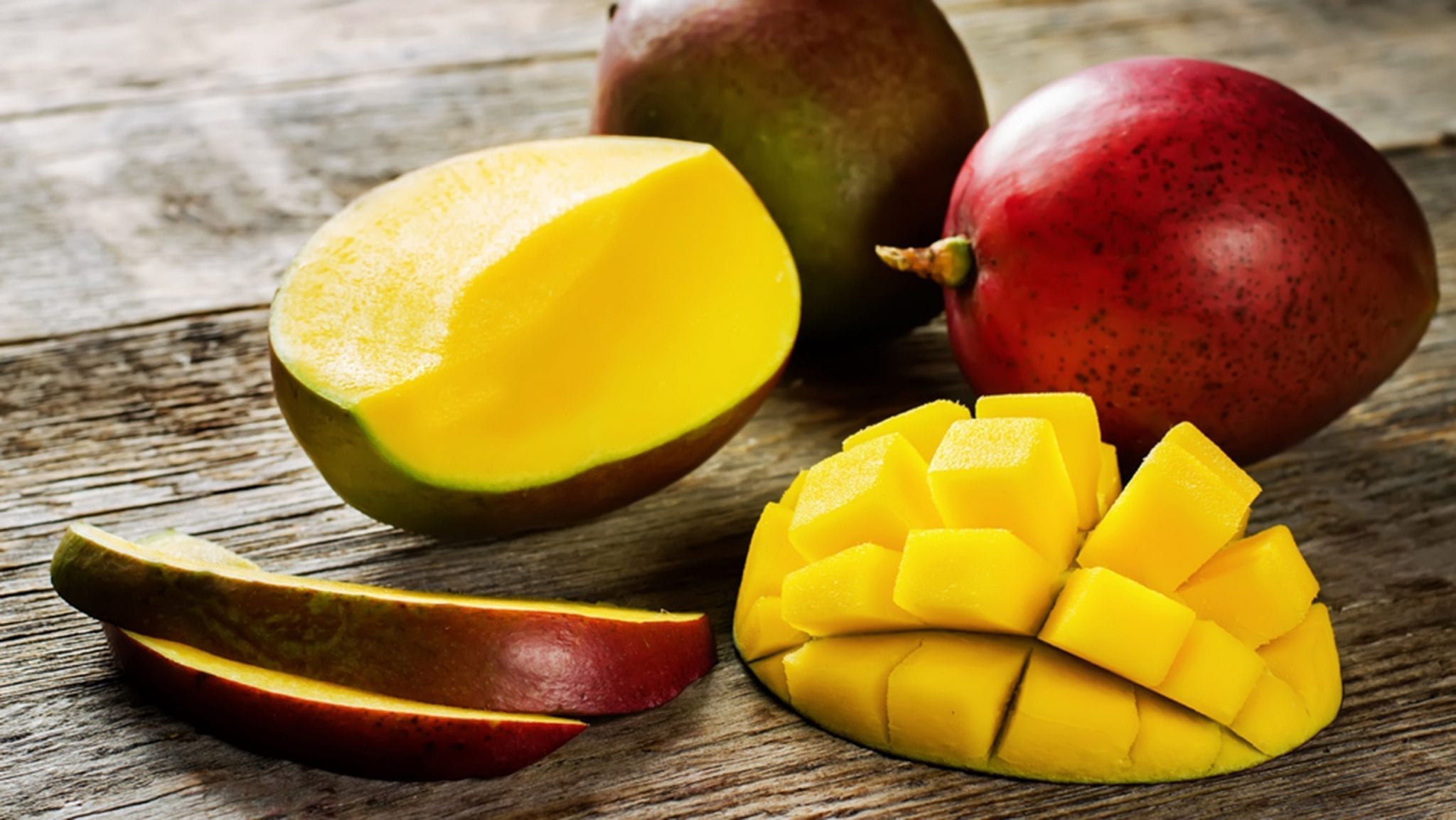
    The Mekong Delta’s renowned Hoa Loc mangoes are currently being sold at a retail price of VND200,000 (US$7.70) per kilogram, reflecting a surge of 33% compared to the previous year, primarily due to a supply shortage.

    Market Dynamics

    Several retail stores in Ho Chi Minh City (HCMC) have reported difficulties in procuring sufficient quantities of this fruit, which is a traditional component of the Tet (Lunar New Year) fruit tray. As the New Year approaches, larger and more attractive fruits are being sold out rapidly, despite their steep prices.

    Nguyen Thi Loan, a fruit store owner located in the An Hoi Dong Ward of the city, revealed that her daily sales have dropped to approximately 150 kilograms compared to last year’s 200 kilograms during the same period. The availability of other mango varieties has also decreased, subsequently pushing their prices upwards.

    Weather Impact and Export Priorities

    Unfavorable weather conditions have hampered timely fruit-bearing in many large orchards, contributing to the supply-demand imbalance. Nguyen Thi Hong, a mango grower with over a hectare of land in the Mekong Delta province of Dong Thap, claimed that Hoa Loc yields have declined by 20-30% compared to the previous year.

    This reduction in output has inflated both farm-gate and wholesale prices. For instance, at the Thu Duc agricultural wholesale market in HCMC, mango prices have skyrocketed by over 60% since the last Tet, reaching VND130,000 per kilogram.

    A manager at the market also indicated that certain businesses are prioritizing their export orders, thereby intensifying the local supply crunch.

    Questions & Answers

    Why have the retail prices of Hoa Loc mangoes increased significantly?
    The prices have escalated due to a supply shortage, which has resulted from unfavorable weather conditions and lower yields.

    What other factors are contributing to the rise in the prices of these mangoes?
    In addition to the supply-demand imbalance, some businesses are prioritizing their export orders over local supply, leading to a further increase in prices.

    How has this affected the traditional Tet fruit tray?
    The scarcity of Hoa Loc mangoes and their high prices have led to a reduction in sales, impacting the traditional Tet fruit tray which typically includes these mangoes.

  • Australian Kensington Pride Mangoes Skyrocket in Vietnam: 7.5 Times Costlier than Local Produce

    Australian Kensington Pride Mangoes Skyrocket in Vietnam: 7.5 Times Costlier than Local Produce

    Kensington Pride mangoes, originally from Australia, have been on sale in Vietnam at an astounding price — VND600,000 (US$22.8) per kilogram, which is 7.5 times more than the price of the local variety. A store owner in Dinh Bo Linh Street, located within the Binh Thanh Ward of Ho Chi Minh City (HCMC), revealed that a seven-kilogram box of these mangoes could bring in a whopping VND 3.7 million.

    Importing Exotic Fruits

    The store owner started importing these mangoes just recently, in late October, and has been conservatively buying only five boxes at a time due to the steep costs of transportation and storage. The Kensington Pride mangoes are characterized by their weight, approximately 500-600 grams per fruit, and their firm flesh and high sugar content that accounts for their exceptional sweetness.

    Similarly, an employee from a store in Hanoi’s West Lake region, which also sells the fruit at the same high price, mentioned that these mangoes need to be kept chilled at all times, which further adds to their cost.

    The Allure of Australian Mangoes

    The Australian mango variety, known for its brilliant golden flesh and gentle aroma, is primarily imported to Vietnam via air. It is also widely cultivated in the Mekong Delta region, specifically in the Tien Giang and Dong Thap provinces along with the Can Tho city. The locally grown variety is sold for VND20,000-25,000 per kilogram at the farm gate and VND80,000 at retail stores.

    In Australia, these mangoes flourish in dry climate regions like certain parts of Queensland and the Northern Territory. The harvest typically happens between October and December. Major Australian supermarkets such as Woolworths, Coles, and Harris Farm usually sell these mangoes for $6.7-8 per kilogram.

    Surge in Fruit and Vegetable Imports

    According to statistics from the customs department, the import of fruits and vegetables from Australia to Vietnam surpassed $100 million in the first nine months of this year, marking a 27% increase from the previous year. Mangoes, followed by cherries, grapes, mandarins, and oranges were the most imported items, each carrying a hefty price tag in Vietnam.

    Questions & Answers

    Why are Kensington Pride mangoes so expensive in Vietnam?
    The high cost is due to the import and cold storage charges, which makes the fruit more expensive than the local variety.

    What makes Kensington Pride mangoes different from other varieties?
    These mangoes are known for their bright golden flesh, mild aroma, and a distinct sweetness. They are also larger in size, weighing approximately 500-600 grams per fruit.

    Which fruits are the most imported from Australia to Vietnam?
    Mangoes top the list, followed by cherries, grapes, mandarins, and oranges. They all carry a high price tag in Vietnam due to import costs.

  • Spanish Retail Giant Mango Suffers Data Breach: Customer Marketing Data Compromised

    Spanish Retail Giant Mango Suffers Data Breach: Customer Marketing Data Compromised

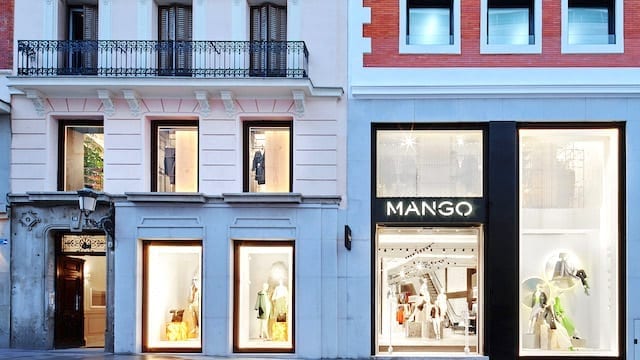
    Mango, a global fashion retail corporation based in Spain, has recently announced a data breach. An external marketing service provider affiliated with the retailer experienced an unauthorized intrusion, compromising customer data.

    Details of the Data Breach

    On October 15, Mango informed its customers via email about the data breach incident. The breach compromised certain customer information used for marketing purposes. This included data such as first names, countries, postal codes, email addresses, and phone numbers.

    The company was quick to reassure customers that the breach did not involve financial information, passwords, or other identification details.

    Mango’s Response to the Breach

    Mango emphasized the continued security of its infrastructure and internal corporate systems. It also confirmed that the company’s operations are continuing uninterrupted.

    Upon learning about the breach, Mango immediately implemented all its security protocols. The company has also reported the issue to the Data Protection Agency and the Authorities, in accordance with current regulations and their internal protocol.

    As a precaution, Mango sent out a notice to its customers about the breach. It advised customers to be vigilant for suspicious emails or phone calls asking for personal information or prompting them to take unusual actions.

    Contacting Mango

    Clients who have any concerns about the breach can reach Mango’s customer service at [email protected]. Alternatively, they can make a direct phone call to +34 93 860 24 24.

    In closing, Mango expressed regret for the incident. The company conveyed their sincere apologies for any inconvenience caused by the situation.

    Questions & Answers

    What kind of customer data did the breach compromise?
    The breach compromised data used for marketing purposes, including customers’ first names, countries, postal codes, email addresses, and phone numbers.

    Did the breach involve any financial or identification information?
    No, the breach did not involve any financial information, passwords, or other identification details.

    What steps has Mango taken in response to the breach?
    Mango has implemented all its security protocols and reported the issue to the Data Protection Agency and the Authorities. The company has also advised customers to be alert for suspicious emails or phone calls.

  • Mekong Delta Mango Prices Surge 50%, Exciting Retail Opportunities Await!

    Mekong Delta Mango Prices Surge 50%, Exciting Retail Opportunities Await!

    In Hon Dat Commune of An Giang Province, mango prices are taking a significant leap, with traders now paying between VND40,000 and VND60,000 (US$1.5-2.2) per kilogram at the farm gate. This marks an increase of VND15,000 to VND20,000 since the beginning of the year, offering farmers a profit margin of VND10,000 to VND20,000 ($0.4-0.8) per kilogram.

    However, the sweet fruit is becoming scarcer. Nguyen Thanh Do, director of the Hon Dat Hoa Loc Mango Cooperative, indicates that off-season mango harvests have dropped by 20%. Heavy rains have not only diminished the fruiting rate but also impacted the overall quality. “Many households have no mangoes left to sell, as they are preparing to induce flowering for the Lunar New Year crop. This has led to a short supply and rising prices,” he explained.

    Costs for maintaining mango trees have also surged, reaching VND35,000 to VND40,000 ($1.3-1.7) per kilogram between August and October. Meanwhile, some farmers are pivoting away from mangoes altogether, opting for more lucrative crops like jackfruit and durian.

    A Taste of Luxury in HCMC

    In Ho Chi Minh City, the prices for Hoa Loc mangoes have climbed even higher, retailing for VND80,000 to VND140,000 ($3-5.3) per kilogram, the highest recorded this year. Hanh, a fruit shop owner in An Hoi Dong Ward, notes that first-grade mangoes cost around VND100,000 to VND110,000 ($3.9-4.1) at wholesale markets, and she sells them for VND120,000. At Ba Chieu Market, shop owner Hoang Anh claims mangoes have now claimed the title of the most expensive local fruit.

    Weaving through the market, you might find organic mangoes pre-ordered at an eye-popping VND180,000 to VND200,000 ($6.8-7.6) per kilogram—a price that could make even die-hard mango lovers pause for a moment. Nevertheless, the low supply at the Thu Duc wholesale market coincides with a spike in demand, particularly as customers scrambled to buy fruits for ancestral offerings during the Ghost Festival on September 6.

    Export Predictions Shine Bright

    Premium retail chains showcase Chu Chin-branded Hoa Loc mangoes priced at VND189,000 ($7) per kilogram. Nguyen Dinh Tung, CEO of Vina T&T Group, noted that while Vietnamese mango exports to the U.S. remain steady, the current scarcity of high-quality fruits has pushed prices even higher. “Hoa Loc mangoes are particularly challenging to preserve and are mostly sent by air to maintain their quality, which significantly raises costs,” he added. However, he anticipates a rebound in supply and exports as the main mango season arrives next month.

    In the first seven months of the year, Vietnam netted USD265.9 million from mango exports, with fresh mangoes contributing USD189.7 million—a rise of 12.2% compared to the previous year, as reported by the Vietnam Fruit and Vegetable Association. The nation cultivates over 114,000 hectares of this beloved fruit, predominantly located in the Mekong Delta, with An Giang accounting for more than 12,000 hectares, half of which is in Cho Moi District.

    Questions & Answers

    How have mango prices changed recently in Vietnam?
    Mango prices have increased significantly, with traders in An Giang Province now paying VND40,000-60,000 (US$1.5-2.2) per kilogram at the farm gate, up from earlier this year.

    What factors are contributing to the rising mango prices?
    The decline in output due to heavy rains affecting the fruiting rate and quality, alongside a shift by some farmers towards more profitable crops, has led to a decrease in supply and consequently higher prices.

    What is the current status of Vietnamese mango exports?
    Vietnamese mango exports to the U.S. are steady, but high-quality mangoes are currently scarce, driving prices up. The country earned USD265.9 million from mango exports in the first seven months, marking a year-on-year increase of 12.2%.

  • Celsius Celebrates First Aussie Anniversary With New Sparkling Mango Lemonade Flavor

    Celsius Celebrates First Aussie Anniversary With New Sparkling Mango Lemonade Flavor

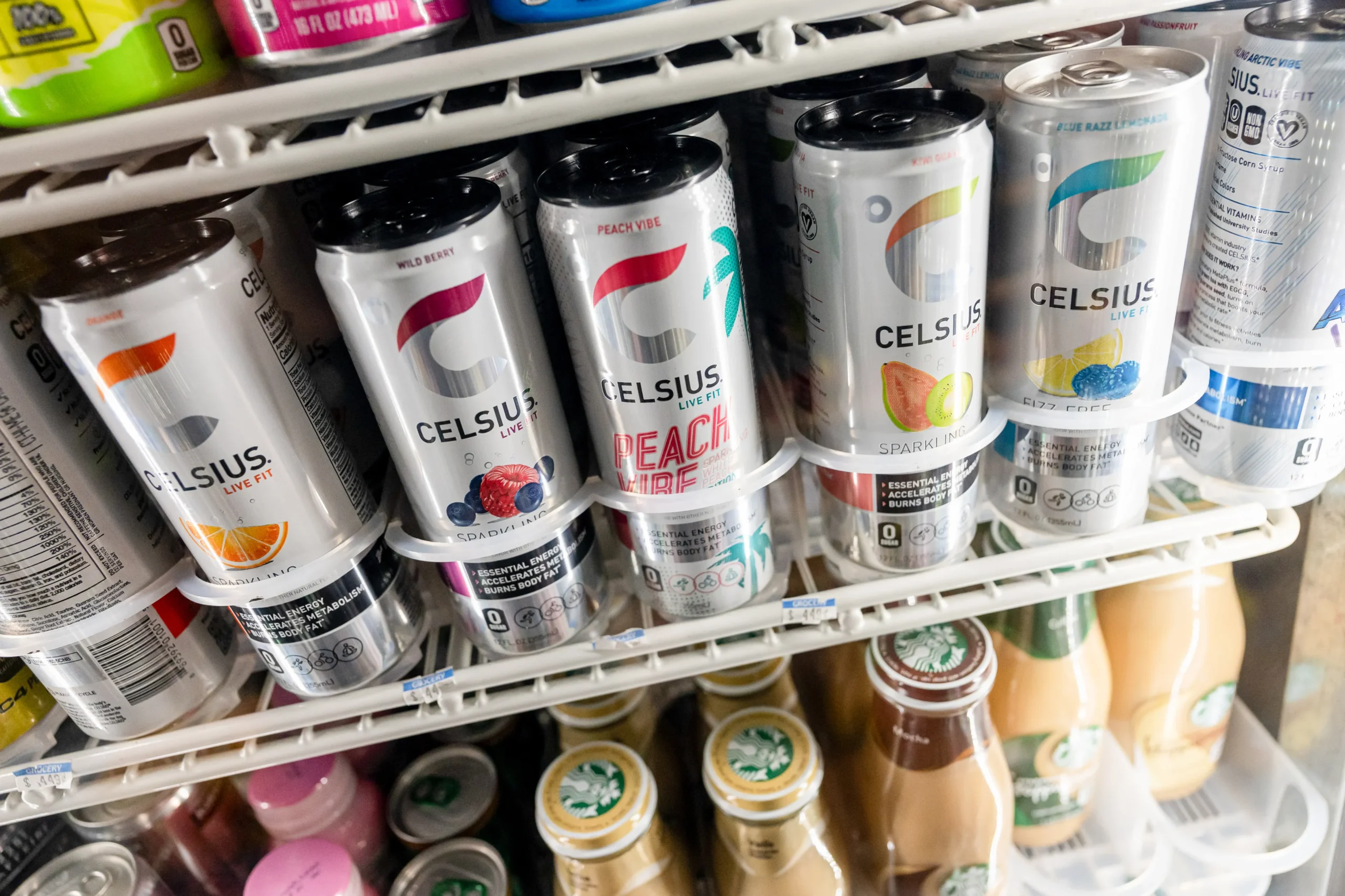
    This year, Celsius, the Swedish energy drink brand, is celebrating its first anniversary in the Australian market by launching a new flavor, Sparkling Mango Lemonade.

    Sparkling Mango Lemonade: A Fusion of Flavors

    The newly introduced Sparkling Mango Lemonade merges the exotic taste of mango with the tanginess of lemonade, resulting in a refreshing and invigorating beverage. As with all Celsius products, this new concoction is not only delicious but also health-conscious, containing B vitamins and being entirely free of sugar.

    As described by Andrew Brooks, the head of marketing for ANZ at Celsius, the Sparkling Mango Lemonade encapsulates the essence of summer. “Whether you’re pursuing the warm sun or in search of a tropical boost, this flavor imbues the vivacity and vitality required to keep moving,” he said.

    Nationwide Availability

    For those eager to try this new offering, the Celsius Sparkling Mango Lemonade is conveniently available in convenience stores, service stations, and Woolworths outlets across Australia. The suggested retail price of this new flavor is $4.

    Questions & Answers

    What is the new flavor introduced by Celsius in Australia?
    The company has launched a new flavor, Sparkling Mango Lemonade, to mark its first anniversary in the Australian market.

    What are the unique features of this new flavor?
    The Sparkling Mango Lemonade combines the taste of mango and lemonade. It also includes B vitamins and is completely sugar-free.

    Where can one buy Celsius Sparkling Mango Lemonade in Australia?
    The drink is available at convenience stores, service stations, and Woolworths stores nationwide.

  • Former H&M CEO, Helena Helmersson, Joins Mango’s Board In Strategic Sustainability Shift

    Former H&M CEO, Helena Helmersson, Joins Mango’s Board In Strategic Sustainability Shift

    The Spanish fashion giant, Mango, has recently announced the addition of Helena Helmersson to its board of directors as an independent member. This move is designed to enrich the corporate governance of the company through a management approach directed by seasoned expertise.

    Helmersson, a distinguished professional, brings to the table an extensive international perspective and vast experience within the fashion industry. Mango’s CEO and Chairman, Toni Ruiz, expressed his confidence in her ability to steer the company towards greater success.

    Helmersson’s illustrious career in the fashion industry spans over two decades, during which she gained considerable experience in global operations, production, and sustainability. Her past roles include serving as the CEO of H&M and holding board positions at companies such as On and Quizzr. Currently, she holds the position of Chairperson at Circulose.

    Helmersson expressed her enthusiasm about joining Mango, praising the brand’s ambitious plans for development and global expansion. She recognizes and appreciates Mango’s commitment to leading sustainability practices in the industry and is excited to contribute to the future success of the company.

    Her appointment to Mango’s board is an integral part of the company’s 2024 to 2026 strategic plan, known as the 4E. This plan is set to shift the company’s focus towards innovation and sustainability while simultaneously aiming to increase sales through broadened realms of operation.

    Questions & Answers

    Who has recently been appointed to the board of directors at Mango?
    Helena Helmersson has been appointed as a new independent member of the board of directors at Mango.

    What is the purpose of Helena Helmersson’s appointment to the board of directors at Mango?
    Her appointment is intended to strengthen the company’s corporate governance structure through her expert-led management approach.

    What does Mango’s 2024 to 2026 strategic plan entail?
    The 4E strategic plan aims to shift the company’s focus towards innovation and sustainability while boosting sales through expansion.

  • Vietnam Surpasses Thailand and Australia, Claiming Leading Role in China’s Mango Market

    Vietnam Surpasses Thailand and Australia, Claiming Leading Role in China’s Mango Market

    China has dramatically increased its mango imports, with a staggering year-on-year rise that brought the total to US$29 million, as reported by China customs. This surge is primarily due to the country’s insatiable appetite for tropical fruits, coupled with a domestic supply shortage.

    Mango Import Landscape

    Among the six countries supplying mangoes, Vietnam emerged as the standout performer, enjoying a remarkable growth rate. While Cambodia, Peru, Australia, Thailand, and the Philippines experienced stagnation or decline, Vietnam’s mango exports skyrocketed to around US$28 million—a whopping 145-fold increase from the previous year. The average price per ton also saw a substantial rise of nearly 73%.

    Thailand’s position as a major mango exporter to China has dwindled significantly, dropping to fifth place with a drastic 70% decline in shipments, valued at just US$65,000. This shift highlights Vietnam’s competitive advantage in accessibility, thanks to low logistics costs and its geographical proximity to China.

    Quality and Affordability

    The Vietnam Fruit and Vegetable Association emphasizes that Vietnamese mangoes are distinguished by their quality and affordability, appealing to the modern Chinese consumer. Local varieties like Hoa Loc and Cat Chu are particularly favored for their rich flavors. A spokesperson for the association noted, “These varieties resonate deeply with Chinese tastes.”

    Experts attribute Vietnam’s vibrant market presence to its pricing strategy. Vietnamese mangoes average around $700 per ton, in stark contrast to competitors that charge between $6,000 and $11,000 per ton, such as Thailand, Peru, Australia, and the Philippines.

    Demand and Seasonal Dynamics

    China’s soaring demand for mangoes—both for fresh consumption and processing—has created an essential need for imports, especially during off-seasons. Vietnam, producing about one million tons of mangoes annually, meets not only the needs of China but also markets in the U.S., South Korea, Japan, and the Netherlands.

    The Mekong Delta’s nearly 2,000 hectares of mango orchards certified under global standards are pivotal in fulfilling China’s stringent requirements. Notably, Vietnam’s off-season production from September to March fits perfectly with China’s deficiency during these months, allowing top-grade mangoes to fetch impressive prices, reaching up to VND100,000 per kilogram.

    Yet, as this month marks the onset of China’s domestic mango season, the demand for Vietnamese mangoes has sharply declined, resulting in steep price drops to just a few thousand Vietnamese dong per kilogram (a mere few U.S. cents). One could say, “The mango may be king, but even royalty can face a fall from grace!”

    Questions & Answers

    **Which country significantly increased its mango exports to China?**
    Vietnam has seen its mango exports soar, with a 145-fold increase year-on-year.

    What factors contribute to the popularity of Vietnamese mangoes in China?
    Their high quality, favorable pricing, and the appealing flavors of local varieties make them particularly attractive to Chinese consumers.

    How does the domestic mango season in China affect Vietnamese mango prices?
    As China’s mango season begins, the demand for Vietnamese imports plummets, leading to significant drops in prices.

  • Australian Mango Prices Plunge 80% in Vietnam, Now Selling for Just 20 Cents per Kilogram!

    Australian Mango Prices Plunge 80% in Vietnam, Now Selling for Just 20 Cents per Kilogram!

    In the heart of Khanh Hoa province, Vo Xuan Hien, a 60-year-old mango farmer, is grappling with a bitter irony: ripe mangoes are falling from his trees, yet his profits have vanished. The price slump has plunged to a mere VND5,000–8,000 (20-30 U.S. cents) per kilogram, a stark contrast to VND30,000 just a year ago. With the thought of unharvested fruit weighing heavily on his mind, Hien, who once enjoyed an annual income of VND400 million with a 50% profit margin, now only hopes to break even.

    “In my eight years of growing mango, this is the first time I am experiencing both a poor harvest and low prices,” he lamented, reflecting the turmoil facing many in his district. Cam Lam District, home to around 7,000 hectares of mango orchards, including 4,000 hectares dedicated to the Australian variety that has flourished in Vietnam since 2003, is at a tipping point. If left unharvested, thousands of tons of mangoes are set to rot within two weeks.

    Rethinking Demand in a Changing Market

    The plummeting prices can be traced back to a significant drop in demand from China, the traditional powerhouse in mango imports from this region. Huynh Uy Vien, the district’s vice chairman, highlighted that China’s increased domestic mango production has lessened its need for imports, leaving local farmers in dire straits. As a result, many of the mangoes are now sold locally or converted into dried products and juice.

    “Our farmers are facing a critical situation—up to 1,800 tons of mango are ripe and ready for harvest yet remain unsold, and the prices are now below production costs,” he added, revealing the desperate need for intervention. His office is actively collaborating with supermarkets and retail chains to boost local consumption, but the damage has already been done for many farmers.

    Local farmer Thao expressed her frustration, noting that prices have nosedived over the last month, leaving her expected losses at VND100 million. “Ripe mangoes are falling, and traders are paying dirt-cheap prices,” she said, encapsulating the despair shared among growers.

    Turning Dilemmas into Opportunities

    Amidst the turmoil, opportunities for processing mangoes are emerging. Dang The Thuyen, CEO of local processing company Camlamonline, remarked that unfavorable weather has led to a decline in the quality of many fruits. Still, he’s committed to supporting farmers by purchasing 100 tons this month for dried mango production. “We plan to buy more to help farmers recoup some of their investments,” he said, signaling a glimmer of hope amidst the challenges.

    The situation is dire, yet as the saying goes, sometimes when it rains, it pours—just not the kind of rain that helps mangoes thrive!

    Questions & Answers

    What has caused the recent drop in mango prices?
    A significant decrease in demand from China, which has ramped up its own mango production, has led to lower prices for exported mangoes from Khanh Hoa.

    How are local farmers responding to this crisis?
    Farmers like Vo Xuan Hien and Thao are struggling with unharvested crops and losses, with many resorting to selling their mangoes at unsustainable prices.

    What measures are being taken to address the situation?
    Local government officials are working to enhance domestic consumption by partnering with supermarkets and retail chains, while some processing companies are stepping in to buy mangoes to support farmers.

  • Breaka and Weis partner to launch Queensland inspired milk flavour

    Breaka and Weis partner to launch Queensland inspired milk flavour

    Unilever Australia’s Weis and Queensland-flavoured milk Breaka have collaborated to launch Breaka Weis mango and cream-flavoured milk. 

    “We’re thrilled to see two iconic Aussie brands come together to offer Queenslanders a delicious category exclusive,” said Juliette Fleming, Unilever Australia’s senior brand manager for the snacking and refreshment portfolios. 

    “The new Breaka Weis Mango & Cream flavoured milk is a refreshing tribute to our sunny state’s vibrant flavours and our shared Queensland heritage”. 

    The collaboration was delivered by fashion and food brand development and extension agency, Asembl. 

    “A true flavour of Queensland fun, the Breaka Weis Mango & Cream flavoured milk is a very exciting first flavour collaboration between Unilever Australia’s Weis brand and Breaka,” said Asembl MD Justin Watson. 

    “The Breaka Weis Mango & Cream flavoured milk is a limited-edition, low-fat, flavoured milk that tastes just like the sunny state of Queensland.” 

    The new flavour, inspired by Weis’ Mango and Ice cream bars, is available at grocery and convenience stores across Queensland. 

  • Chinese mangoes sell for 20-30% cheaper than local varieties

    Chinese mangoes sell for 20-30% cheaper than local varieties

    Mangoes imported from China are selling fast in wet markets in HCMC for VND40,000-50,000 (US$1.58-1.98) per kilogram, 20-30% cheaper than local products.

    This year, traders are importing a new type of mango from China that resembles a crow’s beak, in addition to the usual varieties.

    Thanh, a fruit seller, said she has been selling up to 100 kilograms of the new product per day.

    Hang, who runs a fruit stall on Go Vap District’s Pham Van Chieu Street, noted that she procures about 30 kilograms of various Chinese mangoes daily, often sold out by noon.

    Nguyen Binh Phuong, the company’s sales director that runs the city’s Thu Duc Agricultural Product Market, said the wholesale market has imported 631 tons of Chinese mangoes.

    Thanh, a wholesaler in HCMC’s Thu Duc City, said that imported mangoes are attracting buyers due to their variety and competitive prices.

    “With low prices and good quality, Chinese mangoes are popular due to their eye-catching color and flavor. I wholesale dozens of tons every day,” she said.

    Loan, a mango farmer in Dong Thap Province, explained that Vietnamese varieties are more expensive this year due to lower output.

    Demand in export markets is rising, so businesses are also purchasing more local mangoes, driving up prices, she said. Prices are expected to stabilize in September when the new mango season begins.

    According to the General Department of Customs, Vietnam imported $400 million worth of fruits from China in the first half of 2024, up 28% year-on-year, with mangoes, plums, apples, and pears seeing a huge surge in imports.

  • Spain’s Mango plans U.S. expansion after China retreat

    Spain’s Mango plans U.S. expansion after China retreat

    Chief Executive Officer Toni Ruiz said that Spanish fashion retailer Mango is focusing on U.S. expansion after turning its back on China.

    After two previous attempts failed, mango is returning to the United States to offer higher-priced clothes meant for special occasions and parties. It will target states where online sales are already strong.

    The brand is already gaining more recognition in the U.S., dressed actress Amber Valletta for the Oscars after-party on Sunday, Ruiz told Reuters.

    “Something has changed,” he said in an interview at the company’s headquarters near Barcelona. “They now have a different and better perception of European brands.”

    Mango’s U.S. relaunch began with opening a flagship store on New York’s Fifth Avenue in May 2022. That was followed by expansion in Florida. This year, it will open stores in Texas, Georgia and California.

    The company hopes to have 40 stores in the U.S. by 2024, compared with 10 at present. That would place the U.S. in its top five global markets.

    Growth will be supported by the extension of a logistics centre in Catalonia, allowing it to shift 160 million items a year to serve shops and online customers globally, the company said.

    In contrast, Mango closed its remaining two stores in China last year. It maintains four franchise outlets and online sales through Alibaba’s Tmall e-commerce platform.

    “We are divesting in China,” said Ruiz. “We find it unattractive and have decided that it is not the priority for the next three years.”

    Mango reported record sales last year, helped by selling more items at higher prices. Its biggest rival, Inditex-owned label Zara, is expected to report record sales on Wednesday, partly due to its aggressive U.S. expansion.

    The recent aggressive entry of Chinese fast-fashion brands Shein and Temu into the same market is not a concern for Mango, said Ruiz.

    “It’s not our war,” he said. “If you were fighting with these brands you would be constantly lowering prices.”

  • Mango export to South Korea rises

    Mango export to South Korea rises

    Vietnam exported 1,700 tonnes of mango to South Korea for $7.4 million over the past 11 months of 2022, up 19% in volume and 25% in value year-on-year, according to the Agency for Foreign Trade under the Ministry of Industry and Trade.

    These figures helped Vietnam become the third largest mango supplier for the South Korea in the period, the agency said, adding that the average export price of Vietnamese mangoes hit over $4,230 per tonne, 5% higher than that of the same period in 2021.

    The agency also cited statistics from the Korea International Trade Association (KITA) as saying that this country’s mango import in the 11-month period reached 22,000 tonnes, worth $95.3 million, marking yearly rises of 4% in volume and 8% in value.

    Thailand and Peru were the two largest mango suppliers for the South Korea in the period, accounting for 81.2% of this country’s total mango imports.

    According to the department, Korea has a high demand for fresh fruit. Each year, the market imports over $1.6 billion worth of fresh fruit and this number has been growing significantly.

    However, Vietnam’s fresh fruit now makes up a very modest market share in the South Korea. Therefore, there remains room for Vietnamese firms to foster their exports of fresh fruits, typically mangoes to this market.

    In order to promote exports to this market, trade experts recommend that businesses needed to improve their competitiveness and product quality. This was the core element to meet the increasingly strict requirements of the Korean market.

    In addition, enterprises were advised to develop appropriate production and business plans, actively operate according to the market mechanism and have solutions to participate in the production chain and distribution network of Korean enterprises. That would help businesses take advantage of their strengths, their brand, as well as their development experience in the market.

  • First Vietnamese pomelo exported to US

    First Vietnamese pomelo exported to US

    Pomelo became the seventh Vietnamese fruit to be officially exported to the U.S. Monday with the first 100 tons being transported from the southern province of Ben Tre.

    The batch is split into six containers. Four of them will be exported by air and two by sea.

    Deputy Minister of Agriculture and Rural Development Tran Thanh Nam said at the announcement ceremony Monday that the U.S. is one of the most difficult markets in the world but has large demand for fresh fruits.

    He added that Americans consume about 12 million tons of fruits annually, with 30% of them imported.

    The exported pomelo must come from the 36 growing areas in Vietnam that have been registered with U.S. authorities.

    They span 752 hectares, or 0.71% of Vietnam’s total pomelo growing area.

    Many measures must be strictly taken to ensure the fruits are clean and healthy.

    Ben Tre Province Chairman Tran Ngoc Tam said that of the seven Vietnamese fruits that are exported to the U.S., the province has three: pomelo, longan and rambutan.

    Other fruits that have been approved for official U.S. exports are mango, dragon fruit, star apple and lychee.

  • Mango introduces ‘New Med’ concept store to Asia

    Mango introduces ‘New Med’ concept store to Asia

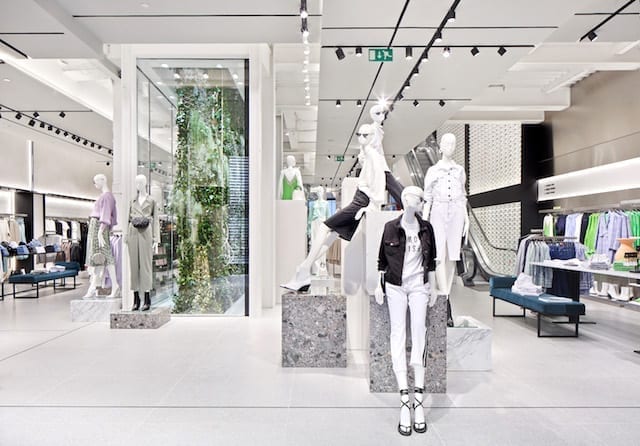
    As part of its new store opening in Singapore, Spanish retailer Mango has debuted its ‘New Med’ concept for the first time in Asia, as it continues to follow through on its international expansion.

    The new 500 square metre space adds to its growth in the region, with it now operating 10 stores in Singapore following a number of openings in April this year.

    It comes as the brand celebrated 30 years of “international expansion” in 2022, as it continued to report on accelerated growth of development abroad.

    In a release, Mango said it will round out the year with around 270 new stores worldwide, bringing its retail network to approximately 2,600 stores across all five continents.

    Speaking on the topic, the company’s expansion director, Daniel López, said: “We are celebrating 30 years of international expansion by strengthening our commitment to Asia, one of the most important markets in the company’s internationalisation strategy and one in which we want to continue growing in the future.”

    Mango initially launched in the continent in 1995 with store openings in Singapore and Taiwan.

    It now currently operates over 450 stores in Asia, including company-owned locations and concessions in department stores.

    Among its presence in the region, Mango counts India as one of its key focuses for international expansion, with it opening 33 stores in the country between 2021 and 2022.

    In Europe, the retailer has also committed to developing in markets such as France, Italy and the UK, while outside its key expansion markets include the US and Canada.