Retail News CRM

Tag: mango

  • Two more Kuala Lumpur malls opening

    Two more Kuala Lumpur malls opening

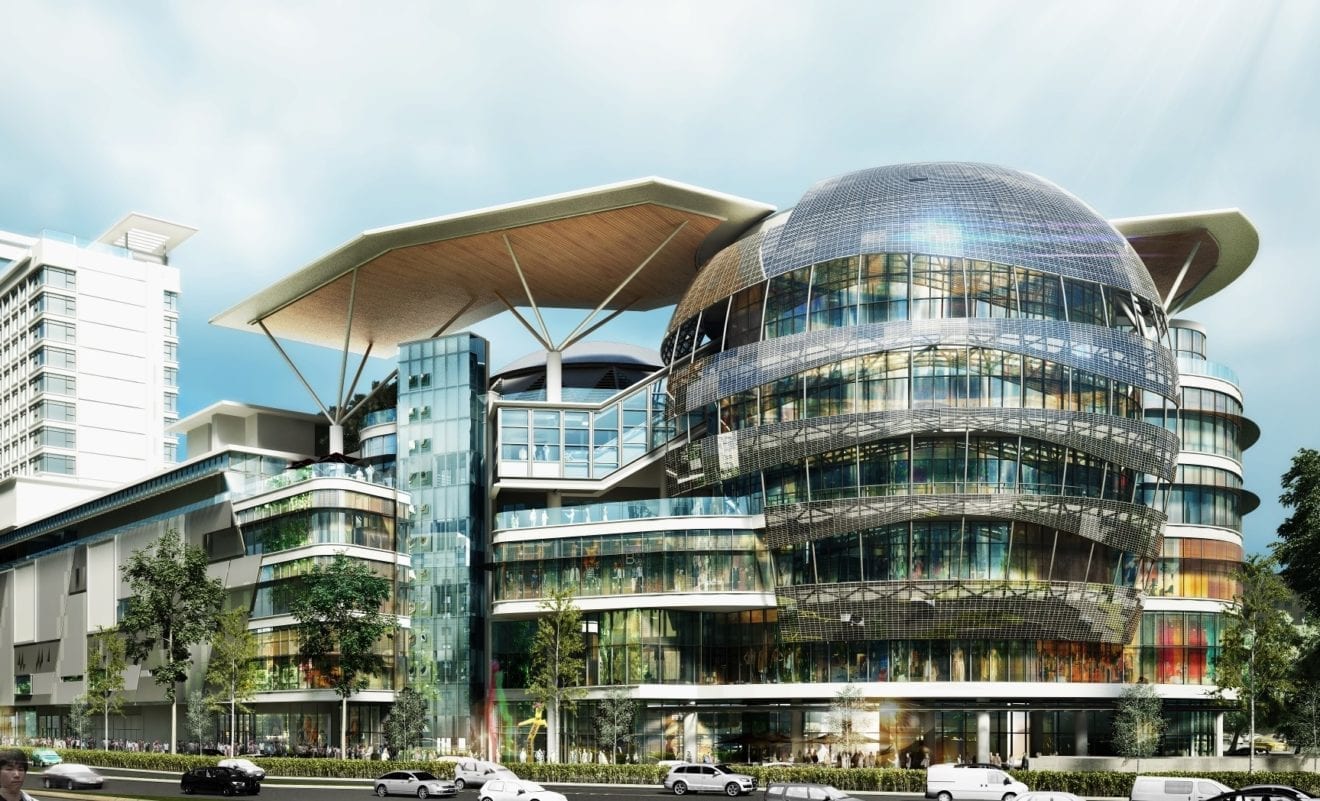
    Two Kuala Lumpur malls, collectively offering more than 2 million sqft (185,806 sqm) in net lettable area, will open in Cheras, Klang Valley, by the end of the year.

    Moreover, the MyTown Shopping Centre (below picture) and Sunway Velocity Mall (above picture) will be just 800m away from each other.

    Cheras already has the Aeon Maluri shopping centre and Cheras Leisure Mall, with The Tun Razak Exchange also on the horizon, reports The Star.

    MyTown is being developed by Boustead Ikano while Sunway Velocity Mall is a Sunway Groupproperty. MyTown will be structurally linked to Ikea Cheras, the largest outlet mall in Malaysia.
    With a population of 800,000 people, Cheras is an “ample market”, says Sunway Shopping Malls & Theme Parks CEO HC Chan.

    myTown mall Malaysia

    “Fundamentally, the real issue is the absence of lifestyle and experiential malls in Cheras – Sunway Velocity Mall fills this void. I am looking from a quality rather than a quantity perspective… we are addressing this from multiple angles.”

    Boustead Ikano GM Jo Hogsander agrees there is demand for more retail space, especially in Cheras. He says that when the MRT line opens it will ease traffic congestion and boost accessibility to the mall.

    “Game changer”

    Chan also sees the MRT as a “game changer”. “Two out of six MRT stations in Cheras will serve Sunway Velocity, which translates to a capacity of about 400,000 passengers a day.”
    He says Sunway Velocity Mall would not only compete, but also complement the MyTown Shopping Centre.

    “Competition is healthy, but in the longer term we will complement each other. Just look at the Bukit Bintang area and the number of malls there. It’s thriving because it gives consumers a choice.”
    Despite the number of malls in the Klang Valley, Hogsander says they are still crowded, even on a weekday afternoon.

    “I went to our competitors on a Thursday afternoon and couldn’t find a parking space. I then went to another competitor and had to do laps to find parking – and these are big shopping centres with more than 6000 parking bays.”

    Sunway Velocity Mall and MyTown Shopping Centre will open on October 28 and November 15 respectively, 18 days apart. Both malls boast 6500 parking bays.

    Sunway will have a NLA of 1 million sqft and accommodate 500 shops, while MyTown will have 460 stores on 1.1 million sqft of space.

    Sunway Velocity Mall’s anchor tenants include Harvey Norman, Parkson, TGV Cinemas and Toys’R’Us, while MyTown has secured such brands as Golden Screen Cinema, Mango, Uniqlo and Village Grocer.
  • Zara Vietnam flagship nearly ready

    Zara Vietnam flagship nearly ready

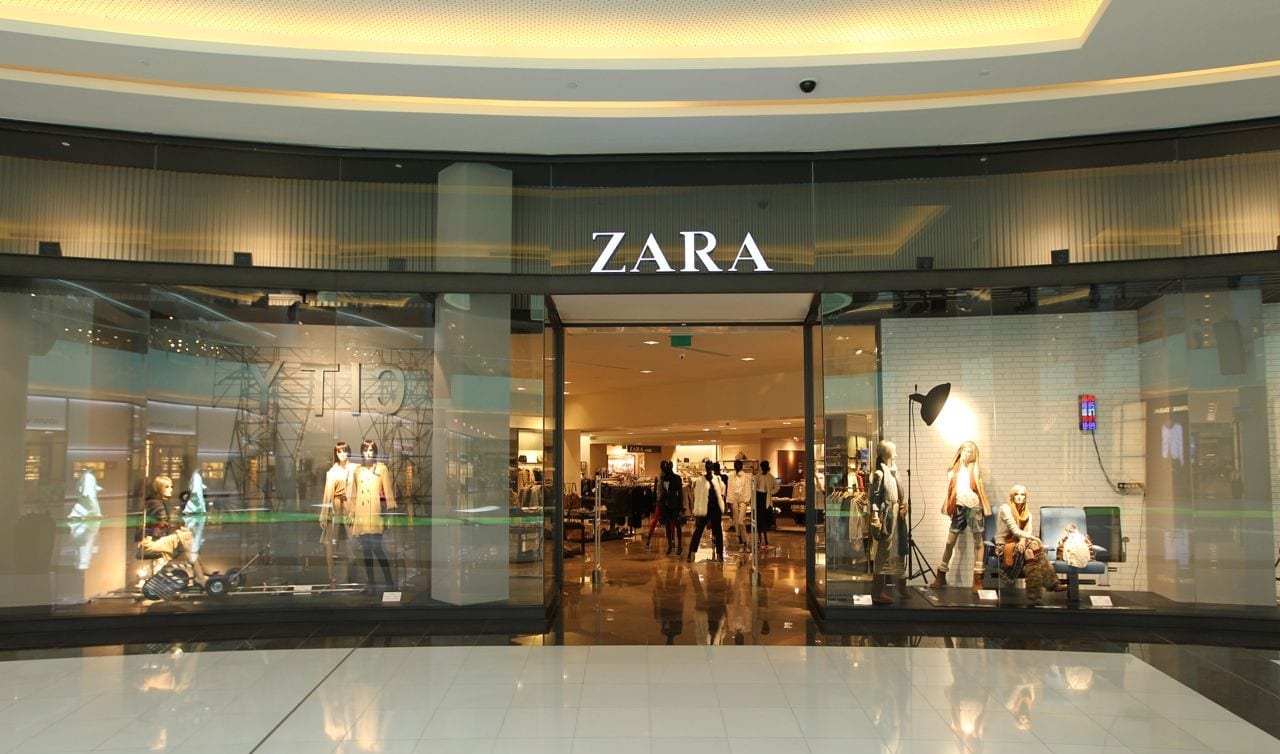
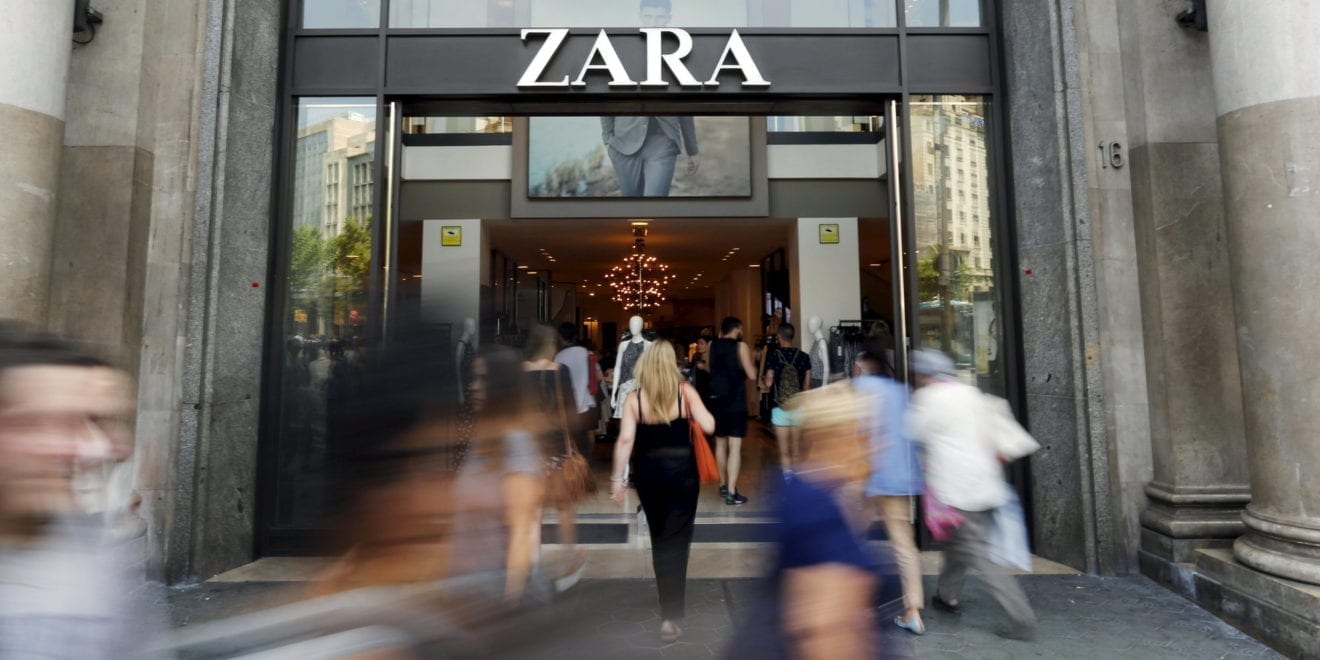
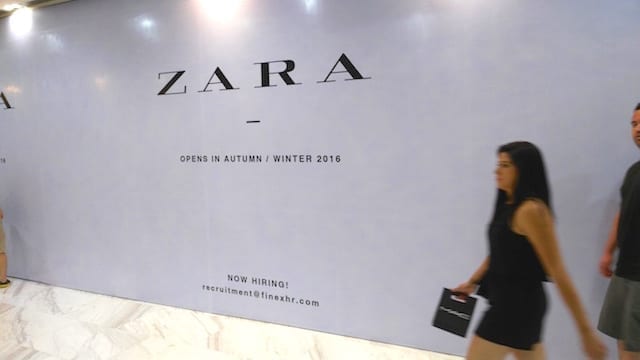
    Zara Vietnam’s flagship store is taking shape at Vincom shopping mall in Ho Chi Minh City, and is expected to open soon.

    The Spanish fast-fashion brand announced in May that it would expand to Vietnam this summer, setting its debut store’s opening date for this month. However, posters in the city say the store opening is next month. It is expected the store will have two storeys.

    Zara-Vietnam

    Fast-fashion brands are popular in Vietnam, and Zara has a huge customer base there. After ordering online and having items brought in from overseas, Vietnamese customers have been eagerly anticipating the arrival of its stores.

    However, the brand would need to look at its pricing. Vietnamese consumers have found that while some brands are considered economical in the West, once they enter Vietnam their prices double or even triple, with Mango and Topshop typical examples.

    Mango Mega store VN

    Zara is aiming to open up to 360 stores globally this year, and in Vietnam is sharing the market with other international fashion like Gap, Nine West and Ralph Lauren.

    Meanwhile, Mango is planning to open a men’s store in Vietnam, and H&M is said to be considering expansion in Vietnam.

  • New release: Mango Ramadan fashion range

    New release: Mango Ramadan fashion range

    Spanish fashion brand Mango has launched a range of Ramadan styles, including special festive garments.

    For more than 10 years the brand has been globalising its collections for different markets. Its special-collections department develops exclusive designs in line with the cultural and religious norms of different countries.

    The Mango Ramadan fashion offer includes casual garments such as jackets, kaftans, flowing jackets, oversized shirts, leggings and tunics made of fabrics such as poplin and imitation suede. There are also festive garments such as long dresses and double-layer body wraps (relaxed or fitted), plus midi-skirts made of fantasy fabrics. Satin finishes, lurex and laminated fabrics play a key role, as does lace.

    While the Spanish market is key for development, the brand has about 80 per cent of turnover in other countries. There are more than 2200 Mango stores in 109 countries.

  • Zara Vietnam to launch in July

    Zara Vietnam to launch in July

    Zara Vietnam says it will open its first store in July, just as Euromonitor International reveals the Vietnamese branded goods market may reach $2.7 billion in value by next year.

    As more than more people can afford branded goods, international fashion brands such as Gap, Mango, Nine West, Ralph Lauren and Topshop have become the choice of many young Vietnamese, especially office workers, says Euromonitor.

    Zara is owned by Inditex, which at the end of its latest fiscal year on January 31 had 7013 shops in 88 markets, including 2000 Zara outlets. If the Spanish fast fashion giant follows its normal international expansion course, it will likely roll out some of its other brands in the market, including Bershka, Pull & Bear, Massimo Dutti, Stradivarius and Zara Home.

    There is already a Vietnamese website selling Zara items, with a showroom in Ho Chi Minh City, but the shop sells alternatively-sourced and end-of-season lines.

    Mango, which targets customers between 18 and 40 years old, has been in Vietnam since 2004 through a franchise contract signed with Maison JSC. It also has other franchise partners, including DAFC, a subsidiary of IPP, and BFF, belonging to Vingroup.

    In 107 markets internationally, Mango had $2.6 billion in revenue last year.

    A survey by Nielsen on Vietnamese consumer confidence has shown that Vietnamese are willing to spend money on holidays, tourism, fashion and high-technology products.

    Meanwhile, Mango and Zara are among brands that have garment factories in Vietnam.

  • Smartphones outpace tablets in Asian eCommerce

    Smartphones outpace tablets in Asian eCommerce

    For the first time, 34 per cent of browser-based online transactions globally are now made on a mobile device, compared to slightly more than 30 per cent last quarter.

    And smartphones are starting to outpace tablets.

    These were key findings of the fourth quarter edition of the Mobile Payments Index by Global payments technology company Adyen, which tracks mobile payment data from browser-based transactions across its client base and monitors Asian eCommerce shopping patterns.

    It also found that many consumers in Asia are increasingly using mobile devices to shop online. This is being driven particularly by such major payments methods as Alipay, JCB and UnionPay. JCB had the highest share (54 per cent) of mobile payments on the Adjen platform, up from 47 per cent the previous quarter. Alipay increased to 44 per cent (up from 35 per cent) while UnionPay reached 31 per cent (from 23 per cent).

    “The checkout stage of the shopper journey is not the end, but the beginning of an on-going relationship with the consumer,” says Adyen Asia Pacific president Warren Hayashi. “Merchants with a frictionless mobile checkout experience are driving repeat traffic, especially in Asia.”

    For the first time, the index shows that smartphones have overtaken tablets as the preferred device for online shopping – 17.5 per cent on smartphone against 16 per cent on tablet, compared to 14 per cent and 17 per cent respectively the previous quarter.

    When it comes to mobile payments globally, the trend to use smartphones rather than tablets continues for the 10th consecutive quarter. Last quarter this share was up 2 per cent to 68 per cent on smartphone versus 32 per cent on tablet.

    Smartphone use far outweighed tablet in Asia, with 29.5 per cent of online payments on a smartphone compared to 4.5 per cent on a tablet.

    In terms of average transaction value, iPad led the way for the first time at $107, edging out not just smartphones but also desktop/laptop, the traditional leader (at $106). Following were Android tablets at $86, iPhone at $83 then Android smartphones at $73.

    Adyen has been tracking the evolution of mobile payments since June 2013. The index is based on its global browser-based mobile payment transaction data. It does not track in-app mobile payments. With its headquarters in Amsterdam and San Francisco, Adyen serves more than 4500 businesses, customers including Airbnb, Booking.com, Crocs, Dropbox, Facebook, KLM, Mango, Netflix, Spotify and Yelp.

  • Mango sees potential in Philippines

    Mango sees potential in Philippines

    The recent move of international fashion retailer Mango from a space tucked inside Eastwood Mall to a bigger area in front of the shopping center was a sentimental moment for Kelly Santos, Mango Philippines country supervisor.

    “This was my base store so it’s close to my heart,” says Santos, who started as a manager of the shop in June 2010, then moved up to merchandising, then to her current post for the last two-and-a-half years. “But we’re just relocating so it’s very exciting.”

    Santos’ steady climb in the company mirrors Mango’s own growth in the Philippines’ thriving retail industry.

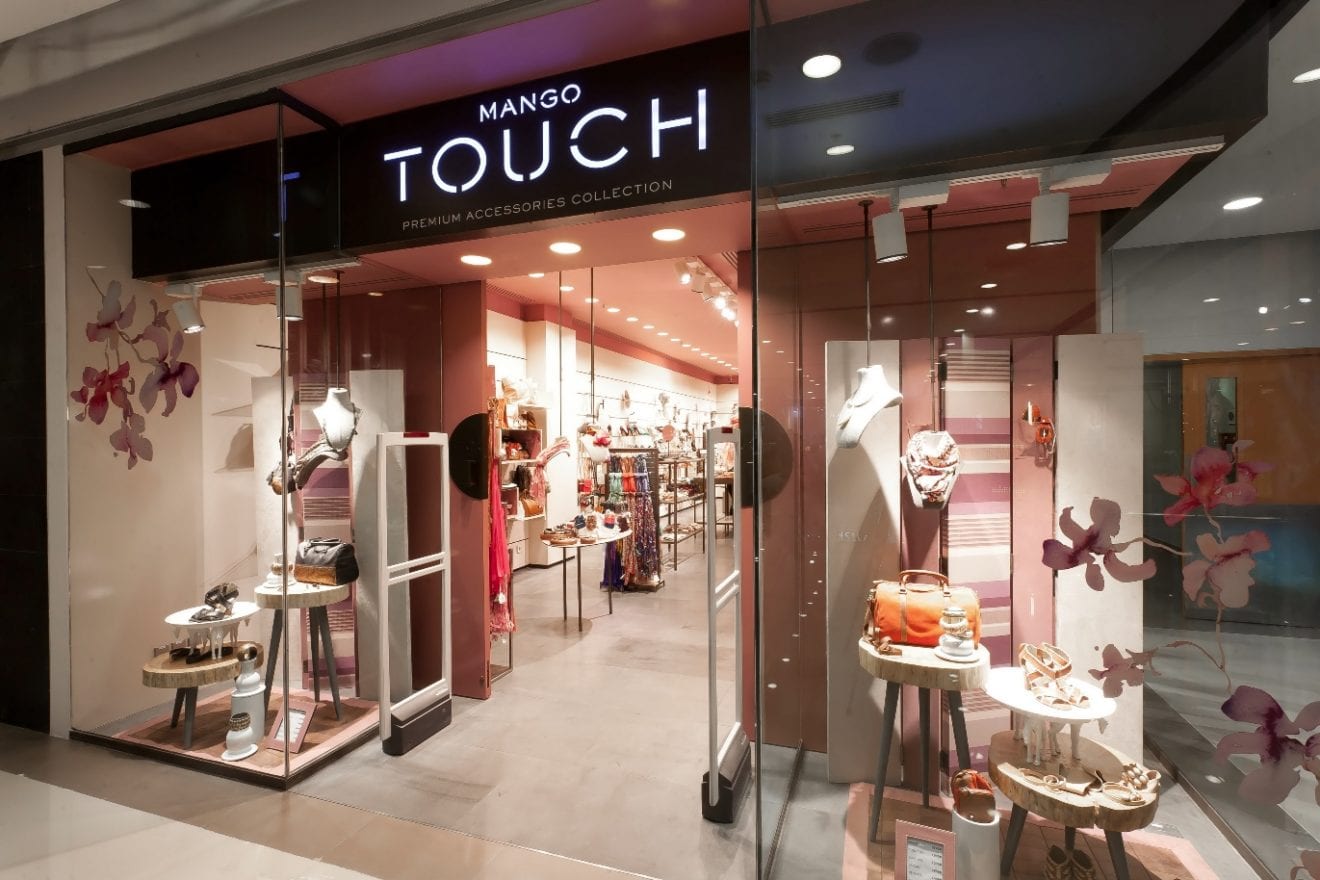
    Since its first store in Robinsons Ermita in 1999, the boutique now boasts of 34 standalone stores spread across the Philippines-that’s more than Hong Kong’s 4, Singapore’s 16, and the US’s 7. The variants are expanding, too: Mango Woman is available in 26 stores, Mango Man in 7, the accessories line Mango Touch and Mango Kids in 5 each, and Mango’s athletic apparel is found in the brand’s boutique in SM Mall of Asia.

    Measuring 650 square meters, the Eastwood Mall boutique is an impressive affair, designed to heighten the shopping experience with its lighting, furniture, mannequins, visuals and displays.

    Still, there’s an even bigger branch in the offing.

    By the end of the year, Mango’s Megamall branch will be a multilevel store with a total floor area of 1,000 sqm. This is the second multilevel store after Mango in Ayala Malls Cebu.

    “The expansions are part of Mango revolutionizing itself and adapting to the needs of the market,” says Santos of Mango’s growth even with the presence of retail rivals. “With the challenge of competition, we remain strong because we go with the flow, bringing Mango to where the people are.”

    Collections that can be worn season after season also explain why this fast fashion brand is a favorite of both style-savvy and smart dressers. Loyal Mango patrons know that a basic top or bottom is a durable investment that works well when combined with other clothing labels. Even this season’s trend-Boho Chic, as modeled by brand ambassadors-of-the-moment Cara Delevingne and Kate Moss-offers pieces that won’t appear dated post Autumn/Winter 2015. “I would put my name on the line to say that you can still wear them after many years,” swears Santos. That even goes for the pant silhouette du jour, flares. “We were just talking about that!” exclaims the petite store supervisor with a laugh. “Actually, flared pants were the trend three years ago and I remember buying a pair from Mango. I thought I’d never use them again, but now I’m thinking of reviving my pair.”

    The brand has had a connection with the Philippines even before its boutiques reached these shores. Founded in 1984 in Spain by Turkish emigrant brothers Isak and Nahman Andic, Mango was named after the Philippine mango, whose taste so captivated Isak when he sampled the fruit during a trip to the country many years ago. The name also stuck because it is pronounced the same way in any language.

    Fifteen years later, that connection remains stronger than ever. Two years ago, the notoriously low-profile and media-shy Isak Andic visited the Philippines for the first time since the country’s stores became operational. While Mango Philippines executives were surprised at news of his arrival, “we also felt important,” says Santos. “In Asia, they know that the Philippines is full of potential. There’s even talk that he may come back soon, which really says a lot.”

    As such, Mango’s principals are keen on getting Filipinos’ opinions on everything, from the choice of brand ambassadors to the type of clothes they see on the shelves. “They always, always ask us, ‘What does your market need?’” says the country store supervisor. The short sleeve shirts that appear on the racks of Mango Man this Autumn/Winter, for instance, are a product of research from last season as well as feedback from Filipino execs.

    Evidently, this explains Mango’s staying power against equally enticing rivals.

    By giving the market exactly what it wants—from specific merchandise to stores that excite the senses—the brand will remain a constant in the malls, and in people’s wardrobes, for years to come.

    “Even with the competition,” says Santos, “we know our customers are there. They will always be back.”

  • Mango stops partnership JC Penney

    Mango stops partnership JC Penney

    Spanish fast fashion retailer Mango is to close 450 points of sale in the US after deciding not to renew a partnership agreement with department store JC Penney.

    The two companies had a five year contract where Mango operated concessions in 450 of the department stores, but they collectively account for just 0.5 per cent of the label’s global sales.

    The stores will close in February, leaving Mango with just seven stand alone stores in the US.

    But a spokesman for the company said it would not be exiting the US market. Instead it will look to open more of its own stores over time, in selected key cities such as New York and Miami.

    Privately-owned Mango is struggling to hold its own against its larger rivals, fellow Spanish brand Zara and Swedish label H&M, internationally, despite a presence in 100 countries. Its profit fell 11 per cent last year.

  • MANGO opens its largest store in Asia at Wisma Atria shopping centre in Singapore

    MANGO opens its largest store in Asia at Wisma Atria shopping centre in Singapore

    MANGO has opened its largest store in Singapore. The capital of Singapore is the location for the store which, with over 1,200m2 distributed on a single floor, becomes the company’s largest store in the region.

    The store, located in the busy Wisma Atria shopping centre, stocks the firm’s different brands (MANGO, MANGO Man and MANGO Kids) and represents the fifteenth MANGO store in Singapore since it arrived in the capital in 1995.

    Toni Batlló, MANGO’s Director of International Expansion, declared: This opening represents a challenge for the company and a commitment towards the Asian market. The new store also strengthens our brand image in the country and consolidates the firm’s different brands. This is a market with plenty of potential and the new flagship store confirms MANGO’s commitment to continue growing and to extending our expansion plan.

    MANGO opened its first store on Barcelona’s Passeig de Gràcia in 1984, and now has over 2,700 stores in 108 countries. MANGO closed the 2014 financial year with a Consolidated Group turnover for the MANGO-MNG Holding of 2.017 billion euros, representing a 9% increase on 2013, and an EBITDA of 223 million euros.