Tag: Manufacturing

  • Toyota and Honda Face Factory Closures Under Proposed 50 per Cent US Tariff

    Toyota and Honda Face Factory Closures Under Proposed 50 per Cent US Tariff

    Toyota and Honda face potential plant closures in Canada after US President Donald Trump proposed doubling import tariffs on Canadian-built vehicles to 50 per cent.

    The two Japanese manufacturers assemble more than three-quarters of all light vehicles produced in Canada, making them the most exposed automakers to the cross-border levy.

    Canadian shipments represent 24 per cent of Honda’s US sales volume and 17 per cent of Toyota’s deliveries, according to Barclays data. Key export models include the Toyota RAV4 and the Honda CR-V, two of the top-selling sport utility vehicles in the American market. If implemented on Jan 1, 2027, the duties would force both companies to alter production networks that took decades to build.

    Rebuilding the North American Footprint

    Existing US tariffs cost Toyota approximately 1.4 trillion yen in the 2025 financial year. In response, the group committed up to $10 billion over five years to expand its manufacturing footprint inside the US, including a $3.6 billion assembly facility in Texas that will take over production of the Tacoma pickup truck from Mexico.

    Honda faces a steeper hurdle because its automotive unit is still working through a turnaround plan. The company has put plans for an eighth North American assembly facility on hold while talks over the US-Mexico-Canada Agreement remain unresolved. South Korea’s Hyundai reported similar delays to its regional capital spending in 2025.

    Squeezed Between US Tariffs and Chinese EVs

    The border friction hits Japanese manufacturers at a weak point in their global operations. Chinese electric vehicle makers led by BYD have eroded market share for Japanese brands across Southeast Asia, Australia and Latin America, leaving North America as the primary profit engine for both Toyota and Honda. With Chinese brands barred from the US market, defending North American market share is essential for Tokyo’s automotive sector.

    Redirecting Canadian output to alternative export destinations presents structural problems. Assembly lines in Ontario build vehicles configured specifically for US safety and emissions rules, while alternative factories across the Pacific already run close to maximum capacity.

    Negotiations over the USMCA framework continue ahead of the planned Jan 1, 2027 tariff implementation date, with Japanese parts suppliers holding off on capital allocation until trade terms are finalized.

  • Pakistan Plans Uniform Gas Tariff to End Cross Subsidies

    Pakistan Plans Uniform Gas Tariff to End Cross Subsidies

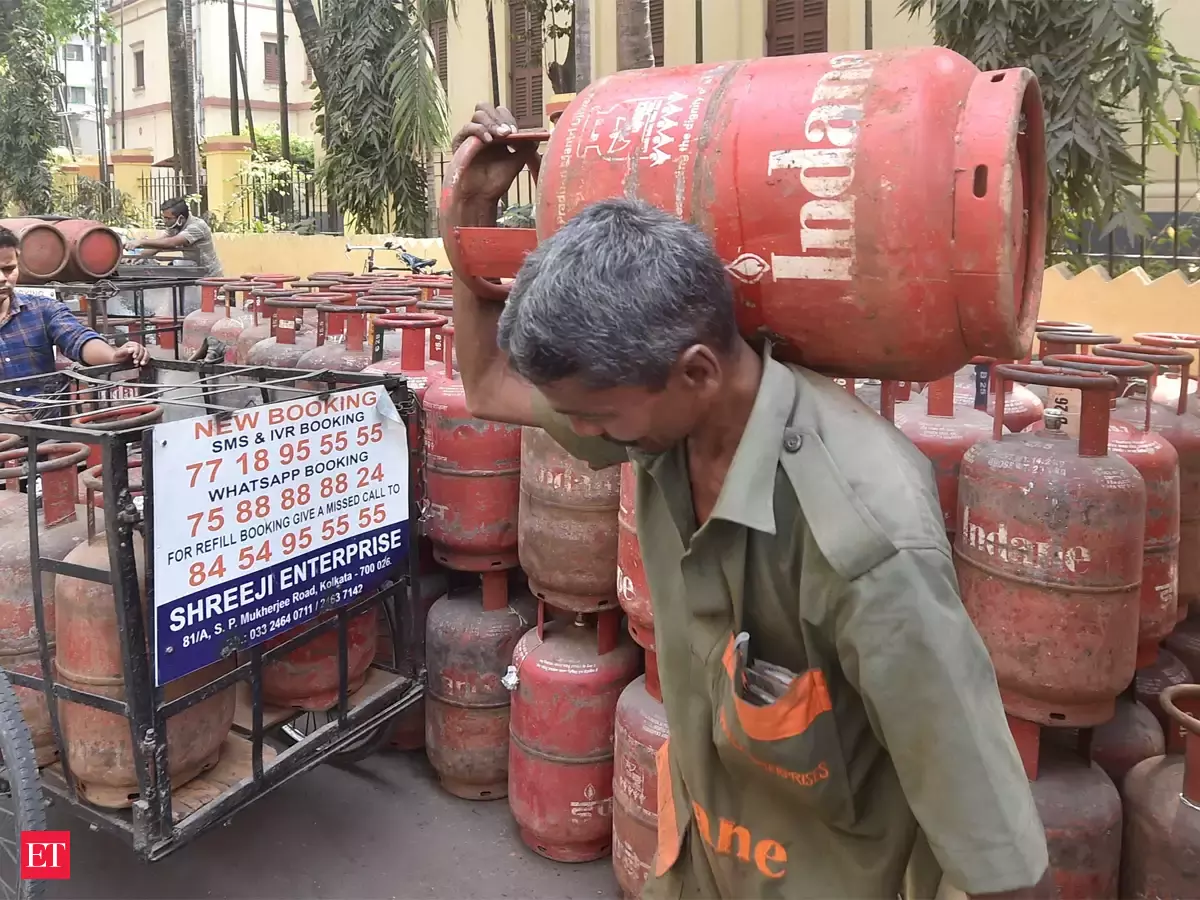
    Pakistan is replacing its tiered gas pricing system with a single uniform tariff across all consumer categories. Petroleum Minister Ali Pervaiz Malik outlined the plan to utility executives in Islamabad.

    The Oil and Gas Regulatory Authority sets the benchmark prescribed price near Rs1,700 per million British thermal units. Even so, end-users currently pay anywhere between Rs500 and Rs4,300 per mmBtu depending on consumption brackets.

    Aligning Rates with IMF Targets

    International lenders and domestic regulators have pressed Islamabad to dismantle cross-subsidies and recover actual distribution costs. Under the new model, vulnerable households will receive targeted welfare payouts instead of discounted bills. Businesses and heavy users will pay a standardized rate.

    Malik directed state-run distributor Sui Southern Gas Company to redesign its operational model around the single-rate baseline. The utility cut unaccounted-for gas losses by roughly 57 per cent in volumetric terms over the past year. Islamabad also held headline tariffs flat, trimming roughly Rs55 billion from the sector’s circular debt balance.

    Reforming Industrial Utility Models

    For commercial operators and factories across Pakistan, ending tiered subsidies removes pricing distortions that pushed manufacturers toward alternative fuels. The shift mirrors utility overhauls in Bangladesh and India. Both nations curtailed industrial discounts to secure multilateral loan tranches and stabilize sovereign balances.

    Technical advisers from the World Bank are helping Islamabad prepare the broader restructuring plan. The cabinet must review the pricing mechanism next, clearing the regulatory authority to calculate baseline consumer rates for the upcoming fiscal cycle.

  • Bogg Moves Production to Vietnam Following 10 Million Dollar Tariff Hit

    Bogg Moves Production to Vietnam Following 10 Million Dollar Tariff Hit

    American bag maker Bogg has begun shifting its manufacturing footprint to Vietnam after absorbing a $10 million tariff penalty on its China-based production lines.

    The move lands as the foam-tote brand surpassed $100 million in annual revenue and crossed $400 million in cumulative lifetime sales. Founder and chief executive Kim Vaccarella built the business around washable EVA foam bags, relying on Chinese factories for more than a decade before import duties forced a supply-chain overhaul.

    Supply chain retooling and raw material costs

    Concentrating production in China left the company exposed when cross-border tariffs surged over the past year. Vaccarella said Bogg started shifting manufacturing orders into Vietnam to reduce that tariff drag, while managing swings in the price of raw EVA polymer across global markets.

    The supply revamp coincided with a broader retail push. Bogg added six retail partners and entered roughly 200 new storefronts across the United States, placing inventory into fashion chains including Anthropologie and Urban Outfitters as well as specialty sellers like The Container Store. Wholesale accounts now generate about 40 per cent of total sales, with direct-to-consumer digital channels and Amazon supplying the balance.

    The factory shift across Southeast Asia

    Bogg is following a path well worn by international footwear and apparel brands that have spent the past five years building secondary production hubs in Southeast Asia. For mid-sized consumer labels, diversifying out of coastal China protects operating margins, but it also creates fresh logistical friction as Vietnamese factories face tighter capacity and fluctuating feedstock costs.

    Vaccarella turned down a nine-figure buyout offer to keep Bogg independent, and the company is now preparing its first proprietary retail stores alongside an eventual international expansion.

  • Japan Warns Natural Disasters Threaten Automotive and Chip Supply Chains

    Japan Warns Natural Disasters Threaten Automotive and Chip Supply Chains

    Japan flagged supply chain risks from recent natural disasters on Thursday, even as the government maintained its assessment that the broader economy continues a moderate recovery.

    The Cabinet Office added the warning to its August report following a magnitude 7.1 earthquake in Kumamoto Prefecture on July 28 and torrential rain across Chiba Prefecture on Aug. 13. Kumamoto forms a major manufacturing hub for semiconductor and automotive components across East Asia. While plants have begun restarting production lines, disruptions to component flow still pose risks to industrial output.

    Supply Chain Knots and Farming Losses

    Kumamoto’s cluster of chip and automotive parts plants feeds assembly networks across Japan and regional export channels. Factory operators resumed output in stages throughout August, but the government warned that bottleneck risks persist. Heavy rain in Chiba damaged regional farming operations, threatening short-term supply for agriculture, forestry, and fisheries.

    Capital expenditure showed resilience despite the disruptions. Corporate investment picked up steadily across the technology sector, driven by data infrastructure spending and demand for artificial intelligence hardware.

    Spending Holds as Rental Housing Stabilises

    Private consumption showed movements of picking up, leaving the official assessment unchanged for the month. Retailers and consumer brands continue to benefit from stable domestic demand, though high material costs kept new builds for owner-occupied houses and condominiums subdued. Stronger demand for rental properties helped lift the overall housing assessment from sluggish to generally flat.

    Corporate earnings delivered solid numbers for the April to June quarter, prompting the Cabinet Office to upgrade its stance on business profits to improving. Wholesale inflation showed signs of cooling, with corporate goods price growth slowing as petroleum-related input costs eased.

    Manufacturers and retail networks now face the test of third-quarter earnings to show whether component delays in Kyushu and agricultural losses in Chiba hit operating margins.

  • BMW Motorrad Pursues Partnerships with Indian and Chinese Rivals

    BMW Motorrad Pursues Partnerships with Indian and Chinese Rivals

    BMW Motorrad is pursuing collaboration with motorcycle manufacturers in India and China as European and Japanese brands face growing pressure from lower-cost Asian rivals.

    Markus Flasch, chief executive of the German automaker’s motorcycle unit, outlined the strategy in Tokyo as traditional manufacturers adjust to shifting global competition.

    Pressure from lower-cost producers

    European and Japanese motorcycle brands face a more demanding market environment as Indian and Chinese builders scale up output with lower pricing structures. Flasch said brand prestige, heritage and manufacturing quality continue to carry equal weight with consumers alongside price competitiveness.

    Cooperation across key markets

    Working directly with regional manufacturers gives established global brands access to local production scale and competitive cost bases in key Asian territories. Flasch indicated that maintaining technical standards and premium positioning remains central to the group’s response to rising competition across developing two-wheeler markets.

    BMW Motorrad is now evaluating operational alignments as domestic players in India and China accelerate their own product rollouts and international expansion.

  • Ella Baché Deploys AI Across Retail Operations and Supply Chain

    Ella Baché Deploys AI Across Retail Operations and Supply Chain

    Australian skincare brand and salon operator Ella Baché is rolling out artificial intelligence across its buying, inventory forecasting, and customer management systems. The rollout follows a network-wide shift to omnichannel retail.

    Tracing its origins to 1936, the Sydney-headquartered company operates roughly 150 Australian salon locations alongside its digital retail channels.

    Supply Chain and Digital Pivot

    Chief executive Pippa Hallas said the deployment focuses on practical operational tasks. Automated tools now handle routine data analysis in order planning and customer service. That rollout builds on an operational reset that began when pandemic lockdowns forced the temporary closure of the entire 150-store salon network.

    To survive that disruption, the group built 150 digital storefronts for its therapists and franchise partners. That shift converted the legacy salon chain into a blended digital operator. A dedicated research, manufacturing, and distribution facility in Sydney supports the network.

    Local Manufacturing and Category Pressure

    Local manufacturing relies on domestic ingredients to meet consumer demand for traceable Australian skincare. This integrated setup gives the business direct control over formulations and packaging lines without relying on offshore contract packagers.

    Across the Asia-Pacific personal care sector, heritage skincare brands face competition from fast-turnaround cosmetics labels and expanding invasive aesthetic clinics. Newer rivals chase viral social media trends and quick procedures. Ella Baché is instead leaning into proprietary formulation and non-invasive salon treatments to protect its margin profile.

    Work is now underway to integrate these artificial intelligence tools into internal staff training modules and product development workflows ahead of scheduled product releases.

  • Thai Exports Jump 21.6% in July on Surging Global Tech Demand

    Thai Exports Jump 21.6% in July on Surging Global Tech Demand

    Thai exports jumped 21.6 percent year on year in July, powered by surging international demand for artificial intelligence and technology hardware. Outbound shipments beat analyst expectations of a 17.75 percent increase, extending momentum from a 20.8 percent rise recorded in June.

    Data from the Ministry of Commerce showed imports surged even faster, climbing 36.7 percent during the month. That gap left Thailand with a monthly trade deficit of $3.61 billion, pushing the cumulative shortfall for the first seven months of 2026 to a record $34.35 billion.

    Tech demand fuels outbound shipments

    Shipments to the United States, Thailand’s largest export destination, increased 45.3 percent in July compared with the same month last year. Deliveries to China rose 15.2 percent. Across the first seven months of 2026, total exports gained 18.2 percent, following an overall expansion of 12.9 percent across 2025.

    Stronger tech orders prompted the Ministry of Commerce to raise its full-year export growth projection to more than 11 percent, up from an earlier target of 8 percent.

    Transshipment scrutiny and factory output

    The persistent gap between inbound and outbound volumes adds friction to Bangkok’s trade relationship with Washington. United States officials continue to monitor Thailand over transshipment risks, examining whether goods originating in China pass through Thai logistics channels to circumvent trade barriers. For regional supply chain operators, the expanding import volume shows how heavily Thai electronics and export assembly lines rely on foreign components.

    Domestic industrial activity showed modest recovery alongside trade flows. Thailand’s manufacturing production index rose 0.46 percent year on year in July, beating market expectations of a 1.0 percent drop and reversing a revised 2.4 percent decline in June.

    Factory output is now projected by the Ministry of Industry to expand 0.25 percent across 2026, trimmed from an earlier forecast range of 1.0 to 2.0 percent.

  • BYD and Bus Cap Plan Electric Commercial Vehicle Plant in Malaysia

    BYD and Bus Cap Plan Electric Commercial Vehicle Plant in Malaysia

    BYD Malaysia and local manufacturer Bus Cap signed an agreement in Shenzhen to develop a joint electric commercial vehicle platform in Perak. The deal targets local electric bus assembly and manufacturing. It also covers sales and after-sales operations.

    Under the exclusive memorandum, the partners are evaluating assembly sites and supply chains across the northwestern state. Capital commitments and operating structures depend on definitive contracts.

    Expanding Beyond Bus Fleets

    Bus Cap listed on Bursa Malaysia’s ACE Market in June 2026. Its coach-building roots date back to 1968 through subsidiary Sin Hock Leong Coach Works. BYD commercial vehicle division general manager Luo Zhongliang said the venture could broaden into electric trucks, vans, forklifts, and rail transit hardware. These would serve Malaysia and neighboring Southeast Asian markets.

    Executive director Bernard Ng Chong Yan said the alliance pairs BYD vehicle technology with local engineering. It also uses existing fleet customer relationships.

    Questions Over Passenger Plant

    The commercial venture gives BYD another production foothold in Malaysia as uncertainty surrounds its separate passenger car plans. In August 2025, BYD announced a 600,000-square-metre Tanjung Malim assembly plant scheduled for the second half of 2026. Malaysia’s Ministry of Investment, Trade and Industry said earlier this month that it has received no confirmation that BYD will proceed with that project as planned.

    Negotiators must now finalize binding agreements to lock in the Perak project’s investment budget and production start date.

  • Korea Eximbank Backs LS Cable Virginia Plant with 300 Billion Won

    Korea Eximbank Backs LS Cable Virginia Plant with 300 Billion Won

    The Export-Import Bank of Korea will provide 300 billion won ($217.7 million) in financing for LS Cable & System’s subsea cable factory in the United States.

    State backing covers nearly a third of the South Korean manufacturer’s total 1 trillion won ($725.6 million) investment to build the production site in Chesapeake, Virginia. The lender arranged the debt package to secure a foothold for Korean industrial suppliers in the North American energy transmission supply chain.

    Targeting AI Grids and Offshore Wind

    Construction in Chesapeake is scheduled for completion in the second half of 2027. Once fully operational, the plant will produce 500 kilometres of high-voltage direct-current (HVDC) subsea cables each year to link regional power grids across long distances with minimal transmission loss.

    The output will serve power grid operators in North America as well as offshore wind developers in Europe. Rising electricity consumption from hyperscale artificial intelligence data centers is accelerating utility spending on heavy-duty transmission lines that can carry bulk power across borders and coastal waters.

    South Korean Cable Makers Push Abroad

    South Korean manufacturers are building manufacturing capacity closer to Western grid projects as local transmission networks face backlogs. Rivals such as Taihan Cable are also expanding their subsea and offshore installation capabilities to capture orders outside East Asia.

    State lenders plan to issue additional credit lines to domestic cable producers competing for long-term supply contracts across North America and Europe. The Chesapeake plant remains on track to start commercial deliveries by late 2027.

  • Chinese EV Makers Face Rising Component Costs as AI Drains Supply

    Chinese EV Makers Face Rising Component Costs as AI Drains Supply

    Chinese smart electric vehicle manufacturers are battling component deficits of up to 30 per cent, driving steep price surges across circuit boards and basic electronic parts.

    Prices for printed circuit boards and multilayer ceramic capacitors have more than tripled over the past twelve months as global semiconductor makers reallocate production capacity to artificial intelligence data centres.

    Surging Hardware Prices

    Printed circuit boards now cost roughly 330 yuan ($49) per sheet, up threefold in a year according to data from the India Printed Circuit Association. Multilayer ceramic capacitors, essential for regulating electrical currents across vehicle power systems, jumped from 10 yuan per 1,000 units to 40 yuan in early 2026.

    Memory chips needed for autonomous driving features are delivering the heaviest financial blow. Nio chief executive William Li reported that rising raw material expenses, led by memory chips, added 20,000 yuan to the build cost of every single vehicle.

    Carmakers cost pressure mainly comes from memory chips. But a lack of PCBs and MLCCs disrupts production and prevents assemblies from running smoothly.

    Supply Chain Squeeze

    Component makers in manufacturing hubs like Zhejiang province are giving order priority to AI data centre operators over automotive assemblers because computing chips yield higher margins. Carmakers must now pay hefty premiums to keep assembly lines running.

    Geely Auto, China’s second-largest automaker, confirmed that while small passive components represent a modest fraction of total expenditure, physical shortages threaten assembly continuity. The bottleneck across global component production lines will take at least twelve months to resolve.

    The margin squeeze arrives just as Chinese carmakers rely on software and autonomous driving capabilities to win buyers in an increasingly crowded domestic auto market. Nio and Geely are renegotiating vendor contracts to lock in deliveries for the second half of 2026.

  • India Unveils 62500 Crore Rupee Scheme to Lure Apple and Google Hardware

    India Unveils 62500 Crore Rupee Scheme to Lure Apple and Google Hardware

    India has notified a 62,500-crore rupee smartphone manufacturing scheme. The policy aims to push Apple beyond iPhones and shift Google device exports away from China.

    Replacing the earlier production-linked incentive programme, the scheme runs through the 2030-31 financial year to deepen local component sourcing.

    Electronics and IT minister Ashwini Vaishnaw said New Delhi expects Apple to expand into other product categories using its existing iPhone assembly base. Google will also route a major share of export-oriented device production away from Chinese facilities into Indian factories.

    Manufacturers can claim incentives between 2.25 per cent and 5 per cent on eligible sales under the framework. An extra payout of up to 1.5 per cent applies to firms sourcing parts locally, including display modules, camera assemblies, enclosures, batteries and USB cables.

    Incentives for domestic brands and design

    Domestic brands get a dedicated track. Indian smartphone makers qualify for a 5 per cent sales incentive, alongside a 3 per cent reward for local research, development and product design. The government is working with three domestic companies to launch high-volume device designs within 10 to 14 months.

    Official data shows mobile phones delivered 61 per cent of India’s electronics exports last year, up from 4 per cent in the 2014-15 fiscal year, according to Electronics and IT secretary S Krishnan. Mobile device output now accounts for 48 per cent of total domestic electronics production, up from 10 per cent a decade ago. Overall phone exports grew 166-fold between 2014 and 2025 at a compound annual rate of about 59 per cent. India is now the world’s second-largest phone maker by volume.

    Moving from assembly to component integration

    Global electronics brands across Asia face fresh pressure to localise sub-assemblies rather than snap imported kits together in final assembly plants. Competitors in Vietnam and China will face sharper export competition as Indian suppliers scale up module fabrication.

    Attention now shifts to the 10-to-14 month delivery window for the three state-backed Indian phone designs, alongside Apple’s first confirmed hardware assembly lines outside the iPhone family.

  • Uzbekistan Commits $100 Million to Subsidise AI Across 10,000 Businesses

    Uzbekistan Commits $100 Million to Subsidise AI Across 10,000 Businesses

    Uzbekistan will spend at least $100 million to subsidise artificial intelligence adoption across 10,000 enterprises, covering half the cost of software implementation for commercial operators. The state-backed program targets manufacturing and consumer supply sectors, extending automation subsidies from the textile trade into food processing, electrical engineering, and construction materials.

    President Shavkat Mirziyoyev announced the funding following consultations with business owners in the Khorezm region. Government data presented at the meeting showed that 54 per cent of domestic companies using modern management and AI systems saw product demand increase. A quarter of those businesses lowered production costs, while higher sales allowed 40 per cent to raise worker wages by more than 10 per cent.

    Subsidies for Factory Automation

    Under the initiative, the state will reimburse 50 per cent of what companies spend to introduce automated management systems and machine learning tools. Participating enterprises will also receive access to pre-built, open-platform software designed to eliminate the cost of developing proprietary applications from scratch.

    Hardware support will run through the Center for Digital Government Project Management, where authorities recently brought online Uzbekistan’s first supercomputer cluster. Companies building AI models for commercial products can process workloads on the facility without charge, with research and development bills settled directly by the state budget. Computing capacity at the cluster will triple next year.

    The push reflects how Central Asian governments are attempting to modernize domestic supply chains and bypass legacy enterprise systems. While Southeast Asian manufacturing hubs rely heavily on private capital and foreign software vendors to automate shop floors, Tashkent is using direct treasury subsidies to pull mid-tier producers into modern data workflows.

    Supercomputing and Regional Education

    Administrative processes are seeing similar investments. The Ministry of Digital Technologies signed an agreement with South Korea’s National Information Society Agency and UZINFOCOM to build an AI system that processes and manages citizen appeals to state bodies, starting with a feasibility study and pilot rollout.

    Across the border, Kazakhstan is focusing resources on technical labor. First Vice Minister of Artificial Intelligence and Digital Development Rostislav Konyashkin confirmed the establishment of Qazaq AI Research University under orders from President Kassym-Jomart Tokayev. The institution will embed machine learning coursework into outside degree programs and build research links with partner centers in China, Finland, and the United Arab Emirates.

    Uzbek authorities will open the enterprise application window in stages, with initial disbursements prioritized for food processors and light industrial plants preparing export shipments.

  • Gas Shortage Shuts 80 Percent of Narsingdi Textile Mills in Bangladesh

    Gas Shortage Shuts 80 Percent of Narsingdi Textile Mills in Bangladesh

    A severe natural gas shortage has shut roughly 80 percent of textile and dyeing mills in Narsingdi, wiping out an estimated Tk 500 crore in daily output.

    The industrial hub supplies about 75 percent of domestic fabric demand in Bangladesh, leaving garment makers without essential materials as international buyers cancel orders.

    Rotting Fabric and Idled Boilers

    Narsingdi houses more than 3,000 production units, including 2,500 sizing, spinning, dyeing and weaving mills. About 400 of these operations rely on uninterrupted natural gas at 10 to 15 pounds per square inch to run steam boilers and drying machines. Gas pressure in key industrial pockets like Madhabdi and Chowala fell to zero for four straight days, leaving chemically treated fabric stranded mid-cycle. Fabric left wet beyond 16 hours rots and turns unusable.

    Local industry groups estimate between 10 million and 15 million yards of fabric have been ruined. At Tithi Textile in Madhabdi, 250,000 yards were damaged after generators and machinery stopped. Facing steep losses and wage deadlines, more than 100 mills closed indefinitely, sending workers home on unpaid leave. Others turned to burning wood in steam boilers at a cost of Tk 12,000 a day, skirting local environmental permits after the price of scrap fabric waste spiked.

    Supply Chain Bottlenecks Spread

    The disruption traces back to July 21, when a technical fault crippled an offshore floating liquefied natural gas terminal at Moheshkhali. National gas output plunged from 2,650 million cubic feet per day to 2,175 mmcfd against total demand of 3,800 mmcfd. State distributor Petrobangla lifted supply to 2,300 mmcfd on August 22, but state utility Titas Gas diverted high-pressure flows of 200 PSI to the Ghorashal-Palash fertiliser plant, starving private textile processors.

    Bangladesh remains the world’s second-largest apparel exporter, yet its supply chain faces recurring energy vulnerabilities that threaten delivery timelines for global fashion brands. While competing manufacturing hubs in Vietnam and India rely on more diversified power grids, Bangladeshi mills remain exposed to single-point infrastructure failures in offshore gas infrastructure, compounding margin pressure from rising domestic debt.

    Titas Gas engineers expect regional gas pressure to show initial signs of recovery next week as repair teams complete work on the Moheshkhali LNG terminal.

  • Chinese Robot Makers Unveil 150 Humanoids for Warehouse and Factory Work

    Chinese Robot Makers Unveil 150 Humanoids for Warehouse and Factory Work

    Chinese robotics developers demonstrated humanoid machines sorting logistics parcels and assembling mobile handsets in Beijing this month, pushing to convert promotional technology into commercial factory installations. More than 300 mostly domestic companies participated in the World Robot Conference, presenting over 2,000 exhibits and launching upwards of 150 products.

    The presentations focused on physical industrial utility rather than scripted stage routines. Machines showed off fine motor tasks that included packing consumer electronics and sorting freight for delivery networks, alongside domestic maintenance functions.

    Deployment targets supply chains

    Warehouse operators and electronics manufacturers across East Asia face tightening labor availability and rising wage floors. Humanoid form factors aim to slot directly into facilities designed for human staff, avoiding the expensive structural retooling required by fixed automation systems.

    Retail supply chains in China handle hundreds of millions of parcels daily. Deploying dexterous bipedal and wheeled units into sorting hubs allows logistics operators to scale throughput during promotional peaks without adding headcount.

    Hardware shifts toward commercial scale

    Investor capital across the region has shifted heavily toward general-purpose robotics ventures. Chinese manufacturers rely on dense domestic component supply chains for actuators, sensors and gearboxes to lower unit production costs below Western competitors.

    Commercial viability now hinges on software reliability and battery runtime during continuous multi-hour warehouse shifts. Factory pilots scheduled across domestic consumer electronics assembly plants through the end of the year will test whether unit economics beat dedicated automated guided vehicles.

  • Facing Tough Tides: Synlait Milk Anticipates Half-Year Loss Amid Manufacturing Hurdles

    Facing Tough Tides: Synlait Milk Anticipates Half-Year Loss Amid Manufacturing Hurdles

    Synlait Milk, a company based in New Zealand and listed on the Australian Securities Exchange (ASX), anticipates reporting a loss for the six months ending on January 31. The company has attributed this forecast to manufacturing challenges at its Dunsandel facility. Synlait owns Dairyworks, a supplier of cheese, butter, and ice cream to Australian supermarkets.

    Financial Projections

    Synlait anticipates an underlying net loss after tax of NZ$33 million to $38 million, as well as a reported net loss after tax of $77 million to $82 million for the six-month period. This is a significant drop from the previous year, which saw an underlying net profit after tax (NPAT) of $8.7 million and a reported NPAT of $4.8 million.

    The company expects its underlying earnings before interest, taxes, depreciation, and amortization (EBITDA) for the half year to range from breakeven to $5 million, with a projected reported EBITDA loss of $28 million to $33 million.

    Manufacturing Challenges and Cost Impacts

    While Synlait has primarily resolved the manufacturing issues at the Dunsandel site, it is still grappling with related cost and operational effects. The necessity to rebuild inventory across product segments entailed substantial adjustments to Synlait’s manufacturing plans for the current dairy season. To facilitate these adjustments, the company increased its raw milk sales, which negatively affected margins and operating costs.

    Low returns from the commodities portfolio also adversely impacted Synlait’s half-year performance. Furthermore, the company took a cautious approach, choosing not to recognize additional deferred tax assets stemming from unused tax losses beyond those recorded at the end of July.

    Effects on the Company’s Future

    Synlait’s CEO, Richard Wyeth, expressed disappointment with the results and the subsequent slowdown in the company’s recovery. Nevertheless, he affirmed that progress has been made in operations, including the establishment of a revitalized executive leadership team (ELT) in Canterbury and the forthcoming sale of Synlait’s North Island assets.

    This sale, slated for completion on April 1, is expected to substantially reinforce Synlait’s financial position, with the proceeds being used to reduce debt. The sale will also allow Synlait to concentrate its primary operations in Canterbury, with an emphasis on continual operational excellence and customer diversification to bolster long-term profitability.

    However, both Wyeth and Synlait acknowledge that the company’s recovery will take time, with a minimum of 12 months projected. Further details will be provided when Synlait releases its half-year results on March 23.

    Questions & Answers

    What contributed to Synlait’s projected financial loss?
    Manufacturing challenges at its Dunsandel facility, the need to rebuild inventory, increased raw milk sales, and low returns from the commodities portfolio all contributed to Synlait’s projected losses.

    What is the company’s current strategy for recovery and long-term profitability?
    Synlait’s recovery strategy includes the sale of its North Island assets to reduce debt, focusing its core operations on Canterbury, pursuing operational excellence, and diversifying its customer base.

    When does Synlait expect to see a recovery?
    The company anticipates that the recovery will take at least 12 months.