Tag: Manufacturing

  • Pakistan Cotton Arrivals Rise 7.5 Percent to 4.08 Million Bales

    Pakistan Cotton Arrivals Rise 7.5 Percent to 4.08 Million Bales

    Cotton arrivals at Pakistani ginning factories reached 4.08 million bales by October 15, rising 7.53 percent year-on-year despite widespread textile plant shutdowns.

    Data from the Pakistan Cotton Ginners Association shows total intake climbed to 4,081,265 bales, up 285,628 bales from the 3,795,637 recorded in the same period last season.

    Domestic mills bought 3.45 million bales and exporters booked 97,000 bales, leaving 531,530 bales unsold across active yards. Total arrivals during the preceding fortnight stood at 872,863 bales, processed by 471 operational ginning facilities nationwide.

    Regional Yields and Mill Disruption

    Sindh drove the bulk of volume with 2.44 million bales, up 7.35 percent from last year, led by Sanghar district at 1.14 million bales. Sukkur followed with 264,500 bales, Naushehro Feroze with 223,200 and Khairpur with 213,900.

    Punjab recorded arrivals of 1.64 million bales, representing a 7.79 percent increase. Bahawalnagar posted 418,750 bales, Bahawalpur delivered 294,606, Dera Ghazi Khan produced 236,514, Rahim Yar Khan reached 169,949 and Layyah logged 122,327.

    The higher volume arrives against severe industrial curtailment. Trade bodies report approximately 500 ginning factories and more than 150 spinning and weaving mills have shut operations, while roughly half of Pakistan’s power looms remain idle.

    Synthetic Influx Distorts Local Pricing

    Local processors blame soaring energy tariffs and leakages under the Export Facilitation Scheme for depressing domestic fiber demand. Under the programme, duty-free imported yarn and fabric intended for export finishing are instead diverted into the local market, bypassing the standard 18 percent sales tax paid by domestic suppliers.

    Import figures from the All Pakistan Textile Mills Association reveal man-made yarn shipments jumped to 12,773 tonnes in the first quarter of the 2026-27 fiscal year, up from 3,056 tonnes a year earlier. Man-made fabric imports surged from 660 tonnes to 8,628 tonnes over the identical timeframe.

    Cotton Ginners Forum Chairman Ihsanul Haq noted that traders brought an estimated 40 million to 50 million metres of fabric from China alone under the concessionary system without generating matching finished garment export growth.

    Crop Estimates and Farmer Margins

    Discrepancies in official output tracking complicate procurement planning for regional apparel makers. The Punjab Crop Reporting Service estimated provincial crop output at 2.983 million bales, creating a sharp divergence against the ginners association tally of 1.638 million bales received by mid-October.

    Central Cotton Research Institute transfer of technology head Sajid Mahmood warned that higher raw output will not stabilize the supply chain if farmgate returns fall below cultivation costs. Farmers facing compressed margins are expected to shift acreage toward competing crops next spring if lint prices fail to cover inputs.

    Karachi Cotton Brokers Forum leader Naseem Usman urged authorities to establish a direct floor price and an official buying mechanism to prevent distressed sales if open-market rates slide further.

    Harvest Run Out

    Picking operations enter their final 15 to 20 days across core farming belts in southern Punjab and upper Sindh. The Central Cotton Research Institute has instructed growers with plants bearing eight to 10 green bolls to apply a foliar spray of two kilograms of urea per 100 litres of water to accelerate boll opening before seasonal temperatures drop.

    Customs authorities have initiated targeted inspections against trading firms suspected of misusing import exemptions, while mills push Islamabad for formal quota caps on incoming synthetic yarn before second-quarter contracts settle.

  • Experts Outline Human Rights Due Diligence for 2026 at SJ Fall Summit

    Experts Outline Human Rights Due Diligence for 2026 at SJ Fall Summit

    Global fashion brands face sweeping legal liabilities as regulators enforce mandatory supply chain due diligence, compliance experts from Verité and Sourcemap warned at the Sourcing Journal Fall Summit.

    Import bans now expose apparel retailers to millions of dollars in seized shipments and financial remedies if forced labor appears anywhere in their procurement lines.

    Stricter Trade Controls and Financial Exposure

    Voluntary sustainability pledges and basic factory audit checklists no longer shield retail businesses from government action. United States Customs and Border Protection has stepped up detentions under the Uyghur Forced Labor Prevention Act, which took effect in 2022 and penalizes non-compliant importers at domestic entry ports.

    Verité chief executive Shawn MacDonald told summit delegates that regulatory agencies now deploy artificial intelligence tools to scrutinize shipping manifests and corporate disclosures. The shift turns social compliance from a public relations exercise into a direct financial and legal risk for global fashion groups.

    MacDonald noted that trade scrutiny extends well beyond traditional household names. A broader net of sixty economies targeted by United States Section 301 trade actions indicates that regional governments will likely replicate strict import bans to defend their export standing.

    Enforcement Timelines for European Directives

    European regulators are preparing a dual legislative rollout that reshapes how apparel companies purchase raw materials and finished garments. The European Union Forced Labor Regulation begins full enforcement in December 2027, banning non-compliant inventory across the single market.

    Broader requirements follow under the Corporate Sustainability Due Diligence Directive, known as CSDDD. Full application of the directive takes effect in 2029, with formal corporate reporting rules arriving in 2030.

    Sourcemap senior policy director Marissa Brock advised sourcing directors to unify environmental and labor data collection systems immediately rather than managing duplicate audit workflows. Streamlining data capture across multi-tiered supplier lists reduces administrative bottlenecks before enforcement agencies start issuing penalties.

    Factory Engagement and Union Partnerships

    Compliance specialists argue that brands must work directly with worker federations rather than relying solely on third-party commercial inspection agencies. Labor organizations provide boots-on-the-ground intelligence across spinning mills, dye houses, sewing lines, and logistics hubs.

    Kelly M. Fay Rodríguez, executive director of the Competence Center for Human Rights Due Diligence and former United States Special Representative for International Labor Affairs, pointed to IndustriAll Global Union Federation and UNI Global Union Federation as practical compliance partners for retailers.

    Engaging structured labor groups helps retail operators detect workplace abuses early, preventing sudden shipment blockades and customs seizures at destination ports.

    What the Transition Changes for Retail Sourcing

    For procurement heads managing apparel supply lines in Asia, the shifting legal framework ends the era of superficial self-regulation. Upstream tracing must now penetrate beyond Tier 1 cut-and-sew units down to cotton farms and chemical processing facilities.

    Suppliers across regional garment hubs that fail to deliver verified electronic records face immediate exclusion from Western export contracts. Retailers that delay mapping their lower-tier suppliers risk massive cargo holding costs when European customs agents begin applying the import ban in December 2027.

  • GE Aerospace to Double India Supply Chain Spending to $400 Million by 2030

    GE Aerospace to Double India Supply Chain Spending to $400 Million by 2030

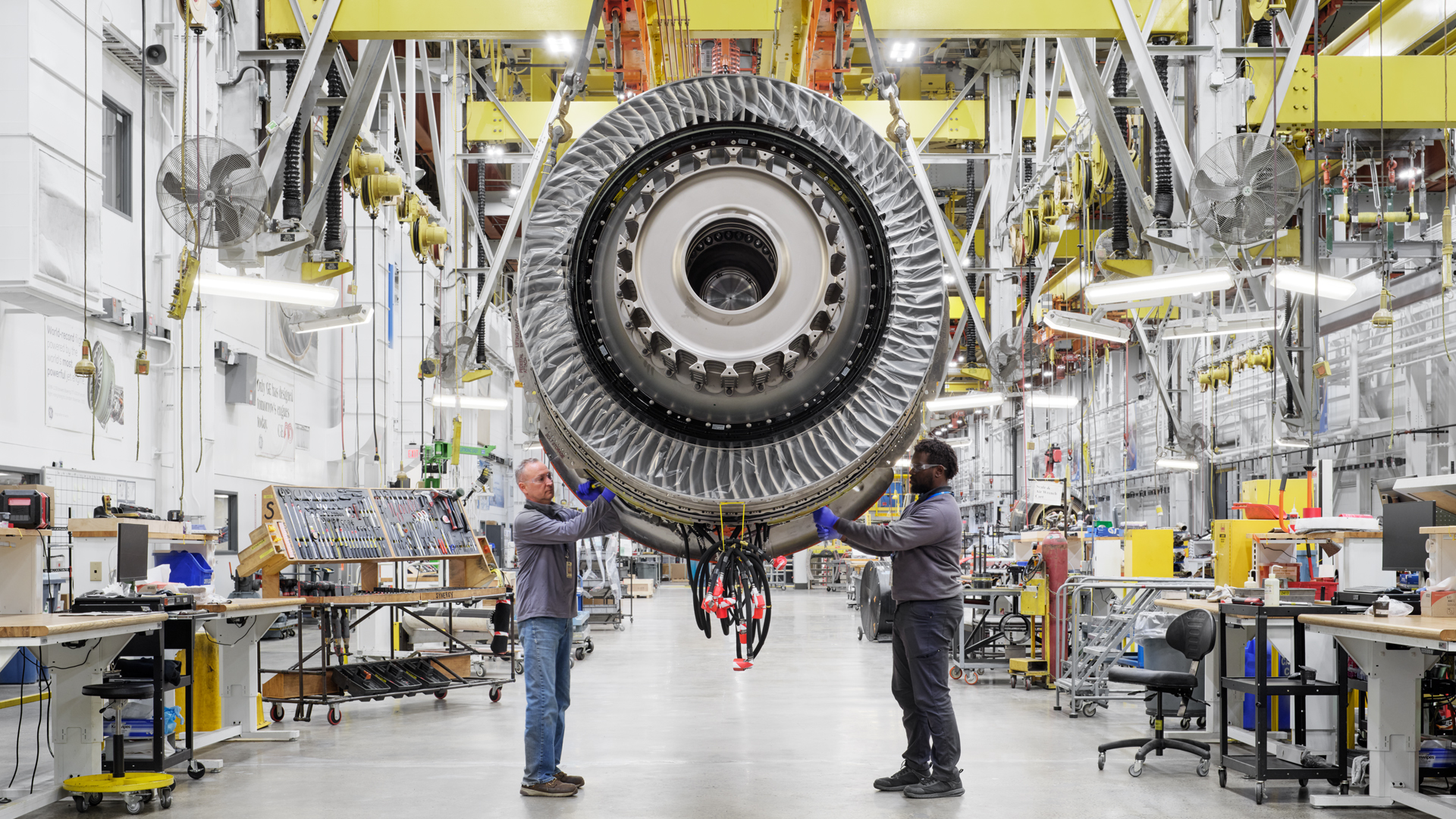
    GE Aerospace will increase annual supply chain spending in India to $400 million by 2030. The target doubles its current procurement footprint in the country.

    Annual spending across Indian suppliers reached $200 million in 2025. Surging fleet orders from domestic airlines drove that total.

    Procurement will cover new engine components alongside higher volumes for existing parts. Sourcing runs through 17 global tier-one suppliers in India, including Tata Group, Mahindra, Hindustan Aeronautics Limited, and Godrej. More than 2,000 domestic tier suppliers support the network.

    Expanding Component Manufacturing in Pune

    Manufacturing centers on the multi-modal plant in Pune. It produces engine components for export and domestic integration. Cumulative capital spending at the site stands at $255 million, feeding global assembly lines for commercial platforms.

    Engineering and software teams operate out of the Bengaluru Technology Centre, established in 2000. The site holds over 1,000 patents. It developed the ABM.ai predictive maintenance platform and the Blade Inspection Tool used across GEnx, CFM LEAP, and GE9X programs. The digital unit also serves as a global capability centre for worldwide engine maintenance, sales, and supply chain tracking.

    Backing Aircraft Fleet Expansion

    Domestic passenger journeys reached 340 million in fiscal year 2026 and are projected to reach 1.1 billion by 2040. Indian carriers and armed services currently operate more than 1,400 commercial engines from GE and its partners, alongside over 200 defence engines.

    Local airlines hold firm orders for over 1,700 aircraft scheduled for delivery over the next decade. More than 3,200 engines from GE Aerospace and its joint ventures will power those fleets. Local component production helps the manufacturer maintain delivery schedules against global supply chain bottlenecks.

    Joint Ventures and Maintenance Capacity

    Regional carriers need local maintenance facilities to avoid turnaround delays abroad. Sourcing parts closer to flight hubs cuts transit time for heavy engine overhauls.

    IndiGo signed a memorandum of understanding in July 2026 with CFM International, GE’s 50-50 joint venture with Safran Aircraft Engines. The deal covers more than 1,000 LEAP-1A engines for 510 Airbus A320neo family jets. It also provides technical support to build IndiGo’s dedicated engine maintenance, repair, and overhaul facility.

    Scaling Local Supplier Integration

    Precision manufacturing in India has moved beyond basic aerostructures into complex rotating parts and turbine components over the past decade. Raising procurement from $200 million to $400 million tests whether local suppliers can maintain aerospace quality standards at higher output rates.

    Next, the supplier development program will qualify new part numbers at Pune and integrate higher production runs across the 17 global Indian supplier partners as deliveries ramp up toward 2030.

  • 32,000 Exhibitors Show AI Appliances at Canton Fair

    32,000 Exhibitors Show AI Appliances at Canton Fair

    Chinese manufacturers introduced artificial intelligence-enabled kitchen gear and service robots at the Canton Fair in Guangzhou. The push defends overseas sales against rising factory costs.

    The biannual trade expo drew 32,000 exhibitors and an estimated 310,000 buyers. AI-related shipments generated 38 per cent of China’s total exports in the first half of the year.

    Smart hardware on the trade floor

    Exhibitors used the 70th year of the fair to display consumer appliances designed to automate kitchen tasks. Shaoyang-based Topim Intelligent Manufacturing showed an air fryer that uses an internal camera and image recognition to identify food items. It executes cooking cycles without manual programming. The unit is unreleased, but the company reported early order interest from buyers in the Middle East.

    Commercial coffee equipment supplier Gemilai demonstrated an espresso machine fitted with a touchscreen recipe interface. The system lets cafe staff run precise extraction settings automatically. That replaces manual calibration steps found on traditional European units. Gemilai is distributing compact versions of the format tailored for cafe operators in Southeast Asia.

    Hangzhou robotics firm Rotunbot presented a 185-kilogram spherical security robot designed for facility and police patrols. The hardware drew queues outside the fair’s dedicated service robot pavilion. Organizers first introduced the pavilion in April.

    Margin pressure at the factory gate

    Producers face a widening gap between production expenses and consumer pricing. China’s producer price index climbed 5 per cent year on year in September, driven by higher energy and raw material costs. The consumer price index rose just 0.9 per cent over the same period. That left manufacturers unable to pass wholesale increases to domestic shoppers.

    Export pricing faces equal resistance from international retail buyers. Scale manufacturer Guangdong Winburg Technology kept wholesale prices for bathroom scales at roughly $7.20 per unit despite rising component bills. Price increases risk immediate order losses. Rival domestic suppliers compete for the same international procurement contracts.

    Western trade barriers and regulatory friction

    Adding software, cameras, and connectivity to everyday hardware introduces regulatory hurdles in Western markets. United States regulators have restricted imports of specific Chinese robotics categories. Buyers in Europe face shifting trade policy as European Union officials negotiate to narrow the bloc’s trade deficit with Beijing.

    It seems like AI applications are still in an experimental stage. It’s unclear whether AI will make the coffee taste better.

    Higher-value hardware anchors China’s trade balance. Data from Citi shows AI-related categories, including semiconductors, smartphones, and power equipment, doubled their share of national exports from 20 per cent in 2025 to 38 per cent in the first half of the year.

    The diplomatic calendar ahead

    Premier Li Qiang opened the Guangzhou exhibition by calling on trading partners to lower trade barriers and balance bilateral exchanges. The appeal followed high-level trade discussions in Beijing. There, European Union and Chinese envoys agreed to stabilize commercial ties ahead of a European summit on trade deficits.

    A temporary trade truce agreed between Chinese President Xi Jinping and United States President Donald Trump runs through Jan. 10. The two heads of state are scheduled to hold direct talks in Shenzhen in November. Those discussions will set the immediate operating terms for manufacturers exhibiting through the fair’s close on Nov. 4.

  • Jeep Resumes Production in China for Global Export Excluding US

    Jeep Resumes Production in China for Global Export Excluding US

    Jeep has resumed manufacturing vehicles in China this week to supply export markets worldwide, deliberately excluding shipments to the United States.

    The assembly restart pivots Chinese factory capacity entirely toward international demand across three regions, Asia, Europe and emerging markets, rather than domestic retail buyers or North American showrooms.

    Export Hub Strategy Takes Shape

    Stellantis altered its industrial footprint after winding down earlier local joint venture production. Utilizing Chinese manufacturing capacity purely as an export platform allows the carmaker to benefit from local supply chains and component pricing without relying on direct retail volume inside the competitive domestic market.

    Excluding the American market avoids heightened import tariffs and regulatory hurdles currently facing Chinese-made vehicles entering the US. Sourcing vehicles from China for other regional markets frees up capacity at Western plants while keeping production costs down for competitive export territories.

    Rival Carmakers Expand China Outbound Shipments

    Global carmakers increasingly treat China as a dedicated export base rather than just an end market. Tesla, Volvo and domestic joint ventures operated by European manufacturers already ship substantial volumes from Chinese ports to Southeast Asia, Latin America and Europe.

    Suppliers across China gain steady manufacturing orders from export-focused lines even as domestic price wars squeeze margins at retail dealerships. The primary operational risk rests on potential tariff adjustments in destination markets outside North America, where trade authorities continue monitoring vehicle imports built in China.

    Shifting Away From Joint Venture Woes

    Foreign automakers spent years building vehicles in China primarily for domestic consumers through 50-50 joint ventures. Intensifying competition from local electric vehicle manufacturers shifted that balance, prompting international brands to rethink their asset allocation across Chinese industrial hubs.

    Production runs for outbound markets will determine how efficiently Stellantis scales capacity across its reconfigured assembly lines in the quarters ahead.

  • BMW Starts Sixth Generation Battery Production at 10 Billion Yuan Shenyang Hub

    BMW Starts Sixth Generation Battery Production at 10 Billion Yuan Shenyang Hub

    BMW started mass production of its sixth-generation high-voltage batteries in Shenyang on Thursday. The company invested 10 billion yuan ($1.49 billion) to supply its upcoming Neue Klasse electric vehicle lineup.

    The 240,000-square-metre facility expands the German carmaker’s battery footprint in Liaoning province to five times its previous size.

    Output will initially feed assembly lines for the China-exclusive Neue Klasse iX3 sport utility vehicle and the long-wheelbase i3 sedan. Shenyang is BMW’s third battery plant globally to build the Gen 6 pack. It joins sites in Debrecen, Hungary, and Irlbach-Strasskirchen, Germany. Outside Germany, the Chinese complex is the only location producing the Energy Master central control unit, an in-house hardware and software module that manages high-voltage power distribution.

    Cylindrical Cells and 800-Volt Architecture

    The new powertrain switches to large cylindrical cells integrated into an 800-volt electrical architecture. BMW tested the setup in a long-wheelbase i3 50L sedan over expressways, national highways, and urban streets. It logged a road-test range of 1,213 kilometres on a single charge with 1 per cent battery capacity remaining. The vehicle carried a 113.4-kilowatt-hour battery pack. It averaged power consumption of 8.8 kilowatt-hours per 100 kilometres.

    Charging hardware on the Neue Klasse platform accepts direct-current rates up to 400 kilowatts. That rate replenishes 400 kilometres of driving range in 10 minutes. Rear-wheel-drive configurations anchored initial trials. Dual-motor all-wheel-drive editions will output 345 kilowatts (463 horsepower) and 645 Newton-metres of torque.

    BMW Brilliance split cell sourcing between domestic suppliers. It secured large cylindrical ternary lithium packs from EVE Energy for top-trim 50L models, alongside contracts with Contemporary Amperex Technology Co. Ltd. (CATL) for standard variants. With battery assembly operational, all three primary hardware elements of BMW’s sixth-generation electric drive system are now built locally in Liaoning.

    Local Software Alliances Shift Premium Dynamics

    Foreign premium carmakers in China face shrinking profit margins as domestic brands capture market share with price cuts and localized digital cockpits. BMW is pairing heavy capital spending in Shenyang with Chinese technology alliances to keep pace. The carmaker outsourced its autonomous driving software pipeline to Beijing-based Momenta. It also integrated artificial intelligence voice controls developed with Alibaba Group Holding and DeepSeek.

    European premium marques historically kept core software development inside corporate headquarters. That model is changing. By embedding Chinese software and local computing platforms into Neue Klasse models before showroom launch, BMW cuts engineering turnaround cycles. It also avoids the software delays that plagued earlier European battery-electric entries in China.

    Commercial risk sits squarely on retail pricing power. Domestic rivals such as Nio, Zeekr, and Li Auto operate at compressed margins. That forces foreign legacy brands to match steep discounting or accept lower factory run rates. BMW Group Chairman Oliver Zipse stated during the Shenyang launch ceremony that local production will account for more than 95 per cent of BMW vehicles sold in China by 2030, leaving little room to retreat if volumes stumble.

    Building Out the Shenyang Production Base

    Groundwork for the battery plant began in May 2023 under a joint venture blueprint to localize component assembly ahead of vehicle assembly. The Shenyang complex now houses casting, combustion engine manufacturing, battery assembly, and power electronics under one operating footprint.

    Pre-sales for the long-wheelbase Neue Klasse iX3 opened on August 21 at a starting price of 269,900 yuan ($39,810). Regulatory filings published in September confirmed the i3 50L sedan rides on a 3,005-millimetre wheelbase. That adds 39 millimetres of cabin space over the outgoing China-built electric 3 Series.

    Deliveries of the Neue Klasse iX3 reach Chinese dealerships in November. The i3 sedan follows with its market launch before the end of the fourth quarter.

  • Chinese Automakers Rule Out Italy over Lack of Turnkey Factories

    Chinese Automakers Rule Out Italy over Lack of Turnkey Factories

    Chinese automakers looking to expand production capacity in Europe have ruled out Italy because the country lacks suitable turnkey factories, Italian industry minister Adolfo Urso said on Wednesday, October 14.

    Urso confirmed that Chinese auto industry representatives, including BYD European adviser Alfredo Altavilla, inspected Italian facilities and met government officials several times without finding viable production sites.

    The Search for Turnkey Sites

    Chinese car companies touring Europe want operational manufacturing facilities that can start vehicle assembly immediately. Brussels is preparing regulations that will impose minimum local content requirements on electric vehicles sold across the European Union, prompting Chinese brands to secure localized assembly footprint within the trading bloc.

    Urso told lawmakers in Rome that Chinese delegations inspected several Italian facilities. None met their operational criteria.

    “They are touring Europe and what are they asking for? A turnkey factory,” Urso told lawmakers in Rome, referring to a production site that would be ready to operate immediately.

    Stellantis Retains Italian Footprint

    Italy holds only one domestic volume car manufacturer, Stellantis. Urso explained that Stellantis decided against selling or transferring any of its Italian plants to foreign competitors, choosing instead to pursue joint production partnerships with Chinese automakers.

    Because Stellantis kept all its Italian production lines open, no idle, ready-to-run auto plants exist in Italy for foreign buyers to take over. That stance closed the door on Chinese automakers looking for standalone acquisitions in the country.

    BYD Shifts Focus to Western Europe

    The refusal to sell legacy plants directly conflicts with the expansion playbook favored by major Chinese electric vehicle brands. BYD rejected shared-production arrangements and joint ventures in the country, seeking full ownership of its European manufacturing assets instead.

    Altavilla confirmed that BYD is concentrating its factory acquisition efforts on alternative European markets, specifically Spain and France. Securing dedicated assembly lines allows Chinese electric vehicle groups to maintain direct control over supply chains, production quality, and proprietary technology.

    European Manufacturing Timelines

    Automakers from China face mounting pressure to finalize European production locations before the European Commission enacts stricter local assembly mandates. Companies that fail to establish domestic production lines risk tariffs and regulatory barriers on imported completely built-up units.

    The next phase of European expansion now rests on negotiations with French and Spanish authorities, where Chinese carmakers continue to evaluate industrial sites capable of rapid commissioning.

  • Asian Tech Shares Plunge After Chinese Chipmaker Reports Key Advance

    Asian Tech Shares Plunge After Chinese Chipmaker Reports Key Advance

    Technology shares across Asian bourses dropped sharply this week after one Chinese semiconductor manufacturer reported a major technical advance in chip production, Nikkei Asia reported. The announcement triggered immediate selling pressure across regional equity markets as investors reassessed competitive positions across the hardware supply chain.

    Regional equity trading reflected swift portfolio adjustments among institutional funds. Hardware manufacturers and component suppliers saw selling pressure spread across trading desks during early Asian hours.

    Market Reaction Across Regional Exchanges

    Trading desks responded immediately to the manufacturing report. Institutional investors trimmed positions in established semiconductor supply chain equities, reallocating capital as competitive risks altered previous earnings projections.

    The sell-off extended beyond pure semiconductor firms into related technology segments. Equipment suppliers and peripheral tech components faced lower bids as market participants weighed how domestic semiconductor capabilities in China could alter export demand.

    Supply Chain Realignment

    Advancements in domestic fabrication challenge the established procurement patterns of global device manufacturers. Electronics makers operating in Asia maintain intricate supply networks that rely on cross-border component sourcing.

    Localised semiconductor advances shift use in contract negotiations. Device brands and component assemblers face new cost structures as alternative domestic sourcing channels mature across regional manufacturing hubs.

    Capital Shifts in Asian Hardware

    Hardware investors now price in tighter margin compression for incumbent chip suppliers. Capital allocators had previously factored in longer production timelines before advanced domestic alternatives reached commercial benchmarks.

    Portfolio rebalancing indicates that technology valuations in Asia remain sensitive to fabrication breakthroughs. Fund managers are recalibrating exposure between regional equipment exporters and domestic producers.

    Tracking Next Production Benchmarks

    Market attention now shifts toward yield rates and commercial deployment timelines for the new technology. Tech equity indices in Asia continue to track trading volume and capital flows across regional semiconductor manufacturing hubs.

  • ASML Warns AI Chip Tool Demand Will Outstrip Capacity Through 2028

    ASML Warns AI Chip Tool Demand Will Outstrip Capacity Through 2028

    ASML will fail to satisfy customer demand for its chipmaking machinery in 2027 and 2028 as orders for artificial intelligence hardware exceed manufacturing capacity.

    The Dutch equipment maker projected fourth-quarter sales between €14.2 billion and €15.2 billion, beating average market forecasts of €14.19 billion compiled by LSEG.

    Gross margins for the final quarter are projected at around 57 per cent. Extreme demand for advanced lithography systems has stretched delivery schedules well past normal lead times, pushing commercial negotiations into the next decade.

    Delivery Bottlenecks Hit Advanced Fabs

    Chief executive Christophe Fouquet confirmed that order discussions with key chipmakers now routinely bypass near-term delivery slots. Demand has outpaced every planned production adjustment across the company’s assembly facilities.

    “A lot of our discussions with our customers now are shifting in fact beyond 2027,” CEO Christophe Fouquet said in a statement.

    Fouquet noted that tool buyers are placing firm bookings for 2028 delivery while opening formal negotiations for 2029 and 2030 production slots. Foundries across Asia building capacity for artificial intelligence processors face extended wait times for critical extreme ultraviolet scanners.

    Asian Foundry Expansion Pressures

    For semiconductor manufacturers in Taiwan, South Korea and Japan, machinery shortfalls limit how fast new wafer fabrication plants can ramp output. Tool allocations dictate foundry expansion schedules, consumer hardware production runs and memory delivery timelines.

    The equipment shortage concentrates operational risk among contract chipmakers competing for identical production slots. Commercial foundries that secured earlier delivery positions will hold output advantages over rivals waiting on delayed tool shipments.

    Capacity Expansions Fall Short

    Production limits persist despite aggressive factory investments announced earlier this year. In July, the toolmaker outlined plans to raise equipment output by 30 per cent in 2027 and add another 30 per cent capacity increase in 2028.

    Those production increases will still leave the manufacturer short of customer requirements. Management is reviewing additional manufacturing options to widen assembly bottlenecks before 2028 delivery commitments close.

    Production Timelines to Watch

    Tool buyers now face strict ordering windows to secure production slots for 2029. Equipment allocations and any revision to the planned 30 per cent annual capacity increases will determine delivery timelines for global semiconductor plants.

  • Piramal Pharma Opens Microbiology Lab in 85 Million Dollar US Expansion

    Piramal Pharma Opens Microbiology Lab in 85 Million Dollar US Expansion

    Piramal Pharma Solutions has opened a microbiology laboratory at its sterile injectable plant in Lexington, Kentucky. The project advances an 85 million dollar expansion.

    The new space triples testing floor area. It targets a 50 per cent cut in product release turnaround times.

    Regulators cleared routine Good Manufacturing Practice work on September 11, 2026. Conditional approval for the adjoining sterility suite followed soon after. The lab unit forms the first operational phase of the multi-year capital program.

    Boosting Sterility and Cleanroom Capacity

    Engineers reconfigured the Lexington site to handle higher volumes of sterile drug products for clinical and commercial use. The upgrade adds three biosafety cabinets for concurrent testing. It also consolidates all incubation equipment into a single footprint.

    A dedicated Grade C cleanroom suite houses a Grade A sterility testing isolator. That setup replaces a non-classified zone. It doubles testing throughput by running open and closed filtration on multiple batches at once. Built-in sample pass-throughs connect manufacturing suites directly to analytical benches.

    Cutting Release Bottlenecks for Injectables

    Global sterile injectable manufacturing faces capacity crunches, particularly for antibody-drug conjugates, peptides and high-potency small molecules. Bringing microbiology and sterility testing in-house cuts sample transport delays. It also lowers contamination risks.

    Faster batch clearance gives the company an edge over Asian contract development and manufacturing rivals tied strictly to domestic facilities. Shorter release cycles also help pharmaceutical clients. They trim inventory holding costs and speed market access.

    Indian CDMOs Expanding Global Footprints

    Indian contract manufacturers continue to buy and upgrade assets in North America and Europe to stay close to clinical sponsors. Piramal Pharma Limited trades in Mumbai on both the BSE and the National Stock Exchange of India. It runs 17 development and manufacturing sites across India, North America and Europe, alongside hospital generics and consumer healthcare units.

    Through its subsidiary Yapan Bio, the parent company entered complex biologics manufacturing while keeping fill-finish work in Western jurisdictions. Cleanroom and testing capacity in the United States protects contract volume from overseas trade barriers and inspection backlogs.

    Timeline for Full Commercial Operations

    Nathan Richardson, vice president and site head at the Lexington facility, said: “By enhancing sterility testing and microbiological quality capabilities, we are further strengthening our ability to support clients with high quality, reliable, and responsive services throughout the product life cycle.”

    Crews are now installing commercial-scale fill and finish equipment across the remaining space. Piramal expects the full Lexington plant to reach commercial readiness in late 2027.

  • Reliance Consumer and DailyObjects Lead Rs 1,343 Crore Indian Retail Funding

    Reliance Consumer and DailyObjects Lead Rs 1,343 Crore Indian Retail Funding

    Reliance Consumer Products committed over Rs 600 crore to build an integrated food park in West Bengal this week, as Indian retail and consumer investments reached Rs 1,343 crore across sectors.

    Lifestyle tech brand DailyObjects secured Rs 332 crore in Series C capital at a valuation of Rs 1,050 crore. The funds will back its physical expansion across India and entry into overseas markets.

    Funding spanned fast-moving consumer goods, home appliances, kitchen fittings, health wellness brands, gourmet foods, and lab-grown jewellery. The split between manufacturing plants and direct-to-consumer expansion shows investors backing factory capacity alongside retail store rollouts.

    Manufacturing push in West Bengal

    In West Bengal, Reliance Consumer Products secured 30 acres in Haringhata, Nadia district, for its new food and beverage hub. The Rs 600 crore project is the first manufacturing asset owned directly by the Mukesh Ambani-led FMCG unit in eastern India. It manufactures and distributes packaged goods, including revived soda label Campa, across regional markets.

    Direct ownership of regional plants cuts freight costs and feeds stock directly into general trade and quick-commerce dark stores. For suppliers and logistics vendors in eastern India, the Haringhata site concentrates processing, packaging, and bottling in a single corridor rather than splitting work across contract packers.

    Since launching its consumer goods unit, Reliance has acquired legacy regional brands and expanded nationwide distribution. Dedicated production in West Bengal creates a regional base to supply eastern and northeastern retail networks without paying interstate freight fees.

    Tech accessories and store expansion

    DailyObjects raised Rs 332 crore through primary and secondary share sales led by Xponentia Capital Partners, Anicut Capital, and Axiom Asia Private Capital. The accessories brand operates roughly 350 touchpoints across India, including exclusive brand outlets and counters inside Apple Premium Reseller stores.

    Management will use the capital to open 150 standalone stores over five years, step up product design, and enter overseas retail channels. The company sells tech accessories, bags, and desk gear online and through third-party brick-and-mortar networks.

    Domestic accessories brands are shifting capital into company-owned stores to lift order values and secure mall retail space. High-street landlords face steady demand from labels seeking customer engagement outside multi-brand discount portals.

    Kitchen appliances and bathroom fittings

    Smart kitchen brand Beyond Appliances raised Rs 110 crore in a Series B round led by Fireside Ventures, with participation from Dharana Capital. It plans to build a new factory, introduce two appliance lines, and expand distribution from four to 14 cities over the next three years.

    Fittings maker Lorazzo completed a Rs 15 crore round led by Sauce, with follow-on funding from Sprout Venture Partners and backing from Panthera Peak and Alteria Capital. Lorazzo will allocate the proceeds to expand product lines, add staff, and broaden distribution across state wholesale and retail markets.

    Capital also flowed into wellness and functional foods. Health and wellness investor NDude Labs committed roughly Rs 28 crore ($3 million) in Series A funding to US-based brand SuperMush, which sells through Amazon, direct channels, and over 2,000 US stores. In India, actor Varun Dhawan bought an undisclosed stake in biofortified staples brand Better Nutrition and signed on as brand ambassador to support sales on quick-commerce apps and direct-to-consumer websites.

    Food brands and lab-grown jewellery

    Smaller rounds closed across food and beverage to build regional retail footprints. Gourmet pizza operator The Dough Therapy secured Rs 5.25 crore in seed funding at a Rs 35 crore valuation in a round led by Michigan Capital Advisors, formerly known as Melwani Finance, with participation from Equiglobe Investment. Zero-sugar mixer label Sober & Co raised Rs 75 lakh from New Ground Collective investors Sunaina Bhattacharya and Anuj Dhariwal.

    In jewellery, lab-grown diamond label Zinara raised Rs 3.61 crore in pre-seed funding led by Inflection Point Ventures, alongside Nine Jewellery, actor Nikita Dutta, and angel investors. Zinara plans to put the capital into supply chain development, marketing, and hiring.

    Beyond Appliances will focus next on site acquisition and equipment orders for its planned manufacturing facility as it prepares to enter 10 additional cities.

  • Smart Launches Electric #2 City Car in China at 112,999 Yuan

    Smart Launches Electric #2 City Car in China at 112,999 Yuan

    Smart launched the Smart #2 Couture Edition in China for 112,999 yuan ($16,790). The release revives its signature two-seater city car format as an all-electric model.

    The joint venture between Mercedes-Benz and Geely Auto capped the initial Chinese run at 999 numbered units. That matches a separate 999-unit allocation earmarked for European buyers.

    Deliveries for immediate Chinese orders begin before year-end. Early ordering opens across Europe following the car’s global debut at the Paris Motor Show. European buyers face a pre-order entry price of 19,990 euros ($22,400). Chinese buyers will see pricing for standard Premium variants in November.

    Hardware and Architecture

    Built on Geely’s Electric Compact Architecture, the vehicle uses a platform engineered specifically for ultra-compact urban runabouts. Mercedes-Benz’s global design team handled the styling. They retained the proportions of the original ForTwo while adding LED lighting, flush surfaces and a capsule-patterned grille.

    A 35.8-kilowatt-hour lithium iron phosphate battery pack powers the vehicle, using cells supplied by CATL. It delivers a China Light-Duty Vehicle Test Cycle range of 410 kilometres. European testing targets a combined Worldwide Harmonised Light Vehicles Test Procedure range of 290 kilometres.

    Power comes from a single rear-mounted electric motor driving the rear axle. It produces 60 kilowatts of power and 130 Newton-metres of torque. The chassis pairs MacPherson strut front suspension with a five-link independent rear setup, delivering a tight turning radius of 3.35 metres. European models support 65-kilowatt direct-current fast charging, taking the battery from 10 per cent to 80 per cent in 20 minutes.

    Cabin Layout and Dimensions

    Dimensionally, the vehicle measures between 2,751 and 2,764 millimetres in length, 1,669 millimetres in width and 1,555 millimetres in height, riding on an 1,875-millimetre wheelbase. The exterior pairs matte white paint with a gold roof, gold grille accents and 16-inch alloy wheels. Staggered tyres measure 185/50 at the front and 205/45 at the rear.

    Inside, the cabin features an S-shaped dashboard, bench-style seating, turbine air vents and an infotainment display running the Flyme Link operating system. The car includes Level 2 driver assistance and remote automated parking. At the rear, the split tailgate retains a folding lower section that supports up to 120 kilograms when parked.

    Urban EV Market Strategy

    Smart’s return to the two-seater segment tests whether premium urban minicars can command retail margins in a domestic Chinese market crowded with budget micro-EVs. Geely and Mercedes previously repositioned Smart into mainstream compact crossovers with the #1 and #3 to chase broader sales volume. Bringing back the two-seater at nearly 113,000 yuan requires convincing city drivers to pay a substantial premium over mass-market urban runabouts that sell for half that amount.

    Production handled by Geely’s Zhejiang Haoqing Automobile Manufacturing gives the joint venture a low manufacturing cost base for export shipments to Europe. European urban centres tightly regulate vehicle emissions and parking footprints. That creates clearer commercial demand for micro-footprint electric vehicles than China’s wider highway networks require.

    Production History and Next Steps

    The original petrol-powered Smart ForTwo sold more than two million units globally after its 1998 debut under Daimler ownership. This revival follows an August regulatory filing by China’s Ministry of Industry and Information Technology, which confirmed technical specifications ahead of production clearance.

    Domestic pricing for the mass-volume Smart #2 Premium variant arrives in November, followed by local market rollouts and delivery schedules across European dealer networks.

  • EU Supply Chain Rules Target 37 Percent of Inaccurate Clothing Labels

    EU Supply Chain Rules Target 37 Percent of Inaccurate Clothing Labels

    European Union sustainability and forced-labour laws will penalise apparel brands and their global suppliers, with new packaging rules rolling out in August. Companies must track materials down to individual farms and component mills. Regulators in Brussels are introducing strict enforcement rules, empowering border authorities to seize non-compliant garments and name offending companies publicly.

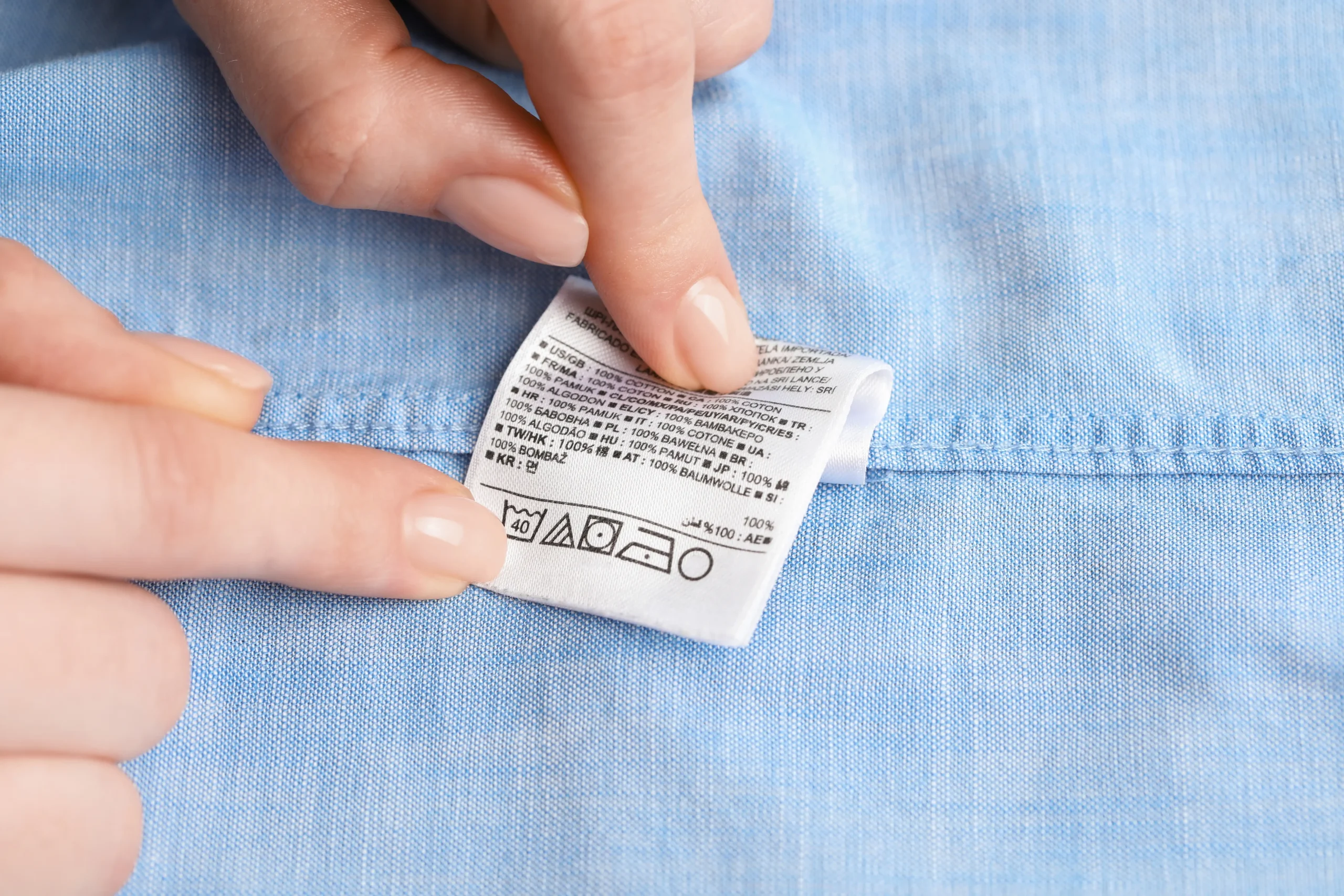
    A European Commission testing campaign found that 37 percent of clothing labels failed to reflect material composition accurately. That finding has accelerated regulatory scrutiny across Asian textile export hubs supplying European fashion groups, prompting brands like Tod’s to partner with sustainability-data management firm Renoon.

    Forced Labour Import Bans Target Factory Floors

    The EU Forced Labour Regulation gives European investigators direct authority to inspect supply chains. Officials can ban non-compliant goods from entering the single market. Older disclosure laws required only annual corporate reports. The new framework mandates product-level proof of compliance before shipments clear customs.

    Marissa Brock, senior director of policy and government affairs at supply chain software firm Sourcemap, said: The EU has already indicated that it will target large brands and retailers for forced labor enforcement.

    For manufacturers in China, Vietnam, Bangladesh and India, documentation is now a strict condition for export. Ignorance of subcontracting practices or raw material origins no longer shields buyers or vendors from penalties.

    Digital Passports Shift Burden to Component Makers

    Compliance pressure will mount as the Ecodesign for Sustainable Products Regulation introduces mandatory Digital Product Passports. These digital records attach directly to physical goods. They log raw material extraction, chemical treatments and repairability standards.

    Upstream suppliers carry the operational burden. European fashion houses hold legal liability under EU law. Yet Asian tier-two and tier-three vendors must produce and standardize the operational data required for every production batch.

    Fast Fashion Faces Inspection Bottlenecks

    Standard fast-fashion retailers benefit from agile, digitized supply networks when integrating digital passport systems. Ultra-fast-fashion businesses face acute exposure. Compressed production schedules and minimal chemical auditing create immediate risks for their low-cost models.

    Luxury brands face separate hurdles. Milan courts placed Italian operating subsidiaries of major fashion houses under judicial administration after investigations uncovered illegal subcontracting. High price points do not guarantee upstream transparency.

    Tight Timelines for Single Market Access

    Brussels began applying its Packaging and Packaging Waste Regulation in August. Full enforcement of the Empowering Consumers for the Green Transition Directive takes effect in September. Farm-level traceability mandates under the Deforestation Regulation follow by the end of next year.

    Broader requirements arrive next, with full implementation of the Corporate Sustainability Due Diligence Directive and digital product passport mandates taking effect across 2028 and 2029.

  • China Cuts NEV Export Tax Rebates to 9% from 2027

    China Cuts NEV Export Tax Rebates to 9% from 2027

    China will lower its export value-added tax rebate rate for new energy vehicles from 13 percent to 9 percent on April 1, 2027. The four-percentage-point cut reduces the fiscal refund Chinese carmakers collect on every electric and plug-in hybrid vehicle shipped overseas.

    Customs declaration dates will determine whether shipments receive the older 13 percent rebate or the reduced 9 percent rate. The joint directive from the Ministry of Finance and the State Taxation Administration covers pure battery passenger cars, plug-in hybrid models, electric buses, and commercial electric truck tractors. Existing export consumption tax rebate and exemption rules for qualifying vehicles remain unchanged.

    Margin Squeeze for Export-Heavy Automakers

    The policy directly cuts the profitability of shipping cars from Chinese assembly lines to foreign showrooms. Research from Deutsche Bank calculates that the four-point rebate cut will reduce net profit at BYD by roughly 5,000 yuan ($743) on every vehicle exported once the rule takes effect in the second quarter of 2027. BYD shipped 1,342,468 vehicles overseas during the first nine months of 2026, representing approximately 43 percent of its total wholesale volume.

    Other major Chinese exporters face the same margin compression. The change will hit export earnings across a wide group of listed vehicle manufacturers, including Geely Auto, Chery, SAIC Motor, Great Wall Motor, Changan Automobile, Leapmotor, GAC Group, and Xpeng. Automakers exporting directly from mainland factories will either absorb the lost cash refund or attempt to raise retail prices in competitive destination markets.

    Divergence Between Domestic Slump and Foreign Demand

    Beijing is pulling back state fiscal support as export volumes surge while the domestic market contracts. Data from the China Association of Automobile Manufacturers shows Chinese NEV exports jumped 130 percent year-on-year to 4.006 million vehicles in the first nine months of 2026. September exports alone climbed 160 percent to 571,000 units. By contrast, domestic deliveries in China fell 9.4 percent in September to 1.252 million vehicles.

    Total passenger vehicle exports from China reached roughly 919,000 units in September, up 64 percent from the prior year. Weaker consumer spending and reduced purchase incentives at home have forced manufacturers to fill capacity by targeting buyers in Europe, Southeast Asia, Latin America, and Africa. That export surge has intensified price competition in foreign dealerships, accelerating regulatory resistance abroad and prompting Beijing to step back from subsidizing outward pricing wars.

    The Shift to Overseas Factory Floors

    Higher trade barriers and reduced export rebates will accelerate the migration of Chinese automotive capital into foreign manufacturing plants. Chinese electric vehicle production costs run near $20,000 per unit compared to roughly $31,000 for European equivalents, according to estimates by AlixPartners. But with importing jurisdictions raising duties and Beijing trimming domestic tax support, direct exports from China will become structurally more expensive to run.

    Automakers are already shifting assembly footprints closer to their primary regional sales networks. BYD has invested in vehicle manufacturing plants across Thailand, Indonesia, Brazil, and Hungary to assemble cars locally rather than shipping finished units out of Shenzhen. As trade policies tighten, regional factory networks will replace direct mainland car-carrier shipments as the primary channel for supplying Asian and international retail networks.

    Stepwise Rollback of Clean Energy Incentives

    The vehicle rebate reduction follows earlier retrenchments across China’s renewable energy supply chain. Beijing eliminated export VAT rebates for solar photovoltaic equipment on April 1, 2026, while lowering export rebates on battery products from 9 percent to 6 percent. Those battery export tax rebates will drop to zero starting January 1, 2027, three months before the automotive rebate reduction takes effect.

    Manufacturers and logistics operators now face an eighteen-month window before the April 2027 customs deadline to adjust supply contracts, pricing sheets, and overseas factory production schedules.

  • Pakistan Textile Exporters Seek 6% to 8% Support Amid Export Slump

    Pakistan Textile Exporters Seek 6% to 8% Support Amid Export Slump

    Pakistani textile makers face a steep decline in goods exports during the second quarter from October to December, driven by weakening Western demand, surging shipping costs, and escalating production expenses.

    According to Pakistan Textile Exporters Association (PTEA) Patron-in-Chief Khurram Mukhtar, ocean freight charges have climbed by 1.5 to 2.5 times, severely squeezing profit margins.

    The downturn is affecting the country’s entire textile value chain, from ginning and spinning to weaving, knitting, and processing, compounded by weak domestic demand amid high inflation.

    Squeezed margins and export rebate demands

    PTEA Patron-in-Chief Khurram Mukhtar said inflation in major Western consumer markets has depressed wholesale orders from international retail brands. Rising input costs and higher transport expenses have also hurt competitiveness. Pakistani apparel and textile goods now struggle against goods from regional manufacturing hubs across South and Southeast Asia.

    To stop factory shutdowns and protect export volumes, the association wants an immediate temporary Duty Drawback of Local Taxes and Levies rebate of 6 per cent to 8 per cent. Exporters are also demanding the quick release of delayed tax refunds across government heads to resolve working capital shortages.

    Mill operators also want authorities to eliminate cross-subsidies embedded in industrial electricity and gas tariffs. They say these surcharges push local production costs above regional rivals.

    Financing bottlenecks hit textile supply chain

    Credit access remains another friction point for garment suppliers. The federal government set a fixed 4.5 per cent financing rate under the Export Finance Scheme in the FY27 Finance Bill. Commercial lenders have not implemented the concessionary rate.

    Banks continue to charge exporters borrowing costs ranging from 5.5 per cent to as high as 8.5 per cent. Mukhtar said approximately Rs200 billion in concessionary financing went to yarn exporters, even though yarn is on the scheme’s negative list. Sugar exporters also received allocations despite operating in a regulated sector.

    Value-added garment producers that beat State Bank of Pakistan mandatory export volume targets by five to six times have been denied loans under the facility.

    Allocations miss export volume reality

    State planners increased credit allocations for small and medium enterprises by Rs300 billion, but industry groups say the qualification rules make the money unusable. Accessing that pool requires incremental export performance of Rs600 billion. Under current global demand patterns, that hurdle is unachievable.

    A previous SME export allocation of Rs100 billion lapsed unused during the prior fiscal year for the same reason. Mukhtar urged the central bank to rebalance credit distribution to match actual trade performance. The country’s top 100 exporters account for up to 60 per cent of total export volume.

    The decline in export trade volume is unprecedented,

    Mukhtar warned that only the most resilient operators will survive current conditions. Lost international retail accounts will prove difficult to recover once global apparel sourcing desks shift contracts elsewhere.

    Modernisation funding and ten-year strategy

    Seeking to prevent broader factory closures, the association proposed a targeted modernisation financing package of Rs140 billion for technological upgrades across four production segments. The plan allocates Rs20 billion each for cotton ginning and sizing, alongside Rs50 billion each for weaving and fabric processing.

    The funds would pay to balance, modernise, and replace aged machinery, deploy automation, and meet international buyers’ sustainability and resource-efficiency standards. Mill groups want the State Bank of Pakistan and the federal government to build this lending framework directly with trade bodies.

    Beyond emergency relief, the association called for a 10-year strategic export blueprint focused on industrial surplus capacity and structural competitiveness reforms. The immediate test is whether the central bank enforces the 4.5 per cent lending cap before second-quarter export data registers the projected downturn.