Tag: Manufacturing

  • Vietnam and Cambodia Trade Hits $8.7B as Both Nations Eye $20B Target

    Vietnam and Cambodia Trade Hits $8.7B as Both Nations Eye $20B Target

    Bilateral trade between Vietnam and Cambodia reached 8.7 billion dollars in the first eight months of 2026. That represents an 8.3 percent increase year on year.

    The pace keeps both governments on track toward their target of 20 billion dollars in annual trade. Last year, bilateral trade reached a record 11.3 billion dollars.

    Vietnamese Customs figures show exports to Cambodia rose 13.8 percent to 4.3 billion dollars between January and August. Imports from Cambodia reached 4.4 billion dollars, up 3.4 percent over the same period. Vietnam currently ranks as Cambodia’s third-largest trading partner, its second-largest supplier of imported goods, and its second-largest export destination.

    Supply Chains and Commodity Flows

    Factories in Vietnam supply Cambodia with industrial inputs and finished goods, including textiles, garments, steel, footwear components, fertilizer, animal feed, paper products, plastics, and industrial machinery. Cambodia sends agricultural commodities and raw inputs back across the border. Shipments to Vietnam concentrate in 14 primary product categories, led by cashew nuts, natural rubber, cassava, rice, timber, fresh produce, and textile materials.

    The flow reflects an integrated supply chain rather than simple merchant trade. Cambodian farms provide raw commodities. Vietnamese processors then package and distribute those goods through domestic retail networks or export them overseas. Linking Cambodia’s agricultural base with Vietnam’s processing capacity and transport network yields higher margins than raw trade alone.

    Investment Capital and Manufacturing Footprint

    Companies from Vietnam hold 223 registered investment projects in Cambodia, representing nearly 3.4 billion dollars in committed capital. These ventures span agriculture, manufacturing, and telecommunications. Together, they employ tens of thousands of workers in Cambodian border provinces and industrial hubs.

    Cross-border manufacturing helps firms diversify production risks while keeping freight costs below distant East Asian supply routes. However, regulatory differences remain a hurdle. Customs procedures, technical standards, and clearance speeds still differ across the frontier.

    Transport Links and Border Infrastructure

    Border infrastructure has expanded to handle heavier commercial freight. Officials opened the Khanh Binh-Chrey Thom international border gate on October 3, 2026, linking Vietnam’s An Giang province directly with Cambodia’s Kandal province. That followed the late 2025 opening of the Meun Chey-Tan Nam crossing between Tay Ninh and Prey Veng.

    Planners now focus on connecting the Ho Chi Minh City-Moc Bai expressway to the Bavet-Phnom Penh expressway corridor. The highway link will cut transit times between southern Vietnamese ports and the Cambodian capital. It will also reduce freight rates and support industrial park development along the route.

    Policy Alignment at the Executive Level

    Government leaders reviewed economic ties at the Vietnam-Cambodia Business Forum in Phnom Penh on October 9, 2026. Vietnamese Prime Minister Le Minh Hung and Cambodian Prime Minister Hun Manet agreed to review trade pacts and eliminate border clearance bottlenecks.

    Negotiators will meet again before year-end to review cross-border trucking permits and customs data exchange protocols.
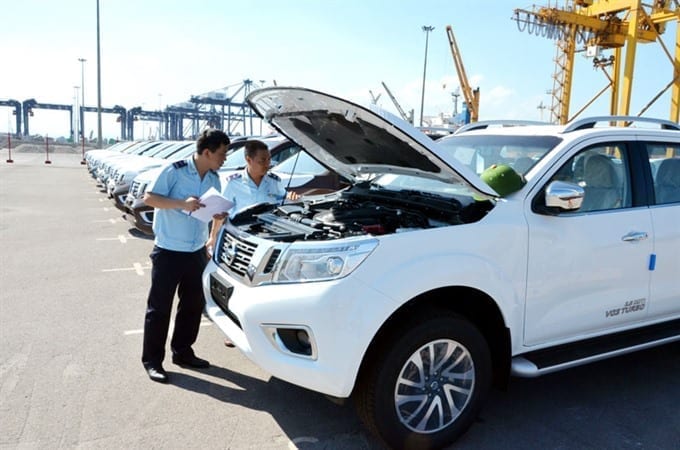

  • Thai Car Plants Prepare to Restart as Flood Delays Ease in Chon Buri

    Thai Car Plants Prepare to Restart as Flood Delays Ease in Chon Buri

    Automakers across eastern Thailand will resume assembly operations on October 14 as component suppliers restore factory lines following late September floods in Chon Buri province. Major vehicle assembly plants had enough buffer inventory to maintain output until October 12 before parts shortages forced brief schedule adjustments.

    The recovery clears a bottleneck across Tier 2 and Tier 3 parts suppliers based inside the Amata City Chonburi Industrial Estate, protecting Thailand’s national target to produce 1.5 million vehicles in 2026.

    Supply Lines Clear in Chon Buri

    Floodwaters have now receded from the industrial corridors in Chon Buri, allowing parts manufacturers to bring technicians back to factory floors. Operations have not returned to full capacity immediately. Teams at dozens of small and medium-sized parts makers are inspecting machinery, rewiring electrical circuits, and reconfiguring logistics routes to move metal stampings, wiring harnesses, and sub-assemblies to assembly plants.

    Disruptions to regional road links briefly cut off parts deliveries from unflooded workshops to vehicle assembly plants across Rayong and Samut Prakan. The supply bottleneck temporarily hit factory schedules for Toyota, Isuzu, Ford, Nissan, and Honda. Assembly lines for battery electric vehicles escaped the disruption because their component supply chains rely on separate battery and motor fabrication lines.

    Combustion Engines Bear the Impact

    Traditional combustion vehicles absorbed almost all the downtime because their manufacturing footprints involve broad networks of domestic subcontractors. Missing a single bracket or fastener stops a finished vehicle from clearing the end of the line.

    Surapong Paisitpattanapong, advisor and spokesman for the Automotive Industry Club at the Federation of Thai Industries, pointed to the structural vulnerability of conventional platforms: An ICE vehicle contains more than 30,000 parts. If even a single component is missing, the vehicle cannot be delivered to customers.

    Assembly operations are structured around tight delivery windows with minimal warehouse holding costs. When water cut road access across parts of Chon Buri in late September, suppliers lost the ability to deliver sequential parts batches directly to factory bays. Carmakers weighed sourcing substitute parts directly from Japan before water levels dropped inside the industrial parks.

    Industrial Landlords Roll Out Rebates

    Industrial park operator Amata Corporation Plc is rolling out financial relief to keep tenants on schedule. The company introduced a 50 per cent reduction or waiver on industrial estate maintenance fees for one year. Factory operators will also receive a 50 per cent discount on utility bills, including industrial tap water, starting in October.

    Amata is also lowering water levels across drainage canals, running continuous drainage pumps, and tracking storm fronts across the eastern seaboard to keep runoff away from factory gates. Total industrial damage across flooded zones reached an estimated 6 billion baht, equal to roughly 178 million dollars, following heavy rainfall across 28 provinces.

    Export Schedules Hold Steady

    Thailand’s automotive sector is defending its role as Southeast Asia’s primary light vehicle assembly hub. The country locked in a total production volume of 1.5 million units for 2026. That plan allocates 950,000 vehicles for overseas export markets and 550,000 units for domestic retail buyers.

    The eastern seaboard assembly belt faced historic flooding risks during previous monsoon seasons, prompting heavy infrastructure investments in industrial drainage dykes. The rapid clearing of water at Amata City demonstrates that localized runoff can be drained before finished vehicle export schedules suffer long-term delivery cancellations.

    Parts makers will spend the coming two weeks running extra weekend shifts to replenish buffer stocks at assembly plants. Factory managers will watch export loading numbers at Laem Chabang port through the end of October to confirm that assembly lines have matched their standard output quotas.

  • Honda to Sell Thai-Built Mitsubishi Pickups in Southeast Asia by 2028

    Honda to Sell Thai-Built Mitsubishi Pickups in Southeast Asia by 2028

    Honda Motor will sell Thai-built Mitsubishi Triton pickup trucks under its own brand across Southeast Asia starting as early as 2028.

    The agreement represents Honda’s first vehicle rebadging arrangement in approximately three decades, putting the company back into commercial utility segments where it lacks dedicated platform architecture.

    Reviving rebadged supply in Thailand

    Under the arrangement, Mitsubishi Motors will manufacture the Triton utility vehicle at its production hub in Thailand, supplying finished units to Honda. Honda will apply its own badging and retail the pickup through its established distribution network in Southeast Asian markets and selected export destinations.

    Sourcing fully built vehicles from Mitsubishi spares Honda the heavy capital expenditure required to engineer a body-on-frame commercial truck platform from scratch. Mitsubishi maintains deep manufacturing scale in Thailand, where its Laem Chabang plant serves as a global export base for one-tonne pickups.

    Defending share against Chinese entrants

    Japanese automakers face intensifying pressure across Southeast Asia, where Chinese original equipment manufacturers have captured rapid market share in passenger electric vehicles. Expanding commercial and passenger vehicle catalogues helps traditional brands protect dealership throughput and service revenues across key territories such as Thailand, Indonesia and the Philippines.

    The risk sits in showroom differentiation. Selling an identical mechanical platform under two competing Japanese badges risks cannibalising existing Triton sales unless Honda targets distinct commercial fleet buyers or alters cosmetic styling and interior specifications.

    Pickup demand across regional showrooms

    One-tonne pickup trucks represent the largest single vehicle category in Thailand, functioning as both work vehicles and primary family transport. While Japanese brands have long controlled more than 80 percent of the commercial truck market in the region, shifts in fleet procurement and new competitive entries have forced legacy manufacturers to consolidate their supply networks.

    Honda has built its regional dominance on passenger sedans, hatchbacks and compact sport utility vehicles. Adding a robust pickup line fills an enduring gap in its commercial retail lineup across suburban and rural dealer networks throughout ASEAN.

    Supply roadmap to 2028 rollout

    Car manufacturers in Japan previously shared passenger and commercial models through original equipment manufacturing arrangements during the 1990s, but Honda largely abandoned cross-badging passenger models to focus on proprietary global architectures. This partnership with Mitsubishi reverses that independent approach in light of shifting regional economics.

    Both companies now face the task of finalising supply volumes, regional homologation schedules and market-specific styling changes ahead of the scheduled 2028 commercial rollout.

  • Toyota Thailand Extends Suspensions at 3 Plants to Oct 19

    Toyota Thailand Extends Suspensions at 3 Plants to Oct 19

    Toyota Motor Thailand has extended production suspensions at its Samrong, Ban Pho and Gateway plants, with operations now expected to resume between Oct 14 and 19 as flooding continues to disrupt parts deliveries.

    The company initially suspended output at the three facilities from Oct 5 to 10 after flooding affected deliveries across Samut Prakan, Chachoengsao and Chon Buri provinces.

    Staggered restarts across manufacturing hubs

    In a statement released on Friday, the carmaker said production at the Samrong plant was projected to resume on Oct 14, followed by Gateway on Oct 16 and Ban Pho on Oct 19.

    Under the revised schedule, the Samrong plant will attempt to restart operations on October 14. Gateway follows on October 16. Ban Pho remains closed until October 19.

    Every restart date depends on water levels receding and parts vendors restoring shipments, Toyota stated. Dealerships have begun notifying retail buyers about delayed vehicle handovers.

    Supplier gridlock hits automotive corridor

    Disruptions tested Thailand’s tightly integrated just-in-time automotive supply chain. Heavy rains inundated central industrial clusters in late September, submerging transit corridors rather than destroying plant machinery outright.

    Roughly 10 component manufacturers across the country halted production after rising waters blocked workers from commuting. Other vendors avoided direct flooding but could not move finished inventory over submerged provincial highways.

    Total industrial damage from the floods reached 6 billion baht, or roughly 178 million dollars, according to the Federation of Thai Industries. While major vehicle plants held enough safety inventory to assemble cars through October 12, those buffer stocks have run dry.

    Supply chain strain across regional rivals

    Toyota is not the only assembler managing parts shortfalls in the corridor. Rival manufacturers including Isuzu, Honda, Ford and Nissan faced delivery delays as regional logistics networks seized up.

    The country serves as the primary export base for Japanese carmakers supplying Southeast Asia, Australia and the Middle East. Prolonged plant closures risk pinching vehicle inventory across regional dealership networks heading into the fourth quarter.

    If tier-one suppliers cannot restore operations once roads clear, assemblers will face steep air-freight bills. They must fly replacement components in from Japan to keep assembly lines running.

    Monsoon pressures on industrial infrastructure

    Monsoon rainfall dumped nearly 300 millimetres of water over Bangkok in three days during late September, matching the capital’s typical monthly rainfall. Authorities declared disaster zones across 28 provinces as floodwaters spread southward through central manufacturing provinces.

    Government officials stepped in to inspect industrial parks, with Commerce Minister Suphajee Suthumpun visiting Toyota’s Samrong plant in Samut Prakan on October 7 to assess damage to transport links.

    Plant managers and suppliers now focus on clearing logistical bottlenecks before Samrong’s targeted October 14 restart date.

  • Pakistan Raises Import Duties on Tyres and Motorbike Parts to Protect Local Industry

    Pakistan Raises Import Duties on Tyres and Motorbike Parts to Protect Local Industry

    Pakistan raised additional customs duty on imported tyres and motorcycle components on Thursday. The tariff on certain bike parts climbs to 31 per cent to shelter domestic manufacturers.

    Cabinet members on the Economic Coordination Committee lifted the additional customs duty on locally manufactured radial tyres and motorcycle components from 4 per cent to 11 per cent. Rates on motorbike parts imported by local assemblers surged from 11 per cent to 31 per cent.

    Finance Minister Muhammad Aurangzeb presided over the Islamabad meeting. The committee altered statutory regulatory order SRO 693(I)/2006 on the recommendation of the Revenue Division. These tariff hikes follow the first quarter of the fiscal year and coincide with a staff-level agreement with the International Monetary Fund.

    Higher tariffs on tyres and motorcycle components

    Imported parts that compete with local suppliers face direct penalties under the new structure. Components brought in by vehicle assemblers take the steepest hit, jumping 20 percentage points to 31 per cent. Finished radial tyres and replacement parts now carry an 11 per cent levy.

    Revenue Division documents confirm the amendment to SRO 693(I)/2006 targets imports where domestic manufacturing capacity already exists. Officials structured the differential to push assemblers toward local supply contracts over foreign procurement.

    Vehicle assemblers across the country have long relied on imported knock-down kits from China, Japan and Southeast Asia. The wider tariff gap raises landed costs on foreign parts. Assemblers must now absorb the higher expenses or negotiate domestic purchasing contracts.

    Protectionist shelter for domestic assemblers

    Component vendors gain a protected customer base in a volatile retail market. Two-wheelers dominate urban transport in Karachi, Lahore and Rawalpindi. Consequently, motorbike parts rank among the largest consumer replacement categories in Pakistan.

    Motorcycle manufacturers must now speed up vendor localisation programmes. Assemblers that failed to build local supply networks over the past decade face immediate cost disadvantages. Competitors with higher domestic parts content will hold an edge.

    Retail buyers will feel the impact quickly at motorcycle repair shops and tyre dealerships. Importers of Japanese and Chinese radial tyres must raise wholesale prices or lose ground to domestic tyre makers in Punjab and Sindh.

    Credit guarantees and small business funding

    Credit guarantee measures accompanied the tariff decisions. The State Bank of Pakistan designed a structure to expand lending to small suppliers and the agricultural sector. The scheme provides 20 per cent first-loss coverage on loans to small enterprises, alongside 10 per cent coverage for medium industries and small farmers.

    Risk-sharing under the programme will flow through Agency Financial Institutions, connecting non-banking lenders and microfinance firms to state guarantees. The committee also amended the Second Supplemental Trust Deed of the Credit Guarantee Trust Fund. That step expands a housing finance facility created for the Prime Minister’s Mera Pakistan Mera Ghar initiative.

    Total supplementary grants cleared during the session reached Rs57.85 billion across 11 allocations. Within that sum, the Small and Medium Enterprises Development Authority secured Rs2 billion to execute its corporate plan.

    Restructuring state retail and infrastructure

    Industries and Production Division officials secured Rs11.329 billion to shut down the state-owned Utility Stores Corporation. The state retail chain operated thousands of discount grocery outlets nationwide. The closure forms part of a wider push to rationalise state enterprises.

    Infrastructure spending took up the rest of the major allocations. The Public Private Partnership Authority received Rs8 billion for project delivery. Meanwhile, the Ministry of Railways received Rs10 billion for the Thar Coal Rail Connectivity Project, linking domestic coal reserves to power stations and industrial buyers.

    Export Development Fund balances will also be invested in government securities to earn sovereign yields on idle trade funds. Revised customs tariff schedules take effect immediately across all major customs ports.

  • Nissan to Roll Out China-Made Frontier Pro Pickup in Mexico

    Nissan to Roll Out China-Made Frontier Pro Pickup in Mexico

    Nissan Motor announced in October 2026 that it will launch the Frontier Pro pickup truck in Mexico this month, marking the 1st vehicle engineered and produced by its Chinese joint venture that the automaker will export. The model is scheduled to go on sale later in Southeast Asia and Australia.

    Engineers at Nissan’s joint venture in China developed and produced the pickup truck. The launch represents the company’s first export corridor for vehicles assembled by its manufacturing operations in China.

    Exporting From Chinese Assembly Lines

    Auto manufacturers in Japan face intense price competition and slowing retail momentum in China, where local electric vehicle makers continue to capture market share. Redirecting excess manufacturing capacity in China toward export destinations allows legacy brands to defend overall plant utilization.

    Shipping finished vehicles from Chinese joint ventures to markets in the Americas and Asia-Pacific lowers build costs compared to exporting directly from Japanese or North American factories. Mexico serves as the initial test market for the model before Nissan introduces the vehicle to buyers across right-hand-drive and left-hand-drive territories in the Asia-Pacific region.

    Expanding to Southeast Asia and Australia

    Dealerships across Southeast Asia and Australia will receive the Frontier Pro following the Latin American debut. Both regions represent established pickup truck markets where Japanese brands have long competed against American and emerging Chinese utility vehicles.

    Distributors in Australia and Southeast Asian markets face growing consumer interest in cost-competitive commercial and lifestyle trucks. Supplying those showrooms directly from China gives Nissan an established product line at price points engineered to counter recent inroads by Chinese commercial vehicle exporters.

    Managing Platform Strategy Across Markets

    Japanese carmakers are adjusting their global production footprints to counter trade barriers and shifting regional demand. Nissan is raising local production targets in North America while simultaneously using Chinese factory lines to feed price-sensitive export markets across the Pacific basin.

    The strategy places vehicle assembly in lower-cost manufacturing hubs without requiring greenfield capital expenditures in each destination country. Fleet operators and commercial vehicle buyers in target markets will see product lines sourced from joint-venture platforms originally built for the Chinese domestic segment.

    The Timeline for Regional Rollouts

    Deliveries in Mexico commence this month through Nissan’s existing commercial network. The export program tests consumer reception to Chinese-built Nissan nameplates ahead of wider distribution.

    Showroom arrival dates and market-specific trim specifications for Southeast Asia and Australia will follow the initial Mexican release schedule as export shipments ramp up from the Chinese production facility.

  • Rapidus Partners with 17 Design Firms to Secure 2Nm Chip Buyers

    Rapidus Partners with 17 Design Firms to Secure 2Nm Chip Buyers

    Japan’s state-backed chipmaker Rapidus has partnered with 17 design firms to secure buyers for its planned two-nanometre foundry. The venture holds 15 billion dollars in government funding.

    Executives must book production orders before commercial fabrication starts in the second half of the next fiscal year.

    Partners include American design software provider Synopsys and Indian technology services group Infosys. These alliances allow Rapidus to offer external customers design support alongside wafer fabrication. Early software integration resolves bottlenecks before physical manufacturing starts in Chitose, Hokkaido. Rapidus is developing its two-nanometre process with IBM and has already begun pilot line operations.

    Chasing Market Share in Advanced Silicon

    Landing customer commitments remains the primary operational hurdle. Taiwan Semiconductor Manufacturing Co dominates cutting-edge contract manufacturing. South Korea’s Samsung Electronics started producing two-nanometre chips last year, and Intel continues its own foundry expansion. Rapidus is pitching its capacity to consumer electronics and enterprise hardware designers shut out of production queues at TSMC.

    Switching supplier allocations to an untested foundry carries heavy risks for device makers. Global tech brands operate on strict product refresh cycles. Fabrication delays or yield faults quickly derail device launches across retail channels. Hardware brands want supply chain alternatives to hedge geopolitical tension around the Taiwan Strait. Still, migrating proprietary chip designs away from established foundries carries significant financial exposure.

    Rebuilding Japan’s Semiconductor Base

    National market share in global semiconductor manufacturing has fallen from roughly 50 per cent in the 1980s to below 10 per cent today. Prime Minister Sanae Takaichi is relying on Rapidus to anchor a broader industrial revival. That effort links directly to domestic artificial intelligence initiatives like the Noetra robotics project.

    Local suppliers of silicon wafers, precision chemicals and lithography equipment also gain direct demand if Rapidus succeeds. Commercial production in Hokkaido will shorten procurement cycles for regional device makers. Those firms currently export raw materials to Taiwan and South Korea for fabrication before importing finished silicon packages.

    Foundry Economics and Operational Challenges

    Fab viability depends on nonstop machine utilisation and high production yields. Even well-funded incumbents face margin compression when wafer defect rates spike during early-stage node transitions.

    Running a chip fab around the clock, maintaining stable, consistent yields and continuing production in a way that makes the business viable is extremely difficult

    Said Kazuyoshi Saito, an analyst at IwaiCosmo Securities.

    Capital recovery will take years before operations turn cash-positive. Rapidus management has set an initial public offering target for around the fiscal year ending March 2032 to open private equity participation and reduce reliance on state funding.

    Milestones Ahead of Commercial Ramp

    Engineering teams must now convert preliminary design consultations with the 17 partners into signed volume supply contracts. Pilot yields from the Hokkaido facility will face customer evaluation throughout 2027 before volume tool installations begin for commercial wafer output.

  • Estée Lauder Hits 98 Percent Regional Sourcing for Core Lines as R&D Speeds up

    Estée Lauder Hits 98 Percent Regional Sourcing for Core Lines as R&D Speeds up

    The Estée Lauder Cos. Has shifted 98 per cent of production and sourcing for its core foundation franchise to local regional hubs. The change cuts product development cycles by half.

    That setup covers high-volume lines including the Double Wear franchise. Following a reformulation, it ranked as the top makeup launch in the United States during the first half of 2026.

    Supply chain and research teams now operate across five innovation centers in Shanghai, Long Island, Toronto, Paris and Blaine, Minnesota. They work alongside nine manufacturing plants in the United States, Switzerland, England, Belgium and other markets. By shifting from a sequential stage-gate model to parallel workflows, development time for premium skincare lines like the Re-Nutriv Ultimate Diamond face oil essence fell from 30 months to 15 months. Factory floors now run on a proprietary generative artificial intelligence assistant called ELLA. The system provides historical data so line operators can reconfigure machinery without halting production runs.

    Parallel Development Across Global Hubs

    This overhaul links early ingredient discovery directly to plant-level tooling trials. Traditional cosmetics manufacturing separated research, packaging design and factory scaling into discrete stages. Estée Lauder now runs formulation and industrial scaling concurrently across its research centers and production facilities.

    In hybrid skincare and makeup categories, the group transferred oil-control technology from its skincare laboratories into foundation lines, extending wear time to 36 hours. Brand teams at MAC and The Ordinary used similar acceleration methods. Both rolled out stick formats and high-concentration serums within months of emerging ingredient trends.

    Regionalising Supply to Shield Margins

    Trade barriers and cross-border transport costs forced the group to abandon centralized production for mass-volume product lines. Sourcing and manufacturing now sit directly within the consumer markets where inventory is sold.

    For retailers and department store operators across Asia and the West, localized manufacturing reduces out-of-stock risks during demand spikes. It also cushions wholesale margins against currency swings. However, localized sourcing concentrates inventory risk in individual regional hubs, requiring precision forecasting to prevent gluts.

    Independent beauty labels in South Korea and China continue to cycle new formulations to store shelves in under six months. Established prestige operators moving research hubs closer to regional factories are attempting to match that speed without sacrificing clinical testing standards.

    Expanding Fragrance and Cross-Category Formulations

    To support higher-margin categories, the company added dedicated infrastructure, opening a fragrance atelier called La Maison des Parfums in Paris in 2025. The site develops exclusive scents for Jo Malone London, Le Labo and Kilian Paris. Formulation teams pair proprietary botanical extractions with synthetic molecules to prevent direct imitation by fast-beauty competitors.

    Brand extensions have also branched into adjacent premium consumer categories. These include pet care grooming products developed through third-party specialist partnerships.

    Parallel working means we’re going faster in identifying ingredients, in having the right lead times; in [conducting] line trials at the factories…we’re accelerating these activities by doing them in parallel.

    Tracking Output Across Nine Manufacturing Plants

    Years of tariff disputes and logistical bottlenecks triggered this operational pivot. Earlier distribution networks relied heavily on centralized production facilities in Europe and North America before shipping finished goods overseas.

    Plant managers now face the task of maintaining factory uptime as ELLA and algorithmic formulation tools expand into all nine manufacturing sites ahead of the next financial reporting cycle.

  • China BCI Cotton Prices Fall 0.96%

    China BCI Cotton Prices Fall 0.96%

    China Better Cotton Initiative certified cotton prices fell 0.96 per cent this week. The drop brings immediate relief to regional textile mills and apparel makers sourcing sustainable fibre across Asian supply networks.

    Factory operators face strict sustainable sourcing quotas set by international brands. Cheaper raw fibre helps spinning mills and garment producers meet those targets without extra cost pressure.

    Input Costs for Asian Spinning Mills

    Downstream yarn producers feel the price shift first. Mills in major regional processing hubs track Chinese BCI benchmarks closely as they plan procurement strategies for upcoming production runs.

    Export clients demand verified traceability. Lower fibre prices allow spinning facilities to protect operating margins while keeping those standards intact.

    Pressure on Apparel Export Margins

    Asian garment exporters face persistent cost competition in North America and Europe. Raw cotton accounts for a major share of fabric production costs, so fractional price shifts matter to volume suppliers.

    Global apparel labels are negotiating seasonal contracts right now. Suppliers that locked in higher procurement rates in recent weeks face tighter pricing pressure during these talks.

    Sourcing Adjustments Across Asian Hubs

    Regional manufacturers balance local buying against imported certified fibre, weighing freight rates and tariff differences. Cheaper Chinese cotton gives domestic mills a brief edge over competitors relying on imported bales.

    Procurement teams are adjusting forward contracts. They must avoid inventory depreciation while still securing required volumes of verified sustainable stock.

    Market Metrics to Track

    Traders now watch raw fibre auction clearance rates in Chinese hubs. Those figures will show whether the 0.96 per cent drop extends into deeper price cuts.

    Spinning mills will track order intake from garment exporters over the coming weeks to determine if raw material price adjustments trigger wider contract renegotiations.

  • Thai Floods Hit 4,500 Factories Causing 2.14 Billion Baht in Damage

    Thai Floods Hit 4,500 Factories Causing 2.14 Billion Baht in Damage

    Floods across Thailand damaged 4,523 factories in 55 provinces, generating an estimated 2.14 billion baht in losses, Industry Minister Varawut Silpa-archa said on Tuesday.

    Small and medium-sized enterprises bore the brunt of the disruptions, accounting for 4,113 of the flooded sites.

    Established industrial operators accounted for 316 damaged plants, while 94 community enterprises also suffered flood losses. The Industrial Estate Authority of Thailand reported that between 180 and 190 plants located within formal industrial estates took hits, accumulating between 1.7 billion and 1.8 billion baht in physical and operational damage.

    Breakdown Across Industrial Zones

    Industrial estate operators absorbed the vast majority of financial losses despite representing a smaller fraction of the total site count. The concentration of high-value machinery and automated production lines inside managed zones drove up the repair bill relative to dispersed workshops.

    For consumer goods manufacturers and regional supply networks, prolonged shutdowns at tier-two and tier-three SME suppliers create immediate component shortages. Production stoppages ripple directly into wholesale distribution channels across Southeast Asia when small packaging, plastic moulding, and parts fabricators go offline simultaneously.

    State Assistance and Debt Relief

    The Industry Ministry is preparing targeted financial relief for affected facilities. Officials plan to approach commercial lenders and state banks to secure debt moratoriums alongside concessional loans dedicated to site rehabilitation and equipment repairs.

    Factories that suffered complete operational shutdowns will receive prioritized state support. Industrial works inspectors are also rolling out mandatory post-flood safety guidelines to evaluate electrical grids and structural integrity before sites resume output.

    Supply Chain Risks and Recovery Steps

    Thailand’s manufacturing base remains vulnerable to seasonal monsoon surges that overwhelm drainage networks outside central industrial corridors. While major multinational plants inside ring-fenced estates have permanent flood barriers, peripheral SME supply clusters often lack dedicated dykes and pumping infrastructure.

    Commercial banks and ministry inspectors are now evaluating the 4,523 damaged facilities to determine exact capital requirements before loan packages roll out to affected operators.

  • Pandora Opens US$150 Million Jewellery Facility in Vietnam

    Pandora Opens US$150 Million Jewellery Facility in Vietnam

    Last week, Pandora chief executive Berta de Pablos-Barbier stood alongside Vietnamese officials on the northern fringe of Ho Chi Minh City to unveil the first piece of jewellery the Danish company has ever made outside Thailand.

    The group spent US$150 million on the 7.5-hectare plant in Vietnam-Singapore Industrial Park III, which it describes as the world’s largest fine jewellery crafting facility. At full capacity, the site can produce up to 60 million pieces a year.

    Breaking the Thailand monopoly

    The new plant shifts Pandora’s production footprint. For decades, the Copenhagen-listed company concentrated all manufacturing in Thailand. It relied on large craft facilities in Bangkok and Lamphun.

    Vietnam gives the jeweller a second manufacturing base in Southeast Asia. The industrial corridor north of Ho Chi Minh City provides established logistics links, deep-water port access, and a large manufacturing workforce.

    Production scale at VSIP III

    Located inside Vietnam-Singapore Industrial Park III, the facility adds volume to Pandora’s global supply network. Capital expenditure of US$150 million covers precision crafting equipment, casting lines, and finishing stations.

    Pandora designed the site to lift total group production as it expands its store network across Europe, the Americas, and Asia-Pacific. Full ramp-up depends on steady order volumes across core charm bracelet and fashion jewellery lines.

    Supply chain concentration risk

    Single-country sourcing created operational risks for Pandora during past supply chain disruptions. Building in Vietnam reduces political, regulatory, and labor exposure tied to a single operating market.

    Other global fashion and accessories brands have also shifted manufacturing capacity into Vietnam. Pandora must now build local technical expertise to match craftsmanship standards honed over decades in Thai facilities.

    Factory output and market demand

    Adding 60 million units of annual capacity requires sustained sales growth across key consumer markets. Global retail footfall and discretionary spending remain uneven across major shopping districts.

    Operations will test how fast Pandora integrates the Vietnam facility into its global fulfillment chain. Management will track initial run rates from the Ho Chi Minh City site as production scales toward the 60 million piece ceiling.

  • Vingroup and Alstom Agree on Deal for 200 Hanoi Metro Trainsets

    Vingroup and Alstom Agree on Deal for 200 Hanoi Metro Trainsets

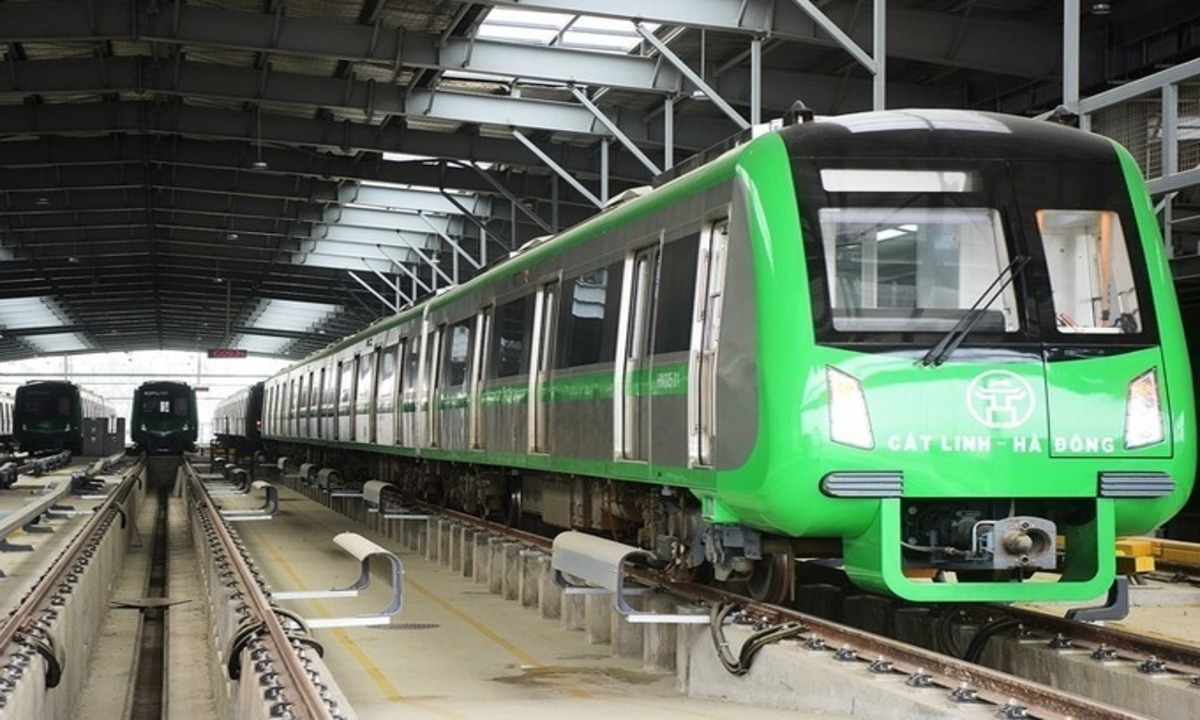
    Vietnam’s Vingroup and France’s Alstom announced a deal on Tuesday for 200 metro trainsets and an associated technology transfer to support Hanoi’s urban rail network. The partnership covers fully automated, driverless rolling stock for the capital city’s planned transit lines.

    Alstom will design and construct the initial batch of 83 five-car trainsets at its manufacturing plant in France. Vingroup will assemble the remaining 117 trainsets at its facilities in Vietnam. Alstom will supply engineering expertise, tooling systems, and critical components for the domestic build.

    Splitting production between France and Vietnam

    Work will shift industrial capacity to Vietnam in two phases. Alstom handles early engineering and fabrication in Europe to set technical baselines for the automated systems. Vingroup then assumes direct assembly operations to build out domestic rail manufacturing capability.

    Neither company disclosed delivery timelines or the total financial value of the contract. Alstom will stay tied to local assembly lines across the build program, providing specialized parts and technical supervision throughout.

    Industrial shift for Vietnam’s transit pipeline

    Securing domestic rolling-stock assembly alters the economics of future transit tenders. It reduces long-term dependence on fully imported fleet orders. However, Vingroup takes on the execution risk of mastering precision rail manufacturing alongside its existing industrial operations.

    Rail development is one of Vietnam’s most active transport sectors. Planners in Hanoi and Ho Chi Minh City have mapped out approximately a dozen lines between them. That pipeline creates continuous demand for standardized rolling stock and signalling hardware across both hubs.

    Scaling the capital city network

    Vietnam has accelerated procurement to relieve road congestion and support high-density commercial corridors. In the capital, Hanoi has outlined a blueprint to expand its urban rail footprint to 979 route kilometres across 18 separate lines by 2045.

    Fleet procurement will scale up as line construction advances toward those milestones. The next operational metric to watch will be the formal announcement of delivery schedules and line allocations for the first French-built trainsets.

  • China Third-Quarter Economic Growth Estimated at 4.4%

    China Third-Quarter Economic Growth Estimated at 4.4%

    China expanded by an estimated 4.4 per cent year on year in the third quarter, falling short of official targets despite sustained momentum across artificial intelligence.

    The July to September result edged up only marginally from the previous quarter, held back by protracted weakness in domestic consumption and real estate.

    Tech gains trail real estate losses

    Surging investment in artificial intelligence and related hardware provided a lift to industrial output during the quarter. Overseas shipments also held firm, providing critical support for factory floors across the mainland.

    Those industrial gains failed to counterbalance the wider property slump. Housing market contraction continues to depress household balance sheets, limiting the broader economic impact of high-tech manufacturing.

    Consumer spending holds back recovery

    Domestic retail demand remained subdued throughout the three-month period. Shoppers kept spending tight, muting turnover across merchant networks and consumer brands operating in tier-one and regional markets.

    Sluggish consumer spending poses direct challenges for retail operators, landlords and supply chain networks that rely on strong mainland foot traffic. Without sustained consumer demand, gains in factory output cannot flow into the service sector.

    Export strength faces domestic drag

    Strong export numbers kept trade balances positive through September, but external demand cannot carry the entire expansion. Domestic store operators and commercial landlords continue to absorb the impact of cautious household budgets.

    Manufacturers focused on artificial intelligence hardware and export goods outperformed domestic consumer suppliers by a wide margin. That divergence leaves consumer-facing businesses exposed to prolonged margin pressure.

    Pressure builds on growth targets

    The slight quarter-on-quarter uptick leaves the full-year economic trajectory under pressure. Earlier quarters delivered steady factory output, yet household consumption failed to accelerate alongside industrial capacity.

    Official full-year gross domestic product targets require stronger domestic demand in the final quarter. The focal point shifts to upcoming retail sales figures and property transaction volumes across major metropolitan markets.

  • Philippine Factory Activity Slips to 49.6 in September

    Philippine Factory Activity Slips to 49.6 in September

    Philippine factory activity contracted in September as the Purchasing Managers’ Index fell to 49.6 from 54.9 in August, according to survey data from S&P Global.

    The drop below the 50-point line separating growth from contraction marks the sector’s first downturn since April.

    Sharp Drop Across Output and Orders

    Data from roughly 400 manufacturing companies across the Philippines showed simultaneous declines across production, new business, export sales, and factory payrolls. Production volumes registered their steepest fall since November 2025, halting a sustained summer run of operational growth.

    Higher input expenses squeezed producers throughout the month. Rising global crude oil prices, spurred by heightened geopolitical friction between the United States and Iran, drove fuel and transportation costs upward and quickly eroded manufacturing margins.

    “Filipino manufacturers reported a notable impact from high oil prices, strong international competition and weak demand during September. Output, new orders and employment all dropped into contractionary territory,” said Siân Jones, principal economist at S&P.

    Inventory Run-Downs and Slower Buying

    Factory operators responded to cooling client demand by slashing their purchasing activity and depleting existing warehouse inventories rather than placing fresh component orders. That shift into defensive retrenchment creates immediate headcounts and volume challenges for industrial suppliers across Southeast Asia that feed Philippine assembly lines.

    For retailers and consumer brands relying on domestic finished goods, production cuts threaten inventory availability ahead of the fourth-quarter holiday sales rush. Consumer goods firms face a dual squeeze: paying more for freight while encountering price resistance from households managing broader inflationary pressures.

    Reversal of Peak Expansion

    The sudden slump reverses a period of rapid industrial growth that lifted the Philippine PMI to near decade highs in August. Factory output expanded steadily through the middle of the year after an earlier soft patch in April, supported by domestic order books before overseas competition and energy shocks altered buying patterns.

    Industrial buyers across Metro Manila and surrounding manufacturing hubs now track fourth-quarter export bookings and regional energy price movements to gauge whether output stabilizes before year-end.

  • Toyota Commits $3.6 Billion to Shift Tacoma Production to Texas

    Toyota Commits $3.6 Billion to Shift Tacoma Production to Texas

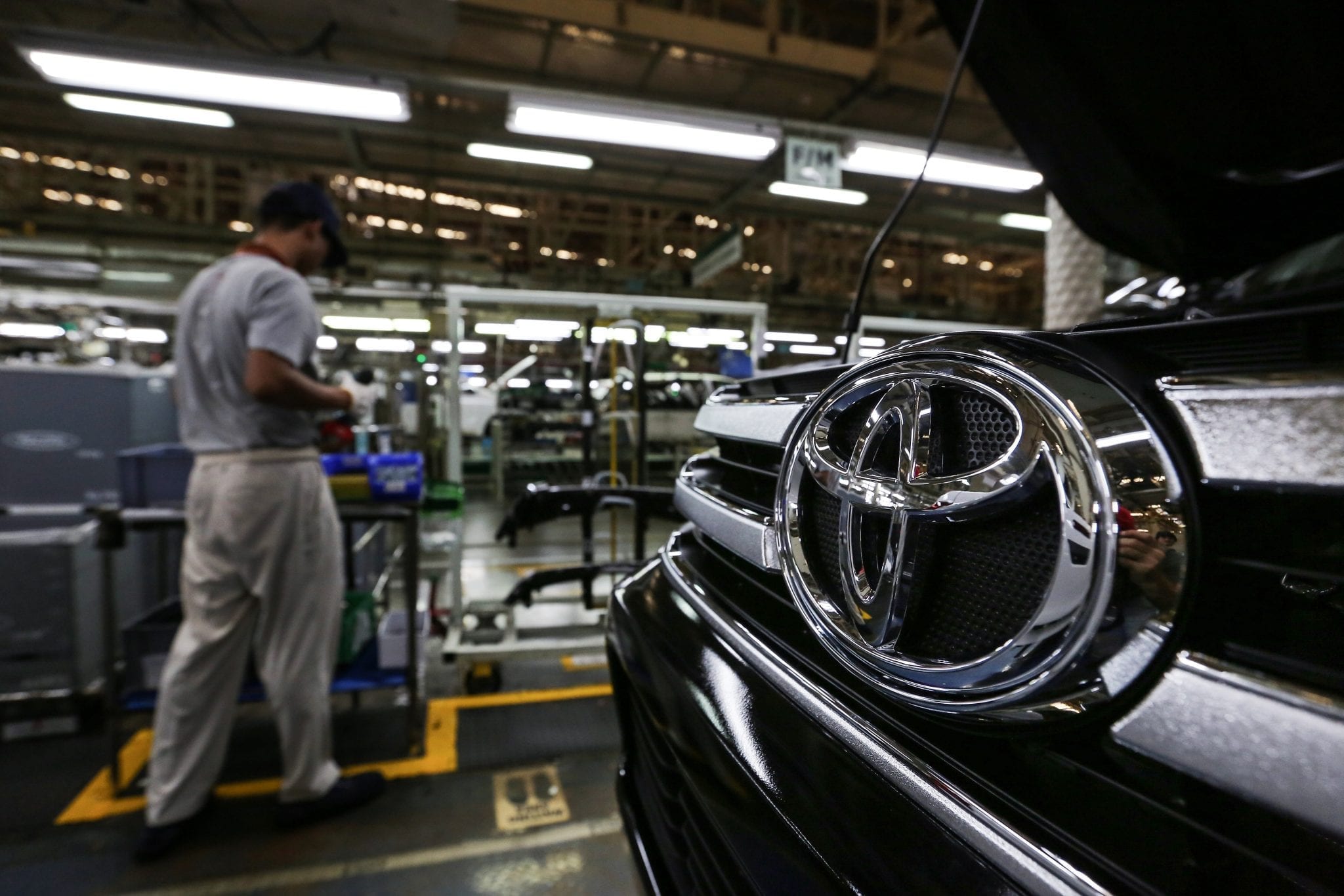
    Toyota Motor has committed $3.6 billion to expand its San Antonio plant and relocate Tacoma pickup production from Mexico to Texas as carmakers adjust to a 25 percent import tariff on foreign-built vehicles in October 2026.

    The Japanese automaker joins General Motors and Ford in reallocating capital to domestic assembly lines, yet industry economists warn that tariff volatility is stalling broader supply chain investments across the sector.

    Tariff Pressure and North American Assembly

    Japanese automotive groups face difficult calculations as United States trade policy penalizes cross-border supply networks across Mexico and Canada. Toyota is pouring $3.6 billion into its Texas operations to bring Tacoma pickup manufacturing inside American borders, insulating its light-truck volume from cross-border import levies. General Motors is spending $4 billion across facilities in Michigan, Kansas and Tennessee to adjust its footprint.

    Honda Motor faces a different dilemma. The carmaker is operating near full capacity across its North American plants and has evaluated site selection for a new assembly plant, but executive leadership paused commitments in August due to unresolved trade disputes between the United States and Canada under the USMCA trade agreement.

    Supplier Margins Squeezed by Policy Shifts

    Parts manufacturers and technology suppliers lack the balance-sheet flexibility of finished-vehicle assemblers. Investment by automotive component suppliers plunged from more than $8 billion in the first quarter of 2025 to roughly $600 million across the middle quarters of the year, according to figures compiled by the Center for Automotive Research.

    The supplier sector employs 930,000 workers in the United States and has absorbed substantial unrecovered tariff expenses. Survey data from MEMA, the Vehicle Suppliers Association, shows that nearly 80 percent of component vendors rank government trade policy changes as one of their four largest operational threats over the coming twelve months, alongside broader economic weakness and soft vehicle retail sales.

    The Long Cycle of Capital Allocation

    Automotive assembly investments require decades to deliver returns on capital, creating friction with short-term tariff revisions. Industry projections from Mobility Global indicate United States vehicle output will remain flat at 10 million units in 2026 before rising toward 11.3 million units by 2030 once major plant reconfigurations enter commercial service.

    Deloitte reports that component suppliers have recovered only half of their tariff-related cost burdens. In response, parts vendors are curtailing speculative capacity expansion and shifting capital budgets directly into factory automation and robotics to preserve operating margins.

    Employment Rebounds Below Previous Peak

    United States automotive manufacturing payrolls tracked by the Bureau of Labor Statistics stood at just under 1.8 million workers in September 2026. While that figure represents a gain of nearly 1 percent since January 2025, total sector employment remains more than 2 percent below the high recorded in July 2024.

    Automakers navigated policy reversals on electric vehicle incentives throughout 2025, which disrupted supplier tooling programs and forced factories to retool for internal combustion and hybrid powertrains. Carmakers are prioritizing the utilization of idle plant capacity over greenfield development until trade agreements reach stable terms.

    Attention now turns to the scheduled renegotiation milestones for the USMCA pact, where unresolved dispute resolution rules will determine whether Honda commits capital to a new North American assembly facility or diverts production to alternate international hubs.