Tag: Manufacturing

  • Beijing Auto Show Sets March 2027 Dates for First Odd-Year Exhibition

    Beijing Auto Show Sets March 2027 Dates for First Odd-Year Exhibition

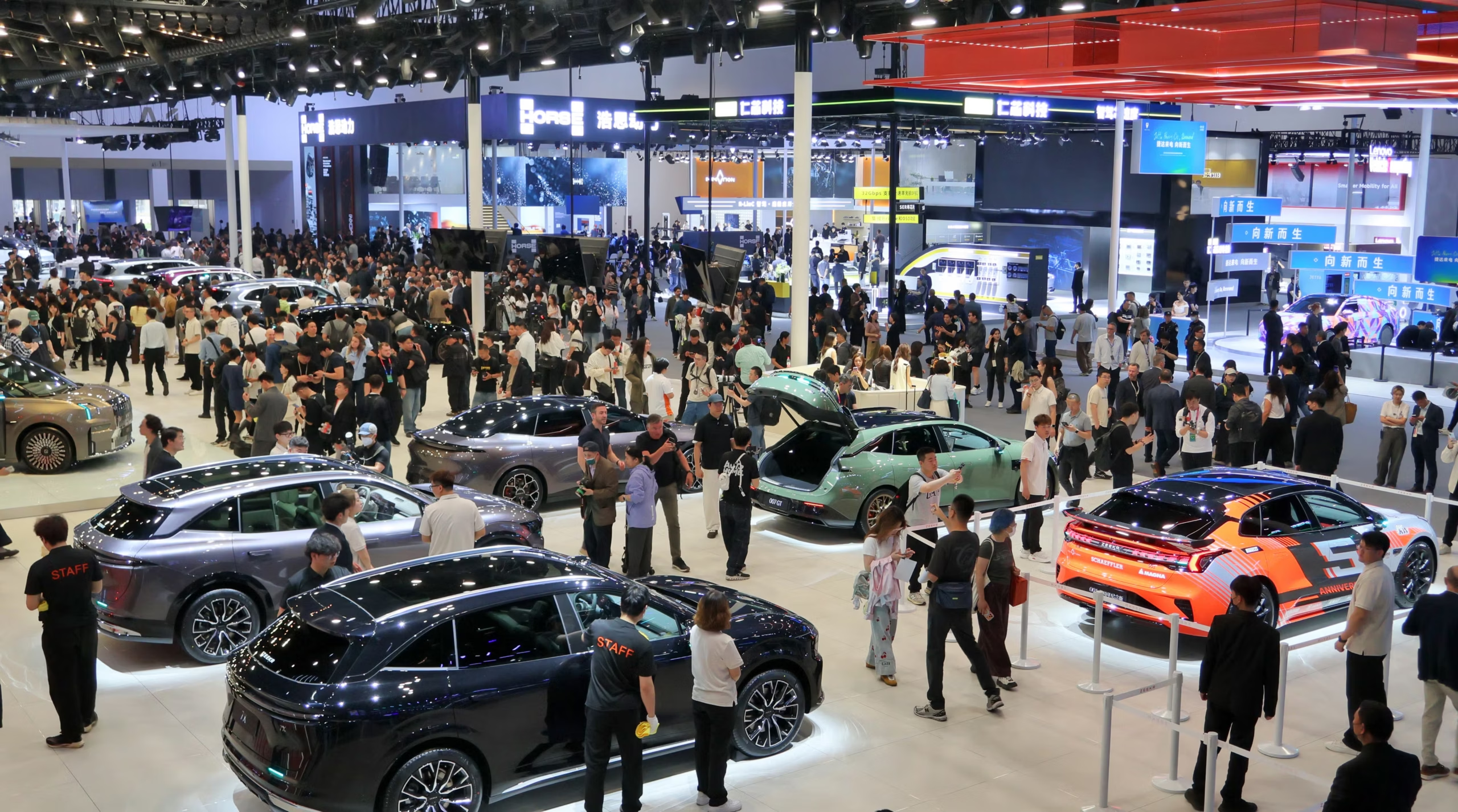
    Organizers have scheduled the next Beijing Auto Show for March 27 to April 5, 2027. The event introduces an odd-year specialized format focused on smart vehicle manufacturing.

    The 10-day event follows a 2026 exhibition that drew 1.28 million visitors. That show filled 380,000 square meters of floor space in the capital.

    Officially named the 2027 Beijing International New-Quality Automotive and Future Smart Mobility Exhibition, the show will use two venues: the China International Exhibition Center Shunyi New Venue and the Capital International Exhibition Convention Center. Media days run on March 27 and 28. Trade days follow on March 29 and 30, before public entry opens from March 31 to April 5. A dedicated auto parts section will operate for four days from March 27 to March 30.

    Schedules and venue allocation

    This schedule runs the Beijing show in an odd-numbered year for the first time since its 1990 debut. It follows months of talks between the Shanghai Council for the Promotion of International Trade and the automotive branch of the China Council for the Promotion of International Trade. Both bodies agreed on September 7 to keep their alternating system for comprehensive vehicle exhibitions. Under that deal, full-scale passenger car shows stay in Beijing during even years and Shanghai during odd years.

    To avoid overlapping with Shanghai’s gathering, Beijing will operate as a specialized trade exhibition in 2027. Exhibits will concentrate on smart manufacturing, digital production lines, artificial intelligence software, smart mobility services, and industrial robotics alongside traditional new energy vehicles.

    Technology race drives exhibition demand

    Automakers in China face compressing model lifecycles and rapid tech shifts. These changes demand more frequent commercial exposure. More than 100 domestic passenger car brands compete inside mainland China, forcing manufacturers to shorten product refresh cycles to keep dealer inventories moving.

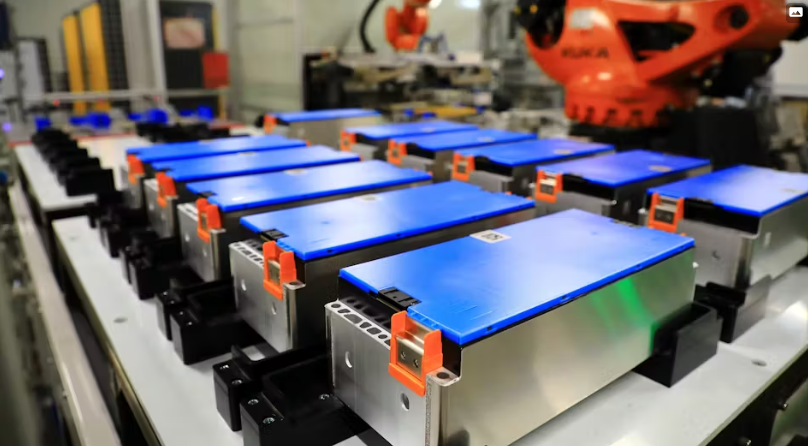
    Hardware advances have pushed vehicle launches beyond annual cycles. Domestic suppliers have speeded up the deployment of ultrafast charging technology. Manufacturers including Geely, BYD, and CATL are rolling out systems designed to complete battery charging within five minutes. Meanwhile, factory automation and AI integration have become core commercial selling points alongside vehicle range and chassis design.

    “The real challenge is whether the battery can accept that level of current quickly and repeatedly without overheating, excessive degradation or internal bottlenecks,” said Chris Liu, a Shanghai-based senior analyst at Omdia.

    Export focus and commercial matchmaking

    Organizers will also target export procurement on the show floor as domestic brands look overseas to offset slowing passenger vehicle deliveries at home. They plan to host dedicated matchmaking sessions between Chinese carmakers and foreign dealership groups, component distributors, and regional fleet operators.

    During the April 2026 Beijing show, brands presented 1,451 vehicles across more than 1,000 booths. That lineup included 181 product debuts and 71 concept cars. The 2027 edition aims to convert foot traffic into export supply agreements by prioritizing international procurement delegations.

    Shanghai prepares expanded 2027 floor plan

    Shanghai’s auto show will open less than three weeks after the Beijing event concludes. Its comprehensive exhibition runs from April 23 to May 2, 2027, at the National Exhibition and Convention Center. The event spans 400,000 square meters and includes a specialized area for embodied artificial intelligence.

    Car brands must now split capital expenditures and marketing budgets across two major events within a five-week window in northern and eastern China. Floor space allocations and overseas buyer registrations for the Shunyi exhibition halls will open in early 2027.

  • India Consumer Durables Market Eyes 50,000 Crore Rupee Localisation Prize

    India Consumer Durables Market Eyes 50,000 Crore Rupee Localisation Prize

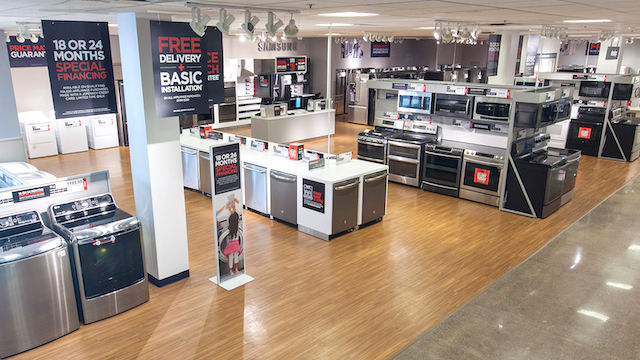
    Indian appliance makers face a 50,000 crore rupee domestic component opportunity as the national consumer durables market heads toward 3.25 lakh crore rupees by 2030. Annual retail demand across white goods is expanding at 8 to 10 per cent. Boston Consulting Group and the Confederation of Indian Industry outline the shift in a joint sector assessment, showing that captured domestic value addition can lift from 50 to 55 per cent today up to 70 per cent within four years.

    Failure to deepen supply networks will leave billions of dollars in component procurement exposed to overseas vendor bases. Localisation rates currently show wide divergence across product lines, running between 25 per cent and 70 per cent depending on technical complexity. Televisions and air conditioners sit at the bottom of domestic component sourcing, while refrigerators and washing machines source higher proportions within national borders.

    The Component Choke Point

    Assembly lines in India have multiplied rapidly, but critical sub-assemblies remain reliant on foreign suppliers. Display panels for flat screens, inverter compressors for split air conditioners, specialised insulation chemicals for refrigeration and precision motors for laundry equipment require heavy upfront capital. Manufacturers struggle to bridge gaps in proprietary technology access and production volume needed to match East Asian factory gate costs.

    Suppliers building domestic capacity require clear volume commitments from major appliance brands before installing expensive tooling. Without guaranteed off-take agreements, domestic tier-one and tier-two suppliers face margin erosion against subsidised imported parts. RetailNews Asia sees this bottleneck directly impacting product pricing on showroom floors across major metropolitan retail chains.

    Closing the Regional Penetration Gap

    Indian household ownership of large appliances sits between 20 and 90 percentage points below regional Asian averages. Urbanisation, electrification and smaller nuclear family setups continue to fuel baseline purchases across tier-two and tier-three cities. Broadened consumer credit and non-banking finance options have turned discretionary appliance purchases into monthly instalment payments for entry-level buyers.

    Premiumisation trends are also lifting average selling prices in major retail outlets. Consumers replacing decade-old cooling and refrigeration equipment increasingly opt for connected, energy-efficient units. That structural upgrade cycle creates steady floor demand for durable goods retailers, insulating retail networks from short-term inflationary dips.

    Export Limits and Global Trade Shares

    India accounts for less than 1 per cent of global consumer durables trade, according to the BCG-CII findings. Outbound shipments remain restricted to immediate regional buyers across SAARC territories and parts of the United Arab Emirates. Expanding beyond regional hubs requires meeting tougher international energy efficiency norms and reliability metrics.

    Competitiveness on the export stage hinges on port logistics speed and comprehensive domestic testing laboratories. Component suppliers that establish scale exclusively for the domestic market will struggle against global contract manufacturing conglomerates. Integrating local assembly directly with global distribution channels represents the primary operational hurdle for Indian original equipment manufacturers.

    Ecosystem Infrastructure and Technology Scaling

    Capturing the targeted value shift requires advanced testing infrastructure alongside long-term corporate research partnerships. The joint study calls for broader application of artificial intelligence across plant floors to sharpen manufacturing yield rates and streamline component logistics across fragmented domestic transport corridors.

    β€œCapturing that opportunity will require a globally competitive ecosystem,” said BCG Managing Director and Partner Mehak Dhir, pointing to deeper component manufacturing and scale requirements. State programmes and capital expenditure cycles over the next 24 months will reveal whether domestic component makers secure the orders needed to substitute major imported assemblies by 2030.

  • Thailand Targets $80 Billion in Semiconductor Investment by 2050

    Thailand Targets $80 Billion in Semiconductor Investment by 2050

    Thailand wants $80 billion in semiconductor investment by 2050 to build a domestic chip manufacturing sector, the Board of Investment announced on Thursday.

    Under the national roadmap, officials aim to generate $150 billion in annual revenue. The plan targets 230,000 technical jobs over the next quarter-century.

    Finance Minister Ekniti Nitithanprapas said the government will offer tax incentives, regulatory reforms, workforce training, infrastructure upgrades, and direct research funding to draw foreign chipmakers. The programme rolls out in stages. It starts with packaging and testing before advancing into wafer fabrication and integrated circuit design.

    Targeting Three Priority Technologies

    Bangkok designated photonics, power semiconductors, and sensors as priority subsectors. These categories feed into automotive electronics, industrial machinery, and artificial intelligence hardware. Thailand already maintains substantial export volume in these sectors.

    Local factories currently handle back-end assembly and testing, the lowest-margin link in the value chain. Moving upstream requires heavy capital expenditure. Industrial estates must now build cleanroom utilities from scratch.

    Supply Chain Realities for Southeast Asian Electronics

    For regional manufacturers and automotive supply chains, the roadmap alters the sourcing map across Southeast Asia. Car assemblers in the Eastern Economic Corridor have spent two years dealing with supply bottlenecks for specialised power management chips. Domestic fabrication plants would reduce component lead times for electric vehicle assembly lines and consumer tech exporters operating across ASEAN.

    Competition across the region is stiff. Malaysia holds an established lead in back-end packaging and advanced testing, while Singapore dominates regional wafer fabrication and Vietnam captures substantial front-end assembly investments. Thai officials bet that combining high tax breaks with domestic automotive demand will persuade global foundries to commit billions to local fabrication lines.

    Geopolitical Alignments and Investment Realities

    This policy push follows Prime Minister Anutin Charnvirakul’s July 2026 visit to China. Trade officials there discussed deepening bilateral industrial integration across electric vehicles and electronic hardware. Chinese state-backed industrial groups have expanded rapidly into Thai manufacturing estates, bringing price advantages and technical capacity while raising questions about supply chain concentration.

    The Board of Investment briefly withdrew its initial strategy statement on Thursday morning. It reissued the text without alterations to its headline capital and employment targets. Planners had faced scrutiny over whether the state budget could sustain long-term research subsidies alongside multi-year corporate tax holidays.

    The Timeline for Early Approvals

    State agencies will draft specific tax concession packages and workforce development grants for review by the cabinet. Next quarter, the Board of Investment plans to publish detailed application guidelines for advanced packaging and power semiconductor projects, establishing threshold capital requirements for incoming investors.

  • Chinese Beauty Accessory Sales Surge Across the United States

    Chinese Beauty Accessory Sales Surge Across the United States

    Sales of Chinese-made beauty accessories are surging across the United States in 2026, according to exporter Joe Wu, as wigs and nails ride a social media boom.

    The export growth comes this week amid a presidential summit shadowed by trade friction over high-profile Chinese shipments of cars and batteries.

    Export hubs in central China

    Production is concentrated in central Chinese hubs like Xuchang, supplying US consumers with pre-bleached straight hair wigs, wavy clipped extensions and coffin-shaped nails.

    “This market is growing,” said Joe Wu, an exporter based in Xuchang. Suppliers in the region are managing steady order books from overseas buyers despite shifting trade patterns in broader commerce.

    Consumer trade outside strategic disputes

    The acceleration in non-strategic consumer goods runs alongside political scrutiny over high-profile Chinese exports such as electric vehicles and industrial batteries. Beauty accessories remain largely separate from those high-level trade disputes.

    Cross-border merchants rely on rapid production cycles to match viral online styling trends. Low tooling costs and deep supply ecosystems allow workshops to switch styles within days.

    Supply chain agility for digital retail

    Online retail platforms continue to compress the timeline between cosmetic trend cycles and factory output. Fast fulfillment models give specialized producers a direct route to Western consumers seeking affordable personal care accessories.

    For independent exporters, small-batch logistics provide steady cash flow while avoiding the inventory risks carried by larger consumer electronics or automotive components.

    Order volumes heading into peak season

    Production facilities in central China are maintaining high output schedules to meet American retail restocking deadlines. Factory managers are tracking platform shipping costs and digital advertising conversion rates closely as seasonal demand builds.

  • China Scraps 61.5 Gigawatts of Overseas Coal Power as Industrial Pipeline Shifts

    China Scraps 61.5 Gigawatts of Overseas Coal Power as Industrial Pipeline Shifts

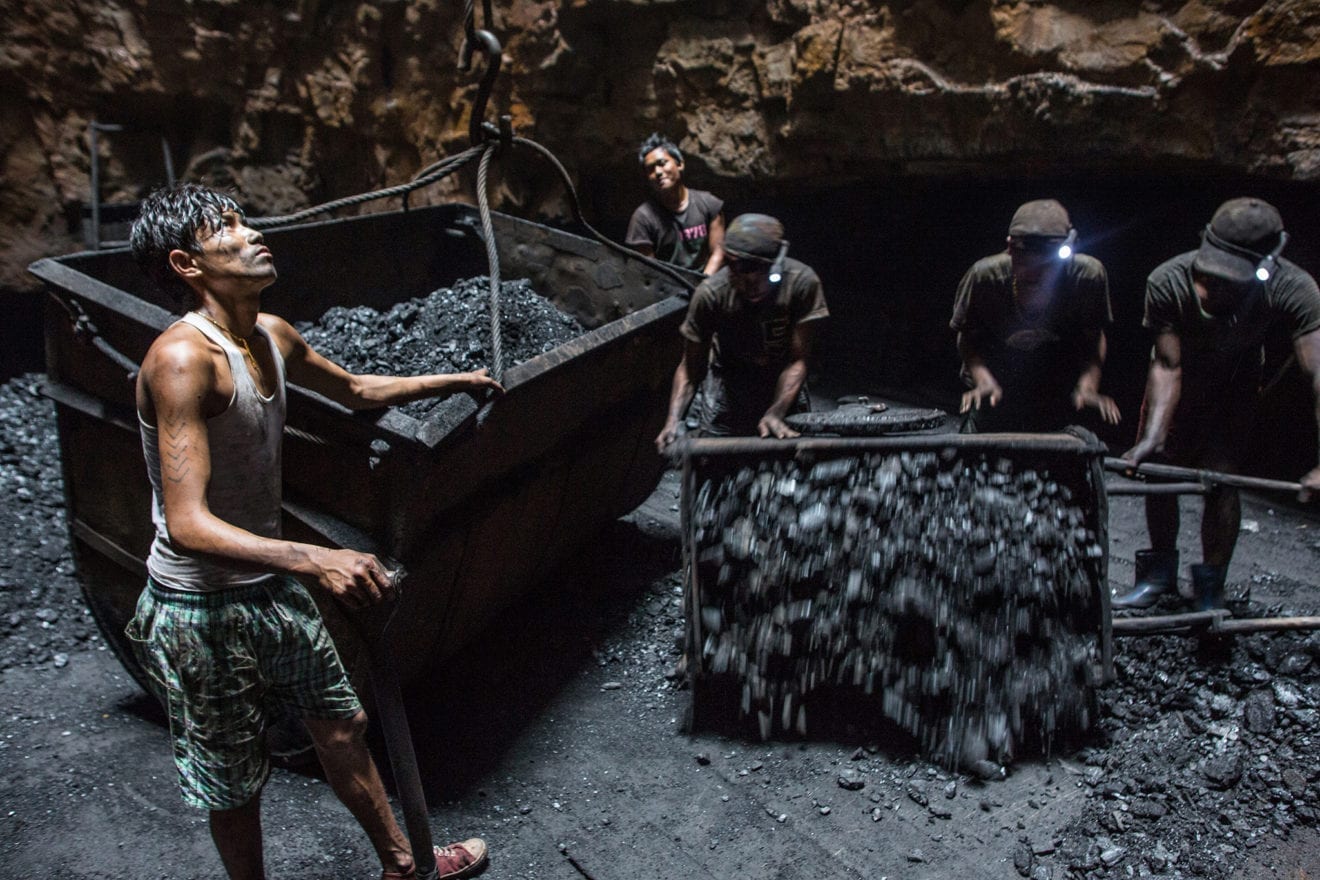
    China cancelled 61.5 gigawatts of planned overseas coal-fired power capacity over the past five years. The drop eliminates two-thirds of its international pipeline following state restrictions on fossil fuel financing.

    The cutbacks averted an estimated 6.4 billion tonnes of lifetime carbon dioxide emissions across Asia and Africa. The figure comes from joint research by the Centre for Research on Energy and Clean Air and People of Asia for Climate Solutions.

    State-owned Chinese banks and construction groups withdrew from public utility projects worldwide. Host governments and developers cancelled 3.4 gigawatts in Zimbabwe, 1.7 gigawatts in Bangladesh, and 1.4 gigawatts in Indonesia in the twelve months leading to July. Total cancellations across all markets reached 7.1 gigawatts over the past year.

    Where the Cuts Landed

    Public developers accounted for nearly all the dropped capacity. Beijing ordered state-owned enterprises and state policy banks to halt outbound coal development. That directive stranded dozens of early-stage power purchase agreements negotiated during the prior decade.

    Indonesia remains the primary market for Chinese-backed thermal projects, hosting 17.1 gigawatts of operational, planned, or active construction capacity. Vietnam follows with 3.8 gigawatts. Pakistan retains 3.4 gigawatts of China-linked coal generation.

    Project momentum slowed over the last twelve months. While developers terminated 7.1 gigawatts of coal projects, another 3.3 gigawatts broke ground. A further 20.5 gigawatts remained active in planning stages across developing markets.

    The Indonesian Captive Power Loophole

    Private capital accounts for nearly the entire remaining construction pipeline. In Indonesia, private Chinese industrial groups continue to construct off-grid captive coal plants. These sites power remote mineral processing facilities and industrial estates.

    These captive stations supply nickel smelters, aluminum refineries, and manufacturing hubs on islands without access to the national electricity grid. Private developers finance them through commercial balance sheets rather than Chinese policy bank loans. The structure bypasses state utilities and sovereign debt guarantees entirely.

    Energy analysts warn that these captive industrial plants undermine regional decarbonization targets. CREA and PACS noted that expanding private coal infrastructure inside overseas enclaves risks violating the spirit of national carbon commitments.

    Renewables Step Into the Grid Void

    Commercial groups in China have redirected balance-sheet capital into overseas clean power generation. Backed ventures have brought 69.4 gigawatts of renewable energy and 3.3 gigawatts of nuclear power into commercial operation worldwide.

    Operational renewable capacity backed by Chinese capital now exceeds the volume of scrapped coal power in markets such as Brazil, Tanzania, and the United Arab Emirates. Equipment exports follow the same pattern. Solar module producers and wind turbine manufacturers continue to secure supply contracts across emerging markets.

    Factory operators and supply chain managers face a direct operational shift. Manufacturers in Southeast Asian export zones face rising pressure from multinational buyers to demonstrate clean power sourcing. That scrutiny makes coal-dependent industrial zones an operational liability for finished-goods exporters.

    Supply Chains and Capital Exposure

    Divergence between state utilities and private industrial estates creates distinct financial risks for factory tenants. Industrial tenants reliant on dedicated coal plants face future carbon border adjustments from European and North American trade partners.

    Landlords and regional sovereign wealth funds are pricing this transition directly into long-term lease terms. Industrial parks offering dedicated green microgrids command higher tenant premiums than legacy processing hubs tied to dedicated coal boilers.

    Beijing established the policy framework five years ago. President Xi Jinping announced at the United Nations General Assembly that China would halt new overseas coal construction and step up support for green energy. That decision followed a six-year expansion between 2014 and 2020 during which Chinese backers announced roughly 160 billion dollars in foreign coal-fired plants under the Belt and Road infrastructure initiative.

    Attention now turns to the 20.5 gigawatts of planned capacity remaining on project ledgers across Southeast Asia. Host governments in Jakarta and Hanoi must now decide whether to formalize regulatory bans on new captive thermal approvals before private developers secure final engineering permits.

  • US and China Extend Trade Truce to Jan. 10 as Leaders Meet in Washington

    US and China Extend Trade Truce to Jan. 10 as Leaders Meet in Washington

    The United States and China have agreed to extend their bilateral trade truce through January 10, pushing back a deadline previously set for November 10 as heads of state opened their second summit of the year in Washington.

    US Treasury Secretary Scott Bessent confirmed he and Chinese Vice Premier He Lifeng agreed to the two-month extension, providing temporary relief as US President Donald Trump and Chinese President Xi Jinping hold talks amid lingering tensions over tariffs, rare earth materials and artificial intelligence.

    Carving Out Non-Strategic Goods

    Negotiators spent the run-up to the summit narrowing the range of products exposed to sudden tariff spikes. The Manhattan meetings produced an understanding to exempt nonsensitive consumer and industrial lines from future escalations, aiming to insulate everyday trade from broader geopolitical tensions.

    Bessent met with He Lifeng twice in four days to lock in the framework before official state ceremonies began at the White House. The Treasury stated that strategic stability between the two economies requires reciprocity, setting clear guardrails for subsequent negotiations covering specific import codes.

    Shifting Supply Chains and Agricultural Flows

    Prolonged tariff disputes have already redrawn key trade channels across the Pacific. American soybean shipments to China plunged from nearly $18 billion in 2022 to $3 billion in 2025, according to US Department of Agriculture data, reallocating massive bulk purchasing power to South American exporters.

    Brazil captured the bulk of that diverted demand, shipping a record 108.7 million metric tons of soybeans in 2025 with roughly 80 percent bound for Chinese processors. For Asian supply chain managers, the shift shows how quickly commodity and consumer product pipelines reroute when trade barriers persist beyond initial negotiation cycles.

    Manufacturing Strength Against Domestic Headwinds

    China enters the extended truce period holding a record trade surplus exceeding $1 trillion, maintaining its stronghold on global industrial exports despite years of Western tariff pressure. Factory output and technological adoption have accelerated across high-end manufacturing segments, expanding outward shipments to Southeast Asia and Latin America.

    Domestic retail conditions tell a different story. A protracted property downturn continues to constrain household spending across Chinese tier-one and tier-two cities, while youth unemployment stood at 18.9 percent in August. Retail operators in mainland hubs face cautious consumer sentiment, forcing domestic brands to look overseas for margin growth.

    Terms of the January Window

    Previous summit rounds in Beijing established the framework for dialogue, but commercial buyers spent recent months front-loading inventory to avoid scheduled tariff resets. Extending the deadline from November 10 to January 10 gives procurement teams a clear window to clear fourth-quarter holiday stock without sudden duty hikes.

    The next test comes as working teams draft the finalized list of nonsensitive product exemptions ahead of the January 10 expiry date. Importers, logistics carriers and retail buyers across Asia are tracking whether consumer tech accessories, apparel and packaged goods will make the permanent exemption schedule.

  • China Hair and Nail Exports to the US Hit $1.3 Billion in First Half

    China Hair and Nail Exports to the US Hit $1.3 Billion in First Half

    China exported $1.3 billion worth of hair products to the United States in the first six months of 2026, up 12.4 per cent year on year.

    Shipments are on track to clear the $2.3 billion recorded across 2025, according to customs figures. Broader trade disputes still bring fresh tariff threats to industrial goods, but beauty exports continue to climb.

    Demand extends beyond hairpieces to press-on nails and artificial eyelashes. These low-cost items bypass traditional distributors. Instead, they sell straight to American shoppers through livestreams on TikTok and Instagram.

    Factory clusters drive volume

    Two industrial centres in eastern and central China anchor the trade. In Xuchang, a Henan city of 4.4 million, roughly 300,000 people process hair and make wigs. Exporter Joe Wu expects his factory shipments to climb 40 per cent this year. Online orders from the US lead the gain.

    Further east in Jiangsu province, Donghai county has become a production base for artificial nails. The county of 1 million residents hosts nearly 25,000 registered nail businesses. Factory owner Zhang Da runs a 200-worker plant there. He reported export orders jumped to 70 per cent of total sales this year, up from 20 per cent late in 2025.

    Producers keep costs down by dividing labour across borders. Xuchang factories source raw hair from rural Chinese provinces. They ship intermediate pieces to North Korea for hand-tying onto lace caps, then finish and pack the goods in Henan.

    Social commerce bypasses middlemen

    Social video algorithms have shortened the route from factory floor to overseas buyers. Hair products captured 17 of the top 20 grossing positions in US fashion accessory sales on TikTok in August, according to analytics service Fast Moss. Glueless pre-bleached straight wigs led the category.

    Individual livestreamers in Donghai workshops now generate $10,000 a month selling custom nail sets directly to US viewers. Tian, another hair producer in Xuchang, reported US sales rose 15 per cent this year. Direct interaction lets sellers offer personalized finishes at higher price points.

    Supply chain barriers hold off rivals

    Southeast Asian manufacturers face a steep barrier in trying to match that scale. Garment and footwear assembly shifted to Vietnam, Cambodia and Indonesia over the past decade. Beauty accessories, however, rely on tight local supplier networks. Clusters in China supply lace, adhesives, specialized pigments and sorted hair within a few square kilometres.

    That concentration gives Chinese operators an efficiency lead that absorbs US import duties. Buyer interest has not eroded. Sourcing outside these clusters remains impractical for international brands, as alternative regions lack the skilled workforce needed for intricate detailing.

    β€œIt is not just competing with the industrial products of one or two countries, it is competing with all industrial products globally,” said Dan Wang, China director of Eurasia Group.

    Tariff exposure and regulatory risk

    Washington keeps consumer goods tariffs high on its diplomatic agenda. Beauty accessories, however, face little US political pushback. They do not compete against large domestic manufacturers. Cross-border platforms can pass modest freight and duty adjustments straight to buyers.

    Earlier trade disputes proved the sector’s pricing power. Demand for cheap personal care goods held firm even as duties rose on consumer electronics and auto parts.

    Chinese customs authorities will release third-quarter trade totals in October. Those figures will show whether direct parcel shipments can keep up their double-digit pace through the peak year-end shopping season.

  • Leapmotor Overtakes Subaru and Mitsubishi Motors in Global Sales

    Leapmotor Overtakes Subaru and Mitsubishi Motors in Global Sales

    Chinese electric vehicle startup Leapmotor surpassed Subaru and Mitsubishi Motors in global quarterly deliveries for the first time between April and June. Strong domestic sales in China drove the shift. An accelerating rollout across European dealerships also lifted volume.

    The Hangzhou-based manufacturer built momentum on budget battery-electric models and extended-range powertrains. Those lower prices unlocked retail demand in mainland tier-three cities. They also found buyers in price-sensitive European export markets.

    Shift in Global Volume

    Overtaking two established Japanese automakers shifts the competitive baseline for entry-level passenger cars. Subaru and Mitsubishi built multi-decade international sales networks through independent franchised dealers. Their slower battery-electric transition left budget segments exposed to cheaper Chinese rivals.

    Leapmotor entered European showrooms by pricing compact electric models against legacy petrol hatchbacks. That approach bypassed the premium segment. European and Japanese marques still hold stronger brand loyalty in that higher tier.

    Pressure on Traditional Dealerships

    Across Europe and Asia, independent auto retailers and multi-brand dealer groups must now adjust inventory allocation. Dealerships facing sluggish demand for internal combustion models are handing floor space to Chinese brands. These vehicles deliver higher unit turnover, though dealer margins are tighter.

    Component vendors and regional distributors tied exclusively to mid-tier Japanese manufacturers face direct exposure. As sales volume drifts toward Chinese electric platforms, legacy suppliers face shrinking factory orders unless they win contracts on dual-fuel and battery architectures.

    Export Trajectory

    Behind the quarterly milestone are two years of factory scaling and targeted export homologation by Leapmotor. The company previously relied almost entirely on mainland China registrations before opening European distribution channels.

    Delivery numbers through the second half of the year will test the expansion as European trade policy and regional import tariffs take effect.

  • BYD Seeks over 8,000 Workers at Xi’an Base as Production Ramps up

    BYD Seeks over 8,000 Workers at Xi’an Base as Production Ramps up

    BYD is hiring more than 8,000 workers across its Xi’an manufacturing complex in September 2026 after finishing assembly line overhauls at the site.

    The northwestern hub is the automaker’s largest production base. It spans four development phases with an annual capacity of 1.5 million vehicles.

    Recruitment notices from local human resource agencies and municipal bureaus show the push covers several divisions. Signing bonuses reach up to 6,000 yuan ($889), paired with monthly wages up to 10,000 yuan for technical staff. Roles in welding, painting and vehicle assembly make up most of the open positions.

    Incentives and Skilled Labor Demand

    Hiring ends temporary operating limits at the plant. Output slowed during the first half of the year as BYD reconfigured machinery for its second-generation Blade Battery and retooled chassis lines. During that tooling phase, the company transferred workers to facilities in Zhengzhou, Hefei and the Shenzhen-Shanwei cooperation zone.

    All four factory sites in Xi’an have returned to standard shifts. Filling technical roles quickly will prevent bottlenecks on final assembly lines. Those lines supply both finished cars and knocked-down kits to international transport corridors.

    The Line Rebuild and Factory Rebound

    Provincial industrial data reflects the factory overhaul. Vehicle output across Shaanxi province fell nearly 50 per cent year on year through the first seven months of 2026 during the plant retooling.

    Production rebounded once the lines reopened. Shaanxi auto output climbed to 138,900 units in August, up 55.4 per cent from July. That was 17.9 per cent higher than August last year, according to China’s National Bureau of Statistics.

    For regional suppliers, the Xi’an ramp-up secures component volumes for the core Dynasty and Ocean series. Component makers that lowered deliveries during spring retooling now face tighter lead times. Automakers competing with BYD across Southeast Asia and Latin America will face fresh pressure as export shipments normalize.

    Domestic Headwinds versus Export Surge

    Plant operations restart against a split in BYD’s customer base. Deliveries hit 440,293 new energy vehicles in August. That was a 17.8 per cent gain year on year and its best monthly volume of 2026.

    Export shipments drove the total. Overseas sales jumped 134.5 per cent year on year to 189,466 units in August, setting a monthly export record. Domestic retail deliveries fell 14.3 per cent over the period as showroom price wars deepened in China.

    That split puts utilization risks on domestic lines. Export variants run on full schedules. Lines built for the home market must defend share against aggressive local discounts.

    Global Assembly Footprint

    Xi’an reached peak output in 2024 when volume topped 1 million vehicles. Matching that mark depends on how fast overseas markets absorb inventory before foreign assembly hubs open.

    BYD continues to tweak its global manufacturing footprint. European advisers say the automaker will eventually need three vehicle assembly plants and one battery hub in Europe to meet quotas and handle tariffs.

    Factory managers in Xi’an are now pushing to clear order backlogs before fourth-quarter shipping deadlines arrive.

  • US Recycler R3 Lithium to Enter Vietnam Battery Industry

    US Recycler R3 Lithium to Enter Vietnam Battery Industry

    American lithium recycling specialist R3 Lithium plans to enter Vietnam to process electric vehicle batteries, opening discussions with domestic automotive manufacturers and electronics assemblers.

    The Vietnamese government confirmed the talks this week as demand for recovered battery-grade metals climbs across Southeast Asian manufacturing hubs.

    Talks with domestic manufacturers

    R3 Lithium targets Vietnam to secure feedstock from spent electric vehicle packs and consumer electronics waste. The US-based processor aims to extract battery materials locally rather than shipping untreated black mass abroad.

    Government officials in Hanoi confirmed the discussions cover partnerships with both vehicle makers and consumer hardware producers operating factories across the country.

    Building regional supply security

    Securing domestic recycling capacity gives vehicle manufacturers an immediate channel to recover critical minerals without depending entirely on raw mineral imports. Battery producers across Southeast Asia face stricter local content rules and mounting scrap volume from early EV production runs.

    Setting up closed-loop recovery inside Vietnam shortens transit times for active materials. It also keeps valuable cathode raw materials inside the domestic supply chain.

    Shifting automotive supply chains

    Vietnam has accelerated the conversion of domestic transport fleets to battery power, creating a captive volume of end-of-life cells. Global electronics contract manufacturers in northern industrial corridors also produce substantial scrap volumes during cell assembly and pack integration.

    Processing that material domestically allows electronics and vehicle brands to meet cross-border scrap compliance rules while sourcing secondary raw materials directly on site.

    Next regulatory approvals

    Industrial licensing and site approvals represent the immediate hurdle before R3 Lithium can break ground on local recovery infrastructure. Environmental permits for hydrometallurgical processing will determine the operational schedule.

    Final partnership agreements between R3 Lithium and its prospective automotive manufacturing partners in Vietnam will set the initial processing capacity target.

  • Vietnam and US Near Deal on Reciprocal Trade Agreement

    Vietnam and US Near Deal on Reciprocal Trade Agreement

    Vietnam and the United States have reached the final stage of negotiations on a reciprocal trade agreement following high-level talks in New York on Monday morning.

    US Trade Representative Ambassador Jamieson Greer confirmed that bilateral negotiating teams have made significant progress and are very close to reaching a final outcome.

    High-Level Talks in New York

    Vietnam’s Party General Secretary and President To Lam met Greer during his visit to attend the 81st Session of the UN General Assembly, affirming Vietnam’s commitment to advance bilateral ties with President Donald Trump’s administration.

    Lam stated that trade and investment remain a central pillar of bilateral relations. Vietnam has increased its purchases of American goods in recent years to address trade imbalances, generate employment, and support industrial supply chains in both nations.

    Addressing Section 301 and Market Access

    Greer credited Vietnamese officials for actively working toward trade parity. Once concluded and ratified, the reciprocal trade deal will establish enforceable terms covering market access, tariff structures, and bilateral purchasing commitments.

    A critical point on the table remains the status of United States trade inquiries. Lam urged American negotiators to adopt a comprehensive stance on unresolved disputes, particularly trade investigations launched under Section 301 of the United States Trade Act of 1974.

    Supply Chain Realignment Across Southeast Asia

    For consumer brands and contract manufacturers across Southeast Asia, a finalized trade pact provides long-sought policy certainty. Sourcing managers shifted substantial electronics, apparel, and footwear production to Vietnamese industrial hubs over the past decade, creating large bilateral trade surpluses that drew regulatory scrutiny in Washington.

    Securing a reciprocal pact reduces tariff risks for export manufacturers in northern and southern Vietnam. It also creates clearer pathways for United States agricultural, energy, and machinery exporters looking to expand distribution into fast-growing consumer markets in Ho Chi Minh City and Hanoi.

    Next Steps on Agreement Timelines

    The bilateral economic dialogue builds on several years of diplomatic upgrades between Hanoi and Washington. Previous rounds focused on currency practices, timber sourcing reviews, and customs compliance.

    Negotiating teams from both countries are working through the remaining text of the agreement ahead of formal legal scrubbing. The final outcome hinges on settling the scope of the Section 301 trade provisions before leaders present the deal for executive signing.

  • Singapore Baby-Care Brand Tollyjoy to Close After 55 Years

    Singapore Baby-Care Brand Tollyjoy to Close After 55 Years

    Singapore baby-care brand Tollyjoy is closing after 55 years, with the company confirming its decision to cease operations was not driven by financial considerations.

    Chief executive Tan Wee Keng said on Monday that the family business decided the time was right to conclude operations after considering how to focus its time and resources going forward, following an initial announcement on September 15 that it was winding down.

    Established in 1971 by Mr Tan’s father, Tollyjoy recorded S$16 million (US$12.5 million) in annual revenue in 2016 and had about 200 employees, according to a 2018 article published by Singapore Management University.

    Inventory Cleared and Shelves Emptied

    Sales have already ceased across retail points in Singapore. Tollyjoy issued its exit announcement on September 15, directing shoppers to partner retailers selling off remaining stock at clearance prices.

    In Malaysia, limited stock remains on shelves while distribution continues until supplies run dry. The group manufactures and sells feeding bottles, accessories, and cleaning products under its core Tollyjoy label and the Little Precious brand.

    Management has not published an exact date for the final operational shutdown. Its immediate focus centers on managing inventory runoff and supporting staff through the winding-down process.

    Demographics and Category Pressure

    A debt-free exit gives Tollyjoy a rare clean break in Southeast Asia’s fast-moving consumer goods sector. Still, market conditions for domestic baby-care brands across Singapore and peninsular Malaysia have tightened over the past decade.

    Plunging birth rates across developed Southeast Asian markets shrink the pool of infant customers each year. At the same time, regional grocery shelves face margin compression from multinational conglomerates and low-cost direct-to-consumer labels imported from China.

    Defending shelf space in supermarkets and department stores now requires heavier marketing spend against shrinking local volumes. Choosing an orderly liquidation over an expensive digital overhaul or a distress sale preserves accumulated family capital before profitability erodes.

    From Workshop to Regional Staple

    Tan Wee Keng’s father founded Tollyjoy in Singapore in 1971. Over five decades, it grew into a household supplier of baby feeding gear, sterilising accessories, and specialized laundry detergents.

    Distribution expanded across department stores, pharmacies, and supermarket chains throughout Southeast Asia. By 2016, the firm maintained regional production and distribution operations handling hundreds of product stock keeping units.

    The company has not disclosed whether it plans to sell the intellectual property behind Tollyjoy and Little Precious or retire the trademarks permanently.

  • Nio Delivers 150,000 Third-Generation ES8 SUVs in First Year

    Nio Delivers 150,000 Third-Generation ES8 SUVs in First Year

    Nio delivered its 150,000th third-generation ES8 in Beijing on Sunday. The handover reached that volume milestone exactly one year after the large electric SUV launched.

    Customer Tang Limei took delivery of the milestone vehicle. Nio built and delivered the final 10,000 units of that run in just 30 days.

    Qin Lihong, co-founder and president, attended the Beijing event. Sales began on September 20, 2025, and deliveries started the next day. The ES8 is the fastest vehicle in Nio’s lineup to hit this operating scale. China Passenger Car Association data shows the model logged 99,948 deliveries in the first eight months of 2026. That accounted for 62.21 per cent of the core Nio brand’s volume, and 38.02 per cent of deliveries across all Nio Inc operations.

    Volume Concentration at the Top End

    Showroom traffic for the premium brand now leans heavily on the ES8. Together with the larger ES9, the two SUVs delivered 17,480 units in August. That represented 82.55 per cent of all Nio-branded deliveries that month. The concentration reflects a deliberate pivot toward high-margin family and executive vehicles. Mass-market buyers are left to the company’s sub-brands.

    Component suppliers and battery exchange operators benefit from this heavy mix in the 400,000 yuan bracket, which generates steady cash flow and higher revenue per car. But it exposes the automaker to risk if luxury spending softens in top-tier Chinese cities. Nio leads the 400,000 yuan bracket across all powertrains, defending sales against plug-in hybrid and pure electric rivals. Keeping that volume requires constant retail incentives.

    Expanding Through Layout and Pricing Adjustments

    Broader configuration choices helped drive showroom momentum over the summer. On July 9, Nio launched a five-seat ES8 alongside its existing six- and seven-seat versions. Deliveries began the next day.

    Pricing for the five-seat version started at 382,800 yuan with the battery pack, a 5.9 per cent drop from three-row models. Buyers using the battery-as-a-service subscription saw the upfront vehicle price fall to 274,800 yuan. The lower entry price helped lift monthly ES8 deliveries to 10,288 units in July and 11,001 in August, a sequential gain of 6.93 per cent.

    The Trajectory from Launch to Scale

    Delivery numbers climbed quickly after initial factory ramps in late 2025. Nio delivered 2,812 units in September 2025 before volume surged past 22,000 in December. Monthly numbers dipped during the broader auto slowdown in early 2026, but the model held above 10,000 units for most of the year.

    At the Chengdu Auto Show on August 21, the carmaker handed over its 140,000th ES8. Reaching the next 10,000 cars in 30 days proved supply chains and assembly plants maintained steady output into the third quarter.

    Production Schedules Ahead of Model Cycle Shifts

    Management is now focusing capacity on this product core while conserving capital for future launches. Chief executive William Li told staff earlier this month to focus resources on the main premium lineup and core regional markets over the next three years.

    All eyes are on the final stretch of the year. Nio must now prove the ES8 can hold monthly deliveries above 11,000 units through the fourth-quarter rush, before major platform updates arrive in 2027.

  • Pascual Urges Philippine Firms to Tap 15-Nation RCEP Trade Pact

    Pascual Urges Philippine Firms to Tap 15-Nation RCEP Trade Pact

    The Regional Comprehensive Economic Partnership connects 15 economies through trade, service, and investment rules, providing Philippine businesses with opportunities to expand regional market share.

    Speaking at the 1st RCEP Business and Investment Summit organized by the East Asia Business Council and the Management Association of the Philippines in Metro Manila on Sept. 9, 2026, Alfredo E. Pascual emphasized that local firms must actively convert trade advantages into commercial orders.

    Under the framework, Philippine manufacturers can source qualifying inputs from Japan, South Korea, and Association of Southeast Asian Nations partners to meet origin requirements for preferential tariffs, while comparing terms against existing bilateral agreements.

    Speed and customs facilitation

    Cross-border competition across the trade bloc relies heavily on trade facilitation provisions rather than tariff reductions alone. Perishable goods, including fresh fruit and seafood shipments, qualify for customs clearance within six hours of arrival provided documentation is complete.

    Regional competitors are already deploying these mechanisms. Thai exporters such as NC Coconut use rapid border processing to deliver fresh produce into Chinese retail channels, while Vietnamese agricultural traders such as Vinapro have expanded direct shipments of cashews, pepper, and cinnamon to northern buyers through regional trade networks.

    Small supplier integration

    Domestic consumer brands face steeper operational hurdles when scaling into regional markets. Social enterprises like ANTHILL Fabric Gallery, which links community weaving enterprises with international retail buyers, require specialized support in product certification, packaging, trade finance, and freight handling.

    Trade agencies and industry groups, including the Philippine Chamber of Commerce and Industry, are organizing direct advisory programs to connect smaller producers with larger export aggregators. Large manufacturers established in local industrial zones provide a practical entry point for domestic component makers seeking inclusion in broader export orders.

    Infrastructure and competitive pressures

    Attracting additional consumer goods manufacturing will require structural improvements beyond trade preferences. Industrial power rates, domestic logistics expenses, and regulatory predictability remain primary criteria for multinationals evaluating Southeast Asian production hubs.

    Regional peers offer identical tariff access to RCEP member markets. For operators in food processing, electronics, and light manufacturing, cost advantages will depend on the speed of digital customs integration and the elimination of physical paperwork between domestic regulatory bodies.

    The Philippines formally implemented RCEP in June 2023, three months after P&G commissioned its export-focused diaper production line in Laguna province. Business associations and the Department of Trade and Industry plan to track realized capacity through an aggregate scorecard measuring fulfilled purchase orders, active suppliers, and running factory lines ahead of the scheduled RCEP general review in 2027.

  • Pakistan Launches 400MW Wheeling Auction to Open Power Market

    Pakistan Launches 400MW Wheeling Auction to Open Power Market

    Pakistan opened bidding for a 400-megawatt electricity wheeling auction in Islamabad. It begins the country’s exit from direct state power procurement for large industrial buyers.

    This auction is the first phase of an 800-megawatt allocation plan spread across five years. The program runs under the Competitive Trading Bilateral Contracts Market model.

    The Independent System and Market Operator, a state-owned unit under the Power Division, issued the Request for Proposals on Sunday. Commercial and industrial users consuming over one megawatt can now contract power directly with independent generation companies. They will no longer buy exclusively from regional state distributors.

    Rules and Capacity Ceilings for Bidders

    New auction rules prevent individual participants from dominating the deregulated capacity. Regulators placed a 20 per cent ceiling on single entities. That caps any participant at a cumulative 160 megawatts over the five-year auction schedule.

    Bidders can meet their quota through a single generation plant of up to 160 megawatts. Alternatively, they can combine multiple smaller plants across successive annual bidding rounds. Every generation asset must still satisfy grid capacity obligations and operational benchmarks set by grid authorities.

    Power Minister Awais Ahmad Khan Leghari confirmed the state plans to halt centralized capacity purchases entirely. The government will stop fixing power rates through single-buyer contracts. It will also step back from acting as the middleman between generators and industrial off-takers.

    Impact on Manufacturing and Exporters

    Manufacturers have long blamed centralized tariffs and fixed capacity payments for hurting regional export competitiveness. Under direct power purchase agreements, factory operators can negotiate long-term supply deals straight with private generators.

    Regional manufacturing hubs such as Vietnam and India saw similar deregulations push industrial parks toward bilateral renewable contracts. In Pakistan, textile mills, chemical producers, and large logistics hubs will be first to secure market-clearing wholesale rates.

    Credit risk shifts from sovereign payment guarantees to direct bilateral contracts between buyers and sellers. Generators must now evaluate corporate balance sheets directly instead of relying on state circular debt payouts.

    Ten-Year Grid Expansion Figures

    Regulators recently cleared Pakistan’s Indicative Generation Capacity Expansion Plan for 2025 through 2035. That roadmap targets 26,045 megawatts in new capacity alongside 2,577 megawatts of plant retirements. Total national capacity will rise to 62,657 megawatts.

    Generation additions will require 47.08 billion dollars in capital spending, according to the power regulator. This total includes 8,120 megawatts of rooftop net metering. Grid reliability will need another 10.65 billion dollars in transmission investments, divided into 4.6 billion dollars for committed projects and 6.05 billion dollars for proposed network expansions.

    Next, the Independent System and Market Operator will review initial bids before releasing the remaining 400 megawatts in subsequent annual tranches.