Tag: Manufacturing

  • Dassault Systèmes Targets India’s Semiconductor Sector to Build Workforce

    Dassault Systèmes Targets India’s Semiconductor Sector to Build Workforce

    Dassault Systèmes is expanding operations in India’s semiconductor sector this week, focusing its investment on technical workforce training and specialized engineering capabilities across the country.

    The initiative directs the French group’s 3D design and simulation tools toward local chip designers, packaging units, and planned fabrication facilities.

    Software role in chip manufacturing

    Industrial software plays a critical role in modern semiconductor development, from electronic design automation to cleanroom facility modeling and equipment maintenance simulation. Dassault Systèmes provides virtual twin technology that lets manufacturers simulate production lines, chemical flows, and thermal dynamics before pouring concrete or installing lithography tools.

    By introducing these systems early to engineering institutions and local design houses, the company aims to embed its platforms into the foundational workflow of domestic chip projects. Training engineers on proprietary software creates long-term commercial lock-in across production pipelines.

    Tackling the talent bottleneck

    India offers an enormous pool of front-end chip design talent but faces a sharp deficit in specialized fabrication and operational manufacturing engineers. Cleanrooms require precise execution, where minor procedural errors result in ruined silicon wafers and millions of dollars in yield loss.

    Workforce training initiatives close this operational gap by exposing technicians and graduate engineers to simulated cleanroom environments. Virtual training reduces the cost of onboarding while cutting the time required to bring new facilities up to global yield standards.

    Competing for engineering capacity

    Global design and automation vendors are competing aggressively for technical talent across Bengaluru, Hyderabad, and the National Capital Region. Established software players have already expanded their Indian technical centers to support worldwide product development and customer deployments.

    For Dassault Systèmes, positioning its toolsets directly inside university curricula and specialized trade centers defends its market presence against established semiconductor software rivals. Suppliers and fab operators that standardize on identical simulation platforms can coordinate buildouts faster with fewer engineering mismatches.

    The road to operational fabs

    India has approved multiple commercial semiconductor projects, including assembly and testing units and commercial fabrication plants backed by international joint ventures. The success of these facilities depends directly on having thousands of certified engineers ready on day one.

    Suppliers, construction partners, and software providers now face the task of synchronizing equipment delivery and digital systems with operational launch schedules across targeted industrial corridors.
  • BYD Sells 762,478 Electric Cars in Third Quarter to Extend Lead over Tesla

    BYD Sells 762,478 Electric Cars in Third Quarter to Extend Lead over Tesla

    BYD widened its global electric vehicle lead over Tesla in the third quarter of 2026. Deliveries of pure battery passenger cars hit 762,478 units across the three-month stretch.

    Deliveries at Tesla reached 486,532 vehicles globally over the same period. That beat market expectations of 463,761 units, though it fell 2.13 per cent short of the year-earlier total.

    The gap between the two carmakers reached 275,946 pure electric vehicles between July and September. It expanded sharply from the second quarter, when BYD led Tesla by 76,964 units. BYD increased third-quarter passenger battery sales by 30.89 per cent year-on-year. Quarter-on-quarter, sales rose 36.87 per cent.

    Breakdown of Quarterly Deliveries

    Entry models drove most of Tesla’s volume. The Model 3 sedan and Model Y crossover accounted for 478,237 units, or 98.30 per cent of all deliveries between July and September. Remaining lines, including the Model S, Model X, Cybertruck and Semi, yielded 8,295 deliveries combined.

    Factory output at Tesla trailed final customer handovers. The Austin-based carmaker produced 464,391 vehicles during the quarter and drew down inventory by 22,141 units. In the same window, it installed 13.7 gigawatt-hours of stationary energy storage products.

    These BYD figures exclude plug-in hybrid electric vehicles and commercial fleet sales. The tally isolates pure passenger battery models for direct comparison against Tesla’s all-electric lineup.

    Nine-Month Volume and Market Shift

    Across the first nine months of 2026, BYD sold 1,629,957 passenger battery electric vehicles globally, up 1.50 per cent year-on-year. Tesla handed over 1,324,681 cars during the same period, recording an 8.77 per cent increase.

    Cumulative year-to-date numbers give the Shenzhen-based automaker an advantage of 305,276 pure electric cars. Tesla briefly led in the first quarter with 358,023 deliveries against BYD’s 310,389. BYD reversed that in the second quarter, selling 557,090 battery units against Tesla’s 480,126.

    Product breadth and tiered pricing across China and Southeast Asia continue to favour multi-segment domestic manufacturers over single-platform foreign lines.

    Pressure on Regional Supply Chains

    For component suppliers and dealership networks across Asia-Pacific, the divergence shows clear volume consolidation. BYD builds battery cells and motors in-house. That vertical integration protects assembly lines from external supply shocks and lowers retail prices in major regional markets.

    Tesla remains locked into two core consumer models while regional rivals in China, Thailand and Australia release fresh nameplates every six months. It lacks an updated high-volume compact platform in showrooms. Instead, the company relies on financing discounts and local incentives across Asian markets to defend its position against price cuts.

    Historical Ground and Earnings Date

    This pattern took root in 2025. BYD overtook Tesla over a full calendar year for the first time by selling 2,256,714 pure electric passenger cars against Tesla’s 1,636,129 deliveries. That ended Tesla’s multi-year run as the world’s largest producer of battery-only passenger vehicles.

    Management will detail third-quarter financial results after the close of United States markets on October 21 during its scheduled investor webcast, focusing on automotive profit margins and annual production targets.

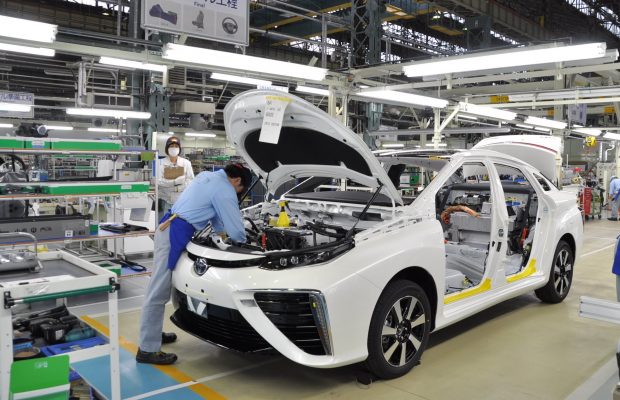
  • Toyota and Honda Halt Thai Production as Floods Cause $38M in Losses

    Toyota and Honda Halt Thai Production as Floods Cause $38M in Losses

    Toyota Motor Thailand and Honda Automobile (Thailand) have temporarily suspended vehicle production at all their assembly plants in Thailand as severe flooding disrupts transport routes and parts deliveries.

    The disruption followed accumulated rainfall of more than 320mm in three days, leaving major transport corridors heavily flooded and preventing suppliers from reaching assembly lines.

    Honda Shuts Ayutthaya And Prachin Buri Lines

    Honda Automobile (Thailand) suspended vehicle production at its Prachin Buri and Ayutthaya plants from October 2 to 6 after suppliers in Chonburi and Rayong provinces were hit by flooding, cutting off component deliveries.

    Koji Iwanami, president and chief executive of Honda Automobile (Thailand), confirmed the target restart timetable while granting emergency leave to affected facility staff.

    “The company has temporarily suspended vehicle production at the Prachin Buri and Ayutthaya plants from Oct 2 to 6 because parts suppliers have been unable to deliver components required for vehicle production after being affected by flooding, particularly in Chonburi and Rayong provinces,” Iwanami said.

    Plant managers plan to introduce overtime shifts once lines restart to clear model order backlogs and recover lost output.

    Toyota Halts Four Thai Assembly Facilities

    Toyota Motor Thailand ceased work across its three primary manufacturing plants in Samut Prakan and Chachoengsao, alongside affiliate facility Toyota Auto Works. The company runs the Samrong facility in Samut Prakan together with the Ban Pho and Gateway plants in Chachoengsao.

    Submerged access routes broke the parts delivery cadences needed to support Toyota’s just-in-time production system. Plant managers are scouting alternate logistics bypasses and assessing inventory buffers to restart operations once floodwaters drain.

    Supply Chain Bottlenecks Expose Tight Logistics

    The manufacturing halts show how little inventory cushion exists in Southeast Asia’s primary automotive export hub. When arterial roads connecting the Eastern Economic Corridor’s parts cluster in Rayong and Chonburi get blocked, assembly lines outside Bangkok stall within hours regardless of plant floor safety.

    Car manufacturers in Thailand remain heavily exposed to single-route logistics risks. While suppliers upgraded localized drainage barriers after historic monsoon disasters in past cycles, external transport corridors between provinces remain vulnerable to acute flash flooding.

    Industrial Losses Mount Across Fifteen Provinces

    Federation of Thai Industries data show that flooding between September 24 and September 30 hit Bangkok and 14 surrounding provinces, affecting roughly 40 per cent of member operations in flooded districts. The group calculated preliminary losses of at least 1.018 billion baht ($38.7 million) across automotive assembly, parts suppliers, machinery damage, damaged vehicles and lost factory shifts.

    Industrial estates across Chonburi absorbed the bulk of direct supplier delays. Toyota and Honda are watching municipal drainage rates on key industrial arteries ahead of Honda’s scheduled production restart on October 7.

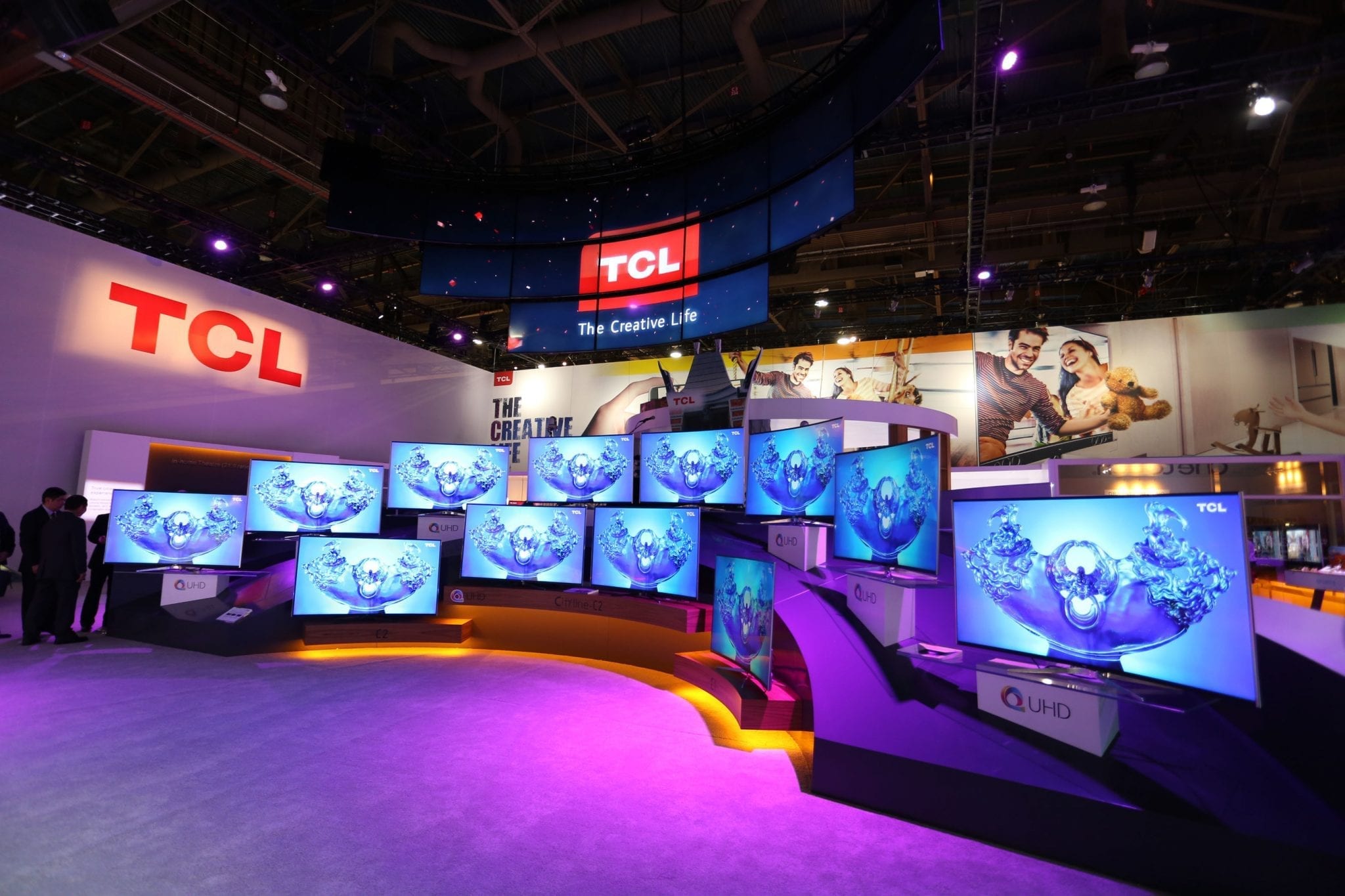
  • TCL Opens Industrial Museum in Huizhou to Mark 45 Years in Hardware

    TCL Opens Industrial Museum in Huizhou to Mark 45 Years in Hardware

    TCL opened its new Industrial Museum in Huizhou on Monday, celebrating 45 years since its establishment as a local electronics maker in 1981. The facility shows the company’s evolution from a domestic magnetic tape workshop to an international consumer tech and display hardware manufacturer.

    The installation documents four and a half decades of factory automation, semiconductor display engineering, and overseas expansion.

    From Magnetic Tapes to Global Displays

    Founded as TTK Home Appliances Co., the company began by manufacturing cassette tapes before shifting into landline telephones, television sets, and mobile handsets. Today, the group operates across two listed entities, TCL Technology and TCL Electronics, spanning display panels, photovoltaics, and smart home appliances.

    Exhibits at the new museum track key shifts in manufacturing capability. These include the development of early cathode-ray tube televisions through to modern Mini-LED panels and automated fabrication facilities.

    Industrial Heritage and Corporate Strategy

    Corporate museums in China increasingly serve as public relations anchors for industrial conglomerates seeking to demonstrate domestic supply chain maturity. By establishing a dedicated site in its home base of Huizhou, TCL mirrors moves by Japanese and South Korean hardware giants that built legacy centers to project technical longevity to enterprise clients and government partners.

    For supply chain partners and component buyers, the facility highlights how vertically integrated Chinese panel production has become. TCL’s panel subsidiary, TCL CSOT, now supplies display modules to global television and monitor brands, competing directly with BOE Technology and LG Display.

    Display Capacity and Panel Investments

    The 45-year milestone follows aggressive expansion across high-generation display lines over the past decade. TCL CSOT invested heavily in 8.5-generation and 11-generation liquid crystal display lines in Shenzhen and Wuhan to capture share in large-screen home televisions and commercial monitors.

    That panel footprint allowed the company to secure lower manufacturing costs for its branded televisions in key export markets across North America, Europe, and Southeast Asia. Rivals such as Hisense and Skyworth have taken alternative routes by purchasing panels externally while focusing capital on retail distribution and branding.

    Next Steps on Next-Gen Displays

    Operational attention now shifts to the commercial output of printed OLED panels and advanced Mini-LED backlighting modules across the group’s production lines. TCL CSOT continues to run pilot validation for inkjet-printed OLED screens, with commercial yield rates remaining the key performance benchmark to watch through the next production cycle.

  • South Korea Retail Sales Fall 1.8% as Auto Output Plunges in August

    South Korea Retail Sales Fall 1.8% as Auto Output Plunges in August

    South Korean retail sales dropped 1.8 percent in August from the prior month, dragged down by sharp pullbacks in automobile deliveries and durable goods spending.

    Industrial production contracted 1.3 percent over the same period while facility investment tumbled 9.5 percent, marking the first simultaneous decline across all three economic measures since May.

    Data released by the Ministry of Data and Statistics showed mining and manufacturing output fell 4.8 percent, driven by a 24.8 percent slide in automotive production. The drop in vehicle manufacturing was the steepest single-month decline recorded since May 2020, when output collapsed 34.9 percent during early pandemic disruptions. Component suppliers absorbed direct hits, with rubber and plastic sector production dropping 11 percent as tire orders shrank.

    Auto production slide hits retail

    Auto assembly lines faced dual disruptions during the month from concentrated plant shutdowns and earlier labor actions. Assembly lines slowed after worker walkouts in July interrupted delivery schedules, while domestic automakers clustered annual plant maintenance and worker holidays into August rather than spreading them across two months.

    “In July, workers at some automakers staged strikes, which partly affected output in August. While summer vacations were previously spread across July and August, they were concentrated in August this year.”
    Lee Doo-won, Senior Statistics Official, Ministry of Data and Statistics

    The manufacturing shortfall moved straight through the supply chain into retail showrooms. Recreational vehicle shipments took the largest hit, leaving dealerships short on inventory and curbing consumer purchases of high-ticket items across the country.

    Durable goods lead consumer pullback

    Consumer spending across retail channels showed deep divergence by category. Durable goods sales, which include passenger cars and large household purchases, dropped 4.5 percent month on month. Non-durable goods, covering everyday consumer items such as cosmetics, fell 1.6 percent.

    Softlines provided limited relief against the wider consumer retreat. Sales of semi-durable goods, including apparel and footwear, rose 0.4 percent as seasonal autumn fashion collections entered stores. Total wholesale and retail trade output still finished down 0.7 percent for the month.

    Factory spending drops across sectors

    Capital expenditure among Korean businesses saw severe cutbacks led by fleet and transport orders. Facility investment dropped 9.5 percent in August, driven by a 32.8 percent contraction in transportation equipment procurement.

    General factory equipment investment showed modest resilience despite the broader slide. Machinery investment grew 1.6 percent, and machinery output rose 3.1 percent over the month, though the gains failed to offset the heavier drop across mobility hardware.

    Service sector provides isolated cushion

    Services output expanded 0.5 percent in August, preventing a steeper fall in headline gross output. Gains centered heavily in the information and communication sector, which expanded 4.7 percent to offset contractions in wholesale distribution channels.

    The August figures follow an uneven recovery cycle where strong technology and semiconductor demand masked softer domestic consumer sentiment. Automotive manufacturing normalization in September and third-quarter earnings from major carmakers will show whether the production slump was purely seasonal or reflects softer vehicle export orders.

  • Mitsubishi Heavy Plans $638M Commercial Shipyard Expansion

    Mitsubishi Heavy Plans $638M Commercial Shipyard Expansion

    Mitsubishi Heavy Industries will invest approximately 100 billion yen ($638 million) to expand commercial shipyard capacity by 25 percent by fiscal 2028. The capital outlay targets yards building commercial tonnage as global fleet replacement orders accelerate across Asian trade lanes.

    Operations at facilities including the Shimonoseki shipyard in western Japan focus on commercial vessels such as liquefied natural gas-fueled ferries and specialized freight carriers. Rising demand for lower-emission vessels and fleet renewals has tightened shipyard availability across Northeast Asia, pushing builders to add yard space and modernize fabrication lines.

    Expanding Berth Space for Freight Vessels

    The capital program will lift Mitsubishi Heavy’s commercial output capacity across its domestic yard footprint over the next four years. Commercial fleet operators face tightening delivery schedules through the late 2020s, with regional berths in Japan, South Korea, and China booked years ahead for container ships, gas carriers, and roll-on/roll-off cargo ferries.

    Expanding domestic yard capacity allows Japanese operators to secure construction slots closer to home rather than relying entirely on overseas yards. The investment focuses on high-value, specialized commercial ships that require complex engineering, including alternative-fuel propulsion systems.

    Competition Across Regional Yards

    Shipbuilders across East Asia are racing to lock in high-margin commercial contracts as freight networks retool for stricter marine emissions rules. Chinese and South Korean yards continue to dominate high-volume standard container vessel builds, forcing Japanese groups to specialize in advanced fuel technologies and specialized domestic freight tonnage.

    For regional supply chain operators, the expanded capacity provides additional construction throughput for coastal and regional trade vessels. The primary commercial risk rests on rising steel prices and chronic labor constraints in Japanese industrial manufacturing, which can erode project margins during multi-year build cycles.

    Policy Support for Domestic Shipyards

    The expansion aligns with broader Japanese industrial policy aimed at rebuilding domestic maritime manufacturing capacity. Tokyo has rolled out 1.4 billion dollars in support programs for shipbuilders, backing yard modernization, robotics, and the revival of domestic production for vessels such as liquefied natural gas carriers.

    Japanese builders are also constructing new large-scale docks for the first time since 2017 to handle larger hull designs. Mitsubishi Heavy and peer yards are pairing structural expansion with automated welding and digital yard management to counter skilled labor shortages in the sector.

    Timeline for Yard Delivery

    Work on the yard upgrades will roll out in phases toward the fiscal 2028 completion target. Cargo operators and logistics planners will monitor construction timetables and berth commissioning dates as Mitsubishi Heavy allocates new build slots over the coming financial quarters.

  • Bangladesh Drugmakers See Little Gain from US 100% Tariff Exemption

    Bangladesh Drugmakers See Little Gain from US 100% Tariff Exemption

    Bangladesh’s pharmaceutical industry will see limited immediate export gains from a US tariff adjustment exempting specialty medicines, according to industry leaders including Shawkat Haider of Beximco Pharmaceuticals Limited.

    Under Section 232 of the Trade Expansion Act, the US announced a 100 percent ad valorem tariff on certain licensed pharmaceutical products and ingredients from September 29, while granting zero-tariff entry on selected specialty drugs to eligible jurisdictions.

    The zero-rate list covers rare-disease orphan drugs, nuclear medicines, plasma-derived therapies, fertility treatments, cell and gene therapies, and antibody-drug conjugates from approved partners including Bangladesh, India, Japan, and the European Union.

    The Manufacturing Gap

    Exemption on paper means little without production lines on the ground. Bangladesh built its drug export trade on generic small-molecule tablets, capsules and basic formulations rather than complex biologics.

    Commercial production of gene therapies or antibody-drug conjugates requires sterile cleanrooms, specialized bioreactors and years of clinical validation. Shawkat Haider, executive director of Beximco Pharmaceuticals Limited, confirmed the structural limitation facing domestic producers.

    “Bangladesh will not get any significant benefit from the tariff adjustment because we do not manufacture this type of highly sophisticated medicine,” Haider said.

    Regional Competition and Compliance

    Regional competitors hold a wide lead in the specialty segments covered by the US order. Contract manufacturers in South Korea and India already operate US Food and Drug Administration-cleared biologic plants. They supply licensed ingredients directly to North American distributors.

    Local producers attempting to enter these niches face steep capital costs and strict US regulatory audits. Domestic veterinary medicine manufacturers also lack the international certifications needed to clear US border inspections, leaving that market segment out of reach for now.

    Earlier Tariffs and Trade Timelines

    The revised pharmaceutical duties follow an earlier round of US trade enforcement under Section 232. Washington activated the first phase of 100 percent tariffs on July 31 for an initial annex of listed companies before widening enforcement to broader pharmaceutical categories on September 29.

    Industry lobby BAPI, the Bangladesh Association of Pharmaceutical Industries, is reviewing product lists to identify whether any existing formulation pipelines qualify under the zero-tariff rules. Abdul Muktadir, president of BAPI and chairman of Incepta Pharmaceuticals, said individual product assessments will determine if future export openings exist.

    What to Watch

    Dhaka drugmakers are reviewing capital expenditure plans for dedicated biotech and oncology plants to evaluate their long-term viability under US export specifications.

    Government trade officials are tracking whether the US Trade Representative adds conventional oral generic categories to future Section 232 exemption schedules before the next tariff review cycle opens in 2027.

  • Japan Factory Output Drops 1.7% as Vehicle Assembly Halts

    Japan Factory Output Drops 1.7% as Vehicle Assembly Halts

    Japan’s factory output shrank 1.7 per cent in August from July. Severe weather and seismic disruptions hit automotive assembly lines, reversing expectations of a rebound.

    A Reuters poll had pointed to a 1.7 per cent expansion. Instead, output missed median forecasts and fell for a second straight month.

    Disruptions Hit Automotive Assembly

    Vehicle production slumped 6.8 per cent month on month, according to Ministry of Economy data. Plant operations halted after an earthquake and a typhoon disrupted domestic logistics and assembly schedules in August.

    General-purpose and business machinery output fell 6 per cent over the same period. Those steep drops in vehicles and machinery wiped out modest gains across other manufacturing categories.

    Pressure on Regional Supply Chains

    Automakers across Asia depend on precision components and sub-assemblies exported directly from Japan. When domestic plants halt, regional supply chains feel the shock within weeks. That pinches vehicle availability for dealerships across Southeast Asia and Australia.

    Production volatility in Japan complicates inventory planning for regional parts suppliers and downstream car retailers. Dealership networks running lean stock models face delayed order fulfilments whenever Japanese assembly hubs stall.

    Central Bank Rate Calculations

    This two-month slide lands at a delicate moment for central bank policymakers. Bank of Japan officials continue to review economic indicators before deciding whether to raise interest rates in the near term.

    Slowing factory output complicates that plan. Raising borrowing costs during an industrial slump risks cooling domestic capital investment and consumer spending.

    Forecasts Point to Autumn Rebound

    Repeated natural disasters tested the industrial base throughout the summer, extending a volatile run for domestic goods producers.

    Manufacturers surveyed by the Ministry of Economy expect seasonally adjusted production to rebound 3.2 per cent in September and expand 3.1 per cent in October.

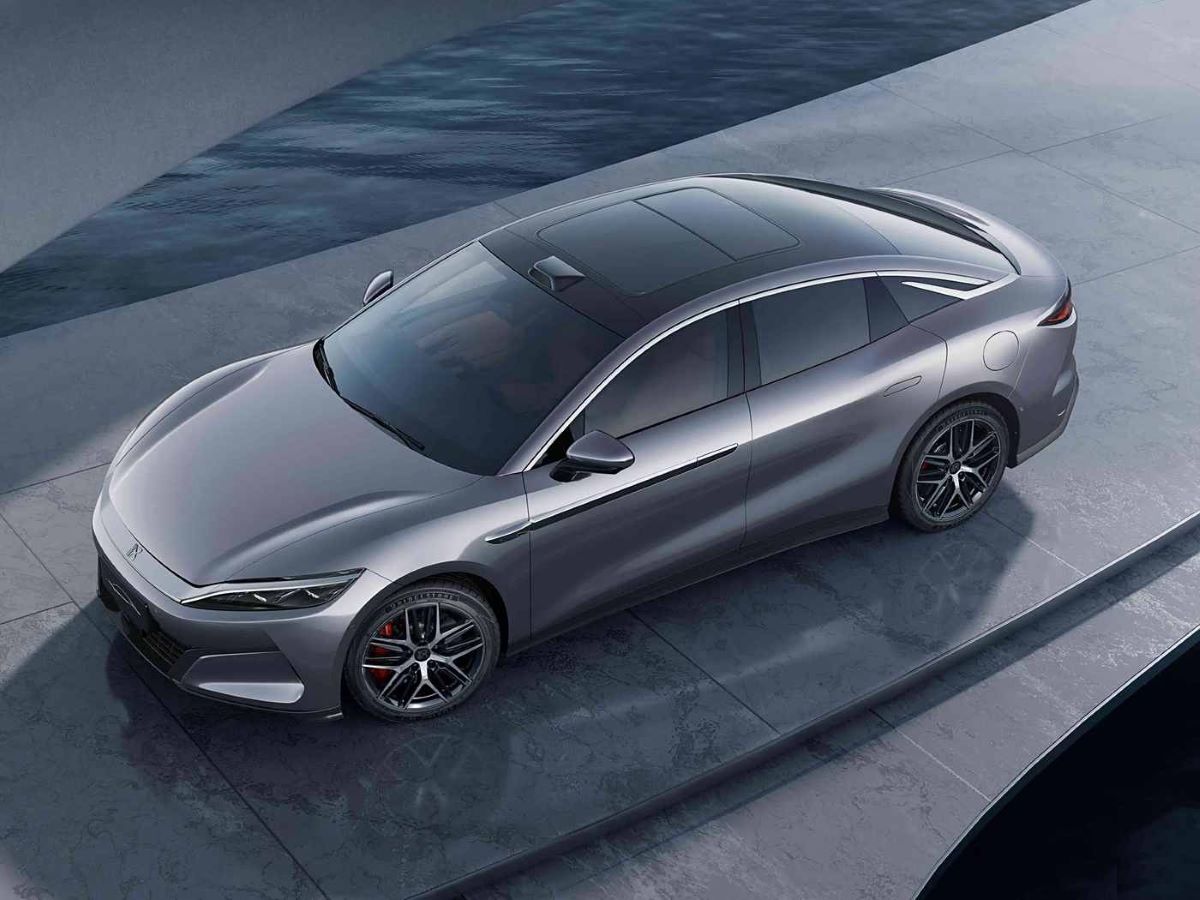
  • BYD Builds Ten-Millionth Dynasty Vehicle as Da Han Sedan Nears Launch

    BYD Builds Ten-Millionth Dynasty Vehicle as Da Han Sedan Nears Launch

    BYD rolled its ten-millionth Dynasty series car off the assembly line in China on September 29. An upcoming Da Han flagship sedan logged the production record.

    Production of the lineup began nearly thirteen years ago with the Qin plug-in hybrid in December 2013. The final 1.14 million units took less than nine months to build.

    Lu Tian, general manager of the Dynasty sales division, announced the figure ahead of the sedan’s October 13 commercial launch. Presales opened August 21 at the Chengdu Auto Show. Three battery-electric variants are priced between 249,900 yuan and 299,900 yuan ($37,070 to $44,670).

    The five-seat vehicle measures 5,256 mm long with a 3,130 mm wheelbase. Both rear-wheel-drive editions claim 1,008 km of range under China light-duty vehicle test cycle standards. The all-wheel-drive trim offers 880 km. Dual-chamber air suspension, rear-wheel steering, flash charging and LiDAR-based driver assistance come standard across all versions.

    Mainstream Models Squeeze Upmarket Sales

    Sales for the domestic lineup have shifted downward into mass-market segments. The earlier Han sedan and Tang sport utility vehicle established BYD in the premium tier, but both nameplates have lost retail share.

    August retail deliveries for Dynasty reached 170,842 vehicles, up 13.88 per cent year on year. The Han family contributed 2,997 units and the Tang line delivered 12,340 units, making up roughly 9 per cent of the monthly total. Cheaper volume rested on the Yuan, Song and Qin families. Together they delivered 153,726 vehicles, or 89.8 per cent of August Dynasty sales.

    Export Strength Offsets Domestic Softness

    Adding higher-margin models like the Da Han helps hedge against price competition across China. Group new energy vehicle sales climbed 17.84 per cent to 440,293 units in August. Total deliveries across the first eight months fell 6.84 per cent to 2,668,015 vehicles.

    Foreign sales have offset slower domestic growth. Shipments outside China rose 134.6 per cent in August to 188,700 passenger cars, generating 43 per cent of group volume. First-half international revenue reached 181.27 billion yuan. That accounted for 52.57 per cent of total turnover, overtaking domestic sales receipts for the first time.

    Expanding the Upper Dynasty Portfolio

    The Da Han follows the June 17 rollout of the Da Tang SUV, which delivered its 10,000th unit on July 23. Both larger vehicles sit above the original Han and Tang lines to defend higher price tiers against domestic rivals.

    Year-to-date Dynasty deliveries reached 1,045,805 units through August, down 13.15 per cent from the same period in 2025. That contraction narrowed from 22.44 per cent in the first half of the year. Volume has now grown year on year for three straight months since June.

    Regulatory filings show BYD has registered a plug-in hybrid variant of the Da Han, though pre-orders currently cover only electric trims. Commercial pricing and delivery dates for the hybrid will follow after battery-electric handovers start on October 13.

  • Trump and Xi Summit in Washington Yields Limited Progress on Tariffs

    Trump and Xi Summit in Washington Yields Limited Progress on Tariffs

    President Donald Trump and Chinese leader Xi Jinping met in Washington last week for a summit that yielded limited progress on tariffs, leaving bilateral relations in what analysts describe as a managed stalemate.

    The limited outcomes showed how far apart Washington and Beijing remain on core economic issues, reinforcing analyst views that China sees little incentive to grant major political concessions ahead of November’s midterm elections.

    Limited Progress on Technology and Supply Chains

    Asia-Pacific supply chains face operations without clear visibility into 2027. Negotiators deferred binding settlements on critical trade disputes. These include China’s export limits on rare earth materials and US trade restrictions on advanced semiconductor shipments.

    Xi arrived in Washington seeking trade predictability as domestic retail spending softens in mainland China. Chinese factory exports have reached record levels globally. Still, falling residential property prices and persistent youth unemployment continue to depress household demand across tier-one and tier-two cities, where homeownership stands near 80 percent.

    Stalemate Over Tech Controls and Taiwan

    Artificial intelligence discussions ended without operational safeguards or a formal bilateral pact. Xi argued during the meetings that advanced computing systems must stay under direct human control. Meanwhile, the White House maintained its broader export controls on cutting-edge processors.

    Geopolitical friction also limited commercial progress. Xi reiterated that American arms sales to Taiwan cross a fundamental red line for Beijing, following a May warning that mishandling the territory could spark direct conflict. The US administration continues to hold a pending 14 billion dollar arms package for the island, using it during negotiations.

    What Operators and Exporters Face Next

    For consumer electronics makers, apparel brands and contract manufacturers across East Asia, the outcome changes little on the ground. Companies that accelerated factory shifts into Southeast Asia to dodge unilateral duties must continue carrying dual-supply chain overhead.

    Retailers sourcing consumer goods through southern Chinese hubs face an immediate cost risk early next year. The three-month extension merely pushes tariff uncertainty past the November US midterm elections without removing the threat of sudden duty hikes.

    January brings the next formal test for cross-border logistics and bilateral commerce, when the current tariff pause expires and working groups resume formal negotiations over market access and tech controls.

  • Xpeng Consolidates 4 Product Lines into 2 to Cut R&D Costs

    Xpeng Consolidates 4 Product Lines into 2 to Cut R&D Costs

    Xpeng has consolidated its four product lines into two to focus research and development resources and reduce costs, media outlet 36Kr reported on Monday.

    The Chinese electric vehicle maker merged its I and F product lines into the G line, leaving only the G and D lines in place.

    Following the restructuring, the Mona series remains under the D line, while large SUVs including the GX and G9L and P-series sedans fall under the G line. The former head of the F line now oversees product definition for the G line, while the former head of the I line shifted to overseeing overseas affairs.

    Reining in Development Overlap

    Engineering teams previously built vehicles across separate tracks that competed for the same laboratory testing slots, supplier contracts, and software integration cycles. Merging the lines eliminates duplicate vehicle architectures and limits internal pricing clashes between sedans and crossovers that share identical wheelbases.

    For automotive component suppliers across the Pearl River Delta, fewer product lines mean consolidated purchase orders and standardized component tooling. Investors have pushed for tighter capital controls as Chinese electric vehicle makers face aggressive domestic price cutting and slowing volume gains across the mid-market bracket.

    R&D Outpaces Delivery Growth

    Development costs rose 32.1 per cent year on year to 2.91 billion yuan ($431.8 million) in the second quarter, driven by autonomous driving software, foundation AI models, and platform engineering. Vehicle deliveries in the same quarter stood at 103,295 units, up 0.1 per cent from the previous year.

    Second-quarter net loss widened to 1.34 billion yuan from 480 million yuan a year earlier, though it improved from the 1.78 billion yuan loss recorded in the first quarter. Vehicle gross margin reached 12.1 per cent, down from 14.3 per cent a year earlier due to production changeovers, while overall company gross margin stood at 20.7 per cent with support from technical service revenue.

    Model Cadence Across Two Tracks

    The restructuring aligns vehicle programs ahead of several fourth-quarter rollouts designed to lift monthly volumes. Xpeng introduced its G9L five-seat SUV on September 17 to complement its six-seat GX, targeting family buyers who previously looked at rival offerings from Li Auto and Nio.

    Volume pressure now rests heavily on the Mona product unit. Deliveries of the Mona M03 sedan began in July, while the Mona L05 crossover enters the Chinese market before the end of the year.

    Factory Commitments and Fourth-Quarter Targets

    Management is targeting monthly deliveries above 60,000 units in the fourth quarter, a 53 per cent jump from the 39,107 vehicles handed over to customers in August. Reaching that pace requires the Guangzhou and Zhaoqing assembly plants to operate near full capacity through December.

    Parallel investments in non-automotive hardware remain active. Xpeng commissioned its Iron humanoid robot manufacturing line earlier in September, targeting commercial deployment across its retail showrooms by the end of 2026 before starting customer deliveries in 2027.

  • BYD Pushes European Production as Sales Reach 4.27 Million Units

    BYD Pushes European Production as Sales Reach 4.27 Million Units

    BYD delivered 4.27 million new energy vehicles last year, expanding its European footprint. The surge steps up competitive pressure on German automakers across their core regional markets.

    Total sales for 2024 rose 41 percent over the previous year. That growth gives the Shenzhen-based automaker added scale as it builds its first European assembly facility.

    Bypassing Tariffs in Hungary

    Construction is underway on a passenger car plant in Szeged, Hungary. Vehicles assembled there will be built inside the European Union rather than shipped from Chinese ports.

    Local assembly lets the carmaker bypass additional tariffs the European Commission imposed on battery electric vehicles imported from China. The Commission determined in 2024 that Chinese state subsidies harmed European producers, introducing penalties to offset pricing differences.

    The Szeged plant will create thousands of local jobs and source components through regional supply chains, establishing a domestic European operating base.

    Pressure on German Brands

    German automotive groups face mounting headwinds across their volume and luxury segments. Volkswagen, BMW and Mercedes-Benz built their global market presence on engineering standards and brand prestige, supported by specialist badges including Audi and Porsche.

    Sluggish domestic economic growth, persistent inflation and supply chain friction now squeeze profit margins across German operations. Lower production costs and rapid development cycles from Chinese competitors directly challenge those legacy advantages.

    Pricing pressure in electric passenger cars leaves legacy European manufacturers with narrow operating margins. Chinese competitors produce battery packs and vehicle software internally, cutting component costs below what German supply networks currently deliver.

    Policy and Market Headwinds

    Trade barriers alone offer limited protection for European carmakers once overseas competitors start manufacturing inside the trade bloc. European manufacturers must match competitive vehicle prices while investing heavily in software architecture and battery chemistry.

    The European Commission outlined these structural vulnerabilities in its 2025 automotive action plan. The report warned that European automakers risk falling behind international rivals in battery development, vehicle software systems and autonomous driving platforms.

    Brussels now pairs import duties with domestic manufacturing incentives. Factory investments by Chinese firms inside the trade bloc weaken that intended barrier.

    Expansion from 2022 Entry

    BYD formally entered the European passenger car market in 2022 before committing capital to the Hungarian production site. Economists compare the broader shift to the manufacturing trade integration seen after China joined the World Trade Organization in December 2001.

    German automakers must now defend market share across both electric sedans and compact sport utility vehicles as local assembly begins. The decisive metric will be the production start date at the Szeged plant and the final retail pricing of its Hungary-built models.

  • Decathlon Targets Rs 1,000 Crore Running Sales in India over Four Years

    Decathlon Targets Rs 1,000 Crore Running Sales in India over Four Years

    Decathlon Sports India expects its running business to generate more than Rs 1,000 crore in revenue over the next four years. Growth will come from larger store footprints and expanded domestic factory capacity.

    The category currently generates just under Rs 500 crore. To double that across beginner and performance segments, the retailer is rolling out its dedicated running sub-brand Kiprun.

    Chief executive Sankar Chatterjee said Indian sales are tracking slightly above double digits in the current fiscal year. Full-year accounts for the previous financial year will appear within a month. Those numbers will show high single-digit revenue growth and a profitable bottom line, building on the Rs 4,133.10 crore booked in FY25.

    Expanding Store Network Beyond Metros

    Physical store openings drive the company’s expansion across India. The chain currently runs 132 outlets in Indian cities. It plans to reach 200 stores by 2030, beginning with more than half a dozen locations opening next quarter.

    Recent launches took the brand into northeast India with a first store in Guwahati, Assam. Wholesale and reseller deals in hubs such as Shillong run alongside direct retail units to reach shoppers outside tier-one cities.

    Commercial landlords gain large-format anchor tenants in tier-two and tier-three hubs where organized retail space is expanding. These big-box sites pull steady crowds of hobbyists and fitness groups. That gives suburban malls consistent footfall that apparel-only shops often fail to deliver.

    Footwear and Local Sourcing Investments

    A 100 million euro capital expenditure program backs the retail rollout, funding local supply chain and production assets. Half of the stock sold across Indian stores this year is made locally. That is a sharp rise from single-digit shares during the chain’s early years in India.

    Footwear manufacturing anchors the local sourcing plan. The business is hiring product managers, engineers, and technical staff to upgrade domestic shoe assembly standards and volume. These hires will prepare domestic suppliers for tighter technical specifications.

    Domestic factory output will also feed export markets. Executives are tracking talks on the proposed India-European Union Free Trade Agreement. Lower tariffs under any deal would make Indian assembly lines competitive for supplying Decathlon stores across Europe.

    Betting on Mass Participation Running

    The Kiprun rollout places 35 running products on Indian shelves this year, including 17 performance shoe models. Offerings span road and trail running across basic price tiers and specialized marathon equipment.

    Research from IMARC Group values India’s running gear sector at 2.7 billion dollars in 2026, rising from 2.5 billion dollars in 2025 and an estimated 4.9 billion dollars by 2034. Organized athletic events are driving this expansion. India hosted roughly 2,000 running fixtures in 2025, up from 500 to 600 in 2018.

    Competitors are chasing the same market. Rivals such as Reliance Retail are opening competing formats and signing licensing deals with global activewear labels. Decathlon has ruled out multi-brand retailing for now. It keeps sales floors exclusive to proprietary labels to protect margins and pricing.

    Supply Chain and Retail Competition Ahead

    Execution risks and pricing pressure will test the strategy. Indian shoppers know the chain for affordable starter kit, but high-performance gear puts Kiprun directly against established running specialists such as Asics, Nike, and Puma.

    Making technical running shoes requires complex tooling and component ecosystems that Indian factories are still building. Supply delays or defects in technical foam midsoles and carbon plates could turn away high-spending marathon runners.

    Next quarter brings the first clear test of the strategy. The retailer will open its next batch of stores and publish full-year earnings, revealing how much profit it extracted from its Rs 4,133.10 crore baseline.

  • Gucci Shifts Sneaker Manufacturing to China in Break with Tradition

    Gucci Shifts Sneaker Manufacturing to China in Break with Tradition

    Gucci has begun manufacturing new sneaker models in China this season, departing from its longstanding practice of producing all footwear within Italy.

    The move by parent group Kering marks the first time the luxury house has placed assembly of select athletic footwear lines directly into Chinese manufacturing hubs, targeting supply chain efficiency and regional technical capabilities.

    Shifting the European Production Model

    European luxury houses have historically defended the ‘Made in Italy’ label as a core pricing pillar. Gucci’s pivot to Chinese production lines reflects the technical dominance Asian facilities hold over complex athletic shoe construction. Technical footwear demands specialised tooling, bonding agents, and synthetic mesh engineering that Italian artisan workshops rarely handle at volume.

    Kering, Gucci’s parent group, faces pressure to improve margins while defending market share in mainland China. Producing sneakers closer to Asian supply networks cuts shipping times and lowers unit assembly costs on high-turnover casual lines.

    Brand Equity and Consumer Perception

    Consumer reaction across Asia will test how rigid luxury buyers remain regarding country-of-origin labels. Chinese luxury consumers increasingly prioritise product quality, technical execution, and brand relevance over traditional European manufacturing stamps. Younger buyers who purchase luxury streetwear sneakers evaluate comfort and silhouette ahead of heritage claims.

    Other luxury competitors will watch the rollout closely. If Gucci maintains its retail price points without consumer backlash, rival houses will accelerate their own offshore manufacturing plans for technical categories. If shoppers resist, Gucci risks diluting the prestige that supports its footwear margins.

    Supply Chain Realignment

    Sourcing sneaker production in China shortens logistics cycles between Asian factories and regional flagship stores. Direct domestic distribution lowers tariffs and inventory lead times across key East Asian markets.

    Italy will retain production for Gucci’s formal leather shoes, handbags, and core ready-to-wear collections. Segmenting technical streetwear from traditional leather goods allows the brand to split its manufacturing strategy without abandoning its Tuscan heritage entirely.

    The Road Ahead for Footwear Lines

    Gucci plans to distribute the first Chinese-assembled sneaker models across global wholesale and retail channels over the coming season. Sell-through rates across department stores and flagship boutiques will dictate whether Kering expands Asian production into additional accessory categories.

  • Suzuki Aims to Halve Vehicle Development Time by 2030

    Suzuki Aims to Halve Vehicle Development Time by 2030

    Suzuki Motor will cut its new vehicle development time in half by around 2030 from fiscal 2020 levels, speeding up model rollouts across Asian markets.

    The Japanese carmaker is targeting a 30 per cent improvement in development efficiency alongside a 50 per cent boost to production efficiency over the same period.

    Faster turnaround for key markets

    Shrinking development cycles will allow the manufacturer to refresh its compact passenger car lineup faster. Shorter lead times reduce capital tied up in vehicle design programs while giving engineering teams quicker responses to shifting regional safety standards, emissions regulations, and consumer preferences.

    Automakers across the region face sharper competition from domestic and regional rivals capable of bringing new platforms to market on compressed schedules. By targeting a 30 per cent gain in engineering efficiency, Suzuki intends to defend its volume positions in key Asian passenger car segments without inflating research overhead.

    Expanding Indian manufacturing capacity

    India serves as the central pillar of the group’s manufacturing footprint and retail sales volume. Suzuki confirmed plans to expand its annual production capacity in the country to between 4 million and 4.99 million vehicles by the 2030 financial year or later.

    Scaling output in India to nearly 5 million units yearly requires severe factory floor optimization. The targeted 50 per cent increase in production efficiency is designed to extract higher unit volume from existing and planned assembly lines, controlling per-unit manufacturing costs as output scales.

    Operational shifts across assembly plants

    Reaching these targets requires overhaul across tooling, component sourcing, and plant automation. Improving assembly efficiency by half within the decade means standardizing modular architectures and trimming build hours per chassis across global sites.

    Suppliers in Suzuki’s tier-one network will need to align with tighter delivery cycles and faster part validation schedules. Compressing vehicle gestation from fiscal 2020 baselines transfers operational pressure directly down the supply chain, requiring parts vendors to validate components on shorter development tracks.

    Market response in Tokyo

    Shares in Suzuki Motor rose 0.9 per cent on Friday following the announcement in Tokyo. The benchmark Nikkei index finished the session 1.1 per cent higher.

    Investor attention now turns to the capital expenditure plan required to lift Indian capacity to the 4.99 million vehicle threshold by fiscal 2030.