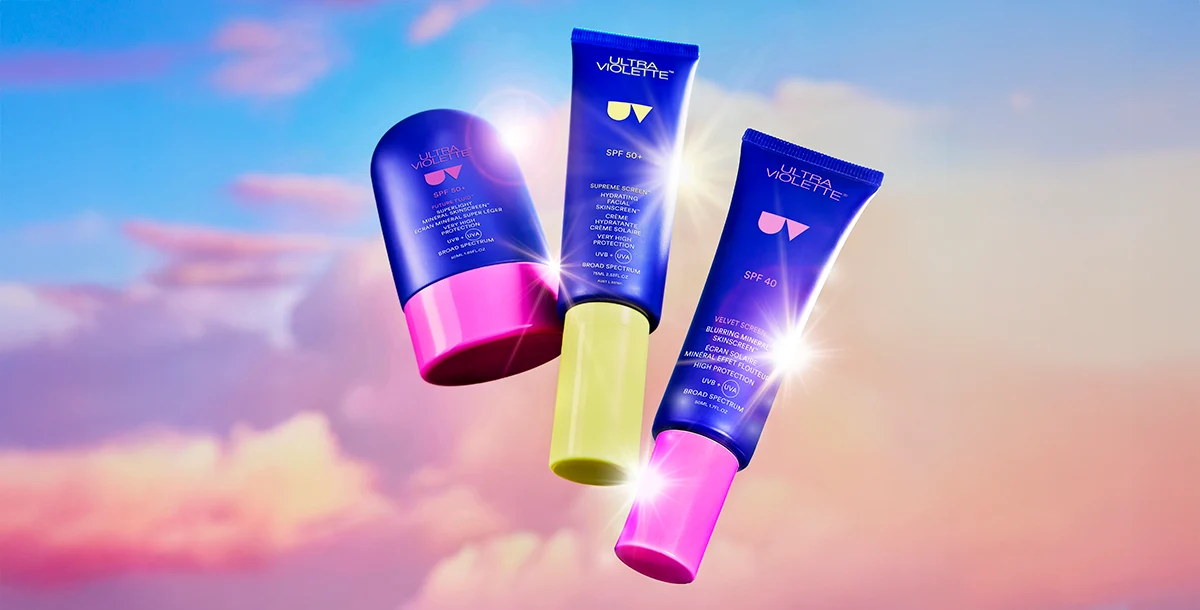
Sunscreen brand Ultra Violette is suing contract manufacturer Wild Child Laboratories following the recall of its SPF50+ sunscreen product, Lean Screen, last year. Testing by consumer advocacy organisation Choice previously found the product had an SPF of only four.
The dispute centres on a base formula produced by Wild Child Laboratories that was also used by nearly 20 sunscreens from other brands.
Shared Formulations Create Systemic Risk
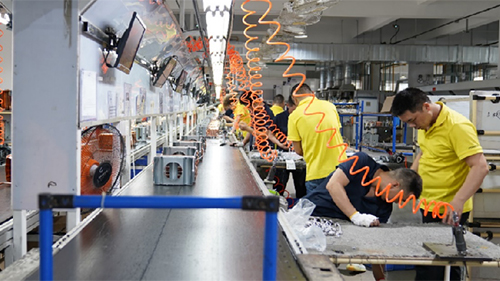
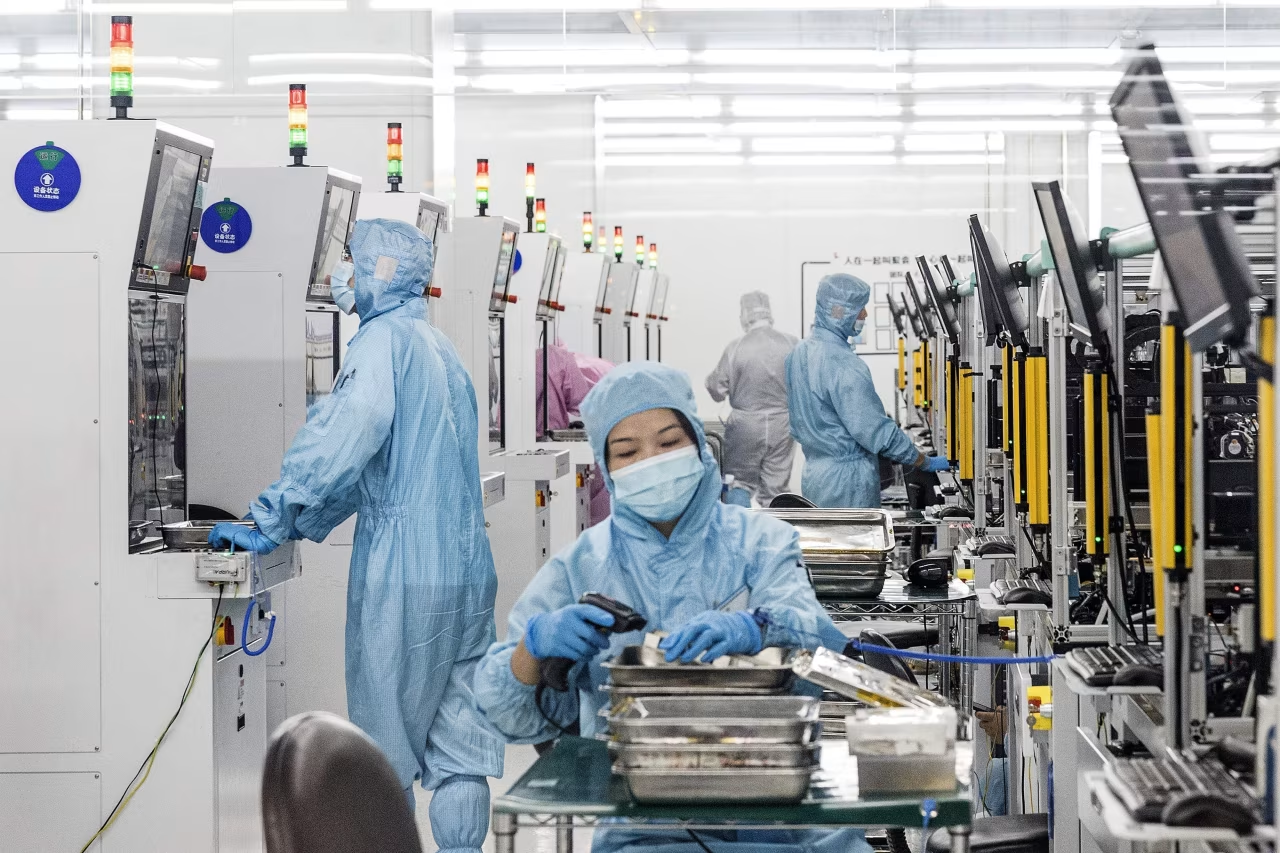
Contract manufacturing lets independent beauty brands scale without building their own factories. When a shared base formula fails laboratory verification, liability cascades across dozens of retail brands. Beauty labels in high-UV Asia-Pacific markets cannot rely on supplier certifications alone. They need rigorous third-party batch testing.
Retailers stocking private-label and independent suncare lines now face scrutiny over supplier auditing and shelf compliance. The litigation puts direct financial and reputational pressure on third-party laboratories. It forces brand founders to reassess contract terms, indemnity clauses and quality-control oversight at every stage.
The Timeline Leading to Legal Action
Legal action follows the recall of Ultra Violette’s Lean Screen sunscreen last year after advocacy group Choice published independent efficacy tests. Those evaluations showed the mineral formula failed mandatory Australian standards for SPF50+ claims. Retailers pulled stock from shelves immediately.
What to Watch in Court Filings
Proceedings will examine the manufacturing warranties and testing protocols Wild Child Laboratories maintained during commercial production runs. The case will determine liability for recall expenses, testing costs and brand damages, creating a precedent for contract manufacturing accountability across the regional cosmetics industry.