Tag: Markets

  • Cracking Into Global Markets: Vietnam’s First Shipment of Ready-to-Eat Eggs Lands in Japan

    Cracking Into Global Markets: Vietnam’s First Shipment of Ready-to-Eat Eggs Lands in Japan

    Vietnam has made significant strides in its food export sector with its first shipment of ready-to-eat poultry eggs to Japan. The delivery was facilitated by Vinh Thanh Dat Food (VFood) on Thursday, following an extensive collaboration with a Japanese partner. The endeavor is notable as Japan is renowned for having some of the world’s most rigorous food safety standards.

    Years of Collaboration Lead to a Successful Shipment

    The partners invested nearly two years in product development, tailoring the ready-to-eat eggs to the specific tastes of Japanese consumers while ensuring they adhered to the country’s stringent food safety regulations. This meticulous process involved comprehensive research, product refining, and assistance from Japanese experts.

    This shipment represents more than just a successful export; it symbolizes VFood’s determination to elevate the worth of Vietnamese eggs. Further, it opens doors for other processed egg products to penetrate demanding international markets and solidify their presence.

    Addressing Oversupply through Increased Exports

    Presently, the poultry egg market in Vietnam is grappling with an oversupply due to a surge in farm expansions when egg prices were high. This expansion has led to production exceeding demand, thereby resulting in a drop in egg prices. Thus, venturing into new export markets is seen as a viable solution to manage the surplus stock, enhance poultry farmers’ earnings, and in turn, instill greater confidence in them to sustain production.

    In the long run, increasing exports can help farmers standardize and upgrade their production processes. Simultaneously, it could serve as a catalyst for growth in Vietnam’s poultry egg sector.

    Questions & Answers

    What is significant about the recent shipment of ready-to-eat eggs from Vietnam to Japan?
    This shipment marks the first time that Vietnam has exported ready-to-eat eggs to Japan, a country known for its strict food safety standards.

    How did VFood prepare for this milestone shipment?
    VFood collaborated with a Japanese partner and invested nearly two years in product research, development, and refinement to ensure the eggs met Japanese consumers’ tastes and the country’s food safety regulations.

    What are the potential benefits of expanding egg exports for Vietnam’s poultry sector?
    Expanding exports can help manage the current oversupply of eggs in the Vietnamese market, improve poultry farmers’ incomes, and encourage them to maintain production. In the long term, it can aid in standardizing and upgrading production processes and boosting the overall poultry egg sector.


  • Unlocking New Markets: Vietnam Secures Green Light for Pomelo and Lemon Exports to China

    Unlocking New Markets: Vietnam Secures Green Light for Pomelo and Lemon Exports to China

    A recent agreement has paved the way for Vietnamese pomelos and lemons to be exported to China. This phytosanitary requirements protocol was formalized between Vietnam’s Ministry of Agriculture and Environment and the General Administration of Customs of China. The agreement unfolded during a state visit to China by To Lam, who is the Party General Secretary and State President of Vietnam.

    Phytosanitary Requirements and Protocols

    The newly agreed protocol stipulates that all areas cultivating and facilities packaging pomelos and lemons for export to China have to be registered with the Ministry of Agriculture. Furthermore, they must gain approval from both the Ministry and China’s customs. These facilities are mandated to enforce stringent pest control measures to ensure the quality of the produce.

    The cultivation areas are required to adhere to Good Agricultural Practices (GAP) and Integrated Pest Management (IPM) requirements. These requirements demand fruit to be bagged at least 60 days prior to harvest and the use of traps to combat fruit flies.

    The packaging facilities must maintain sanitary conditions and appropriate functional zoning. Fruits are required to be sorted, classified, and cleaned to remove any diseased or pest-infected fruits, as well as any plant debris and soil residues.

    The Impact of the Agreement

    The Ministry has cited this agreement as the result of structured technical negotiations between plant protection and quarantine agencies of both nations. These discussions have been ongoing since 2019.

    The agreement signifies an important shift towards transparent, standards-compliant official export channels and a more sophisticated bilateral cooperation framework, amidst growing Vietnam–China agricultural trade.

    China continues to be a crucial market with strong demand and potential for Vietnamese fruit exports. Building on the success of other exports, pomelos and lemons are expected to increase their market share, consolidate their position, and boost overall export growth.

    The ministry has expressed its commitment to working closely with localities, associations, businesses, and producers to effectively put the protocol into practice. This will include guidelines on regulations, standardizing cultivation areas and packaging facilities, and strengthening inspections to guarantee full compliance with Chinese requirements.

    Vietnam’s Agricultural Advantage

    Pomelos and lemons are among Vietnam’s most successful agricultural products. Vietnam currently cultivates pomelos on approximately 106,000 hectares, positioning itself as a major global producer of the fruit.

    Questions & Answers

    What does the new protocol between Vietnam and China involve?
    The protocol involves the export of Vietnamese pomelos and lemons to China. It stipulates that all cultivation areas and packaging facilities for these fruits must be registered with the Ministry of Agriculture and approved by both the Ministry and China’s customs.

    What requirements must the Vietnamese farms and packaging facilities meet under the new protocol?
    The farms must adhere to Good Agricultural Practices (GAP) and Integrated Pest Management (IPM) requirements, which includes bagging fruit 60 days before harvest and using traps for fruit flies. The packaging facilities must maintain cleanliness and appropriate functional zoning.

    How will this protocol impact the Vietnam-China agricultural trade?
    The protocol signifies a shift towards transparent, standards-compliant official export channels and provides a more sophisticated bilateral cooperation framework. It is expected to boost the market share of Vietnamese pomelos and lemons in China and strengthen the overall growth of fruit exports from Vietnam to China.

  • J&T Express Sees Stellar 18.5% Revenue Growth in 2025, Marks Profitability in New Markets

    J&T Express Sees Stellar 18.5% Revenue Growth in 2025, Marks Profitability in New Markets

    In 2025, global logistics service provider, J&T Global Express Limited (J&T Express), reported robust financial results. For the first time, the company’s total parcel volume breached the 30-billion mark, reaching 30.1 billion, a 22.2% increase from the previous year. The full-year total revenue also experienced significant growth, reaching US$12.2 billion – an 18.5% year-over-year (YoY) increase. These figures underscore the consistent growth momentum of the company’s global network, which spans across 13 countries.

    Continued Profitability and Expansion

    J&T Express reported continuous improvements in profitability, with an adjusted net profit of US$425 million, marking a 112.3% YoY increase. The Southeast Asia market, in particular, saw substantial growth, achieving what the company refers to as a “trifecta” of volume growth, market share expansion, and profit improvement. The adjusted Earnings Before Interest and Taxes (EBIT) in this market alone surged 77.5% YoY to US$538 million.

    In new markets, the company also reported positive figures with an adjusted EBIT of US$4 million, just three years after launching operations in 2022. Meanwhile, in the China market, despite intense competition and a challenging policy backdrop, the company maintained profitability through effective cost control, posting an adjusted EBIT of US$94 million.

    Dominance in Southeast Asia

    J&T Express further solidified its leadership position in the Southeast Asia market in 2025. The company’s parcel volume in this region reached 7.66 billion, a four-year high growth rate of 67.8% YoY. The revenue also soared 39.8% YoY to US$4.5 billion. By parcel volume, J&T Express increased its market share in Southeast Asia to 34.4%, ranking as the top express delivery operator in the region for six consecutive years since 2020.

    Growth in China

    In the China market, J&T Express reported high-quality growth in 2025, with business volume ranking fifth and revenue increasing 5% YoY to US$6.71 billion. The company handled 22.07 billion parcels, up 11.4% YoY. The company’s cost per parcel decreased YoY to US$0.28, maintaining the profit resilience of the business.

    New Markets

    In new markets, such as Saudi Arabia, UAE, Mexico, Brazil, and Egypt, J&T Express reported a parcel volume increase of 43.6% YoY to 404 million and a revenue rise of 51.2% YoY to US$870 million. The adjusted EBIT improved significantly from the same period last year to a profit of US$4 million, marking an important milestone in the company’s globalisation strategy.

    Questions & Answers

    What was the total revenue of J&T Express in 2025?
    The total revenue of J&T Express in 2025 was US$12.2 billion.

    What was the parcel volume of J&T Express in Southeast Asia in 2025?
    The parcel volume of J&T Express in Southeast Asia in 2025 reached 7.66 billion.

    What were the new markets for J&T Express in 2025, and how did they perform?
    The new markets for J&T Express in 2025 included Saudi Arabia, UAE, Mexico, Brazil, and Egypt. They reported a parcel volume increase of 43.6% to 404 million and a revenue rise of 51.2% to US$870 million. The adjusted EBIT improved significantly from the previous year to a profit of US$4 million.

  • DoorDash Bids Farewell to Singapore and Japan Markets: A Strategic Re-focus on Sustainable Growth

    DoorDash Bids Farewell to Singapore and Japan Markets: A Strategic Re-focus on Sustainable Growth

    DoorDash, the leading food delivery platform, has announced the discontinuation of its operations in Singapore and Japan to concentrate on markets with higher priorities.

    Singapore Shutdown

    In Singapore, DoorDash will be closing down its Deliveroo service on March 4, thus drawing a curtain over its 11-year long tenure in the city-state. The firm has indicated that services will remain operational until the shutdown, advising customers to exhaust any residual credits and gift cards before the cessation of operations.

    Exiting Other Markets

    In a related development, the company has also confirmed the planned closure of Deliveroo and Wolt services in Qatar, Uzbekistan, and Japan. This decision was reached following an extensive evaluation of market conditions spanning several months. According to DoorDash, the exit strategy is hinged on factors specific to each of these countries and is aligned with the company’s strategic thrust to focus on markets that offer the greatest potential for sustainable growth and long-term dominance.

    Despite describing the decision as a challenging one, the firm has committed to closely collaborating with relevant local stakeholders to effect a seamless transition in the immediate future.

    DoorDash’s Contributions and Gratitude

    Miki Kuusi, the Head of DoorDash International, CEO of Deliveroo and co-founder of Wolt, expressed gratitude to all who have been a part of their journey. He remarked, “Over the last 11 years, we have been proud to shape food delivery in Singapore, granting consumers access to an extensive range of restaurant and grocery partners. To all our employees, customers, partners, and riders who have accompanied and supported us on this journey – thank you.”

    It’s worth noting that in the previous year, Deliveroo also withdrew from the Hong Kong market on April 7, after operating there for nine years. This followed an agreement to sell some of its assets to Foodpanda.

    Questions & Answers

    Why is DoorDash discontinuing its operations in Singapore and Japan?
    DoorDash is discontinuing operations in Singapore and Japan to focus on markets with higher priorities.

    What will happen to the remaining credits and gift cards of customers in Singapore?
    Customers are advised to exhaust any remaining credits and gift cards before DoorDash ceases operation on March 4.

    Can we expect further market exits from DoorDash?
    While not explicitly stated, the company’s strategic focus on markets where it sees a clear path to sustainable scale and long-term leadership might lead to further market exits.

  • A2 Milk Company Rides High on Double-digit Growth in China, US Markets: A Peek Inside the Success Story

    A2 Milk Company Rides High on Double-digit Growth in China, US Markets: A Peek Inside the Success Story

    The A2 Milk Company has announced robust sales growth in the double digits for the first half of the fiscal year. This growth has been driven largely by the company’s strong performance in both the China and US markets.

    Revenue for the six-month period ending December 31 grew by 18.8% to reach NZ$993.5 million ($845 million). This growth spanned all segments and product categories.

    Strong Market Performance in Asia and the US

    In the “China & other Asia” segment, sales saw an increase of 20.3%, spurred primarily by the growth of English label Infant Milk Formula (IMF) and other nutritional products. Meanwhile, the US segment experienced a considerable surge, with growth registering at 29.1%, thanks largely to the success of its core and Grassfed liquid milk products.

    The ANZ region also experienced an increase, albeit a more modest one, with a growth rate of 8.8%. This was mainly driven by the growth of Australian liquid milk. Daigou channel sales within this region appear to have stabilized.

    Growth across Various Product Categories

    When considering sales by category, total IMF sales experienced a growth of 13.6%. This has been attributed to the strong health of the brand and effective sales execution. English label revenue saw a sizeable growth of 20.9%, driven by the company’s performance within the CBEC and O2O channels.

    Sales of China-label products also saw a rise, with a growth rate of 6.5%. In addition, liquid milk sales grew by 18.5%. Other nutritional products saw a significant surge of 42.9%. This increase was largely due to growing contributions from children’s and seniors’ fortified milk powder products.

    In terms of earnings, EBITDA increased by 18.4% to reach NZ$155.0 million, while the EBITDA margin remained steady at 15.6%. NPAT from continuing operations saw an increase of 9.4% to reach NZ$112.1 million.

    Recent Transactions and Partnerships

    In August, the company made the announcement that it had acquired a fully integrated nutritional manufacturing facility in Pokeno. Additionally, it disclosed the divestment of MVM in an effort to optimize its asset footprint and financial performance. Both transactions were carried out during the half.

    The company also signed a long-term agreement with Fonterra for the supply of A1 protein-free milk from the North Island in New Zealand.

    A2 Milk has revised its outlook for the full year, anticipating revenue growth in the mid double digits and an EBITDA margin of approximately 15.5-16%.

    Questions & Answers

    What drove the growth of A2 Milk Company in the first half of the fiscal year?
    The growth was driven by a strong performance in the China and US markets across all segments and product categories.

    Which product categories experienced the most significant growth?
    Other nutritional products saw the most significant surge of 42.9%, with growing contributions from children’s and seniors’ fortified milk powder products.

    What does A2 Milk anticipate for its full-year outlook?
    The company expects mid double-digit revenue growth and an EBITDA margin of approximately 15.5-16%.

  • U.S. Dollar Flexes Strength Against Vietnamese Dong in Unofficial Markets: A Look into Currency Highlights of the Week”

    U.S. Dollar Flexes Strength Against Vietnamese Dong in Unofficial Markets: A Look into Currency Highlights of the Week”

    On Monday morning, the U.S. dollar exhibited an upward trend against the Vietnamese dong on the unofficial market, while maintaining relative stability against other major currencies. The U.S. dollar exhibited a 0.33% increase, reaching approximately VND26,637 at unofficial exchange locations. In contrast, Vietcombank maintained its exchange rate constant at VND26,140.

    Vietnam’s Reference Rate

    The State Bank of Vietnam adjusted its reference rate downward by 0.008%, setting it at VND25,063.

    Global Dollar Index

    Internationally, the U.S. dollar index, an indicator of the U.S. dollar’s value relative to a selection of six currencies, remained static at 97.629 as the week commenced. This week is expected to witness the release of several significant data sets from Washington, including statistics on retail sales, inflation, and the delayed jobs report scheduled for Wednesday.

    Performance of Other Currencies

    The yen experienced a fluctuation, initially declining by 0.3% to hit its lowest value in a fortnight, before strengthening by as much as 0.7%, and then subsequently reducing its gains. In its latest trading, it was 0.3% stronger at 156.76 yen against the dollar.

    Meanwhile, the Australian dollar saw a slight increase of 0.1%, reaching $0.7018. Similarly, the New Zealand dollar also increased by 0.1% to $0.6013. The euro displayed no change, remaining at $1.1818. In contrast, the pound was slightly down by 0.1%, trading at $1.3599.

    Questions & Answers

    What was the performance of the U.S. dollar against the Vietnamese dong on the unofficial market on Monday?

    The U.S. dollar increased by 0.33%, reaching approximately VND26,637 at unofficial exchange locations.

    How did the State Bank of Vietnam adjust its reference rate?

    The State Bank of Vietnam lowered its reference rate by 0.008%, setting it at VND25,063.

    What were some notable changes in the performance of other major currencies?

    The yen initially declined by 0.3%, then strengthened by as much as 0.7%, before reducing its gains. The Australian and New Zealand dollars both saw a slight increase of 0.1%. The euro remained unchanged, while the pound decreased slightly by 0.1%.

  • Vietnam’s Seafood Exports Soar 13% in January Fueled by Asian Markets

    Vietnam’s Seafood Exports Soar 13% in January Fueled by Asian Markets

    In January, exports of seafood from Vietnam totaled US$874 million, a year-on-year increase of 13%. The Vietnam Association of Seafood Exporters and Producers noted that this boost was largely due to demand from Asian markets, particularly China, Japan, and ASEAN. Key product groups like pangasius, a type of catfish, as well as squid and octopus, contributed significantly to these robust export figures.

    Decline in U.S. Shipments

    However, U.S. shipments experienced a decline, especially in tuna exports. The downturn was attributed to factors such as the Marine Mammal Protection Act’s impact and difficulties in obtaining certificates of analysis for seafood exports, a crucial step in the export process.

    China Leads as Largest Seafood Market

    China solidified its position as Vietnam’s biggest seafood market in January; export values reached nearly $250 million, marking a 28.7% surge year-on-year. This uptick is mainly due to increased shrimp demand ahead of the Lunar New Year, a period when the consumption of premium seafood products usually escalates. Many businesses also seized the opportunity of this festive demand to increase their lobster shipments.

    Anticipated Seafood Export Downturn in February

    The Association anticipates a downturn in seafood exports in February. This prediction is based on disruptions to production and logistics during the Tet (Lunar New Year) holiday, persisting regulatory issues in the U.S., and a potential decrease in Chinese demand following an early period of stockpiling.

    Questions & Answers

    What caused the 13% increase in Vietnam’s seafood exports in January?
    The main factors contributing to this increase were robust demand from Asian markets, particularly China, Japan, and ASEAN, coupled with strong performance from key product groups like pangasius and squid and octopus.

    Why was there a decline in U.S. shipments of Vietnamese seafood?
    The decline in U.S. shipments can be attributed to the effects of the Marine Mammal Protection Act and challenges in obtaining certificates of analysis for seafood exports.

    Why is a downturn in seafood exports anticipated in February?
    The predicted downturn is due to potential disruptions in production and logistics during the Tet (Lunar New Year) holiday, ongoing regulatory challenges in the U.S., and an expected drop in Chinese demand after an early period of stockpiling.

  • KK Super Mart Eyes $750M IPO Boost: A New Milestone in Malaysia’s Thriving Equity Markets

    KK Super Mart Eyes $750M IPO Boost: A New Milestone in Malaysia’s Thriving Equity Markets

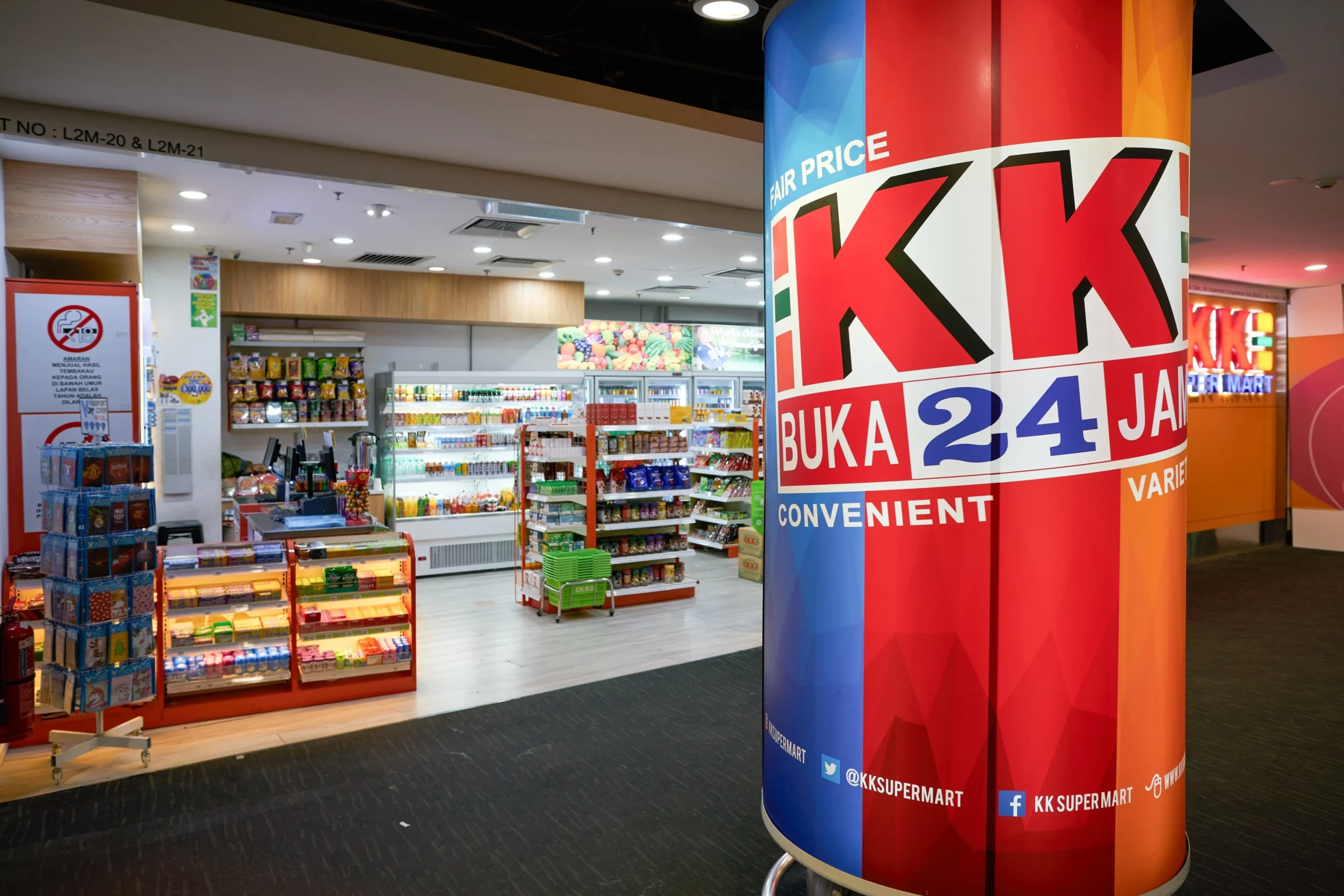
    KK Super Mart, a prominent convenience-store chain in Malaysia, is purportedly preparing for an initial public offering (IPO) that could potentially reach a staggering US$750 million in the latter half of this year.

    Company Ownership and Valuation

    The anticipated IPO is estimated to encompass over 25 percent of the company’s total valuation. A significant 95 percent stake in the business is held by the Chairman, KK Chai. The remaining 5 percent is owned by his spouse and fellow director, Loh Siew Mui. This proposed IPO is predicted to play a significant role in shaping the company’s financial future and market standing.

    KK Super Mart’s Presence and Operations

    Known to many as KK Mart, the company operates an impressive network of more than 900 stores across Malaysia, India, and Nepal. Their broad geographical presence has established them as a significant player in the retail sector in these regions.

    Malaysia’s Equity Market Resurgence

    This revelation emerges amidst a resurgence in Malaysia’s equity markets. The Kuala Lumpur Composite Index has reached its highest trading levels since 2018. Moreover, the country listed a record 60 companies in the previous year, marking the highest number in over two decades.

    Market Position and Competition

    As Malaysia’s second-largest minimarket chain, KK Super Mart holds a substantial presence in the retail industry. A successful listing could place it in direct competition with other publicly traded counterparts like 99 Speedmart, boasting over 3000 stores, and Eco-Shop Marketing with upwards of 400 outlets.

    Questions & Answers

    What is the projected value of KK Super Mart’s IPO?
    The company’s IPO is rumored to be worth up to US$750 million.

    Who holds the majority stake in KK Super Mart?
    KK Chai, the Chairman of the company, holds a commanding 95 percent stake.

    Where does KK Super Mart operate?
    KK Super Mart has a network of over 900 stores spread across Malaysia, India, and Nepal.

  • Gong Cha Steers Growth With Major Leadership Shake-Up Across Key Global Markets

    Gong Cha Steers Growth With Major Leadership Shake-Up Across Key Global Markets

    Popular bubble tea franchise, Gong Cha, has recently undergone a significant restructuring of its top-tier management. This move is intended to bolster the company’s framework, enabling it to better support continued growth across its principal markets.

    New Leadership Assignments

    Keaton Myburgh, who joined Gong Cha in 2023, has been appointed as the new General Manager for the Asia-Pacific region (APAC). In his time with Gong Cha, Myburgh has shown exceptional leadership in assisting franchise partners and managing regional operations. His new role will extend his responsibility to ensuring operational excellence, regional development, and brand consistency across the APAC region.

    For the Europe, Middle East, and Africa (EMEA) region, Gong Cha has appointed Jemma Smoker as the General Manager. Smoker, who also joined the company in 2023, will assume responsibility for overseeing regional operations and the development of the brand within the region.

    Marketing Team Expansion

    On a similar note, Gong Cha has also broadened its marketing team. Sepanta Bagherpour has taken on the role of Chief Marketing Officer for the Americas and EMEA regions. Bagherpour brings to the table over two decades of experience in marketing and communications, working with global brands.

    Moreover, Gong Cha has announced the promotions of Maya Murasawa and Jina Jeeyoung C. Murasawa will now serve as the Head of Marketing in Japan while Jeeyoung C has been named the Chief Marketing Officer for South Korea and APAC. These appointments underscore Gong Cha’s commitment to customer-focused, locally relevant marketing strategies.

    These reshuffles come on the back of the company’s launch of Gong Cha 2.0, a global revamp of the company’s business model. This new model aims to bolster efficiency across its franchise network.

    Questions & Answers

    What is the goal of Gong Cha’s recent leadership restructuring?
    Gong Cha has reshaped its senior leadership team to strengthen its organizational structure and support its growth across key markets.

    Who are the newly appointed leaders in Gong Cha’s team?
    Keaton Myburgh has been appointed as the General Manager for the APAC region and Jemma Smoker for the EMEA region. Sepanta Bagherpour has joined as the Chief Marketing Officer for the Americas and EMEA. Maya Murasawa and Jina Jeeyoung C have been promoted within the marketing department in Japan and South Korea and APAC respectively.

    What is Gong Cha 2.0?
    Gong Cha 2.0 is a global update to the company’s operating model aimed at improving efficiency across its franchise network.

  • “Telenor Retreats from Asian Markets: Sells $3.9 Billion Stake in True Corporation, Bids Adieu to Thailand”

    “Telenor Retreats from Asian Markets: Sells $3.9 Billion Stake in True Corporation, Bids Adieu to Thailand”

    Telenor, the Nordic telecom operator, has confirmed its departure from the Thai telecom sector. After a quarter of a century presence in the country, the company is selling its majority stake in True Corporation. This development is part of Telenor’s strategic withdrawal from the Asian marketplace.

    Details of the Deal

    The agreement outlines that Telenor will sell its 24.95% share in True Corporation to Arise Digital Technology Company. The sale price is set at NOK 32.3 billion. The buyer, Arise, is a company run by Thai businessman Khun Suphachai Chearavanont. Furthering the deal, both parties have reached a consensus allowing Arise to purchase Telenor’s residual 5.35% stake within the forthcoming two years. The cost for this additional acquisition is NOK 6.9 billion.

    Withdrawal from Asia

    The exit from Thailand’s market echoes Telenor’s recent business moves in other Asian territories, epitomizing the company’s ongoing strategy of pulling out of Asia. Notably, it recently sold its Pakistani business to Pakistan Telecommunication Company Limited for upwards of USD 500 million. The company is now placing a greater emphasis on strengthening its Nordic foundations.

    Telenor still has a presence in Bangladesh and Malaysia through its holdings in Grameenphone and CelcomDigi, respectively. Previously, Telenor operated in both India and Myanmar, but has since withdrawn from these markets.

    Remarks from the CEO

    Telenor’s CEO, Benedicte Schilbred Fasmer, expressed satisfaction with the arrangement made with Arise. She noted that at the company’s Capital Markets Day in November, they had mentioned their search for opportunities to create structural value in Asia. With the completion of Telenor Pakistan’s sale in December and the agreement to sell their shares in True, she believes they have made significant progress towards that goal.

    Telenor’s journey in Thailand began in 2000 when it acquired shares in Total Access Communication (TAC). TAC later became dtac, one of the largest mobile operators in the country. In 2023, dtac and True merged to bolster its competitive stance against the market leader, AIS.

    Questions & Answers

    What is the significance of Telenor selling its stake in True Corporation?
    The sale of Telenor’s stake in True Corporation marks the company’s exit from the Thai telecoms market, signifying a strategic pullback from Asia and a refocus on its Nordic operations.

    What other recent business moves has Telenor made in Asia?
    Besides its exit from Thailand, Telenor recently sold its Pakistani business to Pakistan Telecommunication Company Limited. The company has also previously ceased operations in India and Myanmar.

    Which Asian markets does Telenor still operate in?
    Telenor maintains its presence in Asia through its holdings in Grameenphone in Bangladesh and CelcomDigi in Malaysia.

  • Nestlé Initiates Global Recall of Infant Formula in 30+ Markets due to Potential Toxin Risk

    Nestlé Initiates Global Recall of Infant Formula in 30+ Markets due to Potential Toxin Risk

    Nestlé, the world’s largest food and beverage company, has initiated a widespread recall of select infant nutrition products across over 30 markets, including Australia, New Zealand, the Americas, and numerous European countries. The recall is attributed to the potential contamination of these products with a certain toxin.

    Investigating Quality Issues

    The decision for a recall came after an internal investigation discovered a quality issue related to one of the ingredients supplied by a prominent vendor. The ingredient in question, arachidonic acid (ARA) oil, which is often mixed with other oils, was found to potentially contain Cereulide. Cereulide is a bacterially derived substance known to cause foodborne illness, produced by certain strains of Bacillus cereus, a type of microorganism. Nestlé stated that the occurrence of cereulide in oils is quite rare and is currently working with the supplier to pinpoint the cause.

    Global Recall

    The recall, which began on January 7, affected 27 European countries, including the United Kingdom, Spain, and Italy. In the Asia-Pacific region, Hong Kong, Australia, and New Zealand were included and in the Americas, Argentina, Mexico, and Peru were impacted. However, Nestlé pointed out that this list may not be exhaustive and will be updated accordingly.

    Given that ARA oil is a component in various infant nutrition products sold around the world, the problem affects multiple brands. Among the brands impacted are SMA, BEBA, NAN, and Alfamino, but the specific products recalled vary from country to country.

    In Australia and New Zealand, the Alfamino Infant Formula (0-12 months) 400g is being recalled. The products have specific markings, including use-by dates from 17.04.2027 to 22.07.2027 and corresponding batch numbers.

    Advice for Consumers

    Customers have been advised to return any affected product to the place of purchase for a full refund. Anyone concerned about their health or that of their infant is encouraged to seek medical advice.

    Nestlé confirmed that there have been no reported illnesses connected with the recalled products so far. However, consumers are advised to watch out for severe or persistent vomiting, diarrhea, or unusual lethargy in infants, which typically appear between 30 minutes to six hours after exposure.

    Ensuring Health and Wellbeing

    The company is actively communicating with authorities in the affected countries to ensure necessary measures are taken to safeguard public health. Nestlé assures the public, especially parents and caregivers, that it is taking appropriate actions to prioritize the health and wellbeing of families and their children.

    Despite the recall, Nestlé notes that the financial impact of the situation is expected to be minimal, as the recalled products make up less than 0.5 per cent of the group’s annual sales.

    Questions & Answers

    What is Cereulide and why is it dangerous?
    Cereulide is a substance of bacterial origin, produced by certain strains of the Bacillus cereus microorganism. It is known to cause foodborne illnesses.

    What are the symptoms to watch out for in infants who may have been exposed to Cereulide?
    Symptoms include severe or persistent vomiting, diarrhea, or unusual lethargy, typically appearing between 30 minutes to six hours after exposure.

    What should consumers do if they have purchased one of the recalled products?
    Consumers are advised to return the product to the place of purchase for a full refund. Those who are concerned about their health or that of their infant should seek medical advice.

  • Dollar on the Rise: U.S. Currency Soars Against Dong in Unofficial Markets

    Dollar on the Rise: U.S. Currency Soars Against Dong in Unofficial Markets

    The value of the U.S. dollar experienced a rise against the Vietnamese dong in the black market during Saturday’s early trading hours, following a slight increase against other significant currencies in the previous trading session. The U.S. dollar saw a 0.03% increase from its Friday value, reaching approximately VND27,149 at informal exchange venues. Meanwhile, Vietcombank held a steady exchange rate at VND26,384.

    Vietnamese State Bank’s Reference Rate

    The Vietnamese State Bank held its reference rate firmly at VND25,128.

    Global Perspective

    On a global scale, the dollar index, a measurement of the U.S. currency’s performance against six competitor currencies, experienced an increase of 0.08% to land at 98.03 on Friday.

    Elsewhere, the Japanese yen weakened against the U.S. dollar, with investors keeping a watchful eye for any possible interventions to bolster the currency. Market analysts suggest that year-end trading, a time when trading volumes are typically lower, presents an ideal opportunity for monetary authorities to act.

    Investor Outlook

    Investors are gearing up for 2026, with a particular focus on whether the U.S. Federal Reserve will reduce interest rates and, if so, by what margins. Market traders anticipate at least two rate cuts throughout the year, although they are not expecting the Federal Reserve to make a move before June.

    The central bank has projected an additional cut for the coming year, but differing opinions among decision-makers have left investors feeling uncertain about the future monetary policy.

    Questions & Answers

    How has the U.S. dollar performed against the Vietnamese dong recently?
    The U.S. dollar has seen an increase in value against the Vietnamese dong, especially in early trading hours on Saturday in the black market.

    What is the global perspective on the U.S. dollar’s performance?
    Globally, the dollar index, which measures the U.S. currency against six other major currencies, has seen an increase of 0.08%, reaching 98.03 by the end of Friday.

    What is the investor outlook for 2026 regarding the U.S. Federal Reserve’s actions?
    Investors are anticipating at least two interest rate cuts by the U.S. Federal Reserve in 2026, with no action expected before June. However, differing opinions among decision-makers have caused some uncertainty about future monetary policies.

  • HSBC Bolsters ASEAN Presence: Ruby Ho to Spearhead Markets and Securities Services in Singapore

    HSBC Bolsters ASEAN Presence: Ruby Ho to Spearhead Markets and Securities Services in Singapore

    HSBC, the UK-based banking institution, recently undertook a strategic shift in its Southeast Asian operations, assigning an experienced professional to spearhead its markets and securities services across ASEAN.

    Ruby Ho Takes the Reins

    Ruby Ho now holds the reins of HSBC’s Markets and Securities Services (MSS) franchise throughout Singapore and the ASEAN region. She will lead the bank’s regional strategy for markets and securities services, poised at a moment when institutional demand, transnational investment, and treasury needs in Southeast Asia are on the rise.

    Ho comes to the role armed with almost three decades of experience in the financial markets. She joined HSBC in 2011 and has since occupied high-ranking roles across a variety of asset classes and markets, most recently serving as the head of MSS in HSBC Taiwan. Her proven ability to build robust institutional relationships is expected to be instrumental in driving client engagement across the region.

    Fostering HSBC’s ASEAN Growth Goals

    HSBC’s management team sees Ho’s appointment as a significant stride towards deepening the bank’s regional footprint. “Singapore is a high-priority growth market for HSBC. We have been consistently enhancing our regional banking and advisory capabilities, catering to the capital and investment requirements of our ASEAN clients”, said Wong Kee Joo, CEO of HSBC Singapore.

    He further remarked on Ho’s “vast expertise across asset classes and her capacity to foster robust collaboration across our wealth and corporate banking sectors, which will assist us in expanding our market share in this region.”

    Prepared for Growth

    With demographic growth, burgeoning capital markets, and increasing intra-regional investment, ASEAN is one of HSBC’s key areas of focus worldwide.

    The appointment of an experienced markets executive emphasises the bank’s intent to augment its MSS portfolio and seize a larger share of the institutional market across Southeast Asia.

    Questions & Answers

    Who has HSBC appointed to lead its MSS franchise in the ASEAN region?
    Ruby Ho has been appointed to oversee HSBC’s Markets and Securities Services in the ASEAN region.

    What is the significance of Ruby Ho’s appointment to HSBC’s growth strategy in ASEAN?
    Ho’s appointment is seen as a key step in strengthening HSBC’s regional presence and providing a boost to the bank’s growth agenda in the ASEAN market.

    What factors make ASEAN a high-priority area for HSBC?
    ASEAN is a key focus for HSBC due to the region’s demographic growth, expanding capital markets, and rising intra-regional investment.

  • Beyond The Cup: Matcha’s Rising Popularity Influences Fashion, Beauty, And Wellness Trends

    Beyond The Cup: Matcha’s Rising Popularity Influences Fashion, Beauty, And Wellness Trends

    Matcha, previously a specialty tea in Japan, has gained considerable international popularity. This trend is especially noticeable among the younger demographic that values both taste and health benefits. The green tea powder has permeated various sectors beyond food and drinks, including the fashion and beauty industries, transforming it into a cultural and commercial sensation.

    Matcha in Food and Drinks

    In South Korea, convenience store chain CU has shared plans to enlarge its product range to include matcha-flavored cakes, and even a sparkling matcha variant of makgeolli, a traditional rice wine. This comes in light of a 130% year-on-year sales increase for their green-colored products. In addition, the Seven-Eleven convenience store chain has reported that their matcha dessert sales have nearly tripled within the last month. Another chain, GS25, has collaborated with renowned chef Edward Lee for a limited-edition matcha makgeolli. Even beauty company Amorepacific’s tea brand Osulloc has joined the trend, opening a “Matcha Noodle Bar” in Jeju, where they serve noodles made from tea leaves grown in their own estates.

    Matcha Influence on Fashion and Beauty

    The matcha trend is not limited to edibles. Retail company LF revealed there’s a rising trend in “matcha-core” looks, characterized by green, khaki, and mint hues. Searches for these colors have surged 2.5 times compared to the previous year. Sales of mint-colored sandals and accessories have also seen a steep climb. The beauty industry has followed suit, releasing matcha-inspired perfumes, candles, and skincare products, and the hashtag #matcha has accumulated over 9 million posts on Instagram.

    The Healthful Alternative

    Experts attribute the surge in matcha’s popularity to the shift towards wellness and health consciousness. The green tea powder, rich in antioxidants and amino acids, is often marketed as a healthier alternative to coffee. Grand View Research predicts that the global matcha market will rise from US$4.3 billion in 2023 to $7.4 billion in 2030, while DataM Intelligence anticipates more than a twofold increase by 2032.

    Supply Challenges

    The demand for matcha, however, is beginning to outstrip supply. The majority of matcha production is still centralized in Japan and China, where tea plants require at least five years to mature. In Kyoto, one of the premium matcha growing regions, rising temperatures combined with an aging farmer workforce have further reduced yields, causing the price of tea leaves to more than double within the past year. Anna Poin from the Global Japanese Tea Association cautions that shortages will likely continue to worsen until the end of the year.

    Despite these issues and the fact that matcha’s caffeine content is comparable to an espresso shot, industry experts believe that the matcha trend is here to stay. As one food executive from Seoul put it, “It’s more than a drink. It’s become a lifestyle.”

    Questions & Answers

    What is causing the increased popularity of matcha?
    The surge in matcha popularity is largely attributed to the shift toward wellness and health consciousness. Matcha, rich in antioxidants and amino acids, is marketed as a healthier alternative to coffee.

    Is matcha only used in food and beverage products?
    No, the influence of matcha extends beyond edibles. The green, khaki, and mint hues associated with matcha have become trendy in the fashion industry. The beauty industry has also released matcha-inspired perfumes, candles, and skincare products.

    What challenges is the matcha industry currently facing?
    The matcha industry is currently dealing with supply challenges. Tea plants require a minimum of five years to mature, and the majority of matcha production is concentrated in Japan and China. Rising temperatures and an aging farm workforce have further reduced yields, particularly in Kyoto, a premium matcha growing region.

  • Nestlé Expands Maggi Seasonings To Uk And Malaysia Amid Rising Global Air Fryer Trend

    Nestlé Expands Maggi Seasonings To Uk And Malaysia Amid Rising Global Air Fryer Trend

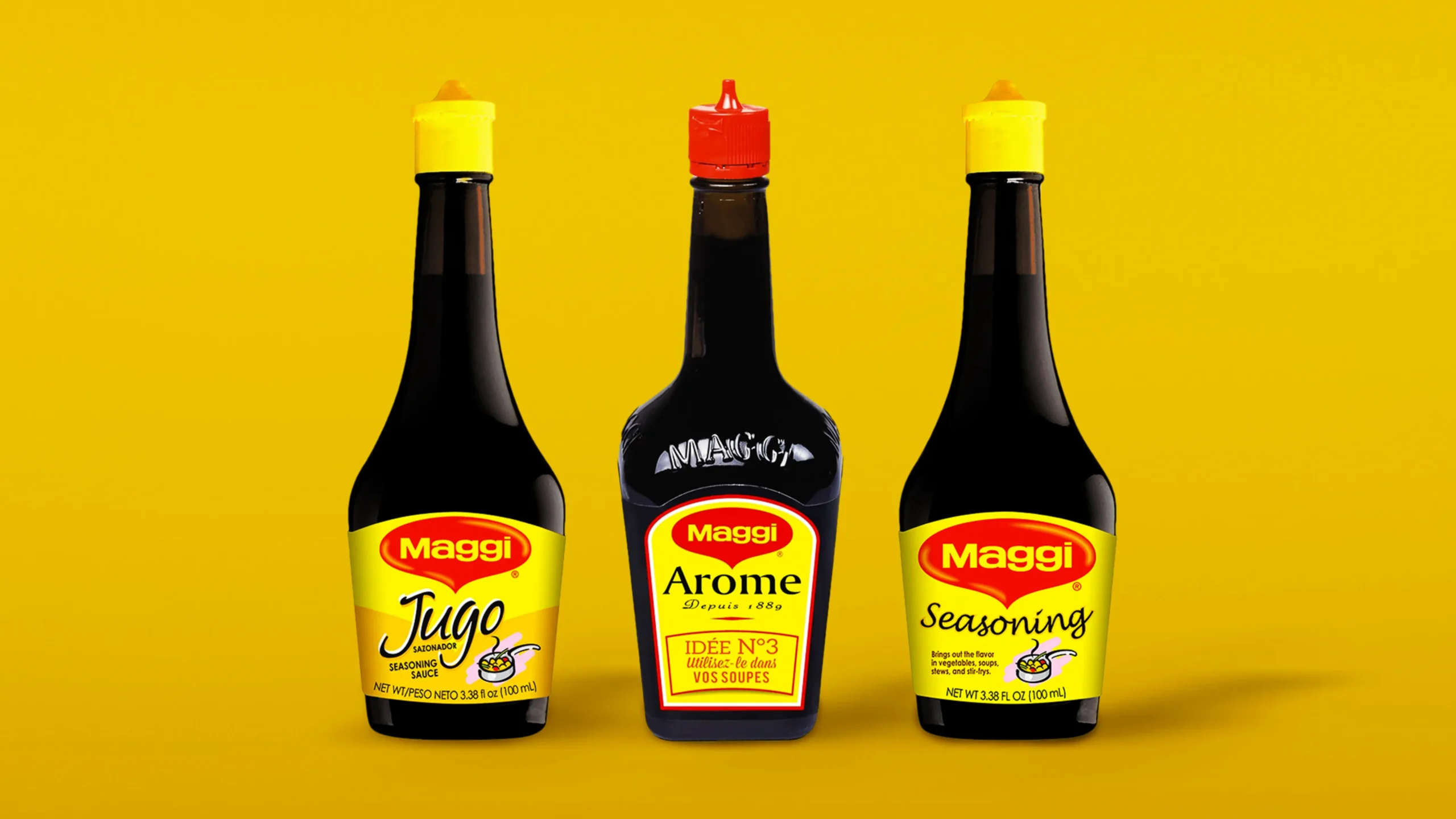
    In a strategic move to capitalize on contemporary culinary trends, global consumer goods conglomerate Nestlé has launched its renowned Maggi seasonings in the United Kingdom and Malaysia this year. This step is part of a wider global expansion strategy for the popular brand.

    Modern Cooking Trends

    Nestlé’s decision to introduce Maggi seasonings to new markets is a calculated response to the rising global popularity of air fryers, particularly in the United States. The company’s CEO, Laurent Freixe, has noted that nearly two-thirds of American households now use air fryers as part of their daily cooking routines. Nestlé’s expansion aims to cater to this shift in consumer lifestyle and preferences.

    New Air-Fryer Range

    The first range of products that Nestlé will bring to these new markets includes air-fryer recipes for chicken and vegetable wraps. These will feature a variety of flavors, such as ‘Cheesy’, ‘Paprika & Garlic’, and ‘Tex Mex’ for the chicken wraps, and ‘Fajita’, ‘Street Taco’, and ‘Kebab’ for the vegetable wraps.

    Prior and Future Launches

    The UK and Malaysia launches follow the brand’s earlier entry into the markets of Mexico and Chile. These new markets will also benefit from Maggi’s online platforms, which offer a range of air-fryer recipes that consumers can easily replicate at home.

    In a previous collaborative effort, Nestlé Professional and the KitKat team launched the first chocolate beverage maker, proving the company’s constant innovation in the food and beverage sector.

    Questions & Answers

    What is Nestlé’s reason for launching Maggi seasonings in the UK and Malaysia?
    The launch is a strategic move by Nestlé to cater to the rising popularity of air fryers in home cooking, particularly in the US.

    What products will Nestlé introduce in these new markets?
    Nestlé will introduce a range of air-fryer recipes for chicken and vegetable wraps with a variety of flavors.

    Has Nestlé launched Maggi seasonings in other markets before?
    Yes, prior to the UK and Malaysia launches, the Maggi brand was introduced in Mexico and Chile.