Tag: meat

  • South Koreans Bid Farewell to Dog Meat Tradition Ahead of Nationwide Ban

    South Koreans Bid Farewell to Dog Meat Tradition Ahead of Nationwide Ban

    Historically, the three warmest days of summer were the busiest times for South Korea’s dog meat eateries, with customers seeking traditional foods reputed to boost stamina during the intense heat. However, on the third of the hottest days, known as “boknal,” in 2026, a sense of finality was felt. This marked the last boknal before the total ban on breeding, slaughtering, and selling dogs for meat, which is set to be fully implemented in February 2027.

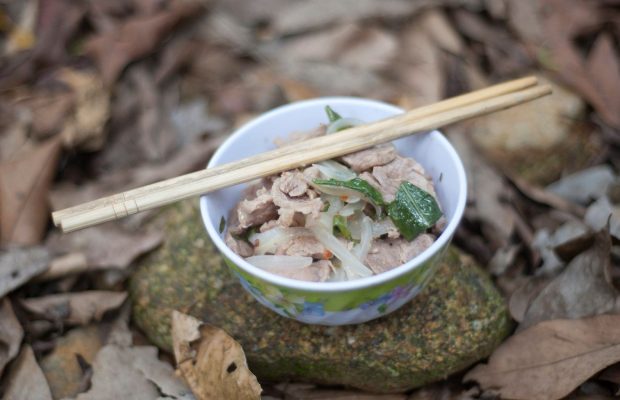
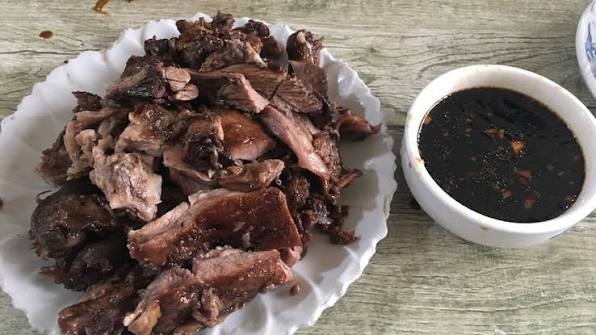
    At the Moran Market in Seongnam, once the country’s most prominent center for dog meat, lunch-goers continued to flock to the alleys filled with restaurants. Yet, many of these eateries have transitioned to serving other options like black goat stew, and the majority of customers who still ordered “bosintang” or dog meat stew, were predominantly elderly.

    Changing Times

    Kim Yong-book, the head of the Moran Market Merchants’ Association, lamented the decline. Kim, who has been working in the area near Seoul for over 40 years, described it as now being “a town of old people.” The ban marks a significant shift in South Korean culture, reflecting changing attitudes towards animal welfare as pet ownership increases.

    A 2024 survey showed that over 90% of 2,000 respondents had no intention of eating dog meat in the future, and over 80% supported the ban. Almost 95% stated they hadn’t eaten dog meat in the preceding year.

    The ban’s implementation will impact over 5,600 businesses, according to government data. However, officials have noted that most dog farms had already ceased operations in anticipation of the upcoming 2027 deadline.

    The Uncertain Road Ahead

    While some, like restaurant owner and former merchants’ association chairman Lee Kang-chun, agree with the ban considering South Korea’s global image and evolving societal attitudes, they also feel a sense of melancholy. Lee finds it particularly distressing when elderly customers, who believe the dish restores strength, leave his restaurant disappointed after traveling long distances only to find no dog meat available.

    Despite increasing supply costs and dwindling profits, Lee continues to serve the dish primarily for his loyal customers. He believes the authorities should provide more assistance to elderly vendors transitioning to new business models. Many Moran Market restaurants have switched to serving black goat stew, marketed as a health food, but owners report that the transition has been challenging and the new dish hasn’t compensated for the lost dog meat sales.

    Questions & Answers

    What is behind the shift away from dog meat consumption in South Korea?
    The shift away from dog meat consumption in South Korea is largely due to changing attitudes towards animal welfare and an increase in pet ownership.

    When will the ban on breeding, slaughtering, and selling dogs for meat be fully enforced?
    The ban will be fully enforced from February 2027.

    What is the impact of the ban on dog meat-related businesses in South Korea?
    Over 5,600 businesses are expected to be affected by the ban, with most dog farms already having ceased operations ahead of the 2027 deadline.
  • Aldi Slashes 20% Off Fresh Meat and Deli Products: A Relief to Budget-Bound Shoppers

    Aldi Slashes 20% Off Fresh Meat and Deli Products: A Relief to Budget-Bound Shoppers

    In response to the increasing financial strain their customers are experiencing, Aldi, the third largest supermarket in Australia, is implementing a consistent 20% discount on a selection of fresh meat, poultry, seafood, and deli items. Along with this significant price reduction, Aldi is also investing over $170 million in permanent price cuts for an additional 300 products.

    Jordan Lack, Chief Commercial Officer at Aldi Australia, highlighted the importance of making high-quality meat accessible to all consumers, regardless of their financial situation. “The challenge of balancing a family’s meal budget should not prevent them from enjoying quality meat,” explained Lack.

    The discounted range encompasses a variety of popular proteins including lamb, bacon, beef mince, and beef silverside. According to Aldi, these cuts are geared towards reducing the cost of living expenses, which is a prominent concern for many families.

    Lack further emphasized Aldi’s commitment to making everyday groceries affordable and helping consumers get more value for their money. “The aim of these permanent markdowns on some of the most frequently purchased proteins is to provide genuine savings that can significantly impact family meal times,” he stated.

    In recognition of the budget constraints many families are grappling with, Aldi’s goal is to make quality meat products more affordable. “We acknowledge the strenuous efforts families are making to stretch their budgets. Our role is to support this endeavor by making quality meat more attainable at the lowest possible price,” Lack concluded.

    Questions & Answers

    What is Aldi’s initiative in response to cost-of-living pressures facing its customers?
    Aldi is implementing a permanent 20% discount on a range of fresh meat, poultry, seafood, and deli items, and is also investing over $170 million in permanent price cuts for an additional 300 products.

    What products are included in the discount range?
    The discounted range includes popular proteins such as lamb, bacon, beef mince, and beef silverside.

    What is the purpose of these permanent reductions, according to Aldi?
    Aldi aims to make quality groceries affordable for every customer and provide real savings that can make a meaningful difference at family meal times. They are committed to making quality meat more attainable at the lowest possible price.

  • Beyond Meat Rebrands To ‘beyond’, Pivots To Direct Plant-derived Proteins

    Beyond Meat Rebrands To ‘beyond’, Pivots To Direct Plant-derived Proteins

    Leading provider of plant-based alternative meat products, Beyond Meat, is set to rebrand itself as “Beyond.” This transition is part of the company’s efforts to expand its scope beyond meat substitutes and highlight its commitment to creating proteins derived directly from plants.

    Beyond’s initiative underpins the company’s strategy to construct its products directly from plant sources, rather than simulating meat-based products. This shift in brand identity comes in the wake of financial challenges encountered by the California-based enterprise, which the rebranding strategy could help overcome by opening up additional segments of the protein market for competition.

    To coincide with the rebranding, Beyond will introduce a new product known as Beyond Ground. Slated for release this month, Beyond Ground is positioned as a sustainable alternative to traditional ground beef. The product boasts a simple blend of nutritious ingredients, including fava beans, potato starch, water, and psyllium husk.

    The development and introduction of Beyond Ground align with consumer preferences for recognizable ingredients, straightforward production methods, and less emphasis on mimicking meat. According to Julian Cottee, Senior Corporate Engagement Manager at ProVeg International, aiding consumers in transitioning from predominantly meat-centric diets to more plant-based ones requires various tactics, one of which is offering products that bear familiar flavors and appearances.

    Cottee emphasizes the importance of options in facilitating such dietary transitions, stating, “The more options on the table, the better.”

    Questions & Answers

    Why is Beyond Meat rebranding itself as Beyond?
    The company is rebranding to reflect its commitment to creating proteins derived directly from plants, rather than just mimicking meat-based products. This strategy aims to help overcome the recent financial challenges faced by the company by tapping into new segments of the protein market.

    What is the new product that Beyond is launching?
    Beyond’s new product is called Beyond Ground, a sustainable alternative to traditional ground beef. It is made of simple and recognizable ingredients, including fava beans, potato starch, water, and psyllium husk.

    What is the significance of offering products that bear familiar flavors and appearances?
    Providing products that look and taste familiar can help facilitate consumers’ transition from a meat-heavy diet to a more plant-based one. The more options consumers have, the easier it is for them to make the switch.

  • Vietnam spends $1.4B on meat imports

    Vietnam spends $1.4B on meat imports

    Vietnam imported nearly US$1.4 billion worth of meat and meat products in the first 10 months of 2024, up 14% from a year earlier.

    Most of the imports came from India, the U.S., Russia, and Germany, customs data shows. They are much cheaper than local products, making them highly attractive to consumers.

    Imported pork costs around VND52,000-62,000 (US$2-2.5) per kilogram on the retail market while domestic varieties are priced at VND80,000-180,000.

    The Dong Nai Livestock Association said the influx of cheap imported meat is putting further pressure on the domestic livestock industry, which has already been struggling with reduced supply due to African swine fever.

    If strict controls are not implemented, low-priced imports could hamper the industry’s growth and pose food safety risks, they warned.

    According to the Department of Animal Health, of the 6,679 batches of imported meats inspected between May and September this year, over 1% contained salmonella and was disposed of.

    The department is working with exporting countries to monitor quality, but experts want the government to tighten quarantine measures to protect public health and prevent disease outbreaks from contaminated food.

    In response to the sharp increase in meat imports, market regulators have also strengthened control measures to get rid of substandard products.

    In August HCMC authorities seized 400 kilograms of imported frozen pork intestines and udder meat that lacked documentation.

  • Cheap imported meats flood market

    Cheap imported meats flood market

    Some 304,850 tons of meat and meat products were imported in the first five months of 2024, up 29% year-on-year, at an average price of VND46,000 (US$1.8) per kilogram.

    According to data from the Agency of Foreign Trade, they shot up in May to 76,120 tons worth $140 million, up 32.1% from a year ago in volume and 28.6% in value.

    India, the U.S., Russia, Poland, and Brazil are Vietnam’s top suppliers.

    In HCMC, imported frozen pork is 30-40% cheaper than local products.

    Thanh Hoa, owner of a meat import business in the city’s Tan Binh District, said prices of Vietnamese pork are rising.

    The Animal Husbandry Association of Vietnam warned that cheap imports could pose unhealthy competition to domestic products and affect consumers’ health if they are of low quality.

    It called on authorities to tighten control over meat imports to protect both consumers’ health and the local industry.

  • Toowoomba-based Meat Cellar’s bacon hailed as the ‘world’s best’

    Toowoomba-based Meat Cellar’s bacon hailed as the ‘world’s best’

    An Australian butchery business has earned recognition on the global scene, earning the distinction of being the ‘world’s best bacon’.

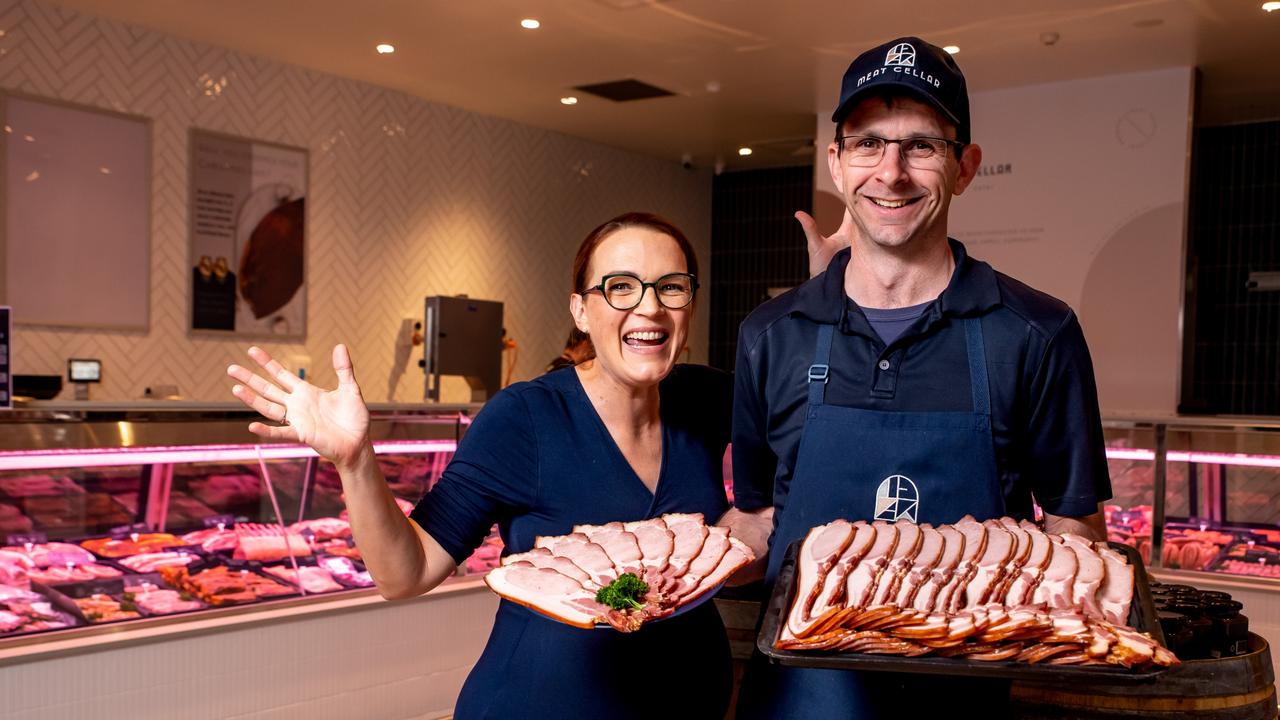
    Meat Cellar’s cured bacon has been named the ‘World’s Best’ at this year’s World Charcuterie Awards which was held in London in the past week. For this distinction, the butchery earned a gold medal title, beating competitors across the globe in the cured bacon category.

    Smoked and cured by butchers at the family-operated Meat Cellar in Toowoomba, Queensland, the bacon was praised by the awards’ judging panel for being “visually stunning with a satisfying meat-to-fat ratio, with a robust flavor enhanced by the smoke that lingers on in the mouth”. The product received the highest overall score from a panel of 40 international judges.

    Husband and wife owners Luke and Michelle Jensen said that their win is a testament to their commitment to high-quality products and traditional practices.

    “Our bacon is created with integrity. We use locally sourced pigs, honey and wood chips, and take our time to cure and smoke our bacon using traditional methods which achieve a superior result,” Luke Jensen said. “Shockingly, the majority of bacon in our Aussie supermarkets comes from overseas and relies on artificial flavoring and chemical smoking. Most people really don’t know what they’re missing until they taste the real thing.”

    In addition to the gold medal for cured bacon, the World Charcuterie Awards also awarded Meat Cellar a silver medal for their bone-in ham and a bronze medal for their boneless ham.

    Meat Cellar has been a part of the Toowoomba community for nearly 30 years, with the current owners purchasing the business in 2017.

    As Australia’s only representative in the World Charcuterie Awards, Meat Cellar’s achievements have been hailed as a proud moment not only for the business but also for the country and its meat industry.

  • Vietnam spends over $480M on meat imports in first 5 months

    Vietnam spends over $480M on meat imports in first 5 months

    Vietnam imported more than 239,000 tonnes of meat and meat products worth $480 million in the first five months of this year.

    The number climbed by roughly 1.6% in terms of quantity but declined by 9.1% in terms of value, according to the General Department of Customs of Vietnam.

    In May, Vietnam imported 57,620 tonnes of meat, worth $108.8 million, up 9.5% in volume but down 10.2% in value year-on-year. This marked the fourth monthly growth in import volume of meat and meat products.

    During the period, the country imported from more than 36 markets, with the five largest suppliers being the U.S., India, Russia, Brazil, and Poland.

    In particular, meat imports from Russia have steadily soared after decreasing in 2022.

    The main types of imported meat and include poultry and offal, fresh chilled or frozen pork, and fresh chilled or frozen beef.

    Imports of chilled or frozen poultry, offal of pigs, buffaloes, and cows were on the uptrend, while pork and beef imports decreased year-on-year.

    In the first five months of 2023, Vietnam imported 29,610 tonnes of fresh chilled or frozen pork, worth $73.62 million, down 19.9% in volume and 5.7% in value.

  • Pork producers struggle with losses last quarter

    Pork producers struggle with losses last quarter

    Major pork producers posted losses in the last quarter of 2022 as animal feed costs rose and consumer demand dropped as people tightened spending.

    Dabaco Vietnam, the country’s biggest husbandry firm, recorded a VND79 billion ($3.34 million) loss in the last quarter, the first quarterly loss in five years.

    BaF Vietnam saw expenses exceed revenue by VND6 billion for the first time since 2021, but thanks to selling some assets the company posted an overall profit of nearly VND7 billion.

    Masan MeatLife posted a loss of VND170 billion during the last quarter of the year, and recorded a loss of VND230 billion for the entire year, the first loss since it started releasing financial figures in 2016.

    Since the end of 2021 the company stopped producing animal feed and focused only on meat, contributing to its losses.

    Hoang Anh Gia Lai recorded VND110 billion in profit from its pork sales in the last quarter, a 36% drop from the third quarter.

    Hoa Phat Group’s agriculture and husbandry business was in the red with more than VND34 billion in losses in the last quarter.

    For the whole year, the company saw this business posting a profit of VND22 billion, its lowest profit since 2016.

    BaF said that pig diseases, disruptions in supply and rising input costs negatively impacted the company’s earnings. Dabaco added that the decline in consumer demand also contributed to the losses.

    Pork prices in December dropped 15%-20% from October to VND50,000 per kilogram as supply exceeded demand.

    Last year, pig supply rose 11% from 2021.

    Analysts of brokerage expect pork prices to rise 5% this year as demand recovers and input costs begin to stabilize globally.

    However, SSI Research forecast that pork prices are set to rise 20% to VND60,000 per kilogram this year, with the reopening of China helping to pump up demand.

    However, the strong U.S. dollar and the African swine fever will remain possible risks to the sector, they added.

  • French meat producers eye expansion in Vietnam

    French meat producers eye expansion in Vietnam

    Meat producers from France are seeking to expand their market share in Vietnam to take advantage of the EU-Vietnam Free Trade Agreement.

    “Meat product exports to Vietnam are expected to grow faster, as, for the next 10 years, tariffs on those products will gradually decrease to zero percent,” Emmanuelle Pavillon-Grosser, the French consul general in HCMC, said.

    France is already the ninth-largest meat exporter to Vietnam, but wants to further increase its market share.

    The trade deal took effect in August 2020. The French Association of Butchers and Caterers and Business French in Vietnam are running a campaign to increase sales of meat products with EU sponsorship.

    It is expected to go on until 2024, with activities such as store promotion and inviting Vietnamese buyers to see the production process in France. Emilien Besnard of FICT said the French meat industry has more than 450 products, some of them already popular in Vietnam.

    Besides the EU, Vietnam also imports meat from the US, Russia, South Korea, and others, mostly being pork.

    Pork imports rose from 33,000 tons in 2018 to 225,000 tons in 2020 before slipping last year to 143,463 tons due to the pandemic.

  • Fruits, meats buck trend of surging prices

    Fruits, meats buck trend of surging prices

    While the prices of many consumer goods are rising sharply, some have bucked the trend as their supply remains strong while demand, especially for exports, is weak. Looking for a place to eat dinner at a traditional market, Huong, a garment worker in Tan Binh District, said it is fortunate that the price of pork, popular among most Vietnamese families, has fallen slightly.

    This has relieved some of the financial pressure on low-income workers like her as the prices of many goods have been rising.

    Imported beef prices are down 10-20 percent, and farmed fish prices have fallen even more sharply.

    A recent survey found that the prices of many agricultural, fishery and livestock products have dropped, with most of them seeing double-digit declines.

    “I suffered heavy losses as production costs doubled from last year but prices are lower”.An, who has a jackfruit orchard in the southern province of Long An, said merchants have halved their buying price and even stopped buying due to high transport costs and export challenges.

    Hung, a farmer in the central coastal province of Binh Thuan, said several tonnes of dragon fruits have ripened on his farm but there are no buyers.

    Citing export issues, merchants buy the fruit in small quantities at around VND2,000 per kilogram (8.7 US cents).

    Pham Thanh Mai, an agricultural products trader in the Central Highlands, said difficulties with exports are the main reason for the price drops.

    “Usually off-season fruits always fetch higher prices because of limited supply. Prices have now fallen sharply since demand is lower as fruits cannot be exported”.

    As of March 21, around 1,000 trucks remained stranded at at border gates with China in the northern province of Lang Son, 660 of them laden with fresh fruits. According to Vietnam Customs, 80 percent of the country’s dragon fruit is exported to China. But after that country imposed stringent Covid-19 safety measures, Vietnam’s exports have stalled, causing demand for many fruits to dry up.

    Le Xuan Huy, deputy director of leading pork producer CP Vietnam, said meat prices have dropped generally due to higher supply and fall in demand to 80 percent of pre-pandemic levels.

  • Pork imports nearly triple

    Pork imports nearly triple

    Frozen pork imports nearly tripled in the first 10 months of this year to 332,000 tons, according to the General Department of Vietnam Customs.

    Also imported were 350,000 pigs on the hoof from Thailand, a 50 percent increase year on year.

    Together they cost US$617 million. Its five biggest pork suppliers were Russia, Germany, Brazil, the Netherlands, and Canada.

    Vietnam also imported 50,000 tons of beef worth $220 million, half of it from Australia, the department added.

    Over 800 enterprises from 19 markets have been allowed to export pork to Vietnam, according to the Ministry of Agriculture and Rural Development.

  • Hanoi supermarkets increase inventories

    Hanoi supermarkets increase inventories

    Supermarkets in Hanoi are stocking two or three times their normal volumes of goods and increasing warehouse capacity to brace for a worsening of the Covid-19 pandemic.

    The acting director of the city Department of Industry and Trade, Tran Thi Phuong Lan, said there is abundant supply of essential items and fresh foods, and no threat of shortages. Fearing the novel coronavirus, many Hanoi residents are stockpiling meat, vegetables and rice to avoid venturing outdoors.

    Big C supermarkets have doubled their normal fresh food inventories and increased dry goods by 30 percent, Nguyen Thi Bich Van communications director of Central Retail Vietnam, which owns the chain, said.

    Aeon supermarkets have stocks of two to four times the normal volumes of fresh groceries and 130 percent of that of dry goods since last week. Aeon Vietnam procurement director Tran Thu Quynh said the chain has worked with suppliers to secure extra stocks in case of an emergency and expanded warehouse capacity and inventories of frozen goods.

    Vinmart/Vinmart+ supermarkets have tripled and quintupled their stocks of groceries and eggs and vegetables.

    But admittedly there remain difficulties in terms of transportation and personnel.

    Quynh said certain goods that are imported or brought from the south, like fresh seafood and local fruits, are facing major delays as suppliers face challenges related to production and transportation amid the implementation of social distancing in the 19 southern localities.

    Over the last week Hanoi has assigned priority to vehicles transporting essential items. The capital city impose a 15-day social distancing campaign starting 6 a.m. Saturday as part of efforts to curb the spread of Covid-19.

  • Beyond Meat opens JD store, as Chinese remain wary of meat substitutes

    Beyond Meat opens JD store, as Chinese remain wary of meat substitutes

    Beyond Meat has launched an online store in China on e-commerce platform JD, as the plant-based meat maker aims to boost sales in the world’s biggest meat market, where consumer interest in meat alternatives is low.

    US-based Beyond Meat said the JD store will initially help expand the availability of its products in four major cities, including Beijing and Shanghai, and eventually in 300 cities across China.

    Its products are currently mainly available in China through its partnerships with Starbucks Corp, Yum China Holdings and Alibaba Group’s Freshippo markets.

    But expanding into the retail segment by selling on JD will help it reach a wider audience in the country, which is increasingly purchasing fresh food online.

    Online sales in China of fresh food, into which category Beyond Meat’s products fall, are expected to top US$46.4 billion this year, an increase of 18 percent from last year, according to consultancy iiMedia Research.

    Beyond Meat’s direct retail foray follows a similar move by Nestle in December, which launched a range of plant-based burgers, sausages, nuggets, and dishes suited to Chinese cooking.

    The push by global firms comes even as consumers in China are not exactly devouring plant-based meat.

    “Currently it is a solo dance by the manufacturers, the consumers are not joining the tango,” said Zhu Danpeng, an independent food industry analyst.

    A recent poll on Sina Weibo, China’s Twitter-like social media platform, found only 14 percent of 400 participants were willing to try plant-based meat.

    Chinese consumers are deterred by concerns over food safety as well as taste, said Zhu.

    Beyond Meat, which has set up its first manufacturing plant outside of the US in the eastern Chinese city of Jiaxing, near Shanghai, declined to comment on its sales in the market so far.

    A 454gm twin pack of plant-based beef will be sold at $32.50 on the company’s JD store. By comparison, 1kg of good quality domestic beef costs about $21.60 on JD’s fresh food platform.

    Beyond Meat is also adding Beyond Pork to its offering on JD, which has been created for the pork-loving Chinese market.

    It will also sell ingredients that are used in the cooking of local dishes such as stir-fry, dumplings, mapo tofu, zhajiang noodles and lion’s head meatballs to appeal to Chinese consumers.

  • With 3D printed ‘steaks’, Spanish startup eyes the mass market

    With 3D printed ‘steaks’, Spanish startup eyes the mass market

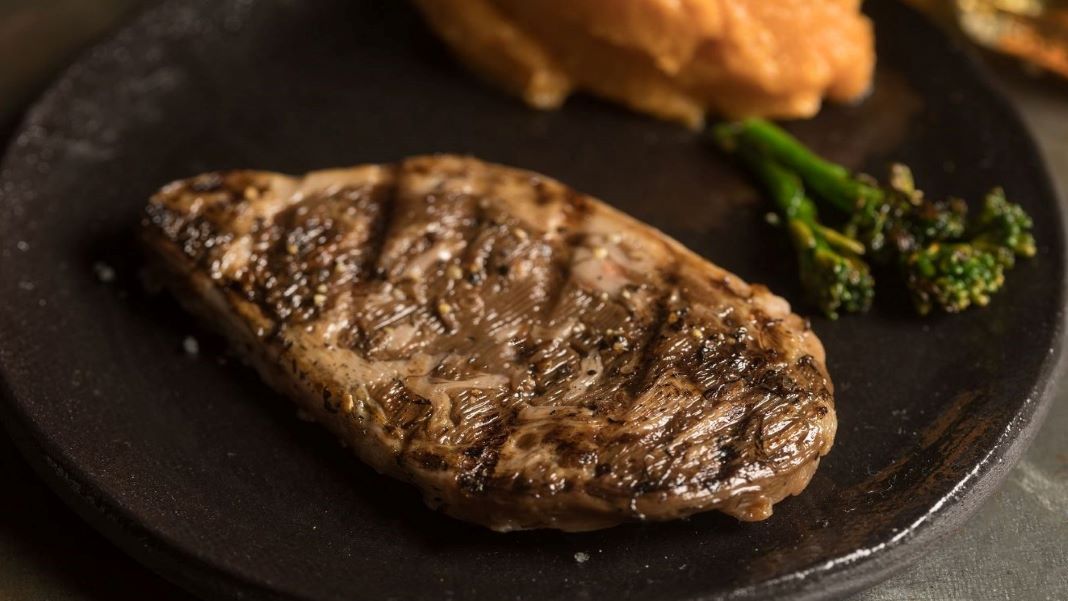
    As demand for plant-based alternatives to meat rises, Barcelona-based startup Novameat is using its 3D printing technology to manufacture vegetarian “steaks” that it hopes will reach the mass market next year.

    Novameat plans to sell its “steaks” directly to consumers and to businesses such as restaurants interested in producing plant-based meat, business development manager Alexandre Campos said.

    The Spanish company, which developed its technology in 2018, was showing how its latest 3D printer produced food at Barcelona’s Mobile World Congress (MWC).

    “It didn’t have the feeling of a traditional steak but I was positively surprised because I did not expect that the texture would be so well achieved,” said Ferran Gregori, after trying one of the “steaks” printed at Novameat’s stand at the world’s largest telecoms gathering.

    The company uses 3D technology to test recipes, introducing ingredients through capsules because it is a cheaper process than mass-producing, Campos said.

    Once a model is considered successful, it could then be produced on a larger scale in bigger machines not using 3D technology, manufacturing up to 500 kg of fake meat per hour, he added.

    Campos said the startup’s aim had been to recreate the muscle fibers of animal meat but using 100% plant-based ingredients. He forecast the plant-based industry would keep growing at double-digit rates in the foreseeable future.

    The company also said it was producing fake meat for environmental reasons.

    “We seek to replace animal meat for something that is better for the planet, ourselves and animals,” Campos said.

  • Patties relaunches its Ruffie Rustic Foods range entirely meat free

    Patties relaunches its Ruffie Rustic Foods range entirely meat free

    As Australians choose to incorporate more vegetables and meat alternatives into their diets, Ruffie Rustic Foods is relaunching its frozen-ready meal range as an entirely plant-based option to help satisfy this demand.

    Launched in 2019, Ruffie Rustic Foods is an Australian-owned brand of frozen ready-made meals produced by Patties Foods Ltd.

    The new range includes plant-based chicken-less schnitzel with al dente penne Pomodoro, butter chicken-less in rich coconut milk sauce, spaghetti and meat-less balls in Napoli sauce, Thai green chicken-less curry, and portobello mushroom risotto with white beans & broccoli.

    According to the food company, the entire range of products are made with locally sourced ingredients and is high in protein, meat-free, plant-based, and vegan-friendly.

    “With this new plant-based range, we want to treat our customers to the classic flavors they love, in a modern and convenient way,” said Anand Surujpal, GM of Marketing & Innovation, Patties Foods Ltd.

    Ruffie Rustic Food’s frozen range is available in Woolworths and select Independent Grocers and Petrol & Convenience stores nationwide for RRP $7.00