Tag: Melbourne

  • Treasury Wine Rules Out Fire Sales After Raising $50 Million from Divestments

    Treasury Wine Rules Out Fire Sales After Raising $50 Million from Divestments

    Treasury Wine Estates will not hold fire sales to offload underperforming labels. The group recently raised 50 million Australian dollars by selling three commercial brands to AG Oatley Wines.

    That deal returns Rosemount, Ingoldby and Secret Stone to the founding Oatley family. Southcorp bought Rosemount for 1.5 billion Australian dollars a quarter of a century ago.

    Chairman John Mullen told shareholders at the annual general meeting in Melbourne that the business will protect balance sheet value rather than rush disposals. Chief executive Sam Fischer plans to shrink the brand lineup from 75 to about 35 names. He also aims to extract 100 million Australian dollars in annual cost savings by fiscal 2029.

    Pruning Commercial Tiers To Protect Margin

    Trading stayed positive across the opening months of the fiscal year, driven by the luxury Penfolds division. Premium bottles generate the bulk of earnings across Asian distribution channels. Demand for heritage labels remains steadier than for budget supermarket lines.

    Shedding lower-margin labels frees working capital tied up in grape intake, barrel storage and bottling runs. Fischer took the top job with a remit to streamline operational units bloated by decades of regional winery acquisitions.

    Shifting Channel Priorities Across Regional Retail

    Distributors across Asia have cut shelf space for mid-tier Australian commercial wines over the past three years. Retail buyers in regional hubs prioritise high-margin status bottlings over volume table wines. That preference leaves operators with excess inventory across lower price bands.

    Rival producers face identical inventory overhangs across Oceania and Southeast Asia. Many have responded by heavily discounting stock or idling crushing plants. Those moves eroded wholesale price floors across the region. Treasury Wine is choosing selective asset sales over wide-scale liquidations to stop channel partners from demanding across-the-board margin cuts.

    The Long Unwind From Volume Expansion

    This rationalisation reverses two decades of corporate consolidation across the Australian wine sector. Portfolios assembled in the early 2000s struggled as global consumption drifted away from mass-market commercial reds.

    Management previously halted proposed sales of Wolf Blass and Lindeman’s when market bids fell below internal valuations. Executives retained and restructured those lines internally rather than book heavy impairments on distressed transactions.

    Targets Across The Restructure Plan

    Fischer is managing the brand reduction in stages while realigning winery throughput across South Australia, Victoria and California. Retaining fewer labels allows the group to focus marketing funds on global export flagships.

    Progress will be measured against the 100 million Australian dollar overhead reduction target as the company completes its next round of brand reviews before the close of fiscal 2027.

  • Franchise Council of Australia Elects Marcel Lal as Chair

    Franchise Council of Australia Elects Marcel Lal as Chair

    The Franchise Council of Australia board has elected Marcel Lal of ERA as chair and Concept Eight’s Callum Mackay as deputy chair for a one-year term.

    Both Lal and Mackay have served two years on the FCA board, with Lal having featured in the Top 30 Franchise Executives report in 2019 and 2023.

    Executive Track Record Across Multi-Unit Brands

    Lal brings 18 years of franchise sector experience to the post. He currently serves as global group chief development officer at ERA. Before joining ERA, he worked as global chief operating officer at InXpress, having previously spent five years as chief executive officer for Asia Pacific and one year as general manager for Australia and New Zealand.

    Mackay serves as general manager of innovation and virtual brands at hospitality group Concept Eight. His operating background includes senior management roles at Sushi Sushi, six years with Retail Zoo, and four years at convenience chain 7-Eleven.

    Restructuring Governance and Board Diversity

    The reconstituted board includes three elected women directors and two dedicated franchisee positions. These structural changes follow a two-year campaign aimed at resetting internal controls and restoring confidence across regional networks.

    Lal said the council has completed its initial stabilization agenda. Resources will now shift toward industry education and sector visibility. The organization plans to use its revised framework to expand outreach to multi-unit operators across regional retail corridors.

    Expanding Franchisee Engagement Across States

    For brands and franchisors across the region, leadership stability at peak industry associations directly affects regulatory lobbying, dispute mediation standards, and compliance benchmarking. Australia’s franchising code remains one of the strictest regulatory environments in Asia-Pacific. It sets operational precedents that franchise systems frequently replicate in nearby expansion markets.

    Mackay emphasized that expanding direct participation by unit operators is central to stabilizing the membership base. The council intends to roll out targeted regional programs before channeling delegates toward larger industry gatherings.

    “We’ve spent the last two years rebuilding trust among the membership base, and getting constitutional change was a line in the sand moment.”

    Focus on National Franchising Convention Targets

    This leadership transition follows two years of constitutional adjustments designed to balance voting power between major franchisors and local store operators. Earlier governance friction had prompted calls for broader representation, leading directly to the current boardroom restructure.

    State-level events will now test the council’s revised membership strategy, building attendance targets for the upcoming National Franchising Convention.

  • Coles Explores In-Store Robots with Ocado to Speed Online Delivery

    Coles Explores In-Store Robots with Ocado to Speed Online Delivery

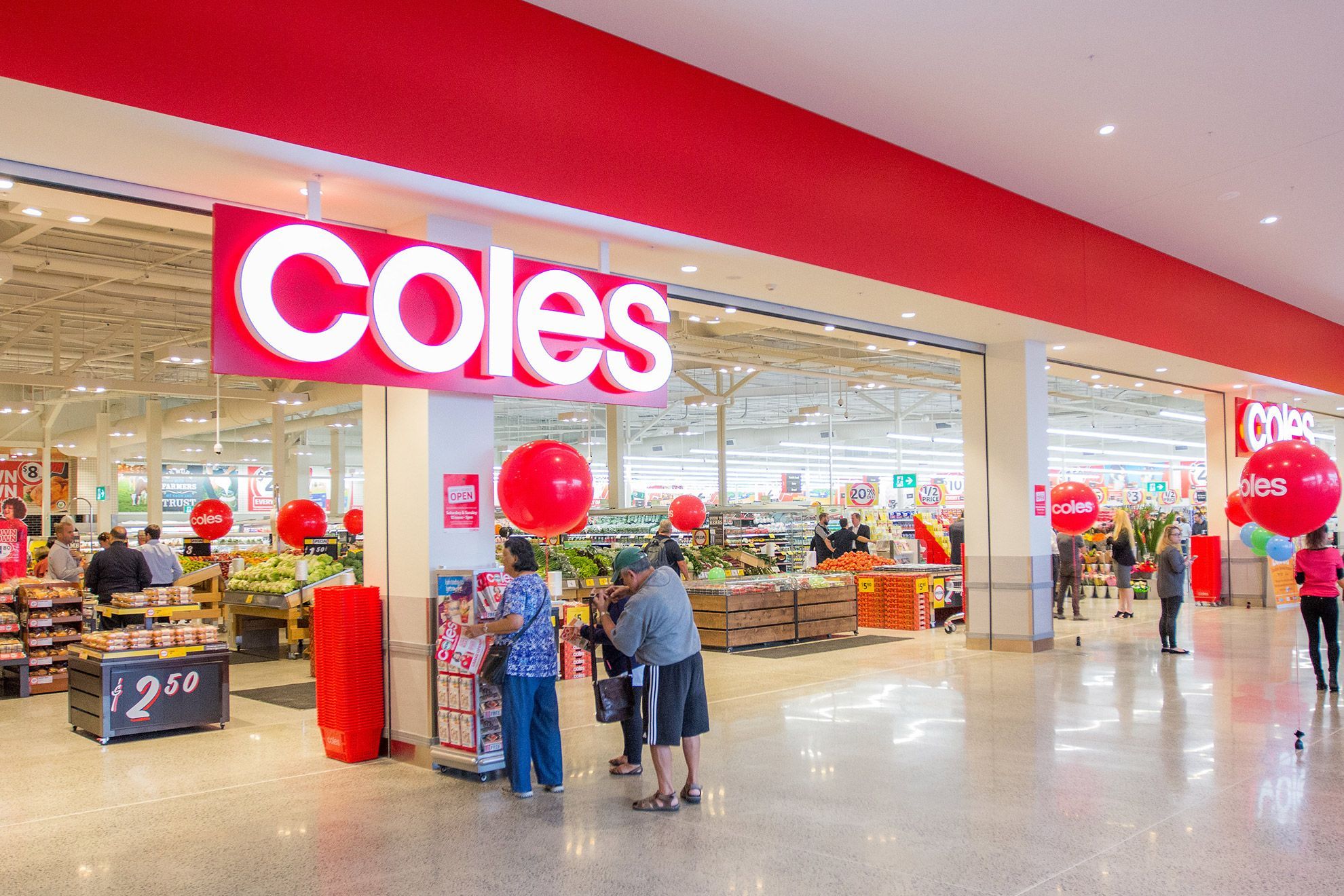
    Coles is in early talks with UK-based Ocado Group to explore in-store robotics for picking and packing online grocery orders, aiming to cut costs and speed up delivery times.

    The potential technology trial would help the retailer fulfil express orders directly from store aisles without investing in another large automated warehouse.

    Shifting Automation to the Shop Floor

    Under the proposed trial, robotic systems would operate inside existing stores, building on the companies’ first Customer Fulfilment Centre opened in Victoria in 2024 following a partnership established in March 2019. Deploying automated micro-fulfilment in active supermarkets allows the grocer to serve dense urban pockets where large distribution facilities are either too distant or too expensive to construct.

    Ocado’s store-level technology is designed to operate in tighter operational spaces than the vast grid systems seen in regional depots. For Coles, integrating robotics into physical retail sites represents an operational shift from standalone logistics infrastructure toward hybrid retail facilities that double as mini-fulfilment centres.

    Read Across to Regional Operators

    Supermarket operators across the Asia-Pacific region face intense pressure to solve the unit economics of instant and same-day delivery. Building multi-million-dollar automated distribution centres works well for scheduled, bulk grocery deliveries across wide metropolitan areas, but it fails on speed and margins when customers demand baskets within two hours. Rival Woolworths has already experimented with automated micro-fulfilment units attached to retail sites to tackle this exact constraint.

    For property operators and grocery suppliers, store-level automation changes shelf stocking workflows and backroom inventory allocations. The primary risk sits in execution: retrofitting operational supermarkets with robotic machinery often disrupts walk-in shoppers and complicates inventory replenishment during peak trading hours. If the integration falters, picking errors and foot-traffic bottlenecks will quickly erode the projected labour savings.

    The Long Partnership Timeline

    Coles and Ocado formed their strategic partnership in March 2019 to overhaul the retailer’s digital supply chain. That agreement centred on building large automated Customer Fulfilment Centres, leading to the launch of their first operational CFC in Victoria in 2024. The new discussions reflect an evolution of that multi-year agreement from centralised mega-hubs toward flexible, localized picking nodes.

    Next Steps in the Rollout

    Both companies are assessing store layouts and integration schedules to determine which locations will host the initial trials. Market watchers will track the formal sign-off on the pilot program and the subsequent cost disclosures in upcoming operational updates.

  • PopBox Introduces Caramel Crunch Microwave Popcorn in Coles

    PopBox Introduces Caramel Crunch Microwave Popcorn in Coles

    PopBox secured nationwide distribution for its Caramel Crunch microwave popcorn in Coles supermarkets across Australia in October 2026.

    The rollout broadens the brand’s retail presence, adding to its existing availability at Woolworths.

    Ranging and Formulation Details

    Caramel Crunch comes in a pop-and-serve box designed to cook in the microwave without separate tableware. PopBox sources its corn domestically from Australian growers. The formulation contains no palm oil, dairy, or gluten.

    Production specifications also exclude genetically modified ingredients, making the SKU vegan-friendly. Both the outer carton and inner pack elements use recyclable materials.

    Supermarket Snacking Competition

    Dual distribution across Coles and Woolworths gives emerging snack brands the footprint needed to challenge legacy competitors. In the microwave popcorn aisle, volume has traditionally centered on butter and salt profiles. Sweet and specialty flavors have largely remained in pre-popped ready-to-eat bags.

    PopBox is targeting impulse snackers looking for warm options without artificial additives. Retaining shelf space will depend on stock turn rates against multinational confectionery and snack suppliers that dominate supermarket end-caps.

    Dual-Chain Distribution Footprint

    This Coles rollout follows the brand’s initial traction within Woolworths outlets nationwide. Independent snack manufacturers often launch in one major banner to prove commercial viability before pitching ranging reviews at competing grocers.

    With nationwide distribution now live in Coles aisles, the next test is whether PopBox can maintain full-price sell-through or will rely heavily on promotional discounting cycles during upcoming quarterly category reviews.

  • Penfolds Brand Value Drops 32% to $776 Million as Still Wine Slumps

    Penfolds Brand Value Drops 32% to $776 Million as Still Wine Slumps

    Penfolds suffered a 32 per cent drop in brand value to US$776 million this year. It posted the sharpest decline among top global wine labels in Brand Finance’s Alcoholic Drinks 2026 report.

    The Australian label led a broad retreat across still wine assets for parent company Treasury Wine Estates. Chinese producer Changyu shed 22 per cent of its brand valuation to finish at US$641 million. Beringer dropped 16 per cent, and Yellow Tail declined 14 per cent. Four of the six still wine labels tracked in the top ten lost value over the period.

    Champagne Widens Gap Over Still Wine

    Sparkling wine houses took the opposite trajectory and captured premium trade. Moët & Chandon defended its position as the world’s most valuable wine and Champagne brand. Its value rose 12 per cent to US$2.3 billion, backed by an AAA- brand strength rating and a score of 80.3 out of 100.

    Veuve Clicquot climbed to second place overall after expanding its brand value 39 per cent to US$1.4 billion. Dom Pérignon advanced 21 per cent to reach US$300 million, taking ninth place in the ranking. Prestige sparkling houses maintained pricing power despite softer total shipment volumes across key consumer markets.

    Mass Market Labels Hold Ground

    Everyday table wines held up better than mid-tier and prestige still brands. Barefoot ranked as the strongest overall label in the index with an AAA rating and a score of 85.1 out of 100. Wide retail distribution helped lift its valuation 2 per cent to US$1.3 billion.

    Carlo Rossi gained 8 per cent to reach US$313 million. Value brands retained steady household penetration. Higher-priced still wines felt the pullback in discretionary spending.

    “Meanwhile, declines for brands such as Penfolds and Changyu reflect the broader pressures facing still wine, where changing consumption patterns are making growth harder to achieve.”

    Henry Farr, global sector head of alcoholic drinks at Brand Finance, noted that premium perceptions and emotional ties allowed sparkling labels to decouple from broader category stagnation.

    Asian Demand Reshuffles Portfolio Strategy

    For distributors and retail buyers across Asia, the valuation drop reflects shifting consumer habits in key commercial hubs. Mainland China’s retail wine trade has contracted. Younger urban consumers are diversifying into ready-to-drink beverages, craft beer and spirits, eroding baseline volumes for domestic giants like Changyu.

    Treasury Wine Estates faces a split market reality. High-end allocations still find private collectors, but commercial lines struggle to clear inventory through traditional dining and corporate entertainment channels in Australia and East Asia. Retail shelf space is migrating toward lower-cost daily pours and celebration-linked Champagne labels.

    Consumption Contraction Sets Baseline

    Falling valuations follow consecutive years of cooling volume. Data from the International Organisation of Vine and Wine showed global wine consumption contracted nearly 3 per cent in 2025 to 208 million hectolitres. Demographic shifts in mature markets and tighter household budgets drove the decline.

    Treasury Wine Estates and regional competitors now face their next test in upcoming year-end inventory audits and festive wholesale reorders, which will reveal whether recent price adjustments can stabilise commercial still wine margins.

  • Australia Post Prepares for 120 Million Parcels as Peak Volumes Rise 7.8 per Cent

    Australia Post Prepares for 120 Million Parcels as Peak Volumes Rise 7.8 per Cent

    Australia Post expects to handle more than 120 million parcels during the year-end shopping period, recruiting 3,900 casual staff after volumes rose 7.8 per cent over four weeks.

    The postal carrier projects total seasonal volume growth between 6 and 8 per cent compared to the same stretch last year. Logistics managers and retail executives outlined their operational readiness during Australia Post’s Peak Halftime Huddle briefing, detailing delivery cut-offs, inventory flows and margin pressures across the Australian retail sector.

    Network Deadlines And Labour Capacity

    StarTrack Road Express shipments face a final lodgement deadline of December 19 to guarantee delivery before Christmas Day. Standard Parcel Post items must enter the network by December 21 for most Australian destinations. Express Post, StarTrack Premium and metro services maintain operations until December 23.

    Shane Plant, executive general manager of network operations at Australia Post, confirmed the 7.8 per cent jump in lodgements recorded across the preceding four-week window. The state-owned carrier is deploying temporary sorting labour across major hubs to clear intake spikes before parcel bottlenecks reach regional distribution centres.

    Carriers across the Asia-Pacific region face similar volume concentrations as year-end discount events pull fourth-quarter demand forward. Australian merchants run narrower transport buffers than regional counterparts in Japan or Singapore because of domestic transit distances, leaving little margin for warehouse sorting delays or misrouted freight.

    Australian Retail Council chief executive Chris Rodwell warned that higher gross sales do not guarantee healthy earnings. Heavy promotional discounting across Cyber Weekend threatens net profit margins if retailers rely entirely on markdown pricing to hit revenue targets before trade slows in January.

    Discount Fatigue And Margin Protection

    Consumer behaviour shows tighter spending discipline despite rising parcel volumes. Research cited by Victoria Devine, founder of financial education platform She’s On The Money, showed 81 per cent of Australian shoppers compare prices across multiple merchants before buying. Another 59 per cent stated they refuse to purchase products at full ticket price.

    Early buying patterns have also shifted. Last year, 29 per cent of consumers completed their holiday purchases early, compared with just 8 per cent who waited until the final weeks of December. Retailers face shoppers who are prepared to delay purchases until automated price drops trigger.

    Kip&Co chief executive Chris Miles said the homewares merchant is introducing exclusive product ranges and partner collaborations rather than discounting entire core catalogues. Wesfarmers Health general manager of e-commerce and loyalty Leela Sennitt reported that its Pulse Rewards program is deploying value-add incentives, early access windows and member gift packs to protect base product margins.

    Store Operations And Click And Collect

    Adairs Group is handling higher store pickup traffic to bypass peak courier charges and delivery cutoff constraints. Chief executive Elle Roseby reported double-digit growth in click-and-collect orders, prompting the business to overhaul store fulfillment processes and eliminate split-order shipments from separate regional warehouses.

    Physical store networks provide crucial fulfillment relief when carrier collection windows close. Retailers that integrate inventory systems between point-of-sale registers and distribution centres convert foot traffic into incremental sales, capturing add-on purchases when shoppers arrive at stores to collect parcels.

    Earlier supply chain audits across the Australian retail sector identified split fulfillments as a primary driver of customer support costs and freight surcharges during the 2023 holiday rush. Resolving order grouping before dispatch protects trading margins against multiple last-mile courier fees.

    Fulfillment Errors And Packaging Friction

    Automated sorting systems face processing disruptions from unreadable barcodes and non-standard parcel dimensions. Australia Post executive general manager for parcel post and e-commerce services Gary Starr pointed to warehouse labelling standards as a critical factor in network throughput.

    “It sounds really basic, but a bad label can’t get read, goes around the machine three times, takes up a cell that another parcel could have been on,” Starr said.

    Retailers are running out of time to reconfigure packing lines before Cyber Weekend lodgements peak in late November. Carrier sorting centres will begin applying standard processing cutoffs as the December 19 freight deadline approaches.

  • Baby Bunting Lifts Australasian Sales as Store Upgrades Drive 20% Growth

    Baby Bunting Lifts Australasian Sales as Store Upgrades Drive 20% Growth

    Baby Bunting lifted sales across Australia and New Zealand between August 15 and October 4, driven by a 20 per cent cumulative revenue rise across its newly refurbished locations.

    Australian store sales rose 2 per cent during the period, while New Zealand operations jumped 8.7 per cent following capital investments in redesigned shop floors.

    Store of the Future rollout gathers pace

    The specialty nursery retailer poured $44.5 million into its Store of the Future program during fiscal 2026. Management plans to refurbish or open 120 locations across both markets before the overhaul finishes.

    Seven stores entered fiscal 2027 closed for renovations. The redesign swaps traditional category aisles for activity-based displays organised around nursery setup, feeding, travel and play routines.

    “The new format moves our stores from a category-led layout to an activity-led layout, designed around how parents actually shop, and the results speak for themselves,” Chief Executive Officer Mark Teperson said.

    Divergence between new and old formats

    Older stores without the redesign lagged internal sales targets as broader discretionary retail spending softened. The upgraded footprint carried total revenue higher instead.

    That divide mirrors challenges across specialty retail in Australasia. Big-box specialty chains face higher wage rates, utility bills and cautious consumer budgets, forcing operators to extract higher sales density from existing square metres rather than purely opening new doors.

    Landlords face increased scrutiny over tenant allowances and lease terms. Retailers willing to invest capital into physical experiential formats hold stronger use in lease renegotiations across key suburban homemaker centres.

    Margin targets and consumer headwinds

    The capital expenditure follows a fiscal 2026 recovery after inventory corrections and discount pressures weighed on earnings across the baby goods sector. The company disclosed the early fiscal 2027 figures in an ASX filing ahead of its annual general meeting.

    Teperson told shareholders the executive team is tracking interest rates and cost-of-living pressure on young households ahead of the peak year-end holiday shopping cycle.

    Baby Bunting aims to lift its earnings before interest, tax, depreciation and amortisation margin back above 10 per cent as the network refurbishment scales toward its 120-store target.

  • Nissin Recalls 82G Aburasoba Noodles over Undeclared Milk Allergen

    Nissin Recalls 82G Aburasoba Noodles over Undeclared Milk Allergen

    In October 2026, Nissin issued a recall for its Salt and Sesame Oil Noodles Aburasoba 82g due to the presence of an undeclared milk allergen.

    The products were sold in Asian grocery stores across Victoria and distributed by Sweets & Beverages Australia Pty Ltd.

    Allergen Risk Triggers Distribution Halt

    The affected batches carry a Best Before marking of December 8, 2026, prompting warnings that consumers with a milk allergy or intolerance may experience a reaction and should seek medical advice if concerned.

    Retailers across Melbourne and regional Victoria must remove the product from shelves and clear warehouse stock immediately. Consumers who purchased the 82-gram packs can return them to the original place of purchase for a full refund.

    Compliance Pressures on Imported Asian Groceries

    Specialty importers face strict scrutiny from Australian regulators over mandatory food allergen declarations on packaged imports. Major Asian packaged food brands frequently manufacture localized packaging variants, but parallel import routes and third-party distribution often introduce compliance gaps when domestic labeling stickers fail to list common allergens correctly.

    For independent grocers, product withdrawals disrupt inventory and create immediate administrative burdens at the checkout. Importers absorb the direct cost of reverse logistics, stock write-downs, and customer refunds across distributed networks.

    Cross-Border Supply Chain Oversight

    Japanese food manufacturers like Nissin operate extensive regional supply chains, producing items across facilities in Japan, Hong Kong, and Southeast Asia for export. While core production adheres to strict quality controls, destination-market compliance relies heavily on local distributors translating and adhering to standard food codes.

    Similar allergen-related recalls across Australia over the past year have forced FMCG distributors to tighten third-party verification processes before cleared shipments leave bonded warehouses.

    Next Steps for Retail Networks

    Victorian Asian grocery stores are currently completing stock sweeps to verify that all inventory bearing the December 8, 2026 expiry date has been cleared from sale floors. Sweets & Beverages Australia is managing retailer reimbursements and coordinating with regional food authorities on inventory disposal numbers.

  • Hello Jello Secures $2 Million Coles Deal for Nationwide Launch

    Hello Jello Secures $2 Million Coles Deal for Nationwide Launch

    Australian jelly brand Hello Jello has entered supermarkets nationwide with a better-for-you jelly range after securing a $2 million retail deal with Coles in October 2026.

    The initial retail lineup includes four fruit varieties: raspberry, pineapple, strawberry, and lime.

    Formulation and product specifications

    Founded in Melbourne by Jacqui Roth and Eliza Wallish, the brand enters the packaged dessert aisle with 22-gram sachets of jelly crystals. The lineup includes raspberry, pineapple, strawberry, and lime varieties.

    Each serving delivers 3.7 grams of protein and less than 1 gram of sugar. Sweetness comes from thaumatin, a plant-derived protein extracted from katemfe fruit, allowing the formulation to avoid synthetic sweeteners, artificial colourings, synthetic flavourings, and added sulphites.

    Supermarket shelf space economics

    Securing national distribution with Coles gives early-stage food ventures immediate scale, but retail execution demands tight working capital controls. Upfront shelf commitments across hundreds of stores require manufacturers to maintain consistent supply chain reliability without sacrificing batch margins.

    For major grocers, adding niche clean-label products creates basket differentiation against discount rivals. The commercial pressure now falls on unit turnover speed, where low-sugar alternatives must prove they can match traditional high-sugar volume leaders in weekly category revenue.

    Competition in packaged desserts

    Australia’s shelf-stable dessert category has long remained dominated by legacy sugar-heavy brands and private-label entries sold primarily on price. Upstart brands targeting ingredient-conscious shoppers must justify higher unit prices through functional nutrition claims and natural ingredient sourcing.

    Suppliers competing in this segment face rising raw ingredient costs for specialty natural sweeteners compared to commodity refined sugar. Sustaining shelf placement against established confectionery conglomerates requires steady repeat purchase rates from family households.

    Distribution rollout and sales milestones

    Roth and Wallish developed the concept after seeking packaged treats that eliminated artificial additives while keeping full flavour profiles for household consumption. The resulting retail rollout gives the business direct access to metropolitan and regional shoppers across every state.

    Initial stock allocations are now moving through Coles distribution centres to stock retail shelves across the country. Category managers will track the four-flavour range over the coming quarters to measure initial scan rates against standard confectionery and dessert benchmarks.

  • Exotic Bazaar Expands Middle Eastern Food Range into Coles

    Exotic Bazaar Expands Middle Eastern Food Range into Coles

    In October 2026, Australian food producer Exotic Bazaar secured retail distribution across Coles supermarkets, moving its packaged Persian and Middle Eastern meal bases from regional farmers markets to national grocery aisles.

    The listing gives the Ballarat-founded brand access to millions of weekly supermarket shoppers across Australia.

    Founded by Gilava Pour, Exotic Bazaar produces recipe bases, spice blends and simmer sauces designed to simplify Middle Eastern home cooking. The range includes items such as Tunisian shakshuka bases and traditional Persian meal mixes, targeting consumers who want authentic flavours without sourcing hard-to-find individual spices.

    From Ballarat market stalls to national retail shelves

    The business started by selling directly to consumers at weekend community markets in regional Victoria before building a digital storefront. Growing demand for international pantry staples and convenience cooking drove the brand to expand its wholesale operations, leading to discussions with major supermarket buyers.

    Supermarket operators across the Asia-Pacific region are allocating more shelf space to regional ethnic cuisines as consumer palates diversify. For Coles, adding independent artisan brands helps differentiate its packaged grocery aisles against rival Woolworths and discount chains like Aldi.

    Managing supermarket supply chain pressure

    Transitioning from direct-to-consumer sales to a major grocery chain changes inventory management and cash flow requirements. Fulfilling regular purchase orders for national distribution centres requires strict quality controls, continuous batch manufacturing and reliable freight partners.

    Exotic Bazaar handles e-commerce dispatches from Melbourne alongside its wholesale supply chain. The company pairs retail sales with online recipe resources, including digital guides for dishes like Persian noodle soup, to encourage repeat pantry purchases.

    Pantry demand shifts toward global flavours

    Mainstream grocers historically relegated Middle Eastern ingredients to specialty aisles or small international sections. Mainline shelf placement alongside everyday sauces and cooking bases reflects a broader shift in Australian home cooking habits.

    Suppliers in the specialty food sector face rising packaging costs and ingredient price pressures. Maintaining grocery margins requires steady sales velocity per store, placing the commercial focus squarely on customer retention and shelf turnover.

    Exotic Bazaar continues to dispatch direct orders from Melbourne while monitoring store-level scan rates across the Coles supermarket network.

  • Target Lists 25,000 Items on Uber Eats for 60-Minute Delivery

    Target Lists 25,000 Items on Uber Eats for 60-Minute Delivery

    Target has expanded its fast-delivery options by offering more than 25,000 products on Uber Eats ahead of the holiday shopping period.

    As the first fashion retailer in Australia to partner with Uber Eats, Target expects orders to arrive within 60 minutes. The service will initially launch at 20 Target store locations in high-demand areas before expanding nationally.

    Store Shelf Pricing and Rapid Fulfilment

    Shoppers can order apparel, beauty products, homewares, toys, baby gear, and everyday staples directly via the Uber Eats app. Prices match in-store shelf tags, with standard Uber Eats service and delivery fees applied at checkout.

    Local stores will act as urban fulfilment hubs to support the service. Bypassing central warehouses lets the retailer turn existing shelf inventory into immediate digital supply.

    Bernard Wilson, chief commercial officer for Kmart and Target, said shoppers increasingly want flexible fulfilment that fits shifting daily schedules without advance planning.

    Expanding Department Store Reach

    Traditional department store operators face heavy competition from pure-play e-commerce platforms offering same-day parcel drop-offs. Using on-demand couriers cuts transit times from days to minutes. It also saves retailers from investing in dedicated last-mile transport fleets.

    This arrangement puts products directly in front of millions of active app users. Still, platform commission costs and service fees push final basket prices higher for consumers.

    Hardware and Discount Precedents

    Bunnings set an earlier precedent this year after adding more than 30,000 hardware products to the Uber Eats catalogue. Target has also integrated its clothing line into Kmart digital channels to capture cross-brand online traffic.

    Lucas Groeneveld, managing director of Uber Eats for Australia and New Zealand, noted that fast delivery is moving well beyond food into general merchandise. “Bringing Target onto Uber Eats means more of those everyday needs can arrive at their door in under an hour, making on-demand delivery useful for even more moments in their day,” said Groeneveld.

    Next Steps for National Expansion

    Service is now live across the initial 20 retail locations in metropolitan centres. Target plans to expand the delivery service to additional regional and suburban stores across Australia over the coming quarters.

  • Who Gives A Crap Launches Halloween Range at 42.50 Australian Dollars

    Who Gives A Crap Launches Halloween Range at 42.50 Australian Dollars

    Who Gives A Crap launched a limited-edition Halloween toilet paper range priced at 42.50 Australian dollars for a 24-pack, expanding its seasonal direct-to-consumer line ahead of October 31.

    A bulk two-pack containing 48 rolls sells for 69.50 Australian dollars on the brand’s online store. The Spooky Edition uses 100 per cent bamboo material across seven character wrappers, including Frankenstein’s monster, a vampire, a mummy, a skeleton, a black cat, spiders and a jack-o’-lantern. Each printed roll wrapper incorporates three separate faces that rotate as users spin the paper.

    Retail Expansion Beyond Online Channels

    The seasonal rollout follows the brand’s push into physical retail shelves across international markets. British supermarket chains Tesco and Waitrose, alongside online grocer Ocado, began stocking a six-pack version of the Halloween line on September 2 at a recommended retail price of 6.75 pounds, two weeks before the company opened web sales on September 17.

    Diverting seasonal inventory into grocery aisles reduces customer acquisition costs that have climbed across digital marketing channels. For fast-moving consumer goods suppliers, holiday packaging creates temporary visual differentiation without requiring formula modifications or permanent shelf allocation. The physical retail presence gives direct-to-consumer hygiene brands access to standard weekly shopping baskets.

    Direct-to-Consumer Seasonal Strategy

    Seasonal runs carry distinct supply chain risks for tissue manufacturers relying on offshore bamboo production. Unsold decorative inventory loses retail value immediately after October 31, forcing brands to accurately balance stock allocations between direct web fulfilment hubs and retail partner distribution networks.

    Who Gives A Crap relies on limited production volumes to prevent surplus decorative stock from lingering in warehouses past November. The strategy treats household paper products as disposable home decor, encouraging existing subscribers to bring forward reorders while testing impulse purchasing among retail shoppers.

    Sanitation Funding and Market Presence

    Founded in 2012, the Melbourne-born B Corp directs 50 per cent of its operating profits toward global sanitation and clean water initiatives. Filings and company data show the business has distributed more than 11 million pounds to hygiene projects worldwide since its establishment.

    The company expanded from its initial recycled paper subscriptions into bamboo bathroom rolls, paper towels and facial tissues before entering major retail supermarket partnerships in Australia and the United Kingdom. Inventory for the Halloween collection remains on sale online through October 31 or until initial batch allocations run out.

  • Adairs Chief Elle Roseby Resigns Following 39.4 Million Dollar Loss

    Adairs Chief Elle Roseby Resigns Following 39.4 Million Dollar Loss

    Adairs chief executive and managing director Elle Roseby has resigned following a fiscal 2026 statutory net loss of $39.4 million, the Australian homeware group announced on Tuesday.

    Roseby will stay in the post through her notice period ending in March 2027. Meanwhile, the board is conducting an executive search across its three retail brands.

    Executive changes and management shuffle

    Rachel Taylor stepped into the newly created role of executive general manager at the flagship Adairs brand. Chief financial officer Matt Edmonds expanded his duties. He now oversees daily operations alongside his finance brief.

    She joined Adairs in January 2025 after running Country Road and Trenery at Country Road Group. The board said the restructured team will maintain operational momentum while recruiting a permanent successor.

    With Elle continuing to lead the business and supporting the transition, we are well placed to maintain momentum through an orderly change in leadership.

    Impairment charges drag down balance sheet

    An asset impairment against Focus on Furniture drove the $39.4 million statutory loss. Softer spending on bulky home goods and higher borrowing costs reduced the book value of the furniture unit. That hit the bottom line despite sales gains at the core Adairs banner and online brand Mocka.

    Homeware operators across the region face tighter discretionary spending as higher living costs deter shoppers from large interior purchases. For Adairs, the non-cash write-down exposed the volatility of furniture acquisitions compared to bedding and linen sales.

    Retreat from New Zealand retail

    During her tenure, Roseby closed all seven Adairs brick-and-mortar stores in New Zealand to concentrate capital and logistics on Australia. Exiting physical shops across the Tasman Sea ended an expensive regional footprint. Offshore demand shifted to e-commerce channels.

    Landlords and suppliers now see a business focused exclusively on Australian retail parks and shopping malls. Eliminating loss-making overseas leases reduced fixed property costs. However, it leaves the company dependent on domestic consumer confidence.

    What the leadership transition leaves open

    The incoming chief executive inherits three distinct businesses in Adairs, Mocka, and Focus on Furniture. Stabilising margins across the bulky furniture portfolio represents the primary test for the next administration.

    Roseby will continue running group operations and supporting Taylor and Edmonds through to her departure in March 2027.

  • Peters Ice Cream Launches Lotus Biscoff Frozen Range in 2 Formats

    Peters Ice Cream Launches Lotus Biscoff Frozen Range in 2 Formats

    Peters Ice Cream partnered with Belgian brand Lotus Bakeries in September 2026 on a co-branded frozen dessert line in Australia. The rollout covers two initial formats.

    Both lines combine the speculoos biscuit brand with frozen dairy to contest freezer space in supermarkets and convenience outlets.

    Two Formats for Australian Freezers

    The range includes the Biscoff Sandwich and a 425ml tub. In the sandwich, Biscoff-flavoured frozen dessert sits between two whole biscuits. The tub blends a frozen base with biscuit pieces and Biscoff spread.

    Dessert makers increasingly turn to co-branding to secure retail distribution quickly. It bypasses years of building flavour equity from scratch. For Peters, Lotus Bakeries brings established recognition from bakery aisles to drive impulse purchases in the freezer.

    Rivalry in the Premium Freezer Aisle

    This deal pits Peters against Unilever and private-label rivals selling licensed snack flavours in Australian grocery aisles. Freezer space is tight. Supermarket buyers regularly drop slow-moving stock keeping units to make room for high-turnover co-branded products.

    Lotus Bakeries expands its Asia-Pacific freezer reach via local manufacturing deals. Brand licensing lets the Belgian baker step outside ambient biscuit aisles. It avoids building regional cold-chain plants.

    Prior Brand Crossovers

    Earlier crossover projects paired Peters’ Maxibon label with heritage confectionery and ice cream flavours to gauge demand before full production runs. The Lotus partnership expands that strategy into year-round tub and sandwich sales rather than seasonal novelty releases.

    Supermarket buyers are tracking early sell-through rates on the 425ml tub format as grocers finalise upcoming summer freezer planograms.

  • 48% Of High-Income Australian Shoppers Plan to Boost Spending

    48% Of High-Income Australian Shoppers Plan to Boost Spending

    Nearly half of high-income Australian shoppers plan to increase retail spending over the next twelve months. In contrast, 43 per cent of lower-income households plan to cut purchases.

    Preliminary data from the OC and C Strategy Consultants Retail Proposition Index shows 48 per cent of affluent consumers expect to spend more across core categories. Only 24 per cent of lower-income buyers said the same.

    This divergence forces Australian retailers to rethink operating models built around uniform discounts. Affluent shoppers want differentiated services over price cuts. In the survey, 61 per cent said they would pay higher prices for superior quality or customer experience. Among lower-income shoppers, only 38 per cent said they would pay more for quality.

    Cost Cuts Collide With Customer Retention

    Widening spending gaps expose the limits of blunt restructuring programmes. Retailers that cut staff and trimmed inventories to protect margins in financial year 2026 often saw foot traffic and repeat visits erode.

    Endeavour Group, operator of Dan Murphy’s and BWS, delivered 70 million Australian dollars in cost savings during FY26. Total retail sales remained flat. Dan Murphy’s dropped 10 positions on the Retail Proposition Index between 2024 and 2026, showing that cost cuts without offer improvements damage market standing.

    Spending cuts alone cannot carry long-term earnings. Stripping labour or narrowing product assortment offers quick margin relief, but prolonged austerity damages shopper loyalty faster than executive teams anticipate.

    Reinvestment Separates Winners in Mass Grocery

    Woolworths paired restructuring with direct operational reinvestment. The supermarket major completed 400 million Australian dollars in annualised cost savings by the first half of FY26.

    Management channelled those funds back into entry-tier price points, shelf availability, and store convenience. OC and C survey metrics show Woolworths lifted its scores on both value for money and product range between 2024 and 2026, keeping customer retention intact while lowering overheads.

    Across the wider Asia-Pacific region, the contrast between Woolworths and Endeavour clarifies capital allocation rules. Removing administrative duplication or automating back-office workflows works only if freed capital protects the core customer offer.

    Loyalty Schemes Fail as Revenue Substitutes

    Reward programmes cannot substitute for competitive baseline offerings. Shoppers consistently ranked price, product value, and underlying quality above loyalty point balances when choosing where to make repeat purchases.

    Department store operator Myer expanded its Myer One loyalty programme to 5.3 million active members in FY26. Even with that larger user base, the company’s equity valuation stayed subdued as core store productivity lagged behind specialist rivals.

    Beauty specialist Mecca captured higher-spending shoppers by investing in store formats and physical services. Its flagship Melbourne store draws approximately 50,000 visitors every week by bundling product trials, consultations, and interactive brand stations into a single footprint.

    Operating Pressures Ahead for Retail Boards

    Executive teams entering the next financial cycle must manage two distinct consumer profiles simultaneously. Value chains need to defend entry price points and inventory availability for cash-strapped households. Premium brands must justify price tags through specialist staffing and exclusive assortments.

    Mid-tier operators that fail to pick an end of the barbell face the steepest risk. Retailers caught between rising store lease expenses and an indecisive store concept face margin compression from both sides of the income spectrum.

    OC and C Strategy Consultants will publish the full Australian Retail Proposition Index later this quarter, detailing brand rankings across department stores, apparel, and grocery.