Tag: Melbourne

  • Melbourne Mustangs Opens RinkSide Store at the District Docklands

    Melbourne Mustangs Opens RinkSide Store at the District Docklands

    Australian ice hockey club Melbourne Mustangs has expanded its merchandise operations with the opening of RinkSide, a permanent retail store trading seven days a week at The District Docklands in Melbourne.

    Located near the club’s home venue at O’Brien Icehouse, the site opened ahead of the Australian Ice Hockey Championships last month, shifting the team from gameday stalls into year-round retail operations.

    Merchandise Mix and Retail Partners

    RinkSide operates through a commercial partnership between the Mustangs, Globe International and The District Docklands. The outlet stocks official team kits alongside licensed merchandise from North American leagues including the NHL, NFL and NBA.

    Streetwear labels form a second pillar across the floor layout. The shop carries inventory from skate apparel brand Thrasher and label Ritual Vision. Blending club gear with action sports fashion helps maintain foot traffic outside the winter competition calendar.

    Shift from Gameday Sales to Permanent Footprint

    The retail site replaces a volunteer-run distribution network. That setup previously handled club sales through home storage and pop-up tables on fixture nights. Rising merchandise sales over successive Australian Ice Hockey League seasons pushed the organization to secure fixed floor space.

    “This has been such a community passion project. The fans are the real heart of this store and have been from the start,” said John Belic, president of the Melbourne Mustangs. “Ultimately, this means we can do more. More for our players and more for our fans.”

    Funding Model for Local League Development

    Margins from the Docklands site flow directly back into team operations and grassroots sports development. Proceeds generated through retail partnerships with Globe International will fund the Mustangs junior development program across Victoria.

    For landlords, sports clubs provide dedicated community foot traffic capable of anchoring leisure precincts. The partnership shows how niche sporting organizations monetize apparel distribution by grouping team items alongside global lifestyle brands.

    Next Steps for RinkSide Operations

    RinkSide completed its phased rollout ahead of the national ice hockey championships and now runs on standard retail hours. Management will track sales volumes across the off-season. Those figures will determine inventory replenishment cycles for licensed overseas stock ahead of the next AIHL fixture schedule.
  • Myer Slips to $276.5 Million Annual Loss on Heavy Store and Brand Write-Downs

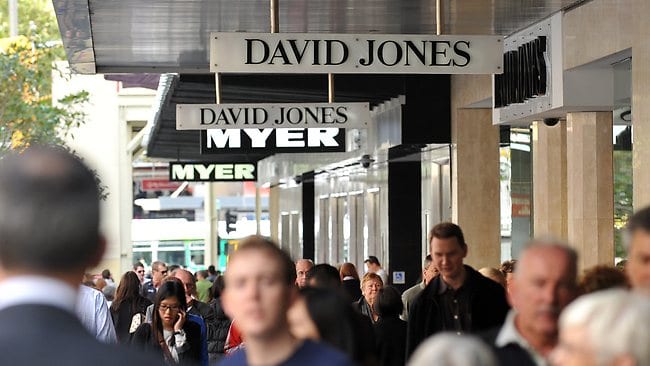
    Myer Slips to $276.5 Million Annual Loss on Heavy Store and Brand Write-Downs

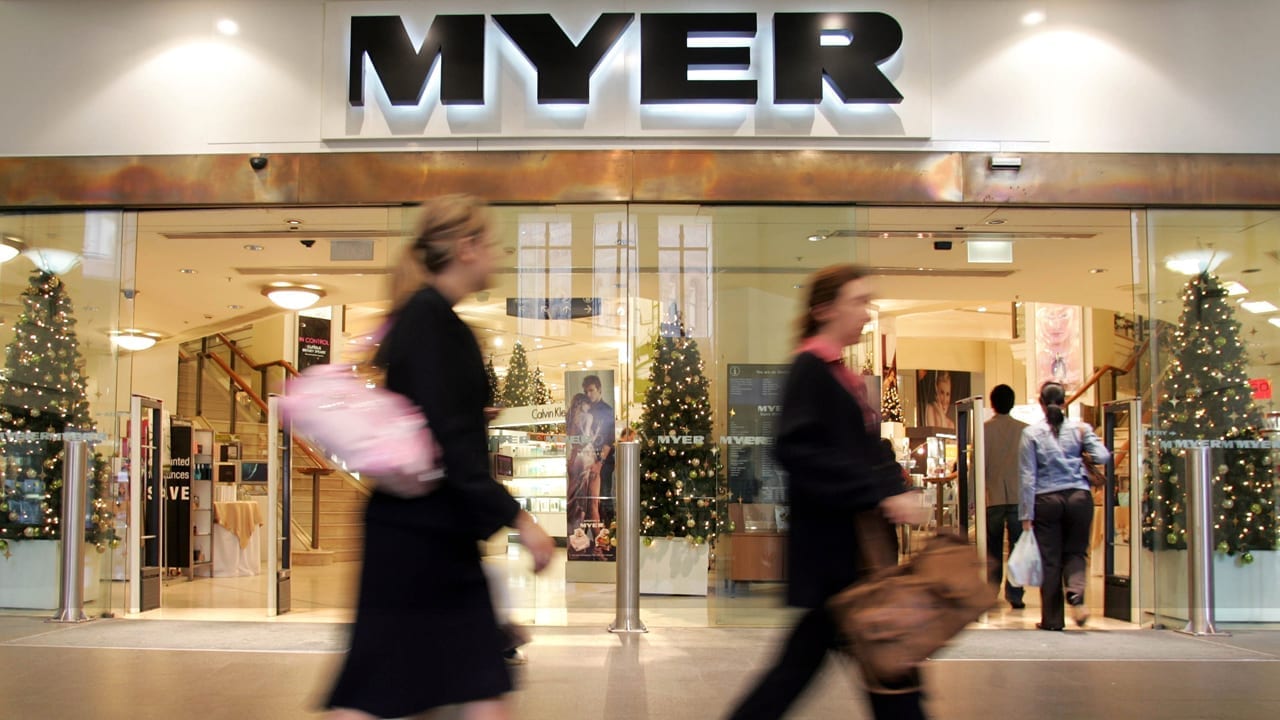
    Australian department store operator Myer posted a statutory net loss of $276.5 million for the financial year to July 25. Heavy write-downs across its store network and brand assets drove the result.

    Total sales edged up 0.7 per cent to $4.1 billion, crossing the four-billion-dollar mark. Weak discretionary spending squeezed margins across the department store sector.

    This statutory deficit is the second-largest in company history, behind only a $486 million loss in 2018. A post-tax, non-cash impairment of $279.6 million hit goodwill, brand intangibles and store asset valuations across the group. Underlying net profit after tax fell roughly 3 per cent to $42.5 million.

    Impairments Bite Across Apparel Portfolio

    Book valuations fell across Myer’s physical retail footprint and apparel labels as performance split sharply between categories. Weaker demand hit apparel businesses, including specialty fashion label Portmans. Core fashion, cosmetics and loyalty-driven sales held steadier.

    Trading deteriorated sharply during the second half. Three Reserve Bank of Australia interest rate increases and higher household bills thinned retail traffic across shopping centres.

    The second half of FY26 was characterised by a volatile and significantly more challenging macroeconomic and retail environment than 1H26 or FY25.

    Trading Headwinds Spread to Fiscal 2027

    Demand weakened notably through June and July, leaving store footfall volatile heading into the new fiscal year. August trading stayed soft as shoppers continued to trim non-essential purchases.

    Regional peers across Asia-Pacific face similar pressures as inflationary shocks exhaust household savings. Landlords and concession partners must now contend with an anchor tenant focused on store rationalisation and tighter capital allocation rather than floor space expansion.

    Stock management carries the primary near-term risk. Department store models carry substantial working capital commitments. Prolonged discounting to clear sluggish apparel stock will compress underlying gross margins further if volume fails to rebound.

    Board Reshuffle and Strategic Pivot

    Top shareholder Solomon Lew takes a seat on the Myer board in September. Lew returns to the boardroom decades after past shareholder disputes, bringing direct oversight of the retailer’s operational turnaround.

    Myer previously responded to footfall declines by building out digital channels, expanding customer loyalty incentives and refreshing designer concessions. Those investments preserved top-line sales above $4 billion. However, escalating store lease costs and inflationary overheads eroded net profitability.

    Executives are counting on key discount peaks to stabilise earnings this half. Promotional activity leans heavily toward Black Friday clearance events, Christmas gift pop-ups and end-of-year trading.

    Attention now turns to the group’s early trading update ahead of the crucial November discount period for signs of a consumer recovery.

  • Brand Collective Buys Glue Store, the Dom and Running Bare

    Brand Collective Buys Glue Store, the Dom and Running Bare

    Brand Collective bought youth fashion chain Glue Store, online outlet The Dom and activewear label Running Bare to expand its Australian retail footprint.

    The deal adds three distressed apparel brands to a portfolio of more than 30 operating labels owned by billionaire Larry Kestelman.

    Under the terms, Brand Collective acquired Glue Store’s intellectual property and customer database from footwear operator Accent Group. Accent shuttered the streetwear chain in mid-June after an 8.4 million dollar loss and multiple store closures. The new owner plans to reopen physical stores targeting Gen Z and millennial shoppers. It will also upgrade the brand’s digital sales platform.

    Building a Discount Marketplace Unit

    The transaction also includes The Dom. That online factory outlet platform folded in April following cash constraints. Brand Collective will use its digital marketplace infrastructure to anchor a broader clearance portal selling apparel, footwear and accessories.

    Running Bare enters the fold after six months out of business. Brand Collective plans a digital overhaul for the activewear label while keeping its design identity intact.

    These acquisitions demonstrate Brand Collective’s ongoing evolution and innovation as a business. Brand Collective has considerable experience in taking brands to new levels of success, and we see enormous potential across all three.

    Picking Through Distressed Inventory

    Buying dormant brand assets allows multi-brand groups to secure established customer databases without taking on legacy lease liabilities. Accent Group offloaded Glue Store after less than five years of ownership. High mall rents and promotional pressure had eroded youth streetwear margins.

    Similar pressures hit Running Bare and The Dom as discretionary fashion spending slowed across Australian metropolitan centers. Folding all three into a single back-end operating unit cuts warehousing, marketing and digital fulfillment costs across the combined group.

    Shifting Channel Exposure

    The strategy mirrors consolidation seen across regional department stores and specialty apparel groups chasing online volume. Traditional storefronts have struggled against direct-to-consumer labels. Discount marketplaces offer an alternative route to clear excess inventory.

    For shopping center landlords, the planned revival of physical Glue Store outlets offers replacement tenancy in youth-focused retail precincts. Those locations lost foot traffic following Accent Group’s June exit.

    Operational Integration Ahead

    Accent Group walked away from Glue Store after restructuring costs failed to stem operating losses across mall locations. The divestment allows Accent to refocus capital entirely on its core footwear chains.

    Chief executive David Thomas said Brand Collective will announce rollout timelines and opening locations for the revitalised brands over the coming months.

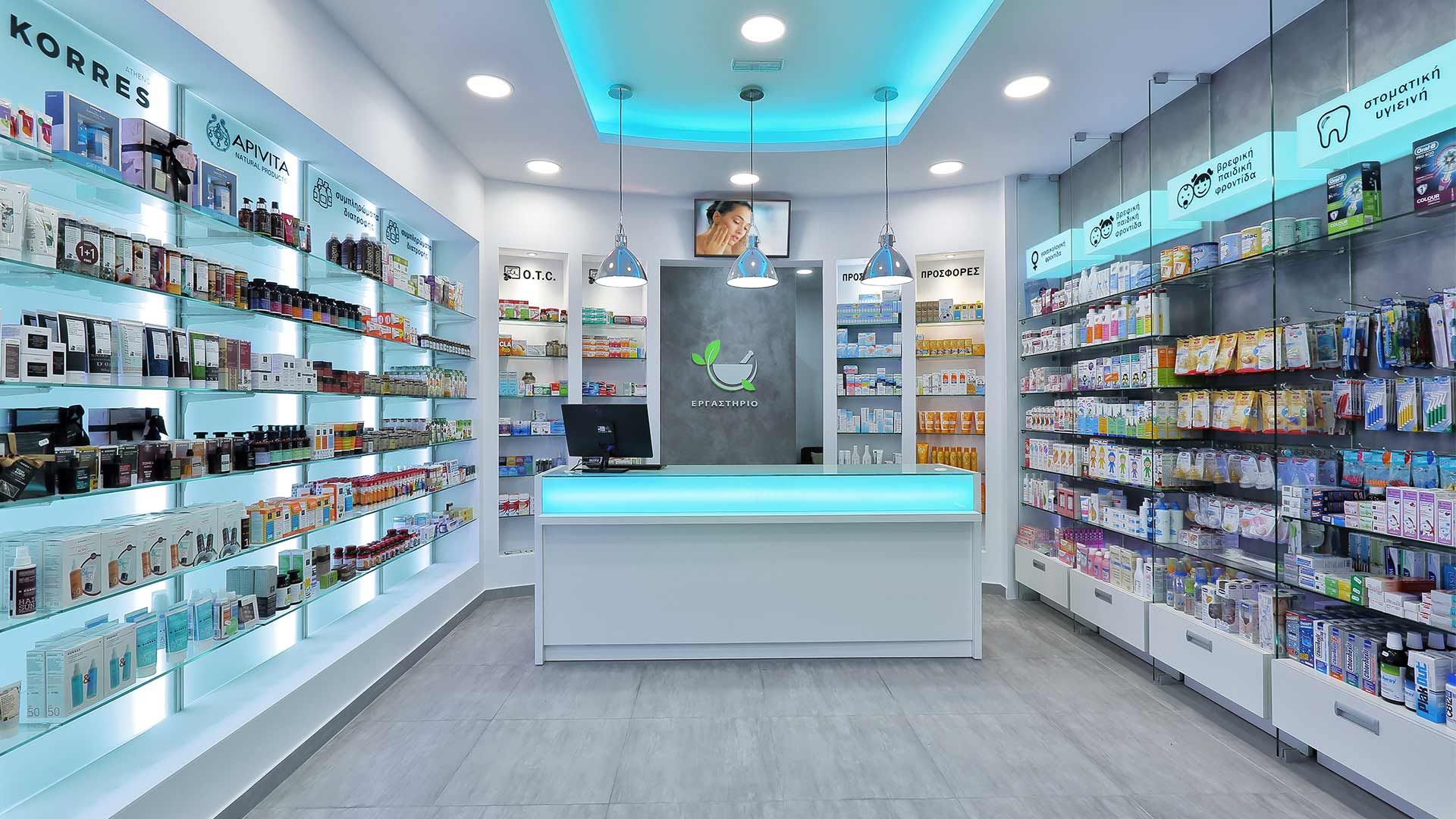
  • Chemist Warehouse Cuts Delivery to 56 Minutes Across 550 Australian Stores

    Chemist Warehouse Cuts Delivery to 56 Minutes Across 550 Australian Stores

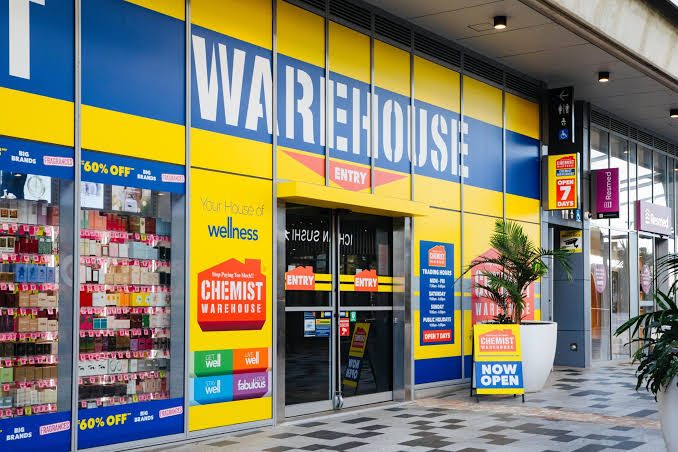
    Chemist Warehouse cut average delivery times for local online pharmacy orders to 56 minutes in July 2026. The chain routed dispatch through 550 physical stores across Australia.

    That turnaround covered roughly 32,000 over-the-counter orders handled under a two-hour service agreement with logistics platform Rendr, an Australia Post subsidiary.

    Operations shifted onto a single dispatch platform after the pharmacy chain previously juggled multiple delivery providers. Dispatch software selects a courier based on the customer’s chosen delivery speed and assigns it directly to store staff. The setup avoids adding dedicated warehouse workers to store payrolls.

    Routing Orders Through 550 Storefronts

    Dispatching directly from shopfronts turns high-street real estate into micro-distribution hubs. More than 15 per cent of Australian retail orders are now fulfilled and delivered within 15 kilometres of the buyer, according to Shippit data. That is an increase of five percentage points over two years.

    Chemist Warehouse uses order density maps from Rendr to identify coverage blind spots across its retail network. Those geographic heat maps feed directly into lease decisions for new retail space and extra fulfillment capacity.

    Physical stores provide an immediate counterweight to pure-play e-commerce rivals that spend heavily on regional depots. Pure-play operators typically run centralized warehouses located far outside metropolitan centers. That adds transit hours to every local parcel.

    Avoiding the Mini-Warehouse Trap

    Fulfillment creates friction if counter staff spend shifts sorting boxes rather than serving walk-in shoppers. Chemist Warehouse avoided dedicated picking shifts by standardizing handoffs into a single digital process.

    Workers hand parcels to assigned couriers through one digital interface instead of managing separate fleet portals. David Brennan, general manager of supply chain transformation at Chemist Warehouse, said the consolidated exit path simplified daily routines.

    “There’s now one exit path for fast delivery. It comes in and says, you’re giving it to this driver, that’s it.”

    The Proximity Race Against Pure Plays

    Speed pits physical shop networks against heavy logistics spending from pure e-commerce players. In North America, Amazon is developing Project Mercury to build more than 1,000 sub-same-day facilities by 2031. It aims to place inventory within 10 miles of 80 per cent of Prime subscribers to counter store-based competitors like Walmart.

    Across Asia-Pacific markets, traditional retailers hold the geographical edge because suburban strips already sit near dense residential corridors. The main risk lies in inventory accuracy. A ship-from-store model fails immediately when an online order claims stock an in-store shopper just put in a physical basket.

    Retailers that fix real-time inventory tracking turn routine floor stock into faster dispatch points than dedicated suburban logistics sheds. Those that fail face cancelled orders and higher labor expenses.

    Consumer Appetite for Paid Speed

    Rapid delivery is driving purchase conversion across Australia, where online retail spending reached 82.6 billion Australian dollars in 2025. Australia Post research shows 73 per cent of shoppers pick online channels over physical visits when delivery is reliable.

    Consumers will also pay for speed when items carry immediate utility. Australia Post found 43 per cent of Australian shoppers are prepared to pay extra for same-day or next-day delivery. That figure climbs to 59 per cent among Gen Z and Millennial buyers.

    Roughly 24 million Australians across major population centers can now access same-day fulfillment. Retailers will test whether that appetite holds up as courier costs rise heading into the peak holiday trading quarter of late 2026.

  • Myer Posts AU$276.5 Million Loss on Impairments as Solomon Lew Joins Board

    Myer Posts AU$276.5 Million Loss on Impairments as Solomon Lew Joins Board

    Department store operator Myer posted a statutory net loss of AU$276.5 million for fiscal 2026. The result followed AU$319 million in one-off write-downs and expenses.

    Total group revenue surpassed AU$4 billion, rising 11.3 per cent over the year after consolidating apparel chains acquired from Premier Investments. An asset impairment of AU$279.6 million drove the bulk of the bottom-line hit. Stripping out exceptional charges, underlying net profit after tax stood at AU$42.5 million.

    Retail magnate Solomon Lew joins the Myer board on September 24 as a non-executive director. Lew controls Premier Investments, which holds approximately 30 per cent of Myer equity. Premier executive Mark Middeldorf joins alongside him as an alternate director.

    Apparel Brands Show Mixed Integration

    Revenue in the consolidated Apparel Brands division, spanning Just Jeans, Jay Jays, Jacqui E, Dotti and Portmans, fell 1.3 per cent during the period. Just Jeans sales rose 6 per cent. That gain failed to offset weak customer demand at other former Premier labels like Portmans. Core department store operations under Myer Retail booked a 0.7 per cent sales increase year on year.

    Consumer demand shifted abruptly during the final quarter of the financial year across Australian shopping centers. Group executive chair Olivia Wirth cited steep slowdowns in June and July as household budgets tightened across the country.

    “The second half of FY26 was characterised by a volatile and significantly more challenging macroeconomic and retail environment than 1H26 or FY25,” said Myer Group executive chair Olivia Wirth.

    Asset Impairments and Market Pricing

    The AU$279.6 million impairment resets the balance sheet after years of structural pressure on department store floor space and portfolio valuations. Writing down those assets clears accumulated legacy costs ahead of integrating supply chains and loyalty programs across hundreds of regional storefronts. Equity investors took the writedowns in stride. They bid the stock higher on the underlying earnings figure, despite a 61 per cent share price drop over the preceding twelve months.

    Operating costs across Australian retail supply chains remain high as freight contracts, store rent escalations and award wage adjustments squeeze gross margins. Competing department store and apparel groups have trimmed inventory orders and turned to promotional discounts to clear seasonal stock. Myer must now extract distribution savings from its newly absorbed specialty brands before overheads erode specialty store cash flows.

    Earlier Steps in the Premier Transaction

    That restructuring traces back to December, when Myer completed the purchase of the Apparel Brands portfolio from Premier Investments in exchange for equity. The deal made Lew the retailer’s dominant shareholder and granted him board observer status while regulatory reviews concluded. Lew was initially slated to assume a formal directorship in April before the company finalized its full-year accounts.

    Earlier trading updates in July had warned of soft first-half momentum across discretionary retail categories. The full-year results confirm the winter retail slowdown deepened, leaving margins compressed across multiple apparel lines.

    Board Oversight and the Next Trading Window

    With Lew taking a direct seat in boardroom deliberations, capital allocation decisions will focus on store footprint rationalisation and digital integration across the combined portfolio. Management expects volatile consumer sentiment to persist across the domestic retail sector throughout the next twelve months. The upcoming November promotional period and December Christmas trading quarter will test whether the expanded brand lineup can stabilize operating cash flows.

  • Salon Lane Opens 675-Square-Metre Melbourne Duplex in Victorian Expansion

    Salon Lane Opens 675-Square-Metre Melbourne Duplex in Victorian Expansion

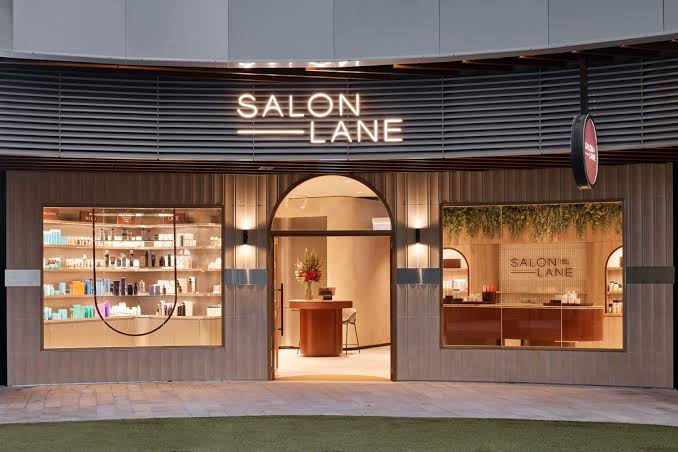
    Salon Lane will open a 675-square-metre duplex at Richmond Square in Melbourne in February. The launch expands the shared salon operator into Victoria.

    Up to 50 independent practitioners will work out of the two-level facility. They cover hair, aesthetics, skin, brows, lashes, wellness and nail care. It is the company’s sixth location nationally.

    Inside the Richmond Square Layout

    The space holds 21 private studios and 14 open workstations alongside specialized service stations. Architecture firm X+O designed the interior layout. The design brings an artistic visual identity tailored to Melbourne’s retail corridor.

    Customer amenities include a dedicated wash lounge, nail and colour stations, a client lounge with a coffee bar, and an on-site retail store. Independent beauty professionals get access to a private member lounge and back-of-house infrastructure. They run autonomous businesses under one roof.

    The Shared Real Estate Model

    Co-working salon hubs alter conventional retail leasing by gathering independent operators into a single anchor tenancy. For commercial landlords, this structure lowers vacancy risk. It replaces individual small-lease negotiations with a single master tenant.

    Commercial pressure falls directly on workstation utilization and tenant retention. Independent practitioners must generate steady foot traffic to cover recurring station costs. At the same time, the operator relies on full occupancy across private suites and open chairs to protect margins.

    Expanding From East Coast Hubs

    Salon Lane built its footprint across five locations in Sydney and Brisbane before committing to Melbourne. This expansion tests whether the shared-space beauty model can duplicate its northern East Coast momentum in a competitive personal care market.

    Doors open at Richmond Square in February for the initial intake of 50 independent operators.

  • Treasury Wine Estates Sells Seppelt Winery to Stonier Owners

    Treasury Wine Estates Sells Seppelt Winery to Stonier Owners

    Treasury Wine Estates agreed to sell its Seppelt brand and production assets in Victoria to Stonier Wines co-owner Aaron Drummond and investment partners.

    The deal covers the historic Great Western winery, its cellar door, surrounding vineyards and the Drumborg vineyard near Portland for an undisclosed sum.

    Asset cull targets balance sheet relief

    Removing the assets clears non-core production operations from the winemaker’s balance sheet before the end of the year. Treasury Wine Estates told investors at its June Investor Day that shedding peripheral labels would help deliver $100 million in structural savings. That target follows a full-year loss of nearly $650 million. Chief executive Sam Fischer has directed capital away from commercial-tier regional labels. He is concentrating resources on global luxury lines led by Penfolds.

    Drummond’s consortium takes full control of Seppelt intellectual property and inventory. Drummond serves as chief executive of Mornington Peninsula producer Stonier. Operations at the 160-year-old Great Western site and the cool-climate Drumborg estate will continue under the new ownership group.

    What the transaction shifts for regional producers

    Offloading regional assets eases operational drag for corporate wine giants coping with elevated inventory costs and uneven consumer demand across major Asia-Pacific channels. The exit by Treasury Wine Estates opens direct access to established heritage infrastructure for boutique operators, distributors, and commercial buyers without corporate overheads. Luxury labels command the bulk of group capital expenditure. Historic mid-market estates now shift to private multi-brand operators who run them on leaner cost bases.

    Similar portfolio realignments have occurred across the Australian wine sector as larger listed producers carve out regional production assets to protect earnings. The operational risk lies in vineyard throughput. Shedding crush capacity cuts fixed maintenance costs immediately. Independent buyers must still maintain distribution volume across domestic retail chains to keep the acquired acreage profitable.

    Historic production footprint changes hands

    Seppelt traces its origins to 1851, when founder Joseph Seppelt established Seppeltsfield in South Australia. The business expanded into Victoria through the Great Western property, which was established in 1865 and incorporated into Seppelt in 1918. The site contains The Drives, a network of cellars excavated by gold miners starting in 1868. It forms the largest underground storage cellar system in Australia.

    Drumborg’s vineyards were first planted in 1964 to supply cool-climate sparkling base wine and table fruit from south-western Victoria. Treasury Wine Estates managed the properties under its broad domestic multi-regional supply model. It designated the labels non-core during its 2026 operational review.

    Next steps for the settlement

    Final settlement of the transaction is scheduled for mid-October 2026, subject to standard commercial closing terms. RetailNews Asia will track the progress of Treasury Wine Estates against its $100 million balance sheet reduction target as the group prepares its next investor update.

  • Mr Chen’s Launches Three Multi-Serve Frozen Meal Kits

    Mr Chen’s Launches Three Multi-Serve Frozen Meal Kits

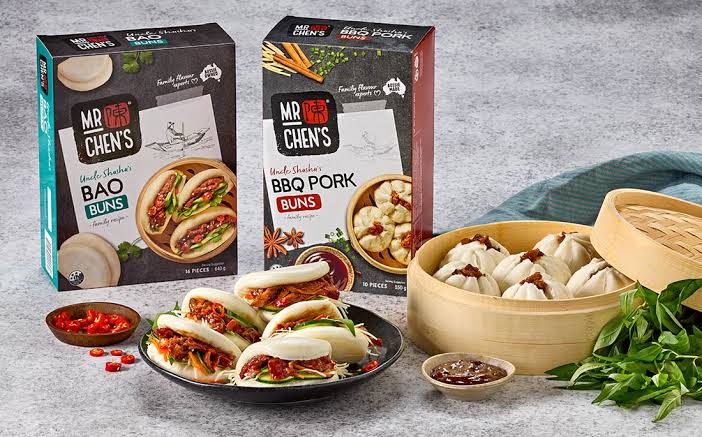
    Mr Chen’s expanded its frozen grocery lineup with the launch of three multi-serve meal kits in September 2026. The brand designed each pack to cook in 15 minutes and serve two people.

    The rollout targets dinner occasions with three takeaway-style recipes: Chicken Chow Mein Noodles, Korean Style Beef Noodles, and Chinese Chicken Fried Rice. The format shifts the brand beyond single-serve snacks and dumplings into complete dinner solutions.

    Component packaging for frozen dinner kits

    Each kit uses segregated interior packaging to keep proteins, carbohydrates, vegetables, and sauces separate until cooking. This structure avoids the texture degradation common in pre-mixed frozen ready meals during pan preparation.

    The supplier aims to capture consumers seeking quick evening meals without ordering restaurant delivery. Supermarket freezer space in Australia has historically concentrated multi-serve meal kits in Western and Italian categories such as pasta and bakes, leaving Asian recipes under-represented in larger formats.

    Shifting space in supermarket freezers

    For supermarket buyers at Coles and Woolworths, multi-serve Asian meals offer a higher register ring than traditional individual dumplings. Frozen grocery categories have seen steady volume gains as shoppers manage household food budgets against rising dining-out costs.

    Suppliers face execution hurdles in maintaining vegetable crispness and protein tenderness across commercial cold chains. Maintaining ingredient integrity across frozen distribution networks remains the primary barrier to repeated customer purchases in premium frozen food.

    Evolution from dim sum specialist

    Mr Chen’s built its retail distribution across Australian grocers by establishing a foothold in frozen yum cha items, gyoza, and steamed buns. Expanding into centre-of-plate meal kits represents an effort to command broader shelf space within the frozen aisle.

    Retail buyers will track initial sell-through rates across metropolitan stores over the coming quarter to determine whether the two-serve meal format justifies dedicated permanent shelf allocation.

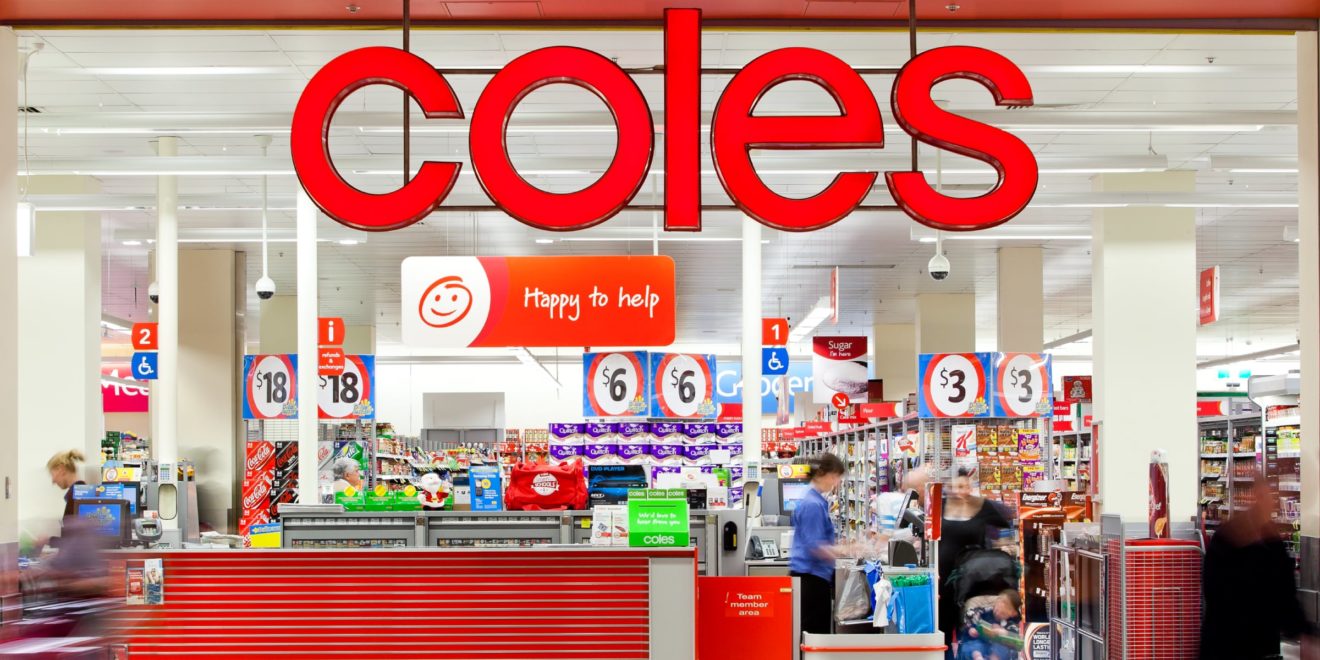
  • Coles Opens Its First Fully Electric Supermarket in Melbourne

    Coles Opens Its First Fully Electric Supermarket in Melbourne

    In September 2026, Coles opened its first fully electric supermarket at Orana Village in Clyde, Melbourne. The site eliminates on-site fossil fuels through a 270-kilowatt rooftop solar array and battery storage.

    Its rooftop holds 487 solar panels. These connect to a 110-kilowatt, 225-kilowatt-hour battery energy storage system that powers daily operations and backs up essential services during outages.

    How the Store Runs Without Gas

    Natural gas is gone from the site. Electric heat pumps link directly to a natural carbon dioxide refrigeration system. This setup captures waste heat from chilled cabinets and feeds it into climate control, delivering 171 kilowatts of heating capacity alongside full LED lighting fixtures.

    Drivers have access to four on-site fast-charging bays delivering up to 200 kilowatts direct current via Evie Networks. These chargers connect straight to the battery storage system. That buffer smooths power spikes when multiple electric vehicles draw high current during peak shopping hours.

    Origin Energy developed the on-site battery as an on-market backup unit. When checkouts and lighting do not require reserve power, the battery feeds capacity into Origin’s virtual power plant. That allows power trading on the wholesale electricity market.

    The Operational Read-Across for Retail Landlords

    Pressure is mounting on supermarket operators across Australia and Southeast Asia to remove direct gas connections from standalone shopping centres and strip developments. Coles expects the Clyde installation to reduce electricity drawn from the grid by up to 25 per cent. That drop eases baseline utility overheads in high-tariff energy markets.

    Property owners face distinct physical and capital hurdles if they copy this layout. Rooftop structures must support heavy panel arrays. Battery containment also demands dedicated exterior real estate and specialised fire suppression infrastructure. Landlords negotiating new leases with national grocers will need to absorb shared electrification costs during base-building stages.

    The Rollout Plan Through 2029

    Following the Clyde commissioning, Coles and Origin Energy extended their renewable energy partnership for another three years to 2029. Under the expanded agreement, Origin will install an additional 15 megawatts of rooftop solar capacity across up to 75 stores. It will also add 15 megawatt-hours of battery storage across up to 20 locations.

    Orana Village gives us a blueprint for what a lower emissions and more resilient store network could look like.

    Work on the initial phase began in 2023, delivering 16.45 megawatts of solar capacity across 73 stores and distribution centres, alongside 1.35 megawatt-hours of battery storage across five sites. Across participating locations, the combined systems cut grid electricity demand by an average of almost 20 per cent.

    Grid Exposure and Capital Allocation

    This project ties into the retailer’s plan to reach net-zero operational emissions by 2050. At the close of financial year 2026, Coles reported an 82.6 per cent reduction in combined Scope 1 and Scope 2 greenhouse gas emissions compared with its 2020 baseline. That progress rests on national power purchase contracts covering its network of more than 1,800 outlets and logistics facilities.

    Rivals Woolworths and Aldi have similarly contracted renewable power for their store fleets while introducing electric freight trucks. Attention now turns to whether savings from heat recovery and peak-demand management justify the upfront capital cost of retrofitting older, leasehold supermarkets before the 2029 rollout deadline.

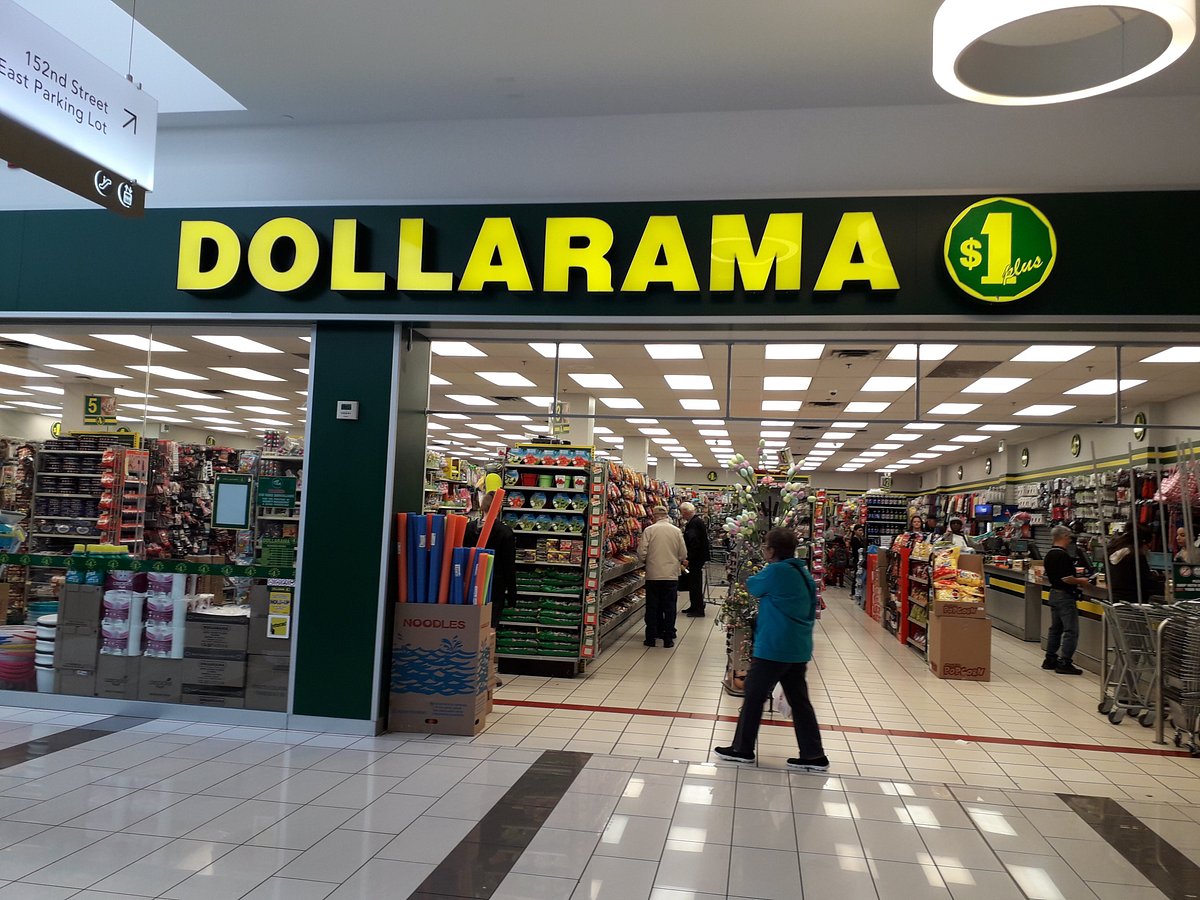
  • Dollarama Australia Sales Reach $185.7M as Conversion Losses Widen

    Dollarama Australia Sales Reach $185.7M as Conversion Losses Widen

    Dollarama Australia posted a second-quarter net loss of $13.7 million for the period ended August 2 as costs from overhauling its local retail network accelerated.

    Sales rose to $185.7 million across 414 locations, up from $262,400 in net loss and a fraction of revenue a year earlier when accounts reflected only 13 days of ownership.

    Refitting The Reject Shop Network

    The Montreal-based value retailer took full control of The Reject Shop last July to establish a direct operating bridgehead in the Asia-Pacific region. Integrating those assets requires extensive capital work inside existing retail footprints.

    During the quarter, the company renovated 25 stores and opened four net new sites across the country. That pushed the total number of Australian locations operating with Dollarama standard layouts and fixtures to 60.

    Discount Margins Face Upfront Outlays

    Refurbishing discount outlets at speed exposes margins to immediate friction. Fit-out costs, supply chain realignment and temporary store disruption hit operating profit before new merchandising yields higher basket sizes.

    Rival value generalists in Australia operate lean supply chains and defend established suburban leases aggressively. Dollarama is betting that higher product density and proprietary sourcing can offset the conversion drag across its remaining 354 legacy stores.

    Full Year Loss Forecast

    The company acquired The Reject Shop in July 2025 to secure an instant national retail footprint rather than building real estate step by step. That transaction gave the Canadian group 414 operating sites across suburban centres and strip malls.

    Dollarama confirmed it expects the Australian business to remain loss-making for the entire fiscal year as refits continue across the balance of the 414-store fleet.

  • Melbourne Fashion Week Schedules 100 Events Across City Retail Precincts

    Melbourne Fashion Week Schedules 100 Events Across City Retail Precincts

    Melbourne Fashion Week will show more than 600 looks across seven runways next month as the annual municipal event rolls out over 100 commercial and cultural programs.

    The schedule features more than 300 designers and retailers occupying city streets, public venues, and commercial precincts under the theme Wear the Moment.

    Runways and retail capsules

    Organisers split the program across ticketed runway presentations, free public events, and retail activations. Participating Australian labels include Bianca Spender, Búl, Clea, Elk the Label, Perple, and Sean Rentero, alongside First Nations brands Clothing The Gaps, Gammin Threads, Grace Lillian Lee, and Ngali.

    Independent events woven into the lineup include a fashion dining session at Pastuso, an Amnesty International runway show, and a textile sustainability swap organized with the United Nations Association of Australia. A series of Fashion Capsules will run separately from September 28 to October 25, staging installations from over 30 local designers across five public sites.

    Melbourne doesn’t just follow the fashion trends; we create them. For a week, Melbourne becomes a runway.

    Commercial exposure and independent labels

    Municipal fashion programs in the Asia-Pacific region increasingly serve as direct-to-consumer sales engines rather than strictly trade-buyer shows. Melbourne’s decentralized model pushes foot traffic directly into central business district retail hubs, supporting domestic labels that rely on local brand engagement rather than wholesale department store orders.

    The mix of established commercial brands and independent micro-labels reflects the realities of the Australian apparel market. Rising operating overheads and tight consumer discretionary spending have pressured mid-tier retail networks, making high-visibility municipal stages critical for independent designers seeking consumer conversion without heavy marketing budgets.

    Industry dialogues and rollout dates

    Business discussions during the week will focus on commercial scaling and demographic representation. The Collarts-presented M/FW Conversations series, moderated by journalist Virginia Trioli, will cover the logistics of growing an apparel business alongside sessions addressing the representation of women over 50 in fashion retail.

    Melbourne Fashion Week begins its full calendar next month following the launch of the Fashion Capsules installations on September 28.

  • NFL Australia Fixture Drives 400 per Cent Surge in Online Merchandise Traffic

    NFL Australia Fixture Drives 400 per Cent Surge in Online Merchandise Traffic

    Online traffic for National Football League merchandise surged roughly 400 per cent in Australia during the month before Melbourne’s inaugural regular-season game.

    More than 100,000 spectators attended the fixture between the Los Angeles Rams and the San Francisco 49ers at the Melbourne Cricket Ground. That capped a week of commercial activations across the city.

    Merchandise demand and consumer spending spikes

    Digital traffic for NFL gear was already running 310 per cent above baseline levels across the twelve months ending in August, according to data from Adobe. Sponsors hold high expectations. Adobe found 72 per cent of brands investing in the Melbourne fixture anticipate a 1.5-times return on spend. Another 30 per cent expect to double their outlay.

    Local spending patterns mirrored established habits. Carly Lynch, principal strategist of retail, media and travel at Adobe’s digital strategy group for Asia-Pacific, noted that 79 per cent of Australian households buy goods tied to major Australian Football League finals. During similar sporting windows, spending on streaming hardware jumps 74 per cent as consumers upgrade home setups.

    The commercial stakes for regional retailers

    For electronics retailers and licensed apparel distributors, foreign sports codes create a revenue window outside the traditional domestic footy calendar. Department stores and specialty chains face sharp demand spikes. These require precise inventory timing rather than prolonged shelf space. The immediate payoff sits with official merchandise and home viewing tech, leaving general retailers with minimal spillover.

    Buying teams face real risks if they overcommit stock beyond headline event weeks. Domestic leagues offer six months of consistent weekend matches. In contrast, overseas touring properties generate intense, narrow purchasing bursts that drop quickly once teams leave.

    A four-year runway in Victoria

    The Melbourne match is the first stage of an agreement between the league and the Victorian Government to host three games across four years. It follows a sustained effort by NFL Australia to build fan engagement and retail tie-ins before bringing full-scale games to the region.

    Charlotte Offord, general manager of NFL Australia and New Zealand, now targets a permanent annual fixture at the MCG under future scheduling arrangements.

  • Oksana Stakhovych Launches Mia Coosh in Australia’s $22 Billion Pet Market

    Oksana Stakhovych Launches Mia Coosh in Australia’s $22 Billion Pet Market

    Melbourne founder Oksana Stakhovych launched Mia Coosh in October 2025, targeting Australia’s $22 billion pet industry with vegan microfibre leather accessories.

    Stakhovych created the brand to challenge mass-market pet accessories that typically rely on standard nylon webbing, plastic buckles, and bovine leather.

    Designing for Premium Pet Owners

    Stakhovych spent more than a year prototyping the range before going live, testing hardware weight, strap placement, and fit on small and medium dog breeds across parks, beaches, and varied weather conditions.

    Her background spans e-commerce, online retail operations, and business administration. That operational experience shaped the fulfilment setup, customer service protocols, and digital storefront ahead of launch.

    Animals should not wear animals. At the same time, I did not want to compromise on quality.

    Microfibre leather replaced animal hides to keep the gear lightweight, water-resistant, and durable for everyday urban use.

    The Direct-to-Consumer Model in Australia

    Australia ranks among the highest pet-ownership markets in the Asia-Pacific region. High ownership rates drive premium spending across food, healthcare, and lifestyle accessories. Specialty pet chains and supermarkets dominate staple goods, but higher-margin accessories increasingly sell through independent digital channels.

    Mia Coosh bypasses wholesale middlemen to capture full retail margins on its smaller initial production runs. Competing against established global pet lifestyle brands requires tight control over unit economics and paid customer acquisition costs.

    Embedded Charity Allocations

    A permanent revenue share is built directly into transaction processing. A fixed portion of every customer purchase goes to registered Australian animal rescue organisations to fund rehabilitation and rehoming work.

    Setting up the donation mechanism at checkout replaces periodic promotional campaigns. The structure integrates charitable allocations into baseline cost of goods sold from the initial operating date.

    Expanding the Sizing Line

    The venture originated in October 2025 after trials on Stakhovych’s toy poodle revealed a lack of ergonomic, lightweight harnesses for smaller dogs. Development work throughout 2024 centered on refining buckle hardware and strap proportions before committing to manufacturing runs.

    Mia Coosh is monitoring order volume across Australian capital cities while evaluating broader accessory lines and additional dog sizing tiers for subsequent inventory cycles.

  • Pharmacy Guild Leaders Buy Seven Priceline Pharmacies from Failed Infinity

    Pharmacy Guild Leaders Buy Seven Priceline Pharmacies from Failed Infinity

    Pharmacy Guild current president Trent Twomey and predecessor George Tambassis have bought seven Priceline pharmacies from the failed Infinity Pharmacy network.

    Infinity was the largest franchisee of Wesfarmers’ Priceline Pharmacy, operating 91 stores nationwide before entering receivership late last year due to massive debts.

    Breakup of a national network

    Administrator Teneo is selling the chain, with Queensland-based operator Chempro Chemists buying most stores, while Twomey and Tambassis secured seven outlets after lacking funds to buy more.

    Infinity operated nationwide under Wesfarmers’ Priceline banner until mounting liabilities forced it into insolvency. Teneo opted to break up the estate into regional parcels when a single whole-network buyer failed to materialize.

    Consolidation across community pharmacy

    The asset sale reveals how established operators are cherry-picking prime shopfronts while heavily geared roll-up models stumble. Twomey already controls eight sites through the Alive Pharmacy Network in North Queensland, while Tambassis operates pharmacy locations across Victoria.

    Absorbing selected units into existing regional structures offers immediate retail footprint without taking on Infinity’s failed holding company debts. For Wesfarmers, keeping these dispensaries trading under the Priceline banner prevents store losses to rival banners like Chemist Warehouse.

    Administration enters final stages

    Infinity entered receivership late last year after severe cash flow problems crippled its ability to service debt across 91 locations. The Pharmacy Guild, which represents roughly 6,000 community pharmacies across Australia, continues to see its top leadership expand their private store networks through these distressed sales.

    Teneo is completing final asset transfers across the remaining retail sites to wrap up the liquidation process.

  • Ultra Violette Sues Wild Child Laboratories over SPF 4 Sunscreen

    Ultra Violette Sues Wild Child Laboratories over SPF 4 Sunscreen

    Sunscreen brand Ultra Violette is suing contract manufacturer Wild Child Laboratories following the recall of its SPF50+ sunscreen product, Lean Screen, last year. Testing by consumer advocacy organisation Choice previously found the product had an SPF of only four.

    The dispute centres on a base formula produced by Wild Child Laboratories that was also used by nearly 20 sunscreens from other brands.

    Shared Formulations Create Systemic Risk

    Contract manufacturing lets independent beauty brands scale without building their own factories. When a shared base formula fails laboratory verification, liability cascades across dozens of retail brands. Beauty labels in high-UV Asia-Pacific markets cannot rely on supplier certifications alone. They need rigorous third-party batch testing.

    Retailers stocking private-label and independent suncare lines now face scrutiny over supplier auditing and shelf compliance. The litigation puts direct financial and reputational pressure on third-party laboratories. It forces brand founders to reassess contract terms, indemnity clauses and quality-control oversight at every stage.

    The Timeline Leading to Legal Action

    Legal action follows the recall of Ultra Violette’s Lean Screen sunscreen last year after advocacy group Choice published independent efficacy tests. Those evaluations showed the mineral formula failed mandatory Australian standards for SPF50+ claims. Retailers pulled stock from shelves immediately.

    What to Watch in Court Filings

    Proceedings will examine the manufacturing warranties and testing protocols Wild Child Laboratories maintained during commercial production runs. The case will determine liability for recall expenses, testing costs and brand damages, creating a precedent for contract manufacturing accountability across the regional cosmetics industry.