Tag: Melbourne

  • Moondarra Expands Dairy Line with Cranberry Vanilla Cream Cheese at Woolworths

    Moondarra Expands Dairy Line with Cranberry Vanilla Cream Cheese at Woolworths

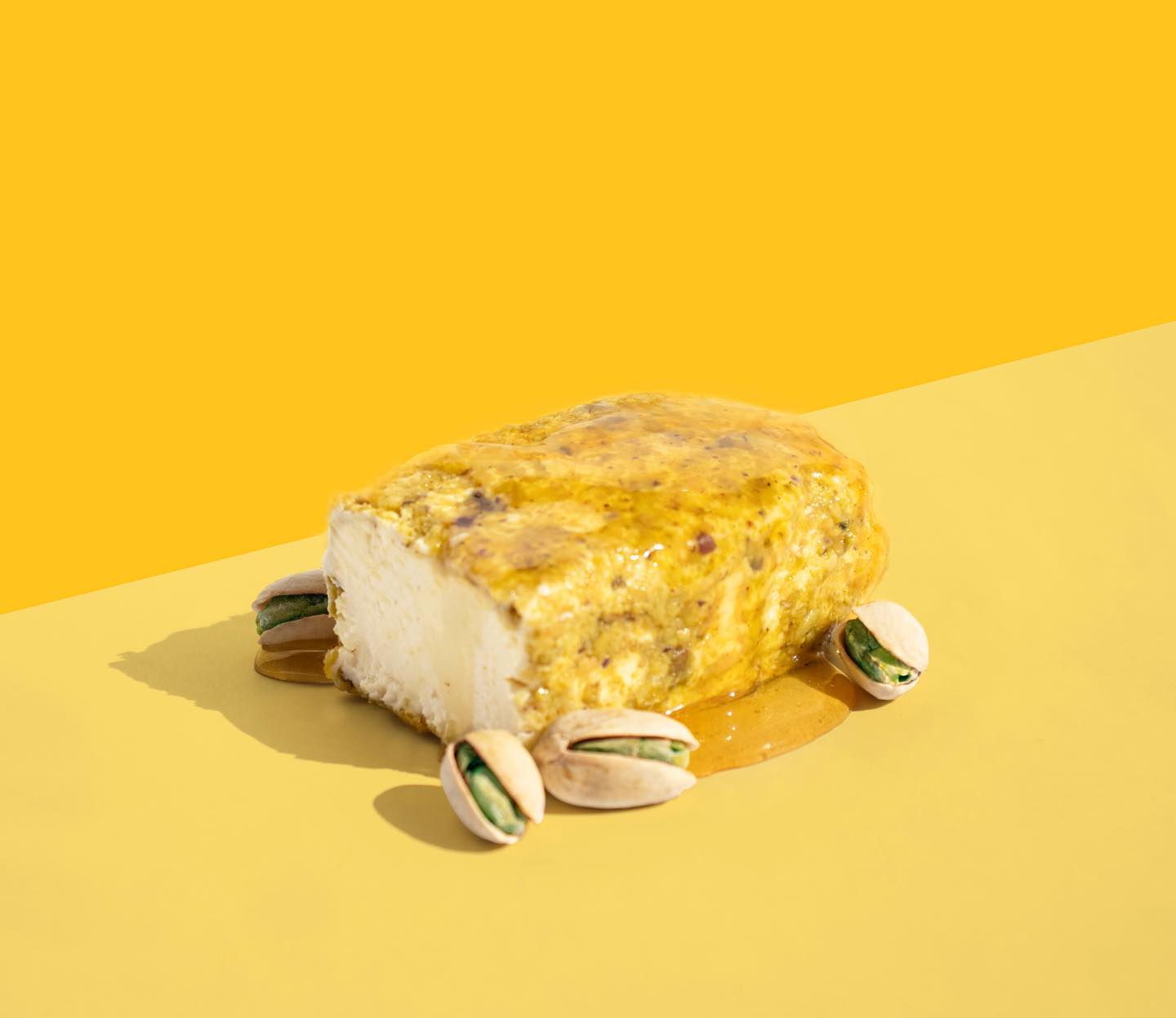
    Australian dairy brand Moondarra Cheese has rolled out a cranberry and vanilla soft cheese across selected Woolworths supermarkets nationwide, priced at $4.20 for a 120-gram tub.

    The product uses the manufacturer’s triple cream cheese base blended with cranberries and vanilla. Alongside the new SKU, Moondarra refreshed the packaging design across its broader line of marinated cheeses to improve shelf visibility in the specialty deli and dairy aisles.

    Supermarket Dairy Competition

    Sweet and savoury combination cheeses have gained shelf space in Australian grocers as producers target entertaining platters and snacking occasions. Woolworths and rival Coles have both reshuffled their specialty cheese sets over the past two years, replacing slower-moving European imports with local flavoured cheeses that offer higher margins and shorter supply chains.

    For Moondarra, the rollout secures valuable facings in Australia’s largest supermarket network. Supermarket dairy aisles remain tightly contested as private-label options squeeze mid-tier branded producers on everyday staples, pushing commercial cheese makers toward higher-value sweet and marinated segments.

    Distribution and Retail Presence

    The new cheese formulation is now available in selected Woolworths stores across the country. Moondarra will monitor sales performance across the network ahead of the key summer entertaining season.

  • Sigma Healthcare Profit Jumps 22 per Cent as Annual Sales Top $10.8 Billion

    Sigma Healthcare Profit Jumps 22 per Cent as Annual Sales Top $10.8 Billion

    Sigma Healthcare posted a 22.3 per cent rise in annual net profit to $732.3 million for the year ended June 30, lifted by pharmacy additions and GLP-1 prescription volumes.

    Group revenue advanced 15.5 per cent to $10.8 billion, while normalised earnings before interest and taxes climbed 20.6 per cent to breach $1 billion.

    The results reflect the first full operating cycle since Sigma combined operations with discount chain Chemist Warehouse. Chief Executive Officer Vikesh Ramsunder told investors the business now oversees nearly 1,000 pharmacies worldwide, supported by supply-chain integration across wholesale and retail divisions.

    Chemist Warehouse Drives Domestic Momentum

    Australia generated the bulk of earnings, lifting revenue 14.9 per cent to $10.4 billion and normalised operating profit by 18.3 per cent. Chemist Warehouse added 24 domestic sites to reach 561 stores, generating network sales growth of 15.9 per cent and same-store sales gains of 13.4 per cent.

    Sales of GLP-1 weight-loss medications contributed heavily to turnover across the network. While the high-cost treatments carry lower percentage returns, Sigma maintained its Australian gross margin at 17.6 per cent by expanding front-of-store retail lines, introducing more than 470 private-label products during the financial year.

    For retail pharmacy chains across the Asia-Pacific region, Sigma’s post-merger run shows how high-volume discount models can protect margins even as prescription product mixes shift toward expensive, low-margin therapies. It also demonstrates how domestic retail density provides cash flow stability after walking away from risky international takeovers, including Sigma’s abandoned $14 billion tilt at Britain’s Boots chain.

    Synergies and Franchise Pipeline

    Sigma captured $32.6 million in operational savings during the year as it works toward an annual cost-reduction target of $100 million by the 2029 financial year.

    Wholesale franchise networks Amcal and Discount Drug Stores are also rebuilding footprint after years of store rationalisation. Management has assembled an opening pipeline of 82 stores, scheduled to return both banner groups to net store count growth during the 2027 financial year.

  • Global FMCG Brands Reshape Experiential Deals Across Asia-Pacific

    Global FMCG Brands Reshape Experiential Deals Across Asia-Pacific

    Global consumer goods manufacturers are restructuring major event partnerships across Asia-Pacific, shifting capital into high-traffic sports and cultural fixtures that drive direct product trial.

    Treasury Wine Estates flagship label Penfolds took an event supporter role at the Formula 1 Australian Grand Prix at Albert Park in March 2026. The four-day motorsport contract replaced its five-year tenure at the Melbourne Cup carnival, aligning the label with international broadcast reach during the 75th anniversary of its Grange vintage.

    On-Ground Services and Market Reach

    Consumer goods conglomerate Procter & Gamble expanded its multi-market Olympic platform to integrate retail campaigns directly with athlete usage. During the Milano Cortina 2026 Olympic Winter Games, the company ran its Champions Clubhouse across the Milano and Cortina villages, servicing more than 3,500 athletes with grooming, hair care and recovery facilities.

    The group distributed product kits across 25 corporate labels, including SK-II, Head & Shoulders, Oral-B and Gillette Venus. That athlete-facing footprint converts into localized supermarket campaigns across the region, including an ongoing partnership with eight-time Olympic gold medallist Lisa Carrington in New Zealand.

    Community Anchors and High Volume

    Pernod Ricard brand Absolut continues to direct festival marketing toward high-throughput consumption formats. The spirits maker pairs rapid-service cocktail menus with cultural events, including its long-running alignment with the Sydney Gay and Lesbian Mardi Gras in Australia and massive activations at Coachella in North America.

    Alcohol and personal care groups across Asia-Pacific are increasingly moving away from passive perimeter signage. Instead, brand owners want dedicated on-premise pours and physical service lounges that put physical inventory straight into shoppers’ hands.

    Brand teams now face the next test of this experiential spending when race organizers release spectator attendance and paddock hospitality figures for the upcoming grand prix calendar.

  • Cettire Net Loss Widens to $8.5 Million as US Tariffs Hit Sales

    Cettire Net Loss Widens to $8.5 Million as US Tariffs Hit Sales

    Australian luxury platform Cettire posted an annual net loss of $8.5 million for the year ended June 30, more than trebling its deficit from a year earlier.

    The loss widened from $2.6 million in the previous financial year as sales revenue dropped 3.2 per cent to $718.4 million. Gross revenue fell 2 per cent, though it posted a small gain when measured on a constant currency basis.

    Tariff Friction and Middle East Disruption

    Active customer numbers fell 8 per cent to 605,000 during the twelve-month period. Management attributed the decline to weaker demand in the United States and a deliberate cut in paid marketing expenditure.

    The platform ran into direct regulatory friction in its largest market after US authorities removed the de minimis import duty exemption. In the second half of the financial year, consumer sentiment in high-growth Middle Eastern markets also weakened as regional conflict disrupted cross-border trade.

    During the period, US tariff changes, including the impact from the removal of the de minimis exemption, contributed to ongoing challenges in our largest market.

    Dean Mintz, founder and chief executive of Cettire, said US tariff refunds helped ease pressure late in the financial year.

    Momentum Outside North America

    Business outside the United States delivered better results, with sales revenue rising 14 per cent across the rest of the company’s geographic footprint. The expansion beyond North America cushioned the top-line decline and delivered market share gains across secondary regions.

    Pure-play luxury aggregators in Asia-Pacific have spent the past two years wrestling with excess inventory and fading post-pandemic demand. Cettire’s reliance on cross-border drop-shipping makes it unusually sensitive to customs thresholds, putting operational execution under scrutiny as border rules tighten.

    Attention now turns to trading updates in early fiscal 2027 to see whether the 14 per cent growth rate outside the US can offset lingering drag in North America.

  • Lovisa Lifts Full-Year Profit 10.7 per Cent as Network Reaches 1,136 Stores

    Lovisa Lifts Full-Year Profit 10.7 per Cent as Network Reaches 1,136 Stores

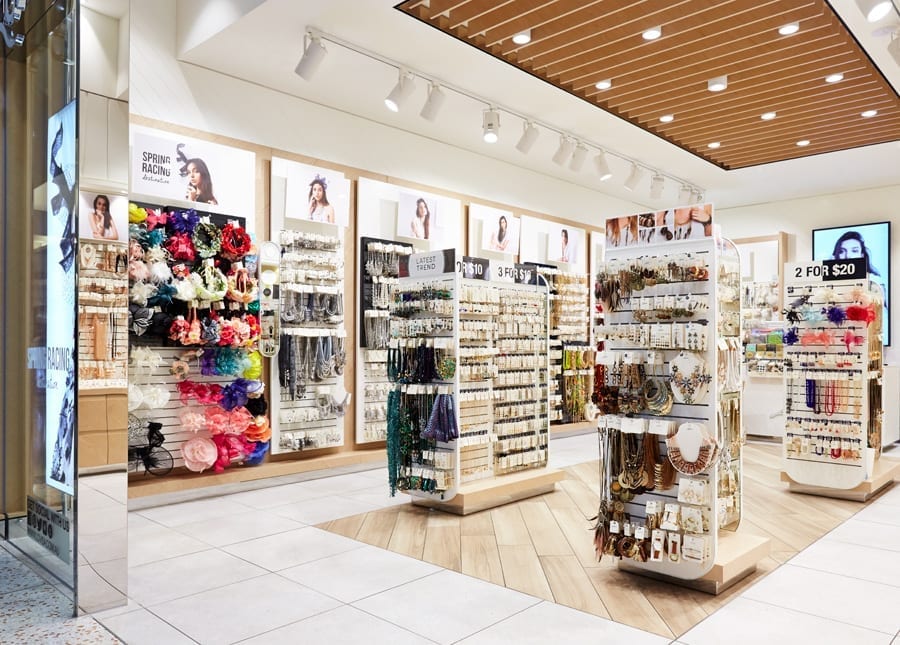
    Australian fast-fashion jewellery retailer Lovisa increased net profit after tax by 10.7 per cent to $95.6 million for the 2026 financial year.

    Total revenue rose 17.6 per cent to $938.8 million, supported by 160 store openings and a 2 per cent rise in global comparable store sales. Gross margin widened by 60 basis points to 82.6 per cent, helped by lower sourcing costs and tighter promotional spending, while earnings before interest, tax, depreciation and amortisation grew 20.9 per cent.

    Offshore sales outpace domestic trade

    Western markets delivered the bulk of the growth. Sales in the Americas rose 29.6 per cent, while European revenue increased 29.5 per cent over the twelve-month period.

    The company accelerated its physical expansion by launching 160 locations and shuttering 43 underperforming sites. That netted 117 additions and lifted the total footprint to 1,136 stores across more than 50 markets. Lovisa relies on small-format stores with low fitout costs to enter new territories quickly, a model that allows it to exit unprofitable leases without heavy capital losses.

    Early momentum in the new financial year

    Trading in early fiscal 2027 maintained that pace. Total sales climbed 16.4 per cent over the first eight weeks of the new financial year, with comparable store sales up 3 per cent and momentum accelerating through August.

    Management plans to add further physical and digital stores across both established and new territories. Investors will track whether store opening targets hold as the group rolls into additional franchise and company-owned markets in the first half.

  • Viva Energy Convenience Earnings Jump 86% in First Half

    Viva Energy Convenience Earnings Jump 86% in First Half

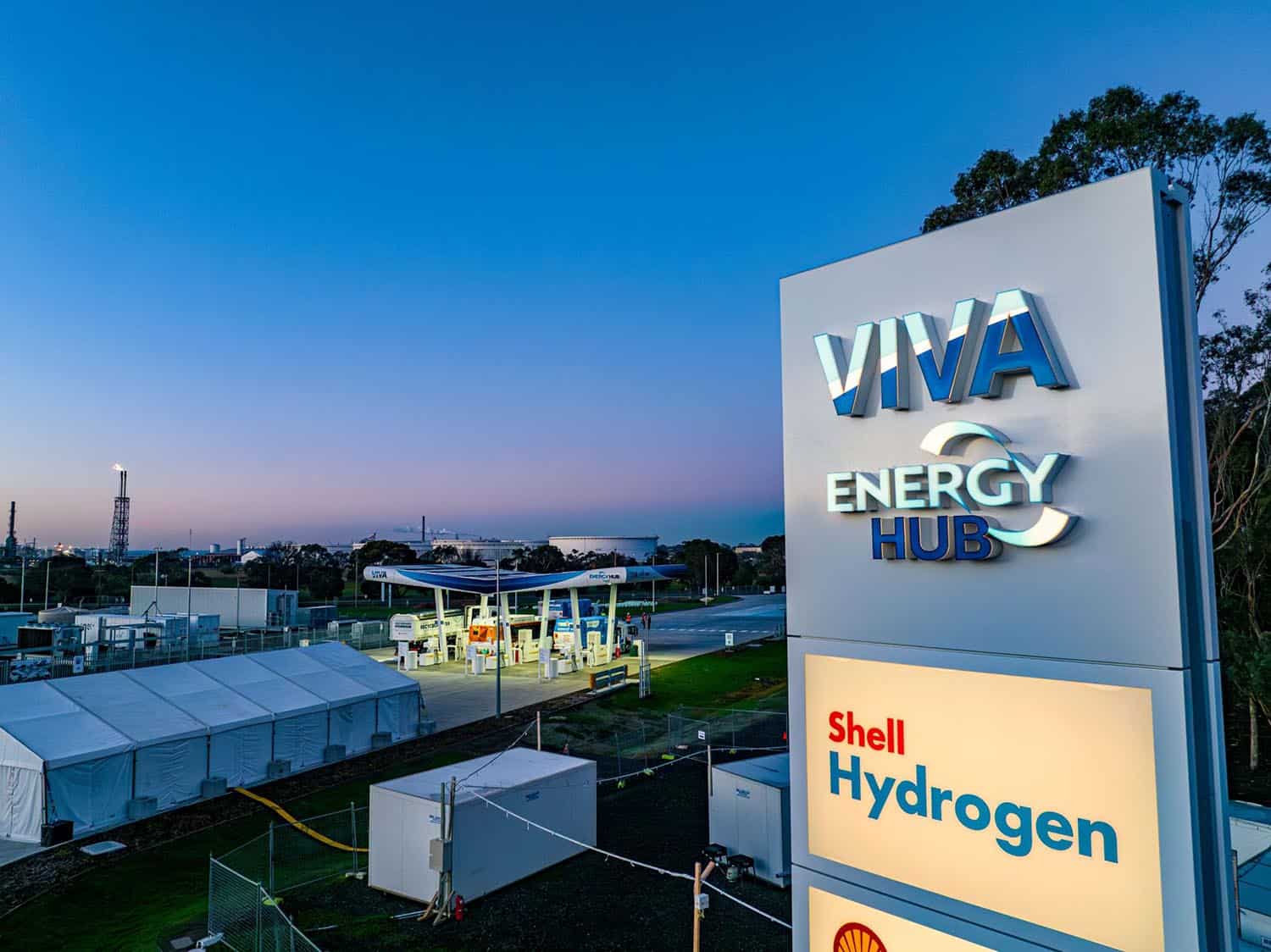
    Viva Energy lifted adjusted EBITDA in its convenience and mobility division by 86.4 per cent to $774.4 million in the first half ending June 30.

    The convenience and mobility arm contributed $138.7 million to underlying group earnings, supported by higher retail fuel margins and stronger customer footfall across its Australian service stations. Group EBITDA rose 154 per cent to $774.4 million, landing inside the company’s previously stated guidance range.

    Liberty Integration Adds Volume

    Acquisition volume drove a substantial share of the division’s gains. Viva Energy integrated the Liberty Convenience network in March, adding retail fuel throughput and boosting non-fuel convenience sales across company-operated sites.

    The group’s performance mirrors a broader trend across Asia-Pacific fuel retailing, where operators such as rival Ampol are pivoting heavily toward convenience store merchandising to offset volatile refining margins. Forecourt retailers across the region are redesigning site formats to capture higher-margin grocery and ready-to-eat food sales from commuter traffic.

    Network Optimization Continues

    Management continues to roll out convenience upgrades across the company’s retail footprint. The operational focus shifts to second-half store conversion targets and margin retention across the integrated Liberty and Shell-branded network.

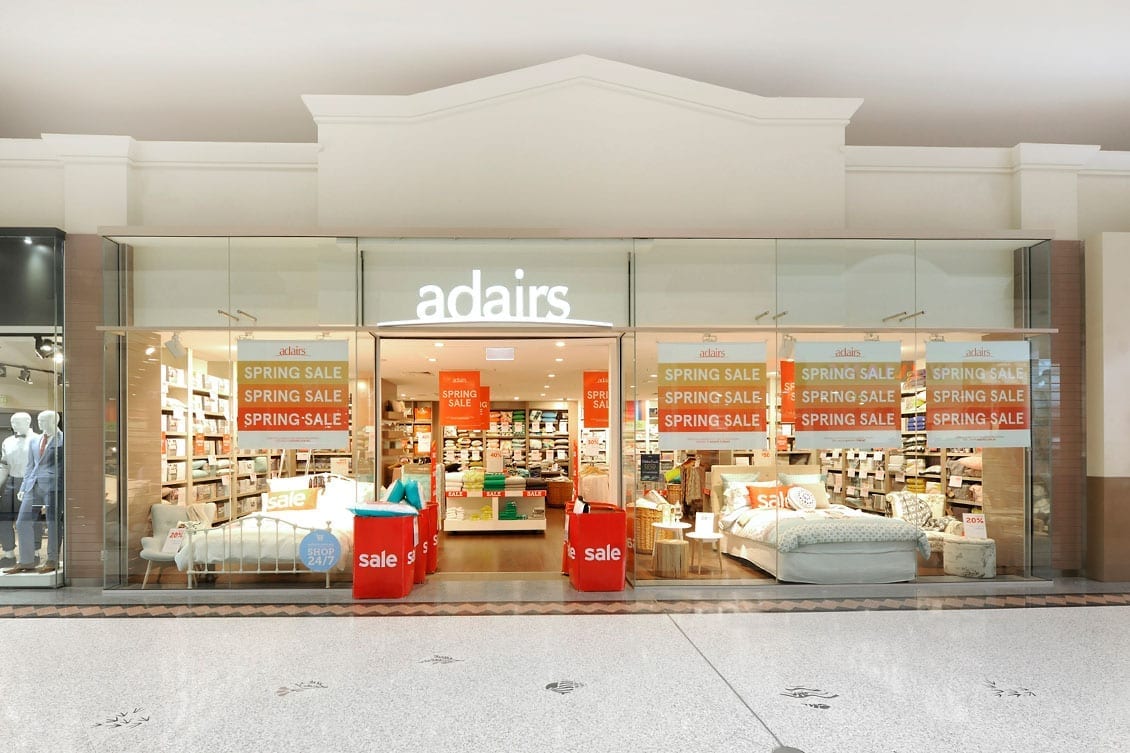
  • Adairs Lifts FY26 Revenue to $641.7 Million Despite Furniture Slump

    Adairs Lifts FY26 Revenue to $641.7 Million Despite Furniture Slump

    Adairs Limited lifted group revenue 3.8 per cent to $641.7 million in FY26 as solid sales at its core homewares brand and Mocka offset a furniture slump.

    Underlying net profit after tax rose to $34.6 million, though non-cash impairment charges dragged the Australian retailer to a statutory net loss of $39.4 million.

    The flagship Adairs banner drove the performance. Sales grew 3.9 per cent to $459.2 million, lifting underlying earnings before interest and tax 14.9 per cent to $41.1 million. Gross margin reached 60.9 per cent, while EBIT margin widened 90 basis points to 9 per cent.

    Mocka expanded at a faster clip. Revenue jumped 22.9 per cent to $71.2 million and underlying EBIT climbed 32.1 per cent to $10.1 million, supported by catalogue expansion and pricing adjustments. The brand also opened physical trial stores in June.

    Supply snags hit furniture earnings

    Focus on Furniture weighed on group returns. Sales dropped 5.6 per cent to $111.3 million and underlying EBIT plunged 67.6 per cent after a third-quarter leadership transition disrupted inventory purchasing, thinned showroom floor stock and stretched customer delivery timelines.

    The group installed a new divisional chief executive and restarted supplier ordering in April and May. Inbound stock shipments are scheduled to rebuild availability through the second quarter of FY27, with fresh furniture collections arriving from October.

    Store network plans and debt reduction

    Discretionary retailers across Australasia continue to grapple with uneven consumer sentiment by tightening supply chains and defending gross margins. Adairs countered the furniture drag by trimming net debt by $20 million to $47.6 million, funding a 9.5 per cent increase in full-year dividends to 11.5 cents per share.

    Network changes will remain selective in the year ahead. The group plans to open seven to 10 stores, refurbish four to six, and shut between two and five underperforming sites, while Focus on Furniture will focus on relocations rather than adding new stores before earnings recover across FY28.

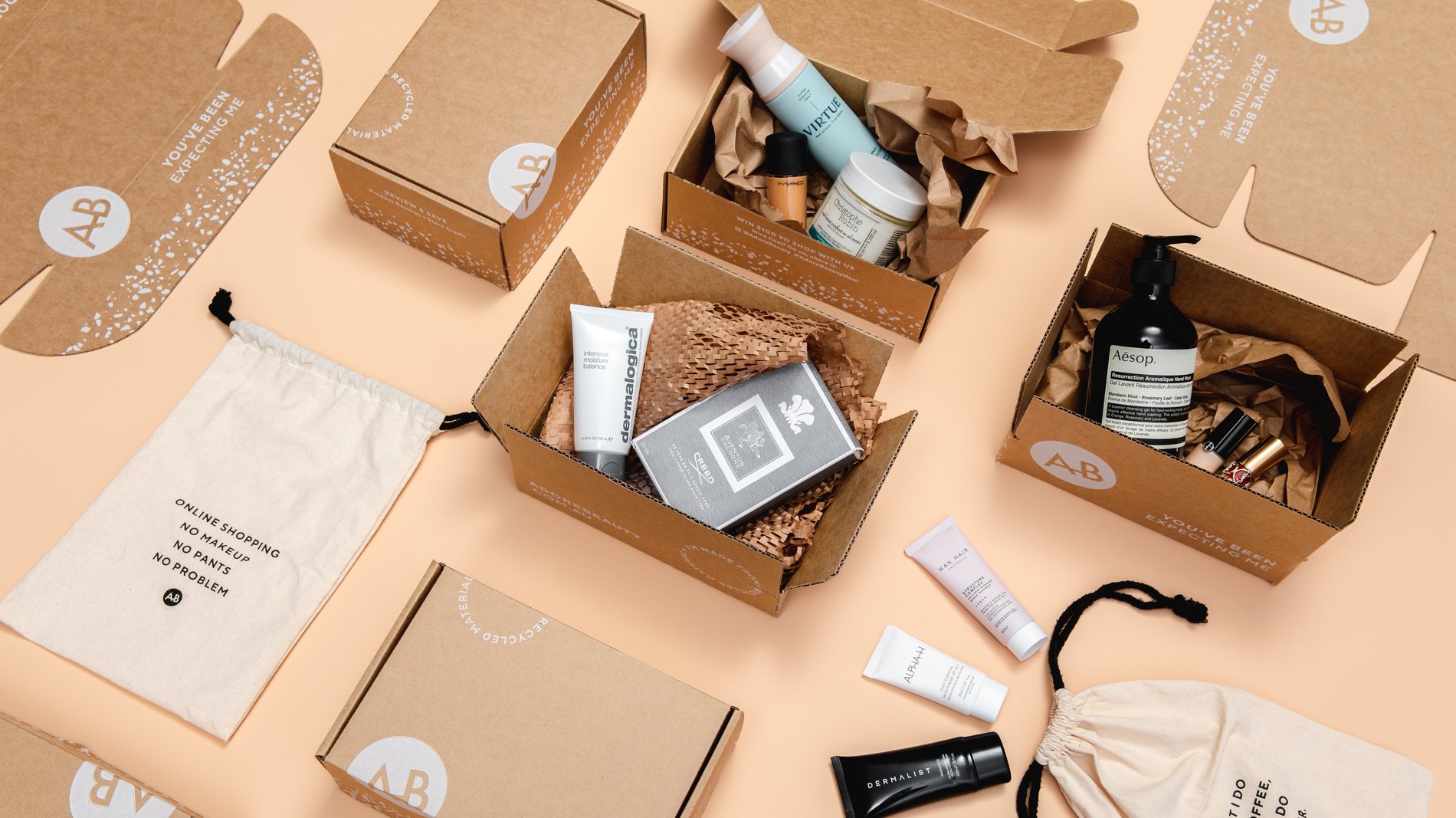
  • Adore Beauty Expands Physical Network to 20 Stores in Omnichannel Shift

    Adore Beauty Expands Physical Network to 20 Stores in Omnichannel Shift

    Adore Beauty opened 13 physical stores during fiscal 2026. The Melbourne online retailer now has 20 locations across Australia.

    This expansion more than doubled its brick-and-mortar footprint. The brand had operated primarily as a pureplay digital platform for 26 years.

    Store Rollout Across Two Banners

    Openings included 11 flagship Adore Beauty storefronts and two locations under the IKOU brand. Group management committed tens of millions of dollars during the year to fund retail leases, supply chain infrastructure and expanded warehouse capacity.

    Those physical storefronts trade alongside the digital platform. Customer retention efforts helped expand the Adore Rewards loyalty program to 538,000 active participants during the financial year.

    Shifting Channel Economics

    Pureplay online beauty retailers across the Asia-Pacific region face climbing digital customer acquisition costs. Physical networks give digital operators direct access to foot traffic and higher-margin basket sizes, mirroring omnichannel rollouts across regional markets.

    Another five physical stores are scheduled to open as the company builds out its national retail pipeline.

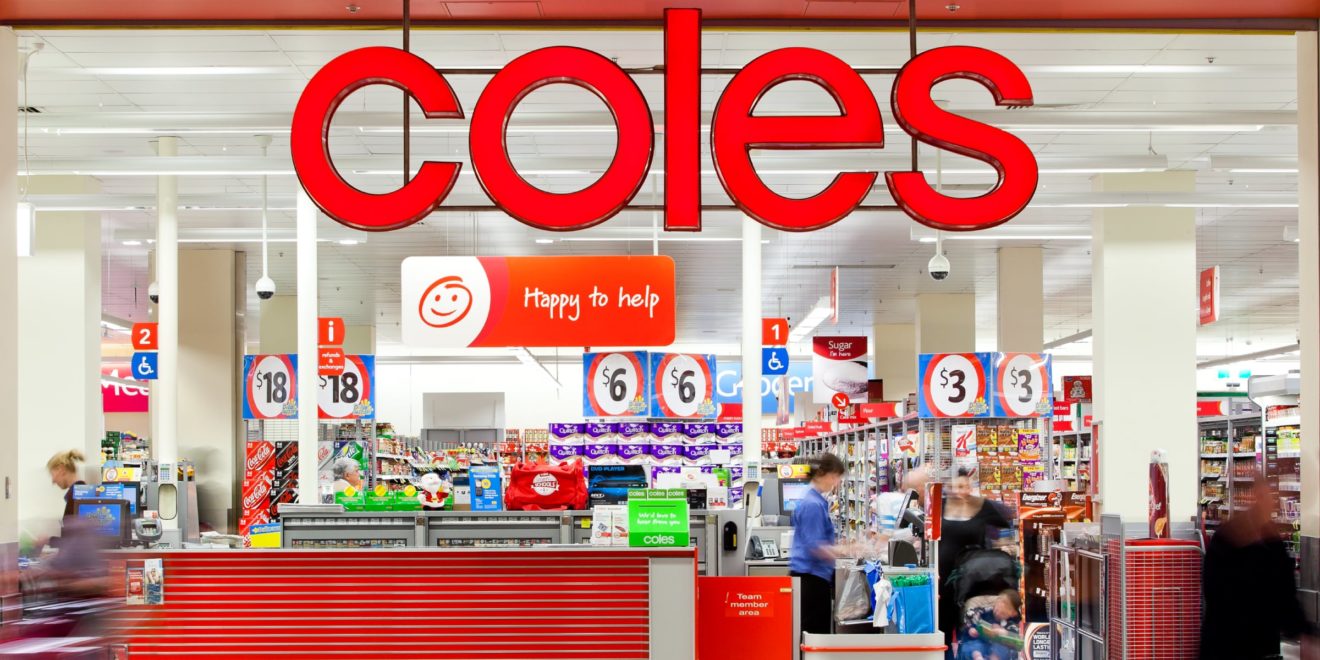
  • Coles Lifts Underlying Profit to $1.26 Billion as Supermarket Sales Surge

    Coles Lifts Underlying Profit to $1.26 Billion as Supermarket Sales Surge

    Coles Group lifted underlying annual profit 13.7 per cent to A$1.26 billion in Melbourne, powered by grocery volume and fast-expanding digital channels.

    Group sales revenue advanced 2.8 per cent to A$45.58 billion across the 2026 financial year. Reported net profit came in lower at A$1.09 billion after the grocer set aside A$235 million to cover remediation costs and penalties from a Federal Court staff underpayment judgment.

    Supermarkets drove the operating momentum. Core grocery revenue rose 3.7 per cent to A$41.47 billion, while division earnings before interest and tax increased 12.2 per cent to A$2.37 billion as the retailer took market share. Supermarket e-commerce sales jumped 26.4 per cent to A$5.6 billion, pushing the group’s automated customer fulfilment centres into positive earnings in their second full year of operation.

    Shoppers pinched by living costs continued to trade down to private labels and loyalty discounts while eating more meals at home. That grocery strength insulated Coles from regional retail headwinds, contrasting with discretionary Asian department store and hypermarket chains that continue to struggle against softer household demand.

    Liquor Slump and In-Store Shrink

    The liquor arm proved the main drag on the group balance sheet. Liquor sales slipped 3.3 per cent to A$3.55 billion, and division operating earnings plunged 47.8 per cent to A$59 million. Management responded with a multi-year restructuring plan that includes shutting standalone shops, co-locating bottle shops alongside supermarkets, and bundling food and beverage offerings.

    Security issues also weighed on store operations. Victoria recorded an 85 per cent surge in threatening incidents against staff over two years, pushing Coles to trial facial recognition systems, though management has not committed to a full network rollout.

    Restructuring Corporate Roles Under Accenture Deal

    Coles will cut hundreds of corporate jobs in the 2027 financial year as part of an expanded technology partnership with Accenture. The retailer plans to spend about A$190 million during the year on restructuring and redundancy costs to establish a dedicated capability centre.

    Store and customer-facing teams will remain exempt from the staff reductions, with the company offering reskilling pathways for affected corporate workers. Capital expenditure will increase in parallel, with Coles allocating an extra A$300 million across FY27 and FY28 to fund technology upgrades, store refurbishments, and 45 new supermarket openings.

  • Parent Hax Secures Coles Distribution for Rinse-Free Washcloth

    Parent Hax Secures Coles Distribution for Rinse-Free Washcloth

    Melbourne startup Parent Hax has secured national retail distribution with supermarket chain Coles for Top N Tail, its rinse-free washcloth priced at $15 for a 20-pack.

    The listing gives the young Australian brand immediate nationwide physical reach across one of the country’s two dominant grocery networks.

    Plant-based formulation targeting bath alternatives

    Top N Tail is formulated with plant-based cleansers, glycerin, aloe and chamomile. Unlike standard baby wipes designed for spot cleaning, the cloth is self-foaming and built for full-body cleansing without requiring water rinsing afterwards.

    Parent Hax engineered the item to bridge the gap between quick wet wipes and full tub baths, targeting parents seeking faster hygiene routines. The product cleans deeply enough to replace an evening wash while cutting down bath preparation and cleanup time.

    Supermarket baby care competition

    Supermarket baby aisles across Australia have traditionally belonged to multinational incumbents selling standard wet wipes and liquid soaps. Coles and rival Woolworths have steadily allocated shelf space to local independent brands offering premium or plant-derived formulations that command higher retail price points.

    Parent Hax enters this category at a per-unit premium compared to conventional baby wipes, betting that convenience and reduced water use justify the $15 shelf price. Initial sales performance across Coles stores will determine whether the startup can expand the range into additional personal care formats.

  • Kogan Group Gross Sales Pass $1 Billion as Core E-Commerce Offsets Mighty Ape Loss

    Kogan Group Gross Sales Pass $1 Billion as Core E-Commerce Offsets Mighty Ape Loss

    Kogan Group lifted annual gross sales past $1 billion in the year ended June 30, driven by double-digit expansion across its core Australian e-commerce platform.

    Group revenue rose 5 per cent to $510 million, while statutory net profit after tax reached $11.2 million. The result masked a sharp divergence between the company’s flagship Australian portal and its struggling New Zealand subsidiary.

    The main Kogan.com business expanded gross sales and revenue by 16 per cent during the period, delivering $16.3 million in net profit. Management credited internal automation and AI-driven processes with lowering operational expenses, freeing cash to reinvest in customer marketing while defending profit margins.

    Restructuring the New Zealand Arm

    Mighty Ape remained a drag on bottom-line earnings, posting a $5.1 million net loss. Gross sales at the Auckland-headquartered online retailer fell 14 per cent, while annual revenue dropped 30 per cent as the group dismantled unprofitable operations.

    To stem the losses, management halved inventory from $21 million to $10 million and shuttered its Christchurch fulfillment center. Those reductions lowered quarterly fixed operating costs from $4.9 million to $3.4 million, pushing Mighty Ape into positive adjusted EBITDA in the fourth quarter.

    Higher-margin digital services cushioned the hardware contraction. Paid subscriptions via Primate, marketplace commissions, and the Mighty Mobile telecommunications service all expanded their share of the subsidiary’s total top line.

    Marketplace Shift Across Australasia

    The split performance mirrors a broader transformation across Australasian e-commerce, where pure-play retailers have moved away from holding heavy direct inventory to rely on third-party marketplace commissions and automated logistics. RetailNews Asia has tracked similar inventory purges at competing digital platforms seeking to protect gross margins against stubborn freight and handling costs.

    Group management confirmed it will maintain strict capital discipline across both divisions entering fiscal 2027, with full-year performance hinging on whether Mighty Ape can convert its fourth-quarter operating stability into sustained annual profit.

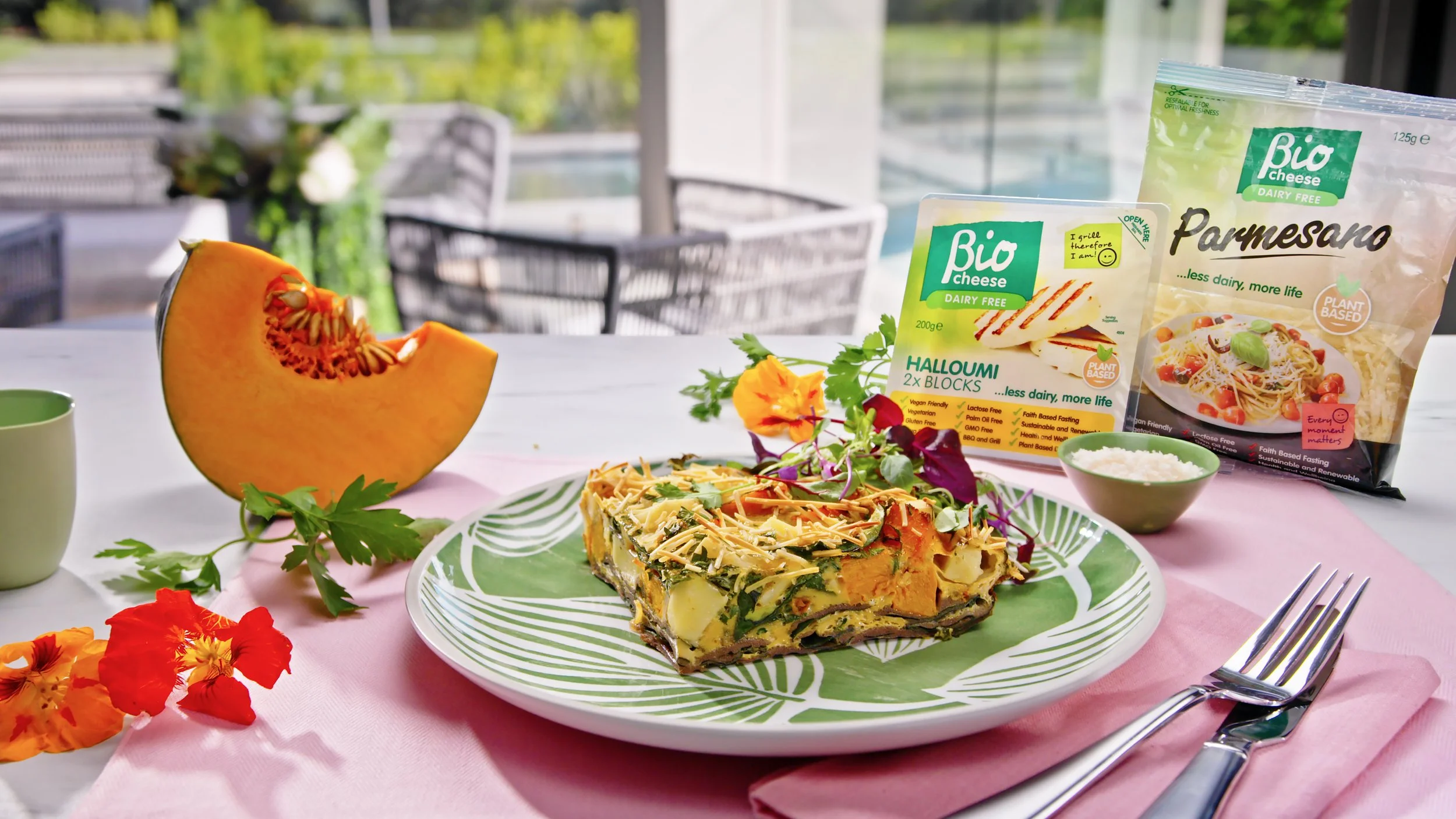
  • BioCheese Launches Protein-Fortified Vegan Cheddar at Coles for $9

    BioCheese Launches Protein-Fortified Vegan Cheddar at Coles for $9

    BioCheese has launched a protein-fortified plant-based cheddar shred across Australian supermarket chain Coles, priced at $9 for a 200-gram pack.

    The product delivers 10 grams of protein per 100 grams, making it the first added-protein dairy-free cheese stocked in Australian grocery aisles.

    Pea Protein and Melting Performance

    Formulated with pea protein, the shredded cheese is built specifically for hot and cold culinary applications. The brand designed the shred to melt in toasties and baked dishes while holding texture in tacos and salads.

    Each unit ships in a resealable 200-gram pouch intended for standard refrigerated dairy and plant-based sections across Coles supermarkets nationally.

    Protein Claims in Plant Dairy

    Plant-based cheese alternatives have historically faced pushback from shoppers over low nutritional value compared to traditional dairy cheddar. While standard dairy cheese provides around 25 grams of protein per 100 grams, standard coconut oil and starch-based alternatives often register near zero.

    By adding 10 grams of functional plant protein, BioCheese is testing whether enhanced nutritional metrics can defend premium shelf space as price-conscious shoppers scrutinise grocery spending across the Asia-Pacific region.

    Distribution is now live across Coles stores, with retail buyers watching whether the $9 price point can sustain regular basket repeat rates against traditional dairy blocks.

  • Adore Beauty Hits Record Sales of $207 Million as Store Costs Cut Profit

    Adore Beauty Hits Record Sales of $207 Million as Store Costs Cut Profit

    Adore Beauty lifted full-year revenue 4.3 per cent to a record $207.3 million for the 12 months ended June 30, but heavy physical expansion cut underlying earnings by more than half.

    Underlying EBITDA fell to $3.8 million from $8.1 million a year earlier. Physical stores contributed $18.6 million to total revenue, while gross margin declined 52 basis points to 34.8 per cent.

    The Cost of Opening 13 Stores

    The Australian retailer added 13 locations during the financial year, comprising 11 Adore Beauty outlets and two Ikou shops. That took its national footprint to 20 doors after years of operating as a pure-play digital platform. New customer numbers climbed 14 per cent over the period.

    Alongside lease and fitout costs for an immature store network, the company funded a new national distribution centre, an enterprise resource planning software overhaul, and broader technology upgrades. Weak consumer sentiment in the fourth quarter added further pressure on margins.

    Adore Beauty expects store drag to ease as locations mature over an 18 to 24 month cycle. Pure-play e-commerce operators across the Asia-Pacific region have faced similar margin friction when transitioning into physical storefronts, trading immediate cash flow against long-term customer acquisition.

    Targets for the New Fiscal Year

    Chief executive Sacha Laing said the group has completed its core infrastructure overhaul on budget and on schedule, positioning the business for operational use.

    “The foundations to support our scaling omnichannel operations are now in place,” Laing said.

    Management has set an underlying EBITDA target of $9 million to $13 million for FY27, predicated on top-line revenue expanding by at least 10 per cent.

  • Australia CBD Retail Vacancy Rises to 10.8% on Melbourne Supply Wave

    Australia CBD Retail Vacancy Rises to 10.8% on Melbourne Supply Wave

    Australia’s central business district retail vacancy rate rose 40 basis points to 10.8 per cent in the first half of 2026 as fresh retail completions in Melbourne added new space.

    A survey of 5,669 retail tenancies across five state capitals by real estate services firm CBRE showed that shop vacancies declined in four of the five cities, leaving Melbourne as the lone driver of the national increase. Melbourne’s CBD vacancy rate climbed 160 basis points to 8.1 per cent following the launch of two retail centres. Sydney held the tightest retail core in the country, with vacancy standing at 5.3 per cent.

    State Capital Breakdown

    Adelaide posted the sharpest improvement among metropolitan centres, where retail vacancy dropped 130 basis points to 10.4 per cent. Brisbane recorded an 80-basis-point decline to 16.7 per cent, while Perth edged down 10 basis points to 18.5 per cent.

    Physical retail space in Australian city centres remains structurally tight over the long term. CBD retail stock accounted for just 4.2 per cent of total new retail supply built across the country over the past decade, limiting the risk of prolonged oversupply even as consumer budgets tighten.

    Luxury and Experiential Demand

    Foot traffic gains from returning office workers, inbound tourists, and major events have kept cash registers moving in primary shopping strips. Luxury brands and premium apparel retailers continue to take prime floor space in Sydney and Melbourne, competing directly against dining and wellness concepts that landlords rely on to anchor footfall.

    For retail property operators across the Asia-Pacific region, Australia’s low single-digit prime core vacancies mirror similar supply squeezes in Tokyo and Singapore. Landlords in secondary locations, however, face longer leasing cycles as retail groups focus their capital expenditure almost exclusively on high-traffic street corners and flagship malls.

    Leasing agents now turn their attention to absorption rates in Melbourne’s two newest downtown complexes over the second half of 2026, which will determine whether the city’s vacancy rate stabilizes before next year’s development pipeline delivers.

  • DC Coffee Unveils New Fuel Your Creativity Range, Exclusively at Woolworths

    DC Coffee Unveils New Fuel Your Creativity Range, Exclusively at Woolworths

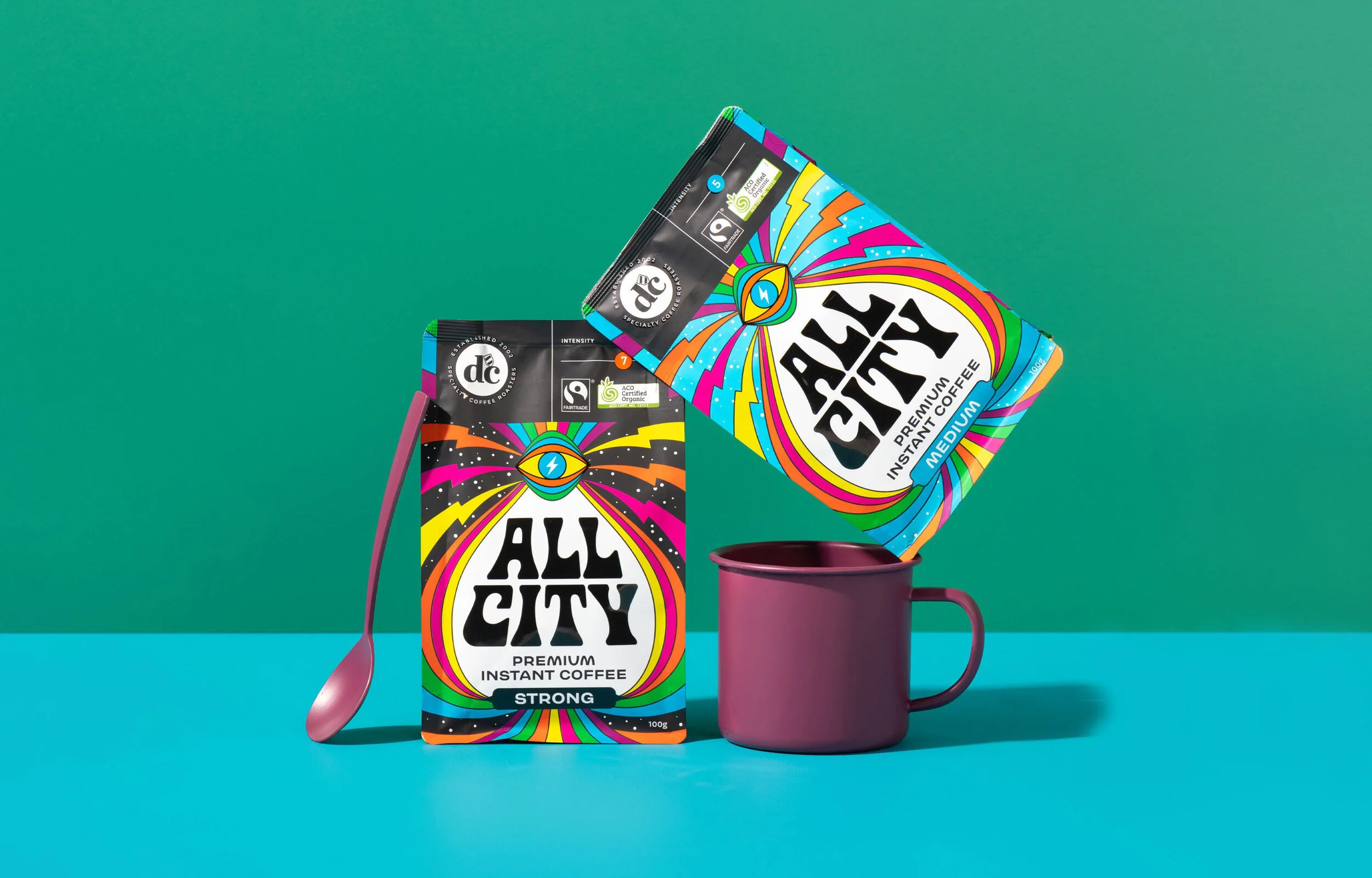
    DC Coffee, a specialty coffee roaster based in Melbourne, has broadened its unique range of offerings at Woolworths by introducing a new 600g variety under the ‘Fuel Your Creativity’ line.

    DC Coffee’s Growth and Expansion

    Established in 2004, DC Coffee had an impressive reach of over 200 wholesale cafe clients across the country by 2016. The brand’s exclusive move into Woolworths in the previous year was a significant landmark in its retail growth journey. This move allowed the coffee brand to bring its signature blends and distinctive packaging to regular supermarket shoppers in Australia.

    The latest addition to its collection, a 600g range priced at $23, enhances DC Coffee’s existing portfolio. This expansion portrays the brand as an easily accessible specialty coffee provider, reinforcing its sustained investment and commitment to the grocery channel.

    Supporting Campaign and Refreshed Brand Identity

    To augment the retail introduction, DC Coffee has launched its inaugural integrated campaign, bringing its ‘Fuel Your Creativity’ platform to life. This initiative aims to redefine coffee and applaud those who use it as a source of inspiration and motivation, interpreting and acting on it in their unique ways.

    In collaboration with the creative agency Hellions, the campaign will be implemented nationally across various channels such as BVOD, YouTube, out-of-home, paid and organic social, e-commerce, and emails.

    Commenting on the campaign, Trevor Simmons, CEO of DC Coffee, said that DC Coffee is the most dynamic and engaging coffee brand present today. The campaign perfectly encapsulates the brand’s unique, irreverent post-specialty attitude.

    The brand enhancement also includes an updated packaging design aimed at enhancing shelf impact and fortifying brand recognition. The new packaging continues to feature the brand’s artist-led creative direction across various elements like typography, illustration, colour, photography, and motion.

    “DC Coffee is synonymous with awesome coffee, unique packaging, and incredible value. It’s all about fuel and energy,” added Simmons.

    Questions & Answers

    What is DC Coffee’s new initiative ‘Fuel Your Creativity’ about?
    DC Coffee’s ‘Fuel Your Creativity’ is an integrated campaign aimed at redefining the perception of coffee. It celebrates individuals who use coffee as a source of inspiration and motivation to interpret and act uniquely.

    How will the new ‘Fuel Your Creativity’ campaign be implemented?
    In collaboration with the creative agency Hellions, the ‘Fuel Your Creativity’ campaign will be implemented nationally across various channels, including BVOD, YouTube, out-of-home, paid and organic social, e-commerce, and emails.

    How does the new packaging design impact DC Coffee’s brand?
    The updated packaging design, featuring various elements like typography, illustration, colour, photography, and motion, is aimed at enhancing shelf impact and strengthening brand recognition.