Tag: Melbourne

  • Coles trialling BYO container scheme in Melbourne this week

    Coles trialling BYO container scheme in Melbourne this week

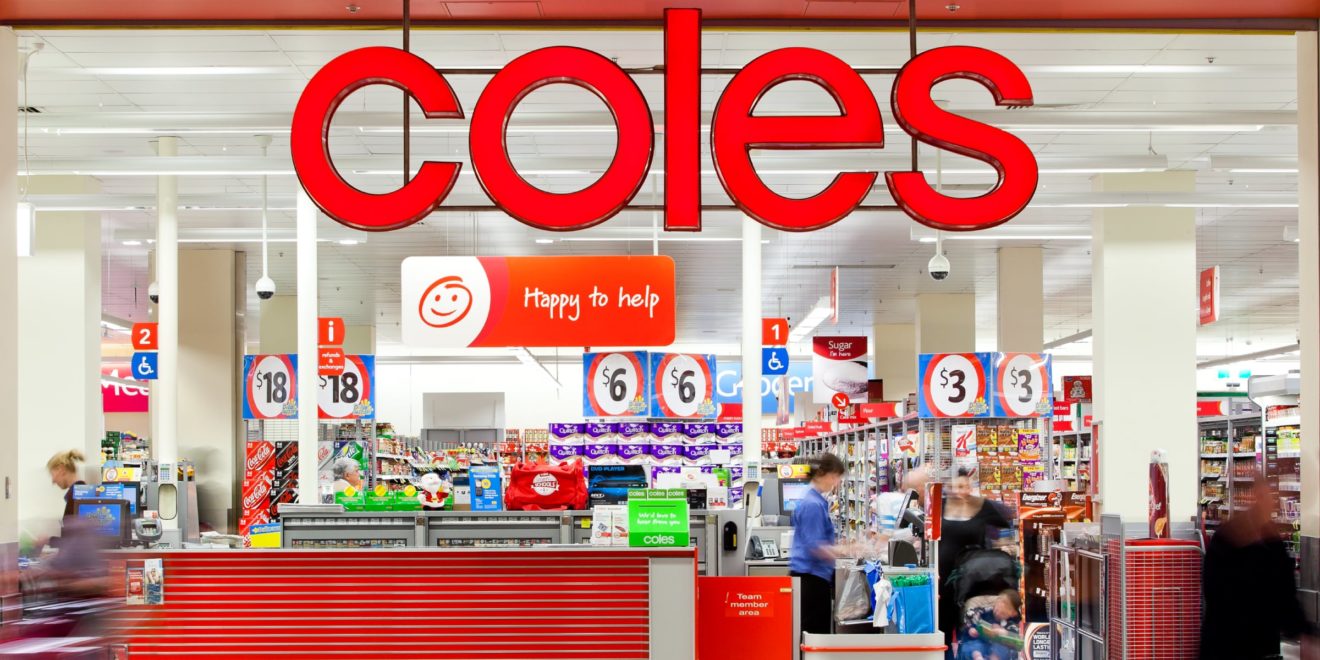
    This week Coles Group is looking to trial a bring-your-own container scheme at its supermarket in Fitzroy, Melbourne, which will allow customers to fill up on shampoo, coffee, and soaps in a more environmentally sound way.

    The announcement, which will see customers able to use their own containers for select ‘scoop and weigh’ products, came ahead of June 4th’s World Environment Day.

    “To achieve our goal of being Australia’s most trusted retailer and creating long-term shareholder value, you can’t do that if you’re not going to be sustainable,” Coles’ chief sustainability, property and export officer Thinnus Keeve said.

    “We’re under no illusions we’ll need to work together to achieve some of these targets, we cannot do it ourselves.”

    And, according to Keeve, the trial is part of its larger push to reduce the number of plastics it uses company-wide – which saw the company sign on as a founding member of Australia, New Zealand and Pacific Islands Plastic Pact, and investigating the benefits of a local plastics recycling facility in Victoria.

    The facility could recycle old soft plastics into oils that can be used to produce new soft plastics.

    “We are committed to innovating when it comes to packaging so that where we can’t eliminate packaging and plastic, we are ensuring it’s contributing to the circular economy by being produced with recycled content where possible, as well as being recyclable,” Keeve said.

  • Construction starts on Amazon Australia HQ in downtown Melbourne

    Construction starts on Amazon Australia HQ in downtown Melbourne

    Property company Charter Hall Group has begun the construction of the $1.5 billion 555 Collins Street precinct which will house online retailing giant Amazon’s new headquarters in Melbourne.

    Stage 1 of construction, scheduled for completion by early 2023, is worth $750 million and comprises a 48,000sqm premium office tower. A second office tower of 32,000sqm will include premium food and beverage retailers as well as a health and wellbeing hub.

    The company held the groundbreaking ceremony yesterday, attended by Victorian treasurer Tim Pallas, lord mayor Sally Capp, Amazon Web Services MD, ANZ, Adam Beavis, Charter Hall MD and group CEO David Harrison, Charter Hall Office CEO Carmel Hourigan and construction partner Lendlease GM Victoria Bill Alexandrakis.

    “Melbourne has a rich community of innovators, and we are looking forward to bringing Amazon’s growing local workforce to 555 Collins Street so we can continue to invent and innovate on behalf of customers across our Amazon and AWS businesses in Australia,” said Beavis.

    “555 Collins comes with a 6 Star Green rating and is constructed under a carbon neutral framework, which will contribute to helping us reach our goal of net zero carbon emissions by 2040.”

    Lord mayor Capp said the construction will provide 1500 jobs for Victorians. The city’s economy is recovering and the new project “will be a catalyst for further investment” in the CBD.

    “This is significant for Melbourne and incredible news for jobs and our highly skilled workforce – this investment will contribute billions of dollars to the Victorian tech economy in the next 10 years and cement our position as the home of innovation in the nation,” said Pallas.

    Charter Hall worked with architectural company COX Architecture and Gensler.

  • CBD spending recovery underway, says CommBank

    CBD spending recovery underway, says CommBank

    Consumer spending across Australia’s central business districts has grown 22.4 percent in the last six months, with workers slowly returning to workplaces following the easing of Covid-19 restrictions.

    According to data from Commonwealth Bank, Gen X and older millennials aged between 35-49 led this spending increase across most CBDs, though Sydney and Melbourne saw spending growth mainly from younger millennials.

    This spending, recorded between September 2020 and February 2021, is compared to March to August 2020 – a period when most CBDs were effectively ghost towns due to the stay-at-home orders issued across the country.

    “We’re encouraged to see spending in our CBDs on the up, and we hope to see this trend continue as more people start coming back into city centers more regularly,” said Commonwealth Bank executive general manager of small business Claire Roberts.

    “Small businesses in CBD areas have had it really tough over the past year but we’re seeing encouraging signs of recovery.”

    The growth wasn’t even across the country’s cities, however. Perth led the way, with spending up 33.7 percent, while Sydney sat in the middle of the pack at 21.5 percent. Melbourne, still yet to recover from the longest lockdown period across the country, recorded just 2.36 percent growth.

    And while this growth is likely to welcome, the fact it is rising off an effective nil base means CBD retailers are not exactly out of the woods.

    “Our CBDs are not the thriving places they once were pre-Covid, and we need innovative ways to get people back supporting these hard-hit businesses,” said ARA chief executive Paul Zahra last month, when welcoming the City of Sydney’s hotel voucher scheme.

    “The office occupancy rate in the Sydney CBD is less than 50 percent. It means there aren’t as many people doing the things they would be normally, like grabbing a coffee from a nearby cafe, shopping during their lunch break, or having dinner and drinks in the city after work.”

  • David Jones opens first food store in Melbourne

    David Jones opens first food store in Melbourne

    David Jones has opened its first standalone food store in Melbourne in a bid to lock down Australia’s gourmet grocery market and take share off the country’s leading supermarkets, Coles and Woolworths, by offering fresher and, it argues, tastier prepared food.

    The 425sqm store, located on the ground level of Capitol Grand, a high-end residential and retail development on Chapel Street in South Yarra, stocks a large range of prepared meals, including a newly launched vegan range, alongside meat, eggs, dairy, fresh produce and other groceries and pantry staples, such as pasta, olive oil, tea and biscuits.

    Roughly 60 per cent of items in the store are private label, most of which were developed exclusively for David Jones by Inspired Foods, the Australian arm of Interfood, South Africa’s leading food supplier.

    According to Pieter de Wet, David Jones’ managing director of food, this partnership gives the retailer a competitive edge in Australia’s $110 billion grocery market, which increasingly is shifting towards fresh and prepared food.

    “Because of the long distances and supply chain issues in Australia, when [supermarkets] go into fresh, and I’m talking particularly about convenience and fresh meals, shelf life becomes a big issue,” de Wet told Inside Retail Australia.

    “You’ll find products deemed fresh have a shelf-life of 30 days, and then there’s no flavour, quality goes out the window.”

    In comparison, most of David Jones’ prepared meals have a shelf life of four to five days, he said. This is because Inspire Foods has developed different processes to prepare food without preservatives.

    “The IP we created over decades of working with our suppliers is what delivers those products, and over time, that’s what we see as a big opportunity that will differentiate us,” he said.

    De Wet declined to say how many standalone food stores David Jones will open, but said the retailer aims to be the only national player in Australia’s underdeveloped gourmet grocery market.

    “If you look at other markets, there are one or two retailers occupying the top end of the market,” he said, pointing to M&S and Waitrose in the UK and Whole Foods in the US.

    “In Australia, it’s a little bit different. It’s almost occupied by food service. You’ve got a couple independents, but nobody is doing it at scale and cohesively. There’s an opportunity there,” he said.

    Gary Mortimer, an associate professor at Queensland University of Technology’s business school, agrees that the top end of the market is “ripe for exploitation”.

    “Such a strategy has proved successful in cushioning several international supermarkets from increased price discounting,” he said.

    But it is not without risks. Woolworths closed down its gourmet grocer business Thomas Dux in 2017, and Brisbane-based Mercado slipped into voluntary administration in May.

    “The key challenge is volume and selecting the right locations,” Mortimer said.

    The store in South Yarra marks David Jones’ third food format since it announced its $100 million food strategy in 2017.

    The retailer over the past two years has opened food halls in its department stores in Sydney, Melbourne, Adelaide and Perth, where customers can dine on sushi and oysters and purchase gourmet food products between shopping for clothes and homewares, and in August, it announced a partnership with BP to offer fresh food and prepared meals in its service stations.

    The new store occupies a middle territory between these two formats. In addition to its grocery offer, it also features an in-house espresso bar and a pop-up shop from The Plant Society, where customers can buy freshly cut flowers, potted plants and accessories.

    Going forward, de Wet said the retailer will expand its food offer primarily through its partnership with BP and standalone stores like the one in South Yarra, rather than food halls.

    “BP have got a massive network, the opportunity there is very big. If you look at M&S, they’ve got 400 BP stores in their network, there’s a real opportunity there for us,” he said.

    “How big this could become over time…time will tell.”

    David Jones is set to open its second store in New Zealand next month at Westfield’s newly opened Newmarket shopping centre. The location will reportedly include a food offer.

  • Chinese discount merchandise chain Miniso plans 100 stores in Australia

    Chinese discount merchandise chain Miniso plans 100 stores in Australia

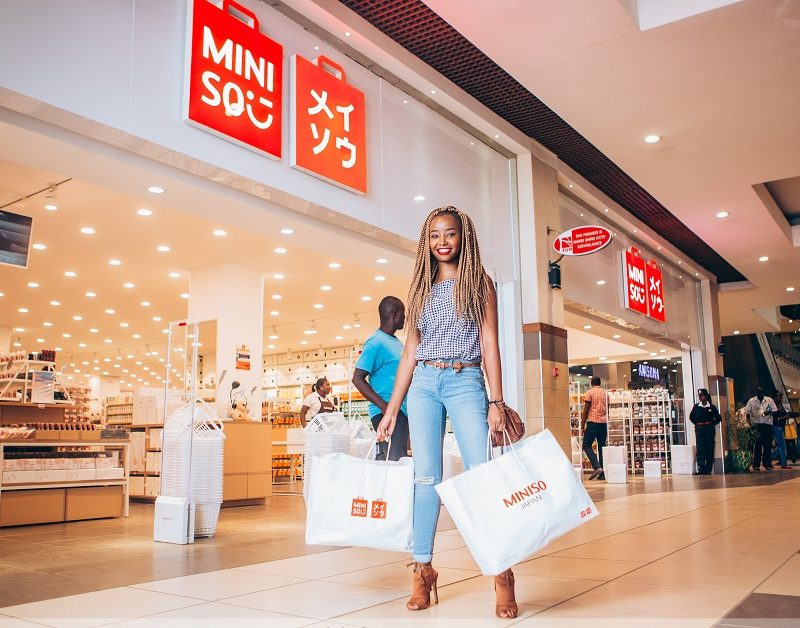
    Chinese discount merchandise chain Miniso says it expects to have 100 stores trading in Australia by the end of next year.

    “Australia is a key country in the world for the rapid expansion of Miniso,” said Miniso Australia VP Richard Li.

    “Our chain of stores opened in Australia include outlets in some of the country’s top shopping centers, including Chadstone in Melbourne and Westfield Parramatta, with a further 68 openings planned over the next 15 months.”

    So far the company has 32 stores trading Down Under. It recently reached the 100-market milestone in its global rollout program. It has 3869 stores open worldwide, and last year posted turnover of US$2.5 billion.

    Miniso has just launched a range of up to 600 lines of Marvel merchandise.

  • Animal rights activists condemn Taylor Swift for accepting Melbourne Cup offer

    Animal rights activists condemn Taylor Swift for accepting Melbourne Cup offer

    Multiple Animal rights activists have flooded Taylor Swift’s social media channels asking her to refuse the offer that she just accepted from the Melbourne Horse Racing Cup 2019.

    According to a Guardian report, animal activist coalitions are starting campaigns all over websites such as Facebook, Instagram, and Twitter imploring the famous American singer to “not entertain horse killers”.

    According to the activists, racing tournaments kill hundreds if not thousands of horses almost on a yearly basis, due to the terrible conditions and inhuman treatment.

    The organizers of the Melbourne Cup have yet to respond to these kinds of claims, as the mistreatment of horses has never been discussed before.

    One comment that we can base the condition of the cup on is from the chief executive of the Victoria Club himself, Neil Wilson.

    Wilson expresses his gratitude and excitement about Swift’s performance during the race and hopes they can captivate her with the entertainment they’ve been offering to the public for decades.

    What else do the activists protest?

    Further allegations from the animal rights activists mention the use of animals’ lives as profit from gambling activities within the country.

    Aside from regular casino games and sports betting, horse racing bets are some of the most popular forms of gambling in Australia and have been for more than a century.

    Mick Arnold, a betting options provider for some of the best Australian VIP casinos has commented:

    “I don’t understand where the accusations of the animal rights activists are coming from.

    Every single horse breeder and the professionals themselves take extremely good care of their animals.

    And why wouldn’t they? An unhealthy horse isn’t in a shape to win the race, so why would they use it for the sport?

    I believe that animal rights activists are basing their accusations on emotions rather than facts. Every horse that takes part in these races is treated humanely and with great care.”

    It is unlikely for Arnold’s comments to be taken well by the animal rights activists, as he represents the companies these people are actually protesting.

    But when it comes to Taylor Swift herself, it needs to be noted that the “#NupToTheCup” is still relatively new, and she may not have had the chance to notice it on some of her channels.

    Whether or not she refuses the concert is yet to be seen, but considering how well her initiative was received by the executive director, it is unlikely to be the case.

  • 7-Eleven opens Cassier free Checkout in Australia

    7-Eleven opens Cassier free Checkout in Australia

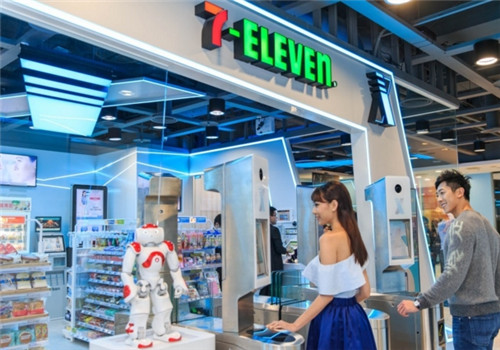
    7-Eleven Australia has removed the physical checkout from the store at its head office in Melbourne. Now, customers there can pay only via mobile app.

    Located in Melbourne’s inner suburb of Richmond, the store provides a more enjoyable and convenient shopping experience, 7-Eleven said, with more space and no queues.

    “Nobody likes to wait, so eliminating queues was part of the mission for this mobile checkout,” Angus McKay, 7-Eleven’s CEO, said in a statement about the new store concept.

    “The store feels more spacious and customers avoid being funneled to a checkout location creating a frictionless in-store experience,” he said.

    Instead of bringing their items to a cashier at the front of the store, customers simply scan the barcode of items they want to purchase with a specially designed app, pay with a card on file and walk out.

    Staff are free to focus on greeting and assisting customers and delivering 7-Eleven’s growing food offer, the retailer said.

    7-Eleven has been working on the cashless and cardless store concept for the past 12 months, thinking through the customer and staff experience and building the app. It recently trialed the concept alongside traditional payment methods in another store on Exhibition Street in Melbourne’s CBD.

    That trial, which concluded on Monday, revealed some areas that needed improvement. For instance, staff wanted better visibility about which customers in the store were shopping via app, and which ones weren’t.

    But Stephen Eyears, 7-Eleven’s head of strategy, innovation and business development, said this shouldn’t be a problem, since 7-Eleven offers a companion app for store staff, so they can see which customers in the store have opened the scan-and-pay app on their phones.

    Customers also have to upload a selfie to use the app, so staff can identify them. This way, staff can be certain that customers have paid before they simply walk out of the store with items in their hands.

    Other checkout-free stores, such as Amazon Go, avoid this scenario altogether by identifying the items customers pick up off the shelf via cameras and sensors and adding it to their digital cart automatically.

    Eyears said 7-Eleven will continue to tweak the concept based on learnings from the Richmond store trial, though there currently is no specific time-frame on the trial or firm plans to expand the concept to other stores.

    “We’re just starting to think about what else we need to learn operationally, and what else we could do to enhance the CX. There could be further tweaks down the track,” Eyears said.

    “It’s not something we want to rush, we want to get it right,” he said.

    If 7-Eleven does roll out the concept to more stores, Eyears expects it would be in addition to traditional payment methods, rather than the only way to pay, as it currently is in the Richmond store.

    Certain cities in the US have now outlawed stores that are completely cash- and card-free, saying they discriminate against consumers who don’t have a smartphone or online account with the retailers that operate them.

    Amazon has confirmed to US media outlets that it will start accepting cash at its checkout-free Amazon Go stores.

    7-Eleven is the latest retailer to trial checkout-free stores since Amazon Go debuted in the US in December 2016, sparking a conversation about the future of convenience retail.

    Woolworths has also trialed a scan-and-pay app in stores in NSW.

  • Luxury retail brands heading for Melbourne

    Luxury retail brands heading for Melbourne

    Collins Street celebrates its rich blend of global brands, local creatives and diverse business cooperatives, embracing its prestige as Australia’s landmark address. Boasting an unrivalled combination of luxury retail, premium accommodation, world-class dining, top entertainment and major business headquarters, Collins Street is the epicentre of Melbourne’s inspirational lifestyle.

    Collins Street is the heart of retail, hospitality and business past and present, in Australia. Situated in the world’s most liveable city, the people behind the brands and businesses that reside on Collins Street add undeniable soul to the City of Melbourne and all it has to offer. Collins Street is Australia’s premier destination.

    The rush of international luxury brands seeking a bricks-and-mortar presence on the east coast is showing no sign of slowing down in 2019.


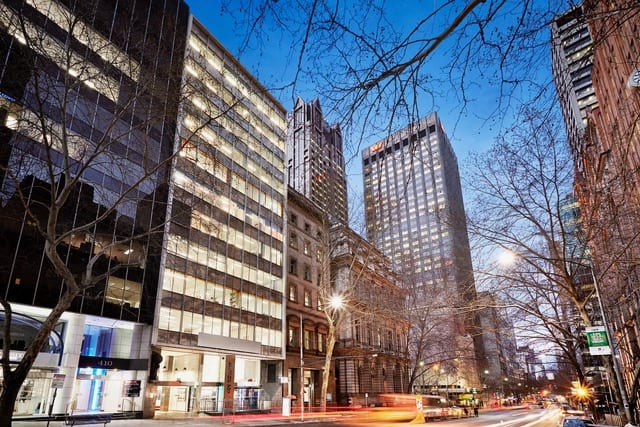
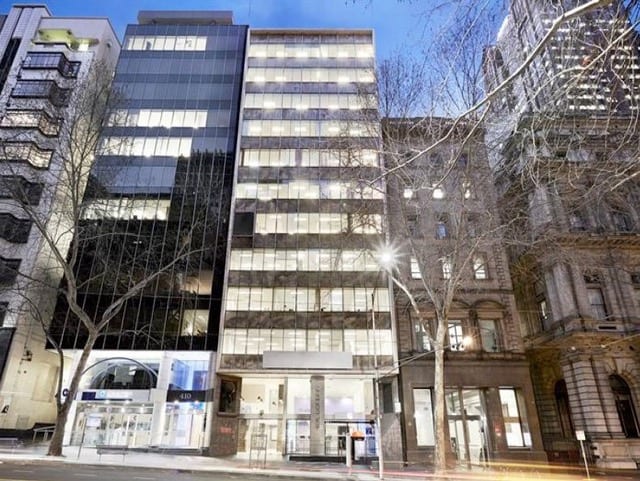
    406 Collins Street, Melbourne is lather latest opportunity located within the heart of the Melbourne central business district. Almost 300m2 on the ground floor of this refurbished office building, the property is located opposite the soon to be completed W Hotel Melbourne.

    For further details, contact Joel Wald +61 412 352 252 / joel.wald@mmj.com.au

  • Apple’s Melbourne flagship Delay Due to Cultural Reasons

    Apple’s Melbourne flagship Delay Due to Cultural Reasons

    The Andrews Labor Government has said it will launch a review of Melbourne’s Federation Square after Heritage Victoria blocked the construction of an Apple flagship on the site, citing adverse effects on the square’s cultural heritage.

    The plan, which would have seen the three-storey Yarra building demolished to make room for the tech flagship, was denied on Friday when the Heritage Victoria deemed the construction would cause “an unacceptable and irreversible detrimental impact on the cultural heritage significance of Federation Square.”

    Apple said it was disappointed by the decision, but would remain committed to customers in Melbourne and Australia.

    The tech retailer currently runs five stores across Melbourne, in Chadstone Shopping Centre, Highpoint Shopping Centre, Westfield Southland, Westfield Doncaster, and Westfield Fountain Gate.

    Victorian minister for tourism, sport and major events Martin Pakula said the of Federation Square will examine how it looks, how it is funded and how it operates in an effort to ensure it continues to stand out as an attraction to Melbourne.

    “Since its opening in 2002, Federation Square has hosted creative events and world leading attractions,” Pakula said.

    “The review will ensure this much-loved space can thrive as a civic, cultural and commercial hub for years to come.”

    After the 2017 plan for an Apple flagship was put through without public consultation, Victorians will be given the opportunity to have their say in the review, which is set to be completed by the end of 2019.

    Victorian shadow minister for planning and heritage Tim Smith said the decision was a “humiliation” for the state government on Twitter.

    “After years of secret negotiations, with one of the world’s iconic brands, Apple, Daniel Andrews has been forced into a cringe worthy climb-down because his ministers didn’t do their due diligence,” Smith said.

    Smith also called on Heritage Victoria for having fast-tracked such a nomination when it is “often missing in action when it comes to protecting heritage homes.”

  • MyDeal pivots to home wares deals

    MyDeal pivots to home wares deals

    As the online marketplace space becomes more crowded, Melbourne-based startup MyDeal plans to shrink to greatness – when it comes to product categories, that is.

    Like many marketplaces, the e-commerce company founded in 2012 by Australian entrepreneur Sean Senvirtne was initially focused on growing its customer database, supplier numbers and range. In 2017, with 1000 sellers and 25,000 products on the site, it expanded into new categories – fashion and travel – and diversified its offering with the launch of a fintech product.

    But now, MyDeal is paring back its business to focus on the furniture and homewares space, an area where the company has always had a natural strength, according to head of marketing, John Barkle.

    “Prior to the massive expansion of products, those were our strongest categories. I think it’s because we have the best price and range, and we’re very good at moving products that are big and bulky,” Barkle told.

    Today, MyDeal claims to have more than 500,000 products on its site. It aims to surpass one million within the next six months by bringing on board new sellers in the furniture and homewares space, a goal that should be made easier by its recent integration with ChannelAdvisor, a US-based e-commerce company that helps businesses list their products on marketplaces such as eBay, Amazon and now MyDeal.

    “This is a significant milestone in the business that signifies 12 to 18 months’ worth of work to get the technology right on our marketplace platform,” Barkle said.

    MyDeal’s marketplace technology is bespoke, and Barkle acknowledged that, in the past, this may have presented a barrier to sellers wanting to join the platform. Listing products on a marketplace can be a time-consuming and labour-intensive process, depending on the marketplace’s information requirements, the number of products the seller wants to offer and the availability of software to automate the process.

    Since solving its technical issues and narrowing its focus, Barkle said MyDeal is now positioned for rapid growth. But the e-commerce company may face new obstacles in its pivot to furniture and homewares, which puts it in direct competition with some much larger and more established players in the niche, such as Temple & Webster. The listed retailer recently reported $49.3 million in revenue in the six months to December 31, a 40 per cent increase on the previous year.

    Barkle declined to share any earnings figures for MyDeal, which is a private company, but said the retailer recently became profitable.

    “We run a very low-cost model, meaning we can pass on those savings directly to the customer,” Barkle said. “Where we intend to compete is on providing a unique experience that improves discovery and satisfaction.”

    MyDeal recently launched a “shop and earn” program that Barkle said is unique among Australian marketplaces. It allows customers to earn credits that they can then put towards later purchases every time they buy something on MyDeal. The amount of credits they earn depends on the seller they buy from, which is designed to encourage healthy competition among sellers to drive sales. Barkle said the site has seen a substantial increase in customer retention since launching the program three months ago.

    Barkle also spoke obliquely about using technology to bring customers as close to touching and feeling the product as is possible online, something that other online retailers, including Temple & Webster, have flagged as being possible with augmented and virtual reality. But like its competitors, MyDeal mostly seems content to let demographics play to its advantage.

    “We believe the penetration of online sales into furniture and homewares will substantially increase over the next five to 10 years, driven by millennial consumption,” Barkle said.

    Housing slump weighs on homewares

    Whether this will be enough of an insulating factor for MyDeal and other online furniture retailers to weather the current housing slump is up for debate. In its monthly trading figures for January 2019, the ABS reported a 0.2 per cent drop in household goods retailing, the only industry sub-group to fall in the month.

    At the same time, MyDeal’s strategic move away from the general marketplace arena, where online “department store” retailers like Catch and now Kogan.com are competing with the likes of eBay and Amazon across a wide range of categories, may prove to be less effective in the long run, as competition among niche marketplaces increases.

    Jason Wyatt, co-founder and managing director of Marketplacer, a software company that provides marketplace technology to businesses, said retailers, brands and manufacturers are beginning to adopt a marketplace mentality to extend their ranges without the burden of owning inventory.

    “That previously hasn’t existed,” he told.  “I don’t think there’s room for 20 mega marketplaces in Australia, but I think we’ll see more niche marketplaces that aim to be ‘something’ for ‘somebody’.”

  • Canon Australia launches Renting Service for cameras

    Canon Australia launches Renting Service for cameras

    A picture may be worth a thousand words, but in terms of actual dollars, it could be worth many times that, once you consider the cost of all but the most entry-level DSLR cameras, lenses and other accessories. But now, a hefty price tag need not be an obstacle for budding photographers, thanks to a new sharing platform launched by Canon Australia on Tuesday. The platform, called Kyōyū, the Japanese word for “share”, aims to be the Airbnb for Canon cameras and accessories. Camera owners can use it to rent out their gear and get a return on their investment, and would-be owners can use it to borrow or try out items without needing to buy them outright.

    “At Canon, we believe in constantly innovating to create the ultimate user experience,” Jason McLean, Canon Australia’s director of consumer imaging, said in a statement.

    “We don’t want ownership to be the only reason to experience our goods and services,” he said.

    The platform was created in partnership with design agency, The Diner, and has been in the works for over a year.

    According to McLean, Kyōyū is an extension of the brand’s long-held goal of building a community of passionate photographers, which saw it launch the Canon Collective in 2013 to bring like-minded people together for workshops and other events, and open its first experience centre in Melbourne in 2018.

    “For years, we’ve been looking at our brand and how can we do more with the products people buy. We created Canon Collective and opened the experience centre for that reason, and this is the next evolution of that,” he said. 

    The concept is currently exclusive to Australia, but McLean said it could be rolled out in other markets if it proves successful.

    More than 230 members have already signed up to the platform, primarily across Sydney, Melbourne and Brisbane, and the company aims to have 1500 registered users by the end of 2019.

    Canon charges a small fee on each transaction to cover the cost of managing the platform and providing up to $15,000 of insurance on every rental.

    “One of the greatest concerns we heard through our early research was what happens if something goes wrong, if something accidentally gets damaged, or stolen,” McLean said.

    Canon has taken this same “test and learn” approach to its other offerings, such as the experience centre that opened in Melbourne last year.

    “It’s hitting the mark,” McLean said about the store, a 320sqm space where customers can touch and feel Canon’s product range without having to ask store staff to take them out of a locked cabinet.

    “Customers love the staff, they love that staff are not pushy. What we’re working on now is building awareness. It’s the best kept secret in Melbourne,” he said.

    Canon Australia will continue testing the offering in Melbourne for another six or so months before deciding whether to launch experience centres in other capital cities around Australia.

    Meanwhile, the Canon Collective has taken on a life of its own. According to McLean, nearly 50,000 people are part of a closed Facebook group, where they share advice and support one another, without needing much moderation or guidance from Canon itself.

  • Cebu Pacific leads in Philippines-Australia flights

    Cebu Pacific leads in Philippines-Australia flights

    Budget carrier Cebu Pacific has kept its market share lead in the Philippines to Australia route, a statement on Thursday showed. Citing data from Australia’s Bureau of Infrastructure, Transport and Regional Economics from November last year, Cebu Pacific said it cornered a market share of 39.5 percent versus close competitor Philippine Airlines, which had a 38.1-percent share.

    Cebu Pacific flies between Manila, Melbourne and Sydney. It also competes with Qantas, however the Australian carrier’s operations are limited to Manila and Sydney.

    “As more brand-new aircraft enters the CEB (Cebu Pacific) fleet, we are now in a position to seriously study the possibility of expanding to more destinations in Australia. We are encouraged by our performance in the Australia market,” Candice Iyog, vice president for marketing at Cebu Pacific, said in the statement.

    The airline said demand has been going up. For Nov. 2018, some 48,000 passengers flew between Manila, Melbourne and Sydney. The figure represented a growth of 31.3 percent. Cebu Pacific alone carried 18,971 passengers, or a year-on-year growth of 56 percent.

    Cebu Pacific flies five times weekly between Manila and Sydney and thrice a week between Manila and Melbourne. Cebu Pacific is the only low-cost carrier with direct service from Manila to Sydney and Melbourne.

  • Victoria’s Secret opens first flagship store in Australia

    Victoria’s Secret opens first flagship store in Australia

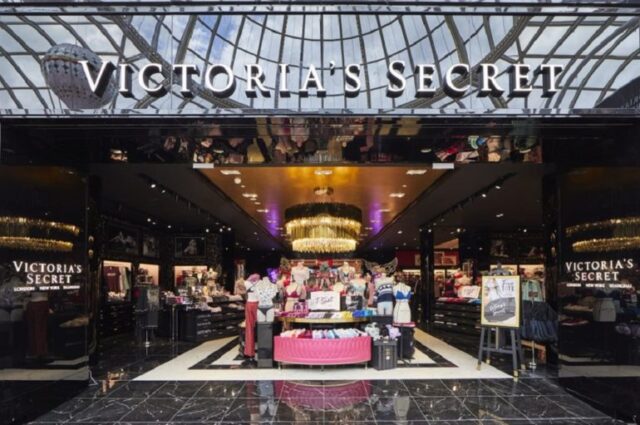
    Victoria’s Secret has opened its debut flagship store in Australia, the first store in the nation to offer the U.S. lingerie giant’s full range of apparel, innerwear and accessories. Located in Melbourne’s Chadstone Shopping Centre, the Victoria’s Secret store opened to much fanfare at 5:30 am local time, with a ribbon cutting ceremony last week.

    Some one thousand women camped outside and waited for a first look at the store, according to local media reports, with the first shoppers getting a $180 voucher.

    Designed to reflect the firm’s New York flagship store on Fifth Avenue, Victoria’s SecretMelbourne is fitted out the brand’s recognised pink, and hosts an in-store display that holds approximately 12,000 pairs of panties.

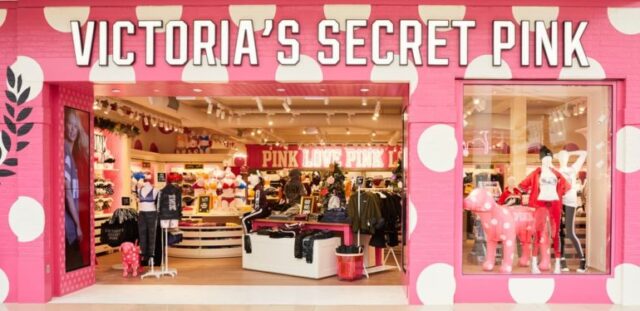
    There’s also a separate entrance for its Victoria’s Secret Pink collections.

    The new Australian store in addition sells Body by Victoria, Very Sexy, Dream Angels, Bombshell, cotton lingerie and Victoria’s Sport athleisure line.

    The Melbourne opening marks the first official Victoria’s Secret store in Australia, separating itself from concession stores inside malls and Australian airports that are limited to selling fragrance and cosmetics.

    Victoria’s Secret recently announced it had appointed fashion executive John Mehas as its new lingerie chief executive.

    Mehas will take over in January, replacing Jan Singer, who has now resigned.

    “Our number one priority is improving performance,” L Brands chairman and chief executive officer Leslie Wexner said at the time of announcing.

    “I am confident that, under John’s leadership, Victoria’s Secret Lingerie…will continue to be a powerhouse and will deliver products and experiences.”

    Victoria’s Secret operates 1600 stores globally.

  • Céline to open first standalone Melbourne store

    Céline to open first standalone Melbourne store

    Paris fashion maison Céline has announced the opening of its first standalone Australian boutique in Melbourne.

    While it is the third official store for Céline Australia, the new Melbourne location will be the first localized store to bow outside the walls of a shopping mall or department store.

    Located in Melbourne’s city centre, the French luxury brand has signed a lease for 13 Collins Street – a 57-level office tower owned by the Commonwealth Superannuation Corporation.

    The specific Céline store will replace the retail lodgings of Cose Ipamena, a mixed-brand retailer that recently closed after 25 years. It will open alongside fellow international heavyweights Fendi, Cartier, Gucci, Versace and Bottega Veneta.

    Céline currently has a flagship within Melbourne shopping mall Chadstone, as well as a store in Sydney’s Westfield. The high-end brand also has concessions at luxury Australian department stores David Jones in specific locations such as Pacific Fair Gold Coast, Melbourne CBD and Sydney CBD.

    The news comes as global luxury brands continue to explore Australia’s retail landscape for profitable locations to set up shop.

    A CBRE leasing director said Melbourne CBD, particularly Collins Street, has attracted huge interest from major retailers resulting in leasing deals.

    Some of the names rumoured to be opening at the top end of Collins Street — and Exhibition and Russel streets — include YSL, Balenciaga, Hublot, Ferragamo, Chloe and Loewe.

  • 8 best citie to live on this side of the world

    8 best citie to live on this side of the world

    Time Out’s City Life Index, a survey of 15,000 people in 32 global cities, has been released, and it shows which ones promise the most fun and excitement in 2018. Eight of them are on this side of the world.

    The survey, conducted by Tapestry Research, questioned residents on a variety of aspects of city life.

    It ranked cities in categories across food, drink, culture, friendliness, affordability, happiness, and liveability.

    It also “found the key factors that make residents find their city exciting,” from dining out often to feeling proud of where they are from.

    Here, their ranking in ascending order along with their overall scores:

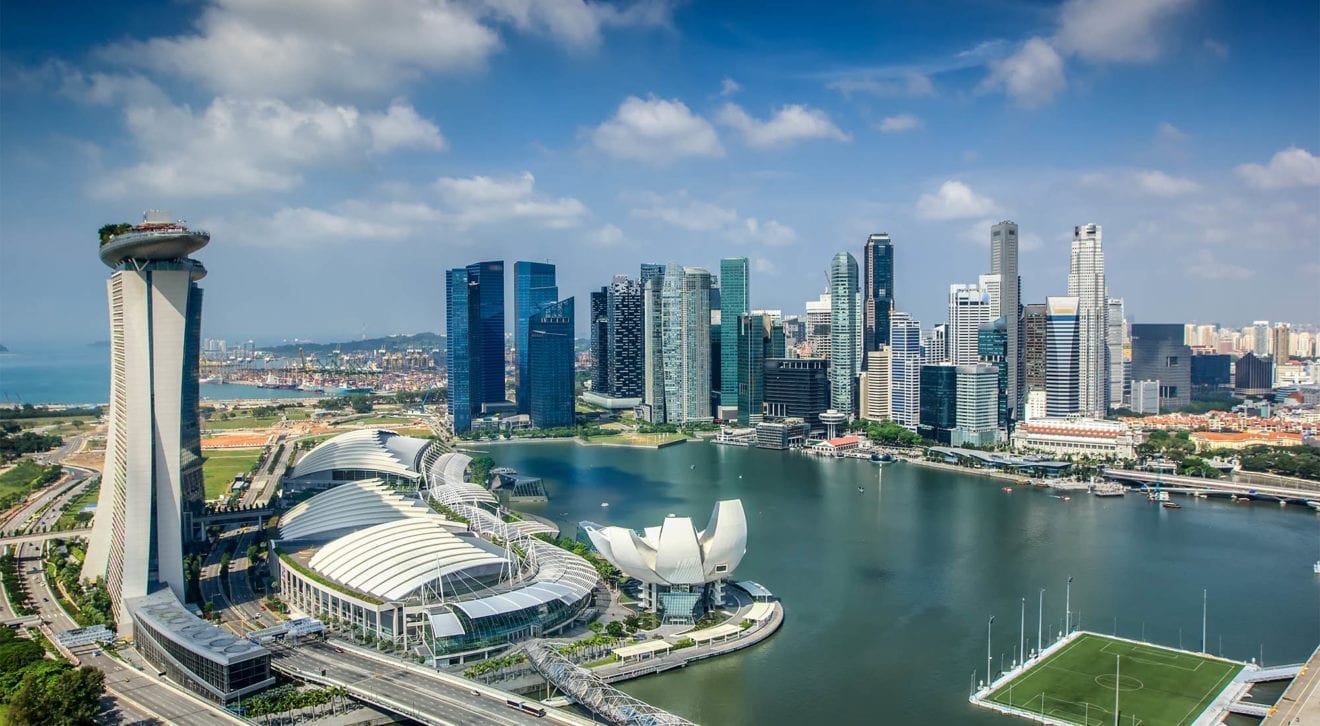
    31. Singapore (98.7) — Those from Singapore may not rate its culture scene highly, but they do value the city’s safety and are perfectly comfortable walking around at night.

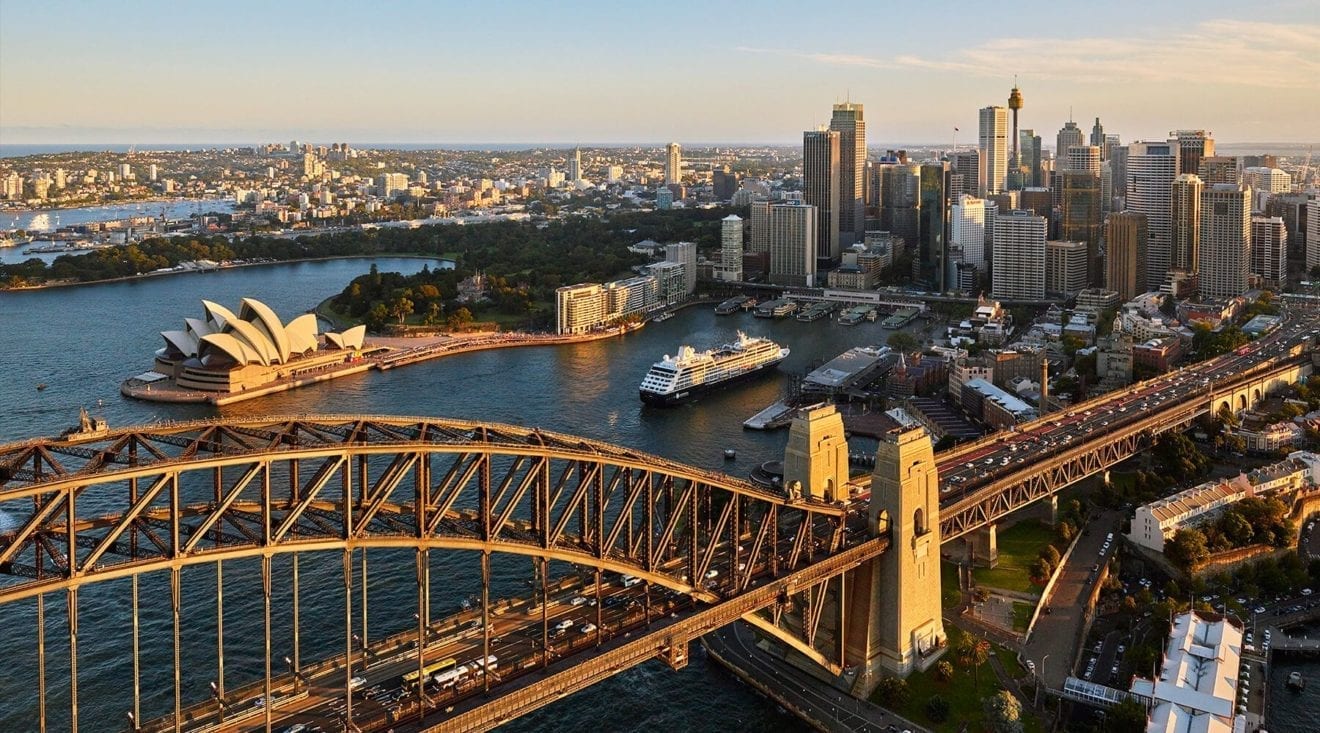
    28. Sydney (106.1) — While they may think the city is lacking in things to do and good restaurants, Sydney residents live a healthy life, with 66% having exercised in the past week and 38% never having taken drugs. They know how to party, though, and are the world’s No. 1 vodka drinkers.

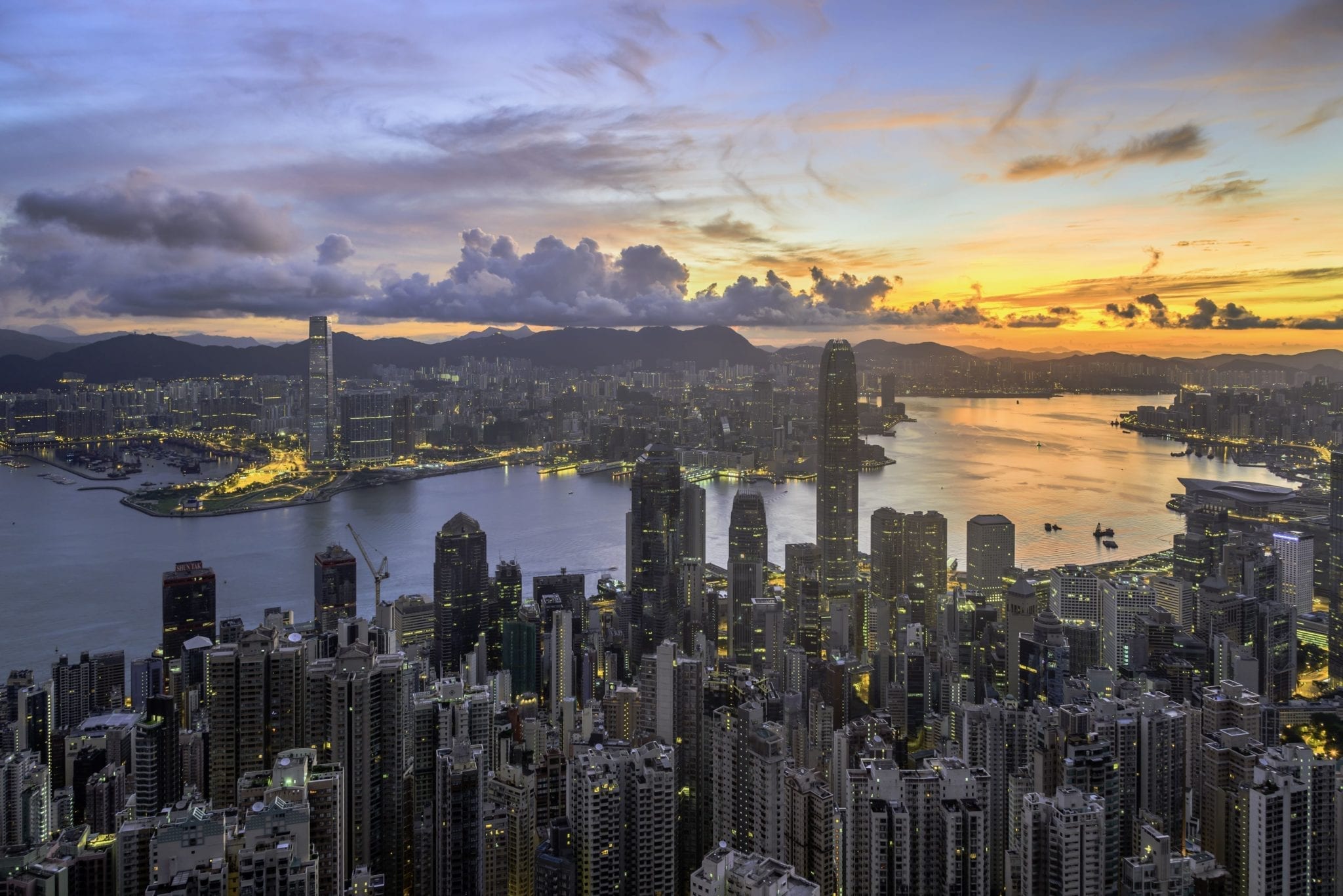
    26. Hong Kong (109.6) — Seventy-five percent of residents said the public transport in Hong Kong was great, contributing to the city’s overall score. They’re also among the biggest restaurant-goers in the world.

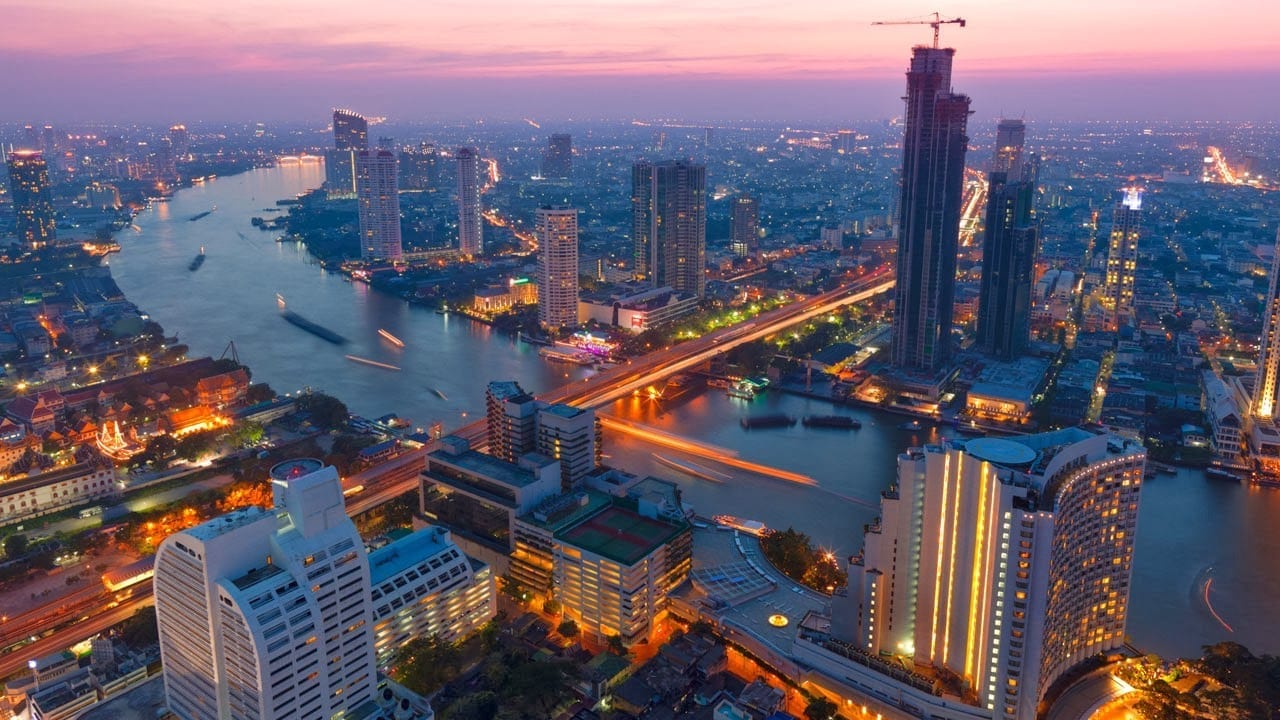
    24. Bangkok (111.0) — The survey revealed Bangkok as the world’s street-food capital, with more people eating on their feet than anywhere else — 42 times a year, on average. They’re also the biggest restaurant-goers, with 94% of respondents having visited a restaurant in the past week.

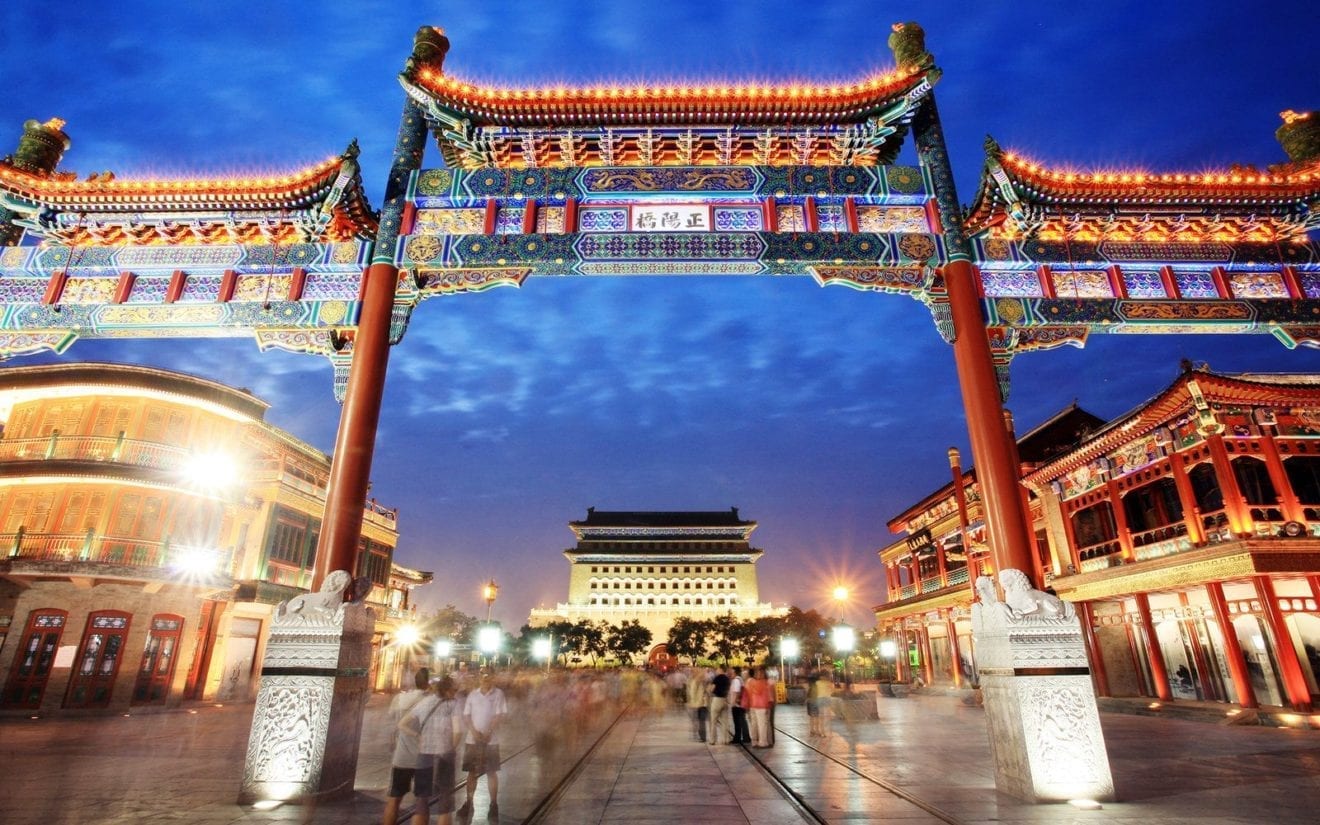
    22. Beijing (113.0) — The city may be exciting, but the commute is long, with 6% of Beijing residents even commuting for two to three hours a day.

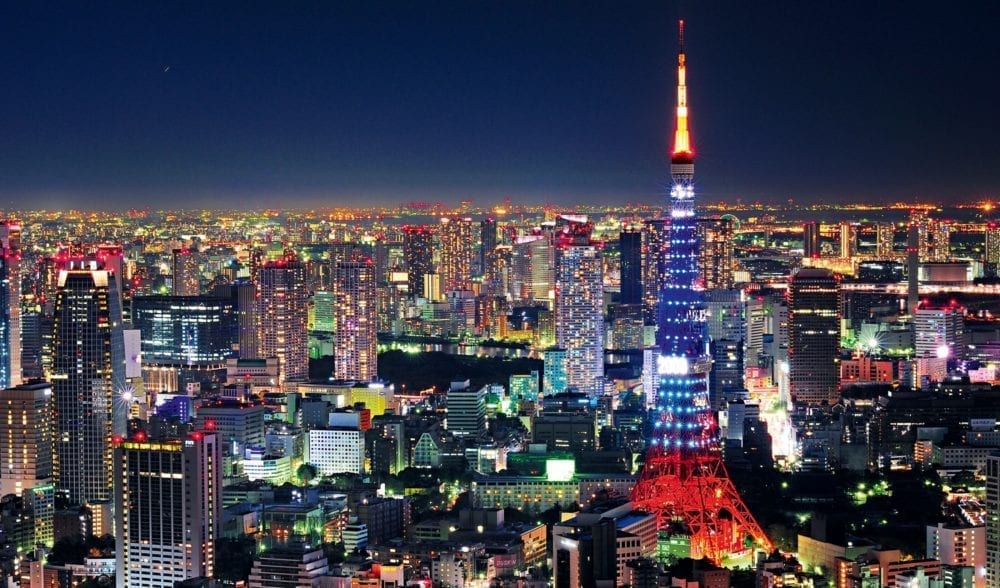
    19. Tokyo (117.7) — Tokyo residents love their food — they visit restaurants more than most other cities on the list.

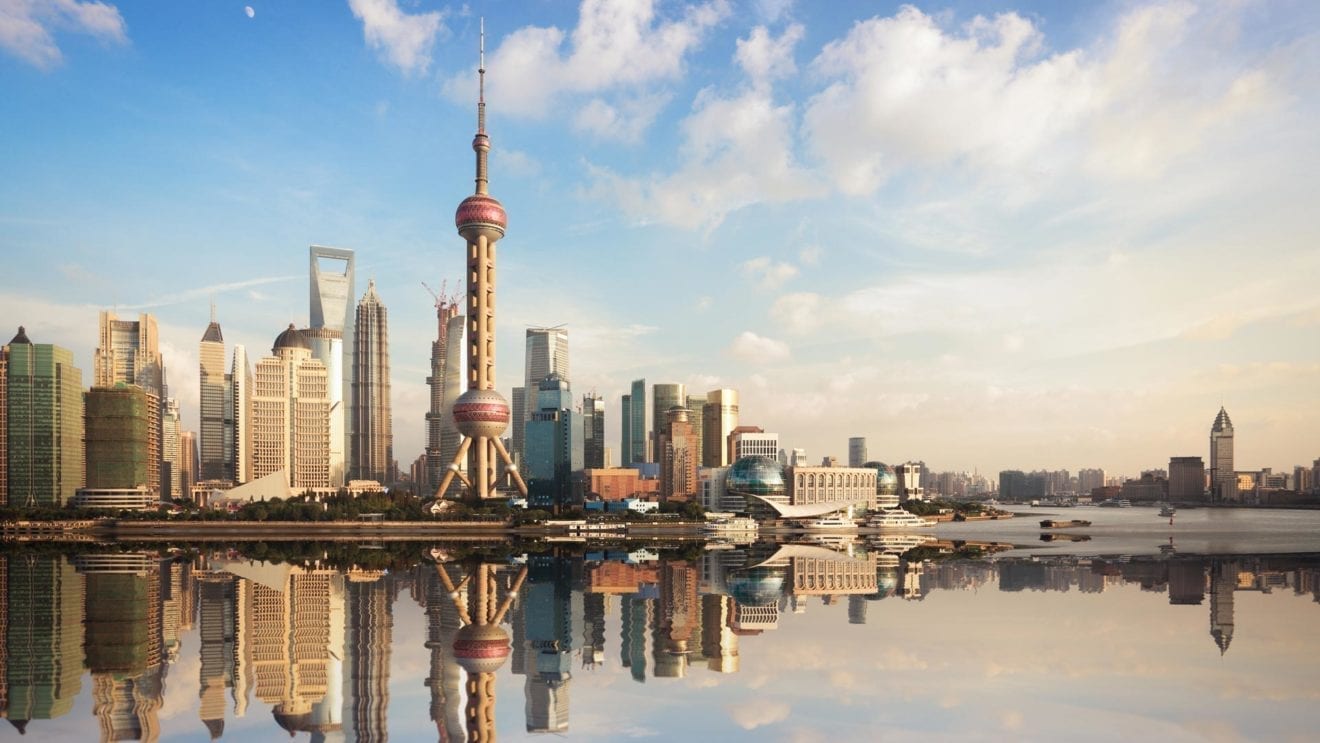
    16. Shanghai (119.5) — It may not come cheap, but there’s plenty to do in Shanghai, where residents say that while it is tough to find love, 79% believe it is easy to find a more casual encounter.

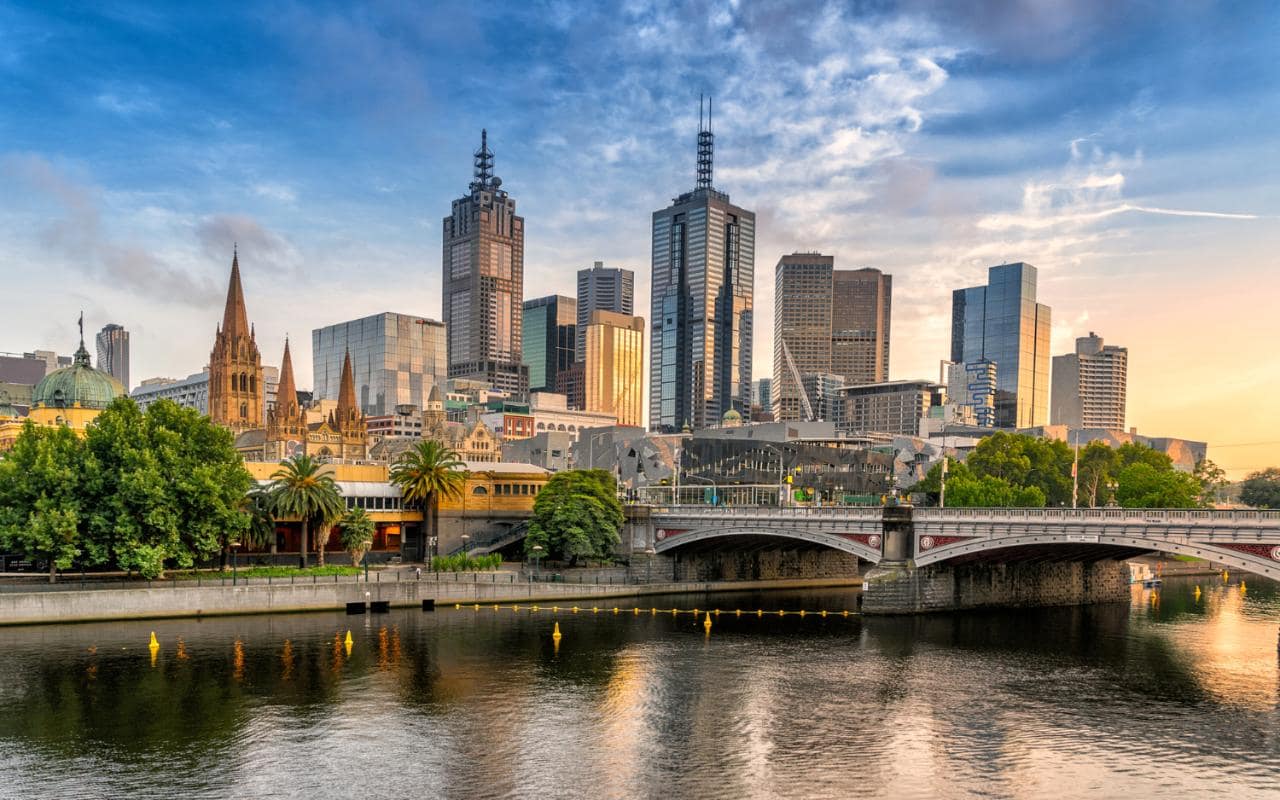
    4. Melbourne (132.3) — This Australian city came out above all others in terms of happiness, with nine in 10 residents saying they felt happy within the past 24 hours. They also find it easy to make friends and think the food-and-drink scene is one of the city’s best features.