Retail News CRM

Tag: menswear

  • Menswear startup raises $2.3 mln

    Menswear startup raises $2.3 mln

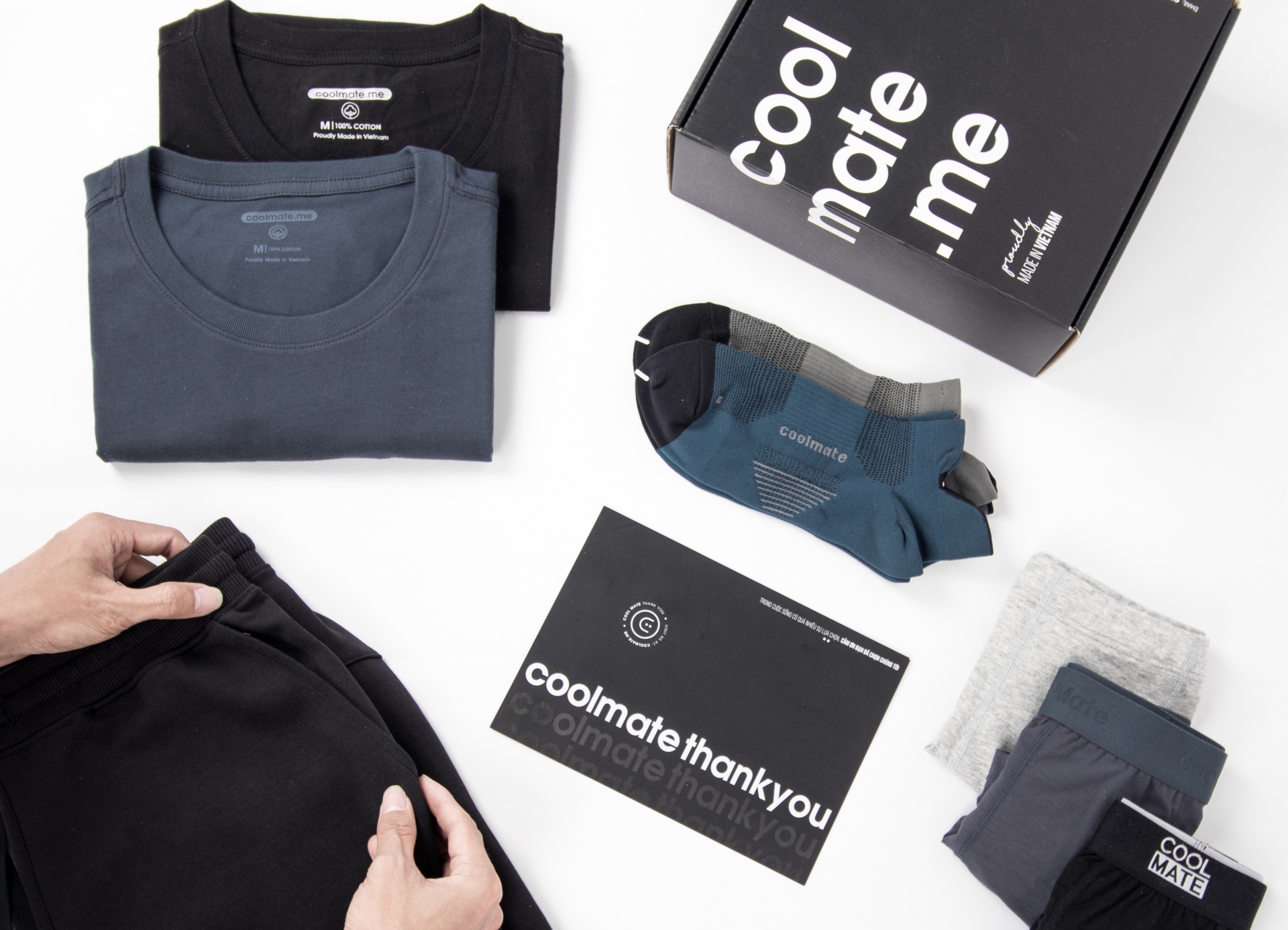
    Coolmate, a Vietnamese menswear brand sold online, has raised $2.3 million from GSR Ventures and Do Ventures as an addition to its series A round.

    This brings the round’s total size to $4.3 million. Coolmate said the funding will be used to “accelerate the completion of the supply chain” for its products, upgrade its operating system, and employ more manpower.

    In May, Coolmate had raised $2 million in a round led by Access Ventures with participation from Do Ventures, CyberAgent Capital and DSG Consumer Partners.

    The funding marks GSR Ventures’ first investment in Vietnam. The U.S.-based venture firm has backed some unicorns including Didi, Ele.me, and Xiaohongshu.

    “We are impressed by how [co-founder and CEO] Nhu Pham and the Coolmate team are leveraging technology to transform the traditional retail industry and delight consumers with high-quality yet affordable products,” Asian tech-focused platform Tech in Asia quoted GSR Ventures Managing Director Allen Zhu.

    Founded in 2019, the startup operates no physical store to date. It reportedly gets 10,000 orders a day now compared to 2,000 in the first year of operation.

    It claimed revenues of $6 million last year, and expects to collect $19 million this year.

  • Menswear startup raises $2 mln in Series A round

    Menswear startup raises $2 mln in Series A round

    Coolmate, a Vietnamese menswear brand that is sold online, has raised US$2 million in a Series A funding round from a group of investors.

    The round was led by Access Ventures and included Do Ventures, CyberAgent Capital and DSG Consumer Partners.

    Coolmate intends to use the money to fund research into new products, upgrade its operating system and hire more human resources, its co-founder and CEO, Pham Chi Nhu, said.

    Founded in 2019, the startup has no physical store up to date. It reportedly gets 10,000 orders a day now compared to 2,000 in the first year of operation.

    It expects to achieve $19 million in revenues this year.

  • E-commerce saved fashion designer Tadashi Shoji during pandemic

    E-commerce saved fashion designer Tadashi Shoji during pandemic

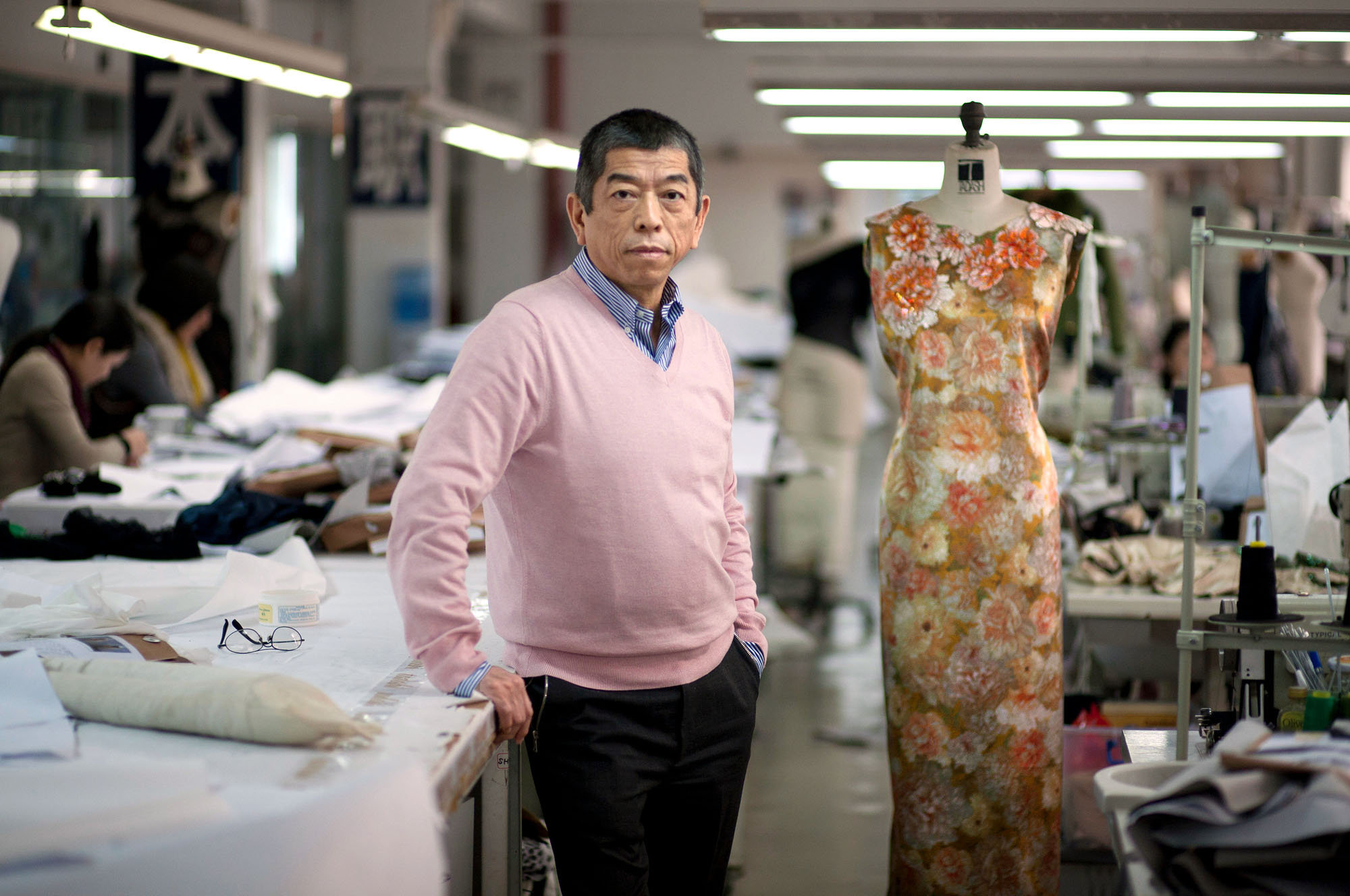
    After closing all his stores, veteran fashion designer Tadashi Shoji said he has been able to keep his business afloat during the Covid-19 pandemic thanks to the success of e-commerce and custom sales.

    The Los Angeles, California-based brand released its digital runway show online on Saturday during New York Fashion Week.

    Keeping costs low, the video was filmed in the company’s cafeteria with creative lighting and editing.

    “Logistically it’s very hard, but it’s very fortunate for us because of Covid our e-com is increasing tremendously. That’s helping me to survive in this Covid time,” Shoji said.

    “If we didn’t have this strong e-com infrastructure for us I think, I think our business went down,” he said.

    Shoji said this season was inspired by “boundless expression” and has added different silhouettes to his normal body-con repertoire.

    Menswear was the inspiration for many looks with stretch velvet, shimmer and slits providing femininity.

    The designer’s signature draped tulle, lace and hand beading made the collection look familiar to his long-time fans.

    New York Fashion Week will end on Feb 16 with over 150 designers having presented their collections live or online.

  • H&M launches menswear clothing line using intelligent fabrics

    H&M launches menswear clothing line using intelligent fabrics

    Sweden fashion retailer H&M launches an intelligent fabric this week, deploying fashion technology for menswear which keeps the wearer cool in the summer heat.

    Called Coolmax, the intelligent fabric absorbs moisture and allows air to pass through.

    “We see fabric innovation as pushing menswear forwards in new ways,” said Ross Lydon, head of menswear design at H&M. “Coolmax is our first collection that optimizes everyday clothing with high-performance materials. It is a segment of the market that we will continue to explore and focus on in the future.”

    Coolmax fabric will be used in clothing such as polo shirts and crewneck T-shirts or jeans. The hero of the new Coolmax collection is a two-button tailored slim-lapel jacket, pictured at the top of the screen, which retails for 69.99. T-shirts are priced at €9.99 and polo shirts at 14.99.

  • Menswear retailer TM Lewin sold to PE investor

    Menswear retailer TM Lewin sold to PE investor

    British menswear retailer TM Lewin has been sold by Bain Capital to private-equity company SCP through its new subsidiary Torque Brands. The deal, announced today, ends speculation over the brand’s future, with rival UK menswear retailer Charles Tyrwhitt tipped to be preparing a bid as recently as last week.

    In Asia, TM Lewin has stores in Singapore, Malaysia, the Philippines.

    Bain Capital bought the 122-year-old business in partnership with the company’s management in 2015, for a reputed £100 million, and sought expressions of interest a month ago.

    TM Lewin is the first business to be bought by Torque Brands which plans to create a portfolio of contemporary British brands which – according to company documentation – will “share a centralized services platform”.

    The company is “actively acquiring heritage homegrown talent which we see having a long and successful future,” said SCP managing partner James Cox.

    “We wholeheartedly believe that specialist vertical-specific British brands, such as TM Lewin, will continue to hold a premier position in the eyes of the global consumer, and look forward to the challenge of helping the company adapt to the rapidly changing retail landscape.”

    TM Lewin operates 66 stores in the UK, all of which are currently closed due to the Covid-19-related lockdown. About 90 other stores are located outside the UK, including in Europe, Ireland, the US, Australia and Asia, but it is not clear how many of these are company-owned as opposed to operating under licensing agreements.

    While TM Lewin was founded as a specialist shirt maker, it has since expanded into suits, outerwear, knitwear, chinos, jackets, ties and accessories. In the year to March the company achieved sales of more than £120 million.

    Brad Palmer, MD at Bain Capital, said that – notwithstanding the challenges facing the retail sector, most recently from Covid-19 – the business has become a truly multi-channel retailer in the UK under Bain’s ownership.

    He said the brand has “a large and loyal customer base and an even stronger brand proposition”.

  • Menswear chain China Lilang flourishes from move into malls

    Menswear chain China Lilang flourishes from move into malls

    Menswear manufacturer and retailer China Lilang has reported a 15.5 percent increase in sales for last year to RMB3.658 billion, (US$515.78 million).

    The top line was boosted by store network expansion. The company opened an average of nearly three new stores each week last year, ending it with 2815 Lilanz-branded outlets nationwide. Many stores were relocated as well, to improve the brand’s exposure to consumers. Almost 28 percent of stores are now located in shopping centers.

    China Lilang said profit from operations rose by 11.1 percent to RMB980 million ($138 million) and net profit rose by 8.1 percent to RMB812 million ($114.5 million).

    Wang Dong Xing, chairman and executive director of China Lilang, said the abnormally high temperatures nationwide during the fourth quarter of the year – the traditional peak season for the retail sector – added more challenges to the apparel industry. As a result, the company provided rebates to distributors as an incentive to discount slow-moving stock through clearance sales.

    He said brand and product competitiveness, retail management and shop location have become increasingly important determinants of operating efficiency for the company.

    Looking ahead, Wang Dong Xing said the coronavirus outbreak has hit retail sales hard and the group will consequently reduce the production of Autumn 2020 products to help stores destock Spring inventories.

    Despite strong Lunar New Year sales in January, China Lilang is expecting a 40-per-cent decline in first-quarter sales with an adverse effect on full-year results.

    Chairman Wang Dong Xing concluded: “The epidemic will have some impact on the retail market in the first half of the year; but we expect its impact on our business to be temporary. In mid-March, about 70 percent of Lilanz stores resumed operations. As a well-established menswear enterprise, the group believes that China Lilang has distinctive advantages in both original designs and value-for-money of its products.”

  • Tarocash, owner of YD looking to expand

    Tarocash, owner of YD looking to expand

    Retail Apparel Group-owner The Foschini Group has lauded the Australian retail market and indicated it is gearing up for further expansion throughout Australia and New Zealand.

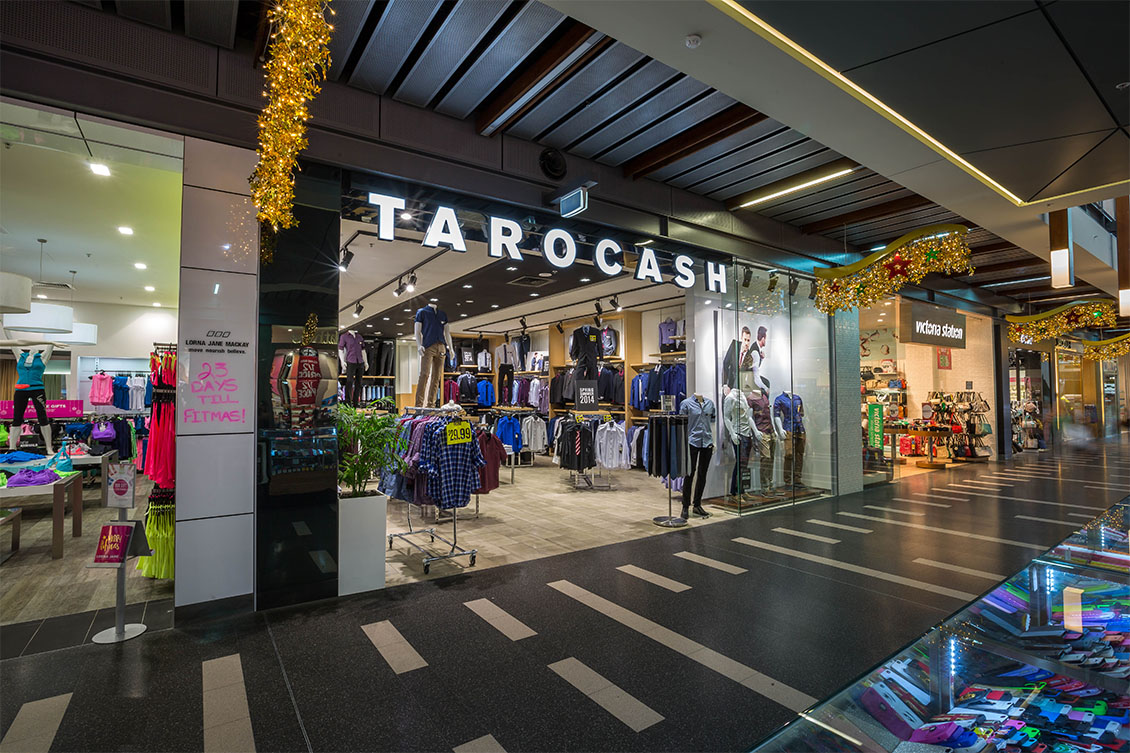
    The South African retail group, which owns local brands such as yd., Connor, Tarocash, Johnny Bigg, and Rockwear, said topline growth in Australia is in the double-digit, and it’s planning to introduce more of its brands to the region – namely jewelry brand American Swiss.

    TFG chief executive Anthony Thunström told a media roundtable the company sees significant opportunity in the Australian and New Zealand market.

    “Australia has not been in a recession since 1990 – it is almost the polar opposite to SA with unemployment also at record lows,” Thunström said.

    “Retail is not by any means easy there with the high costs around rentals and other operational costs, so there is little margin for error to get it right or wrong.”

    While David Jones-owner Woolworths Holdings has struggled in the Australian market, having recently booked a $437.4 million impairment against the department store due to economic headwinds, The Foschini Group has found success in multiple markets by focusing on delivering a more niche offering.

    Thunström said the business doesn’t dictate from afar what will be successful in the Australian market but instead purchased the business with strong leadership teams in order to allow them to steer the local offering.

    “If we went to Australia or the UK and tried to run the business ourselves, we would end up in tears,” Thunström said.

    “There are too many local nuances.”

    According to Business Report, the retail group said it will inject R500 million ($48 million) into technology in order to get ahead of the changing retail market – having witnessed its online sales increase 57.2 percent over the year to March.

  • Stefano Ricci opens Doors at The Shoppes

    Stefano Ricci opens Doors at The Shoppes

    Italian menswear Stefano Ricci has opened a boutique at The Shoppes at Marina Bay Sands. The 150sqm store presents the brand’s menswear range, SR Home collection, and leather goods such as belts, bags, wallets and shoes.

    The maison’s made-to-measure service is available upon appointment.

    “We are proud to unveil our new boutique location in Singapore, still within the distinguished Shoppes at Marina Bay Sands,” said Niccolo Ricci, Stefano Ricci CEO.

    “This is an expression of our brand’s presence on an international level, and from here the highest forms of Italian craftsmanship are available to our esteemed and refined clients in the city.”

    Founded in 1972, Stefano Ricci now has more than 65 mono-brand boutiques worldwide, selling menswear-suits, dress shirts, jeans, casual wear, and leather goods.

    The brand’s offer has expanded with the SR Home collection, featuring porcelain and crystal dinner services, silverware, furnishing accessories, linens and leather home accessories.

  • Japanese “Yama style” goes global

    Japanese “Yama style” goes global

    The “made in Japan” words on the label, for many people, have always been a guarantee of high quality. Even after the economic downturn and natural disasters,  Japanese still keep their quality and try their best to differentiate themselves through the attention to details. Their perseverance, loyalty to their country and respect for their traditional culture, have always been their strength.

    Unfortunately, today’s fashion industry pursues speed and high productivity. Thus, Japanese’s persistence seems to be easily overlooked. Although this is an irreversible condition in a money-orientated world, there are still some people who appreciate and value the spirit of the craftsmanship in Japan.

    Despite the fact that Japan is a modern country focusing on economic development, Japanese also focus on the pursuit of spirituality. There are Buddha followers, but also those ones who believe in gods behind the natural elements, such as mountains.

    In terms of geography, 70% of land in Japan is hill and mountains. Since the ancient times, fishermen regarded the hills as navigation coordinates. And for people who lived in the mountains, they saw mountains as resources for their lives, harvesting and hunting were their major activities to live on. Through worship of mountain gods, Japanese express their fear of nature as well as pray for peaceful life.

    Today, the Japanese government still shows respect towards mountains. In 2016, the government announced the Mountain Day, 11th August, as public holidays providing a chance for people to get closer to the mountains via hiking.

    Functional and practical with bright and unique colors

    Whenever a craze sweep the country,  Japanese will always concoct and create the relevant peripheral products and accessories. As a result, the “mountain fashion” was developed, which is the so-called Yama Style (Yama means mountain in Japanese), referring to the clothes that is suitable for hiking.

    Yama style emphasizes on integration with the natural environment, usually designed in gray black, dark green, yellow-brown and other earth tone colors. Additionally, it comes with an oversize coat or shawl in relatively bright color, to create a unique style.

    Integration of Art and Technology

    On the other hand, while Korean pop culture has been in the limelight internationally in recent years, the Japanese brand is still leading the world due to a number of Asian representatives who have a pivotal position in the high fashion.

    Since the 1980’s, Japanese have established a position in the international fashion trend, rooted their perception of fashion and influenced over the global fashion industry deeply.

    Due to the fashion industry values on materials, design, and details, Japanese fashion style still has their charm, followed by a lot of people around the world. Thus, many international fashion brands still love to work with Japanese brands, and launched a series of collaborations.

    In the recent years, Loewe, which has been known for its excellent quality, also seems to be paying tribute to Japanese culture and tradition. The new “Eye/Loewe/Nature” menswear series is inspired by nature, offering a range of clothes designed for outdoor activities with both practical and functional features as their selling points.

    Obviously, the design deliberately takes the ideas from the Yama style. Not only replacing the traditional outdoor clothing’s dark color with bright colors, but also having a great variety of styles and different layers. Thus, customer may easily match their outfit with different kinds of  clothes and practice different outdoor activities.

    In terms of accessories, the brand even changes the place of production from Spain to Japan, in order to combine their traditional craftsmanship with advanced technology.

    Undoubtedly, they see the advantages and market in the Japanese Yama style to feed  fashion industry with a new touch.

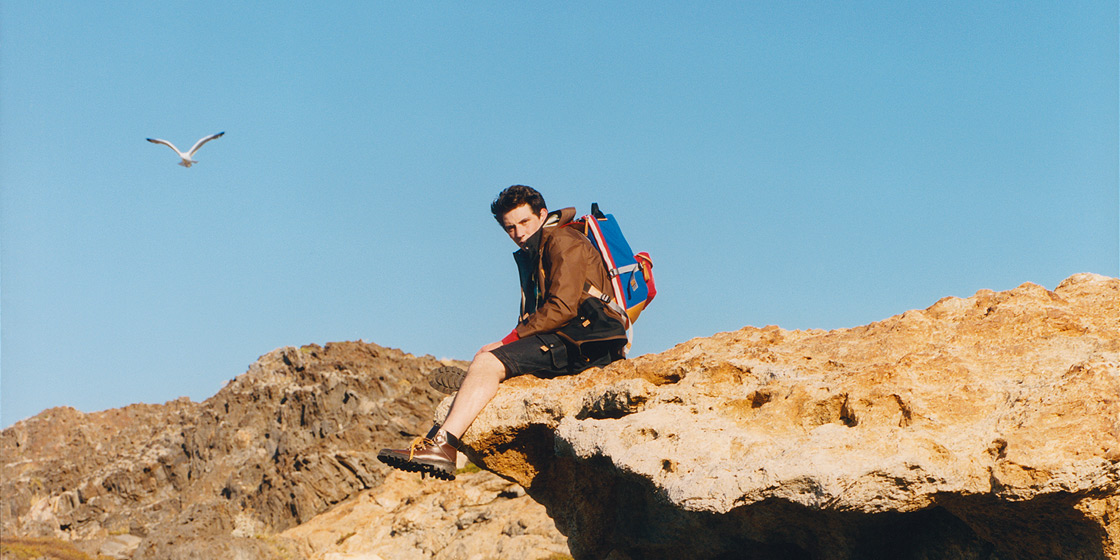
  • Loewe launches outdoor menswear collection

    Loewe launches outdoor menswear collection

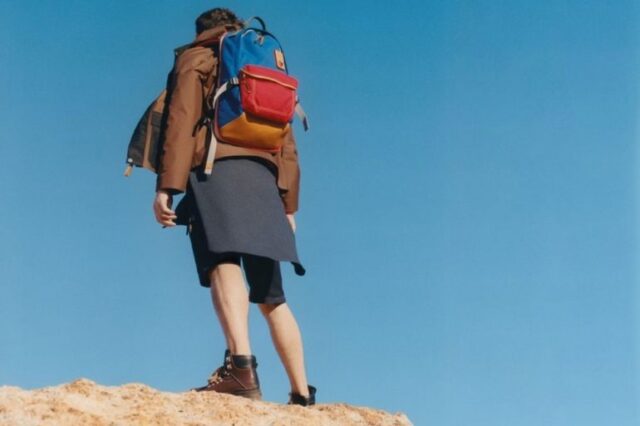
    Inspired by the great outdoors, Loewe has launched a new permanent collection of functional clothes and accessories for men. The campaign features British actor Josh O’Connor in the wilds of Cap de Creus, Spain. Loewe has launched a great outdoors-inspired collection of functional clothes and accessories for men. Featuring a wide range of vibrant colours, the collection – Eye/LOEWE/Nature – makes use of recycled materials, adding an innovative touch to conventional apparel.

    The ready-to-wear collection includes jumpers knit from partly recycled cotton fibre, parkas made of technical material, outerwear, shirts, trousers and cargo shorts.

    The accessories, manufactured in Japan, boast exclusive technology. Hand-sewn from quality canvas with calfskin trim, the Eye/LOEWE/Nature backpacks come with extra cushioning and support. There are interior zip pockets in which iPads can be stored. There are also tote bags and sling sacks for men to choose from.

  • Fashion to contribute Rs 70,000 crore to revenue in 7 years: Future Group India

    Fashion to contribute Rs 70,000 crore to revenue in 7 years: Future Group India

    Kishore Biyani, Chairman, Future Group says his company is planning to step up its focus on men’s footwear retail since the category is becoming an important accessory for the Indian consumer. According to Biyani, footwear today is no longer category defined for just women. It’s equally important for men – almost as important as buying trousers. With brands like Koovs, Lee Cooper, Clarks, Converse under one roof, Future Group claims to be the number two footwear retailer in India.

    “We aim to be number one footwear retailer in India,” he says, adding, “Men are equally inclined towards buying footwear and on an average have at least 20 pairs to go with different trousers. This is the reason why we are expecting footwear to contribute approximately 18 percent to the overall revenue, an increase from the current 11 percent,” he says.

    “We are expecting the share of footwear to increase from Rs 1,600 crore to Rs 2,500 crore by next year and we aim to be the number one footwear retailer in the country very soon,” he adds at the re-launch of Central at Ambience Mall, Vasant Kunj. The contribution of private labels to the group’s revenue is around 40 percent presently.

    At Central, Hyderabad, the footwear section spans across 30,000 sq. ft. and even in Central, Vasant Kunj, footwear occupies a major space covering 15,000 sq. ft. Area.

    Exploring Central Vasant Kunj

    The re-launched Central Vasant Kunj, spanning across 44,000 sq.ft area, is a high-definition store offering luxury experiences while keeping the price of the products at masstige level.

    “Many online brands like Koovs, Craftsvilla have come offline with us. We are expecting an average ticket size of Rs 4,000 here and plan to take this up to Rs 8,000,” Biyani states.

    With state-of-the-art décor, minimalistic fixtures and an aspirational fashion boutique feel, Central aims to provide a delightful shopping experience to its customers right from the time they enter the store to the time they reach the billing section. The space has subtle displays that compliments the store design and aesthetics. The store is designed and specialized to offer an enhanced and a more customized service to shoppers as per international standards.

    The outlet showcases a premium mix of national and international brands in various categories like Men’s and Ladies Formal Wear, Casual Wear, Ethnic Wear, Cosmetics, Fragrances, Handbags, Watches, Men’s and Ladies Footwear, Toys, Kids Apparel, Lingerie and more. From brands like Tommy Hilfiger, Guess, Gucci, FCUK to acclaimed designer like Micheal Kors, Giorgio Armani, Ferragamo, Calvin Klein, Diesel, Roberto Cavalli, Versace, Dolce & Gabbana, Central serves as the one stop shop for fashion-conscious customers of the capital.

    Central, which has at present no plans to go Omnichannel, has always believed in redefining the fashion and lifestyle retailing concept in India. Offering world class designs, with over 500 brands displayed in high definition and latest trends, the stores offer an enhanced and a more customized service to customers as per international standards.

    According to Vishnu Prasad, CEO, Central, “Every brand and its products have their own story to connect with customers and indulge in the latest in fashion. We also have exclusive brands in store resulting in a new and improved shopping experience.”

    “We intend to make next-gen Centrals ‘experience-savvy’ stores rather than ‘tech-savvy’ stores, s all services and features that we are offering will be in that direction,” he adds.

    Highlighting the services that set Central apart from others, Prasad says, “We have features like WhatsApp shopping – i.e. if a shopper likes something in our store but is not sure about the purchase, we can reserve the product for them and they can Whatsapp us once they have made up their mind to buy and we deliver the item to their doorstep.”

    Loyalty, cashback, wallets and HD services are some areas where Central has been focussing and has seen better results with technological advancements.

    “With the help of technological advancements, we have observed a hike in business contribution from loyal customers and payment wallets to overall customers,” Prasad says, adding, “A few other features that we offer at Central include priority billing counters for our customers, introduction of many unique services like automated wheel chairs in store for special customers.”

    Currently, the company is operating 44 Central stores in large cities (including Mumbai, Bengaluru, Hyderabad, Pune) and some in smaller cities such as Indore, Patna, Baroda and Surat.

    “We shall be touching 50 stores in just a few months from now,” says Prasad. “Our focus is towards nurturing and identifying the relationship with loyal patrons along with using digital wallets and digital medium as an overall means to enhance the formats footprints,” he adds.

    At present, Future Group – which is selling 30 crore garments annually – occupies a 35 percent market share in the fashion segment.

    “We are expecting fashion to contribute Rs 70,000 core to the company revenue in the next seven years,” says Kishore Biyani.
  • Onitsuka Tiger store in Singapore is biggest yet

    Onitsuka Tiger store in Singapore is biggest yet

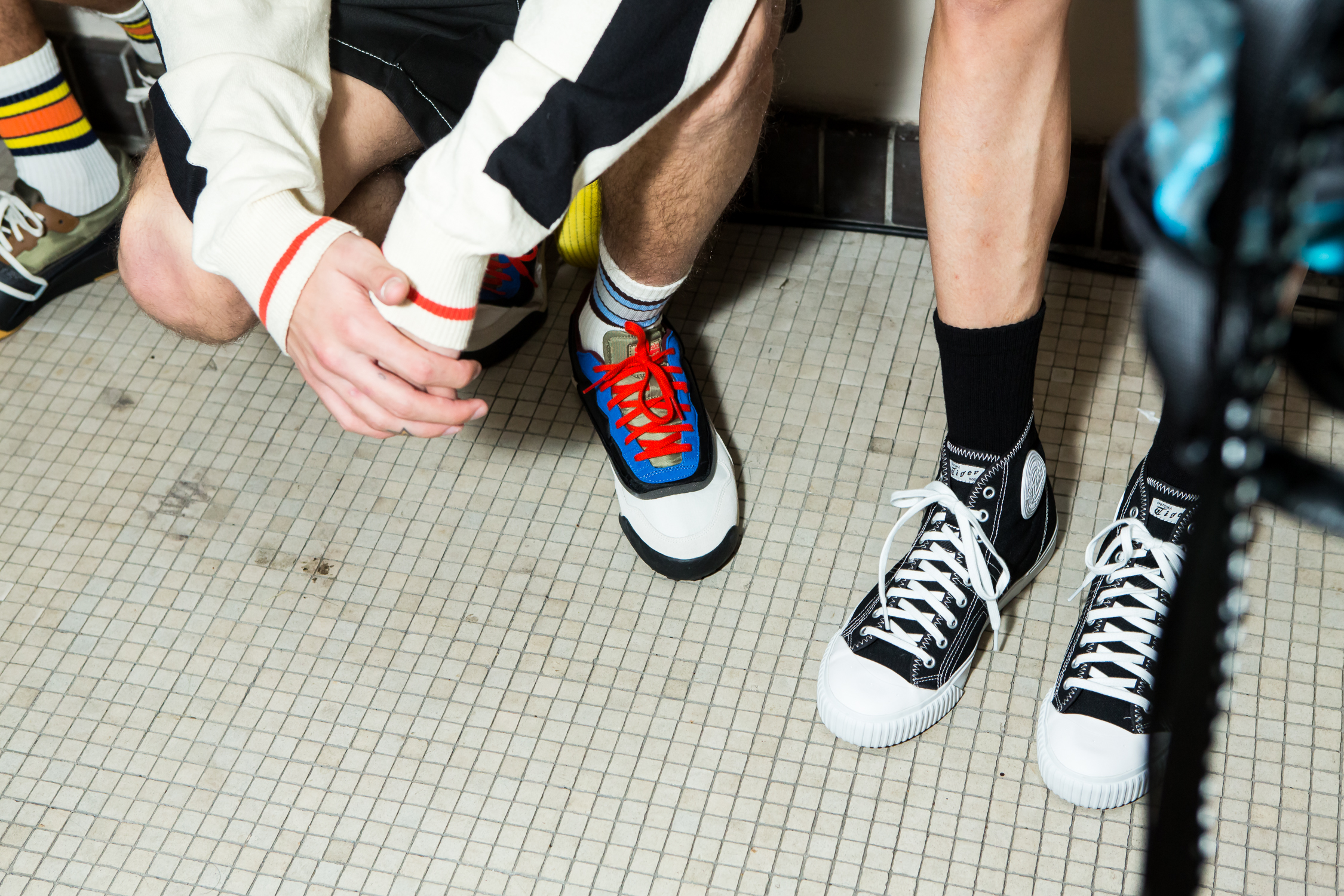
    Onitsuka Tiger Singapore has opened its largest boutique in Ngee Ann City. As part of its efforts to become recognised as a fashion lifestyle brand beyond its sneaker business, the Japanese footwear firm’s new 165sqm store – the label’s fifth in Singapore – exclusively stocks the label’s Nippon Made collection as well as its usual retail offerings, focused on hand-made shoes following traditional Japanese methods.

    The store also sells Japanese-designed athleisure apparel and accessories in a store space fitted out with plush tiger toys.

    Onitsuka Tiger is owned by Asics.

  • Handsome markets brands in Paris Fashion Week

    Handsome markets brands in Paris Fashion Week

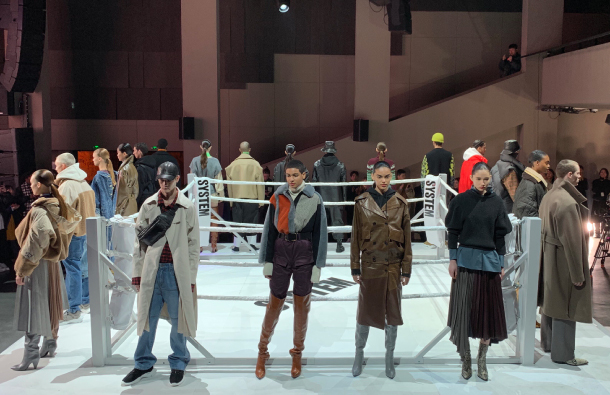
    Handsome, a Korean fashion brand owned by Hyundai Department Store, brought two of its labels to Paris Fashion Week in an effort to expand on the global stage. System for Women and System Homme, the two Handsome brands, showcased their fall and winter collections in a rented showroom for eight days starting from Jan. 17. The Handsome event included a presentation of the collections followed by showroom events, where item were modeled for clients.

    The brands are presenting their new collection one season early to major buyers in the fashion industry.

    In addition to 180 buyers, the event was attended by the Wall Street Journal, Vogue and GQ as well as by fashion influencers.

    It was the first time Handsome has taken its brands to a foreign showroom since being founded in 1987.

    System for Women debuted in 1990 and System Homme in 2008. The company has also introduced other names, including Time, Mine and SJSJ.

    Handsome was acquired by Hyundai Department Store Group in 2012.

    At the Paris event, which featured 200 items for men and women, around 40 department stores from 14 countries participated. Samples were purchased ahead of possible quantity orders.

    It was a buyers’ who’s who. The list included representatives from Bloomingdales, France’s Le Bon Marche, Hong Kong’s Lane Crawford, Japan’s Isetan and Shanghai’s 10 Corso Como. Inquiries also came in from parties in Switzerland and Israel.

    “We predicted the number of businesses that would visit our showroom would be 40 at maximum. But since System Homme was introduced via major media outlets and social media after the presentation on Jan. 18, a great number of fashion businesspeople visited,” said a source from Handsome.

    The company said that visitors appreciated the designs as being unique and set apart from other major Asian brands.

    “In the case of businesses that received the samples, they will decide on quantity purchases in February, and in June, the main products of System [for Women] and System Homme will be sold at department stores and in multibrand shops of each country,” said a source from Handsome.

    Handsome is planning to use the Paris showroom event as a stepping stone for its international expansion efforts.

    In line with the strategy, it will complete its product development earlier and present new design concepts to the market one season ahead.

    It is rare for a ready-made brand to utilize this sort of advanced development.

    “Our brand is still new in the global fashion market, but we will elevate awareness to the point where we could open an exclusive fashion show at a foreign fashion week,” said Kim Hyung-jong, the CEO of Handsome.

  • The coolest men’s sneakers from Paris Fashion Week

    The coolest men’s sneakers from Paris Fashion Week

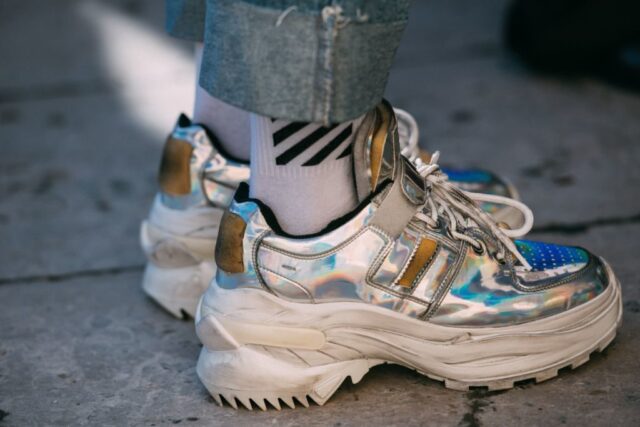
    Paris Fashion Week Men’s was not lacking in head-turning street-style looks this year. Attendees brought their sartorial A-game to take in new fall ’19 collections from the hottest designers. A guest paired trendy Off-White socks with shiny silver Maison Margiela sneakers that featured a chunky platform sole and an iridescent finish. Cuffed denim jeans highlighted the pairing perfectly.

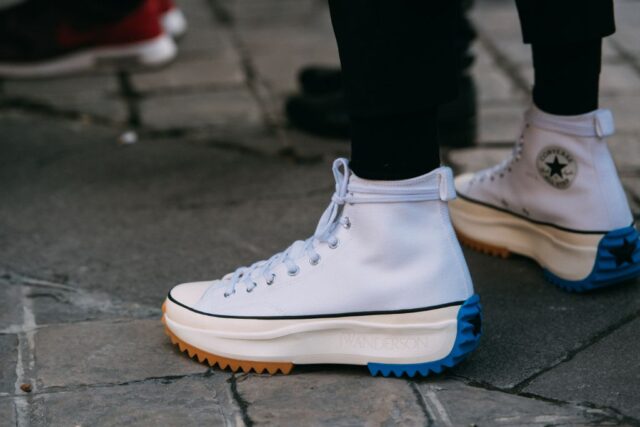
    Elsewhere, a guest showed off J.W. Anderson’s new Converse collab sneakers, which feature a rubber jagged platform sole. The high-tops debuted on the catwalk at Anderson’s spring ’19 show.

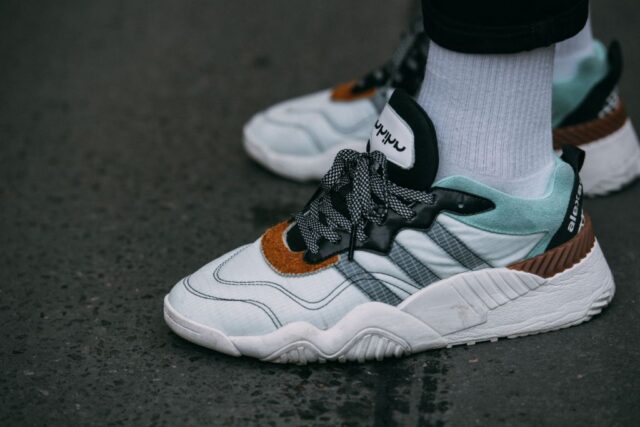
    Meanwhile, Adidas x Alexander Wang Turnout Mint White runners caught our attention with its chunky midsole design, a mash-up inspired by several previous Adidas sneakers.

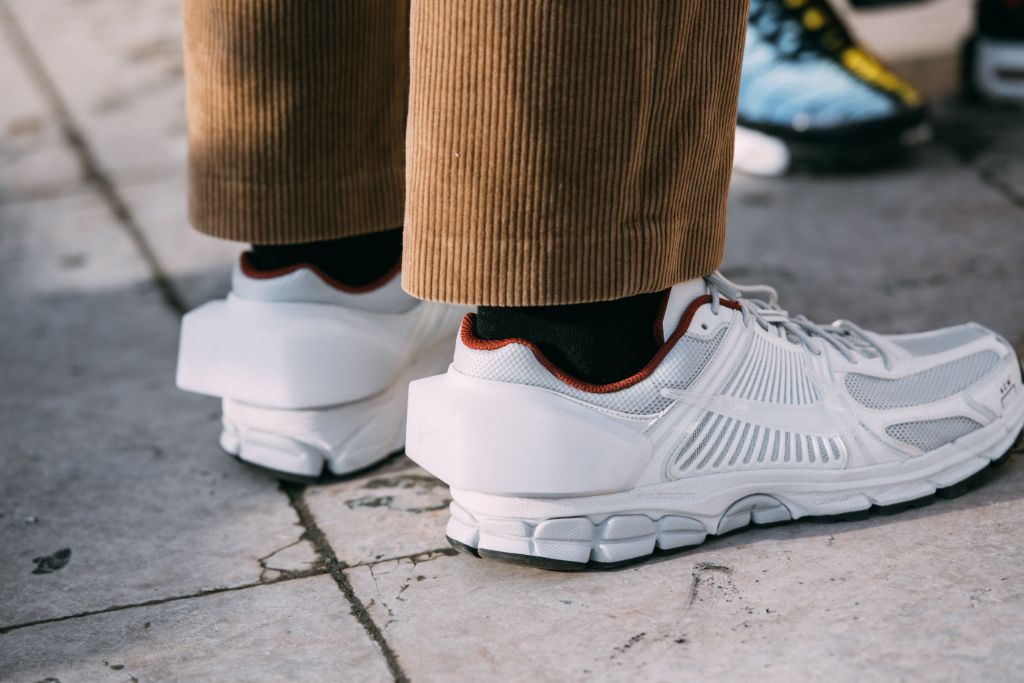
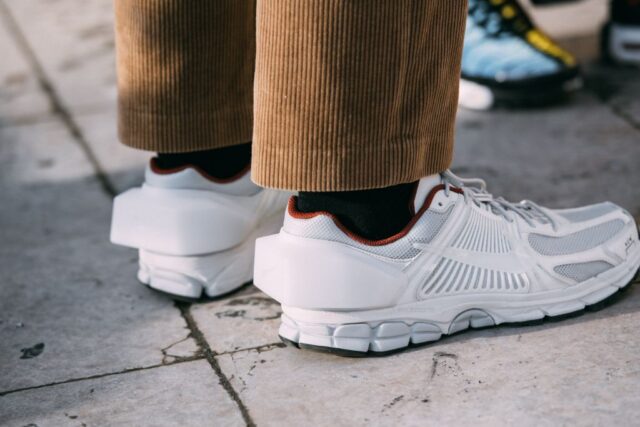
    The Nike x A-Cold-Wall Zoom Vomero +5, designed by Samuel Ross, undeniably stands out with its enlarged heel counter. The style, which dropped in November, blends retro and futuristic elements.

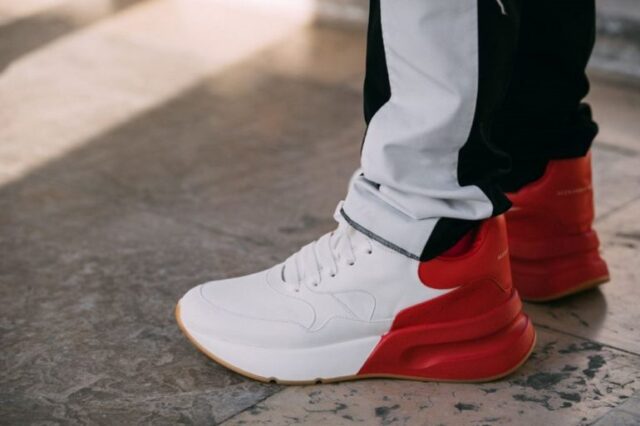
    Lastly, the oversized red and white contrast leather sneakers by Alexander McQueen, which Timothée Chalamet has worn on the red carpet, of course, made an appearance at fashion week.

  • Brands planning to cash in on rising menswear trend

    Brands planning to cash in on rising menswear trend

    This week, Nike launched its new collection of yoga wear for men. While this was the company’s first foray into men’s yoga apparel, the move was very much in line with competitors who have been making a push into the menswear apparel market recently. Lululemon, whose bread and butter has long been women’s yoga trousers, is one of those competitors. Former CEO Laurent Potdevin described menswear as one of the brand’s “best-kept secrets.” The company is now looking to grow this division into a billion-dollar business.

    Gap also jumped on the bandwagon last year, with its new casual menswear brand Hill City. But a push into menswear stretches beyond the athletic wear market – Madewell rolled out menswear in September, Saks Fifth Avenue recently closed its womenswear store in Brookfield Place but kept its menswear location open, sisters Mary-Kate and Ashley Olsen launched their own menswear collection for fashion brand The Row last year, and the list continues.

    These brands are all looking to capitalise on a big change in fashion, and that is that in the not too distant future, menswear may outgrow womenswear.

    Business intelligence firm Gartner L2 estimated that in just two years, revenue growth of men’s clothing will surpass that of women’s clothing. This data is backed up by Euromonitor International, which estimated that men’s lines will outperform women’s over the next six years. 

    “Fashion has always been about women but men are finally having their time,” says Lizzy Bowring, catwalk director at trend-forecasting agency WSGN.

    Bowring believes that the rise of a young, fashion-conscious male consumer is a key reason for this. “It’s the younger men that are driving the push for menswear,” she says. “These men are more savvy and aware, and there is a lot of competition to look the part.”

    Ayako Homma, beauty and fashion consultant at Euromonitor International, echoed these thoughts in an email.

    “One key trend is men’s changing perception of fashion. Men are spending more time, effort and money on their grooming and appearance,” she wrote.

    Experts say that this peak in menswear can be traced back to a boom in streetwear clothing, which has been driven by brands such as Supreme, Yeezy, and Off-White. These brands have experienced explosive growth in recent years and are considered to be redefining the fashion landscape.

    These labels have been embraced by luxury players, a move that has in turn given new life to some of the luxury brands.

    Louis Vuitton recently hired industry pro Virgil Abloh to become its new artistic director. Abloh is responsible for setting up perhaps the buzziest streetwear brand of all, Off-White, which was recently ranked the hottest label in the world.

    “The men’s business has exploded in the past five years,” Roopal Patel, fashion director of Saks Fifth Avenue said. Patel said the focus had shifted to bringing in newer menswear-focused labels such as Off-White.

    “We’ve gone from just category addressing to designers looking at how they’re going to wardrobe a man’s lifestyle, everything from work to evening to weekend to sport,” she said.

    Industry insiders say this trend is here to stay. “It’s more than a buzz. It’s a deeper trend,” said Sidney Toledano, head of LVMH’s fashion group. He continued: “There’s strong demand across the men’s fashion industry, in all its shapes and forms, and which comes in part from a younger clientele. We see it very clearly in the sales.”