Tag: menswear

  • Louis Philippe unveils new retail identity at Banjara Hills India

    Louis Philippe unveils new retail identity at Banjara Hills India

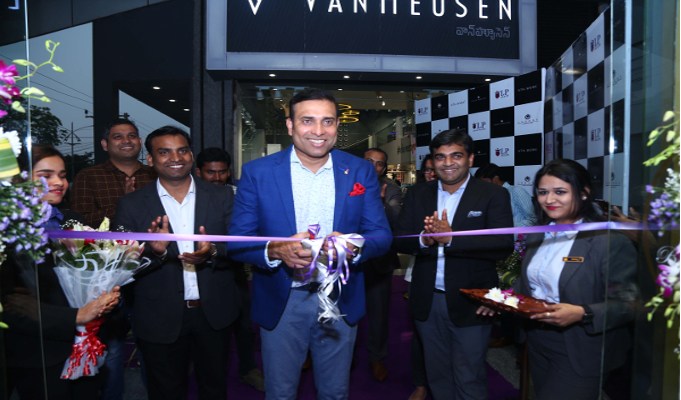
    Louis Philippe, India’s leading premium menswear brand from Aditya Birla Fashion and Retail Ltd, has launched the new retail identity at Banjara Hills. The new identity celebrates ‘The Crest’ which is a symbol of craftsmanship and excellence. The sprawling 4,000 sq.ft. store at Banjara Hills, Hyderabad was unveiled by India’s ace cricketer V.V.S Laxman.

    Speaking on the occasion, Farida Kaliyadan, COO, Louis Philippe said, “We are delighted to introduce the new retail identity for the brand. Louis Philippe is focused on delivering value through superior craftsmanship, diverse product portfolio and an unmatched retail experience. At present we have 17 stores across Hyderabad and Telangana.”

    The revamped outlet houses a wide range of formals, casuals, denims, suits and blazers, and accessories.

    As part of launch promotions, Louis Philippe will be giving the two highest billers a chance to win an Apple iPad. That’s not all, the other customers who participate and stand an opportunity to win PVR gift vouchers, ties, pocket squares, LP gift vouchers.

  • China, Millennials and Men are revitalizing luxury retail

    China, Millennials and Men are revitalizing luxury retail

    Attracting Millennials has been key for retailers, but the consumer population, characterized by rapidly shifting expectations in light of digital transformation, has remained elusive to many traditional retailers and buying categories, resulting in piles of literature on how to appeal to this influential group.

    And recently, marketers have all the more reason to focus on Millennials: they are integral in luxury retail’s comeback.

    The 16th edition of the Bain Luxury Study found the luxury market grew by a whopping 5 percent to €1.2 trillion globally last year. Luxury sales grew in a broad array of industries including cars, food and wine, travel, hospitality, clothing, and accessories – and much of the growth is thanks to Millennials.

    Despite the comeback, it’s clearly not your mom’s luxury shopping climate. Jewelry brands are still working to find their stride with younger cohorts and high-end department stores are scooping up Amazon employees to focus on digital growth. Here are some pointers for thriving as a luxury brand in today’s retail environment.

    According to the study, while the boom in luxury sales is primarily led by economic growth in China, demand for personal luxury items is also increasing worldwide. Japan, Europe, and the U.S. are standout markets for luxury retailers, growing at 4 percent, 6 percent and 2 percent, respectively. It is worth noting that tourism had a part in luxury’s rebound: “Globally, the share of personal luxury goods purchased by Chinese nationals reached 32 percent in 2017.”

    The study focused largely on Millennials as a key demographic, but also on the “millennialization” of luxury shoppers, referring to a shifting consumer mindset. In addition to Millennials, Gen Z and men are contributing to the sector’s recovery, and brands are taking notice, adapting to changing customer profiles.

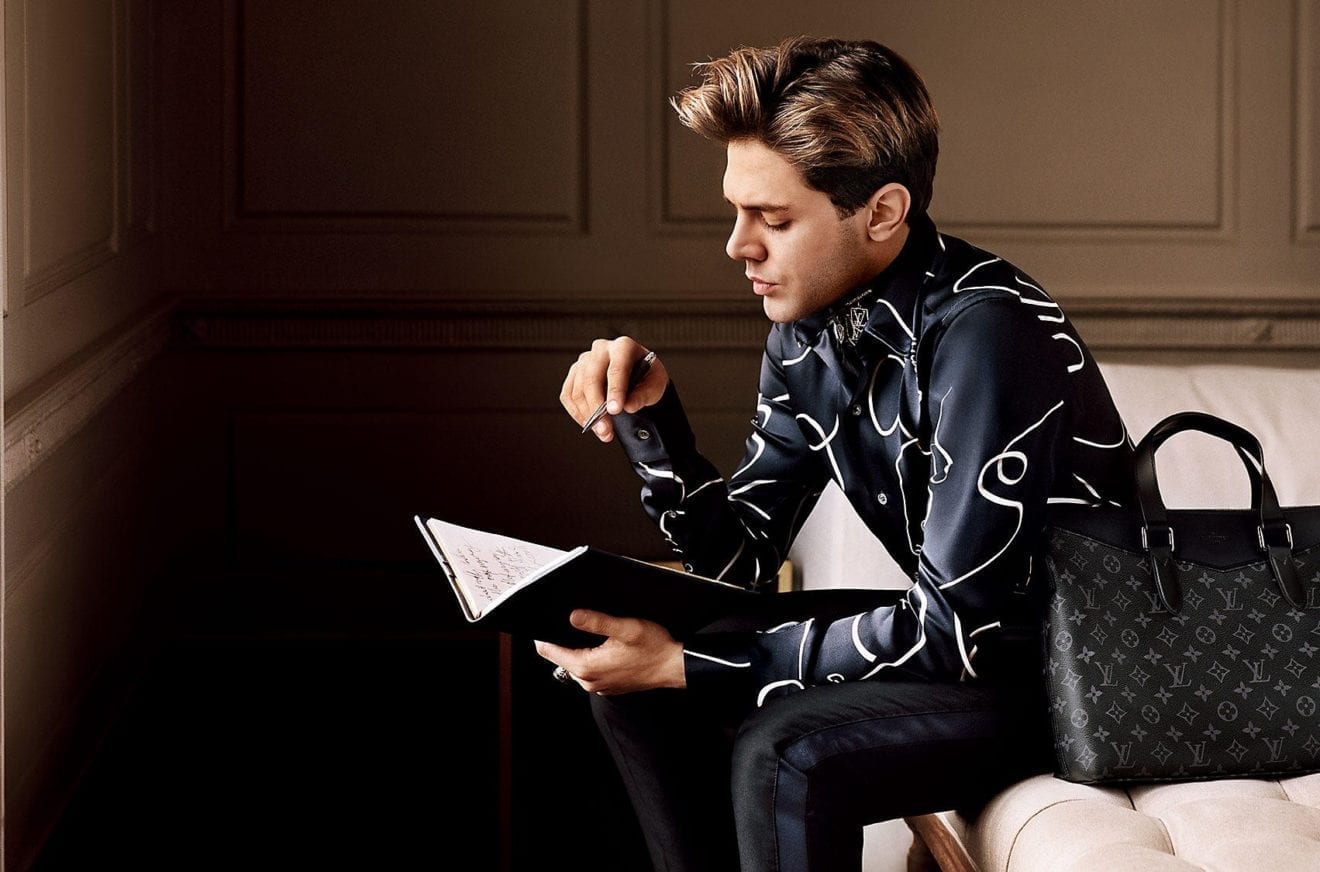
    Menswear has become a focus area for high-end fashion brands. Conglomerates like LVMH (including the brands Louis Vuitton, Bulgari, and Dior, among others) and Kering (including the likes of Gucci, Yves Saint Laurent, and Girard-Perregaux) have focused marketing efforts on mens fashion. Louis Vuitton, for example, is exploring high-end streetwear to tap the male Millennial zeitgeist, and Saks Fifth Avenue says their menswear has gone “from just category addressing to…designers looking at how they’re going to wardrobe a man’s lifestyle,” according to Saks Fashion Director Roopal Patel.

    Moreover, to appeal to younger cohorts, many luxury brands have expanded their product lines to include footwear, hoodies, purses, t-shirts and other more affordable items. Understanding the key demographic purchasing trends will allow retailers to tap into new segments and capitalize on timely opportunities.

    According to Valérie Moatti and Céline Abecassis-Moedas of ESCP Europe Business School, the luxury retail sector has been uniquely reluctant to embrace digital technology. But 2017 saw some luxury brands, including Chanel, successfully embrace a social media presence.

    Although Chanel was one of the last luxury brands to sell online, they now have a Paris-based Instagram team churning out 3-4 posts per day. The success of their Instagram presence earned them 9.6 million new followers last year, making them the platform’s most followed luxury brand. Over half of Instagram’s 1 billion users are under 35, making it a prime platform for reaching the luxury-purchasing cohorts, Millennials and Gen Z.

    “Instagram is well-suited to fashion brands to whom the visual and ‘community’ dimensions are essential,” Moatti and Abecassis-Moedas write. “This generation has a different relationship to brands, placing emphasis on use rather than possession and proving more sensitive to the power of the image.”

    Aligning with meaningful influencers can be effective, as well. Yves Saint Laurent struck social media gold last year by partnering with influencers to promote their fragrance, “Y.” Their strategy focused less on their own social accounts and more on product placements with edgy and notable personalities. The campaign earned them a 69 percent boost in followers and over $16 million in earned media value.

    Of course, any one campaign is not enough to build a relationship with customers. Research by Deloitte shows that Millennials are listening to multiple channels at once, making an omni-channel approach to communication and branding all-the-more essential.

    In-person shopping still has an appeal, particularly with younger cohorts and luxury shoppers. Deloitte’s research shows 43 percent of American Millennials still prefer to buy luxury items in person. They cite the abilities to touch, feel, compare, and try products as key benefits.

    The brands that are making physical retail work for them are using an experiential approach. Ibrahim Al-Haidos, founder of luxury handbag brand Fursan, built a storefront with an environment he describes as being dedicated to opulence and consummate beauty. “We want people to feel special when they enter our store,” Al-Haidos said. “The environment we have created is one of high luxury. It’s important that people begin to feel luxurious from the moment they enter our store.”

    The notion of inviting customers into aspirational lifestyle is common among successful luxury retailers. Many are looking less like traditional storefronts and more like lifestyle touchpoints, sometimes reminiscent of an open house or a ‘permanent pop-up.’ Inviting customers to participate in a lifestyle defined by a brand’s ethos allows them to actually contribute to a brand’s narrative, blurring the line, and strengthening the relationship, between retailer and consumer.

    Partnerships with other brands and influencers that reflect a retailer’s particular ethos can also be effective. Take Ferrari, for example. Their brand aligns closely with Formula 1 racing, surrounded by those passionate about high-performing cars.

    Or look at Max Mara’s partnership with street artist Shantell Martin. The pair collaborated on limited edition sunglasses, using sunglass frame-shaped cut-outs from a custom piece of art by Martin to create a one-of-a-kind product for each purchaser. Reflecting Martin’s whimsical and uplifting stream-of-consciousness style that focuses on the interplay of audience and creator, the limited edition pieces invited their purchasers to effectively participate in the art.

    “I’m always looking for great non-traditional canvases to spread my message out into the world to a new demographic and in a new way,” says Martin. “This collaboration was a great example of that done well.”

    The partnership shows the brand’s acute awareness of what their customers like outside of Max Mara, enabling them to capitalize on the sentiment of Martin’s art and alluding to a broader narrative in which they are a key fixture.

    The luxury retail sector does not look like it did in the days of Elizabeth Taylor.

    But new channels are opening and new markets emerging to support high-end retail.

    Creative approaches to social media, an innovative brick-and-mortar presence, and meaningful lifestyle partnerships will put your luxury brand in the coveted crosshairs of young spenders.

    Millennials may be a tricky market in their ad-proof armor, but the luxury brands who can strike the right chord will find promising returns.
  • Blackberrys menswear brand eyes to open more shops

    Blackberrys menswear brand eyes to open more shops

    India’s Blackberrys menswear brand is eyeing 25 per cent growth in turnover to touch INR1500 crore (US$226 million) by 2020 on the back of retail and portfolio expansion.

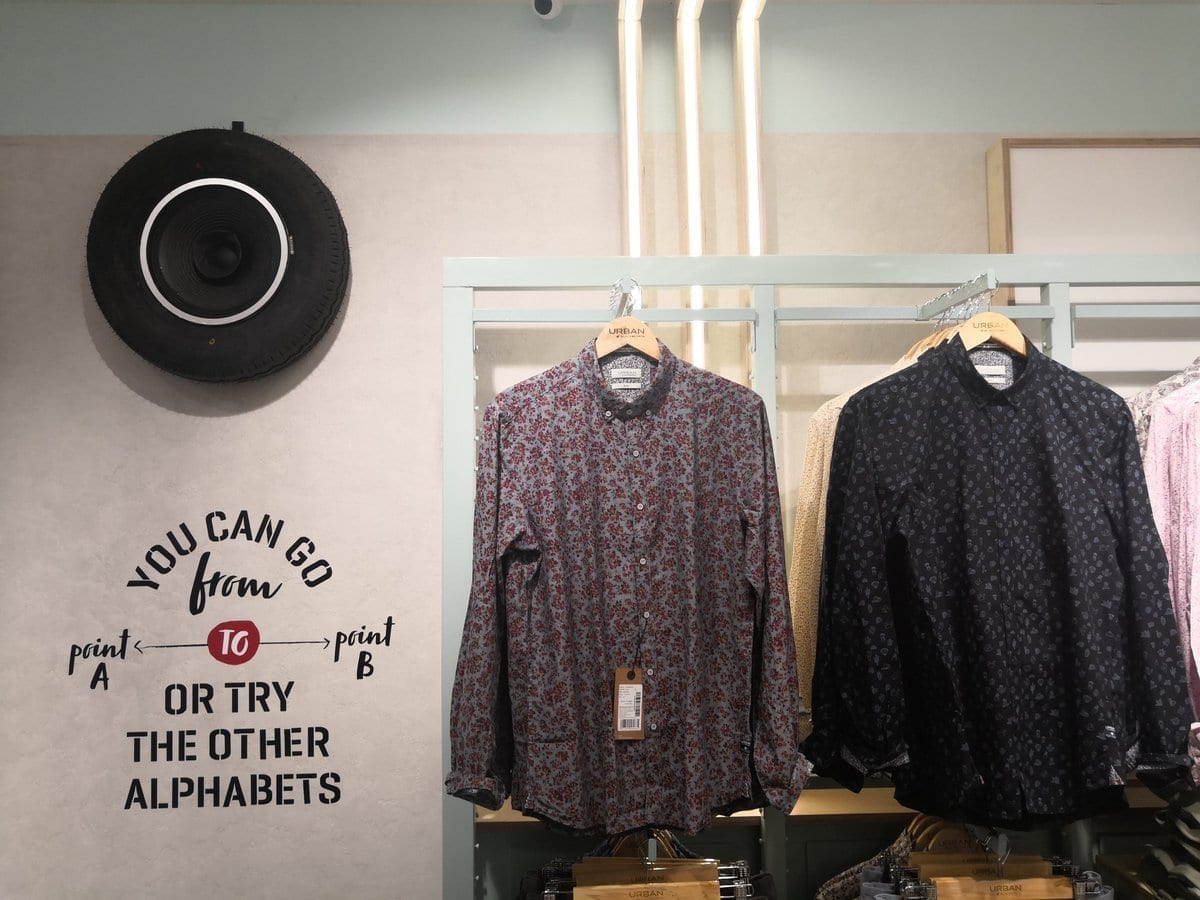
    The company, which also has the Casuals and Urban brands, plans to add 100 stores this fiscal year, 65 of them franchises.

    With turnover of INR720 crore last fiscal year, it has around 205 standalone company stores and is looking to open 70 more outlets this year.

    Its exclusive stores contribute almost half of total sales volume, while the rest comes from multibrand outlets and other channels. It also retails through more than 1000 multibrand outlets.

    Following the launch of its casualwear brand Blackberrys Urban, the company is planning toexpand its product portfolio.

  • Louis Vuitton points Virgil Abloh as new menswear designer

    Louis Vuitton points Virgil Abloh as new menswear designer

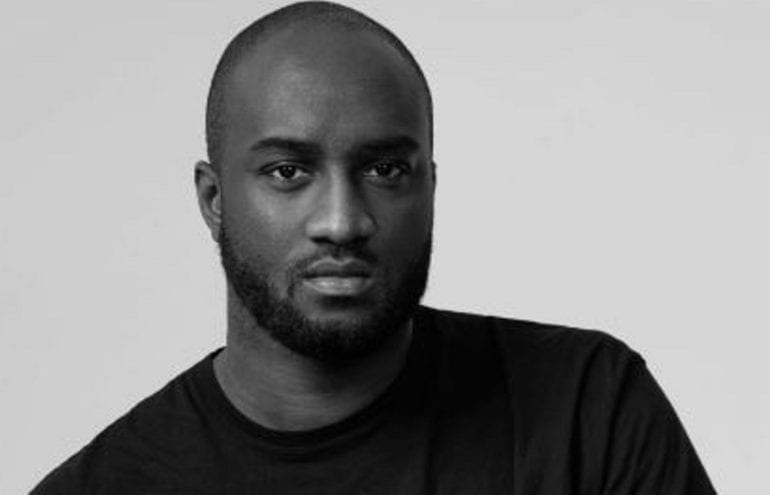
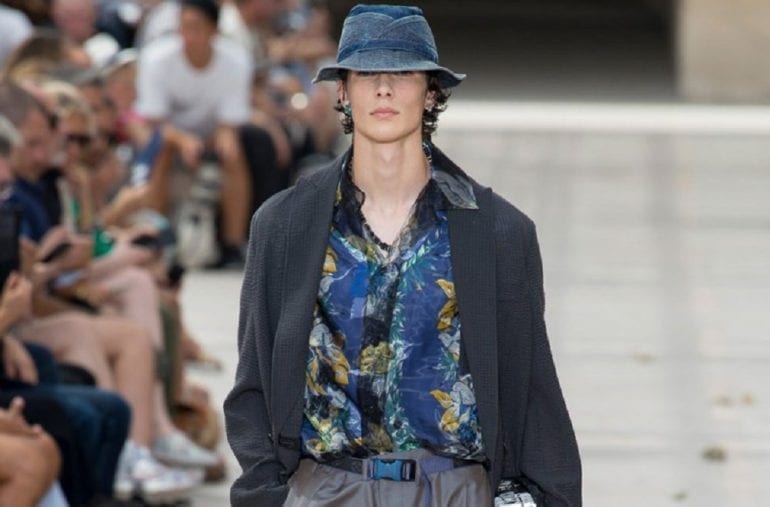
    Virgil Abloh, the founder of the haute street wear label Off-White and a longtime creative director for Kanye West, will be the next artistic director of menswear at Louis Vuitton, one of the oldest and most powerful European houses in the luxury business.

    He will be one of the few black designers at the top of a French heritage house. Olivier Rousteing is the creative director of Balmain, and Ozwald Boateng, from Britain, was the designer for Givenchy men’s wear from 2003 to 2007.

    r“I feel elated,” Mr. Abloh said via phone on Sunday, adding that he planned to relocate his family to Paris to take the job at the largest brand in the stable of LVMH Moët Hennessy Louis Vuitton, the world’s largest luxury group. “This opportunity to think through what the next chapter of design and luxury will mean at a brand that represents the pinnacle of luxury was always a goal in my wildest dreams. And to show a younger generation that there is no one way anyone in this kind of position has to look is a fantastically modern spirit in which to start.”

    The appointment, widely rumoured in recent months, is part of a shake-up on the men’s wear side of LVMH, which began in January with the departure of Kim Jones, Mr. Abloh’s predecessor at Louis Vuitton. Last week, it was announced that Mr. Jones would become the menswear designer at LVMH stablemate Christian Dior, replacing Kris van Assche.

    Mr. Abloh’s appointment is also a reflection of the increasing consumer-driven intermingling of the luxury and street wear sectors, which helped boost global sales of luxury personal goods by 5 percent last year to an estimated 263 billion euros (about $325 billion in today’s dollars), according to a recent study by the global consulting firm Bain & Company. And it is an acknowledgment on the part of the luxury industry that it must respond to contemporary culture in new ways.

    “Virgil is incredibly good at creating bridges between the classic and the zeitgeist of the moment,” said Michael Burke, chief executive of Louis Vuitton. The two men first met about 12 years ago when Mr. Abloh spent six months interning at Fendi with Kanye West, where Mr. Burke was then the chief executive.

    “I paid them $500 a month!” Mr. Burke said. “I was really impressed with how they brought a whole new vibe to the studio and were disruptive in the best way. Virgil could create a metaphor and a new vocabulary to describe something as old-school as Fendi. I have been following his career ever since.”

    Mr. Abloh, 37, a first-generation Ghanaian-American raised in Illinois, is widely considered one of fashion’s consummate purveyors of cool; a master of using irony, reference and the self-aware wink (plus celebrity, music, digital and hype), to recontextualize the familiar and give it an aura of cultural currency.

    Despite having no formal fashion education (his mother was a seamstress and taught him her trade; he studied architecture and civil engineering), Mr. Abloh founded Off-White — a reference to his belief that old barriers are breaking down — in 2013, almost a decade after he first meet Mr. West and became his creative partner. In 2015, Off-White was a finalist for the LVMH Young Designers Prize. (Mr. Abloh will be the first LVMH finalist to take on a major design role in an LVMH brand.)

    Off-White currently has 3.1 million Instagram followers (Mr. Abloh alone has 1.6 million), and Mr. Abloh received the Urban Luxe award at the British Fashion Awards last year. During the just-past women’s wear season, there was almost a riot in the Rue Cambon outside the Off-White show as fans crowded to get in.

    A champion of the cross-branded collaboration, Mr. Abloh has worked with names as varied as Nike, Jimmy Choo, Moncler and, with an upcoming project, Ikea. Most recently, he teamed up with Takashi Murakami, a frequent Vuitton collaborator, for a show at the Gagosian Gallery in London.

    “In a way, all of my output has been to make a compelling case for me to take on a role such as this,” Mr. Abloh said. “I think of it as kind of the ultimate collaboration.”

    It also presumably made a compelling case that Mr. Abloh could be the man to make Louis Vuitton men’s wear more relevant — and more visible — to the millennial generation. He will build on the foundation laid by Mr. Jones, who also gave classic men’s wear and Vuitton’s history as a luggage expert an urban edge, and recently engineered a sellout collaboration with Supreme, another street-wear success story.

    “For the last eight to 10 years we’ve been having this conversation about what’s new, and for me, that has to do with making luxury relatable across generations,” Mr. Abloh said, adding that he had been putting together an eight-page “brand manual” defining the new ethos of his Vuitton. “The first thing I am going to do is define new codes. My muse has always been what people actually wear, and I am really excited to make a luxury version of that.”

    Mr. Burke added, “Louis Vuitton was not a couture house. From the mid-19th century to the 1920s and beyond it always sought to cater to the new wealthy class, not the old aristocrats.”

    Mr. Abloh also said he would be focused on rethinking how the brand communicated with its consumers, including the release of products, the runway show and the way it interacted with the global political mood.

    Certainly, Vuitton will give him a bigger platform than he has had. Men’s wear is currently sold in only about 150 of the 450 Vuitton stores around the world, though the company plans to increase that by between 25 and 28 stores. There are also 13 free-standing men’s stores, with six more planned this year, according to Mr. Burke. Though LVMH does not break out specific brand performance, Mr. Burke said the men’s wear business had been growing in the double digits and “had a stellar 2017.”

    That places a burden of expectation on Mr. Abloh’s shoulders, especially given all the hype around his name — he was mentioned for possible top positions at Burberry and Versace. One of the criticisms most often lobbed at him (by Calvin Klein’s designer, Raf Simons, among others) is that his real genius lies in repurposing other people’s work, as opposed to creating new silhouettes of his own.

    Mr. Abloh is also not one to shy away from political statement-making, a tactic often seen as a risk for a luxury brand. Last year, during a guest appearance at the Florence men’s wear show, Pitti Uomo, Mr. Abloh eschewed the traditional runway show and instead collaborated with the artist Jenny Holzer on a piece addressing the immigrant crisis.

    “Product is only one part of the luxury narrative,” Mr. Abloh said in the phone interview. “I want to use Louis Vuitton’s history with travel to really look at different cultures around the world to help make all our humanity visible. When creativity melds together with global issues, I believe you can bring the world together. Fashion on this level can really open eyes.”

    Mr. Abloh will continue to run Off-White — “it is for the 17-year-old version of myself, whereas Vuitton is for the 37-year-old I am today,” he said — and to work with Mr. West. But he said he would cut back on his other activities, including moonlighting as a D.J. He will show his first collection for Louis Vuitton during Paris Men’s Fashion Week in June.

  • LV chooses Korea for the launch of its new menswear collection

    LV chooses Korea for the launch of its new menswear collection

    French luxury brand Louis Vuitton has chosen Korea for the launch of its new collection for men.

    The new SS18 menswear and bags will be available in Shinsegae Department Store from 19 January, and Louis Vuitton men’s exclusive store in Seoul from the 10 January 2018.

    Louis Vuitton said the collection is pre-sold at seven stores in seven countries with maily trend-conscious consumers.

    Louis Vuitton selected 7 countries to introduce its new menswear collection, namely Korea, France, the United States, Japan, China, Hong Kong and Singapore.

    In each country, the brand selected one store to represent the brand, and pre-release the collection.

    This new product reflects the design inspired by famous islands around the world with the subject of ‘luxury island hopping’.

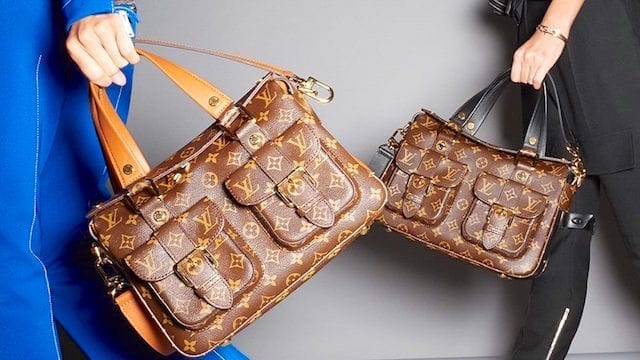
    Leather goods, clothing, shoes, accessories, including the Monogram Reflective Keypole Bag, which was first unveiled in the menswear collection in Paris last June, are all available in the selected stores.

    Kim John, Artistic Director of the Louis Vuitton Men Collection Design said “this collection has been designed with a special reminder of beautiful islands such as New Zealand, Easter Island and Hawaii,” and “Travel and Island, where different cultures and identities can be experienced, that is where I got the idea from.”

    Meanwhile, Louis Vuitton store specializing in menswear was opened on the sixth floor of Shinsegae Department Store’s main branch in Seoul. The department store has accommodated a renovated store featuring women’s collections as well on the ground floor.

    Other Louis Vuitton stores can only be found at Saks Fifth Avenue in New York, Harrods in London, and Shin Kong Place in Beijing, as well as Shinsegae Department Store’s Gangnam branch stores having also womenswear.

  • Louis Vuitton adopts a new strategy in Korea

    Louis Vuitton adopts a new strategy in Korea

    Louis Vuitton has recently begun separating its men’s stores from women’s at major department stores in Korea.

    According to the French luxury brand on 11 December 2017, a Louis Vuitton store specializing in men’s fashion items was opened on the sixth floor of Shinsegae Department Store‘s main branch in Seoul last week. The department store will accommodate a renovated store featuring women’s collections as well on the ground floor next week.

    The international fashion house will also open a brand new store focusing on men’s collections at Galleria Department Store’s East Wing and a renewed women’s store in the store’s West Wing this month.

    Its Korean subsidiary said it divided the stores to offer clients a unique and personalized shopping experience.

    According to the company, separated Louis Vuitton stores can only be found at Saks Fifth Avenue in New York, Harrods in London, and Shin Kong Place in Beijing, as well as Shinsegae Department Store’s Gangnam branch having stores for women’s collections on its second floor, women’s shoes collections on the fourth floor and men’s collections on the sixth floor.

    Some observers regarded the company’s recent decision as a strategy to recover from its declining sales here by attracting male customers, who have emerged as big players in the nation’s luxury market.

    According to Reebonz Korea, a local subsidiary of the Singaporean-based online platform for luxury products, sales of men’s items rose 96 percent year-on-year in the first half. Sales of men’s luxury products have also increased in other online market places, such as Auction, Gmarket and 11st.

    Louis Vuitton and other global luxury brands are therefore making every effort to satisfy demand, so as to overcome slumps in sales. According to industry officials, Louis Vuitton’s sales growth has been decreasing at major department stores in Korea for years.

    Fendi, an Italian luxury fashion brand, also opened a store specializing in men’s items for the first time in Korea in September at Men’s Salon on the sixth floor of Shinsegae’s Gangnam store. Christian Louboutin, an international luxury brand known for high heels, revamped the first basement of a flagship store in Cheongdam-dong to sell men’s products.

    Given that Louis Vuitton has not unveiled its business performance in Korea, it is unknown exactly what its sales growth was after the latest renewal.

    However, sales of men’s items at Shinsegae’s Gangnam branch doubled after the renewal of Men’s Salon consisting of several luxury brands, such as Louis Vuitton, Berluti and Lardini. Among the brands, Louis Vuitton has maintained the top spot in terms of sales, according to industry officials.

    Thierry Marty, the CEO of Louis Vuitton Korea, said the luxury brand will push ahead with renewals at its nationwide stores to provide personalized services for customers, so the number of separated Louis Vuitton stores is expected to increase.

  • Ermenegildo Zegna presents a multisensory experience

    Ermenegildo Zegna presents a multisensory experience

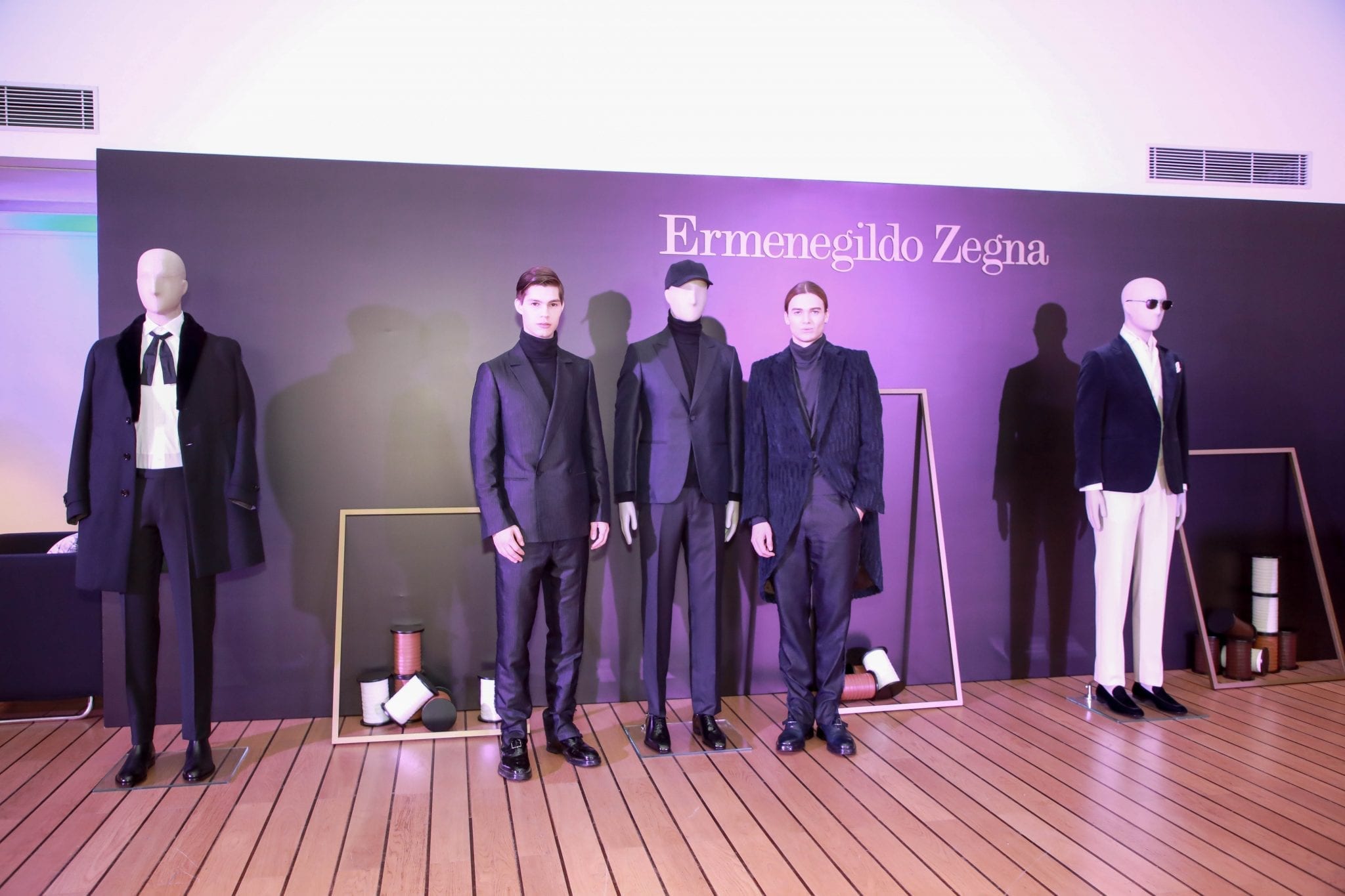
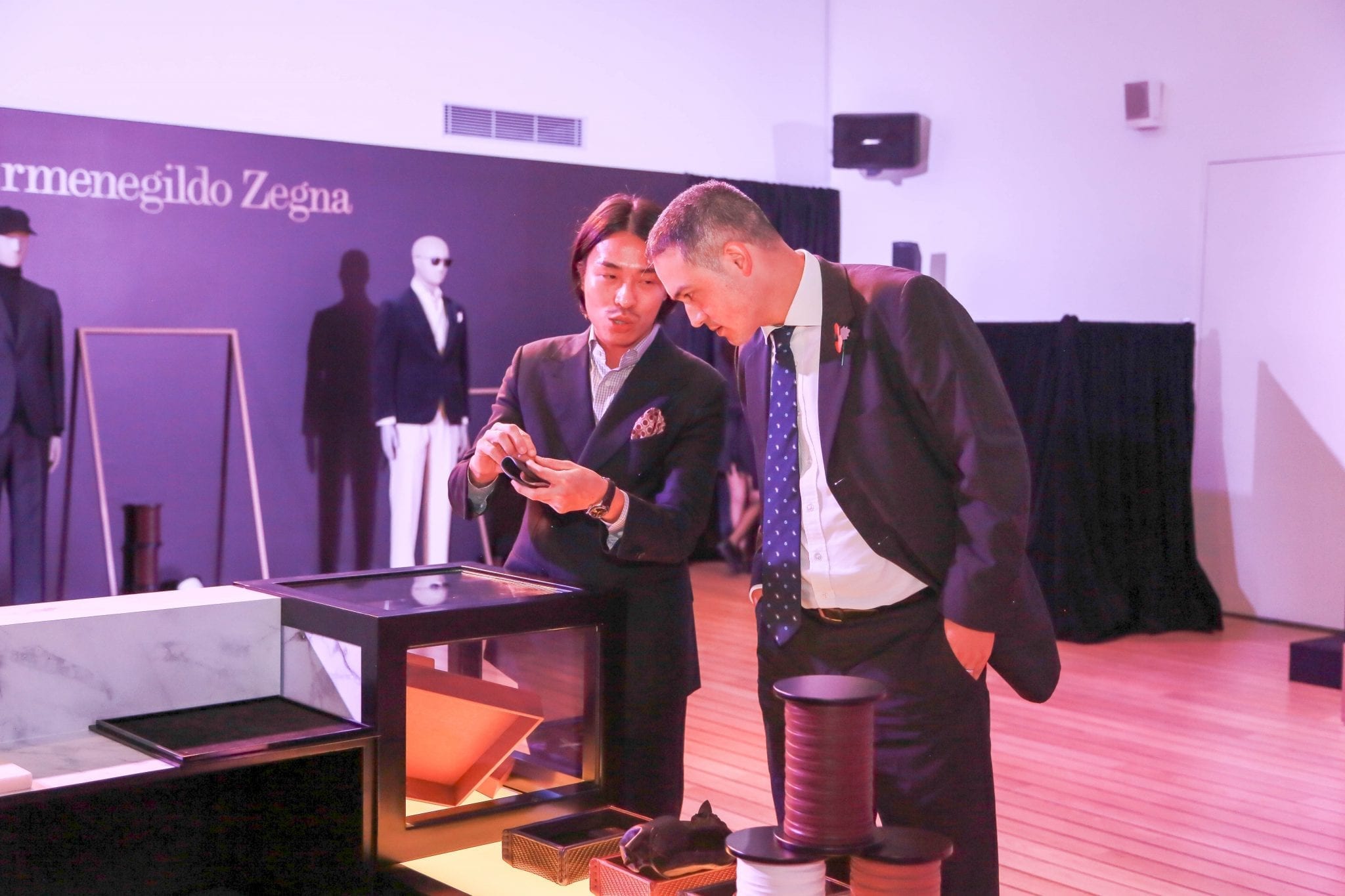
    Ermenegildo Zegna, one of the most luxurious  Italian fashion houses for modern gentlemen, hosted an experiential cocktail event “Crafting Modernity” at the Hong Kong  Maritime Museum.

    The event was an interactive, multisensory celebration where guests were guided through an intimate look into Ermenegildo Zegna’s creativity and artisanship, as well as their latest offerings – from the iconic PELLE TESSUTA Leather Collection, to the new arrivals of Zegna Toyz Collection which is also exclusively made in PELLE TESSUTATM.

    Renowned actors Sean Lau and Moses Chan joined the evening to share some of the key defining moments in their life that have made them who they are today. Both embody the mature elegance of the sophisticated gentleman, their successes mirror Ermenegildo Zegna’s continuous pursuit of excellence and innovation.

    Up and coming singers Tim Wong and Alfred Hui also joined the event to provide a dynamic equation to the evening, as their contemporary music reflects the spirit of modern young men today.

    Undoubtedly though, the star of the show was the brand’s PELLE TESSUTA collection. Famous for its premium fabrics, Ermenegildo Zegna has taken leather to a new level, and the PELLE TESSUTA collection is the latest innovation, replicating the traditional method of weaving cloth to recreate precious fabric using extremely thin strips of select nappa leather.

    The Zegna Toyz Collection, which was officially launched in Hong Kong at the event, features a wide range of home, travel and gaming products all made in PELLE TESSUTATM. The items are dedicated to the modern man for three different moments of his life: “Essential” is a collection of small leather goods for the gentleman’s business life and includes, among other things, a coin case, a business card case and a sunglasses case. “Toys” is a selection of leisure and entertainment travel games, which includes a domino set, a playing card set and a game cube. The “Technological” offer consists of a series of multimedia accessories, such as headphones and turntable, created in collaboration with Master & Dynamic, the premium audio brand known for its sophisticated sound tools.

    At the event multisensory experience was created to stimulate the senses and guide each guest to connect with the brand on a deeper level and to truly experience and appreciate the innovation of the PELLE TESSUTA and the Zegna Toyz collection. Guests were invited to record a personalised audio message that can be immediately stored and also realized in a soundwave art on a plastic card, and when given to a loved one, can be played back by scanning the QR Code on the card face.

    Another highlight of the evening was  the headphone and vinyl record player created through a special collaboration with Master & Dynamic, resulting in a beautiful set of  top-of-the-line music gear that stands out with its timeless design that is both elegant in its lines and sophisticated in its bearing.

    To celebrate the collections, award winning bartender James Barker tailor –made 3 different signature cocktails inspired by Ermenegildo Zegna and its latest collections.

  • Flat revenue leads to loss for Trinity

    Flat revenue leads to loss for Trinity

    Menswear retailer Trinity has recorded a half-year loss it attributes to subdued spending in Hong Kong, Macau and Taiwan, changing buying patterns, the renminbi depreciation and competition.

    The group loss to shareholders was HK$257 million (US$32.8 million), with revenue at $862.4 million and gross profit $594.3 million, down from $606.8 million for last year’s first half.

    Despite overall revenues remaining flat, CEO Jeremy Hobbins says a promising sign was growth in the number of units sold across its three wholly owned international menswear brands Cerruti 1881, Gieves & Hawkes and Kent & Curwen, as well as its licensed brand D’Urban.

    “If we exclude the effect of exchange-rate differences, our same-store sales on the Chinese mainland grew by 8.1 per cent.”

    While he is confident the group is well placed to take advantage of market growth in China, he says Hong Kong and Taiwan remain a challenge in the near term.

    During the first half, Trinity appointed brand leaders in Asia to accelerate decision-making. These executives have profit-and-loss responsibility and oversee all key dealings in Asia including marketing, buying and selling.

    Meanwhile, the group has closed its Hong Kong factory, with Li & Fung agreeing to take responsibility for the group’s sourcing activities. This partnership, launched in June, lowers headcount and is expected to result in cost savings.

    Stores closed

    Trinity says other cost-saving measures include continuing rationalisation of non-performing stores. Several loss-making stores across all brands have closed.

    Following the success of the Kent & Curwen David Beckham capsule collection, the full collection is being launched in all the group’s markets. To introduce the brand, Kent & Curwen pop-up stores were opened in China as well as in Taiwan. The brand says its relationship with Beckham is a key component in its strategy to meet the increased demand for casualwear.

    In response to increased demand for personalisation, the Gieves & Hawkes private tailoring service has been rolled out across China and introduced at the Mandarin Oriental store in Hong Kong.

    Meanwhile, with Cerruti 1881 celebrating its 50th anniversary this year, an exclusive collection will be released. A new store concept is also being rolled out across Greater China.

    It is also the 20th anniversary of the D’Urban Monsoon collection, developed by the Japanese suit brand for hot and humid climates. To mark the occasion, the collection will be offered all year round.

    Trinity says its e-commerce performance has been encouraging with a doubling of revenue for the first half. Expansion is being considered for its presence on the retail platforms Farfetch, Mr Porter and Tmall.

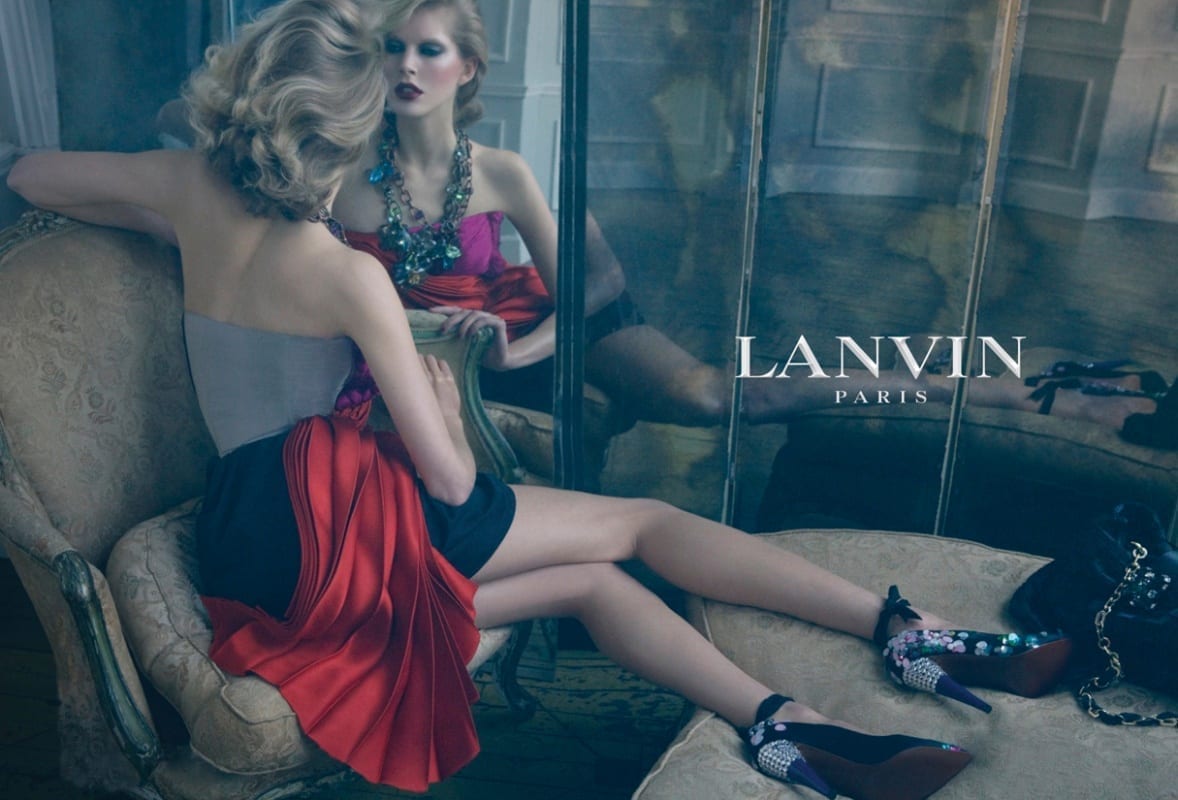
  • Lanvin opens menswear store in Kuala Lumpur

    Lanvin opens menswear store in Kuala Lumpur

    Lanvin has opened its first flagship store in Malaysia, with an emphasis on the French maison’s men’s fashion and women’s accessories collections.

    Located at the Pavilion in Kuala Lumpur, the store covers 2040 square feet of floor space and is situated on level 2 of the prestigious mall.

    The store features Lanvin’s signature retail design accenting sleek interiors with cream-coloured shelves and marble floors, largely minimalist with an emphasis on the high-end clothing and accessories.

    Focused on Lanvin’s male customer, the shop boasts a range of men’s formalwear, black tie suiting, casualwear, as well as a skater and sneaker offerings from Lanvin’s Pre-Fall Collection.

    For women, Lanvin Kuala Lumpur also carries the latest women’s accessories including bags and leathergoods. It has not been disclosed if the French luxury brand has plans to open a women’s store in the Malaysian capital.

    Lanvin retail sales have faced difficulty the past two years ever since the house’s Taiwanese owner Madame Shaw abruptly sacked Alber Elbaz, its long-serving and critically acclaimed creative director.

    Shaw appointed Bouchra Jarrar, but the new designer head failed to turn fashion into revenues in her sixteen-month tenure.

    In a turnaround move last week, Lanvin named Olivier Lapidus to be its new artistic director, replacing Jarrar just four days after she was fired.

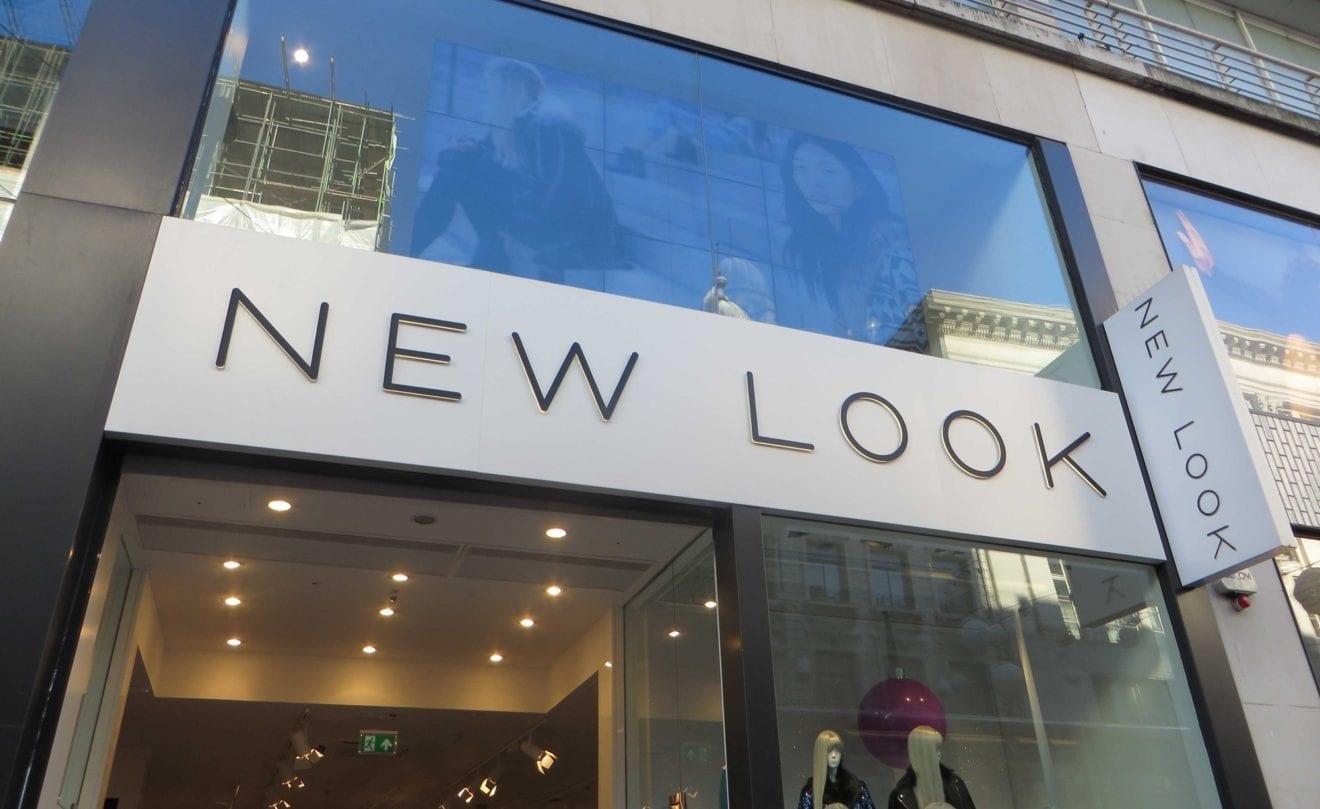
  • New Look to expand in China & France with new standalone menswear stores

    New Look to expand in China & France with new standalone menswear stores

    Fast fashion retailer New Look is taking advantage of its popularity in menswear by opening 25 new stores in the next five years – including a batch of standalone menswear stores in China and France over the next 12 months.

    While the store split between the UK and overseas is not yet known, the retailer currently going through exceptional growth in China where it has had like-for-like growth since entering the market at the start of 2015.

    New Look first launched standalone menswear stores almost a year ago and has quickly garnered a reputation as being a leader in the trend of standalone high street menswear stores.

    Online retailer Boohoo launched a standalone menswear site in April while Net-a-Porter recently revealed its own-brand menswear label.

    Department store chain Harvey Nichols also recently relaunched its menswear department, while fashion chain Jigsaw has announced plans to expand its menswear range over the next five years.


  • China Fordoo boosts store network

    China Fordoo boosts store network

    China Fordoo Holdings opened 42 new stores in the first half of this year, helping it boost sales in a soft Mainland retail market.

    Fordoo, a specialist menswear designer, manufacturer and retailer, now has 1494 stores across the Mainland, including two self-managed. Trousers account for 58 per cent of its revenue.

    For the six months to June 30, group profit was about RMB136.9 million (US$21.4 million), up 6.4 per cent on the same period last year. Sales increased by 8.1 per cent to RMB828.4 million ($129.56 million).

    “The increase was mainly due to the expansion of the group’s distribution network and the enhancement of its brand recognition,” the company said in its statement.

    Fordoo said in the first half, China’s economy had entered into a “New Normal” phase.

    “The economy has shifted from high growth to medium-to-high growth, and the economic structure has improved and been upgraded. Under the “New Normal” phase, the economy is increasingly driven by innovation rather than input and investment.”

    Apparel retail growth slowed. Total retail sales of garments, hats, footwear and knitwear in China recorded a 8.3 per cent year on year increase which was 0.4 percentage points lower than that of the corresponding period in 2014.

    “The overall retail market in China remained weak and consumer sentiment showed no sign of notable recovery. However, we are glad that China Fordoo Holdings was able to continue to grow at a stable and moderate pace during the period in terms of number of retail outlets, distributors and revenue.”