Tag: Mercedes

  • Experience Ultimate Luxury: 2026 Mercedes-Maybach S-Class Unveiled with Enhanced V8 Power and Stellar Tech Upgrades

    Experience Ultimate Luxury: 2026 Mercedes-Maybach S-Class Unveiled with Enhanced V8 Power and Stellar Tech Upgrades

    Several months after the reveal of the updated S-Class, Mercedes-Benz has now launched the 2026 Maybach S-Class. The flagship luxury limousine comes with a series of subtle design revisions, enhanced features, and technology upgrades. It will also boast a more robust V8 engine, while the V12 engine remains available in the S 680 variant and will be accessible only in certain markets.

    Exterior Design and Features

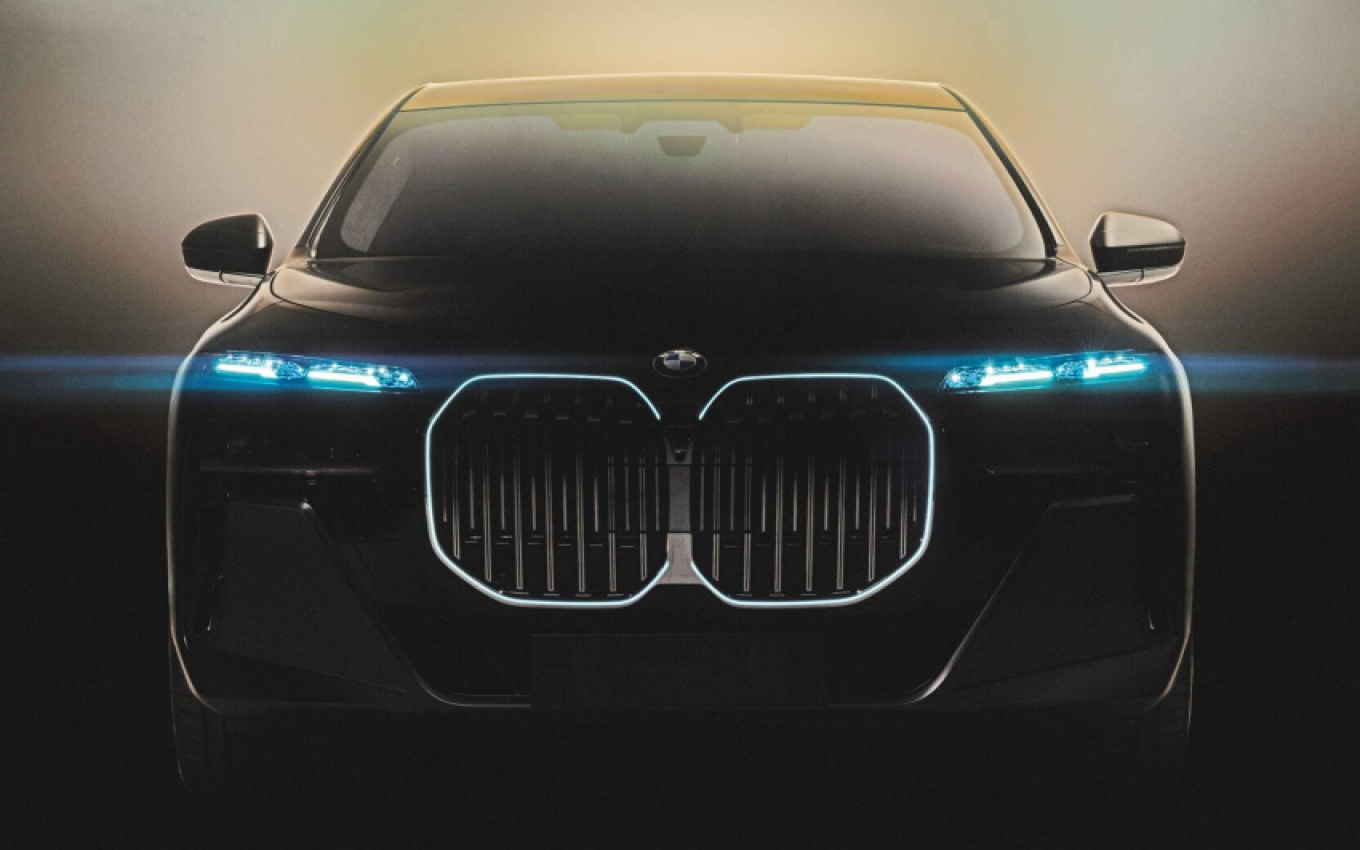
    The 2026 Maybach S-Class underwent modest style modifications. The front grille has been enlarged by 20% and is now surrounded by an illuminated frame. Other radiant elements include the Maybach inscription, the C-pillar emblem, and the bonnet-mounted Mercedes-Benz star in certain markets.

    The headlights now showcase a tri-star LED light signature complemented by rose-gold accents, while the tail-lights reflect this three-pointed star pattern. New forged alloy wheel designs have been introduced by Mercedes-Maybach, including ones with self-leveling center caps that keep the Mercedes-Benz logo upright while on the move.

    The expanded Manufaktur program has introduced new paint options, including the Nautical Blue metallic for the Night Series package.

    Interior Enhancements

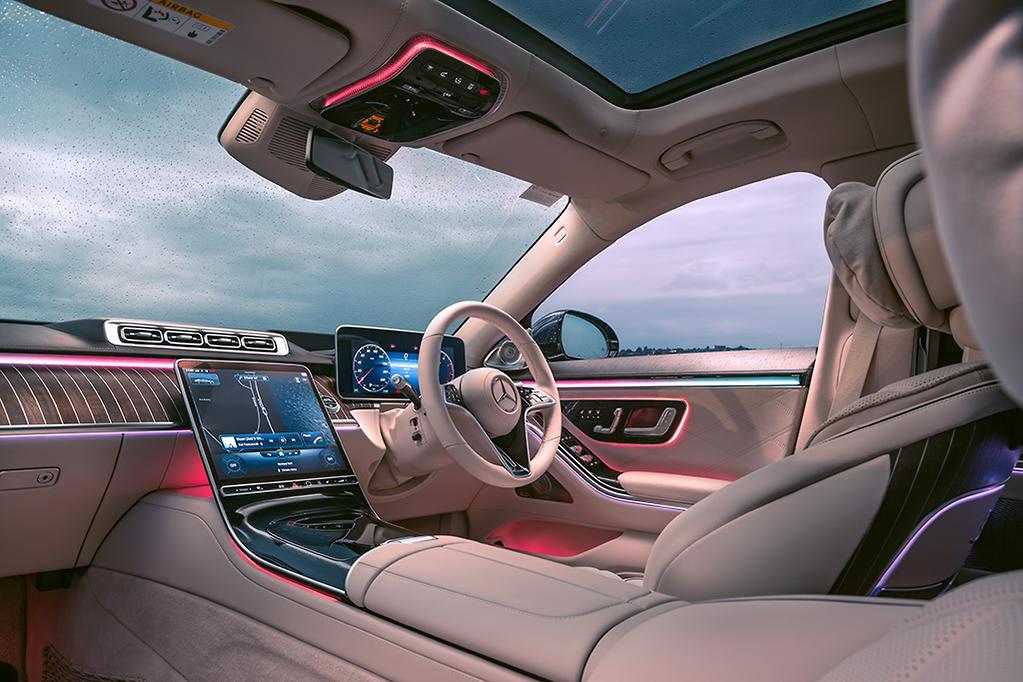
    In keeping with Maybach tradition, the focus continues to be on rear-seat comfort, with improvements in material quality and layout. The updated model also introduces the new Mercedes-Benz Operating System (MB.OS) in a Maybach, coupled with the latest iteration of the MBUX infotainment system.

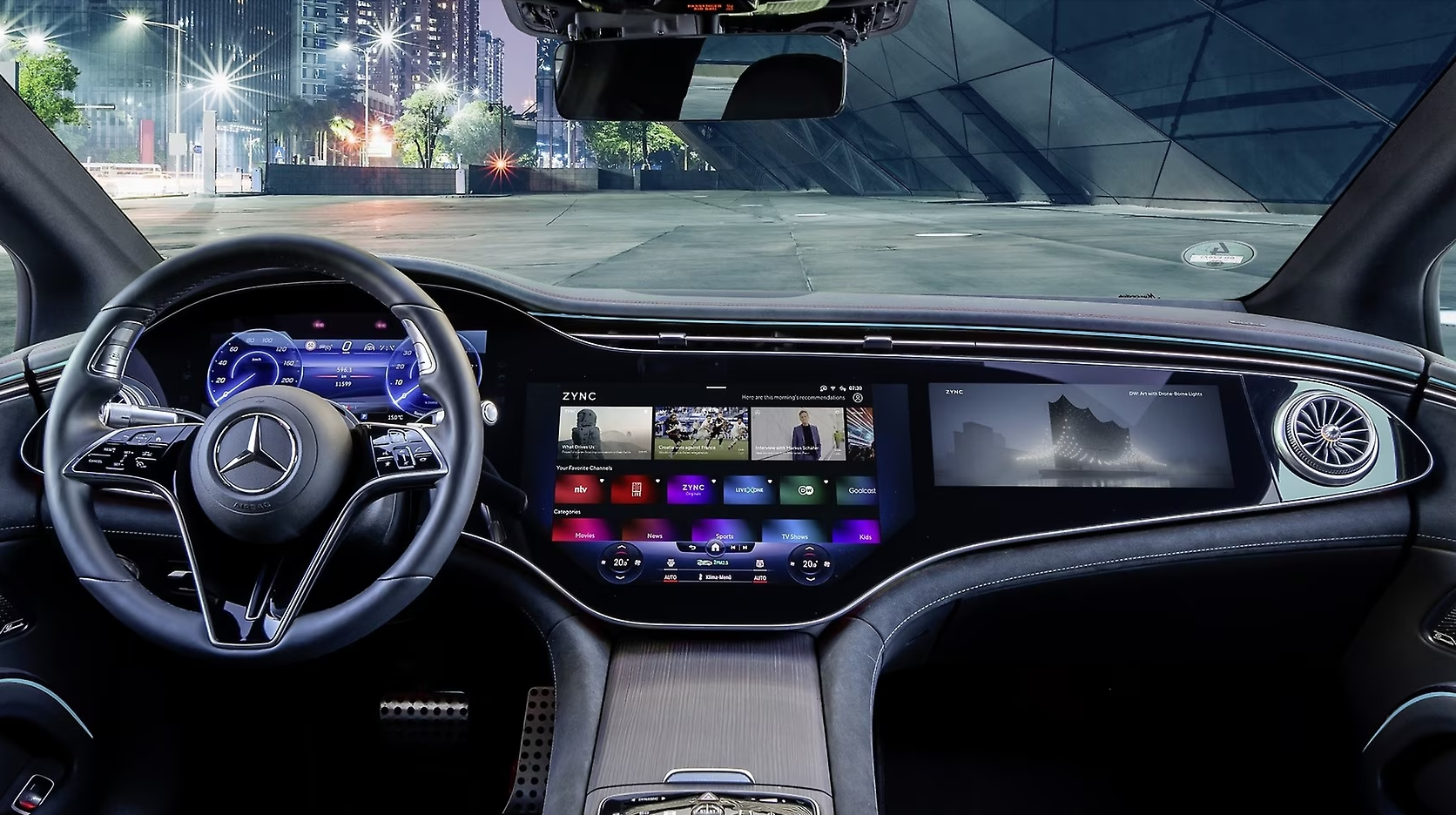
    The MBUX Superscreen merges the central and passenger displays under a single glass panel and showcases Maybach-specific graphics with rose-gold accents. Rear passengers are treated to twin 13.1-inch displays, executive seating, a refrigerated compartment, and signature elements such as silver-plated champagne flutes.

    Mercedes-Benz has also unveiled new interior themes, featuring open-pore wood trims and a leather upholstery option crafted from sustainable materials. The ambient lighting has been upgraded with various themes and deeper integration with in-car functions.

    Technology and Performance Upgrades

    The enhanced S-Class introduces MB.OS, which reportedly offers a more sophisticated digital experience with AI-based features. The new virtual assistant supports more natural voice interactions and can access multiple integrated services. Parking systems have also seen improvements, supporting angled parking and enhanced 360-degree visualization.

    The 2026 Maybach S-Class lineup features upgraded six- and eight-cylinder engines with hybrid assistance. The Maybach S 580 is powered by a modified 4.0-litre V8 engine generating 530 bhp, coupled with a mild-hybrid system that offers an additional boost. The peak torque exceeds 750 Nm, with an added electric boost, and power is distributed to all four wheels through the standard 4MATIC system.

    The plug-in hybrid S 580 e pairs a six-cylinder petrol engine with an electric motor, offering an electric-only range of up to 100 km.

    The top-tier S 680 model, available in select markets, maintains the 6.0-litre twin-turbo V12 engine, producing over 600 bhp, making it one of the few luxury sedans globally to house a V12 engine.

    The S 580 performance stats reveal a 0-100 kmph acceleration in 4.5 seconds, with a top speed electronically restricted to 250 kmph.

    The Maybach Night Series S-Class

    The Maybach Night Series S-Class is essentially a package that adds a darker theme to the S-Class. This package offers a variety of subdued exterior finishes, including shades of grey, black, and white, along with a two-tone obsidian black and Mojave silver option. For the first time, buyers can select a new Nautic Blue metallic paint.

    Consistent with this theme, typical chrome elements are replaced with dark chrome details. The car rides on a set of black alloy wheels optimized for aerodynamics and adorned with Maybach logos. The Night Series extends its unique identity to the interior, offering a choice between black Maybach Exclusive Nappa leather and a Manufaktur deep white-and-black pearl interior.

    The new Maybach S-Class will be available to order in select European markets from March 25, 2026. The updated Maybach S-Class is expected to arrive in India following the standard S-Class, with a launch anticipated sometime in 2027.
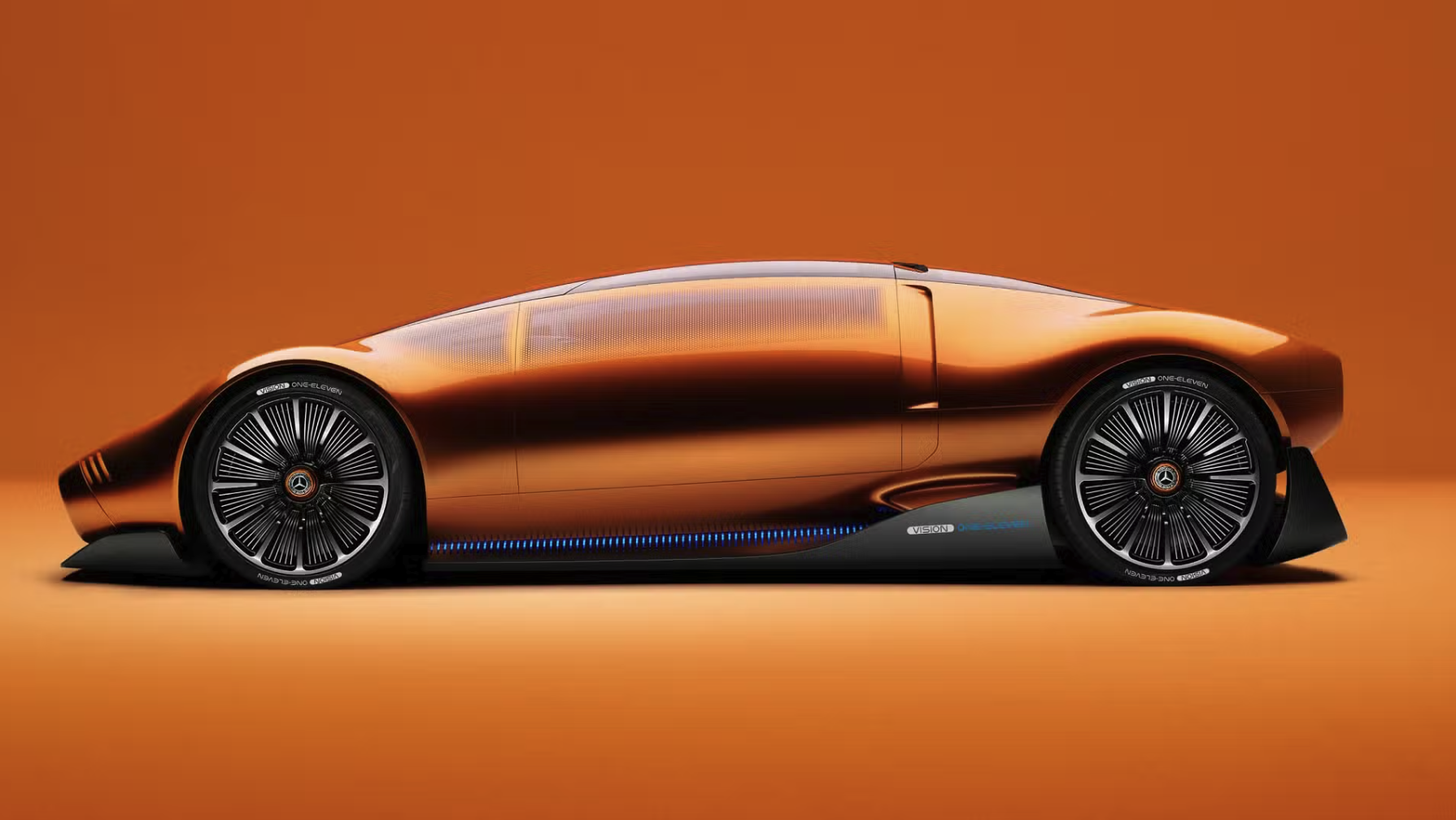
    It is expected that, like the current model, the Maybach S 580 will be locally assembled. Prices are predicted to exceed Rs 3 crore, given the technology and feature upgrades. For comparison, the current Maybach S-Class starts from Rs 2.80 crore (ex-showroom).

    Questions & Answers

    What new features does the 2026 Maybach S-Class have?
    The 2026 Maybach S-Class comes with subtle styling modifications, improved materials and layout in the cabin, a more powerful V8 engine, and a host of technology upgrades, including the new Mercedes-Benz Operating System (MB.OS) in a Maybach for the first time.

    What is the performance of the 2026 Maybach S 580?
    The 2026 Maybach S 580 is powered by a modified 4.0-litre V8 engine delivering 530 bhp. It has a peak torque of over 750 Nm and can accelerate from 0-100 kmph in 4.5 seconds, with a top speed electronically limited to 250 kmph.

    When will the 2026 Maybach S-Class be available?
    The new Maybach S-Class will be available to order in select European markets from March 25, 2026. It is expected to arrive in India following the standard S-Class, with a launch anticipated sometime in 2027.
  • “PepsiCo Ignites Power Play with Mercedes F1 Team: A Trio of Iconic Brands Gear Up for 2026 Partnership”

    “PepsiCo Ignites Power Play with Mercedes F1 Team: A Trio of Iconic Brands Gear Up for 2026 Partnership”

    PepsiCo has recently unveiled a global alliance with the Mercedes-AMG Petronas Formula One Team that will commence in 2026. This marks a first for the company, as three of its brands, Gatorade, Sting, and Doritos, will collectively collaborate with a Formula 1 team. This enduring partnership will incorporate these brands into various aspects of the team’s operations, including hydration plans and fan interaction initiatives.

    Uniting Performance, Energy, and Flavor

    Eugene Willemsen, the CEO of International Beverages at PepsiCo, expressed enthusiasm regarding the partnership. He noted that it symbolizes the unification of performance, energy, and flavor. The collaboration brings together three of PepsiCo’s most prominent brands and the world’s most successful Formula 1 team, both of which share a commitment to performance, innovation, and excellence.

    Gatorade will provide backing for the team’s hydration and performance programs. Sting, on the other hand, will concentrate its efforts on high-growth markets that coincide with the sport’s expansion. Doritos will augment fan experiences and worldwide activations associated with Grand Prix events.

    Alignment of Objectives

    Toto Wolff, the team principal and CEO of Mercedes-AMG Petronas F1, stated that the partnership mirrors the alignment between the team’s objectives and PepsiCo’s brand portfolio. In his words, the brands perfectly align with the team’s belief of chasing ultimate performance through innovation and excellence. He highlighted Gatorade’s expertise in sports science, Sting’s vibrant energy, and Doritos’ cultural significance each as bringing something unique to the partnership. Together, they forge a partnership that not only fortifies the team’s performance, but also amplifies the experience for their global fan base.

    This partnership will utilize the profiles of drivers George Russell and Kimi Antonelli. Russell, with his reliable track record and extensive fan base, together with Antonelli, a representative of the incoming generation of drivers, will be featured in communications, behind-the-scenes content, and fan interaction programs with the three brands.

    Richard Sanders, the Chief Commercial Officer of the Mercedes-AMG Petronas F1 Team, lauded the partnership. He stated that their proficiency in this sector will assist in delivering fantastic experiences for their guests and fans, both on and off the track. He added that this partnership brings real value to how they function on a daily basis and how they connect with people around the world.

    Questions & Answers

    What are the main PepsiCo brands involved in this partnership?
    The three main brands involved are Gatorade, Sting, and Doritos.

    What roles will Gatorade, Sting, and Doritos play in the partnership?
    Gatorade will support the team’s hydration and performance programs, Sting will focus on high-growth markets aligned with the sport’s growth, and Doritos will contribute to fan experiences and global activations linked to Grand Prix events.

    Which drivers’ profiles will the partnership utilize?
    The partnership will leverage the profiles of drivers George Russell and Kimi Antonelli.

  • Mercedes-benz Unveils Vision Iconic Concept: A Blend Of Classic Elegance And Cutting-edge Technology

    Mercedes-benz Unveils Vision Iconic Concept: A Blend Of Classic Elegance And Cutting-edge Technology

    Unveiling the Mercedes-Benz Vision Iconic Concept: A Fusion of Retro Design and Modern Technology

    Mercedes-Benz has recently revealed its Vision Iconic Concept, a luxurious spectacle of automotive engineering, at its design house located in Shanghai, China. The brand asserts that the new concept vehicle draws heavily from the golden age of car design, specifically the 1930s. The Vision Iconic Concept is said to encapsulate the quintessence of what makes a Mercedes-Benz vehicle.

    Inspiration and Innovation

    The Concept maintains design elements reminiscent of classic cars, yet also incorporates a range of advanced technological features. The vehicle’s visually striking design includes an upright radiator grille similar to the one found on the 1956 300Sc model. This grille, however, is accentuated with radiant, illuminated elements. The car’s sloping roofline and elongated bonnet might bring to mind the Mercedes 300 SL. The iconic Mercedes logo adorns the front of the vehicle, while the illuminated star motif on the headlights adds a contemporary, luxurious touch.

    Blending Classic and Modern Interior Design

    The interior decor upholds the design of Mercedes’ vintage cars, but with a fresh twist. New elements have been introduced to enhance modern aesthetics and practicality. The Mercedes-Benz Vision Iconic Concept boasts a unique, floating glass dashboard centerpiece aptly named the ‘Zeppelin’. This feature combines analogue components with digital displays, creating a seamless blend of past and future. A continuous bench seat and an elegantly designed rear section recall memories of the legendary 300 SL. The car’s 4-spoke steering wheel, complete with a Mercedes logo encased in a glass sphere, adds to the luxurious feel of the vehicle.

    Advanced Features

    Beyond its visual appeal, the Mercedes-Benz Vision Iconic Concept is packed with an array of advanced features. It includes steer-by-wire technology, providing quicker maneuvering and precise control. Other notable features in the prototype include Level 2 Advanced Driver-Assistance Systems (ADAS). Mercedes-Benz is also contemplating the development of Level 4 autonomous driving for the vehicle.

    Questions & Answers

    What is the design inspiration behind the Mercedes-Benz Vision Iconic Concept?
    The design of the Vision Iconic Concept is primarily inspired by the golden era of automotive design in the 1930s. It incorporates elements from classic Mercedes-Benz models like the 1956 300Sc and the Mercedes 300 SL.

    What unique interior features does the Vision Iconic Concept have?
    The car’s interior features a unique floating glass dashboard centerpiece called the ‘Zeppelin’. The design also includes a continuous bench seat and an elegantly designed rear reminiscent of the legendary 300 SL.

    What advanced features does the Mercedes-Benz Vision Iconic Concept offer?
    The vehicle is equipped with advanced features such as steer-by-wire technology and Level 2 Advanced Driver-Assistance Systems (ADAS). Mercedes-Benz is also considering the development of Level 4 autonomous driving for the vehicle.

  • German Automotive Giants BMW, Mercedes, and VW Transform for a New Era of Innovation

    German Automotive Giants BMW, Mercedes, and VW Transform for a New Era of Innovation

    Under mounting pressure from Washington and Beijing, German automotive stalwarts BMW, Mercedes-Benz, and Volkswagen are stepping back into the limelight at IAA Mobility in Munich. With billions poured into new electric models and a refreshed global strategy, these industry titans aim to reaffirm their critical role in shaping the future of mobility.

    At the IAA Mobility, the local heavyweights take center stage, as BMW, Mercedes-Benz, and Volkswagen look to reclaim their spotlight amid fierce competition from a growing influx of Chinese brands. With 14 Chinese manufacturers showcasing their innovations, nearly half of all exhibitors hail from the East, challenging traditional automotive powerhouses in new ways.

    Reclaiming Ground on Home Turf

    The three German carmakers are leveraging the event to unveil their latest fully electric models, signaling their intent to keep Chinese competitors in check while also eyeing expansion into the U.S. market, despite the challenges of the ongoing trade war initiated by former President Donald Trump.

    The German automotive sector has faced tumultuous years marked by restructurings, job cuts, and strategic overhauls. The rise of Chinese manufacturers has intensified competition, compelling the industry to innovate rapidly. Initially burdened by hefty U.S. tariffs of 27.5 percent, later reduced to 15 percent but still looming, the industry has pivoted decisively toward electric drivetrains, software, and artificial intelligence.

    Volkswagen’s CEO, Oliver Blume, declared, “We are going on the offensive,” while Mercedes-Benz’s Ola Källenius portrayed a “wind of optimism” enveloping an industry that is investing like never before to face a rapidly changing landscape.

    French Motors Make a Splash

    Renault is also making its presence felt in Munich, showcasing its successful electric models such as the R5, Megane, and Scenic, while premiering the sixth generation of its renowned Clio. Celebrated for over three decades, the Clio now boasts over 33 percent recycled materials, a 160 hp hybrid drive, and upgraded connectivity features.

    The Chinese Challenge Intensifies

    Yet, the road ahead won’t be easy. Chinese brands have doubled their foothold in the European market over the past year, skyrocketing from 2.9 percent to 5.9 percent. Stella Li, vice president of BYD, the world’s largest seller of electrified vehicles, asserted, “BYD is here to stay.” In Munich, they are showcasing the innovative Seal 6 DM-i Touring plug-in hybrid, crafted in Hungary, along with cutting-edge charging technology that can provide 400 kilometers of range in just five minutes — talk about quick pit stops!

    Other hopefuls like Leapmotor are targeting younger buyers with stylish compact models, while Xpeng announces ambitions to enter 60 countries by the end of 2025, kicking off with Switzerland this month and launching a new AI-driven P7 sedan development center in Munich.

    BMW has unveiled its Neue Klasse iX3 SUV, boasting an impressive range of up to 800 kilometers and adding 369 kilometers in just ten minutes of charging—an homage to design aesthetics from the 1960s. Mercedes focuses on the electric GLC, featuring a 713-kilometer range alongside an illuminated Maybach-style grille. Meanwhile, Volkswagen is reviving its roots with the iD.Polo, expected to launch in 2026 at a price under 25,000 euros, including a sporty GTI variant.

    Volkswagen faces a dilemma, grappling with losses in China and significant expenses stemming from U.S. tariffs, which are especially affecting Audi and Porsche. Audi recently fell out of Germany’s leading DAX index, following a stock decline exceeding 45 percent since its IPO due to weak Taycan sales in the Chinese market and high costs associated with in-house EV development. Blume’s dual role as CEO of both Porsche and Volkswagen adds to the complexity.

    Amid these struggles, Volkswagen has over 5,000 employees at its Tennessee plant and is eyeing further investment, contingent upon positive signals from the U.S. market, though specifics remain under wraps.

    Questions & Answers

    What challenges are German automakers currently facing in the market?
    German automakers are contending with increased competition from Chinese manufacturers, significant losses in the Chinese market, and the financial burdens of U.S. tariffs that have weighed heavily on companies like Audi and Porsche.

    What new electric models are being introduced by the German carmakers at IAA Mobility?
    BMW premiered its Neue Klasse iX3 SUV with a range of up to 800 kilometers, Mercedes showed off the all-electric GLC with a 713-kilometer range, and Volkswagen is set to reintroduce the iD.Polo, a sporty model priced under 25,000 euros.

    How have Chinese automotive brands impacted the European market?
    Chinese brands have significantly increased their market share in Europe, doubling from 2.9 percent to 5.9 percent in just one year, showcasing a strong commitment to becoming key players in the region with innovative electric vehicles.

  • Mercedes-Benz India Achieves Record Quarterly Sales Driven by Unprecedented Demand

    Mercedes-Benz India Achieves Record Quarterly Sales Driven by Unprecedented Demand

    Mercedes-Benz has announced a landmark achievement in India, reporting a surge in first-quarter sales that has reached an unprecedented 4,238 units, a 10% increase from the previous year. This noteworthy growth is largely fueled by a robust demand for its luxury and electric vehicle offerings, reflecting a significant shift in consumer behavior in one of the world’s fastest-growing automotive markets.

    The demand for luxury vehicles in India, which ranks as the third-largest car market globally, has been on the rise, particularly among younger consumers who are embracing the allure of high-end vehicles. This emerging demographic has found itself drawn to luxury as India continues to experience rapid economic growth.

    Currently, luxury cars comprise just over 1% of India’s annual market of 4 million vehicles, but that percentage is on the rise, with more aspirational buyers stepping into showrooms.

    “Our sharp focus on bolstering the top-end luxury segment has been pivotal in shaping customer preferences,” said Santosh Iyer, CEO of Mercedes-Benz India. The company has successfully tapped into this growing appetite with its flagship models.

    Sales of high-end models, including the emblematic S-Class and the opulent Mercedes-Maybach lineup, soared by 20% in the April to June period. Meanwhile, electric vehicle sales skyrocketed more than twofold, now accounting for 8% of Mercedes-Benz India’s overall sales—a dazzling illustration of Indian consumers’ shifting preferences towards eco-friendly luxury.

    The core segment, which encompasses the popular C- and E-Class sedans along with the GLC and GLE SUVs, also saw a healthy growth of 10% in the quarter, solidifying its importance as it represents 60% of the firm’s total sales in India.

    In the competitive realm of luxury vehicles in India, Mercedes-Benz holds the lead, with BMW and Tata Motors-owned Jaguar Land Rover hot on its heels. The company’s manufacturing operations, including the assembly of several key models and EVs, take place at their facility in Chakan, Maharashtra, further solidifying its commitment to the Indian market.

    Questions & Answers

    What factors contributed to Mercedes-Benz’s record sales in India?
    The company’s focus on high-end luxury models and a growing interest in electric vehicles among consumers significantly boosted its sales, leading to a 10% increase in the first quarter.

    How does Mercedes-Benz’s sales performance compare to the overall luxury car market in India?
    While luxury car sales make up just over 1% of India’s total vehicle market, Mercedes-Benz has established itself as a leader in luxury vehicle sales, outpacing competitors like BMW and Jaguar Land Rover.

    What specific models have driven sales growth for Mercedes-Benz in this period?
    The S-Class and Mercedes-Maybach portfolios saw a remarkable 20% increase in sales, alongside a significant jump in electric vehicle sales, which rose by more than two-fold.

  • Mercedes-Benz Vietnam Clarifies Controversial Statement in Singer’s Car Fire Incident

    Mercedes-Benz Vietnam Clarifies Controversial Statement in Singer’s Car Fire Incident

    Luxury automaker addresses claims stemming from a controversial incident involving a customer’s vehicle

    Mercedes-Benz is taking a proactive stance in response to recent allegations concerning an incident involving a customer’s S 450 L that caught fire. The luxury brand has clarified that statements attributed to a dealership employee are not representative of its official position, amidst growing consumer scrutiny.

    Incident Overview

    The situation unfolded when Vietnamese singer Duy Manh reported that his 2020 Mercedes-Benz S 450 L, valued at over VND 5 billion (approximately US$192,570), ignited while parked at an apartment complex in 2023. At the time of the fire, the vehicle was not in operation, prompting the apartment’s security team to forcibly open the hood to extinguish the flames.

    Ultimately, the property insurance provider compensated Duy Manh to the tune of VND 2.9 billion after the incident. There has been significant media attention surrounding the cause of the fire, with initial assertions from Mercedes-Benz suggesting rodent activity was to blame.

    Clarity Amid Confusion

    While Mercedes-Benz cited evidence of rodent droppings and debris found in the vehicle, a police investigation has determined that an electrical short circuit triggered the fire. This conflicting information has led Duy Manh to question the dealership’s liability should the flames have spread to the apartment complex.

    In an exchange that escalated tensions, a dealership representative reportedly stated that “the rat” would be responsible for any broader consequences, leading Duy Manh to pursue legal action following unsuccessful mediation attempts.

    Mercedes-Benz has since emphasized that a joint inspection, which included experts both from Vietnam and abroad, indicated that the damage was not due to a technical flaw but rather attributed to rodent interference.

    Brand’s Ongoing Commitment

    As the legal proceedings continue, a spokesperson for Mercedes-Benz indicated that the company is unable to provide further comment due to the ongoing nature of the case. However, they are committed to maintaining transparency and accountability, reinforcing their dedication to consumer safety.

    Duy Manh, also known as Nguyen Duy Manh, has a notable career in Vietnam’s music scene. After graduating from the HCMC Conservatory of Music, he gained prominence in 2004 and now works across various venues, specializing in compositions as well as performances.

    The Broader Implications

    This incident raises pertinent questions about the responsibilities of luxury brands in product safety and consumer communication. As each step unfolds in this case, it serves as a crucial reminder for car manufacturers to uphold stringent quality controls while also being responsive to consumer concerns.

    Questions & Answers

    1. What sparked the controversy involving the Mercedes-Benz S 450 L? The controversy began when Duy Manh reported that his car caught fire while parked, leading to debates over the cause attributed to either rodent activity or an electrical short circuit.
    2. How did Mercedes-Benz respond to the allegations? Mercedes-Benz clarified that statements made by a dealership employee were unauthorized and that a joint inspection revealed rodent activity as the cause of the damage, not a manufacturing defect.
    3. What are the potential implications for Mercedes-Benz in the retail sector? The ongoing legal case highlights the importance of transparent communication and accountability in the luxury automotive sector, which could affect consumer trust and brand reputation moving forward.
  • Trial Delayed in Duy Manh’s Lawsuit Against Mercedes-Benz Vietnam Over Fire

    Trial Delayed in Duy Manh’s Lawsuit Against Mercedes-Benz Vietnam Over Fire

    Legal Proceedings Delayed for Duy Manh vs. Mercedes-Benz Amid Controversial Fire Incident

    In a notable turn of events, the Go Vap District People’s Court in Ho Chi Minh City has postponed a hearing involving renowned singer Duy Manh and automotive giant Mercedes-Benz. The postponement comes at the request of Mercedes, though the company has not publicly clarified the reason behind this delay.

    Incident Overview: A Seductive Sedan Turns to Ashes

    On February 15, 2023, a devastating fire engulfed a luxury sedan owned by Duy Manh while it was parked in an apartment complex in Ho Chi Minh City. The celebrated singer purchased the vehicle for over 5 billion VND in 2020. In the aftermath, the police concluded that the fire stemmed from “an electrical short circuit.” The incident led to the insurance company compensating Duy Manh with 2.9 billion VND.

    Conflicting Reports: Insurance Company vs. Manufacturer Response

    However, Mercedes-Benz technicians later examined the vehicle and attributed the fire to “rodent activity.” They cited the discovery of rat droppings and debris within the car as evidence. This explanation has drawn skepticism from Duy Manh, who labeled it “unreasonable.” He pointed out that the photographs provided by the technicians showing the rodent droppings were taken 45 days post-incident, during which the car sat at an outdoor parking lot where rats could easily access it.

    Legal Action: Duy Manh Seeks Accountability

    Feeling dissatisfied with Mercedes’ response, Duy Manh has initiated legal proceedings, seeking 2.5 billion VND from the company—the remaining value of the car, which was lost during the warranty period. He emphasized, “I’m not focused on the money; I just want a satisfactory explanation.”

    In contrast, Mercedes-Benz maintains that, due to the payment from the insurance provider, Duy Manh is ineligible to pursue further compensation from the automotive manufacturer. The company asserts that their findings were corroborated by representatives from Duy Manh’s insurance during their examination of the vehicle.

    Artist Profile: Duy Manh’s Journey

    Duy Manh, 50, originally from Hai Phong in northern Vietnam, boasts an impressive musical career. A graduate of the Ho Chi Minh City Conservatory of Music, he began performing in cafes and small venues in 1998. Rising to prominence in 2004 with multiple hit songs, he continues to compose, produce, and perform, showcasing his talent at various bars and pubs across Vietnam.

    Looking Ahead: Implications for Consumers and the Retail Sector

    This high-profile case not only highlights consumer trends in the automotive sector but also underscores the importance of manufacturer accountability in product safety. As legal proceedings unfold, it remains to be seen how this situation will influence consumer trust and brand reputation in the retail industry.

  • FedEx launches first Mercedes-Benz eVito vans in Asia Pacific

    FedEx launches first Mercedes-Benz eVito vans in Asia Pacific

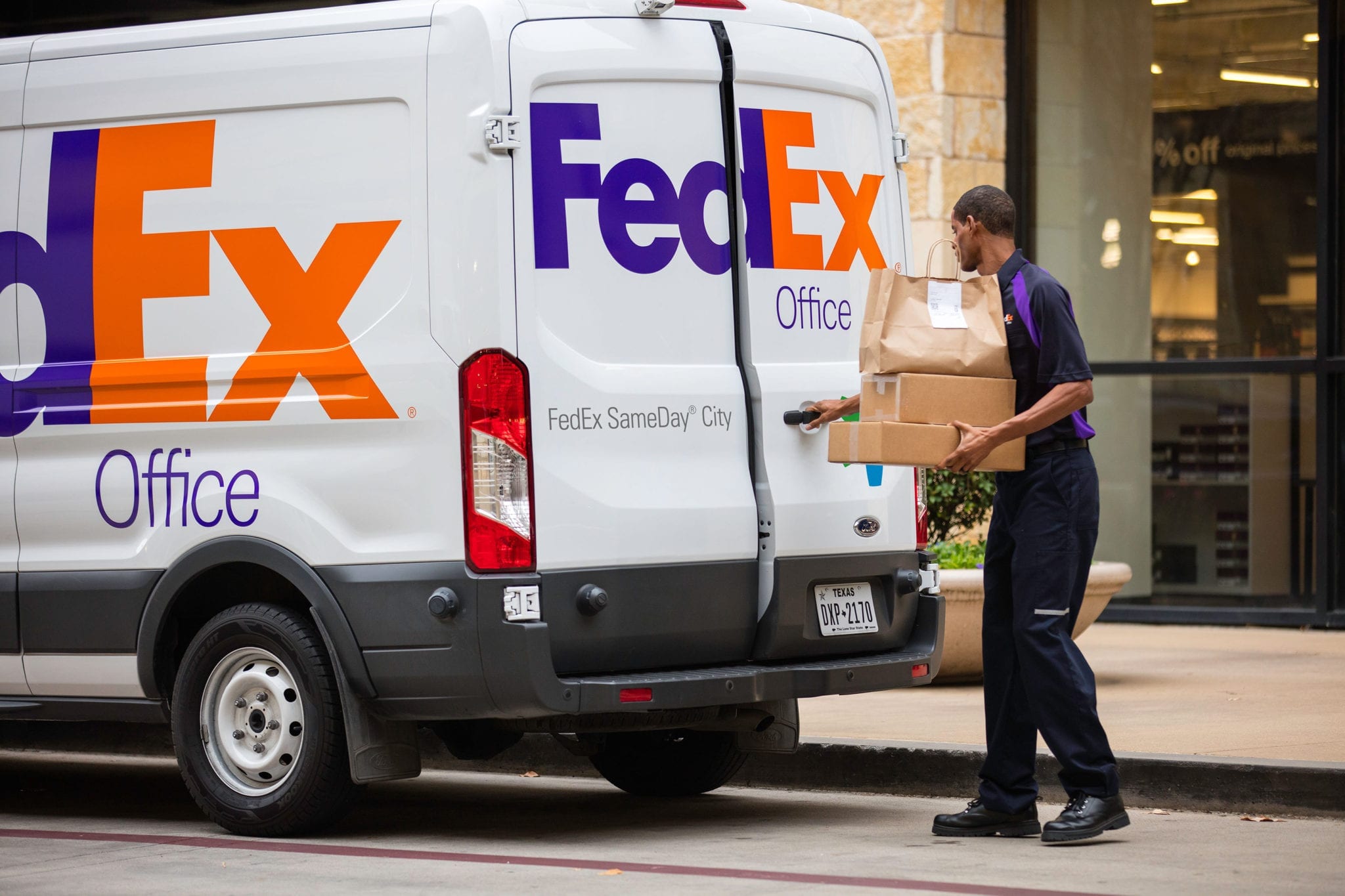
    FedEx Express Corporation, one of the world’s largest express transportation companies, is introducing 31 electric vehicles (EVs) into its existing fleet in Singapore. Singapore is the first market within the FedEx Asia Pacific network to deploy the custom-built Mercedes-Benz eVito 112 panel vans to support its parcel pickup and delivery operations across the country. The EVs offer a 923 kg load capacity and an estimated range of up to 321 kilometers on a full charge. Collectively, the vehicles are estimated to avoid around 148 metric tons of tailpipe emissions per year when compared to diesel-powered vans.

    FedEx Singapore is already replacing all its end-of-life vehicles used for parcel pickup and delivery with EVs, contributing to the company’s global goal to make 100% of new purchases of these vehicles electric by 2030. The addition of these new vehicles to its fleet marks a significant step towards the company’s commitment to sustainability in Singapore and its ongoing efforts to achieve zero-tailpipe emissions for last-mile parcel delivery operations across its global operations.

    FedEx continues to explore innovative solutions and collaborations to enhance the sustainability of its operations, including the company’s vision of integrating renewable energy and enhancing facility efficiency. The South Pacific Regional Hub in Singapore will soon be able to use solar energy to meet more than half of the facility’s total electricity demands, helping to charge the EV fleet in Singapore via clean energy beginning in January 2025. Overall, these projects support the Singapore Green Plan 2030, which aims to lower national carbon emissions and promote sustainability.

    FedEx’s transition to EVs in Singapore is part of its ongoing expansion across Asia Pacific markets including in China, Thailand, Japan, Malaysia and New Zealand. To further improve the efficiency of the Singapore fleet, including these new EVs, FedEx is using its AI-powered Stops Sequencing tool, which is designed to optimise delivery routes in real-time based on package volume and customer requests. By intelligently planning delivery stops, the tool helps reduce total mileage travelled each day, contributing to greater reductions in fuel and energy consumption and, as a result, carbon emissions.

    “FedEx is committed to connecting people and opportunities in smarter ways,” stated Kawal Preet, president of FedEx Asia Pacific. “With the introduction of these electric vehicles, we are taking meaningful steps to lower greenhouse gas emissions while improving our efficiency, directly supporting Singapore’s bold sustainability initiatives. This is an important milestone on our path to achieving carbon-neutral operations by 2040, as we work to build a cleaner and more efficient logistics network that promotes sustainable growth throughout the Asia Pacific region.”

    Earlier this year, FedEx completed the first cross-border delivery between Malaysia and Singapore with an EV, which was recognised by the Malaysian Book of Records. This initiative is part of the company’s broader efforts to reduce emissions for long-distance deliveries. In other Asia Pacific markets, electric tricycles were introduced for last-mile deliveries in congested urban areas in Taiwan, while electric trucks and vans have been introduced in Japan and Thailand, further advancing the company’s sustainability goals.

    In addition to vehicle electrification, the company has also launched a cloud-based carbon emissions reporting tool, FedEx® Sustainability Insights, giving customers access to historical emissions information on eligible shipments within the FedEx network. FedEx customers can use the data to h

  • BMW narrows gap with market leader Mercedes in Vietnam’s luxury car scene

    BMW narrows gap with market leader Mercedes in Vietnam’s luxury car scene

    Mercedes, the best-selling luxury auto brand in Vietnam for years, is seeing BMW close the gap rapidly following the start of local production.

    Mercedes sold 3,416 units last year, a 57% decline from 2022 but still the highest for the seven luxury brands in Vietnam.

    BMW jumped from fourth place in 2022 to second last year with sales of 2,023, a 108% increase. It was the only brand to achieve an increase in sales.

    In third place was Lexus with 1,532 units, a marginal drop from 2022. Volvo, Audi, Porsche, and Land Rover followed it. Together the seven sold 8,638 vehicles, down 36%.

    Mercedes used to outsell BMW 6-8:1, but the gap has narrowed to around 1.5 times. Its share of the luxury auto market has dropped from 60% in 2022 to 40% while BMW’s has jumped from 7% to 23%.

    The rise is attributed to BMW’s manufacture in Vietnam by Thaco. The first BMWs made in Vietnam were sold at the end of 2022, and now four models are sold at cheaper prices than imported units.

    Among the models are Series 3 and X3, which are considered the main competitors to Mercedes’s C-class and GLC.

    Brad Kelly, CEO of Mercedes Vietnam, said that the race between Mercedes and BMW has become more even and similar to their competition globally. But others in the luxury segment have also been gearing up.

    In March Audi opened its third showroom in HCMC and fifth in the country. It is in a residential area and includes a quick maintenance facility.

    This is its new type of urban showroom, and it plans to open more in Vietnam to reach 18 by 2032. Managing director of Audi Vietnam, Ferry Enders, expects luxury vehicle sales to surpass the auto industry average.

    Volvo Vietnam earlier this year opened its fourth showroom. Land Rover opened a showroom in Hanoi last year and plans to open one in HCMC latest by next year. Mercedes now has 17 showrooms and BMW, 15.

  • Mercedes distributor profits down

    Mercedes distributor profits down

    Mercedes distributor Hang Xanh Motors Service Joint Stock Company saw net profits for the third quarter plummet by 87% year-on-year to VND8 billion (US$333,000).

    It attributed the fall to plunging sales and increasing costs.

    Administrative costs jumped 54% to VND29 billion, according to its audited financial statements.

    Its revenues fell by 44% to VND2.9 trillion, its lowest in the last seven years.

    For the first nine months of the year its net profit was 93% down at VND14.5 billion, the lowest in eight years.

    Prospective buyers are waiting for more positive signals from the economy before buying luxury cars, leading to lower sales and profits, according to the company.


  • Mercedes-Benz Unveils New MBUX-Based In-Car Payment Tech

    Mercedes-Benz Unveils New MBUX-Based In-Car Payment Tech

    Mercedes-Benz has introduced a new feature in Germany that allows customers to initiate digital payments via the MBUX system using fingerprint authentication. The company has tied up with Mastercard to offer the embedded payment service which for now will be useable across 3,600 service stations in the country. The tech uses a dedicated Mercedes Pay+ app to offer the service and uses the fingerprint sensor built into the MBUX system to authenticate payments.

    When a driver arrives at a connected service station and turns off the engine, the Mercedes me Fuel & Pay service will automatically activate on the MBUX infotainment system where the driver can then select the appropriate gas pump. Before refueling, the system calculates the maximum total amount based on the current fuel price and the tank’s current fuel level.

    Upon refueling, the driver can view the amount of fuel added and the invoice amount on the MBUX display. Payment is automatically processed, allowing the driver to leave the gas station without visiting the checkout area. The invoice is subsequently sent to the customer via email.

    “With Mercedes pay+, we are making everyday life easier for our customers. From now on, they can pay their fuel bill directly from their car using their fingerprint –, securely, and conveniently,” said Franz Reiner, Chairman of the Board of Mercedes-Benz Mobility AG.

    Customers with Mastercard and Visa credit or debit cards issued in Germany can utilise native in-car payments by registering their card in the Mercedes me user account and activating Mercedes pay+ via the MBUX infotainment system. The use of fingerprint payments from the car is expected to expand to other vehicle-related services and European markets in the near future.

  • Mercedes-Benz Partners With Tesla To Integrate NACS Charging Ports Into Its Lineup

    Mercedes-Benz Partners With Tesla To Integrate NACS Charging Ports Into Its Lineup

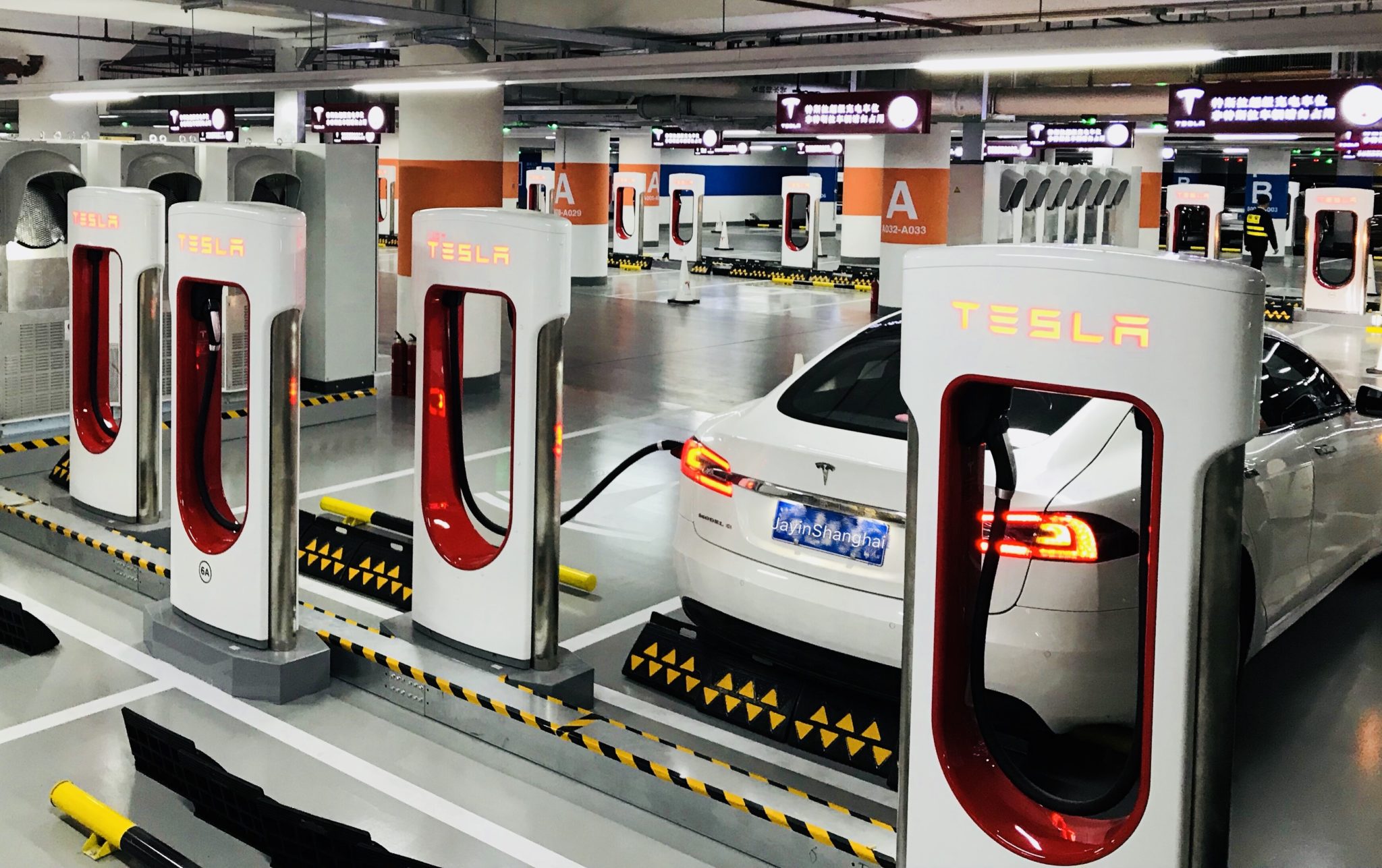
    Mercedes-Benz is the latest manufacturer to partner with Tesla to integrate NACS (North American Charging Standard) charging ports across its lineup of electric vehicles. This will provide electric vehicles from the brand with access to Tesla’s supercharger network. The German company will manufacture its vehicles in North America with NACS ports starting from 2025 onwards. The automaker also said that it will offer an adapter that enables cars with CCS configuration to charge on the NACS network from 2024 onwards.

    NACS is a connector system developed by Tesla. The manufacturer recently opened its use for all brands following which the likes of Ford, GM, Volvo, and Rivian partnered with the Elon Musk-led company to incorporate it into their own electric vehicles. Tesla’s supercharger network also has the advantage of being the largest one in North America and having a proven track record of reliability from glitches. Mercedes-Benz is the first German OEM to partner with the American brand.

    Mercedes Benz also plans to establish its own charging network of almost 400 Charging Hubs, including more than 2,500 high-power chargers in North America by the end of the decade. The first Mercedes-Benz charging hubs in North America will be opened by the end of 2023 and be equipped with both CCS1 and NACS plugs.

    Globally, the manufacturer plans to establish more than 2,000 Charging Hubs in countries like North America, Europe, China and other core markets by the end of the decade. This will include 10,000 charging ports that can be expanded depending on market need. The brand also stated that when open, these ports will be accessible to all EVs regardless of which brand.

  • Vietnam-dominant Mercedes challenged by cheaper BMWs

    Vietnam-dominant Mercedes challenged by cheaper BMWs

    Mercedes has been dominating Vietnam’s luxury car market in recent years, but that could start to change this year as BMW lowers prices.

    “We have always considered BMW a major competitor in most markets globally, but things are different in Vietnam,” said CEO Brad Kelly on the sidelines of the launch of the new Mercedes GLC models in Ho Chi Minh City recently.

    He added that in Vietnam, BWM does not yet seem to threaten Mercedes in terms of sales.

    Between 2019 and 2022, Mercedes secured and average of around 60% of Vietnam’s total luxury car market share, and the German brand last year sold over 7,900 units alone.

    Its competitor from the same country, BMW, only secured fourth place last year – behind Lexus and Volvo – with the sale of 973 units.

    However, Thaco, the Vietnamese company that distributes BMW cars, has been assembling several BMW models, such as the 3 Series, the 5 Series, and the X3 and X5.

    This implies that BMW wants to reduce its retail prices in Vietnam as assembling the vehicles locally will bring down costs.

    The strategy seems to have succeeded as the BMW X3s assembled last year are now selling from VND1.8 billion ($76,700), compared to the new Mercedes GLC price tag of VND2.3 billion.

    Thus, the cheapest luxury car in Vietnam now belongs to BMW, not Mercedes.

    The rising competition with BMW therefore will benefit Vietnamese customers and the local auto industry, and it will motivate Mercedes to come up with more new ideas, Kelly said.

  • Mercedes distributor sees plummeting profit

    Mercedes distributor sees plummeting profit

    Mercedes distributor Haxaco reported a 92% year-on-year fall in pre-tax profits in the first quarter to VND5.6 billion ($238,750).

    Amid an industry-wide decline in sales, Haxaco’s revenues plummeted by 40% to VND992 billion.

    High-interest rates and the difficult economic situation caused sales of the luxury brand to drop, the company said in a statement.

    Its chairman, Do Tien Dung, said last week that in some months during the first quarter only a few cars were sold, and most of the income came from services.

    The company expects the difficult situation to persist until the end of the year.

    Yet it targets profits of VND310 billion for the year, the same as the record sum achieved last year, with Dung saying he does not want his employees to give up because the market situation is difficult.

  • Mercedes soars above competitors in Vietnam

    Mercedes soars above competitors in Vietnam

    Mercedes has dominated Vietnam’s luxury car market for the last four years as Lexus, Volvo and other trailing brands tussle behind.

    Auto registration data showed that between 2019 and 2022, Mercedes secured and average of around 60% of Vietnam’s total luxury car market share.

    The German brand sold 7,925 cars in the Southeast Asian nation last year, up 35% from 2021.

    The figure was five times that of the second-place brand, Lexus.

    In the last four years Mercedes sold on average nearly 6,400 cars in the Vietnam, higher than the combined figure of its six next major competitors.

    Before 2022, Mercedes was the only auto brand with an assembling factory in Vietnam. This gave it a price advantage over its competitors, who bear the burden of heavy import taxes.

    Mercedes also has a diverse array of models available in Vietnam, up to 20 at any given time, giving customers a wider variety of purchase options than their competitors.

    Mercedes GLC SUV has been the brand’s best-selling model in Vietnam over the last four years, accounting for around half of its total sales.

    Lexus trails far behind Mercedes as Vietnam’s number-two most popular foreign car, but number-three competitor Volvo from Sweden is hot the Japanese manufacturer’s tails.

    Lexus sold 1,568 units last year, only marginally higher than Volvo with 1,508 units.

    No brand saw Vietnamese sales grow as fast as Volvo in the 2019-2022 period.The Scandinavian brand has seen sales surge 200% in the last four years, pushing Germanic BWM into fourth place in 2022.

    In recent years Volvo has begun to sell more cars made in Malaysia than in Sweden, making its prices more affordable in Vietnam, even though the brand was the last luxury automaker to enter Vietnam in 2016.

    Porsche was Vietnam’s fifth most popular luxury car brand last year with 759 units, nearly double the number it achieved in 2021.

    A Porsche manager said that many of its customers are young and successful businesspeople who want to “reward” themselves with a Porsche car even though they possess only a limited knowledge of luxury automobiles.

    Audi was in sixth place in Vietnam last year with 394 cars sold. Its dealership network in Vietnam remains modest compared to its competitors.