Tag: merchandising

  • Only 45% of Retailers Scale AI Despite Threefold Earnings Advantage

    Only 45% of Retailers Scale AI Despite Threefold Earnings Advantage

    Only 45 percent of retailers are scaling artificial intelligence across their operations, even as businesses committing heavily to the technology generate three times higher revenue and earnings growth.

    According to research highlighted this week by Boston Consulting Group managing director and partner Charlie Reid, operators treating artificial intelligence as a core discipline outpace rivals by triple on top-line sales and EBITDAR. Yet widespread experimentation across scattered pilots leaves the majority of commercial operators unable to convert software trials into balance sheet gains.

    Fragmented initiatives and inadequate organisational changes continue to limit companies from translating investments into measurable financial returns, Boston Consulting Group noted in November 2026 findings.

    Where Merchandising Delivers Fast Payback

    Capital is flowing primarily into core store and supply chain operations rather than back-office corporate support. Retailers are largely bypassing enterprise applications across human resources, procurement, and finance because those departments offer lower immediate financial return.

    Merchandising operations are providing the quickest path to measurable payback. Adjusting product assortment, pricing, promotion schedules, and vendor negotiations through artificial intelligence tools generates cash flow that operators use to fund broader technology rollouts. Getting shelf assortment right yields up to a 5 percent increase in like-for-like sales.

    The Friction Behind Operating Models

    Fragmented rollouts and weak internal adoption explain why most deployments stall at the testing phase. Boston Consulting Group measures technology implementation through what it terms a 10-20-70 operating breakdown: algorithms account for 10 percent of the transformation, data and systems represent 20 percent, while people, operating processes, and institutional structure dictate the remaining 70 percent.

    Tools fail when buyers and floor staff lack clear authority or incentive to execute automated guidance. An algorithmic recommendation creates zero value if a category merchandiser overrides the system or if store staff fail to reset physical shelf space. Executive teams routinely hunt for novel software without identifying the exact financial metric they need to alter.

    “So, at BCG, we call it the 10 2070 rule. 10% of the AI transformation is driven by the algorithm. 20% by the data and technology and then 70% by the organization, the processes um and and and and the people in the organization.”

    Competing for Automated Buyers

    Consumer interaction is shifting toward agentic commerce, where automated systems handle product discovery, price comparisons, and digital checkout tasks. Shoppers currently manage friction across physical aisles and mobile applications, frequently abandoning journeys when items show out of stock at checkout.

    Software agents compress that multi-step search into direct prompts, assembling tailored baskets against specific household dietary rules and spending limits. Over extended periods, these systems track household consumption patterns and reorder domestic staples before pantries run empty.

    That shift alters digital distribution outside merchant properties. Consumers searching through external platforms like Google and ChatGPT rely on software agents that scrape product attributes, ingredient registries, and live inventory across competing web domains simultaneously. Retailers must structure open, accurate product catalogues for algorithmic inspection rather than relying solely on visual merchandising to win human attention.

    Pruning Unfocused Software Trials

    Commercial operators face pressure to demonstrate cash returns on software capital expenditures. Treating machine learning as an exploratory technical exercise without strict hurdle rates has tied up working capital across fragmented vendor contracts.

    Survival across competitive consumer markets requires pruning low-yield software trials to protect core operating margins. Retailers that narrow their engineering resources to inventory visibility, predictive replenishment, and machine-readable data feeds will command distribution as autonomous purchasing tools take over routine household spending.


  • DFI Directs over Half Its AI Efforts to Merchandising Across 7,600 Stores

    DFI Directs over Half Its AI Efforts to Merchandising Across 7,600 Stores

    DFI Retail Group is directing more than half of its artificial intelligence work towards business transformation, reinvention and innovation, prioritising merchandising across its network of over 7,600 stores in 12 Asian markets. Speaking at the Retail Asia Summit 2026 in Hong Kong, Stijn Casneuf, data & AI automation director, warned that retailers spreading investments across too many simultaneous use cases risk missing measurable returns.

    “Retailers need to focus on initiatives that deliver tangible value rather than adopt AI simply because it is gaining traction,” Casneuf said. Merchandising receives the largest share of attention because improvements directly influence both revenue and profitability, with remaining resources directed to internal productivity gains.

    DFI launched AI supply chain forecasting around one-and-a-half years ago, blending internal enterprise data with weather metrics and holiday calendars to lift prediction accuracy. Having begun restructuring fragmented data systems a year ago to enable effective scaling, the pan-Asian operator is now recording its first wave of operational benefits.

    Building the AI Control Tower

    To coordinate the roll-out, DFI established an internal AI Control Tower comprising representatives from people and culture, technology and cyber security, finance, corporate communications, legal, and AI. The team assesses proposed initiatives against business priorities, shareholder value, customer trust, and team member impact before evaluating technical fit, security, and legal requirements.

    The Control Tower reports directly to the Management Committee, with updates also provided to the board. Casneuf said this structure helps the company concentrate resources on a prioritised set of high-value projects. “We are also taking a hybrid approach to large language models (LLMs), assessing Chinese and Western models according to the requirements of each application,” he added.

    Fixing the Master Data Floor

    DFI’s AI strategy spans four areas, covering merchandising, customers, and storefront store support centres. On the customer side, the group is exploring how the technology can improve product discovery and shopping journeys across digital channels.

    The group is piloting large language models to generate product descriptions by drawing on enterprise resource planning (ERP) data and predefined market best practices. With millions of stock-keeping units across its banners, commercial and master data teams validate the AI-generated descriptions rather than writing them manually, improving searchability and catalogue discovery.

    The Enterprise Automation Race

    Beyond current workflow pilots, Casneuf indicated that DFI is monitoring longer-term shifts in consumer interaction and autonomous ordering technologies. “Agentic shopping remains at an early stage, but DFI has a clear strategy for how customers could eventually use AI agents to shop through its own platforms,” he said.

    The disciplined deployment model reflects a broader shift among regional mass merchants seeking to extract verifiable financial returns from machine learning rather than maintaining speculative laboratory tests. By grounding deployment in core data restructuring and strict executive oversight, DFI is positioning automated forecasting and automated catalogue administration at the center of its regional operations.

    Early Replenishment Results

    DFI began restructuring data processes a year ago and is now starting to see the first wave of benefits. As the company continues to advance, it expects to unlock even greater value and impact across its 12 regional markets.

    RetailNews Asia will track whether DFI’s agentic shopping pilots move from internal tests into live customer applications during upcoming fiscal periods.

  • Pokémon Company to Open First Permanent Store Outside Asia in London in 2029

    Pokémon Company to Open First Permanent Store Outside Asia in London in 2029

    The Pokémon Company announced on Oct. 23 that it will open its first permanent retail store outside Asia in London in 2029.

    The British opening makes the UK the fourth country worldwide to host a permanent location, joining Japan, Singapore, and Taiwan, where an outpost operates in Taipei.

    Official plans describe the London site as a “Pokémon retail destination” featuring exclusive merchandise and immersive fan spaces, while the Pokémon Company also intends to launch several other branches outside Asia. Japan itself houses roughly two dozen specialty shops running from Hokkaido to Okinawa.

    The Long Shift From Asian Flagships

    Domestic operations in Japan rely on three tiered physical retail formats: large Pokémon Center megastores, mid-sized Pokémon Stores, and smaller Pokémon Center Satellite hubs. Across Japan, the firm runs roughly two dozen specialty locations from Hokkaido to Okinawa.

    Regional Asian expansion outside Japan has moved conservatively over the past decade. Permanent outposts operate only in Taipei and Singapore, leaving Western territories to depend on short-term pop-up installations or third-party wholesale accounts. The London project shifts the company’s real-estate strategy toward full-scale experiential flagship ownership in Europe.

    Pop-Up Metrics and Western Foot traffic

    Direct experiential retail allows franchise owners to extract higher margins from licensed intellectual property while starving grey-market resellers of scarce inventory. London served as an initial testing ground for that demand when the company operated temporary Pokémon Center pop-up shops starting in 2019. Long queues and stock shortages at those temporary sites proved British consumers would absorb dedicated physical units.

    Western retail landlords now face a protracted wait. By anchoring the launch date to 2029, the operator gives itself years to secure prime central London real estate and arrange supply chains, but risks exposing the project to rising prime retail rents and shifting discretionary consumer spending across Europe.

    Testing the Limits of Single-IP Retail

    The company previously attempted a permanent presence in the West when it opened Pokémon Center New York in 2001. That venture lasted four years before parent partner Nintendo folded the footprint into the broader Nintendo Store in 2005, illustrating the operational cost of keeping an isolated character brand profitable on expensive Western high streets.

    Gaku Susai, Chief Product and Experience Officer at The Pokémon Company International, said:

    “We are always exploring new opportunities that help us create unique and memorable experiences for our fans. This new London store will give visitors the chance to step into the world of Pokémon, whether they’re discovering the brand for the first time or have been Trainers for years. We hope it becomes a place where everyone can come together, feel like part of a community and enjoy the magic of Pokémon in a whole new way.”

    What to Track Ahead of 2029

    Retail analysts will track whether the brand’s supply chains can fulfill high-volume character merchandise abroad without cannibalising regional online sales. Securing local suppliers and handling direct imports will determine the unit economics of the flagship.

    The immediate milestone is the property acquisition itself. The Pokémon Company must confirm its British lease location and floor layout before announcing the additional international branches it plans to build beyond Asia.

  • Coles Adopts MTick Menopause Label Across 200 Products in Australia

    Coles Adopts MTick Menopause Label Across 200 Products in Australia

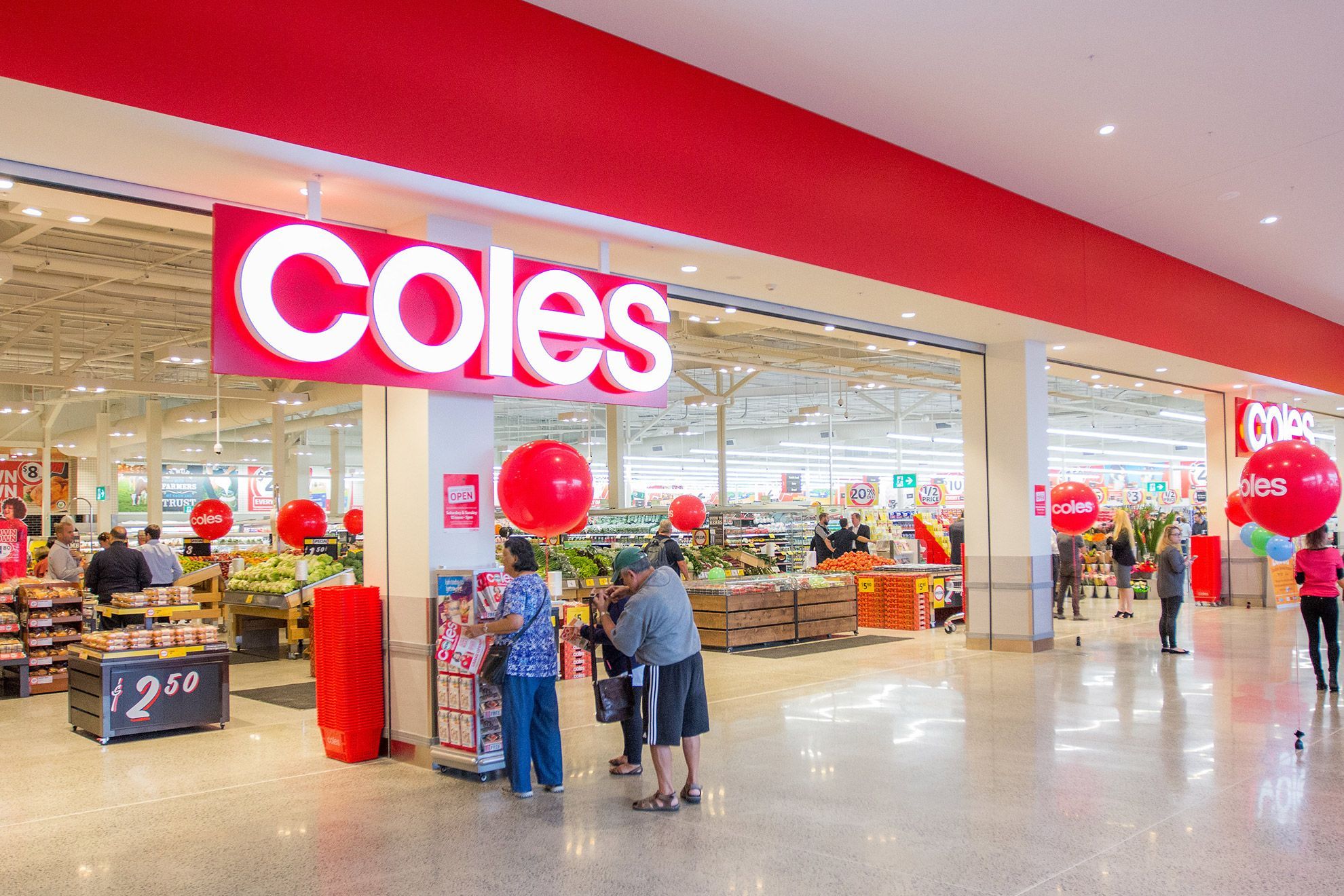
    Coles will introduce MTick menopause certification across more than 200 items in Australian stores and online, partnering with advocacy group GenM to standardise product labelling for midlife women.

    The agreement covers food, skincare, personal care and dietary supplements across an Australian market where GenM estimates 4.5 million women currently navigate perimenopause and menopause.

    Implementation begins with an online educational hub before purple MTick identifiers appear on physical shelves and digital storefronts early next year. The accreditation scheme checks products against 48 recognized symptoms of menopause, including sleep disruption, skin alterations, dry eyes, cognitive fatigue and intimate health needs.

    Shelf Signage and Digital Hubs

    Physical stores will install dedicated point-of-sale badging to help consumers spot qualifying inventory quickly during routine grocery trips. Online, Coles will index qualifying lines into dedicated search filters linked to informational guides detailing common physiological transitions.

    GenM manages the certification process, vetting third-party formulations against ingredient standards and consumer testing guidelines before clearing items to display the purple symbol. Brand owners pay verification fees directly to the standard holder to qualify individual product lines for placement.

    The GenM Standard and UK Precedents

    British grocers and pharmacies created the template that Coles is now transplanting into the southern hemisphere. Retailers including Tesco, Asda, Sainsbury’s and health-and-beauty chain Boots already display MTick iconography across an international inventory pool exceeding 4,000 certified stock-keeping units.

    For Australian retail operators, category tagging creates margin opportunities in aisles that historically functioned as low-margin convenience stops. Supermarkets can capture wellness revenue by aggregating high-margin items such as targeted serums, magnesium formulations and sleep supplements into visible health sub-categories.

    Pharmacy Competition and Category Margins

    Pharmacy chains built Australia’s baseline market for dedicated wellness merchandising, leaving grocers to fight for basket share. Community pharmacy group TerryWhite Chemmart previously added MTick shelf tags to recruit shoppers seeking guidance on hormonal health transitions.

    By establishing certified shelf space in high-frequency supermarkets, Coles puts direct commercial pressure on independent pharmacies and banner groups that rely heavily on discretionary personal care sales. Suppliers must now balance slotting allowances and certification audits if they want shelf access in both distribution channels.

    Rollout Schedule and Brand Recruitment

    Health and beauty manufacturers in Australia have spent recent years reformulating private-label and branded ranges to satisfy rising demand for transparent personal care claims. Several local brands secured MTick approval ahead of the supermarket launch to guarantee distribution when shelf changes take effect.

    Coles plans to begin deploying the online resource centre in early 2027, followed by storewide rollouts of shelf tags as certified supplier stock enters its distribution centres.

  • AI Concept for Hunter Boots with Rhode Lip Gloss Holder Sparks Demand

    AI Concept for Hunter Boots with Rhode Lip Gloss Holder Sparks Demand

    When AI studio Clauré Studio shared a concept of Hunter boots featuring a holder for Rhode lip gloss this week, consumer inquiries revealed immediate interest in buying the fictional item.

    Retail brand strategist Bethany Paris Ramsay and Triptk strategy director Frankie Margotta noted that while AI mockups show what shoppers want, social media buzz is no guarantee of sales and can create expectations real manufacturing struggles to meet.

    The trend mirrors past viral beauty experiments, such as Colourpop Cosmetics teasing a pickle-flavored lip balm in 2025 before rivals released real versions in 2026, proving that digital interest can occasionally highlight commercial opportunities.

    Separating Social Signals From Factory Orders

    Online traction offers brands an unprompted window into shopper tastes, yet social media metrics do not reflect commercial demand. Liking an image costs nothing, whereas tooling a factory line requires significant capital commitments and minimum order volumes.

    A flood of comments asking where to buy an item indicates brand affinity, but it does not guarantee customer follow-through at checkout. Retailers that mistake digital commentary for verified intent risk overproducing niche merchandise that fails on store shelves.

    Physical manufacturing imposes hard limits that synthetic imaging tools bypass. Generative models routinely display smooth material joins, impossible structural tolerances or incompatible chemical formulations that real factories cannot replicate at scale.

    The Cost of Falling Short on Physical Execution

    When physical products fail to match elaborate digital fantasies, customer sentiment quickly turns negative. Disappointment emerged when the official Swatch and Audemars Piguet Royal Pop collaboration debuted, with consumers comparing the final retail models unfavorably against synthetic renders circulating online.

    Such misalignments erode brand credibility. Shoppers who discover an appealing product image is entirely fictional may disengage from future marketing campaigns altogether.

    “Generative AI can visualise almost anything, including products that can’t actually be manufactured as represented,” Margotta warned.

    Clear communication policies are becoming necessary for commercial teams. Brands that comment on or lean into viral fan renders must evaluate whether an engineering path exists before teasing a commercial drop.

    Turning Novelty Into Commercial Releases

    Translating viral concepts into verified physical runs has precedent in the cosmetics and personal care sector. Makeup label Colourpop Cosmetics ran an April Fools’ Day campaign in 2025 teasing a dill pickle lip balm, which gathered enough sustained interest to push rival brands ELF Cosmetics and Burt’s Bees into launching real limited-edition versions in 2026.

    Rhode previously demonstrated the commercial power of functional novelty when it built a dedicated lip gloss slot into its branded mobile phone cases. The design generated substantial sales by turning everyday personal accessories into wearable cosmetic carriers.

    Merchandisers evaluating synthetic concepts must isolate the exact element driving online interest. Commercial value often rests on a specific colorway, an unexpected utility feature or the sheer novelty of combining two distinct product categories.

    Prototyping Takes Priority Over Digital Renderings

    As synthetic design tools become ubiquitous, rendering speed no longer provides a competitive edge for retail design studios. Basic image generation is now accessible to individual social media accounts and competing merchant brands alike.

    Market advantage will shift back to rapid prototyping, physical testing and nimble supply chains capable of delivering small test batches. Brands that can contract manufacturers quickly and deliver compliant physical goods will capture value that render creators leave on screen.

    Retail operators and sourcing teams are now tracking whether third-quarter concept spikes convert into commercial holiday licensing deals before fiscal 2027 budgets close.

  • FamilyMart Opens Famima Park Azabudai in Tokyo for 45Th Anniversary

    FamilyMart Opens Famima Park Azabudai in Tokyo for 45Th Anniversary

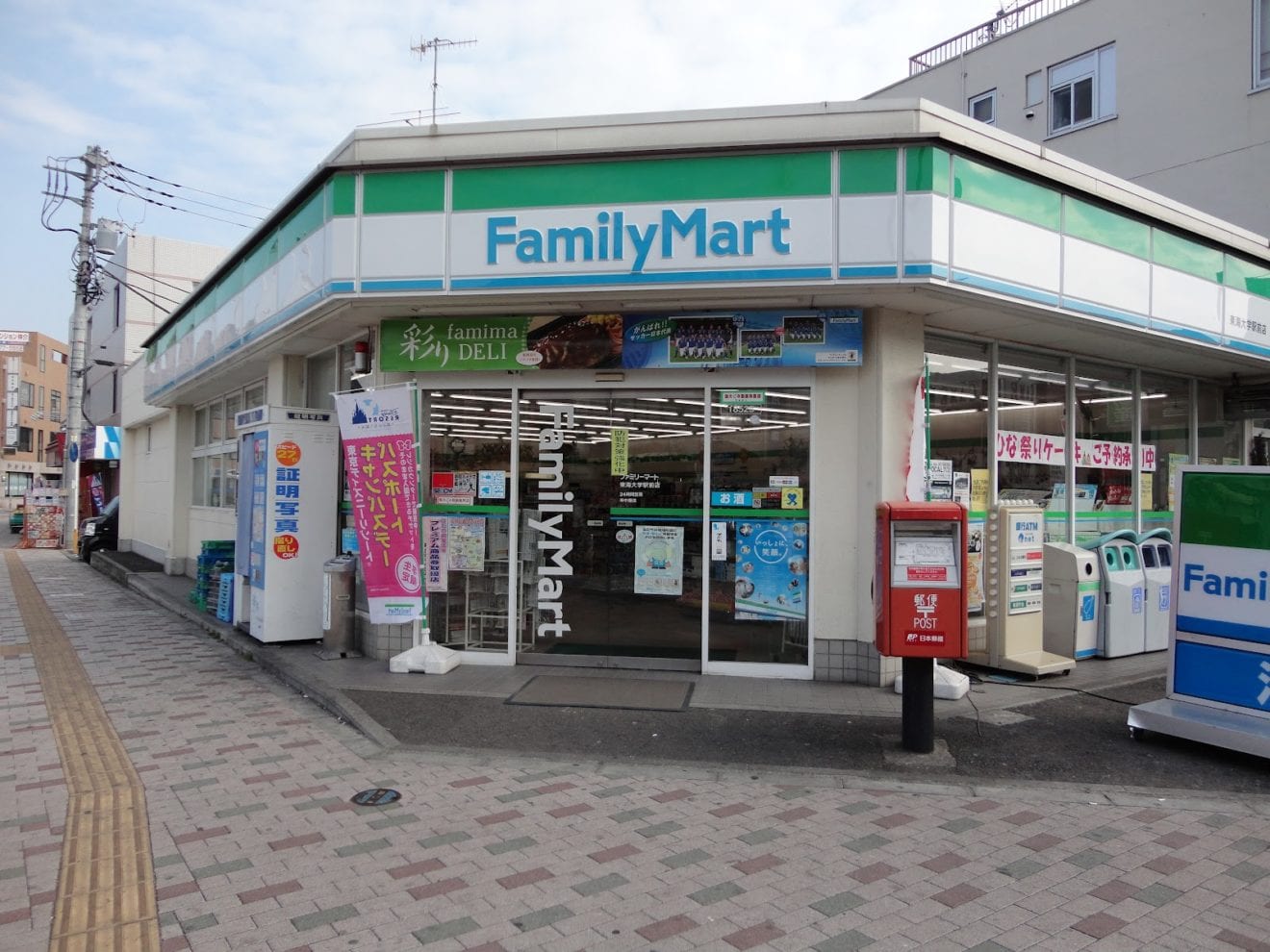
    FamilyMart launched its new concept store, Famima Park Azabudai, in Tokyo last Friday, drawing two-hour queues and purchase limits on exclusive merchandise. The opening marks a fresh design departure for the convenience chain, which operates 16,400 shops across Japan.

    Devised for FamilyMart’s 45th birthday on the fringes of the Azabudai Hills development, the project brings together creative director Nigo, Masamichi Katayama of interior studio Wonderwall, and fashion designer Hiromichi Ochiai.

    Apparel and layout overhaul

    The store layout alters standard convenience floorplans by integrating clothing fitting rooms, dedicated retail staff for garments, and a takeaway window branded Famima Stand. Outside seating borders the pick-up hatch, where staff serve hot food lines including Fami-Chiki boneless fried chicken directly to street pedestrian traffic.

    Merchandise runs from basic consumables to limited-edition selvedge denim jackets and jeans, stocked alongside Ochiai’s Convenience Wear line of packaged socks and basic garments. Staff wear cotton-look striped uniforms instead of traditional synthetic workwear. Structural additions include a planted rooftop garden with an elevated view of a rooftop brand emblem visible to surrounding commercial towers.

    Pressure on traditional margins

    Japan’s convenience store sector comprises roughly 56,000 stores nationwide, leaving operators with limited room for physical network expansion. Saturation in major urban centers forces chains to lift basket sizes rather than rely on opening new front doors. Seven-Eleven, Lawson and FamilyMart face structural margin pressure from rising store-level wage costs and higher utility expenses, making commodity food and beverage sales alone insufficient to maintain franchise returns.

    Pushing higher-margin lifestyle categories into small formats gives FamilyMart an edge in customer acquisition among younger urban shoppers. Apparel and branded lifestyle accessories carry significantly higher gross margins than packaged beverages and chilled bento meals. The risk sits in franchise economics: regular store operators operate inside tight footprints and cannot easily afford dedicated fitting rooms or inventory risk on slow-moving seasonal garments.

    The Convenience Wear trajectory

    The Azabudai launch builds on a multi-year effort to expand non-food lines that began with the nationwide rollout of Convenience Wear in 2021. That basics range has sold more than 30 million pairs of socks, establishing that convenience shoppers will purchase wardrobe staples from refrigerated grocery stores if the price and material quality align. FamilyMart recruited actor Tadanobu Asano as brand ambassador to widen the commercial appeal of its apparel range.

    Executive leadership views format redesign as essential to differentiating the business in mature consumer sectors. Tatsuo Odani, representative director and president of FamilyMart, pointed to the need for long-term structural changes across the company’s operating model.

    “To achieve sustainable growth in the future, transformation and evolution are essential,” he said.

    Store elements head to franchise fleet

    FamilyMart has not committed to rolling out full-scale standalone concept flagships in secondary metropolitan districts. Management confirmed instead that selected interior fixtures, retail displays and merchandise categories trialled at the Azabudai store will be integrated into the broader Japanese store network over coming financial quarters.

    RetailNews Asia will track whether conversion rates and merchandise sales density at the Azabudai flagship prompt FamilyMart to formalise dedicated non-food retail sections across its standard franchise portfolio.

  • Japan Oshikatsu Fan Economy Reaches 4.1 Trillion Yen as Retailers Target Youth Spending

    Japan Oshikatsu Fan Economy Reaches 4.1 Trillion Yen as Retailers Target Youth Spending

    Japan’s fan-merchandising market reached an estimated valuation of ¥4.1 trillion ($25 billion). Spending on character and idol devotion has turned into a steady retail pillar despite inflation.

    Locally known as oshikatsu, the sector spans manga figurines, Hello Kitty accessories, virtual streamers, and pop idols.

    Surging Supplier Participation at Tokyo Trade Show

    Commercial interest filled the Oshikatsu Expo in Tokyo last month. More than 240 supplier booths pitched products directly to talent agencies and intellectual property managers.

    Vendor participation grew twelvefold from roughly 20 exhibitors when the trade show launched two years ago. Mainstream manufacturers and novelty producers are shifting factory capacity toward licensed character goods.

    Central Bank Tracks Dedicated Youth Outlays

    Resilient category spending caught the attention of the Bank of Japan. The central bank flagged fan-support purchases as a sustained driver of consumption among younger demographics.

    Broader retail sales face pressure from domestic price inflation and real wage drops. Spending on favorite personalities and animated figures remains steady. Fans treat these purchases as essential monthly budget items.

    Shifting Inventory Dynamics for Retail Operators

    The expansion of oshikatsu changes floor space yields for store operators and merchandise distributors. Traditional mass-market novelties are giving way to higher-margin, specialized collectibles produced in limited runs.

    Supplier financial risk sits in licensing concentration. Production runs must synchronize tightly with fast-moving entertainment cycles. Vendors face losses if a character’s popularity fades before inventory clears distribution channels.

    Next Pipeline for Character Merchandising

    Agency managers expanded commercial licensing deals across everyday consumer categories over the past two years. The subculture hobby quickly became a mainstream retail channel.

    Attention now turns to autumn merchandising orders. Brand managers will see whether the 240 trade suppliers can maintain order volumes as production costs rise across Japan’s manufacturing sector.

  • Manchester City Scandal Puts $1 Billion Asian Merchandise Sales at Risk

    Manchester City Scandal Puts $1 Billion Asian Merchandise Sales at Risk

    Manchester City and the English Premier League face potential retail fallout across Asia, where massive fan followings support merchandise sales that could reach US$1 billion or more.

    A financial cheating scandal spanning English and European football threatens to dent the club’s commercial appeal over the coming months as ripple effects spread through the sport.

    The Value of Regional Fan Spending

    English top-flight clubs have spent years building direct retail pipelines in major Asian commercial centres. Licensing partnerships, local flagship outlets and regional e-commerce channels turn overseas fan followings into steady merchandise cash flows. Manchester City sits at the centre of that commercial network, driving jersey sales and co-branded retail deals across East and Southeast Asia.

    Financial compliance allegations now place that commercial apparatus under direct pressure. When sporting integrity comes into question, consumer sentiment can shift rapidly among neutral and casual buyers who account for a substantial share of non-domestic kit purchases.

    Commercial Exposure for Retail Partners

    Distributors, regional department stores and sportswear stockists face the immediate inventory risk. Retailers that allocate floor space and working capital to club-branded collections cannot easily redirect stock if reputation damage dampens consumer appetite.

    Rival European teams already competing for regional shelf space stand to benefit if retail buyers reallocate seasonal inventory budgets toward clubs with cleaner brand profiles. A prolonged inquiry leaves Asian retail partners holding commercial risk they cannot control.

    The Regulatory Background

    The development follows protracted investigations into Manchester City’s financial reporting by English and European football authorities. Scrutiny centres on alleged breaches of competition and financial regulations spanning multiple seasons of domestic dominance.

    Club executives have defended their financial conduct as formal hearings proceed. The commercial fallout, however, moves faster than regulatory tribunals, leaving consumer brands and Asian retail partners to weigh the immediate sales exposure.

    What to Watch Next

    Retail buyers in Asia are now tracking club apparel pre-orders and sell-through rates as the legal proceedings advance. The final determination from English football authorities will set whether official merchandise volumes hold or face a sharp contraction across regional distribution networks.

  • Melbourne Mustangs Opens RinkSide Store at the District Docklands

    Melbourne Mustangs Opens RinkSide Store at the District Docklands

    Australian ice hockey club Melbourne Mustangs has expanded its merchandise operations with the opening of RinkSide, a permanent retail store trading seven days a week at The District Docklands in Melbourne.

    Located near the club’s home venue at O’Brien Icehouse, the site opened ahead of the Australian Ice Hockey Championships last month, shifting the team from gameday stalls into year-round retail operations.

    Merchandise Mix and Retail Partners

    RinkSide operates through a commercial partnership between the Mustangs, Globe International and The District Docklands. The outlet stocks official team kits alongside licensed merchandise from North American leagues including the NHL, NFL and NBA.

    Streetwear labels form a second pillar across the floor layout. The shop carries inventory from skate apparel brand Thrasher and label Ritual Vision. Blending club gear with action sports fashion helps maintain foot traffic outside the winter competition calendar.

    Shift from Gameday Sales to Permanent Footprint

    The retail site replaces a volunteer-run distribution network. That setup previously handled club sales through home storage and pop-up tables on fixture nights. Rising merchandise sales over successive Australian Ice Hockey League seasons pushed the organization to secure fixed floor space.

    “This has been such a community passion project. The fans are the real heart of this store and have been from the start,” said John Belic, president of the Melbourne Mustangs. “Ultimately, this means we can do more. More for our players and more for our fans.”

    Funding Model for Local League Development

    Margins from the Docklands site flow directly back into team operations and grassroots sports development. Proceeds generated through retail partnerships with Globe International will fund the Mustangs junior development program across Victoria.

    For landlords, sports clubs provide dedicated community foot traffic capable of anchoring leisure precincts. The partnership shows how niche sporting organizations monetize apparel distribution by grouping team items alongside global lifestyle brands.

    Next Steps for RinkSide Operations

    RinkSide completed its phased rollout ahead of the national ice hockey championships and now runs on standard retail hours. Management will track sales volumes across the off-season. Those figures will determine inventory replenishment cycles for licensed overseas stock ahead of the next AIHL fixture schedule.

  • Global Luxury Set to Grow 2 to 5 Percent as Burberry and Kering Reset

    Global Luxury Set to Grow 2 to 5 Percent as Burberry and Kering Reset

    Global luxury spending is set to grow between 2 percent and 5 percent this year following a three-year malaise, according to Boston Consulting Group data presented at an executive roundtable last Thursday.

    The projected rebound is driven by an 8 percent increase in North America and a 2 percent to 3 percent recovery in China, while Middle East sales are expected to drop by double digits.

    Executives from Burberry and Kering told the gathering that brands are overhauling strategies and price points, as a BCG survey of 12,000 luxury shoppers revealed that 70 percent have avoided purchases due to price increases.

    Shifting Price Points and Product Lines

    Burberry is running a turnaround plan called Burberry Forward, focused on brand identity, client engagement, core merchandise, and store distribution. Laura Dubin-Wander, Americas president for the brand, said it is refocusing on heritage outerwear and accessible entry products. To draw new shoppers, the house set up dedicated trench coat areas, scarf bars, and displays for $400 polo shirts.

    Its store network is also under review. The company plans to downsize or exit unproductive sites while adding pop-ups in affluent resort towns and growing its womenswear athleisure range. On the marketing side, it added American athletes like Carmelo Anthony to build wider recognition.

    Across Asia-Pacific, landlords and department stores must rebalance their floor space. Retailers that gave prime ground-floor square footage to high-priced ready-to-wear collections now see lower sales densities. Operators in hubs like Shanghai, Tokyo, and Singapore are shifting space toward beauty counters, eyewear concessions, and fragrance boutiques where sales volumes hold up.

    Brand margins are shifting as sales move from runway lines to entry-level accessories. Labels must sell far more low-ticket units to offset slowing ready-to-wear purchases. That puts direct pressure on boutique staffing and stock management.

    Price Sensitivity Bites Top Spenders

    Affordability concerns now reach well beyond entry-level shoppers, according to an annual survey of 12,000 luxury consumers by BCG and Altagamma. Roughly 70 percent of respondents walked away from a planned purchase at least once due to a price increase. Most redirected that money into luxury cosmetics and skincare.

    Kering is splitting its commercial strategy to handle this divide between wealthy clients and aspirational buyers. Ewa Abrams, Americas president at Kering, said top-tier clients expect private, personalized service. Aspirational shoppers, by contrast, respond to cultural partnerships in entry categories such as eyewear and fragrances.

    It’s important to stimulate them with the right product categories such as eyewear or fragrance.

    Channel Synergies and Technology Steps

    A shared operational platform now runs across the French group’s houses, including Gucci, Saint Laurent, Balenciaga, and Bottega Veneta. The setup streamlines administration. It also uses artificial intelligence to accelerate commercial decisions.

    Social commerce is another testing ground. Tim Chai, head of product strategy at TikTok Shop, said digital luxury consumers favor unpolished, direct brand communication over rigid corporate campaigns. Burberry adopted fast-paced video clips to show British heritage to younger online shoppers.

    Customer discovery is increasingly driven by artificial intelligence. The BCG survey found 90 percent of luxury shoppers use AI tools daily or weekly to find products, compare prices, and get recommendations. Those shoppers also trust AI comparison tools more than traditional social media influencers.

    Regional Exposure and China Trajectory

    Recent restructuring follows a painful financial stretch across the European luxury sector. London-listed Burberry posted full-year revenue of $2.42 billion and net income of $21 million, leaving an operating margin of 0.87 percent. Paris-based Kering generated trailing twelve-month revenue of 14.46 billion euros and recorded a net loss of 322 million euros as demand slowed in key Asian shopping cities.

    Investors will get their next check on November 12, 2026, when Burberry reports interim results. Those numbers will show whether lower price points and store cuts can stop margin erosion.

  • Tsutaya to Open First Thailand Store in Bangkok in October

    Tsutaya to Open First Thailand Store in Bangkok in October

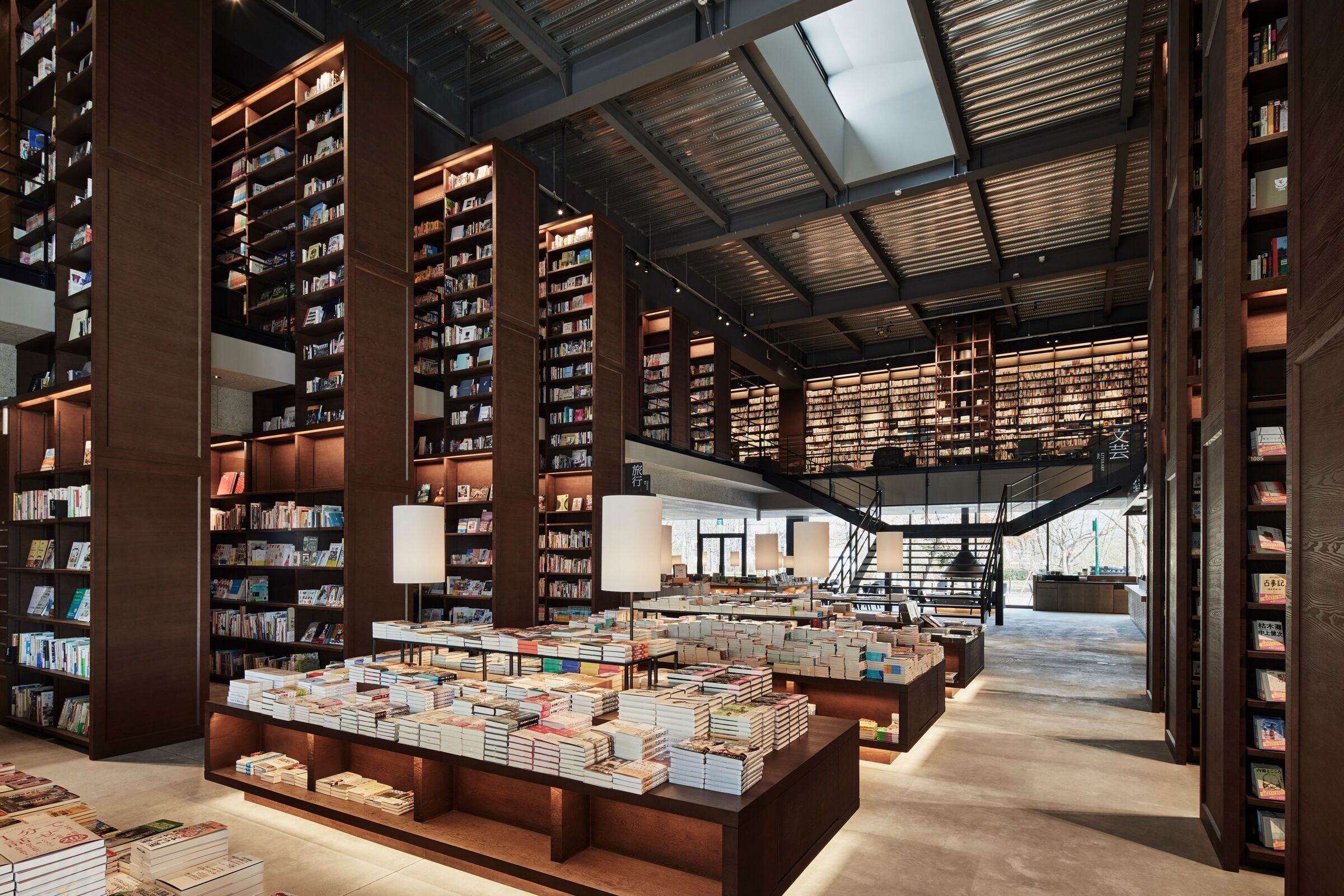
    Culture Convenience Club, operator of Japanese bookstore chain Tsutaya, will open its first store in Bangkok in October.

    The Tokyo-based company is expanding across Southeast Asia as interest in Japanese content such as anime and manga continues to rise.

    The Lifestyle Retail Formula

    The operator is building its Asian strategy around a mix of bookshelves, restaurants, and community spaces.

    Selling physical books alone carries thin margins in high-rent metropolitan malls. Integrating dining, curated lifestyle products, and fandom merchandise gives the operator higher basket values and longer dwell times per visitor.

    Competitive Terrain in Bangkok

    Bangkok already hosts established Japanese retail operators, including Kinokuniya and specialized character-goods shops. Tsutaya enters the market by pitching a broader lifestyle proposition rather than running as a pure bookseller.

    For mall landlords, experiential book concepts act as steady foot-traffic anchors. The operational challenge lies in maintaining novelty once the initial opening buzz fades, particularly among younger shoppers who consume digital media rather than physical publications.

    Regional Expansion Drive

    Culture Convenience Club has steadily widened its overseas footprint, adding locations in Taiwan, China, and Malaysia. The Thai launch extends that Asian network into one of the region’s most active consumer retail hubs.

    The Bangkok branch opens its doors in October, with the operator monitoring initial store traffic before committing to further sites across the country.

  • Malaysia Q2 Retail Sales Growth Falls Short as Spending Tightens

    Malaysia Q2 Retail Sales Growth Falls Short as Spending Tightens

    Malaysia recorded weaker than expected retail sales growth in the second quarter. Households curbed discretionary spending under persistent cost of living pressures.

    Store operators were caught off guard. They had anticipated stronger post-holiday consumption across shopping malls and high street locations.

    Squeeze on Household Budgets

    Shoppers across urban centers like Kuala Lumpur redirected budgets toward essential groceries and basic utilities. They cut visits to apparel boutiques, specialty food outlets and consumer electronics chains. That left retailers managing slower foot traffic, smaller basket sizes and rising price sensitivity across mid-market categories.

    Department stores and specialty chains felt the sharpest pinch during the quarter. Food and beverage operators also saw customers trade down to cheaper meals and cut back on cafe visits.

    Operator Margins and Inventory Risk

    This slowdown creates inventory friction for regional retailers that built up stock expecting resilient consumer demand. Excess seasonal merchandise forces heavier discounting. Gross margins take the hit while operating overheads, logistics costs and mall service charges stay high.

    Commercial landlords face tougher lease renewal talks as tenant turnover risk mounts. Shopping center operators across Southeast Asia counted on domestic spending to balance uneven tourist arrivals. A local slowdown weakens tenant revenue-sharing agreements and dampens rental reversion rates.

    Broader Southeast Asian Pattern

    Similar patterns are playing out across neighboring markets, including Thailand and Indonesia. Post-pandemic retail rebounds there also gave way to cautious household budgeting. Earlier quarterly gains relied on festival spending, but momentum vanished once promotional cycles ended.

    Retail groups are now recalibrating third-quarter procurement orders and delaying non-critical store refits. Attention turns to upcoming third-quarter performance data and year-end holiday order books to gauge whether revenue stabilizes before 2027.

  • Australian Retailers Overhaul Content Models to Curb Omnichannel Delays

    Australian Retailers Overhaul Content Models to Curb Omnichannel Delays

    Australian retailers have spent years adding digital touchpoints, but many are now getting slower at producing the experiences those platforms require as teams contend with cautious consumers and margin pressure. The operational challenge has mounted as websites, apps, marketplaces, loyalty programs, social commerce, and digital signage expand alongside physical stores.

    In many retail businesses, marketing teams and developers repeat work by building one version of a product launch for the website, another for the app, and separate material for email, social channels, and in-store displays. This fragmented production process leaves campaigns reaching one channel days after another while increasing the likelihood of inconsistent pricing and outdated product details.

    Ending Repetitive Channel Production

    When turning a single campaign into live assets requires weeks of handovers and developer queues, retail teams lose the capacity to personalize experiences or adapt to local trading conditions. To eliminate duplicated effort and lower costs, businesses are shifting toward composable models where product benefits, imagery, and promotional messages are created once and governed centrally.

    The alternative infrastructure treats product details, pricing banners, promotional terms, and media files as reusable modular components. Central governance teams control core brand messaging and product claims, while regional managers assemble approved components into distinct channel formats without writing custom code or rebuilding entire digital pages.

    Regional Adaptation and Guardrails

    For retail networks spanning diverse state territories and multiple brand banners, modular architectures protect brand standards while allowing localized commercial flexibility. Store managers can adapt pre-approved digital assets to reflect local inventory levels, regional weather events, and suburban community promotions without violating national brand guidelines.

    Across the wider Asia-Pacific retail sector, similar pressures have forced department store operators and convenience chains in Singapore, Tokyo, and Hong Kong to adopt composable technology architectures. Retailers that maintain monolithic content management systems risk falling behind agile pure-play operators who test, deploy, and retire promotional campaigns in hours rather than weeks. The primary operational risk sits in execution, as marketing teams often resist structural changes to publishing workflows without clear internal compliance mandates.

    The Operational Drag of Artificial Intelligence

    The operational shift follows several years of capital expenditure directed toward customer-facing channels, including social commerce integrations, automated locker networks, and mobile loyalty applications. While these investments widened customer reach, they divided digital production resources across disconnected content management software platforms.

    Recent deployments of generative artificial intelligence have highlighted these structural limitations. Retail operations that feed unstructured, fragmented catalogue data into automated generative tools produce inconsistent pricing and conflicting marketing claims at high speed, reinforcing the requirement for structured component databases.

    Merchandising and technology teams are now tracking campaign turnaround metrics and content reuse rates as key performance indicators ahead of the high-volume holiday trading period.

  • Miniso Starts Global Pop-Up Tour with Lisa Featuring 70 Products

    Miniso Starts Global Pop-Up Tour with Lisa Featuring 70 Products

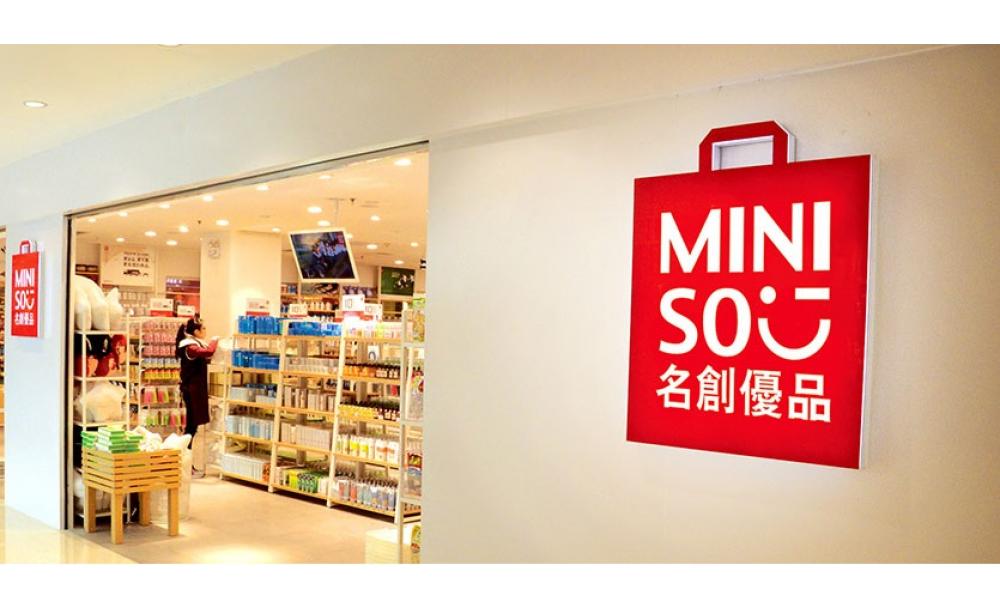
    Miniso opened a global pop-up tour in Bangkok on September 1 with K-pop star Lisa. The rollout introduces more than 70 co-branded products across Asia and the Americas. It follows a 22.4 per cent jump in first-half revenue as the retailer expands its international store network.

    The lineup spans apparel, bags, blind boxes and lifestyle accessories. Central to the range is the YoYo x Lisa Collection Vinyl Plush Surprise Box series. That line pairs the artist’s brand directly with Miniso’s proprietary character IP, YoYo.

    Tour Schedule and Asian Locations

    Bangkok’s IconSiam shopping complex hosted the debut before the tour heads to East Asia. The next activation opens at Omotesando Hills in Tokyo, running from September 11 to October 5.

    Three flagship pop-up locations in Beijing, Shanghai and Shenzhen will open simultaneously on September 12. Jakarta hosts the final Southeast Asian stop in October.

    Beyond Traditional Licensing

    Merchandise strategy is shifting across the business. Instead of relying purely on third-party entertainment licenses, the chain couples its proprietary IP with celebrity partnerships. The approach aims to lift average selling prices and drive foot traffic into physical stores.

    For mall operators and rivals, the push raises competition for temporary space. Pop-up formats let Miniso test local demand and build shopper volume in prime retail corridors without immediate long-term lease commitments.

    Americas Rollout Follows Revenue Gains

    Financial results reported last month showed a 22.4 per cent revenue increase for the first half. Growth was driven by performance across mainland China and international markets.

    Overseas expansion follows the Asian run, with pop-up locations opening across the United States and Mexico in November.

  • Victoria’s Secret Profit Tripled in Second Quarter Despite Sales Miss

    Victoria’s Secret Profit Tripled in Second Quarter Despite Sales Miss

    Victoria’s Secret nearly tripled its profit in the second quarter and lifted its full-year earnings guidance, overcoming a narrow top-line sales miss that rattled equity investors.

    Higher merchandise margins drove the profit surge as shoppers bought more lingerie and apparel at regular price points rather than clearance discounts.

    Margin Gains and Product Overhauls

    Chief executive Hillary Super faces scrutiny from financial markets to prove that the turnaround plan can deliver consistent revenue expansion alongside margin gains. The recovery strategy relies on fresh product lines, tighter brand positioning and the return of a revamped fashion show.

    Full-price sell-through provided the foundation for the quarterly improvement. By pulling back on heavy discounting, the apparel group protected profitability across its physical store fleet and digital sales channels.

    The Balance Between Price and Volume

    For store operators and regional franchisees, the profit rebound confirms that higher retail pricing can offset sluggish foot traffic and cautious consumer spending. Yet relying entirely on margin expansion without broad sales volume growth carries structural risk in competitive markets.

    Rival innerwear and athleisure brands continue to fight for floor space and customer wallet share across shopping centres. Landlords and retail partners need steady transaction volume to support retail footfall, not just cleaner balance sheets from lower inventory markdowns.

    The Turnaround Path

    The latest quarterly report follows multiple management efforts to reposition the brand away from outdated marketing concepts and rebuild credibility with mainstream apparel shoppers. Earlier restructuring phases focused on rationalising store networks, overhauling product assortments and adjusting wholesale partnerships.

    Attention now shifts to whether the upcoming fashion show and new seasonal merchandise can lift revenue through the second half of the financial year.