Tag: merchandising

  • Chelsea Stablecoin Shirt Deal Sparks Hong Kong Merchandising Regulatory Fears

    Chelsea Stablecoin Shirt Deal Sparks Hong Kong Merchandising Regulatory Fears

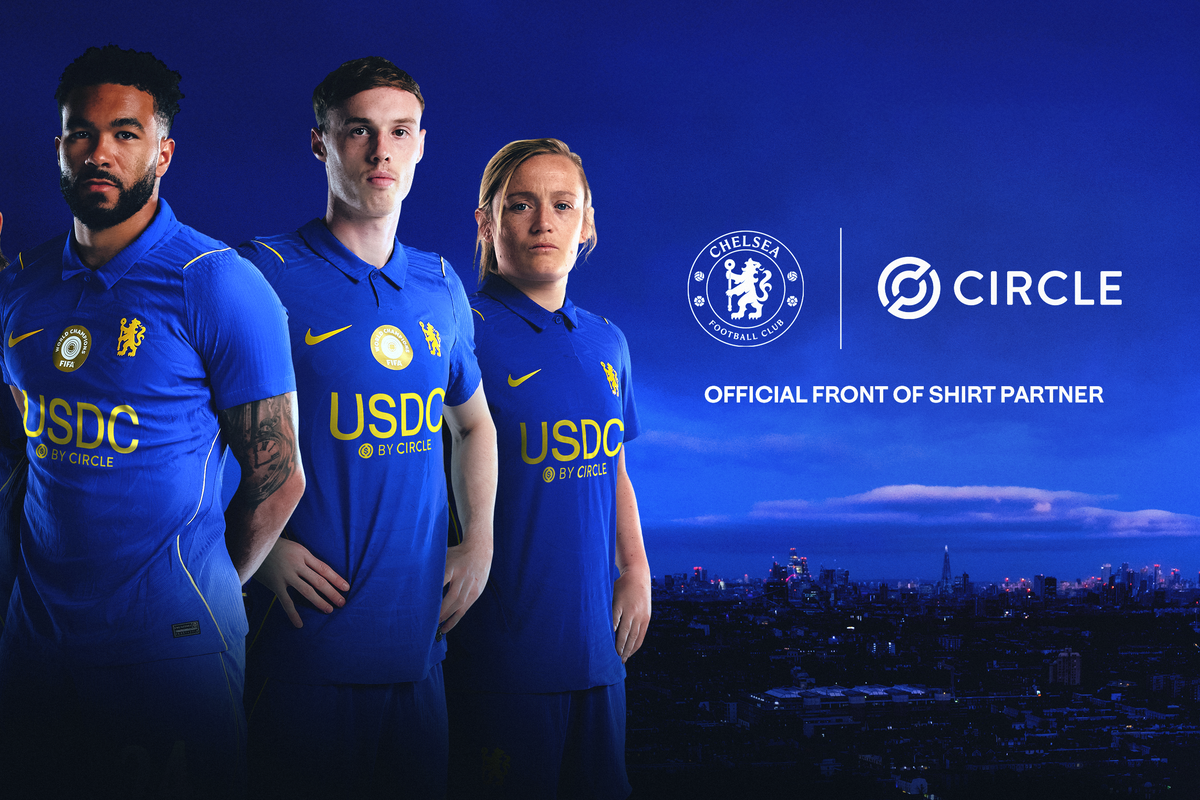
    English Premier League club Chelsea signed a front-of-shirt sponsorship deal with Circle in late August to display its USDC stablecoin logo across official jerseys for the 2026-27 season. The agreement has created immediate uncertainty for Hong Kong sports apparel retailers and consumers navigating the city’s strict digital asset marketing framework.

    Only two stablecoin issuers, Anchorpoint Financial Limited and HSBC, currently hold operating licences in Hong Kong. Circle’s USDC token is neither issued nor licensed under Hong Kong law, putting local replica jersey distributors in an uncertain regulatory position.

    Licensing Limits Under City Ordinance

    The legal friction stems from Hong Kong’s Stablecoins Ordinance, which took effect on August 1, 2025. Under guidelines issued by the Hong Kong Monetary Authority (HKMA), actively marketing unlicensed fiat-referenced stablecoins to the public is illegal.

    Regulators assess active marketing based on target audience, language, local domain usage, and whether an intentional promotional strategy exists. While the ordinance provides exemptions for live broadcast networks that do not control commercial content, it does not explicitly clarify whether physical apparel retail falls under promotional activity.

    Apparel stockists in major retail hubs are already weighing the commercial risk. Hammer Chung, owner of football apparel store DirectSoccer in Mong Kok, questioned whether stocking and retailing replica kits bearing unlicensed crypto logos exposes shop owners to regulatory enforcement.

    Retail Merchandising and Active Marketing Rules

    Supporter demand across Asia remains a vital revenue stream for European football merchandise, but grey areas in sports sponsorship compliance are multiplying. European teams continue to sign lucrative sponsorship contracts with global crypto firms, yet Asian jurisdictions are enforcing increasingly localised virtual asset licensing regimes to protect retail consumers.

    The UK Financial Conduct Authority warned Premier League clubs three months before the Chelsea deal about partnering with unregulated crypto platforms. In Hong Kong, consumer advocates and digital asset compliance specialists, including VerifyVASP, have called for clearer retail guidance and on-screen disclaimer requirements for televised fixtures.

    Retailers in the city are now waiting to see whether the HKMA issues formal enforcement guidance on replica sports merchandise before peak sales for the 2026-27 European football season get underway.
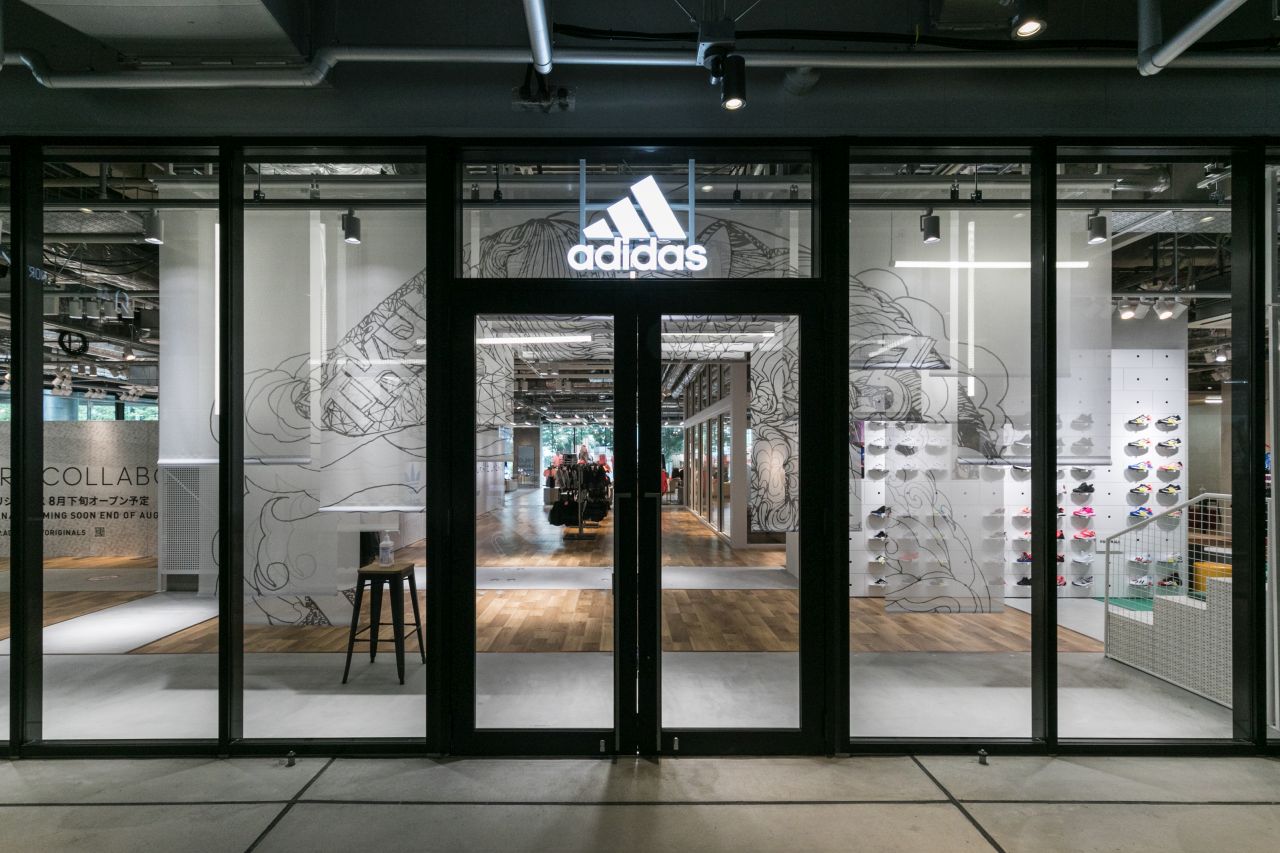

  • Adidas Reopens 569-Square-Metre Chadstone Store Under Home of Sports Concept

    Adidas Reopens 569-Square-Metre Chadstone Store Under Home of Sports Concept

    Adidas reopened its Chadstone store in Melbourne with 569 square metres of selling space, making it the first location in the region built around the Home of Sports concept.

    The store returned to trading following a three-month renovation designed to expand floor capacity and introduce new merchandising layouts.

    Customisation and Footwear Ranges

    Part of the expanded floor plan houses a dedicated Originals shop-in-shop, using the brand’s Collection V2 design for the first time in the Australian market. Two main footwear walls show inventory spanning running, training, football and lifestyle lines.

    Shoppers can also use a dedicated Made for You counter near the point of sale. The station applies heat-pressed patches and personalised name sets directly onto apparel and shoes during purchase.

    Foot Traffic and Format Rollouts

    Securing prime space matters for sportswear operators chasing high-volume sales. The Chadstone shopping centre draws more than 22 million visitors each year, giving the brand direct exposure to one of the highest-density retail corridors in the country.

    Sportswear majors across Asia-Pacific continue to replace standard mall units with larger experience-led stores that combine performance categories with lifestyle streetwear under one roof. Nike and Puma have followed similar paths across regional gateway hubs, using flagship remodels to push direct-to-consumer sales and higher-margin personalised gear.

    The business opened the upgraded doors with a weekend roster of local pop-up collaborations, with attention now turning to how the Home of Sports layout performs ahead of wider network updates across Australia.

  • DFI Retail Group Tests Experiential 7-Eleven Formats Across Hong Kong

    DFI Retail Group Tests Experiential 7-Eleven Formats Across Hong Kong

    DFI Retail Group rolled out two distinct format concepts across its 7-Eleven network in Hong Kong, targeting airport transit traffic and young mall shoppers.

    The deployment includes a compact food-first site under 100 square metres at Hong Kong International Airport Terminal 2 and an entertainment-focused store at Kai Tak Retail Mall 3. Both formats shift floor space away from traditional packaged goods to generate higher footfall and basket values.

    Hot Food and Collectibles at Kai Tak

    At the airport location, DFI deployed its Hong Kong Taste cafe concept. The layout combines a fresh local hot-food counter, chilled ready-to-eat meals, self-checkout kiosks, and coffee counters within a compact sub-100-square-metre unit designed to compete directly with quick-service restaurants.

    The Kai Tak store focuses entirely on youth merchandise and interactive displays. Shoppers find collectible card vending machines alongside a dedicated K-pop merchandise section requiring staff assistance for access, concert light sticks, Tamagotchi devices, and miniature double-decker bus models. The branch also stocks exclusive collaboration apparel, including Gundam socks and 45th-anniversary branded merchandise, alongside an interactive mechanical keyboard sound wall.

    Yoep Man leads the format trials as chief executive officer of 7-Eleven for South China, Hong Kong, Macau, and Singapore at DFI Retail Group.

    Asian Convenience Chains Pivot to Experience

    Convenience operators across North and Southeast Asia are redesigning store footprints to defend operating margins against rising rents and saturated packaged-goods categories. Regional competitors in Japan, Taiwan, and South Korea have pursued similar split strategies, turning transit units into fast hot-food hubs while transforming suburban mall branches into lifestyle destinations with licensed character goods. DFI’s two concepts test how far a traditional convenience banner can push into quick-service dining and collectible retail within dense commercial districts.

    DFI Retail Group plans to present operational insights and format findings from the Hong Kong pilot during the NACS retail conference taking place from October 6 to October 9.

  • Singapore Fashion Boutiques Pivot from Thrift to Regional Multi-Label Stores

    Singapore Fashion Boutiques Pivot from Thrift to Regional Multi-Label Stores

    Singaporean boutique owners in their twenties are converting second-hand stores into multi-label outlets anchored by emerging Southeast Asian fashion brands. The shift replaces vintage racks with small-batch imports from Vietnam, Indonesia, and China to capture shoppers looking beyond standard shopping mall chains.

    Multi-label retail models give small operators flexibility. Instead of relying entirely on unpredictable thrift sourcing, shopkeepers import limited runs directly from independent designers discovered via social media platforms such as TikTok and Instagram.

    Shifting Shelf Space to Regional Labels

    In November 2025, 26-year-old retailer Audrey Hong rebranded her Haji Lane vintage store, previously operating under the Un.wastelands banner, as Uno Collectives. Hong shifted inventory from purely second-hand garments to an even split between curated vintage and Vietnamese apparel brands, expanding her supplier roster from two to five rotating labels, including Tiemmem, Push Push, Twenti, Migcool, and 777angels.

    Other independent operators are adopting similar sourcing structures. At Zabu Boutique on Hamilton Road, co-owner Cherry Pretty has built a roster of six consignors, shifting inventory toward Indonesian labels to balance curated vintage. Plop Apparels founder Jermaine Ho, who set up her multi-label concept in 2022, built the business on offering multiple variations of niche indie garments to mirror online search behaviour in physical spaces.

    Along Jalan Berseh, 21-year-old Kalen Piamthipmanus opened Incoleur in August 2025. Piamthipmanus invested S$30,000 from savings and loans into the 800-square-foot ground-floor unit, stocking 10 to 12 independent labels alongside second-hand Japanese designer pieces from labels such as Junya Watanabe and Yohji Yamamoto. The brand selection includes Shanghai label Read Moh In Red, Vietnamese streetwear brand The Idiot, and local knitwear creator String of Kisses, with garment prices spanning S$10 to S$200.

    Capitalising on Regional Sourcing

    For independent fashion retailers across Southeast Asia, the multi-label boutique model provides a low-overhead buffer against high commercial rents in prime districts. Sourcing directly from regional manufacturing hubs like Ho Chi Minh City and Bangkok allows operators to maintain higher gross margins than consignment-heavy vintage retail, while offering exclusivity that mass-market fast-fashion chains cannot replicate.

    Uno Collectives plans to add at least two more Southeast Asian apparel brands to its Haji Lane roster before the end of the year.

  • Australian Supermarkets Adapt to In-Between Shoppers Seeking Asian Groceries

    Australian Supermarkets Adapt to In-Between Shoppers Seeking Asian Groceries

    Australian mainstream grocers are restructuring their international food aisles as demand from second-generation shoppers erodes the traditional gap between independent Asian grocers and major supermarket chains.

    The shift challenges decades of split retailing, where consumers bought standard household staples at major chains and visited specialty Asian grocers for authentic ingredients.

    Breaking the Specialty Divide

    May Wong, who concluded her tenure as a category manager at Coles Group on August 31, 2026, after seven years managing an Asian grocery store, said the boundary between the two channels is disappearing. Shoppers from second-generation migrant backgrounds increasingly expect mainstream supermarkets to stock the authentic food items that match their cultural heritage.

    Specialty grocers long held a monopoly on authentic imported brands, while major supermarkets focused on westernised pantry staples. Younger shoppers now seek authentic taste profiles without making a separate trip to suburban ethnic markets.

    Shifting Demographics on Mainstream Aisles

    For supermarket operators across the Asia-Pacific region, tailoring shelf space to multicultural demographics has turned ethnic aisles into high-growth territory rather than niche perimeter displays. Major chains in markets with large diaspora populations are expanding direct sourcing relationships with Asian food exporters to meet tighter consumer standards on authenticity.

    Coles and competing Australian supermarket operators will test updated product assortments across metropolitan store networks through the coming retail quarters.

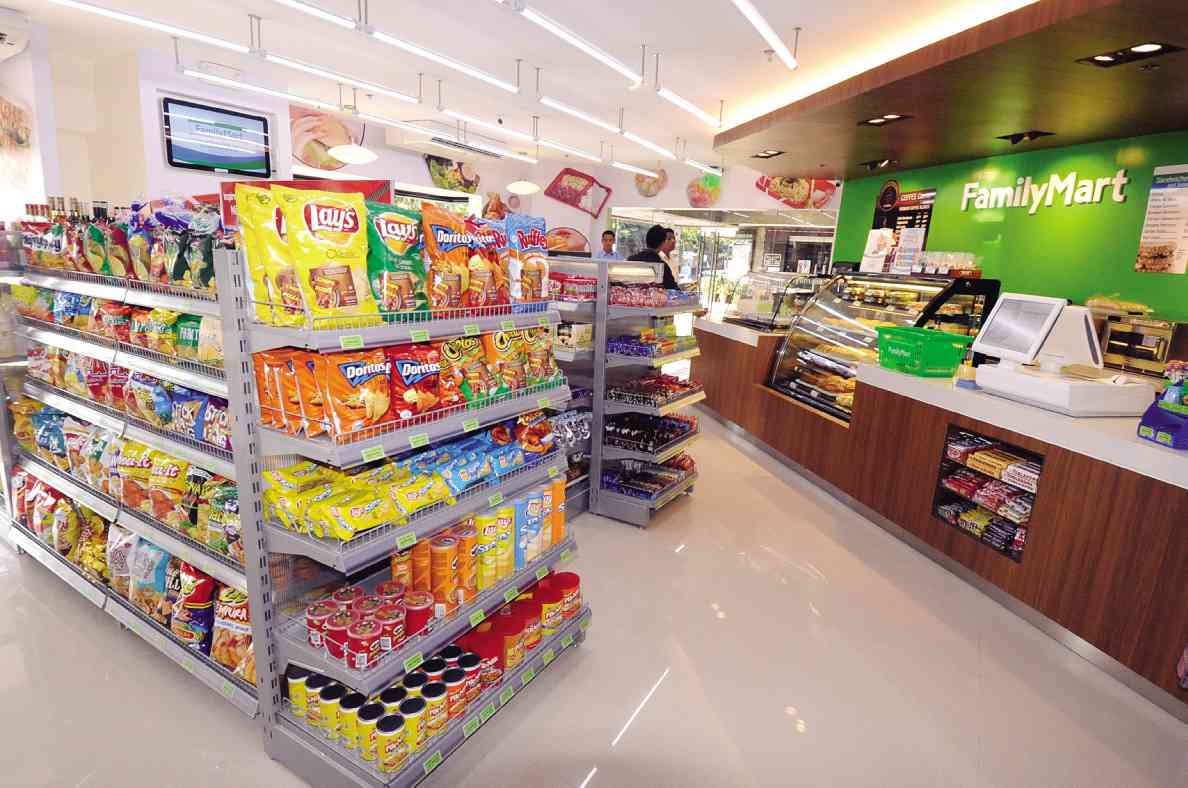
  • FamilyMart Relaxes Dress Code to Allow Dyed Hair and Hijabs in Japan

    FamilyMart Relaxes Dress Code to Allow Dyed Hair and Hijabs in Japan

    FamilyMart will allow store staff in Japan to dye their hair and wear hijabs starting next Tuesday, easing strict appearance standards to widen its hiring pool.

    The policy overhaul comes alongside a complete uniform revamp, the chain’s first redesign in 10 years.

    New Uniforms and Digital Hiring

    Store clerks will have the option to choose any hair color, and Muslim female staff can wear hijabs on shift. The updated uniform line-up introduces a T-shirt design, a first for the Japanese convenience sector, alongside a standard long-sleeved alternative.

    Recruitment processes are also shifting to speed up hiring. Store operators will begin using recorded and online video interviews to screen candidates across the network.

    Convenience operators across Japan have faced mounting staffing pressures as demographic declines shrink the domestic labor supply. Rivals Seven-Eleven Japan and Lawson have similarly tested automated checkouts and relaxed employee rules over recent years to attract younger workers and foreign nationals, who make up an increasing share of night and weekend shifts in major metro areas.

    Expanding Private Label Lines

    Beyond workforce changes, FamilyMart is pushing deeper into non-food merchandise. The retailer plans to expand Convenience Wear, its proprietary apparel brand, and roll out pet products including dog leashes and collars.

    The new grooming rules and uniform options take effect on Tuesday across the chain’s nationwide network.

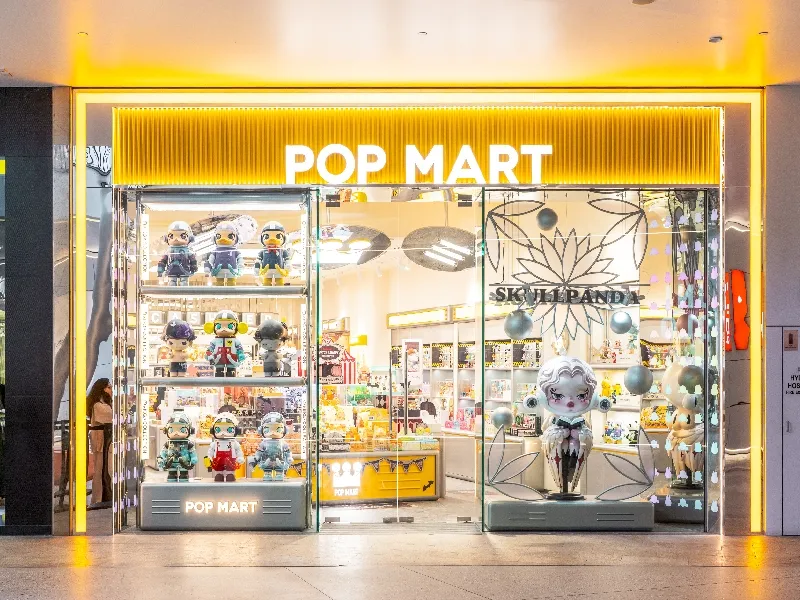
  • Pop Mart First-Half Revenue Rises 23.8% to RMB 17.17 Billion

    Pop Mart First-Half Revenue Rises 23.8% to RMB 17.17 Billion

    Pop Mart grew first-half revenue by 23.8 per cent to RMB 17.17 billion (US$2.4 billion) in Beijing as newer character lines diversified earnings beyond Labubu. Gross margin reached 69.7 per cent for the six-month period.

    The Monsters franchise, which includes Labubu, generated RMB 4.45 billion to remain the company’s largest intellectual property. Its share of total corporate revenue dropped to 26 per cent from 34.7 per cent a year earlier, reflecting faster gains in secondary product lines.

    Twinkle Twinkle Gains on The Monsters

    Twinkle Twinkle surged 580.6 per cent year on year to RMB 2.65 billion, making it the fastest-expanding property in the catalogue. Four other lines, Crybaby, Dimoo, SkullPanda and Hirono, each generated more than RMB 1 billion during the half.

    Product formats showed similar diversification away from standard vinyl blind boxes. Revenue from plush items climbed 60 per cent to RMB 9.82 billion as shoppers bought bag charms, soft figures and related lifestyle goods.

    Collectibles makers across Asia face rapid fad cycles once single characters peak on social media. By shifting production capacity toward plush accessories and scaling multiple character rosters simultaneously, Pop Mart is attempting to build a multi-franchise licensing business modeled on Sanrio rather than a single-hit novelty toy brand.

    Global Store Count Reaches 676 Locations

    Physical distribution expanded by 46 net new stores and 190 roboshops in the first six months of the year. That brought the global brick-and-mortar network to 676 physical outlets and 2,827 automated vending units.

    The Americas led store additions with 22 net openings to reach 86 sites. Asia-Pacific locations outside Greater China grew by five to 90, while Europe and other regions added nine stores to stand at 45.

    Food and beverage formats are also rolling out internationally. Following trial pop-ups across mainland China and a permanent venue in Aranya, the group opened its first overseas Pop Bakery site on Sentosa Island in Singapore, setting up the brand’s next wave of lifestyle retail openings.