Tag: mergers and acquisitions

  • Awinic Plans Controlling Stake in Yutai Semiconductor as Profit Drops 61%

    Awinic Plans Controlling Stake in Yutai Semiconductor as Profit Drops 61%

    Awinic Technologies suspended trading of its shares and convertible bonds on November 10 as it plans to buy a controlling stake in Yutai Semiconductor through shares and cash.

    The chip designer holds nearly CNY 3.783 billion in cash-like reserves, giving it the balance sheet capacity to fund a transaction that may constitute a major asset restructuring.

    Awinic plans to issue new shares, pay cash, and raise matching funds to secure all or part of the target business. Trading will halt for no more than 10 trading days. The four initial selling partnerships named in company filings are Shanghai Yubo, Shanghai Jinweili, Shanghai Yitiai, and Shanghai Yuzong. Together, Shanghai Yubo and Shanghai Jinweili hold a combined 38.43 percent of Yutai. No formal agreement is signed, and the final valuation and transaction ratio remain unset.

    The Sticking Point at SG Micro

    The deal immediately runs into an awkward structural problem. SG Micro, a direct competitor in analog chips, sits on Yutai’s register as the second-largest shareholder with a 25.95 percent holding. That stake gives SG Micro the use to either block a clean sweep or demand terms that alter the economics of the buyout. Awinic cannot absorb Yutai cleanly without addressing whether its chief domestic rival exits or stays embedded in the cap table.

    For hardware suppliers and brand procurement teams, consolidation among domestic analog suppliers reduces bargaining use. Phone makers and consumer gadget assemblers often rely on fragmented domestic chip shops to keep component costs low. If Awinic absorbs Yutai’s catalogue, buyers face a more consolidated supplier base across low-voltage and medium-voltage power lines. Competitors will watch whether SG Micro tenders its stock or uses its minority position to slow the integration.

    Balance Sheet Buffer Against Dropping Profits

    Awinic needs product diversification because its core consumer electronics business is stalling. In the first three quarters of 2026, the company posted revenue of CNY 2.117 billion, down 2.75 percent from the previous year. Net profit attributable to shareholders plunged 61.08 percent to CNY 107 million, while operating cash flow dropped 93.18 percent to CNY 22.66 million. Tight memory chip supply held back production schedules at smartphone factories, while mature-process foundry capacity squeezed gross margins.

    Cash reserves provide the only real protection for the buyer. Awinic entered October with CNY 703 million in monetary funds and CNY 3.08 billion in trading financial assets. Paying part of the acquisition in cash prevents excessive equity dilution at a time when Awinic’s valuation multiple is depressed by falling earnings. Issuing too much stock when net profit excluding non-recurring items fell 87.53 percent would trigger resistance from institutional investors.

    A Tortuous Path to Liquidity

    Yutai has tried and failed to reach the public markets twice before. SG Micro originally purchased 28.7 percent of the business for CNY 115 million in December 2018, before launching a CNY 1.07 billion bid for the remaining 71.3 percent in late 2019 that collapsed in October 2020. Yutai then filed for an independent listing on the STAR Market in 2022 to raise CNY 750 million for research and industrialization facilities, but the application stalled before tutoring restarted in 2023 without an outcome.

    Founded in November 2017 in Nantong by former Maxim Integrated designers, Yutai sells more than 500 power management products across 10 categories, including DC-DC converters, battery management chips, and interface protection circuits. Backers across four funding rounds include Transsion Holdings, SK Hynix Semiconductor (China), SMIC Capital, Longcheer Technology, and Leishi Investment. Its parts sell into smart meters, routers, power banks, and security cameras, giving Awinic a path beyond saturated smartphone sockets.

    Regulators and investors are now waiting for the restructuring framework before trading resumes at the end of the 10-day halt.

  • L’Occitane Sells Elemis to PAI Partners as Sales Top USD 300 Million

    L’Occitane Sells Elemis to PAI Partners as Sales Top USD 300 Million

    L’Occitane Group agreed to sell British skincare brand Elemis to French private equity firm PAI Partners after net sales at the label topped USD 300 million. The companies announced the agreement on November 4 without disclosing financial terms.

    Regulatory approvals will determine the closing timeline, scheduled for the first quarter of 2027. The divestment unwinds the largest acquisition in L’Occitane’s history, completed in 2019 under billionaire owner Reinold Geiger for USD 900 million.

    Seven Years of Expansion

    Elemis almost doubled its net sales during its seven years inside the French personal care group. Online platforms generate nearly half of its sales, while the United States accounts for roughly half of its total business.

    Geiger bought out minority shareholders and delisted L’Occitane from the Hong Kong Stock Exchange in 2024, ending a 14-year run on the Asian bourse that began in 2010. The group generated EUR 2.8 billion in global net sales for the fiscal year ended March 31, 2025, up 12 per cent year-on-year at constant exchange rates.

    “This transaction reflects a disciplined portfolio decision, focused on creating long-term value for the Group,” he said.

    Refocusing Capital After Hong Kong Delisting

    L’Occitane spent years pitching its dual French heritage and Asian retail footprint to investors in Hong Kong. Offloading Elemis frees up balance sheet capacity for the group’s faster-growing fragrance and body care divisions, led by Sol de Janeiro alongside Erborian, Melvita and flagship L’Occitane en Provence.

    Rival multi-brand conglomerates across Asia have similarly pulled back from bloated brand rosters. Operators in department stores and travel retail hubs must now prepare for PAI to pivot Elemis distribution toward standalone retail and digital channels in Western markets, reallocating counter space that previously leaned on L’Occitane’s corporate muscle.

    Private Equity Direction

    PAI partners Gaëlle d’Engremont and Colm O’Sullivan said their operational priorities centre on expanding digital commerce and pushing further into the United States while retaining the brand’s British positioning. Elemis was established in 1989 and built its early trade through spas and salon networks.

    Scrutiny now turns to the regulatory clearance process leading into the targeted first-quarter 2027 closing date. Retail investors will watch whether L’Occitane uses the proceeds to retire debt from its 2024 take-private buyout or reinvest in its remaining Asian skincare assets.

  • David Konckier Buys 687-Store Perfumery Chain Marionnaud

    David Konckier Buys 687-Store Perfumery Chain Marionnaud

    David Konckier, the main shareholder of Bogart Group, has finalized the acquisition of selective perfumery retailer Marionnaud Group through his personal company BEHN following an initial agreement announced on July 6.

    The deal transfers control of the chain from Hong Kong-based conglomerate CK Hutchison, parent of the AS Watson retail group, after more than 20 years of ownership.

    Marionnaud generates approximately EUR 650 million in annual revenue, employs nearly 4,200 people, and operates 687 stores across eight countries.

    Shedding non-core European perfumery assets

    For AS Watson and CK Hutchison, parting with Marionnaud trims an overseas selective perfumery commitment that has faced stiff competitive pressure and rising operating overheads across Western Europe. AS Watson originally bought the chain to gain quick scale in Continental Europe. Yet selective perfumery demands high staffing ratios, expensive prime real estate leases, and continuous capital outlays, conflicting with the leaner, high-turnover health and beauty drugstore model that drives the group’s core revenue.

    European retail has delivered sluggish discretionary spending over consecutive quarters. AS Watson has increasingly concentrated its capital expenditure and store expansion programs on high-yield Asian retail circuits, where pharmacy and personal care sales generate faster inventory churn than prestige European fragrances.

    Expanding retail network for Bogart brands

    Bogart Beauty Retail operates around 450 perfumeries and drugstores across Europe and the Middle East, including the April Beauty and DI fascias in France, Belgium, Luxembourg, and Israel, HC Parfumerie and Gottman in Germany, and Fann in Slovakia. Adding Marionnaud’s 687 doors effectively gives Konckier influence over more than 1,100 specialty beauty doors in European high streets and shopping centres.

    The immediate operational challenge sits in network rationalization and inventory integration. Bogart’s own retail division saw its revenue fall 7.1 per cent to EUR 93.1 million in the first half of 2026, pressured by slow discretionary consumer demand and active store closures in France, Belgium, and Germany. Marionnaud must absorb Konckier’s proprietary fragrance and cosmetics lines without cannibalizing existing third-party luxury supplier arrangements that anchor its prestige counter business.

    Restructuring precedes deal completion

    The takeover follows an initial purchase agreement announced on July 6 between Konckier’s holding entity and CK Hutchison. The sale process unfolded while Bogart was reporting first-half 2026 revenue of EUR 114.7 million, down 7.4 per cent at current exchange rates and 5.3 per cent lower on a like-for-like basis.

    Bogart’s separate perfumes and cosmetics manufacturing unit produced modest like-for-like sales growth of 0.4 per cent to EUR 21.6 million over the same six-month window. Management relies on fresh wholesale placements and shelf-space additions to turn that metric higher.

    Attention now turns to how rapidly Konckier integrates Bogart’s manufactured fragrance brands into Marionnaud’s 687 stores, and whether CK Hutchison deploys the divestment proceeds into expanding AS Watson’s Asian drugstore network.

  • Popees Baby Care Approves 511 Crore Rupee Reverse Takeover to Fund Retail Expansion

    Popees Baby Care Approves 511 Crore Rupee Reverse Takeover to Fund Retail Expansion

    Popees Baby Care India will acquire a 99.31 per cent stake in Popees Baby Care Products through a 511.33 crore rupee share-swap deal. The transaction folds the unlisted operating business into the Bombay Stock Exchange-listed entity, clearing the path to tap equity markets for retail expansion.

    Under the terms agreed by the board on October 24, 2026, the listed firm will issue up to 2.60 crore equity shares and 98.53 lakh fully convertible warrants, aggregating approximately 511.33 crore rupees. Stock exchange filings show the warrants must be converted into equity shares within 18 months of allotment, ultimately lifting promoter ownership in the listed vehicle to 69.63 per cent.

    How the Swap Consolidation Works

    The transaction acts as a reverse merger for the Kerala-based manufacturer. The listed shell, formerly known as Hari Govind International, had not carried on active commercial operations for years while searching for a new corporate purpose. Folding the operating assets into this vehicle allows the company to bypass the procedural lag of a fresh initial public offering.

    Popees Baby Care Products generated 161.93 crore rupees in revenue from operations during the financial year ending March 2026, up 19.7 per cent from 135.30 crore rupees in the prior fiscal year. To accommodate the massive influx of swap shares, the board also approved an expansion of the company’s authorised share capital from 10.25 crore rupees to 47 crore rupees.

    The swap values the operating business at a sharp premium to the listed shell’s historical trading levels. Shares of Popees Baby Care India traded at 106.30 rupees on November 5, leaving the pre-deal listed equity with a market capitalisation of roughly 95.35 crore rupees. By pegging the preferential issue price at 142.44 rupees, management is betting that public investors will back the company’s retail trajectory once the manufacturing assets appear on the consolidated balance sheet.

    Capital Allocation and Mall Competition

    Securing direct access to the stock market shifts the financial reality for Popees. Kidswear and infant supplies in India remain brutally competitive, with department store chains, value apparel retailers, and well-funded digital aggregators battling for shelf space in tier-one and tier-two cities. Operating purely as a private regional brand limited the company’s borrowing use and balance sheet flexibility.

    For retail landlords and franchise partners, the restructuring indicates that Popees now has equity currency to guarantee store leases and shop fittings. Yet executing a rapid retail rollout carries steep operational friction. Opening hundreds of company-owned or franchised doors risks inventory bloat if regional tastes outside southern India do not match the brand’s traditional Kerala customer base.

    Where the Stores Go

    Popees currently operates 116 exclusive brand outlets, cutting the ribbon on its latest location in Irinjalakuda while pushing north with an outpost in Chandigarh. Management wants a network of 1,000 retail stores within the next four years, alongside an entry into Gulf Cooperation Council markets where the southern Indian diaspora offers an established consumer base.

    Manufacturing infrastructure already exists to supply this store pipeline. Founded in 2003, the company runs three production units across Kerala, Karnataka, and Tamil Nadu, with an installed capacity of roughly nine lakh clothing and product sets per month. Its lineup covers newborn apparel, diapers, wipes, toiletries, infant essentials, maternity garments, and footwear, meaning immediate capital expenditure can flow toward store fit-outs rather than new factories.

    “This proposed share-swap transaction marks an important milestone in Popees’ growth journey. With a diversified product portfolio, manufacturing capabilities across three states and a brand built over more than two decades, we are well positioned to reach more families across India.”

    The Regulatory Pipeline

    The deal represents the final structural step in a corporate overhaul initiated earlier in October 2026. Board members initially cleared a preliminary preferential issue outline on October 8 before modifying the issuance structure on October 24 to fix the exact warrant and share tranches.

    Shareholders will vote on the proposed acquisition and the capital increase at an extraordinary general meeting scheduled for November 18, 2026, with an alternate procedural filing designating December 12 for the formal investor ballot ahead of final stock exchange clearances.

  • Kimberly-Clark Completes Kenvue Buyout Targeting $2.1 Billion in Synergies

    Kimberly-Clark Completes Kenvue Buyout Targeting $2.1 Billion in Synergies

    Kimberly-Clark completed its acquisition of Kenvue on November 2, 2026, creating a personal care and consumer health group with 10 brands generating over $1 billion each in annual sales.

    The combined roster brings Huggies, Kleenex, Kotex, Depend and Scott together with lines including Neutrogena, Tylenol, Listerine and Johnson’s Baby under a single corporate umbrella.

    Synergy Targets and Financial Timelines

    Management reiterated an anticipated run-rate synergy target of approximately $2.1 billion following the close. The bulk of that figure rests on approximately $1.9 billion in operational cost reductions scheduled for extraction within the first three years of joint operations.

    Revenue synergies are projected to deliver roughly $500 million in incremental profit over four years. Those gains will be counterbalanced by approximately $300 million in planned commercial reinvestments over the same horizon.

    Chief executive Mike Hsu will direct the enlarged group, deploying what the Dallas-based manufacturer calls its Powering Care operating structure across Kenvue’s retail pipeline.

    Asia Shelf Space and Retail Realignment

    For supermarket chains, pharmacy operators and convenience retailers across Asia, the completed transaction consolidates bargaining power across everyday grocery aisles. Kimberly-Clark already holds entrenched shelf positions in personal care across markets such as Australia, while Kenvue brings commanding distribution in skin health and oral hygiene.

    Combining both portfolios gives the company broader negotiating use during annual supplier reviews against regional conglomerates and multinational rivals. Retail buyers now face a unified counterparty across baby care, adult incontinence, over-the-counter wellness and topical skincare.

    Category Overlap and Integration Drag

    Execution risks sit squarely in supply chain integration and localized market dynamics. The transaction binds high-volume, paper-pulp manufacturing cycles with regulated consumer healthcare lines that carry vastly different regulatory hurdles and pharmacy distribution models across individual Asian territories.

    In fast-developing Asian retail corridors, category boundaries between fast-moving daily goods and self-care products are blurring rapidly as consumers purchase more preventative health products. Global spending across everyday health and wellness categories now exceeds $500 billion annually, making scale in cross-category retail distribution essential to defend operating margins.

    From Spinoff to Final Sale

    The deal closes after months of integration planning and internal structuring designed to map cost cuts before day one.

    Investors and retail partners now turn to Kimberly-Clark’s first post-merger quarterly filings to track progress on the initial tranches of the $1.9 billion three-year cost elimination plan.

  • French Dermocosmetics Brand La Rosée Weighs Sale as Yearly Sales Top €100M

    French Dermocosmetics Brand La Rosée Weighs Sale as Yearly Sales Top €100M

    French dermocosmetics brand La Rosée could be sold as early as year-end, according to industry sources, after expanding at home and abroad to generate more than 100 million euros in annual sales.

    Both strategic buyers and investment funds have expressed interest in acquiring the business, whose revenue in South Korea alone now exceeds 10 million euros. Company executives could not immediately be reached for comment.

    Pharmacist university friends Coline Bertrand and Manhault de Guilbert launched La Rosée in 2015, building a cult following around affordable, natural formulations. Starting in 300 pharmacies across France, the brand has expanded into more than 9,500 domestic outlets, making it the fourth bestselling dermocosmetics brand in French pharmacies.

    Expanding From French Pharmacies to Asia

    International expansion provided the second leg of growth across 13 countries. The company entered South Korea in 2022, establishing a fast revenue run rate in one of the most competitive personal care markets in the world. Earlier this year, the business entered Canada by securing placement across 540 Shoppers Drug Mart stores alongside a regional direct-to-consumer site.

    Global Consolidators Chase Pharmacy Formulations

    Large cosmetic houses are bidding aggressively for clinical and pharmacy-backed formulations across the Asia-Pacific region. Puig bought a minority stake in French brand Krème in July through a round led by Iris Ventures, while sector leaders L’Oréal and Beiersdorf are channeling higher operational spend into their own active skin units.

    Mordor Intelligence estimates global dermocosmetics revenue sits at 54.41 billion dollars, with projections pointing to 80.29 billion dollars by 2031 at an 8.1 percent compound annual rate. Korean consumer demand for functional, irritation-tested formulations makes local retail traction a key valuation driver for Western acquisitions.

    Product Breadth and Packaging Shifts

    La Rosée expanded its catalogue from five initial stock keeping units to more than 40 products, including dedicated hair and infant ranges, with price points across its universal range averaging 14 euros. Its refillable deodorant and sun care stick are the brand’s top sellers.

    Most product containers use plant-derived feedstocks such as sugarcane to meet B Corp sustainability standards. The founders previously brought in outside funding in August 2023, when Belgian family office FG Bros acquired a 20 percent stake in the enterprise.

  • Tokyo’s Umios Buys High Liner Foods for C$804 Million

    Tokyo’s Umios Buys High Liner Foods for C$804 Million

    Tokyo-listed seafood manufacturer Umios announced an agreement on 26 October to acquire Canadian peer High Liner Foods for C$804 million ($573.6 million) in cash.

    Under the terms of the transaction, the Japanese group, formerly known as Maruha Nichiro, will pay C$27 per share to position the Nova Scotia-based processor as its core North American platform.

    High Liner operates three production plants, distributing frozen seafood to retail and foodservice customers across the US and Canada under its namesake label, private-label contracts, and brands such as Mrs. Paul’s and Van de Kamp’s.

    Controlling the Pollock Flow

    The deal ties raw ocean supply directly to grocery freezers. Umios, known as Maruha Nichiro until its recent corporate rebranding, controls approximately 26 per cent of the total allowable catch quota for Alaska pollock in the US Bering Sea. That volume historically moved through third-party processors and trading intermediaries, leaking margin along the chain.

    High Liner gives the Japanese conglomerate immediate processing capacity and shelf access across North American supermarket aisles. The Canadian company generated consolidated net sales of roughly $1.03 billion for the full year through December, converting that into an attributable net profit of $36.5 million. By pushing its raw catch through these facilities, Umios captures processing margins and direct distribution revenue inside the world’s most lucrative consumer market.

    For Japanese seafood majors, the domestic horizon is bleak. Japan faces persistent population decline, aging households, and shrinking fish consumption per capita, forcing legacy ocean operators to seek foreign downstream footholds. Competitors have steadily built up proprietary distribution networks across North America to shield earnings from domestic retail deflation. Umios is executing the same defensive playbook on a heavier scale.

    The Downstream Shift

    Buying downstream retail assets brings inventory volatility that pure-play fishing groups rarely handle smoothly. High Liner faces stiff competition from private-label supermarket lines and volatile cold-storage freight rates across North America. If consumer spending softens in North American grocery channels, branded breaded fillets and fish sticks feel margin compressions quickly, leaving the parent group exposed to retail discounting rather than insulated by wholesale catch prices.

    Umios has promised to preserve High Liner’s corporate headquarters in Nova Scotia, keeping its operational workforce, distribution channels, and commercial labels intact.

    “Combining with High Liner Foods will fundamentally transform Umios.”

    Masaru Ikemi, CEO of Umios, said the merger establishes an integrated supply chain connecting upstream harvest quotas directly to retail buyers. High Liner president and chief executive Paul Jewer noted that joining the Japanese group provides immediate scale and investment backing for expanding value-added product lines.

    From Pet Food to North American Retail

    The Canadian buyout comes during an aggressive acquisition phase across regional food categories. Umios bought a 25.1 per cent stake in Thailand-based pet food and canned seafood producer Pataya Food Industries in September. Three months earlier, in June, it picked up a 51 per cent controlling stake in Malaysian pet food maker Pet World International.

    Those Southeast Asian investments targeted fast-growing pet care categories across emerging Asian markets. The High Liner transaction represents a different lever: locking in mature, high-volume consumer protein demand across developed Western supermarket networks to monetise marine harvest rights.

    The transaction will proceed under a court-sanctioned plan of arrangement, with High Liner’s board voting unanimously to recommend the offer. Shareholders holding 45.4 per cent of outstanding stock, including major backer Thornridge with its 41.4 per cent stake, have pledged their votes in favor. Umios requires 75 per cent shareholder support alongside statutory regulatory clearances to close the transaction by January.

  • Stryv Raises $11.5 Million in Series B Round Led by ACV Capital

    Stryv Raises $11.5 Million in Series B Round Led by ACV Capital

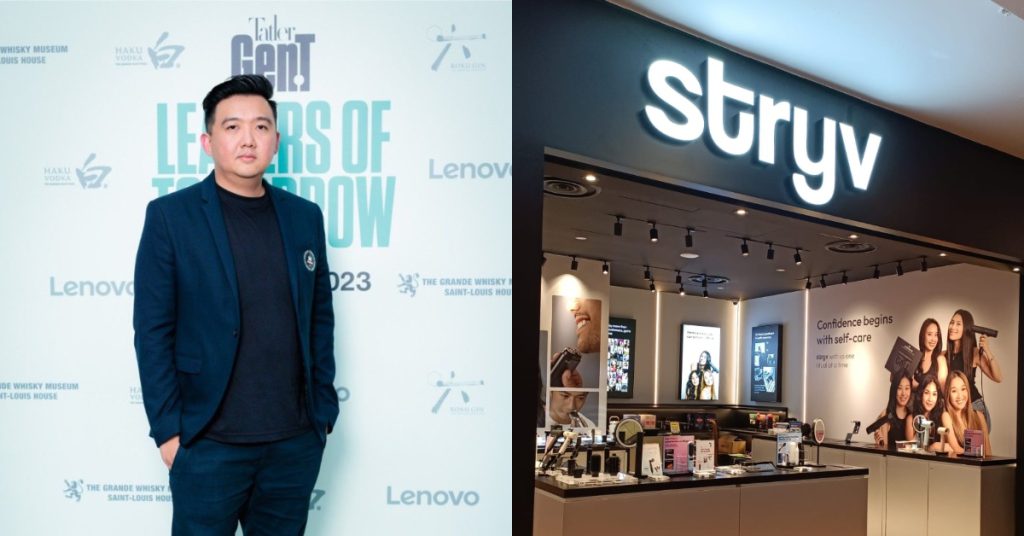
    Singapore-based direct-to-consumer personal care brand Stryv has secured $11.5 million in a Series B funding round led by Indonesia-headquartered ACV Capital. The fresh injection lifts the company’s total capital raised to date to about $20 million, according to CEO and co-founder Roy Ang.

    Openspace Capital and OCTAVE Capital also backed the round, Stryv confirmed in a statement. The company will deploy the proceeds to enter Taiwan, expand operations across Malaysia and Hong Kong, scale research and development, and pursue acquisitions of complementary consumer brands.

    Evo Commerce, established in 2020 by former Grab executives Ang and Minghao Teoh, launched the Stryv brand in 2022. The fundraising comes as the business explores a potential public listing on the Singapore Exchange’s Catalist Board to fund its next stage of regional growth.

    Financing Regional Operations

    Ang said Stryv is currently focused on Taiwan, noting that entering each new market requires having the right local team in place to execute.

    “That said, the company is open to entering new markets quickly through acquisitions if the opportunity arises,” he added.

    The company designs and retails affordable, premium-quality grooming and beauty products tailored for Asian consumers, including hair styling tools, hair care formulations, and shavers.

    From Grooming to Household Appliances

    Stryv acquired Singapore-based home appliances brand Sterra in March 2026, adding a footprint in 200,000 households and expanding beyond grooming tools into home wellness hardware.

    Following that purchase, the company launched the Stryv Oasis massage chair and the Stryv Halo air purifier since September. Ang noted that the capital supports Stryv’s broader ambition to build a multi-category ecosystem of personal and home care products for households across Asia.

    Lead investor ACV Capital manages more than $500 million across five funds and has invested in over 100 businesses during the past eight years, according to its website.

    Private Equity Competition for Beauty and Care Assets

    The financing coincides with aggressive dealmaking across Asia’s personal care and beauty landscape, where global private equity sponsors are acquiring established brands to capture resilient consumer demand.

    Recent transactions show the momentum: CVC revised its binding offer to privatise Japan’s Mandom at 3,105 yen per share, topping KKR’s revised 3,100 yen offer. Meanwhile, Bain Capital agreed to purchase FineToday Holdings from CVC Asia Fund V for an estimated 200 billion yen ($1.3 billion) following competing bids from Blackstone and KKR.

    Public Listing Plans on the Catalist Board

    In August, DealStreetAsia reported that Stryv was exploring a potential listing on the Catalist Board. Sources said the company was evaluating the move to support cross-border expansion, strengthen its proprietary technology platform, and raise brand visibility.

  • Tata Motors Stands Firm on €14.40 Offer for Iveco Group

    Tata Motors Stands Firm on €14.40 Offer for Iveco Group

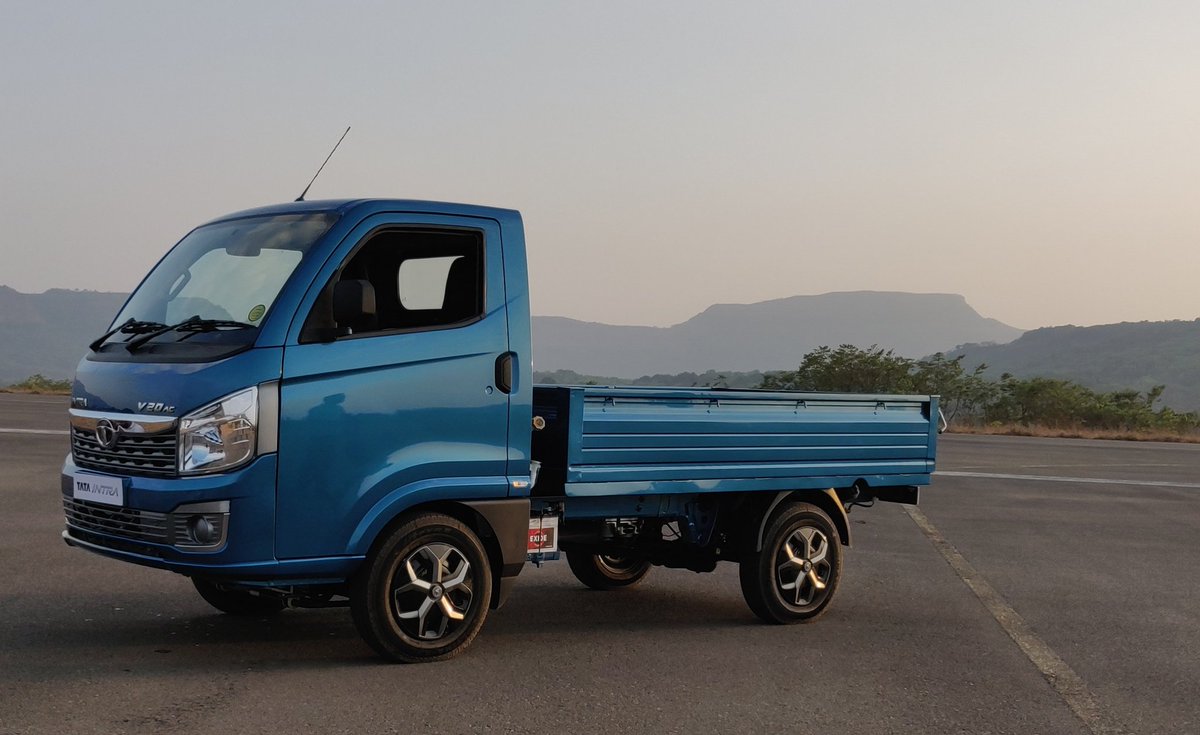
    Tata Motors will not raise its €14.40 per share buyout offer for Italian commercial vehicle manufacturer Iveco Group before the tender offer closes on October 26. The revised bid values the transaction at up to €3.91 billion, or approximately ₹41,591 crore.

    Speaking after the company reported September quarter financial results on October 23, Tata Motors managing director and chief executive officer Girish Wagh reaffirmed that the price represents the final terms.

    “The best and final offer is absolutely the best and final offer and it will remain at €14.4 per share.”

    Valuation Pushback from Minority Investors

    Activistic resistance surfaced ahead of the deadline. Petrus Advisers, an investment firm holding a 3.8 per cent stake in Iveco, pushed shareholders to reject the terms.

    The investor presented figures on September 29 arguing that Tata Motors’ initial €14.10 per share bid priced Iveco at roughly two times its estimated 2028 earnings before interest and tax. Global competitors such as Volvo, Daimler Truck, Traton and Paccar trade at an average multiple near seven times EBIT. Petrus Advisers argued that existing shareholders should capture higher synergies from the combination alongside extra payment for procedural delays.

    Tata Motors countered by raising the cash offer on October 9 by €0.30 per share, equivalent to about ₹31.91 at prevailing foreign exchange rates. Wagh described the increase as a goodwill gesture following a four-month transaction delay.

    Global Scale for Commercial Vehicles

    Buying Iveco gives Tata Motors an industrial manufacturing footprint across continental Europe. The arrangement carves out Iveco’s defence vehicle division, combining purely commercial truck and bus operations across global markets.

    Indian commercial vehicle builders face cyclical domestic demand alongside strict capital requirements for alternative-fuel powertrains. Securing Iveco brings engineering centers, established European fleet customer networks and heavy-duty truck platforms that would require years to develop organically. European commercial vehicle operators maintain strict procurement ties, making cross-border acquisitions the fastest route to scale.

    Integration execution carries clear operational risks. Heavy truck operations face slowing European freight demand, high energy costs and capital spending requirements for battery and hydrogen propulsion systems. Merging procurement channels and factory tooling will determine whether the expected cost savings materialize.

    Approvals and Final Tender Count

    Iveco shareholders cleared all procedural resolutions during an extraordinary general meeting on October 16. That vote cleared the board-level pathway for the takeover to proceed under local market regulations.

    Acceptance tallies stood at 35 per cent of eligible shares entering the final weekend of the tender. Tata Motors executives expect total tendering to exceed the 80 per cent threshold before the acceptance window shuts on October 26, noting that institutional holdings typically tender within the final 48 hours.

    Financial settlement is set for October 30 if the transaction crosses the ownership threshold, with operational consolidation scheduled to start in the following quarter.

  • Australian Auto Retailers Fetch 11.2X Valuation as Apparel Slips to 6.4X

    Australian Auto Retailers Fetch 11.2X Valuation as Apparel Slips to 6.4X

    Australian automotive retailers traded at 11.2 times earnings in 2026 while apparel multiples slumped to 6.4 times, according to Grant Thornton Australia’s Dealtracker transaction data.

    The five-turn valuation divide reflects an aggressive buyer preference for cash-generative operations with locked-in distribution over discretionary fashion merchants struggling with discount cycles.

    Grant Thornton released the findings in the final installment of its four-part transaction study, warning retail boards that chasing top-line sector expansion will not insulate them from acquisition discounts. Dealmakers are pricing businesses based on procurement controls, balance-sheet resilience, and customer retention rather than broad category growth projections.

    Multiples Split Discretionary Categories

    Valuations across consumer discretionary assets show stark divergence within the same retail spending pools. Automotive businesses commanded double-digit multiples by pairing vehicle sales with parts supply, workshop servicing, and rigid customer replacement cycles.

    Apparel operators faced steep discounts as selective shoppers trimmed discretionary wardrobes and forced merchants into promotional price battles. Brand equity alone no longer commands premium deal pricing without evidence of repeat purchase loyalty that survives inflationary pressure.

    Tam Goldin, financial advisory partner at Grant Thornton Australia, pointed out that category classification accounts for only part of a target’s pricing. “The sector matters, but the underlying business model matters more,” Goldin said.

    Private capital in Australia has pivoted toward specialized operators that scale distribution networks without multiplying administrative overhead. Scaled retailers with integrated inventory pipelines hold pricing power, whereas mid-tier general merchants face margin compression across both physical stores and digital storefronts.

    Capital Discipline Replaces Platform Sprawls

    Technology spending in the sector has shifted from speculative platform rollouts to strict return hurdles. Retailers are halting open-ended artificial intelligence trials to focus on inventory visibility, demand forecasting, and operational productivity.

    Kirsten Ridgway, management consulting partner and head of retail and consumer products at Grant Thornton Australia, stated that board-level technology choices cannot center on software procurement alone. Executive teams must identify specific operational bottlenecks before committing capital to enterprise platforms or machine-learning tools.

    Enterprise cleanups now take priority over front-end digital additions. Merchandisers are overhauling fragmented legacy databases because untested algorithmic tools compound pricing errors when fed inconsistent stock records.

    RetailNews Asia sees this operational retrenchment as a defensive realignment across Australasia. Regional retail conglomerates in Singapore, Tokyo, and Sydney spent three years buying disparate commerce software packages, only to find that operational complexity wiped out expected margin gains.

    Second-Hand Marketplaces Erode Price Power

    Traditional clothing chains face mounting margin erosion from circular commerce platforms. Second-hand marketplace Vinted entered the Australian market and disrupted established local resale channels, drawing cost-conscious consumers away from full-price fast-fashion and mid-market apparel racks.

    Resale platforms operate without inventory carrying costs or physical store lease liabilities. That structural cost advantage lets them reset shopper expectations around everyday apparel pricing, penalizing conventional store operators whose rent and utility charges remain fixed.

    Online commerce penetration continues to anchor these digital shifts. Australia Post eCommerce data recorded that 82 percent of Australian households made online purchases during 2025, with 41 percent shopping online fortnightly or more.

    High e-commerce participation allows overseas circular platforms to scale rapidly across Australian metropolitan centres. Traditional apparel chains unable to justify their price premiums risk losing volume permanently to these asset-light competitors.

    Payment Reforms Squeeze Margin Buffers

    Regulatory mandates are compounding pressures on retail margins. The Reserve Bank of Australia removed payment surcharges on eftpos, Mastercard, and Visa transactions on October 1, 2026, forcing merchants to absorb payment processing fees rather than passing them directly to shoppers at the checkout.

    This surcharge prohibition hit high-frequency merchants immediately, narrowing cash gross margins that were already compressed by wage rises and freight volatility. Operators without volume-based acquiring discounts must now extract operating efficiencies elsewhere in their supply chains.

    Stored-value and loyalty instruments offer partial relief from transaction friction. Australia’s gift card market is projected to reach US$8.22 billion in 2026, expanding 10.9 percent annually as supermarket chains and department stores deploy closed-loop digital balances to defend basket sizes.

    Woolworths integrated its Everyday Gifting system directly into its rewards smartphone application, letting loyalty members buy and redeem electronic cards with stored loyalty balances. Supermarkets and department chains use these closed networks to capture prepaid sales, avoid merchant terminal surcharges, and keep spend locked within their retail ecosystems.

    The Australian Retail Council convenes its supply chain summit on October 27, 2026, where national logistics directors will assess port freight disruption and inventory holding costs ahead of the peak November shopping weekend.

  • Metcash Buys Queensland IGA Operator Peries Group for up to $85 Million

    Metcash Buys Queensland IGA Operator Peries Group for up to $85 Million

    Metcash agreed to acquire Queensland grocery operator Peries Group for an estimated $80 million to $85 million.

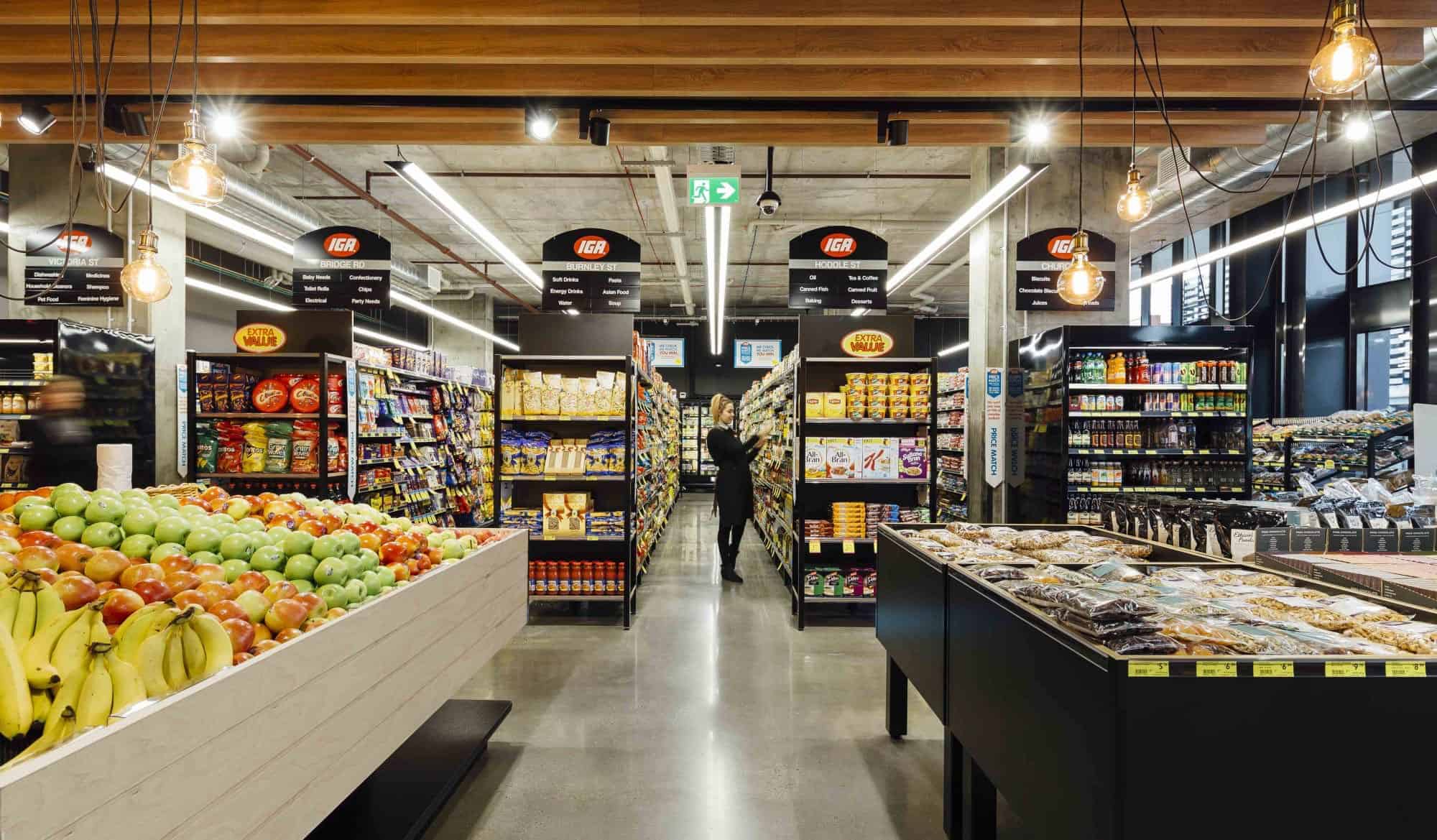
    The deal secures 15 medium- and large-format IGA supermarkets across regional Queensland. Those stores generated approximately $264 million in retail sales in the 2026 financial year.

    Terms and structure of the transaction

    Exercising a contractual right of first refusal, Metcash stepped in after Peries Group put the business up for sale. A fixed multiple of earnings before interest, tax, depreciation and amortisation under pre-AASB16 accounting rules will determine the final price. That calculation excludes stock, employee entitlements and stamp duty.

    Existing debt facilities will fund the purchase. Marginal earnings per share accretion is expected once the transaction closes.

    Around 1,000 workers are employed across South-East, Central, Far North and Wide Bay-Burnett districts. Metcash already supplied the network. It booked approximately $150 million in wholesale sales to Peries stores during the 12 months ended 30 June 2026.

    Regional grocery consolidation

    Buying Peries prevents rival supermarket operators from peeling away a major independent wholesale customer in Queensland. Regional store networks provide steady wholesale volumes that Metcash cannot afford to lose to corporate chains.

    Direct ownership gives the wholesaler options to restructure store holdings down the track. It plans to review the long-term model for the 15 sites, including potential joint ventures or re-sales to independent grocers.

    Expanding Queensland footprint

    Equity exposure in Queensland retail operations expands alongside Metcash’s existing 45 per cent interest in Cornetts Group, which runs 35 supermarkets across the state. Queensland grocery sales have outpaced most other Australian states over the past three years at retail and wholesale levels.

    Regional independent operators frequently serve as the sole full-line grocery destination in their towns. Keeping those locations under the IGA banner protects distribution routes running from Metcash distribution centres to remote retail corridors.

    “The Peries Group is a high-quality independent business, and its acquisition is consistent with our strategy of protecting, growing and strengthening the independent IGA grocery network. We believe this transaction will enhance our Queensland presence and create additional opportunities for Metcash and the wider IGA network. The decision to exercise this First Right was taken with regard to the longer-term strength of the independent network, as well as delivering returns for shareholders.”

    Clearance timeline and financial disclosures

    Settlement is scheduled for late April or early May 2027. Completion requires lease assignments across the 15 locations and clearance from the Australian Competition and Consumer Commission.

    Briefing on the transaction is scheduled for 7 December 2026, when Metcash releases its first-half financial results.

  • Mycofeast Buys New Zealand Dairy Protein Startup Daisy Lab

    Mycofeast Buys New Zealand Dairy Protein Startup Daisy Lab

    British biotechnology firm Mycofeast acquired New Zealand dairy protein startup Daisy Lab for an undisclosed sum in October 2026. The buyout secures Daisy Lab’s precision fermentation platform.

    The deal transfers Daisy Lab’s Auckland operations and patent pipeline to the UK group. Daisy Lab’s scientific team will stay intact.

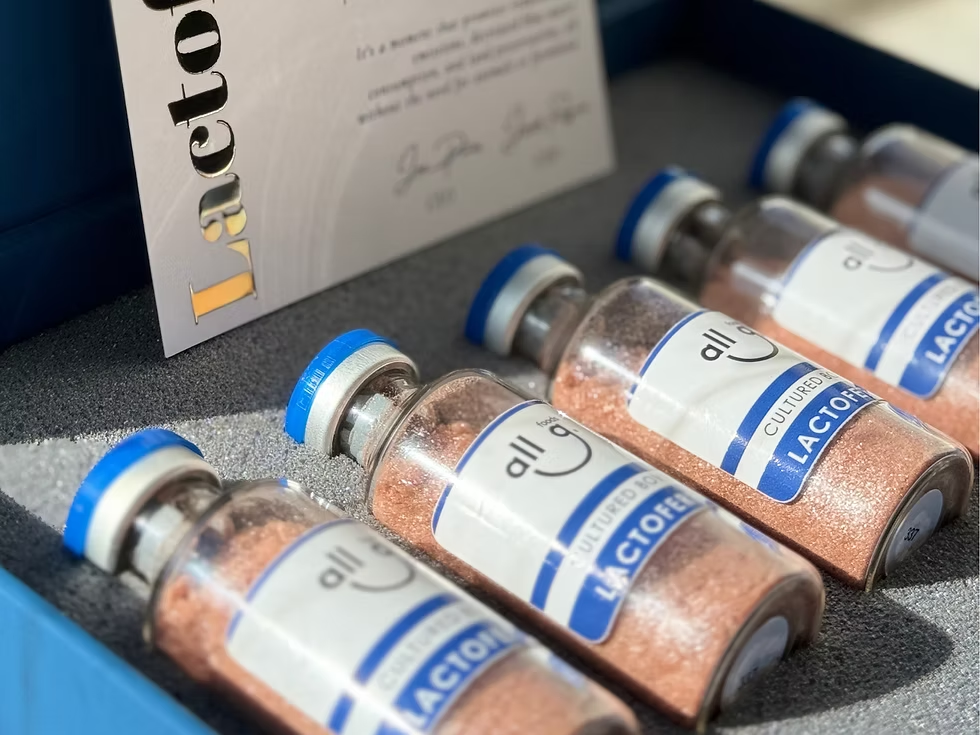
    Daisy Lab uses genetically engineered yeast to produce animal-free dairy proteins, including whey, casein, beta-lactoglobulin and lactoferrin. The company estimates its system cuts greenhouse gas emissions by up to 97 per cent compared with conventional dairy farming. Its most advanced project centres on high-yielding bovine and human lactoferrin. The iron-binding glycoprotein is used in infant nutrition, immune supplements and pharmaceuticals.

    Integration without cuts

    All laboratory staff and founders will keep their Auckland positions. Co-founders Irina Miller, Nikki Freed and Emily McIsaac will take broader operational roles across the Mycofeast organisation.

    Development work from the New Zealand team will link with Evolutia Bio, Mycofeast’s research arm in California. The team will also draw on the parent firm’s industrial processing plants. Daisy Lab had initially engaged Mycofeast as an ingredient customer and commercial partner before talks became a full buyout.

    “There are no layoffs associated with the acquisition. Mycofeast wanted both the technology and people,” Daisy Lab co-founder and CEO Irina Miller said.

    Fermentation economics in focus

    Extracting traditional lactoferrin requires thousands of litres of bovine milk to yield a single kilogram of purified protein. That scarcity keeps market prices between $600 and $2,000 per kilogram. It is one of the most expensive dairy fractions on global commodity markets.

    Precision fermentation bypasses cows entirely by brewing identical proteins inside stainless-steel bioreactors. For ingredient buyers across Asia, synthetic biology offers stable pricing. It also removes exposure to seasonal milk collection swings, farm runoff rules and herd disease risks.

    Capital pressure across alternative protein

    Australasian food-tech startups are turning to offshore trade sales over standalone venture capital rounds. Higher interest rates and tighter funding over the past two years made building private pilot and commercial processing facilities prohibitively expensive for early-stage laboratories.

    Selling to an established biotech operator gives Daisy Lab immediate industrial hardware without raising dilutive scale-up equity. The deal also hands Mycofeast a research base in New Zealand. That puts the British group inside a major agricultural exporter currently overhauling its biotech regulations.

    Next steps for scale

    Daisy Lab incorporated in Auckland in 2021 to engineer alternative proteins for New Zealand’s dairy-heavy economy. The startup focused on high-margin proteins rather than commodity milk powder. It established high-titre yeast strains to prove commercial viability before pursuing international manufacturing partners.

    Teams across both companies are now preparing lactoferrin samples for regulatory clearance dossiers and commercial customer trials across North America and the Asia-Pacific region.

  • Tribe Breweries Buys Collapsed Australian Craft Producer Black Hops

    Tribe Breweries Buys Collapsed Australian Craft Producer Black Hops

    Tribe Breweries bought collapsed Gold Coast craft brewer Black Hops out of voluntary administration on October 8 for an undisclosed sum. The deal absorbs the brand into its national beverage platform.

    The agreement secures the brand’s primary production brewery in Biggera Waters and its original taproom in Burleigh Heads. All Queensland staff and 90 per cent of national positions will stay.

    Rescue terms and production assets

    Black Hops joins a brewing portfolio that includes Stockade Brew Co, Mornington Peninsula Brewery, and gluten-free label Wilde Brewing Co. Production continues across both Gold Coast sites. That gives the buyer regional manufacturing capacity alongside its primary facility in Goulburn.

    The Goulburn plant has an annual capacity of 30 million litres. It handles proprietary brands and contract packaging for independent labels. Chief executive Heath Baker confirmed plans to streamline operational overheads while maintaining the Black Hops brand identity in retail distribution and on-premise venues.

    General manager Nathan Seamons said the agreement ends months of operational limbo for brewery workers.

    “This is a wonderful day for everyone involved in the business but also for the millions of Australians who simply love a Black Hops beer.”

    Consolidation pressure across craft brewing

    Independent brewers across Australasia face severe margin compression from escalating excise duties, rising raw material costs, and soft bar spending. Standalone production is now unsustainable without volume scale. That hits mid-tier producers that financed rapid capacity expansions between 2018 and 2021.

    For retail buyers and hospitality groups, the purchase removes near-term inventory risk on core Black Hops lines. Tap supply will concentrate among fewer independent consolidators. Cost containment remains the main hazard for Tribe. Taking on regional taprooms and separate production lines lifts overheads as retail shelf competition intensifies.

    Two administrations in seven months

    Debts exceeding AU$7 million ($4.5 million) forced Black Hops into its first voluntary administration in March 2024. A consortium of existing and new investors, including Darren Hill and managing director Luke McCormack, bought the assets two months later to restructure the business.

    That turnaround failed to stabilize cash flow. McCormack put the company back into administration in July after an agreed private buyout collapsed. Administrators then sought a trade buyer with existing logistics networks. Black Hops had already closed its Brisbane venue earlier in the year, which subsequently transferred to Salisbury-based Hiker Brewing.

    Ownership turnaround at Goulburn

    Tribe completed its own corporate overhaul after entering voluntary administration in February 2023 under administrator FTI Consulting. A consortium led by the Elsie Cameron Foundation, the philanthropic fund tied to Kathmandu co-founder Jan Cameron, bought the Goulburn business out of administration and restructured its balance sheet.

    The business gained B Corp certification in July. It is finishing construction on a hospitality venue at its Goulburn headquarters. Integration now turns to supply contracts and wholesale channel terms across Queensland bottle shops, with initial production schedules under the combined entity taking effect this quarter.

  • Anta Sports Completes 1.51 Billion Euro Puma Stake Buyout

    Anta Sports Completes 1.51 Billion Euro Puma Stake Buyout

    Anta Sports completed its 1.51 billion euro purchase of a 29.06 per cent stake in Puma. The transaction makes the Chinese sportswear group the German brand’s largest shareholder.

    The cash deal, valued at approximately US$1.7 billion, closed after clearing regulatory scrutiny and customary closing conditions.

    Terms of the Artémis buyout

    Shares came directly from Artémis, the private investment arm run by the French billionaire Pinault family. Artémis had held the stake since French luxury group Kering distributed Puma shares to its investors in 2018.

    Funding came in full from existing cash balances and committed credit lines. The transaction transfers European sportswear equity directly into Chinese corporate hands.

    Expanding the global portfolio

    Buying established Western sports brands gives Anta immediate scale without building new labels from scratch. The group already controls a multi-brand stable spanning Fila’s Greater China rights, Arc’teryx parent Amer Sports, Descente and Kolon Sport.

    Securing the largest block in Puma provides direct exposure to global football, running and lifestyle distribution channels across Europe, the Americas and Southeast Asia. The acquisition gives the Chinese group international scale to challenge Nike and Adidas on neutral turf.

    Channel power and China retail

    For Puma, the transaction opens deeper supply-chain and distribution access across Mainland China’s lower-tier cities, where Anta commands thousands of monobrand franchise doors. Puma has struggled against domestic substitution and consumer trading-down across East Asia over recent quarters.

    Operational risk sits in management alignment. Anta typically allows acquired international brands to operate with independent design teams while overhauling back-end sourcing and regional retail networks.

    Governance and board representation

    Initial proposals to acquire the cornerstone block from Artémis were submitted earlier this year. The closing concludes months of antitrust reviews across key operating jurisdictions.

    Shareholder meetings are next. Anta is expected to propose representatives for supervisory board seats to formalise its oversight of the German apparel group.

  • Seven & I in Final-Stage Talks to Invest in Poland’s Zabka Group

    Seven & I in Final-Stage Talks to Invest in Poland’s Zabka Group

    Japan’s Seven & i Holdings is in final-stage talks to invest in Zabka Group, Poland’s largest convenience store operator, in July 2026.

    The Tokyo-based operator of 7-Eleven eyes expansion into Eastern Europe through the planned transaction.

    Pushing Beyond Saturated Home Turf

    Negotiations center on exporting Japanese supply chain models and proprietary fresh food formats to Poland. Zabka dominates the domestic modern convenience sector through high-density urban franchises, automated micro-stores, and app-driven loyalty programs.

    A shrinking population in Japan now restricts domestic store additions. Seven & i needs overseas expansion. Replicating its Japanese convenience model gives the group a platform to scale private-label merchandise outside North America and Asia.

    Shifting Capital Out of North America

    Seven & i is currently overhauling its United States footprint. The Japanese retailer plans to close more than 600 underperforming North American stores while lifting capital spending across remaining profitable sites by 50 per cent.

    High fuel margins lifted US net profit by 24 per cent. Volatile gasoline demand still led the company to delay the public listing of its US convenience division. Capital once set aside for North America is shifting toward European targets.

    Operational Risks in Eastern European Grocery

    Entering Poland exposes the group to unfamiliar labor structures and local supplier networks. Competition is stiff from supermarket giants Biedronka and Dino Polska. European Union convenience chains also face Sunday trading bans and higher compliance costs than Asian operators navigate.

    Local operations will require Seven & i to adapt its prepared food logistics to regional tastes without slowing Zabka’s fast turnover. A minority stake prevents direct management control. Tokyo must lean on Polish executives for day-to-day execution.

    Building on Suzuki’s Global Legacy

    Former leader Toshifumi Suzuki built the global network of more than 80,000 stores before his death at age 93. Suzuki turned 7-Eleven from a licensed American format into Japan’s dominant retail system before taking full control of the US business.

    Both parties are now finalizing terms. Official filings detailing equity pricing and transaction scale will land before the current fiscal quarter concludes.