Tag: mergers and acquisitions

  • Valley Eyewear Receives 7 Formal Offers in Liquidation Sale

    Valley Eyewear Receives 7 Formal Offers in Liquidation Sale

    Sunglasses brand Valley Eyewear has received seven formal written offers after entering liquidation in mid-August following a legal battle between its owners.

    The Gold Coast-based business drew 120 registrations of interest and 72 executed confidentiality agreements from prospective purchasers across Australia, New Zealand, Asia, and the US.

    Global distribution draws turnaround buyers

    Federal Court-appointed liquidators James Robba and Jason Bettles of Worrells led the sale campaign, confirming that the outcome is expected to deliver a return to creditors.

    Founded in 2011 by Michael Crawley, Tenielle Crawley, and Matthew Grippo, the independent label expanded beyond its domestic base to stock products in more than 100 wholesale accounts across 20 countries. That international wholesale footprint proved the primary draw for offshore distributors seeking established design assets without the overhead of company-owned retail storefronts.

    Cross-border interest in premium accessories

    Regional retail operators face tight consumer spending in discretionary fashion, yet niche eyewear assets continue to attract trade buyers looking to consolidate wholesale relationships. A buyer acquiring the label out of liquidation avoids legacy shareholder liabilities while gaining established shelf space across independent boutiques in Asia and Australasia.

    For retail stockists and wholesale partners, the outcome determines whether product shipments and seasonal range deliveries resume under new ownership or splinter across regional licensing agreements. The risk for prospective buyers sits in reviving brand momentum and preserving design credibility after months of courtroom paralysis among the original creators.

    There was considerable interest from prospective purchasers throughout the campaign, which culminated in multiple competitive offers being submitted for our consideration.

    Shareholder deadlock forced liquidation

    The sale follows a protracted legal battle among the three co-founders that culminated in Australia’s Federal Court placing the business into liquidation in mid-August 2026. The court mandated an urgent sale process to preserve asset value before wholesale distribution channels eroded.

    Worrells confirmed that the volume and pricing of the seven competing offers are expected to generate sufficient proceeds to deliver a financial return to unsecured creditors.

    Finalising the asset transaction

    Robba and Bettles are currently assessing the seven formal submissions to select a preferred bidder and execute definitive asset purchase agreements. Creditors will receive a formal report detailing the winning offer, transaction terms, and estimated dividend distribution timetable once contracts are exchanged.

  • Asahi Life to Hire 1,000 Staff in Vietnam MVI Life Acquisition

    Asahi Life to Hire 1,000 Staff in Vietnam MVI Life Acquisition

    Japan’s Asahi Mutual Life Insurance plans to build a sales force of around 1,000 workers in Vietnam following its planned acquisition of domestic carrier MVI Life.

    President Kenichiro Ishijima detailed the expansion plans in September 2026 as the Tokyo-based insurer begins aggressive investment with its improving balance sheet.

    Dual sales channels in Southeast Asia

    Plans call for selling health insurance products tailored to the local market across dual distribution channels. Securing local sales agents forms the operational core of that entry. Direct reach gives the Japanese firm access to households instead of relying purely on third-party broker networks.

    Insurance penetration in Vietnam remains low relative to regional peers. To capture consumer demand, Asahi Life is structuring the unit to handle underwriting and agency distribution under a unified management framework once the purchase formally closes.

    Capital deployment outside Japan

    Demographic decline and low domestic margins continue to squeeze Japanese life insurers, pushing mid-tier and mutual operators to seek underwriting growth in ASEAN markets. Larger peers such as Dai-ichi Life and Nippon Life entered Southeast Asia through multi-billion-dollar joint ventures years ago. Asahi Life is taking a different route, using targeted entity acquisitions to establish operating footprints with lower initial overhead.

    Execution risks center on agency retention and distribution productivity. Vietnam’s life sector has faced regulatory scrutiny over sales practices and agent turnover. Onboarding 1,000 productive sales agents will test the group’s operational controls and local compliance systems.

    Digital systems and operational background

    Behind the regional push are internal technology upgrades in Tokyo. Asahi Life recently deployed the TechTouch digital adoption platform across its internally developed systems. The rollout aims to improve operational efficiency and software accessibility for staff.

    Integrating those digital workflows with an acquired foreign subsidiary will determine how quickly the Tokyo office can standardize cross-border reporting and policy administration.

    Regulatory close and next milestones

    Closing the MVI Life acquisition remains subject to customary regulatory approvals in Vietnam. Once cleared, Asahi Life will begin onboarding the 1,000-member sales organization and filing local health insurance policies for clearance.

  • FrieslandCampina Takes Majority Stake in Ultrajaya in 7.8B Share Deal

    FrieslandCampina Takes Majority Stake in Ultrajaya in 7.8B Share Deal

    Dutch dairy group FrieslandCampina is taking a majority stake in Indonesian peer PT Ultrajaya Milk Industry, folding its Frisian Flag Indonesia unit into the Jakarta-listed business ahead of a shareholder vote scheduled for 27 October.

    Under the transaction terms, Ultrajaya will assume ownership of FrieslandCampina’s 78.09% holding in Frisian Flag Indonesia in exchange for more than 7.8 billion new shares priced at Rp2,150 ($0.12) each under a rights issue.

    FrieslandCampina’s partners, Blue Waves Group Ventures and PT Bahtera Wiraniaga Internusa, will also transfer their shares in Frisian Flag Indonesia to Ultrajaya. Once completed, FrieslandCampina will launch a mandatory cash tender offer for the remaining minority shares of Ultrajaya.

    Consolidating Two Distribution Giants

    Folding Frisian Flag Indonesia into Ultrajaya unites two of Indonesia’s most entrenched packaged beverage distribution networks. Distribution across an archipelago of 17,000 islands requires cold-chain infrastructure and wholesale relationships that take decades to assemble. The combined business will pair FrieslandCampina’s dairy formulation capacity with Ultrajaya’s dominant position in ambient shelf-stable drinks. That gives the group greater sway over shelf space in traditional warungs and modern supermarket chains alike.

    Rival dairy processors such as Indolakto and Nestlé now face a domestic competitor with combined annual sales past Rp15 trillion. Both corporate units will keep their consumer product brands, production lines, and independent operational teams intact on the ground. Co-founder Sabana Prawirawidjaja will stay in position as president director. The founding Prawirawidjaja family retains a substantial long-term equity holding in the merged business.

    Production Scale and Financial Performance

    Established in 1971, Ultrajaya produces UHT milk, ready-to-drink teas, and traditional health beverages from two main processing plants in West Bandung and Cibitung, West Java. The manufacturer generated Rp8.77 trillion in revenue last year, compared with Rp8.87 trillion during the prior 12-month period. Operating profit jumped 16.7 per cent to Rp1.68 trillion despite the revenue dip. Net profit grew 19 per cent to Rp1.37 trillion on firmer margins.

    For FrieslandCampina, the Indonesian consolidation follows a period of volume weakness across developing territories. The Dutch cooperative booked annual revenue of €13.4 billion ($15.2 billion), up 3.6 per cent. Group operating profit dropped 3.8 per cent to €507 million because of commodity swings and weaker demand across its Middle East, Pakistan, and Africa divisions.

    Long-Term Bet on Packaged Nutrition

    Multinational food manufacturers in Southeast Asia have spent recent quarters reorganising local subsidiaries into joint ventures with domestic champions. The strategy cuts logistics costs and shields balance sheets from regional currency volatility. FrieslandCampina is trading direct control of a single subsidiary for equity control of a listed platform that manufactures its own packaging and commands local raw milk sourcing.

    “FFI will join a broader, more resilient platform serving consumers across the archipelago. Both companies will continue to operate alongside each other as separate businesses, each with its own brands, portfolios, and organisations.”

    Shareholder Approval and Next Steps

    Shareholders must now give formal sign-off. Ultrajaya scheduled an extraordinary general meeting for 27 October, where investors will vote on the proposed transfer of control to FrieslandCampina and the issuance of the 7.8 billion rights shares.

    Regulatory clearance from Indonesia’s Financial Services Authority and competition authorities will determine the timing of the subsequent mandatory cash tender offer for the minority shares.

  • StarHub and Keppel Open Talks over M1 to Shrink Singapore Telco Market

    StarHub and Keppel Open Talks over M1 to Shrink Singapore Telco Market

    StarHub and Keppel confirmed on Sept 23 that they are in active discussions over a potential transaction involving mobile network operator M1 in Singapore. If completed, the deal will reduce the city-state’s mobile network operators from four to three, subject to approval from the Infocomm Media Development Authority.

    Keppel holds a majority stake in M1 and stated in bourse filings that consolidation is necessary for Singapore’s mobile sector. Shares in StarHub climbed to a peak of 1.15 Singapore dollars on Sept 24 before finishing the week at 1.12 Singapore dollars, while Keppel shares peaked at 11.45 Singapore dollars before closing at 11.30 Singapore dollars on Sept 25.

    Consolidation talks after failed Simba bid

    M1 returned to the negotiating table after an earlier 1.4 billion Singapore dollar takeover attempt by Simba Telecom collapsed in May. The telecom regulator suspended its review of that transaction after discovering Simba had used radio frequency bands outside authorised parameters to deliver mobile services.

    Simba, owned by Australian-listed Tuas, confirmed the breach on Sept 23 during an investor call. Company secretary Tony Moffatt stated that the operator used spectrum outside the conditions set by the regulator, effectively ending its pursuit of M1 and opening room for StarHub to step in.

    Market share pressure and network costs

    Singapore’s mobile market remains one of the most crowded in Southeast Asia relative to population size, putting persistent pressure on average revenue per user. Combining StarHub and M1 would consolidate subscriber bases, eliminate duplicate 5G capital expenditure, and leave Singtel and Simba as the remaining standalone mobile competitors.

    Carriers across the region face similar rationalisation pressures as high infrastructure spending collides with mature consumer adoption. The primary hurdle for any StarHub and M1 combination will rest with competition regulators, who must weigh lower industry overhead against diminished price competition for retail mobile contracts.

    Executive buying steadies Grab after Atome deal

    Tech and consumer platforms in the city also saw major capital moves during the week. Grab chief executive Anthony Tan purchased roughly 30 million US dollars in company shares, while president Alex Hungate bought about 867,000 US dollars in stock on Sept 21 following a sharp sell-off.

    Grab stock had dropped to a three-year low of 2.74 US dollars on Sept 18 after the company unveiled a 1.49 billion US dollar acquisition of a 60 per cent stake in buy-now-pay-later specialist Atome Financial. The transaction includes terms to acquire the remaining 40 per cent around the third quarter of 2027, which could value Atome at up to 4.5 billion US dollars. The executive purchases helped lift Grab shares 10.6 per cent across the week to close at 3.13 US dollars on Sept 25.

    Stricter corporate disclosures set for 2027

    Corporate governance requirements across Singapore’s capital markets will tighten under new rules announced by the Singapore Exchange Regulation on Sept 23. Starting Jan 1, 2027, all listed issuers must publish dedicated investor relations policies detailing direct investor communication channels.

    Annual reports will also require clear explanations of the specific factors determining executive director and chief executive pay, along with explicit statements on dividend policies. Companies that elect not to pay dividends will have to disclose their formal reasons for withholding distributions to shareholders.

    The benchmark Straits Times Index ended Sept 25 at 5,711.12, supported by gains across the local banking sector. Attention in the telecom sector now shifts to formal structure filings from StarHub and Keppel, alongside the regulator’s response to the proposed combination.

  • Foshan Haitian Acquires Amoy Food from Trustar Capital

    Foshan Haitian Acquires Amoy Food from Trustar Capital

    Chinese condiment manufacturer Foshan Haitian Flavouring and Food Company has acquired Amoy Food from private-equity group Trustar Capital.

    Trustar confirmed it sold its entire equity interest in Hong Kong-based Amoy to Haitian, which holds dual listings in Shanghai and Hong Kong, though financial terms of the deal were not disclosed.

    Founded in 1908, Amoy manufactures products including soy sauce, oyster sauce, seasoning sauces and frozen dim sum, distributing across more than 40 countries including the US, the UK, Canada, Australia and Japan.

    Export footprints and retail networks

    Haitian sells soy sauce, vinegar, oyster sauce, ketchup and cooking seasonings across mainland supermarkets and wholesale food service channels. The purchase gives the Foshan-based group direct access to overseas retail buyers and overseas Chinese diaspora grocers that Amoy has served for decades.

    Trustar confirmed the divestment covers its entire equity stake. The two food groups will integrate production networks, warehouse capacity and procurement pipelines to lower freight and ingredient expenses.

    Mainland volume and slowing domestic margins

    Mainland condiment producers face margin pressures and crowded domestic supermarket shelves. While Haitian generated 16.15 billion yuan ($2.41 billion) in revenue during the first half of the year, growth sat at 5.98 per cent compared with 15.23 billion yuan in the prior-year period.

    Operating profit for the six-month period climbed to 4.96 billion yuan from 4.66 billion yuan in the first half of 2025. Net profit attributable to shareholders rose 7.2 per cent to 4.19 billion yuan, supported by factory automation and lower raw soy costs.

    Private equity exit after seven years

    Trustar purchased Amoy from Japanese packaged food group Ajinomoto in 2019. The private equity firm began exploring sale options in 2023 as global food brand valuations shifted and buyout funds looked to return capital to investors.

    Amoy was established in Xiamen in 1908 before shifting its core manufacturing base to Hong Kong. The business built substantial market share in frozen convenience foods and export condiments under previous multinational owners, including French dairy group Danone and Ajinomoto.

    Category growth targets through 2030

    Data from Frost & Sullivan forecasts China’s domestic condiment market will expand from 511.3 billion yuan in 2025 to 689.7 billion yuan by 2030. That projection represents a compound annual growth rate of 6.2 per cent across all savory sauces and flavorings.

    Haitian now faces the operational task of consolidating Amoy’s Hong Kong production schedules and Western export supply chains before reporting full-year earnings in early 2027.

  • Lumson Completes Two Packaging Acquisitions in the US and Asia

    Lumson Completes Two Packaging Acquisitions in the US and Asia

    Italian cosmetic packaging specialist Lumson has completed two acquisitions this week, buying US-based Lombardi Design and Manufacturing and 100 percent of Lombardi Design & MFG Limited in Asia.

    The dual acquisition gives the Capergnanica-based packaging group direct industrial operations across Europe, North America and Asia to support global beauty and personal care brands.

    Financing and leadership terms

    Lumson completed the transactions through its US subsidiary, financing the purchases through a pool of banks, while Carl Lombardi will remain CEO of Lombardi Design and Manufacturing to ensure management continuity.

    Lombardi Design and Manufacturing will keep its corporate name and brand identity. Carl Lombardi stays on as chief executive officer to run daily operations and oversee line integration into Lumson’s global network.

    Supply chain shift for regional beauty brands

    For beauty brand managers across Asia-Pacific, the consolidation narrows the gap between European design standards and Asian production tooling. Contract manufacturers and packaging suppliers in the region face direct competition from a single supplier capable of tooling, molding and assembling primary cosmetic containers on three continents simultaneously.

    Shipping lead times will drop for prestige beauty brands that formulate in North America or Europe but package high-volume lines out of Asian facilities. By owning both the American production hub and the Asian manufacturing platform outright, the combined group eliminates third-party licensing intermediaries across the supply chain.

    Competitive pressure in contract manufacturing

    Packaging consolidators have raced to secure regional capacity as multinational beauty houses demand localized manufacturing to hedge against trade disputes and transport bottlenecks. Asian packaging suppliers now face a competitor that links Milan’s design ecosystem directly with Asian production lines without joint venture partners.

    Suppliers without cross-border manufacturing assets risk losing global product runs from conglomerate clients such as L’Oreal and Unilever. Those buyers increasingly award multi-territory contracts only to packaging specialists that maintain audited facilities in each major consumer market.

    Earlier group consolidation steps

    From its headquarters in Capergnanica, Italy, Lumson built its primary market position supplying dispensing pumps, glass containers and airless packaging systems to European beauty brands before expanding export sales into the Americas and Asia.

    The purchase of both Lombardi entities represents the group’s first cross-continental manufacturing takeover. It converts regional sales offices into wholly owned production bases.

    Integration teams will align tooling standards and quality control protocols across Lombardi’s Asian plants and US facilities through the next reporting cycle.

  • L Catterton Buys $30 Million Minority Stake in Nandhana Foods

    L Catterton Buys $30 Million Minority Stake in Nandhana Foods

    L Catterton has acquired a minority stake in South Indian restaurant chain Nandhana Foods for $30 million this week.

    The cash injection gives the global consumer private equity firm a direct foothold in India’s regional casual dining market. Regional food service businesses across southern India have historically relied on internal cash flows and promoter capital to fund new locations. That pattern is breaking down as institutional investors seek scalable dining concepts with proven local demand.

    Capital deployment in regional dining

    Consumer appetites in tier-1 and tier-2 Indian metros continue to shift toward organized dining formats. Nandhana Foods built its brand identity around regional South Indian cuisine, catering to everyday lunch traffic and family dining. Securing $30 million in equity funding provides the balance sheet capacity required to expand kitchen footprints, secure premium retail real estate, and build out centralized supply chains.

    Institutional backing allows regional operators to compete directly with national multi-brand conglomerates. When well-funded private equity sponsors enter single-concept restaurant groups, the immediate focus turns to margin protection and real estate acquisition. Prime retail frontage across major South Indian commercial corridors commands rising rents, making external capital essential for multi-city expansion.

    Private equity playbook in Indian food service

    L Catterton has targeted consumer-facing food and lifestyle brands across Asia-Pacific to capture rising household discretionary spending. The firm looks for high-repeat transaction models with defensible regional loyalty. Fast-casual and specialized regional dining concepts offer clear unit economics, predictable inventory cycles, and steady cash generation compared to untested Western formats.

    Competition among private capital allocators in India has tightened around profitable consumer businesses. Global funds that previously backed digital consumer platforms are now directing capital into cash-generating physical retail and restaurant chains. Food service operators that control their supply relationships and maintain consistent kitchen standards represent defensive bets against broader market volatility.

    Operating risks and scaling discipline

    Scaling a regional dining chain beyond its home base presents operational friction. Standardizing recipes, managing bulk procurement of specialty ingredients, and maintaining identical service quality across dozens of outlets tests management teams. Expanding too fast across state borders often dilutes the brand equity that made the original footprint successful.

    Labor retention and kitchen staff training create additional cost pressures. As restaurant networks grow, operators must invest in central commissary hubs to keep unit costs manageable. Centralized production cuts kitchen square-footage requirements at retail outlets, lowering rental expenses while stabilizing gross margins.

    Valuation discipline and the road to liquidity

    Private equity investors enter minority positions with clear timetables for liquidity. For Nandhana Foods, bringing in a global investor sets an institutional governance framework and prepares the operating company for larger equity rounds or a public listing once network scale is achieved.

    The benchmark for this investment sits in how effectively the chain uses the $30 million check to open new doors without compressing unit-level operating margins. Industry attention now shifts to the company’s real estate pipeline across key southern metro hubs and the rollout speed of its next batch of restaurant locations.

  • Treasury Wine Estates Sells Seppelt Winery to Stonier Owners

    Treasury Wine Estates Sells Seppelt Winery to Stonier Owners

    Treasury Wine Estates agreed to sell its Seppelt brand and production assets in Victoria to Stonier Wines co-owner Aaron Drummond and investment partners.

    The deal covers the historic Great Western winery, its cellar door, surrounding vineyards and the Drumborg vineyard near Portland for an undisclosed sum.

    Asset cull targets balance sheet relief

    Removing the assets clears non-core production operations from the winemaker’s balance sheet before the end of the year. Treasury Wine Estates told investors at its June Investor Day that shedding peripheral labels would help deliver $100 million in structural savings. That target follows a full-year loss of nearly $650 million. Chief executive Sam Fischer has directed capital away from commercial-tier regional labels. He is concentrating resources on global luxury lines led by Penfolds.

    Drummond’s consortium takes full control of Seppelt intellectual property and inventory. Drummond serves as chief executive of Mornington Peninsula producer Stonier. Operations at the 160-year-old Great Western site and the cool-climate Drumborg estate will continue under the new ownership group.

    What the transaction shifts for regional producers

    Offloading regional assets eases operational drag for corporate wine giants coping with elevated inventory costs and uneven consumer demand across major Asia-Pacific channels. The exit by Treasury Wine Estates opens direct access to established heritage infrastructure for boutique operators, distributors, and commercial buyers without corporate overheads. Luxury labels command the bulk of group capital expenditure. Historic mid-market estates now shift to private multi-brand operators who run them on leaner cost bases.

    Similar portfolio realignments have occurred across the Australian wine sector as larger listed producers carve out regional production assets to protect earnings. The operational risk lies in vineyard throughput. Shedding crush capacity cuts fixed maintenance costs immediately. Independent buyers must still maintain distribution volume across domestic retail chains to keep the acquired acreage profitable.

    Historic production footprint changes hands

    Seppelt traces its origins to 1851, when founder Joseph Seppelt established Seppeltsfield in South Australia. The business expanded into Victoria through the Great Western property, which was established in 1865 and incorporated into Seppelt in 1918. The site contains The Drives, a network of cellars excavated by gold miners starting in 1868. It forms the largest underground storage cellar system in Australia.

    Drumborg’s vineyards were first planted in 1964 to supply cool-climate sparkling base wine and table fruit from south-western Victoria. Treasury Wine Estates managed the properties under its broad domestic multi-regional supply model. It designated the labels non-core during its 2026 operational review.

    Next steps for the settlement

    Final settlement of the transaction is scheduled for mid-October 2026, subject to standard commercial closing terms. RetailNews Asia will track the progress of Treasury Wine Estates against its $100 million balance sheet reduction target as the group prepares its next investor update.

  • David Jones’s 2012 Mystery UK Takeover Approach: Historical Context

    David Jones’s 2012 Mystery UK Takeover Approach: Historical Context

    Historical context correction (8 November 2026): This article concerns the takeover approach reported on 29 June 2012, not a new approach in 2026. ABC’s report from that date subsequently identified the bidder as EB Private Equity and described an initial A$1.65 billion proposal. ABC’s updated report recorded a 14.6% share-price rise; it does not verify the 12.3% / A$2.54 snapshot retained below. References to a forthcoming offer describe expectations at the time, not a live transaction. The broader commentary about online competition and lease risks is analysis, not a finding established by that ABC report.

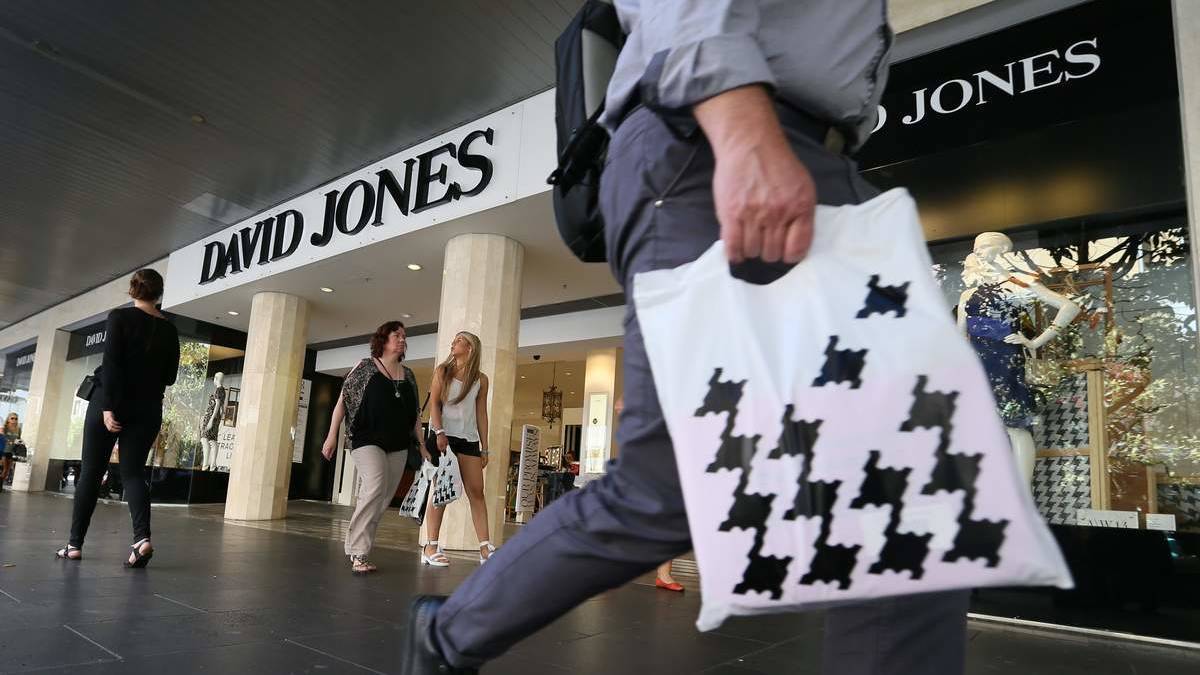
    David Jones shares surged 12.3 per cent to Aus$2.54 on 29 June 2012 after the upmarket Australian department store received an unsolicited takeover approach from a mystery British bidder.

    Early trading peaked with an intraday gain of more than 17 per cent before easing in the afternoon.

    Unsolicited letter from an unincorporated entity

    The Australian retailer confirmed receipt of an indicative letter from a non-incorporated UK business seeking to explore a buyout of the company. Board members stated they lack sufficient operational and financial detail to evaluate the proposal at this stage.

    The directors do not believe they currently have relevant information to enable them to qualify or value the approach but, should this change, will advise the market accordingly.

    Sector-wide rally across department store rivals

    Trading desks reacted immediately across the broader Australian discretionary retail sector. Shares in key domestic rival Myer advanced more than four per cent to Aus$1.61 following the announcement.

    Investors view the approach as an opportunistic bid to acquire prime retail footprint at discounted valuations. Department store operators across the region face margin compression, elevated leasing costs and intensifying competition from foreign e-commerce platforms.

    Balance sheet pressures and online competition

    Traditional multi-brand retailers in Australia continue to grapple with sluggish household spending and shifting shopping patterns. Physical department stores carry substantial fixed property overheads while digital pure-plays capture market share in apparel and beauty categories.

    For institutional shareholders, an offshore buyout approach tests whether current trading prices reflect underlying asset backing. Commercial landlords face lease renegotiation risks if new ownership chooses to rationalise underperforming store space.

    Profit downgrade set the stage for opportunistic bids

    The takeover approach follows a difficult operational stretch for the Sydney-based retail group. In March, David Jones warned that full-year profit could drop by up to 40 per cent as stalled consumer demand and accelerating digital sales weighed heavily on store traffic.

    At the time, attention focused on whether the approach would develop into a formal offer; this was a 2012 development, not a current transaction.

  • Extravaganza Beauty Acquires Luxury Fragrance House Roja London

    Extravaganza Beauty Acquires Luxury Fragrance House Roja London

    Extravaganza Beauty has acquired British perfume house Roja London to fund international retail expansion and new product lines.

    Terms were not disclosed. The transaction shifts founder Roja Dove into an advisory role, while chief executive Audrey Minard remains at the helm.

    Minard has led the business since 2021 and will manage its next operational phase. Dove will provide creative direction and formulation guidance under a long-term consultancy agreement.

    Leadership and Commercial Footprint

    The brand manufactures its products in England. Distribution spans department stores including Harrods, Bloomingdale’s, Saks Fifth Avenue, KaDeWe, Oberpollinger, Jovoy, Laure and El Palacio de Hierro, alongside a standalone boutique in London’s Burlington Arcade.

    Chairman Chadi Douaihy said the deal provides capital to scale innovation across Roja London’s five signature lines: Prestige, Elysium, Aoud, Isola and Art.

    Synergies Across Niche Perfumery

    Extravaganza already holds distribution agreements and brand investments in Amouage, Ex Nihilo, Nishane, Maison Crivelli and Marc-Antoine Barois. Buying Roja London gives the group full equity ownership of a British heritage asset, replacing a reliance on wholesale partnerships across the Gulf Cooperation Council and Asian luxury markets.

    For department store operators and duty-free concessionaires, the deal concentrates supply under one distributor in a category where bottles command high price points. The operational risk lies in protecting prestige and pricing while scaling production.

    From Bespoke House to Portfolio Asset

    Dove established Roja London in 2011 after a career as a perfumer and fragrance historian. He published “The Essence of Perfume” in 2006 and updated it in 2014. The brand gained Butterfly Mark certification from Positive Luxury in September 2024 for sustainable sourcing and packaging across its crystal-embellished flacons.

    Pipeline and Product Rollout

    Fresh capital will fund formulations and counter merchandising across networks in Europe, the Middle East, the Americas and Africa.

    Immediate product development will focus on the Elysium and Isola collections. Revised retail assortments will reach international store shelves in the coming financial year.

  • Dollarama Australia Sales Reach $185.7M as Conversion Losses Widen

    Dollarama Australia Sales Reach $185.7M as Conversion Losses Widen

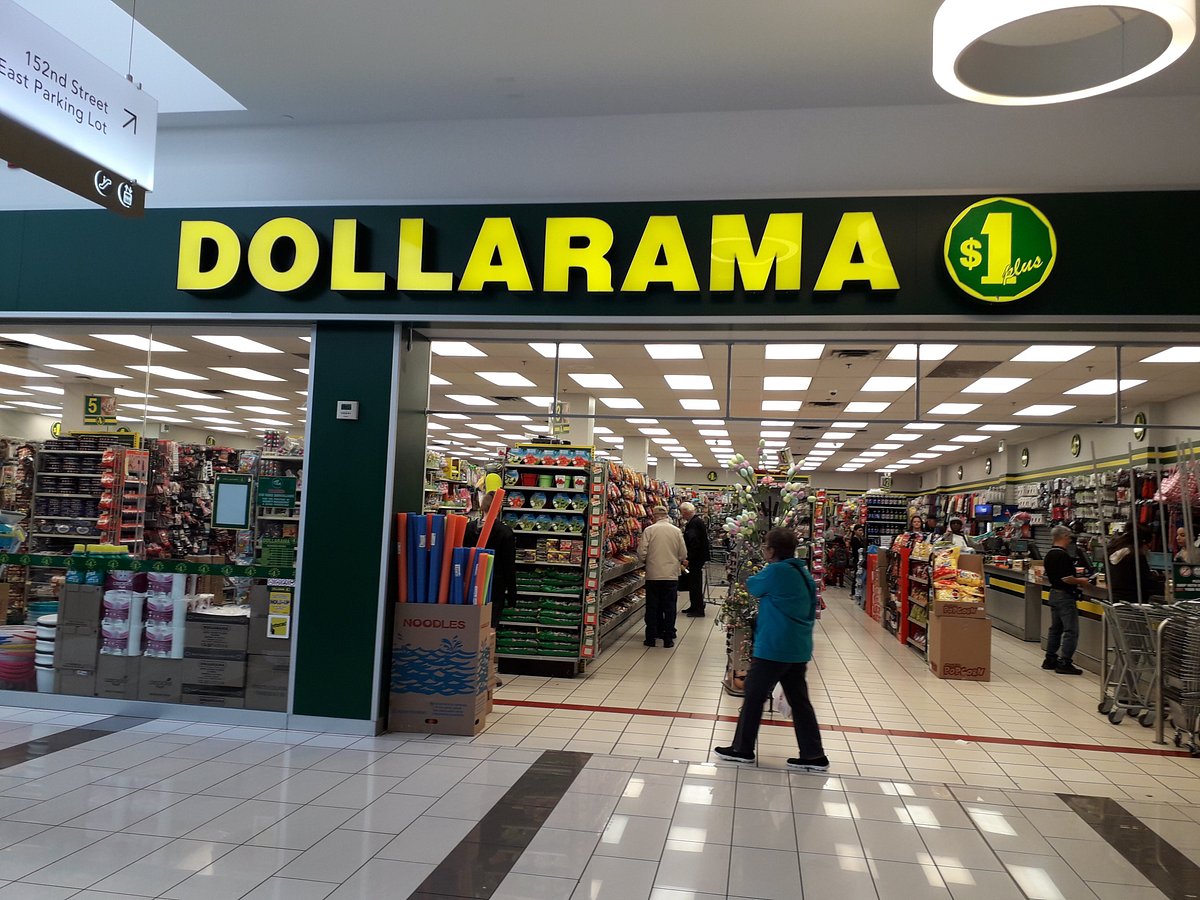
    Dollarama Australia posted a second-quarter net loss of $13.7 million for the period ended August 2 as costs from overhauling its local retail network accelerated.

    Sales rose to $185.7 million across 414 locations, up from $262,400 in net loss and a fraction of revenue a year earlier when accounts reflected only 13 days of ownership.

    Refitting The Reject Shop Network

    The Montreal-based value retailer took full control of The Reject Shop last July to establish a direct operating bridgehead in the Asia-Pacific region. Integrating those assets requires extensive capital work inside existing retail footprints.

    During the quarter, the company renovated 25 stores and opened four net new sites across the country. That pushed the total number of Australian locations operating with Dollarama standard layouts and fixtures to 60.

    Discount Margins Face Upfront Outlays

    Refurbishing discount outlets at speed exposes margins to immediate friction. Fit-out costs, supply chain realignment and temporary store disruption hit operating profit before new merchandising yields higher basket sizes.

    Rival value generalists in Australia operate lean supply chains and defend established suburban leases aggressively. Dollarama is betting that higher product density and proprietary sourcing can offset the conversion drag across its remaining 354 legacy stores.

    Full Year Loss Forecast

    The company acquired The Reject Shop in July 2025 to secure an instant national retail footprint rather than building real estate step by step. That transaction gave the Canadian group 414 operating sites across suburban centres and strip malls.

    Dollarama confirmed it expects the Australian business to remain loss-making for the entire fiscal year as refits continue across the balance of the 414-store fleet.

  • Nykaa Buys Additional 24.2 Percent Stake in Beauty Brand Earth Rhythm

    Nykaa Buys Additional 24.2 Percent Stake in Beauty Brand Earth Rhythm

    Indian beauty and fashion retailer Nykaa acquired an additional 24.2 per cent stake in direct-to-consumer personal care brand Earth Rhythm. The transaction builds on the retailer’s initial backing of the company two years ago.

    Nykaa first took a position in Earth Rhythm during an 8 million dollar Series A funding round in 2022. The increased holding deepens its direct ownership of domestic skincare and haircare labels as competition intensifies across India’s beauty and personal care market.

    Consolidation in Indian Beauty Brands

    The deal reflects a broader push by established e-commerce platforms to secure higher-margin proprietary and partner labels rather than relying entirely on third-party marketplace distribution. By taking a larger equity position, Nykaa gains tighter control over product development, supply chains, and exclusive digital merchandising rights for Earth Rhythm’s portfolio.

    Direct-to-consumer brands in India face rising customer acquisition costs on digital channels. Partnering closely with platform operators provides these brands with immediate shelf space, physical store exposure through Nykaa Luxe and Nykaa On Trend outlets, and shared logistics infrastructure across tier-one and tier-two cities.

    Building Out the House Brand Strategy

    Rival platforms including Reliance Retail’s Tira and Tata Cliq Palette are expanding their own portfolios of private and partnered beauty brands. Nykaa’s strategy mirrors global retail trends where multi-brand operators buy equity in high-performing independent labels to capture manufacturing margins alongside retail markups.

    The investment follows Nykaa’s entry into Earth Rhythm in 2022, when the startup used its Series A proceeds to expand manufacturing capacity and marketing reach. The brand formulates solid beauty bars, skincare serums, and clean-label cosmetic formulations sold across India.

    Investors will look to Nykaa’s upcoming quarterly filings for the total cash consideration paid for the 24.2 per cent equity tranche and any changes to Earth Rhythm’s board structure.

  • Shein Commits US$80 Million to Everlane Takeover as Shares Slump

    Shein Commits US$80 Million to Everlane Takeover as Shares Slump

    Shein agreed to buy United States clothing brand Everlane for US$80 million. The company is deploying part of its US$16.74 billion cash reserve to reignite slowing revenue growth.

    The purchase follows a difficult trading debut in Hong Kong this week. Retailer shares finished Friday at HK$38.14 (US$4.86), down more than 20 per cent from the initial public offering price.

    People familiar with the matter said the transaction tests a broader strategy to buy labels across multiple price tiers. Shein held US$15 billion in cash before listing and added US$1.74 billion in net proceeds from the share sale. It plans to plug acquired businesses into its proprietary supply chain and global sales portal.

    Plugging Brands into the Xcelerator Network

    Under the plan, Shein intends to channel targets through its Xcelerator programme. It sells third-party labels access to its on-demand manufacturing system, automated warehousing, and cross-border shipping networks. The platform tracks online consumer demand. It instructs partner factories to scale production up or halt lines within days, keeping unsold stock minimal.

    Everlane will retain independent operations and keep its ethical manufacturing guidelines, Chief Executive Officer Alfred Chang told staff in an internal memo. The US label built its business on organic cotton basics and factory transparency. That approach contrasts with Shein’s high-volume polyester catalogue.

    Slowing Sales and Tariff Pressures

    For Asian fashion operators and global apparel vendors, the takeover shifts how Chinese-founded e-commerce platforms handle slowing organic traffic. Competitors like Temu and TikTok Shop fight on price. Shein is instead trying to buy higher-income shoppers directly rather than relying on deep discounts. If the model works, contract manufacturers across southern China and Southeast Asia will produce higher-margin runs under Western labels instead of unbranded fast fashion.

    Execution and brand equity present financial risks. Buying Western premium labels does not immediately solve Shein’s volume problem. It also offers no guarantee of customer retention if core buyers reject the new owner. Marketplace service revenue is growing faster than direct apparel sales, but it still makes up a small fraction of the balance sheet.

    From Listing Delays to Slower Expansion

    Regulatory changes are already squeezing cross-border logistics margins. Shein’s sales growth slowed to 1.1 per cent in the first quarter of 2026, down from 8 per cent across 2025, after the United States government revoked the de minimis tariff exemption on small incoming parcels. The company previously bought British fast-fashion chain Missguided in 2023 to test brand integration, before regulatory pushback delayed listing attempts in New York and London.

    Investors and suppliers will now watch Shein’s second-quarter earnings and the completion filing for the US$80 million Everlane deal to see if marketplace volume can offset core margin compression.

  • Seven & I Fends Off 47 Billion Dollar Couche-Tard Takeover

    Seven & I Fends Off 47 Billion Dollar Couche-Tard Takeover

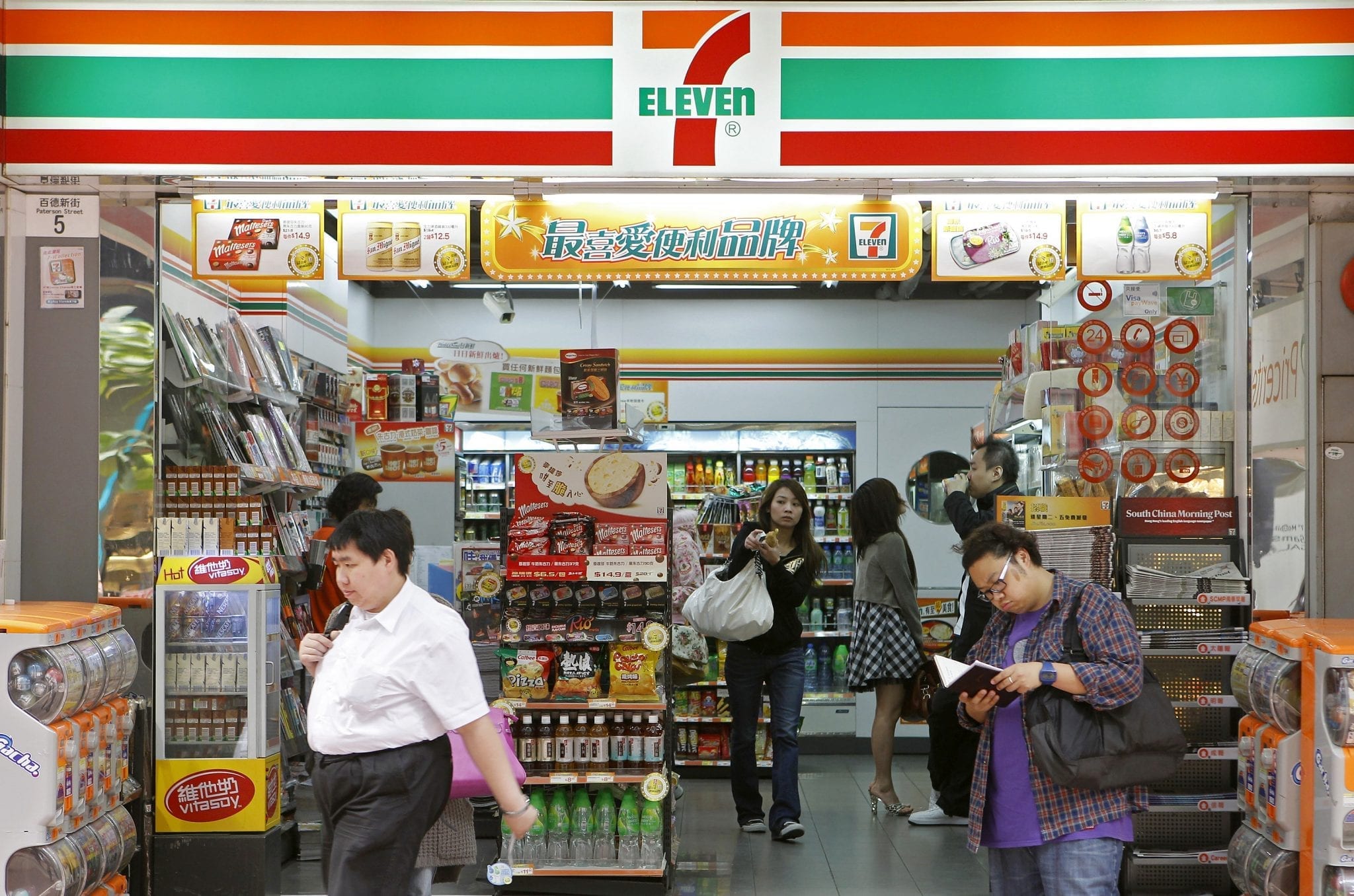
    Seven & I Holdings fended off a 47 billion dollar takeover bid from Canada’s Alimentation Couche-Tard after buyout negotiations collapsed in Tokyo. The withdrawal leaves the Japanese retail group in control of more than 60,000 convenience stores operating primarily across Asia and North America.

    How the buyout talks fell apart

    Couche-Tard launched its pursuit in August 2024 with an initial 38 billion dollar offer, later sweetening the bid to 47 billion dollars before abandoning the deal in July 2025. The Canadian suitor blamed the breakdown on what it called a calculated campaign of obfuscation and delay by the Seven & I board. Seven & I defended its board governance, rejected the characterization, and responded to the takeover pressure by appointing Stephen Hayes Dacus as chief executive officer.

    The Tokyo-headquartered parent company, formed by Ito-Yokado in 2005 to absorb 7-Eleven, has built its balance sheet through major retail purchases over several decades. That expansion includes the May 2021 purchase of 3,800 Speedway outlets from Marathon Petroleum and an April 2024 deal worth 1 billion dollars to acquire additional Stripes convenience stores and Laredo Taco Company locations.

    Portfolio pressure across key markets

    Asian retail conglomerates have historically pushed back against North American suitors seeking to consolidate fragmented convenience and fuel distribution networks. Seven & I’s resistance protects an operating model built around dense store clustering and localized food offerings, shielding core Asian operations from external ownership while preserving control over its Dallas-based subsidiary.

    Dacus now takes direct oversight of a retail network that generated 8.54 trillion dollars in annual revenue against a market capitalization of 28.61 billion dollars. Investor attention turns to the standalone turnaround plan as management prepares its next operational review.

  • Nestlé Sells Holistic Health Supplement Business to Yellow Wood for $1.4 Billion

    Nestlé Sells Holistic Health Supplement Business to Yellow Wood for $1.4 Billion

    Nestlé has sold its mainstream vitamins, minerals and supplements unit, Holistic Health, to private equity firm Yellow Wood Partners for $1.4 billion. The transaction transfers brands including Nature’s Bounty to the consumer-focused buyout firm for US$1 billion in cash.

    The Swiss food and beverage group is pruning product lines that fall outside its core high-margin categories. Management described the divestment as a necessary step in realigning capital toward divisions where the company holds stronger global pricing power and manufacturing advantages.

    Portfolio refocus at Swiss food group

    Chief executive Philipp Navratil pointed to changing dynamics across consumer health channels as the rationale for exiting mainstream supplements. Dedicated specialist owners are better suited to run broad-market dietary brands as grocery and pharmacy retail channels fragment.

    Yellow Wood Partners focuses on corporate carve-outs in personal care, beauty, and consumer health. The private equity buyer plans to run the acquired supplement portfolio as an independent platform operating across global retail networks.

    Divestment strategy in global retail

    Consumer goods giants across the Asia-Pacific region and western markets have spent the past two years shedding slower-growth divisions to protect margins against inflation. Nestlé itself has pursued selective acquisitions in medical nutrition while trimming commoditised lines from its health science roster.

    Regulators will review the sale before formal closing, with transfer of manufacturing assets and brand distribution agreements expected in the coming quarters.