Retail News CRM

Tag: middle east

  • Pop Culture Meets Travel Retail: Pop Mart Unveils First Middle Eastern Store at Qatar’s Hamad International Airport

    Pop Culture Meets Travel Retail: Pop Mart Unveils First Middle Eastern Store at Qatar’s Hamad International Airport

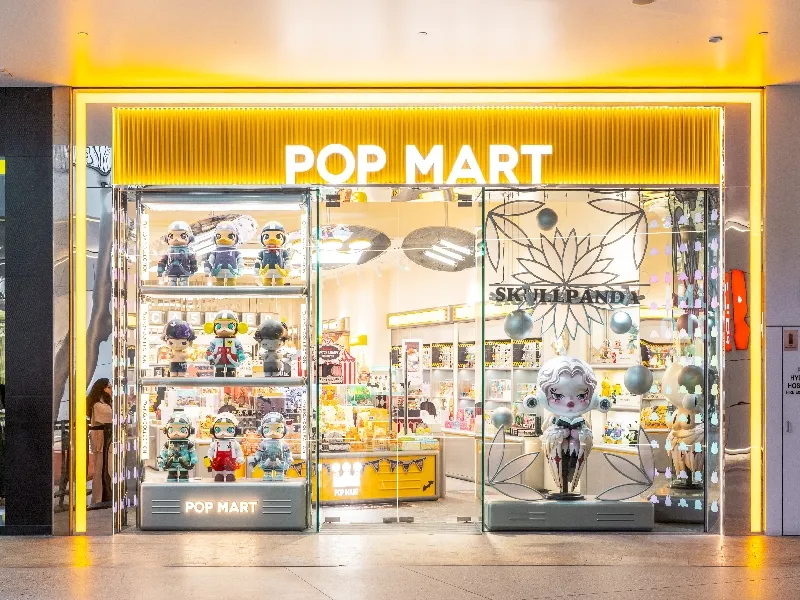
    Qatar Duty Free has embarked on a collaboration with Chinese collectibles company Pop Mart to unveil the brand’s first Middle Eastern store. This partnership marks a novel blend of travel retail and pop culture experiences.

    Unveiling Pop Culture at Hamad International Airport

    The new store, located at Hamad International Airport, brings a culture-inspired theme to passengers. It provides an immersive retail experience featuring the brand’s popular characters.

    The grand opening of the store was marked with a unique travel-themed fashion show. The event featured travel-ready outfits accessorized with Pop Mart collectibles, and was attended by international influencers and Pop Mart enthusiasts.

    The Twinkle Twinkle Wonderful Journey Series

    The store’s launch also presented an exclusive collection of travel-inspired Pop Mart collectibles named the ‘Twinkle Twinkle Wonderful Journey Series’. This series includes travel essentials such as bags, U-shaped pillows, and card holders.

    Revolutionizing Airport Retail

    Thabet Musleh, Chief Retail and Hospitality Officer of Qatar Airways Group, commented on the partnership, emphasizing the company’s commitment to revolutionizing airport and regional retail. He mentioned that this unique concept aligns perfectly with their vision to continually surprise travelers with exclusive, experience-centric concepts that redefine travel retail trends and standards.

    Justin Moon, Senior VP and COO of Pop Mart International Group, highlighted the significance of the collaboration. He noted that by integrating Qatar’s rich culture with their vibrant characters, they are setting a global benchmark for how pop culture connects with local communities.

    Following Pop Mart’s initial Middle Eastern debut in Abu Dhabi in May, the brand has recorded an increase in sales, thanks in large part to the popularity of their ‘ugly-cute’ Labubu figures.

    Questions & Answers

    What is the significance of the partnership between Qatar Duty Free and Pop Mart?
    The collaboration introduces a unique blend of travel retail and pop culture, marking Pop Mart’s first store opening in the Middle East.

    What special features does the new Pop Mart store offer?
    The store provides an immersive, culture-inspired retail experience, highlighting the brand’s popular collectibles. It also features an exclusive collection of travel-inspired items called the ‘Twinkle Twinkle Wonderful Journey Series’.

    What was the outcome of Pop Mart’s initial debut in the Middle East?
    Following its first launch in Abu Dhabi, Pop Mart has seen increased sales, particularly for its ‘ugly-cute’ Labubu figures.
  • UBS Poaches Middle East Team From Rival

    UBS Poaches Middle East Team From Rival

    The Swiss wealth giant nabbed five wealth managers from Credit Suisse in the United Arab Emirates.

    Zurich-based UBS is expanding in the Middle East by hiring Georges El Khoury, currently country head in the U.A.E. for Credit Suisse. El Khoury will report to Ali Janoudi, an influential UBS group managing director who oversees the Middle East and Africa private bank, and to Niels Zilkens, the Dubai head.

    The region is both a boon for private banks as well as – reportedly – a source of huge staffing tension. The U.S. outlet five weeks ago published a blistering report about Credit Suisse’s Middle East boss Bruno Daher.

    El Khoury is walking from Credit Suisse to UBS with four staff including Raoul Rahme, another managing director, and Iyad Tamim Jundi, Abdullatif Karami, and Sarika Chandwani.

    A Credit Suisse spokesman said the bank had promoted Saad Osseiran as head of wealth management in the U.A.E. and in Oman, and Fahad Al-Ebrahim as market leader for Kuwait as a result of the team leaving.

  • AS Watson Group entering Middle East in partnership with Al-Futtaim

    AS Watson Group entering Middle East in partnership with Al-Futtaim

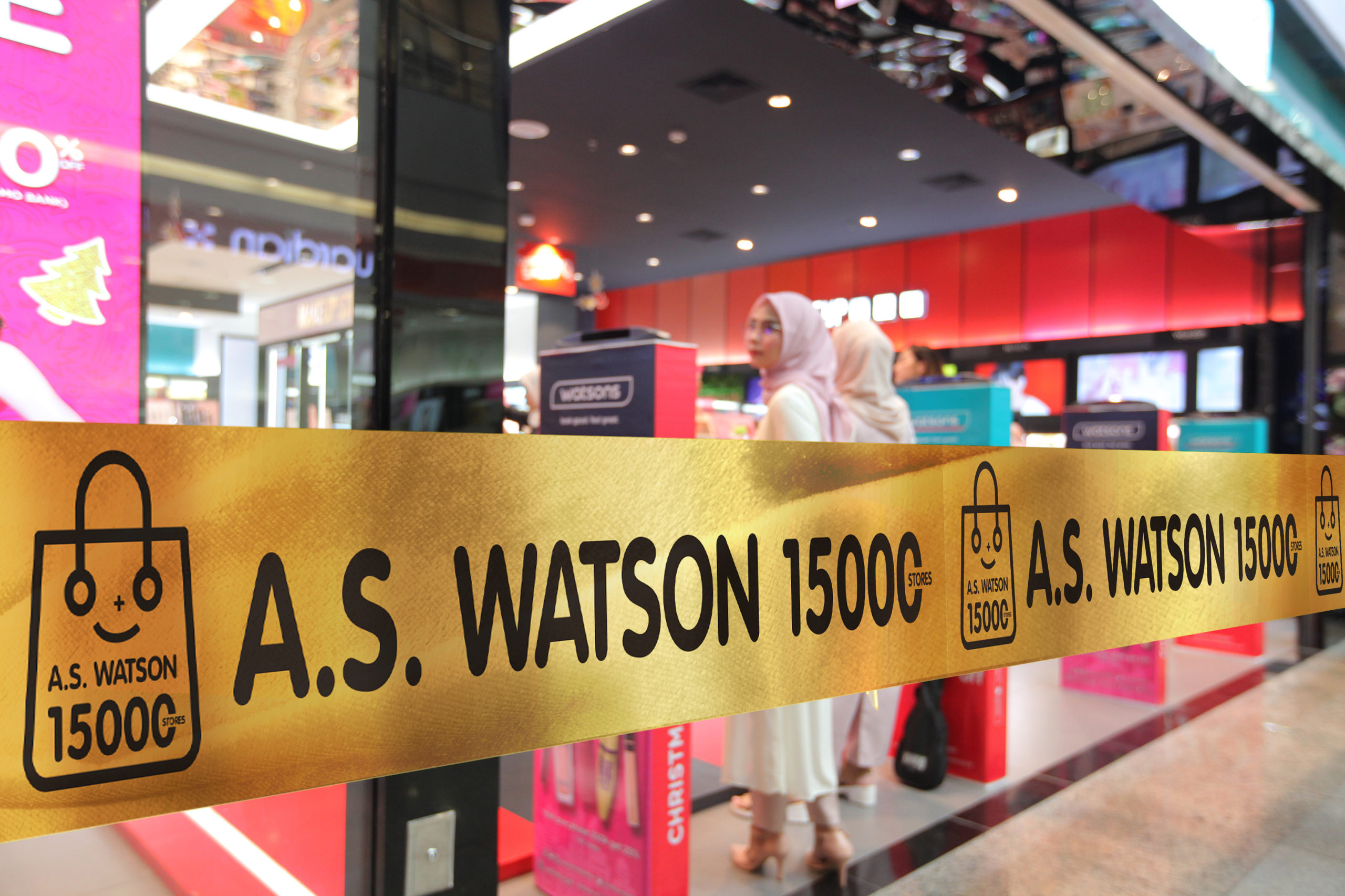
    Middle Eastern retail conglomerate Al-Futtaim is bringing Asian beauty retail brand Watsons to the Gulf in a partnership with AS Watson Group.

    The partnership marks AS Watson Group’s first franchise agreement in its almost 180-year of history and its first venture into the Middle East.

    The first Watsons flagship will launch in Dubai Mall on October 1 together with its e-commerce store and mobile app. Al-Futtaim said it plans to open 100 stores by the end of 2025.

    “As a local business operating across the globe, it is our duty to support and contribute to the economic growth of the region we belong to while bringing quality and customer-oriented brands to our retail network,” said Omar Al Futtaim, vice chairman at Al-Futtaim Group.

    “Our partnership with A.S. Watson Group is another milestone in our journey to further enhance both the UAE and the Middle East’s position in the world’s top retail destinations map,” he said

    Al-Futtaim will roll out two more Watsons outlets in Dubai Festival City Center and The Mall of the Emirates by the end of this year. The beauty retailer will make its debut in the Kingdom of Saudi Arabia next year.

    “Al-Futtaim has impressed us with its proven experience and track record in quality management of retail brands,” said Dominic Lai, MD at AS Watson Group.

    “We are excited to partner with them to bring new offline and online beauty experiences as well as numerous trendy brands to customers in the region.”

  • Luckin Coffee plans expansion into India and Middle East

    Luckin Coffee plans expansion into India and Middle East

    China’s Luckin Coffee wants to expand into India and the Middle East.

    The company has signed a memorandum of understanding to create a joint venture with Kuwait-based Americana Group which will open stores across the Greater Middle East and India. No further details have been released, according to Reuters.

    Luckin, which sells coffee by app from a fast-growing network of stores and pick-up points across China’s main cities, raised US$561 million by listing in the US in May. It says it will open 2500 stores this year.

    Americana Group operates 1800 restaurants and 29 restaurants and food factories in the Middle East. It has franchises for a raft of fast-food and quick-service restaurant brands including KFC, TGI Fridays, Pizza Hut, Hardees, Baskin Robbins, Costa Coffee, Krispy Kreme, Red Lobster, Grand Cafe, Maestro, Longhorn Steakhouse and Chicken Tikka.

    It operates in 20 markets and boasts a payroll of 60,000. Besides the Middle East, the company has KFC and Pizza Hut stores in Kazakhstan and KFC stores in Morocco.

    “This collaboration represents Luckin Coffee’s first step toward bringing its leading products from China to the world,” said Luckin Coffee founder and CEO Jenny Qian Zhiya in a statement.

    Earlier this month, the hitherto coffee-focused company announced it would launch a tea brand, Xiaolu.

  • Pininfarina Battista Launched In The Middle East

    Pininfarina Battista Launched In The Middle East

    Automobili Pininfarina has announced the introduction of its fully-electric hypercar, Pininfarina Battista, in the Middle East market. Expected to be priced around $2 million ( ₹ 13.95 crore approx.), the Italian marque’s zero-emission electric hypercar was launched in Dubai, at specialist luxury car retailer Adamas Motors showroom. The new Battista electric hypercar is slated to enter production in the second half of 2020 at Pininfarina’s Cambiano facility in Italy. Initially, the carmaker will be producing a maximum of 150 units, out of which only 50 are anticipated to be available to cover the Middle East and Asia markets, so the company expects the demands to be exceptionally high.

    Talking about the Luca Borgogno, Design Director, Automobili Pininfarina, said, “We are proud to be in Dubai for the Battista’s Middle East debut. Just a few weeks after it was launched at the Geneva International Motor Show, where it received an amazing reception, we have arrived in one of the world’s most discerning countries for supercars and luxury cars. The Battista’s classic hypercar proportions combined with cutting-edge technology that delivers 1,900 hp and zero emissions will be a new experience for its owners in the UAE, and we believe will make them fall in love with ultra-high-performance electric vehicles.”

    In addition to Adamas Motors as the brand’s retail partner for the UAE, Pininfarina will soon announce a second retail partner for the Middle East, which will cover the important Saudi Arabia market. Meanwhile, potential customers are invited to apply to own a Battista using an online service within the company’s website.

    The Pininfarina Battista will be the first of the Italian marque’s pure-electric luxury cars, and it comes with a 120-kWh battery providing power to four electric motors – one for each wheel – offering a combined output close 1,900 horses while developing 2,300 Nm of peak torque. Pininfarina claims that the Battista electric hypercar is faster than a current Formula 1 race car. While 0-100 kmph is achieved in under two seconds, 0-300 kmph takes less than 12 seconds and it can reach a top speed of 350 kmph. As for the range, the company claims that the Battista has a potential zero-emissions range of up to 450 kilometres.

    The Battista comes with the classic Pininfarina design, using the same principle of form and function coming together, as seen in classic Pininfarina cars reaching back to the Cisitalia 202 of 1947 and through more than 100 Ferraris. The car also comes with a futuristic-looking cabin with a completely driver-oriented dashboard with two displays positioned behind the steering wheel offering a host of information. The hypercar features dual tone black and brown interior using high-quality leather. Plans are in place for the opportunity to fully personalise each car at Pininfarina SpA’s Cambiano headquarters.

  • Islamic clothing market growing to US$88bn by 2025

    Islamic clothing market growing to US$88bn by 2025

    The global Islamic clothing market is expected to reach US$88.35 billion by 2025, according to a new report by US marketing and consulting firm Grand View Research. Increasing expenditure by Islamic populations on lifestyle and apparels, especially among the wealthy, elite, and traditional Middle Eastern populations, is expected to propel demand.

    In 2017, ethnic wear accounted for 70.9 per cent market share, in terms of revenue, owing to rising demand for abayas, hijabs, thobes and jubbas in countries with a high Islamic population. The burkha and naqaab segment is expected to expand at a CAGR of 5.4 per cent from 2017 to 2025, owing to increasing demand from Middle Eastern countries – including Saudi Arabia, the UAE, and Iraq.

    Sustainable fashion is expected to register a CAGR of 4.9 per cent over the forecast period on account of the shifting focus of leading fashion brands towards the development of innovative clothing options for the younger population. The Asia-Pacific region accounted for 31.3 per cent of revenue in 2017, with more than 63 per cent of the world’s Muslim population located in Indonesia, Pakistan, India, Bangladesh, Myanmar and Morocco.

    Key players operating in the Islamic clothing market include House of Fraser, Marks & Spencer, Aab, H&M, and Mango, which are catering to the rising demand for diverse options from different parts of the world.

    Major countries outside the Western fashion industry contributing to a significant share include Malaysia, Turkey, and Indonesia, where the industry is highly lucrative.

    However the research says controversies around losing the ethnic value of Muslim clothing due to its shift towards mainstream fashion industry may hamper market growth. Initiation of various marketing campaigns by industry players in line with maintaining the core of the Muslim precepts – Sharia, or the Islamic law – is projected to propel growth of the Islamic clothing market.

    In addition, increasing demand for modest-yet-fashionable clothing, especially from the younger generation with high purchasing power, is likely to complement market growth.

    Increasing reservations regarding over-commercialisation of what is primarily meant to be a rigorous religious mandate can pose a challenge to market players. In addition, involvement of multinational fashion brands is projected to restrain growth of the small Islamic clothing companies.

  • GreyOrange installs advanced Sorters across Asia from Saudi Arabia to the Philippines ahead of world’s busiest shopping days

    GreyOrange installs advanced Sorters across Asia from Saudi Arabia to the Philippines ahead of world’s busiest shopping days

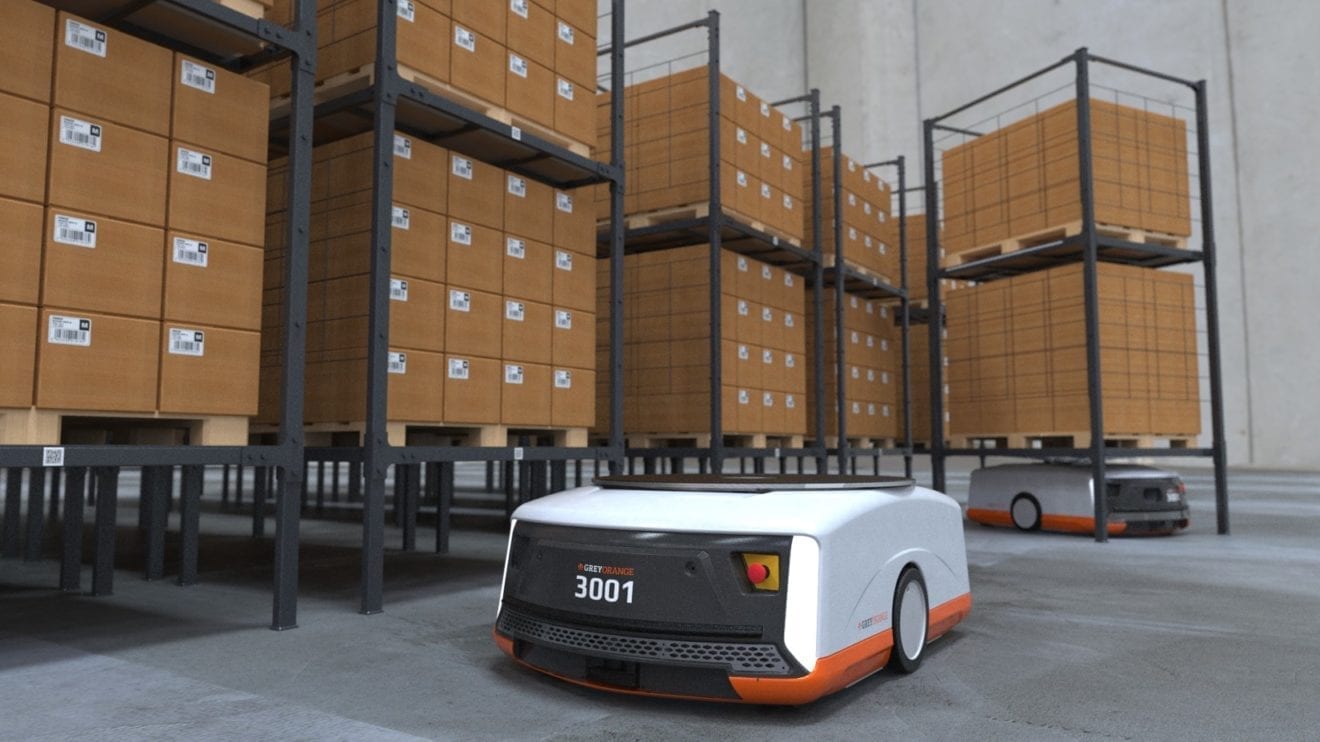
    Robotics and warehouse automation company GreyOrange announced plans for the installation of its newest Linear Sorters in several locations across Asia; in Saudi Arabia, India and the Philippines. Equipped with advanced software, these high-speed Linear Sorters will deliver the flexibility and scalability required by retail, FMCG, e-commerce and third-party logistics(3PL) operators to manage high volumes for e-commerce and omnichannel distribution.

    These companies anticipate and have planned to cope with the high volumes over the next months for the ongoing festive season around Diwali and the world’s biggest ecommerce event – Singles Day on 11 November. Logistics operators across Asia are expecting that the surge in volumes would follow through Black Friday and Cyber Monday sales at the end of November, and through the Christmas and year-end shopping season.

    In Riyadh, a leading express courier company in the Kingdom of Saudi Arabia has acquired the latest sortation system from GreyOrangeTM for its customised configurations; as such automation contributes immensely in improving productivity in managing parcels for distribution across the Middle East.

    One of the world’s leading FMCG companies in India, has deployed a high-end GreyOrange sortation system at its distribution center near Mumbai. The company specialises in Food, Home Care, Personal Care and Refreshment products and numerous brands. The Sorter will handle some of its categories including leading household brands. It will result in faster fulfilment and reduce turnaround times.

    Nalin Advani, CEO – Asia-Pacific, GreyOrange said, “The growth in e-commerce across Asia has taken many by surprise. With annual growth rates of 12-18% in many markets, e-commerce and third party logistics operations need Sorters that can deliver the high performance they want in terms of throughput and the versatility of a scalable and responsive supply chain.”

    Another unique sortation system has been installed in a large distribution center near Mumbai. It is mainly used as an Order Consolidation Item Sorter for fashion store retail distribution to over 1000 stores in India. This single Sorter performs double duty sorting for both its inbound load as well as consolidating the outbound load.

    In the Philippines, one of the country’s fastest growing logistics company that provides innovative solutions for e-commerce payments and deliveries, has installed a GreyOrange sortation system to handle its fast-growing volume of parcels. At this central facility in Manila, the sorter will auto-sort the parcels for 480 destinations and hubs across the Philippines.

  • Touché forms strategic partnership with Seed into the Middle East market

    Touché forms strategic partnership with Seed into the Middle East market

    Singapore-based technology company Touché has signed a Cooperation Agreement with SEED Group as their local sponsors and partners, to expand the reach of the world’s first fingerprint biometric-based payment and loyalty management solution to the Middle East. Based in Dubai, United Arab Emirates (UAE), SEED Group is a diversified group of companies owned and chaired by The Private Office of Sheikh Saeed bin Ahmed Al Maktoum. It establishes strategic partnerships with organisations in various sectors and accelerates their presence within the Middle East.

    Through this agreement, Touché hopes to leverage the local expertise of SEED Group to reach potential target customers, bringing personalised and seamless experiences to more merchants and consumers in the region.

    This marks a key milestone for Touché in the Middle East, which also received the Commercial License to engage commercial trade activity in the UAE. Issued by the Department of Economic Development in Dubai, the licensing enables Touché to perform business activities and introduce its solution in a compliant manner, further cementing Touché’s commitment towards the region.

    Developed in Singapore, with offices in Barcelona, Tokyo and now Dubai, Touché provides both an elegant and innovative device and a robust software solution that delivers highly secure, convenient and personalised point-of-sale transaction services using fingerprint biometrics or recurring cards.

    Touché’s solution also connects and manages loyalty programmes, and points and discounts are instantly applied for qualifying customers at the point of interaction without the need for vouchers or membership cards. This provides the customers a unique experience. Its data analytics component enables merchants to access historical and predictive purchasing habits and buying patterns of customers, creating bespoke, personalised, offers and recommendations for them.

    “We are delighted that such a high calibre and impressive organisation as SEED Group will be supporting Touché in redefining point-of-sale transactions in the Middle East. The partnership, together with our incorporation in the UAE with our trading license, will bring a new dimension to personalisation in the region, where customers can enjoy unique in-store experiences,” said Sahba Saint-Claire, Chief Executive Officer and Co-Founder, Touché.

    “The Middle East is well prepared to enter a new age of digitalisation and push the boundary in digital payment customer experience. We believe that Touché could serve as a key differentiator to transform the growing payment scene and offer a more secure, convenient and efficient payment and loyalty management solution for consumers,” said Hisham Al Gurg, CEO of SEED Group and of The Private Office of Sheikh Saeed bin Ahmed Al Maktoum.

    The partnership between Touché and SEED Group is supported by Enterprise Singapore, which as part of its mandate, champions internationalisation of Singapore companies. Enterprise Singapore has provided great assistance to Touché through facilitating introductions to potential partners and clients in its target markets, including the Middle East.

  • Giordano to open six more store in the Middle East

    Giordano to open six more store in the Middle East

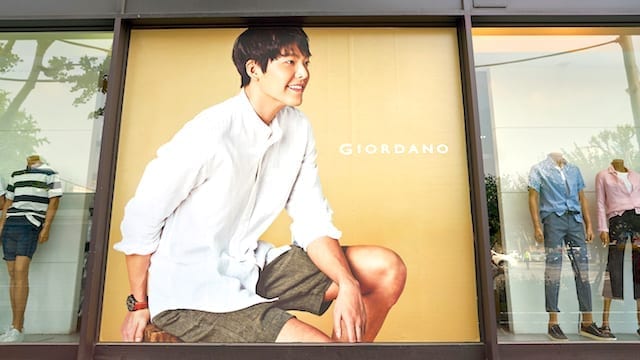
    Giordano Middle East has opened six new stores and relaunched its e-commerce platform.

    The new stores are located at the Ajman City Center and Ibn Battuta Mall in the UAE, Riyadh Park, Villaggio Mall and Lulu Briman in Saudi Arabia and at Al Kout Mall in Kuwait.

    The Hong Kong-headquartered, global fast-fashion brand has also opened its first stores in France, South Africa and Mongolia this year.

    Ishwar Chugani, MD at Giordano Middle East, and part of the management committee of Giordano International, says the new stores feature a fresh new look “redefining simplicity and embracing a more classic and refined concept”.

    Space is maximised for product displays and customer interaction. The Giordano Middle East stores feature wider entrances and larger, more comfortable fitting rooms. Products are also showcased in different ways, with an emphasis on accessibility and demonstrating different matches and styles.

    Chungai says natural wood accents have been added to the interiors to create a feeling of warmth and comfort while energy-efficient LED lights enhance the customer experience and minimise the brand’s carbon footprint.

    “Our customers have been the main focus in the design of our new CIM (Customers In Mind) stores. Giordano embodies simplicity in design and quality in substance, and we have endeavoured to simplify and improve our customers’ shopping experience, enabling them to mix and match items and avail of excellent quality apparel at great value,” said Chungai.

    “We are committed to bringing our brand closer to our customers located across the region. The substantial investments earmarked for this expansion program stem from our confidence in the region’s current developments and future initiatives.”

    Giordano’s cardless loyalty program World Without Strangers boasts more than 500,000 members from the Middle East and 11 million worldwide. The brand has also increased its social-media engagement, with more than 3 million followers on Facebook alone.

    Founded in Hong Kong in 1981, Giordano opened its first store in the MIddle East in 1993. Giordano Middle East is a wholly owned subsidiary of Giordano International.

    The group operates more than 2400 stores in 30 countries across Asia, Australia, Africa, Canada, Central America, Eastern Europe, Central Asia and the Middle East.

  • Noon.com comes to Asia

    Noon.com comes to Asia

    Middle Eastern e-commerce firm Noon.com is coming to Asia.

    The venture of Dubai billionaire Mohammad Al Abbar and Saudi Arabia’s Public Investment Fund (PIF) announced its launch in Asia, with two units in China and an office headquarters in mainland China.

    The $1 billion Internet retailer said one of the units will serve as sourcing offices, and will be located on the mainland, while the other will bow in Hong Kong.

    “China’s booming e-commerce market has one of the most active marketplaces in the world,” said Noon.com founder, Mohammed Alabbar.

    “Noon is fully embracing the opportunity to work closely with leading Chinese manufacturers to bring a high quality, value driven assortment to the region. We’re also looking to partner with top brand owners and marketplace platforms to help us curate a wider and more diverse assortment of products for our customers in the Middle East.”

    Dubai-based Noon.com, a seller of fashion, accessories and footwear, as well as groceries and household items, among other items, is a new comer to the e-commerce scene.

    Destined to rival U.S. e-commerce giant Amazon.com, its October 2017 debut came close behind Amazon’s acquisition of the region’s biggest online retailer, Dubai-based Souq.com, for $650 million.

    Noon.com currently delivers to Saudi Arabia and the United Arab Emirates, the region’s largest economies.

    Last month, the firm said it had signed a partnership agreement with Ebay to allow online shoppers to buy products from the United States and other parts of the world.

  • How China is growing its economic influence in the Middle East

    How China is growing its economic influence in the Middle East

    China is becoming a major player in Middle Eastern real estate, with activity driven by tourism and the Belt & Road Initiative.

    Both the overland Silk Road Economic Belt and the Maritime Silk Road, which aim to boost trade links between China and Europe and China and Africa, run through the Middle East.

    The UAE, particularly the trading centre of Dubai, is expected to be a key beneficiary of Chinese investment interest in the next few years. Large state-owned construction companies such as China State Construction Engineering Corporation (CSCEC) and China National Aero-Technology International Engineering Corporation already have a number of projects underway.

    For example, CSCEC has committed to 16 projects in Dubai, mostly in the residential sector, but also in retail and hospitality. The firm is also active in other Emirates; in January CSCEC signed an agreement with Ajman Holdings to build a US$136 million shopping centre in Ajman, one of the UAE’s emirates.

    Chinese construction companies are mostly involved in hospitality and residential projects although JLL is “also seeing more activity in the retail and commercial sectors.”

    Dubai is home to Dragon Mart, a shopping mall said to be the largest trading hub for Chinese products outside of Mainland China, with more than 3,500 retailers. Developer Nakeel Malls plans to expand the mall into Dragon City, a mixed use development which will capitalise on Chinese influence in Dubai.

    At the new masterplanned city of Dubai South, the China Business Hub is intended to become home to hundreds of new Chinese businesses. “China Business Hub will allow Chinese companies to smoothly set up and quickly develop their business in the region and to facilitate all processes such as visa applications,” says Andrew Williamson, Head of Retail at JLL MENA.

    A new destination

    It’s not just business attracting Chinese visitors to the UAE, tourism is increasingly important.

    According to the Dubai Statistics Centre, the number of visitors from China to Dubai rose 49 percent to 573,000 in the third quarter of 2017 compared with the same period the previous year.

    China is also now the biggest source of tourists for Abu Dhabi, with 242,000 visiting in the first nine months of last year, up 68 percent on 2016.

    CSCEC and other Chinese construction firms are working on five hotels in Dubai, with others expected to follow as more Chinese tourists and business travellers arrive in the Emirate, said Amr El Nady, Head of Hotels & Hospitality MENA at JLL.

    r

  • K-beauty eyes Middle East

    K-beauty eyes Middle East

    The political tension between Seoul and Beijing has eased after a summit between the two leaders during the APEC Summit, but K-beauty companies are diversifying their overseas operations instead of returning to the Chinese market.

    Supermarket chain E-mart said  that it has signed a franchise deal with Saudi Arabia’s largest retailer Fawaz Alhokair. Under the contract, E-mart is set to sell its cosmetic brand Sentence at Fawaz Alhokair shopping malls.

    Fawaz Alhokair operates 21 shopping malls in Saudi Arabia, and E-mart said it will open one Sentence store in the Riyadh and Jeddah malls by March. Another four more stores are expected to be opened by the end of 2018.

    The nation’s largest cosmetic company AmorePacific also plans to open its first Middle Eastern store in the United Arab Emirates in January while preparing to open others in Saudi Arabia and Kuwait.

    AmorePacific signed a partnership deal with the Middle East’s largest retailer Alshaya Group.

    LG Household & Healthcare has already entered the Middle Eastern market. It now operates more than 60 The Face Shop stores in Saudi Arabia while another K-beauty brand Tonymoly has opened five stores in the country, including two in Jeddah and one in Riyadh.

    Market researchers say their surging interest in the Middle East is attributed to the market’s growth potential.

    London-based consultancy Euro Monitor said the Middle East cosmetic market was worth 19.5 trillion won (US$18 billion) in 2015 but is expected to reach 39.1 trillion won by 2020. The figure is double the average growth rate of the world’s cosmetic market.

    Likewise, Korean cosmetic firms’ exports to the market have soared.

    According to KOTRA, Korean firms exported only 150 million won worth of cosmetic products to the Middle East in 2008. The figure, however, jumped to 40.1 billion won last year, a 265-fold increase over eight years.

    “The cosmetics market in Saudi Arabia has grown 10 percent a year on average for the last decade. This is one of the most rapidly growing cosmetic markets in the world,” an E-mart official said.

    “Korean cosmetic products are expected to enjoy good sales there thanks to booming Hallyu popularity.”

  • Amazon buys Middle East marketplace Souq.com

    Amazon buys Middle East marketplace Souq.com

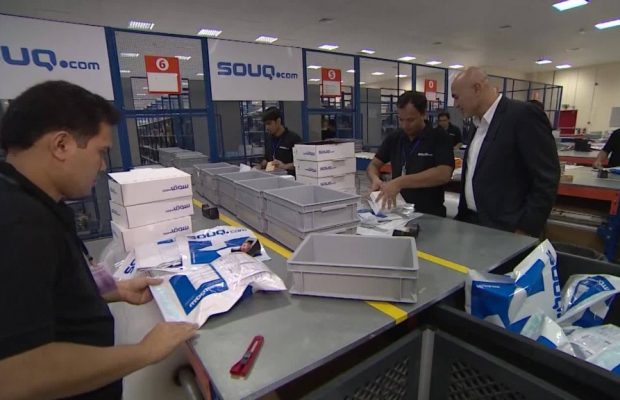
    US e-commerce business Amazon has bought the leading online marketplace in the Middle East, Souq.com.

    “Joining the Amazon family will enable Souq.com to continue growing while working with Amazon to bring even more products and offerings to customers worldwide,” the US company said in a statement.

    Souq.com is the largest online retail and marketplace platform in the Arab world, featuring more than 8.4 million products across 31 categories such as consumer electronics, fashion, health and beauty, household goods, and baby. The site attracts more than 45 million visits per month, with localised operations in the KSA, UAE and Egypt.

    “Amazon and SOUQ.com share the same DNA – we’re both driven by customers, invention, and long-term thinking,” said Russ Grandinetti, Amazon senior VP, international consumer. “Souq.com pioneered e-commerce in the Middle East, creating a great shopping experience for their customers. We’re looking forward to both learning from and supporting them with Amazon technology and global resources. And together, we’ll work hard to provide the best possible service for millions of customers in the Middle East.”

    Souq.com co-founder and CEO Ronaldo Mouchawar described the deal as “a critical next step in growing our e-commerce presence on behalf of customers across the region”.

    “By becoming part of the Amazon family, we’ll be able to vastly expand our delivery capabilities and customer selection much faster, as well as continue Amazon’s great track record of empowering sellers.”

    Subject to conditions, the acquisition is expected to close in 2017.

  • Eros inks mobile billing integration deal with ME telcos

    Eros inks mobile billing integration deal with ME telcos

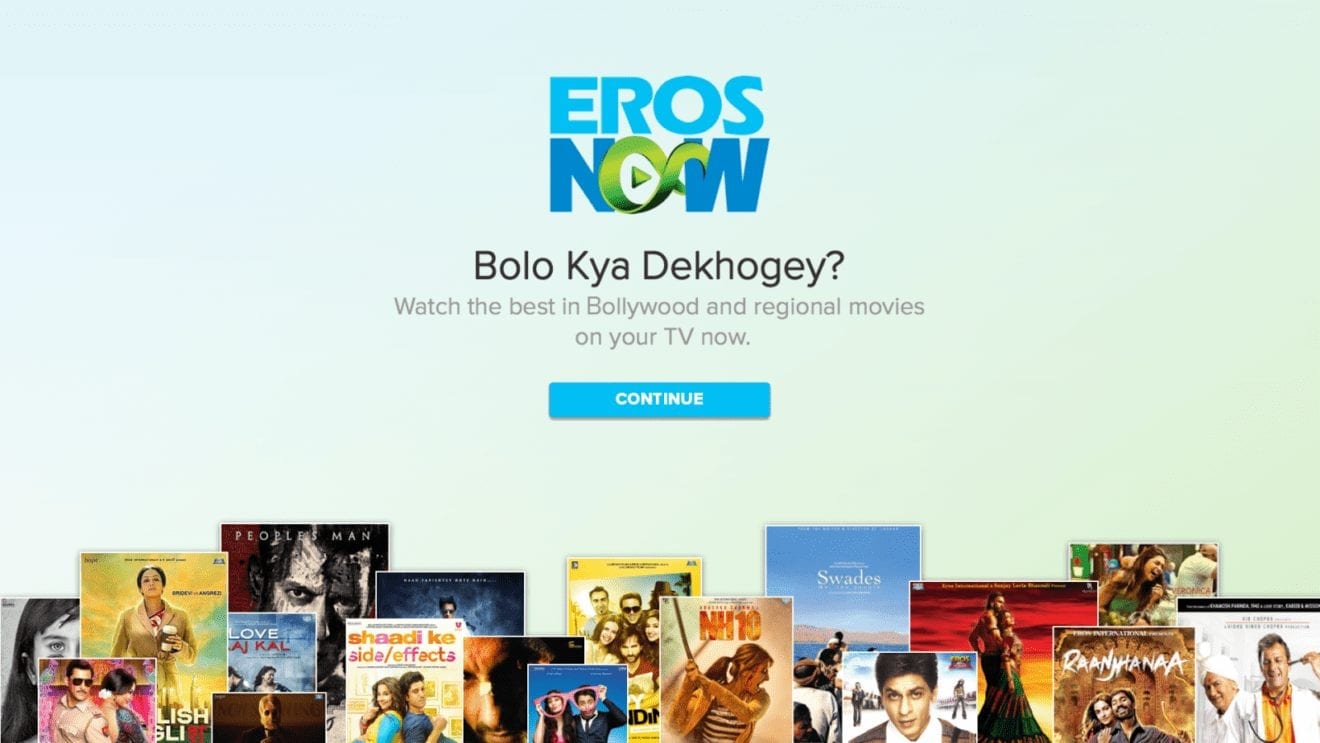
    Eros Now, the digital OTT platform of Eros International, now has mobile billing integration capabilities with major telecom operators in the United Arab Emirates and Qatar.

    Mobile billing integration is at the heart of Eros Now’s penetration strategy to enable consumers to experience Indian entertainment, which includes Bollywood and regional content across major networks and devices, and will further enhance the platforms ability to monetize its user base.

    The tie-ups in the Middle East are with the leading local telecom operators including Ooredoo in Kuwait and Qatar, and Du in the UAE. Additional telecom partnerships throughout the region are currently being negotiated.

    Consumption of Bollywood content, including Hindi movies, music and TV series in the Middle East has been on the rise along with it also becoming one of the leading regions in the world in terms of smart device adoption.

    With an increasing number of handheld device users, the trend of online content consumption has markedly increased in the region. The South Asian diaspora in both of these markets is estimated to be over half of the population, which represents over five million people.

    Also, Bollywood content continues to be popular with the local Middle Eastern population in dubbed and subtitled formats – both of which are offered on Eros Now.

    “Eros Now’s philosophy is to be platform agnostic and embrace the very best in technology as we continuously enhance our content offering,” said Rishika Lulla-Singh, CEO of Eros Digital. “Recognizing the growing demand among Middle Eastern viewers for online video content, especially Bollywood entertainment, these mobile partnerships will give consumers entertainment and easy pay access, whenever and wherever they want it.”

  • Middle East Eyes Indonesian Beaches

    Middle East Eyes Indonesian Beaches

    Alwi Shihab, the Presidential envoy to the Middle East and the Organization of Islamic Coopeation (OIC), said that several Middle Eastern countries had expressed their interests to develop Indonesian beaches.

    Alwi revealed the Middle Eastern countries planned to build bigger exclusive resorts in order to compete with the famous Maldives.

    “Many Middle Eastern countries want to make bigger [tourist destinations] than Maldives. But they’re having difficulties to find a 300-hectare land,” Alwi said in Bandung on Thursday, January 28, 2016.

    Alwi explained that investors from Middle East wanted to develop accessible beaches, such as Pelabuhan Ratu in Sukabumi, West Java.

    “They want beaches with mounts located near Jakarta. We suggested investing in Sukabumi,” Alwi added.

    Since it was hard to find a sizable land in Pelabuhan Ratu, Alwi proposed other locations outside Java, such as those in Tanjung Lesung, Belitung, Padang, Selayar and Lombok. Alwi revealed that most of the investors were members of the Gulf Cooperation Council (GCC), such as the United Arab Emirates, Saudi Arabia, and Qatar.

    “Saudi Arabia has invested in Maldives,” Alwi said.

    Alwi explained that the Middle Eastern countries were more than willing to provide fund to develop beaches in Indonesia. The United Arab Emirates, for example, books an annual state revenue up to Rp 2,000 trillion (US$144.9 billion) per year.

    “I can’t say the exact number. You can do the math. It means they have money,” Alwi said.

    Alwi added that one of the reasons behind their interest to invest in Indonesian tourism was that Indonesia is open to Middle Eastern tourists. In addition, Europe and the United States had been paranoid when they see people with Islamic names spend their holidays in the two regions.

    “It’s related to the political dynamics in the Middle East. There’s Islamophobia and suspicion that make them uncomfortable when students or tourists from Middle East come to the United States or Europe. Therefore, the alternative is Indonesia, one of their friendly countries because there is no suspicion here. In addition, the majority of the population is Muslim. However, we’re not ready yet,” Alwi said.