Tag: middle east

  • Eros inks mobile billing integration deal with ME telcos

    Eros inks mobile billing integration deal with ME telcos

    Eros Now, the digital OTT platform of Eros International, now has mobile billing integration capabilities with major telecom operators in the United Arab Emirates and Qatar.

    Mobile billing integration is at the heart of Eros Now’s penetration strategy to enable consumers to experience Indian entertainment, which includes Bollywood and regional content across major networks and devices, and will further enhance the platforms ability to monetize its user base.

    The tie-ups in the Middle East are with the leading local telecom operators including Ooredoo in Kuwait and Qatar, and Du in the UAE. Additional telecom partnerships throughout the region are currently being negotiated.

    Consumption of Bollywood content, including Hindi movies, music and TV series in the Middle East has been on the rise along with it also becoming one of the leading regions in the world in terms of smart device adoption.

    With an increasing number of handheld device users, the trend of online content consumption has markedly increased in the region. The South Asian diaspora in both of these markets is estimated to be over half of the population, which represents over five million people.

    Also, Bollywood content continues to be popular with the local Middle Eastern population in dubbed and subtitled formats – both of which are offered on Eros Now.

    “Eros Now’s philosophy is to be platform agnostic and embrace the very best in technology as we continuously enhance our content offering,” said Rishika Lulla-Singh, CEO of Eros Digital. “Recognizing the growing demand among Middle Eastern viewers for online video content, especially Bollywood entertainment, these mobile partnerships will give consumers entertainment and easy pay access, whenever and wherever they want it.”

  • Middle East Eyes Indonesian Beaches

    Middle East Eyes Indonesian Beaches

    Alwi Shihab, the Presidential envoy to the Middle East and the Organization of Islamic Coopeation (OIC), said that several Middle Eastern countries had expressed their interests to develop Indonesian beaches.

    Alwi revealed the Middle Eastern countries planned to build bigger exclusive resorts in order to compete with the famous Maldives.

    “Many Middle Eastern countries want to make bigger [tourist destinations] than Maldives. But they’re having difficulties to find a 300-hectare land,” Alwi said in Bandung on Thursday, January 28, 2016.

    Alwi explained that investors from Middle East wanted to develop accessible beaches, such as Pelabuhan Ratu in Sukabumi, West Java.

    “They want beaches with mounts located near Jakarta. We suggested investing in Sukabumi,” Alwi added.

    Since it was hard to find a sizable land in Pelabuhan Ratu, Alwi proposed other locations outside Java, such as those in Tanjung Lesung, Belitung, Padang, Selayar and Lombok. Alwi revealed that most of the investors were members of the Gulf Cooperation Council (GCC), such as the United Arab Emirates, Saudi Arabia, and Qatar.

    “Saudi Arabia has invested in Maldives,” Alwi said.

    Alwi explained that the Middle Eastern countries were more than willing to provide fund to develop beaches in Indonesia. The United Arab Emirates, for example, books an annual state revenue up to Rp 2,000 trillion (US$144.9 billion) per year.

    “I can’t say the exact number. You can do the math. It means they have money,” Alwi said.

    Alwi added that one of the reasons behind their interest to invest in Indonesian tourism was that Indonesia is open to Middle Eastern tourists. In addition, Europe and the United States had been paranoid when they see people with Islamic names spend their holidays in the two regions.

    “It’s related to the political dynamics in the Middle East. There’s Islamophobia and suspicion that make them uncomfortable when students or tourists from Middle East come to the United States or Europe. Therefore, the alternative is Indonesia, one of their friendly countries because there is no suspicion here. In addition, the majority of the population is Muslim. However, we’re not ready yet,” Alwi said.

  • LG Electronics opens Middle East stores

    LG Electronics opens Middle East stores

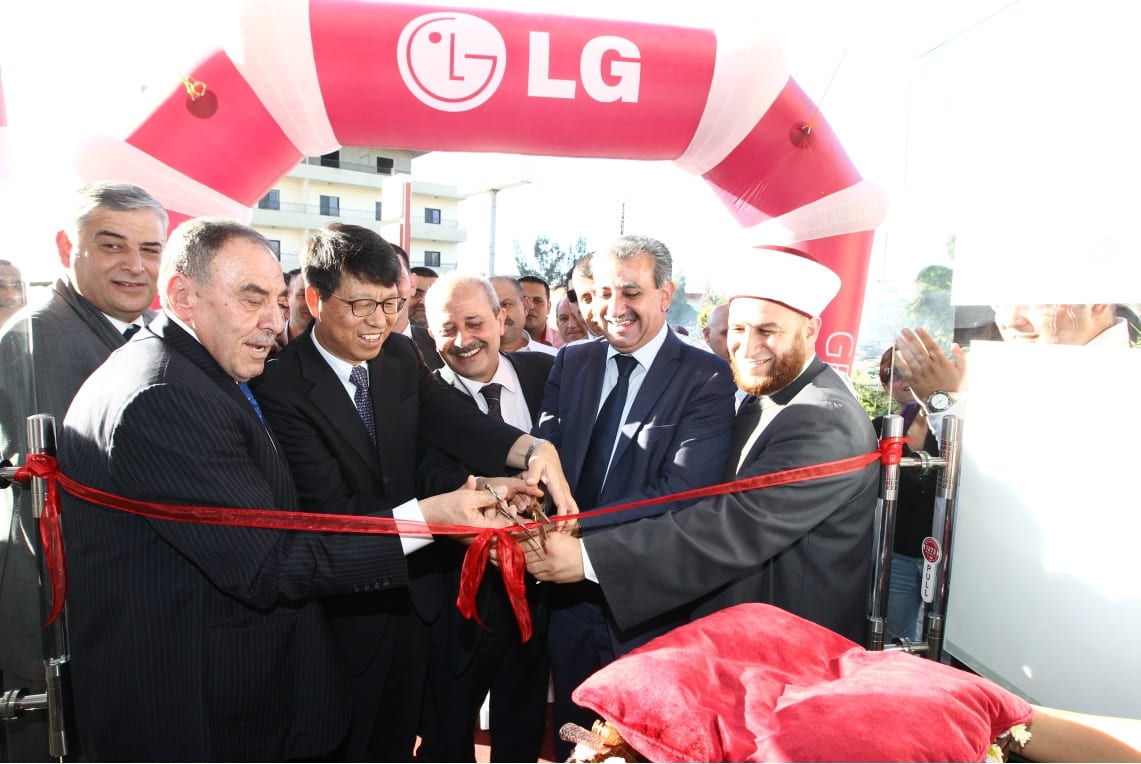
    South Korea’s LG Electronics is making a strong push into the Middle East, opening premium brand shops in the area.

    The company is deliberately positioning its brand at the higher end of the market to differentiate it from lower cost brands.

    LG says it has opened a premium brand shop in Jordan on Mecca Street, the premium home electronics business district. The shop is the third premium brand outlet to open in the region this year after Tehran in Iran and Beirut in Lebanon.

    The Jordan store is the largest of the brand’s shops in the area. The exterior of the store is made of glass, allowing potential customers to look inside. A video pillar that shows a moving image on an LED screen is set on the outside of the building.

    The latest premium products from LG electronics, such as a 65-inch ultra all-red TV, 105-inch curved surface ultra HD TV, double magic space refrigerator, and premium smartphones are exhibited. Consumers can actually use the devices and learn about their features in the convenience room.

    LG Electronics is planning to expand its premium brand shops to other major countries in Africa and the Middle East.

    “We will strengthen our leadership in the premium market through the premium brand shops that maximise convenience in living,” a company spokesman said.
  • Kase targets journey retail sector

    Kase targets journey retail sector

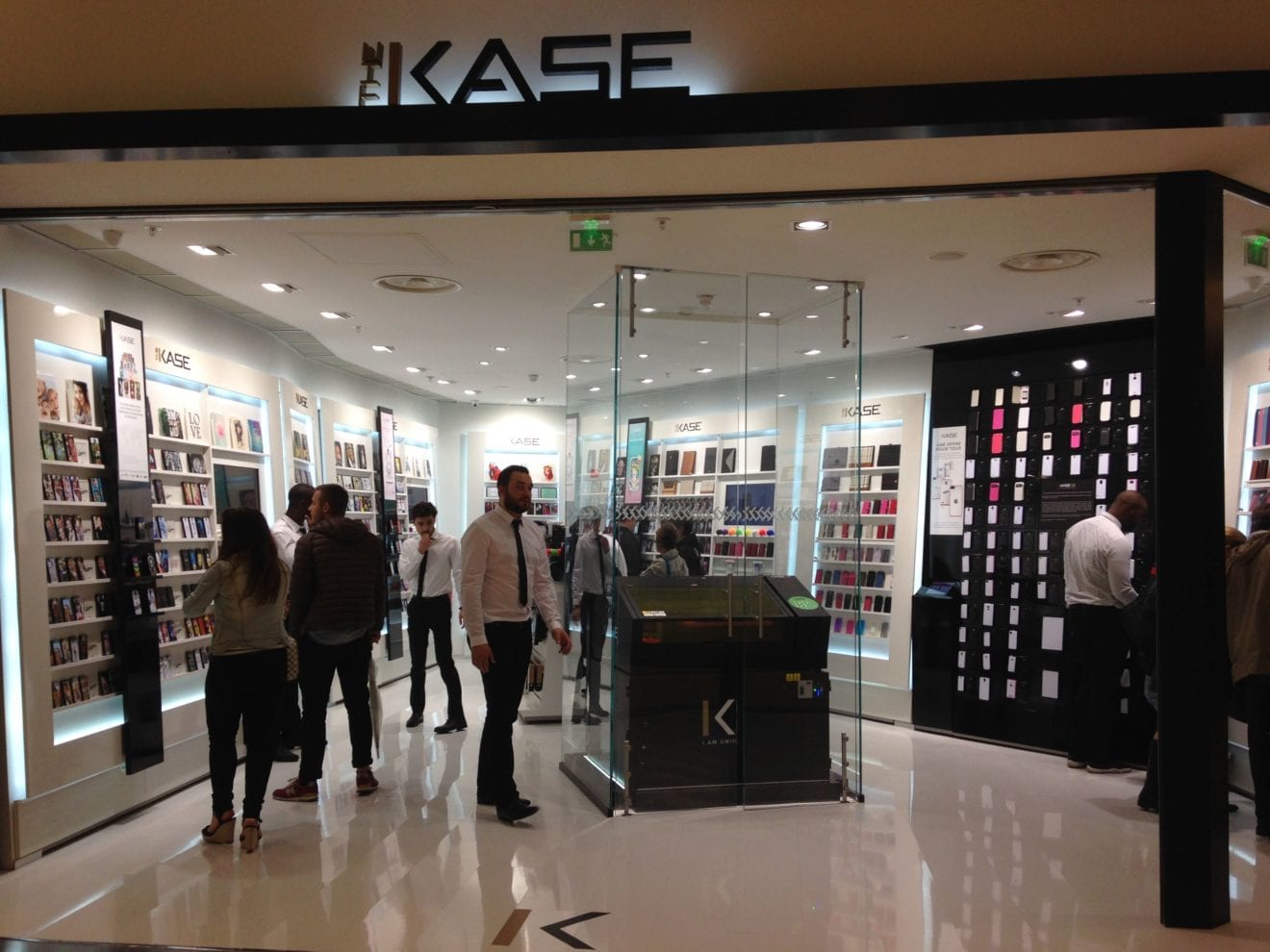
    Cell phone case idea Kase is about to broaden its journey retail presence after the early success of its first airport retailer within the Philippines.

    Kase opened a retailer in Manila’s Ninoy Aquino Worldwide Airport in February in partnership with Regent Distributors. It contains a broad vary of instances for smartphones and tablets – a excessive margin retail enterprise which has already confirmed widespread in non-travel places in 150 markets together with Singapore, Hong Kong, India, the US, Germany and France.

    The corporate says its first airport retailer, simply 33sqm, is attaining gross sales at ranges “completely past all expectations”.

    A key level of distinction making Kase so common is the customisation out there in-store. Buyers can take their telephones in, and utilizing an iPad select from hundreds of various designs and modify them to go well with their private preferences earlier than having the case printed inside eight minutes in-store. They will even present their very own designs – uploadable by way of the shop’s WiFi.

    Kase believes the idea is right for journey retail, requiring area as small as 15 sqm in a shop-in-shop, 22 sqm for a pop up store or between 30 sqm and 60 sqm for a standalone boutique.

    Says Kase cofounder Steve Rosenblum: “The Kase gives travel-retail an incredible alternative to capitalise on a market in fixed enlargement. It’s estimated that in 2016 1 billion smartphones and 400 million tablets can be bought – double the variety of 2012. As well as, the marketplace for equipment is rising equally quickly, up 80 per cent in 2012 and anticipated to point out 120 per cent progress subsequent yr, representing an enormous US$50 billion. More and more, covers for these things are being thought-about a style accent in their very own proper.”

    Rosenblum says Kase has signed up a grasp franchisee in Indonesia and others in South Africa, Center East and Europe.

  • Asian cities top rankings for global brands

    Asian cities top rankings for global brands

    Tokyo is the world’s hottest market for retail expansion, attracting 63 new global brands last year as leasing momentum in core areas remained strong.

    In a list dominated by Asia and Middle East cities, Singapore ranked second with 58 new entrants, outshining Hong Kong which tied for fifth with Dubai (45 each) in the CBRE Group’s report How Global is the Business of Retail?

    Singapore’s new entrant count was double the number of 2013 – with entrants largely in the food and beverage sector, with apparel and accessories chains a little further behind.

    While Hong Kong finished fifth equal with Dubai on the list, it was still a respectable showing given CBRE surveyed 164 cities in 50 countries. In between Singapore and Hong Kong came Abu Dhabi and Taipei.

    For foreign retailers entering Singapore for the first time, the Shoppes at Marina Bay Sands ranked as their top choice f destination, largely due to the steady flow of affluent customers streaming to and fro the connected casino facilities.

    Globally, mid-range fashion retailers are the most active category looking at new market expansion, accounting for 21 per cent of activity, just a little more than luxury brands at 21 per cent.

    In Asia, luxury and business fashion retailers drove 24 per cent of the region’s business expansion, followed by coffee and restaurant retailers at 22 per cent.

    Meanwhile, the report found that the primary expansion targets for America’s retailers are Asia (41 per cent) Europe (33 per cent), and the Middle East and Africa (12 per cent).