Tag: Miniso

  • Miniso Singapore plans 20 more stores

    Miniso Singapore plans to open 20 more stores by the end of this year, taking its network in the city to 46.

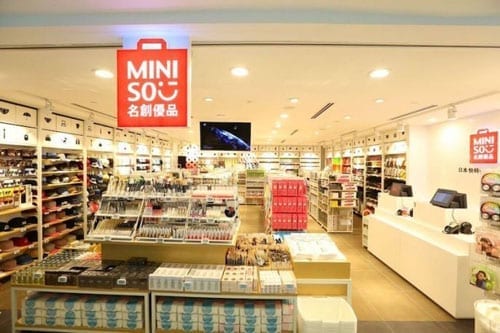
    In an interview with The New Paper, Miniso Singapore director Alex Zhang said locals were responding well to its eclectic offer of homewares, electronics, bags and household items.

    And he is confident the brick-and-mortar model will continue to serve the brand well, despite growing volumes being sold online.

    “From what we observed, Singaporeans still enjoy the experience of shopping in malls. People here still love seeing the designs and products in person before buying them.”

    Miniso Singapore opened its first store in December 2015 and now has 26 operating across the city. The brand was founded in China, opening its first Japanese store in 2013. Despite its Chinese base – it has 1000 stores trading in the mainland already – it tries to position itself as a Japanese brand, a sort of discount version of Muji. That strategy has attracted criticism in the past.

    Miniso has also opened stores in Hong Kong, Australia, Vietnam, Russia and Turkey.

  • Miniso targets 6000 stores by 2020

    Miniso targets 6000 stores by 2020

    Chinese discount brand Miniso expects to open 6000 stores worldwide by 2020, co-founder Ye Guofu has told a conference in Singapore.

    He was speaking at a three-day investment conference hosted by Miniso and attended by more than 250 agents, potential agents and suppliers from 100-plus countries.

    Following the event, Miniso signed a strategic co-operation agreement with the Mazuli Group from Israel.

    Also from Miniso at the event, named “Hello! World Miniso – Saiman Fund International Conference on Global Investment”, were global co-founder/chief designer Miyake Junya, Asia-Pacific VP Li Minxin and international department director Huang Zheng.
    While established for only three years, Miniso has opened more than 1400 stores in more than 40 countries and regions. Its global revenue reached RMB5 billion (US$719 million) last year and expected to exceed RMB10 billion this year.

    To help conference attendees understand the brand’s rapid development, Junya spoke about the “Miniso model”, using the brand’s development in Singapore as an example. Miniso launched three stores in Singapore simultaneously, and within a year was able to open more than 20 stores. As well as its quick development, its turnover rates repeatedly set sales records and it grew faster than any other retail brands.

    Junya believes its success is because of its powerful brand, its “high quality, creativity and low price”, the special experience if offers shoppers, and its efficient and reliable supply chain.
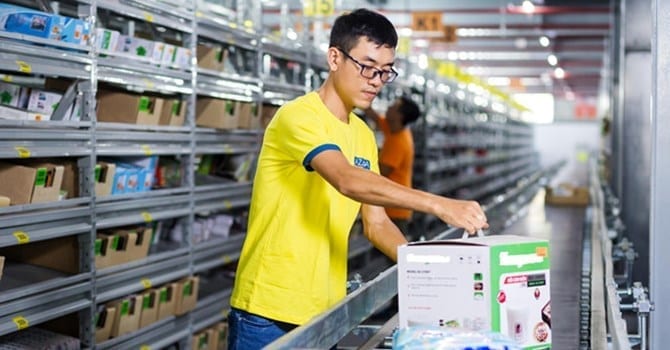
    Guests were invited to visit five major Miniso stores in Singapore and one warehouse.
    As a fast-to-market brand, Miniso launches new products every three days and completes goods circulation through retail outlets every 21 days.
    Ye Guofu spoke about the essence of a brand with competitiveness, saying he believes there is no essential difference between online and offline.

    He says the traditional retail industry must undergo transformation, not only because of the impact from eCommerce, but most importantly because of consumers’ ever-growing cleverness.

  • CityOn.Zhengzhou to open fully leased

    CityOn.Zhengzhou to open fully leased

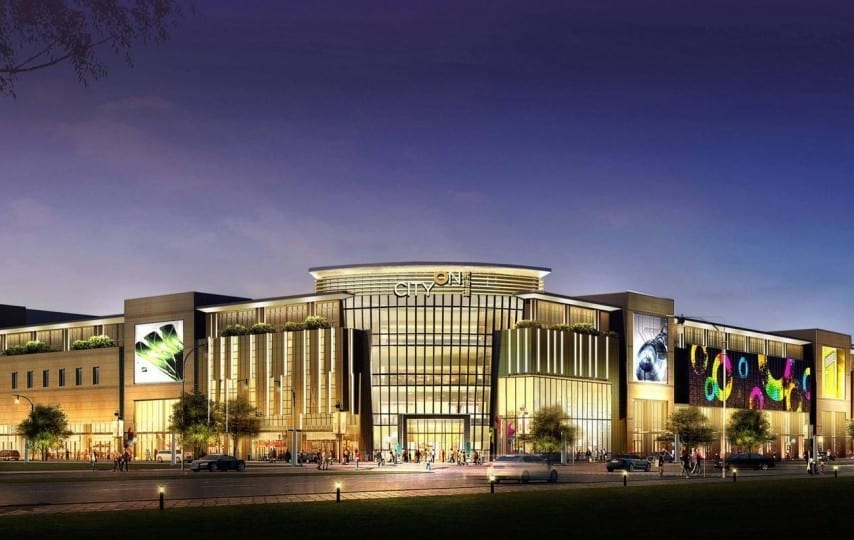
    Taubman Asia, a subsidiary of US shopping centre group Taubman Centers, and China’s Wangfujing Group, have announced the line-up of retailers for its CityOn.Zhengzhou mall in Henan province, set to open on March 16.

    When it opens, the centre will be 100 per cent leased and 90 per cent occupied with nearly 200 stores and restaurants. In the heart of Zhengdong New District, the six-level, 94,000 sqm shopping and dining destination will offer domestic, international and lifestyle brands from fast fashion to accessible luxury, anchored by a four-level Wangfujing department store.

    “We are thrilled to see our second China project coming to life in Zhengzhou,” says Taubman Asia president Rene Tremblay.

    Local, regional and international cuisine at all price points and in both seated restaurants and quick-serve formats will be a feature of the centre, which will also offer family-friendly experiential, educational and entertainment offerings.

    Many international brands will be making their central China debut at the centre, says Taubman Asia group VP Paul Wright.

    Outlets at the mall include…

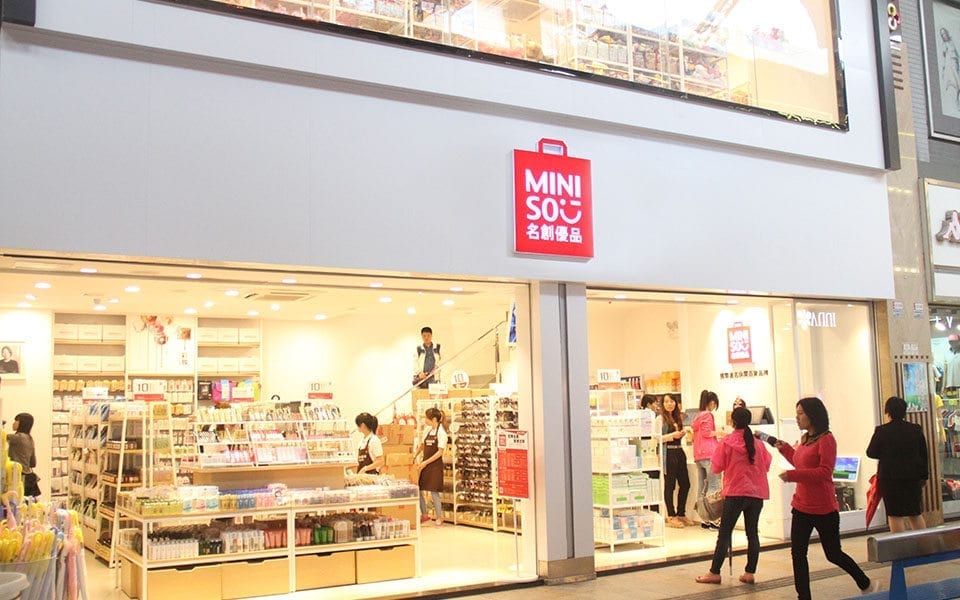
    Fashion: Adidas, Ajidou, Basic House, Bershka, Charles & Keith, Columbia, Converse, Ecco, Five Plus, Forever 21, H&M, Innisfree, Jack & Jones, KIKC, Kipling, La Chapelle, Lee, Levi’s, Mango, Massimo Dutti, Miniso, Mishka, Mobi Garden, Nike, Pandora, Polo, Sand & Foam, Sephora, Skechers, Stradivarius, The North Face, Uniqlo, Vans, Vero Moda, Westlink and Zara.

    F&B/entertainment/kids/lifestyle/electronics: Acasia Food Village (featuring 14 food vendors), Benfu Sushi, Boat Noodle, Chatime, Chez Choux, Chicken Container, Coco, Dollar Shop, FrozenYo, GB Kids Station, Gong Cha, Grandma’s Kitchen, Guoguo Mutton Soup Restaurant, Guxiang No. 9 Catering, Hallmark Babies, Homao, Huawei, iSpace, La Chapelle Kids, Lenovo, MagicSalad, MM by Haircode, Mr Wish, NaughtyKids, New York Fries, Oscar CityOn Cinema, PapaBubble, Pizza Zone, Rbike, Siwuke Tea, Starbucks, Strawberry Forever, Subway, Teppanyaki Xiang, Toot Science, Udon & Tempura, Uncle, Wan Quan Bu Tong, Xiang Tian Xia Huo Guo, Xiao Liu Jia, Xiao Zhu Zhu Kao Rou, Xue Mi Da, Yang Xiang Dou Pi Shuan Niu Du, YuYuTo, ZBX Fresh Fish Hot Pot, Zheng Shi Yi and Zoo Steak.
  • China eyes Vietnam’s hundred-billion dollar retail market

    China eyes Vietnam’s hundred-billion dollar retail market

    Miniso has been mentioned repeatedly in local newspapers. The retailer has announced its official presence in Vietnam through a franchise contract signed with Le Bao Minh Group.

    Le Bao Minh’s representative said it plans to open 13 shops in large cities in 2016. Miniso’s official website shows that the company was established by a Japanese named Miyake Junya and a conglomerate from China.

    In April, Alibaba, China’s biggest e-commerce group, spent $1 billion to obtain the right to control Lazada, a well-known e-commerce website.

    Alibaba has shown strong determination to expand its business in SE Asia.

    According to the US Securities And Exchange Commission, Alibaba has outstripped Walmart to become the world’s largest retailer. Its online transaction value accounts for 10 percent of retail transactions in China.Analysts commented that with the investment from Alibaba, Lazada Vietnam would have more opportunities to develop because it would be able to spend more money on advert campaigns and increase goods supply from China.

    While foreign retailers flock to Vietnam, Vietnamese retailers are not yet ready for competition. Some retail chains have been either shut down or sold to foreign partners. There are only several Vietnamese brands still existing, such as Vinmart, Co-op Food and Satra Foods.

    Meanwhile, Vietnamese e-commerce firms, though having been operational for 10 years, still cannot hold the upper hand over Lazada.

    According to Vu Vinh Phu, chair of the Hanoi Supermarket Association, the Vietnamese consumer market is attractive to foreign retailers, as retail turnover was $100 billion last year.

    Vietnam has a large population (over 91 million people), of which 60 percent are young consumers, per capita income at $1,890 in 2015, fast pace of urbanization, and growing middle class.

    Phu noted that retailers now pay special attention to the rural market which is large and unexploited. Online sales have become a growing tendency, which gives goods suppliers opportunities to approach consumers more easily.

    Chinese goods have been mostly penetrating the Vietnamese market across border gates. However, they now have to compete fiercely with Thai and Japanese goods.

    Le Phung Hao, chair of the Vietnam Marketing Association, anticipated that more Chinese goods would be brought to Vietnam thanks to the presence of retail groups from China.

    Instead of dealing with low-quality and smuggled goods flown from remote areas, Vietnam will have to compete with Chinese goods available at luxury shops in large cities.


  • Miniso Laos opens first store at Vientiane

    Miniso Laos opens first store at Vientiane

    Chinese fashion and novelty retailer Miniso has opened its first store in Laos as it continues its rapid Asian expansion.

    The Miniso Laos store is located on the 1st floor of KL’lar Huk K’kee Mall in Vientiane, the nation’s capital.

    The flagship store in Laos gained much attention from the local government, five major banks in Laos installed ATMs at the store.

    First day turnover exceeded RMB 50,000 (US$7500).

    “For a developing country with a population of 6 million people, this was a miraculous sales record,” a Miniso spokesman said in a statement.

    Miniso Laos

    Phouphet Khamphounvong, Laotian Minister of Finance, and his wife, Miyake Jyunya, (pictured) global co-founder of Miniso, Ye Guofu, global co-founder of Miniso, Laotian representatives of business cooperation, officiated at the opening.

    Queues formed to be first to try the Japanese-styled store which sells own-brand fast fashion accessories, electronics, homewares and beauty products.

    Since its establishment in 2013, Miniso has opened more than 1400 stores across the globe. In 2015, its annual sales exceeded RMB 5 billion ($750 million), which it claims makes it the fastest-growing brand in offline retailing.

    This year, Miniso plans to open another 1800 stores globally, and to double its annual turnover.

  • Miniso signs up to enter US

    Miniso signs up to enter US

    China’s fast-fashion designer brand Miniso has signed a comprehensive strategic co-operation agreement to enter the US.

    A signing ceremony in Guangzhou was attended by Miniso global co-founder Ye Guofu and Asia Pacific VP Li Minxin as well as a representative from Miniso’s US partner, Matthew Liang.

    Miniso has opened 1400 stores internationally in the past three years, with its global revenue hitting RMB5 billion (US$750 million) last year.

    After focusing on markets in China and Japan, Miniso has successively signed strategic co-operation agreements with 36 other countries and regions.

    Ye says Miniso and its US partner will further co-operate in areas such as product research and development, model updating and talent training.

  • One more Japanese retail brand comes to Vietnam

    One more Japanese retail brand comes to Vietnam

    Miniso, a Japanese lifestyle and fast fashion brand that sells merchandise such as homeware, bags and electronics at low prices, will be in Vietnam through a franchise deal inked with Vietnamese group Le Bao Minh.

    Le Thi Ngoc Hai – Chairwoman of Le Bao Minh Group – said the two sides signed the franchise deal in April 2016. “In August, we will open the first three stores in Hanoi and the number will double after a month. At the end of this year we will have 13 stores in Hanoi, Ho Chi Minh City, Da Nang, Vinh, Can Tho and Hai Phong,” she said.

    Le Bao Minh is the exclusive distributor of Canon brand in Vietnam.

    Explaining the group’s expansion into the retail sector, Hai said this plan has been implemented for three years.

    “We set up a team of experts to find opportunities for cooperation from world-renowned brands. When learning about Miniso, we find its appropriate to Vietnamese people. This Japanese brand has been very successful in Korea, Malaysia, China, the Philippines, and Thailand,” Hai said.

    Hai said with its own characteristics, Miniso will not directly compete with other retail brands in Vietnam. The targeted customers of Miniso are young people. This will be a new retail model in Vietnam.

    This group aims to open 200 shops in almost all provinces in Vietnam, creating stable jobs for about 5,000 workers in the next 5 years.

    miniso vietnam

    Miniso was founded in Japan in September 2013 by Miyake Jyunya and his Chinese partner and president of the company, Ye Guo Fu. They opened Miniso’s China office in Guangzhou the following month.

    Mr Jyunya leads a design team of about 30 in Japan, while the brand and business development team is based with Mr Ye in Guangzhou.

    The company’s first priority is to globalize the brand as they see greater business potential in other countries.

    To date, there are more than 1,110 stores in China, 25 in Hong Kong and four each in Macau and Japan. The Dubai store is currently under construction and the company will be expanding to countries such as Vietnam, Malaysia, South Korea, the United States and Italy.

    The company has increased its revenue five-fold in the past three years and reported a revenue of US$1 billion last year.

  • Critics slam Miniso for Japanese image

    Critics slam Miniso for Japanese image

    Controversies continue to hound Miniso, a retail chain in mainland China that projects the image of a Japanese fashion brand.

    Critics have accused it of piggybacking on Japanese retail giants Daiso, Muji and Uniqlo, reports the Hong Kong Economic Journal Monthly.

    Also, the Guangzhou-based vendor of household and consumer items, which has already penetrated the Hong Kong market, has been accused by a Hong Kong designer of stealing his original design of stickers, which he says he found on smartphone cases sold in Miniso stores. But Miniso regional manager Mike Wong says there must be a misunderstanding as his company has no intention of infringing on others’ intellectual property as it can well afford the licensing fee.

    Miniso opened its first Hong Kong store in downtown Yuen Long in November 2014, expanding since into Tsuen Wan, Kwun Tong and Yau Ma Tei, boosting its network to 35 stores in less than two years. Its employee headcount is 450 and growing, with Wong aiming to double the number by the year’s end.

    By comparison, Muji and Uniqlo together have no more than 36 outlets in Hong Kong.

    A typical Miniso store is around 200 sqm and sells such goods as cosmetics, stationery, toys and kitchenware at prices as low as HK$15 (US$1.93). Most items are sourced from China.

    Sales are brisk enough that the brand needs less than eight months to recoup the initial investment, around HK$3 million, for each new store.

    Since 2013, Miniso has opened 1600 stores, with more than 1000 in mainland China and others in Hong Kong, Singapore, Taiwan, Thailand, the Philippines and the UAE. Aggregate sales will double from last year’s HK$5 billion.

    Wong, who once worked as a procurer for Swarovski, says the first time he visited a Miniso store he thought it was another brand under Muji. Now, with Miniso hiring Japanese designers and advocating a simple, low-carbon lifestyle, he says he sees no problem if customers “sometimes can’t tell us from other Japanese brands”.

    He also says that all items in its Hong Kong stores conform to intellectual property regulations. “You can’t say we are copycats.”

    However, he cannot deny the fact that customers in Hong Kong and the mainland trust a Japanese brand more than their homegrown offerings, and many find Miniso’s corporate identity misleading. Nevertheless, the group has four stores in Tokyo’s Harajuku, Ikebukuro and Shibuya districts.

  • Miniso stores set global retail record

    Miniso stores set global retail record

    Japanese fashion retailer Miniso has enjoyed explosive growth across Asia, last year raking in sales revenue of more than RMB5 billion (US$769.9 million).

    Launched in Tokyo by designer Miyake Jyunya and Chinese entrepreneur Ye Guofu just three years ago, the company has since opened more than 1400 stores internationally. Its expansion last year is believed to have set a global retail record.

    It aims to continue its growth this  year, aiming at RMB10 billion in sales.

    Offering fashionable and casual products, Miniso has as its brand philosophy “high quality, low price and full of texture”. Its prices range from 10 to 29 yuan, with a wide range of target consumers.

    It first focused on store design and decoration to attract attention, following up with high service levels. The linking of decoration, service, quality and economy is termed “four goods” by Miniso.

    As well as clothing, Miniso offers creative home necessities, health and beauty products, fashion jewellery, office supplies, stationery gifts, seasonal items and even food and drink – more than 10,000 lines altogether.

    Miniso stores can be found throughout greater China and in Dubai, Hong Kong, Italy, Macau, The Philippines, Singapore and the US.

    Jyunya graduated from Japanese Bunka Fashion College along with two other international brand founders, Issey Miyake and Zenzo Takada.

  • Japan’s Miniso opens Singapore flagship

    Japan’s Miniso opens Singapore flagship

    Japanese fast fashion brand Miniso has opened new flagship stores in Singapore and Dubai as it works on a global rollout.

    Miniso, founded by designer Miyake Jyunya and partner Ye Guofu, advocates the philosophy of ‘simple, natural and quality life and brand essence’ by “returning to nature and restoring product nature”.

    The brand is opening new stores at the rate of 20 to 30 a month, with China – where it made its debut in 2013 – a major focus.

    Jyunya, who attended the Singapore store opening at the Harbourfront Centre on Saturday (December 12), aims to provide “high-quality, low-priced and innovative products for global consumers”. Its stores are decorated in a fresh and natural style, establishing a service-oriented shopping environment that is finding favour with consumers.

    Jyunya described the Singapore and Dubai openings as “a major milestone in the company’s globalisation strategy”.

    “As one of the most developed market economies in Asia, a key services and shipping hub and the fourth global financial center after New York, London and Hong Kong, Singapore is an important destination for Miniso’s first international venture. Singaporean consumers have always been sensitive to changes in fashion, a philosophy built on and shared by Miniso,” the company said in a statement.

    “Dubai likewise is a significant location in the global services and retail sector and serves to highlight the newly established reach of the Miniso brand in addition to its ability to expand into developed markets.”

    In future, Miniso plans to continue to actively explore internationally, with the aim of offering a new generation of consumers an alternative to high-level retail through quality products at affordable prices.

    After its expansion into Singapore and Dubai, the company will turn its attention to Europe and eventually the rest of the world, “evolving into a superior international brand enjoyed and talked about by consumers everywhere”.