Tag: Mitsubishi

  • Indonesia Says Mitsubishi Motors To Invest About $667 Million Over Next 3 Years

    Indonesia Says Mitsubishi Motors To Invest About $667 Million Over Next 3 Years

    Mitsubishi Motors plans to invest about 10 trillion rupiah ($666.89 million) in Indonesia between 2022 and 2025, the country’s chief economics minister said on Tuesday.

    Airlangga Hartarto in a statement said the Japanese company had invested 11.3 trillion rupiah up to 2021 and was planning to expand its production in the Southeast Asian country.

    The statement quoted Mitsubishi Motors CEO Takao Kato as saying the company planned to produce hybrid electric vehicles and battery electric vehicles in Indonesia.

    He said Mitsubishi was aiming to increase its export capacity from Indonesia to 72,000 units this year and to 98,000 units in 2024, from 42,000 units in 2021.

    Airlangga met Mitsubishi’s executives during a visit in Tokyo, where they also discussed potential fiscal incentives for the company’s exported products.

    “Indonesia’s tax rate is actually competitive compared to other countries such as Thailand,” Airlangga said.

    “However, there are different regional taxes which make taxes seems bigger in Indonesia, this is what we are reviewing at the central government,” he said, without elaborating.

    Indonesian President Joko Widodo was due to visit Japan later this week.

  • Japanese brands top auto imports in Vietnam

    Japanese brands top auto imports in Vietnam

    Japanese brands, including Toyota and Mitsubishi, were the biggest sellers among imported cars in Q1. Toyota sold 11,661 completely built units, while Mitsubishi imported 7,797.

    They were followed by Honda, Mazda and Suzuki. Last year, Toyota, Mitsubishi and Suzuki sold the most imported cars, with Toyota alone selling more than half of all imported cars.

    Fifteen out of 17 models Toyota sells are imported from Indonesia, Thailand and Japan. The sedan Vios and SUV Innova are assembled locally, while the SUV Fortuner is both assembled and imported.

    Mitsubishi also imports most of its models, with the popular MPV Xpander, imported from Indonesia, accounting for 53 percent of its total imports sold last year.

    The remaining models, like the pickup truck Triton and sedan Attrage, are imported from Thailand.

    Suzuki and Isuzu also import from Thailand and Indonesia.

    Nearly 7,000 Mazda cars, distributed by Truong Hai Auto Corporation, were imported from Thailand last year. This accounted for 26 percent of total Mazda sales in Vietnam.

    Honda has its two main models City and CR-V assembled locally and imports the rest.

    Ford has recently started assembling its pickup truck Ranger model in Vietnam while the other models SUV Everest and SUV Explorer are imported from Thailand and the U.S. respectively.

    Some luxury brands like Volkswagen, Audi and BWM only import completely built units.

    Kia, Hyundai and VinFast only assemble.

  • UBS Exiting Mitsubishi Venture in Japan

    UBS Exiting Mitsubishi Venture in Japan

    Switzerland’s largest bank is selling its joint real estate venture with Mitsubishi to an investment firm.

    UBS announced it is exiting a 20-year joint real estate venture in Japan, agreeing with its partner Mitsubishi to sell its Mitsubishi Corp.-UBS Realty Inc. (MC-USBR) to investment firm KKR, UBS said in a statement released Thursday.

    UBS said it expects to book a gain in asset management and a CET1 capital increase of $900 million upon finalization of the transaction which is expected to be in April of this year.

    The joint venture between Mitsubishi and UBS Asset Management Real Estate & Private Markets was formed in 2000 and has since grown into one of the largest real estate asset management companies in Japan.

    MC-UBSR manages two Tokyo Stock Exchange-listed J-REITs, the Japan Metropolitan Fund Investment Corporation (JMF) and the Industrial & Infrastructure Fund Investment Corporation (IIF), with assets under management of around $15 billion.

    The sale does not mean that UBS is exiting the Japanese real estate market, UBS Asset Management President Suni Harford said.

    The Japanese market remains a cornerstone of our Real Estate & Private Markets business in Asia Pacific, and we remain focused on serving the needs of our clients and capturing growth opportunities in this strategically important region. Through our rapidly growing real estate investment unit, UBS Japan Advisors, we will continue to advise our clients on Japanese property investments, Harford said.

    UBS’s  said that its asset and wealth management divisions along investment banking businesses operating in Japan are not affected by the sale

  • Laos to supply Vietnam power from Mitsubishi-built wind farm

    Laos to supply Vietnam power from Mitsubishi-built wind farm

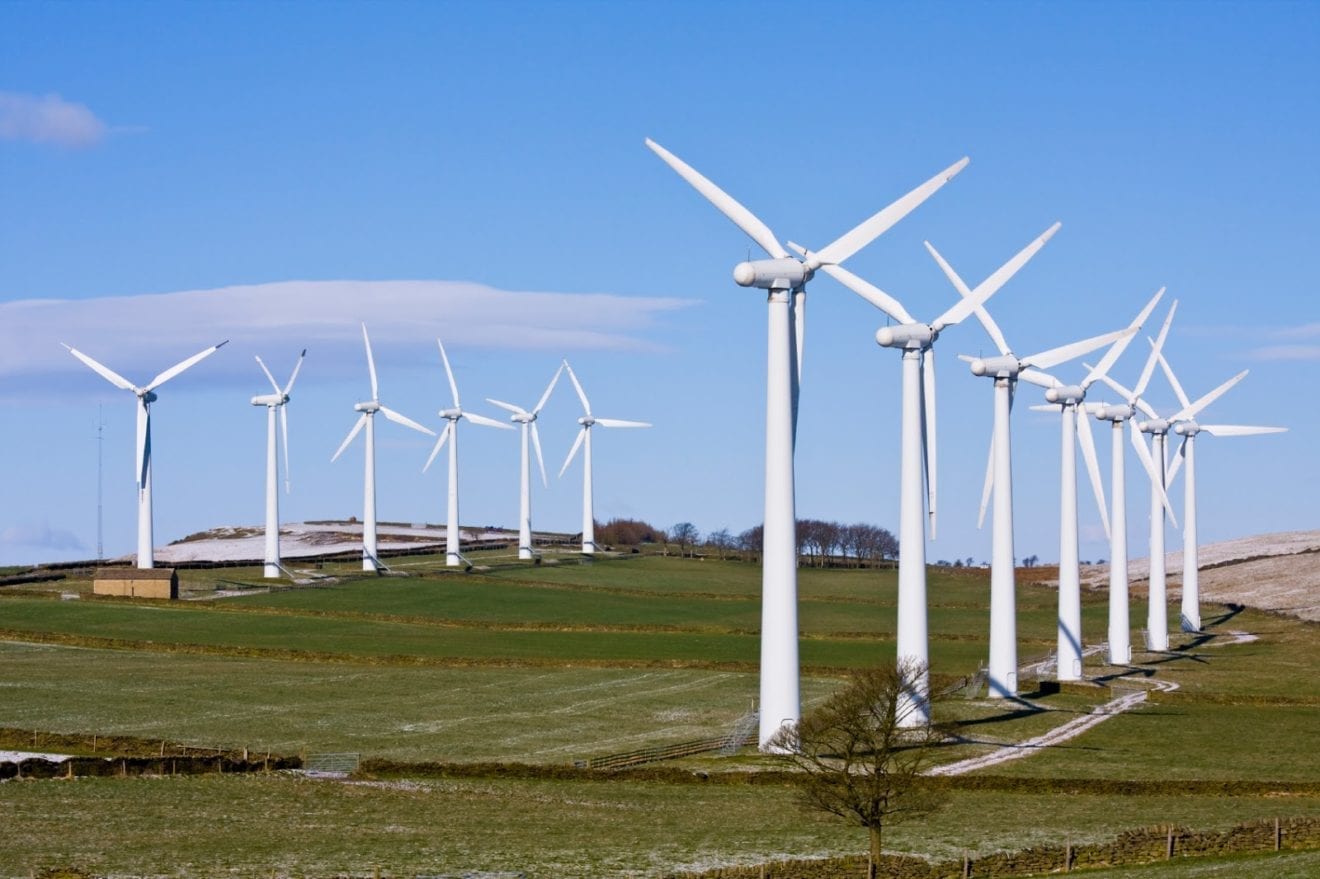
    Japan’s Mitsubishi Corporation will develop Southeast Asia’s largest wind farm in Laos to supply electricity to Vietnam, where demand is expected to grow continuously.

    The 600-megawatt onshore project, the first wind farm in Laos, will be located in the southern provinces of Sekong and Attapeu, the company said in a statement.

    By installing a dedicated transmission line to Vietnam, power from the wind farm, which is set to begin commercial operations by 2023, will be sold to national utility Vietnam Electricity for 25 years.

    It is expected that Vietnam’s growing economy will have high demand for power, especially during the dry season, when hydropower generation is limited.

    The onshore wind farm is being developed as part of a memorandum of understanding on power interchange signed between the Vietnamese and Lao governments in October 2016.

    It is expected to be the first cross-border electricity interchange from wind power generation in Southeast Asia.

  • Mitsubishi Vietnam recalls over 9,000 cars to replace fuel pumps

    Mitsubishi Vietnam recalls over 9,000 cars to replace fuel pumps

    Mitsubishi Motors Vietnam is recalling 9,066 Outlander and Xpander cars to fix a fuel pump issue that could cause the vehicle to stall.

    They include 5,370 Outlanders manufactured in Vietnam between January 15, 2018, and July 21, 2019, and 3,696 Xpanders imported from Indonesia and assembled between August 21, 2018, and September 20, 2019.

    The company said the inflated impeller inside of the pump “might have caused it to touch the surrounding parts of the pump body and stop the pump from spinning” which could result in “the engine not starting or stalling.”

    Car owners can take their vehicles to an authorized dealership for a free fuel pump replacement which will take around one hour.

    Mitsubishi uses gas pumps supplied by Japanese company Denso, which caused similar problems in many other cars including Toyota and Honda.

    But it said this error would not occur in its other cars.

    According to data from the Vietnam Automobile Manufacturers Association, auto sales fell 8 percent in 2020 to 296,634 units.

  • Honda most searched vehicle brand in Vietnam

    Honda most searched vehicle brand in Vietnam

    Honda, Toyota, BMW, Mitsubishi, and Suzuki are the five most googled car brands in Vietnam, market research firm iPrice said.

    The Malaysia-based meta-search website, which operates in Vietnam and six other countries across Southeast Asia, said it considered 22 car brands googled between March 1 and May 31 this year to find the most searched brands.

    Honda topped the list since it produces both motorbikes and cars, and has an 80 percent share of the motorbike market.

    It was also the most googled brand in Thailand and Indonesia. In the Philippines, it was Toyota.

    In Singapore and Hong Kong, which prioritize green transportation, American electric vehicle brand Tesla was in first place.

    Across the seven markets, Honda was the most googled brand with 550,000 searches, followed by Toyota (368,000) and BMW (301,000). Tesla and Mitsubishi tied with 246,000 to round off the top five.

    The study also found that SUVs were the most searched cars in all seven markets, followed by sedans, MPV/WGNs, hatchbacks, and coupes.

    According to data from Vietnamese manufacturer Thanh Cong Motor and the Vietnam Automobile Manufacturers Association (VAMA), Toyota Vios was the most sold model in the first half of this year with 11,244 units.

    Sales of VAMA members, who account for more than 95 percent of the market, were down 30 percent year-on-year to 102,720 vehicles.

  • Mitsubishi Motors Delays Factory Restart In China Due To Coronavirus

    Mitsubishi Motors Delays Factory Restart In China Due To Coronavirus

    Mitsubishi Motors is postponing the restart of its factory with Guangzhou Automobile Group in Hunan province until 27 due to the coronavirus outbreak, the Japanese automaker said on Friday.

    Spectacular sculptures at Harbin’s Ice and Snow Festival

    Drone footage of giant frozen castles and ice sculptures at one of the world’s largest ice and snow festivals in Harbin, in China’s northeast Heilongjiang province, which draws millions of visitors each year.

    It had previously planned to resume operations as early as Feb. 17.

    Mitsubishi has also delayed the restart of its engine plant with Shenyang Aerospace in Liaoning province and another with Dongan Automotive Engine Manufacturing in Heilongjiang province following Lunar New Year holidays.

  • Uniqlo acquires stake in Vietnamese brand

    Uniqlo acquires stake in Vietnamese brand

    Uniqlo’s parent, Fast Retailing, has acquired a 35 per cent stake in Hanoi-based women’s fashion brand Elise. Elise, which has more than 100 stores across the country, is said to have received tens of millions of dollars from the deal – a figure much higher than its entire charter capital.

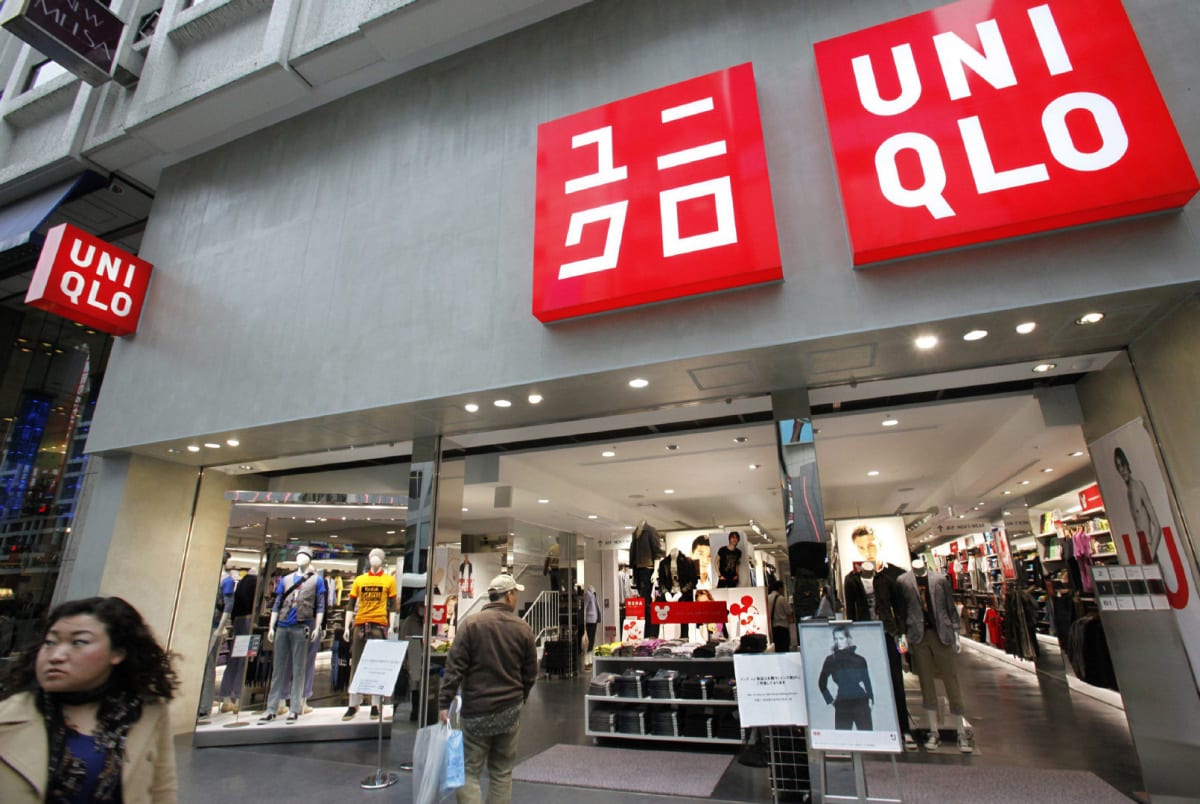
    This is Fast Retailing’s first significant move into Vietnam since it announced it would launch its Uniqlo brand in Ho Chi Minh City next year.

    The store will be operated by a joint venture between Fast Retailing and Mitsubishi Corporation.

    Vietnam is one of the markets Uniqlo is counting on to double its store network in Southeast Asia and Oceania to around 400 by 2022.

    Uniqlo’s arrival in Vietnam will intensify competition for foreign brands as Zara and H&M who have already successfully launched there.

    According to German firm Statistics Portal, Vietnam’s fashion revenue will annually grow 22.5 per cent from 2017 to 2022, and its clothing sales will surge to an estimated US$245 million this year.

    Another fashion group from Japan, Stripe International, has reportedly bought NEM, a Vietnamese fashion brand which targets female office workers.

  • Ministop South Korea is for sale, rivals compete

    Ministop South Korea is for sale, rivals compete

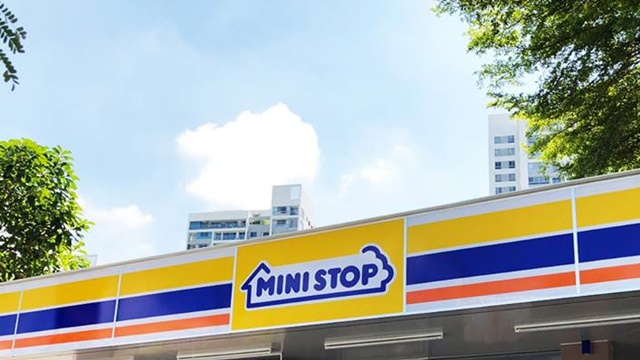
    South Korean retail operators Lotte and Shinsegae are competing to buy the 21-year-old local subsidiary of Japanese convenience-store operator Ministop.

    Shinsegae and Lotte respectively own rival chains Emart24 and 7-Eleven and are both reportedly seeking to take full ownership of Ministop South Korea. Both companies see the deal as a means to grow their respective businesses in a market where convenience-store penetration has reached saturation point, limiting opportunities for organic network growth.

    7-Eleven currently operates 9535 stores across South Korea and Emart24 3413. The Ministop network numbers just 2535.

    Japan’s Aeon, which owns the Ministop brand, owns a majority 76 per cent of the South Korean business.

    Daesang group owns 20 per cent and Mitsubishi the balance. Aeon has appointed Nomura Securities to find a buyer for the business as it sees little future for the convenience store brand in South Korea, a highly competitive market. Instead, Aeon is looking to Southeast Asian markets for growth, including Vietnam, Thailand and Cambodia.

    Last year, Ministop South Korea sales totalled 1.18 trillion won (US$1 billion), ranking it fourth in revenue terms behind GS25, CU and 7-Eleven.

  • Mitsubishi Motors bolsters crossovers sales

    Mitsubishi Motors bolsters crossovers sales

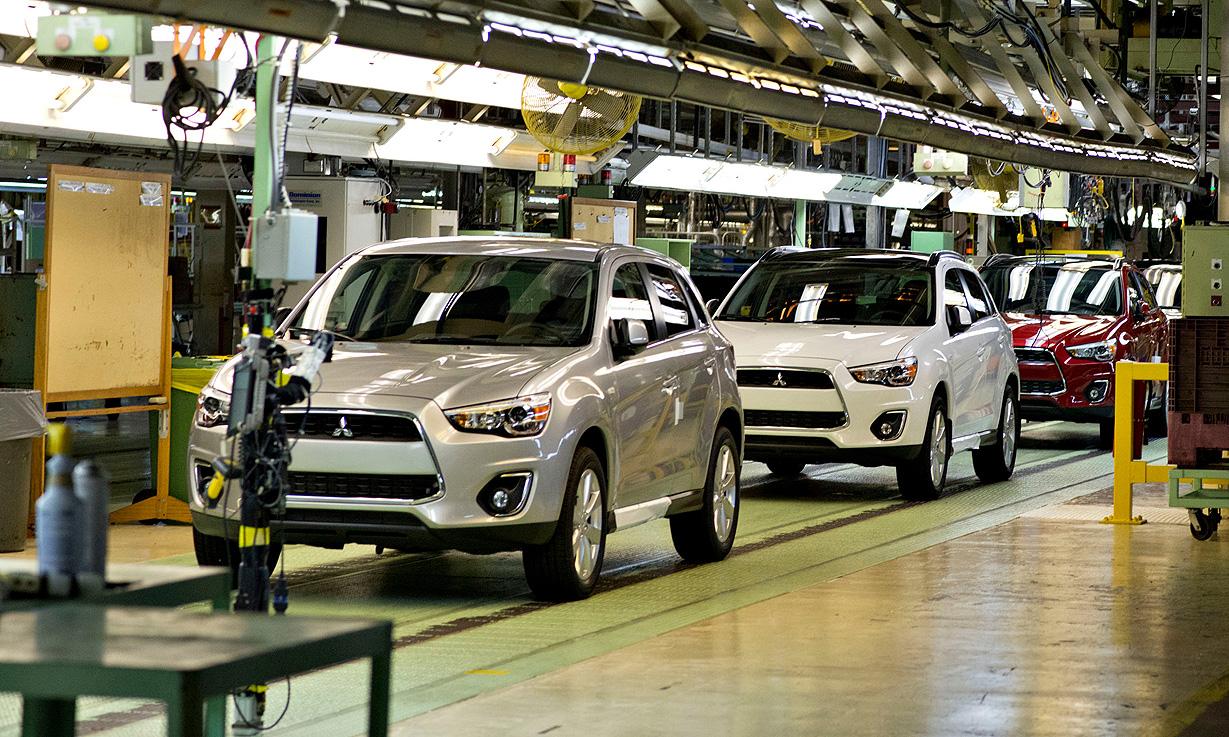
    Mitsubishi Motors Vietnam managed to boost its sales via crossovers while eyeing the expansion of manufacturing and assembly in the country.

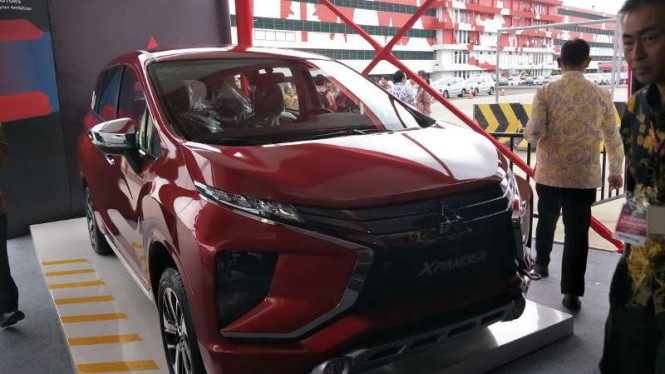
    The firm (MMV) yesterday debuted the all-new Xpander, a next-generation crossover MPV, in Vietnam.

    Manual and automatic models of the seven-seat car will be imported from Indonesia, with orders starting in September, and cost VND550 million ($23,650) to VND650 million ($27,950).

    They will take on the Kia Rondo, Suzuki Ertiga and Toyota Rush.

    The auto maker has to yet reveal the import scheme for Xpander, which won Indonesia’s Car of the Year award this year from leading tabloid Otomotif.

    Early this year, even as many other automakers were struggling to import cars following the introduction of stringent technical regulations by the government’s Decree No. 116, Mitsubishi launched the domestic-assembled crossover Outlander and gained positive cues.

    More than 1,000 Outlander units were sold in the first half of this year, or one third of the total sales.

    Meanwhile, the extensive operations of MMV is under consideration.

    The company has reportedly discussed locations for its second plant in the country with the central province of Nghe An and the southern province of Long An. The first is in Binh Duong province near Ho Chi Minh City.

    The proposed plant, would cost around $250 million and have an annual capacity of 30,000 – 50,000 units, vice chairman of Mitsubishi Motors Corporation, Kozo Shiraji, told Deputy Prime Minister Vuong Dinh Hue during a meeting in January.

    The factory is likely to begin production in 2020.

  • Global Electric Vehicle Market to Reach 10.8 Million Units by 2026

    Global Electric Vehicle Market to Reach 10.8 Million Units by 2026

    Increasing global concerns regarding the negative effect of climate change along with alarming pollution levels recorded in the major cities have created a demand for electric vehicles. A major factor behind the growth of electric vehicles is the support provided by various governmental agencies to encourage the sale of these vehicles.

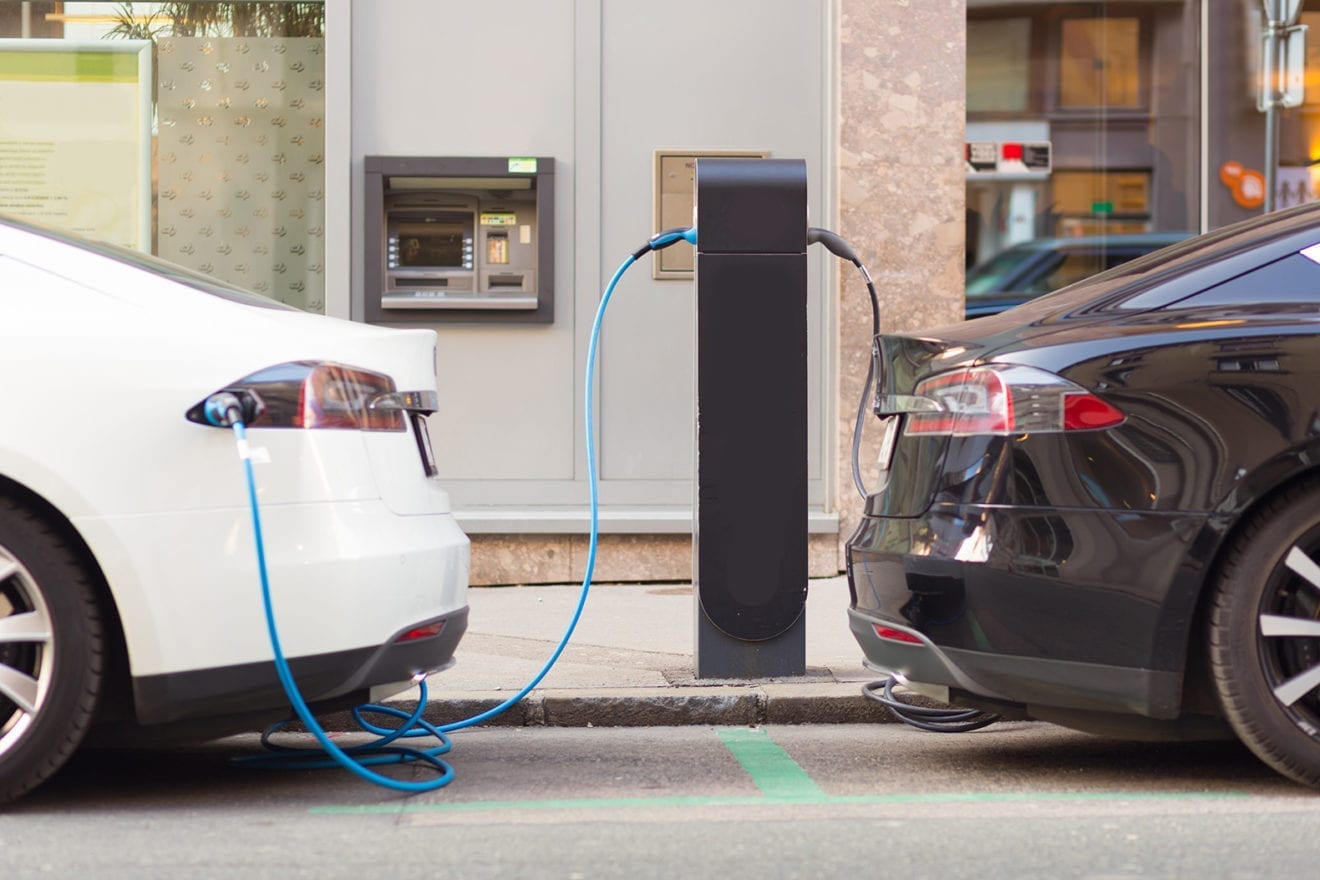
    Furthermore, the well-established road infrastructure network has further aided the market for these vehicles, with charging points available more frequently on the civilian roads. Today, electric vehicles have transformed from an experimental mode of vehicle to a necessity, with automakers worldwide putting in efforts to make EVs available in all the economic ranges. This is evident from the meteoric rise in its sales over the last five years, with over 2 million electric vehicles on the road at present, as compared to a few thousands back in 2012.

    With number of initiatives and product developments taking place, it won’t be long before EVs occupy a significant share of the global automotive market. The market in terms of volume is estimated to witness growth at a CAGR of 28.3% over the period of 2017 to 2026. The report is a compilation of various segmentations including market breakdown by propulsion type, component type, vehicle type, and different geographical regions.

    The report provides a detailed market analysis and forecast with respect to different propulsion types in the electric vehicles market which are Battery Electric Vehicle and Plug-in Hybrid Electric Vehicle (PHEV). On the basis of component, the electric vehicles market is segmented into battery, motor, and regenerative brake. While highlighting the key driving and restraining forces for this market, the report also provides a detailed study of the different vehicles that are analyzed, which include passenger and commercial vehicles.

    The report addresses the following key questions about the global electric vehicles market:
    • What is the global electric vehicles market size in terms of volume in the period 2017-2026?
    • Which is the dominant propulsion type by volume for the global electric vehicles market?
    • Which is the dominant vehicle by propulsion type in terms of volume in 2016?
    • What is the revenue generated by the different components in the global electric vehicles market in the period 2017-2026?
    • What is the revenue generated by the different components for different propulsion type in the global electric vehicles market in the period 2017-2026?
    • Which vehicle type will lead by volume in the global electric vehicles market by the end of the forecast period?
    • What are the different factors driving the market forward in the forecast period?
    • What are the major factors challenging the growth of global electric vehicles market?
    • Which type of new strategies are being adopted by the existing market players to make a mark in the industry?
    • Which region will lead the global electric vehicles market by the end of the forecast period?

    The report includes an exhaustive analysis of the geographical split into North America (the U.S and Canada), Europe (Germany, the U.K, France, Netherlands, and Norway), and Asia-Pacific (China, Japan, and South Korea). Analysis of each of the geographical regions details the individual push and pull forces in addition to the key players from that particular region.

    The report examines the role of the leading market players involved in the industry. The company profiles section includes highlights of significant information about the key companies involved, along with their financial positions, key strategies & developmental activities of recent years (2014-2017).

    Some of the key players are Tesla Inc. (U.S.), BYD Company Limited (China), Volkswagen AG (Germany), Nissan Motor Corporation (Japan), and Mitsubishi Motors Corporation (Japan). EV components manufacturers such as Samsung SDI (South Korea), Automotive Energy Supply Corporation (Japan), LG Chem. (South Korea), Panasonic Corporation (Japan), and Continental AG (Germany).

    Executive Summary
    The automobile industry is one of the fastest-growing industries in the manufacturing sector. Intense global competition along with consumer preference driven innovation have been crucial factors driving the industry.

    However, the growing demand of and subsequent increase in the number of vehicles have contributed majorly to the depletion of non-renewable resources and deterioration of the earth’s atmosphere. A steep rise in the conventional fuel vehicle sales along with global population and urbanization has brought with it some serious concerns such as global warming and alarming pollution levels. There are innumerable issues that are plaguing the planet and the natural resources (especially fossil fuels) are declining at a rapid pace.

    This has consequently led the governments, environmental agencies, and automobile manufacturers to develop modes of transport that run on alternate means. Electric vehicles are considered the most desirable option of all the alternative forms of vehicles. The support of the governments of various nations and revolutionary developments by the automakers can be credited for the growing prominence of Electric Vehicles in the automobile industry.

    Several countries have pledged to ban the sale of gasoline-powered vehicles within the next two decades, with many others to follow. The Electric Vehicle Initiative launched in 2010 by some of the major countries across the globe is one of the many initiatives undertaken that are accelerating the growth rate of the market for EVs on a global scale.

    The report defines and estimates the market size in terms of volume and the section on electric vehicle components market size has been provided in terms of value. The global electric vehicles market is estimated to reach 10,761.42 thousand units by 2026. The market is driven by a number of factors such as stringent governmental regulations in terms of emissions and fuel economy, growing demand for fuel efficient vehicles, and governmental initiatives such as tax benefits and subsidies to promote the sales of electric vehicles. However, there are certain challenges which are inhibiting the overall growth for the global electric vehicles market such as high initial cost and time required to charge the electric vehicles.

    The global electric vehicles market has been fundamentally benefiting from the changing paradigms in governmental regulations and increasing environmental awareness among the consumers. BEVs held the highest market share in 2016 in terms of volume and is expected to grow at a higher growth rate as compared to PHEV.

    BEVs produce no pollution when being driven, as there is no gasoline interaction which means tailpipe pollution is zero. Factors such as improved charging infrastructure, governmental initiatives, and increased range are expected to propel the market growth for BEVs.

    Battery held the maximum share in the market and accounted for 68.8% share in 2016. Battery is the most important component of an electric vehicle and is used to power the main propulsion system.

    While a battery serves as the primary source of power in Battery Electric Vehicles (BEVs), it works in tandem with a combustion engine in PHEVs and other conventional hybrids. The battery makes up substantial cost of an electric vehicle owing to its high price.

    The electric passenger cars held the highest share in the market in 2016 in terms of volume and is also expected to grow at a higher rate as compared to commercial vehicles. Factors such as governmental initiatives, urbanization, and increasing disposable income is responsible for such a gigantic share of electric passenger cars. A major factor expected to play the key role in the development of passenger electric vehicles is the development of adequate road infrastructure for easing the adoption of these vehicles.

    This report also covers the global electric vehicles market, by geography and consequently provides the volume of the key regions which include North America, Europe, and Asia-Pacific (APAC). APAC dominated the global electric vehicles market by volume in 2016.

    The APAC automotive electric vehicles market is mainly dominated by the South Asian countries comprising of some of the biggest automotive producers in the world. The automotive market in the APAC region is growing rapidly, and the development of electric vehicles is gaining attention due to a collective effort from the government and manufacturers to initiate reforms and develop technologies which will promote the sale of these vehicles and make them economically efficient to use.

    Some of the key players in the electric vehicles market are Tesla Inc. (U.S.), BYD Company Limited (China), Volkswagen AG (Germany), Nissan Motor Corporation (Japan), and Mitsubishi Motors Corporation (Japan). EV components manufacturers such as Samsung SDI (South Korea), Automotive Energy Supply Corporation (Japan), LG Chem.

    (South Korea), Panasonic Corporation (Japan), and Continental AG (Germany). These companies are aiming for an increased number of product launches and collaborations to expand their operations and prevent new companies from becoming potential future competitors.
  • Mitsubishi Materials units falsified product data

    Mitsubishi Materials units falsified product data

    Subsidiaries of Mitsubishi Materials have falsified product data, the company said Thursday, becoming the latest major Japanese firm to admit problems with quality control.

    Affected products included rubber sealing materials used for packing and gaskets, often used to prevent leaks of liquid or gas from pipes in a wide variety of industries including aerospace and automobiles, the company said in a statement.

    The scandal also affected brass strip products for cars and other products, it said.

    Mitsubishi Materials said its subsidiaries falsified specification data before shipping some of its products to clients.

    It added the company is working with affected clients to ensure the safety of their products.

    The admission came after Japanese consumers saw a series of quality control and governance lapses at major firms including Kobe Steel, Nissan and Subaru.

    Kobe Steel has admitted falsifying strength and quality data for a string of products shipped to hundreds of clients, from automakers to plane manufacturers.

    Nissan recalled some 1.2 million vehicles after admitting in October that staff without proper authorisation had conducted final inspections on some vehicles intended for the domestic market before they were shipped to dealers.

    Subaru also recalled nearly 400,000 vehicles from its domestic market after admitting that it also allowed uncertified staff to conduct vehicle inspections.

  • Mitsubishi Motors swings to operating profit in second quarter

    Mitsubishi Motors swings to operating profit in second quarter

    Mitsubishi Motors Corp said on Tuesday it swung to an operating profit for the second quarter, beating expectations as it rebounded from a mileage-cheating scandal a year earlier helped by cost cuts and favorable exchange rates.

    Healthy demand in Southeast Asia, Mitsubishi’s top market also lifted earnings with the automaker saying it was seeing strong orders for its new Xpander seven-seater multipurpose vehicles in Indonesia.

    Operating profit came in at 23.6 billion yen ($207.3 million) for the quarter, compared with a loss of 36.2 billion yen a year earlier when it was forced to stop sales of some domestic models due to the scandal.

    That exceeded forecasts for 20.14 billion yen from four analysts polled by Thomson Reuters I/B/E/S.

    During the first-half, retail vehicle sales at home climbed 48 percent while those in southeast Asia rose 15 percent.

    Mitsubishi kept its forecast for operating profit to surge 14-fold to 70.0 billion yen in the year to March. That reflects the rebound from the scandal as well as expectations of further growth in Asia and cost savings from its alliance with Nissan Motor Co (7201.T).

    The car maker has set ambitious goals for growth in Southeast Asia, China and the United States as well as for a comeback in Japan. Last month, it said it planned to boost global sales by 30 percent over three years.

    Under its new three-year strategy plan – Mitsubishi’s first since Nissan bought a controlling stake in 2016 following the scandal – the Japanese automaker will also ramp up R&D investment and capital spending.

    The company has reorganized the engineering division involved in the mileage manipulation scandal and has improved testing processes and compliance procedures.

    It expects the yen to trade around 105 yen to the U.S. dollar in the year to March.

  • Microsoft supports Mitsubishi in digital transformation of trucks, logistics operations

    Microsoft supports Mitsubishi in digital transformation of trucks, logistics operations

    Microsoft Japan Co., Ltd. is leveraging its AI, mixed reality and other cutting-edge technologies to support Mitsubishi Fuso Truck and Bus Corporation (MFTBC) in an initiative to enhance its customer relations, boost employee productivity and drive the digital transformation of its business through digitalising its truck and logistics operations.

    MFTBC is pursuing digital transformation based on its Connected X concept. Connected X seeks to boost productivity and offer further added value through seamlessly connecting employees, customers, devices, trucks and factories. MFTBC launched its Connected X project in July 2017, and is pursuing a wide range of digitalisation initiatives with the goal of becoming a 100 per cent digital manufacturing company by June 2019. At present, the following three key components are in progress.

    1    AI chatbot

    MFTBC plans to streamline its operations by deploying an Azure-based internal helpdesk chatbot to respond appropriately and promptly to frequently asked questions. The chatbot will enable queries to be answered more uniformly in less time. MFTBC aims to enhance customer services, productivity, and maintenance quality by deploying the chatbot across the whole company and enabling it to also handle customer inquiries and converse with drivers and mechanics.

    2    Truckonnect operation management system

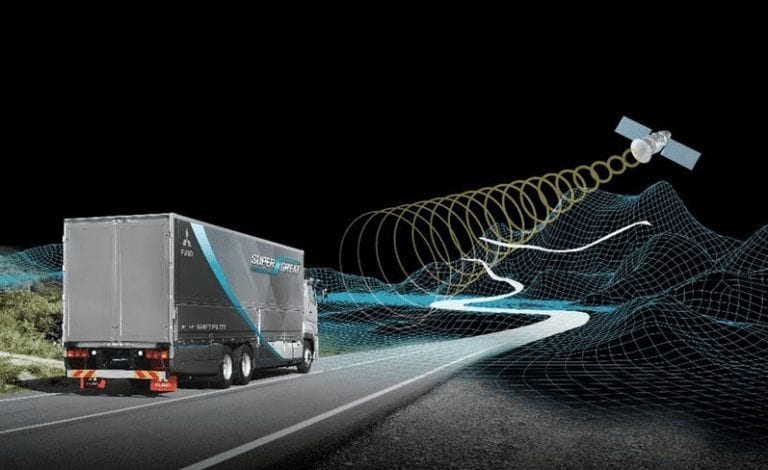
    MFTBC is using Microsoft Azure IoT Hub for its Truckonnect operation management system that connects trucks and buses to the cloud so as to enable vehicle location and remaining fuel to be monitored in real time, thereby preventing problems before they occur and enabling more efficient transport and smooth vehicle maintenance by sharing information with vehicle dispatch centres.

    3    Utilisation of Microsoft HoloLens to transform development and maintenance

    MFTBC and Microsoft Japan will make concrete preparations for deploying Microsoft HoloLens, a self-contained Windows 10-powered holographic computer, by the end of this year to revolutionise conventional vehicle design and development, preventive maintenance and other processes by enabling users, engineers, and designers to simultaneously share visualised 3-D data. HoloLens will unlock new possibilities in digital experiences, collaboration and workstyle by leveraging Mixed Reality (MR) technology that combines real and virtual worlds to utilise the best of both worlds by overlaying holograms (3-D virtual objects) on the real world in front of the viewer’s eyes.

    Microsoft Japan’s Enterprise Services will provide full backup for this project. Digital advisors belonging to a special unit dedicated to supporting the digital transformation of Microsoft Japan’s customers will assist with all aspects of the project up to deployment, including identifying issues and suggesting solutions that leverage the latest technology.

  • Mitsubishi swings to operating profit in second quarter

    Mitsubishi swings to operating profit in second quarter

    Mitsubishi Motors said on Tuesday it swung to an operating profit for the second quarter, beating expectations as it rebounded from a mileage-cheating scandal a year earlier helped by cost cuts and favorable exchange rates.

    Healthy demand in Southeast Asia, Mitsubishi’s top market also lifted earnings with the automaker saying it was seeing strong orders for its new Xpander seven-seater multipurpose vehicles in Indonesia.

    Operating profit came in at 23.6 billion yen ($207.3 million) for the quarter, compared with a loss of 36.2 billion yen a year earlier when it was forced to stop sales of some domestic models due to the scandal.

    During the first-half, retail vehicle sales at home climbed 48 percent while those in southeast Asia rose 15 percent.

    Mitsubishi kept its forecast for operating profit to surge 14-fold to 70.0 billion yen in the year to March. That reflects the rebound from the scandal as well as expectations of further growth in Asia and cost savings from its alliance with Nissan Motor.

    The car maker has set ambitious goals for growth in Southeast Asia, China and the United States as well as for a comeback in Japan. Last month, it said it planned to boost global sales by 30 percent over three years.

    Under its new three-year strategy plan – Mitsubishi’s first since Nissan bought a controlling stake in 2016 following the scandal – the Japanese automaker will also ramp up R&D investment and capital spending.

    The company has reorganized the engineering division involved in the mileage manipulation scandal and has improved testing processes and compliance procedures.

    It expects the yen to trade around 105 yen to the U.S. dollar in the year to March.