Tag: mobile payment

  • Apple Pay all set to come to Vietnam

    Apple Pay all set to come to Vietnam

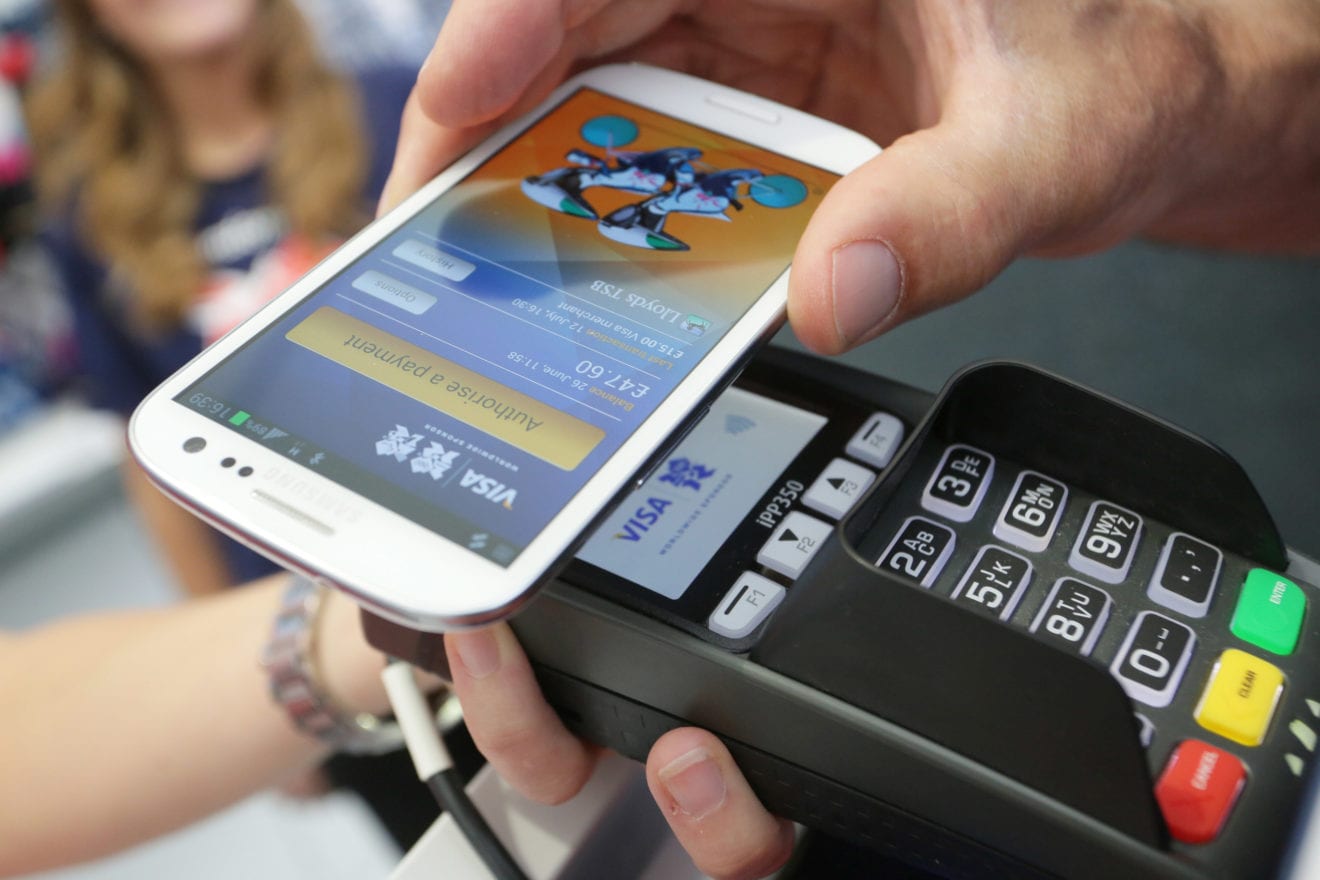
    Digital wallet Apple Pay will soon be available in Vietnam. At least one bank has announced that it will soon support Apple Pay services.

    Sources have told VnExpress that three other major banks will also launch Apple Pay by the end of this month.

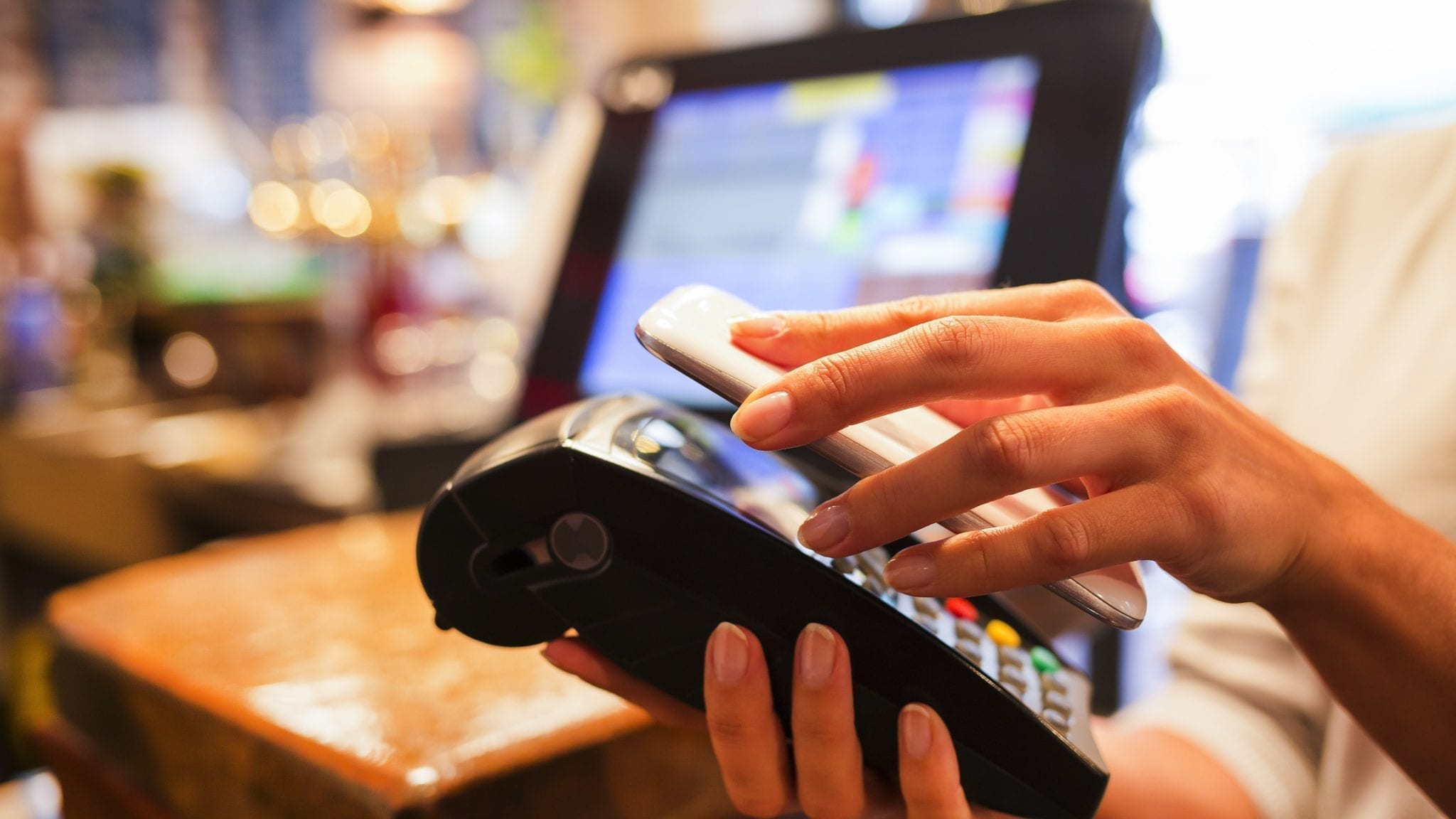
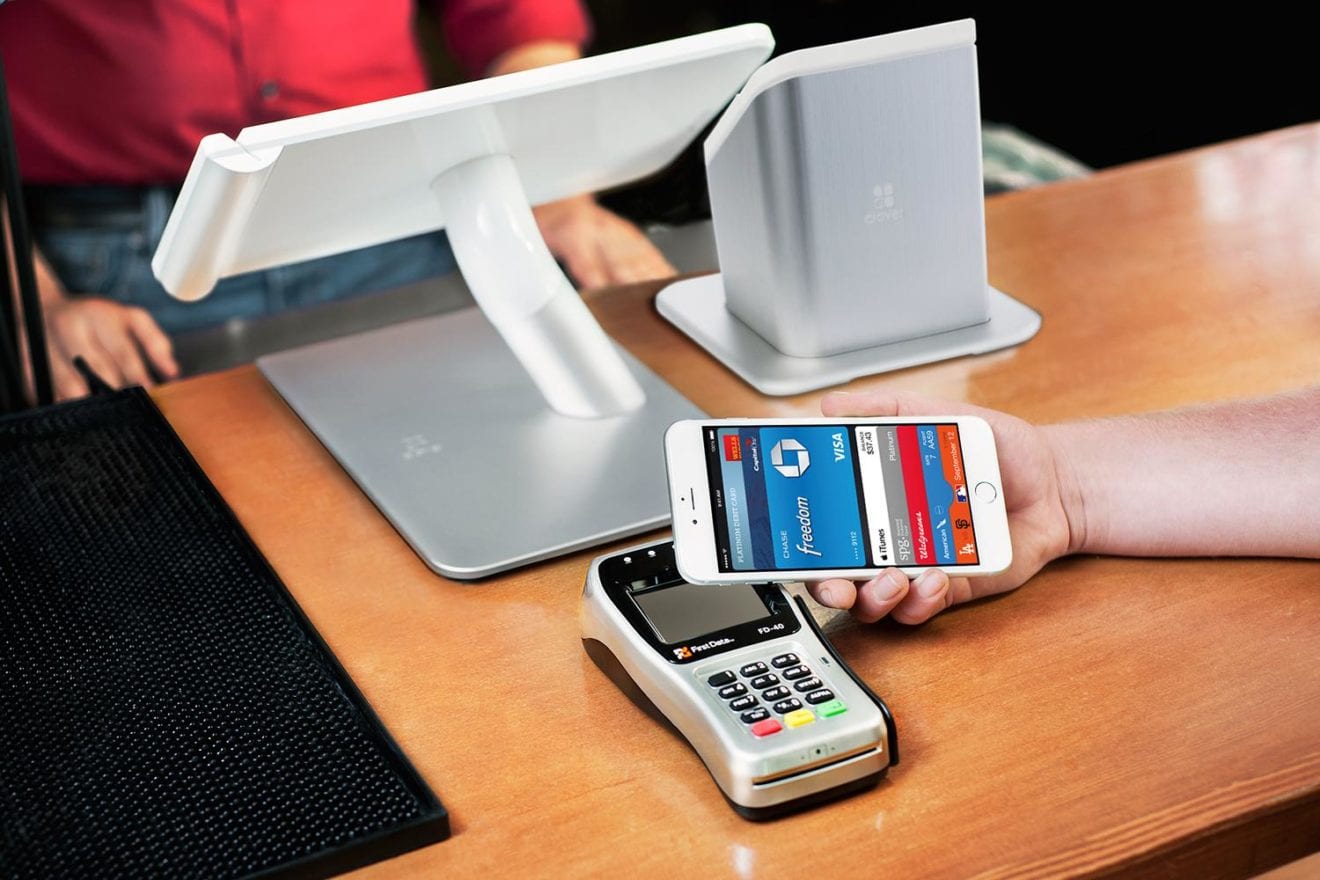
    Users can add their credit and debit card information to Apple Pay and make payments through their iPhone or Apple Watch.

    Devices connect through near-field communication and are authenticated by users’ FaceID or fingerprints.

    In most markets, users do not have to pay Apple Pay fees since their banks cover them.

  • Technical Standards To Simplify Digital Payments

    Technical Standards To Simplify Digital Payments

    The Swiss Bitcoin Association recommends the first technical standards for simplified payment verification (SPV) using digital currencies, eliminating the need to download entire the blockchain for transactions.

    Switzerland’s Bitcoin SV Technical Standards Committee today recommended its first digital currency standard for simplified payment verification (SPV), enabling transactions to occur without having to download the entire blockchain.

    This standardized format is now in use across three prominent ecosystem applications, the Bitcoin SV node software, Merchant API (mAPI), ElectrumSV and ElectrumX.

    The first BSV technical standard progressing to the recommended stage – the final stage for technical standards – represents a significant achievement for the Bitcoin SV Technical Standards Committee, says Technical Committee Chair Steve Shadders.

    The Swiss government today adopted a report on the digitalization of the financial markets, identifying opportunities and risks and laying out action points for the coming years.

  • Google Pay continues to expand in the US, nearly 90 new banks now supported

    Google Pay continues to expand in the US, nearly 90 new banks now supported

    Google Pay is pretty big in the US, and starting this week it will get even bigger. Currently, thousands of banks and financial institutions offer customers support for Google Pay, so the 89 names added this week will probably feel like a grain in the sand.

    The list of 89 banks that now support Google Pay is below, so if you didn’t find yours among the 3,000 supported banks listed on Google’s support site, you can look for it here. The list is ordered alphabetically for easier reading

    1st Trust Bank, Inc. (KY), Algonquin State Bank, Alliance Bank Central Texas (TX), Bank of Advance (MO), Bank of Herscher (IL), Bank of Newington (GA), Bank of Old Monroe (MO), Bossier Federal Credit Union (LA), Buckeye State Bank (OH), Central Valley Community Bank, Clean Energy Federal Credit Union (CO), Clearwater Credit Union, Community Partners Savings Bank (IL), Dover Federal Credit Union (DE), E-Central Credit Union, Exchange Bank of Northeast Missouri (MO), Families and Schools Together Federal Credit Union, Farmers – Merchants Bank of Illinois (IL), Farmers and Drovers Bank, Financial Horizons Credit Union, First Century Bank (TN), First Federal Savings Bank (IN), First Financial Bank, NA.

    First Nebraska Bank, FirstCapital Bank of Texas, Fort Davis State Bank Franklin Mint Federal Credit Union, Gateway Metro Federal Credit Union, Genoa Community Bank, Gowanda Area Federal Credit Union, GreenState Credit Union (IA), Greenville Heritage Federal Credit Union, Gulf Capital Bank (TX), HNB First Bank (AL), Hardin County Savings Bank (IA), Harris County Federal Credit Union (TX), Heartland Credit Union (IL), Heartland Credit Union (MI), Honolulu Fire Department FCU (HI), Hurricane Creek Federal Credit Union (AR)

    Jersey State Bank (IL), Jolt Credit Union (MI), KSW Federal Credit Union, Lakeview Federal Credit Union, Latrobe Area Hospital FCU (PA), Live Life Federal Credit Union, Magnolia Bank (KY), Martha’s Vineyard Savings Bank (MA), Millyard Bank (NH), Minnwest Bank (MN), Mountain Credit Union (NC), Mt. McKinley Bank, Needham Bank (MA), Northwest Christian Credit Union, One Community Bank (WI), One Source Federal Credit Union (TX), Partners Bank of California, Pawtucket Credit Union, People’s United Bank, National Association (CT).

    Peoples Bank & Trust Co (MO), Plains Commerce Bank Raritan Bay Federal Credit Union Rio Grande Valley Credit Union, Rollstone Bank & Trust (MA), SPE Federal Credit Union (PA), Sabine Federal Credit Union, Saco Valley Credit Union, Safra National Bank of New York (NY), San Luis Valley Federal Bank, Savings Bank of Walpole (NH), Secured Advantage, Federal Credit Union, Sentry Credit Union (WI), Southbridge Credit Union (MA).

    Springfield First Community Bank, St. Louis Bank, Susquehanna Valley Federal Credit Union, Taunton Federal Credit Union, Telcomm Credit Union (MO), Texas Regional Bank, The Bank of Salem (MO), The New Orleans Firemen’s Federal Credit Union, Treasury Department Federal Credit Union (DC), TruStar Federal Credit Union (MN), United Credit Union, Varo Bank, National Association, WESLA Federal Credit Union, WESTcoasin Credit Union (WI), Wells River Savings Bank (VT), and WestStar Bank (TX).

    Ok, 3,000 is a big number, but there’s a chance that many Google Pay users won’t find their banks on this huge list. Well, judging by the constant wave of banks and financial institutions that are getting Google Pay support each month, sooner or later we’ll be able to use the mobile payment service across all America.

  • Western Union Debuts New Payment Option for Amazon

    Western Union Debuts New Payment Option for Amazon

    Cross-border, cross-currency money-movement firm Western Union has unveiled a new payment option that allows Amazon customers in Hong Kong and other Asian markets to pay in local currency for their purchases. The service is being offered initially in 10 countries – Chile, Colombia, Hong Kong, Indonesia, Kenya, Malaysia, Peru, the Philippines, Taiwan and Thailand – enabling customers who prefer to pay in cash to shop Amazon.com’s vast product selection.

    The new platform is called Amazon PayCode, which processes the complex foreign exchange, settlement and money movement requirements for international e-commerce transactions. After selecting PayCode on the Amazon.com checkout page, customers will be sent a code along with instructions on how to pay in person at a participating Western Union agent location.

    The move by Western Union and Amazon will provide greater access to online goods for customers who have largely been excluded from e-commerce shopping due to lack of accepted payment methods.

    “We’re helping to unlock access to Amazon.com for customers who need and want items that can only be found online in many parts of the world,” said Khalid Fellahi, SVP and GM of Western Union Digital.

    “This is a great example of two global brands innovating and collaborating to bring customers more convenience and choice. In a world where cross-border buyers and sellers are often located on different continents and in completely different financial ecosystems, our platform is ideally suited to solving the complexity of collecting local currency and converting it into whatever currency merchants need on the other end.”

    “Amazon is committed to enabling customers anywhere in the world to shop on Amazon.com, and a big part of that is to allow customers to pay for their cross-border online purchases in a way that is most convenient for them,” said Ben Volk, director of payment acceptance and experience at Amazon. “Amazon PayCode leverages the reach of Western Union to make cross-border online shopping a reliable and convenient experience for customers who do not have access to international credit cards, or prefer to pay in cash.”

  • Cashless-payments will be launched soon in Japan

    Cashless-payments will be launched soon in Japan

    More than 50 Japanese banks are joining Tokyo bank J-Coin to set up a cashless payment system developed by Mizuho Financial Group, to be launched late next month. The new service will initially be rolled out to existing account holders at regional banks. Mizuho Bank will initiate the service on March 1, with regional banks to follow after a period of around three weeks.
    Around half of Japan’s regional banks are participating in the scheme at a time when the Japanese government is advocating cashless payments in advance of the 2020 Tokyo Olympics and Paralympics.

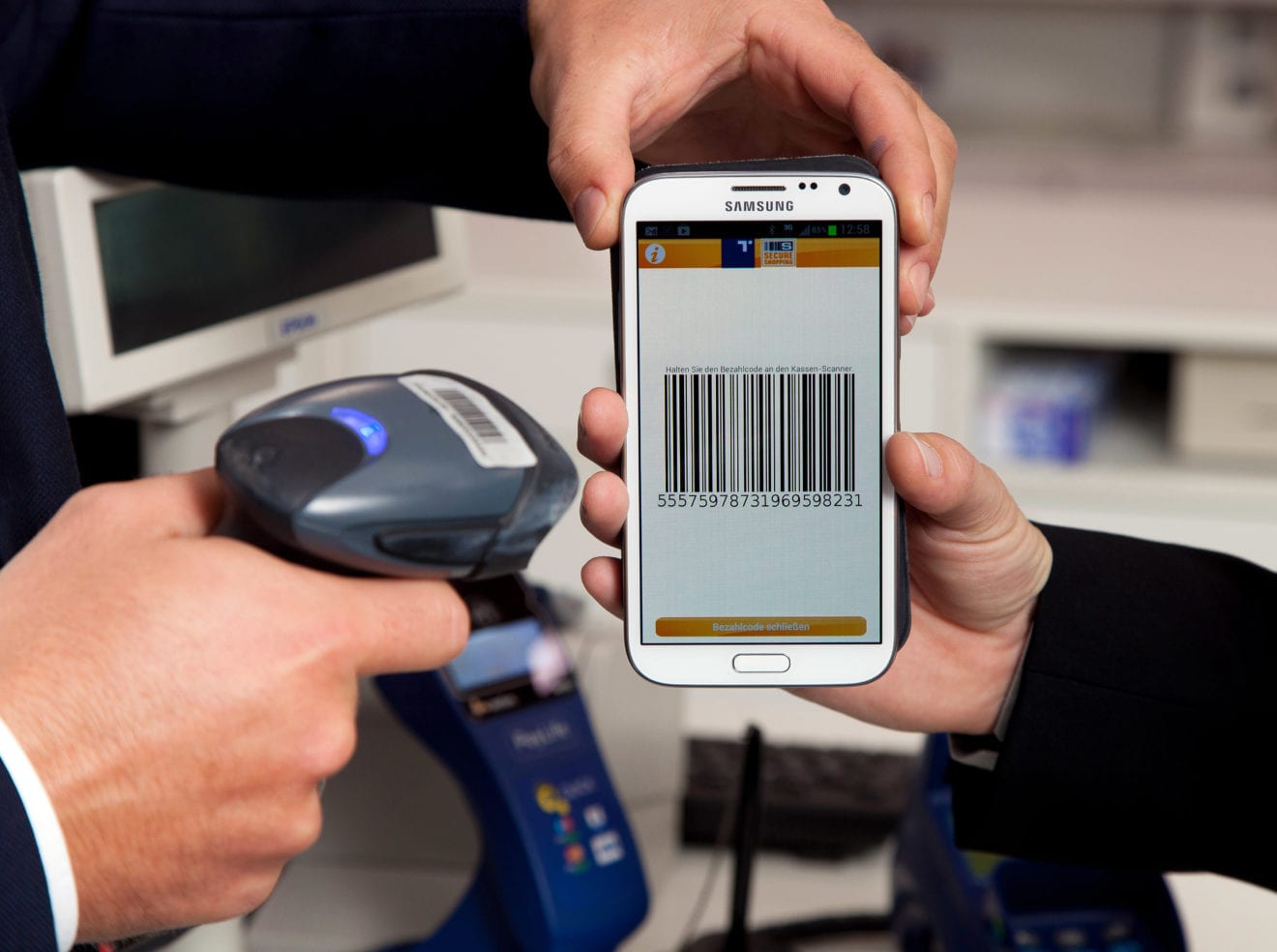
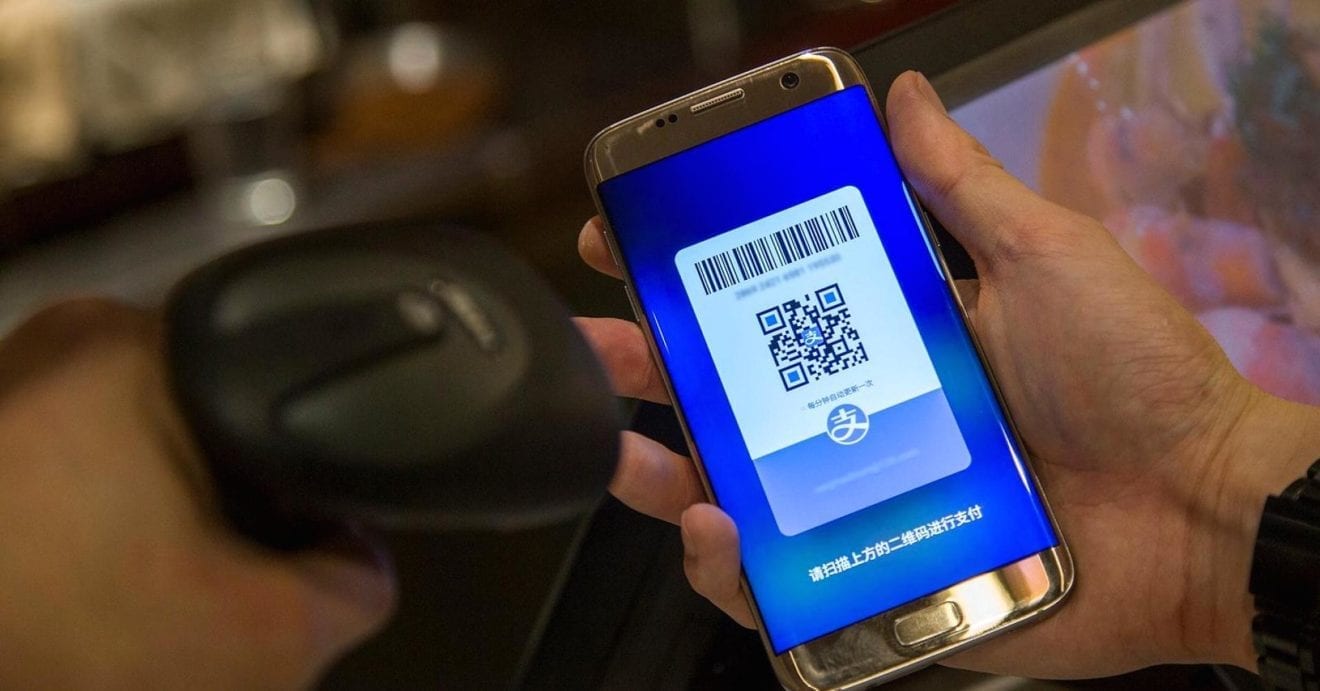
    J-Coin payments will be processed via an app using a QR barcode, a phone number or a Line messenger personal ID number. Unlike the prepaid smart cards commonly used in Japan, J-Coin allows transactions between individuals without the need for dedicated scanning devices at point of sale.

    A number of major retailers, including East Japan Railway Co and FamilyMart, have already indicated interest in adopting the system.

    Observers have noted that partnerships with international cashless payment providers such as Alipay could see J-Coin become a preferred method of payment among visitors to Japan.

    The Japanese government, aiming to double digital payments to 40 per cent of all transactions by 2025, will offer rebates of 2 per cent of convenience-store cashless purchases and 5 per cent of cashless purchases at other small- or medium-sized stores for nine months after its consumption tax is raised from 8 per cent to 10 per cent in October this year.

  • Alipay is available at Walgreens’stores now

    Alipay is available at Walgreens’stores now

    Chinese consumers visiting the U.S. can now use Alipay at Walgreens, one of the largest drugstore chains in the country. Whether traveling for business or pleasure, Alipay users can shop at 3,000 locations in major cities such as New York, San Francisco and Las Vegas to start, the companies said. The number is expected to reach 7,000 by April. Walgreens operates about 9,560 drugstores in all 50 U.S. states, Washington, D.C., and other U.S. territories.

    About 4 million users of the mobile-payments app are in the U.S. annually, according to Alipay, which is owned by Alibaba Group affiliate Ant Financial. The service offers them a quick and easy way to pay for goods while overseas, one that is already ubiquitous in China and lacks the higher foreign-transaction fees typical of credit cards.

    “Walgreens is focused on making shopping more convenient for our customers,” including Chinese consumers, said Walgreens President of Operations Richard Ashworth, including Chinese consumers. “Not only can they buy our products via our dedicated store on Alibaba’s Tmall Global marketplace, but they will now also be able to shop in the U.S., using Alipay as they would in China.”

    In September, parent company Walgreens Boots Alliance made its first move into China’s consumer market by launching a flagship store on Alibaba Group’s dedicated cross-border e-commerce platform, Tmall Global. The direct-to-consumer channel added to a wholesale and retail pharmacy business that WBA had already been operating in China.

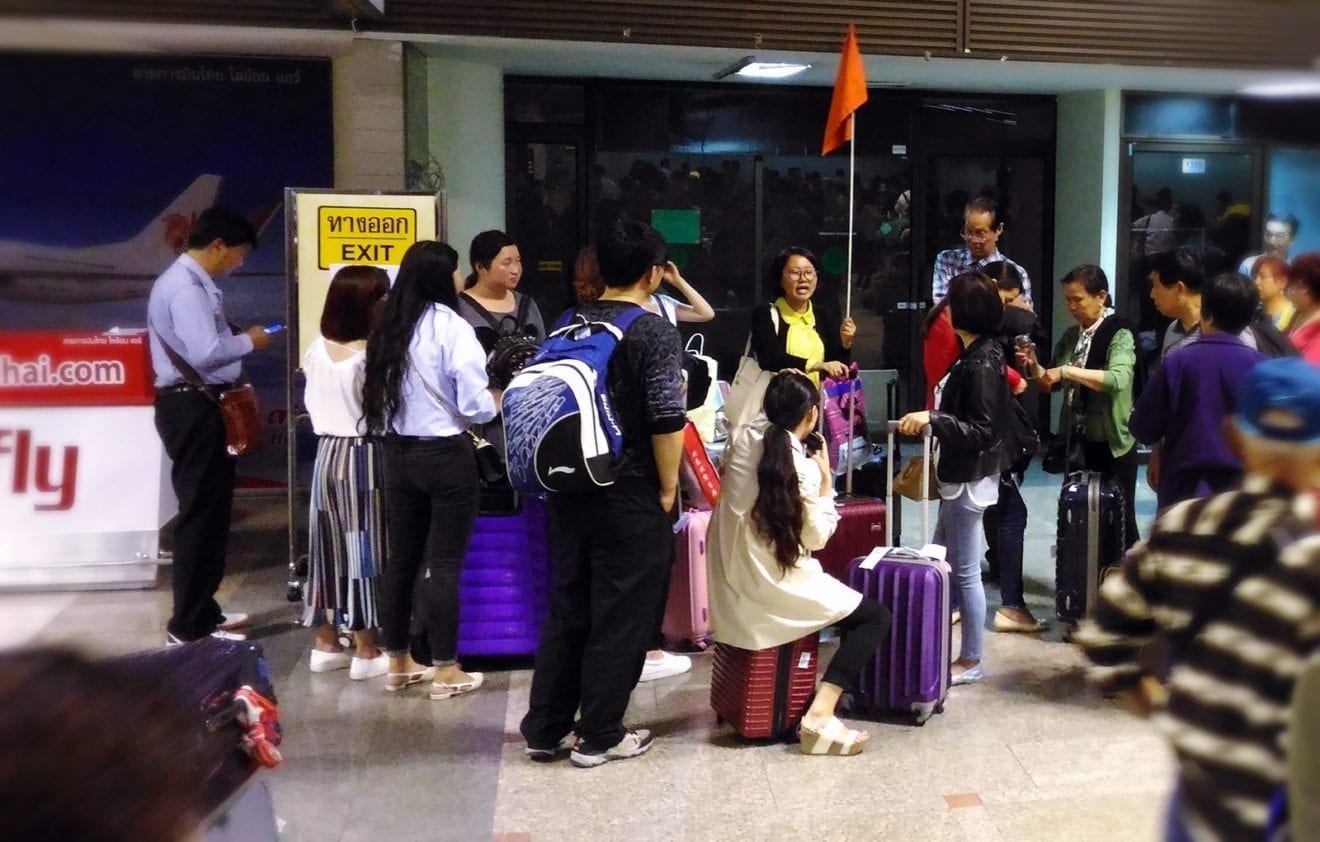
    According to China’s Ministry of Tourism, Chinese travelers took about 140 million trips abroad last year. In an effort to capture that business, Ant Financial has been working with merchants across the globe to make Alipay available overseas to its more than 1 billion users (which includes users of its joint-venture partners’ apps). Alipay currently is available in over 40 countries and regions. Last year, Alipay added Germany’s Oktoberfest, the world’s largest gingerbread city in Norway and San Francisco’s Pier 39 to its list of merchant partners, all of which are popular destinations for Chinese tourists.

    “This is a key strategic partnership for achieving awareness in the U.S.,” Yulei Wang, general manager of Alipay North America, said of the Walgreens partnership. “We are excited to partner with a company that has been trusted across America since 1901, and is constantly evolving to provide more Chinese consumers a seamless and familiar way to pay.”

  • Chinese outbound tourists powering mobile payment growth

    Chinese outbound tourists powering mobile payment growth

    Chinese outbound tourists are taking China’s mobile payment industry to foreign markets, according to Nielsen. The research company’s report, 2018 Trends for Mobile Payment in Chinese Outbound Tourism, shows that mobile payment transactions by surveyed Chinese tourists surpassed the percentage paid with cash for the first time. Nearly 70 per cent of Chinese tourists paid with their mobile phones while abroad.

    Several factors encourage Chinese tourists to use mobile payment abroad, with the most important being that they have already become accustomed to this fast and convenient payment method in their home country.

    Merchants around the world have gradually recognised the importance of mobile payment for Chinese tourists and are witnessing benefits from better understanding of Chinese tourists’ habits and preference. Among the merchants surveyed at popular tourist areas in Singapore, Malaysia and Thailand that adopted Alipay, nearly 60 per cent saw growth in foot traffic and revenue.

    Many merchants surveyed said mobile payment is a safe, reliable and effective payment method that resonates with Chinese shoppers. Of the merchants that adopted Alipay, 71 per cent said they would recommend the mobile payment platform to peers.

    “Our store is located in an area frequented by Chinese tourists and they are our main customers. If we didn’t have mobile payment as an option, we would lose a lot of customers”,  said a Malaysian merchant cited in the white paper.

    “The outbound travel craze among Chinese tourists offers an important opportunity to expand mobile payment globally, while mobile payment outside of our home market has a broad space for development,” observed Gao Zilong, COO of self-service QR-code payment firm Inspiry International.

  • Mobile Payments in China is expected to witness three-fold growth by 2023

    Mobile Payments in China is expected to witness three-fold growth by 2023

    Low credit card usage, and increasing popularity of eCommerce coupled with a growing middle class in China have accelerated the growth of mobile payments in the country. China has also seen an increase in cross-border payment transactions, primarily due to growth in sectors such as eCommerce, travel and overseas education. Frost & Sullivan recently reportedthat nearly 65% of Chinese tourists have used mobile payments abroad, approximately six times higher than the average non-Chinese traveler.

    “In China, eCommerce is a powerful incentive for users to purchase smartphones that enable mobile payment features. The social aspect that mobile payments brings can serve as an integral step in building trust and learning about digital services, especially in rural communities,” said Ms  Mei Lee Quah, Industry Principal Analyst, Information & Communication Technologies (ICT) Practice, Digital Transformation at Frost & Sullivan.

    The market of mobile payments services in China is expected to grow at a compound annual growth rate (CAGR) of 21.8% from 2017 to 2023, growing three-fold from US$29.93 trillion to US$96.73 trillion. The total number of active mobile payment customers is expected to reach 956 million by 2023 from 562 million in 2017 which will attract additional investments from mobile payments market participants.

    Frost & Sullivan’s recently published report, Chinese Mobile Payments Services Market, Forecast to 2023, highlights the growth opportunities presented in the market, namely:

    •    Rural region penetration
    •    Addressing the elderly market

    The report also offers detailed analysis of the mobile payment market in China with a focus on key market players such as AliPay and WeChat Pay, and their business and revenue models. The Chinese market for mobile payment offers not only market opportunities for solution providers intending to operate within the domestic market but also learning points for global mobile payment solution providers.

    Frost & Sullivan predicts that China will continue to be a major player in the global mobile payment services market and service providers in the country will continue to focus on improving and enhancing security on mobile payment platforms.

  • Retailers to lose US$130 billion from card-not-present fraud: Juniper

    Retailers to lose US$130 billion from card-not-present fraud: Juniper

    Increasingly complex card-not-present fraud will cost retailers US$130 billion globally in digital sales over the next five years. A Juniper Research study predicts that retailers’ slow pace in keeping up with new fraud prevention requirements will allow cybercriminal practices to become more widespread as more and more consumers shop online. It observes that established point-of-sale vendors will need to move towards mobile POS technology in order to expand their reach into fresh markets and reduce their exposure to card-not-present fraud.

    “A layered fraud detection and prevention (FDP) solution naturally helps directly preventing fraud, but it also offers major gains in terms of recovering potentially lost revenue through false positives,” said the report’s author Steffen Sorrell. “This is something about which retailers remain undereducated, and has allowed fraudsters to capitalise on relatively low FDP spend”.

    An implication of the Juniper research is that a low understanding of FDP investment return is causing the low uptake of the technology. the report anticipates digital payment players will be spending $9.6 billion annually on FDP solutions by 2023.

  • Chow Tai Fook Jewellery Group, WeChat signed agreement deal

    Chow Tai Fook Jewellery Group, WeChat signed agreement deal

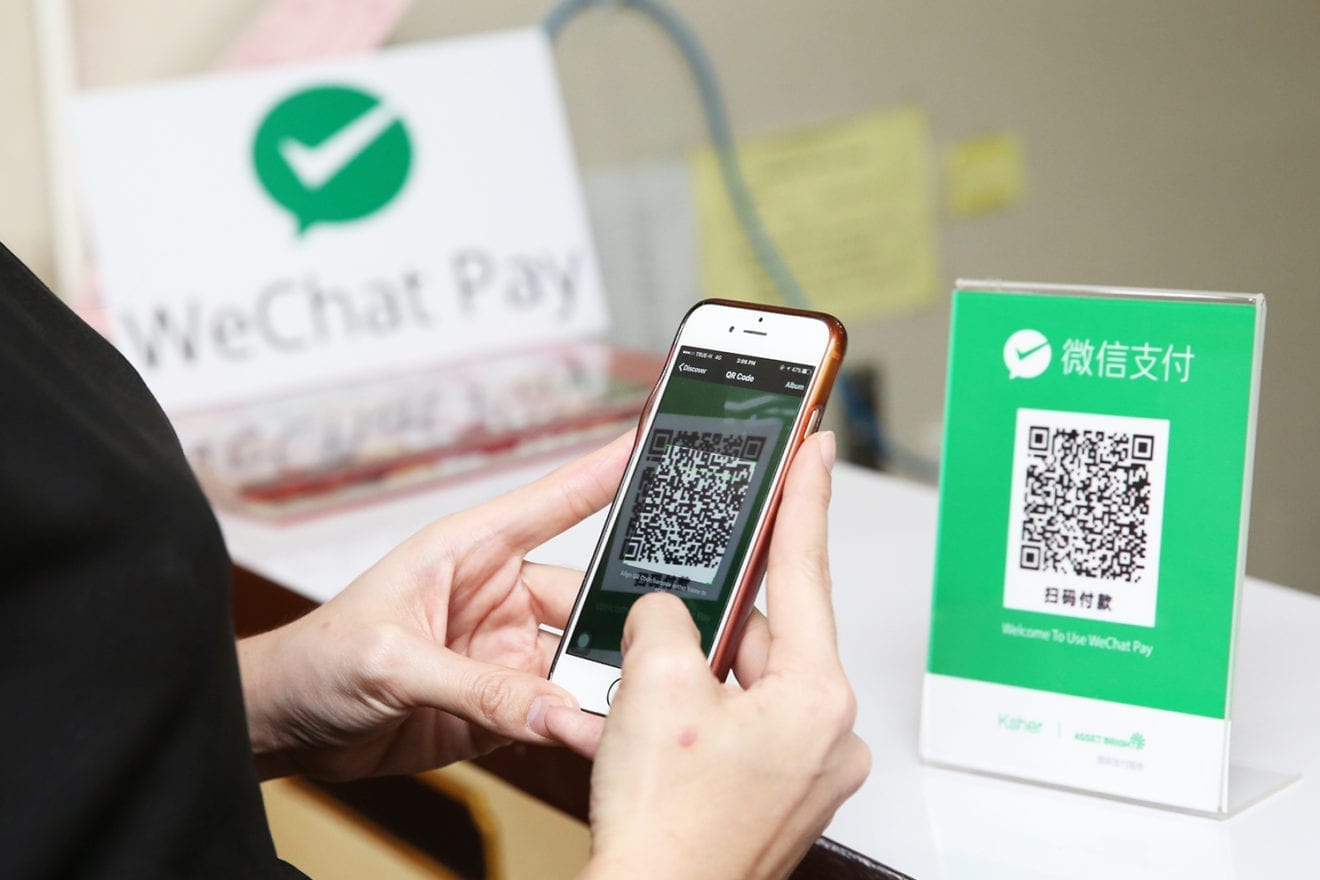
    Chow Tai Fook Jewellery Group has signed a memorandum of understanding with Chinese online platform Tencent to allow jewellery purchases using WeChat Pay. In a move to promote “seamless cross-border intelligent consumption”, the agreement allows Hong Kong WeChat users to use the platform’s digital payment solution to make purchases at specified Chow Tai Fook jewellery stores in Mainland China.

    The group is planning steps to activate WeChat Pay HK within more Chow Tai Fook Jewellery stores in the Greater Bay Area, as well as other cities throughout Mainland China. It is also seeking to extend the payment agreement to its other brands.

    “Striving for innovations and breakthroughs, we are committed to providing seamless and exceptional consumer experience through a wide range of innovative projects,” said Chow Tai Fook executive director Bobby Liu. “The introduction of advanced technology has made the convenience in offering cross-border consumption, online payments and an integrated online-to-offline shopping experience available to customers from Hong Kong.”

    Tencent Financial Technology VP Royal Chen said the collaboration with Chow Tai Fook Jewellery Group will fully make use of the available mobile payment technology.

    “Tencent Technology will vigorously promote cross-border financial cooperation. Leveraging financial and technological advancements, we aim to build a truly integrated service platform for those living in both Hong Kong and Mainland China.”

    Tencent Fin-Tech and Chow Tai Fook will also jointly explore and research proposals for ID verification in order to ease the flow of capital and manpower resources across the border.

  • Wirecard expands cooperation with Singtel’s Dash to enable mobile payments with Apple Pay

    Wirecard expands cooperation with Singtel’s Dash to enable mobile payments with Apple Pay

    Wirecard, the global innovation leader in digital financial technology, has deepened its partnership with Singtel’s Dash to support the Dash mobile wallet’s Visa Virtual Account on Apple Pay. From now on, Dash’s customers can make payments using Apple Pay at millions of participating on- and offline merchants worldwide.

    Brigitte Haeuser-Axtner, Executive Vice President, Sales Asia, Digital & Telecommunications at Wirecard said, “As leaders in digital financial technology, we are proud to work with Singtel to bring Dash to an even larger group of potential customers, and to connect consumers with merchants around the globe. Asia continues to be the leader of the digital payments revolution worldwide, and we are excited to be at the forefront of these innovations.”

    “With the increasing popularity of mobile and online payments, Dash enables easy, secure and seamless payment options between our partner merchants and our more than half a million Dash customers on the platform of their choice,” said Gilbert Chuah, Head of mCommerce at Singtel. “Our expanded partnership with Wirecard to bring Dash to Apple Pay reflects our commitment to enhance the digital payment experience for both merchants and customers.”

    Singtel Dash is Singapore’s only all-in-one digital wallet which provides a safe and secure mobile payments solution for shopping, commuting, and remitting money. Dash’s Visa Virtual Account is the first of its kind in Singapore and was introduced in 2017.

    The inclusion of Dash into Apple Pay complements the increasing popularity of online shopping in Singapore. Wirecard’s 2018 International Holiday Shopping Report found that 67% of Singaporeans surveyed prefer shopping online, either via desktop or mobile, while 20% prefer shopping in-store. The ability to use mobile payments in-store is also a welcome innovation with 51% of respondents saying it would improve their shopping experience.


  • Visa and GARMIN launch GARMIN Pay in Thailand

    Visa and GARMIN launch GARMIN Pay in Thailand

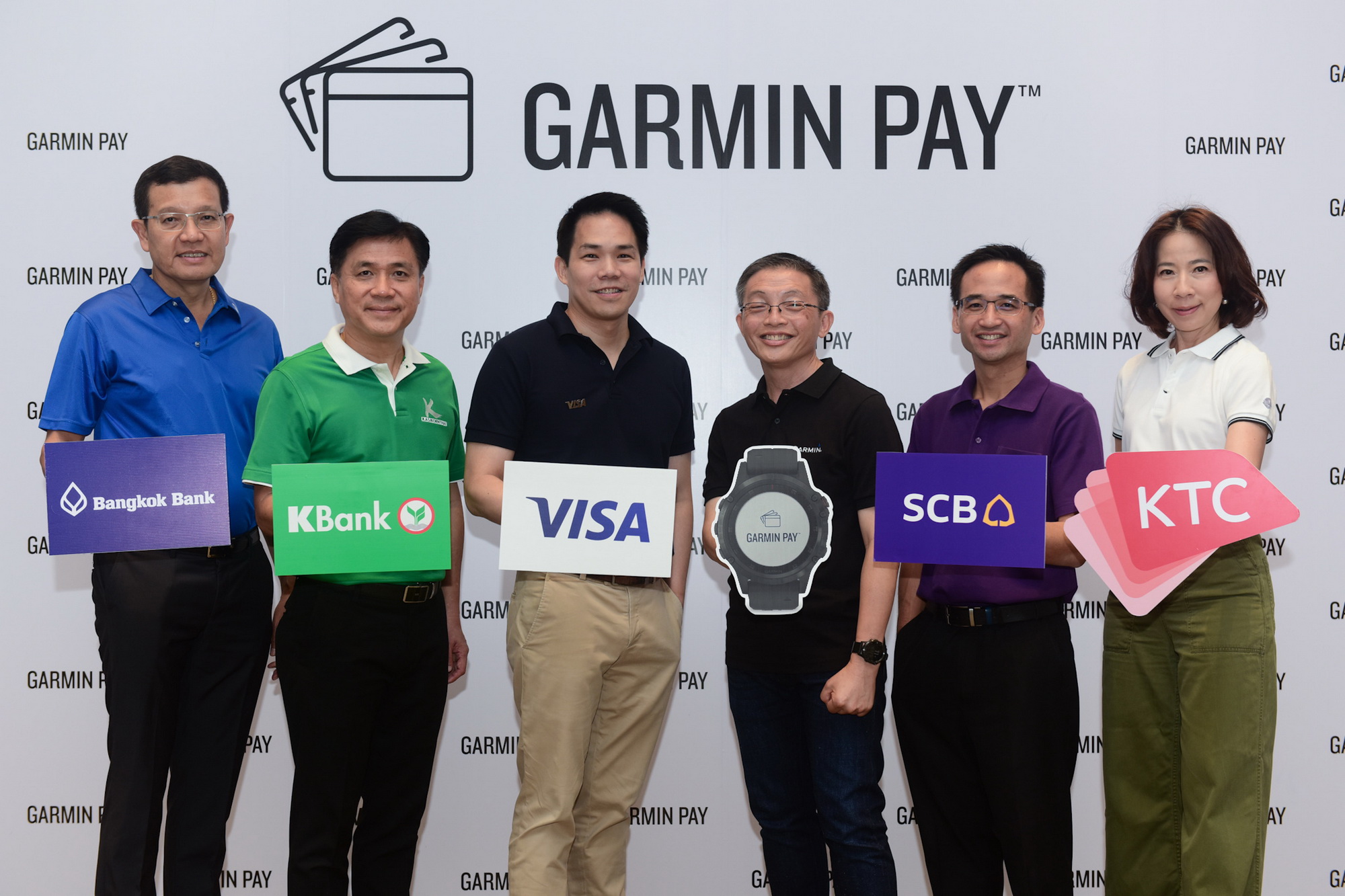
    Visa, the world’s leader in digital payments and GARMIN, in partnership with leading financial institutions, announced the launch of GARMIN Pay, a new contactless payment feature on GARMIN smartwatches. Starting 15 November, customers of Kasikornbank, Krungthai Card and Siam Commercial Bank can add their Visa credit or debit card to their GARMIN smartwatches, while Bangkok Bank is in line to launch by first quarter 2019.  The feature offers a new cashless experience, where purchases can be made seamlessly at growing contactless-accepted merchant locations. The emergence of payment innovation and technology mark yet another milestone helping to transform Thailand into a less-cash society.

    Mr. Suripong Tantiyanon, Visa Country Manager for Thailand said: “Visa is pleased to support the launch of Garmin Pay, bringing Visa contactless payments to Garmin smartwatches in Thailand.  Visa believes payments wearables are the future of fast, simple and secure payments, for people who lead an active lifestyle. According to Visa’s “sweaty money” survey, 57 percent of people who bring cash or a payment.

    card along on their workouts are stashing it somewhere uncomfortable and inconvenient. Garmin Pay will be a welcome solution for anyone looking for an effortless way to pay while on the go.  This launch is another milestone in Visa’s commitment to continue providing payment innovations and experiences across a wide range of form factors to consumers in Thailand.”

    Mr. Krairop Luang U-Thai, General Manager of GIS, the authorized distributor of GARMIN products in Thailand said: “GARMIN Pay is the latest feature on the GARMIN smartwatch.  Select the credit card you want to connect to the watch and create the GARMIN Pay Wallet by filling in the card information on the GARMIN Connect application along with your passcode. All customers then have to do is place their wrist near a card reader that supports contactless payments to purchase goods and services.  GARMIN Pay uses tokenization offered by the global payment networks to secure users’ information. The tokenized data is saved in an isolated safety chip which is in device, so to keep sensitive data from malware or virus. In addition to Thailand, GARMIN Pay is also currently available in 22 countries around the world.”.

    GARMIN Pay is available on vivoactive 3 series, forerunner 645 series, fenix 5 plus series. Check back for future additions and more information about GARMIN Pay, visit Garmin.co.th/Garmin-Pay


  • Korea’s convenience stores to use mobile payments more

    Korea’s convenience stores to use mobile payments more

    Mobile payments at South Korean convenience stores have more than doubled this year thanks to the greater use of smartphones and the expansion of mobile settlement services. South Korea’s top convenience store chain CU said the number of so-called easy mobile payments at its outlets soared 121.5 per cent year on year in the first 10 months.

    Convenience chain operators in Asia’s fourth-largest economy adopted the easy mobile payment system in 2011, but the service only started to take off last year.

    The percentage of mobile payments out of total settlements at convenience stores expanded to 3.5 per cent this year, compared with 1.9 per cent last year and just 1 per cent in 2015.

    “The number remains in the single-digit range, but the easy mobile-settlement system has been growing at an exponential pace,” a CU spokesperson said.

    Currently, CU allows customers to use Samsung Electronics’ Samsung Pay and 19 other payment tools at its stores.

    Samsung Pay accounted for 85.5 per cent of CU’s mobile settlements during the January-October period, followed by Kakaopay with 4 per cent and LG Pay with 2.8 per cent.

    Industry sources said retailers in South Korea have been ramping up efforts to develop their own mobile payment platforms as more tech-savvy consumers turn to their smartphones to make mobile payments at South Korean convenience stores.

    Some seven in 10 South Koreans are known to own a smartphone, the fourth-highest smartphone penetration rate in the world.

  • Alipay will be available in Seoul taxis via kakao pay beginning January 2019

    Alipay will be available in Seoul taxis via kakao pay beginning January 2019

    Following the introduction of QR-code payment in more than 71,000 taxis in Seoul, all taxis in Seoul will accept Alipay beginning in January 2019. Alipay, the world’s largest online and mobile payment platform, operated by Ant Financial Services Group, can be used by Chinese tourists to pay for taxis in Seoul via its strategic partner kakaopay, which acts as system integrator. In the near future, local users will also be able to pay taxi fare via kakaopay.

    Alipay has been collaborating with kakaopay, a Korean mobile payment service, to further promote mobile payment services in the country. Last year, Ant Financial Services Group formed a strategic partnership with kakaopay. Since then, both Alipay and kakaopay have been working to integrate with all partner merchants in Korea. Earlier, Alipay enabled its payment service for taxis in the Pyeongchang and Gangneung areas where the Winter Olympics were hosted in February.

    Presently, Alipay is accepted by taxis in more than 15 countries and regions for Chinese users around the world, including China, Korea, Singapore, Malaysia, the U.S., Italy and Australia. Alipay is now available in more than 90% of taxis in primary and secondary cities in China. In addition, 75% of taxis in Singapore accept Alipay, providing a convenient payment method for Chinese tourists.

  • China leads the world in mobile payments

    China leads the world in mobile payments

    In China, with just a mobile phone in your hand, you can hop on the subway or bus, shop in a supermarket or convenience store, pay for needed supplies while on campus or settle a traffic fine via the mobile Quick Pass function.

    This is now part and parcel of the daily routine for many people in China.

    Today, mobile payments have seamlessly penetrated into every person’s daily activities and has had a profound effect on their lives. All eyes are on China, as the world’s most populous country has rapidly taken the lead into the era of mobile payment.

    Ahead of the rest of the world

    A survey of 18,000 consumers across 23 countries and regions by Ipsos, an international market research firm, shows that 77% of all Chinese use mobile payment services, ranking the country first in the world. The penetration rate of mobile payment in the US and Japan has so far only reached 48% and 27% respectively.

    Given the size of the Chinese population, the difference is remarkable.

    Taking the daily movement of its population as an example, dramatic changes have been observed in the way Chinese commuters and travelers pay when they board a bus or subway or drive a car to get where they are going, all of which has been made possible by the popularity of mobile payments.

    Using UnionPay mobile payment to settle all fees that occur while in transit is now the commonly accepted way to get from point A to point B in more than 400 counties and cities across China, with the highest percentages of the population already doing so located in Shanghai, Guangzhou, Tianjin, Hangzhou, Fuzhou and Jinan.

    To cite Hubei province as just one example, car owners who have added their vehicle information to the UnionPay app and set up their UnionPay payment function as the default payment option can drive through any toll plaza along the highway without stopping, and the system will automatically recognize the license plate and submit the highway toll.

    Convenient mobile payment service for all payment scenarios

    With the goal of improving the quality of life through service enhancements that benefit every person resident in China, a project to evidence the convenience of mobile payments under the aegis of China’s central bank named the “mobile payment convenience demonstration project” targets areas that are most likely to touch on every person’s life, including what are referred to as the 10 major payment scenarios:

    • Travel by bus or subway
    • Food market and other local convenience shopping
    • Restaurant dining
    • Supermarket shopping
    • Use of public services
    • Self-service vending machines
    • On-campus activities
    • College or university cafeteria
    • Healthcare
    • Settlement of traffic fines