Retail News CRM

Tag: Mobile

  • Revolutionizing In-Car Transactions: Alipay Debuts Voice-Controlled Mobile Payment System

    Revolutionizing In-Car Transactions: Alipay Debuts Voice-Controlled Mobile Payment System

    At the 2026 Beijing International Automotive Exhibition, Banma Intelligence, a renowned Chinese tech corporation, partnered with fintech heavyweight Alipay to introduce a pioneering AI-enabled in-car system. This innovative technology allows drivers to initiate transactions using just their voice.

    Revolutionizing In-Car Transactions

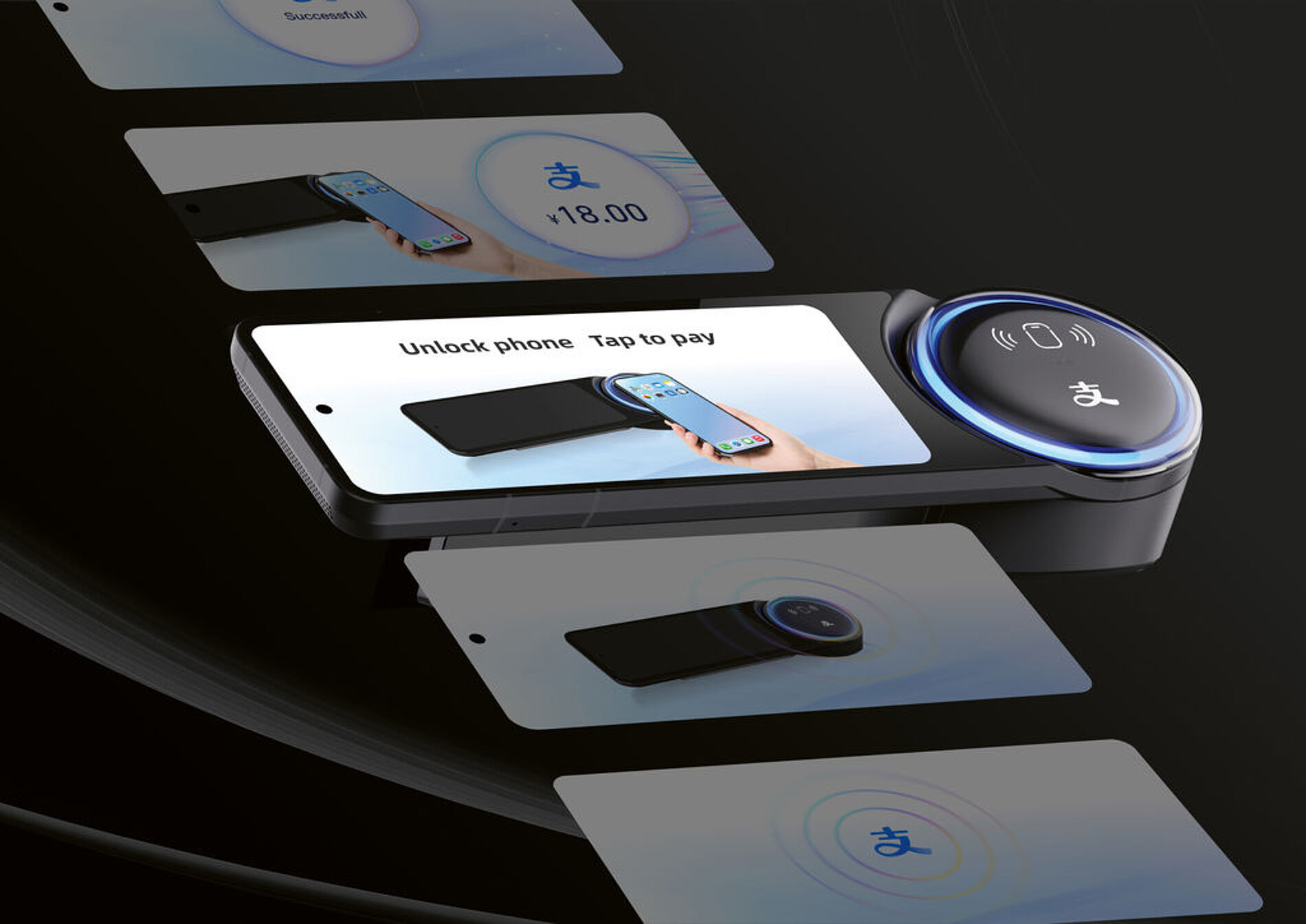
    Known as the “AI cockpit”, the cutting-edge solution merges Banma’s in-vehicle intelligence with Alipay’s AI Pay. This allows drivers to perform hands-free transactions without the need for a smartphone. The developers of this technology aim to simplify in-car digital experiences as vehicles continue to become more software-focused.

    Ming Cai, the Chief Product Officer at Banma, noted that significant progress has been made in the realm of smart cockpits over the past two years, particularly in understanding user intent. He stated that by integrating voice-activated payments, one of the last barriers to smooth in-car digital experiences has been effectively eliminated. As a result, drivers can now simply express their intent verbally to complete a purchase.

    Emphasis on High-Demand Services

    Initially, the system primarily concentrates on services in high demand like entertainment and travel. For instance, drivers can book movie tickets, reserve hotel rooms, or order food through voice commands. A command like “buy two movie tickets” prompts the system to select showtimes and seats, following which the user can verbally confirm the choices to finalize the payment.

    Security Measures

    Security is a key feature of this new system, with Alipay integrating multi-layered risk controls and real-time fraud detection to safeguard the transactions carried out via the system.

    The development indicates a wider industry trend towards intelligent, connected vehicles, with digital services emerging as a key differentiator. Payment integration is viewed as a vital part of this ecosystem as it allows car manufacturers and software providers to deliver smooth, comprehensive user experiences.

    The companies revealed that the AI cockpit has already completed integration testing with several prominent automakers and is set to feature in new vehicle models in the latter half of 2026.

    Questions & Answers

    What is the “AI Cockpit”?
    The “AI Cockpit” is a state-of-the-art system developed by Banma Intelligence and Alipay that allows drivers to conduct transactions using voice commands.

    What services does the AI Cockpit initially focus on?
    The system is initially focused on high-demand services like entertainment and travel. It allows drivers to book movie tickets, reserve hotel rooms, and order food using voice commands.

    How does the system ensure the security of transactions?
    Security is a key feature of the system. Alipay has incorporated multi-layered risk controls and real-time fraud detection measures to protect transactions conducted through the system.
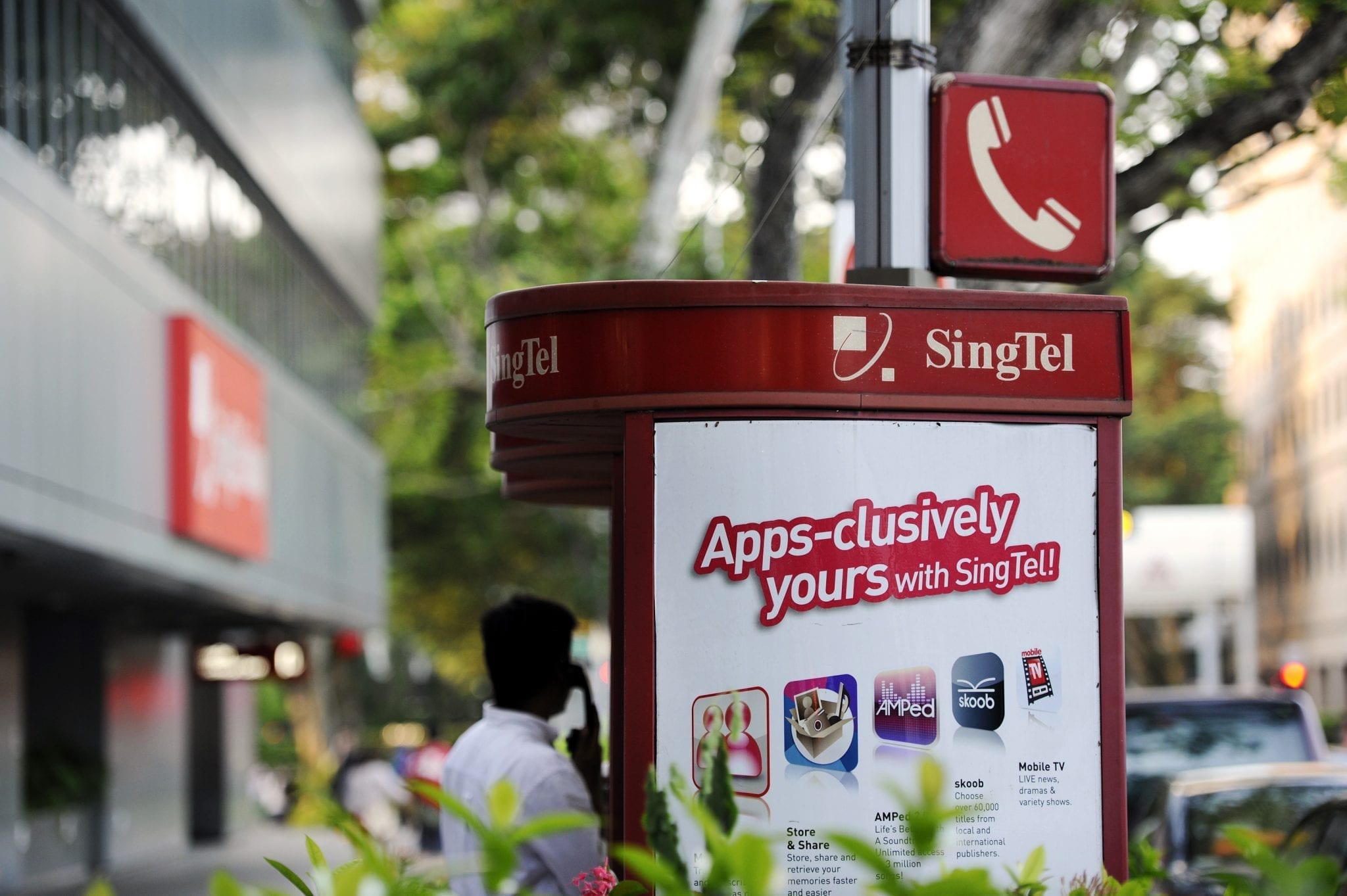

  • Singtel Faces Back-to-Back Disruptions: Singapore’s Largest Mobile Network Grapples with Connection Issues

    Singtel Faces Back-to-Back Disruptions: Singapore’s Largest Mobile Network Grapples with Connection Issues

    On Tuesday, customers of Singtel, the largest mobile network in Singapore, faced connectivity issues for the second consecutive day. These disruptions followed a Monday outage that lasted more than eight hours and impacted thousands of users, creating significant inconvenience for customers and affecting crucial services such as payments, ride-hailing, and food delivery.

    Singtel revealed that a “small number” of customers were experiencing connectivity issues, but clarified that these problems were unrelated to the Monday outage. By 5 p.m. on Tuesday, connectivity had been restored. The company issued an apology for the inconvenience caused to its customers.

    The Infocomm Media Development Authority (IMDA), in a recent statement, confirmed that initial investigations into the two incidents found no evidence of any cyber-related issues. They emphasized that they seriously view any service disruptions and pledged to thoroughly investigate both incidents. They also sternly warned that they would not hesitate to take stringent regulatory action against Singtel if any lapses were identified.

    Previous Disruption and Cyber Attack

    On Monday, Singtel experienced a severe network outage that lasted more than eight hours. This disruption led to many Singtel users reporting issues with their mobile services. Some were even unable to make payments or use mobile data for work-related tasks.

    Last month, the authorities in Singapore reported that all four major telcos, including Singtel, had been targeted in a cyberattack by UNC3886. This assault, disclosed last year, enabled the attackers to access critical systems at the telcos. However, no sensitive customer data was compromised.

    Continuing Issues and Customer Dissatisfaction

    Despite the restoration of services, many Singtel and GOMO users reported that they were still unable to reconnect on Tuesday. They expressed frustration over the slow customer service responses. GOMO is a budget-friendly sub-brand of Singtel.

    Priscilla Wee, a 56-year-old homemaker, shared her ordeal of repeatedly turning her phone off and on and reloading her GOMO e-SIM. However, her efforts were in vain. Out of frustration, she terminated her GOMO line on March 17 and switched to StarHub. She stated, “The trust factor with Singtel is now gone.”

    Aaron Ang, chief technology officer of Cyber Leaders Nexus, a Singapore-based cybersecurity company, commented on the situation. He suggested that engineers responding to a significant outage often resort to restarting systems, rerouting traffic, or implementing quick fixes. Such remedial actions can put stress on other parts of the system or reveal hidden issues, potentially causing a second, separate outage.

    Questions & Answers

    What was the cause of the recent Singtel disruptions?
    The company stated that they were unrelated incidents and not associated with any cyber-related issues.

    What were the consequences of these disruptions?
    Thousands of users were affected, with some unable to use essential services such as payments, ride-hailing, and food delivery, leading to significant inconvenience.

    What is the IMDA’s stance on these incidents?
    The Infocomm Media Development Authority takes a serious view of service disruptions, pledging to thoroughly investigate both incidents and warning of stringent regulatory action if any lapses are identified.

  • Jago Coffee Brews up $12.5M in Series B Funding for Nationwide Mobile Expansion

    Jago Coffee Brews up $12.5M in Series B Funding for Nationwide Mobile Expansion

    Jago Coffee, an Indonesian-based mobile coffee startup, recently secured a significant financial boost of US$12.5 million in a Series B funding round. This recent round of funding will enable the company to progress with its expansion plans. The focus is on increasing its fully electric coffee cart network and bolstering its proprietary technology platform across Indonesia.

    Investment Details

    The Series B round received significant support from a trio of investors, namely Beenext, Intudo Ventures, and Orzon Ventures. This follows a Series A round, which saw Jago Coffee secure US$6 million in funding in 2024.

    Jago Coffee’s Business Model

    Founded in Jakarta, Jago Coffee operates an extensive network of fully electric carts. These mobile units serve fresh, cafe-quality beverages in various settings, from residential neighbourhoods to commercial districts and transit hubs.

    The coffee startup’s strategy is to offer high-quality beverages at competitive prices, targeting a mass-market consumer base. The company’s innovative service model eliminates the overhead costs associated with traditional brick-and-mortar storefronts. It prioritizes convenience and accessibility while maintaining cost efficiency.

    Customers have two options to order from Jago Coffee. They can either purchase directly from the mobile carts or use the company’s dedicated app. The app allows customers to request the nearest barista to be dispatched directly to their location.

    Questions & Answers

    What is the business model of Jago Coffee?
    Jago Coffee operates a fleet of fully electric coffee carts that serve fresh beverages in various locations. The company targets mass-market consumers with cafe-quality drinks at affordable prices. It emphasizes convenience, accessibility, and cost efficiency by eliminating the need for physical storefronts.

    Who led the recent funding round for Jago Coffee?
    The latest funding round, Series B, was led by Beenext, with participation from Intudo Ventures and Orzon Ventures.

    How do customers order from Jago Coffee?
    Customers have two options for ordering from Jago Coffee. They can either order directly from the roaming coffee carts or use the company’s dedicated app to have the nearest barista delivered to their location.

  • CarousellMobile Revolutionizes Preloved Phone Market – Introduces Singapore’s Largest Second-Hand Mobile Store

    CarousellMobile Revolutionizes Preloved Phone Market – Introduces Singapore’s Largest Second-Hand Mobile Store

    CarousellMobile, the mobile-centric division of Carousell, has announced the launch of its inaugural physical outlet at Chinatown Point. This move marks a new phase in the company’s growth, introducing a tangible retail presence to supplement its popular online platform.

    The Store Aims to Enhance the Shopping Experience

    The new physical location promises to offer an extensive range of pre-owned mobile devices, reportedly the most comprehensive selection available in a singular retail point within Singapore. This unique set-up will enable customers to personally inspect and try out devices prior to their purchase. This hands-on approach will provide potential buyers with the confidence that they are purchasing a product that meets their requirements and expectations.

    CarousellMobile’s customers will also have the option to peruse online listings for all available products or obtain a valuation quote for their existing devices before making an in-store visit.

    Extending the Life of Mobile Devices

    In addition to retail services, the store is committed to providing comprehensive services that prolong the lifespan of mobile devices. This includes providing certified pre-owned phones accompanied by warranties and flexible return policies, instant cash buybacks, trade-in options, and on-site repair services.

    Alvin Yap, the lead at CarousellMobile, shared his insights on the company’s latest venture. He emphasized the significance of physical interactions in building trust, especially when dealing with high-value items like phones and luxury bags. He added, “CarousellMobile is our solution to the anxiety that comes with purchasing pre-owned electronics.”

    Questions & Answers

    What does the new CarousellMobile store offer?

    The store offers a wide range of second-hand mobile devices, along with services such as instant cash buybacks, trade-ins, and on-site repair services. Customers can physically inspect and test products before purchasing.

    Where is CarousellMobile’s physical store located?

    CarousellMobile’s physical store is located at Chinatown Point.

    What does Alvin Yap, the lead at CarousellMobile, say about the new store?

    Alvin Yap emphasizes the importance of physical interactions in building trust when dealing with high-value items. He sees the new store as a solution to the anxiety often associated with buying used electronics.

  • Philippines Telecom and Pay-TV Eye $9.7B Revenue Boom by 2029, Fuelled by Mobile Data and Broadband Growth

    Philippines Telecom and Pay-TV Eye $9.7B Revenue Boom by 2029, Fuelled by Mobile Data and Broadband Growth

    The Philippines’ telecommunications and pay-TV service sectors are set to experience a surge in revenue, increasing from USD 8 billion in 2024 to an estimated USD 9.7 billion by 2029, representing a compound annual growth rate (CAGR) of 3.8%. The expected growth can be attributed to the expanding mobile data and fixed broadband service sectors.

    Mobile Voice Service Revenue Facing a Decline

    Despite the overall projected growth in the telecom industry, mobile voice services are anticipated to experience a decline in revenue. This is a result of a consistent drop in the average revenue per user (ARPU) levels of mobile voice services. Consumers are increasingly turning towards internet or application-based communication platforms, and operators are providing complimentary voice minutes in their service plans.

    Promising Growth in Mobile Data Service Sector

    The mobile data service sector, however, is expected to witness substantial growth, with an anticipated CAGR of 7.1% over the forecast period. This growth is driven by an increase in mobile internet subscriptions, especially the upswing in 5G subscriptions, which will significantly enhance mobile data ARPU levels.

    The adoption of 5G services is expected to escalate rapidly in the coming years, with 5G projected to become the dominant mobile technology generation by subscriber base in 2029. This growth surge in 5G adoption can be credited to the ongoing 5G network expansion initiatives by operators across the country.

    Fixed Communication Services Sector

    In the fixed communication services sector, revenue from fixed voice services is likely to reduce due to a decrease in circuit-switched subscriptions and a decline in fixed voice ARPU levels. However, the fixed broadband service revenue is projected to grow at a CAGR of 4.7% from 2024 to 2029. This growth can be linked to the rising adoption of higher ARPU fiber-to-the-home (FTTH) broadband services.

    The increased adoption of FTTH broadband services in the Philippines is a response to the growing demand for high-speed broadband services and the ongoing expansion of fiber network coverage by operators.

    Projected Growth in Pay-TV Services Revenue

    The revenue from pay-TV services in the country is also predicted to increase over the forecast period, backed by robust growth in IPTV subscriptions and a steady rise in DTH subscriptions.

    Leading Telecom Market Players

    In the mobile services sector, Globe Telecom and PLDT are expected to retain their market leader positions by subscription share throughout the forecast period. This is due to their concentrated efforts on mobile network expansion and modernization. PLDT will continue leading in the fixed broadband sector, largely driven by its extensive fiber network coverage and increasing FTTH subscriber base.

    Questions & Answers

    What is contributing to the growth in the Philippine telecommunications industry?
    The growth in the industry is primarily due to the expanding mobile data and fixed broadband service sectors.

    Why is the mobile voice services revenue expected to decline?
    The projected decline is a result of a consistent drop in mobile voice service ARPU levels as consumers increasingly prefer internet or application-based communication platforms.

    Which telecom operators are expected to remain market leaders in the Philippines?
    In the mobile services sector, Globe Telecom and PLDT are expected to maintain their market leader positions due to their focused efforts on mobile network expansion and modernization.

  • U Mobile Pioneers Nationwide Scam Protection, Blocks Over 265 Million Threats in Malaysia

    U Mobile Pioneers Nationwide Scam Protection, Blocks Over 265 Million Threats in Malaysia

    U Mobile, a leading telecommunications provider in Malaysia, has become the first in the country to introduce a network-level scam protection system. This groundbreaking initiative, operational since February 2025, has successfully intercepted and blocked over 265 million fraudulent phone calls and text messages, according to the company’s recent statement.

    Powered by Advanced Technology

    The scam protection system employs state-of-the-art technology provided by Cellusys, a renowned global provider of mobile operator solutions, including signaling, roaming, and analytics. This technology enables the identification and immediate blocking of suspicious calls and messages at the network level, preventing them from reaching user devices.

    Comprehensive Scam Screening

    According to U Mobile, this new deployment allows for exhaustive screening across 4G and 5G networks. It aims to combat a broad range of digital fraud activities, including scam calls posing as officials or institutions, SMS phishing attempts, spoofed caller identities, and broad fraud campaigns.

    U Mobile’s Chief Technology Officer, Woon Ooi Yuen, expressed his pride in the company’s achievement. He stated that the introduction of the nation’s first large-scale, network-level scam protection has yielded significant results, blocking hundreds of millions of fraudulent calls and messages. Yuen emphasized the company’s dedication to improving their network using the latest technology to enhance customer protection across voice, messaging, and data services. He asserted that as U Mobile expands its next-generation 5G network throughout the country, security continues to be a key priority, as reliable connectivity is crucial for a robust Malaysian digital economy.

    Brendan Cleary, CEO of Cellusys, expressed his company’s pride in providing the technology that powers this nationwide protection. He emphasized that Cellusys’s technology works with the necessary precision, resilience, and scalability to prevent scams from reaching consumers.

    Digital Fraud in Malaysia

    The launch of the scam protection system is timely amid the significant increase in digital fraud incidents in Malaysia. Recent data from the Global Anti-Scam Alliance (GASA) reveals that 73% of Malaysians have reported being targeted by fraudulent calls or messages, ranking the nation as one of the hardest-hit in Southeast Asia.

    Cellusys’s platform leverages signaling and behavioral data analyses at the network level to uncover suspicious activities. This allows operators to quickly adapt their defenses as scam techniques evolve, thereby minimizing disruption to legitimate network traffic.

    Questions & Answers

    What is the purpose of U Mobile’s network-level scam protection system?
    The system identifies and blocks suspicious calls and messages at the network level before they can reach user devices, thereby preventing potential scams.

    Who developed the technology behind this scam protection system?
    The technology powering the scam protection system was developed by Cellusys, a global provider of mobile operator solutions, including signaling, roaming, and analytics.

    How significant is the problem of digital fraud in Malaysia?
    According to the Global Anti-Scam Alliance (GASA), 73% of Malaysians have reported being targeted by fraudulent calls or messages, indicating a serious problem with digital fraud in the nation.

  • China Mobile Hong Kong Set to Phase Out 2G Services in 2026 to Drive Advanced Network Growth

    China Mobile Hong Kong Set to Phase Out 2G Services in 2026 to Drive Advanced Network Growth

    China Mobile Hong Kong Company Limited (CMHK) has publicized its plans to phase out its 2G services by midnight on June 23, 2026. The aim behind this decision is to sharpen its focus on the development of more sophisticated network technologies.

    Decline in 2G Service Demand

    Following a comprehensive analysis of its services, CMHK has chosen to discontinue its 2G services in response to a slump in demand. By November 2025, less than 2.27% of CMHK’s overall mobile customer base was using 2G. This percentage includes those with service plans, prepaid card products, and mobile virtual network operator (MVNO) products.

    Transitioning to Advanced Mobile Services

    In order to facilitate an effortless transition to next-generation mobile services, CMHK has been proactive in reaching out to impacted customers. Since the fourth quarter of 2023, the company has been advising these customers to upgrade their SIM cards and, where necessary, their mobile phones or devices.

    Commitment to High-Quality Communication Services

    CMHK remains committed to delivering superior quality communication services to both domestic residents and business customers in Hong Kong. The company’s focus is on developing future-ready network technologies.

    Questions & Answers

    Why is CMHK discontinuing its 2G services?
    CMHK is discontinuing its 2G services due to a significant decrease in demand. The company aims to concentrate more on developing advanced network technologies.

    Who will be affected by this discontinuation?
    Less than 2.27% of CMHK’s total mobile customer base, which comprises service plan holders, prepaid card users, and mobile virtual network operator product users, will be impacted.

    What is CMHK doing to ensure a smooth transition for customers?
    CMHK has been in contact with affected customers since the fourth quarter of 2023, advising them to upgrade their SIM cards and, if required, their mobile phones or devices.

  • Unlocking the Future with 5G-A and AI: The Rise of the Mobile AI Era and Telco-Techco Transformation in the Middle East & Central Asia

    Unlocking the Future with 5G-A and AI: The Rise of the Mobile AI Era and Telco-Techco Transformation in the Middle East & Central Asia

    The partnership between 5G-Advanced (5G-A) and AI is crucial for unlocking the intelligent future of the Middle East and Central Asia. This strategic alliance transforms the network, allowing telecommunications operators to shift from selling capacity to offering differentiated, AI-managed services. This shift allows telcos to guarantee a quality that is essential for high-value services. This vital partnership pushes the development of Autonomous Networks (AN), ensures premium experience monetization, and propels the ‘AI-first, inside-out’ transformation for new economic benefits.

    Introduction: Catalyzing the Connected Future

    The Middle East and Central Asia (ME&CA) region has positioned itself as a global front-runner in digital innovation and transformation. From the implementation of 5G to ongoing and ambitious national digital transformation programs, no other region surpasses their pace of change and development. Building on this momentum, telecom operators now stand on the threshold of a significant technological milestone – the fusion of 5G-Advanced and artificial intelligence.

    This transformation goes beyond merely upgrading two separate technologies. It entails merging the ultimate connectivity infrastructure (5G-A) with the ultimate intelligence engine (AI) to herald the dawn of a supreme digital experience. This robust experience forms the foundation for initiating the new ‘Mobile AI Era,’ a paradigm shift that is redefining operational efficiency, unlocking unprecedented business value, and advancing the region’s socio-economic and digital inclusion objectives.

    Moving Towards the ‘Mobile AI Era’: The Essential Partnership of 5G-A & AI

    The integration of AI into mobile communications signals the rapid advent of the mobile AI era. Innovative services such as real-time multi-modal calling with AI assistants, autonomous robots with embodied AI, and real-time cloud rendering for AI-generated content are emerging as the game-changing applications of the 5G-A era.

    In this ‘Mobile AI Era’, networks are evolving beyond their traditional role as mobile data pipelines. They are becoming value platforms that underpin differentiated experiences for people, homes, vehicles, things, and industries. This evolution is where AI becomes indispensable. AI acts as the brain that operates the 5G-A network, infusing intelligence into 5G-A connections, and unlocking a plethora of new scenarios, applications, and business models.

    The shift from 5G to 5G-A is fundamentally about transitioning from best-effort services to delivering guaranteed quality and sticking to service level agreements (SLAs). However, the resulting massive increase in network complexity and data volume generated by these applications cannot be managed manually.

    5G-A Experience Management and Business Innovation: Supported by AI

    One significant change that 5G-A enables is fostering ‘intelligent connectivity,’ which means a transition from selling ‘generic bandwidth’ to selling ‘differentiated, scenario-based connectivity and experience’. This transition is the key to evolving from a ‘dumb-pipe’ to an ‘AI smart-pipe’ revenue model. However, successful monetization of this transition requires sophisticated, intelligent experience management.

    While AI empowers the network, 5G-A also empowers AI-based services and applications. Its high throughput, low latency, and edge computing capabilities allow real-time interaction and decision making. This combination of 5G-A and AI allows carriers to offer differentiated, guaranteed experiences for specific applications, thereby transitioning from a simple supplier to a vital technology partner that commands premium revenue.

    Building New Value with Al-to-X: The AI-First, 5G-A Driven Transformation

    For operators in the ME&CA region, the ultimate vision is to transform from traditional communication service providers into technology companies. This transformation requires an AI-first approach, which rests on the three pillars of ‘Servitization’, ‘Platformization’, and ‘Intelligentization’.

    Carriers are progressively integrating AI into their services to improve efficiency, productivity, and user experience, especially in the 5G-A era. However, to maximize these capabilities and ensure always-on services, carriers now need to implement these three strategies of ‘AI-to-X’, where this ‘X’ signifies one or more of ‘servitization’, ‘platformization’, and ‘intelligentization’.

    Questions & Answers

    What does the convergence of 5G-A and AI mean for the Middle East and Central Asia?
    This convergence represents a significant technological leap forward. It will allow for the provision of differentiated, AI-managed services and pave the way for the ‘Mobile AI Era’ in the region.

    How does the integration of AI into mobile communications contribute to the evolution of networks?
    The integration of AI into mobile communications transforms networks into value platforms that underpin differentiated experiences. AI becomes the brain that operates the 5G-A network, infusing intelligence into connections and unlocking new scenarios, applications, and business models.

    What is the ultimate vision for operators in the ME&CA region?
    The ultimate vision for operators in the region is to transform from traditional communication service providers into technology companies. This transformation requires an AI-first approach and the implementation of the three strategies of ‘AI-to-X’, representing ‘servitization’, ‘platformization’, and ‘intelligentization’.

  • Revolutionizing Road Safety: Jio and NHAI Unveil Real-Time Mobile Alerts on Indian Highways

    Revolutionizing Road Safety: Jio and NHAI Unveil Real-Time Mobile Alerts on Indian Highways

    In a collaborative effort to enhance safety and enrich the travel experience along National Highways, the National Highways Authority of India (NHAI) has partnered with Reliance Jio to launch a telecom-based alert system. This system will provide motorists with real-time alerts as they approach high-risk zones such as accident-prone areas, sectors with stray animals, fog-affected strips, or regions with temporary traffic alterations.

    How the Safety Alert System Works

    The alert system will tap into Jio’s comprehensive 4G and 5G coverage, delivering notifications through various channels such as SMS, WhatsApp, and high-priority automated calls. The system will automatically cater to all Jio users traveling on or near the National Highways without any need for extra equipment.

    Future plans involve integrating this system with NHAI’s digital services like the ‘Rajmargyatra’ app and the 1033 emergency helpline, creating a unified digital safety network. Given Jio’s vast user base of over 500 million, the telecom giant’s far-reaching network will be instrumental in extending this initiative nationwide.

    Official Statements

    The Chairman of NHAI, Shri Santosh Kumar Yadav, highlighted the significance of this initiative, stating it as a significant advancement in offering timely and trustworthy information to commuters. He believes that this will allow motorists to make informed decisions and adopt safer driving habits well ahead of time, setting a new standard in tech-enabled road safety management on National Highways.

    Jio’s President, Mr. Jyotindra Thacker, further stressed the abilities of telecom networks in efficiently disseminating alerts, which can significantly contribute to reducing the number of road accidents. The initial phase of the project will concentrate on identifying high-risk areas and setting up real-time alert systems in selected NHAI regional centers, all while complying with regulatory and data protection requirements.

    Future Prospects

    In addition to the partnership with Jio, NHAI also envisions collaborating with other telecom operators to expand the alert system’s reach across the nation. This initiative exemplifies NHAI’s commitment to embracing advanced, scalable solutions aimed at improving safety, intelligence, and efficiency on India’s highways.

    Questions & Answers

    What is the purpose of the telecom-based alert system introduced by NHAI and Jio?
    The system aims to enhance safety and enrich the travel experience on National Highways by providing real-time alerts to motorists as they approach high-risk areas.

    How will the alerts be delivered to the users?
    The alerts will be disseminated through various channels such as SMS, WhatsApp, and high-priority automated calls using Jio’s comprehensive 4G and 5G coverage.

    What is the future plan for this safety alert system?
    The plan involves integrating this system with NHAI’s existing digital services and collaborating with other telecom operators to expand the system’s reach nationwide.

  • Australia Paves the Way: Unprecedented Legislation for Nationwide Mobile Coverage

    Australia Paves the Way: Unprecedented Legislation for Nationwide Mobile Coverage

    The Australian government has put forth a draft bill that would mandate leading mobile carriers, including Telstra, Optus, and TPG, to ensure baseline outdoor mobile coverage countrywide. The bill, known as the Universal Outdoor Mobile Obligations (UOMO), is meant to extend voice and SMS services to regions currently devoid of such amenities.

    An Innovative Method for Broadening Mobile Coverage

    The proposed legislation, hailed as a pioneering endeavor by the government and interested parties, suggests blending present terrestrial networks with direct-to-device (D2D) services transmitted via low-Earth orbit (LEO) satellites. The desired outcome is to stretch mobile services to remote and regional zones where commercial mobile services have previously been nonviable.

    It is projected that UOMO would extend to an area of up to 5 million square kilometers of Australian territory. Baseline services under this legislation would commence with voice calls and SMS. The possibility of integrating data services in the future has not been ruled out, contingent on technological advancements and market dynamics.

    Benefits to Remote and Regional Australians

    The draft bill outlines a proposed commencement date of December 1, 2027. The introduction of UOMO promises to enhance access to vital services and emergency assistance for Australians in regional and remote districts. It also aims to foster competition in the satellite-aided mobile services industry.

    Anika Wells, the Minister for Communications, stated, “The Universal Outdoor Mobile Obligation, in ensuring Australians receive a mobile signal almost anywhere they can see the sky, proves that no Australian should be left behind. It will offer regional and remote communities better connectivity, access to essential services, and ensure safety for Australians by providing emergency aid when necessary.”

    Kristy McBain, the Minister for Regional Development, Local Government, and Territories, also voiced her support, stating, “This significant reform will enhance connectivity for individuals in regional and remote Australia. Mobile connectivity dead zones can not only be annoying but also obstruct basic tasks. Improved connectivity not just keeps people connected, but it also ensures safer roads, stronger businesses, and easier access to services.”

    Stakeholders, such as the National Farmers’ Federation, have applauded the initiative, recognizing its potential to enhance connectivity, safety, and productivity in rural communities. Hamish McIntyre, the National Farmers’ Federation President, emphasized that “Mobile connectivity is not a luxury for farmers and regional Australians; it’s a necessity for safety, businesses, connecting families, and staying safe in emergencies. Improved outdoor mobile coverage will help bring regional Australians in line with their urban counterparts. If we get this right, Australia could become the gold standard for regional communications.”

    However, the bill remains in draft form, and successful execution will hinge on the successful deployment and functioning of satellite-based technologies.

    Questions & Answers

    What is the primary goal of the UOMO bill?
    The primary goal of the UOMO bill is to extend mobile coverage to remote and regional parts of Australia that lack access to such services, using a blend of terrestrial networks and satellite technology.

    What services will the UOMO cover initially?
    The UOMO will initially cover voice calls and SMS services. The inclusion of data services may be considered in the future, depending on technological and market developments.

    What is the proposed start date for the UOMO?
    The proposed start date for the UOMO is December 1, 2027.

  • U Mobile Amplifies ULTRA5G Reach Across Malaysia: Adding Bangi, Putrajaya, and Petaling Jaya New Town to 5G Network!

    U Mobile Amplifies ULTRA5G Reach Across Malaysia: Adding Bangi, Putrajaya, and Petaling Jaya New Town to 5G Network!

    U Mobile is extending its ULTRA5G Advanced Network Experience to three new outdoor clusters: Bangi, Putrajaya, and Petaling Jaya New Town. This recent expansion is another stride in the company’s ongoing deployment strategy, offering continuous ULTRA5G coverage across all three townships.

    Ahead of Schedule

    The operator reports it is advancing faster than anticipated in its national rollout. Alongside the newly inaugurated outdoor clusters, U Mobile has also enabled ULTRA5G indoors in 30 buildings and anticipates more locations becoming operational in the forthcoming months.

    Woon Ooi Yuen, U Mobile’s Chief Technology Officer, expressed his excitement about the expansion:

    “Our ULTRA5G experience, fueled by both 5G Standalone and 5G Non-Standalone technologies, is now accessible to our customers in Bangi, Putrajaya, and Petaling Jaya New Town. We are committed to delivering the most extensive and profound 5G coverage to all Malaysians. Since initiating our deployment, we have not only brought our advanced 5G technology network to these three outdoor clusters but also indoors in 30 buildings, with many more on the horizon.”

    Improved User Experience

    U Mobile affirms that users in these areas can anticipate amplified and more dependable performance for everyday applications such as video calls, streaming, and gaming. The company also aspires to back businesses in these locations by allowing them to leverage 5G solutions designed to enhance operational efficiency.

    Users can detect ULTRA5G availability through the UM ULTRA5G network indicator on compatible devices. U Mobile asserts that additional outdoor clusters and indoor sites will persistently become operational as part of its ongoing deployment.

    Questions & Answers

    What is the significance of U Mobile’s latest expansion?
    The extension of U Mobile’s ULTRA5G Advanced Network Experience to three more outdoor clusters is a crucial step in the company’s ongoing deployment strategy, offering continuous ULTRA5G coverage to more areas.

    What progress has U Mobile made in its national rollout?
    The operator reports that it is moving faster than anticipated, having successfully launched ULTRA5G services in three new outdoor clusters and enabled ULTRA5G indoors in 30 buildings.

    How will U Mobile’s ULTRA5G benefit users and businesses in the new areas?
    Users can expect enhanced and more reliable performance for everyday applications, while businesses can leverage 5G solutions designed to improve operational efficiency.

  • China’s 5G-Boosted M2M & IoT Market Set for 7% CAGR Surge by 2030: The Future of Mobile Connectivity

    China’s 5G-Boosted M2M & IoT Market Set for 7% CAGR Surge by 2030: The Future of Mobile Connectivity

    The cellular machine-to-machine (M2M) and Internet of Things (IoT) connectivity market in China is projected to experience considerable expansion over the next decade. Projected growth rates estimate an increase in subscriptions at a compound annual growth rate (CAGR) of 7% from 2025 to 2030. The driving factors behind this growth include the emergence of new applications across diverse industries, the development of 5G infrastructure by telecommunications firms, and their comprehensive M2M/IoT service offerings.

    Increasing Adoption of M2M/IoT Technology

    The China Mobile Broadband Forecast for the third quarter of 2025 suggests that M2M/IoT subscriptions will constitute approximately 30% of all mobile subscriptions in the nation by 2030. This statistic underscores the escalating adoption of this technology and its growing significance as a revenue stream for telecom firms.

    China’s vast manufacturing base and pervasive digitalization in the sector support the growth of the M2M/IoT market. The advent of digital factories, which require extensive automation and connectivity for real-time monitoring and predictive maintenance, will bolster this growth.

    Expanded Use Cases

    Telecom Analyst Hrushikesh Mahananda points out that the expansion of use cases beyond the manufacturing sector will also benefit the market. Applications in the utilities sector, such as smart grids and smart metering, along with vehicle-to-vehicle and vehicle-to-infrastructure applications in the automotive and transportation sector, are notable examples. Additionally, connected devices and patient monitoring in healthcare and smart city initiatives involving smart buildings, traffic control, and public safety systems show promising potential.

    Government backing for the integration of M2M/IoT technology into manufacturing, smart cities, and public infrastructure projects aligns with national strategies like Made in China 2025 and China 2035. This alignment highlights the technology’s increasing relevance in the country.

    5G Infrastructure and M2M/IoT Expansion

    The creation of a robust 5G infrastructure and advancements in 5G-Advanced technology, which support large-scale IoT deployments, will further boost the M2M/IoT sector in China. For instance, the Chinese telecom regulator MIIT plans to establish over 10,000 5G factories during the 14th Five-Year Plan (2021-2025) to enhance industrial applications of 5G, primarily in manufacturing.

    Mahananda concludes that the growing prominence of M2M/IoT has led China’s leading mobile operators to design comprehensive service offerings that are fueling growth in M2M/IoT connectivity subscriptions. These operators have also developed advanced M2M/IoT platforms that streamline deployment, integration, and management of M2M/IoT ecosystems across industries, further enhancing connectivity, device management, edge, and AI capabilities.

    Questions & Answers

    What factors are driving the growth of M2M/IoT connectivity in China?
    The growth is driven by new use cases across various sectors, advancements in 5G infrastructure by telecom companies, and their comprehensive M2M/IoT service offerings.

    What percentage of mobile subscriptions in China will M2M/IoT subscriptions make up by 2030?
    According to the China Mobile Broadband Forecast (Q3-2025), M2M/IoT subscriptions will account for approximately 30% of all mobile subscriptions by 2030.

    What role does the Chinese government play in the growth of M2M/IoT connectivity?
    The government supports the integration of M2M/IoT technology into the manufacturing sector, smart cities, and public infrastructure projects, which aligns with national initiatives like Made in China 2025 and China 2035.

  • Optus Faces Hefty $826K Fine Over Coles Mobile Scam Breach: A Deep Dive into Australia’s Telco Scandal

    Optus Faces Hefty $826K Fine Over Coles Mobile Scam Breach: A Deep Dive into Australia’s Telco Scandal

    Optus Mobile, a renowned telecommunications firm, has been hit with another hefty fine of $826,320 for breaching anti-scam regulations. This recent violation pertains to its business operations under the Coles Mobile brand.

    Investigation and Breaches

    The Australian Communications and Media Authority (ACMA) served the penalty after a thorough investigation into the infractions committed by Optus. The probe revealed that the company had infringed anti-scam provisions on 44 separate instances during September and October of the previous year. These infractions were carried out through Coles Mobile, a collaborative venture enabling consumers to register for a mobile contract via the Coles supermarket chain.

    Investigators unveiled that scammers had managed to exploit a security loophole in a third-party identity verification system employed by Optus. This loophole permitted the fraudsters to sidestep certain parts of the obligatory verification procedure. As a result, these unscrupulous individuals managed to seize control of a minimum of four client mobile services and infiltrate their bank accounts. The reported losses from these scam activities totalled $39,000.

    Implications and Responses

    Samantha Yorke, a member of the ACMA, conveyed the severity of such fraudulent activities. She highlighted the resultant monetary losses and lingering trauma emanating from the task of reclaiming digital identities. Yorke stated that although this was a solitary issue that was promptly addressed, the lack of a sturdy customer ID verification system is unacceptable. This holds particularly true for a prominent provider in the industry such as Optus, which is currently Australia’s second largest.

    Yorke also pointed out that the imposed fine is the maximum monetary penalty that the ACMA has the jurisdiction to enforce in this case. The severity of the fine reflects the seriousness of the breaches committed by Optus.

    The recent penalty adds to the already considerable financial repercussions that Optus has faced this year due to regulatory contraventions. Earlier in September, the firm was directed by the Federal Court to pay a staggering $100 million for engaging in unfair sales practices. These unethical practices affected over 400 customers and were carried out at 16 Optus outlets between August 2019 and July 2023.

    Questions & Answers

    What led to the recent $826,320 fine imposed on Optus Mobile?
    Optus Mobile was fined for breaching anti-scam regulations, specifically in relation to its business operations under the Coles Mobile brand.

    How were scammers able to exploit Optus’s systems?
    Scammers exploited a security loophole in a third-party identity verification system used by Optus, which allowed them to bypass parts of the obligatory verification process and gain control of several consumer mobile services.

    What were the consequences of the scam activities?
    The fraudulent activities resulted in reported losses of $39,000 and caused distress to consumers who had to recover their digital identities.

  • Unlocking Connectivity: The Rising Impact of MVNOs on Malaysia’s Mobile Market

    Unlocking Connectivity: The Rising Impact of MVNOs on Malaysia’s Mobile Market

    The Malaysian mobile connectivity market is thriving with approximately 43.3 million active cellular mobile connections, a figure that represents a remarkable 121% of the country’s total population. Mobile Virtual Network Operators (MVNOs) play a crucial role in this bustling market by offering unique services, unlocking fresh demographics, and ultimately widening the scope of mobile connectivity throughout the country.

    The Growth Prospects of MVNOs in Malaysia

    The Malaysian MVNO market demonstrated significant growth in 2025, reaching a value of USD 0.8 billion, and it is projected to hit USD 1.06 billion by 2030. This estimate is based on a Compound Annual Growth Rate (CAGR) of 5.75% during the forecast period of 2025 to 2030.

    The recent shift towards a dual-wholesale 5G model has helped fuel this growth by eliminating previous pricing ambiguities that hindered the growth of virtual operators. Strategies such as implementing cloud-native OSS/BSS stacks, using eSIM-only distribution, and employing satellite-terrestrial convergence are being utilized by operators to penetrate new markets and reduce operational costs.

    As digitalization increases in the commercial sector, the average revenue per user in the business-to-business (B2B) segment has grown. On the consumer front, the proliferation of ultra-low-cost prepaid plans has led to a spike in subscriptions.

    Government programs like JENDELA bolster the infrastructure expansion and confirm the Malaysian MVNO market’s ability to sustain mid-single-digit compound growth throughout the decade.

    In terms of deployment models, cloud technology contributed to 70.51% of the revenue in 2024 and is predicted to register a CAGR of 10.14% until 2030. On the operations front, reseller and other light MVNO formats held a 62.33% share in 2024. However, full MVNO structures are tipped to expand at a CAGR of 19.19% until 2030.

    MVNOs: A Winning Strategy for Malaysia

    MVNOs offer mobile services to customers by leasing network capacity from an existing Mobile Network Operator (MNO), rather than owning its own infrastructure. This business model has several benefits for the Malaysian market:

    MVNOs enable new service providers to break into the market, fostering competition among established MNOs to innovate and cater to niche markets. As a result, consumers benefit from increased options.

    As 4G connectivity improves and 5G becomes more widespread, MNOs with surplus network capacity can partner with MVNOs to utilize this excess capacity, thereby offsetting some of the costs associated with building and maintaining their networks.

    In August 2025, China Mobile International Limited (CMI) partnered with Maxis to launch CMLink, CMI’s MVNO, in Malaysia. This partnership allowed CMI to offer services such as the “one card, multiple numbers” feature and data sharing between China and Malaysia, catering to students and professionals who frequently travel between the two countries.

    In October 2025, U Mobile entered a five-year wholesale access agreement with a new MVNO, Eastel, enabling Eastel to use U Mobile’s 4G and 5G networks for data, calls, SMS, roaming, and number portability.

    The Impact and Future of MVNOs in the Malaysian Market

    The rise of MVNOs in Malaysia is shaping the wider connectivity ecosystem. By facilitating the entry of new and specialized brands into the market, MVNOs can reach demographics that are often underrepresented.

    Increased competition in the market benefits consumers by offering them more choices and prompting MNOs to provide better prices, unique bundles, and superior customer service.

    For MNOs, collaborating with MVNOs helps maximize returns on their network investments.

    The Malaysian Communications and Multimedia Commission supports network sharing, encouraging the sharing of infrastructure. Under this model, MVNOs can add value by introducing new services to lower-income or hard-to-reach groups using the same networks.

    Looking ahead, the industry needs to ensure wider wholesale access, fair pricing, consistent network experience, sustainable differentiation, focus on underserved regions and regulatory support for MVNOs to thrive in Malaysia.

    Questions & Answers

    What is the projected growth for the Malaysian MVNO market by 2030?
    The Malaysian MVNO market is expected to reach USD 1.06 billion by 2030, growing at a CAGR of 5.75% during the forecast period (2025-2030).

    How are MVNOs contributing to the growth of the mobile connectivity market in Malaysia?
    MVNOs are contributing to the growth of Malaysia’s mobile connectivity market by unlocking new customer segments, introducing unique propositions, and facilitating broader mobile connectivity across the country.

    What are the key areas of focus for the Malaysian MVNO industry to reach its full potential?
    For MVNOs to reach their full potential in Malaysia, the industry needs to focus on wider wholesale access, fair pricing, consistent network experience, sustainable differentiation, targeting underserved regions, and gaining regulatory support.

  • China Mobile Boosts Global Connectivity with Pioneering 2Africa and SEA-H2X Submarine Cable Initiatives

    China Mobile Boosts Global Connectivity with Pioneering 2Africa and SEA-H2X Submarine Cable Initiatives

    In the first half of November 2025, China Mobile achieved substantial growth in its underwater cable investments, strengthening its influence in promoting worldwide digital connectivity.

    China Mobile Activates 2Africa Submarine Cable

    In Nairobi, Kenya, China Mobile spearheaded a significant event to mark the activation of the 2Africa submarine cable’s eastern sections, connecting South Africa, Kenya, Djibouti, Marseille, and Egypt. The event aimed to showcase next-generation infrastructure and intelligent connectivity platforms, designed to speed up digital transformation for African service providers and businesses.

    Guo Haiyan, the Ambassador of the People’s Republic of China to Kenya, emphasized that digital cooperation is becoming a crucial component of collaboration between China and Africa. The activation of the 2Africa submarine cable’s eastern section and the introduction of China Mobile’s AI+ Cloud-Network Convergence Industry Solutions are a testament to the robustness of China-Africa digital collaboration.

    Furthermore, she noted that Kenya is a crucial ally for China in pursuing digital transformation and pledged to continue sharing expertise to bolster Africa’s digital economy. Guo expressed hope that both nations would intensify collaboration to create an open and inclusive digital governance ecosystem that encourages mutual growth and prosperity.

    Simultaneously, Hon. William Kabogo Gitau, Kenya’s Cabinet Secretary for Information, Communications, and the Digital Economy, hailed the 2Africa project as a significant achievement in China-Africa collaboration. He believed the activation of the eastern section would greatly improve East Africa’s international communications capacity and strengthen digital connections between China and Africa.

    Li Huidi, Executive Vice President of China Mobile, stressed that AI and 5G technologies are powering Africa’s economic transformation and expressed readiness to cooperate closely with Kenya and other African countries to establish an intelligent foundation by integrating 2Africa cable resources and enhancing AI computing capabilities.

    SEA-H2X Cable Reaches Hong Kong

    In another notable achievement, China Mobile successfully completed the landing of the Hong Kong segment of the Southeast Asia-Hainan-Hong Kong (SEA-H2X) international submarine cable, marking an important milestone in the construction of the high-capacity network system.

    As the principal initiator and primary investor of the SEA-H2X project, China Mobile oversaw the Hong Kong landing, ensuring its smooth and timely execution.

    China Mobile’s investment in the SEA-H2X project strengthens its core capabilities in digital communication in the Asia-Pacific region and improves its overall competitiveness in global telecommunications. This venture laid a robust network foundation for the long-term growth of the regional digital economy and injected sustained impetus into worldwide digital interconnectivity.

    Questions & Answers

    What is the significance of the 2Africa submarine cable’s activation?
    The activation of the 2Africa submarine cable’s eastern sections presents a crucial step in enhancing digital collaboration between China and Africa. It will significantly improve East Africa’s international communications capacity and strengthen digital connections between the two regions.

    What is the SEA-H2X international submarine cable?
    The SEA-H2X is a high-capacity network system connecting several strategic locations across Asia. China Mobile successfully completed the landing of the Hong Kong segment of the SEA-H2X cable, marking a key milestone in its construction.

    How does China Mobile’s investment in SEA-H2X impact the company and the region?
    China Mobile’s investment in the SEA-H2X project solidifies its core strengths in digital communication in the Asia-Pacific region, enhancing its competitiveness in global telecommunications. It provides a robust network foundation for the growth of the regional digital economy and boosts worldwide digital interconnectivity.