Tag: money

  • Malaysian Ringgit on a Steady Rise: Expert Predicts Strong Appreciation Cycle by 2026

    Malaysian Ringgit on a Steady Rise: Expert Predicts Strong Appreciation Cycle by 2026

    MUFG Bank Ltd anticipates that the ringgit will fortify to 3.70 against the U.S. dollar by the end of 2026. This expectation is bolstered by an enduring appreciation cycle fueled by robust structural fundamentals.

    Predictions by Senior Currency Analyst

    Lloyd Chan, the bank’s senior currency analyst, claims that this forecast is rooted in the continuous inflow of investment in the Information and Communication Technology (ICT) sector. Other factors such as macroeconomic stability, supportive governmental policies, and enhanced capital flows also contribute to this prediction.

    Chan notes that there is a vigorous investment cycle currently taking place in Malaysia. This cycle, he believes, underpins the country’s prospects for medium-term economic growth.

    Rise in Investment Approvals

    Investment approvals in the manufacturing and services sectors have risen by 14.7% year-on-year during the first nine months of 2025. Foreign Direct Investment (FDI) has played a significant role in this upswing in capital expenditure.

    According to Chan, this increase signals a revived confidence in Malaysia’s policy framework, infrastructure, and role in regional supply chains.

    ICT as a Major Contributor

    The ICT sector has emerged as the primary contributor to the total approved investments within Malaysia. There has been a noticeable increase in foreign participation in this sector since 2022. Chan points out that the country’s ICT investment approvals experienced a year-on-year surge of about 32% in the first nine months of 2025.

    Macroeconomic Stability

    Chan observes that Malaysia’s macroeconomic stability has reduced risk premiums. Despite the rationalization of RON95 fuel subsidies and adjustments to sales and services tax, inflation has remained under control. This has allowed Bank Negara Malaysia (BNM) to maintain policy stability.

    On February 12, the ringgit ascended to a new high of 3.8995 against the U.S. dollar. This is its strongest level in nearly eight years. The last time it traded in this range was on April 23, 2018, when it was valued at 3.8965/8995 against the dollar.

    Questions & Answers

    What is the forecast for the ringgit against the U.S. dollar by the end of 2026?
    The MUFG Bank Ltd predicts that the ringgit will strengthen to 3.70 against the U.S. dollar by the close of 2026.

    Which sector has been the major contributor to total approved investments in Malaysia?
    The Information and Communication Technology (ICT) sector has been the primary contributor to the total approved investments in Malaysia.

    What factors have contributed to maintaining policy stability in Malaysia?
    The macroeconomic stability of Malaysia, reflected in their controlled inflation despite changes in fuel subsidies and sales and services tax, has allowed Bank Negara Malaysia to maintain policy stability.
  • US Dollar Takes a Dip: Vietnamese Dong Gains Amid Global Selloff

    US Dollar Takes a Dip: Vietnamese Dong Gains Amid Global Selloff

    On Tuesday morning, the U.S. dollar experienced a minor decrease in value against the Vietnamese dong. This occurred concurrently with a global sell-off. Vietcombank, an established bank in Vietnam, recorded a 0.007% drop in the greenback, selling it at VND26,386.

    The Dollar in Other Markets

    In contrast, on the black market, the U.S. dollar saw a considerable increase, jumping 0.95% to VND26,550.

    Global Impact

    The global impact was also noticeable. The U.S. dollar fell to its lowest level in a week during early trading on Tuesday. This decline was propelled by threats issued by the White House against the European Union concerning the future of Greenland. This situation led to a wide-ranging sell-off across U.S. stocks and government bonds.

    The dollar index, a measure of the U.S. dollar’s value against six major world currencies, also experienced a dip. The index dropped 0.1% to 99.004, marking its lowest level since January 14. This was due to investor concerns about potential exposure to the U.S. markets.

    The Dollar and the Yen

    Regarding the Japanese yen, the dollar remained steady, with an exchange rate of 158.175 yen. This stability came after Sanae Takaichi, the Japanese Prime Minister, announced snap elections scheduled for February 8. Takaichi’s promise to halt an 8% sales tax on food for two years has turned the spotlight on Japan’s precarious public finances.

    Questions & Answers

    What was the impact of the White House’s threats against the European Union?
    The threats triggered a broad sell-off across U.S. stocks and government bonds, which led to a decrease in the value of the U.S. dollar.

    How did the dollar fare against the Vietnamese dong?
    The U.S. dollar experienced a slight decrease against the Vietnamese dong, with Vietcombank selling the greenback 0.007% lower at VND26,386.

    What is the significance of the dollar index’s drop?
    The drop in the dollar index indicates a decrease in the value of the U.S. dollar compared to major world currencies. This dip reflects investor concerns about potential exposure to the U.S. markets.

  • Dollar rises against dong

    Dollar rises against dong

    The U.S. dollar strengthened against the Vietnamese dong Monday morning.

    Vietcombank sold the dollar at VND25,474, up 0.06% from the weekend. The greenback is sold at VND25,740 on the black market, down 0.04%.

    The State Bank of Vietnam (SBV)’s reference rate rose 0.06% to VND24,261.

    The dollar has increased against the dong by 4.32% since the beginning of the year.

    Globally, the dollar eased on Monday in the initial reaction to U.S. President Joe Biden’s decision to end his reelection campaign, clearing the way for another Democrat to challenge Donald Trump.

    The U.S. currency slipped 0.08% to 157.38 yen early in the Asian day, while the euro gained 0.11% to $1.0895.

    Biden announced he was exiting the race on Sunday, and endorsed Vice President Kamala Harris to replace him as the Democratic candidate in the November election.

    Commonwealth Bank of Australia strategist Joseph Capurso warned it was too early to read too much in the dollar’s reaction.

    “The bottom line is what the polls show this week,” Capurso said, explaining that a decline in odds for a Trump win should see the dollar weaken, and vice versa.

  • Standard Chartered cuts Vietnam growth forecast to 6.5%

    Standard Chartered cuts Vietnam growth forecast to 6.5%

    Standard Chartered has reduced Vietnam’s GDP growth forecast for this year by 0.7 percentage points to 6.5%.

    In a release Thursday the British bank said it amended the forecast it had made in January of 7.2% growth after considering external factors more carefully with Vietnam’s macro indicators slowing down in the last four months.

    Exports have declined by 11.8% year-on-year, and the trade surplus is US$6.4 billion. Inflation for April was 2.8%, the third consecutive month of decline, though core inflation – not including food and energy prices — was 4.6% as retail sales jumped by 11.5%.

    FDI fell by 17.9% to $8.9 billion. Imports decreased by 15.4% year-on-year.

    “Vietnam imports a lot, so import indicators going down considerably shows that economic activity is slowing down despite strong domestic consumption”, Tim Leelahaphan, the bank’s economist for Thailand and Vietnam, said.

    Many other international financial institutions have also adjusted their Vietnam growth forecasts downward.

    The IMF has reduced it from 6.2% to 5.8%, the World Bank from 6.7% to 6.3%, and the ADB from 6.7% to 6.5%.

    Vietnam’s economic growth this year is likely to be constrained by the global economic downturn, monetary tightening in developed countries, rising commodity prices, and geopolitical issues.

    The government targets 6.5% growth, but there are challenges ahead with the GDP only growing by an annualized 3.32% in the first quarter.

    Minister of Planning and Investment Nguyen Chi Dung expressed concern about growth at a recent meeting, saying to achieve the target the economy needs to grow at 6.7%, 7.5% and 7.9% in the next three quarters.

    Standard Chartered predicted that the State Bank of Vietnam would reduce the refinancing rate by 0.5 percentage points to 5% by the end of the second quarter and maintain that rate until the end of 2025.

    But it did not rule a hike in rates, especially towards the end of the year, due to the possibility of the central bank focusing more on stability than growth.

    “Since the start of 2023 the SBV has turned to supporting the economy’s recovery,” Leelahaphan said.

    “Besides cutting interest rates, it also helped struggling businesses by giving them more time to deal with illiquidity.”

    Since April loan terms have become easier, with banks rolling over debts for up to 12 months and cutting interest rates.

    But the real estate market needs more support, with all measures taken until now only helping relieve short-term loan repayment pressure, he added.

  • Laos raises minimum wage for workers

    Laos raises minimum wage for workers

    The Lao Government has decided to raise the monthly minimum wage from LAK1.2 million (nearly US$70) to LAK1.3 million starting May 1 to ease workers’ difficulties amid soaring inflation and economic uncertainties.

    The decision was made at the Lao Government’s meeting held on April 25 – 26 under the chair of Prime Minister Sonexay Siphandone.

    In 2022, as workers’ lives were hit hard by soaring inflation, the Lao Federation of Trade Unions Central Committee proposed increasing the monthly minimum wage to 1.5 million LAK.

    However, the Lao National Chamber of Commerce and Industry opposed it, saying that the wage hike would negatively impact enterprises that were also struggling with difficulties.

    Aside from the minimum wage rise, PM Sonexay Siphandone told the Ministry of Labour and Social Welfare to work with related sectors to consider how the increase is relevant to the current economic situation.

    He also asked ministries and sectors to conduct an in-depth study on wage hikes and report results to the Government in the third quarter of this year.

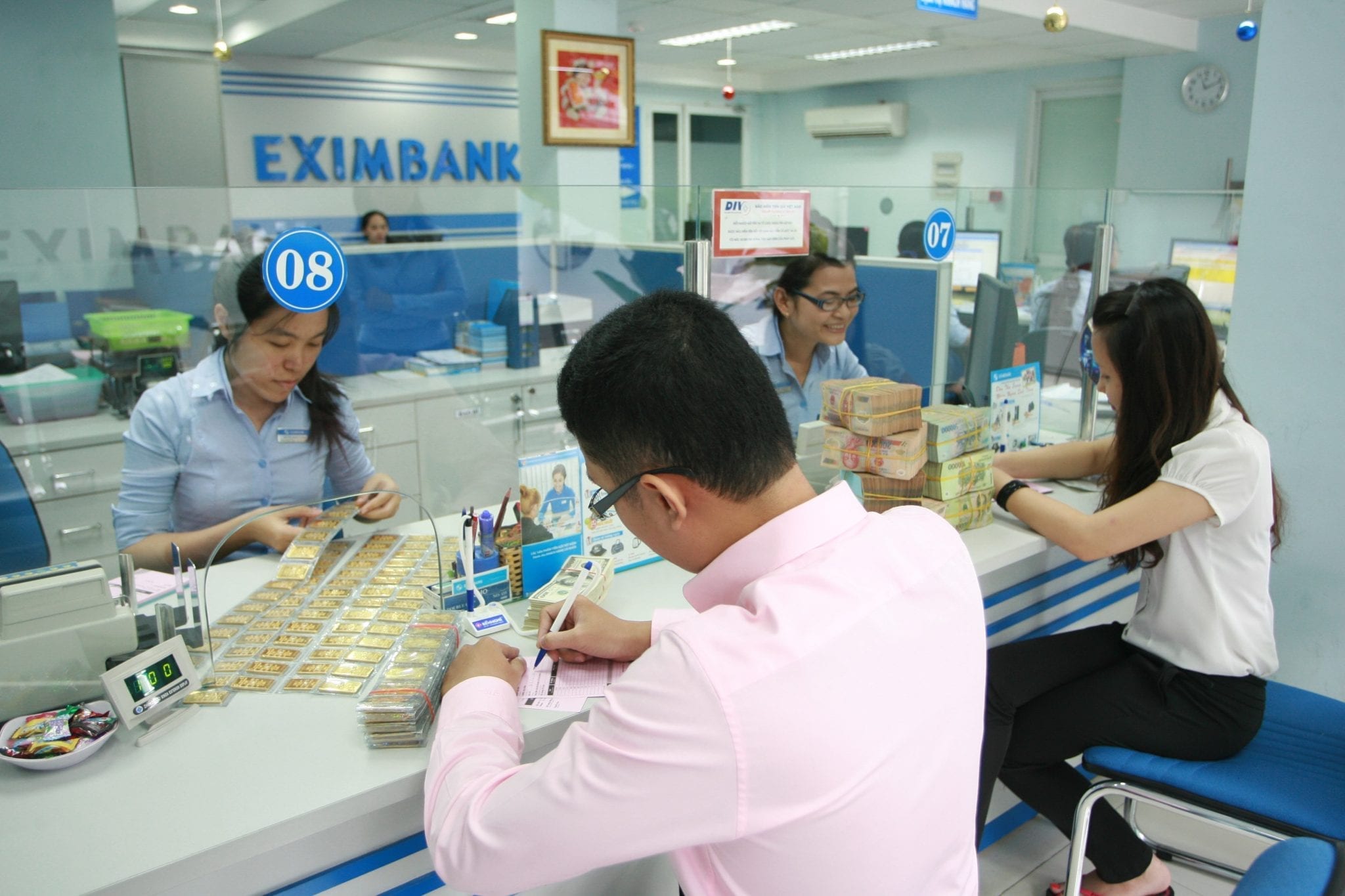
  • Eximbank profits triple in Q3

    Eximbank profits triple in Q3

    Lender Eximbank has tripled profits year-on-year for the third quarter to over VND1.278 ($51.5 million).

    Its net interest income doubled, and non-interest income from services and foreign exchange businesses grew in double digits.

    Its profits for the first nine months topped VND3.18 trillion, an increase of 3.3 times and well above the target of VND2.5 trillion.

    The bank estimates its pre-tax profits for the full year at VND3.5 trillion and targets VND5 trillion next year.

    It also eyes total assets of VND210 trillion for next year, up 14%, and an on-balance sheet bad debt ratio of 1.6% or less, down from 1.7% or less estimated for this year.

  • Preventing Money Laundering Risks of E-Commerce

    Preventing Money Laundering Risks of E-Commerce

    The development of technology and growing internet presence have created a lot of opportunities for modern-day businesses. There is hardly an industry sector left that hasn’t experienced the benefits, but among them, ecommerce has benefited the most. Considering it hasn’t even existed until the nineties, ecommerce has revolutionized how we shop during this short time. In 20 years, ecommerce has reached $5 trillion in sales, and the industry will continue to grow with the help of new technological developments. As reported by Australia Post on growth in online shopping, Australians have even set a new online shopping record with 9.3 million online purchases made by March.

    Unfortunately, even the ecommerce sector hasn’t managed to escape the dangers of the internet, such as cyber-attacks, fraud attempts, and money laundering. Criminals always look for new opportunities for exploiting people and companies, and their growing internet presence has given them a chance to reach more individuals and organizations than ever before. While in the past, ecommerce hasn’t been targeted by money laundering as much as with other types of fraudulent attempts, the situation is turning. Their usual hunting ground, financial services, has updated their cybersecurity strategy, making it easier to prevent money laundering, but leaving criminals looking for a new solution. It is time to step up and learn what you can do to prevent it from ever affecting your business and customers.

    Money laundering in ecommerce

    Money laundering is nothing new in the retail industry. Physical stores had to deal with it for a long time before ecommerce was even present, from overpaying retail cards and asking for refunds or purchasing high-end goods. But, eCommerce development has allowed criminals to update their malicious activity and move money faster and simpler. Money laundering happens when cybercriminals and fraudsters use your businesses to process their illegitimate funds and, by doing so, convert them into “clean money.”

    According to the SEON’s guide on AML fraud, the global anti-money laundering (AML) record was set in 2020, with $706m in fines handed out by authorities. In order to avoid them, you should start taking proactive steps to prevent money laundering risks.

    How can you stop money laundering from affecting your business?

    As ecommerce continues to grow in popularity, so will the threats it faces, from ecommerce fraud to money laundering. They no longer have the option of ignoring the dangers, hoping it won’t affect them, as every business faces the real danger of becoming a victim. This is why ecommerce businesses must start taking proactive steps and set up their defense strategies, from identifying risks to preventing them. Just imagine the consequences you would face if your business were involved in money laundering. Not only that you would be helping criminals to continue with their horrible actions, such as human trafficking, organized crime, or terrorism, but you would also have to pay anti-money laundering fines. Luckily, that can be prevented.

    Technology is a big part of our lives today. A report by Monterail explains that frontline workers believe technology plays a critical role in customer service today. Why not use it to protect us from criminals and fraudsters?

    1.   Implement AML solution

    In today’s world, implementing AML solutions is essential for any business dealing with financial transactions. These solutions can handle a higher volume of transactions, helping you to determine the legitimacy of the transactions efficiently. Thanks to the machine learning aspect of it, it does it while causing minimal user friction. They can also help you to follow AML regulations and remove compliance risks. While implementing an AML solution is a step in the right direction, for the best results, it should be combined with anti-fraud solutions and KYC (Know Your Customer). This allows you to prevent fraudsters from even attempting their malicious activities.

    2.   Comply with regulations

    Any business dealing with payment information needs to ensure they stay compliant with the Payment Card Industry Security Standard (PCI DDS). This set of requirements ensures that companies securely store clients’ credit card information and keep them safe from fraudsters.

    3.   Employee awareness and training

    Your employees are one of the biggest elements in your business, and they can help you fight against criminals and fraudsters. Educating them about recognizing signs and red flags connected with money laundering and what to do when they encounter it will significantly increase your chances of stopping it.

    4.   Conduct regular risk assessments

    Your journey to a protected company doesn’t end with implementing a cybersecurity policy. Fraudsters are continuously updating their efforts, trying to exploit any weakness they find, and it is up to you to ensure that doesn’t happen. By conducting regular risk assessments of your business, partners, customers, and third parties, you will be able to patch any vulnerability as it arises.

    Conclusion

    While the growth of ecommerce has offered numerous benefits to businesses, it also brought the risk of money laundering. If companies want to remain successful and compete in the busy market, they need to stay a step ahead of fraudsters and protect their business.


  • Mobile money industry reached record $1 trillion in 2021

    Mobile money industry reached record $1 trillion in 2021

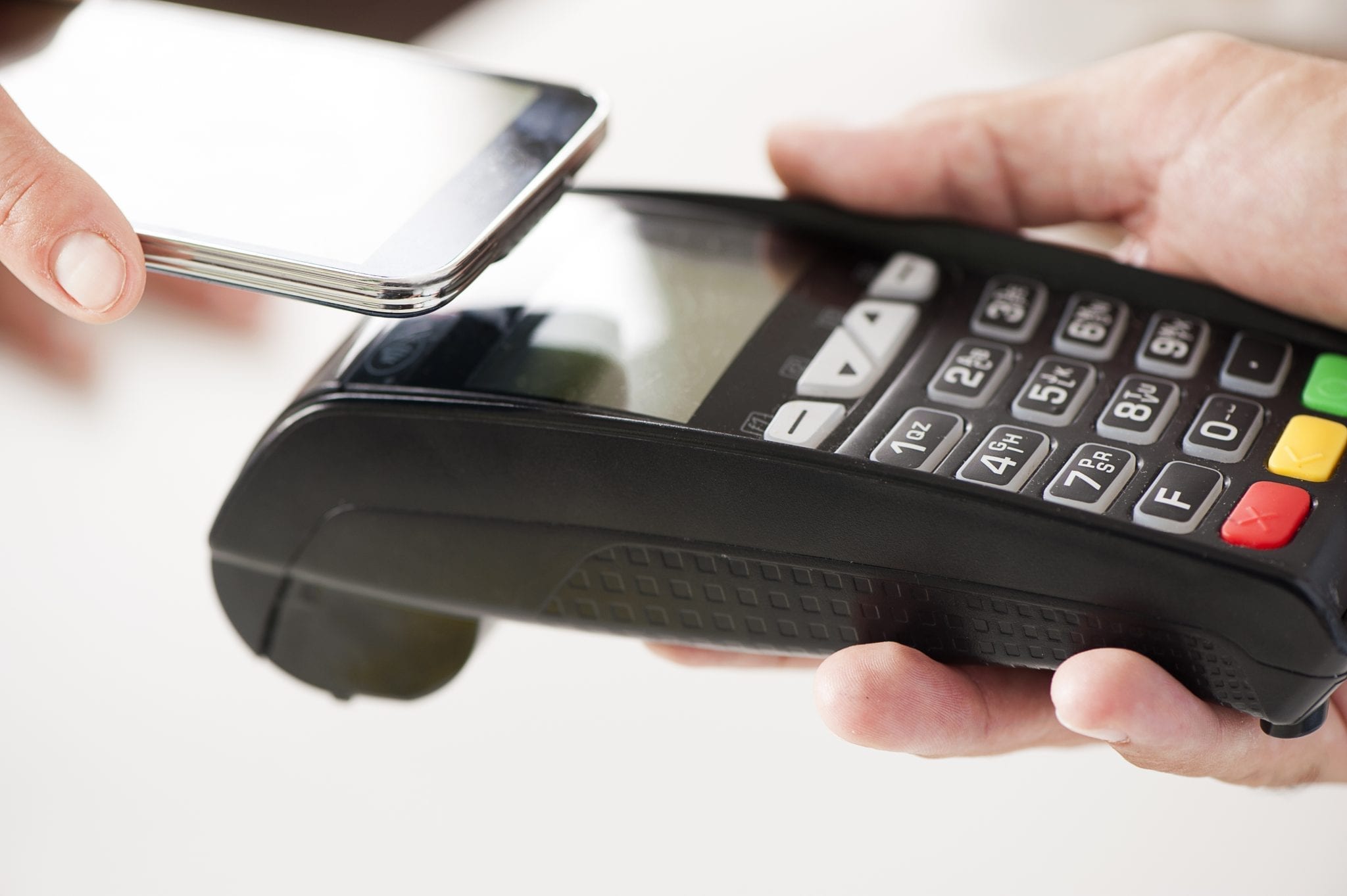
    Mobile money adoption and use saw continued growth in 2021, processing a record $1 trillion annually, according to the GSMA’s 10th annual “State of the industry report on mobile money”.

    The industry enjoyed a substantial increase in the number of registered accounts, up 18% since 2020 to reach 1.35 billion globally. The volume of person-to-person transactions were up to more than 1.5 million every hour. The report reveals that one of the most significant drivers of growth was merchant payments, which almost doubled year on year. It also highlights how mobile money continues to act as a core pillar of financial and economic inclusion, particularly for women.

    Providing significant growth in merchant payments

    Mobile money diversified its value proposition beyond person-to-person transfers and cash-in/cash-out transactions in 2021. It is now playing an important role in the daily lives of people and businesses, especially in low and middle-income countries (LMICs). The growth of ecosystem transactions such as merchant payments, international remittances, bill payments and bulk disbursements, together with interoperable transactions, are accounting for a more significant share of the global mobile money transaction mix.

    Merchant payments were instrumental in the growth of the mobile money industry in 2021. The value of merchant payments almost doubled, reaching an average of $5.5 billion in transactions per month. Providers are demonstrating that they can attract businesses to their platform with better incentives, such as efficient remote onboarding processes. For example, since Safaricom’s M-PESA began allowing companies to register for an account online in Kenya, more than 18% of new merchants are self-onboarding.

    “2021 was the year mobile money started to really diversify to B2B services. Beyond traditional person-to-person transactions, such as transferring money to family or friends, the industry is now central in helping small businesses operate more efficiently, and serve their customers better” said Max Cuvellier, head of mobile for development, GSMA.

    Increasing financial inclusion for women

    Mobile money has also been a driving force for financial inclusion for the world’s most vulnerable, particularly women. Mobile money is empowering women to take more control over their finances and purchase goods that they urgently need. Additionally, 44% of  providers responding to the GSMA Global Adoption Survey now offer credit, savings or insurance products, creating opportunities for underserved individuals to invest in their livelihoods and futures.

    With the gender gap in mobile money account ownership raging from 7% in Kenya to 71% in Pakistan – there remain some barriers to vulnerable people benefitting from mobile money. Owning a mobile phone is an obvious pre-requisite to using mobile money, and women across LMIC’s are 7% less likely than men to own a mobile phone. Overall, 143 million fewer women own a mobile than men. Additional barriers to mobile money access include a lack of awareness of mobile money and a deficit in perceived relevance, knowledge and skills.

    While some progress has been made, the report makes clear that more must be done to address the mobile money gender gap across LMICs. Concerted action is required from policymakers, the private sector, donors and other stakeholders to learn from success stories, address the issue and ensure that existing gender inequalities are not further entrenched, especially in light of the COVID-19 pandemic.

    Mobile money enables access to humanitarian aid, utilities and agricultural solutions

    As highlighted in the report, in 2022, the number of people needing humanitarian assistance is predicted to soar to 274 million. Mobile money is expected to play an increasingly important role in both donations – where it makes delivery systems more efficient and transparent for humanitarian actors and donors – and the receipt of aid.

    The UN Refugee Agency sent $700 million in cash and value assistance (CVA) to 8.5 million recipients in 100 countries in 2020. They have set up digital payment programmes in 47 countries,15 of which use mobile money. In many humanitarian settings, the digitisation of CVA via mobile money has the potential to promote agency and dignity, and foster financial inclusion.

    Mobile money also helps to enable access to basic utility services and agricultural solutions in LMICs. And to ensure this work continues, the mobile industry and humanitarian sector must keep working together to advance inclusive digital and financial inclusion even further for those who need it most.

  • China Records First Case of Money Laundering via CBDC

    China Records First Case of Money Laundering via CBDC

    The pioneer of central bank digital currency, China recorded its first case of money laundering via the electronic yuan.

    Officials arrested 11 members of a criminal group in the Fujian province last week for allegedly laundering money using the country’s central bank digital currency (CBDC), according to Chinese media reports.

    The group allegedly scammed an individual after making false claims of ordering an item with quality issues.

    The victim was instructed to transfer more than 200,00 yuan ($31,000) to multiple accounts provided by the suspects.

    China is widely considered a CBDC pioneer after starting research into the field as early as 2014 and recently rolling out the digital yuan for public use via pilot programs.

    Although there is still no official launch date, many onlookers expect a full introduction in February 2022 in time for the Beijing Winter Olympics.

  • Vietnam leads globally in cryptocurrency adoption

    Vietnam leads globally in cryptocurrency adoption

    Vietnam leads globally in cryptocurrency adoption with 41 percent of respondents claiming to have bought Bitcoin and the like, according to a recent survey.

    Twenty percent of Vietnamese said they had purchased Bitcoin, the highest among 27 countries polled with 42,000 respondents, according to the survey by U.S. based financial consultancy Finder.

    “Remittance payments may have played a significant role in these numbers, with cryptocurrency an option for migrants who want to send money home and avoid exchange fees,” the report stated.

    Despite having the 53rd largest economy based on gross domestic product, Vietnam placed 13th in realized Bitcoin gains for 2020, according to Cointelegraph.

    Adoption was especially high in Asia, with 30 percent of respondents in Indonesia and India claiming to have bought cryptocurrency, the Finder’s survey found.

    In Malaysia and the Philippines, this proportion was 29 percent and 28 percent, respectively.

    There were between 1,160 and 2,511 respondents for each country covered in the study.

    Data from Statista in February showed Vietnam had the second-highest rate in terms of cryptocurrency use among 74 surveyed economies, driven by remittance payments.

    Bitcoin and other cryptocurrencies are not recognized as legitimate means of payment in Vietnam. The State Bank of Vietnam has warned that owning, trading and using cryptocurrencies are risky and not protected by law.

  • HSBC Names Head of Qatar Private Banking

    HSBC Names Head of Qatar Private Banking

    The bank has named a long-standing stalwart to enhance HSBC’s client proposition in Qatar.

    HSBC has named Ibrahim Al Abed as its head of private banking in Qatar, according to an announcement on Wednesday.

    Based in Qatar, Al Abed reports to Sobhi Tabbara, global market head, Middle East and North Africa, Private Banking, and Abdul Hakeem Mostafawi, CEO of HSBC Qatar.

    Al Abed joined the HSBC’s Qatar office in 1999 and has worked across Digital Business Services and Global Operations before moving to Wealth & Personal Banking, after which he joined Markets & Securities Services in 2004 to become the head of corporate sales.

    In the announcement, Tabbara said Qatar is a «very important market for Private Banking in MENAT.»

    HSBC’s history spans 67 years in the Gulf nation, where it offers a full suite of banking products and services, including wealth management and personal banking, commercial banking, global banking and markets, and security services.

  • AirAsia launches airasia money, partners RinggitPlus to provide loan application services in app

    AirAsia launches airasia money, partners RinggitPlus to provide loan application services in app

    AirAsia Bhd has expanded its airasia super app to provide financial products and services under the “airasia money” banner, beginning with a partnership with financial comparison platform RinggitPlus.

    Through its partnership with the platform, airasia money currently provides credit card and loan application services. The financial marketplace will also allow users to obtain the best personal finance news, information, guidance and make the best choices for their immediate needs.

    Today’s launch of airasia money, said AirAsia Group Bhd chief executive officer Tan Sri Tony Fernandes, marks the final piece of the puzzle for the airasia super app, a concept that was aggressively pushed since October 2020.

    “airasia money is the third vertical after travel and e-commerce. It is the last piece of our app, and with this, the plan for our digital app is virtually complete and is set to grow from strength to strength moving forward,” Fernandes said at the launch today.

    Targeting millennials, the platform will soon also include an array of other financial products for insurance, investments, top-ups, gaming credits, as well as other services including remittance and zakat payments, said head of airasia money Mohamad Hafidz Mohd Fadzil.

    “Elsewhere, the expertise provided by other platforms have been very product-specific, be [it] loans, insurance and the like, as opposed to a channel that provides simplicity and bundled propositions.

    “There must be something for everyone with airasia money,” said Mohamad Hafidz. “The goal is to provide bite-sized financial solutions that are curated through fintech assets as well as external strategic partners like RinggitPlus,” he said.

    “While AirAsia was democratizing the airline industry, we at RinggitPlus have talked about democratizing the finance industry, to offer banking and insurance products that anyone could apply,” RinggitPlus co-founder and CEO Siew Yuen Tuck said.

    “The opportunity to bring the two brands together with a shared vision to help Malaysians make better financial decisions and get easier access to financial products is really a dream come true, and we thank the AirAsia team for making this happen,” Siew said.

    Following today’s launch in Malaysia, airasia money is also set to launch in Singapore in 2Q21, the Philippines in 3Q21, and Thailand in 4Q21 with localized offerings that cater to the different needs of the different markets, said Mohd Hafidz. AirAsia’s other financial services include e-wallet platform BigPay and Tune Insurance under sister company Tune Protect Group Bhd.

    At the time of writing, AirAsia was down two sen or 2.2% to 89 sen, valuing the group at RM3.39 billion.

  • Vietnam pilots Mobile Money project for cashless payments

    Vietnam pilots Mobile Money project for cashless payments

    Vietnam’s Prime Minister Nguyen Xuan Phuc has given the green light for the Mobile Money pilot project, thereby allowing mobile phone subscribers to use their telecommunications accounts to make money transfers and payments up to a limited value for products and services strictly in Vietnam.

    This pilot project came into effect on 9 March 2021 and will be conducted over two years. It will be implemented nationwide, particularly in rural areas to improve access to financial services and encourage cashless payment via mobile devices.

    Businesses require licenses to provide intermediary mobile money services, as well as licenses for public mobile terrestrial telecommunications networks to tap on telecommunications network and data. Customers are required to register their mobile accounts with an identity card, citizen identification or passport and use mobile services for at least three consecutive months.

    This pilot project was first submitted to the Prime Minister for approval in May 2020, prompting Vietnam’s major telecommunications services providers like Viettel, VNPT and MobiFone to add payment as a line of business.

    Vietnam has a population of 129.5 million mobile subscribers, of which 43.7 million owns smartphones. This pilot will serve as a basis for the relevant authorities to develop legal regulations around the service in the country.

  • AirAsia X ‘out of money’

    AirAsia X ‘out of money’

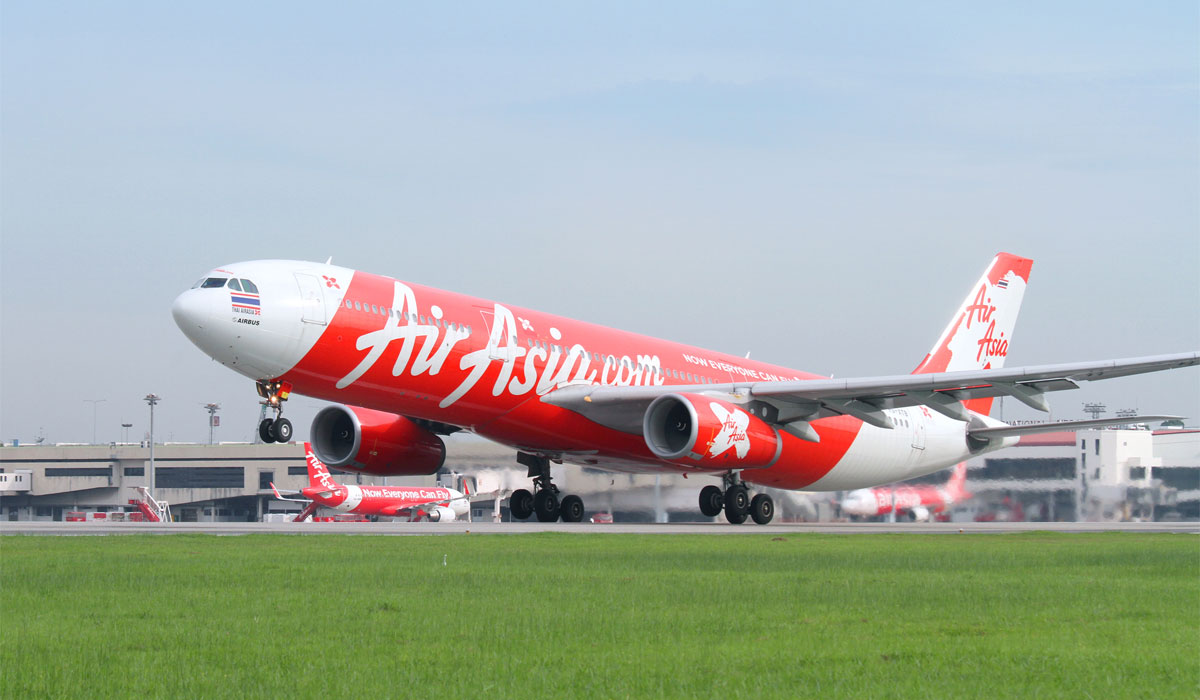
    The long-haul budget carrier AirAsia X Bhd has run out of money and needs to raise up to 500 million ringgit (US$120 million) to restart the airline, according to deputy chairman Lim Kian Onn. The Malaysia-based affiliate of AirAsia Group said this month it wanted to restructure 63.5 billion ringgit ($15.3 billion) worth of debt and slash its share capital by 90% to continue as a going concern.

    “We have run out of money,” Lim said in an interview. “Obviously, banks will not finance the company without shareholders, both old and new, putting in fresh equity. So, a prerequisite is a fresh equity.”

    He said the airline had actual liabilities of 2 billion ringgit, with the larger figure of 63.5 billion ringgit including all lease payments for the next eight to 10 years and its large order for Airbus planes and contracted engine maintenance with Rolls-Royce.

    “If we find 300 million ringgit in new equity, then the shareholder funds are 300 million at the restart of business and if we are able to borrow 200 million ringgit, we feel that we will have a good platform to start all over again,” Lim said.

    He said AirAsia X also needed to convince its lessors of its business plan, adding that an unnamed lessor recently took back one of the airline’s planes to convert it to a freighter.

    The airline plans to liquidate its small Indonesia-based carrier and has completely written down its stake in Thai AirAsia X, with the Thai carrier not part of the restructuring scheme, Lim said.

    Rival Malaysia Airlines is also in financial trouble, but Lim said there would be “no good outcome” from seeking to merge two airlines in dire straits.

    Initial negotiations with creditors have been tough as they are understandably upset, Lim said in the interview. They had asked for better terms, including free equity for the forgiven debt — something that would be impossible for the airline to fulfill, he added.

    Still, Lim said all of them genuinely wanted to find a common ground to take the airline forward. “No one has anything to gain from our demise,” he said.

    The airline is planning to resume flights in the first quarter of 2021, though the process remains “dynamic”, said Lim. Should the rescue plan get approval, the company will have to renegotiate every single contract and will do its best to look after all stakeholders’ interests, he said.

  • Hong Kong Customs Arrest $400 Million Money Laundering Family

    Hong Kong Customs Arrest $400 Million Money Laundering Family

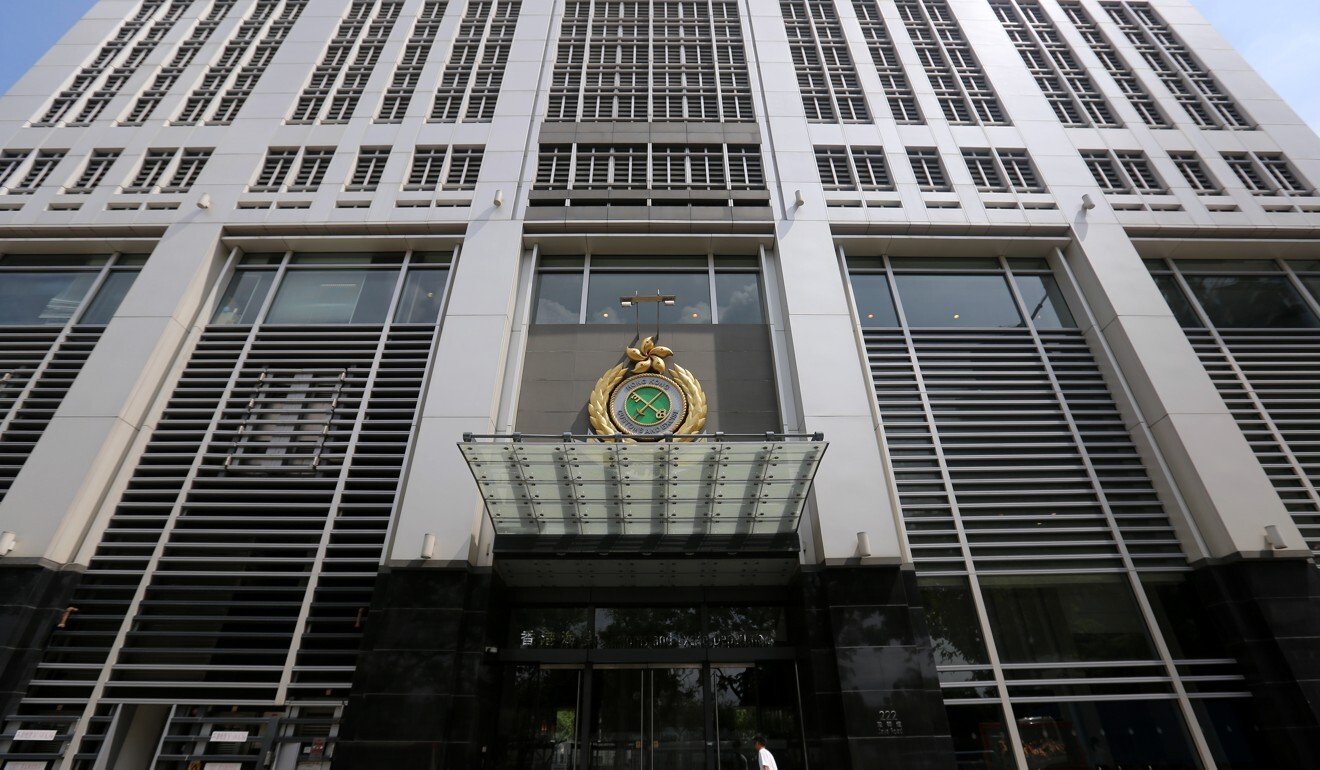
    Parents, three children, and a money exchange owner were arrested by Hong Kong customs over alleged money laundering of nearly $400 million.

    Investigations first kicked off in 2018 after a tip-off from a bank and since then, the family made 6,000 «suspicious financial transactions» involving more than HK$3 billion ($387 million) through over 100 accounts from nine banks, according to Hong Kong customs authorities.

    The arrested include the parents, aged 58 and 62; the eldest son, 34; a second son, 30, who works at the money changer involved; a daughter, 25; and a 60-year old owner of the money changer. The latter suspect has been arrested and his money exchange license suspended due to suspicions over alleged transactions with the family totaling $22 million despite reporting just $3.9 million.

    According to investigators, the family had around $3.9 million in assets – half in bank accounts and another half in two properties – but a monthly income of just around $9,000.

    The assets held by this family are not commensurate with their profiles and backgrounds,» said the syndicate crimes investigation bureau’s senior superintendent Mark Woo Wai-kwan. We suspect this family has a hidden income which may be the crime proceeds from assisting money laundering.

    Woo said the funds had come from unknown sources or shell companies and the family’s assets have since been frozen.

    Investigators currently believe that the family had helped other syndicates launder crime proceeds for a cash reward.

    According to Woo, investigations about the funding source and illegal activities are still underway but there are indications that third party individuals or shell company owners involved were from mainland China.

    Money launderers in Hong Kong face a maximum penalty of 14 years in prison and a $650,000 fine.