Tag: mumbai

  • Ikea India buys site for first store

    Ikea India buys site for first store

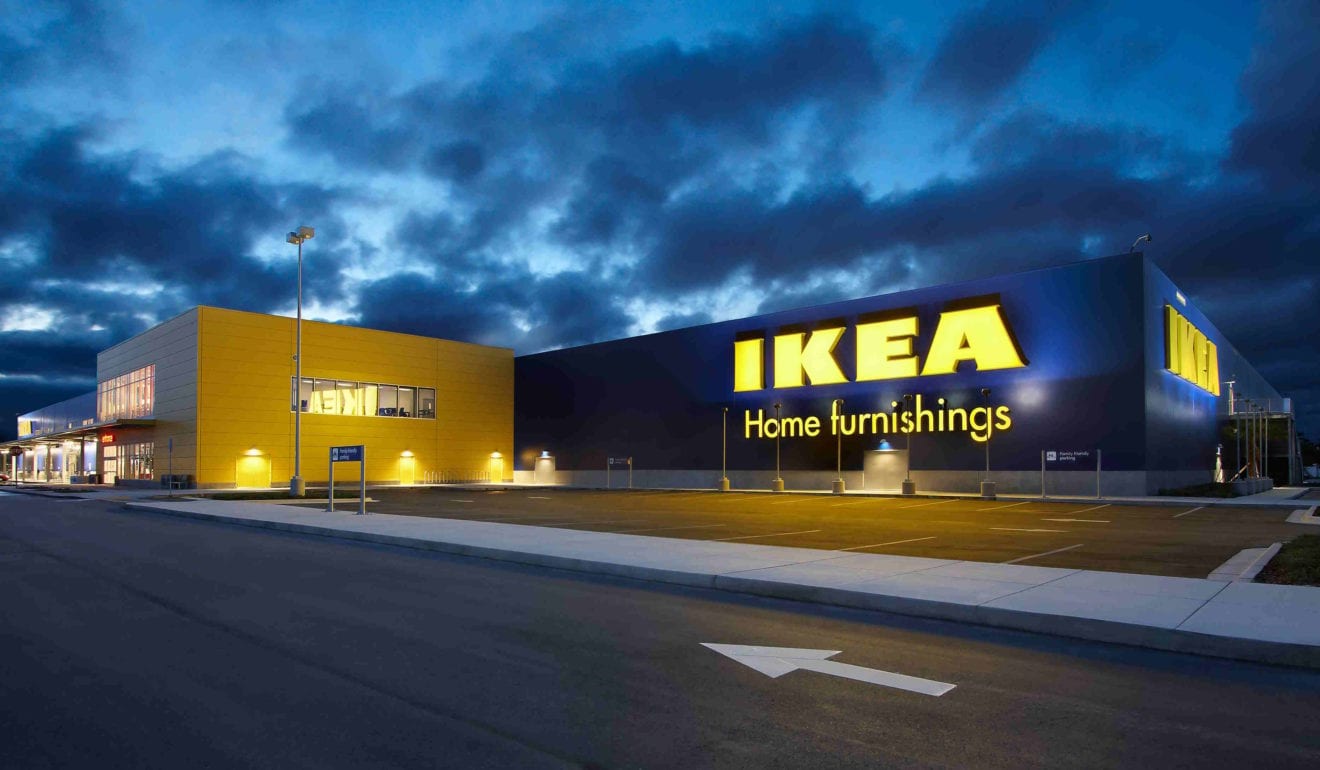
    Ikea India has acquired the land for the first of 25 stores planned for the country.

    The Swedish home furnishings company says the 13 acre site is located close to the IT hub Hitec City and is close to public transport, including a metro line under construction.

    Further details were scant, except that the land was acquired from the Telangana government. Ikea India plans 24 more stores in the long term and is currently evaluating sites in Mumbai, Bengaluru and Delhi NCR.

    Each Ikea store will cost about $100 million to establish, including land and construction costs.

    Part of the arrangement allowing Ikea to open single brand stores in India is that it has to source product from within the country. The company already has about 50 suppliers in India employing some 45,000 people. Now it is actively searching for more suppliers to boost the proportion of locally-sourced stock.

    IKEA India CEO Juvencio Maeztu described India as a promising market because it offers the company the opportunity to source, retail, conduct CSR initiatives through Ikea charitable foundation and empower social entrepreneurs through next generation projects.

    “Our focus now is to bring all of it together in Hyderabad as we have bought our first land to build an Ikea store. We will bring a unique shopping experience through our inspiring stores offering affordable home furnishing products,” he said.

  • Muji heads to India

    Muji heads to India

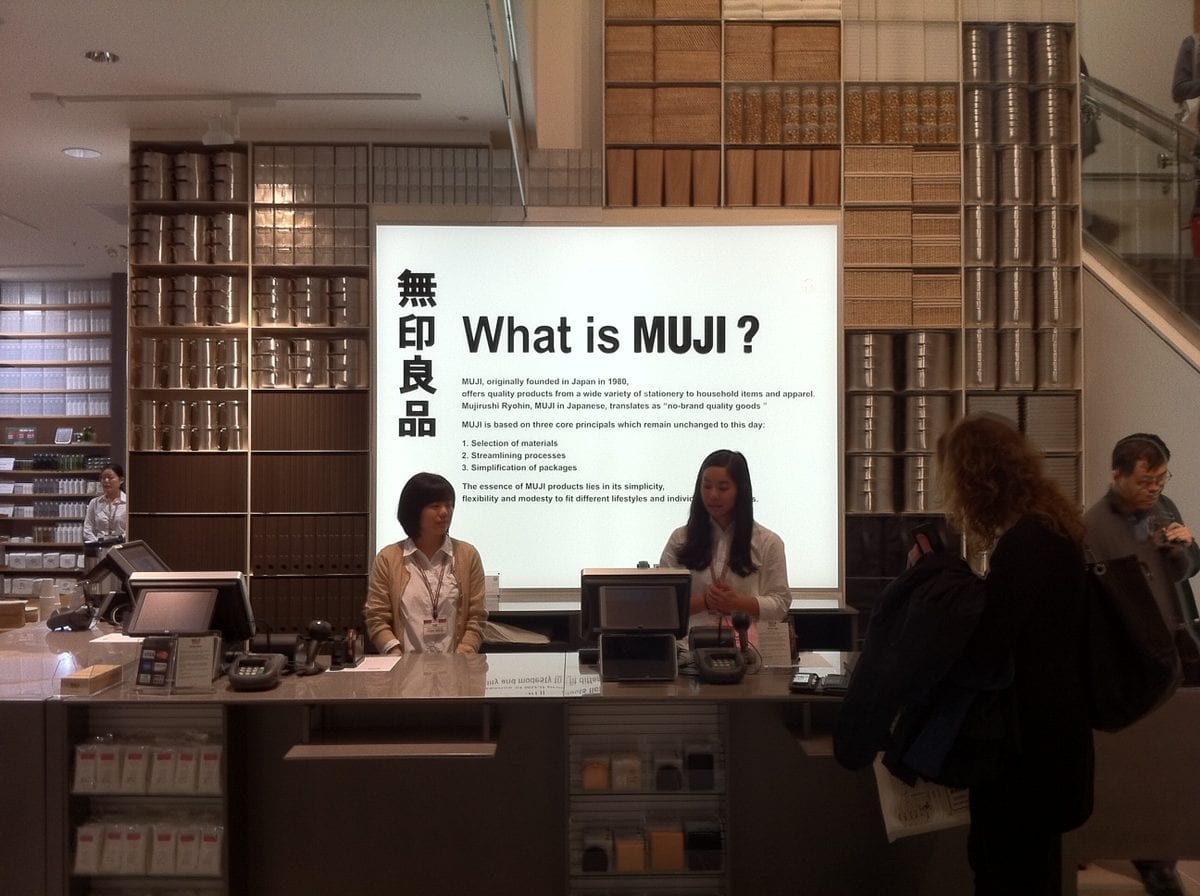
    Japanese minimalist retailer Muji will open its first shops in India by the center of subsequent yr.

    Muji has sealed a cope with Reliance Industries to create an Indian operation, turning into Reliance’s 19th worldwide retail model.

    Muji’s information comes as fellow Japanese retailer Uniqlo is in discussions with potential companions to enter India.

    Famend for its unbranded, minimalist designs, Muji shops inventory items starting from attire and homewares to stationery, cosmetics and meals. About half its gross sales at the moment are furnishings and homewares.

    In some markets it operates cafes, however present laws prohibit in-store cafes in India.

    Reliance says the primary Muji shops will open in Delhi and Mumbai with footprints starting from 6000 sqft to 10,000 sqft.

    “Muji is simplicity – however simplicity achieved via a complexity of thought and design,” stated Reliance CEO and president Darshan Mehta in a press release.

    “Their merchandise are extraordinarily high-quality and have been designed to cater to the life-style of city dwellers. We’ve nice confidence that the Indian shopper will embrace the model.”

    “Worldwide enlargement is of utmost precedence for us and India is our subsequent massive Asian market with immense progress potential,” Satoru Matsuzaki, president and consultant director of Muji mum or dad Ryohin Keikaku, in an e mail interview with the Occasions of India.

    “We consider there’s a vital pool of cosmopolitan shoppers [in India] who’ve their very own sense of favor and who place product above model logos.”

    Reliance Manufacturers already companions with Diesel, Brooks Brothers, Steve Madden and Kenneth Cole, amongst others.

  • Reliance Retail to launch B2B e-marketplace

    Reliance Retail to launch B2B e-marketplace

    Reliance Retail would launch a B2B digital market to allow small retailers to transact on-line, chairman Mukesh Ambani stated at Reliance Industries’ 41st annual common assembly at this time.

    “We’re rolling out the Reliance Digital Market platform to allow hundreds of thousands of small retailers and supply them with an enhanced provider base and product vary, higher provide chain productiveness, digital cost functionality, connectivity to clients and credit score functionality,” Ambani stated. Reliance already runs ‘Reliance Market’ B2B shops.

    Ambani stated the style and way of life codecs of Reliance Retail would launch their e-commerce portals by the top of the yr. Reliance Retail runs trend and way of life codecs corresponding to jewelry chain Reliance Jewels, durables and electronics chain Reliance Digital, attire chain Reliance Developments, and footwear chain Reliance Footprint. After a pilot challenge in Mumbai, Reliance’ Retail’s grocery-focused e-commerce portal www.reliancefreshdirect.com can be launched in different markets, Ambani stated.

    “This yr will convey a few disruptive buying expertise for shoppers as they embrace know-how and have entry to anytime, anyplace buying. With the superior Web infrastructure constructed by Reliance Jio and a strong bodily retail enterprise constructed by Reliance Retail, we’ll create a differentiated e-commerce mannequin for India,” he  added.

    Ambani stated Reliance would scale up its retail presence throughout its codecs from 200 cities to over 900 cities by subsequent yr. Reliance Retail added 930 shops final yr, which translated into 5 shops each two days, setting a brand new international benchmark within the largest variety of retailer openings in a yr, he identified. “This mixed bodily and e-commerce retail enterprise is poised for a progress of 30-50 per cent yr on yr and maintain our management in retail,” Ambani stated. Reliance Retail has a community of two,600 shops in 200 cities throughout 20 states.

  • Hole India makes debut

    Hole India makes debut

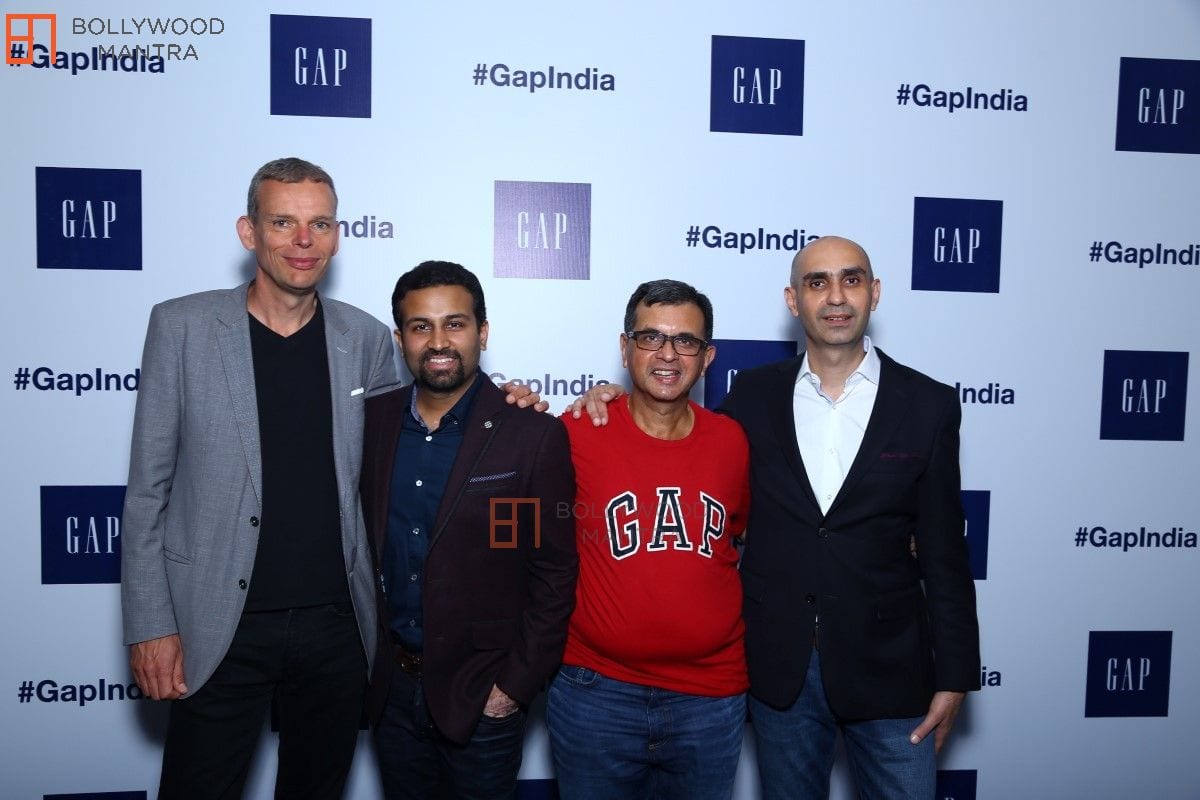
    Hole has lastly made its debut in India – opening its first retailer at Choose Citywalk in an upmarket suburb of Delhi on Saturday.

    India represents one of many final remaining main creating markets the US informal attire model had not entered. It trails Zara by 5 years however nonetheless arrived forward of Uniqlo and H&M who’re reportedly months, relatively than years, away from their very own debuts.

    India’s retail attire market is estimated to be value $41 billion by proper now, with progress of round 50 per cent predicted for 2020 as the center class continues its speedy enlargement, promising burgeoning disposable incomes.

    Hole India will open a second retailer in Mumbai inside about two months, in line with Indian information media stories. It has a 5 yr plan to open 40 shops in main cities.

    The model has been delivered to India by Arvind Group, which has already launched Calvin Klein and Tommy Hilfiger, amongst others, and boasts 1000 shops bearing totally different model names throughout the nation.

  • The shrinking ranks of Mumbai malls

    The shrinking ranks of Mumbai malls

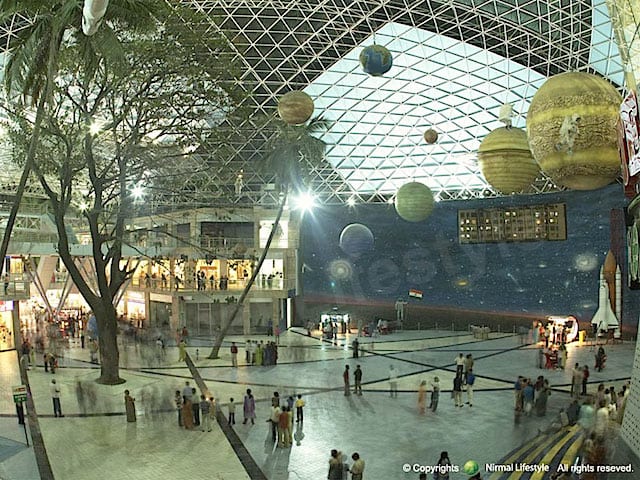
    More than 10 Indian shopping malls have been shuttered or converted into office space in the last two years – most of them in Mumbai.

    And more – like the Nirmal Lifestyle Mall in Mulund, central Mumbai, and Centre One, the oldest mall in Vashi, New Mumbai – have announced its imminent closure.

    Nirmal, which opened in 2003, employed 5000 people at its peak. Today it is a shadow of its former self, most retail spaces empty, apart from some foodcourt tenancies.

    Dharmesh Jain, head of Nirmal Lifestyle, said the centre is no longer viable to run.

    “It is difficult to sustain and run it because of rentals and maintenance charges.”

    It will be converted into residential space.

    In 2013 research from the Associated Chamber of Commerce and Industry of India found up to 52 per cent of  Mumbai malls were lying vacant and even higher percentage in Delhi. Experts says the majority of failures relate to faulty designs or a lack of strong brand tenants.

    Local media report that Kandivli’s Raghuleela Mall is on the brink of closure, with a shrinking tenant base and occasional electricity cuts. Bhandup’s Dreams Mall is on borrowed time and Santacruz’s Milan Mall closed. Recently, Navi Mumbai’s oldest mall Centre One announced its impending closure.

    The casualty list also includes City Mall and Mega Mall in Andheri, Dreams Mall in Bhandup in the central suburbs. Kohinoor mall in Kurla has a question mark over it. In Bengaluru, va Mall in Brigade and Sigma Mall in Cunningham Rd have closed.

    Other malls in NCR and Bengaluru face a similar fate.

    In fashionable, Navi Mumbai, a satellite city of Mumbai, the Gold Souk Mall, Wedding Mall and Palm Beach Galleria have been converted into office complexes or motor vehicle showrooms.

    Consultants report at least four malls in the Delhi/NCR area, most in the suburbs of Rohini, Vasant Kunj, Pitampura and Gurgaon, are empty and bearing for sale signs.

    Retail real estate specialists say most of the malls, built during the early 2000s, have “lost relevance” to consumers today spoilt for choice by malls that are better designed and considerably larger.

    Anupam T, malls CEO with Runwal Group, which runs four malls in Mumbai including the 1.2 million sqft R City, cites Centre One as an example. It has 120,000sqft of space and a foodcourt with just 200 seats. Its trade was decimated when the giant new Inorbit, owned by the Raheja group, opened.

    “In 2003, smaller malls were fine. But in 2013 and 2014 when the average size of malls is 500,000 sq ft and big malls are above a million sq ft, smaller malls find it difficult to survive.

    “Unless small malls are sharply positioned and differentiated, they will fade away,” he added in an interview with the Business Standard.

    Future group president Rajan Malhotra says there is a limit to the number of malls a catchment can take.

    “Initially, malls exist in monopoly conditions. The moment bigger and better malls come up in the same locality, shoppers go there.”

    There are signs the Indian property sector is recognising the problem and a once frenetic race to open mall space to satisfy India’s rapidly rising middle class has slowed to a crawl. In 2014, just 2.4 million sqft of new mall space was completed, a mere seven malls, far less than the 4 million to 7 million sqft annual average between 2009 and 2013.