Tag: netflix

  • Netflix removes key feature from its iOS app

    Netflix removes key feature from its iOS app

    AirPlay is a feature found on iOS and Mac devices that allows users to send audio, video, photographs, screenshots and more between Apple devices sharing a similar network. Using Bluetooth and Wi-Fi, AirPlay will let a home with multiple HomePod speakers in different rooms, share the same song throughout the house. And with several smart TV manufacturers adding support for the feature, content from an iOS or Mac device can be viewable on certain large-screen smart TVs.

    There have been a number of complaints from iPhone and iPad users stating that AirPlay was no longer working with Netflix. That was unusual because the iOS version of the streaming video app has supported AirPlay since 2013. The complaints from iOS users state that when they tried to use AirPlay in the Netflix app, a pop-up error message appeared that said, “Cannot play title. Please try again later.”

    But there is a reason why AirPlay no longer works with Netflix. As a result of what it is calling “technical limitations,” Netflix has pulled AirPlay support from its iOS app. This is actually noted by the video streamer on its support page. Considering that this was an iOS feature that Netflix had supported for over five years, it is strange that AirPlay would all of a sudden no longer work with Netflix. The company has not divulged the details of the “technical limitations” that have forced it to stop offering AirPlay support (more on that later).

    This isn’t the end of the world for Netflix subscribers used to employing AirPlay. After all, the Netflix app can be installed or is already installed on a number of smart television sets. But using AirPlay does make it easier for iOS users with Netflix to stream content from their own account to a smart TV that does not have their Netflix login information.

    “We want to make sure our members have a great Netflix experience on any device they use. With AirPlay support rolling out to third-party devices, there isn’t a way for us to distinguish between devices (what is an Apple TV vs. what isn’t) or certify these experiences. Therefore, we have decided to discontinue Netflix AirPlay support to ensure our standard of quality for viewing is being met. Members can continue to access Netflix on the built-in app across Apple TV and other devices.”-Netflix< The Netflix support page lists some other options that iOS users can try in order to cast Netflix from their phone or tablet to a compatible television. With the Netflix 2nd Screen option, subscribers open the Netflix app on their iOS device and television, signing into the same account on both devices. The mobile device and the TV must share the same Wi-Fi network. On the mobile device, the user needs to tap on "Cast" found in the upper or lower right of the screen, and select the television that he/she wants to view Netflix on. After deciding which show or movie to watch, the user hits play and the selected content will appear on the TV. Another option, found on Philips, Polaroid, Sharp, Skyworth, Soniq, Sony, Toshiba, and Vizio TVs, will allow you to Chromecast Netflix from your iOS device to your television. Simply open the Netflix app on your iOS device, and tap on the "Cast" icon in the upper or lower right hand side of the screen. Select the device you want to watch Netflix on, choose a television show or movie, and hit play. Last month, Apple became a Netflix competitor by unveiling Apple TV+. This is a video streaming service that will be available this fall on iOS devices along with certain smart TVs. There will be new, original programming from Apple along with content from HBO, Showtime and others. Could this new rivalry be behind the "technical limitations" that forced Netflix to stop supporting AirPlay? After all, it does seem strange that Netflix was able to support AirPlay for from 2013 until now, just when Apple introduces a service that will compete with it. Netflix, of course, will never admit to this. And regardless what the true reasons are, the bottom line is that iOS users will have to resort to the aforementioned alternatives if they want to cast any streaming Netflix content from their iPhone or iPad to their smart TV.
  • 180 degree reversal by YouTube

    180 degree reversal by YouTube

    A report published says that YouTube has decided to do a 180 degree turn and is backing away from producing original programming. The Google-owned video streamer has canceled plans to develop some new comedies and dramas that it would have streamed to paid YouTube Premium subscribers. By doing this, YouTube is admitting defeat in a battle with other video streamers like Netflix and Amazon Prime to reap profits from original shows.

    Netflix has done quite well by showing its own fare like Orange is the New Black, Fuller House, Stranger Things, House of Cards and more, Amazon Prime has had some big hits including The Marvelous Mrs. Maisel. The show, about a married Jewish woman living in New York in the late 1950’s who becomes a stand-up comedian after her husband leaves her, won four Emmy Awards last year including Best Comedy Series.

    Anonymous sources say that YouTube has canceled shows like Origin, a science-fiction program, and comedy Overthinking with Kat & June. In addition, YouTube is no longer listening to pitches for scripted shows that require a huge budget. The report comes on the same day that Apple has unveiled its video streaming service that will include original programming that cost the company over $1 billion to produce. And while Google has enough cash to match Apple when it comes to paying for such programming, YouTube generated more than $15 billion in ad sales last year without offering high-priced original shows.

    The change means that YouTube Premium will turn to music-related content with some programming from established YouTube stars. As a result, the original scripted shows left on YouTube will be available for free, including the one big original hit that YouTube has had, Cobra Kai. This show takes the Daniel LaRusso-Johnny Lawrence feud from 1984’s Karate Kid movie and updates it to modern times. The appeal of the show is helped by the fact that the original actors (Ralph Macchio and William Zabka) recreate their roles as Daniel and Johnny, respectively. There have been two seasons of the show and negotiations are underway for a third season.

  • Apple takes on Netflix and cable with TV+ streaming service

    Apple takes on Netflix and cable with TV+ streaming service

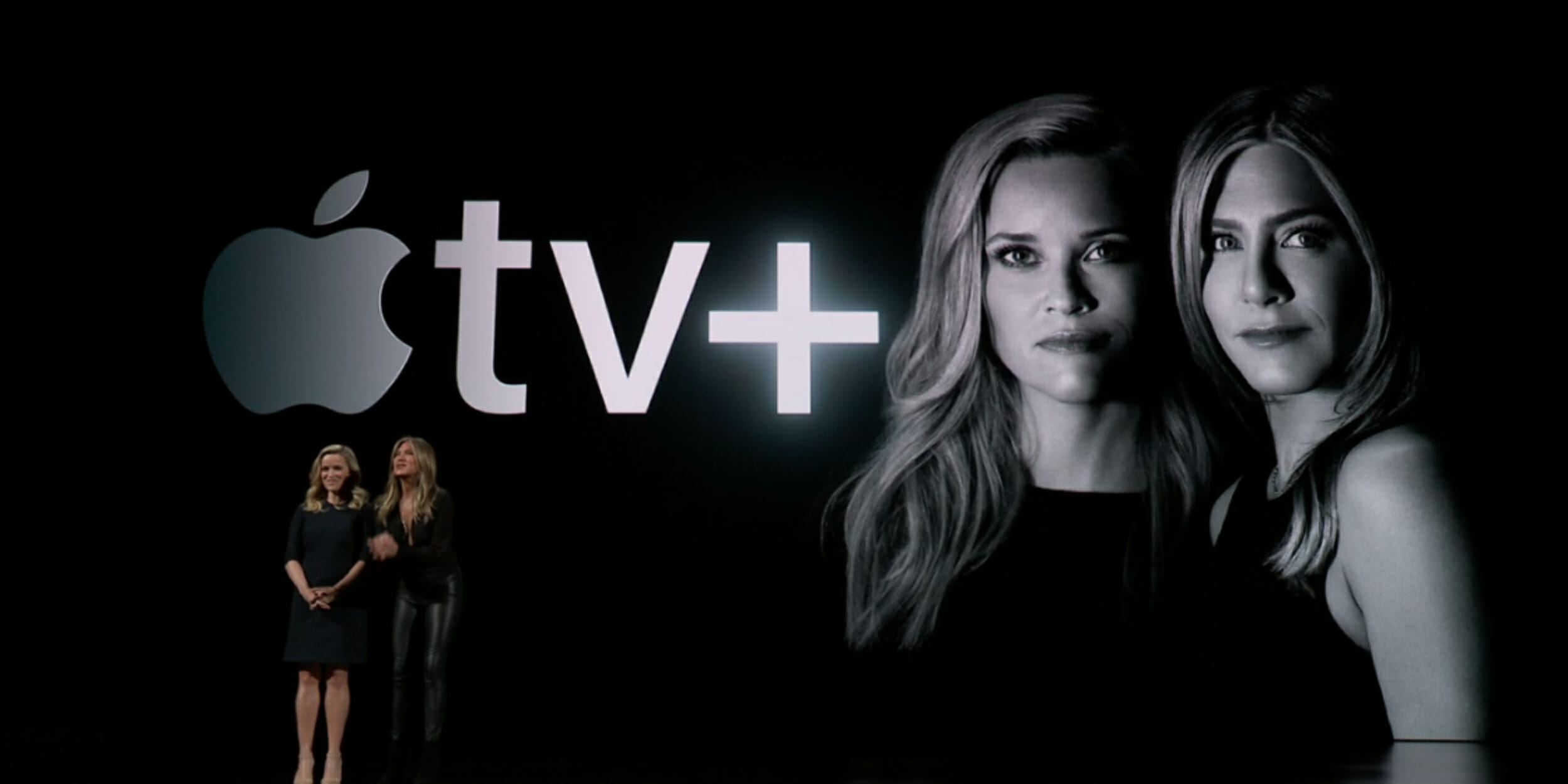
    Hours before the “It’s show time” event, Apple began streaming a Car Play footage of someone driving from Los Angeles to Cupertino, in a not-so-subtle hint that we are about to see a lot of Hollywood honchos arriving for the announcement of its new Apple TV+ video service against formidable competition. Existing cable packs plus original content – it marks the first time Apple is jumping into a new and established industry in, well, forever. –

    The Apple-goes-Hollywood move is just the next in a long line of reorientations of Apple as a service company, concocted a few years back when CEO Tim Cook started to prepare for the inevitable commoditization of the bread-and-butter iPhone product. Apple’s CEO Tim Cook loves to brag at conference calls with investors that the revenue and profits from its “services” business is growing leaps and bounds, far outstripping the revenue growth in the iPhone department. The App Store alone is now a Fortune 100 company by itself, raking in more than, say, the whole McDonalds franchise.

    On the hook for billions of losses, however, after streaming services like Netflix or Spotify balked or circumvented the 15%-30% cut Apple takes from subscriptions sold via the App Store, the team from Cupertino decided to futureproof its revenue stream from services by taking the fight directly to the competition. Last year, streaming subscriptions outpaced cable, and Apple just went in, announcing its own TV+ video service.

    Apple TV+ streaming and Channels service price, features, markets, and platforms

    Instead of outing an actual TV set, Apple now aims to become an alternative to cable by mixing shows from renowned names like HBO or Showtime with dozens of its own TV+ original series, all from the comfort of the new Apple TV app, online or offline. With the new Channels service there, Apple will bundle your existing subscriptions, and personalize and curate the shows you might like, gleaning from the subscriptions or preferences you already have shown by renting iTunes movies and TV shows. Those will now also be folded into the new Apple TV app, coming in May.
    The Apple TV channels will sport such juggernauts like HBO, Starz, SHOWTIME, CBS All Access, Smithsonian Channel, EPIX, Tastemade, Noggin and some new ones as MTV Hits, with more down the pipe. All of this can be accessed within one app – Apple TV – no separate logins any more.
    The service would be reaching 100+ global markets and will be available not only on Apple iOS devices but also coming to the Mac, Roku streamers, and even Samsung, LG, Sony or Vizio smart TVs. How much? Well, separate subscriptions for HBO or Showtime will run you $9.99/month each, and you can subscribe with a single click. The Apple TV+ release date is scheduled for some time in the fall, with an “ad-free” price yet to be announced.

    With an installed base of more than a billion potential viewers who are used to paying for media, Apple could immediately become the next big thing on the trendy “what to watch” block. Unlike Netflix, however, whose stratospheric rise is fueled by copious amounts of debt, Apple reportedly took a more measured approach, earmarking “just” a billion for testing the original content streaming waters. Eddy Cue, Apple’s senior vice president of Internet Software and Services, piled on today:

    That’s not to say that the team from Cupertino is not ambitious, though – Eddy Cue is on record saying that they want to acquire or produce shows on the level of Game of Thrones, and, knowing Apple’s money, they could very well do so. For comparison, HBO spends two billion on original programming, and Apple could easily double or triple the amount invested if the shoe fits.

    Netflix is way ahead with $11 billion earmarked for spending on own shows and content this year, though there is a lot of fluff in it, while Apple usually takes a more targeted approach when it comes to quality, regardless of what one might think about shows like Planet of the Apps. In any case, it will have way fewer movies and TV shows than the rest of the competition at launch, though, as you can see from the stats below, having the most content doesn’t make for the most popular such service.

    Apple TV+ new original shows list at launch

    Apple has already poached plenty of entertainment industry names, too, so it finally seems bent on building a proper media empire. Here are all the shows Apple said its streaming service will be launching with:
  • Apple may have a surprise subscription service

    Apple may have a surprise subscription service

    We’ve heard a lot about what to expect from Apple’s planned event on Monday. We know that Apple likely won’t have any hardware to announce since it quietly already launched two new iPads and its second generation AirPods as well. We’re expecting some sort of TV service and a news subscription service, maybe even an Apple credit card, but a new report says there might be another subscription service announced that we didn’t know about.

    Apple might be getting ready to announce a game subscription service for iOS devices. Many will call it “Netflix for games,” but calling everything the “Netflix of whatever” often ignores companies that actually exist, so we’ll say it’s more like a digital version of Gamefly. Although it’s unclear if Apple will be announcing the game service on Monday, the report says Apple is talking to partners to build up the service. The way it would work is users would pay a monthly fee to get access to select games that would normally be paid and Apple would distribute the revenue (minus its cut) to developers based on how long users spend playing each game.

    Depending on the games made available as part of such a service, it could end up being the surprise star of the show for Apple. As we get closer and closer to the event, Apple’s video service is sounding less interesting as the latest rumors make it out to be a glorified Apple TV homescreen rather than a real competitor to something like Netflix or Hulu. Apple’s news service may be okay, but without big names like the New York Times, it’s hard to imagine that generating much excitement. But, a subscription game service could be pretty great if done right.

  • Mobile-only Netflix and chill could be coming soon

    Mobile-only Netflix and chill could be coming soon

    While it doesn’t look like Apple will be unveiling a true Netflix-rivaling video streaming service next week after all, the global masters of “chill” and great encouragers of the binge-watching phenomenon are still in a constant pursuit of new subscribers. After wrapping up last year with a record 139 million paying members around the world, a number expected to grow to 148 million people by the end of 2019’s first quarter, Netflix is reportedly testing the budget-friendly waters as a way to further accelerate its growth pace.

    Netflix has recently kicked off a regional experiment in which a small number of users can get a cheaper tier of service accessible only on a single mobile device at once. This smartphone-exclusive plan is priced at the local equivalent of roughly $3.60 a month, compared to the $7.30 or so “Basic” plan that’s the most affordable option widely available in India at the moment.

    Regional tests, global deployment?

    What’s interesting is that Netflix hasn’t denied the report (it wouldn’t have mattered anyway), supplying a fairly standard press statement about how “different options in select countries” will continue to be tested in the near future to find the best ways of delivering premium content on mobile devices “for a lower price.” While the company is highlighting that “not everyone will see these options and we may never roll out these specific plans beyond the tests”, something tells us this particular experiment means more than others conducted relatively recently

    For one thing, India is a much larger market than Malaysia, where Netflix ran somewhat similar tests a few months back. It’s a larger market for smartphones and video streaming platforms as well. As such, Netflix is facing tough competition at insanely low price points. Amazon, for instance, offers Prime Video subscriptions starting as low as $2 (Rs 129) in the country.

    While these types of services are generally costlier in the US, it’s becoming harder and harder for Netflix to fend off the likes of Hulu, not to mention the looming Disney+ threat. Of course, US prices actually went up not that long ago, which is perhaps yet another reason why a new entry-level plan makes perfect sense.

    But is mobile-only streaming something people actually want?

    Well, that’s what tests are for. In theory, the concept is certainly sound, but at the same time, the downsides are obvious. You also have to wonder exactly what audience Netflix is thinking of catering to here. If we’re talking high-end smartphone users, you have to imagine someone willing to pay, say, $800 or $1,000 on a new handset can afford one of Netflix’s pricier service tiers as well.

    It’s also essential to point out that what Netflix is reportedly testing is a mobile-only plan with standard definition (SD) content playing support. That doesn’t sound like something high-end smartphone users would show any interest in. Then again, mid-range and even low-end mobile devices have grown bigger and bigger in recent years, supporting a relatively comfortable streaming experience on the fly.

    That’s probably the audience Netflix is targeting with this potential move, but it remains to be seen if it’s a large enough group of people to justify a global or even regional rollout.

    Stateside, the cheapest Netflix plan currently sets you back $9 a month with SD streaming capabilities on a single screen (be it small or large) at once. The Standard and Premium options are $13 and $16 respectively, while Hulu is available at $11.99 without ads, $5.99 with commercials, or $0 for Spotify Premium subscribers. Yup, Netflix definitely needs to change something to keep those subscriber numbers up. Going after mobile users on tight budgets is certainly worth a shot.

  • Netflix CEO leaks that a major redesign is on the horizon

    Netflix CEO leaks that a major redesign is on the horizon

    Remember when watching a movie from Netflix meant going online your desktop computer, ordering the number of videos that you subscribed to, and waited for them to arrive in the mail while you sent back those discs you already viewed? Back then, Netflix spent a lot of money on distribution centers, and its big claim to fame was that you never paid late fees, the bane of procrastinators around the world.

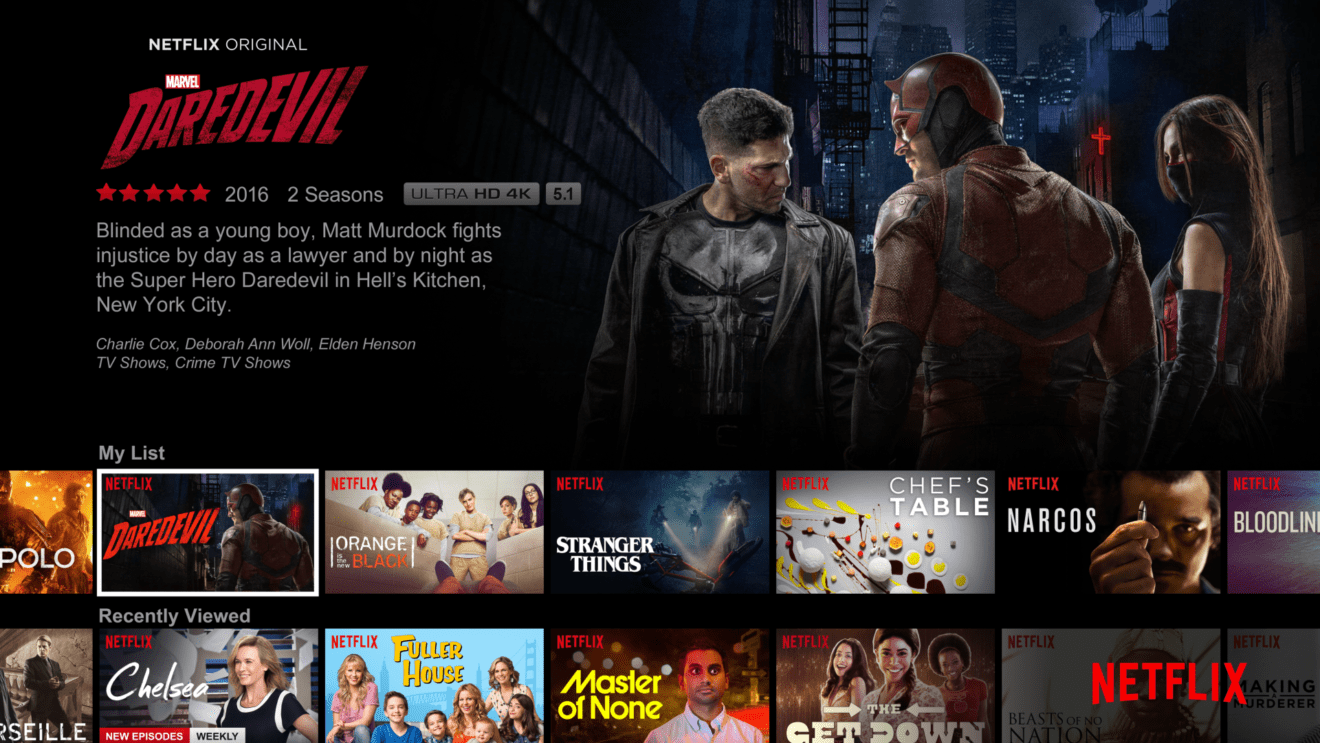
    But once Netflix went digital and launched its mobile apps, the company really took off. And to its credit, Netflix often updates its app to make the whole streaming video content experience more enjoyable for subscribers. According to Mobile Syrup, Netflix CEO Reed Hastings is thinking of releasing a major update that would replace the current grid-like UI with a magazine-style layout. The executive says that the current layout showing small boxes with images from each video in its library reminds him of “classified ads.” Instead, Hastings says that Netflix should be “gloriously laid out” like a magazine in order to spur “visual interest.”

    But even though Hastings wants to see such a change, Netflix vice president of product and studio design Steve Johnson says that the current grid system used by the video streamer has become iconic and makes it easier for people to use Netflix. Johnson said, “What we’re finding is the way that the grid is set up is actually working relatively well around the world.” However, a company’s CEO outranks a VP of product and studio design. So Johnson diplomatically notes that “Now that I’ve said that it’s working, I don’t think it’s working forever. And I think that we need to go deeper and we are going deeper.”

    Netflix is testing is testing a number of UI changes including one that increases the size of movie titles on Friday nights, when the app is used most often. He also said that Netflix could figure out your viewing routine and if you’re in the middle of watching a particular television series, it could start up the next episode immediately when you open the app. Netflix director of TV product innovation, Cameron Johnson, admits that less than 50% of the new features Netflix tries are successful. But he quickly added that the company learns from every test conducted and that keeps improving the service.

  • No original shows at launch for Apple TV service

    No original shows at launch for Apple TV service

    Apple’s TV service is still a no show, but that’s probably going to change very soon. The Cupertino-based company plans to use the March 25 event to outline how it will take on rivals like Amazon and Netflix, a new Bloomberg report claims. While Apple is gearing up to launch its TV service, the company needs to sign deals with Pay-TV programmers like HBO, Showtime, and Starz, which in return must decide whether or not Apple is either a threat or a potential partner.

    If everything goes well, Apple TV will offer HBO and Showtime TV shows at launch, but no original content, people familiar with the matter claim. Apple’s own movies and TV shows are still in development and might not be ready until later this year at the earliest. Although Apple may take the wraps off its TV service this month, it’s almost certain that it will not be actually available until fall.

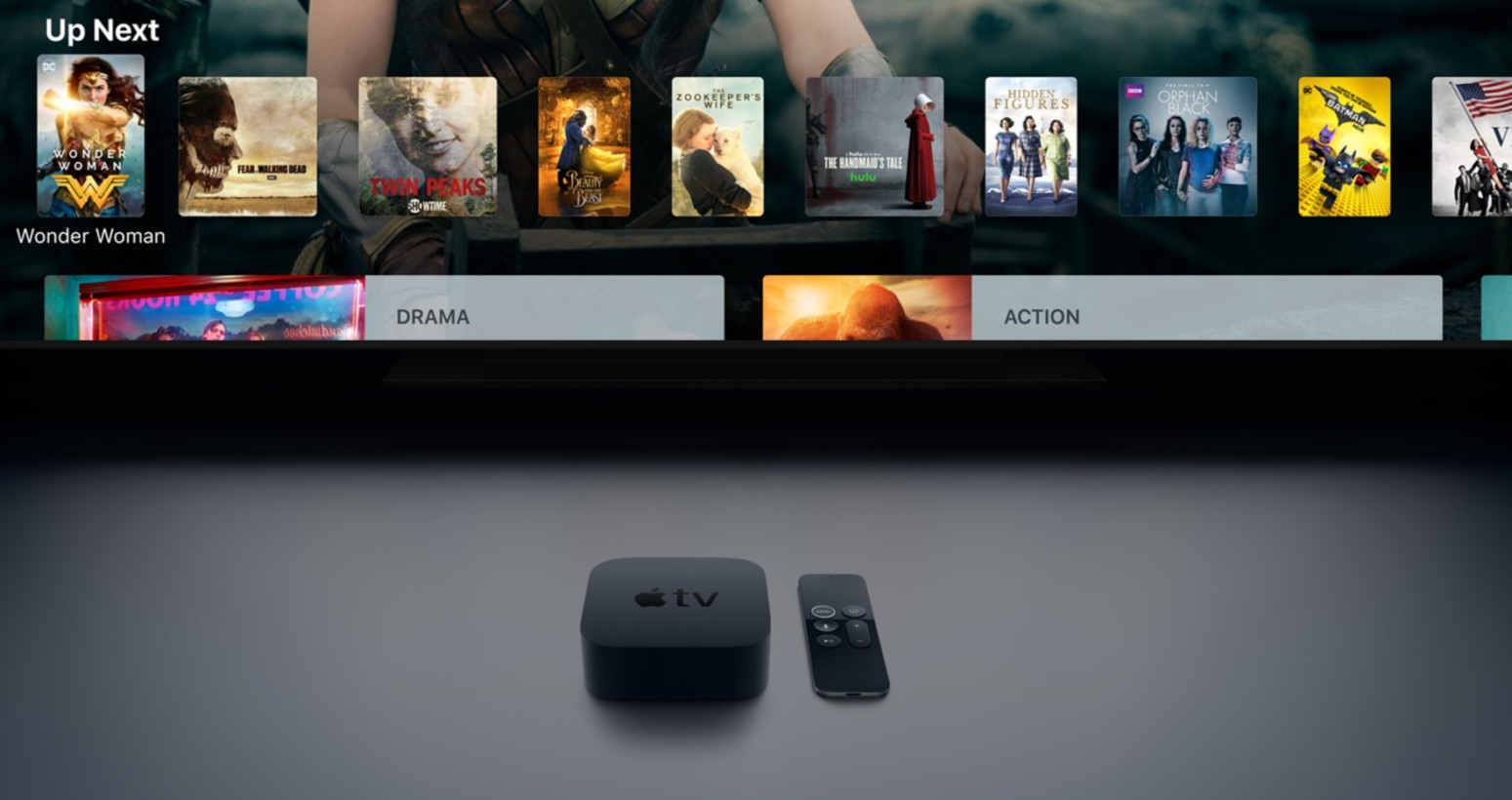
    Another important thing to note is that Apple plans to integrate the TV service into the iPhone, iPad and set-top box’s TV app, which will offer two types of content: Apple original shows or content bought/funded by the company, as well as content from third-party media companies like HBO and Showtime.

    The same report mentions that the first partnerships are expected to be closed as early as Friday, but since the talks are still going on, it’s impossible to predict what will happen.

  • Disney’s video streaming service will be a dream come true

    Disney’s video streaming service will be a dream come true

    Back in November, we told you that Disney’s video streaming service, which will compete with Netflix, Hulu, Amazon and Apple, is going to be called Disney+. According to Polygon, during the entertainment giant’s stockholders meeting last week, company CEO Bob Iger passed along some information related to the streaming service. Perhaps the most exciting bit of news that the executive revealed is something that will make Disney fans open their wallets as soon as the service is launched. Disney+ will offer “the entire Disney motion picture library.”
    If you’ve ever watched the Disney Channel, you know that Disney only offers a title on DVD for a limited time, and then locks it back into the Disney Vault for a number of years before it is released again. But once Disney+ is launched, the Vault gets blown up. Besides all of those classics and more recent hits (including Frozen), Iger says that there will be some original programming including a live action Star Wars series called The Mandalorian.
    In case you were wondering, Iger says that new theatrical releases will take about a year to go from silver screen to your phone screen. Disney+ will “combine both the old and the new,” the CEO said. “All of the films that we’re releasing this year, starting with Captain Marvel, will also be on the service.”
    While Iger didn’t reveal a launch date for Disney+, he did say that the service will debut later this year.
  • Telenor Pakistan partners with Netflix

    Telenor Pakistan partners with Netflix

    Telenor Pakistan today announced its partnership with Netflix, the world’s leading internet entertainment service. As part of this partnership, Telenor’s postpaid and corporate customers in Pakistan will be able to add their Netflix subscription fee to their monthly mobile bill, eliminating the need to share additional credit card or debit card details.

    New and existing Netflix subscribers in Pakistan will be able to select the option to pay through their Telenor mobile bills from the payments page of Netflix. They can simply complete this process by entering their Telenor mobile number, followed by the OTP (one time password).

    “Leading Pakistan’s digital transformation, we are always on the lookout for innovative ways to integrate solutions and maximize utility for our customers,” said Sardar Abubakr, Chief Digital & Strategy Officer at Telenor Pakistan. “Telenor Pakistan’s partnership with Netflix will help us achieve that through our industry-first Direct Carrier Billing (DCB) service. With this partnership, our customers will be able to get seamless access to Netflix’s stellar catalogue of original and licenced content.”

    Netflix launched its service in Pakistan in 2016 enabling its members to enjoy unlimited, ad-free entertainment on any internet connected mobile phone, laptop, desktop, tablet, or television.  More than 139 million Netflix paid members in over 190 countries enjoy TV series, documentaries and feature films across a wide variety of genres and languages.

    To promote digital and e-commerce ecosystem in the country, Telenor Pakistan launched Direct Operator Billing (DOB) in 2014 in collaboration with mobile payments company Fortumo and digital & social games publisher Gameloft for purchase of exclusive Gameloft titles and content from the gaming ecosystem. Direct Carrier Billing (DCB) was launched in 2017 through which customers may purchase content from Telenor Apps and Google Play Store, Gamebird related content and now for Netflix subscriptions as part of their mobile bills.


  • Netflix streams its way into Korean hearts

    Netflix streams its way into Korean hearts

    Netflix viewership is growing faster than ever in Korea. According to mobile app tracker WiseApp on Tuesday, 1.27 million Android users in Korea used the Netflix app in December last year. That’s nearly four times, or 274 percent, more than the beginning of the year, when just 340,000 Android users had used the app in January 2018. Nearly half, or 41 percent, of Netflix users were in their 20s.

    WiseApp estimated that there are around 900,000 paying Netflix users across all devices in Korea who spend a monthly 11.7 billion won ($10.5 million) combined on the platform.

    Netflix users are allowed to share their account with family members and friends, so the number of paying customers is always lower than the number of users. Netflix also offers a one-month free trial, giving first-time users unlimited access to the platform for a limited time.

    Onlookers have suggested a variety of possible explanations for Netflix’s growing success in Korea and the rest of the world.

    Park Yong-hu, an IT expert who has previously worked for Kakao and Baedal Minjok operator Woowa Brothers, believes the absence of advertisements allows Netflix original content creators greater freedom to come up with fresh and innovative material.

    “Platforms that host advertisements often run into the problem of whether to prioritize users or advertisers first,” said Park. “For companies like Netflix, however, where the client and user are the same, they have the advantage of being able to clarify their vision.”

    Netflix confirmed that it doesn’t try to limit creators.

    “Netflix never requests creators change their stories,” added a spokesperson from Netflix in Korea. “Creators are guaranteed that they will create the content they want and Netflix just helps to realize their dream.”

    Convenience is another feature winning over users.

    From smart TVs to tablets, there are over 1,500 different types of smart devices that Netflix currently supports. The 14,500 won premium subscription option in Korea allows up to four people to use the platform at the same time, even in 4K ultra-high definition.

    With Netflix’s Smart Downloads, users don’t even have to bother downloading shows themselves. The smart feature automatically deletes an episode a user has finished watching and downloads the next one.

    Netflix’s recommendation system also attempts to offer users enough content that fits their preference so that they keep using the service.

    “Netflix does not gather user data by categorizing them into groups like ‘a male bachelor in his thirties living in Seoul,’ but we instead [suggest shows] by looking at the types of content that they have watched and the reviews they have left,” said a Netflix spokesperson.

    Netflix’s vast potential was most recently demonstrated by the tremendous success of its original film “Bird Box” starring Sandra Bullock. In a move untypical for the company, Netflix took to Twitter to reveal that 45 million users worldwide had streamed the post-apocalyptic hit within its first week of release last month.

    This year, the streaming platform is ambitiously trying to make its debut in the Korean drama scene. It has already confirmed the launch of several original Korean drama series with genres ranging from teen-romance to zombie-thriller, and started strong with the release of “Kingdom” last week, starring famous actors including Bae Doo-na of “Cloud Atlas.”

    Some believe it will be just a matter of time before Netflix becomes a force to be reckoned with in the domestic drama industry.

    “The threat Netflix is posing to Hollywood means that even production and distribution of video content cannot escape the currents of the fourth industrial revolution,” said Park.

  • Apple sales and profit slip as demand falls

    Apple sales and profit slip as demand falls

    Tumbling iPhone demand drove an uncharacteristic decline in Apple sales in the first quarter trimming back its profit for the period. Sales of its iPhone range slumped 15 per cent year on year, and although burgeoning revenue from services like digital media subscriptions – up 19 per cent to a new high of US$10.9 billion – and other products compensated, total sales were down 5 per cent to $84.3 billion.

    Sales in China slumped 26.6 per cent during the period.

    Net income fell by $100 million, from $20.065 billion in the December 2017 quarter to $19.965 billion in the latest quarter. While the company championed setting “an all-time earnings per share record” that was a consequence of a share buyback program reducing the share pool rather than an improved bottom line.

    Commenting on the results, GlobalData Retail MD Neil Saunders said while Apple is still a money-making machine, the sales decline “symbolises a company that is starting to run out of steam”.

    “In our view, this is something to be corrected, not least because Apple is a costly company to run and it relies on strong revenue growth to drive up the bottom line. As this quarter’s figures show, failure to achieve that results in profit erosion.”

    Saunders said the slowdown in iPhone sales reflected Apple’s inability to come up with meaningful and valuable innovations that wow consumers.

    “The latest iPhones might be works of art from an engineering perspective, but they are essentially incremental products that lack the excitement and newness of earlier models. With the higher price points of top-end models, consumers expect a lot more for their money. The blunt truth is, Apple’s latest line up of phones doesn’t do that much more than the generations that came before.”

    He said the slowdown in China is a problem Apple shares with many other companies.

    “The country is suffering from more sluggish consumer demand which has put the brakes on retail growth rates across many sectors. However, the issue for Apple is that this has coincided with a rise in competition from local phones and devices which has helped to eat into its own growth. In short, China is no longer the engine of growth for Apple that it once was and this makes Apple uncomfortably more reliant on mature markets to drive revenues. Some of those markets, like Europe, are also not delivering – thanks to very high price points and consumers that are hesitant to spend on big-ticket items.”

    From must have to might buy

    Saunders said Apple’s iPads and some of its Macs are good, quality items, however they are simply not impressing the market and Apple is losing its lustre in terms of producing compelling products.

    “In our view, Apple has moved from a position of ‘must have this and must have it now’ to ‘might buy this at some point in the future’. Price increases may mitigate this but, ultimately, such a shift can only ever result in a softer sales performance.”

    While services are performing well, Saunders said Apple must push much harder.

    “Amazon is successfully creating an ecosystem of services through Prime. Apple needs to do something similar by building on its Apple Music subscription and its App Store offering. Movies and television content are also needed to propel sales.

    “In our view, Apple should seriously consider a big acquisition such as Netflix. Content is a big growth area and is becoming increasingly linked to devices. Apple needs to play more heavily in this space both to generate new opportunities but also to defend its own device business.”

    While Apple remains a solid and financially successful company, he said, a lack of serious and significant innovation means it runs the risk of diluting future earnings.

    “Apple thrives off serving a mass market; at the moment its moves to provide more expensive items to fewer people will ultimately do further harm to the bottom line. The clear blue water that once existed between Apple and its rivals is much diminished. The company has time to reopen the gap, but to do so, it needs to pull something new and unique out of its hat sooner, rather than later.”

    Cook’s positive spin

    Apple CEO Tim Cook delivered a positive spin on the results: “While it was disappointing to miss our revenue guidance, we manage Apple for the long term, and this quarter’s results demonstrate that the underlying strength of our business runs deep and wide. Our active installed base of devices reached an all-time high of 1.4 billion in the first quarter, growing in each of our geographic segments. That’s a great testament to the satisfaction and loyalty of our customers, and it’s driving our services business to new records thanks to our large and fast-growing ecosystem.”

    At the end of the quarter, Apple’s net cash balance was $130 billion.

  • Korean Netflix shows target a global audience

    Korean Netflix shows target a global audience

    Ahead of the launch of Netflix’s first original Korean drama series today, executives from the streaming giant expressed confidence in the global popularity of Korean content at a press briefing in Seoul, Thursday. Kim Min-young, the director of content at Netflix in Korea, said that she expected to win over fans with the company’s first-ever original Korean drama series “Kingdom,” a highly-anticipated zombie series that launches on the streaming platform.

    “‘Kingdom’ will launch in 190 countries in 27 languages at the same time, with dubbing provided in 12 different languages,” Kim said.

    “We expect many users will want to watch it, as it can appeal to both people who like zombie thrillers or just Korean content … I believe in our creators and [the popularity] of Korean media, which is also the reason why Netflix launched Korea’s own content team in the country last year.”

    Before last May, the team that produced and licensed content to Netflix for the Korean market worked from Singapore at the company’s Asia-Pacific headquarters. Following the relocation, the Korean content team has been pursuing licensing and production activities more actively, working with domestic content producers like JTBC and Studio Dragon.

    Regarding original production in Korea, Kim said she benchmarks successful foreign Netflix original dramas like Spanish title “Elite” and Turkey’s “The Protector” that became huge hits with users across the world.

    “Our ultimate goal is to present entertainment to consumers, and from our experience, we found it necessary to give creators the freedom to tell the story they want to share,” said Kim.

    “As you can see with ‘Black Mirror: Bandersnatch,’ we will help producers to not be hindered from doing what they want because of technological limits.”

    “Black Mirror: Bandersnatch” is a choose-your-own-adventure film by Netflix that allows users to choose one of many action courses for the characters throughout the movie to determine how the plot progresses. Kim hinted that the impressive technological feats as shown via the interactive video could also be made possible in Netflix’s Korean programs.

    “We were also satisfied with the performance of our original entertainment program ‘Busted!,’ as reflected by our decision to produce a second season,” she said.

    The Netflix team also addressed concerns that Netflix provided limited service offerings and imposed unfair deals on its Korean partners.

    “Although we can’t provide all content available out there, we conduct analyses to discover what content users want,” Kim said. “But we have contents like ‘Friends,’ ‘Walking Dead’ and ‘Kim’s Convenience’ which users can’t access elsewhere.”

    In response to a rumored nine-to-one profit division between Netflix and Korean distributors like IPTV operator LG U+, Nigel Baptiste, director of partner engagement at Netflix, said that he could not “go into the specifics of what the deals are with our partners,” but the goal was to help “everyone in the ecosystem benefit.”

    The team did reassure users that subscription fees will not rise anytime soon in Korea.

    “We did increase prices in the U.S. … but we don’t have plans to do so right now [in Korea],” said the vice president of Asia-Pacific communications, Jessica Lee.

    Netflix is planning to release several new series in Korea this year – the first seasons of “Love Alarm,” “My First First Love,” “School Nurse Ahn Eun Young” and the second season of “Busted!”

    Mobile app research company WiseApp reported that some 900,000 Koreans used the Netflix mobile app on Android phones alone last September.

  • Knows deeper Japanese lifestyle guru Marie Kondo

    Knows deeper Japanese lifestyle guru Marie Kondo

    Marie Kondo is the queen of organization. Her book, “The Life-Changing Magic of Tidying Up: The Japanese Art of Decluttering and Organizing,” reveals her instructions for organizing your space in one sitting, and then never having to do it again. Her methods have garnered a significant social media following with the hashtag #konmarimethod, and also landed her a spot on Time’s 2015 “Top 100 Influential People” list.

    Marie Kondo is a Japanese organizing consultant and author. She has written four books on organizing, which have collectively sold millions of copies and have been translated from Japanese into languages including Korean, Chinese, Spanish, Indonesian, French, German, Swedish and English.

    Ever since Netflix released Tidying Up With Marie Kondo on New Year’s Day, Twitter has been awash with Kondo memes.

    Marie follows the the Japanese way of living based on minimalism, and she applies to all objects in house.

    Marie is growing popularity on the web; however, some of her statements divide the internet.

    In the digital age, while experts maintain that influencer marketing is fading out, and some others opt for micro-influencers, Marie seems to belong to a complete new category that aims to make people’s life better through reducing possessions instead of accumulating goods.

    We are looking forward to see what’s next for influencer marketing.

  • Four Korean firms join forces to fight Netflix

    Four Korean firms join forces to fight Netflix

    SK Telecom is teaming up with three major broadcasters to launch a new video content service in a bid to challenge the popularity of foreign services like Netflix. On Thursday, SK Telecom and broadcasters KBS, MBC and SBS signed an MOU to combine their current over-the-top (OTT) media service businesses and launch a new and improved service by the first half of this year. OTT refers to content that is delivered directly to users over the internet without going through intermediaries like television.

    The four companies will also establish a joint venture that combines the OTT operations of each party. SK Telecom CEO and President Park Jung-ho said he is seeking around 200 billion won ($177.9 million) in investment for the new firm.

    SK Telecom’s subsidiary SK Broadband currently operates Oksusu, a television and movie platform released in 2016. The three broadcasters have Pooq, a joint venture that MBC and SBS both have a 40 percent stake in, while KBS holds 20 percent.

    Videos from over 70 channels are available on Pooq, including drama series from the 1990s and early 2000s.

    All four companies are expected to benefit from the partnership. Pooq has already established ties with Southeast Asian companies, having partners in Hong Kong’s Viu, Malaysia’s iflix and China’s iQiyi.

    During the MOU signing, SK Telecom CEO Park said he hoped to see the new strengthened service launch in Southeast Asia by June.

    In return, the three TV channels will have access to SK Telecom’s financial resources, which can be invested in original content production.

    The partnership is seen as an effort by the domestic companies to combine forces to fend off growing foreign competition, especially that posed by Netflix.

    Oksusu has 9.46 million registered users while Pooq has 3.7 million. Netflix is estimated to have around 900,000 domestic registered accounts, still trailing far behind the local companies.

    These figures only tell half the story, however.

    While Oksusu is the No. 1 OTT service in Korea in the number of accounts, its number of monthly active users is only estimated to be two-thirds of registered users. OTT services from competing mobile carriers like KT’s Olleh TV and LG U+’s Video Portal are also catching up quickly in total users.

    Also, very few original videos produced by Korean OTT service providers have enjoyed success.

    Netflix, on the other hand, saw tremendous growth in the three years it has been operating in Korea.

    As of last September, users spent a total of 283 million minutes a month on Netflix’s mobile app on Android according to WiseApp, which analyzes mobile app usage. Just two years ago, users had spent 14 million minutes a month on Netflix, or 20 times less.

    During the same period, the time that Oksusu and Pooq users spent on the apps increased less than twofold.

    Users spent a total of around 600 million minutes a month on both apps as of last September.

    Experts believe that the content budget is largely to explain for the differences in growth.

    Netflix is estimated to have spent around $8 billion on content production and licensing last year. Oksusu spent only around 10 billion won in content investment, however, a fraction of Netflix levels.

    “Through this partnership, Korean OTT service providers can strengthen the competitiveness of their content, which has been their weakest point,” said Jung Ji-soo, an analyst at Meritz Securities. “[The companies’] goal of becoming Korea’s Netflix will also help in energizing the domestic media ecosystem.”

  • LG U+ IPTVs get Netflix in Korea

    LG U+ IPTVs get Netflix in Korea

    Netflix content will be available on LG U+ internet protocol TVs (IPTV) today. Under an exclusive IPTV deal inked with LG U+, Netflix content, including Netflix Originals, will be aired through LG’s platform, the carrier said Wednesday.

    LG subscribers won’t have to replace their existing set-top boxes as they will be automatically upgraded, though services will be first offered to the 1.07 million users of LG’s latest set-top box, dubbed UHD2, and gradually rolled out to other set-top boxes.

    Considering Netflix offers over 22,000 movies and television shows, including its big-name original content like “House of Cards,” “Stranger Things” and “Orange Is the New Black,” this is a good chance for the smallest carrier in Korea to steal some subscribers.

    By next month, the carrier will also reform the user interface of its IPTV so users have easier access to Netflix content as well as its own kids’ content platform, dubbed “Kid’s World,” that is gaining popularity among customers in their 30s and 40s with children. LG is banking on both services for the further growth of its IPTV business, according to Song Gu-young, senior vice president and head of home and media business at LG U+.

    The revamped interface could look similar to the Netflix app. When a user selects a video, an image related to the video will fill up the whole screen and a preview will run automatically, which is similar to how video previews are played on the Netflix app.

    The partnership between LG U+ and Netflix is no surprise as the market has long been expecting the announcement, but what’s still not clear is whether the carrier will offer a phone plan centered on Netflix. Without a useful plan, existing users of Netflix might not feel the urge to migrate to LG just for the IPTV service because it would only mean they get better access to Netflix content on the LG platform, but for the same monthly fee.

    LG is reportedly planning to roll out phone plans with a Netflix discount, according to an industry source, but it might take some time as new plans need government approval.

    For the time being, LG U+ is giving out free three-month Netflix trials to new subscribers of its IPTV plans worth at least 15,400 won ($13.50) per month until the end of this year.

    Korea’s mobile carriers have shifted their focus to the IPTV business as sales from traditional mobile phone subscriptions faltered after the government pressured them to make monthly phone bills cheaper last year.