Retail News CRM

Tag: network

  • Emirates SkyCargo Expands Global Network with Weekly Freighter Service to Almaty, Central Asias Growing Commercial Hub

    Emirates SkyCargo Expands Global Network with Weekly Freighter Service to Almaty, Central Asias Growing Commercial Hub

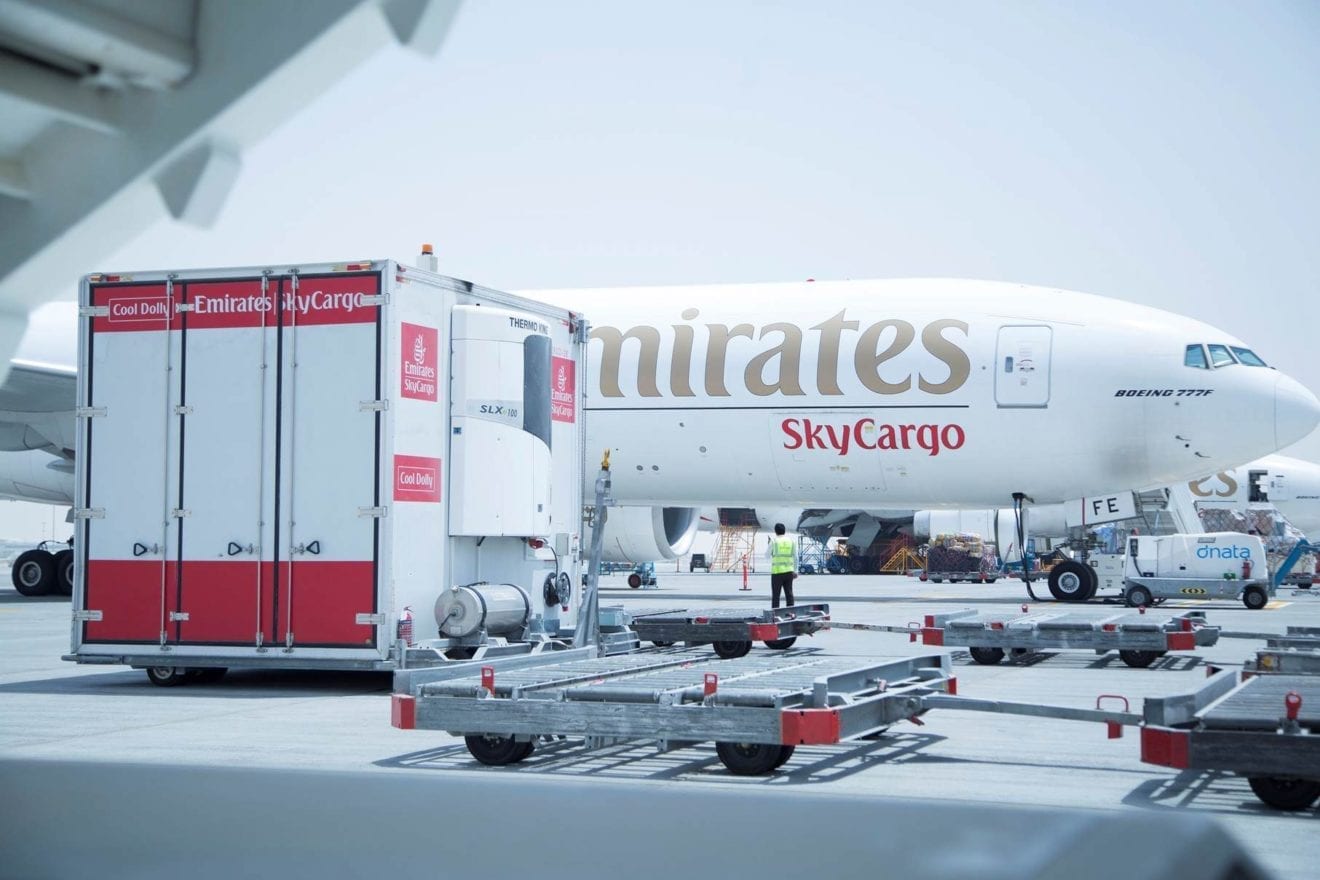
    Emirates SkyCargo, the freight arm of the prominent Emirates airline, recently announced the commencement of weekly freighter flights to Almaty International Airport, Kazakhstan, starting from 16 June 2026. In what marks the company’s first foray into Central Asia, the Dubai-based flights are set to establish a robust trade channel, tying the region to the Emirates SkyCargo global network.

    Strengthening Trade Corridors

    As the major city of Kazakhstan, Almaty is a fast-developing commercial and logistical center, serving as an economic and trading nexus in Central Asia. By offering weekly freights every Tuesday, Emirates SkyCargo aims to supply over 100 tonnes of weekly cargo capacity. This will facilitate the smooth transportation of key commodities including electronics, perishables, machinery, and other consumer items between Dubai and Almaty.

    Badr Abbas, Divisional Senior Vice President of Emirates SkyCargo, noted that the decision to offer weekly freighter services to Almaty was in line with the company’s role as a global trade facilitator. He expressed optimism that the new service would provide businesses in Almaty and the surrounding region with opportunities to expand their international operations. Furthermore, it would offer the company’s global customers quick and convenient access to a strategic marketplace. Abbas also stated that the Almaty expansion supports the company’s long-term growth strategy and the D33 Dubai Economic Agenda objectives by increasing foreign trade and solidifying Dubai’s status as a global logistics hub.

    Expansion of Freighter Fleet and Network

    In response to a surge in global demand, Emirates SkyCargo has strategically expanded its freighter fleet and worldwide network. Since March 2026, the airline has taken delivery of four new Boeing 777 freighters, with six more due for delivery later this year. This will bring the total Emirates freighter fleet to 21 aircraft by December 2026. Emirates SkyCargo offers its global customers scalable and flexible cargo capacity solutions. In addition to dedicated freighter flights, the carrier also provides high-frequency bellyhold cargo capacity on Emirates’ passenger aircraft fleet, operating to destinations across six continents.

    Questions & Answers

    What is the significance of Emirates SkyCargo’s new service to Almaty?
    The new service will open up a new channel of trade, linking Central Asia, particularly Kazakhstan, to Emirates SkyCargo’s global network. It offers businesses an opportunity to expand their operations and provides global customers with a strategic marketplace.

    How does this expansion fit into Emirates SkyCargo’s broader strategy?
    The expansion aligns with the company’s long-term growth strategy and the D33 Dubai Economic Agenda objectives. It supports the company’s role as a global trade facilitator and strengthens Dubai’s standing as a global logistics hub.

    What are Emirates SkyCargo’s plans for their freighter fleet?
    With the delivery of four new Boeing 777 freighters in 2026 and six more expected later in the year, Emirates SkyCargo plans to expand its freighter fleet to 21 aircraft by the end of 2026.


  • Domino’s Pizza China Gains Momentum: Soars High with Expanding Network, Innovative Menu, and Soaring Customer Loyalty

    Domino’s Pizza China Gains Momentum: Soars High with Expanding Network, Innovative Menu, and Soaring Customer Loyalty

    Domino’s Pizza China (DPC Dash) has reported a robust performance for the first quarter as it continues to grow its customer base and expand its operations. DPC Dash holds the master franchise rights for Domino’s in Mainland China, Hong Kong, and Macau.

    By the end of March, DPC Dash had increased its total number of stores to 1,462 in 72 cities, marking a net increase of 147 stores and an extension into 12 new cities compared to the end of the previous year. The number of new stores, stores under construction, and stores signed account for 65% of the company’s annual target of 350 new stores. The company’s primary growth engine has become non-tier 1 cities, while tier 1 cities continue to contribute to a high-quality revenue base.

    The company’s loyalty program saw considerable growth, with membership numbers rising to 38.8 million by the end of the quarter, up from 27.2 million during the same period the previous year.

    DPC Dash now holds all of the top 50 positions for first 30-day sales among Domino’s more than 22,100 globally located stores. In terms of the number of stores, the Chinese mainland market remains the third largest international market for the chain.

    DPC Dash continues to follow a “go broader, go deeper” expansion strategy to increase its market share. This involves penetrating further into existing cities and expanding into new areas.

    Product innovation remains a key focus for the company, with the introduction of globally inspired flavors such as the limited-edition Yak Beef Matsutake Ham Fortune Pizza released for the Year of the Horse New Year celebration. The company also revived the “Mega Week” promotion and extended the “Crazy Tuesday & Wednesday” offer to boost customer footfall.

    The company’s strong execution, appealing store economics, and operational efficiency continue to drive robust performance in a highly competitive landscape, creating sustainable, long-term value for shareholders, according to the management.

    Questions & Answers

    What is the expansion strategy of DPC Dash in China?
    The company follows a ‘go broader, go deeper’ strategy, which involves penetrating further into existing cities and expanding into new markets.

    How many new stores did DPC Dash open in the first quarter?
    In the first quarter, DPC Dash opened 147 new stores, extending its reach to 72 cities in total.

    What product innovations has DPC Dash introduced recently?
    The company introduced globally inspired flavors such as the limited-edition Yak Beef Matsutake Ham Fortune Pizza for the Year of the Horse New Year. It also brought back the “Mega Week” promotion and extended the “Crazy Tuesday & Wednesday” offer to increase customer footfall.

  • H&M: Shrinking Store Network Hits Sales, But Profits Skyrocket Amid Optimized Portfolio

    H&M: Shrinking Store Network Hits Sales, But Profits Skyrocket Amid Optimized Portfolio

    In the first fiscal quarter, Swedish fashion powerhouse H&M witnessed a decrease in sales, corresponding with a reduction in the total number of store locations.

    Sales Performance

    By the end of the quarter, which concluded on February 28, net sales were reported to be SEK49.6 billion (US$5.2 billion)—a 1% year-on-year decrease in constant currency. The company saw a 4% reduction in stores, or 163 fewer outlets, compared with the same timeline last year. The global store count was noted to be 4050 as of February 28.

    H&M is undertaking steps to strengthen its long-term position and further enhance profitability through the optimization of its store portfolio. Actions include the renovation of existing stores, the opening of new outlets, and closure of others.

    However, reported net sales witnessed a 10% decrease, largely due to currency translation. The quarter began with a weak December, with a noticeable demand drop after November’s Black Friday trading. However, a positive sales trend emerged towards the end of the quarter, driven by the successful reception of the spring collections.

    Regional Sales Performance

    Sales in Asia, Oceania, Africa, and the Americas fell 3% when calculated in constant currency. In Western and Eastern Europe, sales were down by 1%, whereas Southern Europe saw a sales increase of 3%. Sales performance in the Nordics remained steady.

    Gross margin rose from 49.1% to 50.7% during the quarter. The operating profit saw a significant boost with an increase of 26%, amounting to SEK1.512 billion. Profit for the period also grew by 21.5% to SEK704 million. CEO Daniel Ervér attributed the strengthened profitability to good cost control and an improved gross margin, despite cautious consumption and large currency translation effects.

    Ervér also stressed the significance of flexibility in the current challenging macroeconomic environment, which is marked by increased geopolitical uncertainty.

    Future Expectations and Concerns

    H&M anticipates a 1% increase in sales in constant currency for March in the current quarter. The company is closely observing the developments in the Middle East, along with the potential implications on global trade. The Middle Eastern markets, which are managed through franchise partners, account for a minor portion of H&M’s sales.

    Questions & Answers

    What was the net sales value for H&M in the first fiscal quarter?
    The net sales value was SEK49.6 billion (US$5.2 billion).

    What changes are being undertaken within H&M’s store portfolio?
    Actions include updating existing stores, opening new ones, and closing some outlets.

    What is the anticipated sales increase for March in the current quarter?
    H&M expects a 1% increase in sales for March in the current quarter.

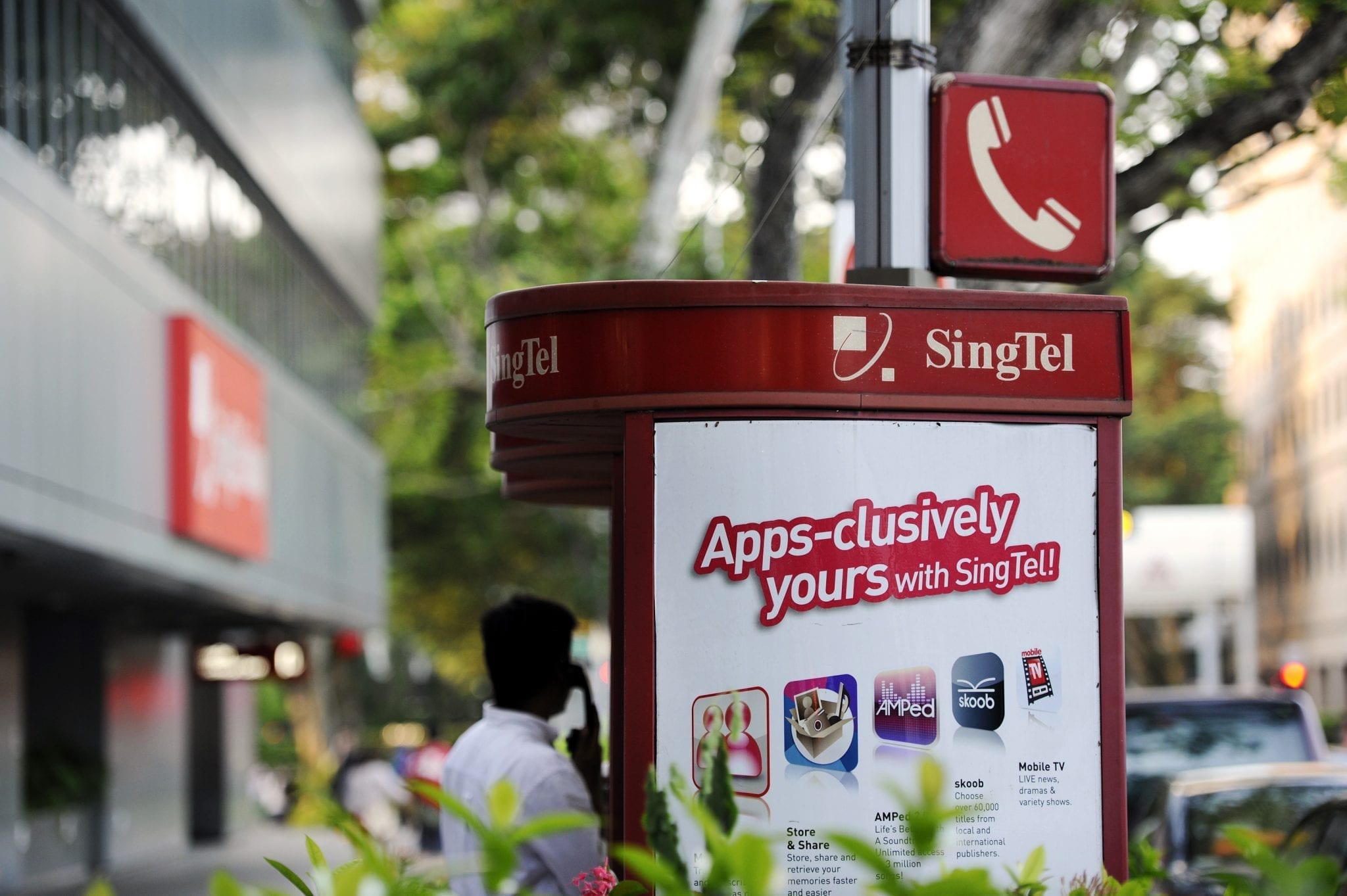
  • Singtel Faces Back-to-Back Disruptions: Singapore’s Largest Mobile Network Grapples with Connection Issues

    Singtel Faces Back-to-Back Disruptions: Singapore’s Largest Mobile Network Grapples with Connection Issues

    On Tuesday, customers of Singtel, the largest mobile network in Singapore, faced connectivity issues for the second consecutive day. These disruptions followed a Monday outage that lasted more than eight hours and impacted thousands of users, creating significant inconvenience for customers and affecting crucial services such as payments, ride-hailing, and food delivery.

    Singtel revealed that a “small number” of customers were experiencing connectivity issues, but clarified that these problems were unrelated to the Monday outage. By 5 p.m. on Tuesday, connectivity had been restored. The company issued an apology for the inconvenience caused to its customers.

    The Infocomm Media Development Authority (IMDA), in a recent statement, confirmed that initial investigations into the two incidents found no evidence of any cyber-related issues. They emphasized that they seriously view any service disruptions and pledged to thoroughly investigate both incidents. They also sternly warned that they would not hesitate to take stringent regulatory action against Singtel if any lapses were identified.

    Previous Disruption and Cyber Attack

    On Monday, Singtel experienced a severe network outage that lasted more than eight hours. This disruption led to many Singtel users reporting issues with their mobile services. Some were even unable to make payments or use mobile data for work-related tasks.

    Last month, the authorities in Singapore reported that all four major telcos, including Singtel, had been targeted in a cyberattack by UNC3886. This assault, disclosed last year, enabled the attackers to access critical systems at the telcos. However, no sensitive customer data was compromised.

    Continuing Issues and Customer Dissatisfaction

    Despite the restoration of services, many Singtel and GOMO users reported that they were still unable to reconnect on Tuesday. They expressed frustration over the slow customer service responses. GOMO is a budget-friendly sub-brand of Singtel.

    Priscilla Wee, a 56-year-old homemaker, shared her ordeal of repeatedly turning her phone off and on and reloading her GOMO e-SIM. However, her efforts were in vain. Out of frustration, she terminated her GOMO line on March 17 and switched to StarHub. She stated, “The trust factor with Singtel is now gone.”

    Aaron Ang, chief technology officer of Cyber Leaders Nexus, a Singapore-based cybersecurity company, commented on the situation. He suggested that engineers responding to a significant outage often resort to restarting systems, rerouting traffic, or implementing quick fixes. Such remedial actions can put stress on other parts of the system or reveal hidden issues, potentially causing a second, separate outage.

    Questions & Answers

    What was the cause of the recent Singtel disruptions?
    The company stated that they were unrelated incidents and not associated with any cyber-related issues.

    What were the consequences of these disruptions?
    Thousands of users were affected, with some unable to use essential services such as payments, ride-hailing, and food delivery, leading to significant inconvenience.

    What is the IMDA’s stance on these incidents?
    The Infocomm Media Development Authority takes a serious view of service disruptions, pledging to thoroughly investigate both incidents and warning of stringent regulatory action if any lapses are identified.

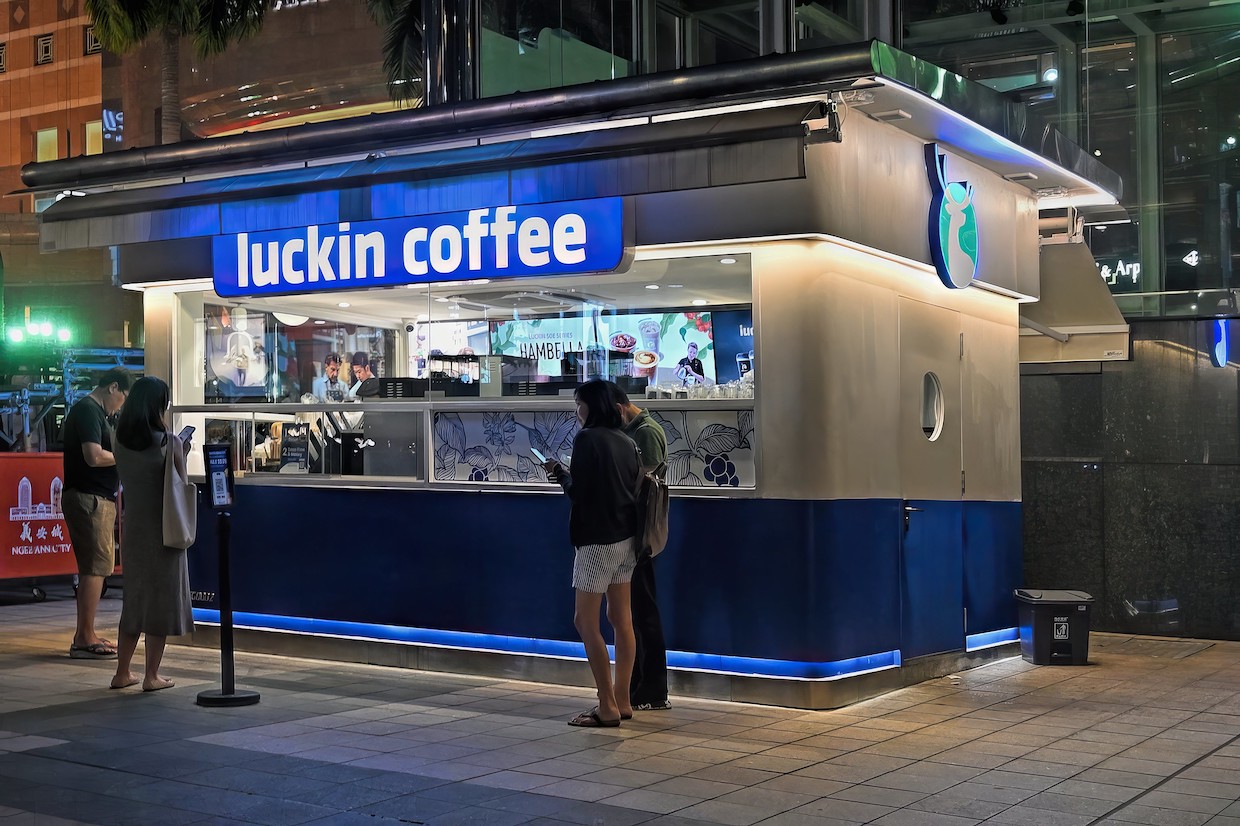
  • Robust Growth for Luckin Coffee Driven by Strategic Network Expansion and New Store Openings

    Robust Growth for Luckin Coffee Driven by Strategic Network Expansion and New Store Openings

    Luckin Coffee, a reputable coffee chain, has disclosed another quarter of impressive double-digit revenue growth. This growth is mainly attributed to the company’s strategic focus on expanding its reach across various regions.

    Growth Metrics

    In the fourth quarter, which concluded on December 31, the company’s net revenues climbed by 32.9 per cent, reaching RMB12.7 billion (US$1.8 billion). The primary driver of this growth was the net opening of 1834 new stores, of which 1792 are in China, 13 in Singapore, 25 in Malaysia, and four in the United States. By the end of the quarter, the total count of stores stood at 31,048. This includes 20,234 company-operated stores and 10,814 locations in partnership.

    The same-store sales of company-operated outlets grew by 1.2 per cent. This presents a significant improvement from the 3.4 per cent decrease experienced in the same period last year.

    During the quarter, the Gross Merchandise Value (GMV) witnessed a 32.8 per cent rise. Concurrently, the average number of monthly transacting customers surged by 26.5 per cent.

    Financial Performance

    However, the GAAP operating income demonstrated an 18 per cent fall, amounting to RMB821.4 million. Additionally, the net income decreased by 39 per cent to RMB518.2 million.

    For the entire year, the net revenues escalated by 43 per cent, reaching RMB49.2 billion. This increase was accompanied by the opening of 8708 net new stores. The net income demonstrated a 22 per cent rise, standing at RMB3.6 billion.

    Leadership Insights

    Jinyi Guo, the co-founder and CEO of Luckin Coffee, offered insights into the company’s performance. Guo highlighted the strength of the company’s execution focused on scale, which enabled it to achieve robust growth amidst fluctuating market dynamics.

    Guo stated, “We concluded the year on a strong note, achieving the milestone of our 30,000th store and expanding our cumulative transacting customer base to over 450 million.”

    He further noted that the company’s increased scale strengthened its market leadership and boosted its capability to harness the structural tailwinds of China’s coffee market.

    Questions & Answers

    What contributed to Luckin Coffee’s impressive growth in the fourth quarter?
    The company’s significant growth was primarily driven by the net opening of 1834 new stores across various regions.

    How did the company’s financial performance fare in this period?
    Despite the impressive revenue growth, Luckin Coffee saw a decrease in GAAP operating income by 18 per cent and net income by 39 per cent.

    What does the company’s expansion signify?
    The expansion of Luckin Coffee’s scale has fortified its market leadership and equipped it to tap into the structural tailwinds of China’s coffee market effectively.

  • Emirates SkyCargo Expands into Belgium, Adds Liege to Global Freighter Network Amid Rising Cargo Demand

    Emirates SkyCargo Expands into Belgium, Adds Liege to Global Freighter Network Amid Rising Cargo Demand

    Emirates SkyCargo, renowned for being the freight division of the largest international airline worldwide, has recently announced that Liege, Belgium (LGG) is the newest addition to its freighter network. A considerable enlargement of their network is planned throughout the next year, with Liege being the inaugural freighter destination for 2026.

    Strategic Location

    Liege Airport is strategically located within the Amsterdam-Paris-Frankfurt production ‘golden triangle’. Its prime location, combined with unmatched road connectivity, makes it one of the rapidly expanding cargo hubs globally. In 2025, the airport saw a 14% increase in cargo volumes. Over the past years, Emirates SkyCargo has utilized Liege Airport for sporadic freighters, transporting specialized items such as freshly cut flowers, e-commerce packages, and specific charters for horses headed for global competitions. With the continuing demand, the airline will now deploy five weekly freighters, enhancing cargo capacity by 500 tonnes each week to facilitate quick, reliable, and efficient movement of goods.

    Expanded Connections

    Among the five weekly freighters, three will provide connections between Liege, Chicago’s O’Hare International Airport, and Al Maktoum International Airport in Dubai. These connections will ensure the safe transportation of crucial, temperature-sensitive pharmaceutical products through a seamless and efficient cool chain. The remaining two freighters will commence in Hong Kong and transport e-commerce shipments to and via Liege.

    Khawla Abdulla, Vice President of Cargo Commercial for Europe, Emirates SkyCargo, highlights that establishing Liege as a permanent fixture in their freighter network is a strategic decision that enhances their European footprint and offers more connectivity for their global customers. She estimates considerable growth with the deployment of the five weekly freighters, considering the successful transportation of over 15,000 tonnes of cargo from Belgium in 2025. The high-quality infrastructure, freighter-first operations, and well-connected logistics at Liege Airport further support their aim to provide high-level service to Belgium and its neighboring countries.

    Torsten Wefers, Vice President Sales and Marketing, Liege Airport, expressed his honor at Emirates Sky Cargo’s decision to include Liege Airport in their global freighter network. He views this development as a testament to Liege Airport’s rising importance in the European air cargo industry and further strengthens its position as the largest European freighter hub.

    Continued Expansion

    Europe remains a vital and bustling region for Emirates SkyCargo, with 38 freighters and 538 passenger flights serving it weekly. The airline is planning further expansion, recently announcing the commencement of passenger operations to Helsinki, Finland, in October 2026. With a tentative delivery of up to 10 new Boeing 777Fs by December 2026, along with the continued delivery of passenger aircraft, Emirates SkyCargo is poised for growth and service to more destinations with its top-tier product and service.

    Questions & Answers

    What percentage increase in cargo volumes did Liege Airport see in 2025?
    The airport saw a 14% increase in cargo volumes in 2025.

    How many weekly freighters will Emirates SkyCargo deploy to Liege?
    Emirates SkyCargo plans to deploy five weekly freighters to Liege.

    What is the significance of adding Liege to Emirates SkyCargo’s freighter network?
    This strategic addition enhances the company’s European footprint, providing more connectivity for their global customers, and facilitating the efficient and reliable transportation of various goods.

  • AI-Driven Network Optimization Boosts Indosat Data Traffic, Fuelling Digital Surge across Indonesia

    AI-Driven Network Optimization Boosts Indosat Data Traffic, Fuelling Digital Surge across Indonesia

    Indosat Ooredoo Hutchison (Indosat) saw a significant increase in data traffic throughout 2025, propelled by a rise in digital consumption across Indonesia. From December 21, 2025, to January 1, 2026, national data traffic grew by approximately 15% compared to regular days and by over 20% in comparison to the same period the previous year. This increase showcases the growing scale of digital activities across various regions. With a robust network across thousands of strategic locations and constantly improving infrastructure, Indosat ensured uninterrupted service even during the high-traffic holiday period.

    Optimizing Network Through Digital Intelligence Operations Center (DIOC)

    Indosat’s efforts were enhanced by network optimization through the Digital Intelligence Operations Center (DIOC), an artificial intelligence-based operations center that allows real-time network performance monitoring. The surge in data usage emphasizes Indosat’s dedication to improving customer experience by extending network coverage and enhancing quality, particularly for seamless video streaming and gaming in remote areas and key tourist destinations. This technology allows for adaptive capacity adjustments in areas experiencing traffic growth, ensuring customers have a reliable and high-quality digital experience across Indonesia.

    Desmond Cheung, Director and Chief Technology Officer at Indosat Ooredoo Hutchison, said that data traffic growth is not merely a technical indicator, but a tangible reflection of Indonesia’s digital economic progress. Usage surges are not restricted to major cities, but are also occurring in tourist destinations and emerging economic centers. This demonstrates the expanding impact of Indosat, and with AI-powered technology at DIOC, technical teams can more swiftly respond to potential disruptions, ensuring consistent connectivity for all customers.

    Preparing for the Digital Surge

    In anticipation of the surge in digital activity, Indosat increased network capacity at strategic locations, especially in regions with the highest traffic growth. This period also saw an increased popularity of digital services, with apps like TikTok, WhatsApp, Instagram, Facebook, and YouTube recording the highest usage growth. These efforts are supported by over 208,000 4G BTS and 1,404 5G BTS deployed nationwide, leading to an expanded service coverage for customers across Indonesia.

    Continuing Connectivity Recovery in Disaster-Affected Areas

    Connectivity remains critical for supporting community activities during post-disaster recovery. Indosat is expediting the restoration of telecommunications network services in areas affected by recent disasters. The company’s recovery effort reflects its commitment to supporting communities, ensuring connectivity remains a vital element for coordination, access to information, and daily activities.

    Indosat has also increased the number of technical personnel deployed across affected areas. Working closely with the Ministry of Communications and Digital Affairs, the Indonesian National Board for Disaster Management, and local governments, Indosat is ensuring priority fuel supplies and access to areas previously isolated due to infrastructure damage. Standby teams have been deployed at strategic locations for maximum service quality maintenance.

    Questions & Answers

    What led to the surge in Indosat’s data traffic in 2025?
    The rapid increase in digital consumption across Indonesia throughout 2025 led to a surge in Indosat’s data traffic.

    How is Indosat responding to the growth in data usage?
    Indosat is responding to the growth in data usage by optimizing its network through the AI-based Digital Intelligence Operations Center (DIOC), expanding network coverage, and enhancing service quality.

    What steps is Indosat taking to restore connectivity in disaster-stricken areas?
    Indosat is expediting the restoration of telecommunications network services, deploying more technical personnel, securing priority fuel supplies, and maintaining standby teams at strategic locations.

  • Revolutionizing Thailand’s Digital Landscape: True Corporation Achieves One Network Integration, Enhancing Nationwide Connectivity

    Revolutionizing Thailand’s Digital Landscape: True Corporation Achieves One Network Integration, Enhancing Nationwide Connectivity

    In 2025, True Corporation celebrated a significant achievement with the successful completion of the One Network project. This accomplishment brought about complete network integration between True and dtac, strengthening Thailand’s telecommunications infrastructure considerably. The project resulted in a robust digital network with broad coverage across the nation, enhanced performance, and a significantly improved mobile experience for customers of both brands.

    Blending Strategy and Technology

    True Corporation’s CEO, Mr. Sigve Brekke, emphasized the project’s success lay not merely in merging towers or upgrading equipment. The One Network project represented a full-scale modernization of the network, encompassing strategic planning, digital infrastructure enhancement, and the integration of new technologies into a single network. The resulting integrated network supports daily usage demands and provides a robust foundation for future technologies. This achievement is a testament to the dedication of the network specialists and their close collaboration with global technology partners to deliver high-quality connectivity nationwide.

    Building Capacity and Boosting Performance

    From 2023 to 2025, True Corporation focused on continually increasing network capacity to cater to growing usage demands, such as those encountered at concerts, major events, and areas with heavy user traffic. The corporation successfully merged 5G and 4G technologies, leading to an average nationwide network capacity increase of 1.37 times. The capacity of the 5G network nearly doubled, reflecting efficient spectrum utilization and network management. These enhancements resulted in faster, smoother, and more reliable connectivity, even in densely populated areas.

    Enhanced Coverage and Signal Quality

    The One Network project resulted in significant improvements in both network coverage and signal quality. This was especially noticeable for former dtac customers. Prior to the integration in 2023, dtac’s 5G coverage stood at 47%, while True’s was at 83%. By 2025, the combined 5G coverage reached 94% nationwide, with 4G coverage at 99%. The average nationwide 5G and 4G signal quality improved by 76%, with the most significant enhancements seen in provinces with high usage.

    Seamless Connectivity for Tourists

    True Corporation also undertook efforts to improve 5G and 4G network quality across major tourist destinations nationwide. This ensured seamless connectivity during the peak New Year travel period. Coverage was expanded to include natural attractions, leading tourism cities, economic hubs, and national landmarks across all regions. In Bangkok, the network covered key tourist, retail, and lifestyle districts, supporting heavy digital usage and communications by residents and visitors, as well as major countdown venues.

    Through the One Network project, True Corporation strives to provide smoother connectivity during peak holiday periods, reduce congestion in densely populated areas, and enhance speedy, reliable digital experiences that support tourism and economic activity across the country.

    The project’s success implies more than just network integration. It represents a transformation towards a smarter, more efficient network that elevates Thailand’s telecom standards and ensures seamless connectivity for True and dtac customers in all situations.

    Questions & Answers

    What is the One Network project?
    The One Network project is a significant initiative by True Corporation that aimed at complete network integration between True and dtac to enhance Thailand’s telecommunications infrastructure.

    What improvements resulted from the One Network project?
    The project significantly increased network coverage and signal quality, especially for 5G and 4G services. The combined 5G coverage reached 94% nationwide, and 4G coverage hit 99% by 2025. It also resulted in a more robust and reliable network with increased capacity.

    How does the One Network project impact tourism in Thailand?
    The project led to improved network quality across major tourist destinations, ensuring seamless digital experiences and connectivity during peak travel periods, supporting tourism and economic activity across the nation.

  • China Mobile Hong Kong Set to Phase Out 2G Services in 2026 to Drive Advanced Network Growth

    China Mobile Hong Kong Set to Phase Out 2G Services in 2026 to Drive Advanced Network Growth

    China Mobile Hong Kong Company Limited (CMHK) has publicized its plans to phase out its 2G services by midnight on June 23, 2026. The aim behind this decision is to sharpen its focus on the development of more sophisticated network technologies.

    Decline in 2G Service Demand

    Following a comprehensive analysis of its services, CMHK has chosen to discontinue its 2G services in response to a slump in demand. By November 2025, less than 2.27% of CMHK’s overall mobile customer base was using 2G. This percentage includes those with service plans, prepaid card products, and mobile virtual network operator (MVNO) products.

    Transitioning to Advanced Mobile Services

    In order to facilitate an effortless transition to next-generation mobile services, CMHK has been proactive in reaching out to impacted customers. Since the fourth quarter of 2023, the company has been advising these customers to upgrade their SIM cards and, where necessary, their mobile phones or devices.

    Commitment to High-Quality Communication Services

    CMHK remains committed to delivering superior quality communication services to both domestic residents and business customers in Hong Kong. The company’s focus is on developing future-ready network technologies.

    Questions & Answers

    Why is CMHK discontinuing its 2G services?
    CMHK is discontinuing its 2G services due to a significant decrease in demand. The company aims to concentrate more on developing advanced network technologies.

    Who will be affected by this discontinuation?
    Less than 2.27% of CMHK’s total mobile customer base, which comprises service plan holders, prepaid card users, and mobile virtual network operator product users, will be impacted.

    What is CMHK doing to ensure a smooth transition for customers?
    CMHK has been in contact with affected customers since the fourth quarter of 2023, advising them to upgrade their SIM cards and, if required, their mobile phones or devices.

  • Reliance Retail Expands Jiomart’s Reach With 600 New Dark Stores Across India

    Reliance Retail Expands Jiomart’s Reach With 600 New Dark Stores Across India

    Reliance Retail has expanded its network in India by opening over 600 dark stores. These new outlets are in support of the company’s rapidly growing quick commerce service called JioMart, which boasts a delivery promise of under 30 minutes.

    What are Dark Stores?

    Dark stores, as the name suggests, are not traditional retail outlets. They are small, localized fulfillment centers that are used to handle online orders, either for delivery or pickup. They have been redesigned from conventional retail spaces to facilitate speedier order processing. The primary distinguishing feature is that they do not cater to walk-in customers.

    Reliance Retail strategically selected the locations for its new facilities in both urban and suburban areas. This strategic placement is intended to improve speed and efficiency in serving the company’s expanding online clientele.

    JioMart’s Unique Service Models

    JioMart app provides its users with three distinct service models. First is the quick delivery model that promises delivery within 30 minutes. Second is the scheduled delivery model that offers a wider variety of products. The third model is subscription-based, providing early morning doorstep delivery of daily essentials.

    The JioMart app faces competition from other quick commerce platforms in India such as Blinkit, Swiggy Instamart, and BigBasket.

    Reliance Retail’s Competitive Advantage

    Dinesh Taluja, Reliance Retail’s CFO, stated that the company’s extensive scale and physical presence give it a competitive edge over others in the industry.

    “We operate through a network of over 2000 stores, covering more than 4000 postal codes. This gives us a much broader reach than any other quick commerce player,” he explained.

    Questions & Answers

    What is a dark store?

    A dark store is a small, localized fulfillment center that processes online orders for either delivery or pickup. Unlike traditional retail outlets, dark stores do not serve walk-in customers.

    What are the service models offered by JioMart?

    JioMart offers three service models: quick delivery within 30 minutes, scheduled delivery with a broader range of products, and a subscription-based model for early morning doorstep delivery of everyday essentials.

    What gives Reliance Retail a competitive edge in the quick commerce industry?

    According to Reliance Retail’s CFO, Dinesh Taluja, the company’s extensive scale and physical presence give it an advantage over other players in the quick commerce space. They have a network of over 2000 stores covering more than 4000 postal codes, offering a wider reach than other competitors.

  • Malaysia’s Telecommunications Revolution: Yes Brand Launches Nation’s First 5g-advanced Network

    Malaysia’s Telecommunications Revolution: Yes Brand Launches Nation’s First 5g-advanced Network

    YTL Communications, under its Yes brand, has set a precedent as the inaugural telecommunications firm in Malaysia to officially introduce 5G-Advanced technology. Their coverage is already operational throughout the Klang Valley, with a nationwide rollout projected to be completed by December 2025. Yes 5G-Advanced promises heightened speeds, superior coverage, Artificial Intelligence-capable connectivity, and network slicing for prioritized and reliable connections, marking an industry first in the Malaysian telecommunications sector.

    A Network Game changer

    The introduction of 5G-Advanced is more than just an upgrade on the network. It’s a significant shift in the landscape of telecommunications, set to transform the way Malaysians engage with technology. The revolutionary upgrade will offer broader and deeper 5G coverage across the country, promising a wireless network capacity that the nation has never experienced before. This latest development lays the groundwork for an unrestricted, inclusive, and AI-ready society.

    The newly launched 5G-Advanced is powered by the Ericsson-built network of Digital Nasional Bhd (DNB). With this collaboration, Yes has become the ninth operator globally to adopt 5G-Advanced technology, further enhancing its strong indoor and outdoor coverage capabilities. The service operates on the 700 MHz and 3,500 MHz spectrum, offering ultra-low latency and high-speed performance that is ideal for streaming, gaming, and other critical applications.

    Features and Upgrades

    The new service not only promises a stable, high-quality connection but also introduces AI-ready network slicing. Network slicing allows for the creation of multiple virtual networks on top of a shared physical infrastructure, ensuring that each user gets a stable and high-quality connection.

    Furthermore, Yes is offering all its 5G postpaid and broadband users a complimentary automatic upgrade to the new 5G-Advanced service, emphasizing customer satisfaction and commitment to the seamless integration of new technology.

    Questions & Answers

    What is the 5G-Advanced technology launched by Yes?
    5G-Advanced refers to the latest upgrade in network technology, offering heightened speeds, superior coverage, AI-capable connectivity, and network slicing for prioritized and reliable connections.

    What benefits does the 5G-Advanced network offer to users?
    The 5G-Advanced network provides users with strong indoor and outdoor coverage, ultra-low latency, high-speed performance ideal for streaming and gaming, and AI-ready network slicing for stable, high-quality connections.

    What is network slicing?
    Network slicing is a form of network architecture that allows the creation of multiple virtual networks on top of a shared physical infrastructure. This ensures each user enjoys stable and high-quality connections.

  • Malaysia’s DNB Achieves Global First In 5g Network Autonomy: A Major Leap In Digital Transformation

    Malaysia’s DNB Achieves Global First In 5g Network Autonomy: A Major Leap In Digital Transformation

    Digital Nasional Berhad (DNB), the prime 5G network wholesale provider in Malaysia, has accomplished a global first by achieving Level 4 autonomy for service assurance.

    Level 4 Autonomy Validation

    The validation awarded by the TM Forum through its Autonomous Network Level Assessment Validation (ANLAV) program establishes that DNB’s 5G network can function with little to no human intervention. This achievement propels Malaysia to a leading position in the world in terms of network automation and 5G technology.

    DNB’s 5G network’s autonomous functioning is driven by Ericsson’s Intent-based Operations (IBO) system. This innovative system deploys artificial intelligence to predict, identify, and resolve potential issues without manual intervention. In doing so, it ensures continual service quality and dependability through self-monitoring and instant decision-making.

    Quotes from DNB and Ericsson Executives

    Ken Tan, DNB’s Chief Technology Officer, stated that the concept of an autonomous network has been a core design principle of DNB’s 5G rollout from its inception. “Building a highly efficient network that provides world-class 5G connectivity at one of the lowest costs globally became possible due to the integration of automation and AI capabilities as the technology evolved,” Tan explained. “The Level 4 validation from TM Forum confirms that we have been on the right trajectory and substantiates our roadmap for fostering innovation and digital transformation on a large scale.”

    Bradley Mead, Head of Ericsson Network Managed Services, further emphasized the significance of this validation. “It highlights that Ericsson and DNB are setting new benchmarks in 5G automation, guaranteeing flexibility and excellence in network management and operations,” Mead said. “This achievement enhances Malaysia’s network operators’ ability to present their customers with novel and valuable differentiated connectivity services, all based on the latest developments in autonomous networks.”

    David Hägerbro, the Head of Ericsson for Malaysia, Sri Lanka, and Bangladesh, echoed these sentiments. “The Level 4 Autonomy validation from TM Forum positions DNB as a global frontrunner in AI, automation, and assurance, marking a substantial stride in Malaysia’s digitalization journey. We take immense pride in partnering with DNB to make Malaysia a leading digital nation,” Hägerbro declared.

    Questions & Answers

    What does Level 4 autonomy for service assurance mean?
    It means that DNB’s 5G network can operate with minimal human intervention, thanks to automation and AI capabilities.

    What is the role of Ericsson’s Intent-based Operations (IBO) system in DNB’s network?
    Ericsson’s IBO system uses artificial intelligence to predict, detect, and resolve potential issues automatically. This enables self-monitoring and real-time decision-making to maintain service quality and reliability.

    How does this achievement benefit Malaysia’s network operators and customers?
    Achieving Level 4 autonomy boosts the ability of Malaysia’s network operators to offer their customers new and valuable differentiated connectivity services based on the latest advancements in autonomous networks.

  • NEC Boosts Japan’s Cyber Defense with Cutting-Edge Innovations at Locked Shields 2025

    NEC Boosts Japan’s Cyber Defense with Cutting-Edge Innovations at Locked Shields 2025

    NEC Corporation has made a significant leap in enhancing its cybersecurity expertise by taking part in Locked Shields 2025, a premier international cyber defense exercise organized by the NATO Cooperative Cyber Defense Center of Excellence (CCDCOE).

    A Global Cyber Defense Showcase

    From May 6 to 9, this annual exercise brought together approximately 40 countries, including NATO allies, to gauge their readiness against intricate, real-time cyberattacks. Seventeen multinational teams participated, with Japan and Australia joining forces in a joint delegation. Notably, the Japanese team was a melting pot of talent, including representatives from the Ministry of Defense, various government agencies, private companies, and other significant organizations.

    An Interactive Defensive Landscape

    In its pivotal role, NEC spearheaded the design and construction of the exercise environment for the Japanese team, equipping them with essential network and analytical infrastructure. The scenarios simulated tested technical resilience and strategic decision-making, tackling legal, technical, and operational responses to a myriad of sophisticated cyber incidents. Think of it as a chess game where every move could deter a cyber adversary.

    Investing in Future Security

    NEC is not just playing catch-up; it is actively fueling its growth by merging advanced cybersecurity technologies with hands-on training experience that bolsters Japan’s economic security and safeguards crucial infrastructure. As a testament to this commitment, the company plans to launch a Cyber Intelligence & Operation Center in Japan in October 2025. This center will offer vital services to the Japanese government, critical infrastructure providers, and Japanese companies navigating the international landscape.

    Paving the Way for Digital Security

    Looking ahead, NEC is poised to play a crucial role in fostering a secure digital society. By bolstering cyber defense capabilities and supporting economic security through sophisticated cybersecurity services, the company is not merely reacting to threats but actively shaping a safer future for the digital economy.

    Questions & Answers

    What was the purpose of NEC’s participation in Locked Shields 2025?
    NEC’s involvement aimed to enhance its cybersecurity capabilities and support Japan’s economic security by engaging in one of the world’s largest international cyber defense exercises.

    Who were part of the Japanese delegation at the exercise?
    The Japanese contingent included representatives from the Ministry of Defense, various government agencies, private enterprises, and other organizations, showcasing a collaborative effort in cybersecurity.

    What future plans does NEC have to strengthen cyber security?
    NEC plans to establish a Cyber Intelligence & Operation Center in Japan by October 2025, aiming to provide essential cybersecurity services to the government and critical infrastructure stakeholders.

  • Revamping IP Strategies Amid IPv4 Limitations: Navigating Today’s Telecom Challenges

    Revamping IP Strategies Amid IPv4 Limitations: Navigating Today’s Telecom Challenges

    As demand for high-performance connectivity surges across the Asia Pacific, telecom operators are feeling the heat. The increasing appetite for data, coupled with expanding subscriber bases, has resulted in a pressing need for enhanced network infrastructures. However, the looming specter of global IPv4 exhaustion has many operators leaning heavily on carrier-grade network address translation (CGNAT) as a temporary solution. While CGNAT has allowed for immediate growth without necessitating a shift to IPv6, it is beginning to expose its limitations—and they are not pretty.

    CGNAT: What’s Working and What’s Not

    CGNAT effectively enables numerous users to share a single public IPv4 address, allowing operators to delay the costly transition to IPv6. It has proven particularly beneficial for low-usage subscribers in mobile and residential broadband sectors. However, this strategy brings several critical challenges that can no longer be overlooked.

    Firstly, performance issues arise due to NAT translation overhead, which increases latency and diminishes throughput, especially during peak usage times. Secondly, the compatibility of applications takes a hit; services like Voice over Internet Protocol (VoIP), online gaming, virtual private networks (VPNs), and smart home devices often stumble under shared IP scenarios. Lastly, compliance becomes a maze, with the need for detailed record-keeping to meet regulations in markets such as India and Singapore.

    For some operators, these complexities are proving to be cost-prohibitive. Maintaining CGNAT compliance often means logging every user’s port and timestamp activity for months, accumulating terabytes of data daily for large subscriber bases. One study estimated that 10,000 users could produce almost 4.7 TB of logs each year—an astonishing amount that complicates regulatory compliance and erodes any initial cost savings.

    IPv4 Leasing: A Clever Pivot

    As an innovative response, telecoms are beginning to pivot towards IPv4 leasing as a more flexible and scalable alternative. “Leasing offers operators access to clean, reputation-safe IPs on demand, restoring end-to-end connectivity for essential services and customers without locking them in for the long haul,” explains Ramutė Varnelytė, CEO of IPXO.

    IPXO, a global marketplace for IPv4 lease and management, enables internet service providers (ISPs) to efficiently lease address space from various regional internet registries (RIRs). Equipped with tools for resource public key infrastructure (RPKI), geolocation updates, and reputation monitoring, this approach not only simplifies address management but also accelerates deployment timelines, enhances customer experience (CX), and meets compliance requirements.

    A Real-World Success Story

    The APNIC’s 2024 survey highlights a shift across the Asia-Pacific, where organizations are adopting alternative strategies to combat the scarcity of IPv4 addresses. While 45% are deploying NAT and 40% are turning to IPv6, an impressive 15% are opting for IPv4 leasing. Notably, organizations in East Asia, at 27%, are the most inclined to lease addresses.

    In one striking case, a regional ISP in Southeast Asia, with over a million users, was overwhelmed with complaints related to CGNAT—from latency to failed peer-to-peer services. Rather than investing heavily in new CGNAT infrastructure or costly IP acquisitions, the ISP chose to lease 50,000 IPv4 addresses. This strategic decision liberated them from many complications associated with shared IPs, providing allocated IPs for business clients, remote workers, and high-usage residential subscribers. Within just six months, the ISP noted a remarkable 35% drop in CGNAT-related support tickets and an uptick in performance metrics.

    The Case for a Balanced Hybrid Approach

    While CGNAT still serves its purpose for light usage—think messaging, browsing, and occasional video watching—it can’t cope with latency-sensitive applications and real-time services that demand reliability. A hybrid model allows operators to employ CGNAT for everyday traffic while leveraging leased IPv4 addresses for business-to-business (B2B) clients, gamers, and others who depend on stable connectivity.

    This approach not only optimizes network performance but also sidesteps potential service quality issues, making it a savvy solution amid growing demands.

    Operational Efficiency without Commitment

    The economic and operational benefits of leasing are especially appealing. Operators can mitigate capital expenditures (CapEx) while enjoying the flexibility to expand their address space in line with market needs—without the burden of long-term asset ownership. Many leasing platforms seamlessly include adherence to compliance measures such as RPKI signing and reputation management, allowing operators to focus on growth rather than paperwork.

    Leased IPs can also smoothly integrate into cloud environments like AWS, Azure, or Google Cloud, enhancing consistency for cloud-native applications. For telecoms venturing into 5G or edge deployments, flexible access to IP resources is crucial, ensuring that essential IoT workloads and low-latency services operate smoothly, free from IPv4 limitations.

    Is It Time to Rethink the IP Strategy?

    With skyrocketing demand, the limitations of CGNAT, and the slow march toward IPv6 adoption, telecom operators across Asia are at a crossroads. IPv4 leasing emerges as a viable method to alleviate network strain, foster new services, and uphold customer satisfaction. Far from being merely a temporary solution, IPv4 leasing can be integral to a broader, more adaptable IP strategy that bridges the gap as the industry transitions.

    Questions & Answers

    How does CGNAT impact network performance?
    CGNAT can cause latency issues and reduce throughput due to the overhead involved in Network Address Translation, especially during peak usage times.

    Why are telecom operators moving towards IPv4 leasing?
    Leasing provides operators with immediate access to clean IP addresses without the hefty investments required for IPv4 acquisitions, allowing for scalability and improved customer connectivity.

    What are the benefits of a hybrid model in IP management?
    A hybrid model allows operators to use CGNAT for general traffic while allocating leased IPv4 addresses to users with higher demands, ensuring efficient network operation without compromising service quality.

  • Domino’s Pizza China Reports Record Half-year Revenue, Loyalty Program Membership Soars

    Domino’s Pizza China Reports Record Half-year Revenue, Loyalty Program Membership Soars

    Domino’s Pizza in China has announced an impressive 27% surge in its half-yearly revenue, reaching RMB2.59 billion (US$363.2 million). This continued the firm’s trend of double-digit growth year on year.

    Impressive Profit Growth

    The company’s net profit growth was also highly commendable, registering an increase of 504.4% to RMB65.9 million. Additionally, the adjusted net profit saw a significant increase of 79.6% year on year, reaching RMB91.42 million.

    Loyalty Program Boost

    The first half of the year saw 30.1 million people signing up for Domino’s China’s loyalty program, representing a substantial 55.2% increase compared to the previous year. The revenue generated by the loyalty members constituted an increased percentage of the company’s total revenue, moving from 63.6% to 66%. This development indicates a growing scale, and a deepening engagement and loyalty from the customers.

    Expanding Store Network

    Since the third quarter of 2017, Domino’s China has been rapidly expanding its store network through its ‘go-deeper, go-broader’ approach. This has led to the company increasing its store count from merely 100 stores to 1198 stores spread across 48 cities on the Chinese mainland.

    Domino’s attributes its successful expansion to stringent site evaluation standards. The company ensures that each new store meets the requirements for long-term profitability. This has helped the firm maintain its store closure rate below the industry benchmarks.

    Questions & Answers

    What was the increase in Domino’s Pizza China’s half-year revenue?
    The half-year revenue of Domino’s Pizza China increased by 27%, amounting to RMB2.59 billion (US$363.2 million).

    How many people signed up for Domino’s China’s loyalty program in the first half of the year?
    In the first half of the year, 30.1 million people signed up for Domino’s China’s loyalty program.

    How many stores does Domino’s China currently have?
    Domino’s China currently has 1198 stores across 48 cities on the Chinese mainland.