Tag: New Delhi

  • Diet Coke Cans Reach Record 70 Rupees in India as Aluminium Squeeze Bites

    Diet Coke Cans Reach Record 70 Rupees in India as Aluminium Squeeze Bites

    Coca-Cola bottlers and retailers across India have raised Diet Coke prices to 70 rupees for a 330 ml can, up from 50 rupees, as metal packaging costs climb.

    The 40 per cent jump hits major urban territories, including Delhi-NCR, Mumbai, Bengaluru and Goa. Local stores there charge the new rate even on inventory printed with the earlier 50-rupee maximum retail price.

    Metal costs squeeze bottler margins

    Can-grade aluminium prices surged 30 per cent year-on-year after conflict in West Asia disrupted supplies earlier this year. That inflation forced independent packaging partners to pass costs down the distribution chain.

    Bottlers say packaging economics collapsed under higher procurement tabs for beverage cans. One independent Coca-Cola bottler stated:

    “Yes, we are selling 330 ml cans of Diet Coke at ₹70 now. The increase in prices of aluminium cans is unsustainable,”

    Divergence between store shelves and apps

    Offline retailers and neighborhood grocers applied the 70-rupee price tag across metro markets, triggering consumer pushback on social media. Quick-commerce apps like Blinkit and Zepto still fulfill customer orders at the official 50-rupee price printed on the 330 ml packs.

    This pricing split creates friction across urban retail channels. General trade grocers and supermarkets face customer disputes at billing counters. App-based delivery platforms hold to official price tags to defend basket sizes.

    Coca-Cola stated that company guidance remains tied to package labeling. A company spokesperson said:

    “In line with Indian regulations, our recommendation to all trade partners is to charge the MRP printed on the pack.”

    Surging demand outstrips can availability

    Consumer demand for zero-sugar soft drinks doubled over the past 12 months, draining bottling lines of inventory. High demand and tight can supply allowed distributors to hike rates without hurting sales volumes.

    Independent bottlers operate with separate cost bases from company-owned plants. That makes localized price hikes hard for the brand owner to rein in. A senior beverage industry executive noted:

    “Pricing being taken by independent bottlers and retailers is beyond the company’s control. The decision to hike prices is a direct consequence of demand for the zero-calorie drink having doubled over the last year,”

    The shift from smaller pack sizes

    The latest jump follows a packaging transition that began in July. Coca-Cola phased in 330 ml cans at 50 rupees to replace older 300 ml cans priced at 40 rupees, standardizing can sizes while adjusting price realization per unit.

    Attention now turns to whether quick-commerce platforms raise listing prices to match general trade as new inventory reaches warehouses. Aluminium raw-material prices heading into the next bottling cycle will decide if the 70-rupee level sticks.


  • Dassault Systèmes Targets India’s Semiconductor Sector to Build Workforce

    Dassault Systèmes Targets India’s Semiconductor Sector to Build Workforce

    Dassault Systèmes is expanding operations in India’s semiconductor sector this week, focusing its investment on technical workforce training and specialized engineering capabilities across the country.

    The initiative directs the French group’s 3D design and simulation tools toward local chip designers, packaging units, and planned fabrication facilities.

    Software role in chip manufacturing

    Industrial software plays a critical role in modern semiconductor development, from electronic design automation to cleanroom facility modeling and equipment maintenance simulation. Dassault Systèmes provides virtual twin technology that lets manufacturers simulate production lines, chemical flows, and thermal dynamics before pouring concrete or installing lithography tools.

    By introducing these systems early to engineering institutions and local design houses, the company aims to embed its platforms into the foundational workflow of domestic chip projects. Training engineers on proprietary software creates long-term commercial lock-in across production pipelines.

    Tackling the talent bottleneck

    India offers an enormous pool of front-end chip design talent but faces a sharp deficit in specialized fabrication and operational manufacturing engineers. Cleanrooms require precise execution, where minor procedural errors result in ruined silicon wafers and millions of dollars in yield loss.

    Workforce training initiatives close this operational gap by exposing technicians and graduate engineers to simulated cleanroom environments. Virtual training reduces the cost of onboarding while cutting the time required to bring new facilities up to global yield standards.

    Competing for engineering capacity

    Global design and automation vendors are competing aggressively for technical talent across Bengaluru, Hyderabad, and the National Capital Region. Established software players have already expanded their Indian technical centers to support worldwide product development and customer deployments.

    For Dassault Systèmes, positioning its toolsets directly inside university curricula and specialized trade centers defends its market presence against established semiconductor software rivals. Suppliers and fab operators that standardize on identical simulation platforms can coordinate buildouts faster with fewer engineering mismatches.

    The road to operational fabs

    India has approved multiple commercial semiconductor projects, including assembly and testing units and commercial fabrication plants backed by international joint ventures. The success of these facilities depends directly on having thousands of certified engineers ready on day one.

    Suppliers, construction partners, and software providers now face the task of synchronizing equipment delivery and digital systems with operational launch schedules across targeted industrial corridors.

  • Indian AC Volumes Surge over 25% Ahead of Festive Season

    Indian AC Volumes Surge over 25% Ahead of Festive Season

    Indian consumer demand accelerated during the July-September quarter, with air conditioner shipment volumes surging more than 25 per cent year-on-year, according to manufacturers.

    Sales of refrigerators and washing machines grew 13 to 14 per cent, while departmental store chain Lifestyle and market researcher Bizom tracked strong momentum across apparel and consumer goods.

    Volume gains outpace price rises

    Godrej Enterprises Group business head Kamal Nandi said festival demand expanded in double digits across Independence Day, Onam and Ganesh Chaturthi, noting that retail channels held over a month of stock at earlier prices to absorb recent hikes.

    Branded apparel revenue climbed more than 12 per cent during the three-month stretch. Early discount events, including Independence Day promotions in August along with regional festivals such as Onam and Ganesh Chaturthi, generated double-digit retail turnover across regional hubs.

    Department stores see tier-two traction

    Department store operators recorded steady foot traffic, led by non-metro locations where discretionary purchasing held up better than in the largest cities. Retailers cleared previous seasonal lines without heavy discounting, entering the festive calendar with lean inventory.

    “The July-September quarter was good with early double-digit sales growth and strong single-digit same-store growth,” said Devarajan Iyer, CEO at departmental store chain Lifestyle.

    Lifestyle reported that inventory levels of older lines remained restricted, allowing fresh merchandise to command full retail margins across department store networks.

    Grocery baskets show mixed momentum

    Fast-moving consumer goods recorded a value expansion of roughly 9 per cent through the quarter, according to data from retail analytics provider Bizom. Packaged food categories outpaced home care and personal hygiene products by a wide margin.

    Beverages, packaged groceries, confectionery, dairy products and commodities posted value gains between 10.8 per cent and 16.4 per cent from June through September. Personal care and household goods moved at a single-digit rate, showing that shoppers prioritized immediate food consumption over non-perishable refills.

    Macro tailwinds and monsoon risks

    Macroeconomic indicators provided support for consumption, with Indian gross domestic product expanding 7.8 per cent during the fiscal first quarter. Industrial output climbed 8 per cent year-on-year in August, improving on the 7.4 per cent recorded in July.

    A 13 per cent overall monsoon deficit across 15 states and union territories presents the primary risk factor for agricultural income and late-season rural demand. Consumer goods companies are now tracking whether rural sales channels match urban momentum as Diwali distribution cycles close out in October.

  • Amazon Blocks Meta Shopping Bot as Agentic E-Commerce Hits $7.7 Billion

    Amazon Blocks Meta Shopping Bot as Agentic E-Commerce Hits $7.7 Billion

    Amazon has blocked Meta’s artificial intelligence agent Muse from its storefront. A platform battle is brewing as agentic e-commerce transactions reach 7.7 billion dollars globally in 2026.

    The dispute centers on unauthorized bot browsing, privacy safeguards, and proprietary customer access. Autonomous tools are starting to execute purchases without direct human navigation.

    Bot Access Battles at the Storefront

    Amazon stated that Muse entered its retail site without clearance, triggering security and privacy protocols. Meta disputed parts of the claim. It wants open access so Muse can compare listings and complete purchases directly for users.

    This conflict extends beyond simple web scraping. Retailers must now deal with autonomous agents that parse catalog data, evaluate pricing, and place binding orders within milliseconds. The shift turns digital storefronts from consumer destinations into backend suppliers for third-party software.

    To protect its ecosystem, Amazon deployed AgentCore Web Bot Auth. The system uses cryptographic verification to evaluate incoming bots and enforce merchant access rules. Simultaneously, the Fast Identity Online alliance began drafting authentication standards to govern automated purchasing agents across retail domains.

    India Prepares Infrastructure for Automated Orders

    In India, the operator of the Unified Payments Interface is developing protocols to clear AI agents for independent payment execution. This blueprint will govern automated consumer spending across domestic retail networks.

    Domestic platforms including Flipkart, Reliance, Meesho, and Myntra face immediate commercial exposure. When autonomous agents replace human shoppers, traditional revenue drivers lose impact. Search ads, sponsored placements, and banner promotions suddenly carry less weight.

    Market power shifts toward the entities controlling the primary agent interface. If a few dominant models decide which merchants surface during an automated query, regional sellers risk losing direct relationships with shoppers. Their only defense may be launching proprietary purchasing bots of their own.

    Legal Precedents and Security Thresholds

    Cyber boundaries around retail data access remain contested in court. In August, a United States appeals court lifted a preliminary injunction that had restricted search startup Perplexity from deploying agentic browsing across Amazon’s catalog. The broader legal dispute remains unresolved.

    Platform operators now face a dual risk. Allowing unrestricted bots creates cybersecurity vulnerabilities and inventory distortion. Conversely, erecting restrictive technical firewalls reduces merchant visibility across emerging consumer search platforms.

    Attention now shifts to whether the UPI automated payment framework establishes workable compliance benchmarks before major marketplaces implement universal bot blocks across South Asia.

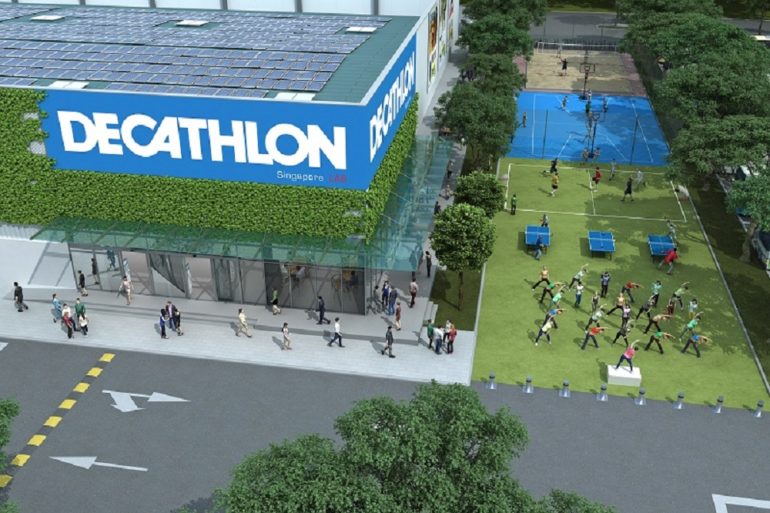
  • Decathlon Targets Rs 1,000 Crore Running Sales in India over Four Years

    Decathlon Targets Rs 1,000 Crore Running Sales in India over Four Years

    Decathlon Sports India expects its running business to generate more than Rs 1,000 crore in revenue over the next four years. Growth will come from larger store footprints and expanded domestic factory capacity.

    The category currently generates just under Rs 500 crore. To double that across beginner and performance segments, the retailer is rolling out its dedicated running sub-brand Kiprun.

    Chief executive Sankar Chatterjee said Indian sales are tracking slightly above double digits in the current fiscal year. Full-year accounts for the previous financial year will appear within a month. Those numbers will show high single-digit revenue growth and a profitable bottom line, building on the Rs 4,133.10 crore booked in FY25.

    Expanding Store Network Beyond Metros

    Physical store openings drive the company’s expansion across India. The chain currently runs 132 outlets in Indian cities. It plans to reach 200 stores by 2030, beginning with more than half a dozen locations opening next quarter.

    Recent launches took the brand into northeast India with a first store in Guwahati, Assam. Wholesale and reseller deals in hubs such as Shillong run alongside direct retail units to reach shoppers outside tier-one cities.

    Commercial landlords gain large-format anchor tenants in tier-two and tier-three hubs where organized retail space is expanding. These big-box sites pull steady crowds of hobbyists and fitness groups. That gives suburban malls consistent footfall that apparel-only shops often fail to deliver.

    Footwear and Local Sourcing Investments

    A 100 million euro capital expenditure program backs the retail rollout, funding local supply chain and production assets. Half of the stock sold across Indian stores this year is made locally. That is a sharp rise from single-digit shares during the chain’s early years in India.

    Footwear manufacturing anchors the local sourcing plan. The business is hiring product managers, engineers, and technical staff to upgrade domestic shoe assembly standards and volume. These hires will prepare domestic suppliers for tighter technical specifications.

    Domestic factory output will also feed export markets. Executives are tracking talks on the proposed India-European Union Free Trade Agreement. Lower tariffs under any deal would make Indian assembly lines competitive for supplying Decathlon stores across Europe.

    Betting on Mass Participation Running

    The Kiprun rollout places 35 running products on Indian shelves this year, including 17 performance shoe models. Offerings span road and trail running across basic price tiers and specialized marathon equipment.

    Research from IMARC Group values India’s running gear sector at 2.7 billion dollars in 2026, rising from 2.5 billion dollars in 2025 and an estimated 4.9 billion dollars by 2034. Organized athletic events are driving this expansion. India hosted roughly 2,000 running fixtures in 2025, up from 500 to 600 in 2018.

    Competitors are chasing the same market. Rivals such as Reliance Retail are opening competing formats and signing licensing deals with global activewear labels. Decathlon has ruled out multi-brand retailing for now. It keeps sales floors exclusive to proprietary labels to protect margins and pricing.

    Supply Chain and Retail Competition Ahead

    Execution risks and pricing pressure will test the strategy. Indian shoppers know the chain for affordable starter kit, but high-performance gear puts Kiprun directly against established running specialists such as Asics, Nike, and Puma.

    Making technical running shoes requires complex tooling and component ecosystems that Indian factories are still building. Supply delays or defects in technical foam midsoles and carbon plates could turn away high-spending marathon runners.

    Next quarter brings the first clear test of the strategy. The retailer will open its next batch of stores and publish full-year earnings, revealing how much profit it extracted from its Rs 4,133.10 crore baseline.

  • Amazon Commits $3 Billion to India Quick Commerce Expansion by 2030

    Amazon Commits $3 Billion to India Quick Commerce Expansion by 2030

    Amazon will invest $3 billion to expand its Indian quick commerce operations through 2030. The outlay funds a direct push into instant urban delivery. Currently, the company holds a 6.2 percent share of India’s $19 billion instant delivery market. It trails domestic operators who pioneered sub-hour fulfillment.

    Under the spending plan, $1 billion will roll out by the end of 2027, followed by another $2 billion through 2030. Capital flows straight to the Amazon Now network. The platform will grow its neighborhood distribution footprint from roughly 750 hubs to 1,300 locations by April next year. Funds will also back automated store-level inventory management, artificial intelligence forecasting tools, and wider selection across fast-moving consumer lines.

    Internal sales data shows Amazon Now generated over $1 billion in annualized gross merchandise value during the past three months. The platform still faces entrenched competition. Eternal’s Blinkit, Swiggy, and Zepto command a combined 77 percent market share across more than 4,500 dark stores. Walmart-backed Flipkart controls 11 percent through a network exceeding 1,000 facilities.

    Dark Store Economics and Inventory Strategy

    Hub designs center on repeat grocery orders rather than high-ticket goods. Domestic rivals stock smartphones and appliances for delivery within minutes. Amazon Now focuses strictly on household essentials, dairy, and fresh produce. Each site uses dedicated cold storage rooms instead of commercial refrigerators to limit spoilage.

    That product mix brings real financial trade-offs. Brokerage Bernstein noted in July that grocery-only models struggle to cover fulfillment expenses because average order values stay low. Non-grocery merchandise provides the margins needed to offset courier wages. By skipping high-value electronics, Amazon avoids inventory depreciation, but it sacrifices basket size.

    Suppliers must navigate a fractured distribution channel. Staple brands gain access to automated replenishment systems. Yet rapid fulfillment forces vendors to split inventory across hundreds of localized micro-warehouses instead of central regional hubs. This dispersion drives up working capital requirements for packaged food makers and distributors across tier-one cities.

    Regulatory Pressure and Platform Conversion

    Indian regulators are tightening scrutiny across the quick commerce sector. In January, authorities ordered platforms to pull marketing campaigns touting 10-minute delivery guarantees following traffic safety concerns for two-wheeler couriers. Platforms must now compete on product range and pricing instead of raw speed.

    Foreign ownership rules create another hurdle. Marketplace regulations bar foreign-funded platforms from holding direct inventory. At the same time, Amazon is contesting a 2024 antitrust finding from the Competition Commission of India over alleged preferential treatment given to select sellers.

    Price cuts are the opening weapon against entrenched domestic rivals. Amazon is running discounts directly inside its main smartphone app. The platform offers 20 percent cashback on first orders above 499 rupees ($5.20), alongside free delivery on purchases over 99 rupees ($1) for select customer cohorts.

    “It took some time for Amazon to commit. There appears to be a realization that this is a model they have to invest in,” said Satish Meena, founder of Datum Intelligence. “They are doing discounts, which can help lure current Amazon customers to quick commerce.”

    Market Projections and Operational Milestones

    Growth in India’s instant delivery sector took off from localized grocery networks in 2022. Datum Intelligence projects the market will expand from $19 billion to $41 billion by 2030. The shift has transformed consumer habits across Mumbai, New Delhi, Bengaluru, and secondary metros. It continues to pull transaction volume away from traditional neighborhood kirana stores and scheduled e-commerce routes.

    Flipkart launched its own counter-offensive earlier this year, expanding sub-hour delivery into suburban clusters ahead of a planned public listing. Amazon arrived late. It is banking on its core Prime subscriber base converting to Amazon Now once local fulfillment hubs are in place.

    April next year brings the first major operational deadline, when Amazon targets completing its 1,300-store footprint across Indian metros. Hitting that network target will decide how much market share the Seattle retailer captures before the $41 billion sector structure hardens.

  • India Consumer Durables Market Eyes 50,000 Crore Rupee Localisation Prize

    India Consumer Durables Market Eyes 50,000 Crore Rupee Localisation Prize

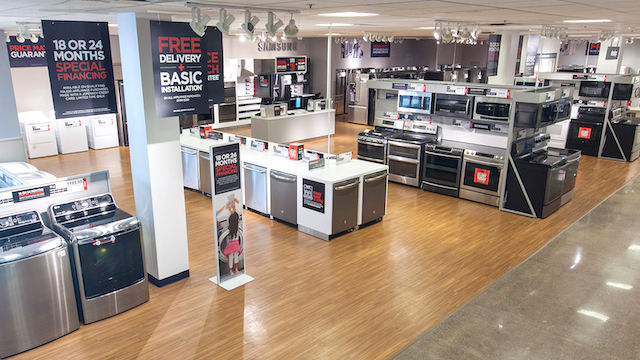
    Indian appliance makers face a 50,000 crore rupee domestic component opportunity as the national consumer durables market heads toward 3.25 lakh crore rupees by 2030. Annual retail demand across white goods is expanding at 8 to 10 per cent. Boston Consulting Group and the Confederation of Indian Industry outline the shift in a joint sector assessment, showing that captured domestic value addition can lift from 50 to 55 per cent today up to 70 per cent within four years.

    Failure to deepen supply networks will leave billions of dollars in component procurement exposed to overseas vendor bases. Localisation rates currently show wide divergence across product lines, running between 25 per cent and 70 per cent depending on technical complexity. Televisions and air conditioners sit at the bottom of domestic component sourcing, while refrigerators and washing machines source higher proportions within national borders.

    The Component Choke Point

    Assembly lines in India have multiplied rapidly, but critical sub-assemblies remain reliant on foreign suppliers. Display panels for flat screens, inverter compressors for split air conditioners, specialised insulation chemicals for refrigeration and precision motors for laundry equipment require heavy upfront capital. Manufacturers struggle to bridge gaps in proprietary technology access and production volume needed to match East Asian factory gate costs.

    Suppliers building domestic capacity require clear volume commitments from major appliance brands before installing expensive tooling. Without guaranteed off-take agreements, domestic tier-one and tier-two suppliers face margin erosion against subsidised imported parts. RetailNews Asia sees this bottleneck directly impacting product pricing on showroom floors across major metropolitan retail chains.

    Closing the Regional Penetration Gap

    Indian household ownership of large appliances sits between 20 and 90 percentage points below regional Asian averages. Urbanisation, electrification and smaller nuclear family setups continue to fuel baseline purchases across tier-two and tier-three cities. Broadened consumer credit and non-banking finance options have turned discretionary appliance purchases into monthly instalment payments for entry-level buyers.

    Premiumisation trends are also lifting average selling prices in major retail outlets. Consumers replacing decade-old cooling and refrigeration equipment increasingly opt for connected, energy-efficient units. That structural upgrade cycle creates steady floor demand for durable goods retailers, insulating retail networks from short-term inflationary dips.

    Export Limits and Global Trade Shares

    India accounts for less than 1 per cent of global consumer durables trade, according to the BCG-CII findings. Outbound shipments remain restricted to immediate regional buyers across SAARC territories and parts of the United Arab Emirates. Expanding beyond regional hubs requires meeting tougher international energy efficiency norms and reliability metrics.

    Competitiveness on the export stage hinges on port logistics speed and comprehensive domestic testing laboratories. Component suppliers that establish scale exclusively for the domestic market will struggle against global contract manufacturing conglomerates. Integrating local assembly directly with global distribution channels represents the primary operational hurdle for Indian original equipment manufacturers.

    Ecosystem Infrastructure and Technology Scaling

    Capturing the targeted value shift requires advanced testing infrastructure alongside long-term corporate research partnerships. The joint study calls for broader application of artificial intelligence across plant floors to sharpen manufacturing yield rates and streamline component logistics across fragmented domestic transport corridors.

    “Capturing that opportunity will require a globally competitive ecosystem,” said BCG Managing Director and Partner Mehak Dhir, pointing to deeper component manufacturing and scale requirements. State programmes and capital expenditure cycles over the next 24 months will reveal whether domestic component makers secure the orders needed to substitute major imported assemblies by 2030.

  • Samsung India Profit Drops 36% to Rs 7,228 Crore in FY26

    Samsung India Profit Drops 36% to Rs 7,228 Crore in FY26

    Samsung India Electronics posted a 36 per cent drop in net profit to Rs 7,228.10 crore for the financial year ended March 31, 2026, as operational expenses outpaced revenue gains.

    Revenue from operations rose 1.2 per cent to Rs 1.12 lakh crore, keeping the South Korean brand as the sole consumer electronics and appliances maker in India with an annual turnover exceeding Rs 1 lakh crore.

    Margin pressure across consumer divisions

    Filings submitted to the Registrar of Companies and compiled by business intelligence platform Tofler show total consolidated income, which includes other income, reached Rs 1,14,738.60 crore during FY26. That compares with a total operating revenue of Rs 1,11,183.40 crore in FY25, when net profit stood at Rs 11,287.50 crore.

    Smartphones generated the bulk of top-line earnings across the twelve-month period. The Indian subsidiary also sells tablets, televisions, home appliances and personal computers through national retail chains, brand-owned stores and online platforms.

    Cost structures test electronics retail

    For appliance and device retailers across South Asia, the margin erosion at the market leader reflects broader inventory and component inflation. Rising bill-of-materials costs across display panels and memory chips have squeezed unit economics faster than retail shelf prices could absorb them.

    The sharp profit contraction confirms that volume stability in mobile handsets no longer guarantees bottom-line expansion in India. Premium device sales kept headline revenue flat, yet promotional discounts and elevated retail dealer commissions eroded operating margins across Tier 2 and Tier 3 distribution networks.

    Rival performance and regional positioning

    Korean competitor LG Electronics reported total income of Rs 2,46,049.12 in its corresponding local filing, marking an increase of nearly 1 per cent. While LG maintains strong white-goods distribution, Samsung continues to hold the dominant scale advantage in India through its combined appliance and mobile ecosystem.

    Samsung pushed through workforce reductions in early September, cutting roughly 100 positions in divisions facing margin stress, including televisions. The company also saw senior management changes during the same quarter following the departure of public policy director Rajiv Aggarwal after four years in the role.

    What to watch in the next cycle

    Retail partners now face tighter credit terms and stricter inventory allocations as the manufacturer shifts capital expenditure toward domestic production lines for artificial intelligence-enabled appliances and premium handsets.

    The key metric to track over the coming quarters is whether Samsung can lift gross margins during the autumn festive shopping season without conceding market share to aggressive Chinese handset rivals in the sub-Rs 20,000 retail segment.

  • Snapdeal Parent AceVector Sets IPO Price Band for $182 Million Valuation

    Snapdeal Parent AceVector Sets IPO Price Band for $182 Million Valuation

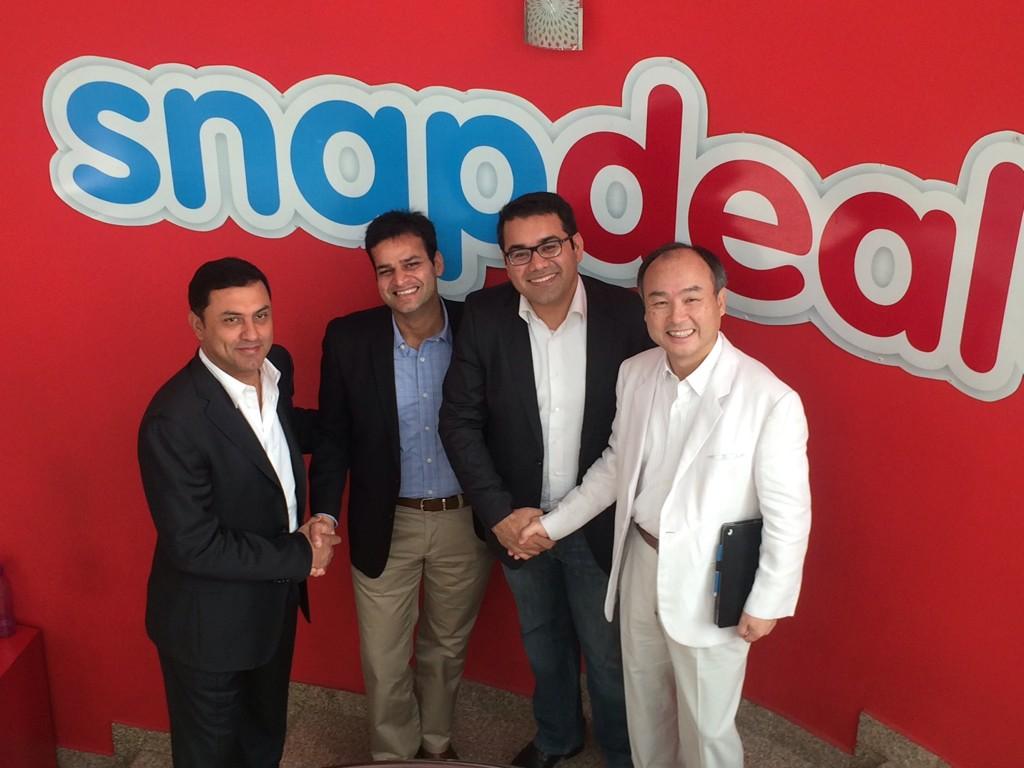
    Snapdeal parent AceVector has set a price band of Rs 30 to Rs 32 per share for its initial public offering on September 25. It is targeting a valuation of Rs 1,741 crore.

    That figure represents roughly $182 million at the upper end of the band. At its peak in 2016, Snapdeal commanded a $6.5 billion valuation.

    AceVector is raising Rs 287 crore in fresh equity. Existing backers are selling shares worth Rs 133 crore through an offer-for-sale component. The selling shareholders include SoftBank, Nexus Venture Partners and Foxconn. SoftBank holds 30.1 percent as the largest outside shareholder. It is offloading Rs 88 crore of equity while keeping stock valued at Rs 362 crore. Co-founders Kunal Bahl and Rohit Bansal hold about 34 percent directly and through affiliate entities. Neither will sell stock.

    Where the capital goes

    Proceeds from the primary issue will fund operating costs and customer acquisition. The group plans to allocate almost half the fresh capital directly to marketing and promotions for Snapdeal. It is trying to win back online shoppers in smaller Indian towns. Market share in those regions was lost over years to Walmart-owned Flipkart and Amazon India.

    A corporate restructuring in 2022 placed the core e-commerce portal alongside two other units: software provider Unicommerce and direct-to-consumer incubator Stellaro Brands. Unicommerce listed separately in 2024 through a Rs 277-crore public issue. That carved out the software-as-a-service business from the wider marketplace losses.

    Financial turnaround before the listing

    Regulatory filings show narrower losses alongside higher revenue. In the fiscal year ended March 2026, AceVector reported operating revenue of Rs 510 crore, up 30 percent from the previous year. Net losses shrank to Rs 45 crore from Rs 126 crore over the same period. The change reflects heavy cuts to overhead and supply chain operations.

    SoftBank invested approximately $1 billion into Snapdeal between 2014 and 2015. It wrote down the entire holding in 2017 after a planned sale to Flipkart collapsed. The public listing gives the Japanese group and its venture peers a partial cash exit after holding the asset for a decade.

    The market reality for value e-commerce

    Selling low-ticket apparel and home goods to tier-2 and tier-3 shoppers in India is a crowded, low-margin business. Snapdeal once dominated value commerce online. Since then, buyers of low-cost apparel and general merchandise have migrated to Meesho, Flipkart’s Shopsy, and quick-commerce networks delivering staple goods in under fifteen minutes.

    Allocating Rs 140 crore to marketing will buy app installs. It will not alter Snapdeal’s structural delivery cost per order against competitors operating regional sortation networks. RetailNews Asia views the IPO as a balance-sheet reset rather than an expansion war chest, leaving AceVector to survive on niche non-metro demand while leaning on Stellaro Brands for margin support.

    Regulatory steps to the public market

    The listing process began with a confidential pre-filing submitted to the Securities and Exchange Board of India in July 2025. Regulators cleared the document in November. In December, the company filed an updated draft red herring prospectus to scale back the offer size to match subdued tech valuations.

    Public subscriptions open on September 25, 2026. Trading on Indian stock exchanges will follow final share allocations in early October.

  • Apple Passes $10 Billion in India Sales as Made-In-India Pro Models Ship Worldwide

    Apple Passes $10 Billion in India Sales as Made-In-India Pro Models Ship Worldwide

    Apple crossed $10 billion in annual revenue in India in fiscal 2026 as local production lines began supplying flagship devices directly to overseas store shelves.

    Revenue rose at a double-digit rate from roughly $9 billion a year earlier, driven by premium handset upgrades and larger contributions from MacBooks and iPads.

    The milestone coincided with the retail rollout of the iPhone 18 Pro and Pro Max, which started selling on Friday from Rs 164,900 ($1,970) and Rs 179,900 respectively. Foxconn and Tata Electronics assembled the devices locally around the clock, exporting launch-day inventory to the United States and other international markets ahead of the retail debut. Last year, Indian factories assembled only the standard iPhone 17 variants for worldwide launch day, while Pro assembly followed months later.

    Value Gains Defy Falling Shipment Volumes

    Consumer demand in India continues to tilt toward higher price brackets even as overall unit volume contracts. Handset shipments fell 4.1 per cent year-on-year to 31 million units in the first quarter of 2026, according to IDC data. Market value rose 5.8 per cent over the same period as average selling prices climbed 10.4 per cent to a record $302.

    Counterpoint Research data recorded premium devices accounting for 29 per cent of the total Indian smartphone market by volume during the first half of 2026. Apple captured 28 per cent of total market revenue in the first quarter despite accounting for only 9 per cent of unit volume, according to IDC. Samsung and Apple together took the vast majority of premium sales.

    Retailers across major metro markets reported steady traffic driven by structured financing, trade-in allowances, and multi-year credit card instalments that offset upfront list prices. Reliance Digital and Apple’s six company-owned flagship stores saw pre-dawn queues across Mumbai, Delhi, and Bengaluru as shoppers traded in older handsets.

    Contract Manufacturers Expand Pro Production

    For electronics manufacturers across Asia, the shift alters the operational playbook. Apple is no longer using Indian assembly plants solely to bypass local import tariffs or serve domestic buyers with older models. Placing day-one global manufacturing of flagship Pro hardware in Tamil Nadu and Karnataka shifts industrial weight away from mainland China’s assembly clusters.

    Suppliers face tighter technical requirements. Assembling top-tier hardware demands tighter tolerances, specialized cleanroom environments, and faster component turnaround times than entry-level lines require. Foxconn and Tata Electronics have absorbed those requirements, forcing second-tier domestic component suppliers to upgrade production quality or lose supply allocations to global tier-one vendors.

    Industrial Policy Drives Supply Chain Deepening

    The transition reflects years of targeted state incentives designed to build a domestic tech manufacturing base. Total mobile phone production in India climbed from Rs 18,900 crore in fiscal 2015 to Rs 6.27 lakh crore in fiscal 2026. Handset exports rose from Rs 1,566 crore to Rs 2.60 lakh crore over the same decade, making mobile phones the country’s largest single export category.

    Federal support through the Production Linked Incentive program drew more than Rs 20,600 crore in cumulative capital investment by March 31, 2026. Cumulative production under that program reached Rs 11.62 lakh crore, with exports topping Rs 6.53 lakh crore.

    New Delhi is now pushing beyond surface-mount assembly into core components through the Electronics Component Manufacturing Scheme. Ashwini Vaishnaw, the electronics and information technology minister, described the initiative as a deliberate step to build domestic supply lines for precision parts and raw materials. Regulators approved 106 component projects representing Rs 69,548 crore in pledged investment, with 38 factories operational as of August.

    Imported Foldable Tests Peak Price Ceilings

    Apple will test the upper limit of domestic purchasing power next month with the launch of its first foldable handset, the iPhone Duo. That model starts at Rs 299,900 for the 256GB version and rises to Rs 444,900 for the 2TB configuration. Unlike the Pro line, the foldable device will arrive as a fully imported unit assembled outside India.

    Retail networks will monitor inventory turnover for the ultra-premium foldable closely to assess whether local credit appetite can absorb handsets priced above Rs 300,000 without dedicated manufacturing subsidies.

  • Indian Retailers Plan Price Hikes as Government Adds 0.4% UPI Fee

    Indian Retailers Plan Price Hikes as Government Adds 0.4% UPI Fee

    Indian retailers and apparel makers plan to raise consumer prices. The hikes follow New Delhi’s introduction of a 0.4 per cent levy on Unified Payments Interface transactions over ₹2,000.

    Merchant payments face the transaction charge starting October 15. The timing hits directly ahead of peak festive shopping, when average basket sizes routinely exceed that threshold.

    Official rules cap the merchant discount rate at ₹300 for single purchases worth ₹75,000 and above. Government guidelines bar stores from adding a visible UPI surcharge at checkout. Instead, chains and fashion brands are absorbing the charge by lifting base prices or paring back seasonal promotions.

    Thresholds and Caps on Digital Checkouts

    New Delhi finalized the fee structure across September 14 and 15 to build revenue for the zero-cost digital payments network. Bulk holiday purchasing routinely pushes apparel and lifestyle baskets well above the ₹2,000 trigger point. Suppliers have already started notifying multi-brand stockists about lower discount allowances to protect margins.

    Store operators across multiple categories already face higher logistics expenses from earlier West Asia trade disruptions alongside sticky input inflation, said Kumar Rajagopalan, chief executive of the Retailers Association of India. The payment charge leaves little room to maintain holiday discounting.

    Margin Pressures on Festive Inventories

    Absorbing a 40-basis-point fee across thousands of daily registers creates an immediate profit drag for organized chains. Pure-play apparel brands cannot take the hit without adjusting terminal pricing, as fabric costs already compress gross margins. Mid-market apparel and electronics sellers carry the highest risk. They face consumer pushback if shelf prices rise while online discounters fight for volume.

    Santosh Katariya, president of the Clothing Manufacturers Association of India, noted that the timing complicates inventory clearance during a window meant to revive consumer demand.

    “could not have come at a more challenging time, as the period is critical for merchants, retailers and consumer-facing businesses, many of whom are already working hard to revive demand and improve margins.”

    Reversal of Cashless Gains

    Cashless compliance risks slowing across tier-2 and tier-3 cities where digital adoption remains cost-sensitive. Independent retailers operating on net margins below 3 per cent face an incentive to steer high-value billing back toward physical cash to bypass the fee entirely.

    Years of state-mandated zero-MDR rules turned UPI into India’s dominant consumer payment method. That policy built massive merchant volume. However, it left commercial banks and payment gateway providers lobbying for transactional cost recovery on large settlements.

    Retailers are now updating price lists and watching checkout counters ahead of the October 15 enforcement deadline. Early receipts during the Diwali shopping rush will test whether consumers tolerate the higher tags.

  • Lindt Opens First India Boutique at New Delhi Aerocity

    Lindt Opens First India Boutique at New Delhi Aerocity

    Swiss confectionery maker Lindt has opened its first retail store in India, launching an 1,100-square-foot boutique at New Delhi’s Aerocity. The opening gives the Zurich-headquartered brand a direct-to-consumer storefront. Previously, Lindt reached Indian shoppers mainly through wholesale channels, supermarkets and travel retail counters.

    Aerocity sits between the capital’s domestic and international airport terminals. That location gives the company immediate access to business travellers, tourists and affluent transit crowds. The district has become a key testing ground for premium international consumer labels looking for high-spending footfall outside traditional suburban shopping malls.

    Aerocity footprint and retail layout

    Inside, the boutique carries the brand’s core line of chocolate bars, packaged gifting selections and seasonal product drops. Central to the layout is a dedicated Pick & Mix installation. Shoppers can select individual confections across more than 25 flavours.

    “The opening of our first retail store in India reflects our continued commitment to enchanting consumers around the world with Lindt chocolate,” the company said in a statement.

    Custom gifting ranges and loose assortments form the operational core of the outlet. Lindt is directly targeting high-ticket festive purchases and corporate gifting. Both segments drive premium confectionery volumes across Indian metropolitan centers.

    Direct retail shift in premium confectionery

    Operating dedicated boutiques changes how international confectionery brands in India manage inventory and product freshness. The country’s hot climate and fragmented cold-chain infrastructure have historically created shelf-life and display challenges for imported chocolate sold through general trade. A standalone store allows the company to regulate storage temperatures. It also lets Lindt present entire seasonal product lines that general retailers rarely stock in full.

    Competition is intensifying with local artisanal chocolate makers and multinational rivals that have expanded their boutique footprints in Mumbai, Bengaluru and Delhi. Lindt is betting that brand recognition built through years of supermarket distribution will translate into destination footfall at standalone retail price points.

    Global scale and network reach

    Founded in Zurich in 1845, Lindt operates 12 manufacturing facilities across Europe and North America. The company manages more than 600 company-owned retail boutiques worldwide and distributes products through wholesale partners in over 120 countries.

    India now joins the list of international markets where Lindt operates proprietary retail stores alongside its wholesale network. Expansion into high-end retail hubs across Mumbai and Bengaluru represents the next phase of that rollout.

  • Xi Visits India for First Time in Seven Years as Business Ties Stall

    Xi Visits India for First Time in Seven Years as Business Ties Stall

    Chinese President Xi Jinping arrived in New Delhi this week for his first visit to India in seven years, facing entrenched regulatory barriers that continue to block major bilateral investments.

    Cross-border commercial projects remain frozen across consumer electronics, automotive manufacturing and financial services despite tentative diplomatic progress at the annual BRICS summit.

    Indian authorities have blocked a proposal by Ant Group affiliate Alipay to connect to the domestic instant payments system on national security grounds. Regulators are also reviewing a recommendation by the Serious Fraud Investigation Office to investigate smartphone vendor Xiaomi over alleged foreign investment law breaches. Xiaomi stated it complies with all local regulations and has received no notice from investigators.

    Carriers and Factories Caught in Scrutiny

    Industrial hurdles run both ways across the border. Vehicle makers BYD and Great Wall Motor shelved planned manufacturing outlays in India following heightened regulatory checks from New Delhi, while Beijing has instructed domestic suppliers to withhold shipments of critical mobile manufacturing equipment, solar panels and port hardware.

    Heavy industrial machinery remains caught in transit. Massive Chinese tunnel-boring machines designated for Indian urban transit and infrastructure sites have sat stranded at customs checkpoints for more than a year, while business executives from both sides report recurring visa rejections.

    Supply Chains Face use Risks

    For consumer electronics vendors and appliance assemblers, the standoff keeps operating costs elevated across South Asia. Indian contract manufacturers rely heavily on Chinese tooling and sub-assemblies to feed domestic assembly lines, leaving production schedules exposed whenever border customs tighten component inspections.

    Suppliers attempting to build local joint ventures face a double squeeze. Beijing now subjects outward technology transfers to stricter internal reviews, while New Delhi retains case-by-case screening on foreign capital from bordering nations even after easing rules for select solar and capital goods ventures in March.

    China has economic heft and there is a good opportunity to use that and emerge as a reliable partner, especially when both nations are impacted by America’s trade policies.

    The Path Since Galwan

    Bilateral economic relations chilled after a 2020 border clash in the Galwan Valley resulted in casualties on both sides, prompting New Delhi to ban hundreds of Chinese apps and restrict direct foreign investment. Direct commercial flights between the two countries resumed last year alongside an initial pilot easing business visa clearance protocols.

    A preliminary assembly partnership between India’s Dixon Technologies and handset maker Vivo Mobile secured formal clearance following those initial concessions. Whether additional industrial joint ventures gain clearance now hinges on the scheduling of a formal bilateral meeting between Prime Minister Narendra Modi and Xi before the summit concludes.

  • India’s Fraud Agency Recommends Detailed Probe into Xiaomi

    India’s Fraud Agency Recommends Detailed Probe into Xiaomi

    India’s Serious Fraud Investigation Office has recommended a full probe into Xiaomi over alleged foreign investment breaches and fund transfers. The inquiry intensifies pressure on the Chinese phone maker.

    The Beijing-based company has seen its local market share fall from 19 per cent to 13 per cent. Its India revenue dropped 40 per cent over three years to $2.52 billion in 2025.

    A draft memorandum prepared by the SFIO in May recommends examining fund movements. It asks investigators to verify whether Xiaomi Technology India Private Limited and its affiliated entities secured mandatory government approvals. The document also calls for a review of foreign investor and parent group beneficial ownership to confirm whether changes in corporate control were declared.

    Investigators also proposed testing financial statements and auditor reports filed with the Indian government for material misstatement. They seek authority to record formal statements from current and former directors, chief financial officers, and compliance leads under a 21-point investigative framework.

    The Squeeze on Online Distribution

    This proposed probe places Xiaomi’s core sales model under fresh scrutiny. The brand built its early dominance in India on flash sales hosted on Amazon and Walmart-owned Flipkart. Offline shopkeepers have long argued that those arrangements violate foreign direct investment rules by giving preferential terms to selected online merchants.

    Under the proposal, the SFIO instructs investigators to determine whether Xiaomi exercised de facto control over Indian retail sellers and launch partners while presenting them as independent businesses. Any formal finding against these distribution structures would force hardware vendors across the region to rework online retail partnerships, raising distribution costs and limiting promotional pricing flexibility.

    Rivals Gain Ground as Legal Pressure Mounts

    Regulatory scrutiny is accelerating a commercial shift across India’s handset market. Samsung and Apple have captured premium and mid-tier demand as legal battles occupy management attention. Xiaomi has now dropped to fourth place in national shipments.

    Suppliers and channel partners face uncertainty around contract terms and inventory financing. For cross-border consumer brands operating in India, the agency’s focus on ultimate beneficial ownership signals that holding company layers and offshore licensing pacts face direct exposure.

    Unresolved Assets and Stalled Clearances

    Tensions between New Delhi and Chinese consumer brands have built since 2020 border clashes prompted tighter screening of Chinese capital. Xiaomi has already failed to overturn a separate 55.51 billion rupee ($584 million) bank asset freeze imposed by India’s financial crime agency in 2022 over contested royalty transfers.

    The corporate affairs ministry must now decide whether to authorise the probe, reject it, or refer specific points to other enforcement agencies. The ministerial review carries no statutory deadline, leaving the 21-point inquiry pending as officials assess the file.

  • Indian Quick Commerce Expands to 477 Cities as Dark Store Networks Multiply

    Indian Quick Commerce Expands to 477 Cities as Dark Store Networks Multiply

    India’s quick commerce platforms now operate dark stores across 477 cities, pushing 10-minute grocery and essentials delivery well past the country’s primary metropolitan hubs.

    A study by brokerage CLSA shows 3,536 dark stores active across India’s top 10 cities alone, excluding operations run by Amazon and JioMart. Blinkit holds the largest footprint with 969 locations, followed by Zepto with 828, Flipkart Minutes with 627, Swiggy Instamart with 615 and BigBasket with 497.

    Blinkit Extends National Lead

    Blinkit accounts for 30 per cent of all dark stores across the top 10 metropolitan markets and more than 34 per cent nationwide. The platform maintains the top store count in six of those 10 urban centres, while operating without direct rival competition in more than 180 smaller cities.

    Newer entrants are setting up smaller dark store footprints in secondary markets to evaluate unit economics and local basket sizes before committing capital. Established operators plan to enter those same territories later, capitalising on initial consumer habits built by early movers without absorbing early customer acquisition costs.

    Rivalry Shifts in Tier-1 Metros

    Competition among the largest platforms is recalibrating inside major cities. Flipkart Minutes has overtaken Swiggy Instamart in dark store numbers and postal code coverage across the top 10 urban markets.

    Swiggy countered by opening the highest number of dark stores among the top three operators over the past month to increase neighborhood density. Denser hubs reduce delivery times, widen product assortment and improve courier route efficiency.

    The race among Indian delivery platforms mirrors previous logistics turf wars in Southeast Asia and mainland China, where early land grabs in top-tier cities eventually gave way to a contest over suburban route efficiency and average order values. While platforms in China folded rapid delivery into broad e-commerce ecosystems, Indian operators are building standalone micro-warehouses to defend grocery margins.

    Network additions by the top three operators have trailed overall sector expansions in new pincodes, leaving smaller regional platforms to test untapped territories before the next wave of consolidation begins.