Retail News CRM

Tag: new store

  • Apple to open (mini) India stores

    Apple to open (mini) India stores

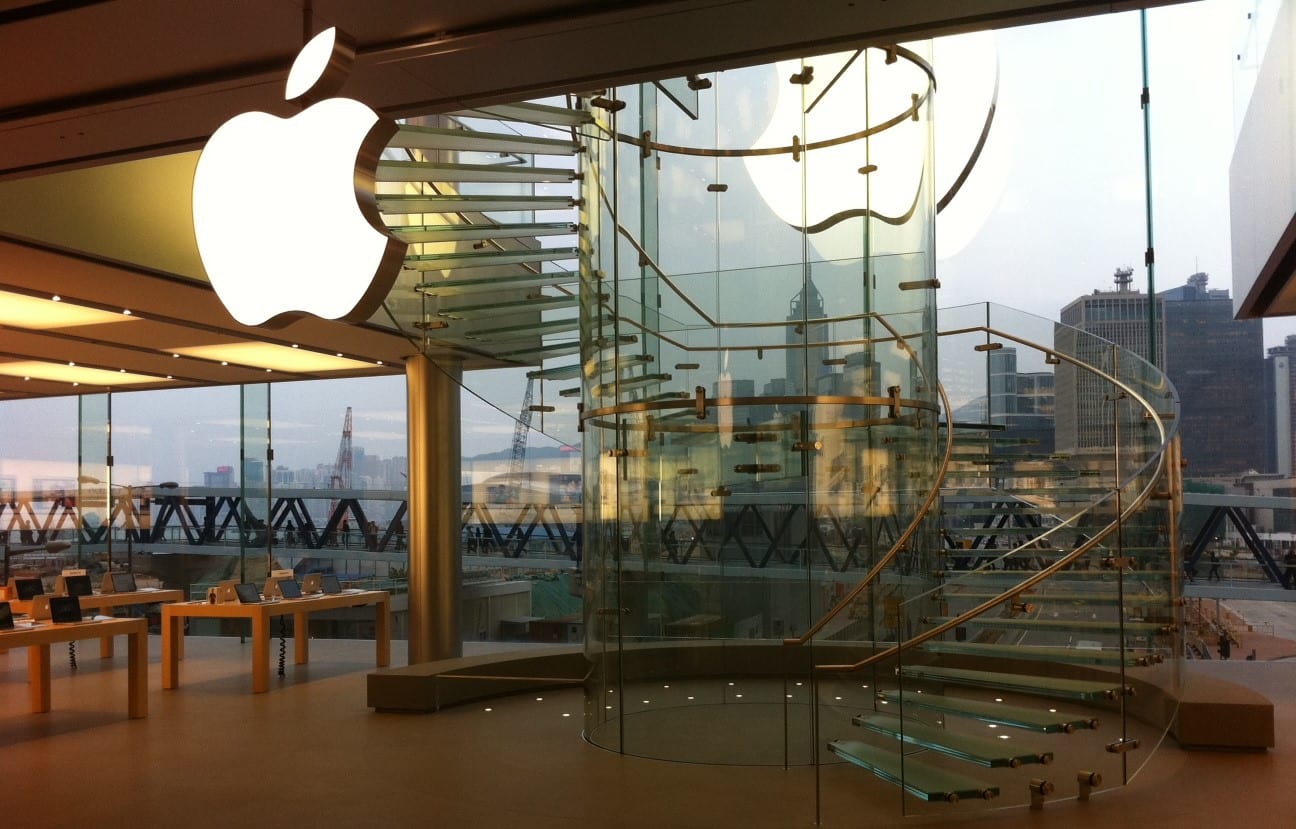
    Apple is about to open its first retail stores in India.

    But unlike in other international markets, the Apple India stores will be a joint venture with local electronics chain, Croma. And they’ll be considerably smaller than elsewhere.

    India has strict laws regulating single brand foreign retailing, which would require Apple to source a percentage of its products’ components within India.

    Media sources in India say the new stores – the first of which will open around the time of next month’s Diwali Festival – will feature the same signature wooden tables and counters of full scale Apple stores elsewhere in the world and staff will be trained in the US.

    Croma, a subsidiary of Infiniti Retail, in turn owned by industrial giant Tata, will open six stores in an initial trial, all in greater Mumbai.

    Infiniti Retail CEO Avijit Mitra said in a statement: “We are proud to partner [with] Apple to launch the Apple Store in India and extremely bullish about it.

    “These stores will be modelled on the global design and will offer the best experience to consumers, showcasing the entire range of Apple products,” he said.

    The first stores will comprise a mere 46 sqm, a fraction of the size of the tech giant’s global flagships, in reality resembling little more than a concession. But it marks a significant strategic step from Apple’s previous india strategy of selling through authorised resellers or mobile phone networks.

    Apple’s iPhone 6s model goes on sale in India this week, with the 16GB version priced at 62,000 rupees, about US$960).

  • Brioni opened second store in HK

    Brioni opened second store in HK

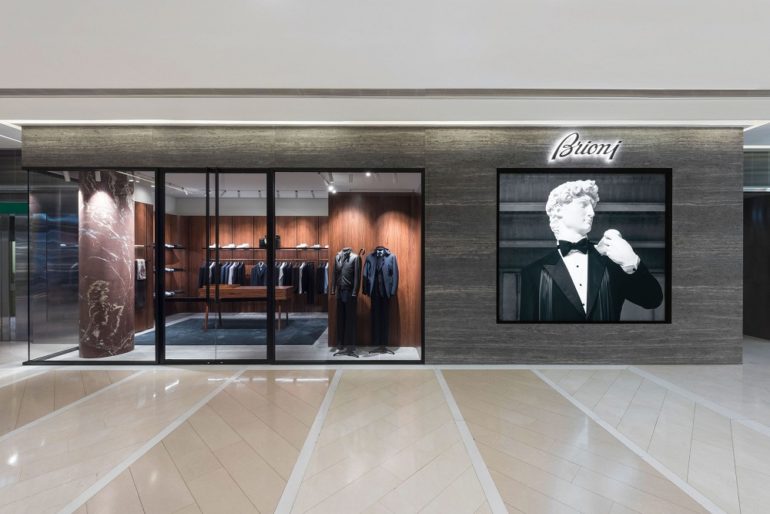
    The Italian brand announced the opening of its second store in Hong Kong. The store is located on level two of the IFC mall at the Central Waterfront. The store interior pays tribute to the brand’s city of origin, Rome, by using Travertine marble. A coloured Italian marble column decorates the store’s entrance and rosewood panels are a reference to a men’s private space.

    The store has dedicated areas for Brioni’s formalwear, leisurewear and accessories.

    To celebrate the opening, Brioni has opened a pop-up exhibition in the oval atrium at the mall. Featuring a 5.5m replica of Michelangelo’s David dressed in a tuxedo, the ‘Masterful Tailoring Meets a Masterpiece’ installation required almost 100 hours of work by a team of specialists led by the brand’s chief master tailor.

    Whilst the bespoke service is a cornerstone of the menswear company’s identity, it also sells ready-to-wear, leather goods, shoes, eyewear and fragrance.

    Brioni’s first store in Hong Kong is located at the Element shopping centre in Kowloon.

  • WK Life launches its flagship store at Mall of India

    WK Life launches its flagship store at Mall of India

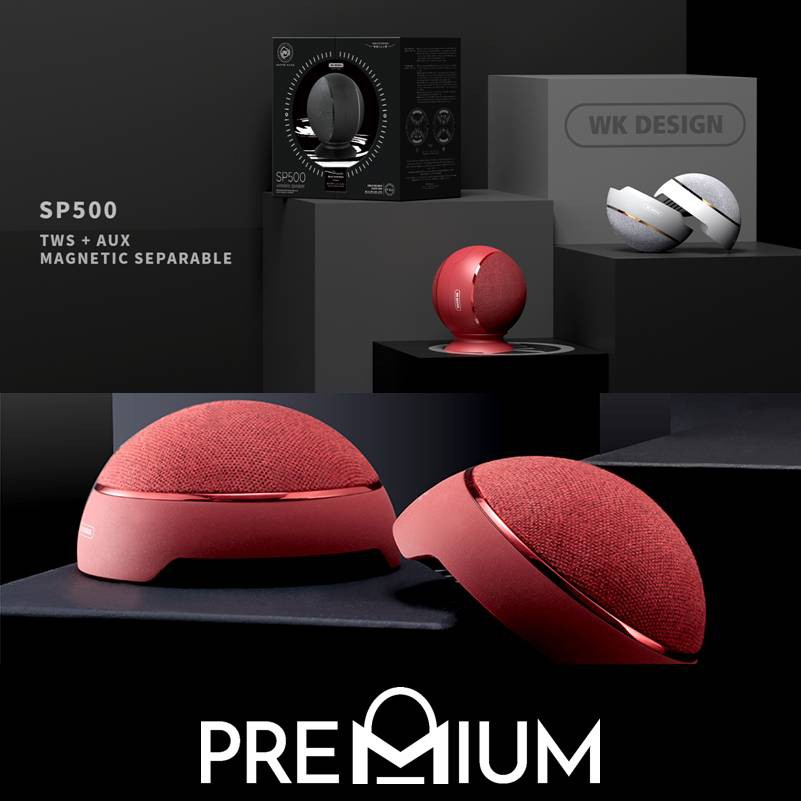
    Electronics and accessories retailer WK Life is launching its first Indian flagship at DLF Mall of India, Noida. The firm is entering the Indian market on the strength of its more than 1000 outlets in 60 countries worldwide. The 1000sqft flagship stocks a broad range of the brand’s products designed according to the ideas of its customers.

    WK Life director Rohit Sahni said the launch of the company’s first store in India is a significant achievement. “The decision to enter the Indian market has been driven by the anticipated growth in this untapped sector which is worth ₹10,000 crore.”

    WK Life retails bluetooth speakers, laptop accessories, travel luggage and gear, household electronic articles and car accessories.

  • Drone maker DJI’s new Hong Kong store offer customers to fly

    Drone maker DJI’s new Hong Kong store offer customers to fly

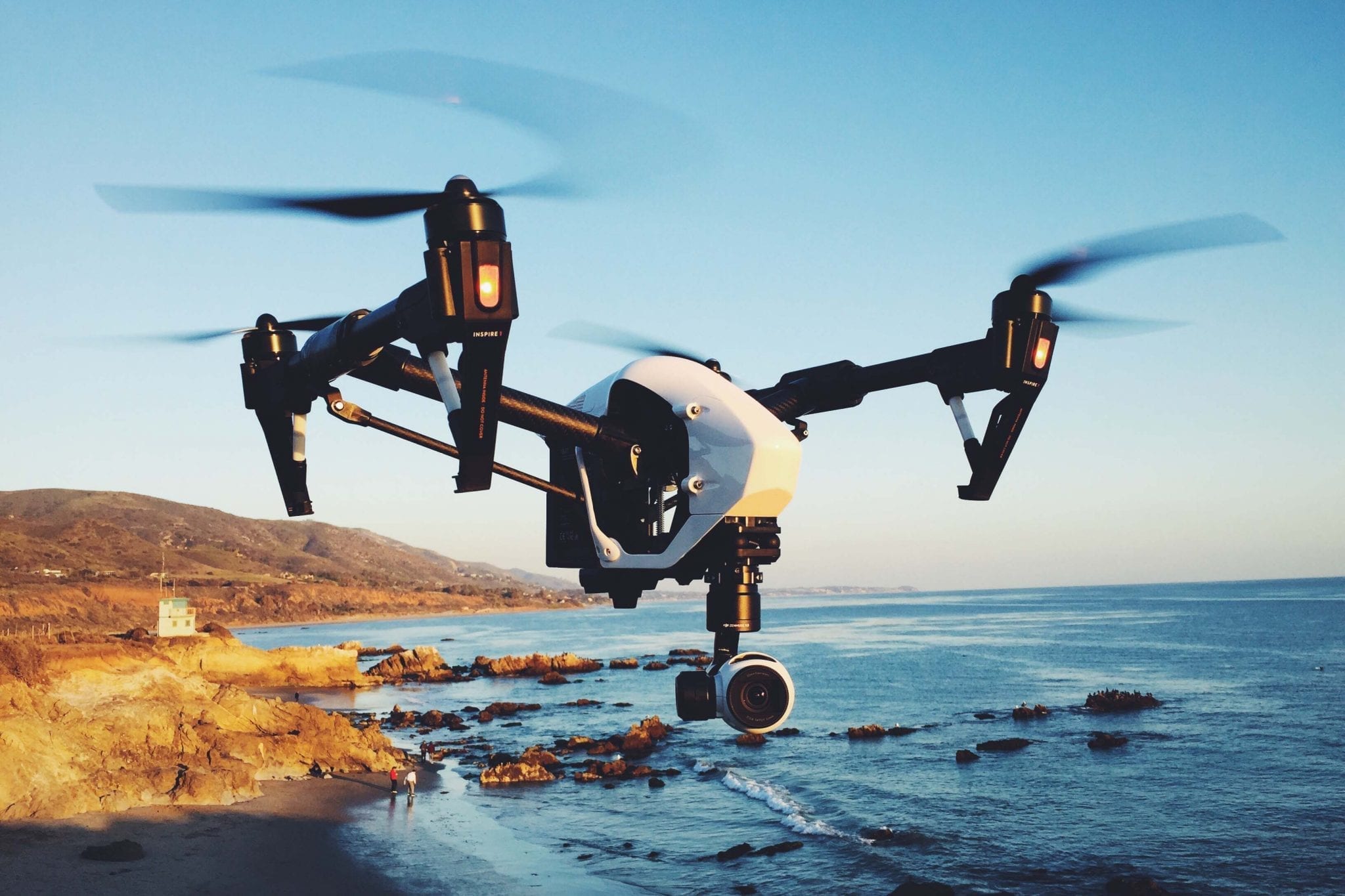
    DJI, the world’s biggest maker of remote controlled drones, opens its first retail store in Hong Kong this weekend in the heart of Causeway Bay to give up-and-coming drone pilots hands-on experience of flying the machines.

    The 10,000 square foot site – over three storeys in the newly opened 535 Mall on Jaffe Road – marks a return to its roots by Da-Jiang Innovations Science & Technology Co, the formal name of DJI.

    Its founder Frank Wang, an alumnus of Hong Kong University of Science & Technology, established the company in Shenzhen a decade ago.

    It’s the company’s third Asia store, after opening outlets in Shenzhen, and Seoul over the past 10 months.

    Unlike customers in Europe and the US, the largest markets for DJI, Asian pilots haven’t had the opportunity yet to actually get their hands on flying one of its drone before buying it.

    “There’s a lot of growth potential in Asia and having a larger retail footprint will help expand that,” said Michael Perry, DJI’s director of strategic partnerships.

    The company’s top-of-the-line drone is the Phantom 4, which retails for HK$9,299.

    “Phantom 4 may not be an impulse buy, but what we’ve found is that a lot of people are very interested, they spend a lot of time researching but the key turning point in their decision is seeing their technology themselves,” Perry said.

    Research firm Teal Group predicts global sales of civilian drones will soar to US$10.9 billion by 2025, up from US$2.6 billion for this year.

    The ground floor of the new DJI shop displays the firm’s range starting from the hand held Osmo gimbals, which start at HK$2,299, right up to up to the Phantom 4 and Inspire drone models, as well as a large cage for trying out the aerial vehicles.

    DJI’s industrial series of drones and gimbals, including the Matrice 600, designed for professional aerial photography or applications such as surveying, are housed on the first floor alongside a gallery of images taken by DJI users. On the third floor are offices, technical support and space for workshops or seminars.

    Perry said there is huge global potential for the use of drones, adding that its community of users are constantly coming up with new ideas on how the devices can be improved, the latest example being a new sensor for use in warehouses to check inventory.

    “Anywhere that data collection or delivery is too time intensive, too costly, too dangerous, that’s where a drone can play a pretty critical role,” he said.

    DJI launched its first drone for the agriculture market last year. The DJI Agras MG-1 has eight rotors and can carry more than 10 kilograms of liquid for crop spraying, with the ability to spray up to four hectares an hour.

    Perry said the company’s technological strength and control systems such as one that prevents collision gives it an edge over competitors, including Xiaomi’s Mi Drone, and GoPro’s Karma.

    GoPro, which makes action cameras, this week launched the Karma, a foldable model, for HK$6,300. Xiaomi’s Mi Drones sell for less than HK$3,550, and are aimed at competing with DJI’s Phantom 3 model.

  • Apple Looks to Open First Store in Samsung’s Backyard

    Apple Looks to Open First Store in Samsung’s Backyard

    Apple Inc. has made inquiries about opening its first retail store in South Korea, in a signal that the technology company might be looking to step up competition in the backyard of smartphone rival Samsung Group.

    Apple looked at sites across the street from the group’s longtime headquarters in Seoul, according to people familiar with the matter.

    The Cupertino, Calif., company, which is Samsung Electronics Co.’s biggest rival in the mobile-phone market as well as a major customer of its smartphone components, is looking at locations near the South Korean company’s own three-story global flagship store in Seoul’s upscale Gangnam neighborhood, the people said. The company has sent retail executives to South Korea in recent months to check out potential sites for the store, they said.

    The people warned that Apple’s plan hasn’t been completed and a store opening could take about a year.

    “We have made no announcements about a store there,” a spokesman for Apple said.

    A spokeswoman for Samsung Electronics declined to comment.

    South Korea, Asia’s fourth-largest economy, has long been a tough market for Apple. Smartphone sales are dominated by hometown favorites Samsung and LG Electronics Inc., who together account for about 80% of the smartphone market in the country. Apple doesn’t break out sales for South Korea separately.

    After the launch of the larger-screen iPhone 6 and iPhone 6 Plus in late 2014, Apple jumped to about one-quarter of the market, before its share fell below 10% in the second quarter of 2016, according to data tracker Strategy Analytics.

    Opening a glitzy flagship store would send a message that Apple intends to compete hard on Samsung’s home turf.

    From a glass cube on New York City’s Fifth Avenue to a Norman Foster-designed store in Istanbul, Apple has used its prominently placed retail stores to attract buzz for the brand and to sell premium handsets. In Seoul, Apple has scouted potential locations around the Gangnam subway station, Seoul’s busiest and home of the headquarters of Samsung Group, as well as another site on Seoul’s fashionable Garosu-gil shopping street, according to the people.

    In South Korea, Apple relies on third-party retailers who apply for licenses to operate as authorized Apple resellers, as well as carrier partners.

    In mainland China, a critical market for Apple, the company has opened 36 Apple stores, including in Shanghai and in second-tier cities such as Nanning, Fuzhou and Jinan. It has six Apple stores in Hong Kong and seven in Japan.

    Apple’s hunt for retail real estate in Seoul comes as Samsung grapples with a recall of its latest smartphones amid reports of batteries in the Galaxy Note 7 catching fire. Analysts estimate the recall of 2.5 million devices could cost

    Samsung more than $1 billion.Before the Note 7 recall, Samsung reported its most profitable quarter in two years in July as Apple suffered a 27% drop in quarterly net profit compared with a year earlier.

    Samsung’s share of the global smartphone market rose to 22.3% in the most recent quarter from 21.8% a year earlier, according to research firm Gartner. Over the same period, Apple’s share fell to 12.9% from 14.6%.

  • Official debut for Fred Perry Vietnam

    Official debut for Fred Perry Vietnam

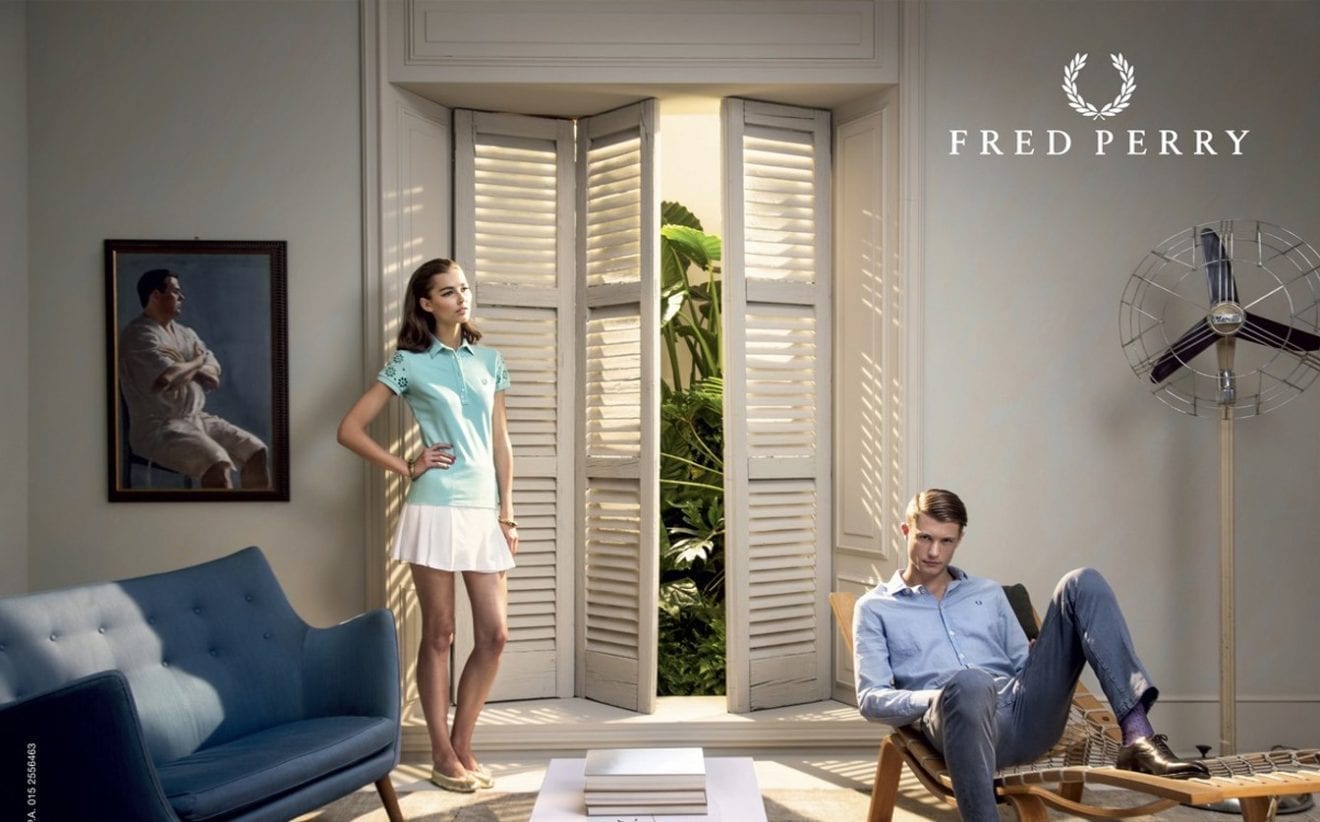
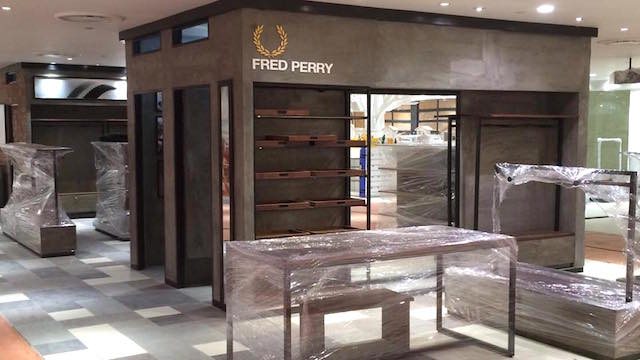
    Tennis-inspired clothing brand Fred Perry is to open its first official store in Vietnam this month.

    The subcultural fashion line announced last week on its Fred Perry Vietnam Facebook page that the new store will be located on Level 3 of the refurbished and expanded Saigon Center in District 1. The centre, which includes Japanese department store Takashimaya, will open on July 30 and fitout of the Fred Perry store is expected to be completed in time.

    fred perry vietnam

    Alongside the success of crossing from sportswear to streetwear fashion, the brand has a subcultural music appeal internationally. To celebrate the official opening of the first Fred Perry Vietnam shop, a live party will be held on Friday, August 5 at Piu Piu Bar.

    Fred Perry is a clothing line founded by the Wimbledon champion Fred Perry in 1952, and become popular internationally since. The brand is now owned by Japan-based company Hit Union.

    In Vietnam, the brand is famous for its shoes and classic polo shirts. The official arrival of Fred Perry in Vietnam will come as great news for Vietnamese fans. For years, they have shopped “laurel wreath” products online and through hand-carried importation services – always with a high chance of ending up with fake merchandise.

  • Cheesecake Factory China opens at Disney Resort

    Cheesecake Factory China opens at Disney Resort

    US food brand has opened the first The Cheesecake Factory China under a licensing agreement with its affiliate CCD China Operating Corporation.cheesecake_factory_counter

    Being run by Hong Kong-based Maxim’s Caterers, the restaurant is in Disneytown, the shopping, dining and entertainment precinct in Shanghai Disney Resort. The outlet has a menu of more than 200 items – all handmade in-house with fresh ingredients – featuring its signature cheesecakes and desserts.

    “China is an exciting new area of development for us and we are so pleased to be able to bring The Cheesecake Factory’s guest experience to Disneytown,” says The Cheesecake Factory founder/chairman/CEO David Overton, from California.

  • Two more Jollibee Singapore stores open

    Two more Jollibee Singapore stores open

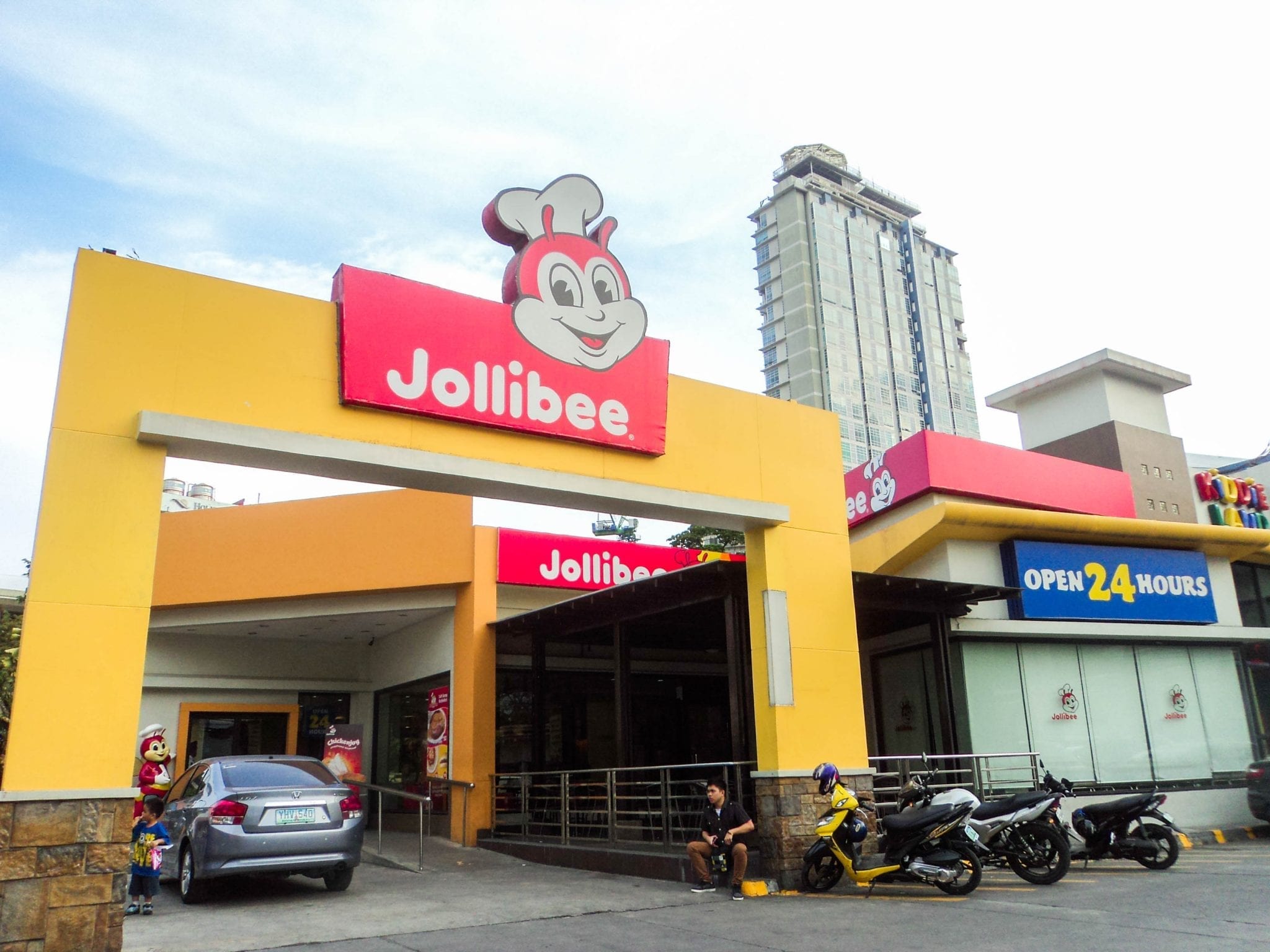
    Jollibee Foods Corp has opened two more outlets in Singapore, driven by Filipinos’ demand for the popular Philippine fast food chain.

    The new stores of Jollibee Singapore are located at Square 2 Novena and Changi City Point, complementing the first one in Lucky Plaza.

    Aside from the usual fare, the new stores’ menu includes Spicy Chickenjoy, Crispy Chicken Burger and Chicken Tenders, to provide more options for Singaporeans.

    “We are delighted to further extend our presence in Singapore to further bring the joy of eating to more families. This is also in response to the growing demand of Singaporean residents who love our Chickenjoy and our Jolly Spaghetti,” said Dennis Flores, Jollibee Foods Corp VP for International Markets.

    “Our unique style of preparing our bestselling Chickenjoy was very well-received; crunchy and juicy fried chicken enjoyed with tasty gravy is a hit with local palates.”

    Jollibee has hit a milestone when it opened its 1000th global store at The Dubai Mall. The company now sets its sights on high-expansion growth in the US, Middle East, Europe, Australia and Southeast Asia.

  • New Braun Buffel Singapore boutique opens

    New Braun Buffel Singapore boutique opens

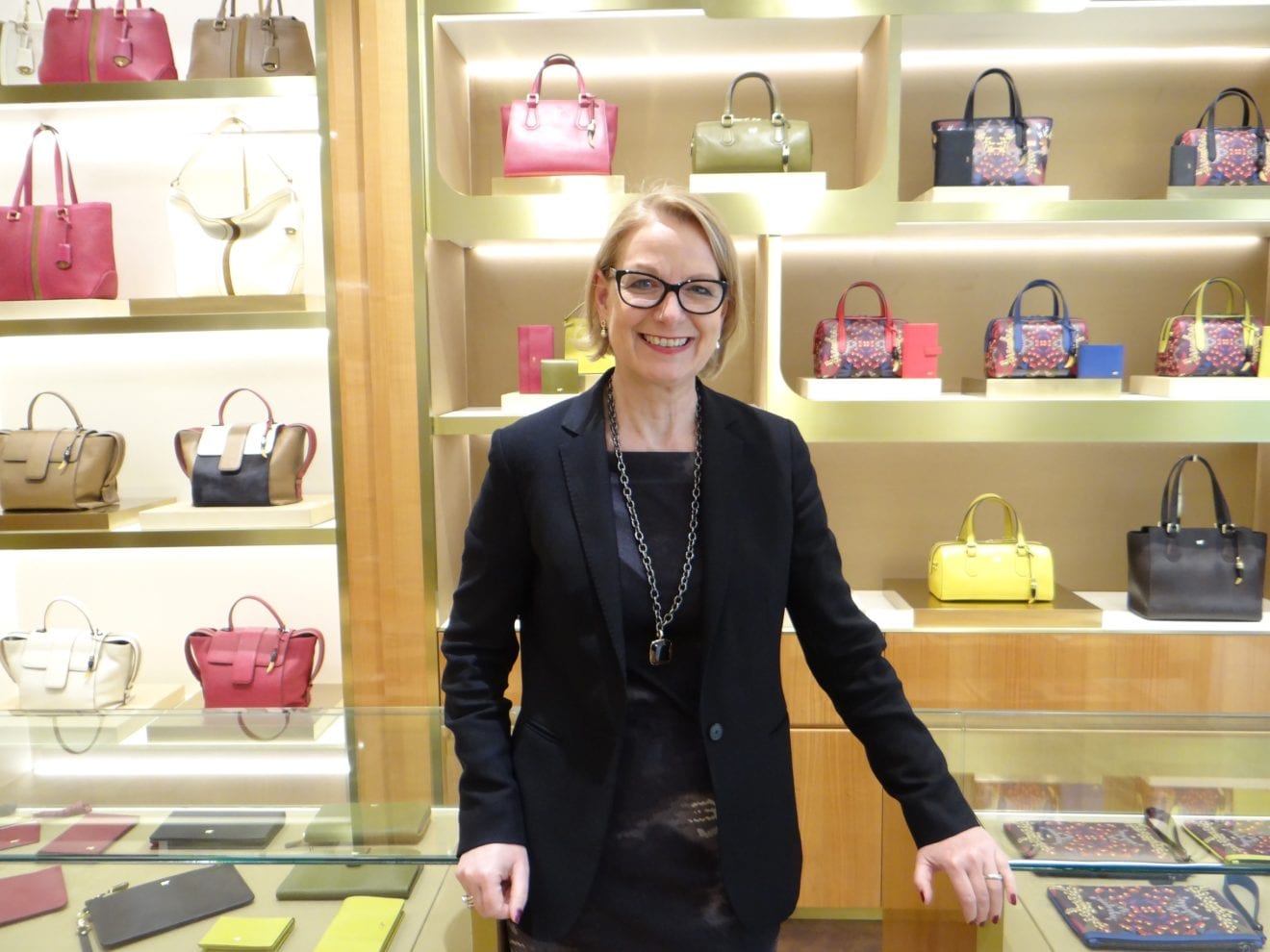
    German luxury brand Braun Buffel has opened a flagship boutique at Singapore’s Marina Bay Sands.

    Its official opening was attended by MD Christiane Brunk, great-granddaughter of Johan Braun who founded the company in 1887.

    Covering 1500 sqft (139 sqm), the Braun Buffel Singapore store features the brand’s trademark leather in the form of an Italian fine-grain leather wall and bespoke leather armchairs in the lounge area. It is the brand’s first flagship with the design concept, and was one year in the making.

    Singapore was Braun Buffel’s first Asian market, in 1982, and this is its fifth store in the Lion City. While known for its handcrafted leather goods and accessories, the brand has in recent years ventured into new segments such as sunglasses and watches. Its latest fall/winter collection is on display at Marina Bay Sands.

    Meanwhile, the company is seeking to expand in Indonesia and China, where it has nearly 200 retail outlets. It also has a presence in Hong Kong, Malaysia, Philippines, Taiwan and Vietnam.

    It also plans to introduce an online retail platform in Asia soon. It already has online shops in Australia, Canada, New Zealand and the US.

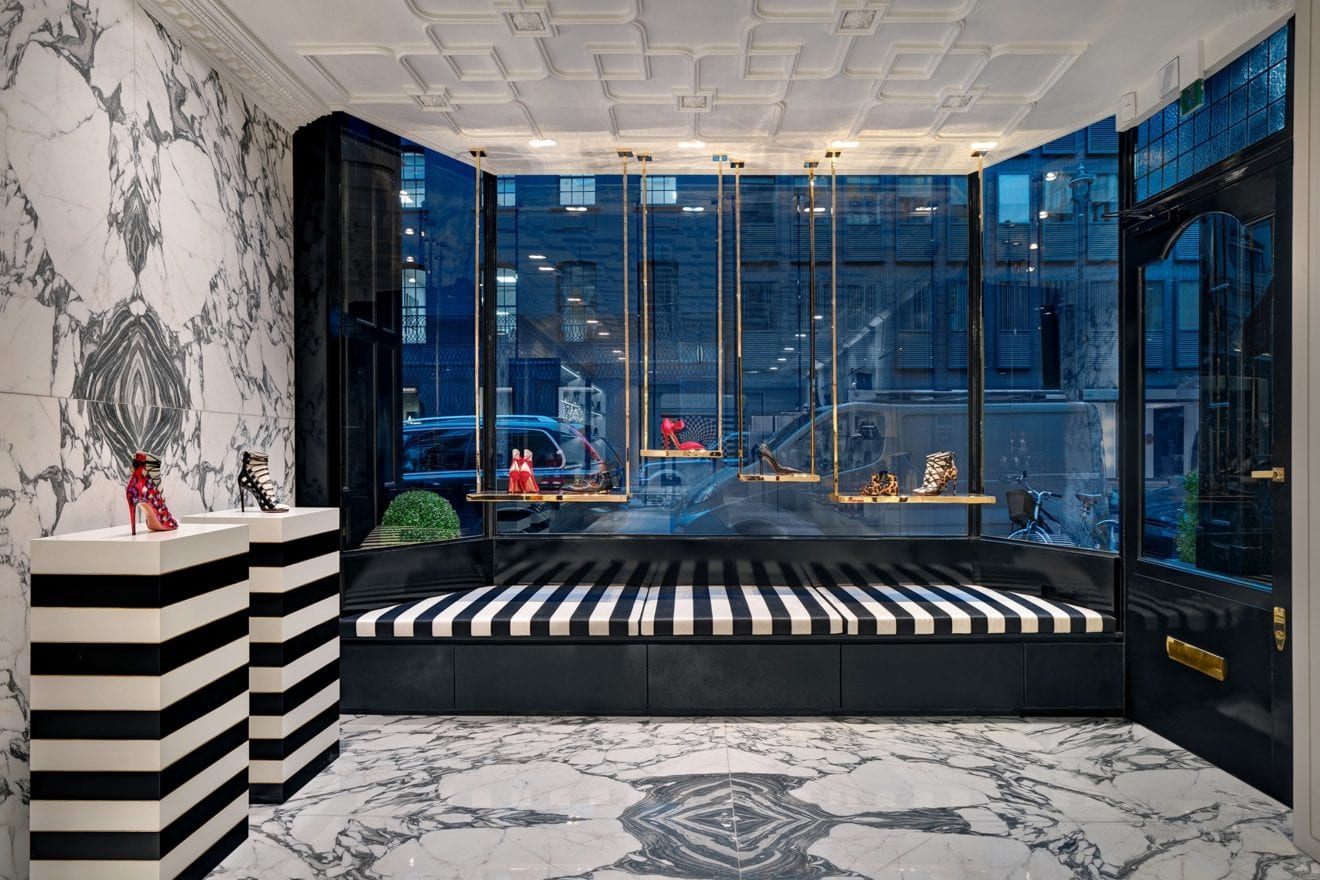
  • Aquazzura’s First Asian Store Opens In Hong Kong End Of 2016

    Aquazzura’s First Asian Store Opens In Hong Kong End Of 2016

    Florence-headquartered luxury shoe brand Aquazzura plans to open its first Asian store in Hong Kong at the end of 2016.

    Edgardo Osorio, co-founder and creative director of Aquazzura, said that Hong Kong is a window to Asia and an excellent place to start the brand’s business expansion in Asia. Though Osorio refused to provide a detailed sales figure, he said that the brand is doing amazing things in the Asian market already.

    He added that they have been expanding and their stores maintain good sales performance.

    The luxury shoe brand Aquazzura was founded by designer Edgardo Osorio in 2011. Its products combine Italy’s traditional craftsmanship with luxury designs, which are popular among fashionable women.

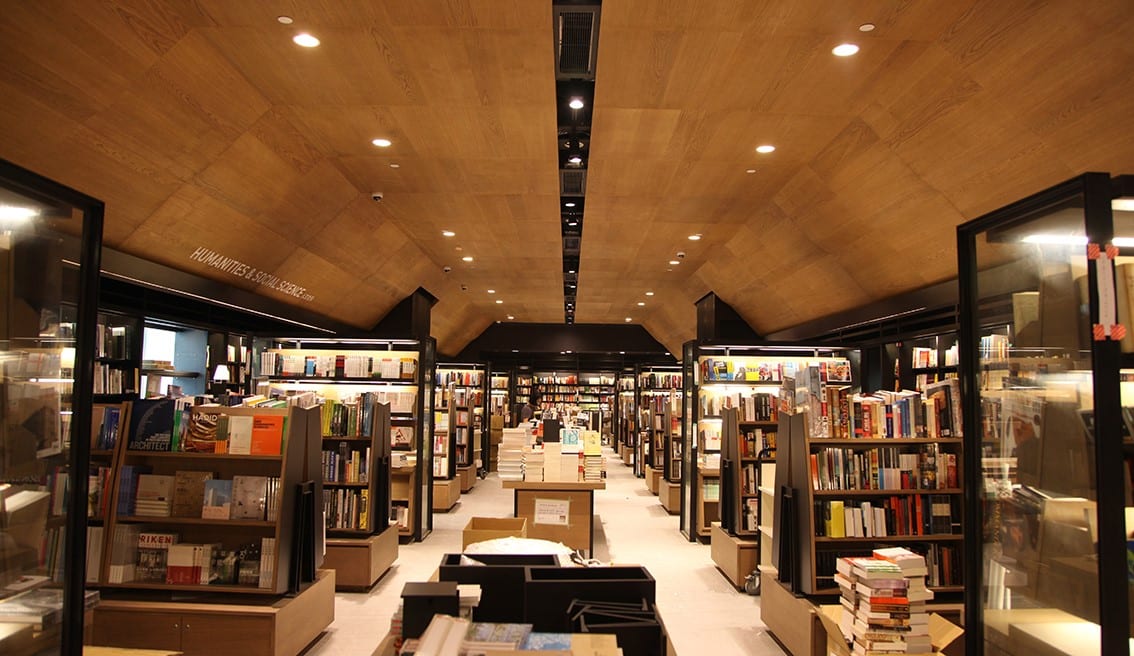
  • Eslite China makes debut in Suzhou

    Eslite China makes debut in Suzhou

    Taiwanese bookstore operator Eslite Corporation has opened its first shop in Mainland China.

    The Eslite China store has opened in Suzhou in a high profile event featuring some of China’s most famous writers and artists, including Lin Hwai-min.

    Eslite has opened two stores in Hong Kong, redefining the nature of the bookshop in the territory.

    Featuring prominently in the store – which merges art and books with exhibitions and curated collections of gift lines, is a painting by Cai Guo-Qiang in Taipei in 2009, titled Day and Night.

    The Eslite Corporation operates 43 retail bookstores in Taiwan. The Chinese store is its third overseas.

    Despite the brand being new to the mainland, there is a surprisingly high level of local awareness, in part due to Chinese visiting the Hong Kong flagship stores.

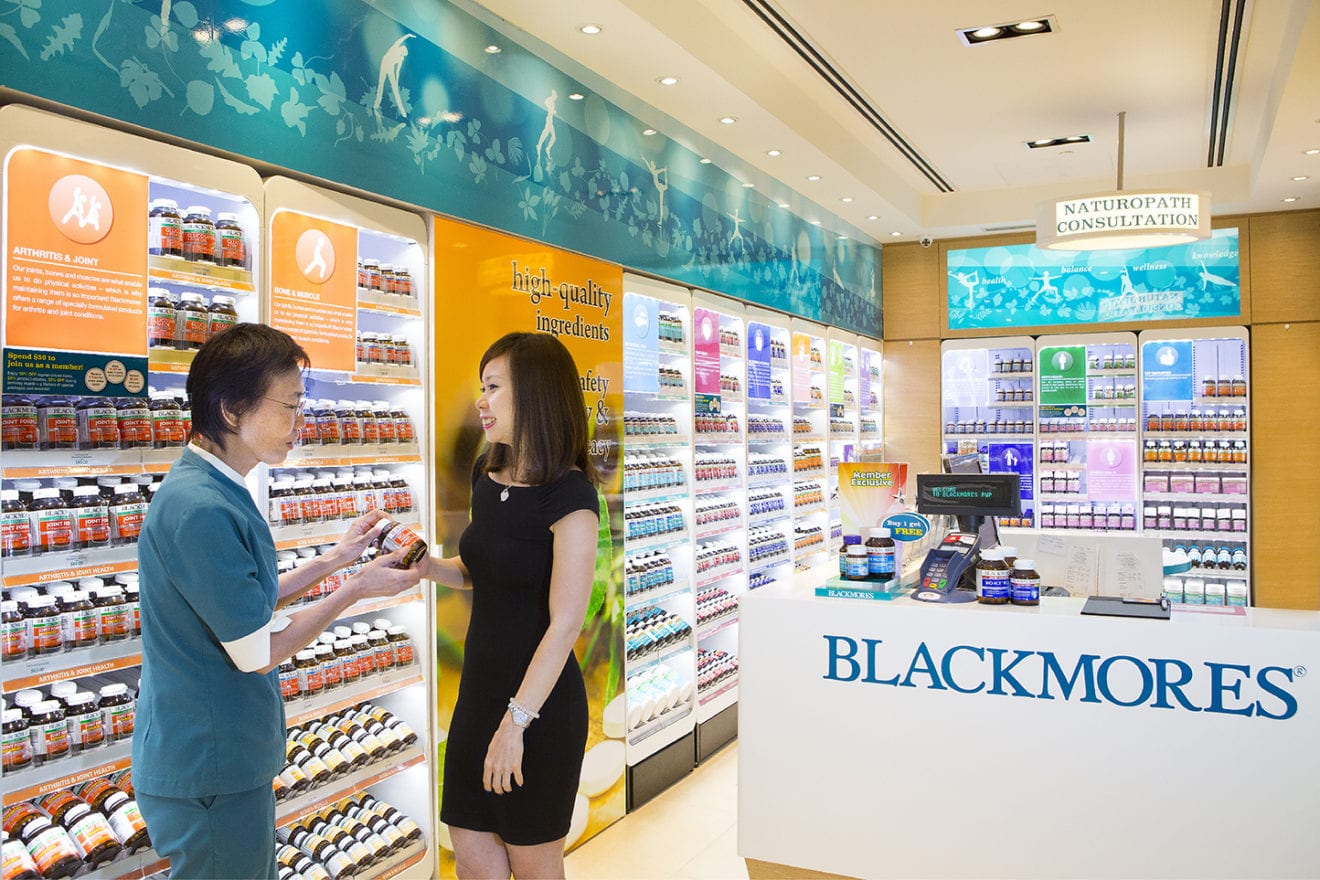
  • Blackmores cuts the ribbon on Bondi store amid mad China scramble

    Blackmores cuts the ribbon on Bondi store amid mad China scramble

    Blackmores chairman Marcus Blackmore admits he had no idea just how much the opening up of China would turbocharge sales of his company’s vitamins, creams and supplements.

    The ASX-listed natural health business has been showered with awards this year while booming sales have seen the stock light up the local sharemarket.

    Around 80 per cent of our products are sold through pharmacy in Australia and they give fantastic advice.

    Christine Holgate, Blackmores

    Shares in Blackmores, of which Mr Blackmore owns 24.5 per cent, have surged from $32 in January to around $189, giving the company a market value in excess of $3 billion.

    “It has been an unbelievable year,” Mr Blackmore told Fairfax Media at the unveiling of the company’s first retail store in Australia.

    Advertisement

    “It is beyond any expectations. We’ve been in China for four years but we had no concept of what China would deliver.”

    At a recent dinner in Shanghai Mr Blackmore met a man from Guangzhou who runs three hospitals treating 20,000 people a day with traditional Chinese medicine.

    He said that China’s long history of using traditional medicines means customers in that market are much easier to win over.

    “Chinese people have a very clear understanding of the philosophical values of natural health,” he said.

    Blackmores floated on the ASX 30 years ago, and for most of that time the company sold 3000 tubs of vitamin E cream a month. In November 2015 the company sold 800,000 tubs of vitamin E cream.

    For the three months to September 30, Blackmores reported a 64.7 per cent increase in sales to $162.2 million and a 161.5 per cent increase in profit to $22.6 million.

    Mr Blackmore said “things come in threes” and the opening of Blackmore’s first Australian retail store at Bondi Junction Westfield caps off the trifecta.

    The other two things brightening the vitamin king’s mood happened last week.

    Last Thursday Blackmores boss Christine Holgate was named chief executive of the year by CEO Magazine, and on Friday federal trade minister Andrew Robb awarded Blackmores the health and biotechnology exporter of the year award.

    New store boosts connection

    Ms Holgate said the Bondi store is not about building a retail presence across Australia but is intended to help connect with Blackmores customers.

    “We are not going to become retailers, we partner with pharmacy. Around 80 per cent of our products are sold through pharmacy in Australia and they give fantastic advice,” she said.

    “What this allows to do is to bring our products and our therapies much closer to the consumer and enables us to listen to the consumer and better understand their health needs.”

    While Ms Holgate is trying to deepen ties with her local customers, the big issue she has is satisfying voracious Asian consumers.

    In the past six months Blackmores has increased it production capacity by 60 per cent. The company has hired 100 extra people but has now run out of office space.

    In November, which Mr Blackmore believes was “probably a record month”, Blackmores produced 2.7 million bottles of product. It will have capacity to produce 4.2 million bottles a month in April next year.

    “The things that keep me awake at night are: availability of raw materials, availability of raw materials, and availability of raw materials,” Ms Holgate said.

    In some product lines there is a natural brake on boosting production immediately. For example, evening primrose oil, a market dominated by Blackmores, comes from a plant harvested once a year.

    In other cases Blackmores is constrained by its strict quality criteria.

    Ms Holgate is loath to put the brand name at risk by compromising even slightly on quality.

    “I’m sure I could give you a lot more sales, but not at the quality levels we want,” she said.

    Last month Blackmores inked a joint-venture deal with dairy group Bega Cheese to supply infant formula and other nutritional products to Asia, opening a range of new opportunities for both companies.

    Ms Holgate said the company actually uses a dairy rival, New Zealand’s Fonterra, as a case study for an internal quality workshop.

    Fonterra has been embroiled in a number of dairy food scandals including the 2009 melamine crisis in China and the false botulism alert, which prompted a massive product recall, in 2013.

  • Philippines Welcomes Chinese Smartphone Huawei Expansion

    Philippines Welcomes Chinese Smartphone Huawei Expansion

    Chinese telecommunications equipment maker is extending its reach to Southeast Asia’s retails sector.

    Huawei has launched its first experience store at the SM Mall in Manila. This new experience store represents another major step of the overseas market expansion of Huawei and the company continues to develop and grow its brand influence.

    With an area of 110 square meters, the Huawei experience store adopts a full-white minimalist design representing the “Huawei and I” idea, which aims to establish a better interaction between Huawei and its end users. In this store, users can experience Huawei’s Android watch and Google’s Nexus 6P smartphone made by Huawei.

    Charles Wu, head of the Philippines region of Huawei, said at the store opening ceremony that they launched new technologies to help users improve their quality of life. Their existing devices are widely used by users every day. Huawei provides end-to-end solutions and they introduce new products to the market with their technologies.

    Jojo Vega, Huawei’s consumer business manager, said that consumers in the Philippines show great interest in Huawei’s products. The company is now more confident and believes its stronger platform can attract more consumers and promote more interactions.

    Huawei now has 40 branded retail stores and 32 simple sales outlets in the Philippines. The company plans to increase the number of its branded stores to 60 in the country by the end of 2015.

  • French lingerie brand Etam opens first China store

    French lingerie brand Etam opens first China store

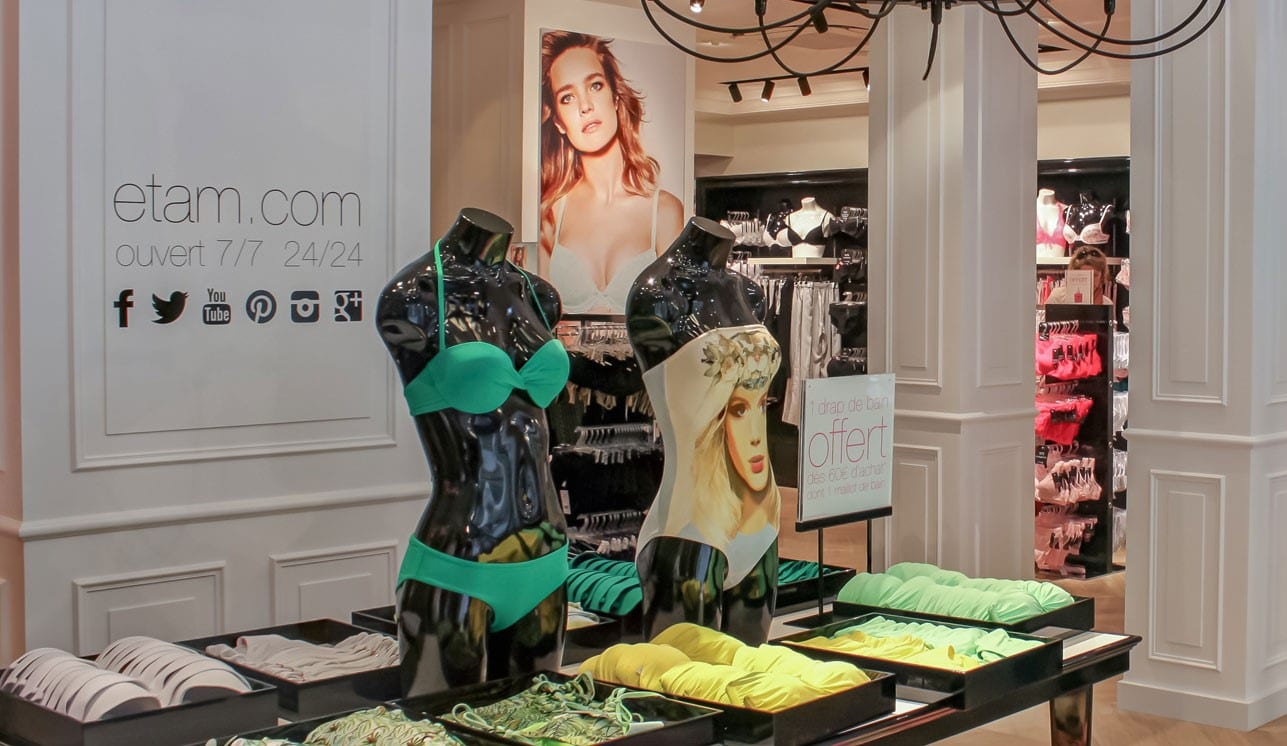
    French lingerie brand Etam has opened its first retail store in Super Brand Mall, Shanghai.

    The 100 sqm store features a tasteful black, white and pink color scheme, displaying the sophisticated array of elegant French-designed underwear for women marketed under the tagline “so sexy, so chic”. It also stocks Etam’s swimwear, sportswear and legwear.

    Etam started selling its clothing in China in 1994 through wholesale channels and the market now accounts for about one third of its total sales.

    But despite the importance of the country to its business, it has not until now opened its own stores there.

    Founded in 1916, Etam is now sold in 4400 stores in 48 countries. The Shanghai store will sell the same lines as in Paris.

    China marks a major strategic expansion for the company which to date has only opened stores in Asia in the Philippines. Its store network is largely concentrated on Europe and the Middle East.

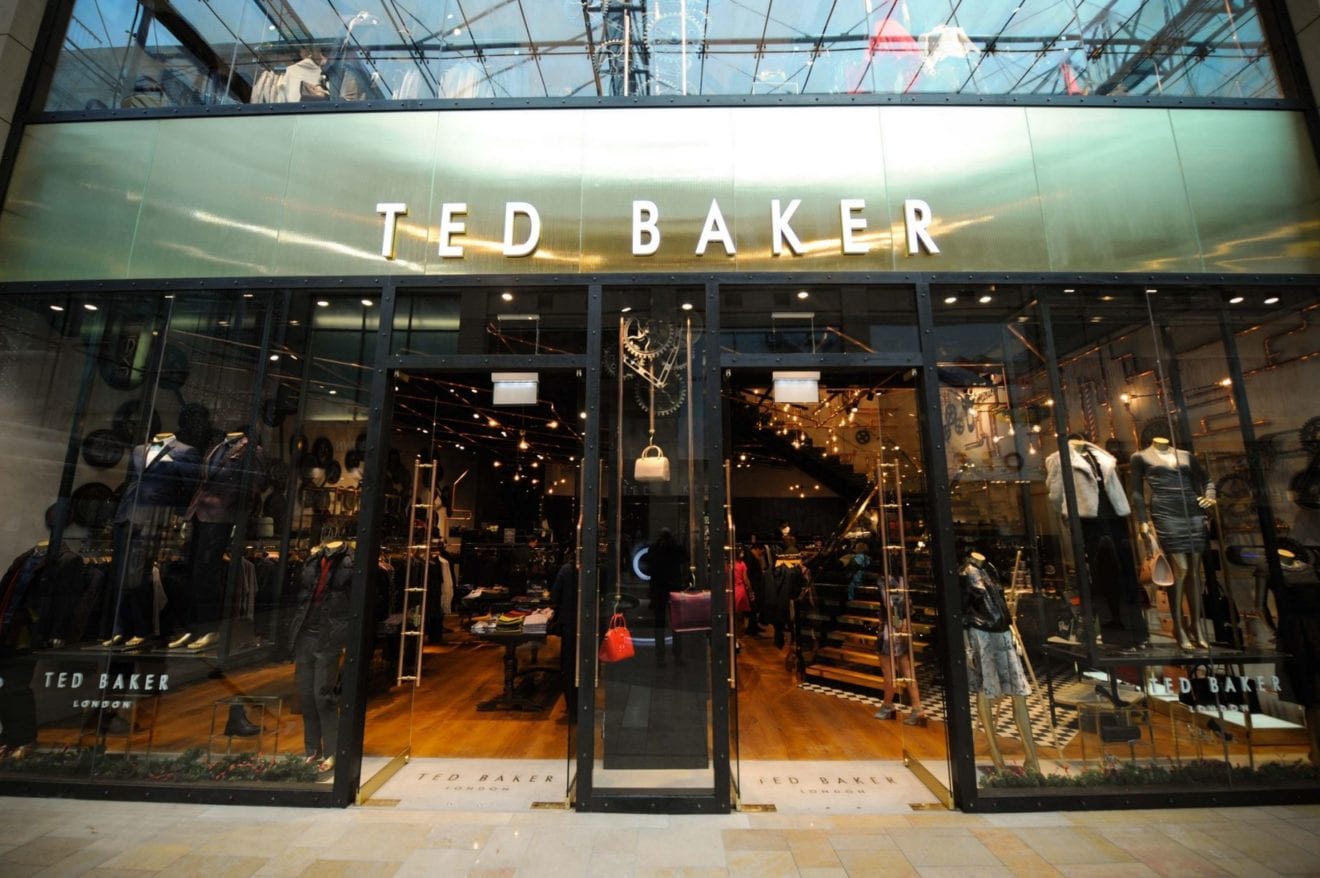
  • Ted Baker thrives on expansion

    Ted Baker thrives on expansion

    Quirky UK fashion and lifestyle label Ted Baker has announced a 20.5 per cent rise in group revenue for its third quarter to 14 November.

    Celebrating an 18.1 per cent rise in retail sales at constant rates, these results were helped by the addition of more than 32,516 sqm in average retail space (an increase of seven per cent) during the period. A planned customer event, which fell a week earlier than last year, also boosted sales.

    Despite the continued international challenges that Ted Baker outlined in its half year results last month, the company has proceeded with numerous openings, spanning Amsterdam, Hawaii, Malibu and Toronto, adding further concessions in premium department stores in Germany, Ireland, Spain, North America and Toronto over the last three months. The brand has also made a return to London’s Stansted Airport, following an £80 million transformation of the terminal. The “Departures Store”, which officially opened on November 6, has a summer holiday theme, featuring 3D Polaroid-style wall boxes set against blue swimming pool tiling and light fixtures in the shape of inflatable beach balls. An interactive digital screen across the store front senses movement and invites passersby to move closer.

    Ted Baker’s wholesale arm saw a sales increase of 27 per cent (25.1 per cent in constant currency), helped by strong trading in both the UK and North America. Group wholesale sales are expected to be 28 per cent ahead at the close of the full year.

    Ted Baker’s varied international approach has also seen licensed store openings in Singapore and Taiwan together with licensed concessions in Kuwait and Mexico. These have enabled Ted Baker to progress with expansion in the Far East despite economic volatility in the surrounding region.

    An outtake from the “Wonders Never Cease” Autumn Winter 2015 campaign, shot over five nights at London’s Natural History Museum in collaboration with shoebox film firm Crowns and Owls, currently represents the backdrop for the brand’s website. While the “affordable luxury” label has received a positive reaction to its Autumn/Winter collections so far, the swing of success at the end of the year will be heavily dependent on strong Christmas trading.