Retail News CRM

Tag: new store

  • Artsy coffee chain Blue Bottle brews long queues in Tokyo

    Artsy coffee chain Blue Bottle brews long queues in Tokyo

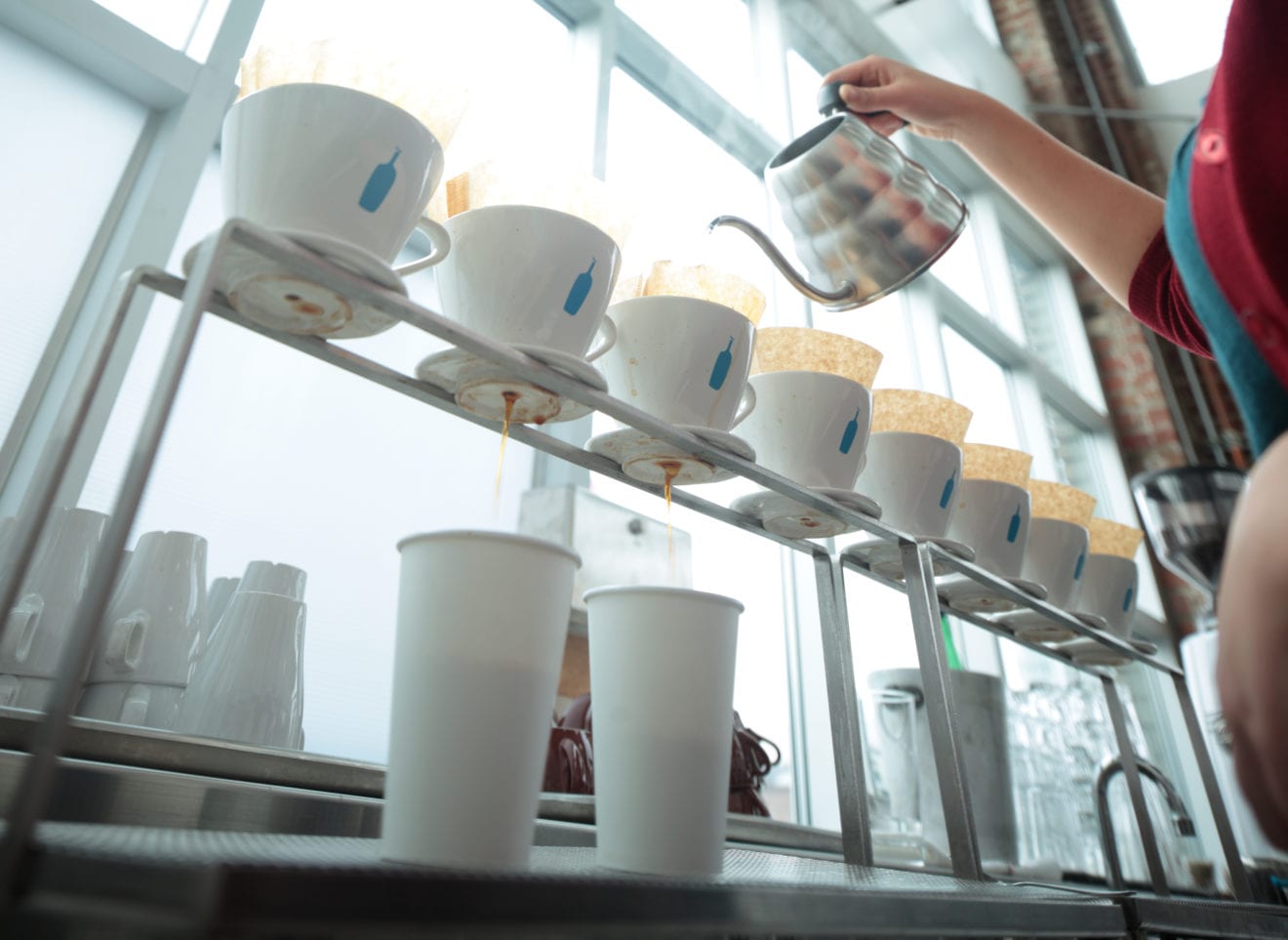
    Japan, famous for green tea, is welcoming artisanal American coffee roaster Blue Bottle with long lines that have at times meant a four-hour wait for a cup.

    The company, which began in Oakland, California in 2002, hopes its early popularity is more than a passing fad. Japan’s consumer culture is littered with manias for Western food imports: pancakes, popcorn, doughnuts, even Taco Bell.

    Success in Japan is important for Blue Bottle, which operates 17 cafes in the San Francisco Bay area, New York and Los Angeles. Japan is its first foray outside of the U.S. Blue Bottle raised nearly $26 million last year to invest in expansion, including financing from Silicon Valley executives, setting the stage for a test of whether an artsy gourmet coffee chain can go big.

    Founder James Freeman, a musician, was inspired by Japan’s old-style “kissaten” coffee-shops: tiny dimly-lit establishments, with good music and a barista behind a wooden counter. Think places for quiet serious thinking and real drip coffee, not sweet, frivolous drinks.

    “We care about every part of the coffee. We call it from seed to cup,” said Saki Igawa, the business operations manager for Blue Bottle in Japan.

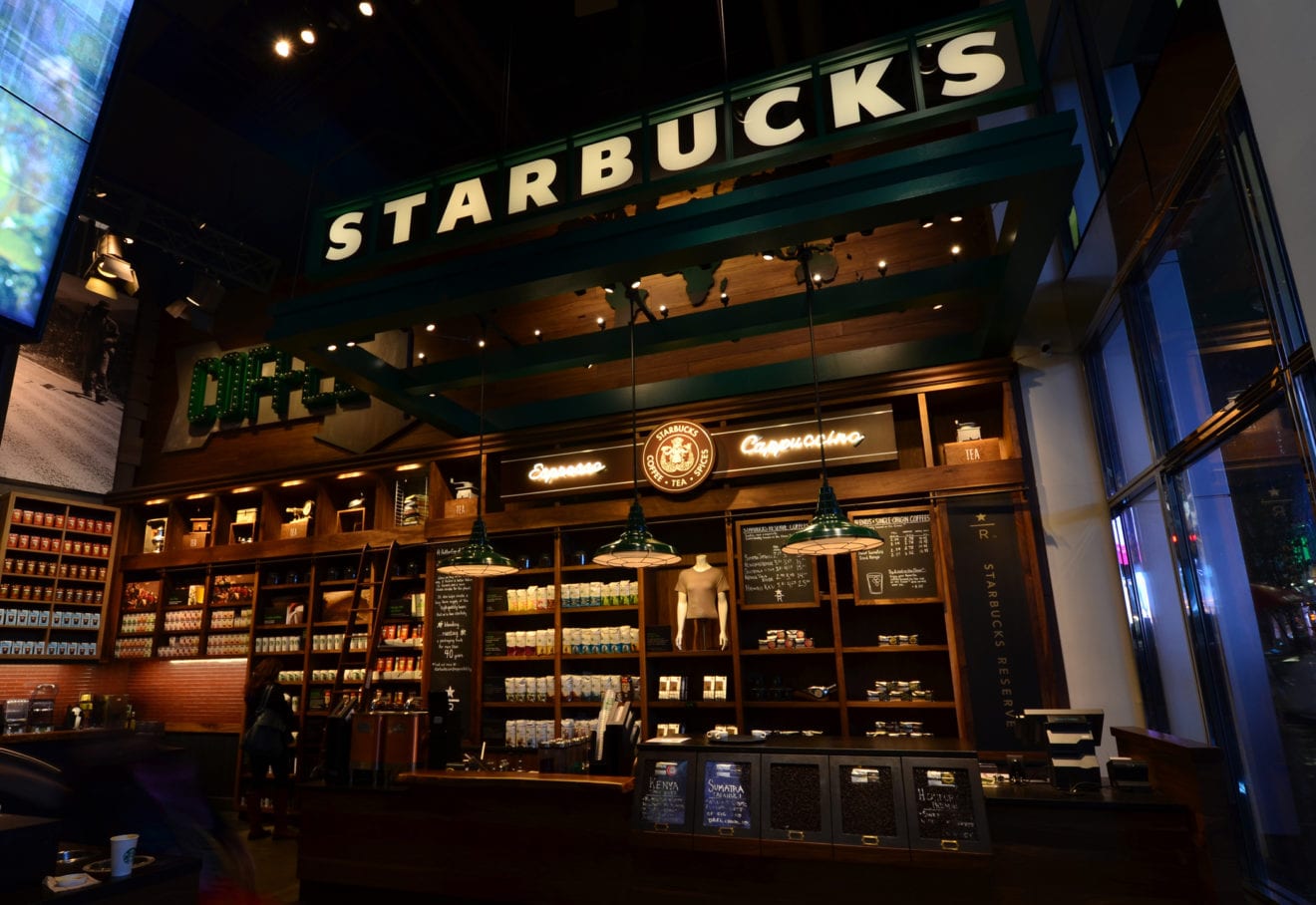
    Attention to detail that dovetails with aspects of Japanese culture accounts for part of the coffee chain’s early popularity. The spread of Starbucks internationally, which has created a cookie-cutter coffee culture that some people want to trade up from, is another factor. Blue Bottle is also benefiting from the image problems in Japan of fast food chains and highly processed foods.

    “It’s a new era in eating out,” said food industry consultant Jotaro Fujii who contends that Blue Bottle’s arrival and the decline of McDonald’s in Japan is part of a bigger trend of consumer interest in the safety and quality of the entire food supply chain.

    McDonald’s is suffering declining popularity in Japan, a problem exacerbated after plastic pieces, and even a tooth, was found in its food last year, setting off an outrage among consumers.

    Upscale burger chain Shake Shack, which started as a hot dog stand in New York, is expected to arrive in Japan soon, said Fujii.

    Such chains, including Blue Bottle, are likely to aim for 50 or at most 100 outlets in Japan, not the thousands that fast-food eateries, such as McDonald’s, has achieved here, he said.

    Instead, they will focus on fortifying a brand image, which can lead to other kinds of lucrative businesses.

    Although the prevalent image of Japan might be tea, it has long had plenty of affection for coffee.

    Starbucks has been a hit since arriving in 1995. It now has more than 1,000 shops in Japan. Not a single prefecture (state) is without a Starbucks with one opening in holdout Tottori Prefecture this month — not surprisingly, welcomed with long lines.

    Even convenience stores are serving freshly brewed coffee. Japan also invented “manga-kissa,” or a cafe-cum-library, where you can curl up with a comic book and sip on coffee for hours.

    Such newcomers have hammered the once omnipresent kissaten. Their numbers have dropped by half from the 1980s, or to 77,000 in 2009, according to a Japanese government study.

    But Blue Bottle’s popularity is part of a rediscovery of cafes serving carefully prepared, quality coffee, a trend already long evident in the U.S.

    Blue Bottle’s first Japan shop, which has a roaster, is in Kiyosumi, an older part of Tokyo, chosen because it reminded Freeman, the founder, of Oakland. It opened in February. The second shop, in a backstreet of Tokyo’s fashionable Omotesando, opened in March.

    A third, likely opening later this year in Tokyo’s Daikanyama shopping area, will feature a menu that reflects Blue Bottle’s recent acquisition of San Francisco-based Tartine Bakery, which serves croissants, sandwiches and pastries.

    Blends such as “Giant Steps,” combining African and Indonesian-grown beans for a chocolate taste, sell for 450 yen ($3.75) a cup. A latte costs 520 yen ($4.30).

    On a recent day, the Blue Bottle shop in Kiyosumi, Tokyo, was filled with sunlight pouring through huge windows, the hum of a giant roaster, the fragrant aroma of fresh coffee and a crowd of people.

    Takuya Nakagawa, a 39-year-old hairdresser, who came all the way from rural Toyama Prefecture (state), was impressed with the coffee’s taste and the store’s stylish stark decor. He bought granola and coffee beans as souvenir gifts.

    “I just love the taste,” he said. “This kind of place doesn’t exist in Toyama.”

    True to its inspiration, Blue Bottle is learning from Japan, said Andrew Smith, 29, of San Francisco, a barista and one of three Americans who came to work for the chain in Japan.

    “People here have different ways of conceptualizing about coffee so they taste things differently,” Smith said.

    “They are looking for different kinds of things in coffee. And that is a fun way to learn how everyone in the world perceives coffee differently.”
  • Tottori Starbucks opening draws 1,000 people

    Tottori Starbucks opening draws 1,000 people

    About 1,000 people lined up Saturday for the opening of the first Starbucks outlet in Tottori Prefecture.

    Japan’s least populated prefecture was the last in which the coffee chain lacked a presence.

    The outlet, near a train station in the city of Tottori, the prefectural capital, started forming lines from around noon Friday. About 150 people had gathered by midnight to camp out for the opening.

    College student Atsushi Miyagawa, 19, was first in line. “It tastes good. It’s unlike any other coffee I know,” he said.

    An established coffee shop nearby, named Sunaba Coffee, gave away free mugs and offered a full refund to any customer who thought that Starbucks coffee tasted better.

    Sunaba Coffee was launched in April last year partly to mock Starbucks and partly to promote Tottori’s famous sand dunes. The Japanese word for sand issuna.

    The nation’s first Starbucks opened in Tokyo’s Ginza district in 1996. Although Starbucks has become a major player in Japan’s coffee market, major convenience store chains recently jumped into the fray by offering improved coffee products.

  • Maisen Tonkatsu heads to Philippines

    Maisen Tonkatsu heads to Philippines

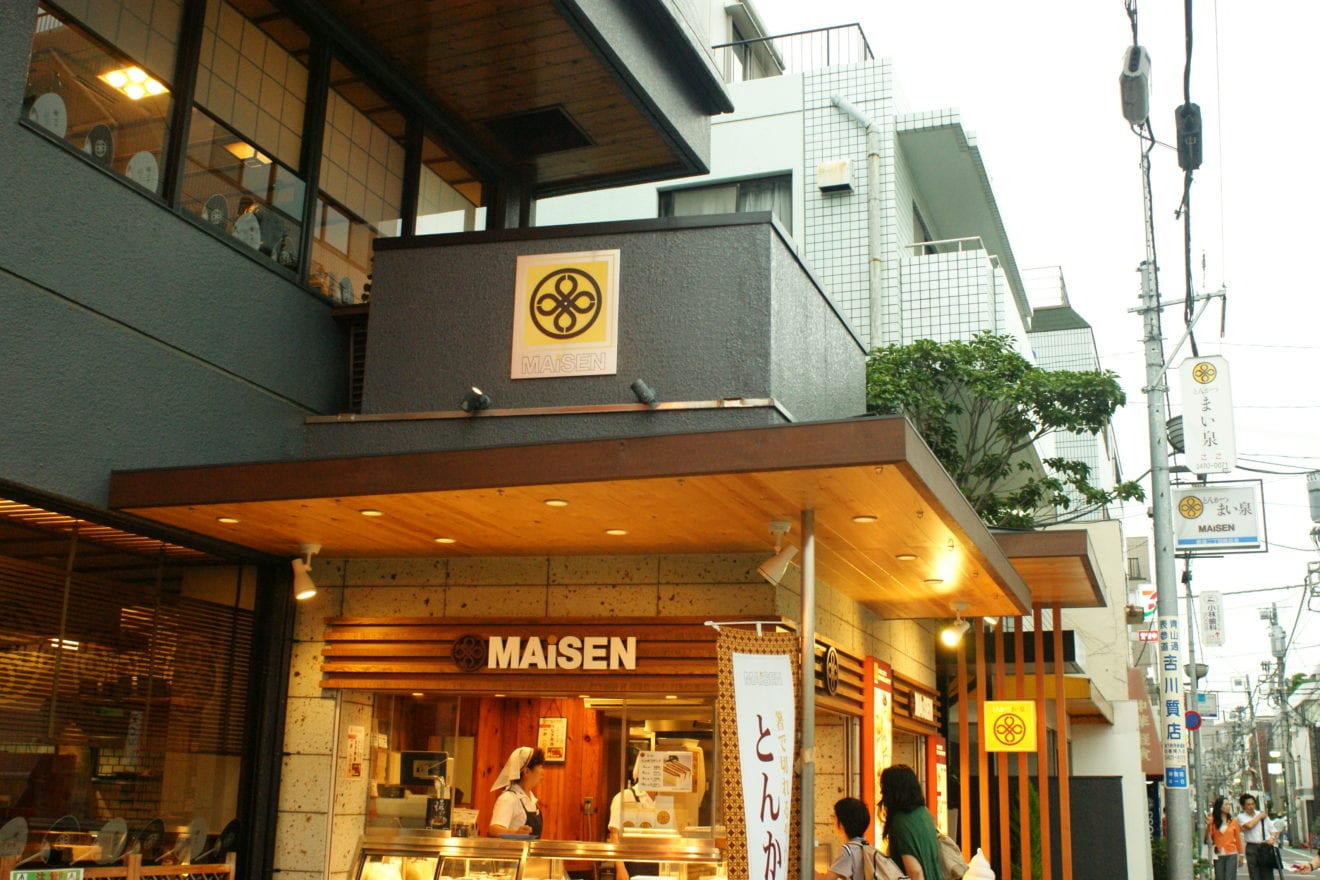
    Maisen Tonkatsu, described as Japan’s “greatest tonkatsu restaurant”, is to open a sequence of eating places within the Philippines.

    The primary restaurant, described as a flagship, will open at SM Megamall by the third quarter of 2015.

    Maisen Tonkatsu, based in 1965, will increase into the Philippines underneath Katsucuisine Inc, a subsidiary of its Japanese father or mother Suyen Company.

    Thought-about the market chief in its class in Tokyo, the restaurant model is steadily increasing in Asia. It has six branches in Bangkok, Thailand, a part of a community now numbering 1100 worldwide.

    Foodies and vacationers alike typically queue outdoors the Tokyo eating places whose profile has been boosted by in depth reward on social media and by skilled reviewers.

    The restaurant’s positioning slogan is: “Tender tonkatsu you’ll be able to minimize with chopsticks.”

  • Jubilee of Siam opens big diamond boutique

    Jubilee of Siam opens big diamond boutique

    Thai jeweller Jubilee of Siam claims its new retailer in Bangkok is Asia’s largest diamond boutique.

    The huge retailer – for a jeweller – includes 1500 sqm unfold over 4 flooring within the coronary heart of Bangkok’s Silom Rd retail precinct.

    Jubilee of Siam was based in 1993 and now has greater than 100 retail shops and concessions throughout Thailand.

    The corporate’s CFO, Unyarat Pornprak, described on the new flagship as “a phenomenon” for Thailand’s jewelry business.

    “We pioneered jewelry counters at department shops. Nationwide, we now have over 100 retail factors that make individuals accustomed to the Jubilee Diamond model.

    “Now with the flagship retailer, we will present clients a powerful retail expertise and repair,” stated Unyarat.

    Jubilee of Siam is the buying and selling identify of Jubilee Enterprise Public Co, described as Thailand’s main retailer of diamond jewelry and whcih claims to have launched the diamond counter retail format to the native retail market.

  • Watsons Thailand to open 50 new shops

    Watsons Thailand to open 50 new shops

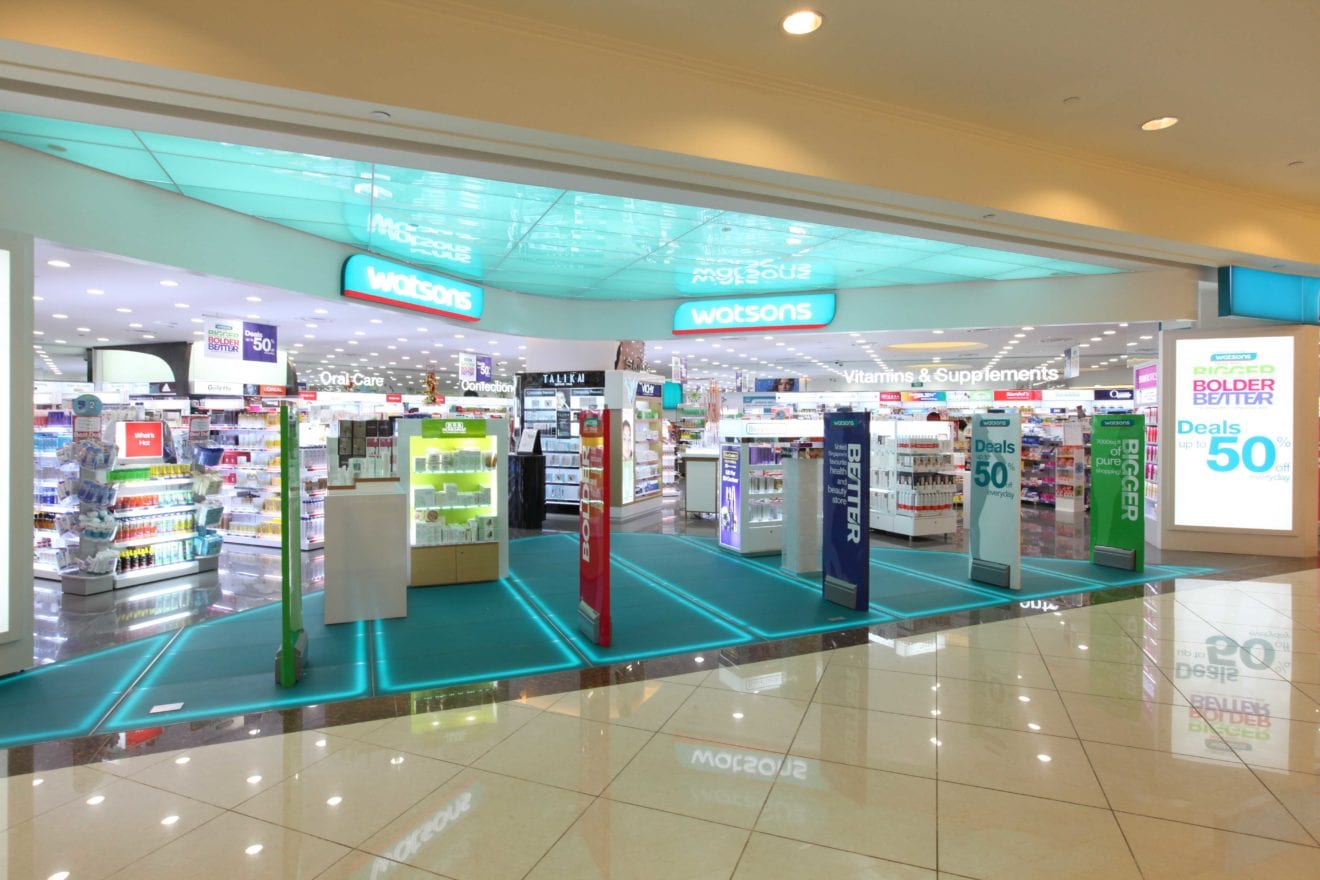
    Central Watson, operator of the Watsons Thailand community, says it can open 50 extra shops by the top of this yr.

    The enlargement will take its community to 381, growing its dominance over rival Boots which on final rely had simply 230 shops.

    MD Rod Routley informed a briefing that the enlargement will value 400 million baht, round US$12 million, which represents a 15 per cent improve within the firm’s capital expenditure this calendar yr.

    Apart from the brand new openings, the corporate plans to renovate many present shops and broaden its promotional exercise to lure new clients.

    “Thailand is among the quickest rising markets when it comes to retailer enlargement within the Asean area,” Routley stated.

    Watsons Thailand is a three way partnership between the highly effective Thai Central Group and Hong Kong based mostly AS Watson, the model’s mother or father.

    This week, Watsons Thailand opened a web-based retailer providing about 1000 inventory models, together with some out there solely on-line and never in shops.

    A number of the new Watsons shops will comply with a brand new, bigger format unveiled in Siam Sq. in February. At 500 sqm, the shop is significantly bigger than the model’s earlier flagship and may show an expanded product vary.

  • KFC to enter Myanmar

    KFC to enter Myanmar

    Yum! Manufacturers’ KFC is about to grow to be the second multinational quick meals chain to enter Myanmar.

    Yum! has signed an settlement with native franchise associate Yoma Strategic to open fried hen eating places within the quickly opening-up nation. The primary outlet will open in downtown Yangon quickly.

    KFC will comply with South Korean burger chain Lotteria into Myanmar. That chain, owned by Lotte Group, has opened seven eating places because it arrived there in 2013. It has additionally efficiently established first mover benefit in different Southeast Asian markets together with Vietnam.

    No date has been launched for the opening of the primary KFC outlet, however Yoma Strategic stated in a press release it is going to be the “first main American fast service restaurant to determine a foothold in Myanmar”.

    As much as 4 KFC eating places will open in Yangon by the top of the yr earlier than the corporate appears at different cities, reminiscent of Mandalay.

    Laos is now the final remaining Southeast Asian market KFC has but to enter.

  • Prada China opens Wuhan retailer

    Prada China opens Wuhan retailer

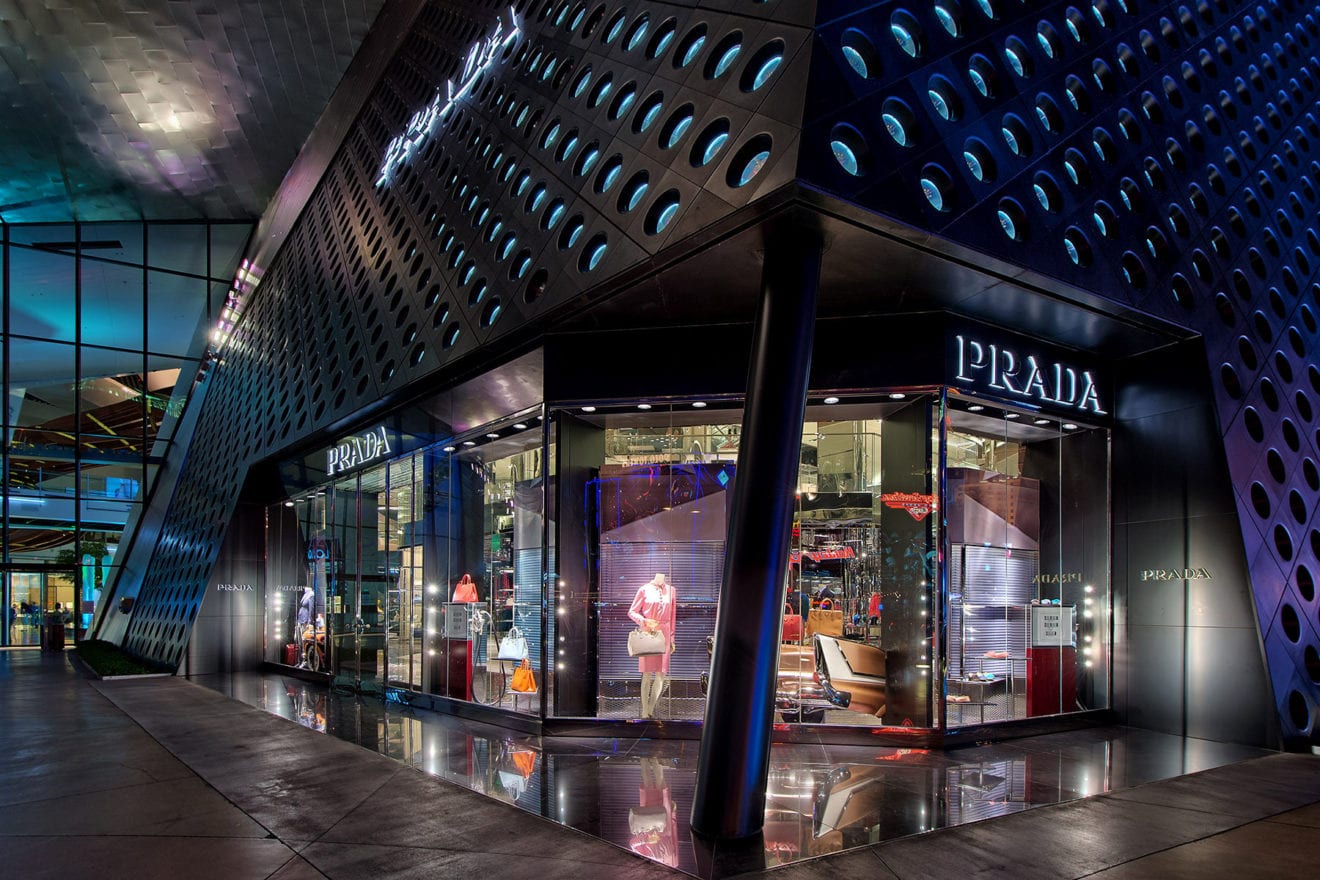
    Prada China has opened a brand new retailer in Wuhan, inside the distinguished Worldwide Plaza purchasing centre.

    The 2-level, 950 sqm retailer area, designed by architect Roberto Baciocchi, homes the ladies’s and males’s ready-to-wear, leather-based items, equipment and footwear collections.

    The exterior facade pays tribute to artist Carlo Cruz-Diez.

    The massive entrance, mild bins and home windows are inserted into the decrease a part of the facade, which is clad in black granite and topped by an imposing gold and steel-coloured aluminium construction backlit to create a singular kinetic impact each day and night time.

    General, the facade stands 10 metres tall and stretches roughly 50 metres in size. The interior facade, the place the second entrance to the shop is situated, can also be clad in black granite.

    The inside is designed as a succession of areas, every that includes a unique environment.

    The doorway contained in the mall, outlined by the signature black-and-white marble chequered flooring, opens on an space housing the ladies’s leather-based items and equipment collections. Inexperienced fabric-clad partitions with Prada’s iconic cut-in niches with polished metal profiles outline the area.

    Inexperienced velvet sofas characterise the world devoted to ladies’s footwear.

    The ladies’s ready-to-wear assortment is showcased in an area outlined by inexperienced fabric-clad partitions and clear perspex show models.

    The lads’s leather-based items and equipment collections are set in polished metal show instances inserted into alcoves wrapped in black marble with inexperienced fabric-clad backdrops.

    The area devoted to the lads’s ready-to-wear and footwear collections is characterised by ebony floorboards and partitions, chocolate brown carpeting and cotto-coloured leather-based sofas. Polished metal show instances and counters with drawers coated in colored saffiano leather-based full the furnishing.

    Prada says it admires French-Venezuelan artist Carlos Cruz-Diez, whose paintings served as a place to begin for the design of the facade.

    The Prada boutique is situated in Wuhan Worldwide Plaza, 690 Jiefang Ave, Jianghan, Wuhan, Hubei.

  • Evergreen to open children’s fashion stores

    Evergreen to open children’s fashion stores

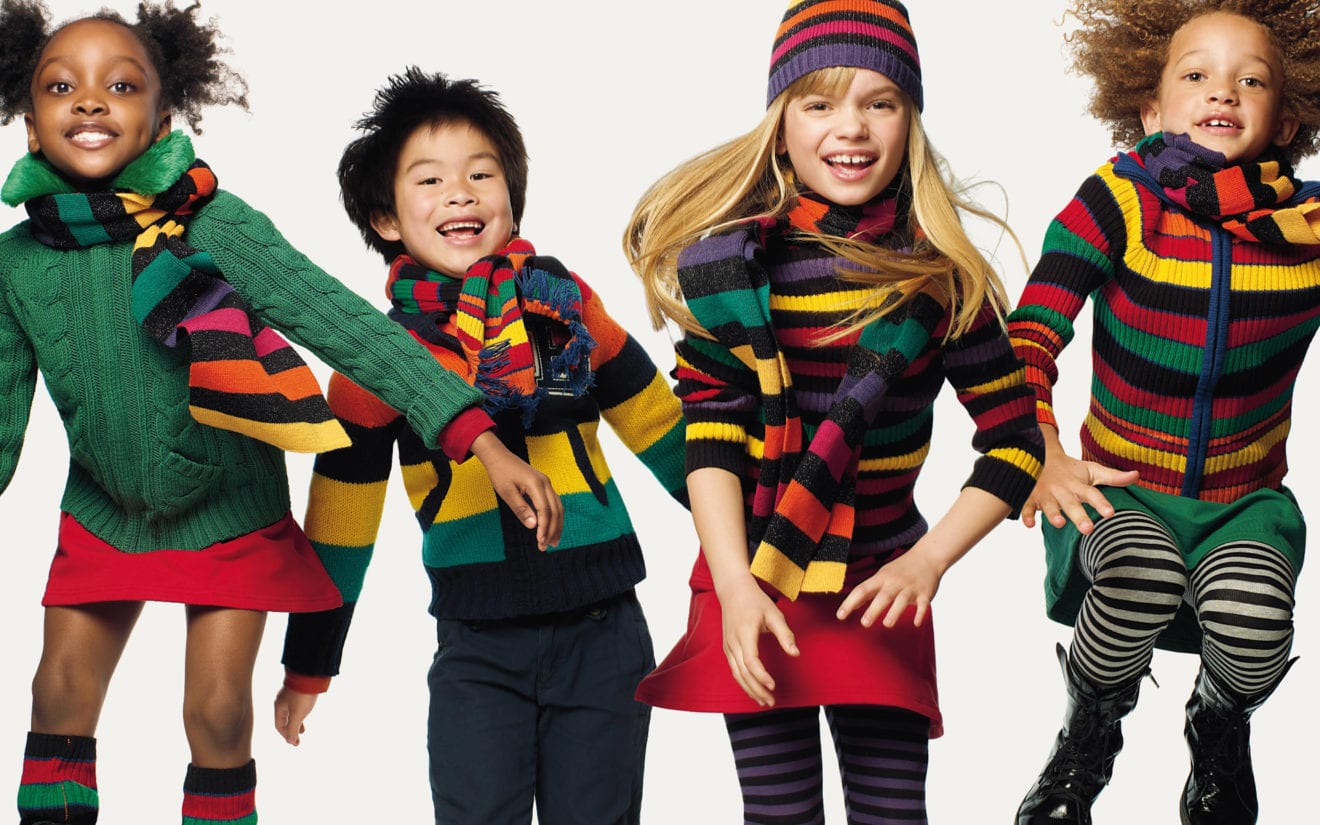
    Evergreen International has secured brand rights to greater China for a portfolio of high profile childresnwear brands.

    Until now, a specialist in menswear, Evergreen targets the upper-middle and high-end segments of mainland China’s market.

    Now the group has secured the rights to Roberto Cavalli Junior, Simonetta and Diesel Kid to distribute children’s wear and accessories in mainland China, Hong Kong and Macau.

    It has also signed a preliminary agreement with Rykiel Enfant under Sonia Rykiel regarding the proposed distribution of that brand’s children’s wear and accessories in the same markets.

    Separately, Evergreen has signed a letter of intent with Fendi Kids and is currently evaluating opening Fendi Kids monobrand shops and stores-in-stores in Mainland China.

    Last August, the group opened a Roberto Cavalli Junior store at Ocean Terminal in Hong Kong’s Harbour City. The group plans to open about nine new stores to introduce premium brands of children’s wear and accessories into the first- and second-tier cities of mainland China in the first half of this year.

    The locations will include the shopping malls in Chengdu IFS, Qingdao MixCity, Shenzhen MixCity and Qingdao Hisense Plaza.

    It will also open four retail stores for children’s wear and accessories at the shopping mall of the Galaxy Macau resort in the first half of 2015.

    Evergreen says it will continue to negotiate with shopping centre owners with a view to opening more stores in Hong Kong, Macau and first and second tier cities in the mainland in the second half of 2015.

    Chan Yuk Ming, chairman and executive director of Evergreen, said the company is in discussions with other international premium fashion brands about the retailing and wholesaling of their children’s wear and accessories in Hong Kong, Macau and Mainland China.

    “We believe the group’s new business segment of high-end children’s wear and accessories will further diversify the portfolios of products and brands of its businesses of apparel and accessories, and will leverage the foundation of its existing menswear business, thus will be benefit to the company and its shareholders as a whole.”

    Evergreen currently owns and manages V.E. Delure and Testantin, targeting the markets for high-end business formal and casual men’s wear, the upper-middle fashion casual men’s wear and the high-end children’s wear.

    The group’s strategy is to open self-operated stores in key cities, while penetrating the markets of slower development through distributors. To cope with business expansion and raise operating efficiency, the group has strategically used a combination of self-operated retail stores as well as distributors of varying sizes to cater to different stages of development and target markets for each of its brands.

    As at December 31 2014, the group had 177 self-operated stores and 191 franchised stores in 30 provinces and autonomous regions, covering 171 cities.

  • Microsoft Malaysia builds phone store network

    Microsoft Malaysia builds phone store network

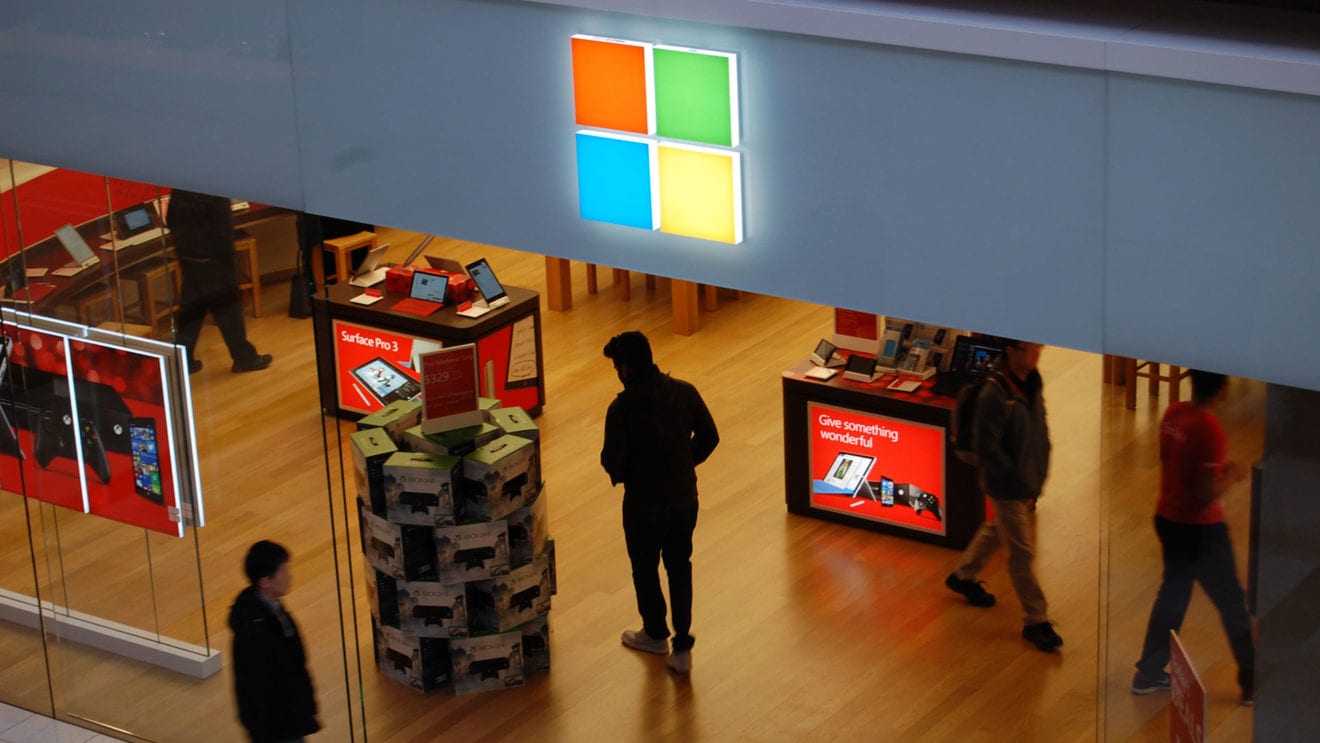
    Microsoft Malaysia will convert 39 Nokia retail stores into a network of Microsoft authorised reseller smartphone shops.

    The company’s GM of mobile devices sales for Malaysia, Singapore and Brunei, Bruce Howe, revealed the plan during the opening ceremony of the first Microsoft Malaysia store at the Suria KLCC shopping centre in downtown Kuala Lumpur.

    Malaysia is the first country in the Asia-Pacific region to see the new telco store format and the conversions are scheduled to be complete by the end of the year.

    “This transition is a big leap for our brand besides giving opportunity in terms of scaling up the retail footprint and widen the Microsoft range in Malaysia,” he said at the launch..

    Microsoft Malaysia chief marketing and operation officer Rukmani Subramaniam described the launch as a “significant development” for the brand.

    “We get feedback from Microsoft customers that its hard to find Microsoft stores in Malaysia, so we ran this transition to give more chances for them visit and learn how to make the most of Microsoft technology,” she said.

    Microsoft, the world’s largest computer software company, acquired the Finnish Nokia telecommunications technology company’s devices and services division business in April 2014, forming a wholly owned Finland-based subsidiary Microsoft Mobile Oy. That company has the rights to use Nokia branding on some phones, but not on the popular Lumia range, which is now sold as a Microsoft handset.

  • DFS flagship has walk-in bar

    DFS flagship has walk-in bar

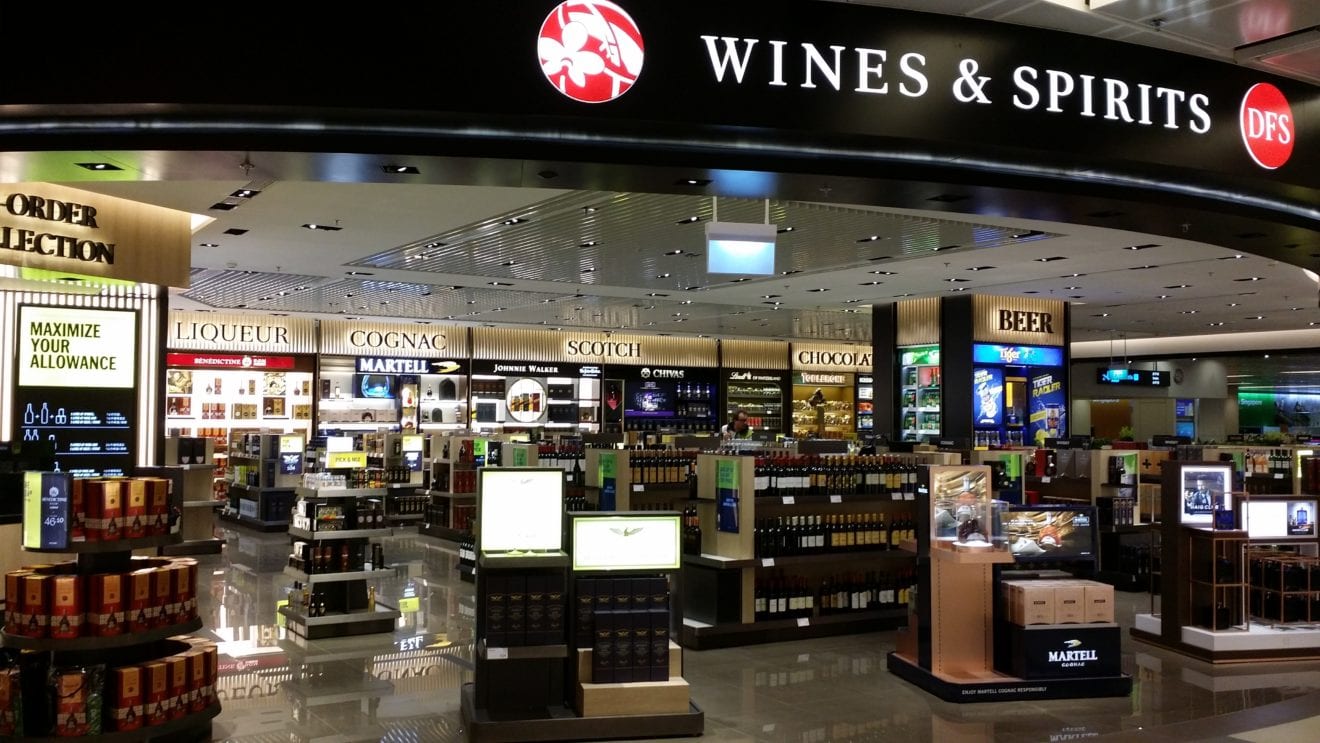
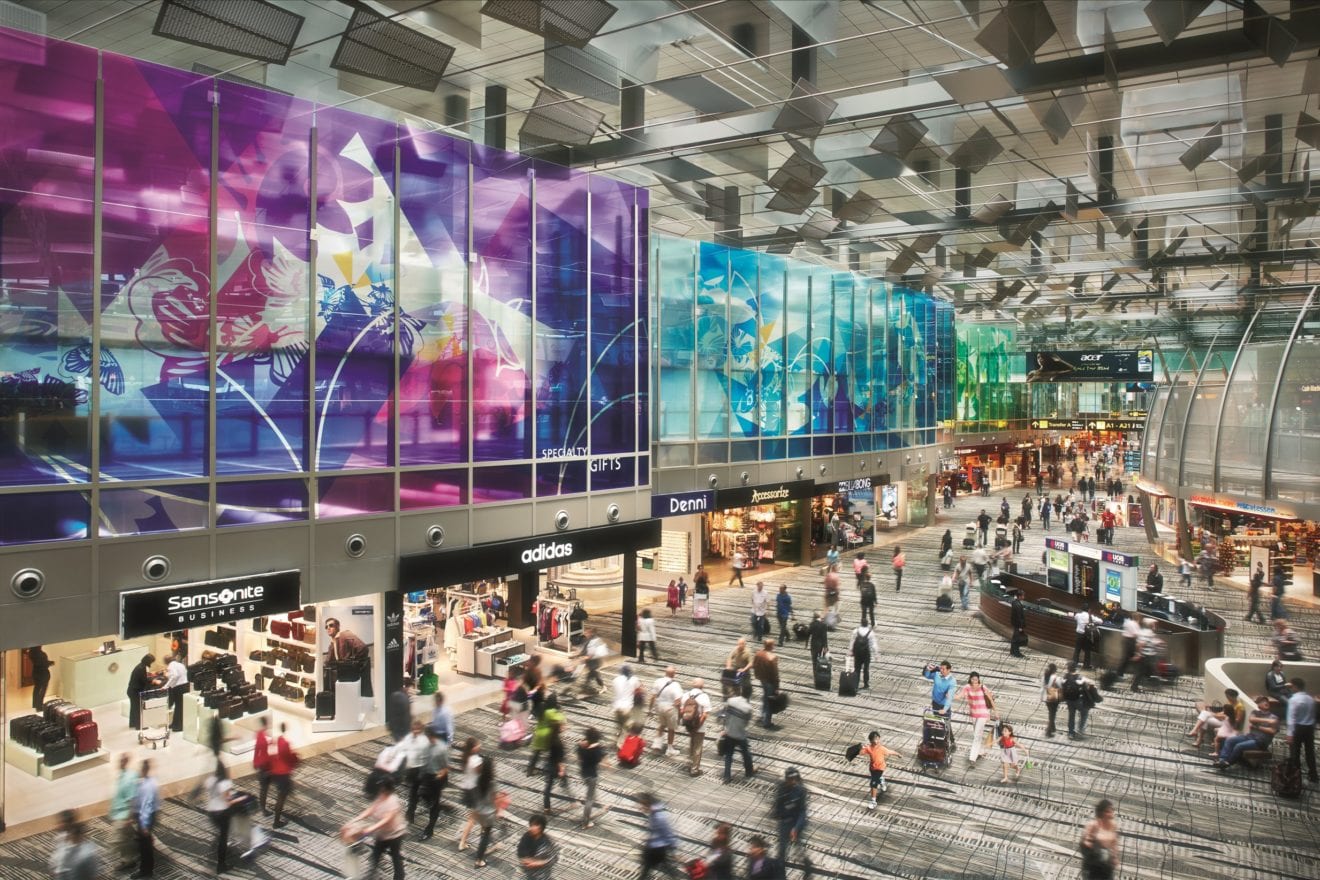
    DFS Group has opened a new wines and spirits flagship duplex store at Singapore’s Changi Airport – the first of its kind in the world.

    The 11.400 sqft store at Terminal 3 is DFS Group’s largest single retail space for wines, spirits and tobacco.

    Designed by Masamichi Katayama, the award-winning interior designer and founder of design firm Wonderwall, the store showcases the luxury retailer’s full assortment of wines, spirits and tobacco in a visually dramatic environment and façade inspired by flowing water and undulating shapes. Within the store, warm and modern design elements accentuated by a double-height atrium measuring over eight meters high provides an inviting shopping and tasting environment for travellers.

    Amongst the store’s most innovative features are expanded common areas designed especially for lifestyle and cultural experiences. This includes a Raffles Long Bar – in collaboration with one of Singapore’s most historical landmarks, the Raffles Hotel – the ground-floor atrium tasting bars and a private lounge. The Long Bar will serve its famed cocktail invention, the original Singapore Sling. These common areas also provide space for guided tastings and a monthly program of exciting and interactive activities, featuring master classes for cocktail mixology, bartending and hosting at home.

    Philippe Schaus, CEO and chairman of DFS Group, said that when the company embarked on the project, it wanted to open a wines and spirits store of “a quality and richness unlike anywhere else in the world”.

    “That is why we secured the collaboration of Masamichi Katayama to build this one-of-a-kind, two-level experiential store, drawing inspiration from the most stylish bars and restaurants around the world as well as on the traditional and historic cellars of France and Scotland.

    “This project would not have been possible without the close collaboration and shared vision between DFS and the farsighted management team of Changi Airport.”

    DFS’ Loyal T customers can access The Lounge by DFS for an elevated shopping experience. From private viewings to new personal shopping across all product categories of DFS, Changi Airport stores, customers will be treated to a personalised level of service.

    In the new duplex store, DFS also introduces Changi’s first branded boutiques for wines and spirits, situated on the second floor. Nine brands – Absolut, Dom Pérignon, Glenfiddich, Hendrick’s, Hennessy, Johnnie Walker, The Macallan, Martell, and Penfolds – will showcase their heritage and their finest products within individually-designed boutiques, from the travel trunk-inspired Johnnie Walker House to the Glenfiddich boutique’s cellar and cask design.

    The store will also host visits from master distillers, blenders and brand ambassadors throughout the year, and unveil worldwide product launches for these nine brands.

    “For over 30 years, travellers have shopped with DFS at Changi Airport because we are the destination for the best in wines, spirits and tobacco. Our new store reinforces our promise to our customers, and our vision,” says Brooke Supernaw, senior VP, global merchandising – spirits, wine and tobacco.

    “Travellers will discover exclusive products and unique experiences that will elevate their journey.”

  • Bulgogi Brothers Bangkok debuts

    Bulgogi Brothers Bangkok debuts

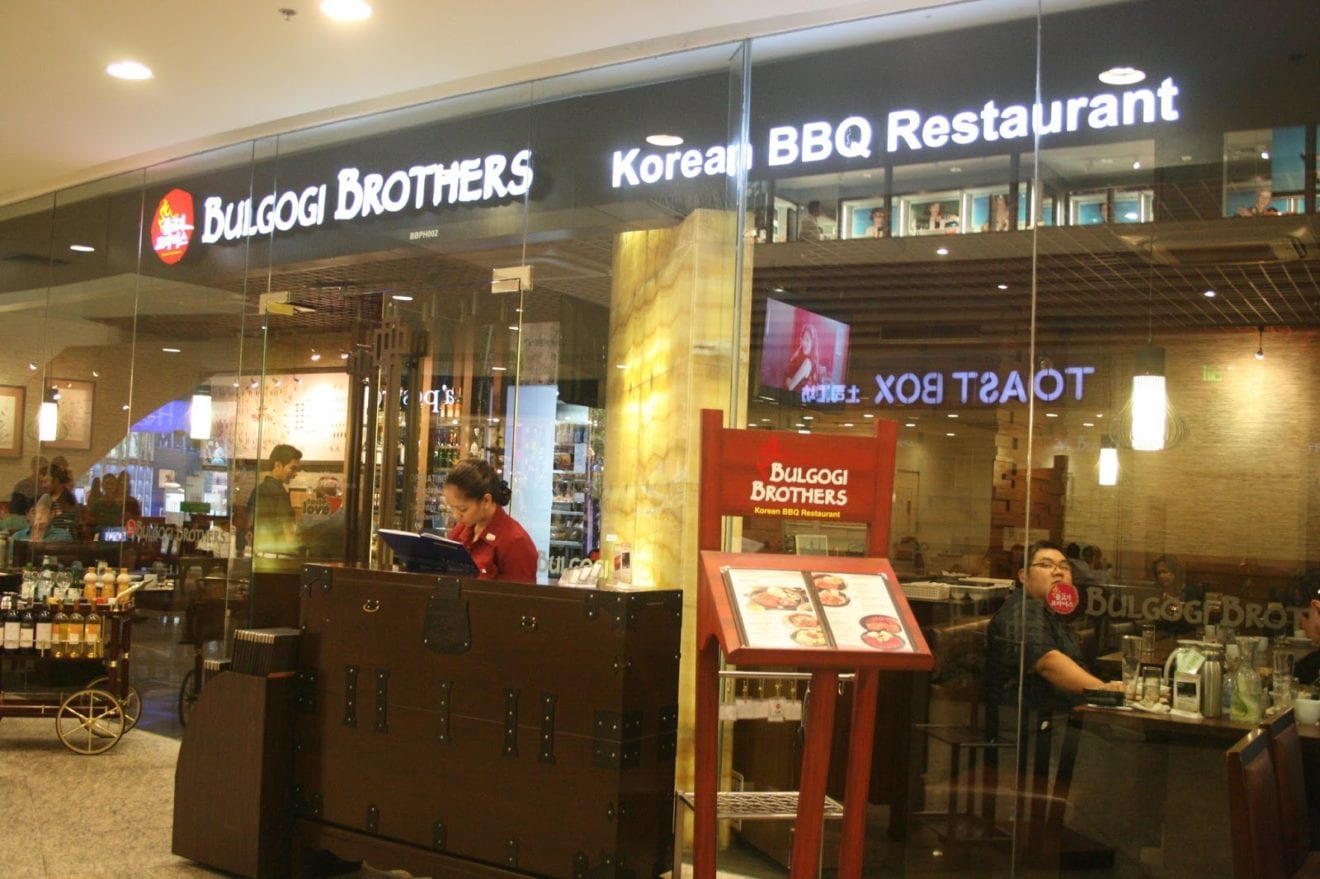
    South Korean QSR chain Bulgogi Brothers has added Thailand to its growing Southeast Asian footprint, with its first store opened in the EmQuartier mall in central Bangkok.

    The barbecue restaurant chain has 42 restaurants worldwide – including seven in the Philippines, five in China, three in Malaysia and others in Indonesia and Myanmar. The company will open its first outlet in Tokyo in October and in Taiwan’s capital, Taipei, in December. It also plans an Indian debut this year and is targeting 100 worldwide within five years.

    The Thai franchise rights are held by Ausanee Mahagitsiri Leonio, the daughter of Prayuth Mahagitsiri, described by Thai media as “the Nescafe coffee tycoon”. She also owns the Thai Krispy Kreme franchise.

    The chairman and CEO of Bulgogi Brothers’ parent company Et & Zeus is Intae Jung, who says his brand is making the most of the popularity of K-pop music, Korean TV series and fashion reputation.

    “Korean food has become a fad in Asia due to the popularity of South Korean pop music and TV series. Korean is the fourth most recognised cuisine by nationality among Thai consumers, following Japanese, Italian and Chinese,” he said in an interview with the Bangkok Post newspaper.

    “The Philippines, Thailand and Myanmar are the top three priority markets we want to focus on for our five-year business plan. In Thailand we want to see 10 more Bulgogi Brothers restaurants by 2020,” Jung said.

    Ausanee, president of King of Bulgogi Thailand, said she plans to spend 100 million baht (US$3 million) to open two Bulgogi Brothers Bangkok restaurants, including the EmQuartier one.

    “We expanded into the Korean restaurant business because the food tastes similar to Thai food. Many Thais travel to South Korea and enjoy watching Korean dramas, which inspires them to try some dishes,” she said.

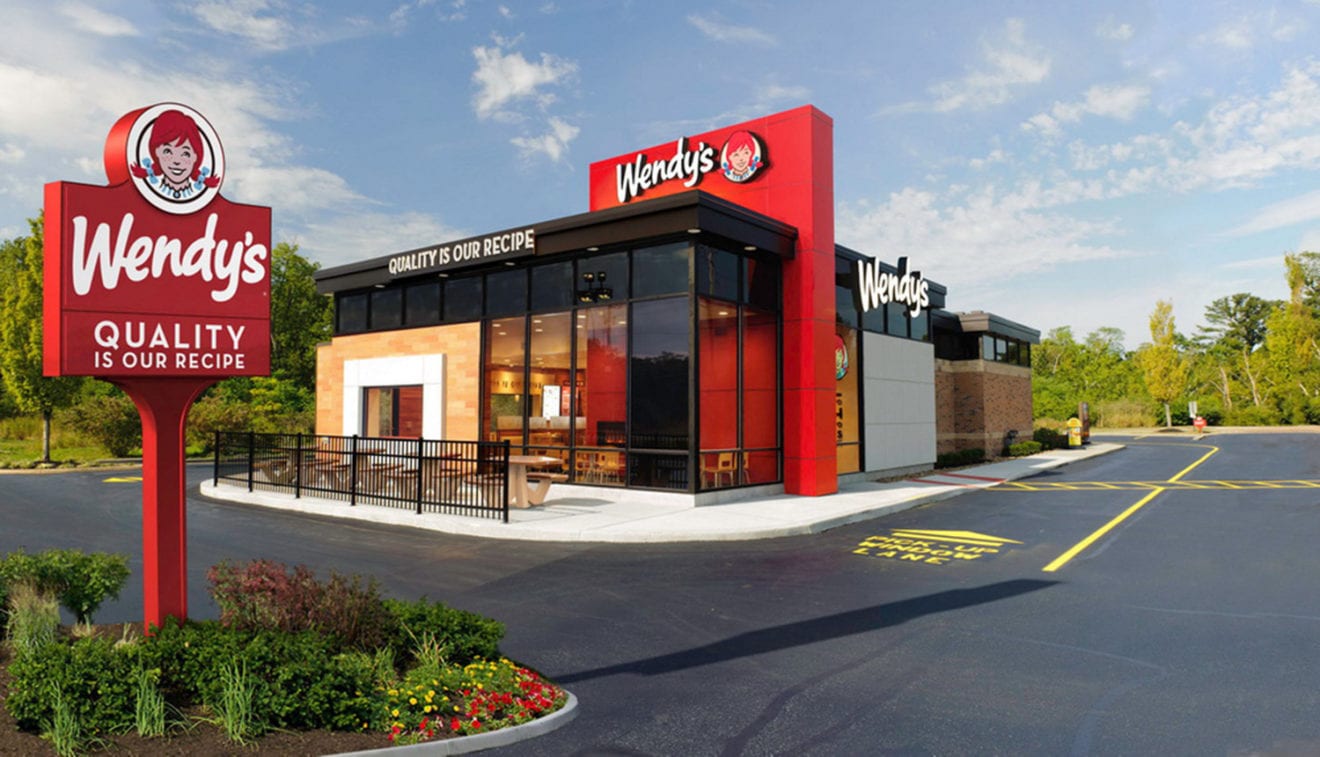
  • Wendy’s India makes debut

    Wendy’s India makes debut

    US burger chain Wendy’s has made its Indian debut this week – with the first of up to 50 stores planned over the next five years.

    Wendy’s India is a joint venture between International Market Management of England and Rollatainers of India who established Sierra Nevada Restaurants to run the business.

    The first outlet has opened in Gurgaon.

    “Sierra Nevada plans to open three more outlets in the Delhi-National Capital Region during summer and up to 20 more in Northern India over the next few years,” the statement said.

    Wendy’s India is seeking to differentiate itself from rivals like McDonald’s and KFC. Its burger pricing will start at Rs 59, while McDonald’s and KFC sell burgers from Rs 25-35 upwards.

    Sierra Nevada says it will offer customers “a casual dining experience at a quick serving restaurant price”.

    “We are starting at Rs 59 (US$0.92) because we believe that’s where quality comes in,” Wendy’s global president Darrell van Ligten told the Economic Times of India. “Competition is playing the Rs 30 game but you can’t do quality at that price.”

    The Wendy’s India menu will not include beef, instead offering 11 vegetarian products and 10 non-vegetarian, using chicken or lamb. The most expensive burger will be Rs 200 ($3.12).

    “India is a growing, dynamic market, which is attracting the attention of leading brands around the world,” Wendy’s president and CEO Emil Brolick said in a statement.

    “We’ve worked on the concept with the Wendy’s team for almost two years” one of Sierra Nevada’s directors Sanjay Chhabra added.

    Wendy’s is the world’s third largest burger chain behind McDonald’s and Burger King, with 6500 restaurants in 29 countries.

    Van Ligten told the Economic Times losing the first mover advantage by entering the Indian market behind McDonald’s and KFC had an advantage.

    “Thanks to them, we don’t have to educate Indian consumers about western QSRs.”

  • Pure Gold opens at Changi

    Pure Gold opens at Changi

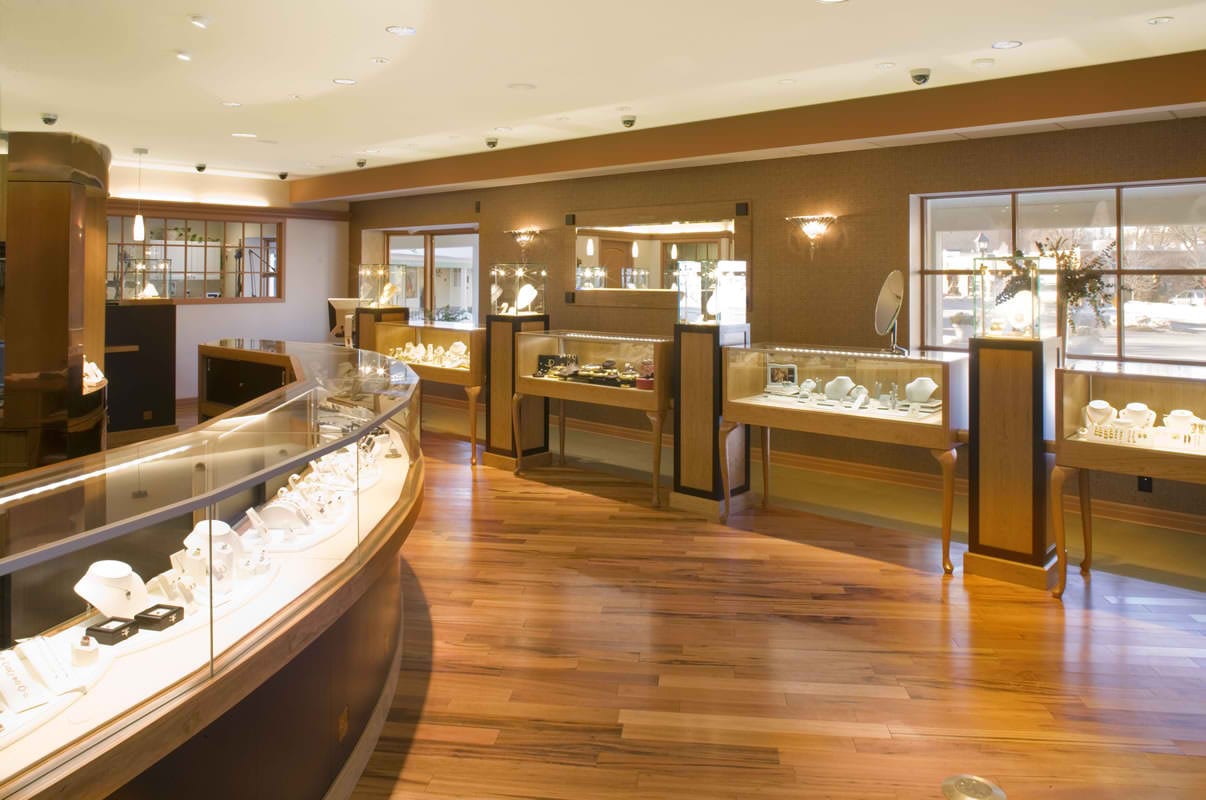
    Emirates-based Pure Gold Jewellers has opened the doors of its new store at Singapore’s Changi Airport.

    The store, the first Middle Eastern jeweller to be granted space at the airport, is located in the duty-free departure area of Terminal 1.

    Pure Gold says it designed the boutique with a luxury feel to create a comfortable shopping environment and position the brand as upmarket.

    Pure Gold is a private family-owned business founded 20 years ago which now has more than 125 stores in the Middle East and Asia. It plans to open a further 200 by 2018, selling products sourced from its factories in China and India.

    Chairman and founder Firoz Merchant said Changi airport is one of the busiest and best performing airports in Asia and opening inside airport terminal is a big boost to Pure Gold’s travel retail business.

    “This achievement is in line with our plans to become the largest travel retailer in jewellery globally. Passengers passing through Singapore Changi International Airport can now choose from our extensive range of gold, diamond, pearls, precious and semi-precious gemstone jewellery in the latest styles and best prices.”

    Pure Gold already has a strong duty free business in the Middle East, operating at all terminals in Kuwait and Abu Dhabi international airports, and within the duty free retail facilities in Jordan, Kuwait, Muscat, Dubai and Sri Lanka.

  • Chinese in bid for New Look

    Chinese in bid for New Look

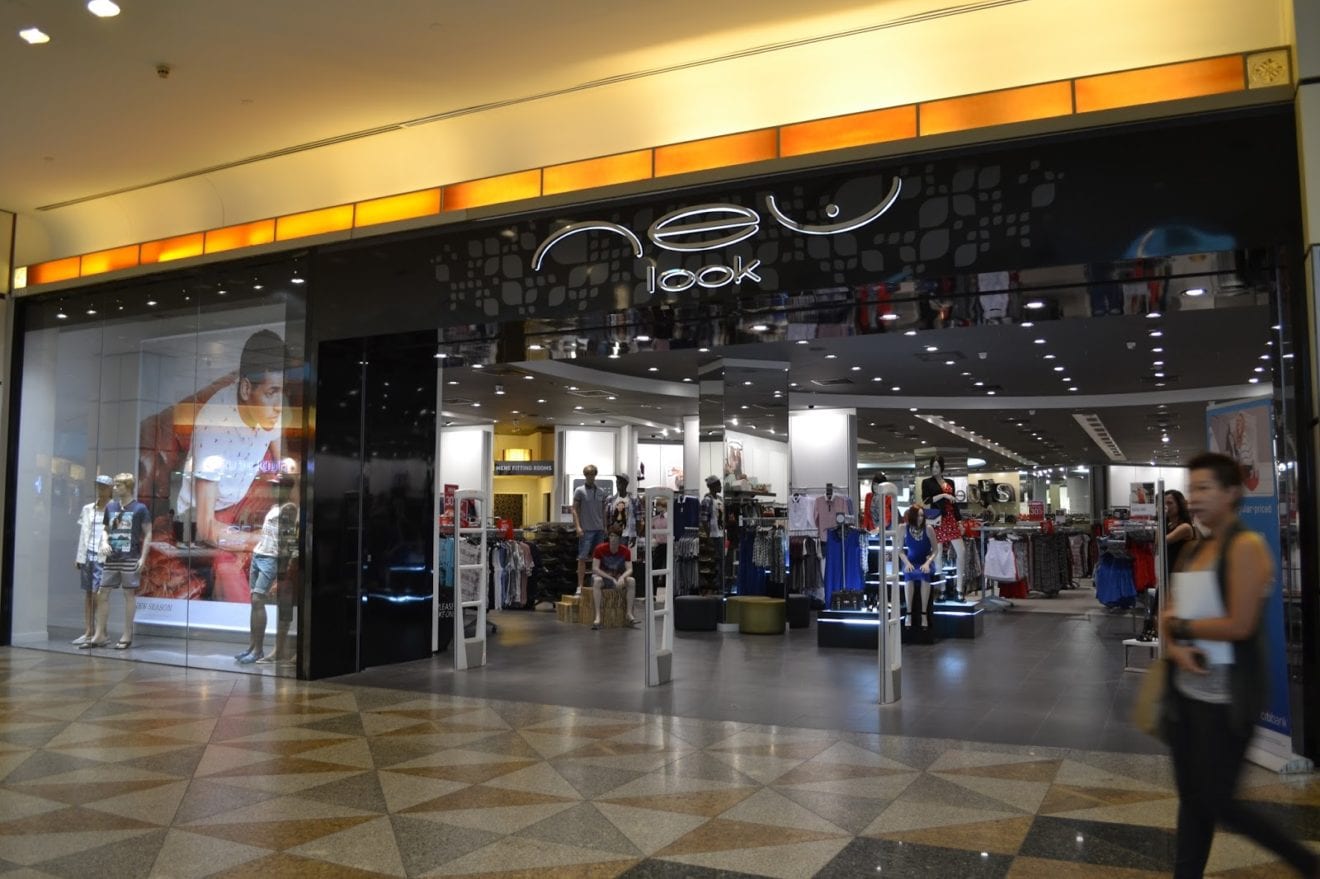
    Chinese buyers are circling high profile UK fashion brand New Look.

    UK news media are reporting negotiations are underway between a business linked with former Tesco CEO turned retail investor Sir Terry Leahy and a Chinese private equity group. The plan is to mount a joint venture bid for the business.

    New Look is currently owned by founder Tom Singh and private equity groups Permira and Apax Partners. The reports suggest a bid of £2 billion for New Look, which has more than 1000 stores internationally and a staff of more than 30,000.

    The US partner is Clayton, Dubilier & Rice, a private equity firm which owns 60 per cent of Luxembourg-based B&M. The Chinese partner is identified as CDH, another private equity group.
    Sir Terry reportedly has a shareholding in CD&R through a Cayman Islands based fund and is an advisor to the group on its retail investments.

    New Look has stores in Thailand, Korea, Singapore, Indonesia, China, Malaysia, Europe and the Middle East.

  • Belif Malaysia makes debut

    Belif Malaysia makes debut

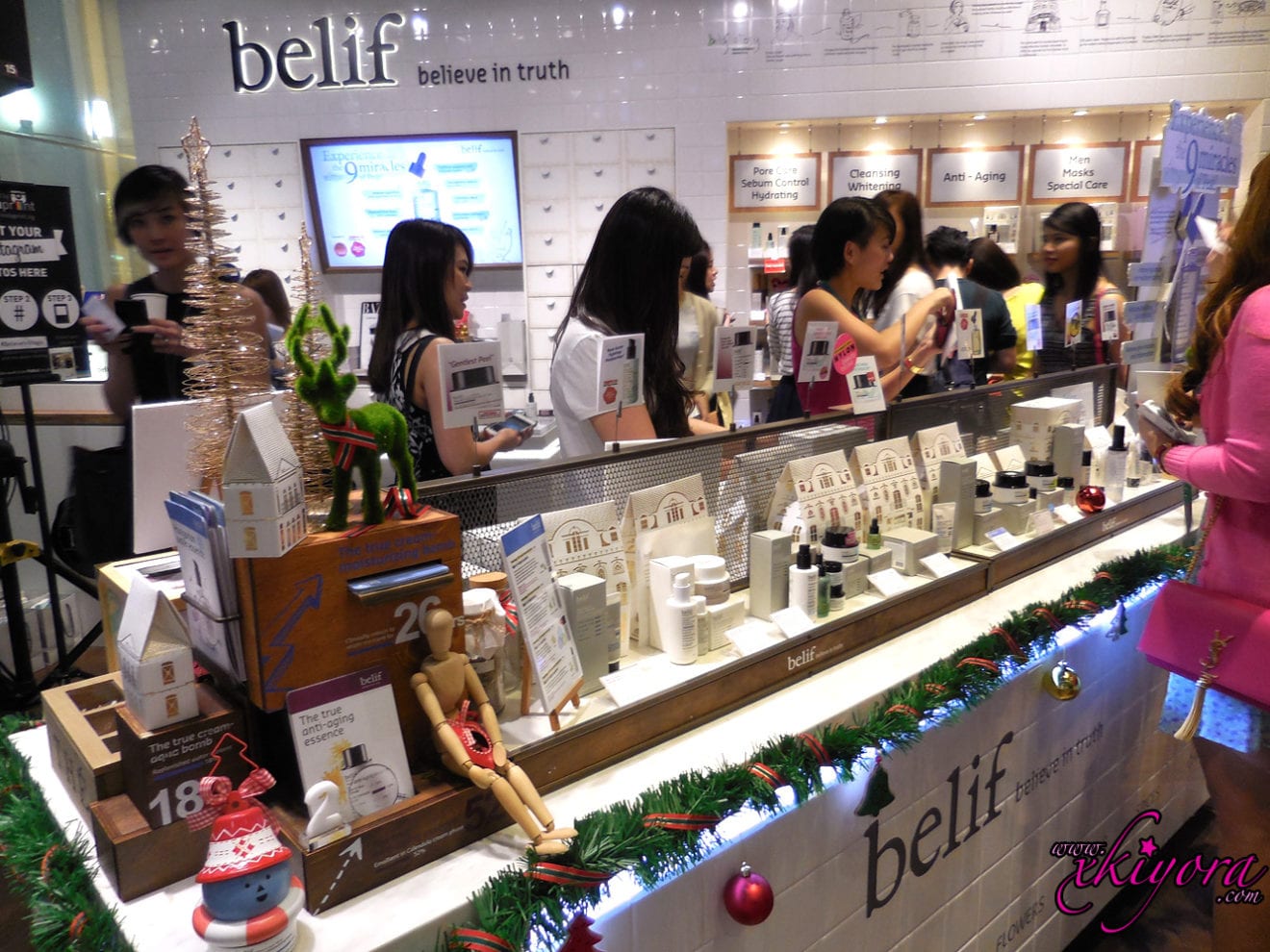
    Korean cosmetics brand Belif has opened its first store in Malaysia in Kuala Lumpur’s Sunway Pyramid Mall.

    Belif Malaysia has been introduced by listed jewellery retailer Tomei which has the rights to other markets in the region but plans to focus on Malaysia for the time being to fully assess its potential.

    Between three and five stores are planned initially.

    Belif is marketed as a herbal lifestyle cosmetics brand based on recipes dating back to Britain in the 1860s and combined with modern day Korean skin science.

    The brand distinguishes itself with packaging which is honest about its ingredients. Each of its products addresses diverse skin types and concerns with formulas that are free of mineral oil, synthetic fragrances, synthetic dyes, synthetic preservatives and animal origin ingredients.

    The debut store in Kuala Lumpur is on Sunway’s ground floor near the Tomei jewellery store.