Retail News CRM

Tag: new year

  • China tourism revenue up 16 percent over Lunar New Year

    China tourism revenue up 16 percent over Lunar New Year

    China’s tourism industry saw revenues of 423.3 billion yuan ($61.55 billion) during the recent Lunar New Year festival, up 15.9 percent against last year, the China National Tourism Administration (CNTA) said late on Thursday.

    The rate of growth, driven by 344 million domestic tourist trips, was, however, slightly slower than the 16.3 percent rise seen in the corresponding year-ago period. Trips abroad over the period increased more moderately with around 6.15 million outbound Chinese tourists, up around 7 percent, CNTA said.

    China’s tourism industry is key to the country’s shift towards a more services-driven economy and is a useful indicator of the strength of consumer spending. The domestic sector raked in 3.9 trillion yuan in 2016, which Beijing wants to raise to 7 trillion yuan by 2020, official news agency Xinhua said.

    China’s retail and catering firms saw sales over the week-long holiday of around 840 billion yuan, the commerce ministry said in a separate statement, up 11.4 percent over 2016.

    Lunar New Year in China is closely watched as it marks a spike in tourism and retail spending as millions of people return home or go on vacation domestically or overseas.

  • Festive feasts, online deals bring smile to China retailers

    Festive feasts, online deals bring smile to China retailers

    Retail sales hit their year high in December, buoyed by the festive mood in the food and beverage sector and continued surge in online shopping. Still, inflationary pressures are making themselves felt in consumers’ pocketbooks, climbing to their highest in 30 months.


    Higher prices on shop stickers nationwide played a major role in the 0.1 percentage uptick last month to 10.9%, with price-adjusted sales growth steady at 9.2%.

    Diners notched up 335.2 billion yuan (US$48.8 million) in bills, up 10.6% from a year earlier and an improvement on November’s 10.1% year-on-year gain — perhaps driven by Chinese homeowners celebrating their good fortunes in the property market.

    Consumer goods sales rose 10.9% in December from a year ago, the same as in November but well ahead of gross domestic product growth of 6.7% for the year.

    Vehicle sales jumped 14.4% from 13.1%, and clothing to 7.1% from 5.1%. Food products, another major component, rose 8.6% from 8.8% in November.

    E-commerce for the full year totalled 5.16 trillion yuan, 26.2% up on 2015, and accounting for 12.6% of overall retail sales in China. The percentage was just 9.7% during the first half of 2015.

    A key indicator of consumer spending, China’s retail sales grew 10.4% in 2016, the same as in the first three quarters. After deducting price changes, retail sales clocked in at 9.6%, according to National Bureau of Statistics. Total retail sales were 33.23 trillion yuan in 2016.

  • Usher in the Auspicious Year of the Golden Rooster with an Exclusive Promotion for Tourists

    Usher in the Auspicious Year of the Golden Rooster with an Exclusive Promotion for Tourists

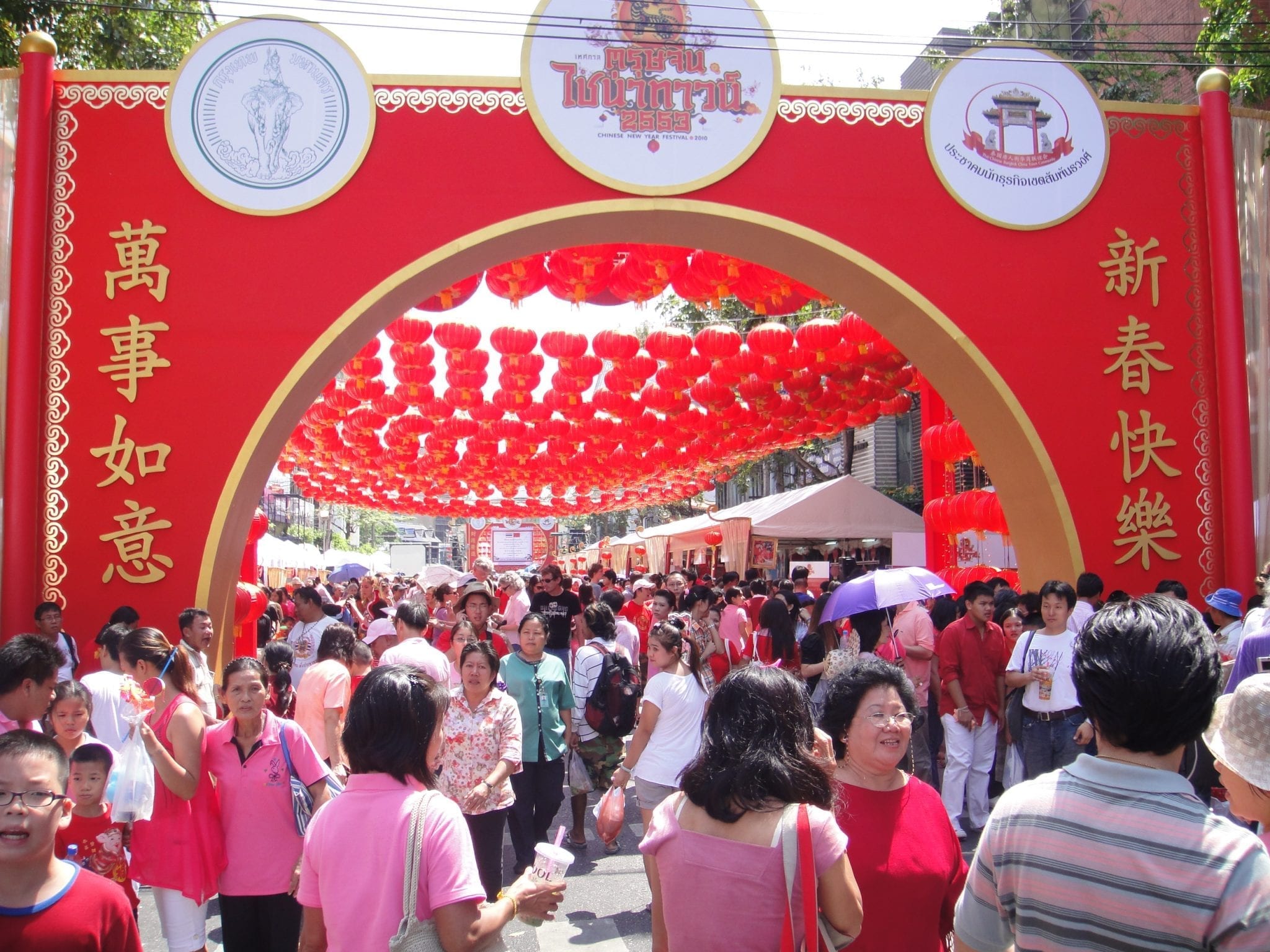
    Chinese New Year is one of the best chances for traveling as this festival provides the week-long national holidays and a unique vibe of traditional and colorful festivities. As Chinese community in Thailand is one of the largest in the world, the capital city of Bangkok is lit up in colorful festive ambiance and known as one of the most attractive places to visit during this Chinese holiday. Come experience the Thai version of Chinese New Year celebration at “Siam Magnificent Chinese New Year 2017” to be arranged at Siam Paragon, Siam Center and Siam Discovery and bring home a hassle-free, enjoyable memory of a lifetime while enjoying exceptional offers available only at this a must-visit “One Siam” destination.

    BRING IN A GLIMPSE OF CHINATOWN

    Marking the grandest event for Chinese people and expressing the appreciation of Chinese art and culture, we bring in a glimpse of Bangkok’s Chinatown to the all-in-one-place shopping destination as follows:

    • Siam Paragon is set to host “The Marvelous Music Harmonizing Two Realms” between 26 – 29 January in order to demonstrate the good relationship between Thailand – China using music as the links between the two countries’ art & culture. On the opening ceremony, there will be for the very first time music performance by Guzheng & Erhu, traditional Chinese music instrumentals played by Master Li Yang; the Guzheng teacher of Her Royal Highness Princess Chulabhorn Walailak and Master Li Hui, together with traditional Thai music instrumentals played by Korphai Ensemble and the Bangkok Symphony Orchestra (BSO) from 5.00 – 6.30 pm at Parc Paragon. Moreover, other interesting activities include the Chunlian and Duilian calligraphy (a form of auspicious greeting couplets expressing a prosperous year ahead), Chinese paper-cutting, traditional Chinese knotting, and Chinese auspicious painting are the highlights not to be missed at Hall of Fame, M Floor, Siam Paragon
    • Siam Center schedules to host “12 Lucky Shades 2017” exhibition updating 12 auspicious colors suitable for 12 zodiac signs by famous fortuneteller. By boosting more confidence in choosing the right clothing and accessories, the 4 renowned stylists will also give you helpful tips and tricks on how to mix and match your auspicious color with your style in the year of an energetic rooster. The exhibition will take place at 1st Floor, Siam Center from 26 January – 12 March 2017 with an opening ceremony and a Zodiac Sign Mini Fashion Show to be held on 26 January 2017 at 4.00 – 5.30 pm. Siam Center customers can also present their receipts to redeem for a Lucky Pouch with auspicious zodiac signs designed by Mr. Somnuek Klangnok (Kru Parn), a renowned Thai artist.
    • Siam Discovery introduces a “DIY Ceramic Bowl Screen Printing in Siam Discovery Style” workshop aiming to please customers with DIY favors. Those interested can choose their preferred bowl in 2 different sizes then have them screened with a lucky rooster pattern or an auspicious Chinese calligraphy text of their choice, making this DIY Ceramic bowl a limited, one-of-a-kind item in the world. The workshop will run from 26-31 January 2017 at Siam Discovery.

    CHINESE NEW YEAR SPECIAL FOR TOURISTS

    A trip can’t be completed without shopping, especially in Bangkok where shopping is a must activity. Siam Paragon, Siam Center and Siam Discovery offer unrivaled shopping experience suitable for travelers who love varieties and uniqueness. Dropping by this shopping landmark trio during the Chinese New Year 2017, holiday makers and souvenir hunters can rest assured that your splurge will worth every penny.

    Siam Paragon, Siam Center and Siam Discovery offer Tourist Privilege Card for tourists to shop across these three shopping centers with a discount from 5-20%. Tourists also enjoy a welcome package and a birthday privilege upon registration. The welcome package includes Thann Facial Sunscreen and Angbao vouchers valued more than 10,000 Baht from participating brands.

    Enjoy a lot of exclusive tourist offers from 23 January – 9 February 2017 including limited special gifts and promotions as follows:

    • NaRaYa Chinese New Year Collection when spending from 5,000 Baht
    • Thann Body Care Set and Siam Discovery Discount voucher when spending from 10,000 Baht

    Redemption points are available at Tourist Lounge, G floor of Siam Paragon and VIZ Counter, G floor of Siam Center and Siam Discovery.

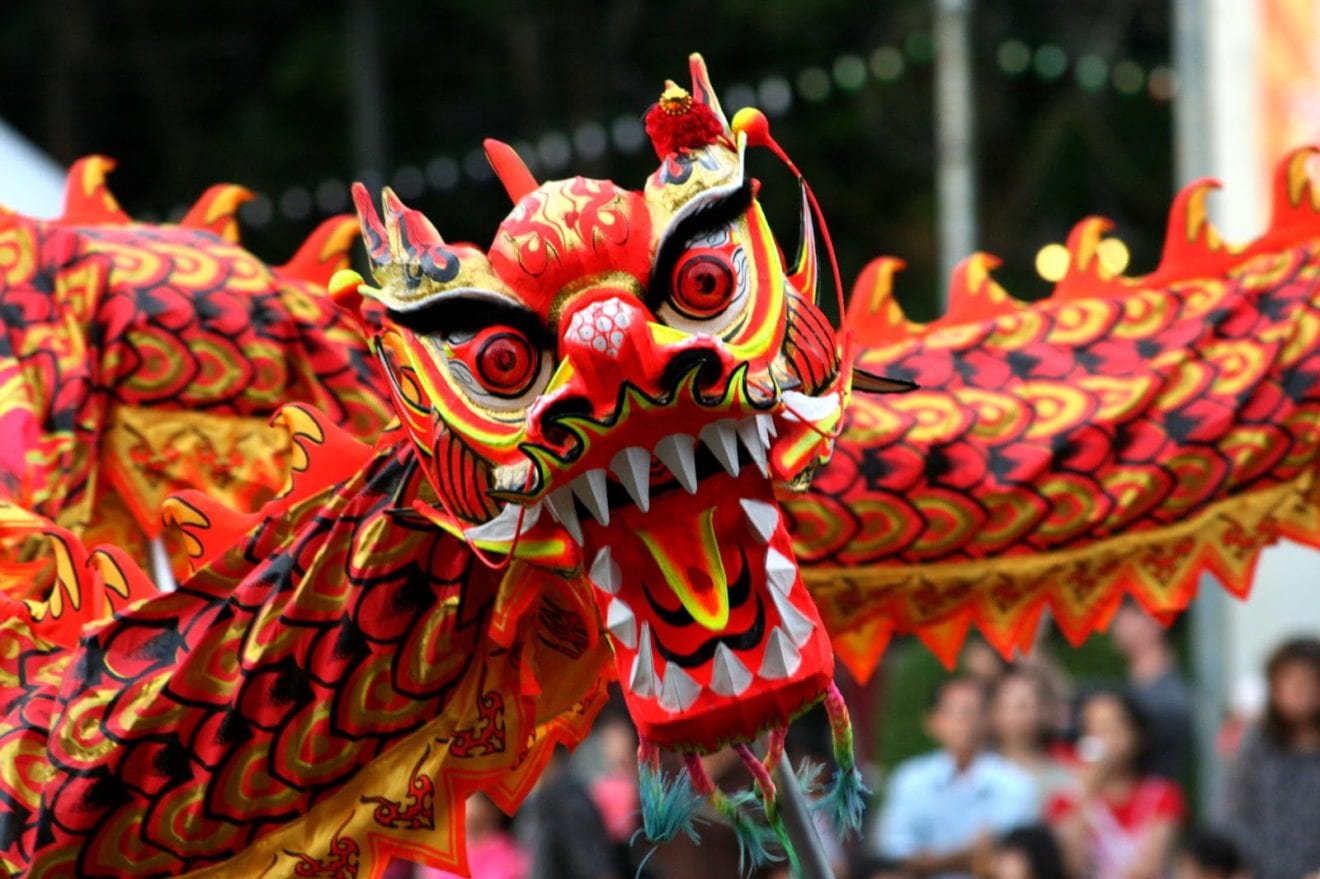
    Additionally, keep your eyes peeled for a Golden Dragon Parade as they may approach you while shopping during 27-29 January 2017 with ranges of Angbaos, discounted vouchers and many more privilege cards to be enjoyed at more than 100 participating brands throughout Siam Paragon, Siam Center and Siam Discovery!

    DELIGHTFUL GASTRONOMIC JOURNEY

    After taking in these authentic cultural festivities, it is probably the perfect hour for a sumptuous meal. If you are thinking that Chinese New Year is all about a hearty meal with your loved ones, this shopping trio is the right destination to drop by especially during this Chinese New Year. Visa Card offers an exclusive privilege for its cardholders. Dine at participated restaurant using Visa Card and receive special discount and dishes.

    • Siam Paragon reinvents the whole new dining pleasure, with more than 30 globally-renowned restaurants and dessert outlets at The Gourmet Garden, G Floor.
    • Siam Discovery serves the need of Jamie Oliver’s fan anticipating a chance to try out his recipe by introducing the first restaurant of globally-renowned Jamie’s Italian in Thailand at Siam Discovery, G Floor. What’s more, experience the new dining excitement at My Kitchen on the 4th floor where 5 premium restaurants and a dessert outlet are ready to serve their signature dishes.
    • Siam Center offers limitless local and international dining selections at the Food Factory located on the 4th floor for people who love being among a bustling, vibrant surrounding while enjoying a wide variety of delicious food.

    As a must-visit “One Siam” destination, Siam Paragon, Siam Center and Siam Discovery welcome all travelers in the heart of Bangkok during this long holiday and all year round. If one visit is not enough to breathe in all these fulfilling excitements, the shopping landmark trio wholeheartedly welcome you back with a lot more adventures waiting out there.

  • Celebrate Chinese New Year with Festive Promotions at  Hong Kong International Airport

    Celebrate Chinese New Year with Festive Promotions at Hong Kong International Airport

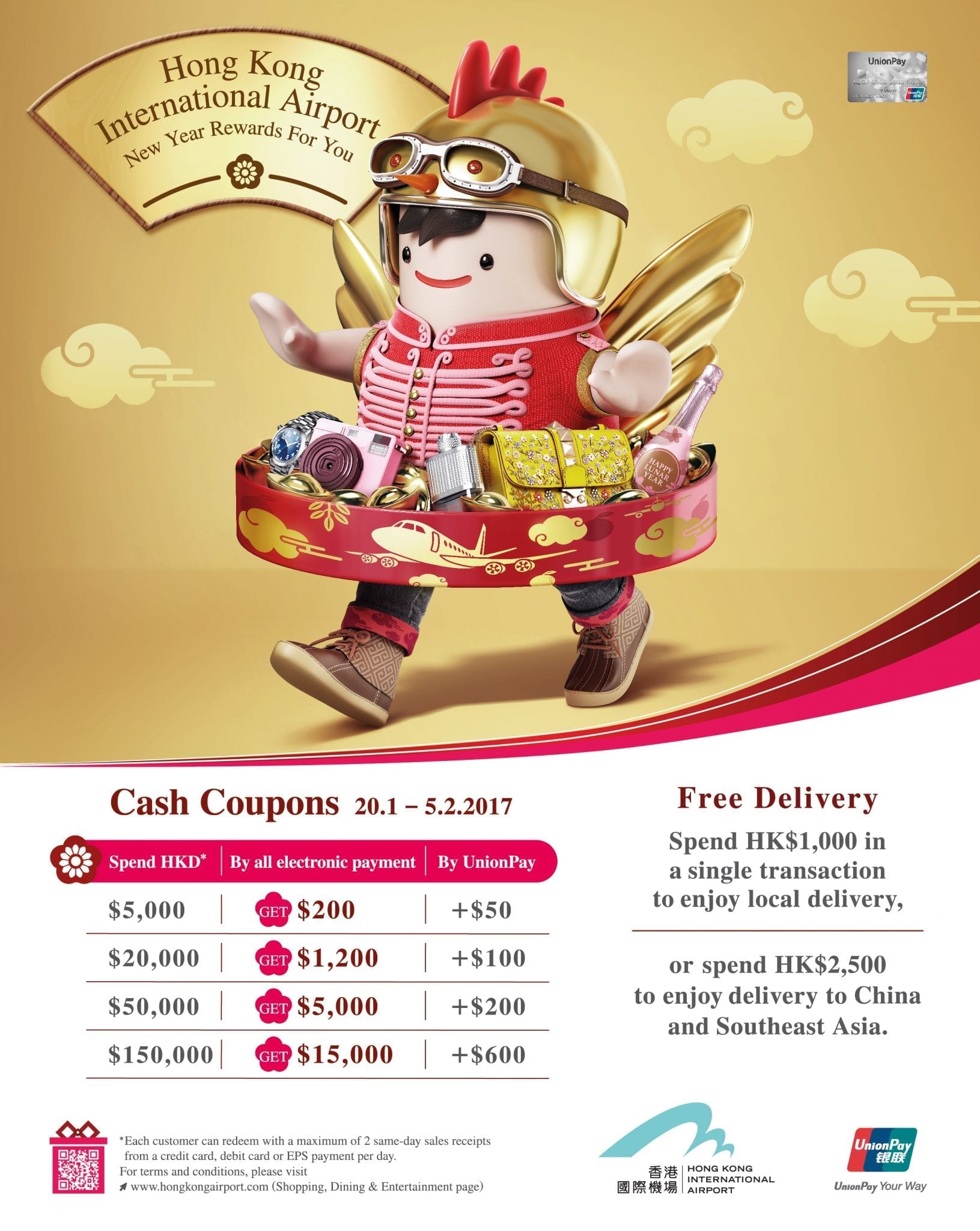
    To welcome the Year of the Rooster, Hong Kong International Airport (HKIA) is launching a series of Chinese New Year promotional activities and offers, including an instant rebate of HKIA cash coupon worth up to HK$15,600.

    Instant Rebate Promotion: From 20 January to 5 February 2017, travellers spending a specific amount by electronic payment at HKIA can redeem cash coupons worth up to HK$15,600. UnionPay cardholders, who make purchases with their cards, can enjoy additional rebates.

    Please refer to the following table for details:

    Spending by Electronic Payments of  

    HKIA Cash Coupons Redemption

    By UnionPay card

    HK$5,000

    HK$200

    Additional HK$50 HKIA Cash Coupon

    HK$20,000

    HK$1,200

    Additional HK$100 HKIA Cash Coupon

    HK$50,000

    HK$5,000

    Additional HK$200 HKIA Cash Coupon

    HK$150,000

    HK$15,000

    Additional HK$600 HKIA Cash Coupon

    Chinese New Year Promotions

    During Chinese New Year, shoppers can enjoy complimentary gift wrapping services at the Departures East Hall redemption counters in the restricted area (near Tiffany & Co.) and take red packets at redemption counters. To heighten the festive spirit, HKIA’s mascot will tour around the seasonally decorated airport in full Chinese New Year attire to meet and greet travellers and take snapshots with them. In addition, a lion dance extravaganza will be held on 1 February, featuring impressive lion dances and showcasing traditional Chinese culture and tradition.

  • AirAsia increasing flights for Chinese New Year

    AirAsia increasing flights for Chinese New Year

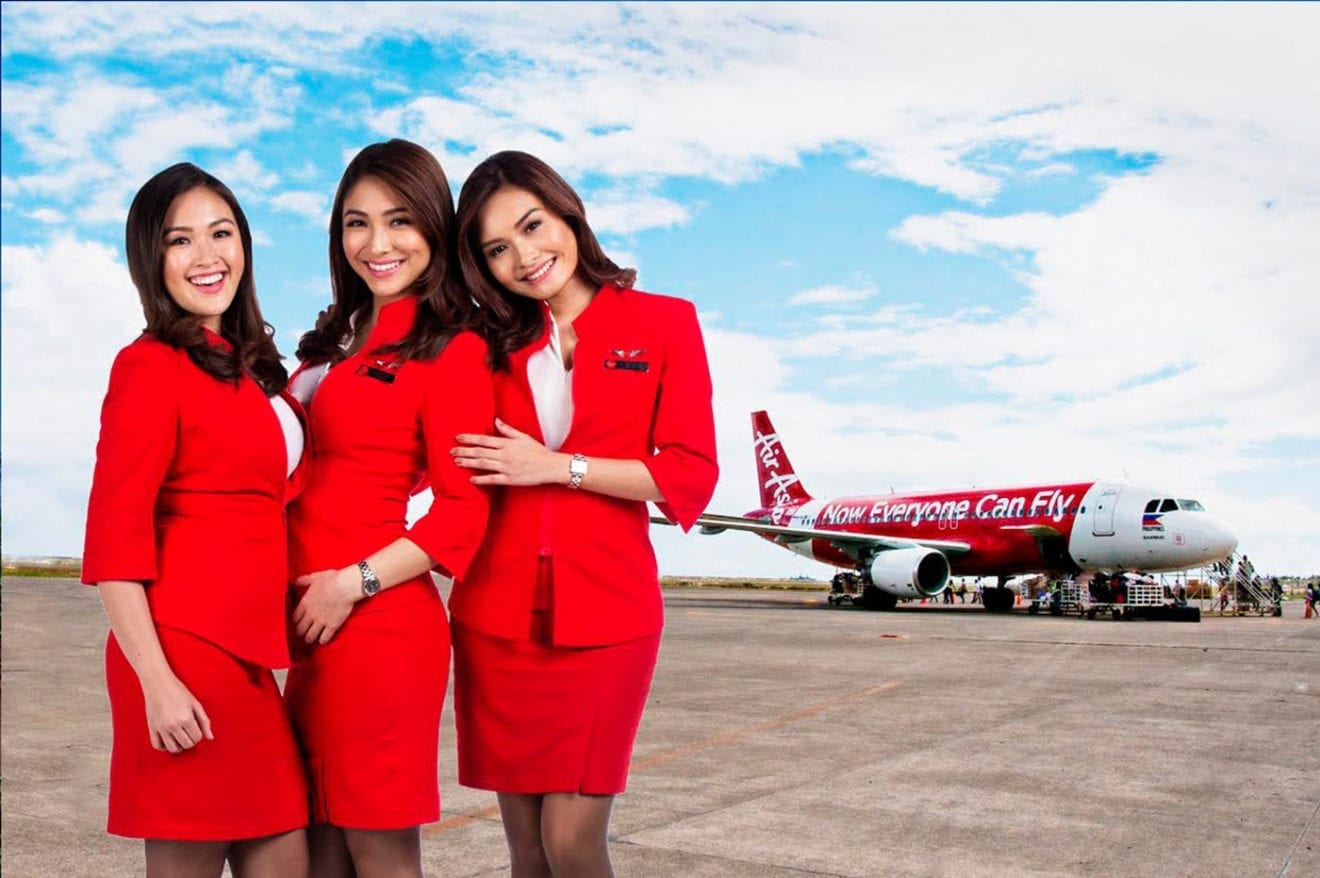
    AirAsia is increasing its flights for the Chinese New Year (CNY) period, offering 84 additional domestic and international trips. In a statement here yesterday, its Head of Commercial, Spencer Lee, said CNY has always been one of the busiest periods for the company as guests would travel back home or go for a short getaway during the long weekend.

    “As part of the airline’s festive promotions to welcome the Year of the Rooster, we have launched ‘#AyamComing’ campaign, offering all-in-fares from as low as RM29 (one-way), festive inflight meals and online pre-booking discounts at its duty-free shop,” he said.

    He said the special low fares would be available for booking starting from today until Jan 22, for travel up to July 31, 2017.

    “Aside from adding more flights to meet the demands, we want our guests to enjoy the exceptional connectivity of our flights,” he said.

    Lee said AirAsia X, the company’s long-haul affiliate, introduced 12 new routes last year, nine of which were exclusively operated by AirAsia and AirAsia X.

    As part of the promotion, Big Duty Free, AirAsia’s online duty-free shop, is offering 38 per cent discounts on all items from now until Feb 12, he said.

    “Guests can also spend and earn eight times AirAsia BIG points (loyalty programme) when they shop online,” he said.

  • Vietnamese expected to drink up this Tet

    Vietnamese expected to drink up this Tet

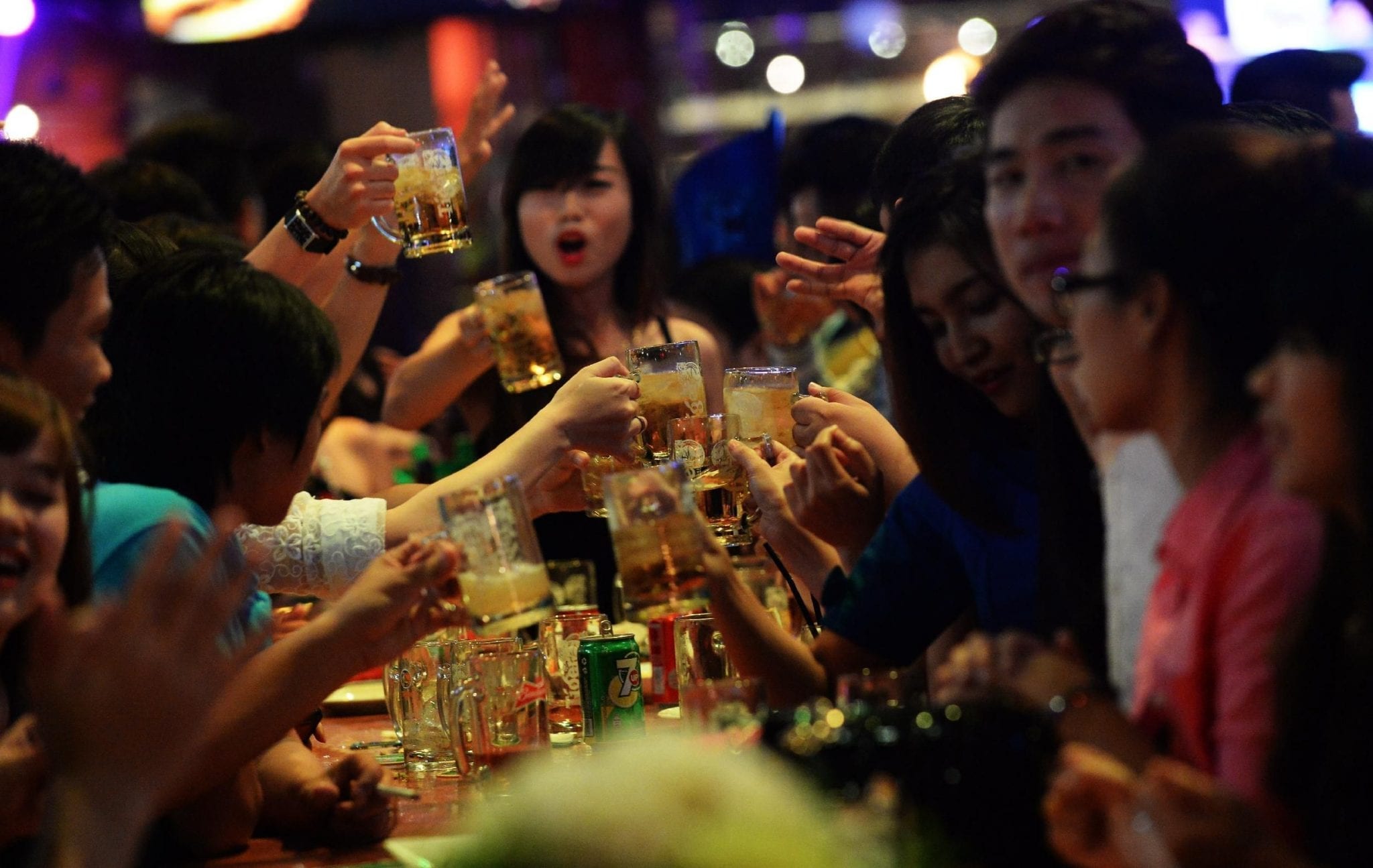
    Top brewer Habeco expects sales of nearly 147 million liters of beer during the biggest holiday, up 6.1 percent year on year. Vietnam’s brewers are gearing up for a massive drink-up this Lunar New Year holidays, or Tet.

    Hanoi-based top brewer Habeco plans to churn out 146.8 million liters of beer during the Lunar New Year, up 6.1 percent from the same period last year, according to the Ministry of Transport’s official mouthpiece Bao Giao Thong.

    Meanwhile, beer consumption in Ho Chi Minh City is projected to jump 30 percent (from last year) to around 40 million liters during Tet, according to estimates released by the municipal Department of Industry and Trade.

    The cities will provide the country’s key booze markets this Lunar New Year, which falls on January 28.

    The Vietnam Beer Alcohol Beverage Association expects beer production to grow by 25 percent, annually, before hitting 4 billion liters in 2020.

    Over the past five years, Vietnam has doubled its consumption of beer to more than 3 billion liters per year. Each Vietnamese person drinks an average of 27.4 liters, placing them squarely in the world’s top 25 beer drinkers.

    In 2015, Vietnam produced an estimated 3.4 billion liters of beer and 300 million liters of liquor.

  • China’s diesel demand likely to rise ahead of Lunar New Year

    China’s diesel demand likely to rise ahead of Lunar New Year

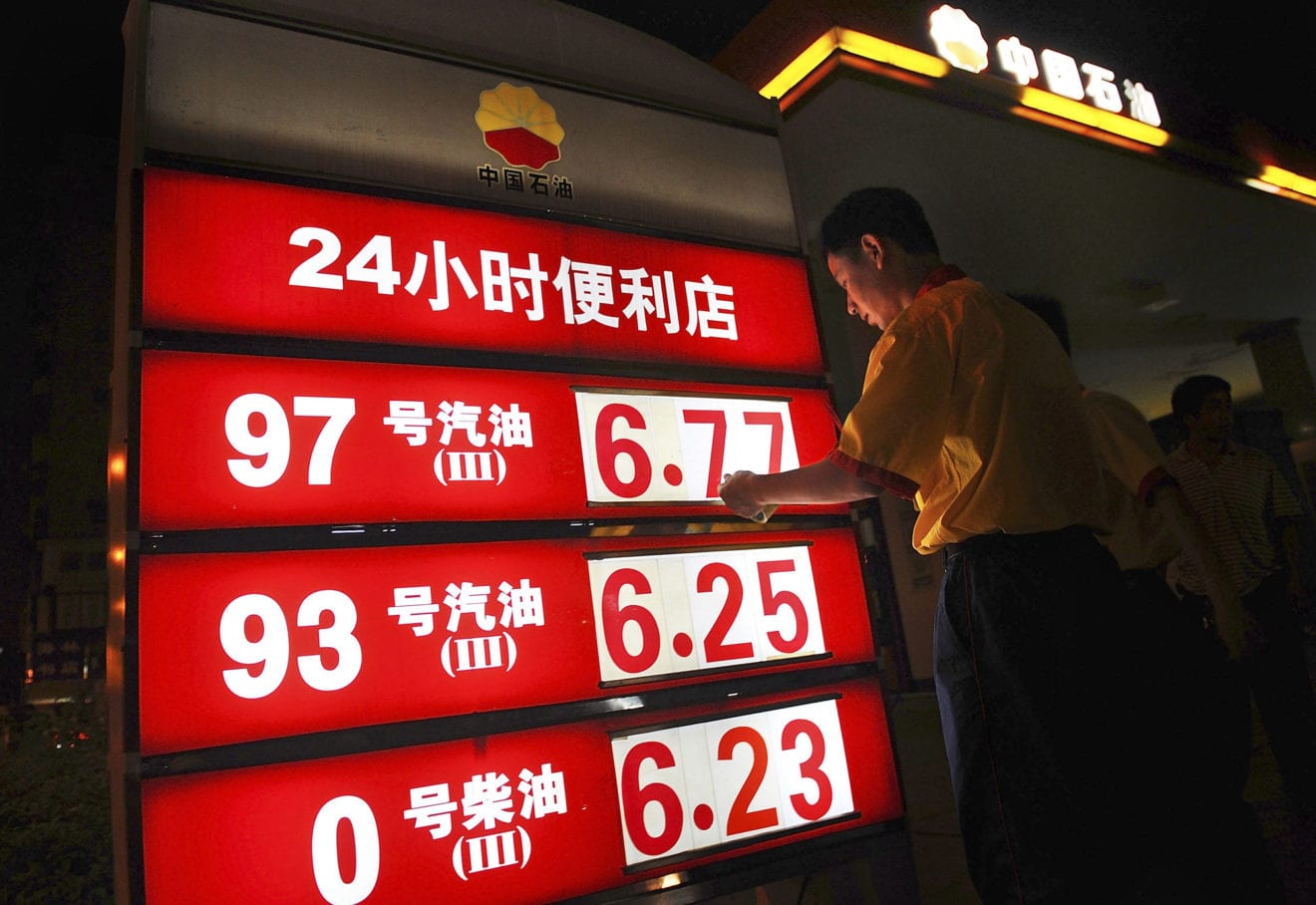
    China’s diesel demand is likely to pick up pace ahead of the Lunar New Year as traders stock up barrels ahead of the festivities and as construction activity picks up in some areas, four trade sources said on Thursday.

    Implied diesel demand in October in China, the world’s second-largest oil user, rose to 3.4 million barrels per day, up 6.4 percent from September and 1.3 percent higher than the same time last year, according to Reuters calculations using official data.

    That is the highest level since at least March this year with implied diesel demand rising in only three months so far this year, the data showed.

    Demand for diesel in November to December is expected to be even higher, traders said.

    “China is having many policies to boost the economy now, so demand will pick up a bit, but by how much is a question,” said a source with a state-owned refiner.

    China’s economy looks set to hit its 6.5 percent to 7 percent growth target as increased government spending and increasing housing demand spur a construction boom.

    Diesel is used to power trucks for industry and for construction.

    First-quarter Chinese diesel demand may rise by 75,000 bpd from the year ago period, based on the industrial recovery, consultants JBC Energy said in a note on Thursday.

    Demand is also picking up ahead of the Lunar New Year period as traders start to stockpile the fuel and as winter consumption of the fuel has increased for heating and back-up power generation, a second source with a state-owned refiner said.

    “China has also been increasing the retail prices, so demand from traders is picking up as they start to fill up tanks,” the source added. China will raise retail diesel prices by 95 yuan ($13.66) per tonne from Thursday, its third increase since Nov. 30.

    China’s diesel stocks at the end of November fell to a record low after refineries tempered production while they upgraded facilities to produce higher-quality fuels in order to meet stricter emissions limits that the country is introducing from Jan. 1.

    Regulations introduced in September that imposed stronger penalties and ramped up inspections to prevent trucks being overloaded with goods also boosted demand for diesel, traders said.

    “The trucks have to make more trips, so this consumes more diesel,” a shipping source said.

  • Celebrate 2017 with ZALORA’s exclusive Chinese New Year Collection

    Celebrate 2017 with ZALORA’s exclusive Chinese New Year Collection

    Ahead of the annual Spring Festival celebration, ZALORA, Asia’s online fashion destination, launches its third Chinese New Year collection with a bigger range of modern festive wear for the fashion forward women. With over 200 styles, there are plenty of options available to suit different preferences and styles. Be fashion-ready for the upcoming holiday celebration with an early festive shopping at ZALORA.com.

    ZALORA exclusive 2017 Chinese New Year collection exudes femininity with a focus on soft and contemporary aesthetic that is driven by a sense of romantic nostalgia, a departure from previous year’s bold and vibrant collection. Entitled Modern Romantics, the exclusive collection is filled with light and delicate pieces adorned with details like layers, ruffles and flare sleeves on soft shapes and modern silhouettes. Sheer chiffon in powder pastel shades and delicate feminine fabrics like soft laces are key fabrications of the collection.

    Featuring a mix of jumpsuits and rompers in spring floral prints, off-shoulder dresses, and versatile separates including asymmetrical skirts, shorts with scallop hem detail and all-time favourite peplum tops, ZALORA customers will have plenty of options to choose from for their festive wardrobe. In addition to the auspicious red, the colour palette of this year’s Chinese New Year collection is a combination of classic neutrals, shades of blue as well as one of the season’s hottest colours, dusty pink.

    Rayne Reed, Head of Private Labels of ZALORA Group commented: “ZALORA prides itself in dressing

    the modern women for any occasion including festivities like Chinese New Year. We believe our collection gives our customers the chance to celebrate cultural heritage in a modern way. We want to empower women to express their individual style as each piece is beautiful and versatile. ZALORA’s Chinese New Year collection represents the latest trends, and up-to-date styling while remaining true to the spirit of the festive season.

    When designing the collection, we were inspired by the mood of Chinese watercolour paintings, the style of traditional paper cutting, and romantic florals. We included on-trend details such as light layers, romantic ruffles and lace into modern silhouettes. The iconic Qipao shape is reinterpreted through updated cuts and feminine fabrics – metallic lace as an example – to bring a sparkling freshness to the collection. Exclusive prints, metallic lace and auspicious colours play a major part in setting the mood of the season, including jewel tone reds, glimmering gold, powder pastels.

    Our style savvy customers can find contemporary festive fashion conveniently at ZALORA with just a few clicks and with our speedy delivery, they can start wearing their new outfits in no time!”

    The ZALORA 2017 Chinese New Year collection is available on sale from today exclusively in six markets: Singapore, Hong Kong, Taiwan, Malaysia, Indonesia and the Philippines. Prices range from S$29 to S$79. Customers celebrating Chinese New Year can shop their festive outfits anytime, anywhere exclusively at www.zalora.sg/chinese-new-year/ and on the ZALORA mobile app.

  • Worst post-Lunar New Year sell-off in 22 years

    Worst post-Lunar New Year sell-off in 22 years

    The Hong Kong stock market saw the worst post-Lunar New Year session in 22 years on Thursday, a day after U.S. Federal Reserve chair Janet Yellen confirmed fears of a global slowdown in her testimony to Congress.

    Yellen raised the likelihood that U.S. interest rate hikes will be put on hold and possibly even cut over concerns about external risks to the U.S. economy and convulsions across stock markets worldwide.

    “Foreign economic developments, in particular, pose risks to U.S. economic growth,” said Yellen, referring to the debilitating effects of China’s economic slowdown, most remarkably, in dragging commodities prices down.

    On the back of those comments, the Hong Kong bourse reopened after a three-day break to a sharp sell-off, with the benchmark Hang Seng Index shedding 3.8% to close at its lowest level since June 2012 at 18,545.80. The Hang Seng China Enterprise Index of Hong Kong-listed mainland companies fell 4.9% to end at 7,657.92.

    The city’s blue chips fell almost across the board, with technology company Lenovo Group, which recently posted disappointing top-line growth, leading the decline with a 6.7% drop to 6.35 Hong Kong dollars.

    Financials and oil stocks bore the brunt of the selldown. China Life Insurance slumped 6.6% to HK$16.44. Other insurers such as Ping An Insurance Group and AIA Group lost 5.6% at HK$39.15 and 3.7% at HK$37.95, respectively.

    HSBC fell 5.44% to HK$49.50. Its Chinese counterparts Agricultural Bank of China, China Construction Bank, Bank of China, and Industrial and Commercial Bank of China all dropped about 4% over worries about a mounting credit crisis on the mainland.

    China’s largest oil refiner China Petroleum & Chemical (Sinopec) skidded 6.4% to HK$4.10, while other mainland energy giants, PetroChina, CNOOC and China Shenhua Energy slipped more than 5%.

    Of all the property stocks, China Vanke took the deepest plunge to close 8.92% lower at HK$1.58, while China Overseas Land & Investment was down 4.3% to HK$21.10.

    Consumer stocks such as Belle International, Hengan International and Tingyi Holding all lost around 6%. A fierce riot in Mongkok, one of the most popular shopping districts in Hong Kong, during the holidays has hurt sentiment toward the city’s already-battered retail sector.

    Mainland internet and telecom heavyweights such as Tencent Holdings and China Mobile were not able to escape the selling pressure, falling 5.4% to HK$136.10 and 3.1% to HK$82, respectively.

    Bad news from China also contributed to the sell-off. Before the holiday, the People’s Bank of China reported that the country’s foreign exchange reserve had fallen to $3.23 trillion in January, the lowest level since 2012, depleted by the central bank’s defense of both its currency and stock market.

    On Wednesday, Yellen’s comments were scrutinized for clues about future interest rate direction. She said that “monetary policy is not on a pre-set course,” suggesting that a rate cut could be considered if necessary. Overnight, the Dow Jones Industrial Average and the S&P 500 indexes ended slightly down, posting their fourth consecutive day of losses, while the Nasdaq ended three days of decline.

    Investors looking for safe havens in the risk-off environment pushed the spot gold price up to $1,207.6, the highest level since May 22.

    While mainland China and Taiwan markets remained shut for the Chinese New Year holiday until next week, most bourses across Asia faltered.

    South Korea, which also reopened after a long Lunar New Year break, saw its benchmark Kospi Index lose 2.9%. Singapore’s Straits Times Index and Thailand’s SET index dropped 1.7% and 1.84%, respectively. India’s Sensex Index closed 3.3% lower to its weakest level since May 2014.

    The Indonesian and Philippine markets were the only ones bucking the trend, rising 0.9% and 0.3%, respectively.

  • Chinese flock to Bali celebrating new year

    Chinese flock to Bali celebrating new year

    Thousands of Chinese have flocked to Bali to cerebrate Chinese new year using chartered flights of a number of airlines including Garuda Indonesia

    Tourism Minister Arief Yahya said here on Monday at least 65 chartered flights carrying 23,000 Chinese from 11 cities in China had landed on Bali.

    “It seems Bali has become the favorite destination of Chinese tourists . More than 114 million Chinese travel abroad every year,” Arief said.

    Other airlines carrying Chinese to Bali on chartered flights include HongKong Airlines, Shenzen airlines, Air Asia, China Southern, China Eastern, Dragon Air, Cathay Paciific, Eva Air, Singapore Airlines, Brunai Air, etc.

    Arief said the airlines could serve to promote Bali in China.

    “They speak good things about Bali, its beauty and generosity of its people, ” he said.

    He attributed the success in luring Chinese to Bali to intensive advertising, and sales by a marketing team of the tourism ministry.

    He said he had instructed the provision of 6,000 souvenirs for the tourists and facilities to entertain the visitors.

    The tourism ministry has launched promotion campaigns to attract Chinese to cerebrate Chinese new year in Bali since early January.

    “Winter in northern China including Beijing and the province of Heilongjiang is extreme 15 degree Celsius below zero prompting people from that region to leave for warm place and choose Bali to celebrate the new year,” he said.

    In 2016, the tourism ministry sets the target for foreign visitors to Bali at 1.7 million . In February alone the target is set at 200,000 visitors.

    “China is a potential market , a big market. Therefore it needs special handling,” Arief said.

    Arief said currently only 1.14 million Chinese tourists visit Indonesia a year far smaller than 8 million to Thailand.

    “We have been lagging too far behind . If they are so interested in visiting Thailand , they should be more so in Indonesia,” he said, adding Indonesia needs only to intensify promotion.

    Generally Chinese tourist like beach resorts and shopping, he said.

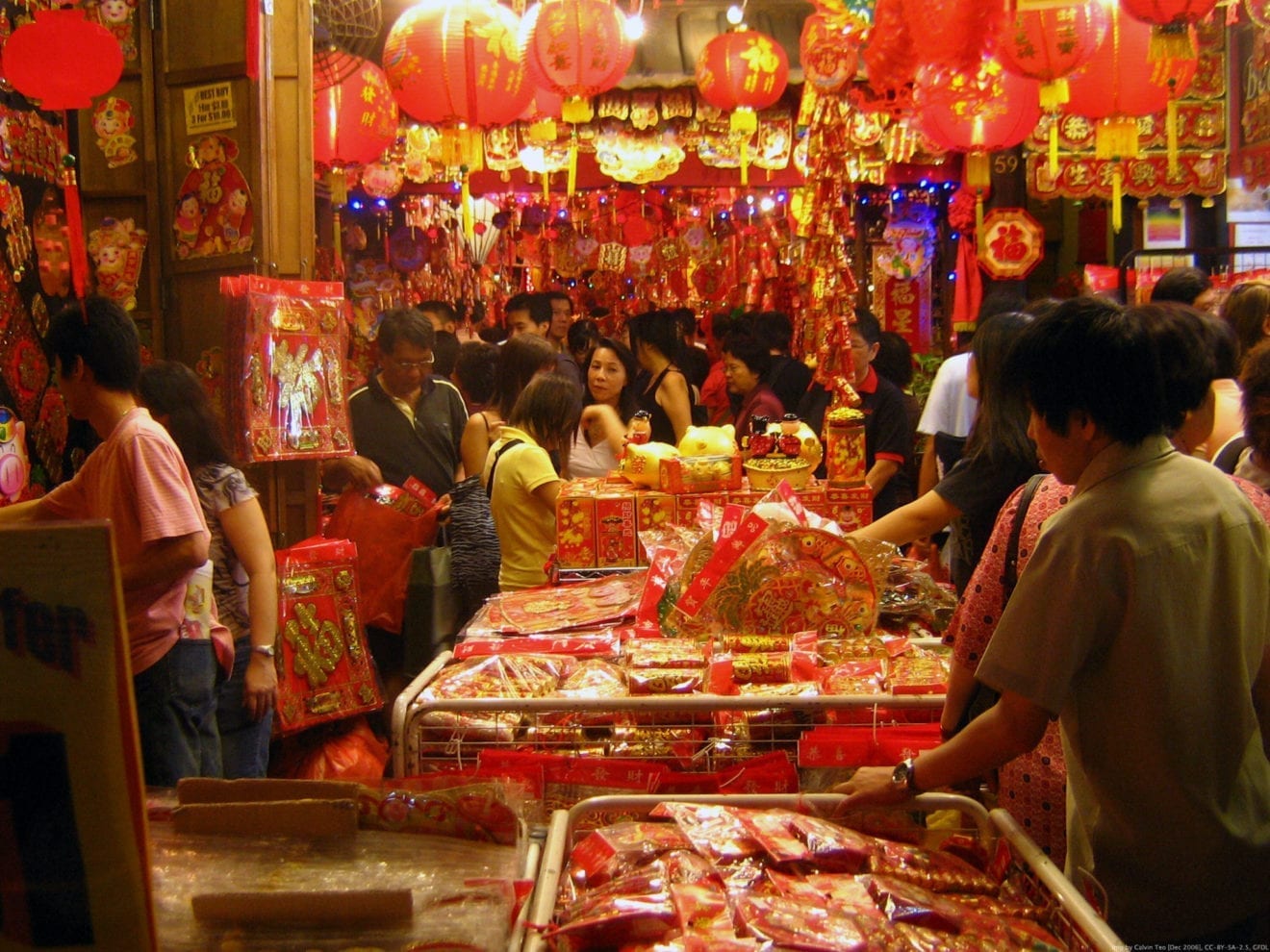
  • Slower sales for Chinese New Year goodies, Chinatown retailers say

    Slower sales for Chinese New Year goodies, Chinatown retailers say

    Food takes centrestage during Chinese New Year, like most festive celebrations. But in the lead up to the occasion this year, retailers selling festive goodies say business is more lacklustre compared to 2015.

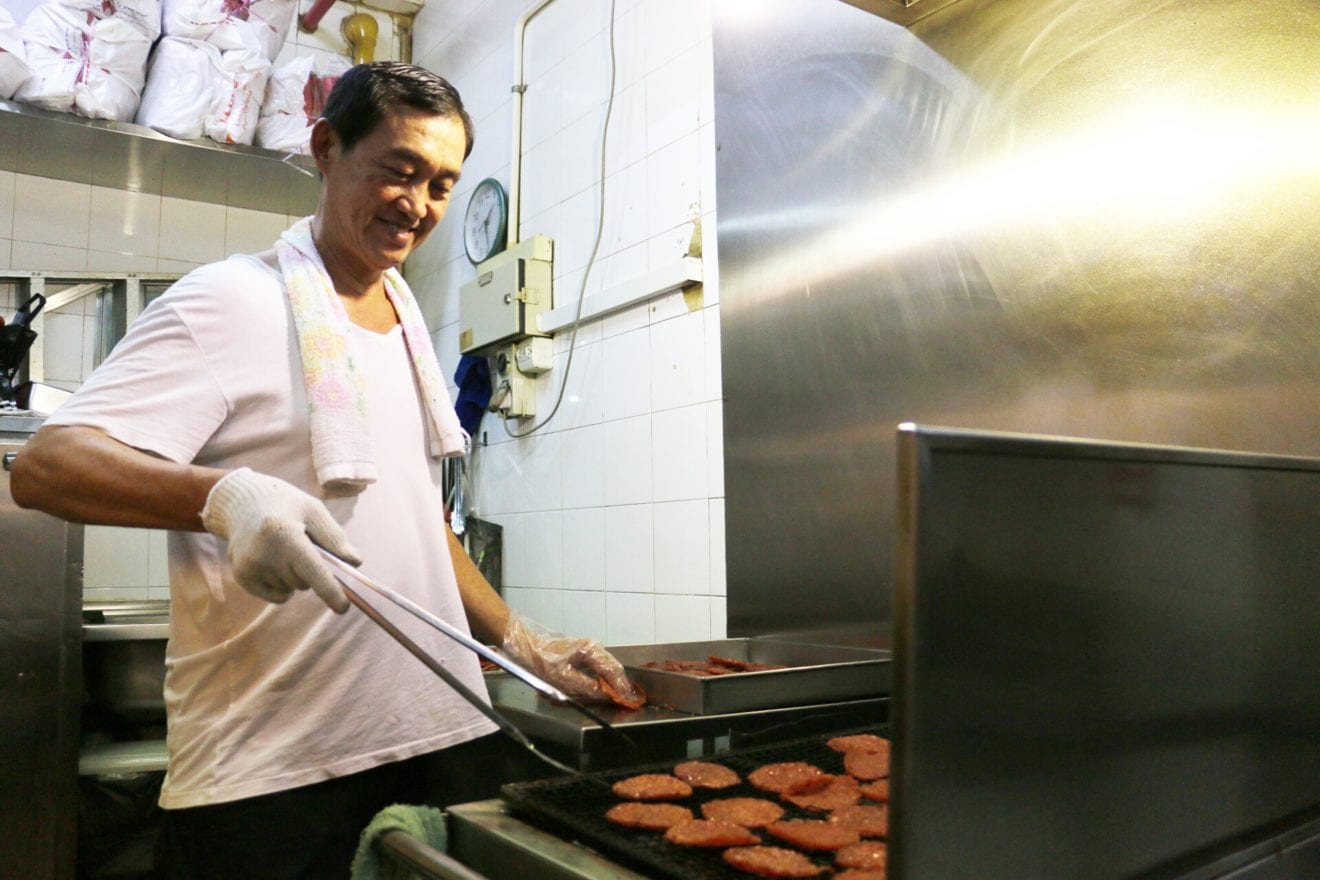
    Family-run bak kwa (sliced barbecued pork) stall Bee Kim Heng has seen festive retail sales drop by 10 to 20 per cent compared to last year. Based at People’s Park Food Centre, Bee Kim Heng – which is run by Mr Teo Ah Thin, 81 – has been in operation for almost 50 years.

    “We suspect it’s the economy, it’s because of the retrenchments that are going around in the market,” said Mr Damien Teo, who helps his father out during busy periods like Chinese New Year.

    Mr Teo, who is in his 30s, added: “A lot of our business is very dependent on regular customers. Some of the regular customers, for example – in the year before, they’d buy 3kg, maybe 5kg. This year, some of them have cut down in terms of the quantity they buy. They just want to save up a bit, I guess.”

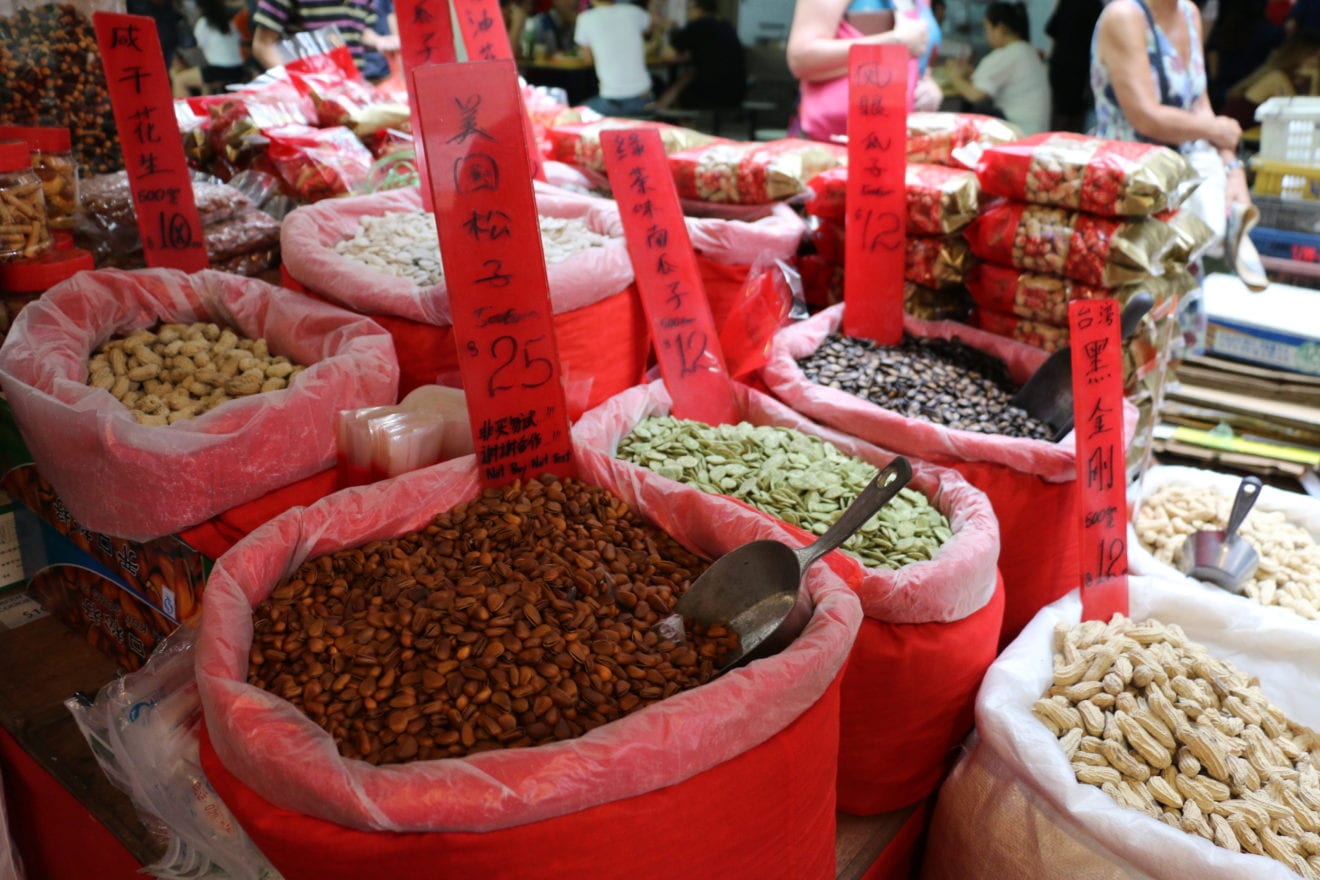
    Similarly, fruit and nut supplier Tian Ran has experienced a 30 per cent drop in sales for the festive period. “A lot of people of browsing and tasting, but fewer are buying. I think it’s due to the bad economic situation,” said a Tian Ran employee, who only wanted to be known as Mr Fang.

    Mr Fang has been selling peanuts and melon seeds – traditional Chinese New Year snacks – for the past eight years. While this year’s takings are poorer than last year, the 40 year-old said he feels things are not as bad as in the aftermath of the 2008 global financial crisis.

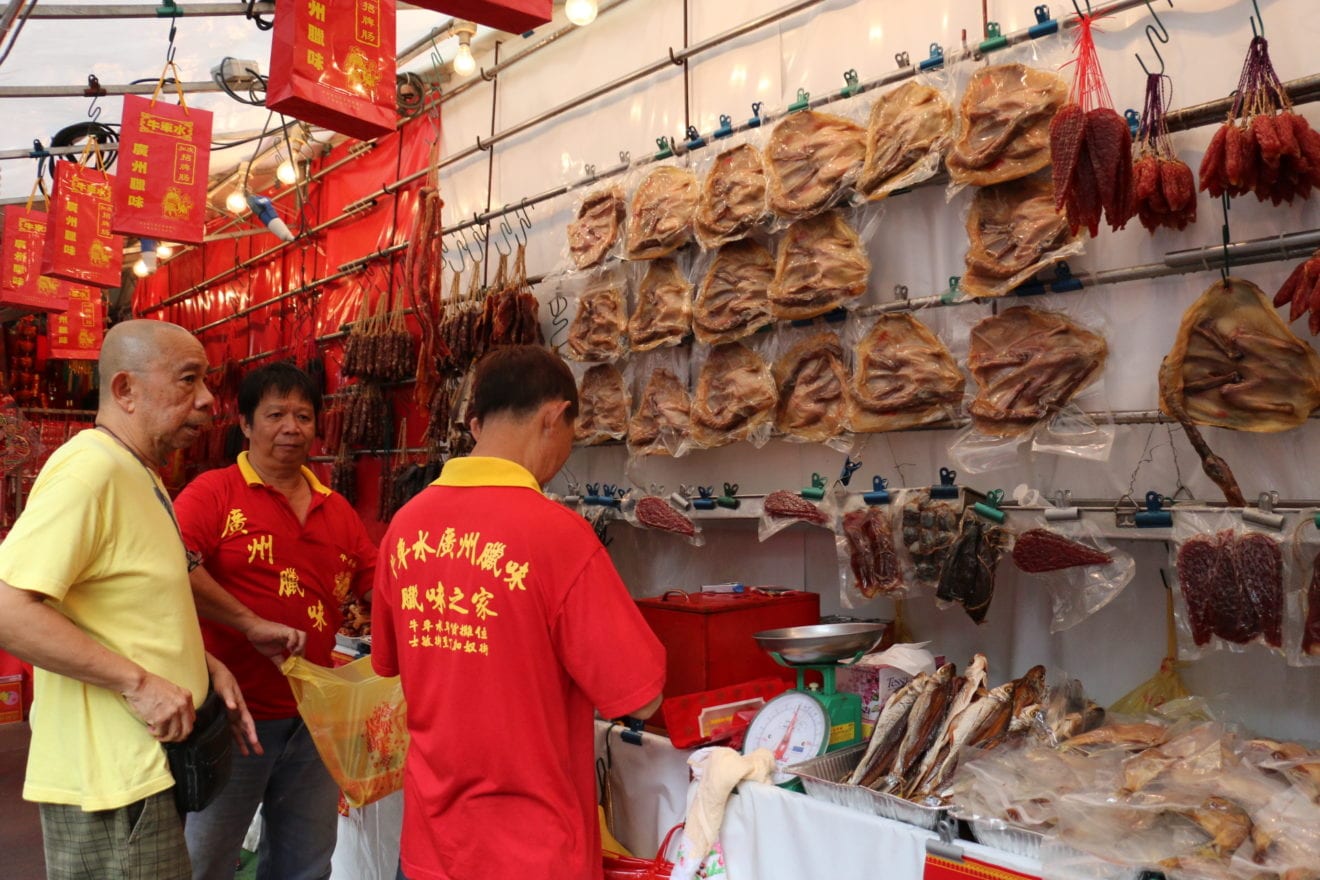
    Less than a few hundred metres away, in the annual Chinatown Festive Street Bazaar, employees running a temporary waxed meat stall also opined that buying sentiment is poor.

    “We’re mainly in distribution, but we have set up a stall at this bazaar for many years. This year, sales are down about 30 per cent,” said a stall employee, who only gave his name as Mr Liang.

    The 56-year-old who been in the business for 30 years, believes that caused shoppers have held back due to the rainy weather, and a poorer economic climate.

    A MIXED PICTURE, OVERALL?

    Outside of the Chinatown area – the epicentre of Chinese New Year shopping – other consumer businesses appear to be faring a little better.

    For example, Paradise Group, which will have over 20 restaurants in operation on the first and second day of the Chinese New Year period, told Channel NewsAsia these restaurants are already 80 to 90 per cent booked for the first day.

    Hotel Fort Canning also expects to “sell-out for the season”, as it caters to both foreign visitors and local staycationers. In an email reply, a hotel spokesperson said: “Demand for our rooms are typically higher during this extended period of festivities and the hotel usually runs at full capacity.”

    Meanwhile, online travel agency ZUJI has recorded a 17 per cent year-on-year increase in staycation hotel bookings during the Chinese New Year period, with an average spend of S$190 to S$220 per night.

    “We’re also seeing more 4-star hotels being booked on ZUJI this year, as compared to last year which had an almost even split of both 4 and 5-stars bookings. This could possibly be due to Singapore travellers being more budget conscious,” said Ms Chua Hui Wan, CEO of ZUJI Singapore.

  • Alibaba and Amazon China gear up for the Chinese New Year

    Alibaba and Amazon China gear up for the Chinese New Year

    Feb. 8 will be the most important holiday this year in China, as it marks the Chinese New Year. Family members will come together to celebrate with holiday feasts and most workers will enjoy a one-week vacation, many returning to their rural homes from big cities for the festivities. A lack of delivery personnel during this period is leading many sellers on China’s biggest e-commerce marketplaces to shut down, but Amazon China says it will keep delivering in big cities.

    Many merchants on Alibaba Group Holding Ltd.’s marketplaces Taobao and Tmall have announced that they will stop taking orders Feb. 4-Feb. 14 because shipping companies are unable to deliver orders.

    But Alibaba, whose online marketplaces account for more than three-quarter of online retail purchases in China, organized a major promotion in advance of the New Year’s vacation, the Ali Chinese New Year Shopping Festival, which lasted from Jan. 17-23.

    Alibaba reports consumers purchased 2.1 billion holiday items from its websites during the sale, mostly food and gifts. 15% of the orders came from rural residents, a focus of the promotion, and sales at the 12,000 Taobao service centers in rural areas were 331% higher than average, the company says.

    “By hosting this online shopping event, we enabled rural customers to access an extensive range of New Year goods from home and abroad, while making agriculture products from rural China more available among urban customers.” Alibaba Group CEO Daniel Zhang said at the event kickoff meeting.

    Meanwhile, Amazon China, No. 5 in the Internet Retailer 2015 China 500, says it will continue to fulfill orders during the holiday period in 20 big Chinese cities, including Beijing, Tianjin and Shanghai. In fact, the largest overseas e-retailer operating in China says it will extend delivery hours to midnight during the holiday in order to allow Chinese online shoppers to get their orders on time.

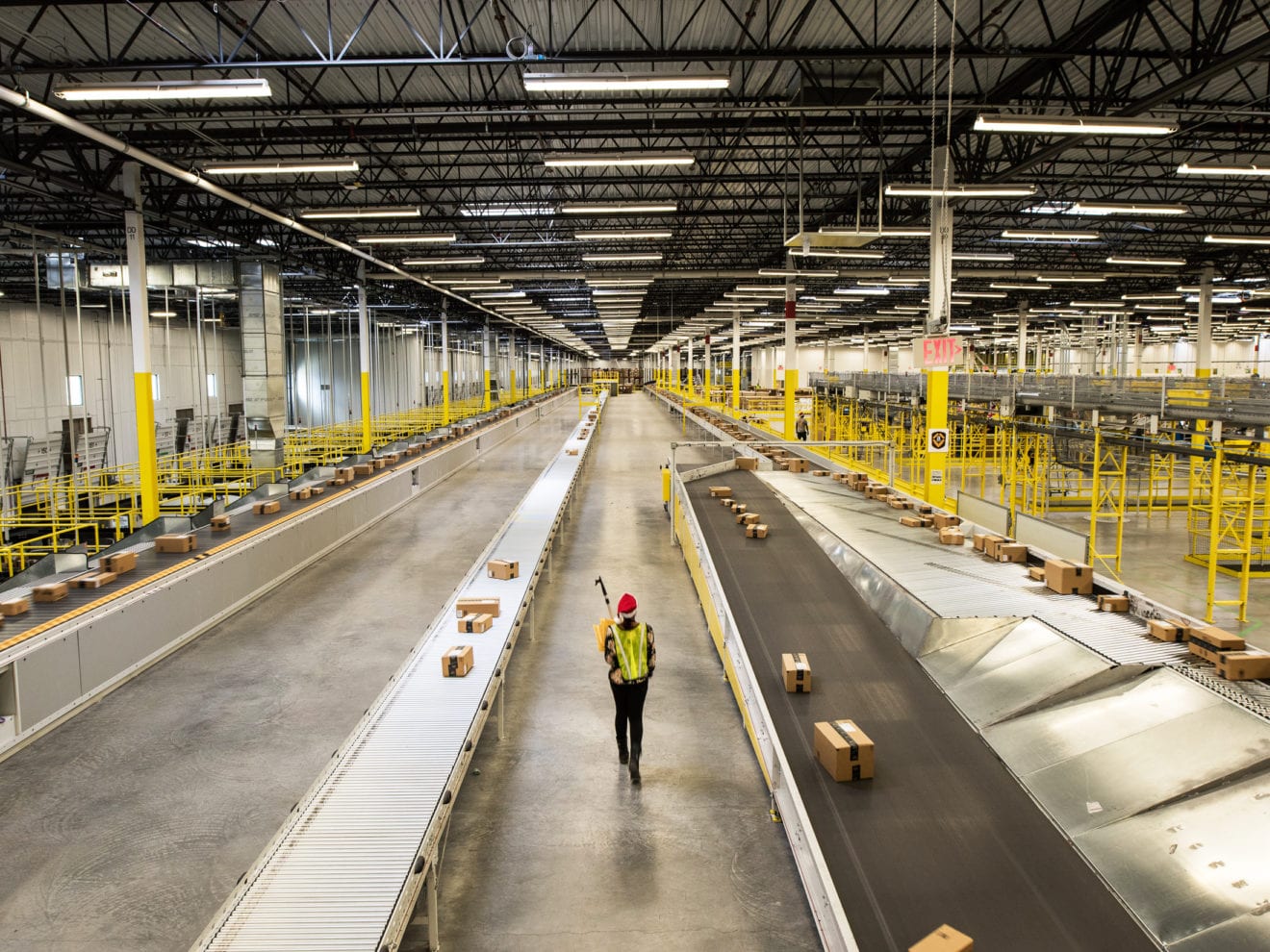
    Amazon China operates 13 fulfillment centers in China and employs its own fulfillment staff. The subsidiary of Amazon.com Inc. offers same-day delivery in 123 Chinese cities and second-day delivery in over 1,400 Chinese cities and towns.

    For a fuller report on the openings for foreign companies to sell online in China, see “Open Door Policy” in the November 2015 issue of Internet Retailer magazine.

  • Bali welcomes tourists with typical souvenirs for Chinese New Year

    Bali welcomes tourists with typical souvenirs for Chinese New Year

    Balis entrepreneurs and craftsmen are ready to offer some unique and affordable souvenirs to foreign tourists who plan on celebrating the upcoming Chinese New Year in the Island of God.

    “Various typical Chinese New Year souvenirs are especially being offered to the tourists from China and Hong Kong,” Ni Nyoman Sukiati, a Balinese craftswoman, stated here on Thursday.

    To welcome the upcoming Lunar Year 2016, various souvenirs, such as wall decorations, hanging lanterns bearing Chinese characters, and porcelain god statues are on sale at some supermarkets, shops, and tourism sites.

    Sukiati believes that the number of Chinese tourists visiting Bali will increase following the implementation of the visa-free policy for several countries, including China.

    “Chinese tourists, who spend their holidays here in Bali, will certainly want to buy some Balinese souvenirs,” she remarked.

    Beside the Chinese souvenirs, Balinese craftsmen have created some unique and creative merchandise, such as bracelets, necklaces, and brooches, which are also considered as the main export commodities to be shipped to some destination countries such as the United States, Australia, Singapore, Hong Kong, Japan, and Europe.

    Based on data from the Central Statistics Agency (BPS) of Bali, the realization of non-oil products and handicrafts during 2015 reached US$498.6 million, a decrease of 7.02 percent compared to US$536.3 million in 2014.

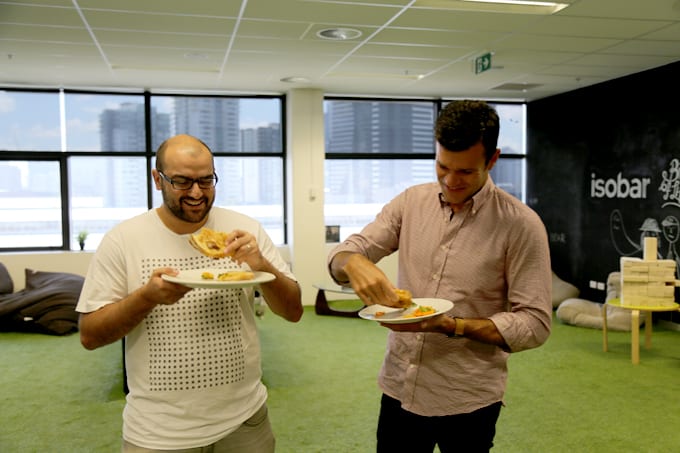
  • Isobar and Unilever Invite Chefs to Have a Taste of Home this Chinese New Year

    Isobar and Unilever Invite Chefs to Have a Taste of Home this Chinese New Year

    Unilever’s prestigious catering brand, Unilever Food Solutions (UFS) has been committed to delivering specialised food solutions to various restaurants in China since 1994. With more than five million catering businesses in China, it is a major challenge for UFS to penetrate the huge and saturated market and establish a leadership position in the industry.

    To overcome this, UFS has launched a campaign for the upcoming Chinese New Year (or Spring Festival) season that aims to create emotional bonds with their key target audience: chefs. The question is, how does UFS fully leverage social media not just to increase engagement and sales, but also boost brand preference and emotional connection with chefs?

    Together with Isobar, UFS conceptualised “The Taste of Reunion Is Not Complete Without You”, a social marketing campaign that leverages the true meaning of Chinese New Year, which is all about celebrating family reunions. The campaign enables chefs, who cannot go home, to still be able to share the happiness and warmth of family time.

    The Spring Festival is a time when family members would all come home and enjoy a well-prepared feast with their loved ones. However, on such occasions, chefs need to work hard in the restaurants, and it is nearly impossible for them to have home-cooked dishes with their families. After much in-depth conversations with many chefs, UFS and Isobar found that what they wanted the most during the Spring Festival is to get together with their loved ones.

    On the basis of this core emotional appeal, Isobar developed a three-phased communications plan to meet the needs of UFS’ target audience this Spring Festival season.  

    Phase One

    In late November 2015, a new packaging was launched in the marketplace with a prize code. Extensive exposure on social media planned to appeal to and inform chefs regarding prize redemption. With a few simple steps of mobile interaction, users could easily redeem their “Treasure of Reunion” using the pin code on the packaging as well as share the activity with their friends and families.

    Phase Two

    In the months leading up to the 2016 Spring Festival, the campaign planned to resonate with its target audience through heart-warming interactive webpages within WeChat, videos, and relevant topics so as to connect emotionally with more chefs and to boost prize redemption and sales volume.

    Nothing feels like home more than home-cooked dishes and cherished family voices. Therefore, Isobar also launched a WeChat webpage that featured the sounds of hometown dialects, in addition to spotlighting hometown specialties, covering more than 34 provinces and municipalities. After selecting their hometown and hitting the “Visit Home” button, users will receive a virtual home-cooked dish, accompanied by caring voices in their hometown dialect, giving them the authentic feel of being at a family reunion.

    A wide range of hometown specialties is displayed dynamically in the corresponding hometown dialects, not only generating emotional resonance among users but also driving them to share on social, extending the communications effort.

    Phase Three

    February 1 is the day when chefs usually have time to take a breather, which is when the “Time-Limited Red Pocket Rush” was launched to encourage consumer engagement and social sharing. From January to February 22, the day of Lantern Festival, which marks the end of the Spring Festival, interactive WeChat webpages featuring “Voices of Wishes” and a commercial named “Heart Together” was pushed out on social platforms.

    Focusing on the campaign theme, the “Heart Together” video communicated homesickness, a feeling that chefs can easily identify with. The video was promoted through innovative live feeds in WeChat and QQ Space, the two social channels that chefs visit the most.

    Isobar also pushed out communications with target groups via an interactive WeChat website. The site allows users to choose from one of three symbolic dishes for Spring Festival (dumpling, fish and New Year cake), select a greeting or record their own, and send it to families and friends to express their sincere wishes for the coming new year.

    The Spring Festival campaign initiated by UFS was the result of collaboration between Isobar and the Tencent Big Data platform. With more insight into the online digital behaviours of chef groups, Isobar was able to categorize the chefs under different tags so as to launch the ads more precisely. In this way, Isobar helped the brand reach their target audience more effectively and connect emotionally with them. That is how Isobar addressed the challenges of market penetration for the brand, making UFS the first B2B brand in China to release an organic commercial on the Moments live feed in WeChat.

    To date, the campaign has increased the brand’s followers on social, crossing over the one million mark. Meanwhile, communications efforts on WeChat have yielded outstanding results, evidenced by the record 300,000 views for one post.

    Amanda Jia, Senior Trade Marketing Manager, Unilever Food Solutions said: “On the basis of the genuine emotional insights we received from chefs, the campaign covers heart-warming initiatives, which not only touches tens of thousands of chefs, but also ourselves. The insights of our target audience are always the focus of our marketing, even for a B2B campaign. Only through this, can we fully engage with our target audience. No matter how evolved communication tools are, the true essence of marketing remains centred on content creation that’s based on the right insight.

    Joyce Zhou, Marketing Director of Unilever Food Solutions added: “As UFS is the first condiments brand to express the genuine feelings of chefs on a social platform (WeChat organic ads), we feel that our job goes beyond promoting superior products and food solutions, but also in helping chefs get more understanding and recognition. One highlight of the campaign is the cooperation with Tencent on data mining. The precise content distribution enables us to communicate with target audience more directly, so as to address the market penetration challenge of the traditional B2B industry effectively. This is a new move, way ahead of the curve even for B2C brands, and we are very proud of this campaign.”

    Rohan Lightfoot, Managing Director of Isobar Shanghai said: “We’re thrilled to be part of this campaign for Unilever Food Solutions. One of the amazing things about the scale of digital in China is that you can reach niche audiences, like professional chefs, at a mass level. For this campaign we worked with Tencent’s big data platform to reach our audience of chefs effectively and directly. In the age of Brand Commerce it’s important that we combine the art of storytelling with technology not just to reach our audience, but also to touch their emotions. We’re showing the audience that our client understands what they’re giving up to make everyone else’s Chinese New Year banquet special. Chefs across China already seem to be responding to that effort.”
  • Indonesia becomes favorite destination for Chinese new year 2016

    Indonesia becomes favorite destination for Chinese new year 2016

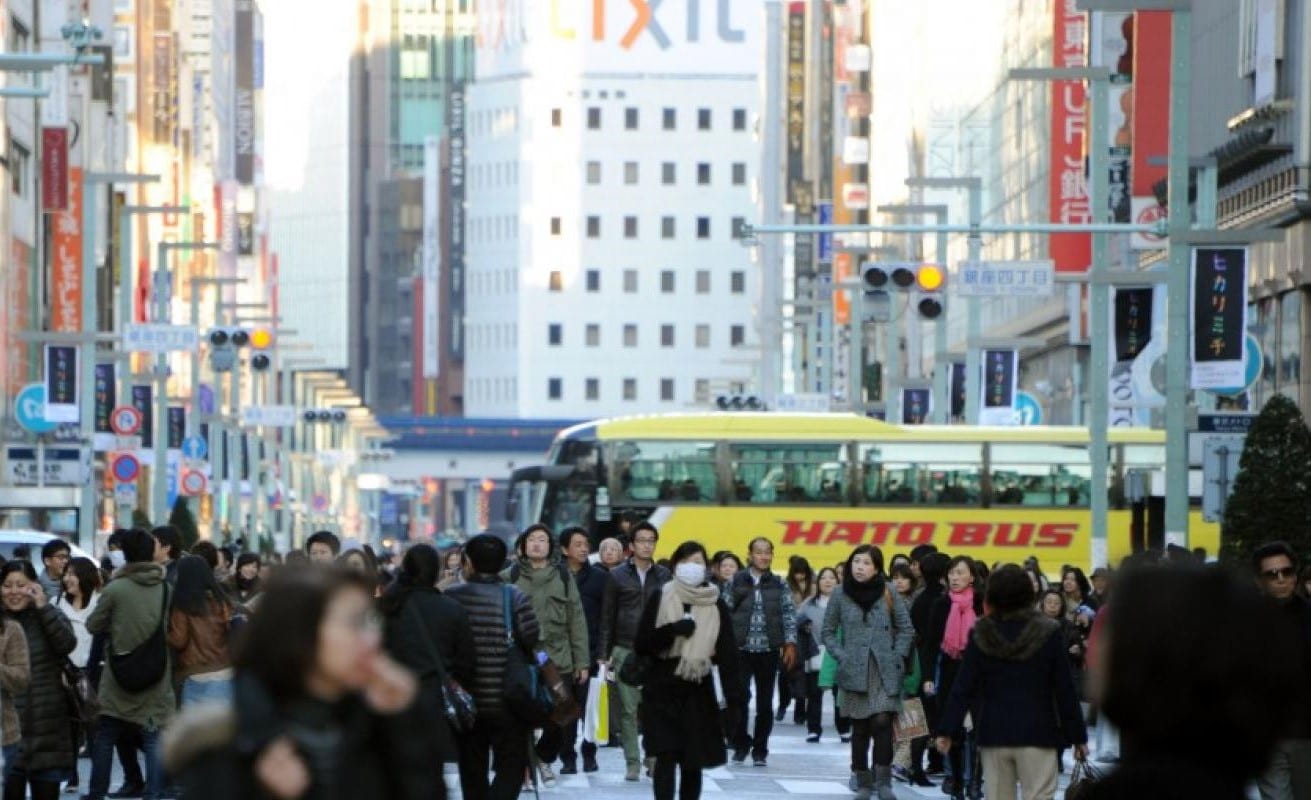
    Chinas largest online travel agency, Ctrip.com, has revealed that Indonesia is one of the ten favorite destinations for Chinese tourists who want to celebrate Chinese New Year 2016 abroad.

    The ten favorite destinations based on the bookings made by the customers since mid January 2016 are Thailand, Japan, South Korea, Taiwan, Singapore, Hong Kong, United States of America, Indonesia, Malaysia, and Australia.

    Easy access in obtaining visas is one of the strong reasons they chose such countries, one of local media quoted the Publicity Manager of Ctrip, Yan Xin as saying here on Sunday.

    Indonesia ranked eighth of the ten countries that became the favorite destinations of Chinese tourists.

    Deputy of Sales affairs Director for the Asia Pacific Mission of the Indonesian Ministry of Tourism, Jordi Paliama said it was a good news to consider Indonesia as one of the Chinese tourists favorite destinations.

    “We would continue to improve our a variety and innovative promotions to attract more and more Chinese tourists,” he said in the event of “Indonesia Direct Promotion”, Beijing.

    The Ministry of Tourism has set a target of 200 visits of Chinese tourists for January-February 2016. It increased around 50 percent from the amount of 137,181 Chinese tourists visiting Indonesia at the same period in 2015.

    To increase the number of Chinese visits, the Ministry of Tourism also conducted a promotion programs in Wuhan, Shanghai, and Beijing.

    Ctrip.com estimated around six million Chinese people would spend their Chinese New Year holiday in foreign countries, starting from 7 February, with some 100 countries to be visited including Antarctic.

    East Asian countries such as Japan and South Korea remained the most popular destinations, while Singapore and Thailand became two Southeast Asian countries which attracted a lot of Chinese tourists during the celebration of the Year of Monkey.

    Around ten thousand Chinese tourists have been making reservations for holidays in Thailand, while some other preferred to choose Universal Studio, Singapore, to enjoy the warmth of tropical breeze.

    For a cruise tourism, around 90 percent of Chinese people chose to go to Okinawa and Kagoshima in Japan, and Jeju Island in South Korea.

    The Office of China National Tourism Administration (CNTA) reported that in 2015 there were 5.2 million Chinese people spent their Chinese New Year holiday abroad. The number was increased around 10 percent compared to the same holidays in 2014.