Tag: noodles

  • Asia’s War-Driven Price Surge: From Instant Noodles to Cosmetics, Consumers Brace for Impact

    Asia’s War-Driven Price Surge: From Instant Noodles to Cosmetics, Consumers Brace for Impact

    As the conflict in Iran intensifies, both consumers and businesses across Asia are bracing for a potential crisis. The war is causing a squeeze in oil and plastics supplies, leading to an increase in prices on a broad range of products, from ramen noodles to cosmetics.

    Impact on Plastic Industries

    Choi Gun-soo, manager of a 57-year-old South Korean factory producing plastic films, gives an insight into the harsh realities of the situation. The factory, which caters to farmers for crop coverage and television manufacturers, is dealing with a substantial hike in raw material prices and shortages. Some suppliers have escalated prices by as much as 50%, while others have completely run out of stock. The next couple of weeks are likely to be critical; if the shortage of raw materials continues, it will force a systematic shutdown of the machinery.

    While the company has previously managed to survive oil shocks and the Covid-19 pandemic, the current crisis due to the Iran war is unparalleled. Choi shares that they have reduced their production to merely 20-30% of the regular output, marking the first time they have been hit this severely.

    The Strait of Hormuz: A Key Factor

    A vital cog in the supply chain disruption is the Strait of Hormuz, a narrow water channel off Iran’s southern coast. Around one-fifth of the world’s oil and liquefied natural gas usually passes through this strait. Asia, which is heavily dependent on crude oil, gas, fuel, and fertilizer from the Middle East, is most susceptible to supply disruptions.

    Currently, the most critical shortages are in oil derivatives like naphtha, predominantly sourced from the Gulf and used in refineries across Asia to produce plastics and other petrochemicals. These materials are integral to almost every manufactured product.

    Soaring Prices

    Prices for essentials of modern life, including plastic and rubber, are reaching record highs. South Korea’s Samyang Foods, the manufacturer of the renowned spicy Buldak instant ramen noodles, warns of a potential shortage of packaging materials and increased costs due to the ongoing conflict.

    Rival ramen producer Nongshim is preparing for the possibility of prolonged warfare by maintaining two to three months’ worth of packaging material inventory.

    The Cosmetic Industry’s Struggle

    Yonwoo, a container producer for L’Oreal and K-beauty firms like Amorepacific, is scrambling to secure stocks of plastic resin, a key material in manufacturing pots used for skincare and cosmetics. The company fears little visibility on material supply beyond June.

    Global Impact

    The conflict has instigated fuel shortages worldwide, with businesses ranging from airlines to supermarkets and used car dealers struggling with challenges such as rising costs, weakening demand, and disrupted supply chains.

    In Japan, department store operator Takashimaya has expressed concern that if the crisis persists, it could lead to price increases and supply issues spreading to clothing and household appliances.

    China’s Struggle with Raw Material Shortages

    China, the world’s largest synthetic rubber producer, is also feeling the strain. Shortages of naphtha, essential for synthetic rubber production, are impacting the supply chain and forcing manufacturers of goods like tires and gloves to consider raising prices or shifting to natural rubber.

    Effect on the Toy Industry

    Liu Chaonan, who owns a toy company that supplies to major U.S. retailer Walmart, revealed the escalating raw materials costs are taking a toll on the toy industry.

    Panic Buying due to Supply Concerns

    The crisis has also led to panic buying among consumers, resulting in them hoarding goods like garbage bags. With supermarkets reporting shortages and limiting purchases, consumers like South Korean student Ryu June-ho are buying in bulk in anticipation of price hikes.

    Questions & Answers

    What factors are contributing to the increased prices of goods in Asia?
    Increased goods prices in Asia are primarily due to the ongoing conflict in Iran, which is causing disruptions in oil and plastic supplies.

    How is the conflict in Iran affecting industries in Asia?
    The conflict is causing a crisis in various industries, including food, cosmetics, and manufacturing, due to increased raw material costs and supply shortages.

    How are consumers reacting to the escalating prices and supply shortages?
    Consumers are reacting with panic, leading to hoarding of goods such as garbage bags and ramen noodles in anticipation of further price increases and shortages.

  • Japan’s Top Ramen Specialist, Ramenya Shima, to Launch First International Location in Hong Kong

    Japan’s Top Ramen Specialist, Ramenya Shima, to Launch First International Location in Hong Kong

    Ramenya Shima, a renowned ramen specialist based in Tokyo, is set to make its first foray outside Japan with a new eatery in Hong Kong. The expansion is scheduled for next month, in a significant milestone for the brand.

    An Upscale Ramen Hub in Causeway Bay

    Ramenya Shima, currently operating a single establishment in Shibuya, Tokyo, has secured a location for its new venture at Sugar+ in Causeway Bay. The 1200 square foot restaurant is designed to accommodate 24 guests, mirroring its Tokyo flagship’s warm wood finishes and counter-style seating.

    A Menu Steeped in Tradition

    Ramenya Shima’s menu will primarily feature three distinct broths: shoyu, white shoyu, and shio. Each of these delectable soups is based on a complex stock concocted from 30 different ingredients, encompassing chicken, seafood, and various dried components. The noodles are made from a unique blend of five flours, including Kitahonami wheat grown in Hokkaido. Moreover, they are produced without any additives, aligning with the restaurant’s commitment to quality and authenticity.

    A Proven Track Record

    Since its establishment in 2020 by chef Hiroshi Morishima, Ramenya Shima has amassed a loyal following in Tokyo’s highly competitive ramen market. It has consistently been ranked as one of the top three ramen restaurants on a prominent Japanese dining review platform for five consecutive years.

    Chef Morishima expressed his optimism about the upcoming opening in Causeway Bay, stating, “Its vibrancy and accessibility echo the spirit of Tokyo. I am confident that all of our guests will experience the warmth and depth of our handcrafted ramen, made with recipes that have been perfected in Japan.”

    Expansion with Quality Assurance

    The move to Hong Kong signifies a strategic step in Ramenya Shima’s growth plans. In Tokyo, the restaurant is renowned for limiting its daily output to about 60 bowls to maintain consistency and high-quality standards. This practice will be replicated at their new overseas location, ensuring that the brand’s commitment to quality prevails in every aspect of its operations.

    Questions & Answers

    What is Ramenya Shima’s expansion plan?
    Ramenya Shima is venturing outside Japan for the first time by opening a new eatery in Hong Kong. The brand plans to maintain its commitment to quality and consistency, as it has in its Tokyo location.

    What is unique about Ramenya Shima’s menu?
    Ramenya Shima’s menu is based on traditional recipes. It features three distinct signature broths and noodles made from a proprietary blend of five flours, including additive-free Kitahonami wheat from Hokkaido.

    What measures does Ramenya Shima take to ensure quality?
    To maintain high standards of quality and consistency, Ramenya Shima limits its daily output to around 60 bowls of ramen. This practice will also be adopted in their new location in Hong Kong.

  • Hong Kong’s Tam Jai Mixian Makes a Splash in the Philippines with Innovative ‘Mala Tang’ Concept

    Hong Kong’s Tam Jai Mixian Makes a Splash in the Philippines with Innovative ‘Mala Tang’ Concept

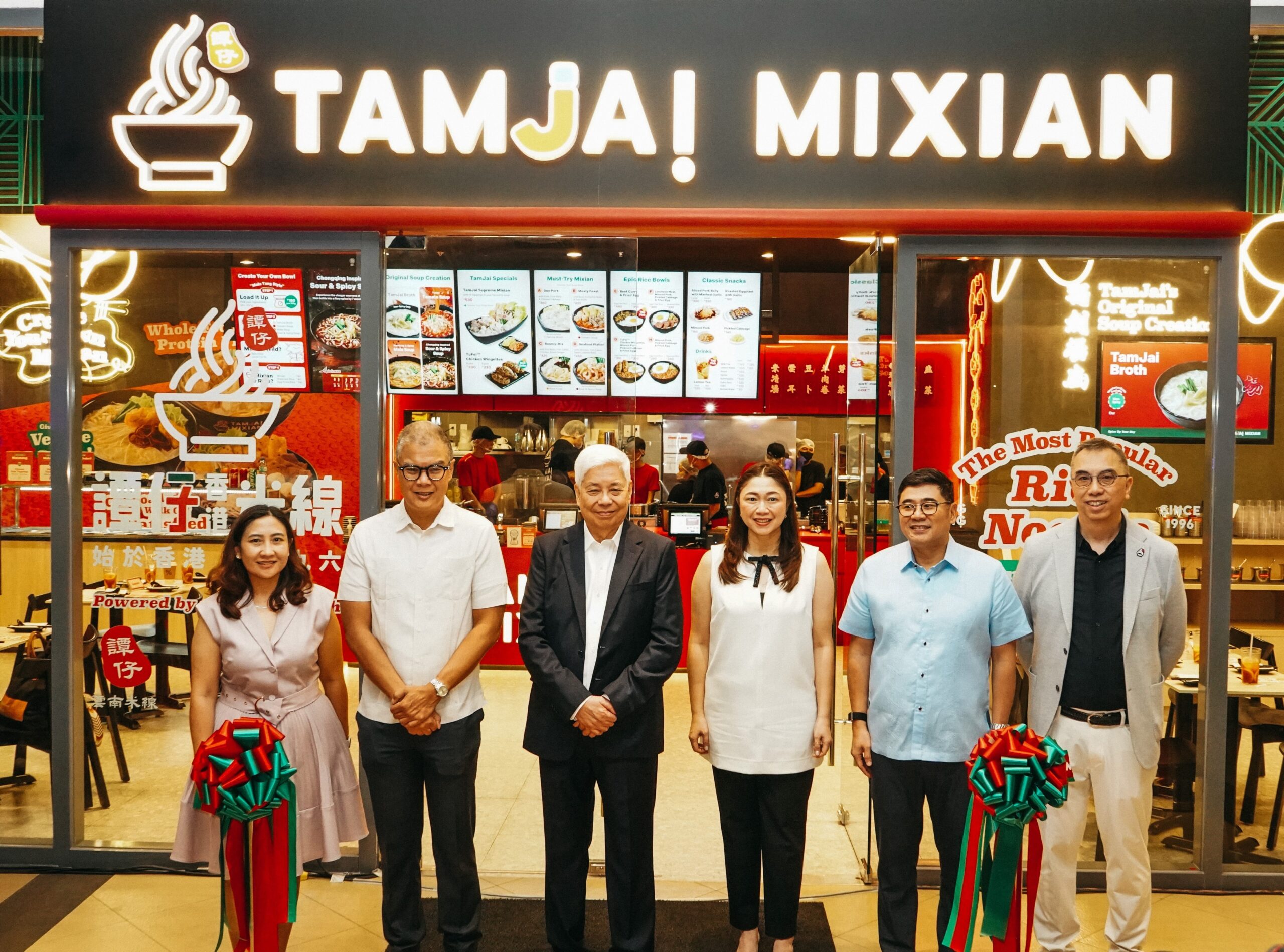
    Renowned Hong Kong-based noodle franchise, Tam Jai Mixian, has successfully expanded its operations to the Philippines, marking another key milestone in its regional growth strategy. This expansion was made possible through a franchise partnership with Suyen Corporation.

    Tam Jai Mixian’s new location is in the bustling Bonifacio Global City in Taguig, where it serves the brand’s signature soups, snacks, and rice bowls to the delight of local food enthusiasts. Aside from these classic offerings, this new location is also pioneering the brand’s ‘Mala Tang’ concept overseas for the first time. This innovative concept allows customers to personalize their meal by choosing their preferred soup base and spice level from Tam Jai’s 10-point scale.

    Daren Lau, the Chairman and CEO of Tam Jai International (TJI), expressed optimism about the brand’s debut in the Philippines. He emphasized that this new expansion not only strengthens the group’s regional influence but also enriches their already extensive restaurant network. Including this new location in the Philippines, Tam Jai boasts more than 250 stores spread across the Asia-Pacific region, spanning countries such as Hong Kong, Mainland China, Singapore, Japan, Australia, and Malaysia.

    Mr. Lau further indicated that the company is eager to continue its expansion efforts in key markets and grow TJI’s restaurant network. He credited the brand’s success in these ventures to its strategic partnerships with robust local partners, which have been instrumental in ensuring the successful establishment and growth of its branches in different regions.

    Questions & Answers

    What is unique about Tam Jai Mixian’s new location in the Philippines?
    It is the first overseas branch to introduce the brand’s ‘Mala Tang’ concept, which enables customers to customize their bowls by selecting a soup base and spice level from Tam Jai’s 10-point scale.

    How does the company view its expansion to the Philippines?
    The company regards its expansion into the Philippines as a key step in strengthening its regional presence and enriching its extensive restaurant network.

    What strategy does Tam Jai International (TJI) employ for its ongoing expansion?
    TJI has attributed its successful expansion to its partnerships with robust local partners, which have been vital in establishing and growing its restaurant network in key markets.

  • Xiao Noodles’ Spicy Chongqing Delights Make Sizzling Singapore Debut: First International Flagship Launched

    Xiao Noodles’ Spicy Chongqing Delights Make Sizzling Singapore Debut: First International Flagship Launched

    Xiao Noodles, a Chinese quick-service restaurant, has marked its international presence with the establishment of its inaugural flagship store in Singapore.

    Roots and Expansion

    Xiao Noodles, which was established in 2014, is renowned for its Chongqing-style noodles. With over 500 outlets across China, the restaurant chain has made a significant impact within the domestic food market. Their latest location, at 313@Somerset in Singapore, offers customers a taste of regional Chinese cuisine, with dishes such as Red Bowl Noodle (a spicy mala noodle dish with peas and meat sauce), Golden Bowl Noodle (hot and sour noodles), as well as a variety of Wonton and Maocai Hot Pot options.

    A Systematised Casual Dining Model

    This new outlet also serves as the debut platform for the company’s systemised casual dining model. This innovative model merges customary practices with digital operations, resulting in enhanced efficiency and scalability. Xiao Noodles is thus able to better handle the rising global demand for noodles and spicy foods.

    Taking Chongqing-Style Noodles Global

    Xiao Noodles is positioning itself to capitalize on the international popularity of noodles and the increasing demand for spicy flavours. The company aims to introduce Chongqing-style noodles to customers worldwide. Xiao Noodles’ founder and CEO, Song Qi, sees the Singapore flagship store as a model for future global expansions. He expressed his excitement at the opportunity to bring Chinese street food to tables around the world, establishing this as the official beginning of the company’s global vision.

    Questions & Answers

    What is unique about Xiao Noodles’ business model?
    Xiao Noodles’ business model combines traditional practices with digital operations, enhancing efficiency and scalability.

    What is the significance of the Singapore outlet for Xiao Noodles?
    The Singapore outlet serves as the first international presence for Xiao Noodles, acting as a blueprint for future global locations.

    What are some signature dishes of Xiao Noodles?
    Some of Xiao Noodles’ regional Chinese dishes include the Red Bowl Noodle, Golden Bowl Noodle, and a variety of Wonton and Maocai Hot Pot options.

  • Small Chinese Noodle Shop Sparks Debate with Eye-Popping $300 Bowl Price Tag

    Small Chinese Noodle Shop Sparks Debate with Eye-Popping $300 Bowl Price Tag

    In an unexpected culinary twist, a small eatery in Hangzhou is causing quite a stir with its lavish noodle dish priced at an eye-popping $300. This dish isn’t just a meal; it’s a spectacle that seems to rival the likes of Michelin-starred restaurants. Customers are eagerly taking to social media to share their experiences, with nearly a dozen of these extravagant bowls reportedly sold since their debut.

    What makes this luxurious bowl of noodles so special? Packed with a blend of premium ingredients, it features a generous assortment: 120g of onion, 130g of egg or 10g of fresh caviar, 270g of swamp eel, 400g of red prawn, and 210g of small abalone. For those wanting to indulge a bit more, guests can add 20g of tomatoes for an additional 20 yuan, just to keep it fresh.

    The eatery’s owner, known only by his surname Wu, defends the extravagant prices, arguing that they reflect a level of culinary skill that leaves typical noodle dishes in the dust. He assures patrons that his creations are neither oily nor limp, tapping into the fresh seafood sourced from a nearby market. With each bowl taking about 15 minutes to prepare, it’s clear there’s artistry at work.

    While Wu has captured the interest of curious diners, it’s the social media buzz created by food influencers that has really fueled this phenomenon. Some customers have even taken their bowls of luxury on the road, with one avid fan transporting the pricey dish back to Shanghai via high-speed rail. However, the public is divided; some express doubt regarding the dish’s worth. Observers have quipped that “the noodles will become mushy after traveling,” and others have likened it to dining experiences at luxury hotels. One witty commenter even speculated that the price must have been mistakenly listed in Japanese yen.

    Wu’s culinary journey is just as intriguing. Once a sales professional, he made a sharp career pivot to open his eatery in 2021. After parting ways with his initial chef, he took charge of the kitchen, showcasing his newfound passion for gastronomy. Interestingly, this isn’t the first time the establishment has turned heads; earlier in the year, the most expensive dish on the menu retailed for 558 yuan ($78), and just last year, diners could find a top dish costing as little as 68 yuan ($9.50).

    Legal expert He Shengting from Guangdong Guoding Law Firm weighed in on the controversy, stating that the restaurant is in the clear legally, as pricing and ingredients are transparently disclosed. He noted that any issues would only arise if the diner misrepresented its offerings, which is not the case here.

    Questions & Answers

    What unique ingredients contribute to the $300 noodle dish?
    The dish boasts a mix of luxurious ingredients, including swamp eel, red prawn, small abalone, and even fresh caviar, making it a feast for both the eyes and palate.

    How has social media influenced the popularity of this eatery?
    Food influencers sharing their experiences and reactions have significantly heightened the restaurant’s visibility, drawing both curious diners and skeptics alike.

    What sparked the dramatic price increase for the noodle dish from last year?
    The eatery’s owner, Wu, attributes the price increases to his culinary expertise and the high-quality, fresh ingredients sourced locally, as well as a broader strategy to position the restaurant in the upscale dining market.

  • Hong Kong’s Tam Jai International Makes Culinary Leap Into Malaysia With First Tamjai Mixian Restaurant

    Hong Kong’s Tam Jai International Makes Culinary Leap Into Malaysia With First Tamjai Mixian Restaurant

    Hong Kong’s Tam Jai International (TJI) has expanded its culinary reach into Malaysia with the launch of its pioneer TamJai Mixian restaurant. This move signifies an integral part of the company’s growth in the food and beverage market within Southeast Asia.

    The new establishment is situated in the Sunway Pyramid Mall in Selangor, Malaysia. The restaurant, covering 136 square meters, is an integral component of the master franchise agreement that TJI has with Hextar Retail Berhad. This company is a subsidiary of the Malaysian conglomerate Hextar Group.

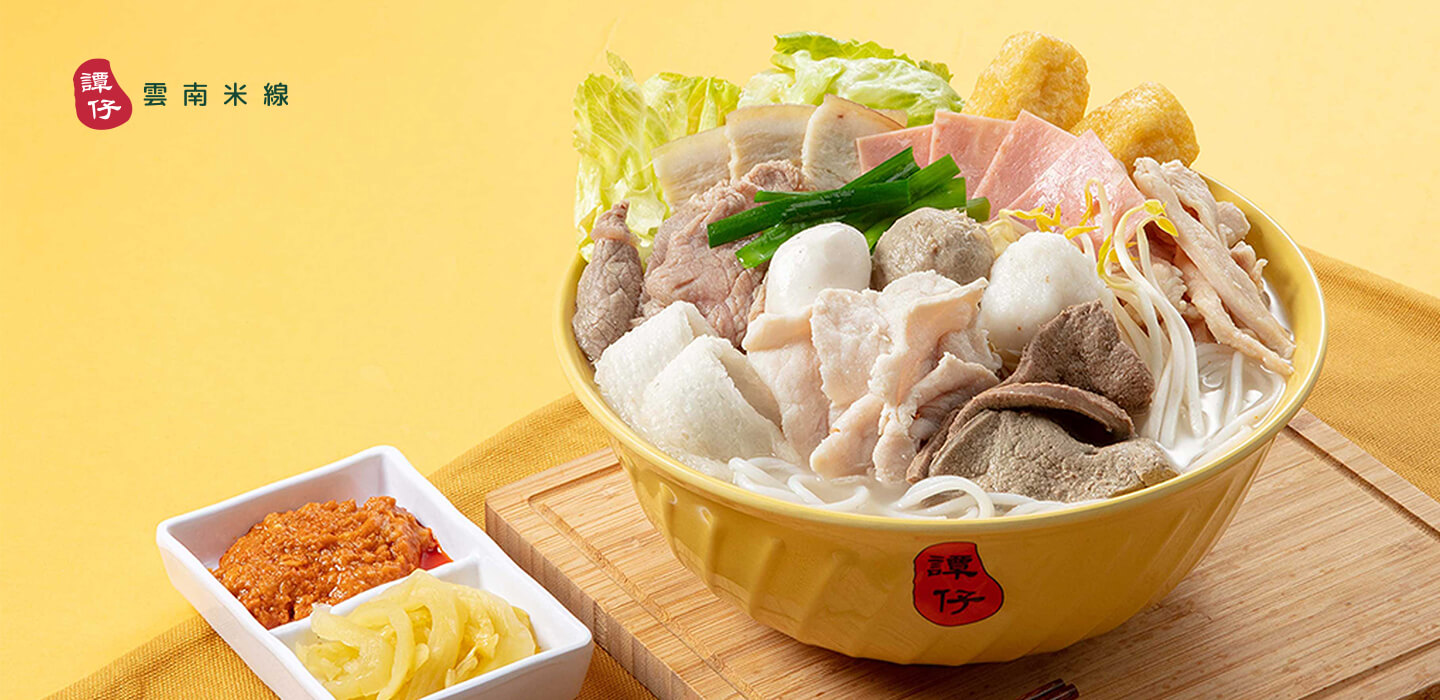
    TamJai Mixian, originated in Hong Kong, encompasses the quintessential elements of TJI’s flagship brands like TamJai Yunnan Mixian and TamJai SamGor Mixian. These brands are renowned for their carted noodles with soup bases, with a variety of spicy levels and an extensive selection of toppings.

    Daren Lau, the Chairman, Executive Director, and CEO of TJI, expressed his enthusiasm about the venture. “Our commencement in Malaysia signifies a substantial advancement in TJI’s strategic expansion within the rapidly proliferating Southeast Asian market,” he said.

    Lau also expressed his confidence in the brand’s appeal to the local Malaysian market. “We are confident that our established brand concept will strike a chord with local consumers, allowing us to leverage the robust growth potential of Malaysia’s vibrant and diverse food scene,” Lau added.

    The Tam Jai International group not only operates in Hong Kong but also runs over 240 locations in various countries such as Singapore, Japan, Mainland China, and Australia. The company also has plans in place for future expansion into the Philippines.

    Questions & Answers

    What is the significance of the new TamJai Mixian restaurant in Malaysia?
    The launch of the TamJai Mixian restaurant in Malaysia represents a significant step in TJI’s strategic expansion in the rapidly growing Southeast Asian market.

    What does TamJai Mixian offer?
    TamJai Mixian is known for its carted noodles with soup bases, which come in varying levels of spiciness and a wide selection of toppings.

    What is the future expansion plan of the Tam Jai International group?
    Apart from their recent expansion into Malaysia, Tam Jai International also has plans for future expansion into the Philippines.

  • Taiwanese Beef Noodles Specialist Duan Chun Zhen Expands Footprint to ELEMENTS Unveiling its Storied Comfort Food

    Taiwanese Beef Noodles Specialist Duan Chun Zhen Expands Footprint to ELEMENTS Unveiling its Storied Comfort Food

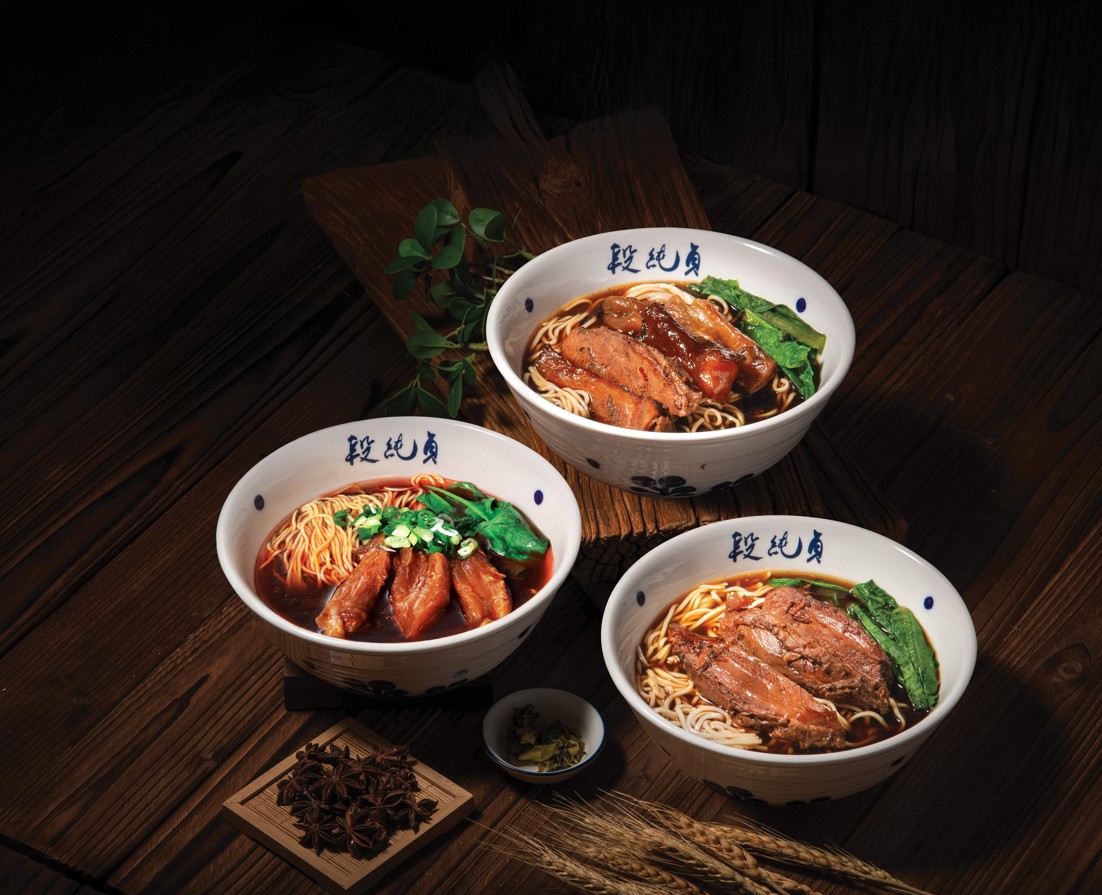
    Duan Chun Zhen, renowned for its sumptuous classic Taiwanese beef noodles, welcomes the opening of its fifth location in Hong Kong, at ELEMENTS in West Kowloon. This new branch of the beloved international chain upholds a family legacy of authentic Sichuan flavours while capturing the vibrant essence of Taiwan’s night-market culture, presenting irresistible beef noodles, popular rice bowls and signature street snacks.

    Seating 80 diners, the ELEMENTS outlet is conveniently located next to the cinema, luring film buffs and foodies into inviting interiors for bowls of aromatic comfort food. Chinese tradition meets contemporary elegance in warm wooden tones, with bamboo features lining the walls and criss-crossing the ceiling, and wooden floors and subtle wooden accents adding a sense of natural charm.

    To celebrate the opening of its latest Hong Kong location, Duan Chun Zhen will gift an exclusive facial mask daily to its first 20 customers who order any noodle dish from 19-25 July 2025. Launched in Taiwan earlier this summer, the skin-nourishing Green Pepper Flavour Beef Noodle Mask is infused with Damask rose extract, collagen, vitamin B8 and the delightful aroma of green Sichuan pepper. Extending the brand’s artistry beyond the kitchen, this uplifting keepsake for lucky diners is ideal for pampering skin during the sweltering summer months.

    As an additional limited-time offer, patrons of Cafe Deco Pizzeria can present their receipt at Duan Chun Zhen in ELEMENTS within 7 days to enjoy HK$30 off the bill (with a minimum spend of HK$100 or more between 19 July and 18 August 2025). Both restaurants are managed in Hong Kong by Cafe Deco Group.

    The story of these celebrated Taiwanese beef noodles begins with Duan Chun Zhen, a passionate home cook who arrived in Taiwan from Sichuan in 1945. She supported herself by making the traditional seasonings of her province – bean paste, pickled pepper, spicy bean curd, sweet fermented rice – as well as aromatic Sichuan braised dishes, and selling them from a bicycle stall at Hsinchu Air Base. Her grandson, Fan Kwong Zhi, heir to her culinary expertise, opened the family’s first noodle shop in 2007 to honour her memory. Connecting Taiwanese cuisine to the world with beef noodles, the brand has grown to embrace 11 outlets in Taiwan, 5 in Hong Kong, and 2 in California, USA.

    The soul of Duan Chun Zhen’s house-special classic beef noodles is the broth that takes 18 hours to perfect, starting with an intricate 8-hour process of stir-frying raw fatty beef together with 23 different spices and herbs, including Da Hong Pao (big red) Sichuan peppercorns and Pixian doubanjiang (broad-bean paste). This intense, fragrant base is used to braise beef, which then simmers for hours with beef bone to make a moreish, mouth-tingling broth.

    Diners can choose from 2 kinds of noodles – thin noodles or wider, chewy handmade noodles – both designed to soak up the delicious house soup. During a traditional vermicelli production process, the thin noodles are punctured by multiple air holes, increasing their ability to absorb the flavours of the liquid. The handmade noodles benefit from repeated dough sheeting that not only keeps them firm and elastic but also results in an uneven thickness so they too can better ingest the soup.

    A whole chicken is simmered for 6 hours for the flavoursome and fragrant soup base of Rich Chicken Broth Noodles with Drumstick (HK$88) and Chicken Drumstick Noodles in Pepper Soup with Pickled Greens (HK$88). Among a selection of dry noodle dishes, Shredded Chicken with Garlic Flavoured Dry Noodles & Peanut (Thin Noodles) (HK$78) and Shredded Chicken with Green Pepper Flavoured Dry Noodles & Peanut (Thin Noodles) (HK$78) swaps the rich and fragrant soup for a dry, spicy punch. Satisfying rice dishes are also available, including Taiwanese Braised Minced Pork Rice (HK$78) and Vegan Minced Pork Rice with Organic Mushroom (HK$68).

    The authentic Taiwanese dining experience extends to signature items such as Sanxing Scallion Pancake (HK$48), whose crusty exterior reveals a soft, aromatic interior and the sharp, peppery taste of Taiwan’s best scallions. Taiwanese Fried Chicken (HK$48) and Deep-fried Pork Chop (HK$48) are other favourite choices. For a unique twist, guests are invited to savour the slightly salty Pork Intestine with Thin Noodles (HK$48) and the huangjiu-infused chicken treat of Chinese Yellow Rice Wine Boneless Chicken with Red Date (HK$78). Shrimp & Pork Wontons in House Special Chili Oil (HK$68) and Spicy Duck Blood Cellophane Noodles (HK$88) also deliver the spicy essence of Grandma Duan’s life-long love and creativity.

    To cater to the ELEMENTS business crowd, Duan Chun Zhen presents a convenient Combo Set at lunch, priced from HK$118 to HK$158 for a noodle or rice course, plus a complimentary snack of either Taiwanese Fried Dumplings (3pcs), Taiwanese Fried Chicken (3pcs), or Deep-fried Pork Chops (3pcs), and a refreshing drink. Options include Ginger Tea, Winter Melon Tea, Ginger Ale or another soft drink. For an additional HK$12, lunchers can upgrade to a selected house-speciality drink.

    The beverage menu showcases classic Taiwanese favourites, starring the flavoursome and textural Winter Melon Barley Delight (HK$36), sweetly fresh Peach Jasmine Green Tea (HK$34), and tropical Passion Fruit Pineapple (HK$34). Each beverage offers a unique flavour profile, perfect for complementing the restaurant’s vibrant dishes.

  • Japan’s biggest sushi chain Sushiro launches first Beijing store

    Japan’s biggest sushi chain Sushiro launches first Beijing store

    Japan’s biggest sushi restaurant chain Sushiro opened its first store in China’s Beijing Wednesday as part of its expansion in the world’s most populated country.

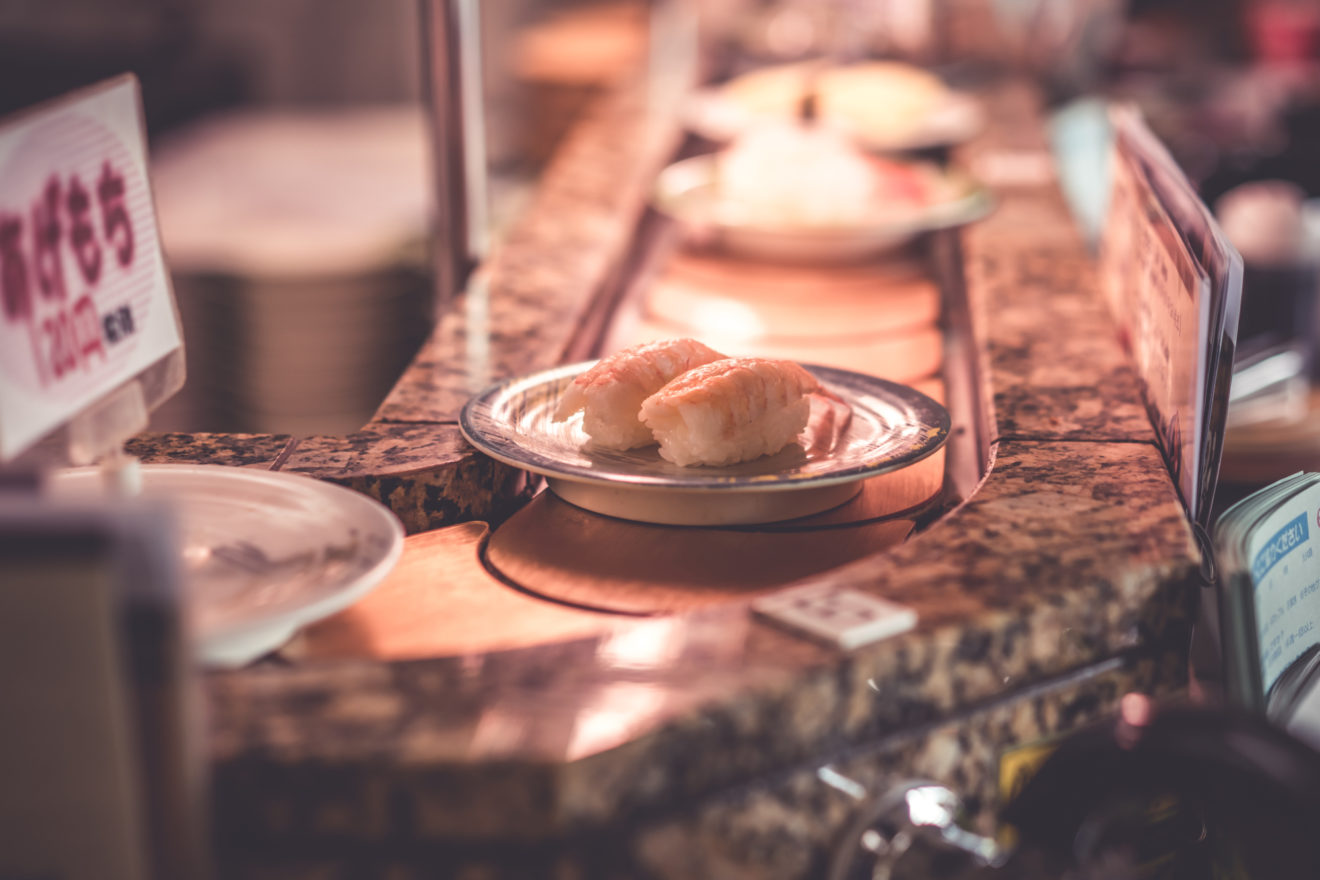
    Its new store, located in the Xidan Joy City shopping mall, has four private rooms, each allowing up to 10 customers, who can order from a touch screen and pick up their food from a conveyor belt, according to Nikkei Asia.

    This is Sushiro’s 45th location in China. It launched the first store in Guangzhou in 2021 and has expanded to several cities since.

    Sushiro, headquartered in Osaka, has over 500 restaurants in Japan. It was founded 30 years ago and is now present in many Asian countries including South Korea, Thailand and Singapore.

    Its competitor Hama Shushi has also been expanding in China and opened the first Beijing store earlier this year.

    China has prohibited the import of seafood from Japan due to the discharge of treated radioactive wastewater. In China, conveyor belt sushi restaurants primarily offer locally sourced seafood.

  • EU considers loosening controls on Vietnamese noodles

    EU considers loosening controls on Vietnamese noodles

    According to the Vietnam Trade Office in Belgium, the European Union (EU) is considering a proposal to reduce food safety control measures on instant noodles imported from Vietnam.

    Since February last year, 20% of Vietnamese instant noodle shipments exported to the EU have been subject ethylene oxide level inspections. All shipments have been required to come with health certificates issued by Vietnamese regulatory agencies.

    According to the Vietnamese Ministry of Industry and Trade, in the second half of 2022, the EU found no ethylene oxide, an organic compound with various applications (including disinfection and sterilization), in Vietnamese instant noodles.

    Therefore, the EU has proposed not requiring health certificates for instant noodles imported from Vietnam, reported the office.

    According to the office, the proposal is expected to be approved by the block’s member states at a meeting in April.

    By the end of February, the Ministry of Industry and Trade had issued 3,170 health certificates to exporters of instant noodles to the EU market through 21 ports.

    Germany is the largest import of instant noodles from Vietnam, accounting for over half of the certificates issued.

    In August 2021, a number of batches of Vietnamese instant noodles exported to the EU market were returned or destroyed due to residues of ethylene oxide exceeding the permissible level stipulated by the EU.

    Currently, each country and region has different regulations on ethylene oxide.

    Ethylene oxide is commonly used as a highly effective disinfectant and fumigation agent in a number of agricultural products, especially spices and herbs.

    Consumption of products containing ethylene oxide does not pose an acute health hazard but can cause cancer if taken regularly for a long time.

    In many European countries, 2-chloroethanol, a metabolite of ethylene oxide, is considered ethylene oxide when they calculate the ethylene oxide content in foods.

  • Vietnamese consume over 1,000 tons of instant noodle daily

    Vietnamese consume over 1,000 tons of instant noodle daily

    Over 1,127 tons of instant noodles were consumed a day in Vietnam last year, surging than 20% compared to 2016, according to the UK-based market research firm Euromonitor.

    In 2021, Vietnam consumed about 411,500 tons of instant noodles, up 9% against 2020.

    Total instant noodle sales in the country surpassed VND3.8 trillion (over $153.2 million) in 2021, increasing more than 11% against 2020 and nearly 18% against 2016.

    The research for Euromonitor’s annually-published global instant noodle consumption report is carried out in 80 countries.

    Previously, data from the World Instant Noodles Association (WINA) also showed that Vietnam surpassed South Korea as the world’s highest per capita consumer of instant noodles. On average, every Vietnamese uses 87 packets a year.

    Euromonitor pointed out that Acecook from Japan and Masan from Vietnam are the Vietnamese instant noodle market’s two leading firms, holding a combined market share of 33%.

    Japanese instant noodle market share in Vietnam decreased from nearly 24% in 2017 to over 19% in 2021, while that of Viet

  • Taiwan sends back Vietnamese noodles for containing banned substance

    Taiwan sends back Vietnamese noodles for containing banned substance

    Taiwan has returned 1.44 tons of Vietnam’s Omachi instant noodles saying they contain high levels of carcinogenic ethylene oxide.

    The Taiwan Food and Drug Administration has determined that the batch of noodles, imported by Chinese company Qianyu, contains 0.195 milligrams of ethylene oxide per kilogram, which exceeds Taiwan’s standards.

    Ethylene oxide is banned in food in Taiwan as authorities consider it a carcinogen as long exposure to it could increase the risks of cancer and some neurological diseases.

    Masan Consumer, the producer of the noodles, said that it did not sell the noodles to Qianyu, even though it does produce noodles for the Taiwan market.

    Each country and territory has its own food standard and therefore Masan Consumer produces products specifically for each country and territory.

    “We have strict terms with distributors to prevent them from exporting products from one market to another.”

    Masan Consumer affirms that the Omachi noodles meet Vietnam’s food standards and are safe for consumers.

    Vietnam’s Ministry of Industry and Trade is looking into the issue.

    Last August, several batches of instant noodle products by Vietnamese businesses were also recalled by the E.U. for heightened levels of ethylene oxide.

    In July this year, Germany has issued warnings about certain imported Vietnamese instant noodle products that contain heightened levels of ethylene oxide.

  • EU warns Vietnamese instant noodle products contain banned substance

    EU warns Vietnamese instant noodle products contain banned substance

    Germany has issued warnings about certain imported Vietnamese instant noodle products that contain heightened levels of ethylene oxide, a banned substance.

    The Vietnam Sanitary and Phytosanitary Notification Authority and Enquiry Point (SPS), under the Ministry of Agriculture and Rural Development, said it had received warnings from the EU regarding certain instant noodle products exported by Vietnamese businesses.

    Germany issued warnings about a chicken-flavored instant noodle product by Asiafoods Corporation for containing ethylene oxide levels higher than EU standards. Malta meanwhile issued a warning for a pho product by Nguyen Gia because it uses genetically modified rice.

    A representative of the Department of Science and Technology under the Ministry of Industry and Trade said the department is still verifying the food batch that drew warnings in Germany. The batch might have been exported since last year, when batches had yet to be imposed an ethylene oxide limit standard upon export, the representative said.

    Since Feb. 17, the EU has demanded certificate requirements for instant noodle batches imported into the region. These batches would be checked for their ethylene oxide level after export, and so far, no batch has been returned.

    Germany said the ethylene oxide level in the instant noodle products was two to three times the maximum standard allowed, according to the representative. The current ethylene oxide limit as required by the EU is 0.01 milligrams per kilogram.

    In future, the department would take instant noodle product samples from the Vietnamese market to evaluate the presence of ethylene oxide and create a limit standard for the substance.

    Last August, several batches of instant noodle products by Vietnamese businesses were also recalled by the EU for heightened levels of ethylene oxide.

    Ethylene oxide is an organic compound with various applications, including disinfection and sterilization.

  • Slendier unveils Instant Soybean Noodles range

    Slendier unveils Instant Soybean Noodles range

    Health-food company Slendier has launched Instant Noodles made from soybean and “authentic” seasoning.

    Available online and in Woolworths (RRP $5.25), the low-carb, low-calorie, vegan meal alternative is promoted as the “most nutritionally rich” instant noodles on the market. The product is claimed to be free from oils, chemicals and artificial flavours.

    Slendier Managing Director Erica Hughes says the new range has a host of health benefits compared with other instant noodles and is perfect as a guilt-free snack or meal on the run.

    “There’s no denying regular instant noodle products are a quick and easy solution for many Aussies, but they’re often packed with sodium and have little nutritional value,” she says.

    “At Slendier, we identified a gap in the market to offer people the same convenience, without the nasties.

    “Not only are Slendier’s instant noodles great tasting, but the range has twice as much protein, half as much fat and a third less calories when compared to other instant noodles on the supermarket shelves.”

    Slendier’s noodles are available in the flavours of Masala, Tom Yum and (soon-to-be-released) Vegetable Ramen.

    The flavour, according to Slendier, comes from “real” vegetables that have been washed, dried and ground into a fine powder – one that’s low in salt and entirely plant-based.

    “Paired with Slendier’s innovative nonfried soybean noodles,” says the brand, “it requires no cooking and can be ready in just four minutes.”

    BACKED BY A NUTRITIONIST

    Nutritionist Jacqueline Alwill says the product hits the mark for a filling yet healthy food solution.

    “As a nutritionist, I’m always on the lookout for simple, nourishing, convenient alternatives for meals and snacks and Slendier Instant Noodles definitely tick the box,” she says.

    “They’re high in protein, yet lower in calories, carbs and fats than a traditional instant noodle.

    “Using soybean noodles, Slendier Instant Noodles deliver close to 30g protein and 12g fibre per serve, two important macronutrients to support our body’s growth and repair, gut health and of course to help keep appetite at bay.

    “They’re delicious and ready within four minutes – a perfect snack or meal option for anyone wanting to maximise time and of course great nutrition in their day.”

  • EU lifts safety restrictions on Vietnamese noodles

    EU lifts safety restrictions on Vietnamese noodles

    Starting July 3, the EU will remove Vietnam’s rice noodles, glass noodles and vermicelli from the list of goods subjected to safety controls.

    Announcing this, the Ministry of Industry and Trade said Vietnamese exporters will no longer have to provide safety certificates for these products.

    However, some local herbs including coriander, mint and parsley will be subjected to a temporary increase in safety controls at border posts.

    Vietnamese dragon fruit and instant noodles containing spices/seasonings or sauces will also be subjected to special entry conditions in the EU market to check for contamination risks.

    Vietnamese instant noodles have been under the EU scanner since January after some were found containing ethylene oxide, a substance banned in the union.

  • Instant noodle store an unlikely hit with Thai youth

    Instant noodle store an unlikely hit with Thai youth

    In Thailand, a country famous for its flavourful, spicy cuisine and street food, instant noodles may seem an unlikely culinary hit.

    But for teenagers like Ratchadaporn Krongngam, a store that stocks more than 70 types of instant noodles from across Asia and allows you to cook and eat them immediately is an experience worth savouring.

    Since Good Noodle opened in Union Mall in Chatuchak district of Bangkok last October, it has seen thousands of young customers browse its bright orange shelves for noodles from Indonesia, South Korea, China, Taiwan and Hong Kong.

    “This is my third visit. I love it here because I wanted to try out new and different kinds of instant noodles as I want to know how all of them taste,” said Ratchadaporn, 18.

    Customers often dine in the store, where they can cook their own three-minute meal, which costs between 6 and 250 baht.

    Customer Sirayakorn Charoenthat, 18, said the prices were reasonable for students compared to eating at restaurants.

    Instant noodles are hugely popular in several Asian countries because of their taste, versatility, convenience, and low price. But health experts warn against consuming too much highly processed food because it lacks key nutrients.

    Instant noodles are cooked from a self-automated machine at Good Noodle. (Photo: Reuters)

    Store’s managing director Ungkool Wongkolthoot said he scoured Bangkok’s convenience stores and supermarkets during the pandemic for all the different types of instant noodles he could find, which turned out to be more than 350.

    With this, he saw a business opportunity.

    “I wanted to give the customers an instant experience with the noodles. Not just buying the noodles from other convenience stores or supermarkets, then forgetting about them at home,” he said.