Tag: O2O

  • How some retailers are using O2O strategies to boost sales

    How some retailers are using O2O strategies to boost sales

    A slowdown in mainland tourist inflow has prompted Hong Kong’s retailers to step up efforts to attract those who are still making their way to the city.

    To grab the attention of the visitors, shops and other tourism-dependent entities are launching new online-to-offline marketing campaigns.

    One key way of reaching the customers has been to gather information on people visiting Ocean Park, the marine-life theme park that is popular with Chinese tourists.

    Mainlanders seeking to visit Ocean Park normally book their tickets through agents and have to leave some sort of contact information, usually their phone numbers.

    Now some marketing firms are gathering those telephone numbers and using them to craft O2O campaigns for their retail sector clients.

    Hooking up with the ticket agents, the marketing firms gain access to those phone numbers. Then they approach the ticket buyers by asking if they are willing to receive some Hong Kong-related information and promotions.

    Once the consent is secured, they will send discount e-coupons to the visitors on behalf of retailers, as Kevin Ng, a consultant with the Hong Kong Productivity Council, told a seminar recently.

    Since people who have bought Ocean Park tickets will definitely come to Hong Kong, such marketing activities will be very specific and targeted, leading to a greater chance of doing business.

    Sheung Wan is known for its cluster of shops selling Chinese herbs and dried seafood. Even those traditional businesses have begun using the innovative O2O route to win more business, according to Ng.


  • Hong Kong’s PopScout wants to reverse the O2O model

    Hong Kong’s PopScout wants to reverse the O2O model

    Given the burden of rent in Hong Kong, most local retailers take their business online to skirt the financial and logistical hassle.

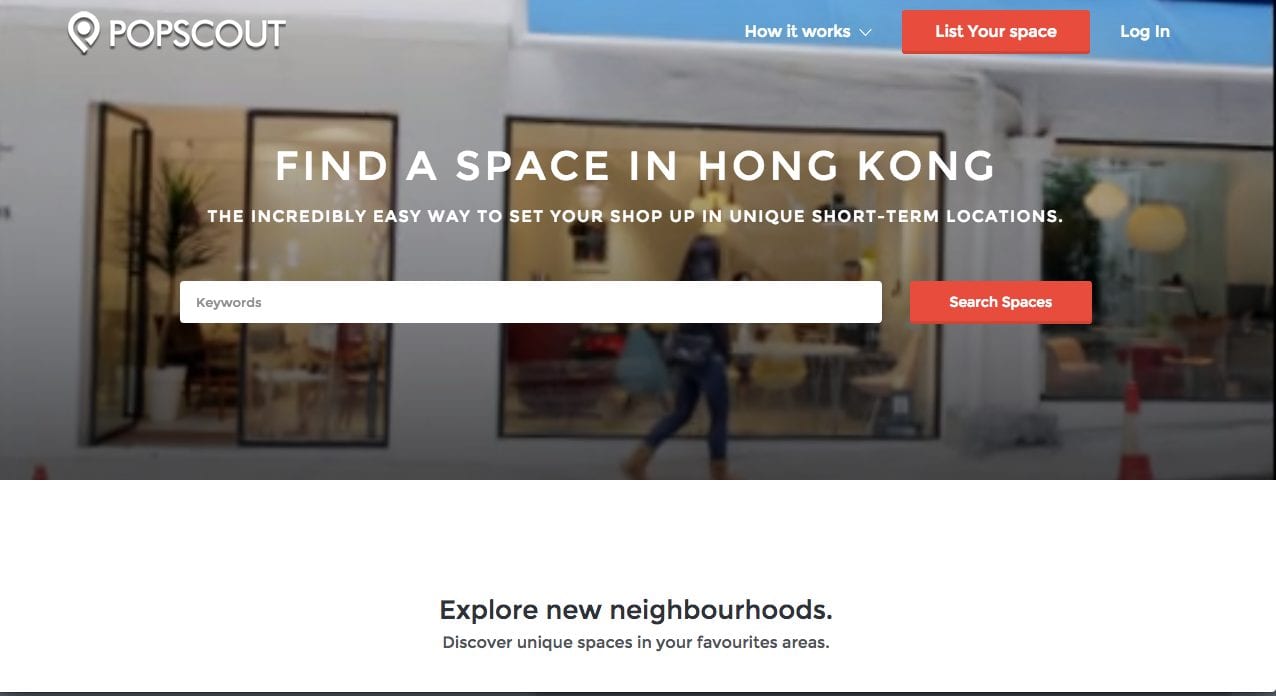
    But Hong Kong startup PopScout is taking away the headache that comes with brick-and-mortar locations.

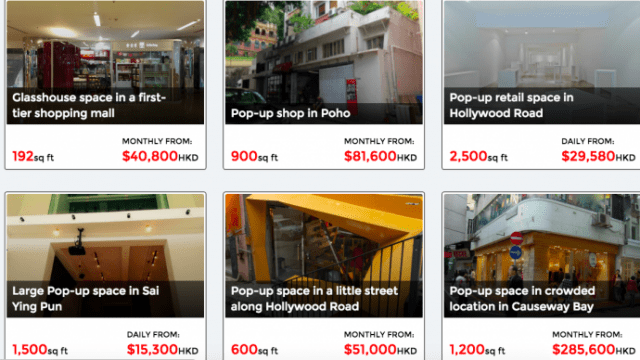
    This online marketplace lets users book a pop-up shop online, choosing options for space, length of time and prices. The perks to having a temporary storefront are obvious: Foot traffic to generate brand awareness and customers physically interacting with products.

    CEO and Founder Romain Aubert got the idea to start this model in Hong Kong while working as a research analyst in the UK.

    “The short-term retail economy in the UK is a GBP2 billion [US$3.09 billion] industry and is much more developed. I did research into Asia and realized that it is a fairly new concept, there’s not that much information out. So I decided to come to Hong Kong and do more research [from the ground],” says Aubert.

    Despite never having set foot in the city, French native Aubert moved to Hong Kong early this year. Aubert then applied and was accepted into Hong Kong’s blueprint, an accelerator and co-working space backed by Swire Properties.

    This allowed him to fast-track his idea into a marketplace and build up the PopScout team to three.

    “Hong Kong made sense because I knew could set up my business easily. It’s a big city for retail and real estate,” said Aubert, when asked about moving to a city he had never visited.

    His goal now is to make looking for an offline store location as easy as booking a hotel room, or to “become the Airbnb of retail in Hong Kong.”
    popscout

    popscout

    The pop-up model in Hong Kong

    A few stores in Hong Kong have already used the pop-up shop model to gain traction.

    Perhaps most notable is Hong Kong-based apparel brand Grana, which started out as an online-only concept store. The e-commerce startup raised an additional US$1.5 million from investors in July of this year and talked to e27 about running a strictly e-commerce business in Hong Kong.

    After successfully testing out a few pop-up shop locations including PMQ, an area in Central that caters to local retail shops, Grana opened its permanent ‘fitting room’ in Sheung Wan district. The fitting room does not stock actual merchandise but instead allows shoppers to try on clothing before placing the order online.

    Rocket Internet-backed Zalora, also an e-commerce site, opened a pop-up store in Hong Kong’s Windsor Place in June, where customers could download the Zalora app and try items on, prior to ordering online.

    Unused space and foot traffic, a win-win combo

    Aubert initially scouted for locations in Hong Kong by walking around buildings, visiting shops that had previously done a pop-up model and had the chance of signing on a few.

    “The landlords win as they can increase foot traffic through the pop-up stores and can max out occupancy levels, while pop-up shops can revive a space,” says Aubert.

    Though PopScout is focussing its endeavours on just retail, Aubert says that there could be potential to expand into other industries such as F&B.

    “Some people like the word disrupt. I don’t think we are disrupting anything because short-term retail spaces is not a new market. Our business model is very simple, just in Hong Kong there are less statistics in this industry,” says Aubert.

    In the US, startups like Storefront and Liquidspace rent out work and retail space.

    Within Asia, there are existing players around the corner, launching similar marketplaces with the same concept.

    SpacesGenie, founded by Pushpendra Sharma is a Hong Kong startup that connects retail landlords with companies that want to set up temporary pop-up events. SpacesGenie lists event spaces available, including coffee shops and coworking spaces, in both Hong Kong and Singapore.

    Other startups are also toying with the short lease idea, albeit in different sectors. FlySpaces focusses on short-term office space rentals and services cities Cebu and Manila and will start expanding internationally in December to all the ASEAN countries.

    It is currently free to list on PopScout. The business runs on a transaction model, meaning that PopScout will charge a percentage for each deal.
  • Tie-up between Alibaba and Tencent a wake-up call for ‘bricks and mortar’ retailers

    Tie-up between Alibaba and Tencent a wake-up call for ‘bricks and mortar’ retailers

    Last week’s proposed merger between two of China’s leading consumer lifestyle sites was a wake-up call for firms that have yet to start an e-commerce platform in an economy where online transactions are tipped to total half of all consumer sales within seven years , experts say.

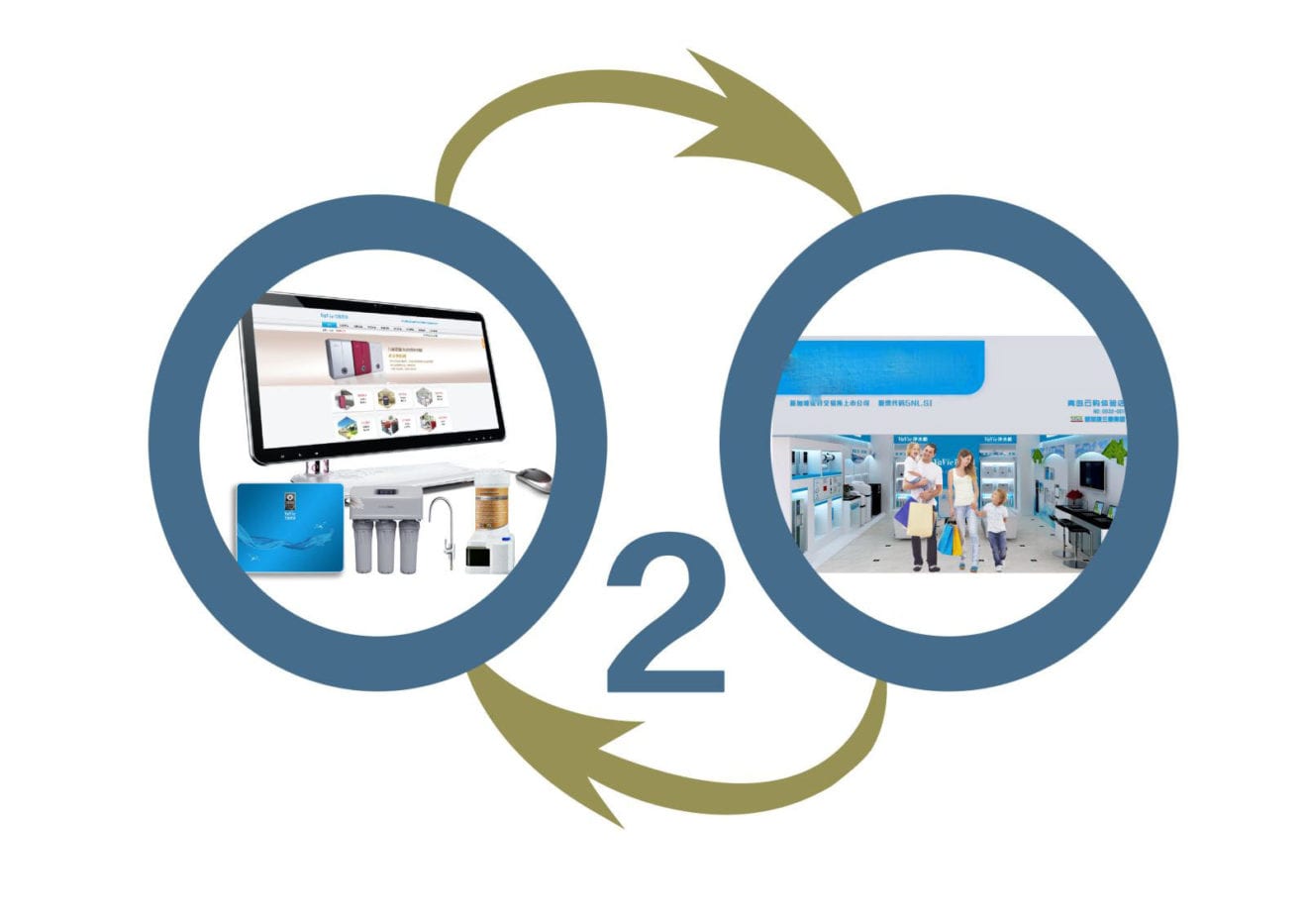
    Consolidation is raising barriers to entry in China’s highly competitive and rapidly growing online-to-offline (O2O) sector, where cab-hailing mobile application Uber and other firms try to draw customers to physical services via the internet. That means new entrants better have deep pockets and a smart business plan.

    Unless you have something special to offer, “a bricks and mortar strategy is basically dead in China”, said Shaun Rein, the Shanghai-based founder of China Market Research Group. And even then, O2O companies were still in cash-burning mode, “building market share but not generating revenues”, by subsidising services like a restaurant meal or cinema ticket to attract hits, Rein said.

    Last Thursday’s deal was a case in point. Valued at US$15 billion or more, the tie-up unites Alibaba-backed Meituan.com with Tencent-funded Dianping.com to create a dominant O2O player in services such as finding online deals, as well as in the group buying of coupons and accessing of ratings.

    The combined firm will now overshadow the sector’s third major player, the Baidu-owned Nuomi, which itself only recently unveiled plans to invest US$3.2 billion over the next three years, as it bids for a slice of an e-commerce market expected to grow from US$672 billion this year to US$1.97 trillion by 2019, according to eMarketer.

    Unfavourable demographics and competition from e-commerce create worse than expected headwinds to conventional consumer bands/products and distribution channels

    Jefferies analysts

    The speed at which China’s e-commerce market has grown has not surprised onlookers who say consumers savour the convenience of online shopping and home delivery rather than having to deal with gridlocked streets and polluted air.

    Chinese consumers bought 12.4 per cent of their retail products online last year. That number should rise to 33.6 per cent in 2019, forecasts eMarketer, and Rein predicts it may hit 50 per cent by 2022. By comparison, online retails sales in the United States, where retail space per capita is four times higher than in China, are expected to total just 9.8 per cent of total sales by 2019, barely budging from 6.5 per cent last year, eMarketer data shows.

    Those numbers are translating into a lot of deal making. There have been US$58.4 billion of internet deals involving Chinese companies this year, already almost double the amount for the whole of last year, Bloomberg data shows.

    China’s offline retailers have “to embrace e-commerce or fade away”, said Duncan Clark, chairman of BDA, a Beijing-based tech sector consultancy, while adding that managers must be mindful of the costs involved.

    Referencing the recent tie-up, Clark said: “Alibaba and Tencent are pragmatic when it comes to combining their proxies if it means ending ‘subsidy wars’ which get out of control. Its okay to toss in a few tens of millions of dollars into supporting a proxy, perhaps even a few hundred million, but beyond that logic kicks in and the temptation of combining forces to create a dominant player is too hard to resist.”

    The competition would only increase, Clark said, given improvement in logistics allowing same-day delivery of even refrigerated items.

    The lack of an e-commerce strategy is already weighing on investor sentiment, with a recent Chinese consumer report by investment bank Jefferies ranking a swathe of retailer and department store stocks “neutral” in part because of competition from online platforms.

    “Unfavourable demographics and competition from e-commerce create worse than expected headwinds to conventional consumer bands/products and distribution channels,” Jefferies analysts wrote.

    Challenges still exist for established retailers wanting to make the switch.

    “A lot of executives used to bricks and mortar can’t make the transition,” Rein said.

    Understanding the product range and service level expected by digital consumers was tough for people used to doing business in a different way, he said.

    “The competition is fierce and a lot will go out of business,” Rein said.

  • Marina Bay Sands launches exclusive digital offer

    Marina Bay Sands launches exclusive digital offer

    The Shoppes at Marina Bay Sands has launched a digital platform allowing shoppers to browse and reserve online exclusive lines not available in stores outside its mall.

    The new O2O initiative not only helps the mall promote its exclusivity and premium luxury positioning, it drives foot traffic offline into the mall.

    Shoppers can reserve the Shoppes-exclusive items – like the Kwanpen Men’s Boutique Crocodile leather briefcase pictured above – for 48 hours before heading to the physical boutiques to purchase the goods.

    The Shoppes team says the online service is another initiative to showcase the mall’s unmatched collection of luxury offerings. Shoppers who use the free service are also in for treats and seasonal privileges upon purchasing in-store, including attractive shopping rewards, complimentary day parking, as well as be the first ones to receive firsthand updates on the newest limited edition products debuting at The Shoppes.

    John Postle, VP of retail with Marina Bay Sands, said: “We are always looking for ways to engage our shoppers while leveraging existing digital platforms to showcase product offerings that set us apart. Through this service, we want to bring convenience to our customers and make them feel special when they arrive at their destination, knowing that their item is waiting for them.”

    For its launch, the website will feature a selection of luxury bags from international brands including Bally, Brioni, Kwanpen Men’s Boutique, Roberto Cavalli, Salon by Surrender, Salvatore Ferragamo and Zilli.

    To celebrate the launch of the service, shoppers will receive a S$100 shopping voucher on top of complimentary parking, upon purchase of their reserved item from now until August 31.