Retail News CRM

Tag: office

  • Microsoft appears ready to add Dark Theme to its Office suite apps for Android

    Microsoft appears ready to add Dark Theme to its Office suite apps for Android

    Microsoft is adding Dark Theme to its Microsoft Office suite apps for Android. Dark Theme replaces the standard black text on a white background with white text on a black background. This reduces the strain on the user’s eyes, especially at night or in a dark room. And Dark Theme also can help save some battery life on a phone using an AMOLED panel. That’s because unlike LCD displays, AMOLED does not use a backlight and each pixel can be controlled individually.

    The color black is created on an AMOLED screen by turning off a pixel and such pixels don’t draw power from the battery. So with a black background, enough pixels are shut down to make a difference in how much power is being used by the screen.

    Paluzzi disseminated a tweet that included screenshots of Microsoft Word in Dark Theme. The tipster said that the same look will be used for PowerPoint and Excel. There will be three options for users to select, Light theme, Dark theme or System Default. The Light theme is the traditional white background with black text, Dark theme is the inverse, and System Default uses whichever theme you have set for your phone. A blank sheet in Word is white, even in Dark Theme. But Paluzzi says that this might change to black when the feature is rolled out.

    Microsoft had already added Dark Theme to several of its Android apps including OneDrive, Edge, Outlook, OneNote, and Remote Desktop, so it is no surprise that this capability is being rolled out for its Office suite app.


  • Covid hits coworking office space rents in HCMC

    Covid hits coworking office space rents in HCMC

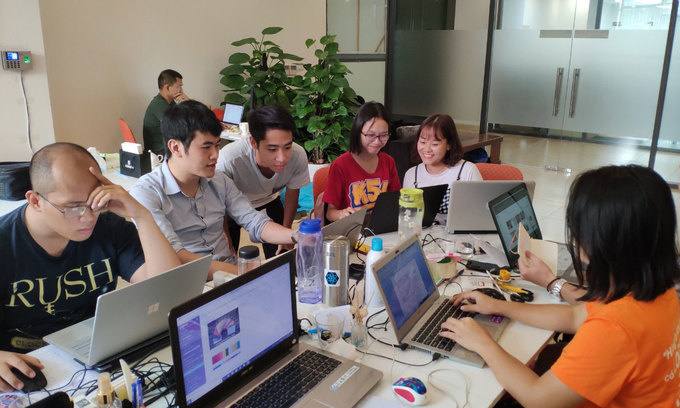
    Rents for coworking office space in HCMC decreased 12 percent year-on-year last year due to the impacts of the Covid-19 pandemic, a report says.

    The occupancy rates of coworking office space in Grade A and B buildings last year plunged by 7 percentage points as its supply experienced the lowest growth since 2017 to 6 percent, according to a report by Savills Vietnam, the leading global property services provider.

    The gloomy outlook for the coworking space market, which boomed in the country between 2017 and 2019, has prompted investors to cancel expansion plans.

    The New York-based co-working startup, WeWork, the third-largest startup in the U.S. and the sixth-largest in the world, stopped leasing an office in HCMC’s District 1 while UP Co-working Space, headquartered in Hanoi, also postponed its plan to open two new offices in District 7, the report says.

    The number of newly registered coworking companies in the country also dropped by 6 percent.

    “2020 was a challenging year for both traditional and shared office segments. The market has been seeing a number of tenants turn to lower-priced office buildings and shophouses to cut down on rental costs in order to maintain their business,” said Vo Thi Khanh Trang, head of Savills Vietnam’s market research department.

    While the traditional office space has shown signs of a slight recovery in late 2020 thanks to better containment of the Covid-19 outbreaks in Vietnam, the shared workspace business has yet to see similar positive signs, Trang said.

    Before the Covid-19 pandemic broke out in Vietnam in January last year, co-working spaces had expanded in HCMC’s central districts since the limited traditional office space there was unable to meet burgeoning demand.

  • Staples makes US$2.1 billion bid for rival Office Depot

    Staples makes US$2.1 billion bid for rival Office Depot

    Office supplies retailer Staples has made an offer to buy Office Depot owner ODP Corp for US$2.1 billion in cash, nearly five years after its second takeover effort was rejected.

    The US Federal Trade Commission blocked Staple’s $6.3 billion offer in 2016, saying a merger between the two could reduce competition for nationwide contracts for office supplies.

    At the time, the Australian Competition and Consumer Commission (ACCC) gave its tick of the approval of Staples’ proposed acquisition of Office Depot, which trades locally as OfficeMax.

    The two companies agreed to merge in 1996, but the deal was put to rest as a government lawsuit argued the move would have meant higher prices for pens, paper, and other office supplies.

    Staples was a public company when it attempted the acquisition. It went private in 2017.

    Staples said it is prepared to take “all necessary measures” to divest ODP’s B2B Business to a FTC-approved and qualified buyer.

    USR Parent, or Staples, said it would offer $40 per for each ODP share, a premium of 8.2 percent to Friday’s close.

    ODP’s shares rose about 11 percent to $41 before the opening bell.

  • Hanoi short of premium office space

    Hanoi short of premium office space

    Companies in Hanoi are struggling to find Grade A office space in the downtown area because of limited supply.

    Major Grade A office buildings in the downtown district of Hoan Kiem are recording 95-100 percent absorption rates due to high demand in the capital city, according to a recent report by real estate consultancy Savills.

    These buildings include the BIDV Tower with an occupancy rate of 100 percent, ConerStone Building, 99 percent, Hanoi Towers, 97 percent and Pacific Place, 96 percent.

    The Covid-19 pandemic has not caused major impacts on office demand in the capital city, with the absorption rate in the third quarter falling just 1 percentage point to 90 percent, the report said.

    Demand for office from foreign direct investment companies is set to rise in the future, Savills expects. Hanoi posted the highest GDP growth in the country in the first nine months at 3.3 percent, said Le Tuan Binh, head of Hanoi commercial leasing at Savills.

    The real estate consultancy said it has received many requests for new office space in the city, especially from foreign companies with deep pockets that are expanding or establishing their factories in the country.

    Hanoi’s overall office supply rose 4 percent year-on-year to 1.9 million square meters in the third quarter, and Savills forecasts that addition of over 60,000 square meters will enter the market in the last quarter.

  • More domestic firms enter list of best workplaces

    More domestic firms enter list of best workplaces

    Though foreign firms continue to dominate the best workplace list, things are changing with more and more Vietnamese companies making the cut.

    The latter accounted for half of this year’s top 20 in the 100 Best Places to Work survey released on Thursday by career network service Anphabe and market researcher Intage Vietnam.

    Vietnamese dairy giant Vinamilk remained the best company for the third year in a row, followed by lender Vietcombank, Swiss-based food giant Nestle, telecom giant Viettel, and American multinational medical devices and health care company Abbott Laboratories.

    Last year there had been only eight Vietnamese firms in the top 20.

    The survey polled 71,450 employees at 559 international and domestic companies and ranked the latter based on employees’ salaries and bonuses, welfare, and work-life balance.

    Many Vietnamese firms made leaps up the list, including private conglomerate Vingroup (23rd to 11th), food giant Masan Group (32nd to 17th), dairy producer Nutifood (31st to 25th), and technology company FPT (35th to 15th).

    Real estate firms Hung Thinh Group and Nam Long Group and telecom operator Vietnam Posts and Telecommunications Group made the list for the first time.

    Overall, there were 35 local firms in the top 100. Once again multinational Unilever failed to make it.

  • No plans for Netflix office, servers in Vietnam at this time

    No plans for Netflix office, servers in Vietnam at this time

    Netflix does not have plans to open a representative office or place servers in Vietnam, but said it is working with authorities to meet tax obligations.

    The U.S. streaming giant said in a statement Friday that it is for governments to decide the rules on tax, and Netflix complies with applicable laws, but these do not require the company to open a local office, nor to place servers locally.

    It is “supportive of the implementation of a mechanism that will make it possible for foreign service providers like Netflix to collect and remit taxes in Vietnam,” it said.

    A mechanism for this does not currently exist but should be set up in the near future, and it is discussing best practices with the authorities to make it practical for all, it added.

    In other markets where it does not have a local office, it is still able to contribute to growth, remit taxes and protect consumers through simple offshore registration, it claimed.

    This contradicts what a Vietnamese tax official recently said. Vu Manh Cuong, director of the General Department of Taxation’s inspection agency, said on Tuesday that Netflix had been working with the Ministry of Finance and the tax department to set up a representative office and servers in Vietnam to declare tax.

    The department is working to assess Netflix’s revenues in Vietnam since its entry in 2016 for tax collection, he added.

    The Cybersecurity Law requires all foreign businesses which earn an income from online activities in Vietnam to store their data in the country and file tax returns.

    Authorities had earlier said that Netflix, which has around 300,000 subscribers in Vietnam and collects a monthly subscription of VND180,000-260,000 ($7.75-11.19), has never paid tax in the country.

    Other Southeast Asian countries have also been making moves to tax Netflix and other Internet giants. Indonesia imposed a 10 percent value-added tax on sales on technology firms including Amazon, Netflix, Spotify, and Google in July, while Singapore has since January required subscribers to Netflix and other overseas digital services to pay a 7 percent goods and tax.

  • Thailand’s Central Group acquires OfficeMate

    Thailand’s Central Group acquires OfficeMate

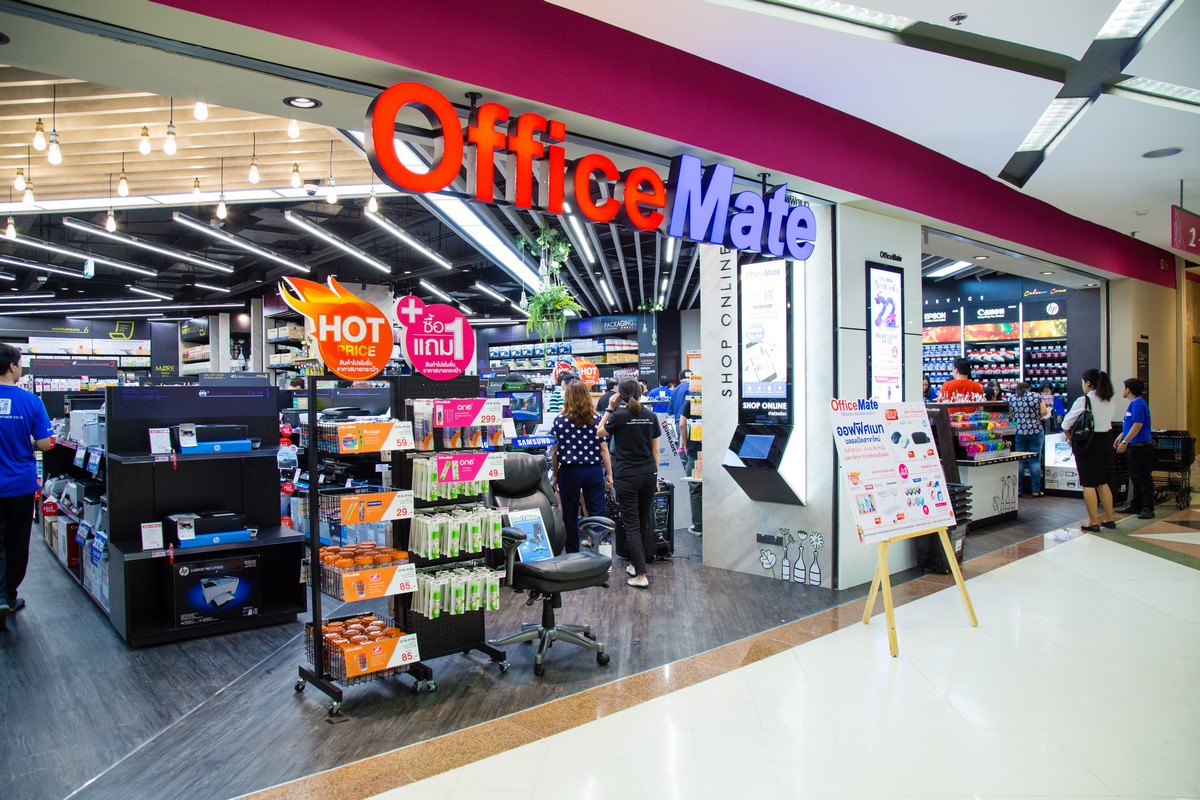
    Central Retail (CRC) is to buy out COL Public Company, the parent company of Thai retail chains OfficeMate, B2S, and Meb E-Books.

    The deal with COL, which is estimated at US$390 million, will add the three brands to CRC’s existing retail portfolio and “strengthen Central Retail’s hardlines group” the company said in a statement. The move is part of the group’s strategy to expand its range of retail product categories, formats, and channels domestically and globally.

    COL is one of Southeast Asia’s largest office supplies, books, entertainment media, lifestyle products, and e-books retail business. The company’s board on Monday approved the terms of the takeover proposal which will now be put to a shareholders’ meeting. Once endorsed the company will be delisted from the Thai stock exchange.

    The company was incorporated in February 1994 by the Ounjai Family which had more than 40 years of experience in selling stationery and office equipment.

    “We are supremely confident that this plan to buy out the business and all the shares of COL will be mutually beneficial,” said Yo Phkasub, CEO of Central Retail. “It will enable both businesses to grow sustainably, and upgrade Thai retail for long-term national economic growth.”

    According to Central Retail, the deal will help the company to expand its customer base into new groups, particularly B2B and the younger customer segment. On the other hand, COL will enjoy greater exposure for its products through CRC’s omnichannel platform.

    The acquisition of 640 million COL shares is still subject to regulatory approval and expected to complete within the first quarter of next year, according to Yo.

  • Some of Apple’s staff is returning to work at its offices

    Some of Apple’s staff is returning to work at its offices

    With the beginning of next week, June 15, Apple will have some of its employees return to work at its headquarters in Cupertino. According to sources, the company has informed its staff that this will only apply for a small number of employees, while most won’t have to return to their offices for at least a few more months.

    The very limited “phase 1” of bringing Apple employees back to HQ will only allow them in the offices on certain days, depending on the nature of their jobs, as the company wrote in a recent internal memo to its staff, promising more details later through the month.

    In the memo, the company has stated that only a limited number of people will be allowed in buildings and other work areas at the same time. Social distancing and mandatory temperature checks will be required every day. Sources also note that Apple strongly encouraged its staff to take Covid-19 tests provided by it, either at home or on-site, before visiting its headquarters. In addition, face masks will be required at all times, in all of Apple’s offices and campus locations.

    As the coronavirus pandemic took over the world, Apple, like many businesses, had to close its retail stores and offices, with some employees continuing to work from home, as long as their position allowed for it. Last month the company began gradually opening its retail stores again, and alternatively introduced Apple Store Online.

    Likely thanks to the lockdown, April showed Apple’s strongest growth for its App Store since late 2017, and was the fourth consecutive month of increasing App Store downloads for the Cupertino giant. App Store purchases for the iPad, in particular, hit a record $2.1 billion in the first quarter of 2020, as people were staying at home, with many relying on apps for work, entertainment and education.

  • Hong Kong Post to open 80 more iPostal stations for online shoppers

    Hong Kong Post to open 80 more iPostal stations for online shoppers

    Hong Kong Post will roll out more than one new iPostal station every week this year, to boost services to online shoppers.

    The company will build 20 iPostal stations in the first quarter of this year and more than 80 by the end of the year, which will take the iPostal station network to more than 120.

    Hong Kong Post created iPostal stations as delivery address for online shoppers to have purchase delivered to a secure location to avoid missing parcels through not being at home during delivery attempts.

    Two new iPostal stations open tomorrow (January 7) in Oi Tung Estate and Siu Sai Wan Plaza, taking the network to 23.

    Senders now can set new iPostal station as the delivery address for their SmartPost, Local Parcel and Local CourierPost items through the EC-Ship platform, while recipients can set any of these stations as the default pick-up point for their items with a Mail Collection Number.

  • WeWork to open 2 coworking offices in HCMC

    WeWork to open 2 coworking offices in HCMC

    Coworking startup WeWork plans to open two more offices in Ho Chi Minh City’s District 1 this month. One of them will be at Lim Tower 3, and rents will start at VND6.9 million ($297) per month for a single-seat, according to the company’s website. Another will be on Sonatus Building, with prices starting at VND7.8 million ($336).

    The New York-based startup opened its first working space in the city in District 4 in March. WeWork’s move comes in a market that has some serious players with a lot of locations.

    Vietnam’s Toong, backed by private-equity firm Indochina Capital, has 12 locations besides one each in Laos and Cambodia.

    Hanoi company UPGen, with funding from Singapore PE firm Northstar Group last year, has 13 offices in Hanoi and HCMC.

    Coworking spaces are becoming popular in HCMC’s central districts since the limited traditional office space there is unable to meet the burgeoning demand.

    As of the end of September, coworking companies had rented 52 percent of all office space in the central area, including in under-construction buildings, according to a report by real estate firm Savills Vietnam.

    HCMC has been ranked the 41st fastest-growing coworking markets in the world this year by consultancy Co-working Resources, which said a new coworking space opens in the city every 47.5 days.

    WeWork has added 114 new sites in the past four months, according to its website, and is planning to open another 208 in the next few months, bringing its total number to 850.

    The announcement came in the backdrop of the company’s failed IPO amid investor concerns that its valuation was inflated.

    WeWork owed $18 billion in a long-term lease at the end of June and is expected to lay off 4,000 of its more than 12,500 employees

  • Rituals Hong Kong Store About To Open

    Rituals Hong Kong Store About To Open

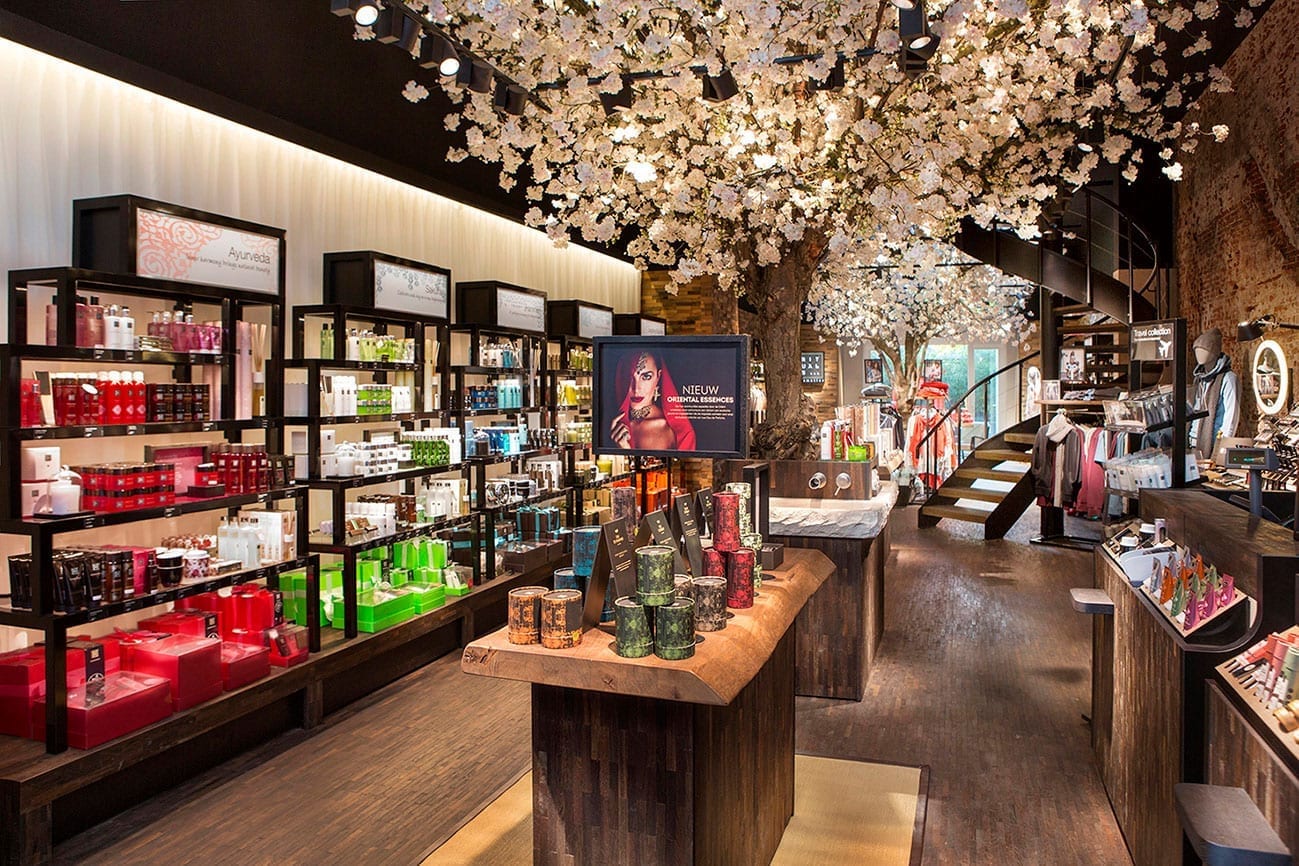
    The first standalone Rituals Hong Kong store is slated for opening in July as the Dutch cosmetics retailer ramps up its presence in Asia.

    The company has promoted business development manager of travel retail, Marjet de Vlieger, as head of travel retail Apac. She will take up the newly created role on July 1 and relocate to the city in January. A Rituals Hong Kong office and warehouse are set to open next month.

    Until now, Rituals has only been sold in the region through concessions, including one at the T Galleria by DFS stores on Kowloon’s Canton Road. But that is about to change. Along with the Hong Kong store, the first in Asia, Rituals plans 10 new points of sale in the region, including a debut in South Korea.

    “Opening the Hong Kong office and warehouse facility is a major investment and steps forward as we look to convert the Asia opportunity,” said Rituals director of travel retail Neil Ebbutt.

    “For Rituals, travel retail is leading the way in building the brand’s presence in Asia, which not only shows the power of the channel but also allows airports and retailers to better differentiate themselves by being the gateway into the Rituals world.

    “Our vision is to build a truly global lifestyle brand and we’re ready to capitalize on this travel retail-first approach,” he said.

    Rituals has a five-year plan to build sales across Asia encompassing travel retail, standalone stores, and e-commerce. It will seek partnerships with airlines and hotels through a network of distributors.

  • Shinsegae launched coworking space in Seoul

    Shinsegae launched coworking space in Seoul

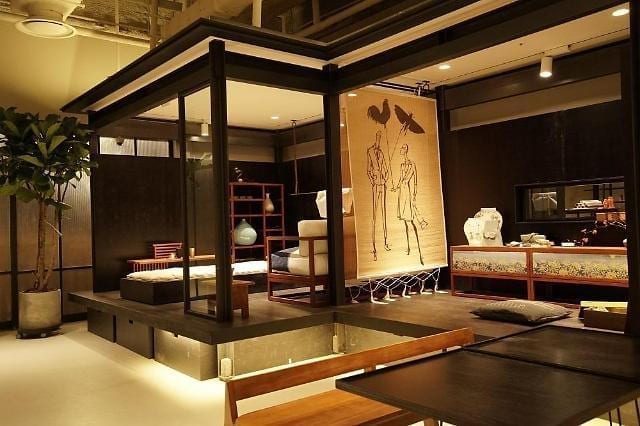
    Shinsegae International has launched a new coworking space in Seoul it expects will boost its retail business.

    The new 278sqm “Scale Up” space in Cheongdam-dong is targeted at startups in the lifestyle-related industry. With seven offices and meeting rooms, it is loosely modeled on the firm’s earlier coworking space S.I Lab for fashion enterprises.

    “Scale Up’s main purpose is not to provide space, but rather to support startups with growth potential,” said Shinsegae International executive director Park Seung-seok. “With our infrastructure, we aim to make a win-win situation for both Shinsegae International and small startups.”

    Shinsegae has reserved one of the Scale Up offices for foreign business operators visiting the country. Four other members will pay a monthly fee of KRW1.5 million (US$1280) to use the space, which includes support services such as opportunities to use the company’s retail channels and potential cooperation with Shinsegae brands.

  • UBS Signs for New Office Lease in Singapore

    UBS Signs for New Office Lease in Singapore

    UBS will move to 9 Penang Road, where the firm will take up all eight floors of office space at the redeveloped Park Mall building.

    UBS Singapore has signed a lease to take up all the office space of the redeveloped Park Mall building at 9 Penang Road, developer SingHaiyi Group and its joint venture (JV) partners Suntec Reit and Haiyi Holdings announced on Wednesday in a press release.

    The firm, which was mulling over a move to consolidate its One Raffles Quay and Suntec City offices in Singapore, will occupy 381,000 square feet of office space across two towers and eight floors at the development, which is expected to be completed by the end of the year. UBS will relocate there in the second half of 2020.

    The 10-storey grade A office building located at the gateway to the Orchard Road shopping belt and close to the Civic District and CBD will house the firm’s 4,000 Singapore employees, as well as its UBS University, which provides training and development programmes for employees across the region.

    «The move will allow us to bring employees currently working at One Raffles Quay and Suntec City under one roof to enhance collaboration, as well as offer new capacity for future growth in Asia Pacific,» August Hatecke, country head of UBS Singapore, said in the press release.

  • UBS Exploring Office Move in Singapore

    UBS Exploring Office Move in Singapore

    UBS is considering to move its office out of the central business district, according to local media reports. UBS is likely to consolidate its Singapore office footprint by relocating from One Raffles Quay and Suntec City to 9 Penang Road, according to a report in Business Times.  Market sources said that the commercial terms of a potential lease for 9 Penang Road have been more or less finalized, but the deal is still pending for approval by the top brass in Switzerland.

    The site, which is coming up on the former Park Mall site opposite Dhoby Ghaut MRT Station, would provide a different type of space for the bank. The motivation appears to be a desire by the bank to operate in a larger, campus-style, facility, rather than cost savings.

    Surprising Move

    Many office leasing observers were somewhat surprised that UBS, Asia’s largest wealth management bank, is considering moving out of the financial district into Penang Road, which is not a typical headquarters location for a major bank.

    However, 9 Penang Road may have its own appeal, given it is a stone’s throw from the prime Orchard Road shopping belt and the location offers good connectivity. Dhoby Ghaut station is an interchange for the North-South, North East and Circle lines.

  • Hanoi office rental yield highest globally

    Hanoi office rental yield highest globally

    Hanoi offered the highest grade A office rental yield in the world last year — 8.57 percent, a Savills report said. This was the third straight year the Vietnamese capital ranked top, according to the British property consultancy, which used data from the second half of 2018.

    Hanoi recorded a 3 percent year-on-year increase in average gross rent in the last quarter of 2018 and a steady occupancy rate of 95 percent.

    Philippine capital Manila, Australia’s Adelaide, Vietnam’s Ho Chi Minh City, and Australia’s Perth round out the global top five.

    HCMC, the previous runner-up, dropped to fourth place with a yield of 7.36 percent.

    HCMC has been performing outstandingly in the last five years, with average rents growing at 8 percent a year and a very high occupancy rate of 97 percent.

    “The fact that Hanoi and HCMC are among markets that offer the highest yields globally shows healthy rent and occupancy prospects for the two cities,” Hoang Nguyet Minh, investment manager at Savills Hanoi, said.

    The two Vietnamese cities have been enormous interest from international investors, particularly Singaporeans, Japanese and Koreans, Minh said.

    In the 12 months since the second half of 2017, office space attracted the largest global investment — $340 billion, according to Savills.