Retail News CRM

Tag: Online

  • Costco Leverages JD.com for Bold China Expansion, Boosts Online Presence Beyond Warehouses

    Costco Leverages JD.com for Bold China Expansion, Boosts Online Presence Beyond Warehouses

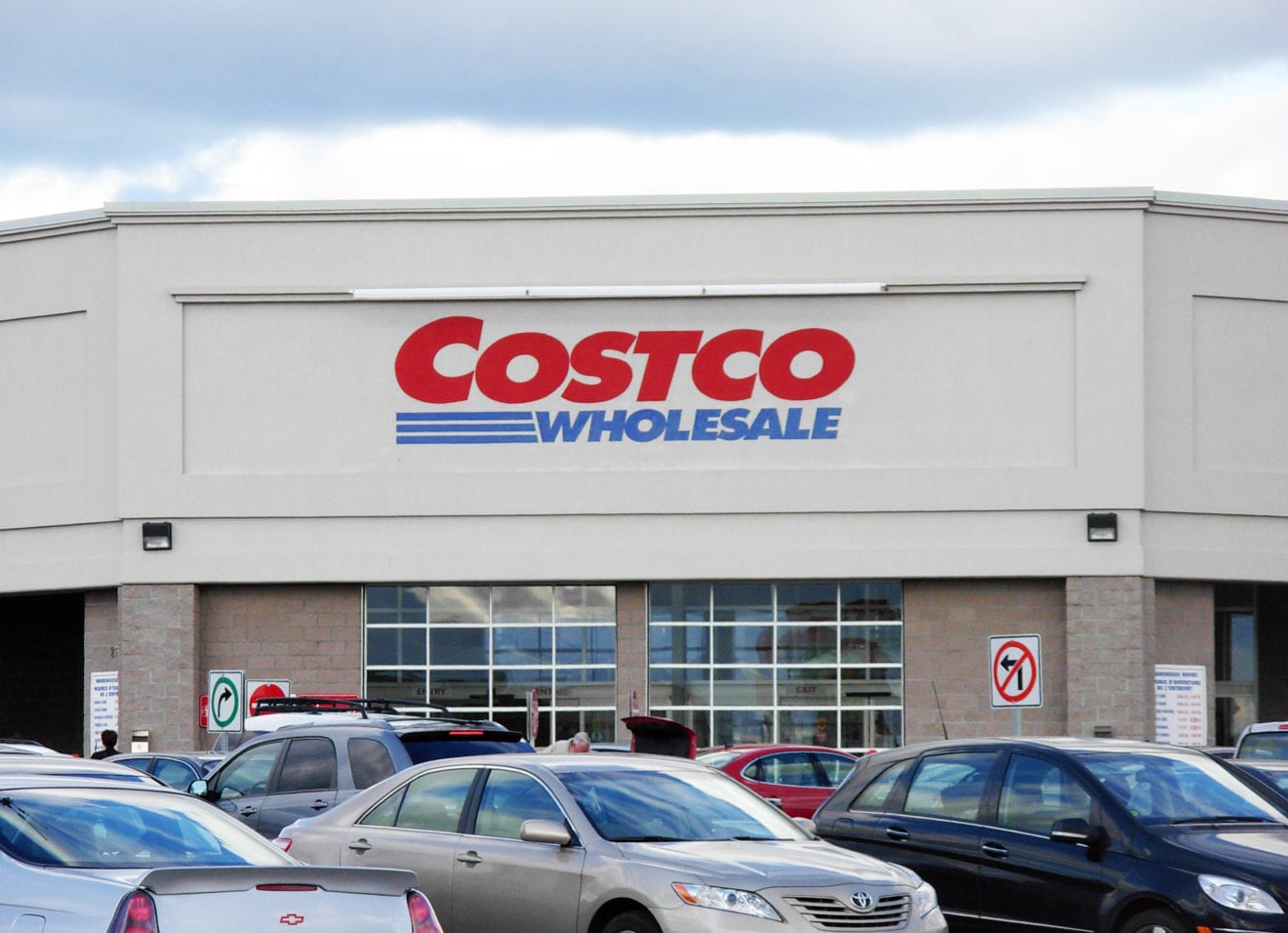
    Costco, the multi-national corporation recognized for its warehouse club model, has embarked on an exciting new venture in China. Costco has launched an online flagship store on JD, one of China’s largest online retailers, thereby marking a significant point in its expansion in the Chinese market. This strategic move aims to augment Costco’s digital presence beyond the parameters of its existing network of physical warehouses.

    A Growing Online Presence

    The collaboration with JD makes it possible for consumers across China to access approximately 700 products. The diverse range of offerings includes grocery items, household essentials, health supplements, beauty products, and Costco’s private-label range, Kirkland Signature. Notably, the online store allows Costco to penetrate cities where it currently does not have a physical presence.

    The launching of the flagship store on JD represents a crucial milestone for Costco in China. It signifies a significant shift in strategy that emphasizes the importance of online retail in the current market scenario. Costco China says, “By leveraging JD’s well-established online platform and extensive logistics network, we are able to overcome regional limitations and extend our reach into broader markets. This allows us to effectively deliver Costco’s signature merchandise and service value to consumers across the country.”

    Impressive Initial Response and Expansion Plans

    The online store first underwent a trial phase in late May. It was met with an overwhelmingly positive response, attracting over 30 million visits and almost 200,000 followers in just the first month. This underscores strong consumer interest and sets the stage for an optimistic official launch.

    Costco’s strategic move is part of its cautious yet continuous expansion in Mainland China. Since the opening of its first warehouse in Shanghai in 2019, Costco has added a few more stores in major cities. However, the emphasis has increasingly been on using digital channels to further expand its market reach.

    Questions & Answers

    What does Costco’s partnership with JD aim to achieve?
    Through the partnership with JD, Costco aims to overcome regional limitations and expand its reach into broader markets in China. It also allows Costco to deliver its signature merchandise and service value to consumers nationwide.

    What range of products will be available in Costco’s online flagship store on JD?
    The online store will offer around 700 products, including grocery items, household essentials, health supplements, beauty products, and Costco’s private-label range, Kirkland Signature.

    How has the initial response been to the trial phase of Costco’s online store on JD?
    The initial response has been overwhelmingly positive, with the store attracting over 30 million visits and nearly 200,000 followers in the first month.

  • Nike Revamps China Strategy, Directs Online Sales to Exclusive Channels Amid Rising Domestic Competition

    Nike Revamps China Strategy, Directs Online Sales to Exclusive Channels Amid Rising Domestic Competition

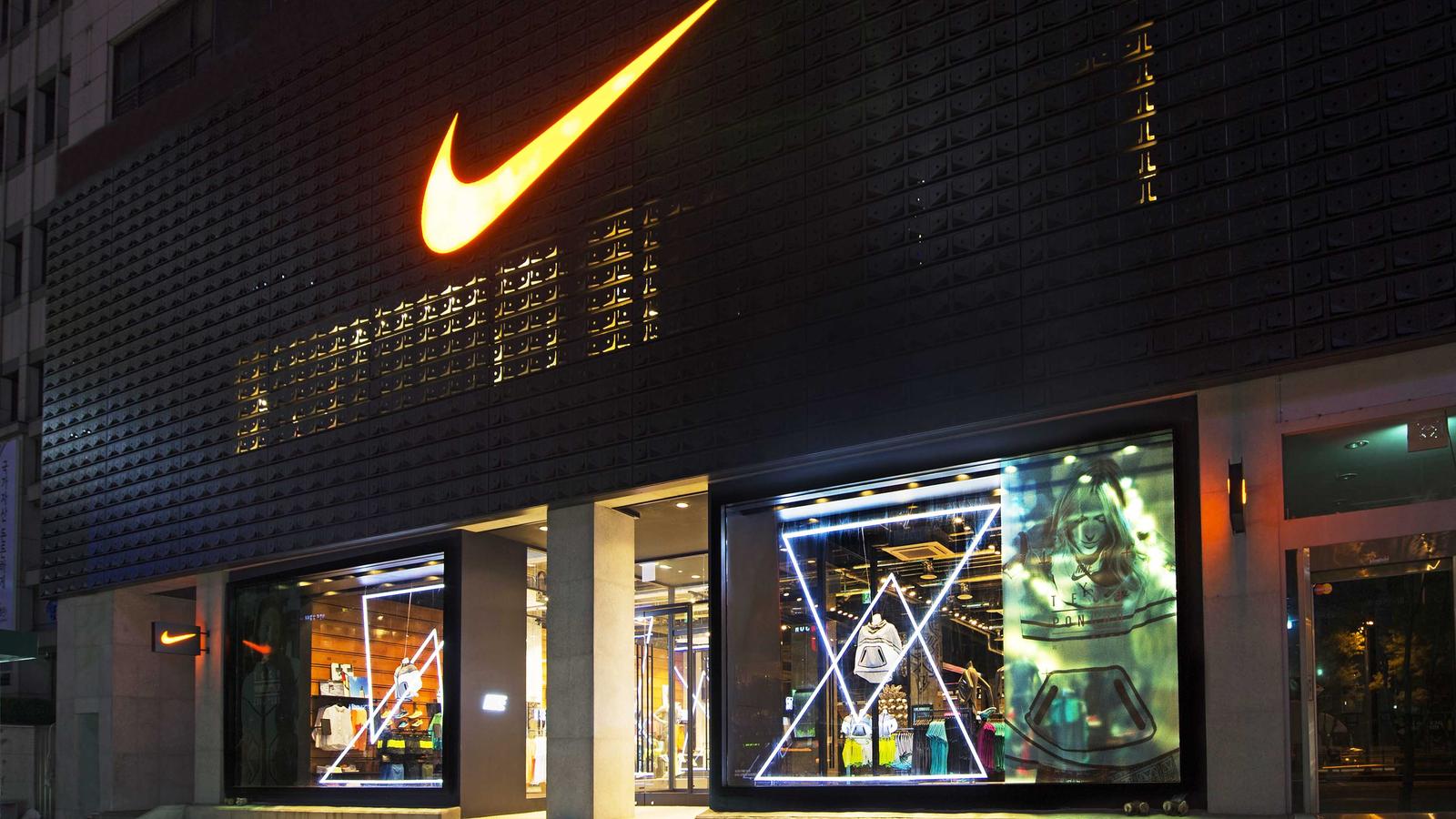
    In a move to regain customer loyalty in China, American athletic wear giant, Nike, is taking control of its online product distribution. The company aims to drive consumers to official Nike channels and implement full-price sales as it faces increasing competition from domestic brands.

    Nike’s new strategy includes limiting online sales by wholesale distributors, according to Cathy Sparks, VP and GM of Greater China. From January, major sportswear retailers in China will cease online sales of Nike’s clothing and footwear, focusing instead on in-store transactions. Online, Nike merchandise will be available through new Nike-branded digital storefronts on popular Chinese e-commerce platforms such as Tmall, JD.com, and Douyin, as well as Nike’s own website and app.

    Sparks, who has spent 25 years at the company and was appointed to oversee Chinese operations earlier this year, stated, “Our marketplace has become so fragmented and cluttered.” She added that consumers desire a premium brand experience that is reliable and seamlessly integrates digital and physical aspects.

    Recovery Challenges in China

    China, the third largest market for Nike, presents a significant area of concern. As the company seeks to recover growth, it’s implementing a comprehensive strategy that includes this shift towards e-commerce.

    The company reported last month that sales in Greater China declined by 17% on a constant-currency basis in the fourth quarter. This drop is even more significant than the 10% decrease seen in the previous quarter. Nike’s market share has been impacted by the rise of local competitors Anta and Li Ning, as well as international brands like On and Hoka.

    Investors are keenly observing Nike’s recovery strategy led by CEO Elliott Hill. Despite facing substantial challenges, Hill, who has been at the company’s helm for nearly two years, is determined to refocus on sports, rebuild wholesale relationships in North America, and introduce new products.

    In line with these changes, most of Nike’s 16 store partners in China, who manage thousands of Nike stores, will halt their online sales, a Nike spokesperson confirmed.

    Topsports, a leading Chinese sportswear retailer that makes 22% of its revenue from online sales of Nike products, is among the distributors expected to be impacted. The company has warned of a “significant” short-term negative effect but remains committed to collaborating closely with Nike on offline sales arrangements.

    Nike’s decision to alter its e-commerce strategy was criticized by BNP Paribas senior analyst Laurent Vasilescu, who called it a “strategic misstep” that could benefit competitors.

    Furthermore, Sparks highlighted the need for Nike to launch products that resonate more with Chinese consumers. The company has appointed a vice president of local product creation in Greater China to address this need.

    Questions & Answers

    What is Nike’s strategy to regain customer loyalty in China?
    In an attempt to regain customer loyalty, Nike is controlling its online distribution by driving consumers to official Nike platforms and implementing full-price sales, despite facing competition from domestic brands.

    How is Nike’s market performance in China?
    Nike reported a 17% decline in sales in Greater China on a constant-currency basis during the fourth quarter, showing a larger decrease than the 10% drop in the previous quarter.

    Why does Laurent Vasilescu, BNP Paribas senior analyst, consider Nike’s e-commerce strategy changes a strategic misstep?
    Vasilescu believes that Nike’s problem is not with distribution in China and elsewhere, but with its product. He suggests that the changes in e-commerce strategy could give opportunities to the company’s competitors.

  • EU Imposes New €3 Duty on Chinese E-commerce Imports, Shaking up Online Retail Giants

    EU Imposes New €3 Duty on Chinese E-commerce Imports, Shaking up Online Retail Giants

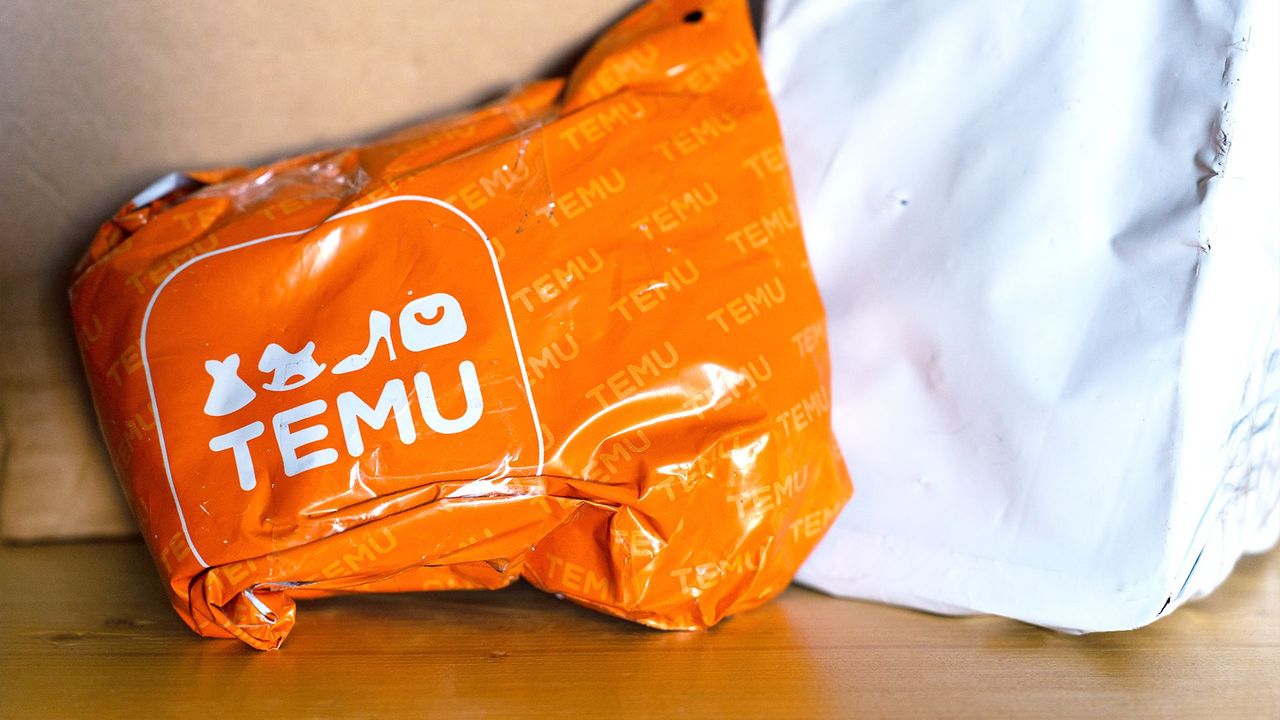
    As part of its agenda to curb perceived unfair competition from online retailers like Shein, Temu, and AliExpress, Europe has initiated a €3 charge on low-value e-commerce imports from China that were previously duty-free. This move constitutes a significant challenge for platforms which leveraged customs exemptions in order to offer goods at extremely competitive rates, driving fast-paced growth. The new charges, effective since Wednesday, apply to each customs classification within a shipment. For instance, the total fee for a shipment with three different item categories would be €9, while a single-category shipment, such as multiple dresses or toys, will cost €3.

    Duty Exemptions and e-Commerce

    Duty exemptions for low-value imports have been a norm for many years, with the current threshold of €150 introduced in 2008. However, the surge in the number of e-commerce parcels entering the European Union under exemption rules has led to a rethink. The number of such parcels increased from 1.4 billion in 2022 to 5.8 billion by 2025. Dirk Gotink, an EU lawmaker spearheading customs reform in the European Parliament, argued that these exemptions were manipulated on an industrial scale to secure a competitive edge at the expense of EU businesses. He stated that the old trading world, which justified these exemptions, has been upended by the rise of e-commerce, particularly from China.

    Impact on Air Cargo and Consumer Prices

    In the aftermath of this decision, experts predict that e-commerce air cargo volumes to the EU could decrease by 10% to 35%. This could have wider repercussions on global air cargo volumes. Online platforms may also pressurize suppliers to offset some of the additional costs to avoid significant price hikes for consumers and maintain profitability.

    The €3 charge is a temporary measure, slated to be replaced by category-specific duties from July 1, 2028, in accordance with the new EU Customs Authority’s operational timeline. Consumer prices are likely to increase as platforms pass on some of the additional costs to buyers. Amazon, after its rival platforms Temu and Shein’s rapid growth, has argued that 97% of its EU shipments last year were delivered from warehouses within the bloc.

    Questions & Answers

    What is the new charge imposed by Europe on low-value e-commerce imports from China?
    A €3 fee has been imposed on each customs classification within a shipment of low-value e-commerce imports from China.

    What was the reason behind the implementation of this new charge?
    The charge is designed to curb what Europe perceives as unfair competition from online retailers who leveraged customs exemptions to offer goods at extremely low prices.

    How might this charge impact consumers?
    With the imposition of this charge, consumer prices are likely to increase as platforms pass on some or all of the additional costs to buyers.

  • Sa Sa International Skyrockets Profits by 160% with Boost in Online Sales Strategy

    Sa Sa International Skyrockets Profits by 160% with Boost in Online Sales Strategy

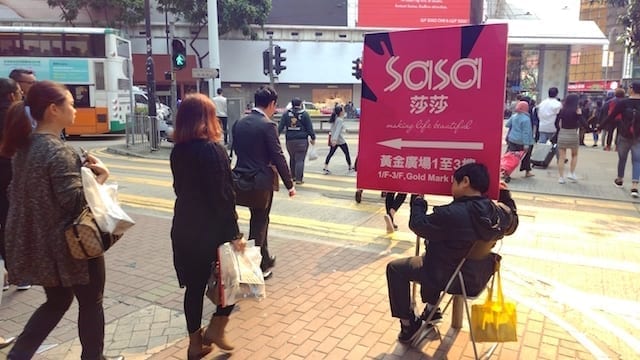
    Sa Sa International, a leading cosmetics retailer listed in Hong Kong, concluded the previous fiscal year with a significant boost in sales and profits. The company’s annual profit, which ended on March 31, witnessed an impressive growth of 160.5% amounting to HK$200.5 million (US$25.5 million). Additionally, the total turnover increased by 14.2% to HK$4.38 billion, while the gross profit augmented by 10.5% reaching HK$1.67 billion.

    A Remarkable Turnaround

    This remarkable financial performance reflects a complete shift from the previous year when the company experienced a 9.7% decrease in sales and a 64% drop in profits. The management attributes this achievement to an increase in regional operational efficiency. The company strategically shut down its physical operations in Mainland China, shifting its focus towards online sales and enhancing operations in its primary markets – Hong Kong and Macau.

    Hong Kong and Macau account for nearly 80% of the total turnover. Both markets registered a 16% growth in offline sales and a 20% rise in online sales, with the company operating 85 stores as of March 31. The markets also observed significant increases in the same-store sales, the number of transactions, the average sales per transaction, and the number of items per transaction, leading to a 62.7% surge in profits.

    In contrast, online sales in Mainland China experienced a slight dip of 5.4%. However, the closure of physical stores allowed Sa Sa to reallocate resources, resulting in a profit of HK$9.1 million within the year.

    Regional Performance and Future Prospects

    The Southeast Asia region, encompassing Singapore and Malaysia, increased offline sales by 9% and online sales by 40% across its 75 stores. However, the region suffered a loss of HK$14.8 million due to the escalating cost of living and macroeconomic challenges.

    Moving forward, Sa Sa aims to expand its footprint in high-traffic tourist districts and residential areas, with plans to open six to seven new stores in the first half of the new fiscal year. The company will also introduce measures to enhance product display and operational efficiency.

    In the first quarter ending on June 21, the company reported a 24% increase in turnover, marked by a 30.9% rise in offline sales and a 3.2% dip in online sales.

    Questions & Answers

    What growth did Sa Sa International experience in the last fiscal year?
    Sa Sa International saw a 160.5% increase in annual profit and a 14.2% increase in total turnover in the last fiscal year.

    How did the company’s operational shift affect its performance in Mainland China?
    After closing its physical stores in Mainland China, Sa Sa was able to reallocate resources, which contributed to a profit of HK$9.1 million in the year.

    What are Sa Sa’s future expansion plans?
    Sa Sa plans to further expand its presence in high-traffic tourist districts and residential areas, with the opening of six to seven new stores planned for the first half of the new fiscal year. The company will also implement measures to optimise product display and operational efficiency.

  • Revolutionizing E-Commerce: Alibabas Qwen AI Changes the Game in Online Shopping Experience

    Revolutionizing E-Commerce: Alibabas Qwen AI Changes the Game in Online Shopping Experience

    Alibaba, the Chinese technology behemoth, is set to revolutionize the way consumers search for products online. The company plans to link its artificial intelligence (AI) system Qwen to Taobao and Tmall’s online catalogues, which together comprise over 4 billion products. The Qwen-powered shopping assistant will be directly integrated into the Taobao app, allowing users to ask comprehensive questions, receive personalized suggestions, compare different options, and execute transactions, without ever leaving the chat interface.

    Revolutionizing E-commerce Infrastructure

    The impact of Alibaba’s latest innovation is best understood by examining the scale of its implementation. Taobao and Tmall, the world’s largest e-commerce marketplaces in terms of gross merchandise value, handled an estimated combined total of US$1.4 trillion in transactions last year. This figure eclipses Amazon’s third-party marketplace by nearly three times.

    What sets Alibaba’s approach apart is that it is not simply adding an AI feature to an existing platform, like OpenAI’s third-party plug-ins or Amazon’s AI-powered recommendations. Instead, Qwen, which has been trained using over two decades of Alibaba’s proprietary transaction data, merchant operations, and consumer behaviour, is woven into the transaction layer of the company’s e-commerce platform.

    The integration of Qwen addresses the challenges faced by global AI platforms trying to enter the e-commerce space. While they have to start from scratch, building trust and personalization, Alibaba already holds the keys: owning the data, the catalogue, the payment infrastructure through Alipay, and the logistics network through Cainiao. Qwen is the final piece of the puzzle, the conversational interface that ties everything together.

    A New Shopping Experience

    Qwen’s integration offers consumers a novel shopping experience. It goes beyond providing keyword-based search results. For instance, if a user is unsure what to buy for a friend’s birthday, Qwen can suggest appropriate gifts based on the user’s budget and their friend’s preferences. Similarly, someone looking to redecorate a small apartment can describe their needs, to which Qwen responds with a curated bundle of products and styling suggestions.

    Moreover, Qwen can provide detailed product comparisons for specific queries, from children’s camping gear to electric toothbrushes for sensitive gums. With the help of Alibaba’s multimodal model, it can even simulate how a garment would look on a user’s photo. The company plans to extend this feature to include footwear and accessories.

    Qwen can also assist users financially. It can aggregate platform discounts during major shopping events, recommend the best coupon combinations at checkout, and track the price of a specific item over a 30-day period, automatically placing the order when the price reaches the user’s target.

    All these features cumulatively signal a fundamental shift in e-commerce: from a passive model that waits for the consumer to make a decision, to a proactive model that monitors conditions and acts on behalf of the consumer.

    Alibaba is not alone in pushing for this paradigm shift. Other Chinese tech companies, like ByteDance, Tencent, and JD.com, are also integrating AI more deeply into their consumer interfaces.

    Questions & Answers

    What is Alibaba’s new initiative in e-commerce?
    Alibaba is integrating its AI system, Qwen, into the Taobao app. This will allow users to ask detailed questions, get personalized recommendations, compare products, and make purchases, all within a chat interface.

    How does the Qwen integration differ from other AI implementations in e-commerce?
    Qwen has been trained on over two decades of Alibaba’s transaction data, merchant operations, and consumer behaviour. It is not merely an add-on to Alibaba’s platforms, but is deeply woven into the transaction layer, enabling a more seamless and personalized shopping experience.

    What are some of the features of the Qwen Shopping Assistant?
    Qwen offers detailed product comparisons, simulates how clothing would look on a user’s photo, aggregates discounts during major sale events, recommends optimal coupon combinations at checkout, and tracks product prices over a 30-day period, automatically placing the order when the price matches the user’s target.

  • Singapore Online Retailers Exposed: Dark Patterns Mislead Shoppers into Rushed Purchases

    Singapore Online Retailers Exposed: Dark Patterns Mislead Shoppers into Rushed Purchases

    In Singapore, three prominent online retailers, namely Boarding Gate, Origin Sleep, and Light In The Box, have been implicated in deceptive practices aimed at manipulating consumers’ purchasing behaviors.

    These retailers were found to be manipulating elements of their websites. They employed tactics often referred to as ‘dark patterns’, which included showcasing sham visitor counts, fraudulent countdown timers, and bogus discount claims. These tactics are used to generate an unnatural sense of urgency and product demand.

    Deceptive Tactics

    In the case of Boarding Gate, the company’s website was found to be displaying random figures that purportedly represented the number of viewers per product. This sly practice gives consumers the impression of high demand and real-time visitor activity, thereby pressuring them into making rapid purchasing decisions.

    Origin Sleep, also, resorted to similar manipulative strategies. The company’s website featured countdown timers suggesting that purchases had to be finalized before the given time ran out, even though these timers held no actual significance. Moreover, Origin Sleep was found to be conducting a supposedly limited-time sales offer. However, this “flash sale” was discovered to have continued for nearly two years under various pseudonyms.

    Light In The Box, on the other hand, displayed ‘Almost sold out’ notifications on items to suggest scarcity. In actuality, these labels were arbitrarily applied to create promotional effects. The company also provided misleading information about savings by comparing discounted prices with higher ‘original’ prices, which were never genuinely offered.

    Alvin Koh, the CEO of the Competition and Consumer Commission of Singapore (CCS), said that “dark patterns are insidious as they are difficult to detect and erode consumer trust in the digital marketplace.” He vowed that the CCS would continue to act firmly to safeguard consumer trust and honest businesses from those who engage in unfair competition.

    The three accused companies have since provided formal promises to the CCS. They have ceased their misleading actions and pledged to refrain from unjust trading practices in the future.

    Previous Violations

    In the previous year, Courts and Prism+, retailers of electronics and home appliances, were found to have contravened trading laws. They either charged consumers for products that were not selected or employed specific website features to create a false sense of urgency to purchase.

    Questions & Answers

    What are ‘dark patterns’?
    Dark patterns refer to manipulative techniques used on websites to influence consumers’ purchasing decisions.

    How have companies employed these ‘dark patterns’?
    Companies have used bogus visitor counts, fraudulent countdown timers, and false discount claims to generate an unnatural sense of urgency and product demand.

    What are the steps taken by the Competition and Consumer Commission of Singapore (CCS) to prevent such practices?
    The CCS has been proactive in detecting and combating such unethical practices. The implicated companies have been made to cease their deceptive tactics and have pledged to refrain from unfair trade practices in the future.

  • Singapore Retail Sales Soar in March with Robust Online Presence and Recreational Goods Demand

    Singapore Retail Sales Soar in March with Robust Online Presence and Recreational Goods Demand

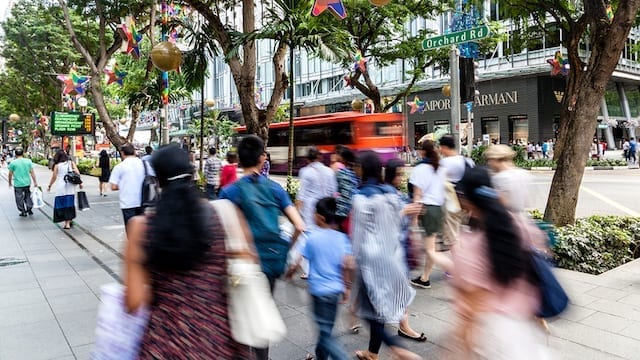
    The retail sector in Singapore experienced further growth in March, building on the momentum gained in February. The Department of Statistics reports a 3.3% year-on-year increase in retail sales for March, not counting motor vehicles, parts, and accessories. This follows a significant 11.3% surge in February.

    The estimated total value of retail sales for the period was SG$3.8 billion (US$2.98 billion), with nearly a fifth (18.9%) coming from online sales. On a seasonally adjusted basis, retail sales also saw a 3.3% increase in March compared to the preceding month.

    Performance Across Various Sectors

    The growth in March was broad-based, with most sectors recording year-on-year sales growth. Recreational goods led the way with a 13.1% increase, followed by computer and telecommunications equipment, which saw an 11.9% boost, partly attributed to higher mobile phone sales.

    Other sectors that experienced single-digit growth include watches and jewelry, apparel and footwear, cosmetics and medical goods, supermarkets, and convenience stores.

    However, not all sectors fared well. Sales of food and alcohol saw a 6% drop, department stores reported a 5.7% decrease, and furniture and household equipment sales fell by 1.9%.

    Meanwhile, food and beverage services noted a 2.3% rise in sales during March, sustaining the upward trend seen in February.

    Questions & Answers

    What was the overall retail sales growth in Singapore in March?
    The overall retail sales in Singapore grew by 3.3% year-on-year in March.

    Which sectors recorded the highest sales growth in March?
    Recreational goods and computer and telecommunications equipment sectors recorded the highest sales growth in March, with an increase of 13.1% and 11.9% respectively.

    Did all sectors experience growth in March?
    No, sales in the food and alcohol, department store, and furniture and household equipment sectors experienced declines in March.

  • Decade-Old BBQ & Hotpot Restaurant Closes Following Surge of Negative Online Reviews

    Decade-Old BBQ & Hotpot Restaurant Closes Following Surge of Negative Online Reviews

    For over a decade, a small-town barbecue and hotpot restaurant enjoyed a regular and content clientele, primarily consisting of employees from a neighboring industrial park. The eatery was particularly bustling over the weekends, basking in the laudatory comments of its patrons, until an unfavorable online review sent shockwaves through its reputation.

    The Power of Social Media

    The advent of various Facebook pages and groups disseminating information and instigating discussions about the local area introduced an unforeseen variable to the restaurant’s business operations. While these platforms initially focused on benign topics such as local weather or picturesque landscapes, they soon evolved into forums for promoting new businesses, including milk tea shops and eateries in the vicinity. One day, a disparaging post targeting the barbecue and hotpot restaurant surfaced in one of these groups. The review characterized the food as “overpriced” and “mediocre,” encouraging patrons to explore “better and cheaper” alternatives.

    This single review unleashed a flood of negative feedback, severely tarnishing the restaurant’s hard-earned reputation. The previously steady stream of customers trickled to a halt, and, unable to recover from the sudden downturn, the establishment was soon compelled to close its doors.

    The Dark Side of Food Reviewers

    This incident underscores the growing concern among many restaurateurs regarding the disproportionate influence wielded by self-proclaimed food reviewers active on platforms such as TikTok and YouTube. Questions arise regarding the legitimacy of these reviewers’ authority to critique an establishment and the objectivity of their assessments. For instance, when reviewing pricing, do they account for factors like portion sizes, the quality of ingredients, or prevailing market rates?

    Taste, being a highly subjective matter, varies significantly from person to person. The certainty with which these reviewers label a dish as appealing or repugnant potentially sways their audience’s opinion, often without them having sampled the food themselves.

    In the current digital age, where smartphones equip ordinary individuals with the power to document, judge, and “expose” others, we must tread with caution. While these online exposés may help spotlight unhygienic or exploitative practices, they also pose the risk of damaging the reputation of legitimate establishments through orchestrated smear campaigns.

    Questions & Answers

    What impact did the unfavorable review have on the barbecue and hotpot restaurant?
    The negative review led to a surge of similar feedback, causing a significant decline in the customer footfall. Unable to recover from the reputational damage, the restaurant was forced to close down.

    What concerns do restaurant owners have about food reviewers on platforms like TikTok and YouTube?
    Restaurateurs worry about the credibility and objectivity of these self-proclaimed reviewers. They question whether these reviewers consider factors like portion sizes, ingredient quality, or market rates when critiquing pricing and how they confidently label food as good or bad without accounting for varying taste preferences.

    What are the potential risks associated with the power of judgment that smartphones provide individuals?
    While smartphones can help highlight unethical business practices, they also risk damaging legitimate businesses through potential smear campaigns.

  • France’s ‘Year of Resistance’: Shein and Other Online Retail Giants Battle Unfair Competition Claims

    France’s ‘Year of Resistance’: Shein and Other Online Retail Giants Battle Unfair Competition Claims

    In the coming year, France is set to present a significant challenge to online retailers, such as Shein, according to the country’s Minister for Small and Medium-Sized Businesses, Serge Papin. He spoke out on the issue last Thursday, explaining that these online platforms are presenting an undeniable threat to French retailers.

    Concerns About Fair Competition

    Papin voiced concerns that the competition between physical stores and online platforms is far from even. He highlighted that brick-and-mortar stores are held accountable for the products they sell, whereas their online competitors are not. This discrepancy is causing concern among those in the French retail industry.

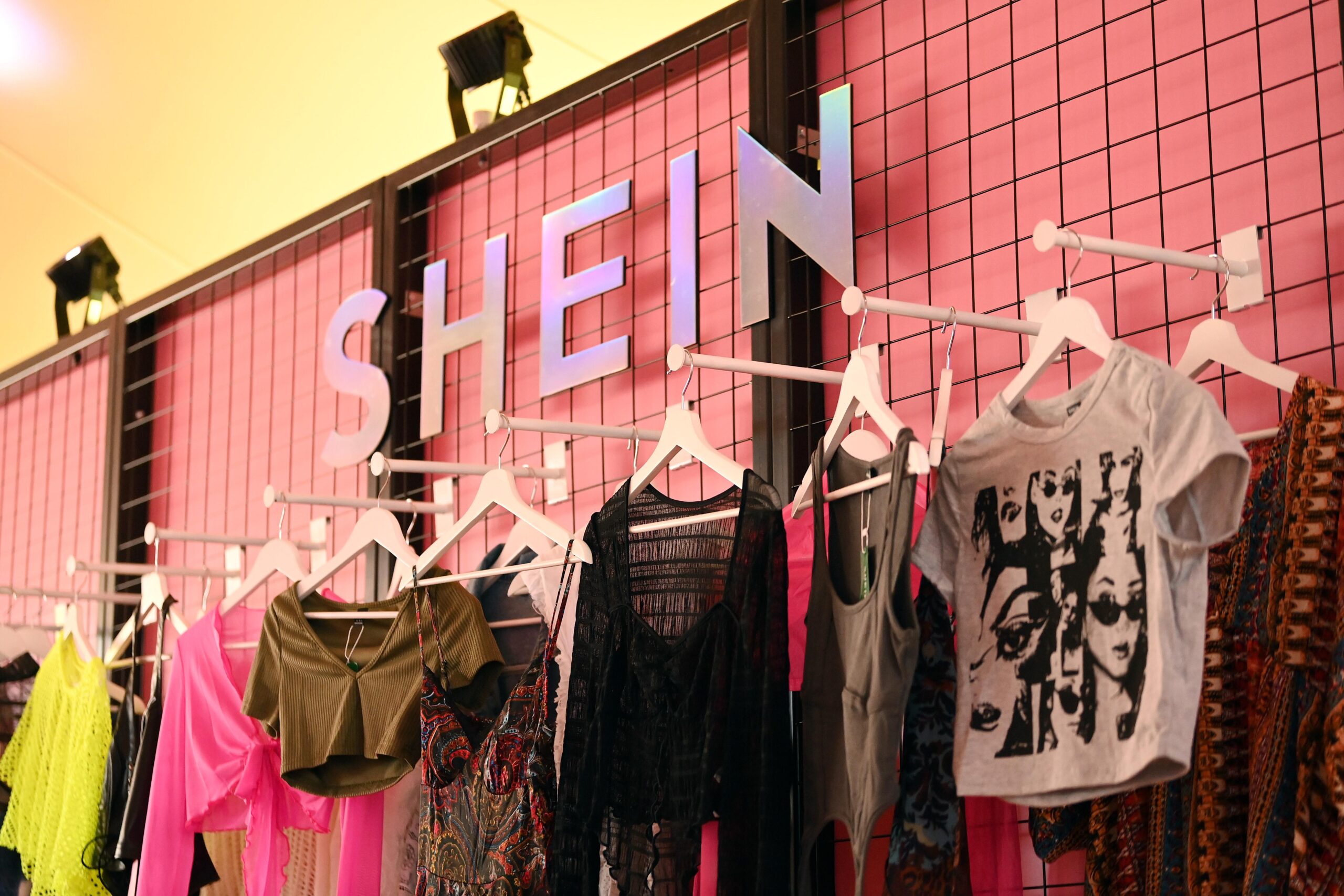
    A high-profile case is set to be heard in a Paris court involving Shein, an online marketplace that recently came under fire when child-like sex dolls were found for sale on its platform. Despite this controversy and a partial reopening of its marketplace, Shein chose not to comment on the situation.

    Calling for Regulatory Change

    The Minister claimed that such violations are not isolated incidents but are instead a systemic issue. He expressed confidence that the court will be sympathetic to his case that Shein is causing “disturbance to public order”.

    In order to address this issue, two French lawmakers are reported to be drafting a bill that would give the government the power to suspend online platforms without requiring court approval. Papin expressed a hope that this proposed legislation will lead to a decrease in Shein’s sales in France.

    International Reaction

    The rapid expansion of Shein has not been without its detractors. The company, which sells inexpensive clothing and accessories shipped directly from factories in China, has faced criticism in numerous European countries where traditional retailers are feeling the pressure.

    “We need to protect ourselves, of course, there is unfair competition, they must respect the consumer rules,” Papin stated regarding the situation.

    The French government responded by implementing a 2 euro tax due to come into effect on March 1. Similarly, the European Union plans to introduce a 3 euro tax in the summer on small parcels that were previously exempt from tariffs. This is all part of a broader strategy to curb sales by Shein and similar platforms.

    Questions & Answers

    Why are online retailers posing a threat to French chains?
    Online retailers can often bypass regulations that physical stores must adhere to, offering customers vast choice and lower prices. This has led to intense competition, perceived as unfair by traditional retailers.

    What is the proposed solution to this issue?
    The French government is considering legislation that would give them the power to suspend online platforms without court approval. They have also implemented a tax on small parcels from these platforms.

    How has the international community reacted to the rise of online retailers like Shein?
    The rise of Shein has been met with backlash in several European countries. Both France and the European Union plan to introduce taxes on small packages, which were previously exempt from tariffs, in an attempt to curb the influence of these online platforms.

  • Vietnam’s E-commerce Boom: Daily Online Shopping Hits $44M in 2025, Up 34.8% YoY

    Vietnam’s E-commerce Boom: Daily Online Shopping Hits $44M in 2025, Up 34.8% YoY

    In 2025, Vietnamese consumers significantly increased their online spending, with daily expenditures reaching over VND1.17 trillion (US$44.5 million). This figure represents the aggregated sales of the country’s four dominant e-commerce platforms: Shopee, TikTok Shop, Lazada, and Tiki. These platforms collectively generated a whopping VND429 trillion for the year, indicating an impressive growth of nearly 34.8% from the previous year.

    Surging Sales and Popular Product Categories

    The year 2025 saw a surge in sales on e-commerce platforms, with more than 3.9 million items sold, marking an increase of 15.2% from the preceding year. Products priced in the range of VND100,000-200,000 emerged as the most popular category, making up 25% of the total sales value.

    Beauty, home and living, and women’s fashion stood out as the top-selling categories. Beauty products alone generated over VND74.4 trillion, accounting for 29.5% of the total sales. They were followed by home and living products, and women’s fashion items, which raked in VND56.7 trillion and VND54.5 trillion, respectively.

    Health, children’s fashion, and stationery were identified as the fastest-growing categories, experiencing skyrocketing growth rates of up to 80%.

    Trends in Seller Activity

    The number of active shops on these four platforms was reported as 601,800, a decrease of 7.4% from the end of 2024. However, this represented a recovery from late September 2025, when the number of active sellers fell to just 537,900.

    Interestingly, the rise in revenue coincided with a decline in sellers. This suggests that less competitive sellers were phased out, leaving behind a more streamlined and robust online marketplace.

    Market Dominance

    Shopee and TikTok Shop maintained their stronghold on Vietnam’s e-commerce market, capturing market shares of 56% and 41.3%, respectively. In comparison, Lazada and Tiki held a mere 3% share between them, a decrease from 6% in the previous year.

    A significant portion of the e-commerce revenue, approximately 83%, was concentrated in Ho Chi Minh City and Hanoi.

    Questions & Answers

    What was the daily online spending by Vietnamese consumers in 2025?
    In 2025, Vietnamese consumers spent over VND1.17 trillion (US$44.5 million) per day on online shopping.

    Which product categories were most popular on Vietnamese e-commerce platforms in 2025?
    In 2025, the most popular product categories on Vietnamese e-commerce platforms were beauty products, home and living items, and women’s fashion.

    Which companies dominated the Vietnamese e-commerce market in 2025?
    In 2025, Shopee and TikTok Shop dominated the Vietnamese e-commerce market, with market shares of 56% and 41.3%, respectively.

  • Fortnum & Mason Bids Adieu to Hong Kong Physical Store: Online and Airport Presence to Persist

    Fortnum & Mason Bids Adieu to Hong Kong Physical Store: Online and Airport Presence to Persist

    British high-end grocery retailer Fortnum & Mason has announced the closure of its primary store and accompanying restaurant located at K11 Musea. The closure, scheduled for January 25, concludes the company’s independent operations in the city, following a six-year presence.

    The announcement, which was made through the company’s official social media channels, was met with a range of responses from devoted shoppers.

    In its official statement, Fortnum & Mason expressed deep gratitude to its customers for their unwavering support throughout the years. The company confirmed that the decision to close its K11 Musea store and restaurant was a strategic move, rather than a final farewell.

    The company further reassured customers that their iconic products would remain accessible in the city. Patrons can still purchase Fortnum & Mason’s offerings through Lane Crawford, via the Hong Kong International Airport outlet, and on their online store.

    With origins tracing back to 1707, Fortnum & Mason has long been celebrated for its premium food products, signature teas, and regal gift hampers. The brand has remained a cornerstone of British culinary and cultural traditions for over three centuries.

    The expansive 7,000 square feet K11 Musea store was Fortnum & Mason’s first foray into standalone stores beyond the United Kingdom’s borders. In addition to Hong Kong, the brand’s products can also be found in South Korea and Japan.

    Questions & Answers

    When will Fortnum & Mason’s store and restaurant at K11 Musea close?
    The closure is scheduled for January 25.

    Despite the closure, how can customers in Hong Kong still access Fortnum & Mason’s products?
    Customers can continue to purchase products through Lane Crawford, the Hong Kong International Airport outlet, and the Fortnum & Mason online store.

    Are Fortnum & Mason’s products available in any other markets in Asia?
    Yes, in addition to Hong Kong, Fortnum & Mason’s offerings can also be found in South Korea and Japan.

  • Ikea to Close Seven Stores in China Amid Retail Struggles, Focuses on Online Growth and Precise Market Cultivation

    Ikea to Close Seven Stores in China Amid Retail Struggles, Focuses on Online Growth and Precise Market Cultivation

    Swedish furniture giant, Ikea, has announced that it will be shutting down seven of its outlets in China, effective from February 2. The decision was revealed in a statement issued by the company on Wednesday.

    The targeted locations for the shutdown include a branch in Shanghai’s suburbs, another in Guangzhou, as well as several others scattered across secondary cities such as Nantong, Xuzhou, and Harbin.

    Retail businesses, in general, have been grappling with sales growth in China, as consumer confidence continues to wane, stemming from a long-standing property crisis, job security worries, and stagnant wages.

    Presently, Ikea has approximately 40 stores operating on the Chinese mainland. The company disclosed in its statement that five new stores of varying sizes have commenced operations recently.

    China, being the world’s second-largest economy, contributes approximately 3.5% to Ikea’s global sales. However, an increasing proportion of these sales originates from online flagship stores. To further nurture this online sales growth, Ikea inaugurated a new store on JD in August of the previous year.

    The company stated that it will be shifting its strategy from large-scale expansion to precise cultivation, focusing on major markets such as Beijing and Shenzhen. This strategy includes the launch of over ten smaller stores within the next two years. The company also stated that it anticipates new store openings in the cities of Dongguan and Beijing during the first half of 2026.

    Questions & Answers

    Which Ikea stores in China are slated for closure?
    Ikea plans to close stores in suburban Shanghai, Guangzhou, and several other locations in secondary cities such as Nantong, Xuzhou, and Harbin.

    What proportion of Ikea’s global sales does China account for?
    China accounts for about 3.5% of Ikea’s global sales.

    What is Ikea’s strategy going forward in China?
    Ikea plans to shift from large-scale expansion to precise cultivation, focusing on major markets like Beijing and Shenzhen, and opening more than ten small stores over the next two years. There are also plans for new store openings in Dongguan and Beijing in the first half of 2026.

  • Mannings Bids Farewell to Mainland China: Shuts Down All Retail Stores and Online Operations

    Mannings Bids Farewell to Mainland China: Shuts Down All Retail Stores and Online Operations

    The health and beauty retail giant, Mannings, has declared that it will shutter all its physical stores in Mainland China and cease its online activities. The company frames this move as a strategic repositioning, representing a culmination of nearly 22 years of operation within the market where it previously maintained approximately 200 outlets.

    Future Focus

    Mannings stated that it plans to continue addressing the needs of its consumer base by capitalizing on resources in Hong Kong and Southeast Asia. The strategy aims to bolster its cross-border e-commerce operations and refine both its online and offline customer experience. Mannings holds the position of being the largest health and beauty chain in Hong Kong.

    The brick-and-mortar stores in Mainland China will remain operational until 15 January.

    Adapting to Changing Trends

    The company mentioned its intent to adapt to the evolving consumer trends proactively, with the goal of reshaping the health and beauty retail landscape.

    The company’s operations on the WeChat platform will conclude on 28 December, followed by the closure of its stores on Tmall and JD.com, as well as its Tmall health supplements store, on 26 December.

    Questions & Answers

    What is the reason for Mannings closing its stores in Mainland China and ceasing its online operations?
    The company has described the move as a strategic repositioning to adapt to changing consumer trends and focus on strengthening its cross-border e-commerce capabilities.

    When will the Mannings stores in Mainland China shut down?
    All physical stores of Mannings in Mainland China will remain operational until 15 January.

    Will the company continue operations in other regions?
    Yes, Mannings intends to leverage resources in Hong Kong and Southeast Asia to continue meeting consumer needs and optimize their online and offline experience.

  • Malaysia Amplifies Youth Online Safety: Social Media Age Limit Raised to 16 with Mandatory ID Checks from 2026

    Malaysia Amplifies Youth Online Safety: Social Media Age Limit Raised to 16 with Mandatory ID Checks from 2026

    Starting from 2026, Malaysia has decided to raise the age restriction for social media registration to 16 years old. This decision was announced at a recent cyber scam awareness seminar, led by Minister of Communications, Datuk Fahmi Fadzil. The Malaysian government has expressed its commitment to safeguarding children online, and these steps are part of that pledge.

    Identity Verification and Age Restrictions

    Social media platforms will be required to put identity verification measures into place. The aim is to ensure that young users meet the revised age limit. Datuk Fahmi Fadzil explained that a similar regulation has already been planned for implementation in Australia, and that Malaysia will study and learn from the implementation strategies of other countries to develop the most effective practices.

    This initiative is part of an overarching plan to safeguard Malaysian children online. This plan will become law with the Online Safety Act, which will be effective from January 1, 2026.

    Guidance for Parents

    Parents have been encouraged to promote outdoor activities for their children and to monitor their usage of electronic devices closely, in order to reduce screen time. The intention is to cultivate healthier habits in children and to prevent them from becoming overly reliant on digital media.

    Addressing Social Media Use in Schools

    Last month, the Malaysian Cabinet proposed an increase in the minimum age for social media users to 16, a change from the previously suggested age of 13. In order to ensure this, social media platforms will need to verify the ages of users during registration using official identification documents such as MyKad, passports, and MyDigital ID.

    Furthermore, the Cabinet reviewed the idea of establishing a special task force to identify and address issues that schools across the country might be encountering due to the use of social media among students. In line with these discussions, Prime Minister Datuk Seri Anwar Ibrahim has disclosed that the Cabinet is also considering imposing a ban on smartphone usage for individuals below the age of 16.

    Questions & Answers

    Q: What changes are being made to social media registration in Malaysia?
    A: From 2026, the minimum age for social media registration in Malaysia is being raised to 16 years. Social media platforms will also be required to implement identity verification measures during registration.

    Q: What is the purpose of these changes?
    A: These changes are part of the Malaysian Government’s plan to protect children online. The measures are intended to ensure that young users meet the age requirement for social media usage.

    Q: What else is the Malaysian government considering to protect children online?
    A: In addition to the changes in social media registration, the Malaysian government is considering the establishment of a task force to address issues arising in schools due to students’ use of social media. There are also discussions about potentially banning smartphone usage for those under 16 years old.

  • Thailand to Levy Taxes on All Foreign Online Purchases in Boost to Local Businesses

    Thailand to Levy Taxes on All Foreign Online Purchases in Boost to Local Businesses

    Beginning January next year, Thailand will impose taxes on all foreign goods sold through online platforms, thereby ending the current exemption on low-value imports priced under 1500 baht (US$46.30).

    Creating a Fair Market

    According to Panthong Loikulnan, the Director-General of the Customs Department, the objective of this move is to level the competition for local businesses and increase government revenue. The current situation gives foreign goods an edge over Thai businesses, putting Small and Medium-sized Enterprises (SMEs) at a disadvantage.

    New Tax System for Imports

    The newly instated system will subject all imported goods, regardless of their value, to customs duties and Value-Added Tax (VAT) as required by the law. This change supersedes the existing tariff exemption, which will be phased out by the end of this year.

    Goods priced below 1500 baht currently represent over 30 billion baht ($927 million) in annual imports. Loikulnan estimates that imposing an average 10 per cent duty could generate at least an additional 3 billion baht ($92.7 million) in government revenue each year.

    The proposed system will primarily rely on data verification from online platforms and random inspections to ensure compliance. Furthermore, Thailand’s customs department is currently in discussions with major e-commerce operators to directly link their sales and import data.

    Protecting Domestic Retailers

    Loikulnan believes that this reform will help establish a fair market for domestic retailers who are already paying taxes and are particularly impacted by the wave of low-cost imported products.

    In his opinion, delaying the implementation of such a system would put Thailand at a disadvantage since many other countries are grappling with the same issue: domestic sellers pay taxes, while foreign goods are imported tax-free.

    Lump-sum Tax Proposal

    For the long term, Loikulnan suggests introducing a “lump-sum tax”, which implies a flat rate of 20 to 30 per cent per imported package. This would simplify the system and increase efficiency. However, he acknowledges that such a change would necessitate legislative amendments and would take time to implement.

    Questions & Answers

    What is the objective of Thailand’s new tax system?
    The aim is to level the playing field for local businesses and increase government revenue.

    How will the new system work?
    All imported goods, regardless of their value, will be subject to customs duties and VAT. The system will rely on data verification from online platforms and random inspections to ensure compliance.

    What is the proposed “lump-sum tax”?
    The “lump-sum tax” refers to a flat rate of 20 to 30 per cent per imported package, suggested as a long-term solution to simplify the system and increase efficiency.