Retail News CRM

Tag: Online

  • Thailand to Levy Taxes on All Foreign Online Purchases in Boost to Local Businesses

    Thailand to Levy Taxes on All Foreign Online Purchases in Boost to Local Businesses

    Beginning January next year, Thailand will impose taxes on all foreign goods sold through online platforms, thereby ending the current exemption on low-value imports priced under 1500 baht (US$46.30).

    Creating a Fair Market

    According to Panthong Loikulnan, the Director-General of the Customs Department, the objective of this move is to level the competition for local businesses and increase government revenue. The current situation gives foreign goods an edge over Thai businesses, putting Small and Medium-sized Enterprises (SMEs) at a disadvantage.

    New Tax System for Imports

    The newly instated system will subject all imported goods, regardless of their value, to customs duties and Value-Added Tax (VAT) as required by the law. This change supersedes the existing tariff exemption, which will be phased out by the end of this year.

    Goods priced below 1500 baht currently represent over 30 billion baht ($927 million) in annual imports. Loikulnan estimates that imposing an average 10 per cent duty could generate at least an additional 3 billion baht ($92.7 million) in government revenue each year.

    The proposed system will primarily rely on data verification from online platforms and random inspections to ensure compliance. Furthermore, Thailand’s customs department is currently in discussions with major e-commerce operators to directly link their sales and import data.

    Protecting Domestic Retailers

    Loikulnan believes that this reform will help establish a fair market for domestic retailers who are already paying taxes and are particularly impacted by the wave of low-cost imported products.

    In his opinion, delaying the implementation of such a system would put Thailand at a disadvantage since many other countries are grappling with the same issue: domestic sellers pay taxes, while foreign goods are imported tax-free.

    Lump-sum Tax Proposal

    For the long term, Loikulnan suggests introducing a “lump-sum tax”, which implies a flat rate of 20 to 30 per cent per imported package. This would simplify the system and increase efficiency. However, he acknowledges that such a change would necessitate legislative amendments and would take time to implement.

    Questions & Answers

    What is the objective of Thailand’s new tax system?
    The aim is to level the playing field for local businesses and increase government revenue.

    How will the new system work?
    All imported goods, regardless of their value, will be subject to customs duties and VAT. The system will rely on data verification from online platforms and random inspections to ensure compliance.

    What is the proposed “lump-sum tax”?
    The “lump-sum tax” refers to a flat rate of 20 to 30 per cent per imported package, suggested as a long-term solution to simplify the system and increase efficiency.


  • Thailand Abolishes Tax Exemptions for Online Purchases from Abroad: A Boost for Local Businesses

    Thailand Abolishes Tax Exemptions for Online Purchases from Abroad: A Boost for Local Businesses

    Thailand is set to impose taxes on all foreign goods sold through online platforms starting from January of next year. This move marks an end to the existing exemptions granted to low-value imports that are priced under 1500 baht (US$46.30).

    Creating a Fair Business Environment

    Panthong Loikulnan, the director-general of the customs department, has said that the motivation behind this change is to establish a more level playing field for local businesses and to increase government revenue. He stated, “The absence of duties grants foreign goods an advantage over Thai businesses. This is particularly unjust to our SMEs.”

    In the new system, all imported goods, regardless of their value, will be subject to customs duties and value-added tax (VAT) as mandated by law. This change is set to replace the existing tariff exemption which is due to expire at the end of this year.

    Currently, imported goods priced below 1500 baht account for over 30 billion baht ($927 million) in annual imports.

    Loikulnan has indicated that enforcing an average 10 per cent duty could generate at least an additional 3 billion baht ($92.7 million) in government revenue each year.

    Ensuring Compliance

    The system will primarily depend on data verification from online platforms. Random inspections will also be carried out to ensure compliance.

    Thailand’s customs department has been engaging in discussions with major e-commerce operators, including Shopee and Lazada, to directly link their sales and import data.

    Loikulnan stated that this reform will assist in leveling the playing field for domestic retailers who are already paying taxes, particularly the small and medium-sized enterprises that are affected by the surge of low-cost imported products.

    He expressed concerns about the delay in implementing this process, stating that, “If we procrastinate, we will find ourselves at a disadvantage because all other countries are beginning to face the same issue: domestic sellers pay taxes, but foreign goods are imported tax-free.”

    Future Suggestions

    For the longer term, Loikulnan suggested introducing a “lump-sum tax”, which would be a flat rate of 20 to 30 per cent per imported package. He believes this would help simplify the system and increase its efficiency. However, he noted that such a change would necessitate legislative amendments and would require time to implement.

    Questions & Answers

    What is the motivation behind the imposition of taxes on foreign goods sold online?
    The introduction of the tax is aimed at creating a level playing field for local businesses and increasing government revenue.

    How will the system ensure compliance?
    The system will primarily depend on data verification from online platforms, with random inspections being carried out to ensure compliance.

    What is the ‘lump-sum tax’ that is being suggested for the longer term?
    The ‘lump-sum tax’ refers to a flat rate of 20 to 30 per cent per imported package. This is aimed at simplifying the system and increasing its efficiency.

  • “Vietnamese E-commerce Boom: Monthly Online Spending Hits $1.3B on Top Platforms

    “Vietnamese E-commerce Boom: Monthly Online Spending Hits $1.3B on Top Platforms

    In the first three quarters of the year, consumers in Vietnam have shown a growing preference for e-commerce, spending approximately VND34 trillion (US$1.3 billion) per month on popular platforms such as Shopee, TikTok Shop, Lazada, and Tiki. According to analysis from data provider Metric, the gross merchandise value of these leading platforms reached a total of VND305.9 trillion, marking a substantial 34% increase from the previous year.

    Factors Fueling E-commerce Growth

    Several factors contribute to the impressive growth of these e-commerce platforms. A surge in demand, coupled with enticing incentives such as heavy discounts and low shipping fees, has led to increased consumer spending. Additionally, sellers are investing more in livestreaming and short-form video content to further stimulate buyer interest.

    Shopee has maintained its position as the dominant platform, accounting for 56% of the gross merchandise value for the aforementioned period. It is trailed by TikTok Shop, which holds 41% of the market share.

    Shopee’s collaboration with YouTube has also paid off, with 2.4 million products now linked to the video sharing platform. In another strategic move, Shopee recently teamed up with Meta to facilitate the purchase of its products via Facebook livestreams.

    Platform-Specific Strategies

    Meanwhile, TikTok has honed its focus on promoting sales through videos and livestreams. One particular campaign in the northern mountain province of Lai Chau was notably successful, with 300 tons of potatoes sold in the months of September and October.

    Lazada, holding a steady 3% market share, saw the strongest growth in average order value over the past nine months. The platform has been expanding its product range by partnering with several milk brands and South Korean retailer G-Market, adding an estimated 20 million new products to its offerings.

    Looking forward, Metric predicts the gross merchandise value for these four platforms will rise by 15% year-on-year in the fourth quarter. Fashion, beauty, household goods, and groceries-food are expected to continue leading in sales.

    Questions & Answers

    What factors are contributing to the growth of e-commerce in Vietnam?
    Increased demand, attractive discounts, low shipping fees, and more investment in livestreaming and short video content are driving e-commerce growth.

    Which e-commerce platform holds the largest market share in Vietnam?
    Shopee holds the largest market share, accounting for 56% of the gross merchandise value in the first three quarters of the year.

    Which categories are expected to lead in sales in the fourth quarter?
    Fashion, beauty, household goods, and groceries-food are forecast to maintain the lead in sales.

  • Trump’s Truth Social Teams Up with Crypto.com to Revolutionize Online Engagement through Prediction Markets

    Trump’s Truth Social Teams Up with Crypto.com to Revolutionize Online Engagement through Prediction Markets

    Donald Trump’s media company, Trump Media & Technology Group, is set to introduce a new dimension to online engagement through a partnership with Crypto.com. The alliance aims to merge social media, fintech, and prediction trading, a move that could potentially reshape the realm of online interaction.

    Expanding into Prediction Markets

    Trump Media & Technology Group, the organization responsible for the social media platform Truth Social, has recently divulged plans to venture into prediction markets. Leveraging an exclusive collaboration with Crypto.com Derivatives North America (CDNA) – a registered exchange and clearinghouse – Truth Social will pioneer a global first for social media platforms by integrating prediction markets into the user experience.

    The innovative product, dubbed “Truth Predict”, will provide a platform for users to prognosticate a broad spectrum of outcomes. Whether forecasting results of U.S elections or speculating on interest rate decisions, gold prices, inflation figures, or significant sporting events, users will be able to monitor these predictions in real time.

    Transforming Social Dialogue into Market Forecasts

    “Truth Predict will enable our committed users to delve into prediction markets with a reliable network, while also making use of our social media platform to offer entirely unique methods for discussing and comparing their forecasts,” commented Devin Nunes, Chairman and CEO of Trump Media.

    Having amassed over 3 billion dollars in financial assets and achieved a positive cash-flow in its first quarter after becoming a public entity, Trump Media appears to be well-prepared to expand its fintech objectives. Nunes emphasized that the integration epitomizes the company’s aim to “democratize information” and empower users to convert free speech into “actionable foresight.”

    Legally Compliant Approach

    The newly-developed feature will operate within a legally compliant framework courtesy of its partnership with Crypto.com’s CDNA unit. This will provide US users with lawful access to event contracts concerning politics, economics, and financial markets. CDNA’s regulated structure facilitates seamless participation for Truth Social users, effectively bridging the divide between social commentary and capital markets.

    Beta Testing and Global Expansion

    Truth Predict is set to undergo Beta testing on Truth Social ahead of a complete US launch. Upon satisfying regulatory requisites, Trump Media intends to introduce the service on a worldwide scale. If the launch proves successful, Truth Predict could signify the dawn of a new era in online user interaction, merging real-time opinion sharing, market sentiment, and financial involvement on one unified platform.

    Questions & Answers

    What is the primary objective of Trump Media’s partnership with Crypto.com?
    The main aim is to merge social media, fintech, and prediction trading, potentially redefining the online engagement landscape.

    What will the new product “Truth Predict” offer to the users?
    “Truth Predict” will enable users to forecast a wide range of outcomes and monitor these predictions in real time.

    What is the long-term plan for the launch of “Truth Predict”?
    After Beta testing on Truth Social and a full US launch, Trump Media plans to roll out the service globally, subject to regulatory compliance.

  • Global Internet Disruption: Amazon’s AWS Resumes After Massive Outage

    Global Internet Disruption: Amazon’s AWS Resumes After Massive Outage

    Amazon’s cloud service, Amazon Web Services (AWS), resumed regular operations on Monday afternoon after an internet outage disrupted thousands of sites worldwide, affecting popular applications like Snapchat and Reddit. AWS, which provides application hosting and computing processes for businesses globally, suffered an interruption that impacted workers and halted regular activities such as online payments and ticket changes. Complaints of persistent difficulties with services like digital wallet Venmo and video-calling platform Zoom were reported on Monday afternoon.

    Backlog of Messages and Previous Disruptions

    Despite the resumption of services, Amazon noted that some AWS services had a backlog of messages that would require additional time to process. This isn’t the first time AWS has been implicated in a significant internet collapse. The northern Virginia cluster of AWS, known as US-EAST-1, has contributed to major internet meltdowns at least three times in the past five years.

    Amazon did not provide a detailed explanation as to why this specific data centre continues to be affected. The recent problems were traced back to the Domain Name System (DNS), which averted applications from locating the correct address for AWS’s DynamoDB API, a cloud database essential for storing user information and other crucial data.

    Root Cause and Effects

    Earlier, AWS attributed the root cause of the outage to an underlying subsystem responsible for monitoring the health of its network load balancers, which help distribute traffic across multiple servers. The issue, according to AWS, originated within the EC2 internal network, Amazon’s Elastic Compute Cloud service, which offers on-demand cloud capacity within AWS. The issue was resolved around 3 pm PT (2200 GMT), although some services continued to have a backlog of messages to process.

    Ken Birman, a computer science professor at Cornell University, emphasized the need for software developers to enhance fault tolerance, suggesting that AWS provides tools that developers can utilize to safeguard themselves in the event of an issue at one of its data centres.

    AWS and Previous Outages

    As the world’s largest cloud provider, AWS offers computing power, data storage, and other digital services to companies, governments, and individuals. Disruptions to its servers can result in outages across websites and platforms that depend on its cloud infrastructure. According to AWS, Monday’s outage started at its US-EAST-1 location, AWS’s oldest and largest site for web services, which previously suffered outages in 2021 and 2020.

    Interconnected and Fragile Infrastructures

    The problem underscores the interconnectivity of digital services and their reliance on a small number of global cloud providers. A single glitch can significantly disrupt businesses and everyday life.

    The outage affected a vast range of companies across sectors. Apps like Reddit, Roblox, Snapchat, and Duolingo were all impacted. Other services such as Perplexity, a startup specializing in artificial intelligence, cryptocurrency exchange Coinbase, and trading app Robinhood also experienced disruptions attributed to AWS. Amazon’s own services, including its shopping website, Prime Video, and Alexa, were likewise affected.

    Questions & Answers

    What caused the AWS outage?
    The outage was linked to an underlying subsystem that monitors the health of AWS’s network load balancers. It originated from within the EC2 internal network, Amazon’s Elastic Compute Cloud service.

    What were the effects of the AWS outage?
    The outage disrupted thousands of sites and applications globally, including popular apps like Snapchat and Reddit. It also halted regular activities such as online payments and ticket changes.

    How often has the AWS northern Virginia cluster experienced major internet disruptions?
    The northern Virginia cluster of AWS, known as US-EAST-1, has contributed to major internet meltdowns at least three times in the past five years.

  • Global Amazon Web Services Outage Disrupts Thousands Of Websites, Reveals Vulnerability In Online Infrastructure

    Global Amazon Web Services Outage Disrupts Thousands Of Websites, Reveals Vulnerability In Online Infrastructure

    Amazon’s cloud computing division AWS resumed regular operations on Monday after an extensive internet outage that disrupted thousands of websites globally, including popular apps such as Snapchat and Reddit. However, Amazon acknowledged that certain AWS services were dealing with a backlog of messages that needed several hours to process.

    AWS provides application hosting and processing power for corporations across the globe. This disruption caused employees from London to Tokyo to be cut off from their work and hindered others from carrying out routine tasks, such as processing digital payments or modifying airline tickets. Users reported persistent difficulties using services like the digital wallet app Venmo and the video conferencing platform Zoom on Monday afternoon.

    This incident represents the most significant internet disruption since last year’s CrowdStrike failure, which crippled technology systems in hospitals, banks, and airports, emphasizing the susceptibility of globally interconnected technologies. Intriguingly, this is at least the third time in five years that AWS’s northern Virginia cluster, known as US-EAST-1, has been implicated in a major internet meltdown.

    Amazon did not provide a detailed explanation as to why this specific data center is consistently affected. The problem originated from the Domain Name System (DNS), which prevents applications from locating the correct address for AWS’s DynamoDB API, a cloud database utilized for storing user information and other vital data.

    Root Cause: Network Health Monitor

    AWS attributed the outage to a subsystem that oversees the health of its network load balancers, which distribute traffic across various servers. According to AWS, the issue originated within the “EC2 internal network,” also known as Amazon’s “Elastic Compute Cloud” service, which offers on-demand cloud capacity within AWS.

    All AWS services were back to normal operations around 3 pm PT (2200 GMT) on Monday, according to Amazon. However, services such as AWS Config, Redshift, and Connect continue to handle a backlog of messages that will take several more hours to process.

    Ken Birman, a computer science professor at Cornell University, emphasized the need for software developers to improve fault tolerance. AWS provides tools for developers to safeguard themselves against problems at any of its data centers, and developers can also establish backups with other cloud providers.

    Previous Outages at the Same AWS Location

    AWS is the world’s largest cloud provider, offering computing power, data storage, and other digital services to companies, governments, and individuals. It is followed by Microsoft’s Azure and Alphabet’s Google Cloud. Any disruption to its servers can lead to outages across websites and platforms—from food delivery apps to gaming platforms and airline systems—that rely on its cloud structure.

    The outage on Monday originated from AWS’s US-EAST-1 location, its oldest and largest for web services, which had experienced outages in 2021 and 2020.

    According to the AWS website, the US-EAST-1 site is often the default region for many AWS services.

    “Fragile Infrastructures”

    This issue underlines how interconnected everyday digital services have become and how dependent they are on a small number of global cloud providers. One failure can considerably disrupt business operations and daily life, experts say.

    In the United Kingdom, Lloyd Bank, Bank of Scotland, and telecom service providers Vodafone and BT were all affected, as was the UK tax, payments, and customs authority HMRC’s website.

    Ookla, owner of Downdetector, reported that over 4 million users experienced issues due to the incident.

    “h2>Impact on Apps

    At least a thousand companies were affected by the outage, according to Ookla. Apps such as Reddit, Roblox, Snapchat, and Duolingo were all disrupted.

    Artificial intelligence startup Perplexity, cryptocurrency exchange Coinbase, and trading app Robinhood all experienced platform disruptions and attributed them to AWS.

    Amazon’s own services, including its shopping website, Prime Video, and Alexa, were also affected. Gaming platforms such as Fortnite, owned by Epic Games, Clash Royale, and Clash of Clans were among those affected. Uber competitor Lyft was also disrupted in the United States.

    Questions & Answers

    What was the cause of the AWS outage?
    The problem originated from the Domain Name System (DNS), which prevents applications from finding the correct address for AWS’s DynamoDB API, a cloud database utilized for storing user information and other vital data.

    How did the outage affect global businesses?
    The outage disrupted services for companies worldwide, causing employees to be cut off from their work and hindering others from carrying out routine tasks. This incident impacted a broad range of services—from food delivery apps to gaming platforms and airline systems—that rely on AWS’s cloud infrastructure.

    Which AWS location experienced the outage?
    The outage originated from AWS’s US-EAST-1 location, its oldest and largest for web services.

  • Highsnobiety Shifts Focus From E-commerce To Cultural Influence; Overhaul Impacts 50 Roles, Transforms Flagship Store

    Highsnobiety Shifts Focus From E-commerce To Cultural Influence; Overhaul Impacts 50 Roles, Transforms Flagship Store

    Berlin-based platform Highsnobiety is set to halt its e-commerce operations by the end of the current year in a strategic pivot towards its foundational publishing and cultural agency operations.

    Restructuring and Refocusing

    As part of a larger restructuring process within the company, about 50 roles across the retail and associated departments are anticipated to be impacted. Highsnobiety is taking measures to ensure that the employees affected by this decision are given adequate support throughout the transition period.

    Notably, this overhaul will also affect the brand’s flagship store, situated on Berlin’s Unter den Linden Boulevard. Having been opened just last year, the store is slated to undergo a significant transformation. The space will be repurposed into a hub for brand collaborations, activations, and temporary pop-up experiences.

    From Digital Publication to E-Commerce

    Highsnobiety was originally established as a digital publication focusing on youth culture and the streetwear segment. In an attempt to enrich its editorial content, the company ventured into e-commerce in 2019 by launching a platform that offered a curated selection of fashion and lifestyle products. This included collaborations with several prominent brands.

    However, upon reflection, the company has concluded that it can make its most meaningful long-term contributions by influencing culture, rather than running a third-party retail model.

    Shaping Culture

    David Fischer, the founder and CEO of Highsnobiety, reflected on the ethos of the company. He emphasized that Highsnobiety has always aimed to help its community understand emerging trends and aid brands in gaining credibility with relevant audiences.

    In the last half a decade, Highsnobiety has successfully created cultural moments that have extended far beyond the realm of traditional publishing. Fischer expressed that looking forward, the company’s focus and efforts will be squarely directed at continuing this cultural influence.

    Questions & Answers

    What changes is Highsnobiety making?
    Highsnobiety is terminating its e-commerce operations by the end of the year and refocusing on its original publishing and cultural agency operations.

    What is the impact of this decision on the company’s employees?
    Approximately 50 roles related to retail and associated departments are expected to be affected. However, Highsnobiety is working to provide ample support to the affected employees throughout the transition.

    How is Highsnobiety’s flagship store on Berlin’s Unter den Linden Boulevard being restructured?
    The flagship store will be transformed into a space for brand activations, collaborations, and temporary pop-up experiences.

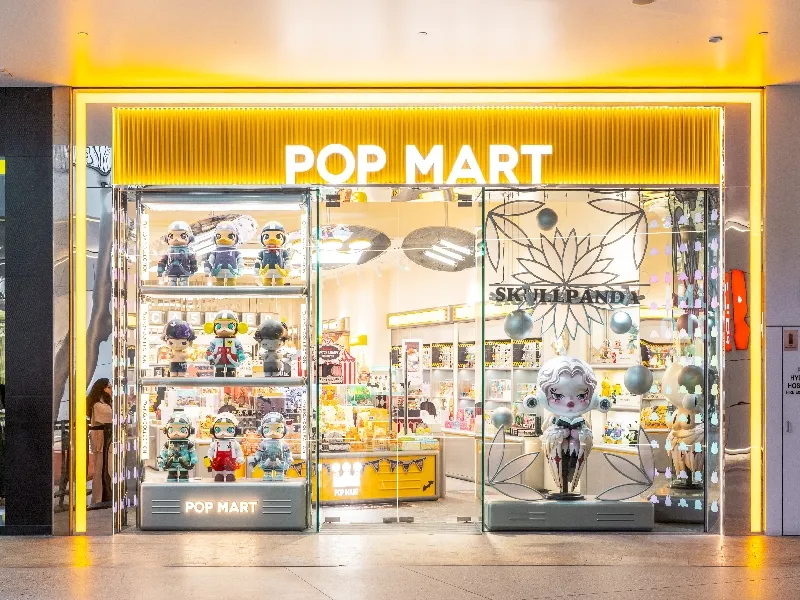
  • Books-a-million Partners With Pop Mart: Iconic Characters Set To Invade Stores Nationwide

    Books-a-million Partners With Pop Mart: Iconic Characters Set To Invade Stores Nationwide

    Books-A-Million, a prominent US bookstore retailer, is set to collaborate with Pop Mart to make their beloved characters accessible to fans nationwide.

    The partnership is scheduled to commence in September. It will be launched throughout all retail locations of Books-A-Million, and will be available online on an ongoing basis.

    The collaboration with Pop Mart, a well-known producer of collectible designer toys and pop culture items, is expected to generate substantial sales and arouse significant interest among global consumers.

    Kathy Gagliano, the Executive Vice President of Merchandising at Books-A-Million, expressed her excitement over the new partnership. “We continuously strive to please our customers by offering products that are not only unique but also resonate with them,” she said.

    She further added, “Pop Mart’s iconic characters align perfectly with our bookstore community as they foster creativity, self-expression, and the pleasure derived from engaging with characters that truly inspire us.”

    The collaboration will introduce a selection of Pop Mart’s Intellectual Properties (IPs), such as Skullpanda, Molly, Crybaby, Dimoo, and The Monsters. These characters will be featured in a variety of collectible toys that will be available for purchase by all Books-A-million customers.

    Erica Graf, the Vice President of General Merchandise, shared her thoughts on the partnership, “Pairing Pop Mart with Books-A-Million seemed like an intuitive match,” she said.

    Graf believes that Pop Mart is at the forefront of a cultural trend captivating fans globally. Thus, joining forces with Books-A-Million creates an enticing space where fans can delve into stories, explore, and experience the excitement of collecting.

    Questions & Answers

    When is the partnership between Books-A-Million and Pop Mart set to begin?
    The collaboration is scheduled to start in September.

    What will the partnership entail?
    The partnership will involve introducing a selection of Pop Mart’s collectible designer toys and characters, available for purchase across all Books-A-Million retail locations and online.

    What characters from Pop Mart’s IPs will be featured in this collaboration?
    Characters including Skullpanda, Molly, Crybaby, Dimoo, and The Monsters will be featured in a range of collectible toys.

  • Vietnamese Online Shoppers Prioritize Reliability Over Discounts: A Shift in Consumer Preferences

    Vietnamese Online Shoppers Prioritize Reliability Over Discounts: A Shift in Consumer Preferences

    Vietnamese consumers are dramatically elevating their expectations for online shopping, demanding not just value but also accountability and reliability from e-commerce platforms. As the market begins to burst at the seams, eclipsing a remarkable $25 billion, a recent report from Milieu Insight reveals an insightful shift in consumer priorities.

    Reliability Takes Center Stage

    In a climate where 53% of Vietnamese shoppers now prioritize dependable service, it’s clear that reliability has become a crucial element of their online shopping experience. Surprisingly, only 45% are concerned with lower delivery fees, a stark contrast to the 56% across the wider Southeast Asian region who still place cost savings at the forefront of their needs.

    This relentless pursuit of quality service is further illustrated by the finding that a staggering seven out of ten consumers are willing to pay more for consistent delivery standards. However, this demand for excellence comes with a catch: one in three Vietnamese shoppers would ditch a retailer after experiencing late or subpar deliveries. Additionally, 46% would abandon their purchase outright if a return policy was absent.

    Platforms Under Pressure

    The Milieu Insight report highlights that accountability largely rests with the platforms themselves. A robust 90% of respondents believe that e-commerce platforms—and not the couriers—should enforce delivery standards. The overwhelming preference is clear: a reliable service is paramount, as nearly 79% of users showcased indifference to which courier is utilized, so long as deliveries arrive on time.

    This emphasis on centralized accountability is further accentuated by the fact that half of the surveyed shoppers would prefer to take complaints straight to customer service, signaling a strong expectation for platforms to shoulder the responsibility for their logistics.

    Shifting Consumer Mindset and Growth Trends

    The report doesn’t stop there; it also reveals that 41% of Vietnamese shoppers have ramped up their online spending in the last six months, nearly doubling the regional average. While affordability remains an essential factor—acknowledged by 64%—there’s a notable shift as diverse product offerings (52%), livestream shopping experiences (50%), and AI-powered recommendations (32%) capture consumer attention.

    “Vietnamese shoppers are raising the bar for e-commerce,” stated Juda Kanaprach, Chief Marketing Officer at Milieu Insight. “They want more than just bargains; they expect platforms to stand behind every step of the shopping experience, from accurate product descriptions and transparent fees to, most critically, dependable delivery.”

    As Vietnam’s e-commerce scene evolves, this shift in consumer expectations promises to redefine how platforms operate, ensuring service quality becomes as essential as competitive pricing.

    Questions & Answers

    What are the main priorities for Vietnamese consumers in e-commerce?
    Reliability is the foremost priority, with 53% of consumers seeking dependable service, followed closely by demands for better package handling and accountability from platforms.

    How has online spending changed among Vietnamese consumers recently?
    A remarkable 41% of shoppers have increased their online expenditures in the past six months, significantly exceeding the regional average.

    What are consumers willing to do in response to poor service?
    One in three Vietnamese shoppers would stop purchasing from a retailer after experiencing late or poor deliveries, emphasizing the need for reliable service in the e-commerce sector.

  • United Arrows Eyes Global Expansion With First Online Store Launch In September

    United Arrows Eyes Global Expansion With First Online Store Launch In September

    Japanese apparel company, United Arrows, is set to launch its first global online store in September. This milestone will allow the brand to increase its international presence, providing a tailored shopping experience for its global clientele. Until now, non-Japanese audiences had only been able to access the brand via its domestic website.

    United Arrows is known for its meticulously assembled collection of attire, fusing Western style with Japanese aesthetics. The apparel brand collaborates with designers hailing from America, Britain, and Italy, resulting in a diverse range of fashion offerings. The company manages an array of 30 unique brands, including its flagship United Arrows labels. Among these are Drawer and Blamink, the haute couture women’s line, along with its laid-back luxury brand, H Beauty & Youth.

    The introduction of United Arrows’ global online store aims to propagate the brand’s guiding principle of fostering a “rich and high-quality lifestyle culture” on a worldwide platform.

    Questions & Answers

    What is the global reach of United Arrows?
    Until recently, United Arrows was only available to international customers through its Japanese website. However, the launch of its global online store in September will significantly expand the brand’s reach.

    What kind of fashion does United Arrows offer?
    United Arrows offers a carefully curated selection of attire that merges Western style with Japanese aesthetics. It features designs from American, British, and Italian designers, and operates 30 different brands, including its own high-end and casual luxury labels.

    What is the philosophy of United Arrows?
    United Arrows’ guiding principle is to create a rich and high-quality lifestyle culture. The brand aims to promote this philosophy globally through the launch of its new online store.

  • Online Grocery Sales Bounce Back in June, Reigniting Momentum After May Dip

    Online Grocery Sales Bounce Back in June, Reigniting Momentum After May Dip

    As the retail landscape in Asia continues to evolve, the concept of omnichannel shopping is rapidly gaining traction, reshaping how consumers engage with brands. A recent study highlights the innovative strategies retailers are employing to create a seamless shopping experience that spans both online and physical storefronts.

    Transforming the Shopping Journey

    The survey, which surveyed over 5,000 consumers across major Asian markets, revealed that more than 70% of respondents prefer an omnichannel shopping approach. This affinity indicates a deep-rooted desire for flexibility, allowing shoppers to browse products online while still enjoying the tactile experience of in-store purchases. Retailers are transforming the shopping journey by integrating digital and physical channels, ensuring products are available wherever and whenever consumers wish to engage.

    Retailers like Japan’s Uniqlo and South Korea’s Shinsegae are setting the standard by leveraging technology to bridge the gap between online and offline experiences. Imagine walking into a store and finding items that have been filtered through your online wish list—an experience made possible through advanced inventory management systems that sync in real time.

    The Role of Technology

    Technology plays a pivotal role in this evolution. Retailers are increasingly adopting mobile apps and interactive kiosks to enhance shoppers’ decision-making processes. In addition, augmented reality is becoming a fun and compelling feature; consumers can now virtually try on clothing or visualize how furniture may look in their homes before making a purchase.

    This intersection of convenience and innovation also fosters a sense of community, encouraging brand loyalty in an age where consumer choices are plentiful. The ability to connect with brands through social media platforms, customer reviews, and personalized marketing further solidifies the relationship between retailers and consumers.

    Challenges Ahead

    However, the omnichannel strategy is not without its hurdles. Companies must navigate supply chain complexities and ensure an equitable distribution of resources to keep pace with consumer demand. Moreover, maintaining a consistent brand experience across channels is critical. Retailers who fail to deliver seamless integration risk alienating a savvy customer base that values cohesion and clarity.

    As brands venture deeper into the omnichannel realm, the industry’s dynamics are sure to transform further. A little sprinkle of creativity could turn even the most mundane shopping task into an unforgettable experience—and isn’t that what we’re all after?

    Questions & Answers

    What is the main finding of the recent study regarding omnichannel shopping in Asia?
    The study found that over 70% of consumers in major Asian markets prefer an omnichannel shopping approach, highlighting their desire for flexibility in how they engage with brands.

    How are retailers like Uniqlo and Shinsegae enhancing the omnichannel experience?
    These retailers are leveraging technology such as advanced inventory management systems and mobile apps, enabling a seamless experience where online wish lists translate directly to in-store offerings.

    What challenges do retailers face while implementing omnichannel strategies?
    Retailers must tackle supply chain complexities and ensure consistent brand experiences across channels to retain customer loyalty in an increasingly competitive market.

  • New Tax Measures Trigger 300% Price Surge On Chinese E-commerce Platform In Pakistan

    New Tax Measures Trigger 300% Price Surge On Chinese E-commerce Platform In Pakistan

    Prices on the Chinese e-commerce platform, Temu, have dramatically surged in Pakistan, with increases reaching up to 300% in some cases. This substantial escalation has been reported by customers over the past week, marking a significant shift in the online shopping landscape.

    New Taxes Imposed

    These price spikes appear to be occurring in the wake of new tax measures instituted by the government. The administration last month implemented new taxes specifically targeting online sellers. These levies extend to platforms such as Temu and AliExpress, among others.

    While the companies haven’t issued an official statement providing the reasons behind the price alterations, a spokesperson for Temu pointed to external policy shifts and escalating operational costs across numerous sectors as the primary catalysts for the increases. The spokesperson stated, “We remain committed to providing access to quality products at affordable prices, while fully complying with local requirements.”

    Digital Presence Proceeds Tax Act

    The government disclosed last month that a 5% tax would be put on all goods sold in Pakistan by foreign digital platforms that lack a physical presence in the country. This initiative is part of the Digital Presence Proceeds Tax Act. The goal of this tax is ostensibly to create a more equitable commercial environment. It is said to target online platforms such as Facebook, Google, Spotify and Netflix, in addition to select local online sellers.

    Further, online retail platforms are now also responsible for paying the standard 18% sales tax applicable to local businesses in Pakistan. The government’s rationale for these tax hikes is to equalize conditions for Pakistani businesses that are already subject to both the 18% sales tax and an income tax of up to 35%.

    Concerns Over Impact

    While the government’s intent might be to create a fairer marketplace, experts have voiced concerns over the potential harm the digital tax could inflict on Pakistan’s burgeoning e-commerce market.

    Questions & Answers

    What are the new tax measures impacting e-commerce in Pakistan?
    Last month, the government introduced a 5% tax on all goods sold in Pakistan by foreign digital platforms. These platforms are also expected to pay the 18% sales tax applicable to local businesses.

    What is the rationale for these new taxes?
    The government’s intent with these tax hikes is to create a level playing field for local Pakistani businesses already paying an 18% sales tax and an income tax of up to 35%.

    What are the potential consequences of the new digital tax?
    While the intention is to foster a more equitable commercial environment, experts have raised concerns that the digital tax could harm Pakistan’s rapidly growing e-commerce market.

  • Chinese Tea Giant Chayanyuese Debuts In North American Market With Unique Beverage And Snack Line

    Chinese Tea Giant Chayanyuese Debuts In North American Market With Unique Beverage And Snack Line

    Chayanyuese, a renowned Chinese tea brand, has announced its expansion into the North American market via various e-commerce platforms. The Changsha-based tea company has launched an exclusive online store on Shopify while simultaneously opening official outlets on Amazon, TikTok Shop, and Walmart.

    Chayanyuese’s initial product assortment comprises approximately 40 items. Included in this range are intriguing snacks such as Jasmine Green Tea Flavored Potato Sticks, as well as an array of tea sets and brewing paraphernalia.

    Chayanyuese was established in 2013 and has since become a household name in China, operating more than 900 stores across the country. The company manages these outlets under its primary and subsidiary brands, which include names such as Yuanyang Coffee, Gudemoning, and Xiaoshenxian Tea House.

    The company’s unique tea beverages and snack offerings have gained significant popularity nationwide, resulting in stores being opened in major Chinese cities such as Changsha, Wuhan, and Chongqing.

    Questions & Answers

    Which e-commerce platforms is Chayanyuese using for its North American expansion?
    Chayanyuese has launched its North American venture using a dedicated online store on Shopify, in addition to official storefronts on Amazon, TikTok Shop, and Walmart.

    What types of products is Chayanyuese offering initially to the North American market?
    The brand’s initial product line includes about 40 items, featuring snacks like Jasmine Green Tea Flavored Potato Sticks and a variety of tea sets and brewing utensils.

    Where does Chayanyuese operate its stores in China?
    Chayanyuese operates over 900 stores across China, including in major cities such as Changsha, Wuhan, and Chongqing.

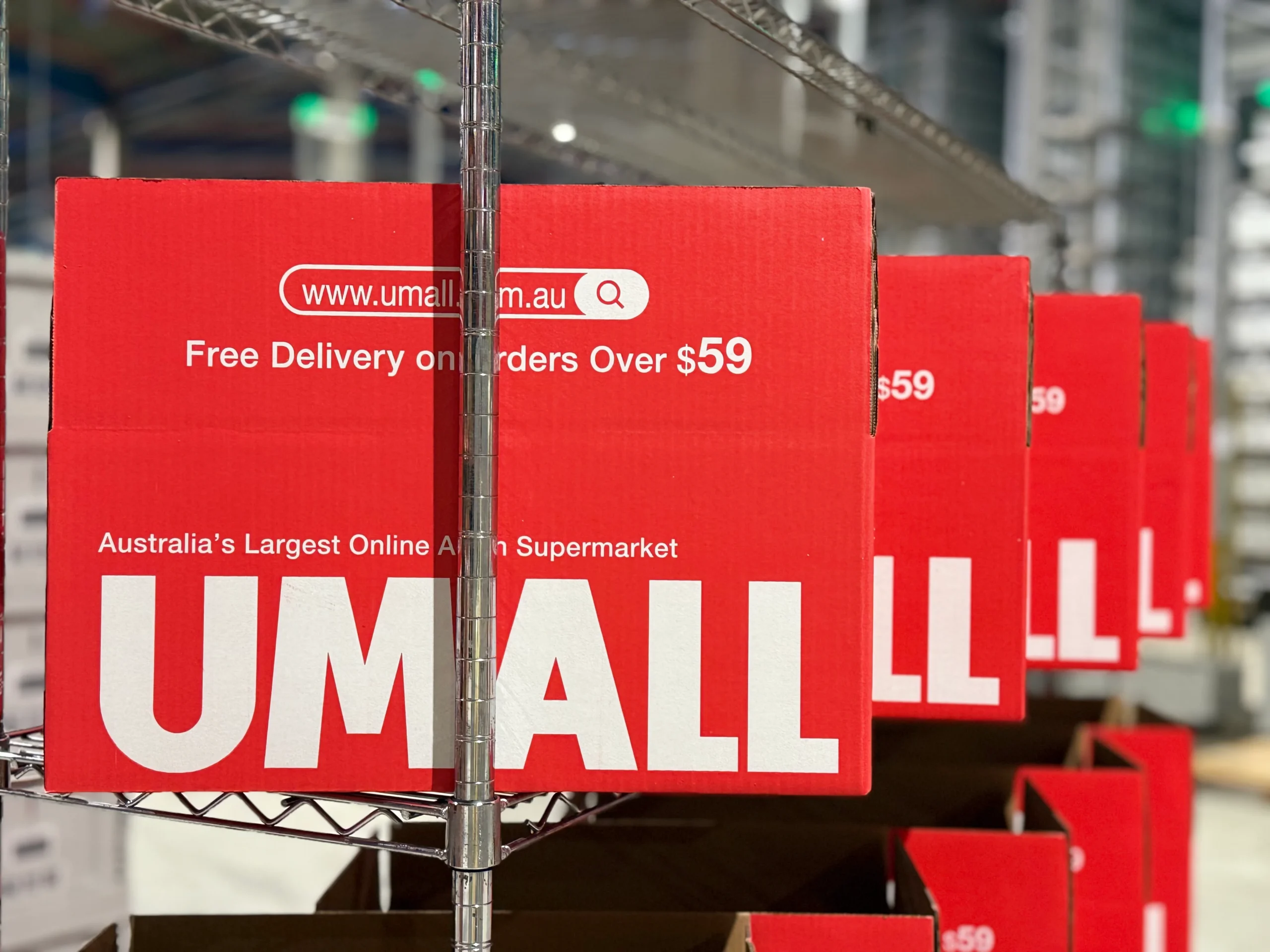
  • Umall Acquires Asian Grocer Online: A Strategic Leap In Multicultural Grocery Sector

    Umall Acquires Asian Grocer Online: A Strategic Leap In Multicultural Grocery Sector

    Umall, an Australian e-commerce platform, recently announced its acquisition of Asian Grocer Online (AGO) in a bid to expand its presence in the multicultural grocery sector.

    Strategic Acquisition

    This acquisition represents a significant development in Umall’s ongoing expansion efforts. The company refers to this move as a “key milestone” in its growth trajectory. As part of this acquisition, AGO’s website is currently unavailable due to system enhancements. However, the company is working towards launching a fully refurbished, unified platform that combines the strengths of both brands.

    Expanding Reach

    With the integration of AGO’s category expertise and dedicated customer base, Umall aims to solidify its leadership position in the multicultural grocery space. The company intends to broaden its reach across Australia, providing a more diverse range of products to its customers.

    New Online Asian Supermarket

    The acquisition of AGO comes on the heels of Umall’s recent launch of a new online Asian supermarket. This venture seeks to provide a broader array of culturally diverse products, all delivered straight to customers’ homes.

    Investments in Technology

    Umall attributes much of its rapid growth to its significant investments in advanced technologies such as AI, automation, and robotics. The company maintains that these technologies have enabled it to provide faster, fresher, and more efficient service in comparison to traditional retailers.

    Questions & Answers

    What does Umall’s acquisition of AGO indicate?
    This acquisition suggests Umall’s strategic plan to extend its influence in the multicultural grocery sector and solidify its leadership position.

    What is the plan following the acquisition?
    The current plan is to launch a fully revamped, unified platform that leverages the strengths of both Umall and AGO. This integrated platform aims to provide a wider array of culturally diverse products.

    What has contributed to Umall’s rapid growth?
    Umall attributes a significant part of its rapid expansion to its substantial investments in AI, automation, and robotics. These technologies, according to the company, allow it to provide faster and more efficient service than traditional retailers.

  • Shein hit with complaint from EU consumer group over ‘dark patterns’

    Shein hit with complaint from EU consumer group over ‘dark patterns’

    The BEUC, a Pan-European consumer organization, has lodged a complaint with the European Commission against Shein, an online fast-fashion retailer. The grievance centers on Shein’s use of “dark patterns”, a series of strategies designed to increase purchases via its app and website.

    Manipulative Tactics

    The tactics employed by Shein, as described by BEUC, include pop-up messages urging customers to stay on the app to avoid missing out on deals, countdown timers creating a sense of urgency to finalize purchases, and an infinite scroll feature on the app. All these methods, BEUC asserts, could fall under the definition of “aggressive commercial practices”. The consumer advocacy group further highlighted Shein’s frequent use of notifications, with one instance showing a single phone receiving 12 alerts from the app in one day.

    Agustin Reyna, BEUC’s director general, commented on the matter, stating that such tactics align with the fast-fashion trend of stimulating mass consumption through volume. The issue, according to Reyna, lies in whether Shein is willing to abolish these “dark patterns”, given their potential impact on sales numbers.

    Shein’s Response and the Role of Gamification

    Shein, in response to the allegations, stated, “We are actively collaborating with national consumer authorities and the EU Commission to demonstrate our commitment to compliance with EU laws and regulations.” The company also mentioned that BEUC declined their request for a meeting.

    Shein and its competitor, Temu, another online discount platform, have experienced a surge in popularity in Europe, partly due to their apps’ gamified features. These apps engage shoppers with games that offer the chance to win discounts and products. One of the games on Shein’s app, “Puppy Keep”, encourages users to log into the app daily, feed a virtual dog, and collect points that can be exchanged for free items. Points can be earned by browsing the app and making purchases.

    Dark Patterns Across the Industry

    The BEUC acknowledged that “dark patterns” are not exclusive to Shein, but are commonly employed by many mass-market clothing retailers. In this line, they’ve called on the consumer protection network to broaden its investigation to include other retailers. BEUC’s complaint was supported by 25 of its member organizations across 21 countries, including France, Germany, and Spain.

    Last month, the European Commission issued a notification to Shein about practices breaching EU consumer law and warned of potential fines should the company fail to address these concerns. The firm is also under review from EU tech regulators regarding its compliance with EU online content rules.

    Questions & Answers

    What exactly are “dark patterns”?
    Dark patterns are tactics used by companies on their websites or apps designed to manipulate users into making purchases or taking certain actions.

    What is the “Puppy Keep” game on Shein’s app?
    “Puppy Keep” is a game on the Shein app where users feed a virtual dog and collect points that can be used to win free items. Users can earn more points by browsing the app and making purchases.

    What actions has the European Commission taken regarding Shein’s practices?
    The European Commission has notified Shein about practices that violate EU consumer law and warned of potential fines if they do not rectify these issues. Additionally, the company is under investigation from EU tech regulators regarding its adherence to EU online content rules.