Tag: Oppo

  • Chinese Smartphone Realme Eyes to Expand Southeast Asia

    Chinese Smartphone Realme Eyes to Expand Southeast Asia

    BBK Electronics’ budget smartphone brand Realme is eyeing expansion into Southeast Asia, Africa and Europe. The company’s online distribution strategy has brought it success in the Indian market and makes broader expansion possible, according to Realme global CEO Sky Li Bingzhong. “The company’s asset-light operations and focus on online sales allow it to keep costs low. That way, more young consumers can afford its products, which makes the brand more competitive in the market,” said Li.

    Realme launched in India in May last year with handsets priced at INR8,990 (US$129) – becoming the second top-selling smartphone brand during the Diwali festival season from October to November. The brand has joined a number of Chinese phone manufacturers seeking to build strength in the Indian market as they challenge more established international competitors in more saturated markets.

    BBK also owns the Oppo, Vivo and OnePlus brands, selling mid- to high-end models. Independent Realme runs its own R&D operations, but partners with Oppo in smartphone production. Its expansion moves are indicative of Chinese phone manufacturers’ larger strategy to deploy varying brands that each target specific markets globally.

  • From Smartphones To Smarthomes, Xiaomi’s Resurgence As A Global Hardware Leader

    From Smartphones To Smarthomes, Xiaomi’s Resurgence As A Global Hardware Leader

    Xiaomi relied a lot on online sales in its first years, selling competitively-equipped smartphones at cost. With that strategy, Xiaomi managed to rise to the top of the smartphone charts in China and India within four years of its establishment, becoming the third largest smartphone maker in the world by 2014.

    However, the rising giant hit a rough patch at home in 2015, dealing with a crowded, slowing Chinese market. Xiaomi’s smartphone shipments grew by 226 percent in 2014, slowing to just 17.6 percent growth in 2015. Shipment volume declined in 2016 to a rumored 41 million (down from over 70 million in 2015) scaling back global expansion and giving its investors something to worry about.

    That setback didn’t last. Xiaomi has since expanded its smartphone shipments to Europe, becoming the fourth largest company behind Samsung, Huawei, and Apple in Central and Eastern Europe in Q2 2017.

    But the world outside of China was not enough. As the world’s largest smartphone market, China is strategically important to Xiaomi, but its strategies for early success in this ever-changing region were unsustainable. Today we’ll explore how the combination of platform, offline retail, and marketing expansion has allowed Xiaomi to regain traction back in China and expand globally.

    Xiaomi’s China Struggle

    Xiaomi’s 2015 stagnation and 2016 shipment decline was due to a number of factors. Slowed growth in the Chinese smartphone market in 2015, for one, contributed to the setback. However, the changing competitive landscape in the region was possibly the unicorn’s biggest challenge.

    Competitive Advantage Disappears

    Xiaomi maintained a strategy of flash sales and relying on its loyal user base to bypass traditional marketing expenses combined with online sales to forgo the costs of brick and mortar retail stores.

    Xiaomi’s business strategy proved to be a strength in its first couple of years, but contributed to its struggle in 2015 and 2016 as the flash sales system has for other e-commerce companies in the past. Furthermore, with online sales its primary means of attracting users, Xiaomi potentially neglected key consumers in lower-tier cities and rural areas of China, where individuals relied more on local retailers because of logistical barriers.

    Emerging players like Oppo and Vivo filled the gap left by Xiaomi’s absence in these areas in 2015 and 2016, selling low-end smartphones, but also offering offline retail stores in rural areas. Oppo now has a reported 200,000 brick and mortar retailers in rural China.

    Furthermore, unlike Xiaomi, with an offline approach to sales and no online fanbase, Vivo and Oppo relied on aggressive advertising and retail subsidies to market their products and gain users. This strategy worked well for the two companies. Oppo became the leading smartphone supplier in China in 2016, with a year over year growth in shipments of 122.2 percent.

    After Xiaomi’s slowed growth in 2015, the company had to prove its viability to investors, especially with a $45 billion valuation riding on its back. It declined to release its sales numbers in 2016, with CEO Lei Jun admitting that the company “grew too fast and drew on some long-term growth.” Xiaomi refocused on switching strategies, playing off of its branding as a company for the Internet of Things (IoT), responding to retail challenges, and refocusing its marketing techniques.

    Xiaomi Responds With Investments, Brick And Mortar, And Celebrities

    As he stated stated in the early days of the company, Lei Jun always claimed to imagine Xiaomi as less of a smartphone provider and more of a smart home device innovator. Xiaomi started selling TVs back in 2014, adding to the list of non-smartphone items that it had already offered, including portable batteries, set-top boxes, and fitness trackers. The company also developed online media and gaming content.

    With players like Oppo, Vivo, Huawei, and Lenovo taking note of the company’s low-end smartphone approach, Xiaomi aimed to do more to brand itself as a tech company for the Internet of Things.

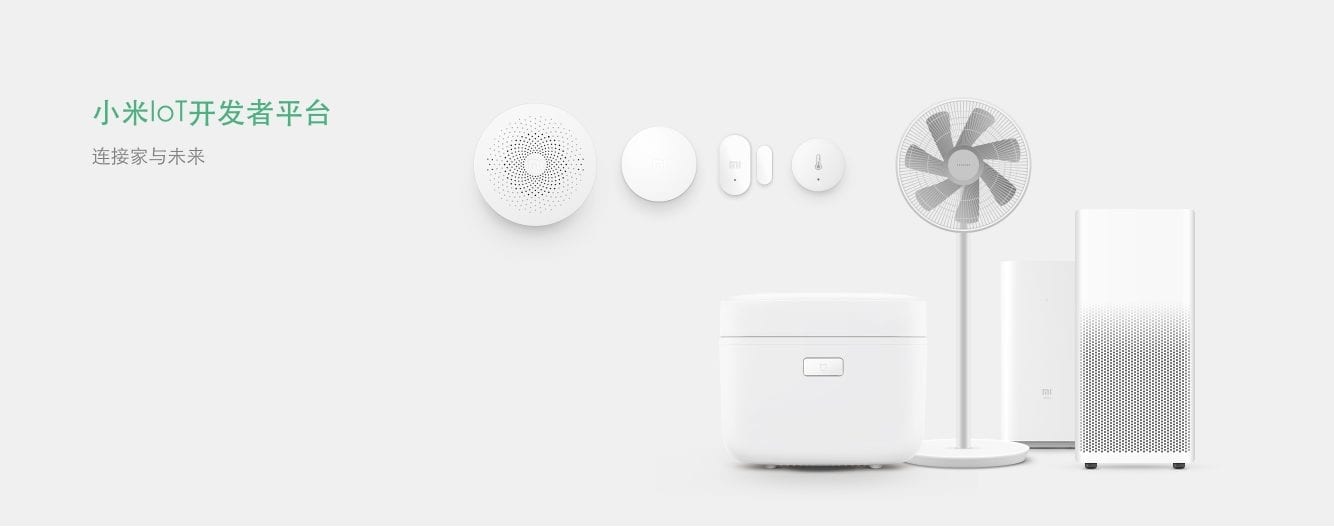
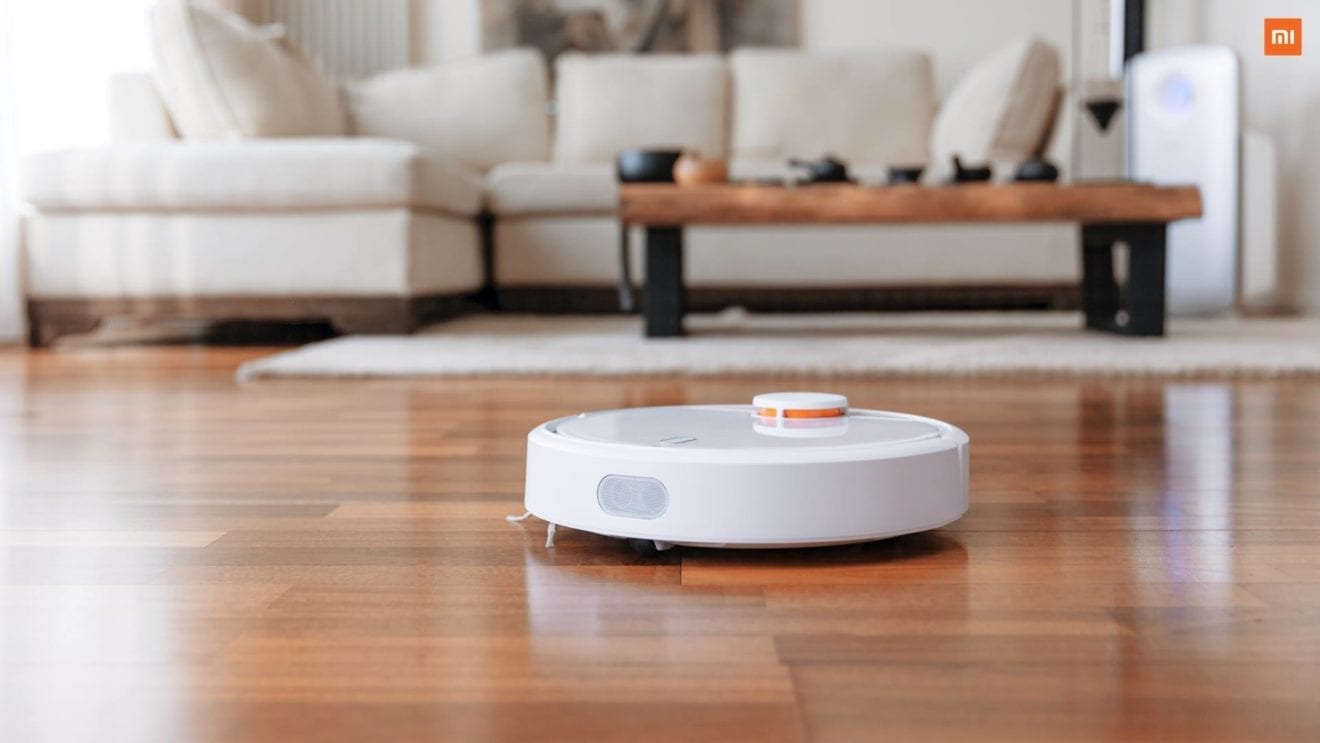
    In 2016, it launched a mobile payment service, an electric bicycle, a thin MacBook Air-like computer (the creatively-named Mi Notebook Air), a drone, a smartphone-connected rice cooker, a new, thinner MiTV, and an electric ukulele. Xiaomi’s Mainland China website is filled with connected devices, including everything from smartphone-controlled water purifiers and vacuum cleaners to story-telling kids toys and GoPro-like cameras—all connected through the Xiaomi Mi Home app exclusively on its smartphones.

    Xiaomi managed to build out its smart home platform by investing in hardware-focused startups and “giving them access to its designers, marketers, and massive supply chain in exchange for a 10- to 20-percent stake and the right to brand and sell those products.” This outsourcing strategy allowed the company to develop its smart home ecosystem. Further, the company maintained its goal of selling its flagship, increasingly innovative smartphones at lower prices than its competitors, as its earnings are driven by its other devices.

    Offering the lowest priced smartphone was key to smartphone shipment growth, but by linking its smart ecosystem exclusively through its smartphones, Xiaomi could drive growth even more. However, if the company wanted to compete with Oppo and Vivo, it could no longer neglect those retail customers outside of the urban landscape. The second part of Xiaomi’s comeback involved a huge platform shift.

    Brick And Mortar Expansion

    “Xiaomi has great ambitions, and we are not satisfied with just being an e-commerce smartphone brand,” Jun told Techcrunch in 2017. “So we have to upgrade our retail model, and incorporate offline retail for a new retail strategy.”

    The company that was built upon a platform that eschewed brick and mortar retail decided to bring its sales offline.

    Following through with this plan, by the end of 2016 Xiaomi opened more than 50 Mi Home stores in Mainland China. In 2017 it expanded that effort, opening stores in major metropolitan areas, like Beijing, with plans to launch 1,000 stores in China, and 2,000 stores globally by 2019.

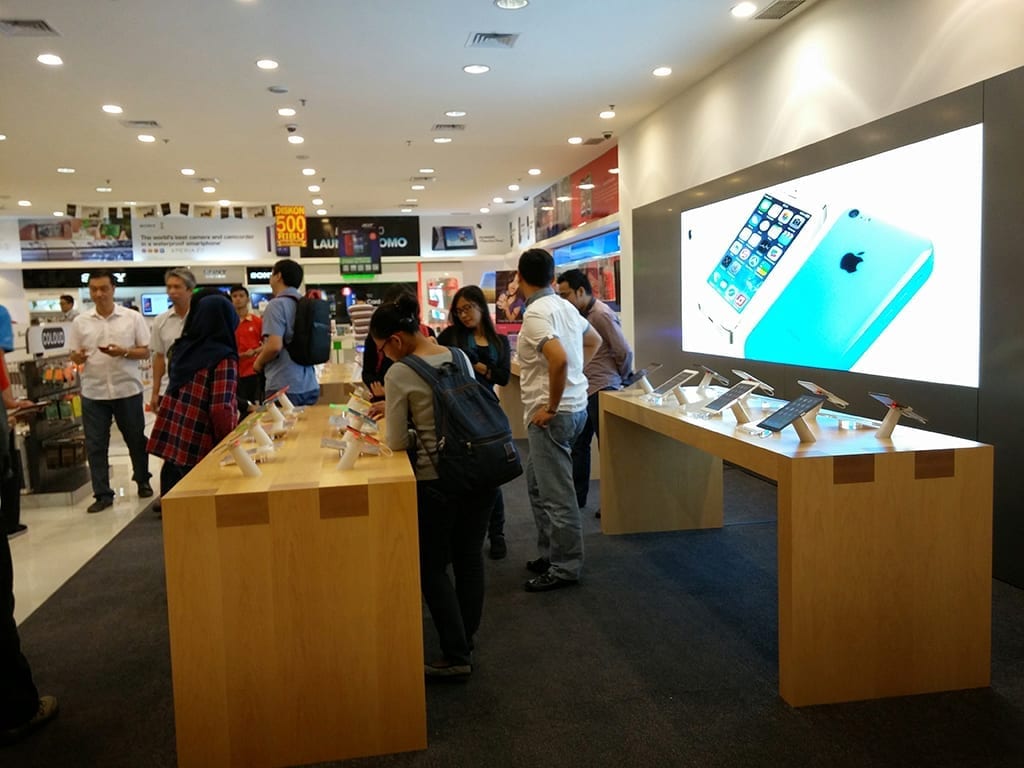
    Xiaomi differentiated its brick and mortar effort from that of Oppo, Vivo, Lenovo and Huawei by essentially combining Apple’s physical retail setup with product variety. It packed its stores with its smartphones and new smart home devices to entice customers to return to the store frequently and spend more time and money buying its products.

    The People’s Smartphone

    Xiaomi met its new retail and platform expansion projects with a reinvigorated marketing approach– a marked shift from relying on its online fanbase. An IDC analyst said that the company is directing more of its funds to marketing and advertising.  In 2016, more billboards and ads popped up in public areas calling its Redmi line of smartphones the “People’s Smartphone.” In July 2017, the company unveiled its new dual-camera flagship the Mi 5X along with a flashy endorsement by Chinese musical sensation, Kris Wu.

    With its shifted strategy, Xiaomi began to regain some ground in the Chinese market in 2017.

    Looking at quarterly data in the Chinese smartphone industry, Canalys analyst Hattie He told Crunchbase News that the company led in the under $200 market in China in Q3 2017 with 22 percent of the market share in the segment. In Q4 it ranked second in that category by a small margin, with Huawei taking 25 percent and Xiaomi 24 percent, followed by Vivo and Oppo at 12 and 8 percent, respectively.

    Even so, Apple overtook Xiaomi in 2017 for fourth place in China. With a decline in smartphone sales in the region in 2017, competition is only going to heat up in the industry. Companies that heavily rely on their home market for cashflow will likely face significant difficulties in 2018, with Lenovo and ZTE refocusing on the Chinese market.

    Hattie expects Xiaomi to stick to its current strategy.

    “Xiaomi will keep paying attention to in-house hardware investments, including smartphones and IoT devices… [It] will partner with other well-known hardware and software companies to go into different sectors and provide customized experiences for [the Chinese] market,” Hattie explained.

    She also expects the company to continue its online-offline approach by establishing more MiHome stores in sub-tier cities in 2018 to reach a broad consumer base and build a reliable brand image.

    Xiaomi’s Global Expansion

    In 2017, Xiaomi’s rebound was mirrored in its efforts and successes abroad. After scaling back its global efforts in 2016, the company has since expanded again to markets in South East Asia and elsewhere, taking a top five spot in Central and Eastern Europe in 2017. It increased its offline activity and partnered with local smart device companies in India in 2017, and overtook Samsung as the lead player in the region that year.

    Of course, even with these global wins, the company has a long way to go to compete with Apple in the West. It launched an online store for the U.S. and has been selling its globally successful fitness wearable and battery packs in the U.S. since 2015. It started selling set-top boxes in Walmarts beginning in 2016, and in November 2017 released a few of its products on Amazon.

    However, expanding smartphone sales to the U.S. is something the company has considered carefully. If Xiaomi entered the U.S., it would compete with Apple and Google in their home markets, but that isn’t its biggest problem. Xiaomi’s past experiences with the companies regarding intellectual property and design theft mean that the company will have to come into the market patented up and prepared for legal backlash– something Xiaomi has dealt with before. When it entered India in 2014, its sales were initially halted when it was slapped with an IP lawsuit. Coming from China, where regulations surrounding IP are significantly more lax, to the U.S. will be quite a shift.

    Beyond IP, the company will also have to face the mounting security concerns surrounding Chinese tech companies which have intensified over the past few months. As we reported, a move to the U.S. didn’t work out for Xiaomi competitor Huawei, who was abandoned by AT&T before CES 2018. Xiaomi has made efforts in the past to overcome the narrative surrounding Chinese companies by placing the data of global users in data centers outside of China. However, with the U.S. government increasingly concerned about cybersecurity, it isn’t likely that carriers will be willing to partner with Chinese companies in the near future.

    Despite these challenges, Xiaomi may prove to be the dark horse in a global competition with Apple, Google, and Samsung, as it continues to dominate in markets like India where highly-priced devices aren’t the consumer’s choice. Focusing on becoming the “People’s Smarthome” of emerging communities around the world may very well be its winning

  • Oppo, Vivo offer retailers unkindest cut

    Oppo, Vivo offer retailers unkindest cut

    Chinese smartphone makers Oppo and Vivo, which together have a 17% share of the market in India, have slashed trade margins by over 40%, leading to a backlash by neighbourhood stores and mobile phone retail chains.

    Industry executives said Oppo and Vivo have lost about 10,000 sales outlets each. Both had about 70,000 outlets each in the country before the margin cuts and the number of stores selling their phones may fall further, they said.

    Chains including Sangeetha Mobile, Big C, Lot Mobile, Poorvika, Mobiliti World and Hotspot have stopped selling the two brands or reduced focus on them, three senior industry executives said. These chains have a combined network of over 1,300 outlets.

    Oppo and Vivo, both founded by Chinese billionaire Duan Yongping, cut the margin offered to large chains to 14-15% from 23-25%, the executives said. They reduced it to 5-6% for standalone stores from 15-16%.

    Sangeetha Mobile has stopped selling Oppo and Vivo in Tamil Nadu due to margin issues, managing director Subhash Chandra said. “The two brands have different margins in different states, which is a problem for multi-state retailers,” he said.

    graph

    There is now no sales push for Oppo and Vivo, the CEO of a leading chain said.

    An Oppo India spokesman confirmed the margin changes and the drop in number of outlets. The spokesperson said some stores were no longer able to sell handsets after the goods and services tax was introduced — he did not elaborate. He also said Oppo has changed its strategy to focus on mid- to high-end models and some stores had to be shed when their sales didn’t match expectations.

    These adjustments are being done across markets by different smartphone industry players… All these decisions have been taken keeping in mind health of the company. We believe the company will now be healthier and efficient,” he said.

    A Vivo India spokesperson said its retail network has not shrunk and the company plans to add outlets this year.

    “Last year, we witnessed good response from the market which contributed towards increase in revenue and market share. As per Counterpoint Research, Vivo V7+ commanded 40% share in ?20,000-25,000 segment in November 2017. We plan to further build on the growth momentum this year,” he said.

    The two brands have been forced to reduce margins in India because they are under pressure to become profitable, the CEO of a retailer said. “They are replicating the strategy adopted in China of slowing down the high investment after reaching a certain scale. But India is a different market and their share is already coming down,” he said.

    Both have drastically scaled down their huge marketing investment in India over the past three months in outdoor, television and print advertising, executives said.

    Vivo had a 9% share of India’s smartphone market in the third quarter of 2017 compared with 5% a year earlier, according to Counterpoint Technology Market Research, a Hong Kong-based firm that tracks device shipments. Oppo’s share increased to 8% from 4% during this time, Counterpoint said.

    Oppo currently manufactures phones in India through third-party vendors and is setting up its own unit in Greater Noida near New Delhi. Vivo has an assembling unit in Greater Noida with a capacity of 1-million smartphones per month, according to its website.

    Vivo India posted a loss of ?111.66 crore in 2016-17, according to regulatory filings, while sales grew six-fold to ?6,173 crore. Oppo’s earnings figure was not available, although its sales surged seven-fold to ?7,974 crore.

    Oppo and Vivo were among the fastest-growing smartphone brands in the third quarter of 2017, Counterpoint said.

    The industry executives said Oppo and Vivo’s pace of growth and market share will be under stress this year, which will change the pecking order of Chinese brands in the Indian market with Xiaomi and Lenovo-owned Motorola filling the space.

    It launched its own portal in India, marking its entry into the e-comm business.

  • FPT Retail to hold IPO in mid-December

    FPT Retail to hold IPO in mid-December

    FPT Digital Retail is set to launch an IPO on the Ho Chi Minh City Stock Exchange on Friday week.

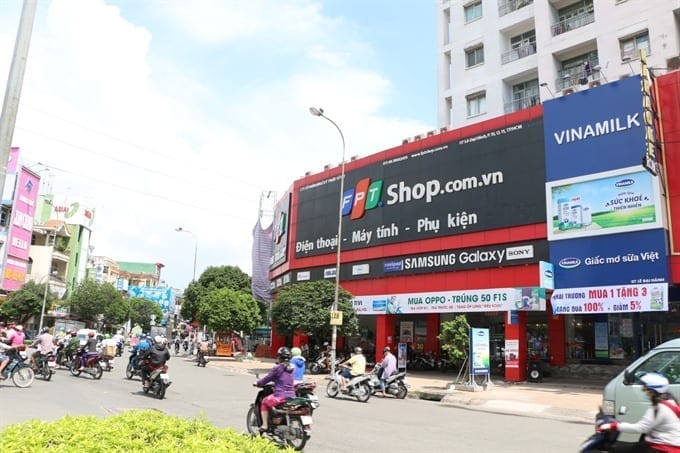
    Details of the IPO pricing have not been disclosed, but the retail arm of Vietnam’s largest IT company plans to use the proceeds over the next three years to open 100 stores officially licensed by Apple.

    FPT secured the nation’s first licence from Apple in 2012 to set up a store network specialising in such products as the iPhone and Macbook under the brand F.Studio. There are now 10 outlets run by FPT Digital Retail. Apple products make up 40 per cent of the the chain’s offerings, and the retailer plans to increase the network tenfold.

    Meanwhile, a survey has shown that more than a third of Apple products in the Vietnam market are “unauthorized” and do not have a guarantee from the manufacturer.

    While Apple has a representative office in Vietnam, there is yet to be an official Apple Store. Sales of Apple products in the Vietnam are currently valued at $1 billion annually. Apple iPhones accounted for 7 per cent of the total 14 million smartphones sold in Vietnam last year, ranking third after Samsung Electronics (28 per cent) and Oppo (25 per cent), according to IDC Vietnam.

    Vietnam has 15 Apple-authorized stores run by local retailers, including the 10 F.Studio outlets and those of Mobile World Group. This compares with 527 authorised stores in Singapore, 480 in Thailand and 364 in Indonesia.

    FPT Retail general director Nguyen Bach Diep has told an investor roadshow in Ho Chi Minh City that the market listing date will be no later than April 30.

    CEO Nguyen Viet Anh says the company expects total revenues of about US$600 million this year, 10 per cent of this from online sales, while its profit is estimated to be VND293 billion (about US$13 million) by year-end.

    Splitting from FPT’s retail and distribution sector in 2012, FPT Retail is now the second-largest information and communications technology retailer in Vietnam, holding 18 per cent market share after Mobile World Group with 45 per cent.

    FPT Retail’s nationwide store network will reach 480 outlets by the end of this year, up 25 per cent year on year.

  • Oppo Mobiles India given nod to open stores

    Oppo Mobiles India given nod to open stores

    Oppo Mobiles India has been granted approval to open single-brand retail stores, meaning the Chinese smartphone maker can now sell directly to consumers in addition to its wholesale business.

    The Foreign Investment Promotion Board announced the approval on its website, and has also approved luxury goods retailer Louis Vuitton’s application to open its own stores in India.

    India allows foreign firms to sell directly to consumers through the “single-brand retail” system, but companies need to source 30 per cent of the products locally. India moved to partially relax those conditions last year, exempting foreign retailers for three years from the 30 per cent local-sourcing rule.

  • Oppo Philippines launches concept store in Cebu

    Oppo Philippines launches concept store in Cebu

    Oppo Philippines has opened a concept store at Ayala Center Cebu.

    It is part of a nationwide expansion plan by the smartphone brand.

    “Cebu is a valuable market for Oppo… our selfie-centric smartphones are definitely relevant in the ninth city for most selfies in the world,” says Oppo Philippines PR manager Eason de Guzman.

    As well as the latest phone models, the Oppo concept stores carry accessories.

    On hand at the Ayala Center store’s opening was actor Rocco Nacino.

  • Oppo Malaysia launches flagship at Suria KLCC

    Oppo Malaysia launches flagship at Suria KLCC

    Chinese phone brand Oppo Malaysia has officially launched its first flagship store for Southeast Asia at Suria KLCC.

    As a special service, customers can have their Oppo devices engraved. Shoppers who buy a phone in store are not charged for the laser-engraving service.

    On the mall’s third floor, the store has an interior of silver-grey aluminum composite panels with white oak wood touches, soft film ceiling and a grey sofa.

    “Malaysia has always been a key market for Oppo,” says Oppo Malaysia sales director Garry Gong. During its three years in Malaysia, the brand has been learning, adapting and improving its services, he says.

    With a focus on customer experience, the new store also offers printing services for photos taken with Oppo camera phones.

  • Oppo eyes phone sales of 100m

    Oppo eyes phone sales of 100m

    OPPO, the No. 1 smartphone vendor in China in 2016, plans to sell 100 million phones globally as it taps its models’ strong photography features and the company’s offline retail channels.

    Oppo partners Sony and Qualcomm to develop customized processors and photography technologies used in its new flagship model R11, the successor to the Oppo R9s — the world’s best selling Android smartphone in the first quarter of 2017.

    The R11 has dual camera including a 20-megapixel front camera for selfie fans, a Sony sensor specially designed for Oppo, and Qualcomm’s Snapdragon processor with photography optimization bokeh.

    In 2016, Oppo ranked No. 1 in China’s smartphone market with 18.1 percent, according to US-based IDC.

  • Oppo, Vivo founder reveals how he toppled Apple in China

    Oppo, Vivo founder reveals how he toppled Apple in China

    Duan Yongping is convinced Tim Cook didn’t have a clue who he was when they first met a couple years ago. The Apple boss probably does now.

    Duan is the reclusive billionaire who founded Oppo and Vivo, the twin smartphone brands that dealt the world’s largest company a stinging defeat in China last year. Once derided as cheap iPhone knockoffs, they leapfrogged the rankings and shoved Apple Inc. out of the top three in 2016 — when iPhone shipments fell in China for the first time.

    They managed to do it because the American smartphone giant didn’t adapt to local competition, the entrepreneur told Bloomberg in what he said was his first interview in 10 years. Oppo and Vivo employed tactics Apple was reluctant to match, such as cheaper devices with high-end features, for fear of jeopardizing its winning formula elsewhere, Duan said.

    “Apple couldn’t beat us in China because even they have flaws,” the 56-year-old electronics mogul said. “They’re maybe too stubborn sometimes. They made a lot of great things, like their operating system, but we surpass them in other areas.”

    That’s not to say Duan doesn’t appreciate the iPhone maker’s global clout. In fact, the billionaire’s obsession with his US rival is legion: he’s long been a big-time investor in Apple and an unabashed fan of its chief executive officer.

    “I’ve met Tim Cook on several occasions. He might not know me but we’ve chatted a little,” Duan said. “I like him a lot.”

    Apple couldn’t confirm Duan’s meeting with Cook when contacted by Bloomberg. But Duan has blogged incessantly about Apple’s products, share price and operations since 2013, when the company was worth half what it is today. He needs “a really big pocket” because he carries four devices, including a heavily-used iPhone. In a 2015 post, he argued Apple’s profit should reach $100 billion within five years. Today, Duan won’t say when he actually bought in but says much of his overseas wealth remains tied up in the iPhone maker. He even lives in Palo Alto, an easy drive from Apple’s new UFO-like headquarters in Cupertino.

    “Apple is an extraordinary company. It is a model for us to learn from,” Duan said. “We don’t have the concept of surpassing anyone, the focus instead is to improve ourselves.”

    Oppo’s gains against Apple may now earn an even broader following for the billionaire dubbed China’s Warren Buffett by local media for his investment acumen. Born in Jiangxi, a birthplace of Mao Zedong’s Communist revolution, Duan began his career at a state-run vacuum tube plant before making his name with homegrown electronics.

    Duan left the factory floor around 1990, when China was just embracing capitalism and opening industries to private investment. He headed to southern China’s Guangdong province, then the cradle of liberal reforms, to run a struggling electronics plant. His first product was the “Subor” gaming console with dual-cartridge slots — a direct shot at Nintendo Co.’s classic Family Computer, known elsewhere as the Nintendo Entertainment System. The 100- to 400-yuan Subor became a hit in the absence of local competitors. Duan even enlisted Kung Fu star Jackie Chan to endorse the device. By 1995, revenue from the Subor exceeded 1 billion yuan.

    Duan left to set up a new business that year as the operation flourished — a pattern he would repeat in later years. He christened his second venture Bubugao, literally “rising higher step-by-step.” BBK, as the company came to be known, created a popular line of VCD and MP3 players but later also made DVD players for global brands. Subsidiary Bubugao Communication Equipment Co. became one of the country’s biggest feature-phone makers around 2000, going head-to-head with Nokia and Motorola.

    It was the first iPhone in 2007 that paved the way for Oppo and Vivo. While they share a common founder in Duan, the sister brands are fierce competitors, trotting out dueling marketing campaigns in markets from India to Southeast Asia. Their salesmanship philosophy plays well in emerging markets, IDC research manager Kiranjeet Kaur said.

    “The companies fully understand how to make the best of their people, a specialty they inherited from Duan,” said Nicole Peng, a senior director at Canalys. Importantly, they understood their millennial audience. “Many of their managers are young and have been working at the company since graduation.”

    Duan’s latest endeavors were, in part, dreamed up in Apple’s backyard. By 2001 at the age of 40, Duan had decided to move to California to focus on investment and philanthropy, later installing his family in a mansion he reportedly bought from Cisco Systems Inc. Chairman John Chambers. But the advent of the smartphone forced the entrepreneur out of retirement.

    By the second half of 2000s, BBK was on the verge of falling apart as sales of its basic devices slowed. The likes of Huawei and Coolpad were making smartphones priced at around 1,000 yuan. That nearly put the company under, Duan recalled.

    “We were in serious discussions about how to close the company peacefully — in a way that the employees can leave unhurt and suppliers don’t lose money,” he said.

    Those intense brainstorming sessions spawned the two businesses that would go on to embody Duan’s greatest success. In 2005, the entrepreneur and his protege Tony Chen decided to create a new company. Dubbed Oppo, it sold music players but ramped up to smartphones in 2011. In 2009, BBK itself created Vivo, headed by another of Duan’s disciples, Shen Wei.

    “Making mobile phones was not my call,” said Duan. “But I reckoned we could do well in this market.”

    At first, neither label garnered much attention. The iPhone was captivating users with its revolutionary apps system and elegant interface, while BlackBerrys lorded over the corporate market. But Oppo and Vivo then developed a marketing-blitz approach that relied on local celebrity endorsement and a vast re-sellers’ store network across China. They crafted an affordable image that appealed to a millennial crowd, then tricked out their devices with high-end specs. On the surface, Oppo and Vivo phones now routinely surpass the iPhone on measures such as charging speeds, memory and battery life.

    It paid off. The duo together shipped more than 147 million smartphones in China in 2016, dwarfing Huawei Technologies Co.’s 76.6 million units, Apple’s 44.9 million and Xiaomi’s 41.5 million, IDC estimates. Oppo and Vivo both doubled their 2015 haul. In the fourth quarter, they were No. 1 and No. 3, respectively — Huawei was second. Their approach worked particularly well in lower-tier cities, where mid-range phones became a mainstream hit, said Tay Xiaohan, an IDC analyst.

    Duan’s smartphone progeny are also gaining some momentum beyond their home turf. In the fourth quarter, Oppo and Vivo were fourth and fifth in the world, respectively. About a quarter of Oppo’s shipments went to markets like India, where it hopes to dig in before Apple establishes a meaningful presence.

    “Smartphones are an unprecedented opportunity. We forecast at least for the next 10 or 20 years, there’s no replacement. But we don’t know,” Duan said.

    Cook said on the weekend that Apple doesn’t have a specific goal for market share.

    “The competition is more fierce in China — not only in this industry, but in many industries,” Cook told the China Development Forum in Beijing. “I think that’s a credit to a number of local companies that put their energies into making good products.”

    Duan has increasingly kept his distance from the Chinese smartphone makers despite remaining a significant shareholder (he won’t say how much). He says he prefers to stay out of the spotlight and enjoy California with his journalist wife and kids. In fact, he attends board meetings but claims to get most of his information on Oppo and Vivo from the internet, to avoid “disturbing them.”

    His rivals have been less considerate. Last October, Xiaomi Corp. co-founder Lei Jun lambasted competitors who build dense store channels in rural areas in pursuit of quick sales. In an interview with China Entrepreneurs Magazine in October, Lei accused such players of using “imbalanced information” to trick buyers into shunning Xiaomi, precipitating its decline from the top spot.

    “Those who said this were insane,” Duan said without naming names. “When someone talks about an information imbalance, deep down they believe consumers are idiots.”

    His most visible passion these days is stock investment, which is why he agreed to pay a then-record $620,100 in 2006 to lunch with Buffett. Quotes from the Sage of Omaha still pepper Duan’s blogposts, right alongside tips on golf and Apple.

    Duan cemented his reputation as a savvy financier in part by digging his friend, Netease Inc. founder William Ding, out of a hole. Ding’s internet company tanked to as low as 13 cents after the dot-com bubble burst, then almost became the first U.S.-listed Chinese company to get tossed off the Nasdaq over an auditing issue. Duan came to his friend’s aid, buying about 5 percent of Netease with just $2 million in 2002, when the stock price averaged 16 cents. Company filings show he still held just over 4 million shares as of March 2009, but Duan said he sold much of that when Netease hit $40.

    His other much-studied holding is premium-liquor company Kweichow Moutai Co. He said he bought in at 180 yuan in late 2012. While it nearly halved in 2014, Moutai today trades above 370 yuan.

    Duan isn’t shy about talking up his trades, not least of which is Apple, which remains near a record high despite a rare sales decline in 2016. But looking back on his decades as first entrepreneur then stock-picker, his proudest moments remain rooted in BBK. Though he claims to keep it at arm’s length, he admits to worrying about succession and whether the company culture will survive another generation of leaders.

    And while BBK’s Vivo and Duan’s own Oppo have done well, there’s no certainty in a fast-moving business. Both are starting to ramp up everything from the features on their phones to marketing campaigns: Oppo notably used Barcelona’s Mobile World Congress to unveil its most advanced camera technology yet, signaling a new maturity.

    One thing’s for sure, Duan doesn’t see himself returning to an active executive, leaving others to deal with the next challenge.

    “I’ve made it clear many years ago, I will never make a comeback,” he said. “If there’s a problem they can’t fix, then neither can I.”

  • Apple China investing in research hubs

    Apple China investing in research hubs

    Apple China plans to set up two more research hubs and boost investment there.

    The announcement comes as CEO Tim Cook takes his latest trip to Apple’s single biggest overseas market. He is expected to be present at the opening of a new Apple store at Jinmao Place in Nanjing this Saturday, March 25.

    Apple HK

    Apple says it plans to build research hubs in the eastern cities of Shanghai and Suzhou, on top of centres already slated for Beijing and the southern city of Shenzhen. It has also pledged to spend at least US$507 million on research institutions.

    All four centres will open thisyear with the aim of enabling co-operation with local partners and attracting talent.

    Meanwhile, Cook has addressed an economic forum in Beijing attended by senior government officials and leaders of corporations such as Royal Dutch Shell and Saudi Arabian Oil.

    For the first time, iPhone shipments to China fell last year. This followed years of China driving Apple’s growth, even as smartphone demand elsewhere faltered. Now, local vendors like Huawei Technologies, Oppo and Vivo are eroding its market share.

  • Apple beats Xiaomi in China; Oppo takes lead

    Apple beats Xiaomi in China; Oppo takes lead

    Apple has finally halted the dream run of Xiaomi in China, the largest smartphone market in the world, edging the Chinese phone giant from the fourth slot by shipping nearly 45 million iPhones to the Communist nation, a report by market research firm IDC said.

    OPPO, Huawei, and Vivo lead other smartphone brands in China in 2016, latest International Data Corporation (IDC) Quarterly Mobile Phone Tracker report said.

    “Xiaomi was China’s hottest phone brand in 2014 and 2015, but it couldn’t maintain the momentum in 2016,” tech news portal CNET quoted IDC data as saying.

    Shipping 41.5 million smartphones, Xiaomi once known as ‘the Apple of China’ was the No. 5 brand in China last year. Apple, which took the fourth slot shipped 44.9 million iPhones to China (vs.58.4 million in 2015), the world’s largest phone market, it said.

    “The big winner was Oppo, which shipped 78.4 million phones more than double the 35.4 million it shipped in 2015. Huawei came in at second, shipping 76 million phones, while Vivo managed to almost double its shipments, going from 35 million in 2015 to 69 million last year,” it said.

    “2016 was the first time ever that Apple saw a YoY decline in the Chinese market. Even though the new black coloured iPhones caught the attention of consumers, overall, the new launches did not create as much of a frenzy compared to the past,” the IDC report said.

    “Despite the decline, IDC does not believe Chinese vendors have actually eaten away Apple’s market share. Most Apple users are expected to be holding out for the new iPhone that will be launched this year, and that will help the brand to see a growth in 2017.”

    “Apple’s 10-year anniversary iPhone will also likely attract some of the high-end Android users in China to convert to an iPhone,” it said.

    Chinese market grew by 9 per cent last year.

    “Most brands are now using a combination of channels to increase their shipments. Xiaomi, previously focused on online channels, has opened more Mi Home stores to drive offline growth. Apple has also been aggressive in increasing its offline retail presence,” it said.

    The top three Chinese brands grabbed a total of 48 per cent of the Chinese market last year.

    Jin Di, a research manager with IDC China, said another reason behind the success of Chinese brands was their willingness to share profits with distribution partners.

    Apple dropped from third in 2015 to fourth in 2016, as shipments to China plunged 23.2 per cent to 44.9 million units.

    Xiaomi was top in 2015, but fell to the bottom of the top-five vendors, with a 36 per cent plunge in sales in China.

    Total smartphone shipment volume in China rose 8.7 per cent to 467.3 million handsets last year.

    The IDC forecast that the volume in 2017 will continue to grow as consumers replace old phones, but that the growth will be slower than 2016.

    Worldwide, the top five smartphone vendors in terms of shipments last year were Samsung, Apple, Huawei, OPPO and Vivo.

  • China’s Oppo builds on smartphone success at home with Southeast Asia push

    China’s Oppo builds on smartphone success at home with Southeast Asia push

    Chinese smartphone maker Oppo may currently dominate China’s smartphone market with almost one-fifth market share, edging out previous leader Huawei, but the company is already looking to expand even more aggressively into markets such as Vietnam, Indonesia and India.

    Four years ago, Oppo was competing with a sea of rivals, struggling against smartphone giants like Samsung and Apple to gain a slice of the Chinese market. In the third quarter of 2016, the company shipped more than 20 million devices in China, growing over 105 per cent compared to the previous year.

    Just two years after entering the Southeast Asian market, data from market research firms IDC and GFK show that the Chinese smartphone brand has taken the No. 2 spot in both Indonesia and Vietnam.

    “We’re in more than 20 countries and regions, but we are focused on Southeast Asia,” Oppo vice president Alen Wu told in an interview. To market its brand overseas, Dongguan-headquartered Oppo has sponsored variety shows such as X Factor in Indonesia and even cricket tournaments in India, an emerging market for the company.

    Across Southeast Asia, Oppo is playing up its offline-focused strategy. The company currently has about 300 retail points and experience stores that it manages directly, on top of many more third-party retailers that stock the popular phone brand.

    Like its strategy in China, Oppo co-operates directly with retailers to provide both training and salespeople to help them sell smartphones. The salespeople help bring in business for the retailers, allowing shops to sell Oppo devices without much effort.

    We already had a relatively mature offline sales network in China because we used to produce DVD players

    The company also has ambitious plans to expand its presence in the India market, where it works mostly with third-party retailers to sell smartphones to local consumers.

    On Thursday, Oppo announced it would build a sprawling 405-hectare industrial park in the northern city of Great Noida, India. The facility will have an annual capacity of 100 million units, according to the company.

    But Oppo’s market domination in China today didn’t come overnight, it was the culmination of years of groundwork, Wu said.

    Unlike rivals like Xiaomi, which first shot to fame in China and later internationally for pioneering the online-only sales model and selling affordable, high-specification smartphones to consumers, Oppo chose to focus largely on its offline strategy and extensive network of offline retailers in China.

    “We already had a relatively mature offline sales network in China because we used to produce DVD players,” Wu said, adding that the company sells its smartphones at more than 200,000 retail points across China. Of those, 6,500 are Oppo’s experience stores.

    “If we come into contact with five customers every day at each store, that’s a million people every day. It’s a huge outlet for customers to interact with our Oppo brand,” Wu added.

    The company, founded in 2001 by Chen Mingyong, first found its roots in selling DVD players, audio speakers, and later the MP3 player industry. In 2006, it decided to expand into the growing mobile phone market, tapping its existing offline retail network to sell its first smartphone in 2011.

    “For Oppo, we managed to control the quality of our devices, right from our very first product,” Wu said. “Many retailers at the time felt that domestic phones were bad quality, they were resigned to that reality. But Oppo’s products surprised them.”

    Today, Oppo is known among consumers for its fast-charging technology, Oppo VOOC Flash Charge, which can charge a phone battery to 75 per cent in just half an hour.

    “It’s important to find out the painful points for users,” Wu said. “You have to capture their needs before you proceed, find out what needs have not been fulfilled.”

    For Oppo’s target market of millennials, battery life turned out to be one of the biggest issues. But rather than waiting for a breakthrough in battery technology, Wu said the solution was to come up with innovative technology that works around it. To reduce charging time, Oppo increased the current on its proprietary VOOC charger.

    Xiaohan Tay, IDC senior market analyst for client devices research, said Oppo’s offline channel has proved to be an important strategy for the company.

    “In the earlier years when vendors depended on operator subsidies to grow, Oppo was clear in its direction and focused on expanding its offline channels,” said Tay.

    “It also has key strengths such as its VOOC fast charging technology and in the elegant design of its phones. This, coupled with its aggressive marketing tactics, helped it succeed in the market.”

    Wu attributes the success Oppo has achieved today to cumulative efforts, and the laying of a solid foundation for steady growth over the years. Oppo employees often speak of “benfen” – Mandarin for “doing your part” – which comprises a large part of Oppo’s corporate culture.

    “At Oppo, we do what we must to constantly improve and refine operations. Only if your operations are done well can you achieve results,” Wu said. In other words, focus on what needs to be done, and success will follow.

    Oppo never placed its priority on sales, profit, or even ranking in the smartphone market, he said.

    “If you chase these numbers, you may deviate from your original plans … you could lose track of what is beneficial for the business,” he added. “For Oppo, we just focus on doing what’s best for our customers.”

    The company’s rapid ascent has edged out companies like Xiaomi, which was once the darling of the Chinese smartphone industry. In the third quarter, Xiaomi’s market share had fallen to 8.7 per cent, a 42 per cent decline from the previous year, according to data from IDC Asia-Pacific. Apple also saw its market share shrink to 7.1 per cent from 11.4 per cent a year earlier as demand remains tepid for its iPhone 7.

  • Samsung Maintains its Market Dominance followed by OPPO and ASUS in Indonesia

    Samsung Maintains its Market Dominance followed by OPPO and ASUS in Indonesia

    According to International Data Corporation’s (IDC) latest Quarterly Mobile Phone Tracker, total smartphone shipment in Indonesia in 2016Q3 recorded a slight Quarter-On-Quarter (QoQ) drop of 7% but still showed a moderate increase of 4% over the same period last year. “After the peak season of Lebaran ended, a stretch of quiet business begun in 2016Q3 which forced smartphone vendors to lower their shipment and focus more on improving the sales performance as well as laying the groundwork in anticipation of the peak shopping season in 2016Q4.” Says Reza Haryo, Senior Market Analyst, Client Devices, IDC Indonesia.

    Key highlights in the Indonesian smartphone market in 2016Q3 include: 

    US$250<US$300 price band segment grew significantly, which was contributed by the traction of OPPO’s F1s and Samsung’s Galaxy J7. However, when considering the Indonesian market as a whole, the US$100<US$200 segment remained the sweet spot, thanks to the demand for entry level 4G phones which usually offers the combination of 2GB ram and 16 GB internal storage.

    The share of 4G phones have also increased from 58% in 2016Q2 to 68% in 2016Q3 and had 8% sequential growth. This is largely due to the fact that telco service providers have been competing to expand their market share in a bid to capitalize on the growing number of smartphone users in the country through data bundling packages. In line with this expansion, the portion of smartphones sold in telco channel has also increased 22% YoY.

    “Indonesians use smartphones for entertainment purposes such as social messaging, video streaming, gaming, as well as browsing. Hence, there is a demand for the larger screen sized phones and the share of phablets have increased from 11% in 2015Q3 to 16% in 2016Q3. Most of the volumes came from major vendors such Samsung, OPPO and Asus. Samsung’s Galaxy J7, OPPO’s F1s and ASUS’ Zenfone Selfie were among the most popular models.” Adds Haryo.

    Top Five Vendor Highlights in 2016Q3 

    Samsung’s consistent marketing campaigns in retail shops enabled the vendor to increase shipments despite having a slower demand. This also extended the gap between the market leader and its competitors. The fallout from the Note 7 incident had relatively little impact on its brand perception in Indonesia.

    OPPO decreased sequentially relative to the non-peak period but still maintained its aggressive online and offline marketing activities. OPPO’s direct to retail strategy with various marketing supports continued to allow OPPO to increase its retail presence.

    Asus continued to rely heavily on the affordable Zenfone Go but the lack of marketing efforts throughout the quarter brought about its decline in the market.

    Advan introduced 8 low-cost 4G models in 2016Q3 alone. 4G models have been quick to pick up, partly thanks to the local vendor’s marketing activities heavily focusing on retail channels.

    Smartfren. As a local vendor that also operates as a telco provider, Smartfren tried to book more revenue from data services and recorded a 17% sequential decline for its smartphone shipment. Aside from bundling programs with leading smartphones such as the Samsung J Series, Smartfren have been consistent in promoting their Mifi product with attractive bundling program.

    Lenovo decreased sequentially relative to the non-peak period choosing to focus on sell-out instead. A6000, A1000 and A2010a were their top 3 models shipped in 2016Q3 in terms of units.

    Overall Positive Outlook for Indonesia

    IDC maintains the forecast for 2016 as the market is expected to expand significantly in Q4 and high demand during the festive season will allow vendors to increase shipment volume to reach targets. In addition, the continuous economic improvement from heavy infrastructure investment will continue to boost the Indonesia economy.

    The Local Content regulation (TKDN) is getting more accepted in a sense of clearer approach. A number of vendors including Xiaomi, LG, and Blackberry have now showed commitment to comply with this regulation. In the short term, it is expected that the industry will be focusing on local assembly but the challenge remains from the inadequate component supply chain ecosystem. But in the longer term, depending on the effectiveness of incentives provided by the government, more component manufacturers could move to Indonesia. This means that vendors would need to be prepared to have end-to-end manufacturing in Indonesia instead of just assembly. Hence, we expect that the future outlook will remain positive for 2017 onwards,” ends, Haryo.

    Channel dynamics

    With the intense competition and relatively low demand in 2016Q3, it caused vendors to put their utmost focus on liquidating stocks through improvement to their channels. The Direct to retail approach by cutting down the intermediaries has proven to help the sell-out of OPPO. IDC believes smartphone vendors will try to replicate this distribution strategy soon but this will require a strong retail relationship which only the larger vendors will be able to execute given the large volumes that they have and that they are more established in the market.

    Telco collaboration

    “Telco providers need to challenge the status quo and find ways to innovate as their core business continues to be pressured by over the top players which could be significant threats in revenue loss even as mobile data traffic grows exponentially. With an advanced network infrastructure and strategic partnership between telco providers, over the top players and hardware vendors, IDC believes that Telco providers and smartphone vendors can leverage the increasing demand for over the top players to drive up ARPU as well as brand exposure,” ends, Haryo.

  • Oppo F1s launched in India with increased memory and storage

    Oppo F1s launched in India with increased memory and storage

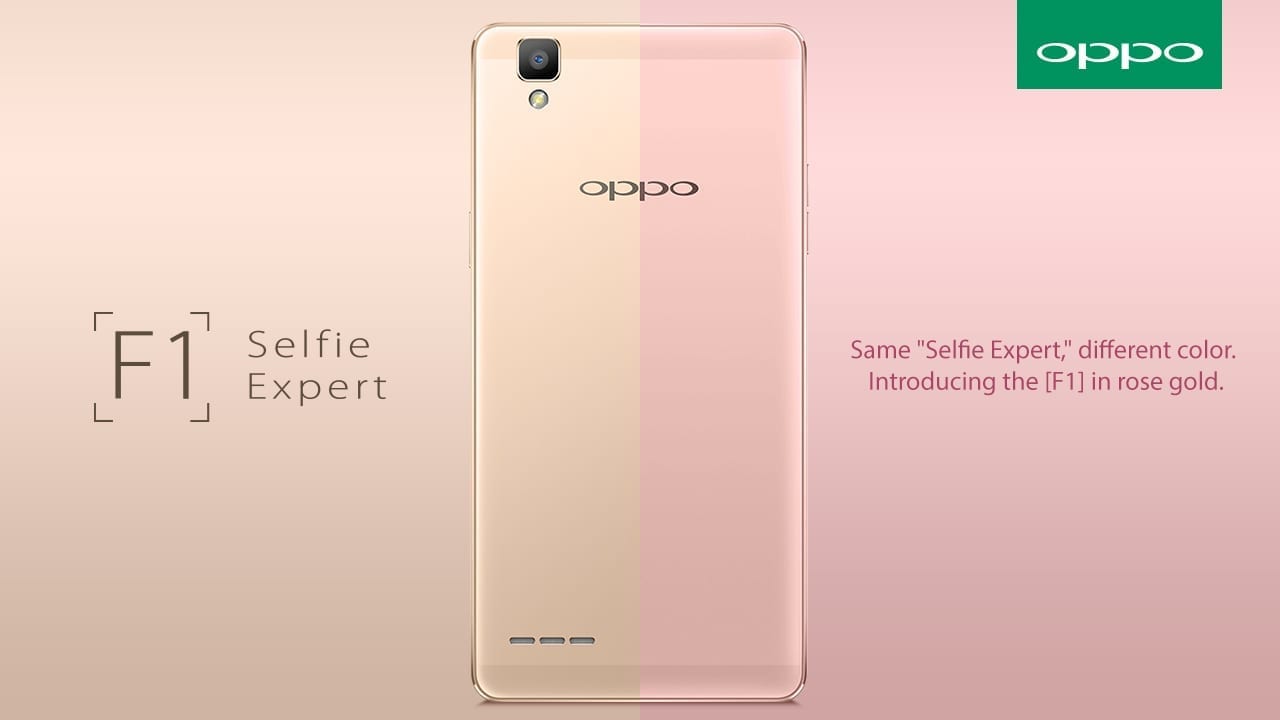
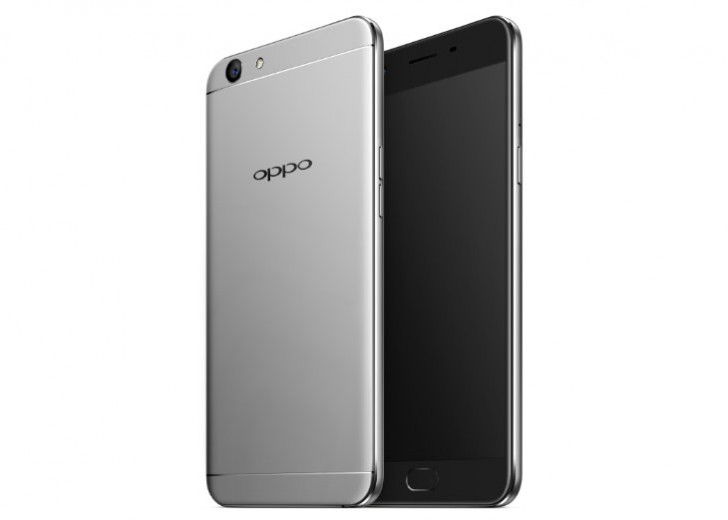
    Oppo has relaunched its self-proclaimed “selfie expert” – the F1s – with increased memory and storage in India. The phone will now be available with 4GB RAM and 64GB storage. It will also be available in a new grey color.

    Oppo launched the F1s earlier in India with 3GB RAM and 32GB storage, along with a 5.5-inch 1080p display, MediaTek MT6750 processor, 13 megapixel rear camera, 16 megapixel front camera, ColorOS 3.0, and 3075mAh battery. Other than the memory and storage, everything remains the same on the upgraded model.

    The new F1s is priced at INR 18,990 ($275) and the first 50,000 buyers will get a limited edition Doctor Strange cover for their phone.

  • Oppo Joins Hands with Tokopedia

    Oppo Joins Hands with Tokopedia

    OPPO has officially established a partnership with e-commerce company Tokopedia to market its best products, such as its best-selling product OPPO F1s.

    “Our cooperation with Tokopedia is an added value to our customers throughout Indonesia,” OPPO Indonesia CEO Ivan Lau.

    Ivan said that OPPO’s customers who cannot be reached by OPPO’s physical stores will be able to get OPPO products through Tokopedia. In addition, he said, OPPO’s excellent sales volume in Tokopedia had also been factored in. “It was one of the reasons behind the strategic cooperation with Tokopedia.”

    Tokopedia CEO William Tanuwijaya said that Tokopedia users, known as Toppers, will be able to enjoy the ease of payment for OPPO products, ranging from cash payments via convenience stores and post offices to interest-free credit card installments.

    Tokopedia boasts two million pageviews per month, making it as one of the best distribution channels for many brands, including OPPO.