Retail News CRM

Tag: outdoor

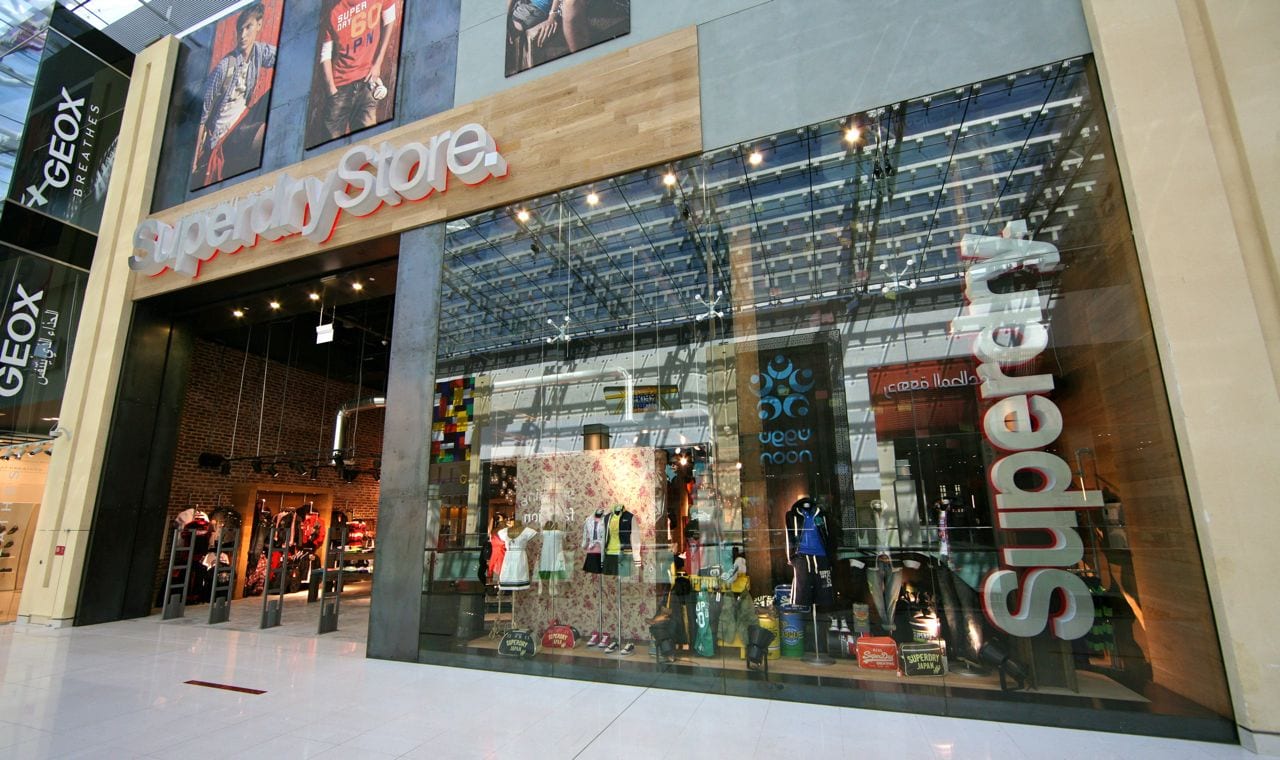
  • Superdry opens Queenstown store with huge range of winter gear

    Superdry opens Queenstown store with huge range of winter gear

    Sports fashion brand Superdry said its newly opened store in Queenstown offers the largest range of snow gear across the Tasman region.

    Superdry’s new 200sqm Aotearoa store, the second in New Zealand, is split in two levels offering men’s and women’s clothing and accessories.

    The Queenstown store also offers a selection of Superdry Snow, which features fashion-forward, technical alternatives to traditional snow gear.

    “Superdry Snow, introduced globally nearly six years ago, has been heralded as the perfect fashionable alternative to the traditionally generic adventure wear and has seen double-digit YOY sales growth globally,” the retailer stated.

    Martin Matthews, CEO of Brand Collective which holds the license for Superdry across Australia and New Zealand, said the adventure spirit that is synonymous with Queenstown and its alignment to their brand is what ultimately brought them to the area.

    “Superdry was the natural next step,” Matthews said.

    He added that while the brand has yet to confirm any additional sites in the country, New Zealand presents a significant opportunity for the brand, and there are broad plans to expand.

    Superdry opened its first store in the country in Auckland’s Queen Street shopping district last April.

    The 193sqm store is split into two levels, with the menswear department on the first level and a glass staircase leading consumers to the womenswear section on the second level. The store also offers the brand’s Superdry Snow collection.

  • Amazon launches outdoor and garden range

    Amazon launches outdoor and garden range

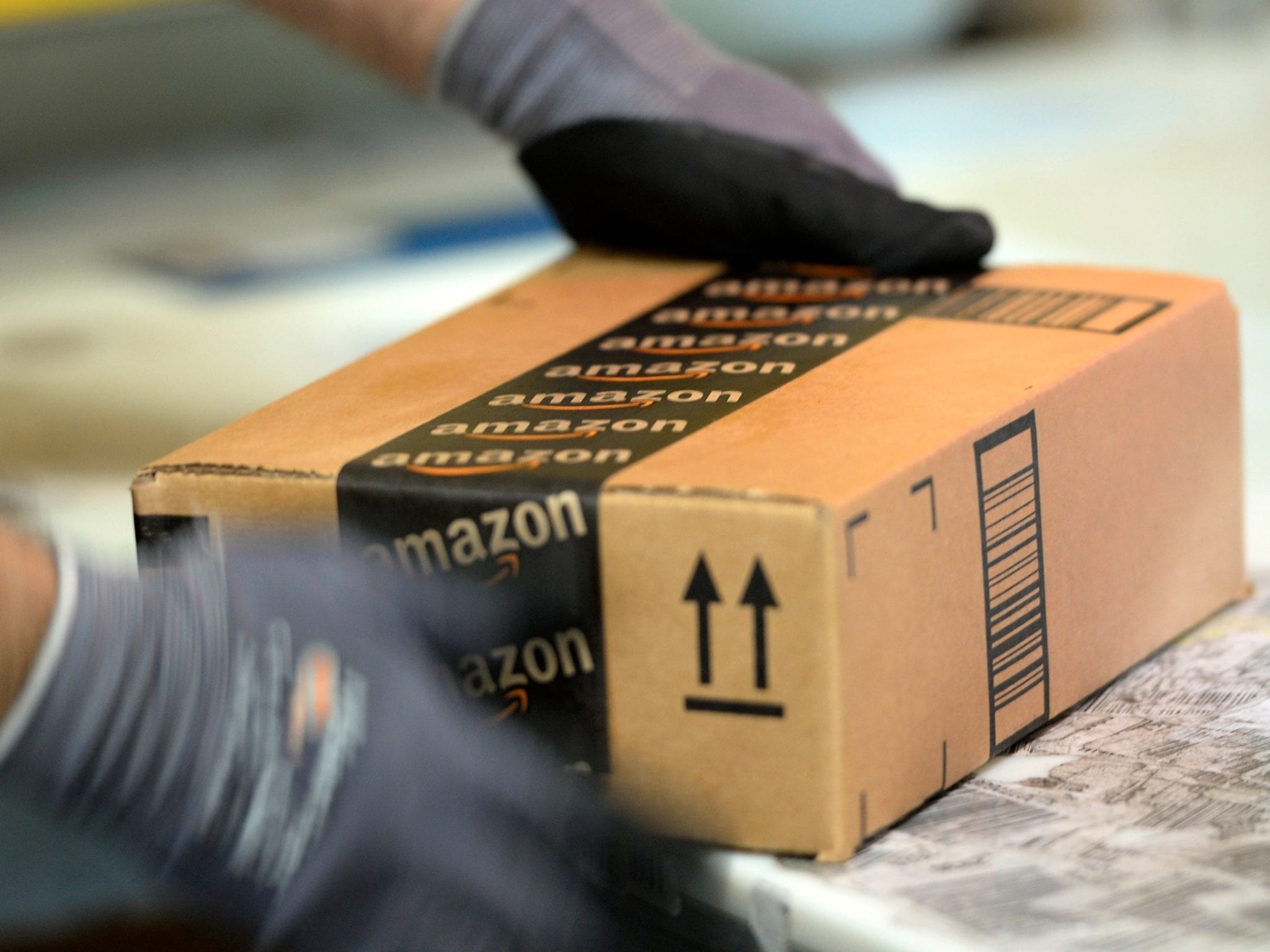
    Amazon, banking on the weekend warrior set being as susceptible to the convenience of home delivery as any other consumer group, has now entered the garden and outdoor category.

    The online retailer, which launched in Australia in 2017, has continued to expand its offer over the past two years, and now offers more than 125 million products.

    It launched a new range of garden and outdoor products on Tuesday.

    “Our new Garden store has a range of enticing outdoor products from gardening equipment to pool supplies to patio furniture to BBQs,” Rocco Braeuniger, country manager of Amazon Australia, said in a statement.

    This puts the e-commerce giant in direct competition with major brick-and-mortar retailers, including Bunnings and Barbeques Galore, which offer similar products through their national store networks, as well as online stores.

    “We’ve been competing with a wide range of retailers across a broad spectrum of categories and products for a long time and we always welcome competition,” Mike Schneider, Bunnings’ managing director said.

    “While we don’t comment on our competitors, our focus is always on our customer.”

    While Bunnings only started selling online in select areas in June 2018, it expects to have a full e-commerce offer in Australia by Christmas 2019.

    At the same time, it’s investing heavily into its click-and-collect offer, having conducted research internally that shows most consumers prefer to buy online and pick-up in-store, rather than have it delivered to their home.

    “Having our team of experts in-store means we are also able to offer great service to run alongside our online transaction capability and we typically find that many of our online customers like to head into the store to pick their items up,” Schneider said.

  • Kathmandu Australia joins B Corp movement

    Kathmandu Australia joins B Corp movement

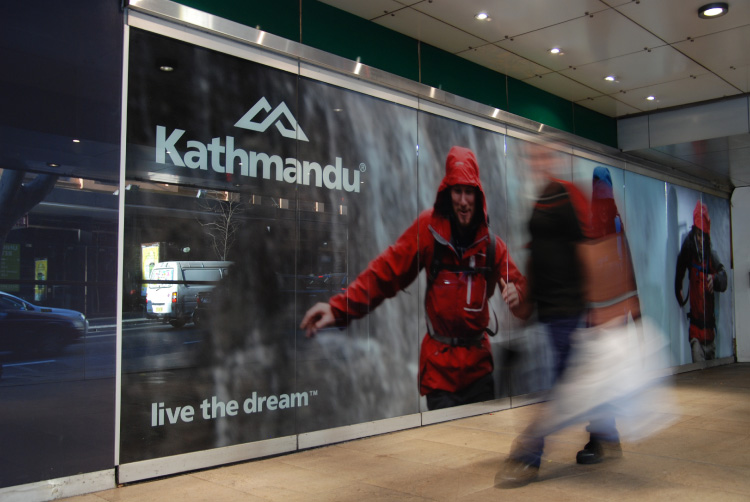
    Kathmandu on Tuesday announced it has become a certified B Corporation, making it the biggest B Corp in Australia and New Zealand.

    B Corps are for-profit businesses that meet the highest standards of social and environmental performance, public transparency and legal accountability.

    Started in the US in 2006 as a way to raise awareness of purpose-driven businesses by giving them a recognizable seal of approval, there are now more than 3000 B Corps worldwide, and more than 300 in Australia and New Zealand, which is the fastest-growing region per capita for B Corps.

    Local retailers with B Corp certification include Outland Denim, Etiko, Koala, GlamCorner, Bellroy, Flora & Fauna, KeepCup, Good Day Girl, Koskela, Arndsorf and Kester Black.

    The addition of Kathmandu to this list reflects a shift in the way many large companies view sustainability – no longer as a niche topic confined to the CSR team, but rather a core value that permeates every part of the business.

    “Sustainability is part of Kathmandu’s DNA  and is integral to our entire operation, from our supply chain to our materials and products and our operational footprint,” Xavier Simonet, Kathmandu’s CEO, said in a statement.

    To receive B Corp certification, organizations need to earn a certain number of points on the B Impact Assessment, an online tool that asks around 200 questions in five key areas: governance, workers, community, environment, and customers.

    The tool is administered by B Lab, a nonprofit with locations in 26 countries, which sets the global standards, awards B Corp certification and advocates for the adoption of ‘benefit company’ status at a state level.

    In the US and other countries, businesses can register as a ‘benefit company’, which means they are legally required to consider the impact of their decisions on all stakeholders, such as employees, suppliers and the planet, not just shareholders. This locks in their purpose, no matter who owns or runs the company.

    Benefit companies currently have no legal status in Australia, though B Lab Australia and New Zealand is actively campaigning for an opt-in legal form to be introduced through a minor amendment to the Corporations Act.

    This issue will become more critical as publicly listed companies like Kathmandu join the B Corp movement.

    T2, which is owned by Unilever, is also in the process of becoming a B Corp, and B Lab Australia and New Zealand is taking the opportunity to encourage other big businesses to get on board.

    “Kathmandu’s announcement as New Zealand’s first B Corp-certified multinational retail business, and Australasia’s biggest B Corp, is a significant milestone for Australia, New Zealand and the wider B Corp movement,” Andrew Davies, CEO of B Lab Australia and New Zealand, said in a statement.

    “Certification is open to all sizes of business, and we are seeing increasing interest from large corporations across the world, Kathmandu’s certification sends an important signal for other big businesses to follow in their lead.”
  • Fjallraven opens huge Sydney flagship store

    Fjallraven opens huge Sydney flagship store

    Swedish heritage outdoor brand Fjallraven has opened a flagship store in Sydney nearly one year after making its brick-and-mortar debut in Australia.

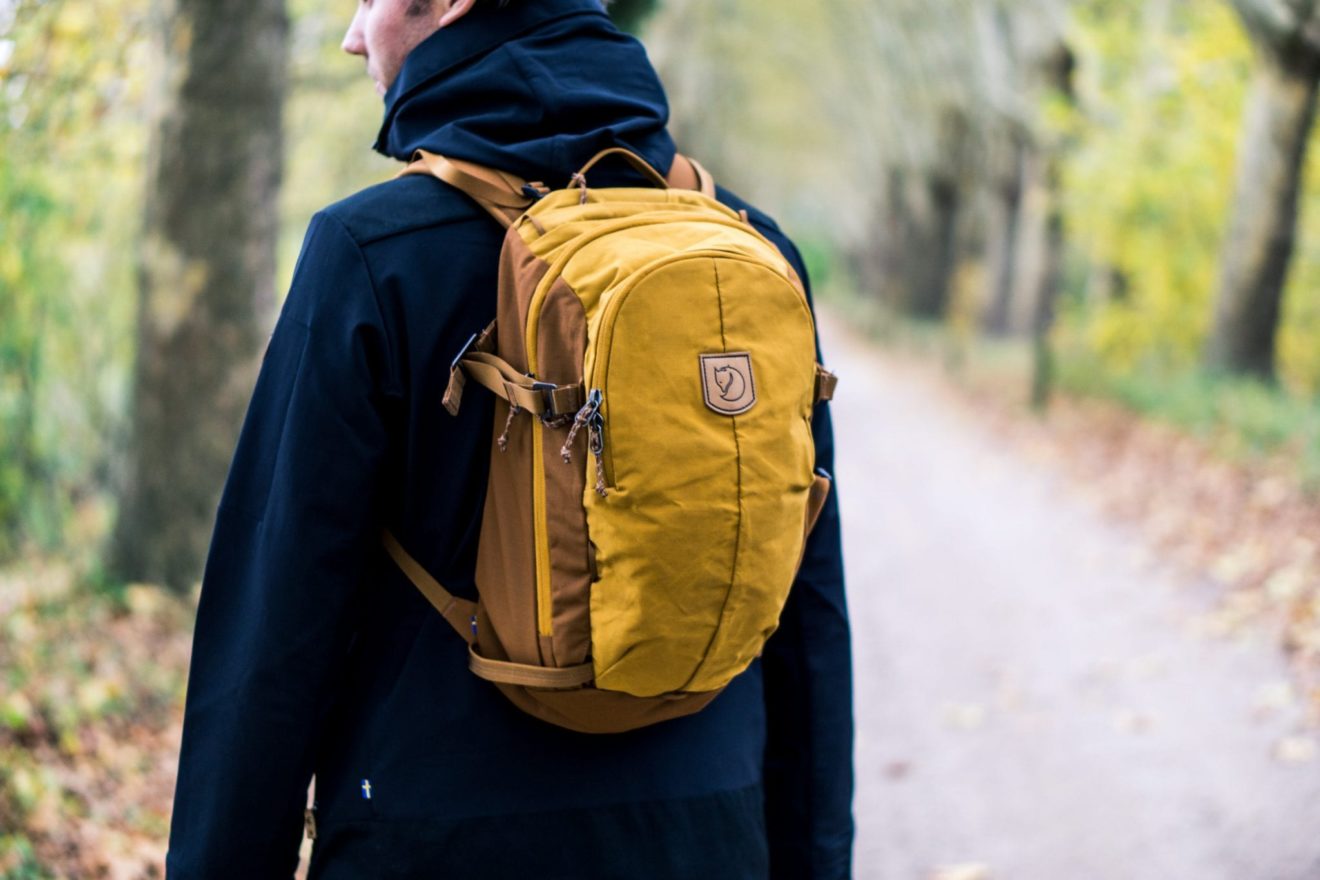
    The store, located on York Street in Sydney’s CBD, stocks the brand’s popular Kanken rucksack, as well as a broader range of outdoor apparel, including men’s and women’s jackets, tops and trousers.

    It is the brand’s second brick-and-mortar location in Australia. The first opened in Melbourne Central in October 2018, and marked Fjallraven’s inaugural location in the Southern Hemisphere.

    Susan Park, Fjallraven’s brand manager in Australia and New Zealand, said the Melbourne store has been trading well over the past year.

    “Opening our retail store was an important stage of brand development in Australia. We were optimistic about our performance before launch as we knew the demand was there,” she said.

    Fjallraven launched in Australia in early 2017 through retail partnerships and online, which helped the team better understand which products to range in the Melbourne store.

    Now, the team is further refining its decision-making through in-store feedback.

    “We review and incorporate our customers’ feedback into what we range and how we present our products in-store and it’s been a process of constant improvement,” Park said.

    According to Park, the Kanken rucksack is still a best seller, though interest in trekking equipment – especially trousers and jackets – has grown significantly as a result of increased access and awareness.

    More broadly, the store is driving an uplift in Fjallraven’s overall wholesale and e-commerce business in Australia, Park said.

    “We are really seeing the benefits of a controlled omnichannel approach and we anticipate this will be the case for Sydney as well,” she said.

    The Sydney store, like the Melbourne store, will also offer shoppers a daily ‘fika’, a Swedish tradition which translates roughly to a coffee break.

    The retailer serves complimentary coffee, tea, and small snacks to customers at certain times of the day and invites them to spend time in the store and chat with the staff.

    In addition to this in-store experience, the brand is planning to launch ‘Fjallraven Discovery Australia’ in 2020 – a three-day and two-night hike in the Grampians, designed to get people outdoors and back to nature.

    The hike will incorporate indigenous history and is in keeping with a growing theme of Fjallraven hikes all over the world.

  • Monocle opens its first travel store in Hong Kong

    Monocle opens its first travel store in Hong Kong

    Global media brand Monocle has opened its first dedicated travel-retail store, at Hong Kong International Airport.

    The shop is the first in a new rollout of airport-based outposts for the brand, with an emphasis on books, periodicals, travel essentials and Monocle’s full range of products and collaborations.

    The store was developed in association with Paris-based Lagardere Travel Retail, and is located at one of the airport’s popular retail destinations selling globally sourced essentials, accessories and apparel.

    “The launch of this new concept at Hong Kong International Airport comes at the perfect time for our sector,” said Monocle’s editor-in-chief and chairman Tyler Brule. “Airport news and shop formats have not been keeping pace with the retail industry in general, and this debut seeks to raise the game for both the print industry and customers.”

    The 190sqm stand-alone store retails the brand’s range of Monocle travel guides as well as special-edition products available only at Hong Kong International Airport.

    “Hong Kong is already one of our most important markets both for readers and brand partnerships,” added Brule. “In order to tailor this for the local audience, visitors and passengers connecting, we’ve developed a store that is calm, elegantly designed and stocked with good reads for the long haul, gifts for friends and clients at the other end and of course lots of accessories and fashion items for our core audience.”

    Monocle currently operates stores and cafe concepts in London, Zurich, M

  • Nike planning to sell off Hurley surfwear brand

    Nike planning to sell off Hurley surfwear brand

    Nike is considering the sale of its Hurley surfwear brand, according to a Reuters report.

    A general downturn in the sector has pushed other industry players within the space into significant difficulties, including rival brand Quiksilver – which filed for bankruptcy in 2015. Nike’s potential sale of its Hurley brand is reportedly likely to be a reaction to the same trends and an indication that the surfwear segment is not showing signs of recovery.

    “The surf/skate market has been soft,” said NPD Group VP and senior industry adviser of sports Matt Powell. “Hurley has not been a growth story for some time.”

    Nike’s potential sales price for the brand has not been disclosed.

  • Edmund Hillary Brands kicks off $3m capital raise

    Edmund Hillary Brands kicks off $3m capital raise

    A luxury outdoor fashion brand inspired by Sir Edmund Hillary is looking to raise $3 million to expand overseas and fund a women’s range.

    Edmund Hillary Brands, which was co-founded with the Hillary family in 2018, launched an equity crowdfunding campaign on UK crowdfunding platform Crowdcube on Monday.

    Co-founder and CEO Mike Hall-Taylor said the brand aims to build on the momentum it has experienced since debuting its first collection last year.

    “We’ve received an overwhelming response to our first collection since launch last year and we want to maintain the momentum and capitalise on immediate opportunities in the UK, US, China and Australia as well as meet the demand from consumers for a women’s range,” Hall-Taylor said in a statement.

    While the brand expects to attract a number of larger investors, the minimum investment was deliberately kept at $23 to be accessible to New Zealanders who are interested.

    At the time of this writing, Edmund Hillary Brands had raised £82,728, or roughly $160,000, from 53 investors, bringing it 16 per cent of the way to its target. The campaign ends on July 24.

    Edmund Hillary Brands has enjoyed some early successes since launching in 2018, including a global debut at New Zealand Fashion Week, the opening of a standalone store at Queenstown airport, a global e-commerce site and partnerships with two supporting retailers.

    The brand has also formed a distribution partnership with a major e-commerce platform in China, where it will launch in September, ahead of the 2022 Beijing Winter Olympics.

    The brand’s debut collection was inspired by the classic styles worn by Sir Edmund Hillary and the expedition team. Designers poured over more than 2000 images of the 1953 expedition when developing the range.

    In addition to the brand’s connection with Sir Edmund Hillary’s style, a percentage of every sale goes to support Himalayan communities and outdoor education.

    “Apart from being an exciting financial investment, it also represents the opportunity to be part of continuing my father’s legacy with a portion of every sale going to the causes close to Ed’s heart – supporting Himalayan communities and outdoor education in our key markets,” Peter Hillary, co-founder of the brand, said in a statement.

  • Demand for seamless indoor-outdoor location tech on the rise

    Demand for seamless indoor-outdoor location tech on the rise

    ABI Research noted that of the 205 companies it surveyed for its Location Technologies Supply Chain and Ecosystem Tracker, 24% of them are currently offering solutions covering both indoor and outdoor location services.

    The researcher cited growing need for seamless indoor and outdoor integration and supply chain visibility forcing more companies at the lower layers of the technology supply chain to create more flexible technology offerings.

    Computing the position of a person or asset outdoors is usually done via Global Navigation Satellite System (GNSS) technology, although in some cases auxiliary technologies like cellular networks or to lesser extent low-power wide area (LPWAN) solutions may also be used at lower tracking accuracy.

    But GNSS signals do not perform well indoors suffering from difficulty to penetrate well and interference issues. Location technologies like Bluetooth low energy (BLE), ultra-wideband (UWB), RFID, or Wi-Fi are best suited for these environments.

    “As things stand, there is a hard line between the indoor and the outdoor technologies and services used for location use cases. Offering seamless tracking between these two environments raises the possibility of having unprecedented visibility into the supply chain, as any item can be tracked end-to-end between factories, warehouses, and retailers up to the point-of-sale,” remarked Henrique Rocha, research analyst at ABI Research.

    Some of the benefits from acquiring visibility into the supply chain include more efficient planning and less asset shrinkage, which quickly revert to business owners in the form of ROI.

    ABI Research noted that 63% of location companies featured in its report offer indoor solutions only. Indoor tracking is still more demanding than outdoor tracking in the industrial and logistics spaces as it often requires high accuracy and real-time tracking capabilities of individual assets, as well as on-site dedicated infrastructure.

    With a consolidating location ecosystem, however, it is expected that more companies will turn to offering full supply chain visibility solutions, which require seamless indoor/outdoor tracking.

    While several companies offer both indoor and outdoor location solutions separately, only few have managed to offer a single end-to-end solution providing seamless indoor/outdoor tracking capabilities.

    One of the most common combinations for seamless asset tracking involves BLE communication for indoor tracking and GNSS for outdoor tracking, with an LPWAN like LTE-M used to relay location data.

    Because different location technologies are often designed to operate in specific environments and address specific needs and use cases, an increasing number of technology suppliers are now opting for designing solutions compatible with multiple technologies to give their clients the flexibility to deploy these solutions across varied use cases and applications.

    “Manufacturing and warehousing verticals are some of the most technologically demanding in the asset tracking space. In this ecosystem, companies stand out only through scalable business models. One way of achieving scale is by implementing seamless indoor and outdoor tracking. Solution providers are not oblivious to this and by this time next year, we anticipate an approximate 30% growth in the number of companies offering indoor/outdoor location services,” Rocha concluded.

  • Weber opens New Store in Singapore

    Weber opens New Store in Singapore

    Weber Singapore will open a new store at No 4, Sixth Avenue.

    The US-based barbecue brand’s new store will showcase the full range of Weber’s cooking products including gas-, charcoal- and electric-powered grills.

    “Weber aims to create succulent moments that draw family and friends closer together through great food, grilling fun and unforgettable memories,” says Steven Lim, VP and MD for North and Southeast Asia of Weber-Stephen.

    Weber has also launched the first Grill Academy in Singapore and South East Asia at the Joo Chiat Weber Store, adding to more than 100 Grill Academies in the world.

    The academy allows people to get hands-on grill demonstrations and an opportunity to practice with Weber’s gas grills and charcoal grills in a three-hour Weber Essential Course.

    Weber grills are sold in more than 72 countries, including a recent expansion into Asia via India, China, Hong Kong, Korea, Japan and Singapore.

  • Hydro Flask Starts in Hong Kong

    Hydro Flask Starts in Hong Kong

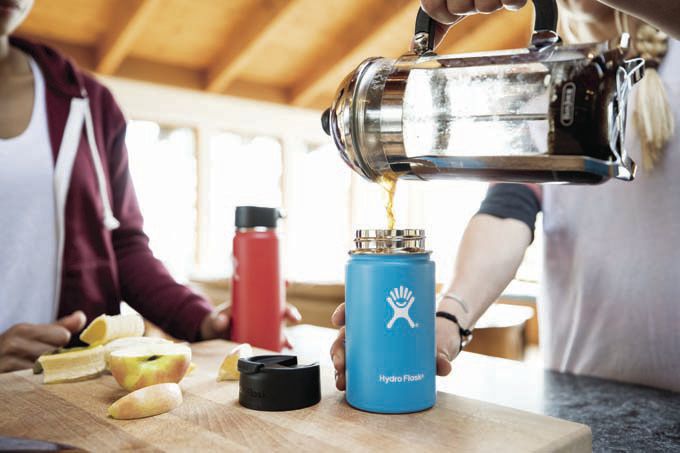
    Hydro Flask, the US brand of high-performance, insulated stainless-steel flasks targeting the outdoors market, has launched in Hong Kong.

    From this month, Hydro Flask products are being sold by Hong Kong retailers through an expansion of the company’s partnership with the Primer Group. Products will be stocked through outdoor and sporting goods retailers, lifestyle stores, travel retailers and gourmet grocers.

    “We’re excited to expand our strong relationship with Primer to bring Hydro Flask to Hong Kong. It’s a key part of our global expansion and influences markets beyond Asia,” said Mike Wallenfels, VP of global sales at Hydro Flask.

    The brand’s launch is timely as growing numbers of Asian consumers are purchasing reusable containers in preference to single-use plastic and paper cups, for environmental reasons.

    The company produces containers suited to cold drinks, coffee, beer, wine and food, along with backpacks, casual clothing and accessories.

    Hydro Flask is a subsidiary of listed company Helen of Troy Limited.

  • Outdoor Retailers Fighting for Market Share

    Outdoor Retailers Fighting for Market Share

    Outdoor retailers Kathmandu and Decathlon are vying for a piece of Australia’s ski and snowboard market this winter.

    Both businesses are launching inaugural snow collections, despite the fact that less than a million Australians regularly or occasionally ski or snowboard, according to 2018 data from Roy Morgan.

    On Thursday, Kathmandu launched its inaugural snow collection called Styper, which includes ski jackets and pants for adults and kids, as well as goggles and snow luggage.

    “Designed to suit beginner and intermediate levels, as well as the more sophisticated skiers, the pieces connect seamlessly together to keep warmth in and snow out, and are made with sustainable, state of the art ngx2 fabric technology that is waterproof, wind-proof and breathable,” the retailer said in a statement.

    The launch comes on the heels of Decathlon’s announcement that it is introducing more than 100 ski and snowboard-specific product lines from its Wed’ze brand available in Australia this year.

    The European discount retailer described its offer as an affordable option for people who want a trusted brand and good advice. The range will include adult ski jackets and pants for under $100, adult ski gloves for less than $40, kids’ ski gloves for less than $20, neck warmers and beanies for $10 and ski and binding packages for under $500.

    The price point is considerably lower than Kathmandu, which starts at $199.98 for kids and $349.98 for adults.

    Kathmandu’s collection is available in-store in Australia and New Zealand, while Decathlon’s collection is available in-store and online in Australia.

    Fashion brand SuperDry has been selling its snow range in Australia and New Zealand for the past three years.

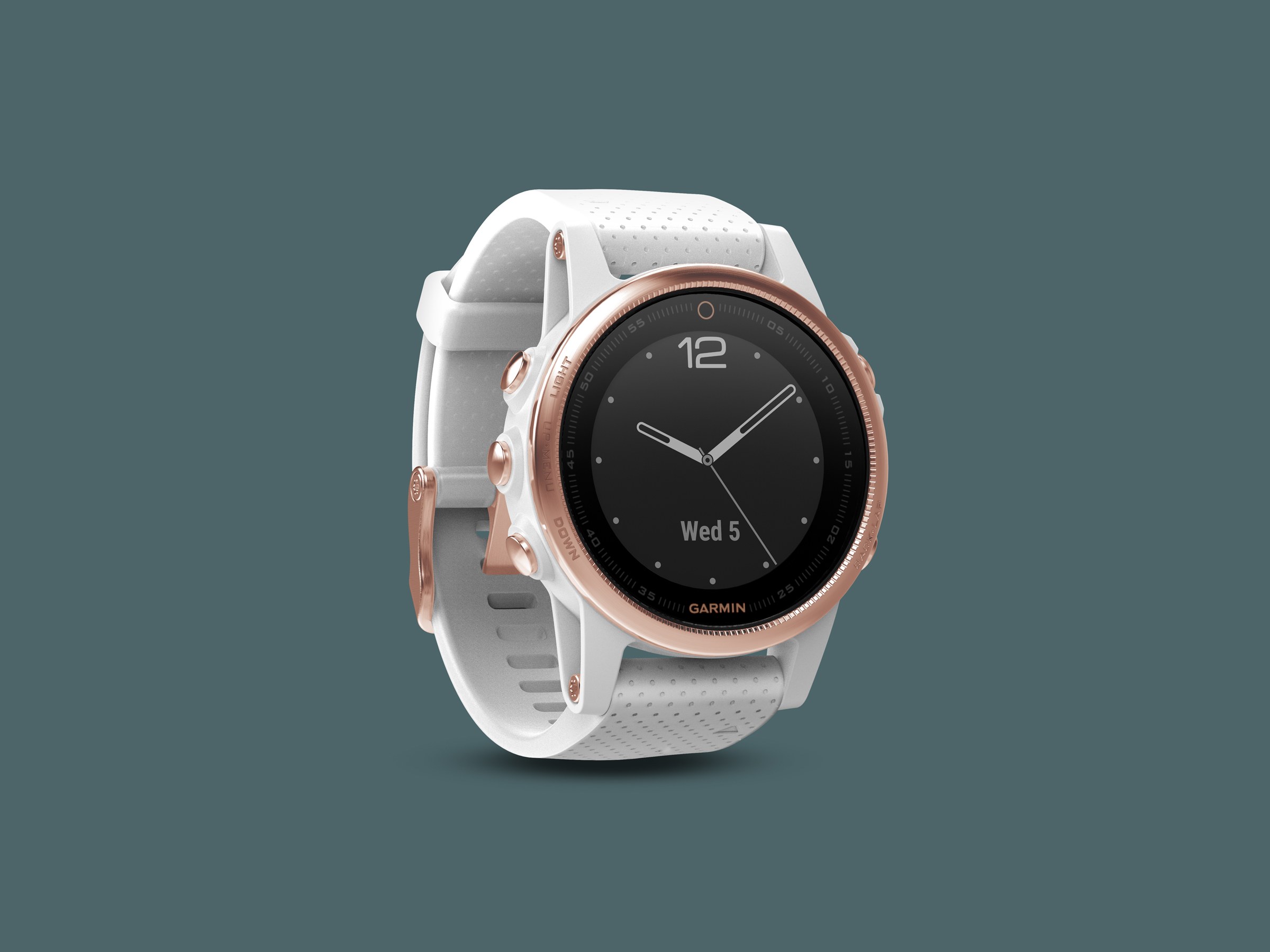
  • Garmin expands Forerunner line with five new GPS models

    Garmin expands Forerunner line with five new GPS models

    While Garmin makes all kinds of wearable devices, ranging from super-basic activity trackers to luxury smartwatches, its central focus remains on so-called GPS running watches, designed to take on the likes of the Fitbit Versa rather than the global market-leading Apple Watch family.

    But not all athletes have the same passion, drive, and needs, which is why Garmin is today vastly expanding the Forerunner lineup with five new models ranging in price from $199.99 to $599.99. These are joining the entry-level $100 Forerunner 25, mid-range $350 Forerunner 735XT, and a $450 Forerunner 645 Music that lets you store your favorite tunes directly on your wrist, as well as supporting contactless payments.

    Obviously, the newly unveiled Garmin Forerunner 45 and Forerunner 45S come with no such advanced features, although their built-in heart rate monitor and standalone GPS functionality are arguably enough to justify a $200 price tag. In case you’re wondering, the main difference between these two models is the smaller 39 mm case of the 45S (compared to a 42-milimeter “standard” Forerunner 45 variant).

    Not exactly the world’s most stylish wearable products, the Forerunner 45 series also comes with “chemically strengthened” glass, a silicone strap, relatively small display, top-notch water resistance, lengthy battery life (up to 7 days in “smartwatch mode”), and all the elementary fitness tracking features a casual runner would ever need.

    At $350, the Garmin Forerunner 245 Music adds the ability to hold up to 500 songs into the equation, as well as more “advanced features to help runners improve.” Basically, you can get personalized recommendations on smarter ways to train and recover after intense workouts, not to mention a larger and sharper screen, stronger Gorilla Glass 3 lens protection, and improved battery life in “GPS mode.” There’s also a non-Music Forerunner 245 version available in exchange for $299.99.

    Last but certainly not least, the $600 Garmin Forerunner 945 is purportedly “made for the driven, the qualifiers, and the elite”, holding up to 1,000 songs (with both Spotify and Deezer support), while aiming to take your training to the next level with all the state-of-the-art activity tracking technologies and sensors available today, from VO2 Max to Pulse Ox and a bunch of complex performance monitoring tools.

    The Forerunner 945 can keep the lights on for up to two weeks on a single charge with the GPS switched off, while supporting wrist payments and boasting an extra-robust body with Gorilla Glass DX protection.

  • Macpac expands more with Adventure Hubs

    Macpac expands more with Adventure Hubs

    Super Retail Group’s outdoor retail chain Macpac has opened nine new ‘Adventure Hub’ stores, further expanding the brand’s reach across Australia to 34 locations.

    Five of the new format stores are located in Victoria, and are buoyed by a new store in NSW, South Australia, Queensland and the ACT.

    The Adventure Hub format combines Macpac’s full range with a curated selection of apparel, equipment and accessories from brands such as Patagonia, Yeti and Merrell.

    Macpac chief executive Alex Brandon said the business was excited about the potential the Adventure Hubs format offers.

    “We set out to create Australia’s premium destination for outdoor product and adventure advice, and I think we’ve achieved that aim in these first nine stores,” Brandon said.

    “The Adventure Hubs offer the full range of Macpac gear alongside other world-class outdoor brands…supported by a friendly, knowledgeable team ready to give everyone adventure advice.”

    Macpac’s Adventure Hubs also feature services to make preparing for a trip easier on customers, such as providing packing lists to ensure they don’t forget anything they might need, expert pack-fitting by Macpac team members, world maps to help envision the next big trip, as well as a mini-library providing further travel inspiration.

    Former Super Retail Group chief executive Peter Birtles previously said there was potential for the Macpac brand to grow to 75 locations across Australia and New Zealand, with an additional 20 larger format locations.

    However, Birtles also noted there was a significant future for the business online, rather than through constant store roll-outs.

    “We certainly see that this is a market that has strong opportunity in terms of digital, and so we’d anticipate a high component of the business coming from a digital channel,” Birtles said.

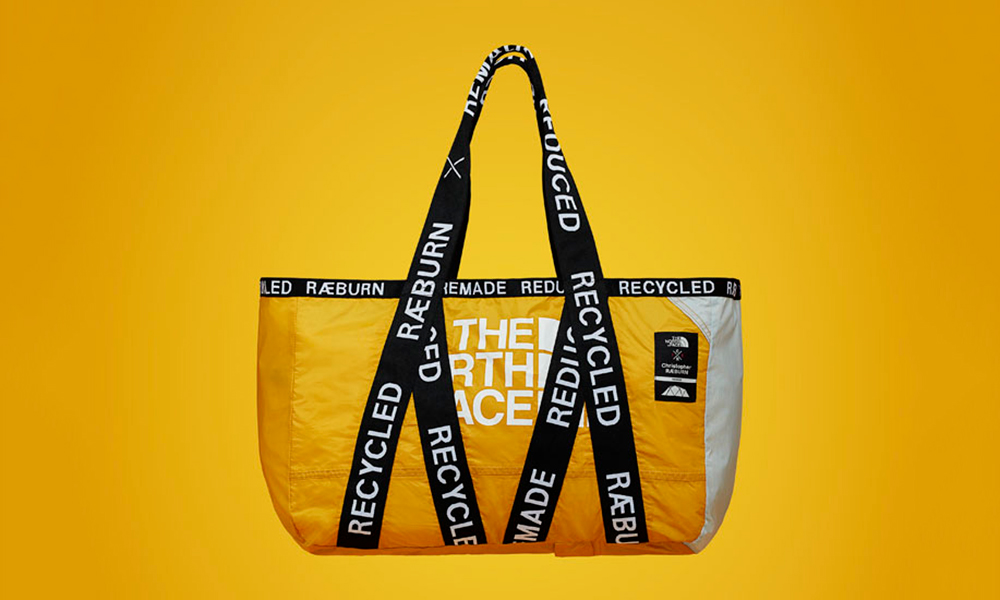
  • The North Face Showcases bags made from recycled tents

    The North Face Showcases bags made from recycled tents

    Outdoor gear firm The North Face is teaming up with British eco-designer Raeburn to make designer bags from recycled tents.

    The bags are currently available for purchase online as well as at The North Face’s Urban Exploration store on Carnaby Street in London.

    “The North Face has been inspiring a global movement of exploration and conservation for over fifty years,” said fashion designer Christopher Raeburn, “and we couldn’t be prouder to be collaborating on this special project, applying our said ‘Raemade’ ethos to transform surplus tents into unique bags.

    “At Raeburn we’re motivated to work with brands, other designers and individuals to drive positive change in our industry, and it’s been fantastic to work alongside the talented team at The North Face to bring this project to fruition.”

    Every product will have a distinct aesthetic based on the varied colours of source tent materials used in creating the bags.

    Raeburn has previously collaborated with Timberland and other international brands on products made from recycled materials. Likewise, The North Face has engaged in a number of closed-loop initiatives, including its “Renewed” program to sell refurbished returned products as well as its carbon “net-negative” product line.

  • Athleisure trend boosts Yue Yuen sales in 2018

    Athleisure trend boosts Yue Yuen sales in 2018

    Yue Yuen Industrial, the world’s largest manufacturer of athletic, athleisure, casual and outdoor footwear, boosted revenue by 6.3 per cent last year.

    Yue Yuen makes shoes for a raft of brands, including Geox, Levi’s, Rockport, Carters and Pony. Its subsidiary Pou Sheng operates a network of some 5500 directly operated stores and 3000+ sub-distributor stores, predominantly on the mainland.

    For the year to December, the Group recorded revenue of US$9.695 billion, with gross profit up by 4 per cent to $2.446 billion. However, profit attributable to shareholders fell 40.9 per cent to $307.1 million, mainly due to operating deleverage within the manufacturing business, a reduction of the non-recurring gain for the year, and higher finance costs.

    Yue Yuen said revenue attributed to footwear manufacturing (including athletic shoes, casual/outdoor shoes and sports sandals) declined by 1.5 per cent to $5.39 billion, whereas the volume of shoes produced increased by 0.4 per cent to 326 million pairs. The average selling price decreased by 2 per cent to $16.53 per pair, compared with the previous year.

    The group’s athletic footwear category outperformed all other categories as a result of the global athleisure trend, accounting for 79.2 per cent of footwear manufacturing revenue last year. Casual and outdoor shoes accounted for 19.1 per cent of footwear manufacturing revenue.

    The group’s distribution sales are derived primarily from Pou Sheng, involving in retail operations for international sporting goods brands in the Greater China region. Last year, the revenue attributable to Pou Sheng grew by 23.3 per cent to $3.422 billion.