Tag: outdoor

  • 5G will power outdoor robots in the future, but not now

    5G will power outdoor robots in the future, but not now

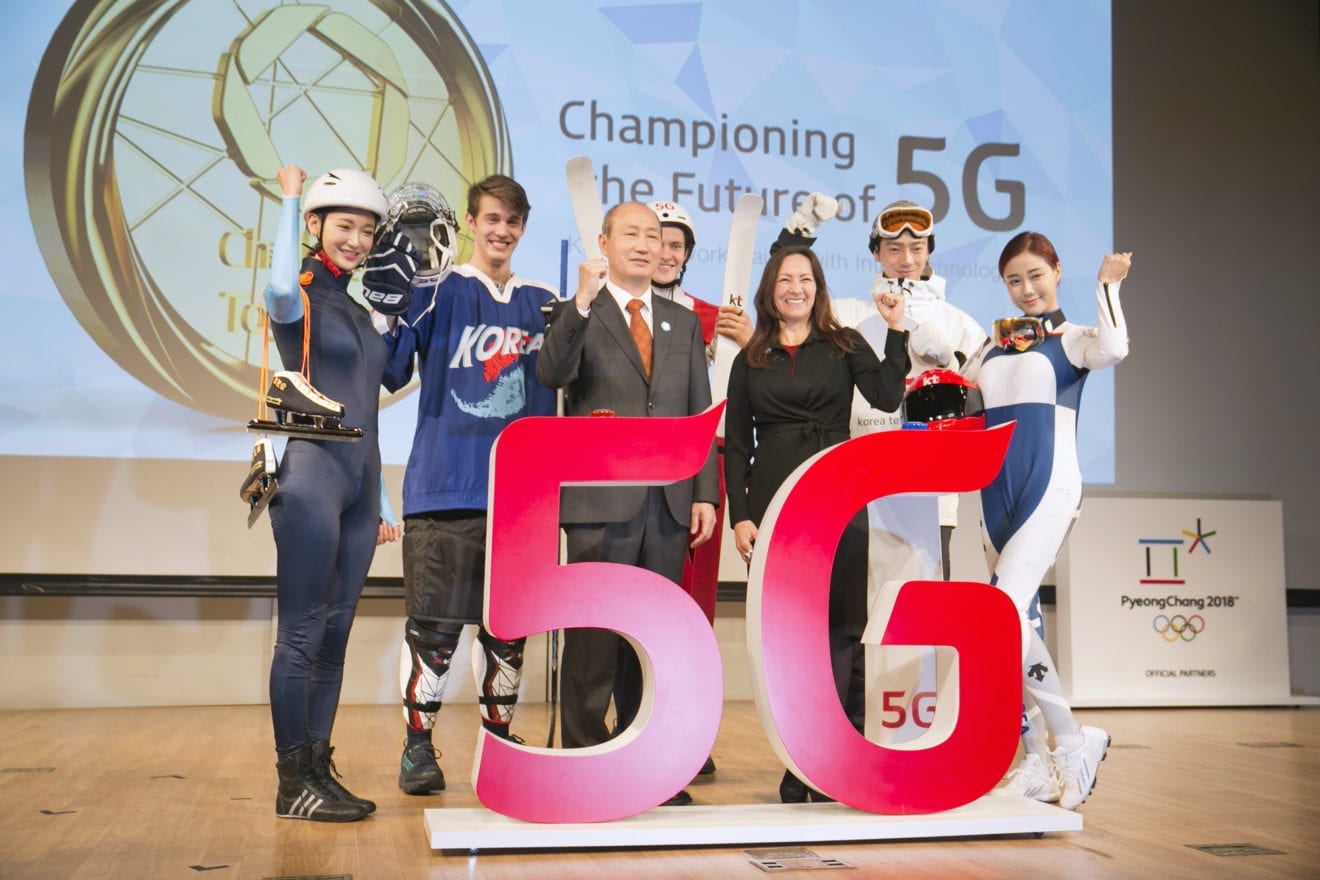
    Low latency and cloud intelligence are the two main features of 5G that will significantly change the deployment of mission critical and business critical robots, particularly those deployed outdoors. ABI Research argues that the commercialization of a 5G network is expected to usher in the significant growth of commercial robotics.

    Shipments of 5G robots are expected to reach 570,000 by 2027, largely deployed in mission critical and business critical settings. Outdoor applications that will be enabled by 5G connectivity include public safety and first responders, critical asset inspection, last mile delivery and transportation, precision agriculture, field extraction, and haulage.

    Traditionally, high-speed broadband connectivity is only available to robotics systems in indoor environments via Wi-Fi and broadband fiber. Therefore, existing outdoor commercial and industrial robots are often fully autonomous devices with onboard intelligence. With 5G, robots’ capabilities will be upgraded.

    “Existing onboard capabilities, such as object and people detection, path planning, and optimization can be shifted to the cloud to benefit from a larger set of data lake,” said Lian Jye Su, Principal Analyst at ABI Research.

    “At the same time, robotics systems will have access to capabilities that could not be previously hosted on existing systems. At present, remote control appears to be the focus, with Toyota’s T-HR3 and Naver’s AMBITEX, but the real game-changers will be conversational Artificial Intelligence (AI) and swarm intelligence. 5G’s low latency will enable robotics vendors to augment the onboard intelligence or even move parts of it to the cloud to introduce new capabilities to existing robotics hardware. Enterprise users will be able to connect their fleet of outdoor robots to the cloud and enjoy the performance, scalability, and flexibility of the cloud-based intelligence.”

    In order to enable 5G capabilities, robotics vendors must work closely with connectivity and chipset vendors in their design and prototyping phase to maximize the benefits of ubiquitous connectivity. Qualcomm has recently launched the Robotics RB3 Platform, powered by its Snapdragon 845 SoC with future 5G upgradability and Inseego has partnered with CloudMinds to provide 5G connectivity to the XR-1 Cloud Robot.

    By integrating LTE and 5G connectivity from the onset, robotics vendors can provide a clear roadmap in terms of future upgrades. The clear connectivity roadmap will provide the industry guidance on the future capabilities that cellular connectivity can enable.

    This includes multi-access edge computing that provides computing, networking, and caching at the network edge and wide area machine-to-machine communication that facilitates situational awareness and information exchange between mobile robots, cloud platforms and surrounding infrastructure.

    “In the long run, 5G will become the de facto connectivity method for outdoor robots. As a global standard, 5G enjoys economies of scale. This brings down the total cost of ownership of 5G networks and the price of 5G modem chipsets, allowing robotics developers to integrate 5G connectivity with ease,” Su concluded.
  • Decathlon opens Singapore megastore

    Decathlon opens Singapore megastore

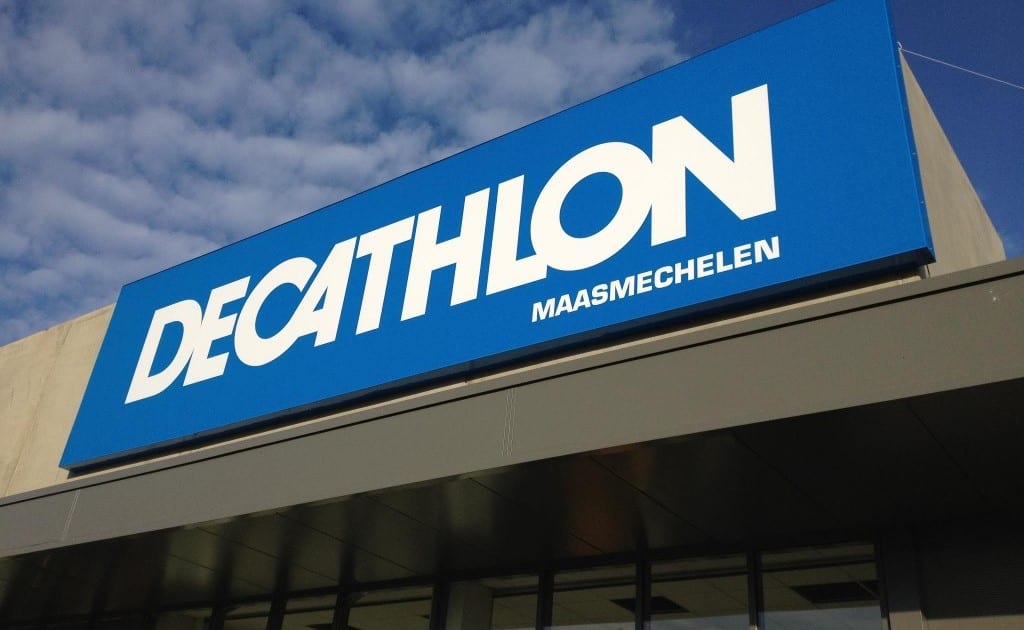
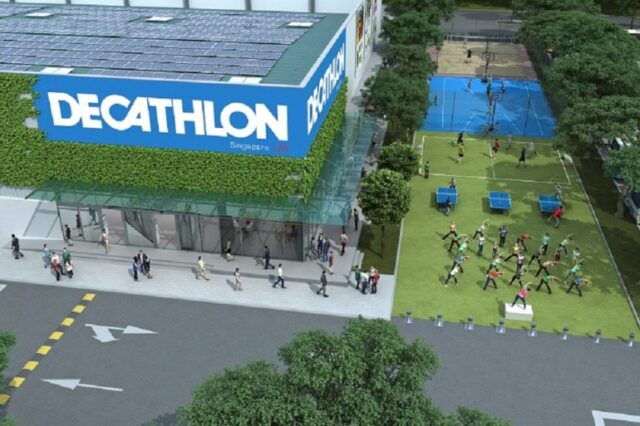
    French sports chain Decathlon opened its largest store in Singapore late last month, as the European retailer continues to build upon its popularity in the Asian market. Dubbed ‘Decathlon Singapore Lab’, the new experience store is located at Stadium Boulevard and covers 5,000 square metres of retail space, making it the biggest Singapore store. It is also opened 24 hours.

    In addition to Decathlon’s inventory of sports apparel, footwear and accessories, the new ‘Lab’ boasts a series of ‘experiential’ features including an indoor area of four different running surfaces wherein shoppers can test running shoes before purchasing, as well as a hiking path with a gravel surface for the testing products in-store.

    At a media briefing last month, Decathlon Singapore chief executive Yves Claude said the store has been named Decathlon Singapore Lab “because a lab is a disruptive and innovative place where we test new solutions.”

    The store also hosts an Active Health Lab in partnership with Sport Singapore, where users can take a free health assessment and there are free-to-play areas next to the store as well.

    To speed up the delivery process for shoppers, Decathlon has established an in-house conveyor built that transports products as soon as they are ordered online. Shoppers can also order online and collect their items at their preferred store within two hours for free.

    “We have to give new reasons for customers to come back to our store,” added Claude.

    The store is the latest in a string of ‘Decathlon Experience’ stores being rolled out across Singapore and is the fourth in the nation’s offering.

    Decathlon also has a 4,000-square-metre showroom in Joo Koon and two click-and-collect stores.

    In May last year, Decathlon signed a memorandum of understanding with Sport Singapore, which marked the announcement of this new Decathlon in Kallang.

    “We share a common purpose, which is to make sport accessible. They come with a good price point, high-quality products, (and) most importantly, they come with ideas on how to improve participation,” said Lim Teck Yin, Sport Singapore CEO.

  • Loewe launches outdoor menswear collection

    Loewe launches outdoor menswear collection

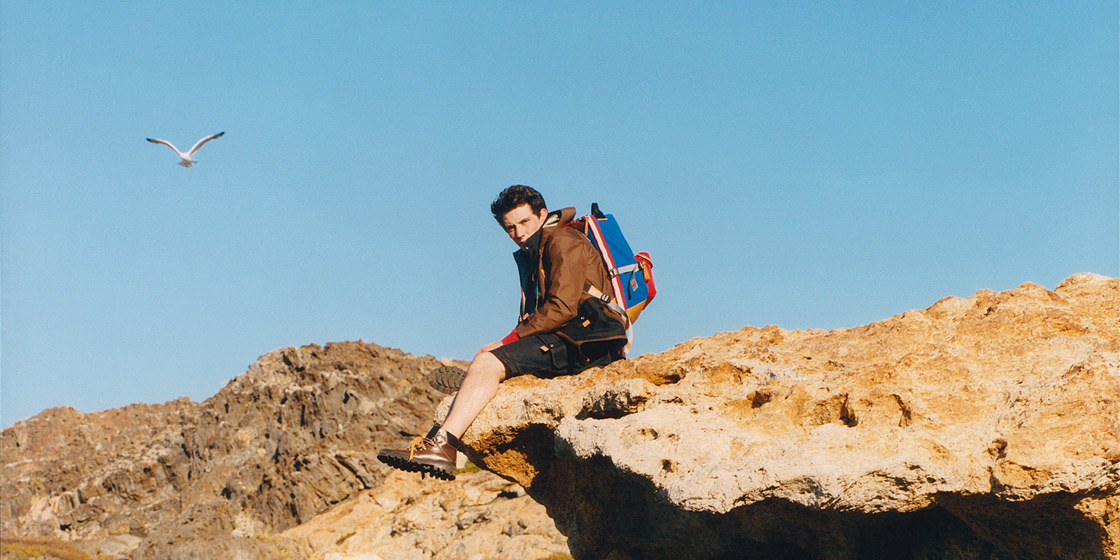
    Inspired by the great outdoors, Loewe has launched a new permanent collection of functional clothes and accessories for men. The campaign features British actor Josh O’Connor in the wilds of Cap de Creus, Spain. Loewe has launched a great outdoors-inspired collection of functional clothes and accessories for men. Featuring a wide range of vibrant colours, the collection – Eye/LOEWE/Nature – makes use of recycled materials, adding an innovative touch to conventional apparel.

    The ready-to-wear collection includes jumpers knit from partly recycled cotton fibre, parkas made of technical material, outerwear, shirts, trousers and cargo shorts.

    The accessories, manufactured in Japan, boast exclusive technology. Hand-sewn from quality canvas with calfskin trim, the Eye/LOEWE/Nature backpacks come with extra cushioning and support. There are interior zip pockets in which iPads can be stored. There are also tote bags and sling sacks for men to choose from.

  • Decathlon Singapore Lab now open

    Decathlon Singapore Lab now open

    Sporting goods retailer Decathlon has opened a landmark 5000sqm retail space at Kallang’s Stadium Boulevard, its largest store in Singapore. Designated the Decathlon Singapore Lab, the outlet includes a running area with four different surface types – including a gravel hiking path – for in-store shoe testing. Robotic inventory monitoring and a conveyor belt that immediately transports products once ordered online, allowing two-hour pickups from a customer’s preferred store, are also key features. An Active Health Lab hosted in the store provides free health assessments for customers in partnership with Sport Singapore.

    “A lab is a disruptive and innovative place where we test new solutions”, said Decathlon Singapore CEO Yves Claude in explanation of the store’s name. “We have to give new reasons for customers to come back to our store”, he said.

    “Retail used to be monotonous. Now because our customers are moving to more digital means of shopping, our jobs will also have to evolve”, said Decathlon Singapore Lab store leader Nathaniel Gregory. “In the last three years, my job was very brick-and-mortar style. Tomorrow I need to learn about SEO and digital marketing”.

  • Kathmandu Australia drops expectations after slow holiday sales

    Kathmandu Australia drops expectations after slow holiday sales

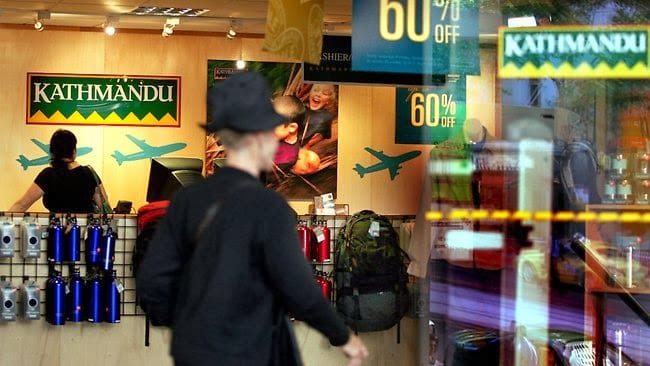
    Outdoor retailer Kathmandu has seen sales fall over the first 15 weeks of the 2019 fiscal year after sales during the December Summer Sale failed to reach expectations, deflating the retailer’s projections for 1H2019. Same store sales for the 22 weeks ending 30 December fell 1 per cent year on year, falling 0.2 per cent in Australia and 2.4 per cent in New Zealand.

    “Following strong same store sales growth in Q1, we are disappointed in trading results in Australia and New Zealand over the Christmas and Boxing Day period,” Kathmandu chief executive Xavier Simonet said.

    “Despite sales being below expectation it is pleasing to see the improvement in retail gross margin and continuing strong growth from the recently acquired Oboz business.”

    Gross margin improved to roughly 64 per cent over the period, partially offsetting the lower than expected sales to date for the 2019 year.

    First half sales in US footwear brand Oboz are now projected to grow 35 per cent to approximately $23.5 million (NZ$27.5 million), and see a gross margin of 40 per cent.

    Total group profits are expected to reach approximately 4 – 8 per cent above 1H2018, assuming current trends continue.

  • Boardriders appoints new Billabong management

    Boardriders appoints new Billabong management

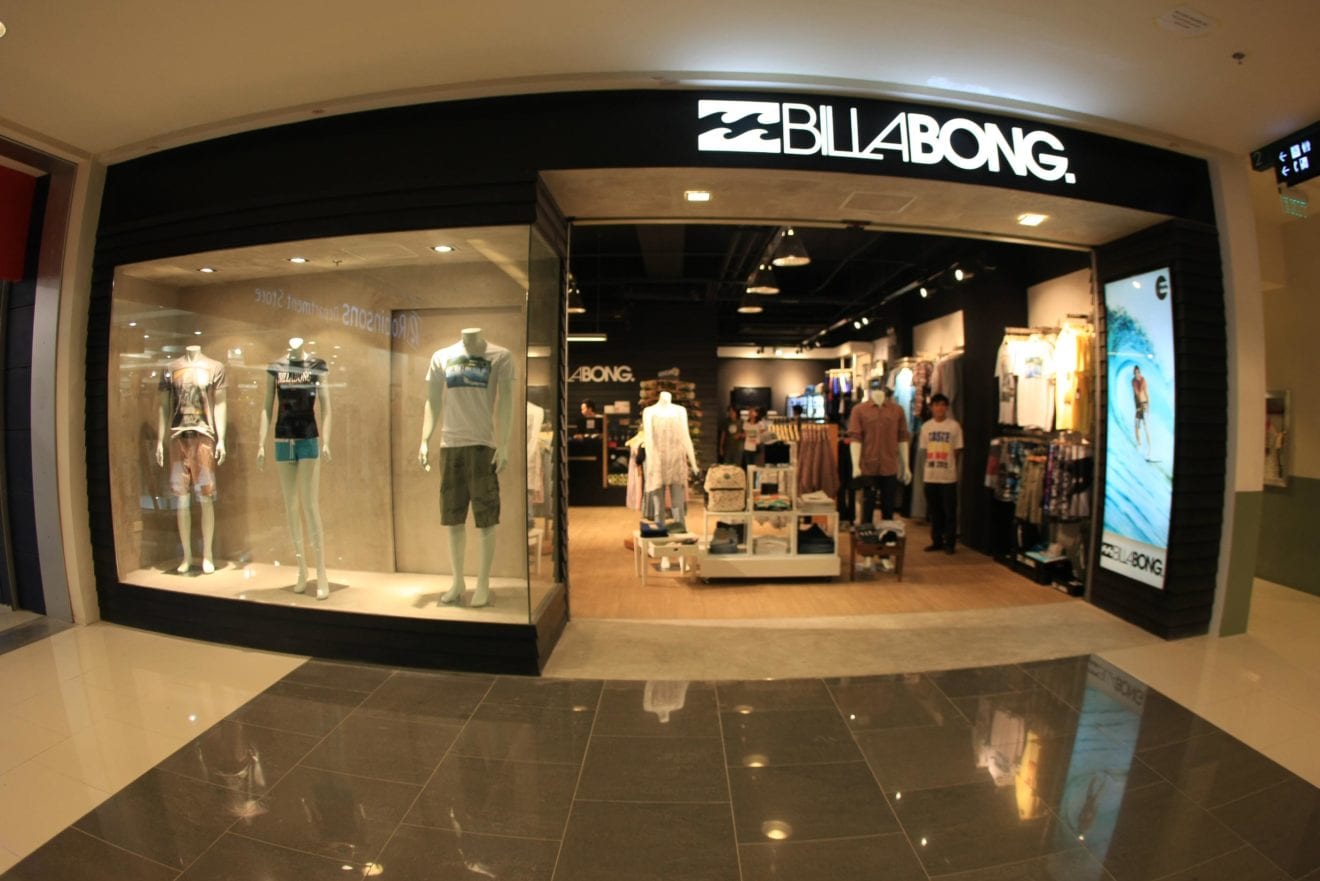
    BillabongBillabong International’s new owner Boardriders Inc is clearing the decks, appointing 17 new senior leaders that will oversee a turnaround of the company’s ailing global operations.

    Under the changes Billabong’s chief executive Neil Fiske will depart, alongside CFO Jim Howell, general counsel Tracey Wood, HR chief Mara Pagotto and GSM Operations GM Paul Burdekin.

    Boardriders chief executive Dave Tanner announced the management shake up over the weekend, appointing the parent company’s president, Greg Healy to lead the Asia Pacific arm of the business, which includes Australian operations for the Billabong, Element, RVCA, Von Zipper and Xcel brands.

    Healy will also serve on Billabong’s new board alongside Shannan North, who will also step in as Billabong’s global president of retail strategy.

    Former Bebe stores finance principal financial officer Joseph Scirocco has come on as chief financial officer, while Boardriders COO Julie Ott will also serve as operations chief for Billabong International.

    The appointments are effective 24 April, the day that the transaction of Billabong finalises.

    Tanner said the leadership team combines seasoned boardriders talent and expertise from outside of the organisation.

    This team will lead the integration of two great companies, creating the world’s leading action sports company. I am particularly excited to announce the elevations of Greg Healy and Shannan North, who bring significant industry experience and will be instrumental in leading our global growth with their new Board responsibilities,” he said.

    “We want to thank Neil Fiske, Peter Myers, Tracey Wood, Jim Howell, Mara Pagotto, Paul Burdekin and the Billabong Board of Directors for their dedication to the success of Billabong, its people and heritage,” Tanner added.

    Full list of Billabong appointments

      • Greg Healy, Global President, President APAC, Board of Directors responsibilities.
      • Shannan North, Global President, Billabong and Retail Strategy, Board of Directors responsibilities.
      • Joe Scirocco, Chief Financial Officer.
      • Thomas Chambolle, President EMEA.
      • Jean Louis Rodrigues, General Manager Wholesale EMEA.Nate Smith, President Americas.
      • Dan Levine, Chief Brand Officer.
      • Garry Wall, Global General Manager Quiksilver.
      • Emilie Souvras, Global General Manager Roxy.
      • Mike Jensen, Global General Manager DC Shoes.
      • Kevin Meehan, Global General Manager RVCA.
      • David Brooks, Global General Manager Element.
      • Ilene Eskenazi, Chief Human Resources Officer and Global General Counsel.
      • Julie Ott, Chief Operating Officer.
      • Mike Yerkes, Chief Logistics Officer.
      • Nico Foulet, Chief Information Officer.
      • Sonia Lapinsky, Chief Integration Officer.
  • DoCoMo achieves URLLC with outdoor 5G trial

    DoCoMo achieves URLLC with outdoor 5G trial

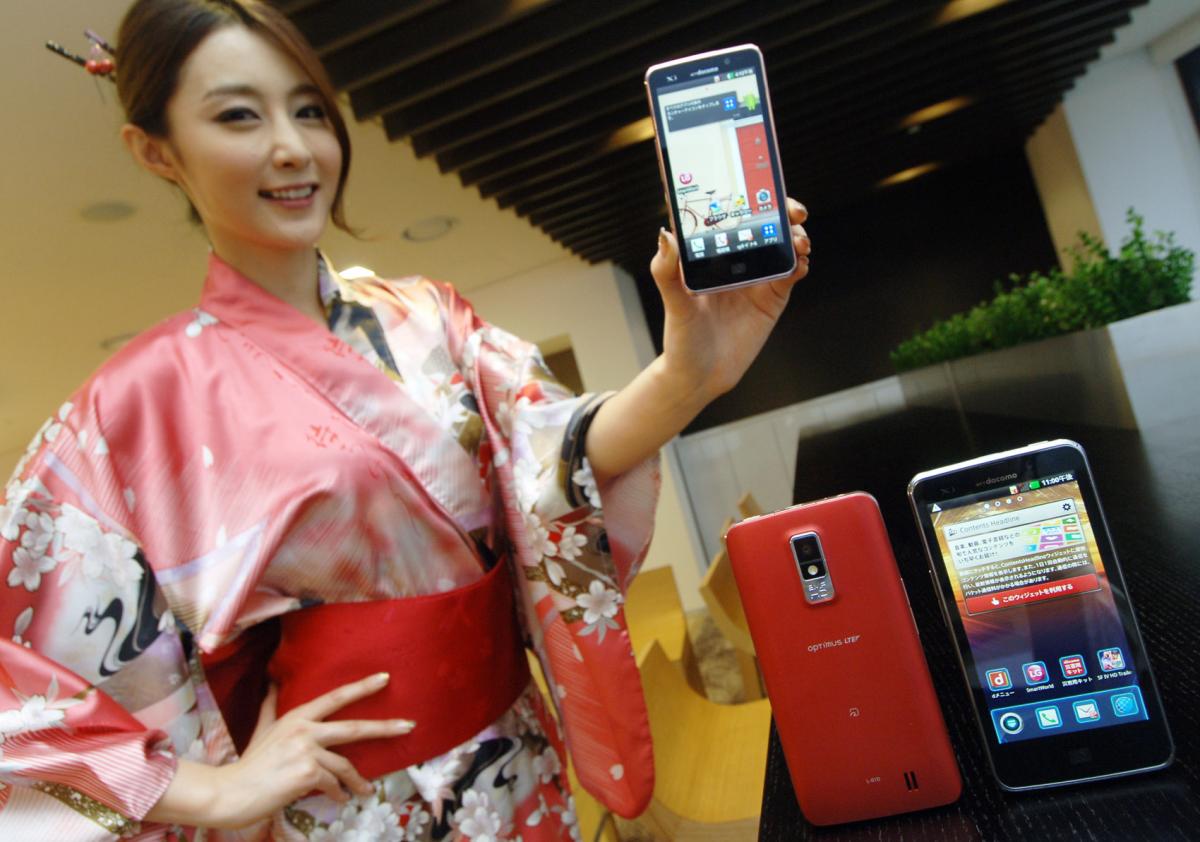
    Japan’s NTT DoCoMo has claimed two new world first with recent 5G trials, including the first successful outdoor trial of 5G technologies for ultra-reliable low latency communications (URLLC).

    The trial, conducted with Huawei in the 4.5-GHz bands, involved a stationary mobile terminal receiving signals at distances of up to 1km from the base station.

    DoCoMo said the trial achieved an over-the-air latency of less than 1ms with a packet transmission success rate of more than 99.999% – both prerequisites for URLLC under 3GPP and ITU-R standards.

    These standards were achieved at distances of 0.3km to 0.6km from the base station when the terminal was moving at around 25km/h. Both tests achieved actual over-the-air latency of around 0.65ms downlink and 0.57ms uplink.

    Separately, DoCoMo conducted a joint trial with MediaTek involves using a self-developed non-orthogonal multiple access (NOMA) chipset designed to increase the spectral efficiency of mobile devices by up to 2.3 times compared to existing LTE technology.

    This marked the first 5G trial using a smartphone-sized NOMA chipset embedded device to increase spectral efficiency, DoCoMo said. The chipset also used MediaTek’s multi-user interference cancellation technology, a prerequisite for NOMA.

    Finally, DoCoMo also announced it has teamed up with Sony to conduct a joint trial involving real-time transition of HD video over 5G to Sony’s experimental New Concept Cart high-tech vehicle (see the picture below).

  • Premium outdoor brand ‘Gregory’ to open its first flagship store

    Premium outdoor brand ‘Gregory’ to open its first flagship store

    Under the unique brand philosophy of ‘Backpacks should be as easy to wear’, Gregory has opened the first flagship store in Sangsu dong, Seoul.

    Based on its ergonomic design and state-of-the-art technology, Gregory has been becoming a brand with a new category of ‘Outdoor Lifestyle Backpack’.

    Since Gregory offers a total of three product lines including functionality, lifestyle, and business line, the brand is widely loved by a wide range of customers from college students in twenties who pursue athletic lifestyle to office workers in thirties who place on functionality and quality.

    Gregory’s “Fit Jig” service is the best example of this brand identity. When choosing a backpack, it is important to consider a variety of factors such as gender, body size, amount of baggage, and purpose, and choose a product that provides a comfortable fit without feeling uncomfortable to the body.

    The Gregory Sangsu flagship store offers a service that recommends an optimal model based on your body size and usage, using a body meter.

    In addition, as it is the only flagship store in Korea, customers can try out the most various products. The Gregory flagship store also offers ‘Old Logo’ products, which are available only here.

    It sells a variety of products that can look at the history and identity of the brand from the vintage items with the old logo to the limited edition. Also from the August 25th, Gregory will show apparel products with its sensitivity.

    The Gregory Flagship Store also attracted visitors with a variety of cultural experience events.  In particular, it celebrated its opening in March last year, and its stores were decorated like galleries.

    Gregory’s early products, founded in 1977 in San Diego, USA, have provided a variety of information related to the brand’s history for 40 years. A Gregory official said, “The Gregory Flagship Store is a place where you can meet all of Gregory’s products that symbolize outdoor and lifestyle.”

  • Peak Sport first Chinese firm to release 3D sneakers

    Peak Sport first Chinese firm to release 3D sneakers

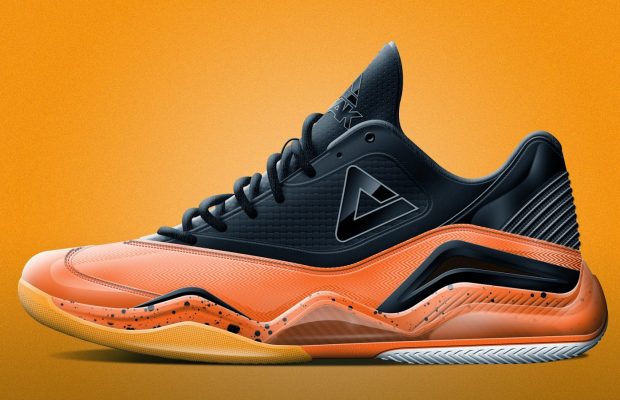
    Sports brand Peak has released its first 3D printed running shoes in Beijing, the first-ever Chinese firm to successfully launch the innovative sneakers.

    Dubbed ‘Future I’, the sneakers are being sold on local e-commerce platform Tmall for RMB1299 (US$188).

    The 3D printed running shoes are based on the most popular Peak FLY V, with 3D printed technology applied to achieve technological innovation. Promoting comfort and breathability, the shoes are made with a special lattice structure insole made via 3D technology.

    In a press release, Peak said its “SLS laser sintering technology shapes the shoes with the more elastic TPU, to ensure the lightness and flexibility… bringing an extraordinary and excellent wearing experience.”

    Peak brought in 3D printing technology in 2013, and over the past 5 years, the firm has used 3D printing technology to produce shoe molds to make 3D printed versions to create exclusive design for athletes such as NBA player Dwight Howard.

    This latest design feat crowns Peak’s design efforts, and harks a promising future in innovative sportswear.

    “This pair of 3D printed shoes is Peak’s latest outcome of Peak Innovation Strategy, our goal is to build Peak as the most international, professional and innovative sports brand in China,” said Zhihua Xu, general manger of Peak Sport.

    Peak owns five research and technology centres in Beijing, Guangzhou, Quanzhou, Xiamen and Los Angeles, with 200 staff across all campuses.

    Based on 3D printed technology, Peak’s ‘Longji’ running shoes were awarded first prize in the first China Industrial Design Competition.

    “In the future, Peak will insist on technological innovation research and release more professional sports products to meet the mass requirements, and become the leading sports brand,” added Zhihua Xu.

    Peak is the third sports brand to release and sell 3D printed running shoes after Adidas and Under Armour.