Tag: Outlet

  • Five Guys Joins US Fast-Food Frenzy in China with First Beijing Outlet Opening

    Five Guys Joins US Fast-Food Frenzy in China with First Beijing Outlet Opening

    Five Guys, an American burger chain, is set to open its first outlet in Beijing in the coming month, joining a surge of American fast-food brands either entering or rapidly expanding within China. This comes on the heels of the establishment of the brand’s first Chinese outlet in Shanghai in 2021. According to a statement made by the company last week, it is aiming to open three outlets in Beijing’s prime shopping centers, primarily targeting younger consumers. Construction activities are already underway, indicating that the openings are not far off.

    American chains like Wendy’s, Chili’s, Texas Chicken, and Popeyes are all vying for a piece of the world’s second-largest consumer market as they face oversaturation in their domestic markets, according to industry analysts. Sandy Lim, a China consumer analyst at S&P Global Ratings, stated that some smaller American chains are exploring possibilities in China to counterbalance the oversaturation in their domestic markets.

    Lim elaborated, “Despite fierce competition, there are still pockets of demand within China’s large catering market.” She explained that unlike previous foreign brands that depended on direct operations overseen by overseas headquarters, exposing them to profits, losses, and market volatility, many American brands nowadays prefer franchising models.

    Wendy’s, listed on Nasdaq, announced in May its plans to open up to 1,000 stores across China in the next decade. As per its first-quarter earnings report, the company has entered into a new franchise agreement with an experienced local restaurant operator, who remains unnamed.

    In the first quarter, the burger chain’s sales, in the same stores, fell by 7.8% year on year, while its system-wide sales in international markets rose by 6% from the previous year.

    Texas Chicken, another American fast-food chain, plans to open its first Chinese outlet in Shanghai this summer. In an April statement, the company announced its partnership with Deke Shengtang, a well-established local operator with several quick-service restaurant brands, to develop a minimum of 600 restaurants across the country over the coming years.

    Chili’s, yet another American chain, opened its second store in Beijing in May. Meanwhile, the Louisiana-based fried chicken brand, Popeyes, made a comeback to Beijing in April, nearly twenty years after it left China in 2003. This chain currently has over 80 outlets in Shanghai.

    Adapting to the Chinese Market

    Fu Yifu, a special research fellow at Su Merchants Bank, noted that inflation continues to affect household spending in the U.S., while the presence of Western fast-food brands in China continues to grow.

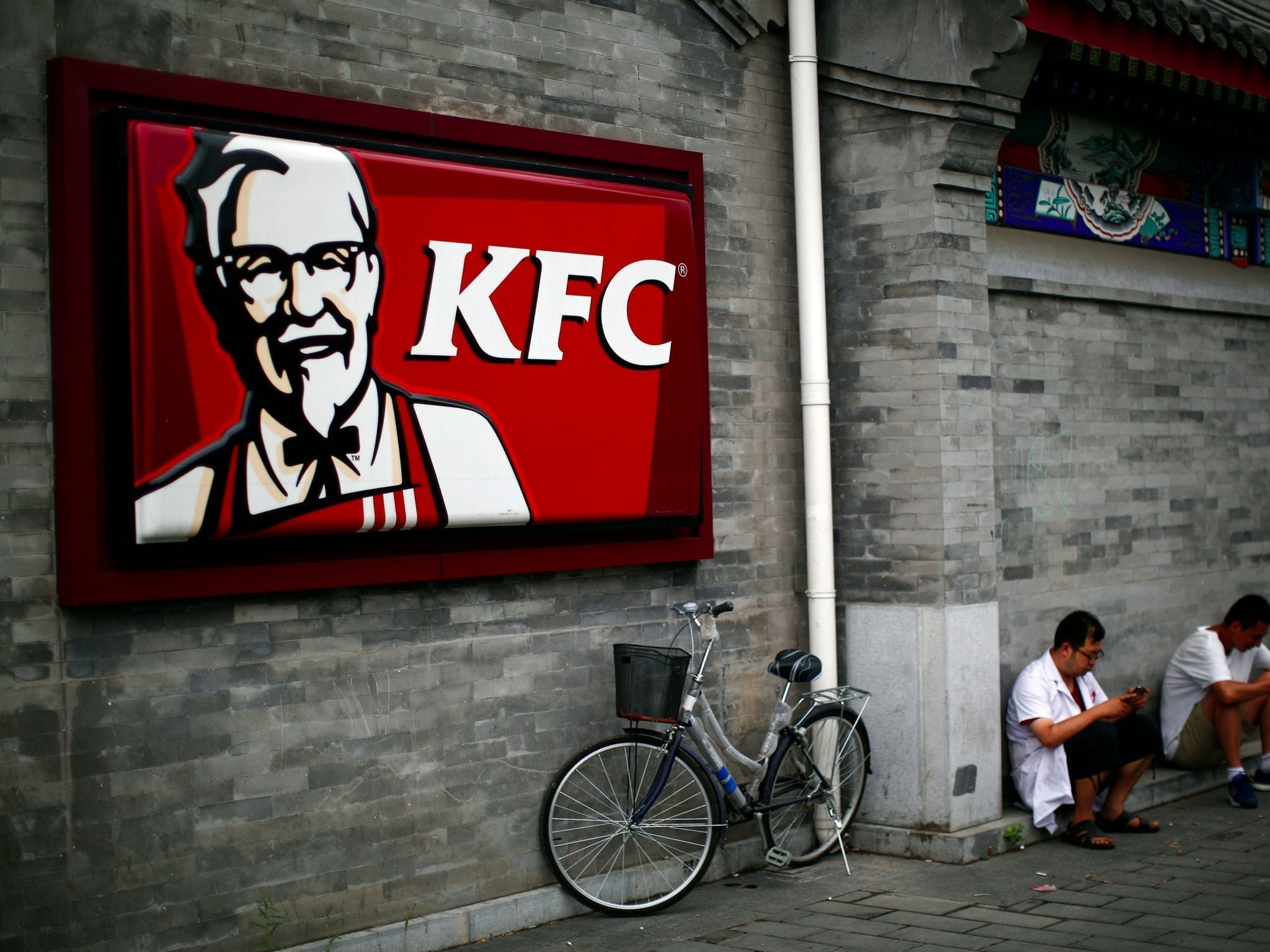
    Early market entrants like KFC, McDonald’s, and Starbucks have developed localized franchising models to mitigate risks. Five Guys is positioning itself to appeal to quality-conscious consumers in first-tier cities. Fu emphasized that Chinese consumers are not automatically attracted to foreign brands anymore. To succeed, these brands must offer differentiated products and adopt localized operations.

    Questions & Answers

    What is Five Guys’ expansion plan in China?
    Five Guys plans to open three stores in Beijing’s popular shopping centers, targeting younger consumers. This follows the opening of its first China outlet in Shanghai in 2021.

    What strategy are American fast-food chains employing in China?
    Many American fast-food chains are opting for franchising models in China, partnering with experienced local operators. This model reduces their exposure to market volatility compared to direct operations managed by overseas headquarters.

    What approach is Five Guys taking to appeal to Chinese consumers?
    Five Guys is targeting quality-focused consumers in first-tier cities. As Chinese consumers are not automatically attracted to foreign brands, the company is focusing on offering differentiated products and adopting localized operations.
  • Sederhana Breaks Boundaries: Popular Indonesian Chain to Launch First Outlet in Singapore

    Sederhana Breaks Boundaries: Popular Indonesian Chain to Launch First Outlet in Singapore

    Sederhana, a well-known Indonesian food chain, is preparing to open its first Singaporean branch, taking the place of a recently closed restaurant that had been serving customers for almost eight decades. Sederhana announced its arrival in Singapore via an Instagram post on May 17th, holding back from revealing the exact date of the grand opening.

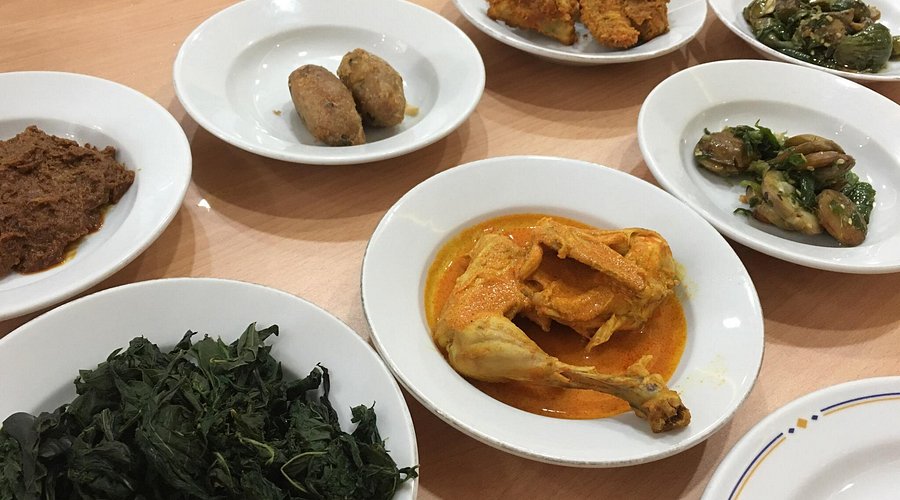
    Sederhana is popular for its nasi padang, a traditional Indonesian dish made up of steamed rice alongside a variety of pre-prepared dishes, including meats, vegetables, and fish. The chain is reported to be aiming for a May 29 opening date for the outlet located at 738 North Bridge Road, hoping to officially launch by mid-June.

    The Legacy of Sederhana

    Sederhana, which started its journey in 1972, currently operates more than 200 outlets across Indonesia, serving the unique Minangkabau cuisine. The Minangkabau are the largest ethnic group on the island of Sumatra, located in the western part of Indonesia. In addition to its Indonesian establishments, the chain also has three branches in Malaysia and plans are underway for a new branch in Melbourne, Australia.

    The location in Singapore that Sederhana has chosen for its new home was previously occupied by Warong Nasi Pariaman, one of Singapore’s oldest Indonesian eateries. Warong Nasi Pariaman shut its doors at the end of January after providing 78 years of service.

    Questions & Answers

    What is the specialty of Sederhana?
    Sederhana specializes in nasi padang, a traditional Indonesian dish that consists of steamed rice served with a variety of pre-prepared dishes such as meats, vegetables, and fish.

    Can you tell us about the history of Sederhana?
    Sederhana was founded in 1972 and has since grown to operate more than 200 outlets across Indonesia, serving Minangkabau cuisine. It also has three branches in Malaysia and is planning to open a new one in Melbourne, Australia.

    What was the previous establishment at the Singapore location?
    The location for Sederhana’s new outlet in Singapore was previously home to Warong Nasi Pariaman, one of the oldest Indonesian food eateries in Singapore, which recently shut down after 78 years of operation.

  • Shiros First Hong Kong Outlet: An Experiential Fragrance Haven at K11 Musea

    Shiros First Hong Kong Outlet: An Experiential Fragrance Haven at K11 Musea

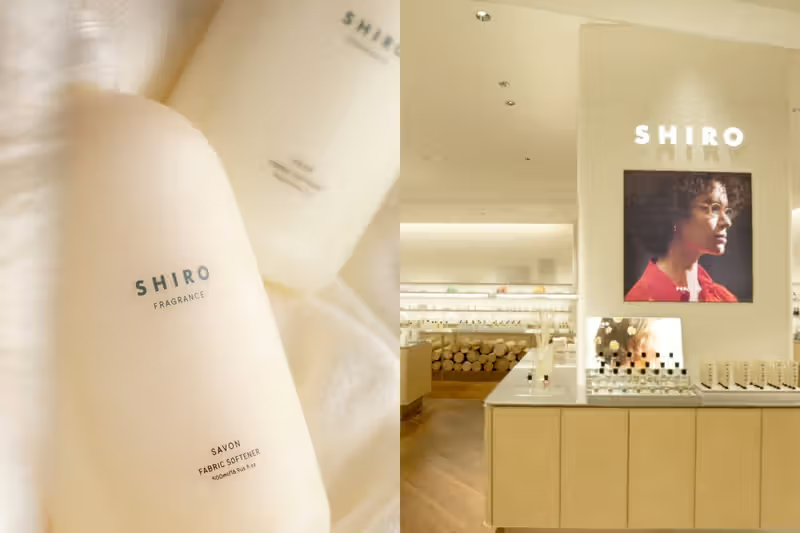
    Shiro, a renowned Japanese fragrance company, recently launched its inaugural store in Hong Kong, incorporating an immersive shopping experience that focuses on in-store fragrance creation.

    The store, located in K11 Musea, showcases an interior design that pays homage to local materials and traditions. Bamboo scaffolding and metal, symbols of Hong Kong’s historical architecture and residential buildings, are prominently featured within the space.

    Discovering the Zero Blender Lab

    A highlight of the store is the Zero Blender Lab, a unique feature that allows customers to design their own personalized fragrance mists. This innovative concept employs prototype scent materials from Shiro’s product development cycle, which would otherwise be discarded.

    Shiro’s initiative aligns with their longstanding commitment to zero waste, a policy they have embraced since 2024 in their product development and store design. As stated by the brand, the Zero Blender Lab offers customers the opportunity to experiment with blending fragrances, all within a setting inspired by the Research and Development room of their Minnano-Sunagawa Factory in Sunagawa, Hokkaido. Shiro aims to provide an experience that mirrors the work of a professional perfumer.

    Founded in Hokkaido, Japan in 2009, Shiro not only specializes in fragrances, but also offers a variety of complementary services through their Shiro Life, Shiro Café, and Shiro Beauty businesses.

    Questions & Answers

    What is unique about Shiro’s new store in Hong Kong?
    The new store offers an immersive shopping experience, with a focus on in-store fragrance creation. It features the Zero Blender Lab, where customers can create their own fragrance mists using scent materials that would otherwise be discarded.

    What is Shiro’s commitment to sustainability?
    Since 2024, Shiro has been striving towards achieving zero waste in both their product development and store design. The Zero Blender Lab is an example of this, as it reuses prototype scent materials that would typically be discarded.

    What other businesses does Shiro operate?
    Besides fragrances, Shiro also runs complementary businesses, including Shiro Life, Shiro Café, and Shiro Beauty, offering a comprehensive lifestyle experience for their customers.

  • End of an Era: Iconic Isetan Department Store Shuts Down 15-Year-Old Singapore Outlet

    End of an Era: Iconic Isetan Department Store Shuts Down 15-Year-Old Singapore Outlet

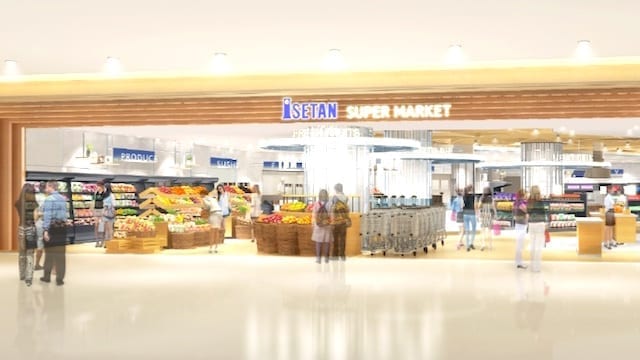
    The renowned Japanese department store, Isetan, recently ceased operations at its NEX shopping mall location in Singapore. The store, which had been in operation for 15 years, sold a wide range of items, including home goods, fashion, and beauty products. The closure came on April 26, following the expiration of the store’s lease.

    A Fond Farewell

    Isetan made the announcement of the closure via a Facebook post, expressing heartfelt gratitude to all its loyal customers and stakeholders who had supported the store for the past 15 years. A touching video shared online showed employees bidding their final goodbyes to customers on the store’s last operational day.

    A large crowd of shoppers gathered at the store’s entrance, where the store manager gave a farewell speech. In it, he showed appreciation for the customers’ unwavering support and kindness throughout the years. “Today is our last day of business,” he declared, adding warm wishes of health and happiness to the store’s patrons.

    Isetan’s Journey in Singapore

    Since its initial footprint in Singapore in 1972, Isetan has become a household name in the city-state. The opening of its Havelock outlet marked the arrival of the first Japanese department store in Singapore.

    At its height in 2013, Isetan operated six outlets across the country. However, the firm has had to close several stores in recent years. The most recent closures, prior to the NEX location, were the Tampines Mall store in November, after 30 years of operation, the Isetan Katong at the Parkway Parade shopping center in March 2022, and the Isetan Jurong at the Westgate Mall in March 2020.

    Looking Ahead

    The reasons behind the closures include a careful evaluation of local conditions and the consideration of future profitability. As Isetan continues to adapt to changing market conditions, its future strategies, operations, and presence in Singapore will undoubtedly be keenly watched.

    Questions & Answers

    Why did Isetan close its NEX outlet?
    The Japanese department store Isetan closed its NEX outlet due to the expiration of its lease on April 26.

    How long has Isetan been operating in Singapore?
    Isetan has been present in Singapore since 1972, when its Havelock outlet launched as the first Japanese department store in the city-state.

    How many stores did Isetan operate at its peak?
    Isetan operated six outlets across Singapore at its peak in 2013.

  • Iconic Brunch Spot Penny University Bids Farewell to Jalan Klapa Outlet Amid F&B Industry Challenges

    Iconic Brunch Spot Penny University Bids Farewell to Jalan Klapa Outlet Amid F&B Industry Challenges

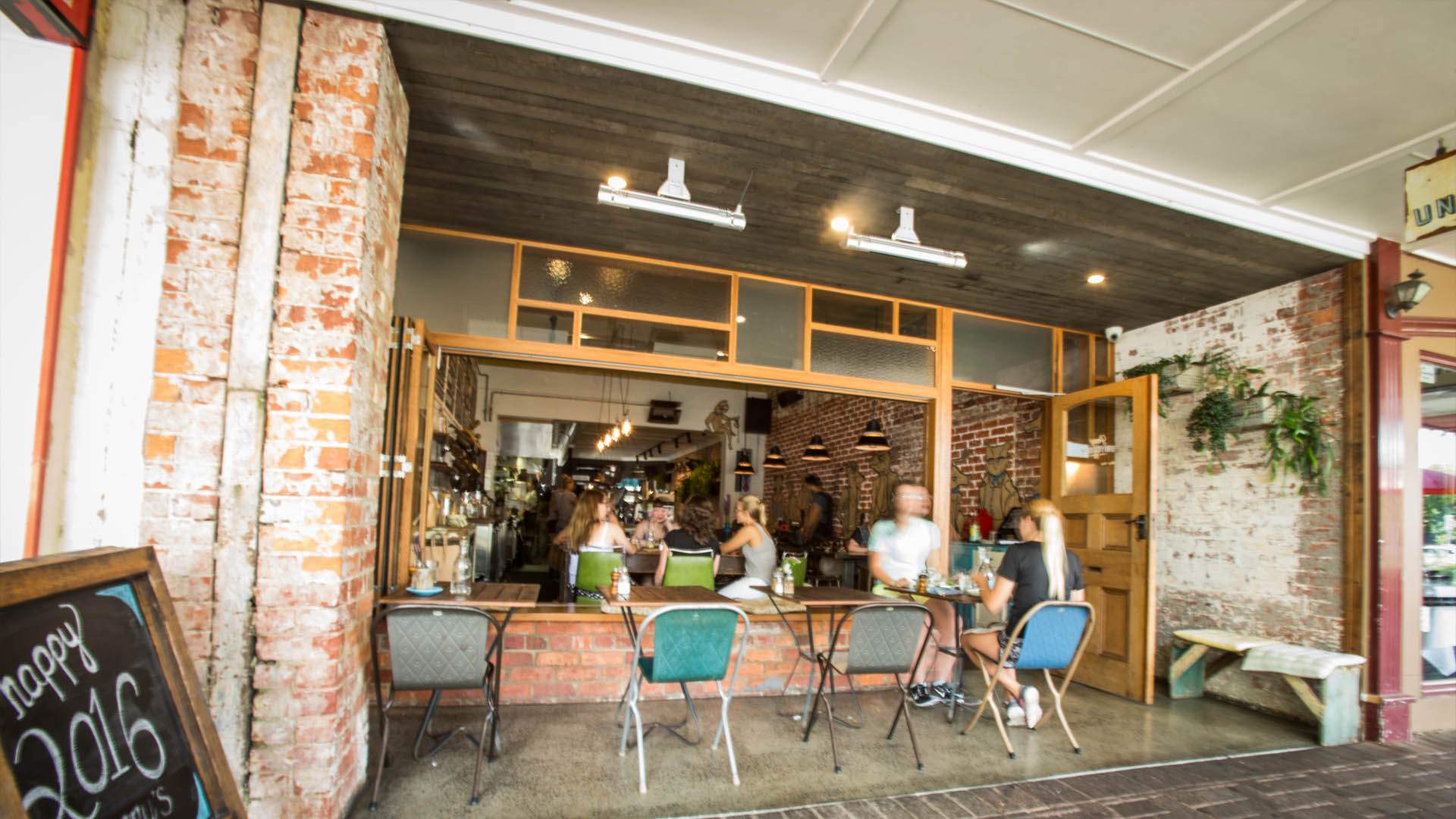
    Singapore-based Halal brunch café, Penny University, has announced the closure of its Jalan Klapa outlet. The doors will shut for the last time on May 3, following a challenging four-year period due to unfavorable conditions within the food and beverage industry.

    Established Reputation

    The café was established in 2012 on the East Coast and quickly garnered a reputation for its distinctive coffee and brunch selections. In 2022, after a successful decade at the original location, it moved to Jalan Klapa in Kampong Glam.

    In a post on Instagram, Penny University characterized its tenure at Jalan Klapa as an exciting journey. It emphasized how the café remained true to its commitment to serving quality coffee and brunch, while simultaneously building strong relationships with the local community. The café also expressed delight in the increase in its international clientele, describing them as a delightful crowd.

    Business Challenges

    The café acknowledged facing economic difficulties in the food and beverage sector, stating these as the reason behind the closure. “The economic conditions can be unforgiving, and we haven’t been an exception. The challenges in the F&B sector necessitate that we bid farewell to our time at Jalan Klapa,” the café shared in their post.

    They went on to express their sorrow at the closure but also their joy and gratitude for having had the opportunity to serve the patrons at this location. The café shared its intentions to use the closure period to recharge and reassess their next steps.

    Remaining Operations

    Despite the closure of the Jalan Klapa outlet, the café’s other outlet, located at Wisma Geylang Serai and opened in 2024, will continue to operate.

    During their tenure at Kampong Glam, Penny University had been a community hub, hosting events centred around the community like crochet sessions, art workshops, and book club meetings.

    Questions & Answers

    Why is Penny University closing its Jalan Klapa outlet?
    The café cited economic challenges within the food and beverage sector as the reason for the closure.

    When is the Jalan Klapa outlet closing?
    The Jalan Klapa outlet is set to close on May 3.

    Will the café’s other outlets remain open?
    Yes, the café’s Wisma Geylang Serai outlet, which opened in 2024, will continue operations.

  • Molly Tea Brews up a Storm in Singapore with its Largest Southeast Asian Outlet

    Molly Tea Brews up a Storm in Singapore with its Largest Southeast Asian Outlet

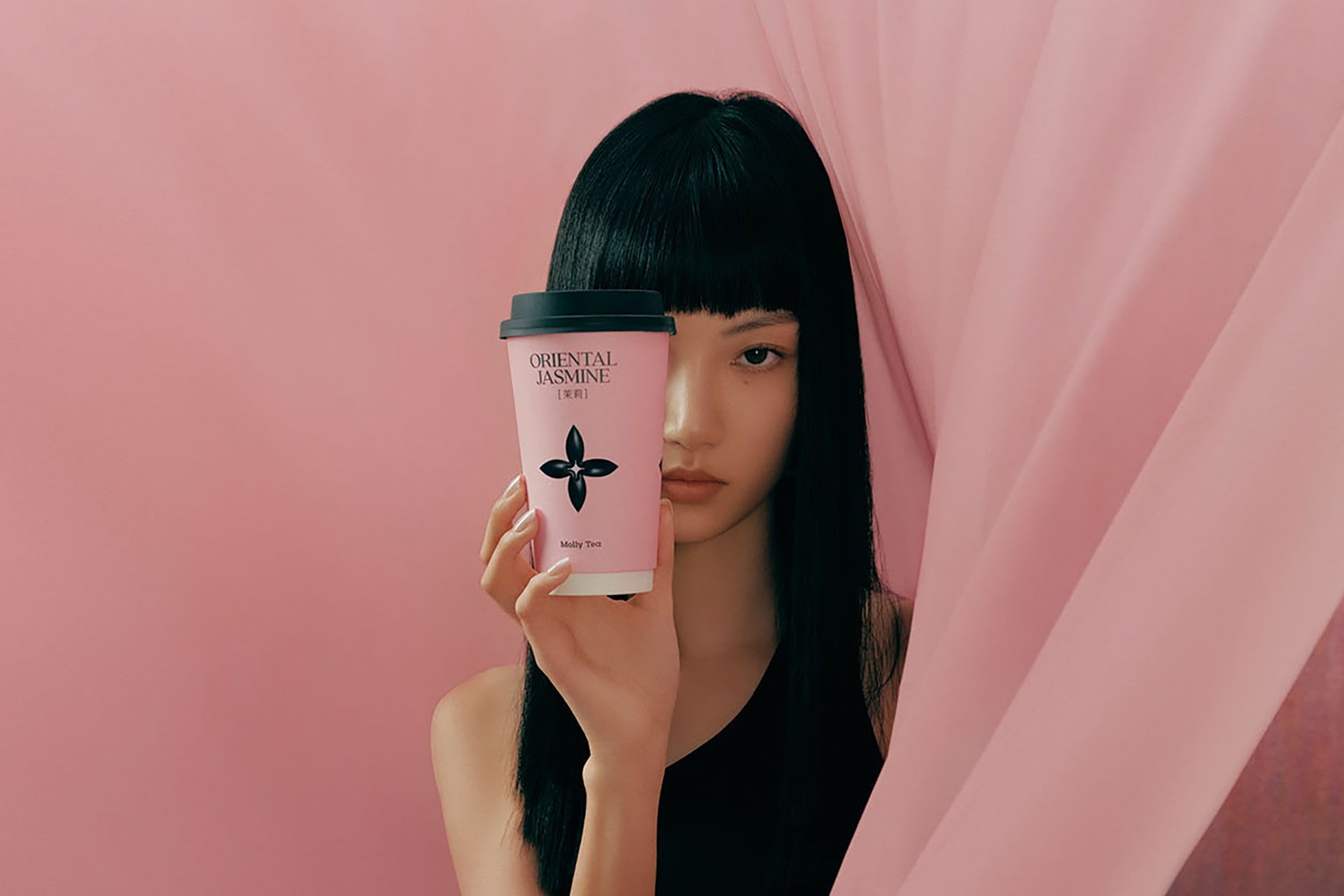
    Molly Tea, a renowned Chinese tea chain, has marked its entrance into the intensely competitive food and beverage markets of Southeast Asia with the opening of its debut store in Singapore, situated at Orchard Central.

    The new establishment, which is the largest of its kind in Southeast Asia, has been designed to accommodate up to 40 customers at a time and spans across an impressive area of 1,400 square feet.

    Despite the recent unveiling of its Singaporean branch, the rapidly expanding brand is already laying plans for the inauguration of a second store in the country in the near future. The specifics of this forthcoming project have not yet been publicly disclosed.

    Molly Tea, with its origins in Shenzhen, was founded in 2020 and has since experienced an accelerated growth trajectory. This has not only allowed it to firmly establish its presence across China but also propelled it into international markets. The brand is largely recognised for its array of jasmine-based tea beverages.

    Currently, Molly Tea operates an extensive network of over 2,000 stores worldwide. Their reach extends to several major markets including, but not limited to, China, Thailand, Japan, and the United States.

    In the previous year, Molly Tea broadened its geographical footprint by foraying into the Indonesian market, establishing two stores in the capital city, Jakarta.

    Questions & Answers

    When and where was Molly Tea founded?
    Molly Tea was founded in Shenzhen, China in the year 2020.

    How many stores does Molly Tea operate globally?
    Currently, Molly Tea operates more than 2,000 stores across the globe.

    What type of beverages is Molly Tea known for?
    Molly Tea is particularly recognized for its diverse range of jasmine-based tea beverages.

  • End of an Era: Iconic McDonald’s Outlet at Tampines Mall Singapore Closes After 30 Years

    End of an Era: Iconic McDonald’s Outlet at Tampines Mall Singapore Closes After 30 Years

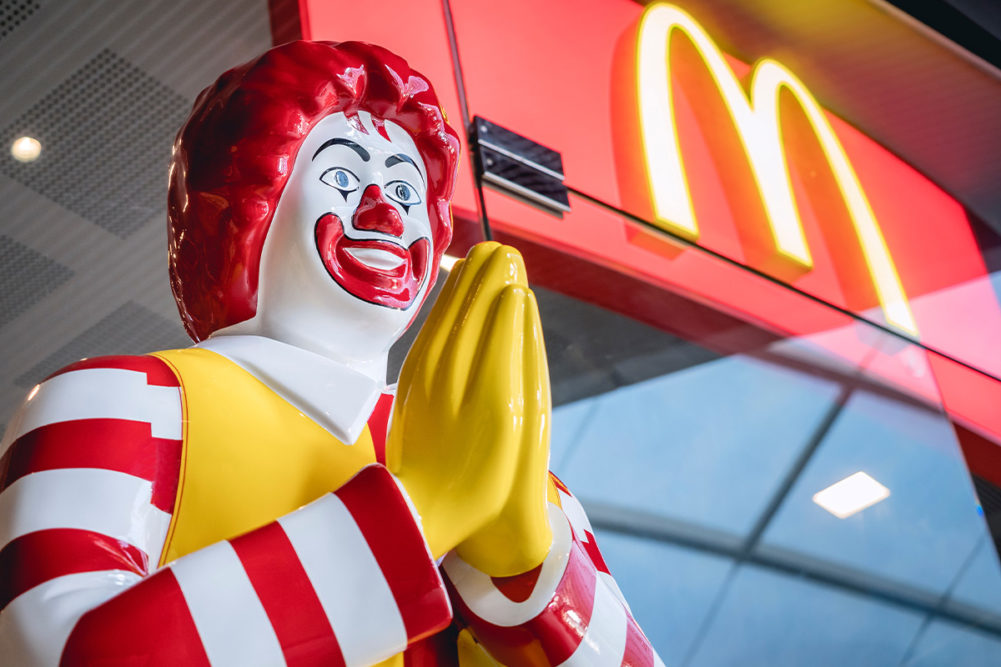
    One of McDonald’s long-standing outlets in Tampines Mall, Singapore, is set to close its doors on March 9. The fast-food restaurant has been a staple of the mall for over three decades, making its impending closure a significant moment for both the company and the many customers it has served over the years.

    The Closure Announcement

    The fast-food giant’s intended closure was announced via a store notice, which was then shared on social media on Tuesday. The notice revealed that the restaurant’s final day of operation would be March 8. While no specific reason was provided for the closure, the message expressed gratitude to the customers for their continued support through the years.

    The notice also assured patrons that while this particular outlet may be closing, the restaurant would be thrilled to serve them at their nearest branches. The Tampines Central and Tampines Hub were suggested as alternative locations for customers to visit.

    A Staple at Tampines Mall

    The McDonald’s outlet has been an integral part of Tampines Mall since its inception in November 1995. As one of the mall’s original tenants, its closure marks the end of an era. The mall, which celebrated its 30th anniversary in 2025, has seen many businesses come and go, but McDonald’s has remained a constant presence.

    The closure announcement has elicited feelings of nostalgia and sadness among patrons, many of whom consider the outlet to be an iconic part of the mall. Its strategic location near the entrance of the shopping complex means that for many, a trip to the mall was synonymous with passing by the McDonald’s store.

    Changes in Singapore’s Food Scene

    McDonald’s announcement follows a series of closures in Singapore’s food and beverage sector. In 2025 alone, 2,431 outlets were shut down in the first 10 months. The closures spanned a range of eateries, from Michelin-starred restaurants to long-standing heritage dining venues.

    In addition to the food scene, the retail sector has also seen significant changes. Isetan, a Japanese department store that had been operating in the mall for several decades, closed its outlet four months prior to McDonald’s announcement. The store cited evolving market conditions as the reason behind its departure.

    Questions & Answers

    Why is the McDonald’s outlet in Tampines Mall closing?
    While no specific reason was given for the closure, it comes amid a wave of business closures across Singapore’s food and drink sector.

    When was the last day of operation for the McDonald’s outlet in Tampines Mall?
    The outlet’s final day of operation was slated for March 8.

    Are there other McDonald’s outlets nearby where customers can go?
    Yes, the notice mentioned that customers could visit the McDonald’s branches at Tampines Central and Tampines Hub.

  • Filipino Bakery Chain Mary Grace Set For First International Venture In Singapore

    Filipino Bakery Chain Mary Grace Set For First International Venture In Singapore

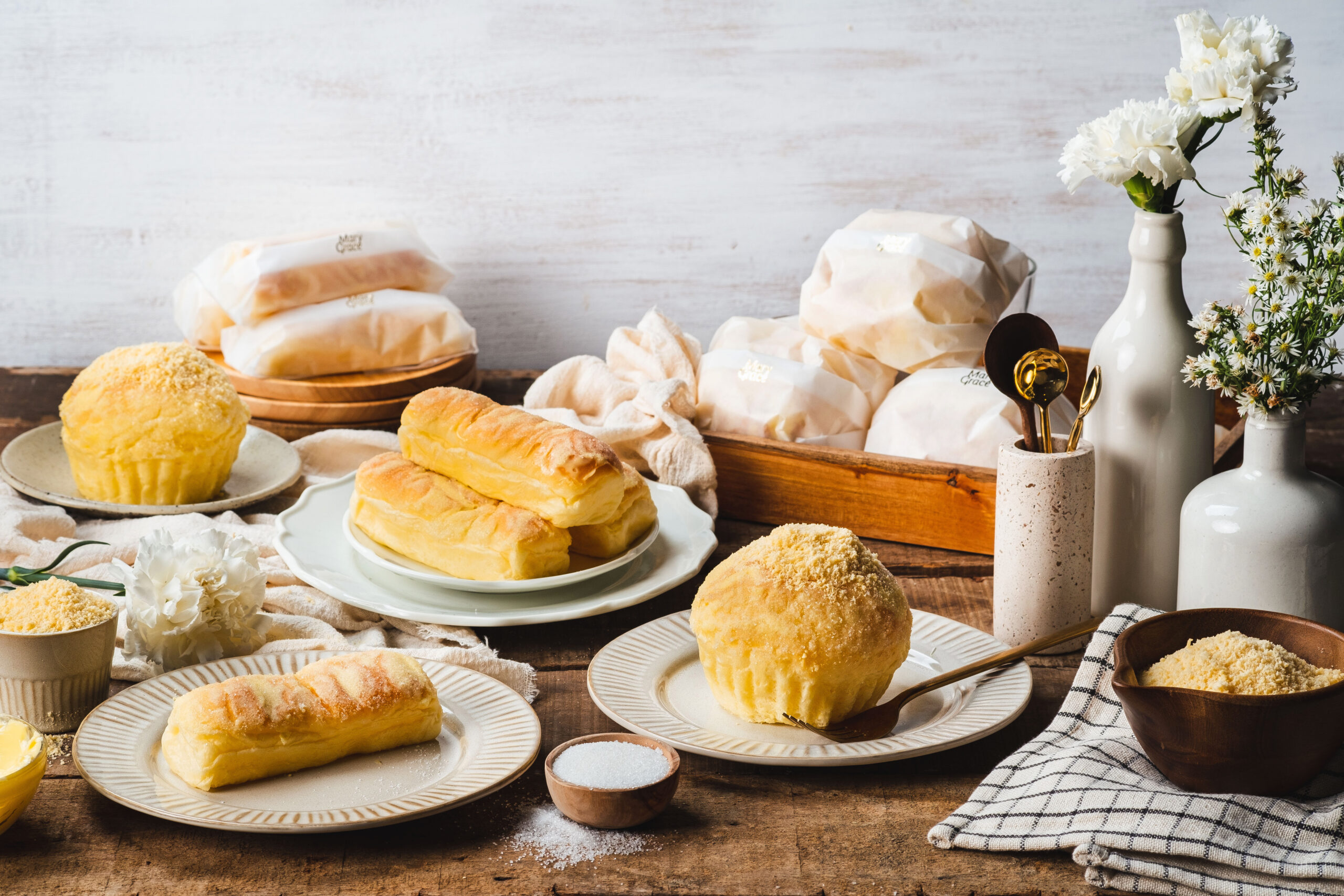
    Singapore has recently seen an influx of Chinese food and beverage (F&B) brands. Among them are the florist-café Tomacado, the popular teahouse Incloud, and Siji Miinfu, a specialist in Peking duck. However, the island nation is also preparing to welcome a notable name from the Philippines: Mary Grace. From its humble beginnings as a small bazaar stall set up by a mother of five in 1994, Mary Grace has grown into a bakery and café chain with over 140 outlets in the Philippines. The upcoming Singaporean outlet will be its first international venture.

    Mary Grace’s Initial Success in Singapore

    In September of this year, Mary Grace held a three-day pop-up event in Singapore. Despite minimal advertising, the event was a sold-out success. This could be a signal that when the permanent store opens, a large number of eager customers will be waiting.

    Signature Offerings

    The bakery’s signature offerings include its cheese rolls and ensaymada, a soft and buttery Filipino pastry adapted from the Spanish ensaïmada. In the classic version, Mary Grace tops the pastry with a dusting of aged Edam cheese. During the pop-up event, a box of six was sold for $31.50. The ensaymada also comes in several other flavours, such as cinnamon apple and chocolate.

    Mary Grace’s other home-style baked goods include carrot cake, banana bread, lemon bars, and strawberry shortcake. It is hoped that these, along with savoury items like sandwiches and Filipino-style all-day breakfast dishes, will be available in the Singapore store.

    Further Information

    Details about the exact location and opening date of Mary Grace’s Singapore location are still forthcoming. The latest updates will be posted on its Instagram account @cafemarygrace.sg.

    Questions & Answers

    What is Mary Grace’s origin?
    Mary Grace originated as a small bazaar stall set up by a mother of five in the Philippines in 1994. It has since grown into a large bakery and café chain with over 140 outlets in its home country.

    What are some of the signature items at Mary Grace?
    Some of the signature items at Mary Grace include cheese rolls, ensaymada which is a fluffy, buttery Filipino pastry, and other home-style baked goods like carrot cake, banana bread, lemon bars, and strawberry shortcake.

    When and where will the permanent Mary Grace store in Singapore open?
    The exact details regarding the opening date and location of the Mary Grace store in Singapore have not yet been released. Future updates will be posted on its Instagram account @cafemarygrace.sg.

  • Birkenstock opens House of Birkenstock in Singapore

    Birkenstock opens House of Birkenstock in Singapore

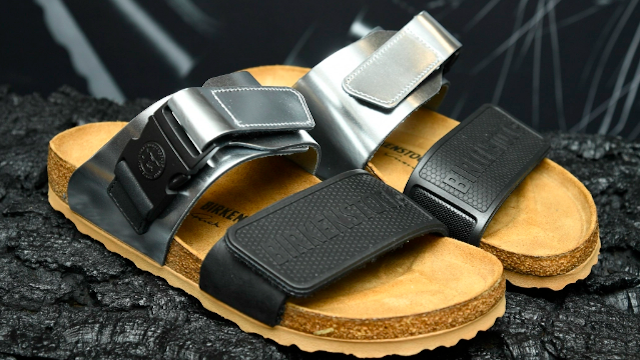
    German shoe manufacturer Birkenstock has launched its House of Birkenstock in Singapore, marking the first of its kind in Asia.

    The store, located in one of the Duxton shophouses, combines the local design elements with its traditional German heritage. It is also Birkenstock’s seventh location in Singapore.

    The store’s entrance includes a traditional Chinese wooden signboard, handmade paper lanterns and the installation of vintage tiles. There is also a 6-meter-high Birkenstock feature wall and a contemporary Peranakan water feature.

    The space offers more than 200 models and is also the first store in Southeast Asia to offer the Birkenstock 1774 collection.

    In addition, Birkenstock plans to introduce different services in the future, including customization and repairs, strengthening its sustainable commitment.

    The brand said it is growing its presence in the APMA (Asia Pacific, Middle East and Africa) region with new store openings in selected locations.

    Birkenstock named Tiffany Wu as MD for Greater China last month to lead the footwear company’s expansion in the region.

  • Italian outerwear label Herno makes global duty-free debut in Korea

    Italian outerwear label Herno makes global duty-free debut in Korea

    Italian luxury brand Herno has made its first presence in South Korea, in partnership with Shinsegae International. The launch also marks Herno’s first presence in a duty-free shop.

    Located on the ninth floor of the Shinsegae Duty-Free Myeongdong branch, the store offers its latest winter collection in a variety of colors, with products made primarily of cashmere, silk, goose down, and nylon.

    “Even though outerwear is expensive, there is a perception that people buy high-quality products and wear them for a long time, so the demand for luxury padding is steadily increasing,” said a representative for Shinsegae International Herno.

    “As the number of travelers leaving overseas, including foreign tourists, is rapidly increasing ahead of the end of the year. We are expecting a good response from the Shinsegae Duty Free Myeongdong branch.”

    Herno, founded in 1948 by Giuseppe Marnezi, is notable for not showing its logos, in line with the quiet luxury trend. The decision to create a duty-free store was made in reaction to South Korea’s emergence as a centre of luxury fashion, the recent growth in international tourists visiting Korea, and the rapid increase in overseas travel by Koreans.

  • 7-Eleven and Coca Cola launch Hong Kong concept store

    7-Eleven and Coca Cola launch Hong Kong concept store

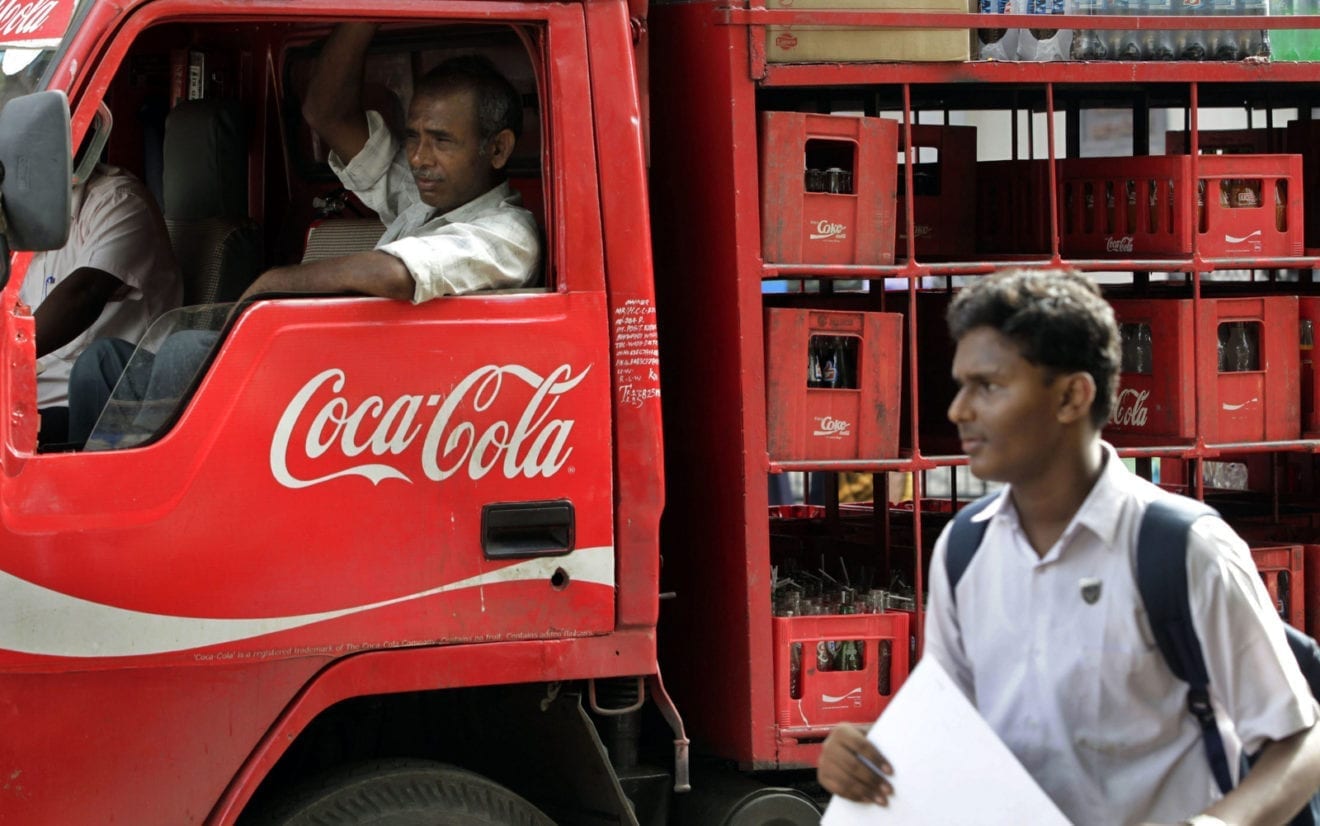
    7-Eleven has teamed with carbonated beverage brand Coca Cola to open a new themed store in Hong Kong. Located at in Tsim Sha Tsui, the 7-Eleven x Coca Cola concept store is dressed in the distinctive Coke red. As well as the modern Coke livery, the counter features a banner with nostalgic advertising.

    The store features two fridges with Coca Cola’s glass-bottle-shaped doors, displaying a selection of the brand’s items and collectibles.

    “7-Eleven x Coca Cola themed store is a close collaboration with our suppliers leveraging on the brand strength and features to create a themed convenience store with impactful in-store decoration, interesting display, exclusive products, innovative food idea, good value offer to bring customers fun and convenience,” a spokesperson for 7-Eleven Hong Kong’s parent company Dairy Farm Group said.

    The store also features a ‘Hot Shot counter’ where customers can pause and eat snacks (and a Coke).

  • Louis Vuitton flagship opens in Seoul

    Louis Vuitton flagship opens in Seoul

    The new Louis Vuitton Seoul flagship store has opened, its design collaboration with renowned architects Frank Gehry and Peter Marino.

    Located on Cheongdam-dong Avenue in the Gangnam district, Louis Vuitton Maison Seoul features Korean culture-inspired elements, including the Hwaseong Fortress, the swooping movements and white costumes of the traditional Dongnae Hakchum crane dance while maintaining the Gehry-designed curved glass structure inspired by the Fondation Louis Vuitton in Paris.

    “What struck me when I first visited Seoul about 25 years ago, was the relationship between the architecture and the natural landscape. I still remember clearly the powerful impressions I had stepping from the garden of Jongmyo Shrine,” said Frank Gehry. “I am delighted to have designed Louis Vuitton Maison Seoul, reflecting the traditional values of the Korean culture.”

    Designed by Marino, the interior of the store is divided into different areas. The basement and first floor are used as ‘retail universes’, offering mens and womens collections including ready-to-wear, leather goods and accessories.

    The next upper floors feature a private space and an enclosed terrace for intimate dinners and events or exclusive appointments. The top floor is an exhibition zone called Espace Louis Vuitton Seoul, displaying eight emblematic sculptures by Giacometti, that belong to the Collection, including L’homme qui chavire (1950) and Grande Femme II (1960).

    “The interior spaces were designed with a ‘Miesian’ rigour to more strongly emphasise the billowing energetic sculptural quality of Gehry’s exterior,” said Marino.

    “The interior stone flows in from the exterior. The dynamism of the rectangular volumes cleanly contrasts with the baroque glass shields of the building.”

  • Jollibee is expanding in the UK with more outlets

    Jollibee is expanding in the UK with more outlets

    Filipino fast-food chain Jollibee is set to open its second UK restaurant, in Liverpool.

    Bee World UK, part of the Jollibee Foods Corporation, has already submitted a plan to transform a Lush store on Whitechapel into its flagship restaurant in the northwest England city. The expansion comes after the successful opening of its first UK restaurant in London’s Earl’s Court last year. The opening is set to create 70 jobs, according to the planning application.

    Jollibee’s head of international business for Europe, Dennis Flores, said last year that the company plans to continue expansion by opening 25 restaurants and creating 1,500 jobs across the UK by 2023. He also said that they expect the brand to appeal not only to the Filipinos living and working in the UK but to the locals as well.

    Further expansion will see the fast-food chain launch in new cities including Manchester and Birmingham, said Flores.

    Jollibee, known for its Chicken Joy fried chicken and Jolly spaghetti, has a network of more than 1,300 restaurants in the Philippines, making it a dominant leader in the industry. Internationally, it has more than 200 branches spanning across countries including the US, Canada, Vietnam, Singapore, Saudi Arabia, Qatar, Italy, Bahrain, Singapore, and the UAE.

    Its parent company, Jollibee Foods Corporation, also owns brands including Chowking, Greenwich, Red Ribbon, Mang Inasal, Yonghe King, Hong Zhuang Yuan and Smashburger. It also owns 60 percent of the SuperFoods Group which operates Highland Coffee and Pho24 brands in Vietnam. It recently entered into an agreement to operate Panda Express in the Philippines and to buy the Coffee Bean & Tea Leaf business globally.

  • Burger King APAC opens 3,000th restaurant

    Burger King APAC opens 3,000th restaurant

    The Burger King Asia-Pacific network has reached a milestone, the 3000th restaurant which just opened in Shanghai.

    The new restaurant in China is a joint venture owned by Burger King, TFI TAB Food Investments and Cartesian Capital.

    “We have served the Asia-Pacific market for more than 40 years, and have grown rapidly in the region recently, doubling our restaurant count in just the past five years,” said Sami Siddiqui, president at Burger King Asia-Pacific. “We look forward to many more openings to come as we grow the brand in our fastest-growing region of the world.”

    Burger King has opened more than 1500 restaurants in the region within the last five years, helped by strong franchisee partnerships in major markets, including China, India and South Korea.

  • Yum China buys Chinese retail chain Huang Ji Huang

    Yum China buys Chinese retail chain Huang Ji Huang

    Yum China Holdings has entered into a definitive agreement to acquire a controlling interest in Huang Ji Huang group, a leading Chinese-style casual-dining franchise business.

    Subject to the satisfaction of closing conditions and regulatory approvals, the transaction is expected to close early next year.

    Founded in 2004 and headquartered in Beijing, Huang Ji Huang has more than 640 restaurants in China and internationally. The group operates primarily under a franchise model and its brand portfolio consists of simmer pot brand “Huang Ji Huang” as well as “San Fen Bao”, a newly launched Chinese fast food concept.

    Yum China is the largest restaurant company in China, with more than 8700 restaurants as of June 30. With the addition of Huang Ji Huang, Yum China aims to gain a stronger foothold and enhanced knowhow in the Chinese dining space, which represents a significant share of the dining market in China.