Retail News CRM

Tag: Outlet

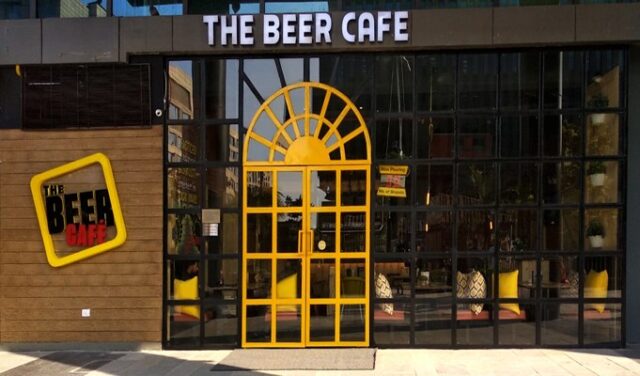
  • The Beer Café’s 40th outlet at Delhi with new concept

    The Beer Café’s 40th outlet at Delhi with new concept

    The Beer Café, India’s largest alco-beverage chain, has opened its 40th outlet at Delhi’s Aerocity. Enhancing the beering experience for its patrons, this brand-new outlet is the only place in the city to offer a whopping 16 varieties of the fresh and delicious ale on tap. With a food menu that perfectly complements the golden brew and an energetic and lively ambience that is a hallmark of the brand, The Beer Café is definitely the new must-visit spot for beer lovers in Delhi/NCR.

    Aerocity is fast emerging as one of the most posh and upmarket locales in the Delhi-NCR region. Not only has it become the hub for some of the most vibrant F&B brands in the city, it is also a hotspot for a variety of lifestyle and cultural events. Further, its easy connectivity to the airport and other bustling locations in the city such as Gurgaon, Vasant Kunj and Dwarka made Aerocity the perfect choice for the newest The Beer Café in the capital.

    The brand has been a pioneer of casual, inviting, neighborhood hangout spaces in India. The innovations in providing superior consumer experiences have played a key role in establishing its domain leadership in India.

    With this 40th outlet that serves more beers on tap than any other bar or hangout space in the city, The Beer Café has elevated the benchmark for social drinking experiences in the city yet again.

  • Dhaba restaurant opens its 10th outlet in Aerocity India

    Dhaba restaurant opens its 10th outlet in Aerocity India

    Dhaba Estd 1986 Delhi by Azure Hospitality is all set to land itself at Delhi’s posh new Aerocity. The award winning deliciousness carries forward the thirty year legacy as it stamps another one at Delhi’s most favourite leisure destinations, The Walk at Aerocity. At Dhaba Estd 1986 Delhi, one not only experiences fabulous Dhaba food but from the moment the patrons enter till the time of their exit, the ambience recreates unparalleled highway eatery nostalgia. Given a shot of new age fun and kitschy interiors with the legendary classics on the menu along with some nouveau beauties – Dhaba is set to recreate the same magic again – but with more full-on Punjabi flair.

    “Keeping the drama to a minimum, we plan another Dhaba, where food is the king yet again. We are thrilled to share that Delhi’s prime food, beverage and leisure destination Worldmark at Aerocity is about to get struck with Dhaba’s dildaar Punjabi love that has been warmly accepted in Delhi NCR, Pune, Chennai, Hyderabad and Bangalore. Aerocity restaurant marks the tenth outlet for us after five successful years across the country. The response has always been heart-warming and we look forward to the same yet again,” say Rahul Khanna and Kabir Suri, Directors, Azure Hospitality.

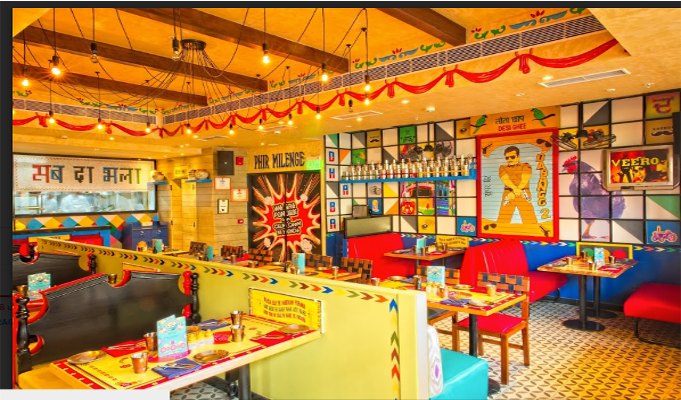
    Dhaba comes in a new avatar with signature kitschy quirk, vintage collages and retro Indian décor of the 80s and 90s, and use of popular Indian weaving techniques in ikat fabrics. Designed by Atul Anand, this 52-seater outlet showcases environmental friendly décor using recycled elements and community tables for group seating. The ambience effortlessly infuses the excitement of a highway meal; and in fact, takes it up a fair few notches! The creative chaos of colours, quirky desi quotes, revival of vintage black and white Bollywood posters and the signature truck art adds to the overall dining experience. The mood of the restaurant is further enhanced by the mock façade of a building, which is designed like a small town.

    With a crafted legacy of over 30 years, the real highway magic always takes place in the kitchen. With a legendary classic Indian menu divided into three drooling parts – the Tandoor, Tawa and Patila, food at Dhaba will be a true showstopper amongst corporate and tourists visiting the location. Chef Ravi Saxena expertly helms the Dhaba kitchen chronicle, reconditioning its fabled signature recipes bringing forth the best of highway cuisine and North Indian cuisine concepts. With signature recipes since 1986 and the new experimental highway specials, there are a whole lot of new and signature dishes for everyone to try.

    The food menu is inspired by travels down the highways of India and the eccentric by-lanes of old towns famous for unique age-old recipes. In addition to the age –old classics, the new menu experiments with newer flavours showcasing Highway specials, not only from Punjab but from all over the country. The essence and soul of Dhaba is Punjabi, however a whole range of regional dishes are now available for indulgence.

  • Restaurant company expands into Thailand with local Myanmar cuisine

    Restaurant company expands into Thailand with local Myanmar cuisine

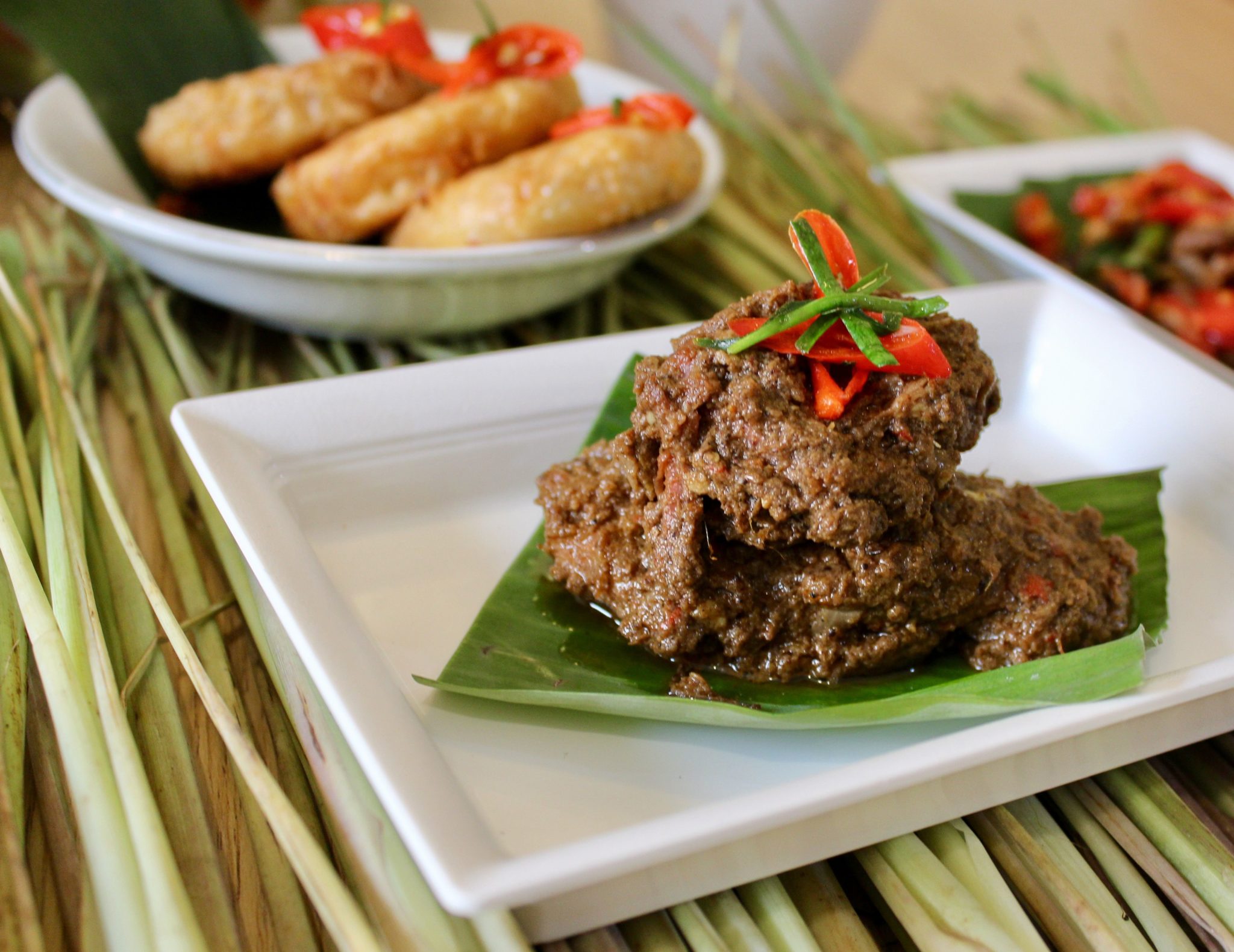
    Myanmar restaurant chain Feel International is set to open in Thailand. Opening in the popular Bangkok tourist area of Pratunam on Thursday (January 24), the group intends to introduce Myanmar cuisine to Thai consumers and foreigners. “At present, many restaurants are attempting to cater to the needs of tourists from China, however there are eight flights to Bangkok from Yangon every day, and there are tens of thousands of Myanmar citizens working and studying there, so there is a potential market for Myanmar cuisine”, said Feel International operations director Ko Johnny.

    “This is the very first Myanmar restaurant opened in a foreign capital city. Bangkok is one of the biggest restaurant markets in the world. It offers a wide variety of cuisine, even something as exotic in Asia as Ethiopian. Bangkok is the first step for Myanmar traditional food to penetrate the international markets”, he said.

    The restaurant intends to serve lunch boxes with Myanmar favourites for Myanmar people working in companies and offices around the area.

    Discussions are being held to open further restaurants in Chiang Mai and Mesauk.

  • Lotte opens premium outlet in Giheung

    Lotte opens premium outlet in Giheung

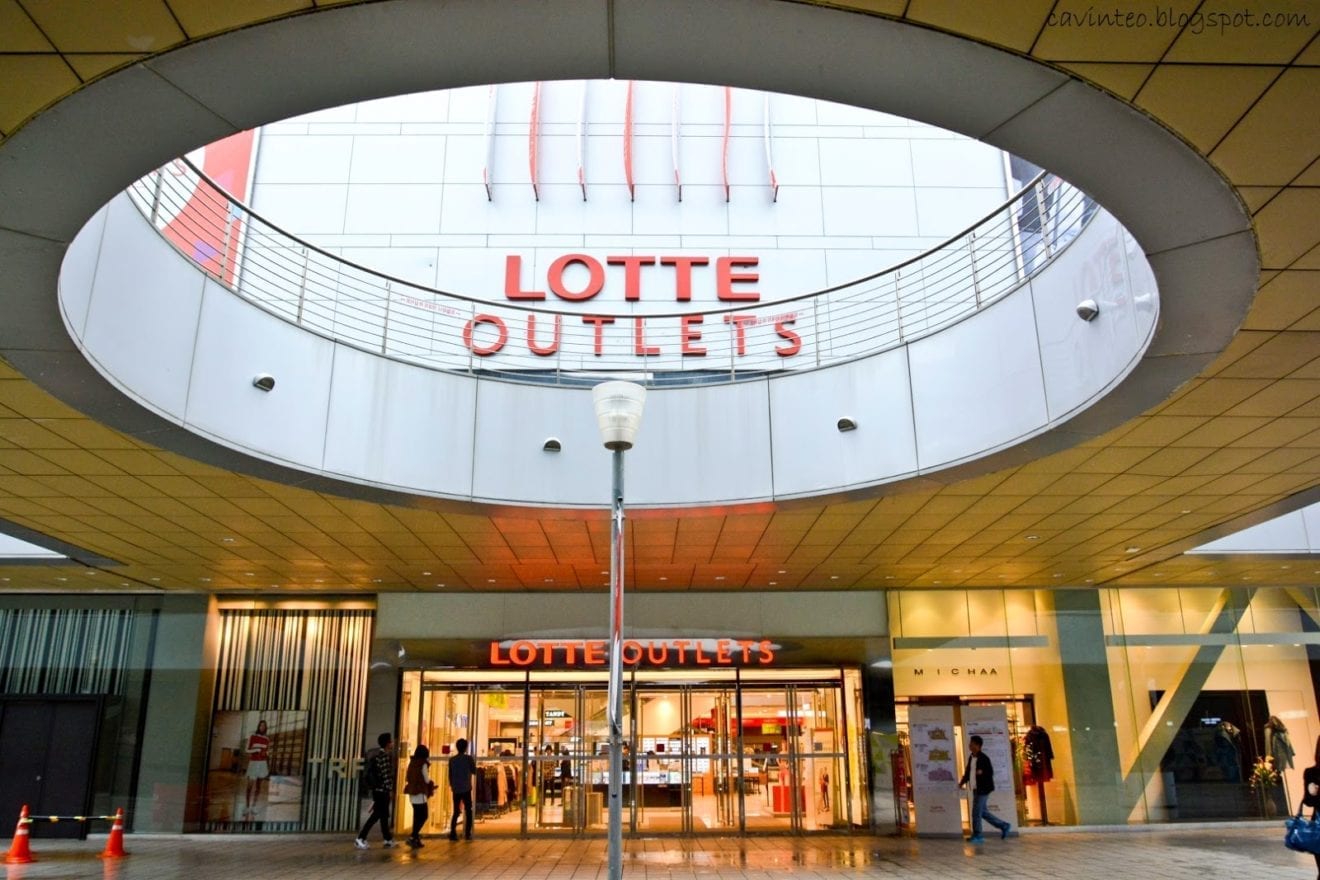
    South Korean retail giant Lotte opened this week a new premium outlet in Giheung, Gyeonggi Province – the second-largest among its branches nationwide and the latest addition to large-scale malls launched by retailers here in hopes of raising offline sales. Lotte is pinning hopes on the latest outlet’s location, citing three highways and five major roads passing through Giheung.

    It aims to attract some 25 million shoppers in and around the region including Yongin, Suwon, Dongtan and Bundang in Gyeonggi Province.

    Chung Hoo-sik, an official in charge of the Giheung outlet, said that the shopping mall is geared toward consumers in their 30s and 40s who have children and live in southern Gyeonggi Province.

    “We found that 30- and 40-something customers from those areas have strong spending power. To attract them, we put entertainment facilities like an outdoor playground and entertainment zones for their kids (inside the outlet),” said Chung at a press conference on the launch.

    Built on 150,000 square meters of land, Lotte’s premium outlet in Giheung features 300 brands and is equipped with 3,000 parking lots. It is Lotte’s sixth premium outlet.

    The outlet has an indoor surf shop, Flow House, spanning 490 square meters. Lotte said it also houses Asia’s biggest Nike store in a 1,983-square-meter space.

    With an increasing number of people visiting multiplexes or shopping malls, retail giants like Shinsegae and Lotte have been opening large-scale malls in the outskirts of Seoul.

    Lotte opened a premium outlet in Goyang, Gyeonggi Province, in October last year, two months after Starfield Goyang was launched. Lotte opened its premium outlet in Paju in 2011, nine months after Shinsegae opened its store.

    “We see it as an industry trend to open a mega mall or a premium outlet because there are consumer needs for convenient shopping and enhanced lifestyle,” said Lee Jung-hye, who designed the outlet, adding that Korea’s premium outlet market is valued at 20 trillion won (US$17 billion won).

  • Miniso Philippines opens two more outlets

    Miniso Philippines opens two more outlets

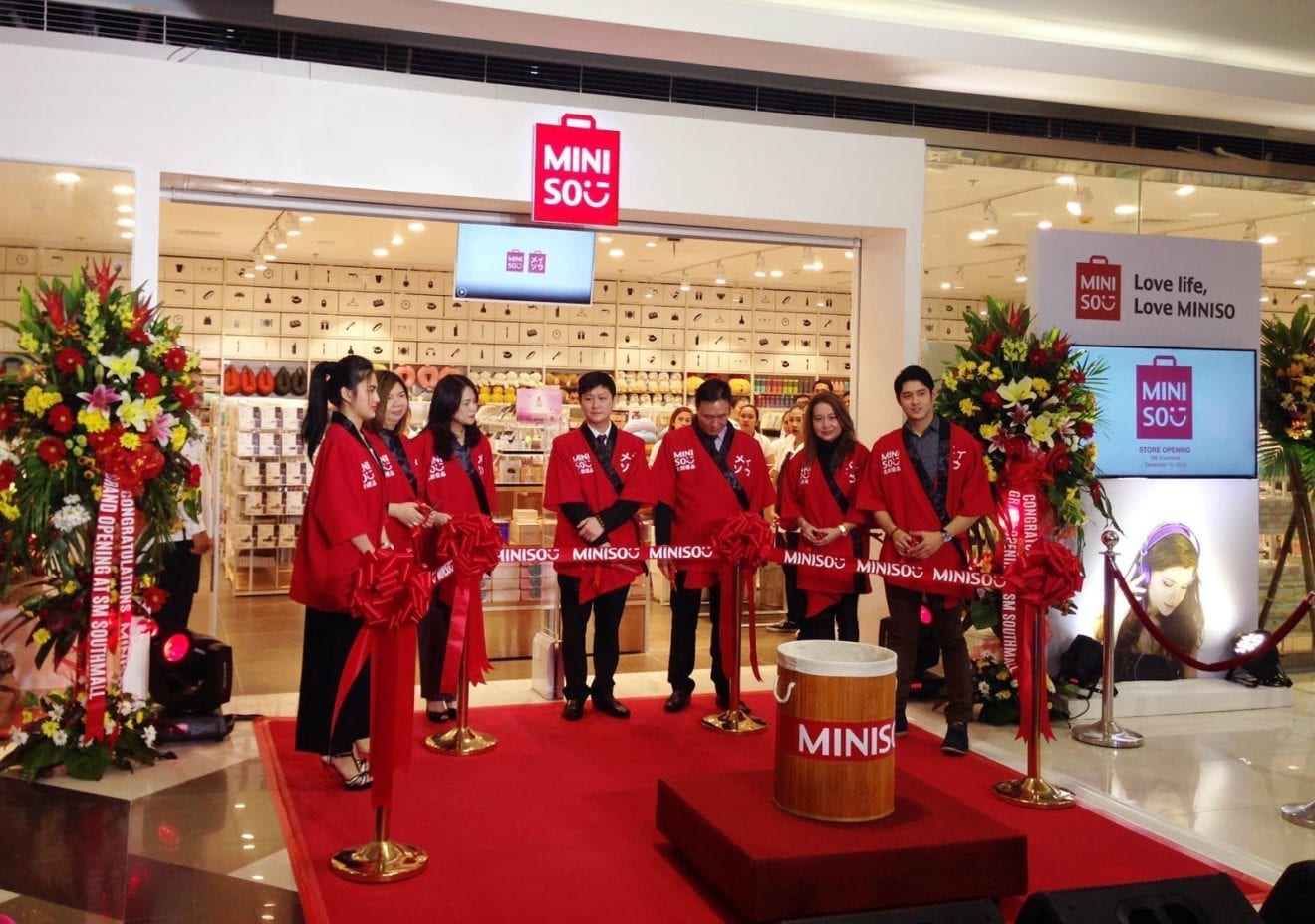
    Japanese lifestyle brand Miniso Philippines has opened two more outlets in Manila, with four to follow soon.

    Its first store in the Philippines, at Robinsons Place Manila, opened in June, with the latest stores in SM City San Lazaro and SM City Manila.

    Miniso has more than 1400 retail stores in more than 40 countries and regions. The grand opening of its SM City Manila outlet featured Filipino teen actor Ruru Madrid and actress Gabbi Garcia, both from GMA Network, along with City of Manila vice-mayor Honey Lacuña, Miniso partners and mall executives

    Miniso was jointly founded by designer Miyake Jyunya and Chinese entrepreneur Ye Guofu with a brand proposition of “simplicity and going back to the essence”.

    More 80 per cent of the brand’s products designs originate from China, Japan, Korea, Malaysia and Singapore. Products include home necessities, jewellery, seasonal items, digital accessories, office supplies, beauty products, stationery gifts, and food and drinks. Miniso stores can be found in Australia, China, Hong Kong, Japan, Korea, Laos, Myanmar, Nepal, Singapore, Thailand and Vietnam.

  • Wahlburgers starts Asia expansion with 3 new restaurants in China

    Wahlburgers starts Asia expansion with 3 new restaurants in China

    US burger restaurant brand Wahlburgers is set to expand to Asia in 2017 through a joint venture with Cachet Hospitality Group (CHG), a Hong Kong-based international hospitality branding and management company.

    The first three restaurants are slated to open in Hangzhou, Wuhan, and Shanghai in China.

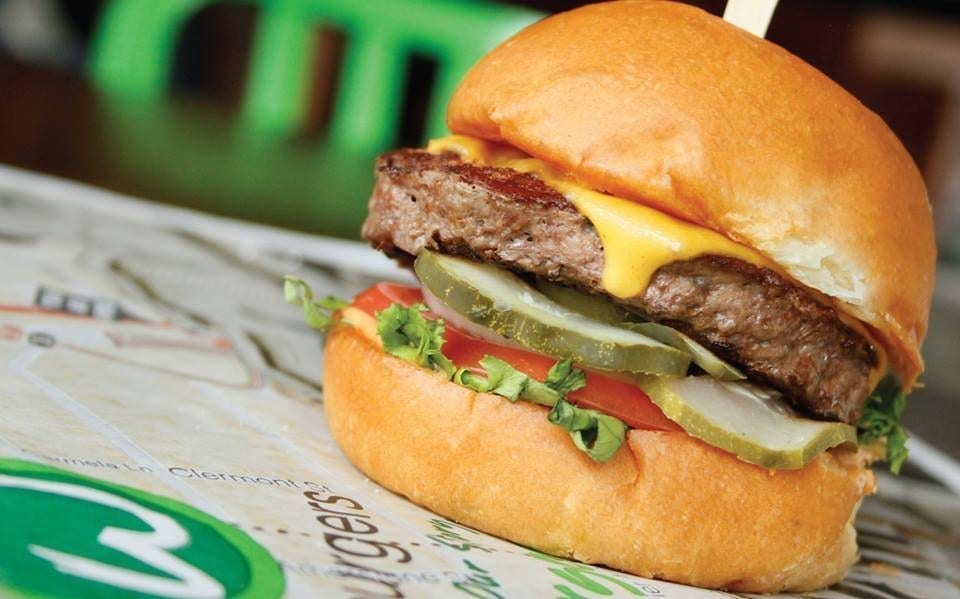
    Founded by chef Paul Wahlberg and celebrity brothers Mark and Donnie in Hingham, Massachusetts, Wahlburgers offers fresh burgers, housemade condiments, crispy haddock, seared chicken and vegetarian options. Other signature items include Mom’s Sloppy Joe, thin crispy onion rings, tater tots and thick creamy frappes and floats.

    Under the joint venture agreement with CHG, the restaurant will open 100 restaurants in China and the surrounding region over the next five years.

    CHG has signed major agreements with developers who have committed to including Wahlburgers restaurants in their projects. World Packaging Center, an existing CHG developer, agreed to sign the first restaurant in Hangzhou while Shanghai-based naked Hub has agreed to open 20 Wahlburgers in their office building complexes throughout Shanghai and Hong Kong.

    Thailand’s Big Ho Corporation will also open 20 Wahlburgers in its franchise location of Big C Supercenter stores throughout northern Thailand.

    “This is an excellent time to enter the Asia market, especially China, where dramatic growth in US-style destination malls with increasing space committed to restaurants as mall owners see both traffic and income rise dramatically,” said CHG CEO Alexander Mirza in a media statement.

    A third partner, the Arjomand Group, a holding company with businesses based in the Middle East and Africa regions, includes diverse industries such as real estate and manufacturing, is an investor in CHG and will add financial expertise and strength to the expansion plans.

    “We’re excited about this wonderful opportunity to grow in Asia,” said Wahlburgers CEO Rick Vanzura. “Having a savvy, financially strong partner is essential and we have a great partner in the Cachet Hospitality Group, which will bring an unprecedented level of service and strength to the Wahlburgers brand.

  • John Little to close final outlet at Plaza Singapura – 174 years of history at a glance

    John Little to close final outlet at Plaza Singapura – 174 years of history at a glance

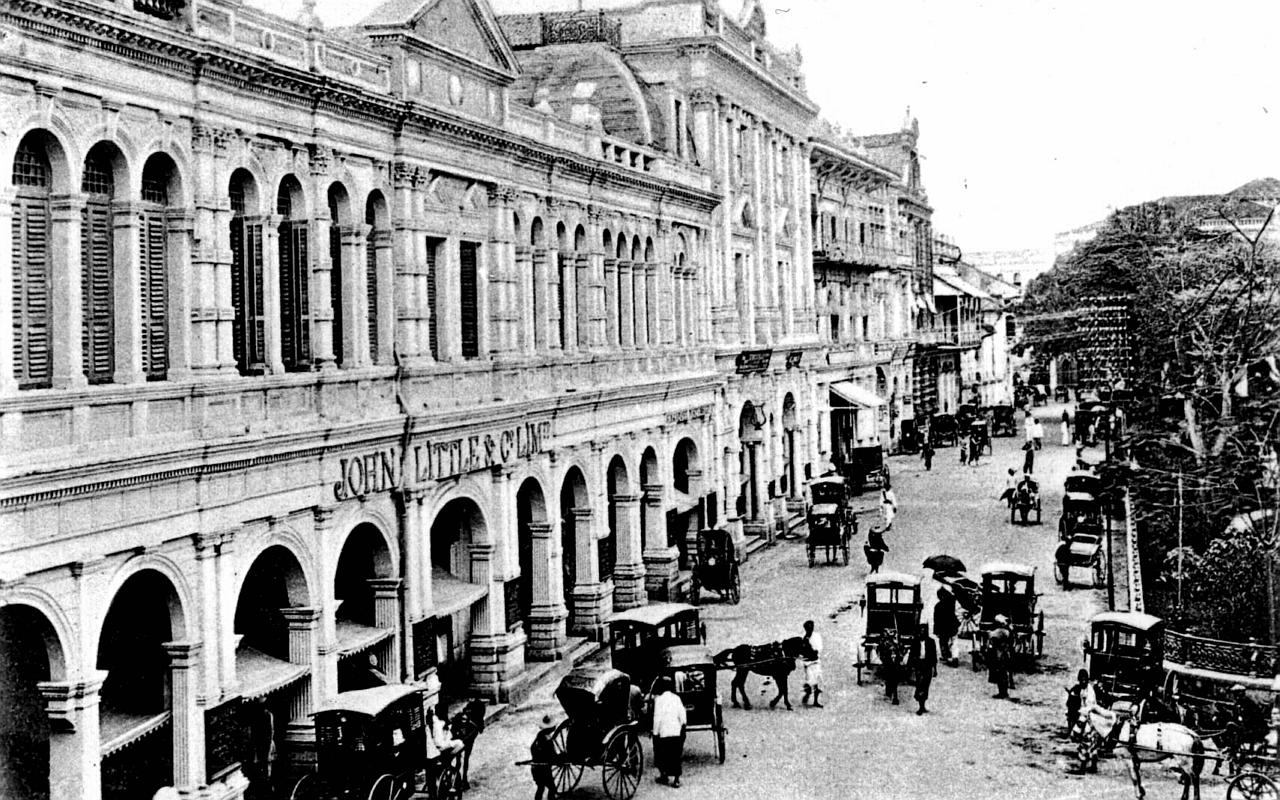
    John Little, the oldest department store in Singapore, will close its last outlet by the year end. The store has operated since 1842, and the Plaza Singapura branch since 1979. Robinsons Group, which manages John Little, said that the brand may live on as a pop-up store.

    Here is a rundown of the store’s 174-year history:

    1842: John Martin Little, a Scotsman just 18 years of age, joins forces with his relative Francis S. Martin to go into the retail business together at Commercial Square (now Raffles Place).

    1845: Francis S. Martin sells all his stock in trade to the new firm Little, Cursetjee & Co, run by John Martin Little and Parsi businessman Cursetjee Frommurze.
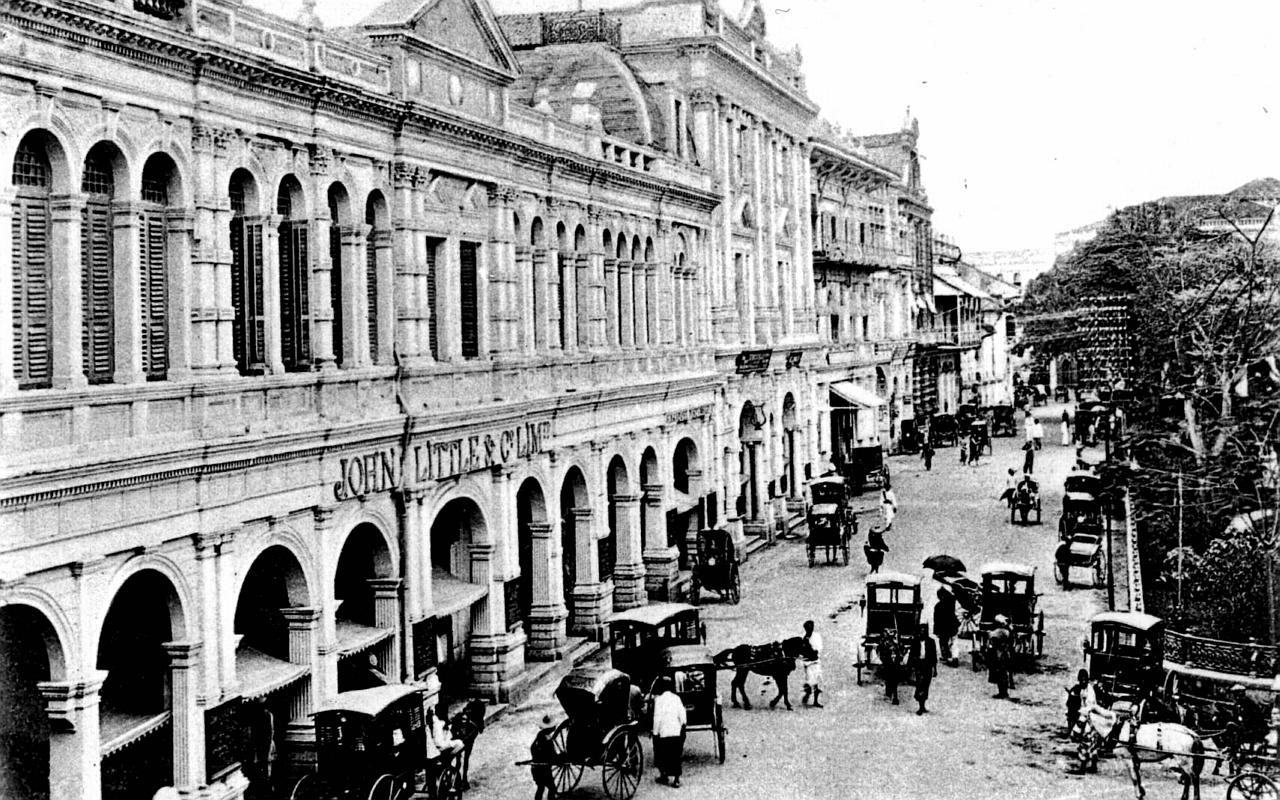

    John Little & Co in Raffles Place in the early 1890s.1853: Cursetjee Frommurze leaves the partnership and sets up shop on his own as Cursetjee & Co.

    Cursetjee’s new business hires an ambitious English businessman from Australia, by the name of Philip Robinson – who will strike out on his own to form Robinsons predecessor Spicer & Robinson in 1858.

    John Martin Little’s brother Matthew comes on board the Little enterprise and the business becomes John Little & Co.

    1894: In January, John Little & Co, Limited is registered in London with a capital of £75,000 (S$3 million in today’s dollars), to acquire the Singapore business as a going concern “and to carry on business as exporters, importers, and general storekeepers”.

    John Martin Little dies in April, at the age of 70, in London.
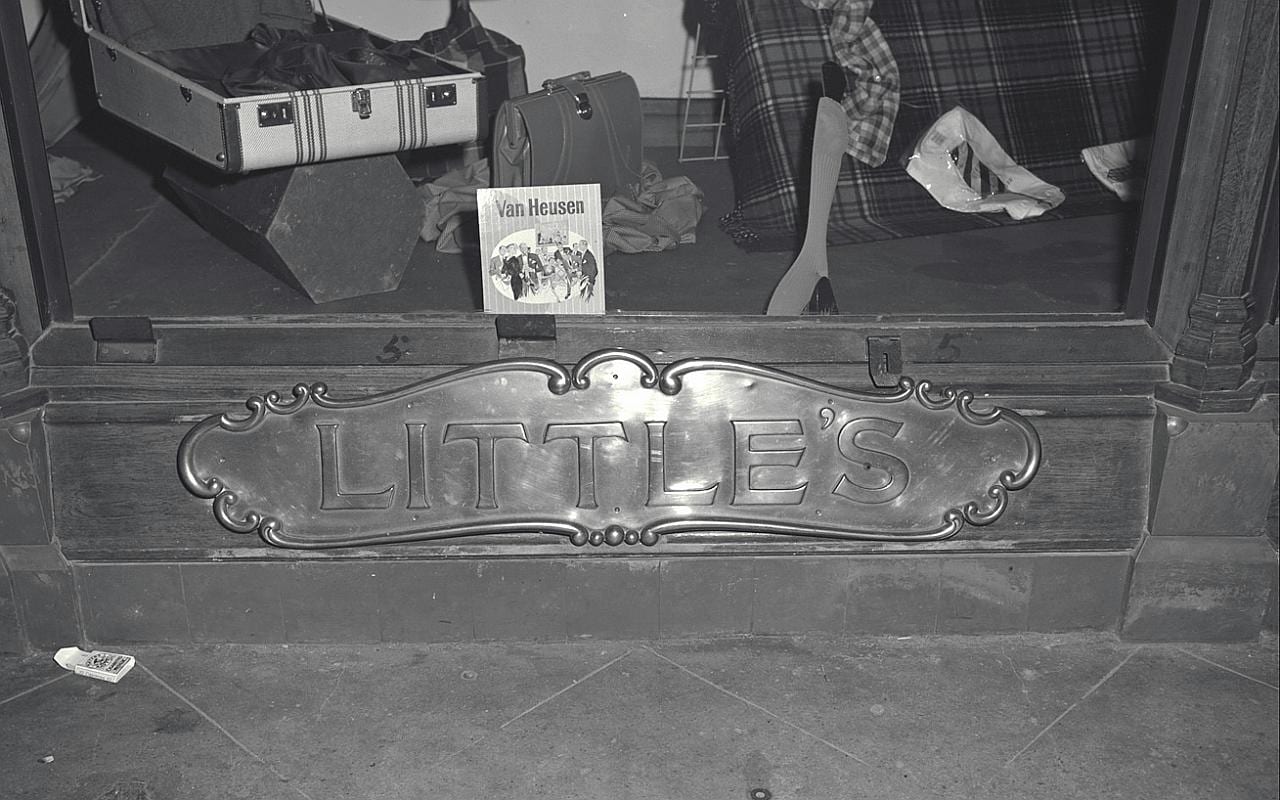

    A sign outside the John Little building showing the emporium’s name.
    1897: The Mid-day Herald’s “Impressions of a New-comer” column lauded the millinery department at John Little for being “under the supervision of thoroughly experienced modiales (fashionistas)”, adding that “they are quite competent to satisfy even the most fastidious of their sex as regards fashion, the material to be used, and all the rest of it”.

    The author of the column was impressed, writing: “Emporiums they are, verily and indeed… and, though they are few in numbers, they entirely suffice to meet the demands here, by reason of the vast and varied stocks they keep.”

    A model displaying a half-slip during a fashion show at John Little in 1955. PHOTO: ST FILE

    1900: John Little is converted into a limited company.

    1909: The April opening of the annual sale at John Little makes the news for causing a “tremendous” traffic jam. The Straits Times reported that every spot of space outside the store was “taken up by carriages and rickshas (sic) awaiting their fares, who were making purchases inside”.

    1914: John Little opens a branch in Kuala Lumpur in April, after having had an office in the city for eight years.

    The Straits Times reported then, that the new store was “three storeys high and boasts an electric lift in addition to a beautifully modelled staircase, of easy gradient”.

    It featured menswear and womenswear sections, a grocery and wine department, and a furniture department. There was also a “luxurious refreshment room” for customers.

    1926: John Little opens a branch in Penang.

    1929: John Little opens a branch in Ipoh.

    1939: John Little becomes the first European store to feature Chinese as models alongside Europeans. It was common practice at that time for retailers to show off the latest fashions by having live models in “mannequin parades”.

    1942: The Japanese Occupation of Singapore begins. John Little’s Singapore premises are converted into a Japanese-only department store, Daimaru.

    Its Malaysian operations do not survive the war.

    Model Mercy Undersan wearing a swimsuit during a fashion show for John Litte, in 1953. PHOTO: ST FILE1946: John Little’s Singapore premises are among the commercial buildings commandeered by the British military authorities after the ouster of the occupying Japanese forces at the end of World War II.

    The Straits Times urges the normalisation of civilian retail operations in post-war Singapore, so as to quell the growth of the black market.

    The newspaper wrote in March then: “It is of the utmost importance that the premises of large European retail stores should be made available to their owners the moment those owners are in a position to resume business.”

    The authorities seem to agree. By August, John Little is back in business.

    1955: John Little is acquired in February by Jardine Matheson, the Hong Kong firm founded by two Scotsmen in 1832 to trade in smuggled opium.

    John Little is bought over by home-grown Robinsons in July.

    1959: Workers are unionised under the Singapore Textiles and General Merchants’ Employees’ Union.

    1960: John Little moves its retail operations out of its building in Raffles Place, which had expanded to four storeys since the day of John Martin Little.

    The John Little building is leased out as office space to other companies.

    The department store goes on to set up shop across the island.

    The John Little building is seen in Raffles Place in 1960. PHOTO: ST FILE1972: Specialists’ Shopping Centre opens in Orchard Road. Robinsons opens an outlet by December.

    John Little will go on to be the anchor tenant in four of the building’s seven storeys.

    1973: The Raffles Place premises are sold to the Singapore Land and Investment Company for S$27,965,000 (S$130.5 million today).

    1977: John Little closes shop in Liat Towers.

    1979: John Little opens shop in Plaza Singapura in August, its fourth and biggest outlet at the time.

    In December, it closes down its Straits Trading Building branch “as the space requirements are too limited”.

    1985: The Plaza Singapura outlet is closed, as are John Little stores in Robina House and Clifford Centre.

    1987: John Little is rebranded “JL” in an attempt to win over younger customers.

    2003: John Little returns to Plaza Singapura. It has seven other branches across the island – in Specialists’ Shopping Centre, Northpoint, White Sands, Causeway Point, Jurong Point, Compass Point and Parkway Parade.

    2005: John Little closes shop in Parkway Parade.

    2006: John Little closes shop in Compass Point and White Sands Shopping Centre.
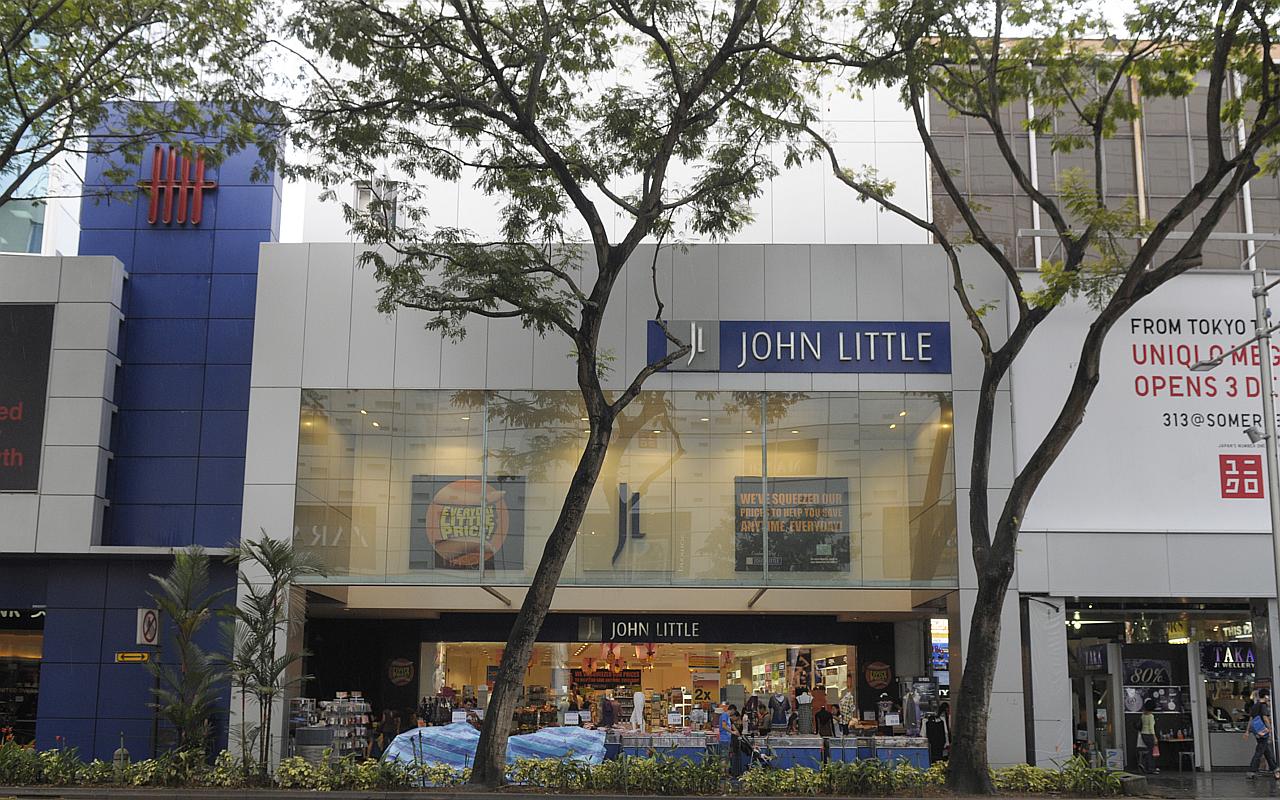

    2007: John Little shutters its flagship Specialists’ Shopping Centre premises.

    It relocates to the seven-storey Orchard OG Building, where it is the sole tenant, and opens a new flagship outlet in Marina Square.

    2008: Dubai’s Al-Futtaim Group takes over Robinsons.

    John Little closes shop in Northpoint.

    2010: John Little leaves the Orchard OG Building and also closes its Causeway Point outlet.

    2015: John Little closes shop in Marina Square and Tiong Bahru Plaza.

    2016: John Little closes shop in Jurong Point and prepares to wind down at Plaza Singapura.
  • Japan factory output and retail sales flat in September

    Japan factory output and retail sales flat in September

    Japan’s factory output and retail sales were flat last month, data showed Monday, painting a bleak picture for the world’s number three economy as the central bank kicks off a policy meeting.

    The lukewarm readings come on the heels of disappointing inflation figures last week and point to a tepid expansion in July-September economic growth, analysts said.

    Japan’s third-quarter growth figures are due later this month.

    The government data on Monday showed Japan’s industrial output for September was unchanged from the previous month, weighed by slower production of certain electronic components, according to the ministry of economy, trade and industry.

    That was well short of a market forecast for a 0.9-percent rise after an on-month expansion in August.

    Retail sales were also unchanged, missing forecasts of a 0.2-percent rise.

    The Bank of Japan kicked off a two-day meeting with a policy announcement expected on Tuesday.

    The BOJ has repeatedly pledged to continue monetary easing as needed until inflation reaches a two percent target, a cornerstone of Prime Minister Shinzo Abe’s economic revival policy.

    More than three years on, however, doubts are growing over Abe’s faltering bid to kickstart growth and conquer a long battle against deflation.

    Japan’s economy contracted in the last three months of 2015, before bouncing back in January-March with a 0.5 percent rise on-quarter and then a 0.2 percent expansion in April-June.

  • Adidas Sets Goal For 3,000 More Chinese Stores

    Adidas Sets Goal For 3,000 More Chinese Stores

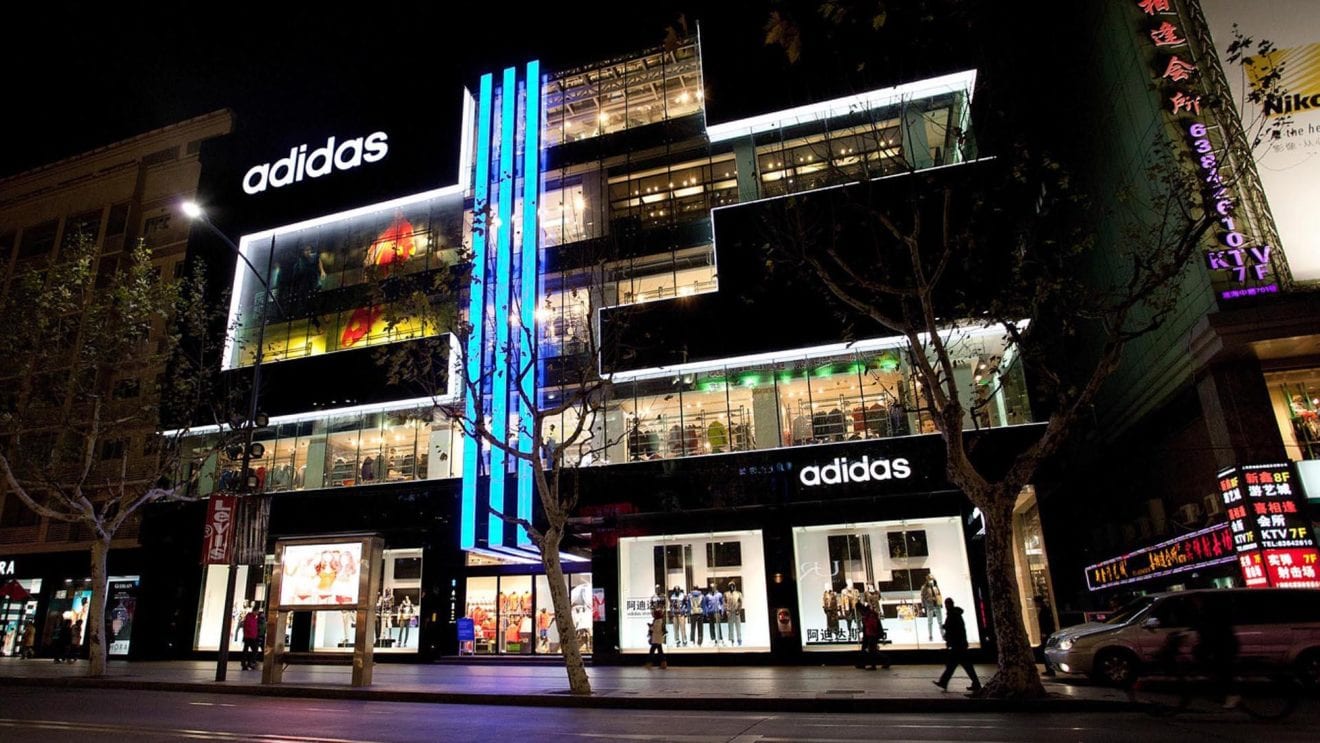
    Colin Currie, head of Adidas’ China operations, announced in a press conference that the sportswear company would be adding 3,000 more storefronts to the 9,000 it already operates inside the People’s Republic. Currie emphasized that these new stores wouldn’t just be rehashes of existing designs but targeted implementations of locations that focus on running, soccer and tennis equipment and apparel.

    It’s details like these that Currie hopes can help Adidas find revenue, even when the Chinese economy doesn’t seem to be making it any easier.

    “We are cautiously optimistic, but we’re far more on the optimistic side,” Currie said during the briefing.

    It’s one thing to say that Adidas is confident but another thing to actually mean it. A pledge to open 3,000 stores certainly seems like an earnest statement that can’t be easily walked back, explained that changing demographics might be why Adidas is so ready to hitch its wagon to the down-right-now Chinese economy. As more and more Chinese consumers enter the middle class, Adidas has planned, since at least 2010, to take advantage of the growing desire for sportswear, not just for fitness but as everyday dress as well.

    “We expect two-thirds of our growth to be from consumers in the lower-tier cities as they become attracted to sportswear — not just for fitness but for easy casual wear,” Currie said at an event in 2010.

    If it’s any consolation for Adidas and the Chinese economy at large, odds are both parties will succeed or fail together.

  • Outlet near Disneyland sets to open in May

    Outlet near Disneyland sets to open in May

    A designer outlet village adjacent to Shanghai Disney Resort will open on May 19 in Pudong New Area, aiming to tap the demand of luxury shopping amid potential tourists toward city’s upcoming iconic attraction.

    Named as Shanghai Village, the project is a joint venture between London-based mall developer Value Retail and state-backed operator of Shanghai International Tourism and Reports Zone, Shanghai Shendi Group.

    The project represented the largest investment of the company worldwide, said Mark Israel, chief executive officer of Value Retail China, with about 150 boutiques set to open either upon launch or thereafter in a 55,000-square-meter space.

    The UK developer had opened its first China outlet center of such kind in Suzhou back in May 2014. The phase two construction of the Suzhou Village will begin sometime in fall, according to Value Retail, and then move on to other projects in China including Hong Kong.

  • Hyundai outlet takes a new tack

    Hyundai outlet takes a new tack

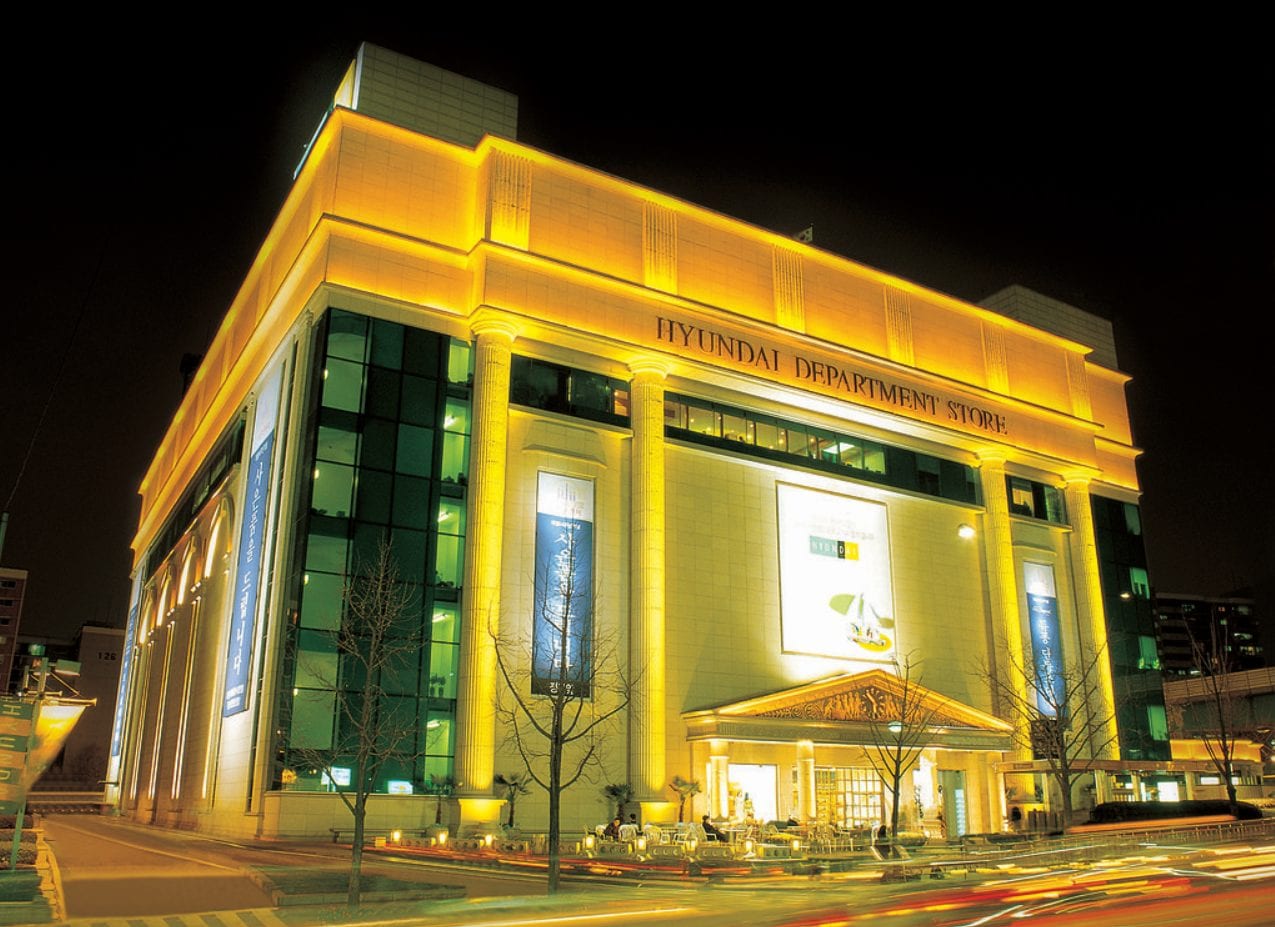
    Hyundai Department Store on Friday launched a premium outlet in Dongdaemun in central Seoul, home to many outlets such as Migliore, Lotte Fitin and Doota.

    With the new outlet, Hyundai is offering unique stores and services in hopes of the youke, or Chinese tourists, who flock to the area, as well as Koreans who are increasingly shopping online.

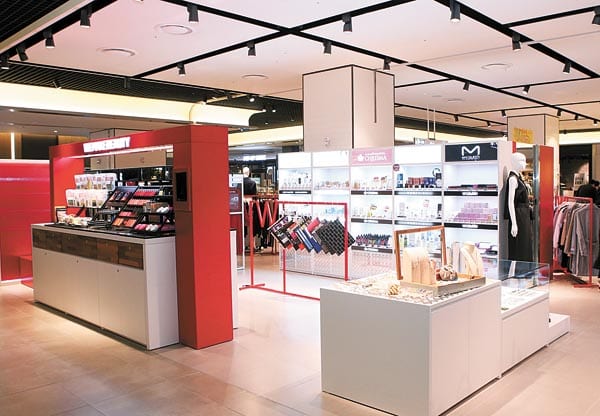
    The new outlet includes shops selling popular foods and beverages and a one-stop beauty section that allow customers to actually try out various products and to have fun while shopping.Hyundai Department Store Group said the new Hyundai City Outlet Dongdaemun occupies a nine-story, 37,663-square-meter (405,401-square-foot) building located in the popular shopping district. Hyundai spent 20 billion won ($16.7 million) decorating the interior of the new outlet like a premium department store.

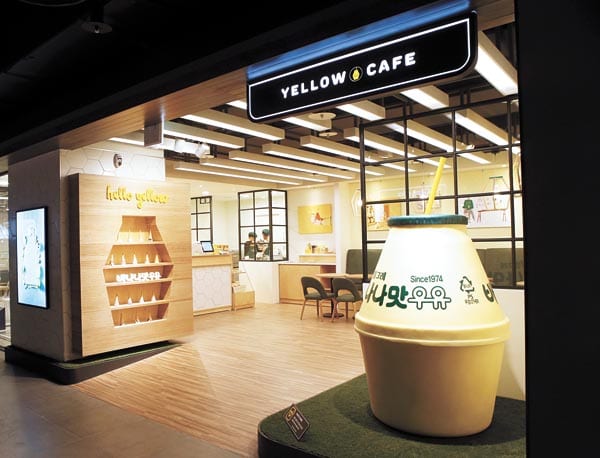
    Additionally, the company pulled out all the stops to attract as many youke as possible by including a shop specializing in banana-flavored milk shop and a store selling products from YG Entertainment, one of Korea’s big three entertainment companies and home to musicians like Big Bang and 2NE1.

    The JoongAng Ilbo took a tour of the outlet the day before the official opening and found the banana-flavored milk flagship store located in the basement especially unique. The shop offers soft-serve ice cream, lattes and baked goods, all made using the iconic banana-flavored milk from Binggrae, which is very popular among Chinese tourists.

    “We have exported 15 billion won worth of our banana-flavored milk to China last year,” said a representative of Binggrae. “The store will be a tourist attraction for youke.” In fact, there were already many Chinese tourists lined up in front of the store on Thursday to take pictures with the oversized model of a banana milk bottle.

    Furthermore, Hatai Confectionary and Foods opened up shop right next to the banana milk store with a store called Haitairo. The store fries up potatoes in the shop to serve its famous Honey Butter Chips.

    Meanwhile, YG Zone will open on Tuesday for the K-pop fans. The 132-square-meter store will choose a different artist every month and sell special merchandise related to the artist. The store chose boy group Winner as this month’s artist, and will sell notebooks, t-shirts and limited-edition albums. The boy group was named Rookie of the Year at last year’s Golden Disc Awards.

    International sensation Big Bang will be the featured artist next month. “We plan to launch figures and special products for artists such as Psy, 2NE1 and more,” said at representative for Hyundai Department Store.

    Hyundai chose to hone in on youke in order to differentiate itself from other outlets. The new outlet has special help desks that offer tax refunds at shipping stores that allow customers to send purchased goods to China using UPS.

    Hyundai said it hopes to attract more than 4 million foreign tourists to the store every year.

    Moreover, Hyundai is targeting local customers interested in showrooming, or the practice of visiting a store to check out products before making purchases online.

    In particular, a store in the basement sells the same products that are available through the Hyundai Home Shopping TV channel as well as from social commerce company Wemakeprice.

    Through this store, Hyundai is trying to change the concept of outlets and give customers the chance to have hands-on experiences with products, in order to compete with the rapidly expanding online retail market in Korea.

    “The young generation does prefer shopping online,” said Kim Young-tae, CEO of Hyundai Department Store. “However, online shops cannot offer what outlets can, which is allowing family members to gather together and to enjoy shopping and eating.”

    The local outlet market size is expected to grow to 15 trillion won this year, but the competition is getting fiercer. There are more than 20 outlet stores, including those operated by Lotte, Hyundai and E-Land, in downtown Seoul alone.

    Hyundai City Outlet said its sales goal for this year is 200 billion won, or 13.3 million customers.

  • Ikea breaks ground for Bang Yai outlet

    Ikea breaks ground for Bang Yai outlet

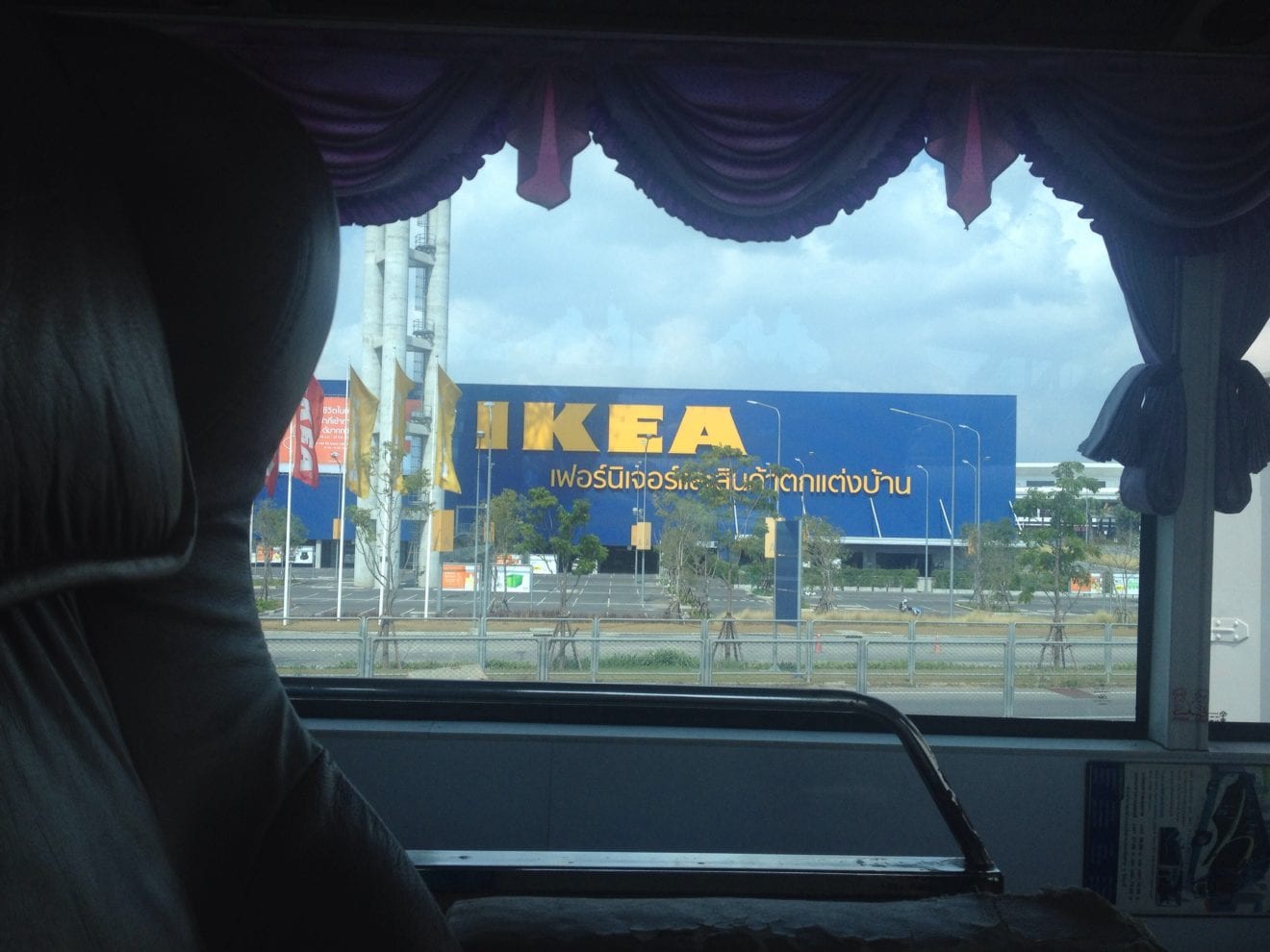
    “We are creating the world’s best integration of a Ikea store into a shopping centre,” said Sebastian Hylving, expansion director for Ikano Private Ltd, holder of the Ikea franchise rights in Singapore, Malaysia and Thailand.

    The branch will offer wide-open entrances at all levels of the CentralPlaza WestGate shopping centre and a direct link to the future mass-transit line.In a highly complex design, the showroom and a market hall are housed inside an expansive two-storey concourse that creates a bridge to the WestGate mall.

    The Ikea self-service warehouse will be on the ground floor.

    “This is not going to be the usual blue box,” said Lacia Sherlock, Ikea retail project leader for Ikano.

    “This will be the only Ikea store that offers customers an opportunity to enter and check out at every level. We will deliver a fantastic customer experience.”

    Mike King, the Ikea retail director for Ikano, is confident that many of the 1.6 million people who live in Bang Yai and the surrounding area – including a growing population of young families – will make the trip to the new store when it opens at the end of next year.

    “There may be a lot of competition in the home furnishing business here in Thailand, but no other retailer offers the whole family a great day out in the way Ikea does,” he said.

    The Bang Yai Ikea store is an integral part of the overall expansion plan for Ikano. In November, the company opened a second store in Kuala Lumpur and a pick-up and order point in Phuket.

    The Bang Yai project marks Ikano’s first collaboration with Central Pattana, developer of the shopping centre.

  • Chinese tourism drives record result for McArthurGlen

    Chinese tourism drives record result for McArthurGlen

    Chinese travellers are discovering the thrill of shopping at one of McArthurGlen’s 21 Designer Outlets, all near important tourist destinations across eight countries in Europe and most recently, a new centre in Canada.

    Sales by Chinese shoppers at McArthurGlen’s Designer Outlets have increased more than 7 fold over the past four year years (2010-2014); as they discover the most sought-after European fashion and international luxury brands. McArthurGlen offers tax free shopping alongside year-round savings of 30-70% in stunning and vibrant shopping environments which take inspiration from local design and architecture.

    McArthurGlen’s Designer Outlets offer the largest choice of luxury and premium lifestyle brands in the European outlet market. The centres are home to nearly 3,000 stores and 900 brands. At the same time, the centres are part of the local tourism fabric, within easy reach of major European city centres by shuttle bus or public transport, including: Vienna and Salzburg in Austria; Luxembourg, near our centre in Belgium; Lille and Reims (the Champagne region) in France; Berlin and Hamburg in Germany; Athens in Greece; Düsseldorf, near Roermond, our centre in Holland; Florence, Milan, Naples, Rome and Venice in Italy; and Bath, Cardiff, London, Manchester, Nottingham and York in the UK.

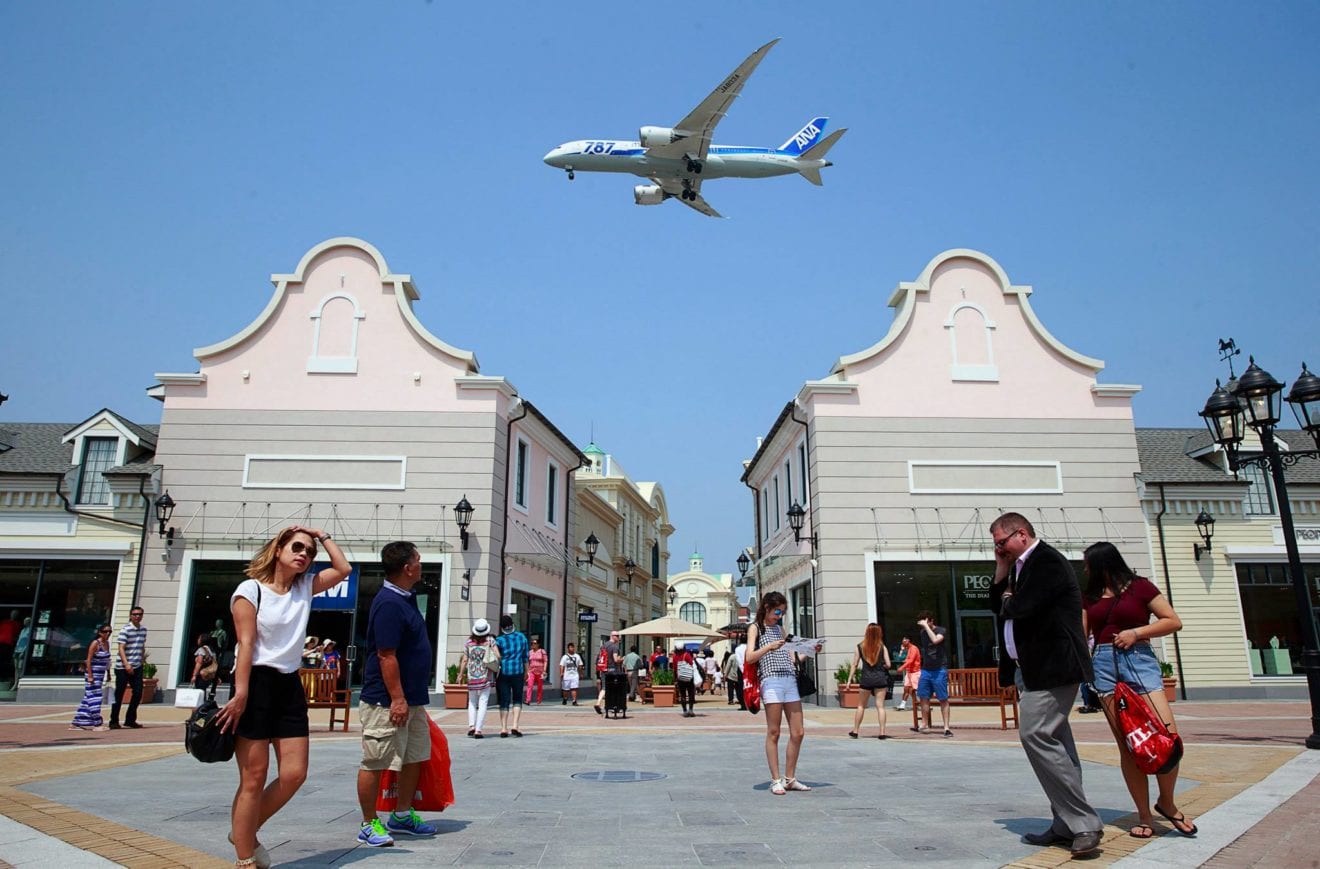
    In July 2015 we opened our first centre outside Europe, in Vancouver. The centre is built adjacent to Vancouver’s International Airport and we have just recently celebrated our millionth visitor at the centre.

    Shaeren McKenzie, Group Marketing Director, says: “Our McArthurGlen Designer Outlets offer the finest European shopping experience. Shoppers can find the top international luxury names alongside premium niche brands worn by the fashion crowd, all with year-round savings of 30-70%. We also enhance our customers’ shopping experience with exclusive events, offering special promotions.”

    Anthony Rippingale, Head of Tourism, McArthurGlen, adds: “We are heading for yet another record year at our 21 Designer Outlets, welcoming more Chinese shoppers than ever before. As the biggest operator of designer outlets in Europe, our Chinese customers have always been extremely important to us, and even more so now given that they account for nearly one in four euros spent by our international shoppers, and rising. We have also just had our most successful Golden Week ever.”

    The look and feel of McArthurGlen’s Designer Outlets reflect the luxury and premium brands that we represent: show-stopping sculptures by famous artists, dancing fountains, green walls made from thousands of plants, piazzas and porticoes, as well as a wide range of cafes for a refreshing cup of tea and restaurants for a leisurely lunch or a quick snack, with al fresco seating for the warmer months.

    Spending by our Chinese customers is growing faster than any other nationality visiting our Designer Outlets. Sales to Chinese travellers increased by 80 per cent in the first nine months of 2015, compared with the same period last year. Some of the biggest rises were at our five Italian centres (which include Italy’s largest designer outlet, Serravalle, near Milan), with sales up 95 per cent in the first nine months of 2015.

    The favourite brands of Chinese shoppers at our centres are, in particular, the most-loved names in international luxury, as well as niche local brands popular with the local fashion and style crowd, whether Dsquared2, Agnona or Patrizia Pepe in Italy, or Jil Sander, Karl Lagerfeld or Marc Cain in Northern Europe.

    We look to engage with our Chinese customers while they plan their trip to Europe, whether through our office in Beijing, or through social media in China (including Weibo and WeChat) and our centre websites which are available in Chinese.

    Once Chinese shoppers arrive in Europe, our centres offer Chinese-language maps and guides, while UnionPay is accepted in most stores. Our most popular Designer Outlets offer special promotions, including limited-edition gifts and additional savings, during key Chinese holidays, namely Golden Week and Chinese New Year.

  • LuLu Group to open first Indonesian outlet by end-2015

    LuLu Group to open first Indonesian outlet by end-2015

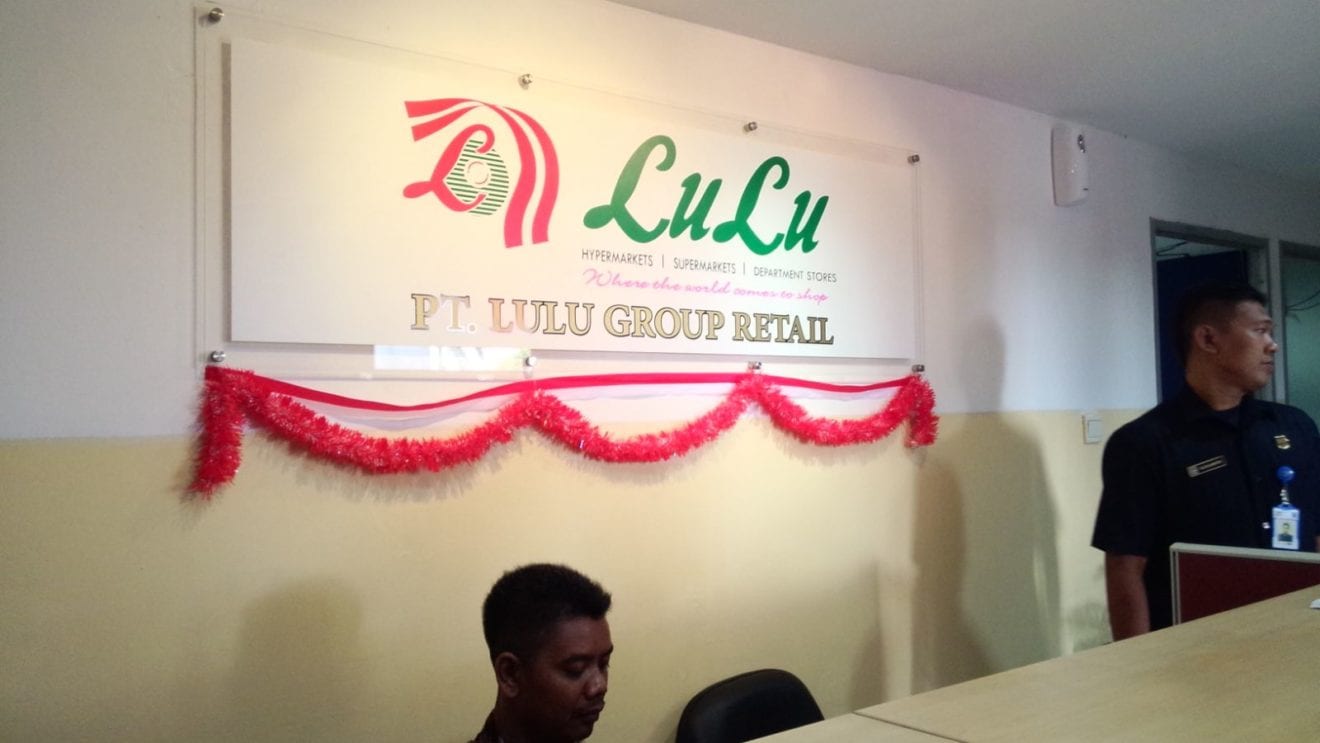
    The first LuLu Hypermarket in Indonesia will be opened in Jakarta by the year-end as the group has announced plans to invest $500mn in the country over the next five years. The announcement came during the visit of Indonesian President, Joko Widodo to Abu Dhabi. He visited LuLu Hypermarket along with a high-level delegation at Khalidiyah Mall in Abu Dhabi.

    “With an initial investment of $300mn in the first phase, we plan to open some 15 hypermarkets by the end of 2017 and a central logistics and warehousing facility in Jakarta. These projects are likely to generate more than 5,000 job opportunities for Indonesians and help train them at all levels” said MA Yusuffali, LuLu Group managing director. The fact that we are going to Indonesia with our Halal Hypermarket concept, is giving us the encouragement to look for a wider market segment there” Yusuffali said.

    Apart from Jakarta, LuLu intends to open hypermarkets in Bandung, Solo, Semarang, Surabaya and Yogyakarta.
    “We also plan to set up contract farming to ensure continuous supply of high-quality products and support the Indonesian agriculture sector,” Yusuffali added.

    The Indonesian president is on a five-day state visit to Saudi Arabia, the United Arab Emirates and Qatar, to boost the country’s ties with the three countries, particularly on investment, trade and Indonesian migrant worker protection.
    Coordinating Minister of Economy Darmin Nasution, Trade Minister Thomas Lembong, Minister of National Development Plans Sofyan Djalil, State Secretariat Minister Pratikno, head of the Investment Coordinating Board Franky Sibarani and Cabinet Secretary Pramono Anung were also part of Widodo’s delegation.

    The Indonesian president was given a rousing welcome at the LuLu Hypermarket by Yusuffali; Saifee Rupawala, CEO; Salim MA, director; Rajmohan Nair, director – LuLu (Far East Operations); and a large number of Indonesian expatriates.
    President Widodo and the accompanying delegation were taken to a guided tour of the hypermarket by Yusuffali who briefed him about specialties of the retail store.

    The president later said his visit to LuLu Hypermarket was to see Indonesian products mainly agricultural products and asked Yusuffali to import more products from villages and towns in Indonesia. A LuLu release said Widodo inquired about the prices as well of the various Indonesian products imported to Abu Dhabi.  The LuLu chain currently operates some 117 stores across the UAE, Oman, Bahrain, Kuwait, Qatar, Saudi Arabia, Yemen, Egypt, and India.

  • Taiwan’s first outlet mall to open this year

    Taiwan’s first outlet mall to open this year

    Taiwan will see its first international outlet mall in Taoyuan in August, and 100 stores will open their doors in the first stage of the project.