Retail News CRM

Tag: outlets

  • Domino’s Pizza China Hits 1550 Outlets: Unveils Expansion Strategy and Partners with Megamall Operator SCPG Group

    Domino’s Pizza China Hits 1550 Outlets: Unveils Expansion Strategy and Partners with Megamall Operator SCPG Group

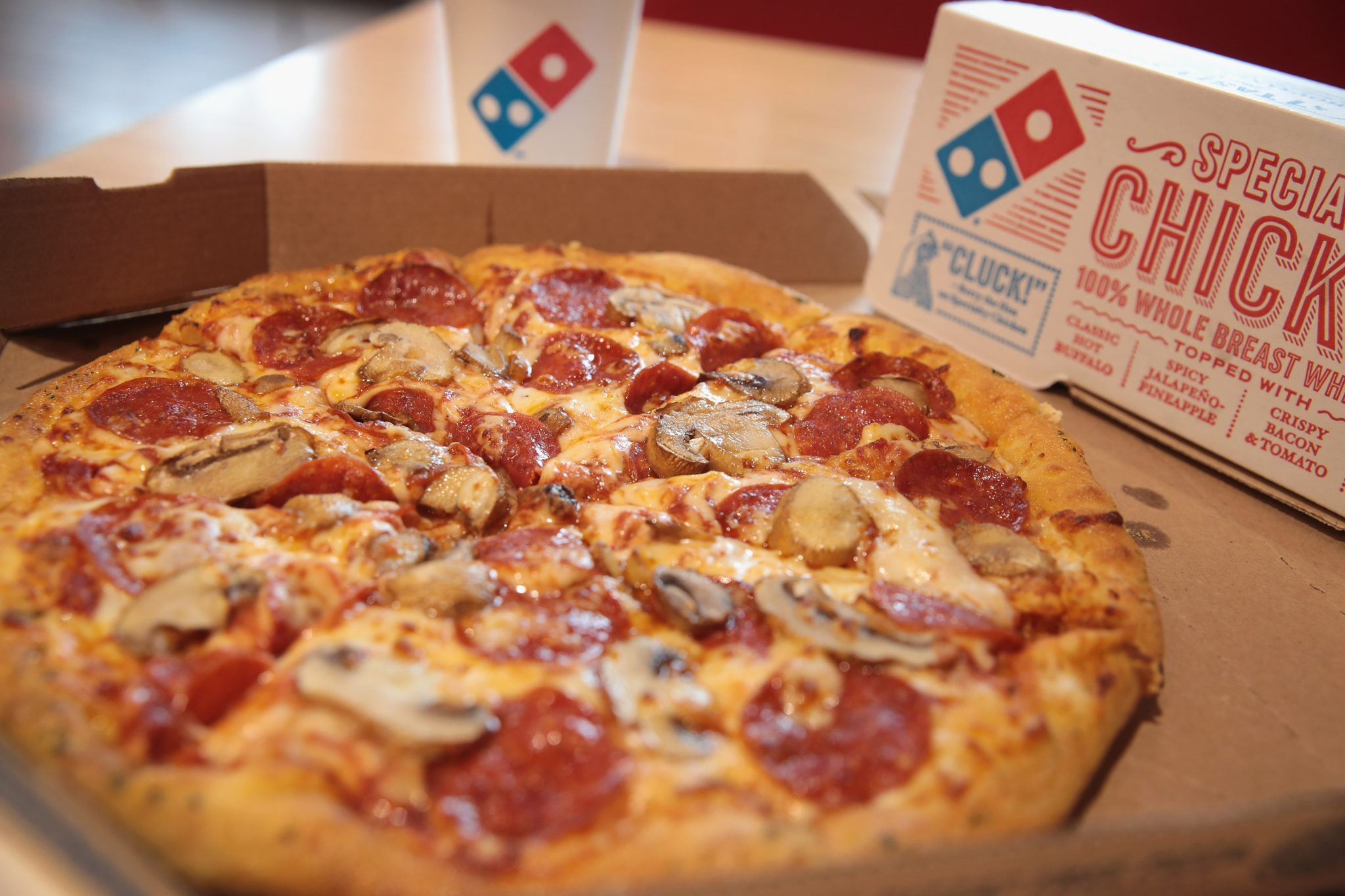
    Domino’s Pizza China has made significant strides in expanding its presence across the country, with its total number of outlets now reaching 1550. This was achieved through the addition of 235 new stores during the first half of the year, a move that has led to an increase in sales momentum as reported in the second quarter.

    The growth of the pizza chain has been overseen by DPC Dash, who moved into 15 fresh urban markets within this six-month period. This has brought the total number of cities with a Domino’s presence to 75. The brand’s expansion strategy, dubbed ‘Go Deeper, Go Broader’, has proven successful, focusing on amplifying store density in current markets while simultaneously branching out into new ones. Lower-tier markets now account for 1018 stores, leaving 532 in Tier 1 cities.

    Strategic Partnerships and Expansion Targets

    DPC Dash formed a strategic alliance with SCPG Group, one of the largest shopping mall operators in China, within the quarter to hasten their store launch process. This collaboration will facilitate Domino’s expansion into new markets while reinforcing its presence in the cities it already operates in. By the end of June, the number of stores that were opened, under construction, or signed for accounted for about 89% of DPC Dash’s full-year 2026 opening target. This was a progressive leap from the 65% recorded at the end of the first quarter.

    Domino’s now considers mainland China as its second-largest international market in terms of store count. The company now holds all top 70 positions in the first 30-day sales ranking, illustrating the potential of China’s market, and the efficacy of DPC Dash’s store execution model.

    The successful performance has been credited to its ‘4D’ strategy, a blend of network expansion, value-oriented products, effective delivery capabilities, and a robust digital investment.

    Leadership Changes and Future Plans

    On the personnel front, DPC Dash bolstered its leadership team during the quarter, by appointing Joanne Xie as the new Chief Marketing Officer. Xie, who has previously held senior positions at McDonald’s China, Coca-Cola, and Mondelez, will now be responsible for brand strategy, digital marketing, customer engagement, and product innovation.

    Looking forward, the company anticipates maintaining its expansion momentum for the remainder of the year while continuing its investment in operations, product development, and enhancing the customer experience.

    Questions & Answers

    What is Domino’s expansion strategy in China?
    Domino’s expansion strategy in China, supervised by DPC Dash, is titled ‘Go Deeper, Go Broader’. It focuses on increasing store density in existing markets and extending into new cities.

    Who is the new Chief Marketing Officer of DPC Dash?
    Joanne Xie has been appointed as the new Chief Marketing Officer of DPC Dash. She has previously held senior roles at McDonald’s China, Coca-Cola, and Mondelez.

    What does Domino’s ‘4D’ strategy entail?
    Domino’s ‘4D’ strategy combines four elements: network expansion, value-focused products, delivery capabilities, and digital investment.

  • Misto Holdings Amplifies K-fashion Revolution: 100+ Retail Outlets and New Brand Launches in Greater China on the Horizon

    Misto Holdings Amplifies K-fashion Revolution: 100+ Retail Outlets and New Brand Launches in Greater China on the Horizon

    Misto Holdings is set to broaden its reach in the Greater China region, bringing a multitude of Korean fashion brands to the rapidly growing market. The company’s portfolio consists of brands such as Matin Kim, Marithé+François Girbaud, Raive, and Rest & Recreation. It aims to manage over 100 retail units by mid-year.

    Misto Holdings reports that its brands have shown a substantial early rise. Mardi Mercredi, for example, saw its sales increase by 190 per cent in its second year, while Raive experienced a 200 per cent growth in its first year.

    In terms of digital presence, Misto Holdings oversees platforms like Tmall, Xiaohongshu, and Douyin. It uses a blend of in-house content, live-commerce studios, and influencer collaborations to interact with local consumers.

    Moreover, the company is re-evaluating its Greater China portfolio this year. It aims to diversify into men’s high-end contemporary, women’s casual, and athleisure categories. Commencing next year, the plan is to introduce approximately five new brands in the region.

    Misto Holdings emphasizes that its focus is on sustainable, long-term brand growth across both online and offline channels.

    “We are not just managing brands; we are long-term partners dedicated to building brand value across both online and offline touchpoints,” said a spokesperson for Misto Holdings. “Our focus remains on building sustainable brand equity across the Greater China region.”

    Earlier this month, Misto Holdings also announced a surge in fourth-quarter sales as the company restructured its US operations.

    Questions & Answers

    What is the expansion plan of Misto Holdings in the Greater China region?
    Misto Holdings plans to introduce multiple Korean fashion brands to the market and aims to manage over 100 retail units by the middle of this year.

    What digital platforms does Misto Holdings manage and how does it reach local consumers?
    Misto Holdings manages platforms like Tmall, Xiaohongshu, and Douyin. It reaches local consumers through a blend of in-house content, live-commerce studios, and influencer collaborations.

    What is the focus of Misto Holdings?
    The company is focused on sustainable, long-term brand growth across both online and offline channels. It aims to build brand value across both online and offline touchpoints in the Greater China region.

  • Ikea Japan Bids Farewell to Harajuku and Shinjuku Outlets: A New Chapter in Urban Retail Strategy

    Ikea Japan Bids Farewell to Harajuku and Shinjuku Outlets: A New Chapter in Urban Retail Strategy

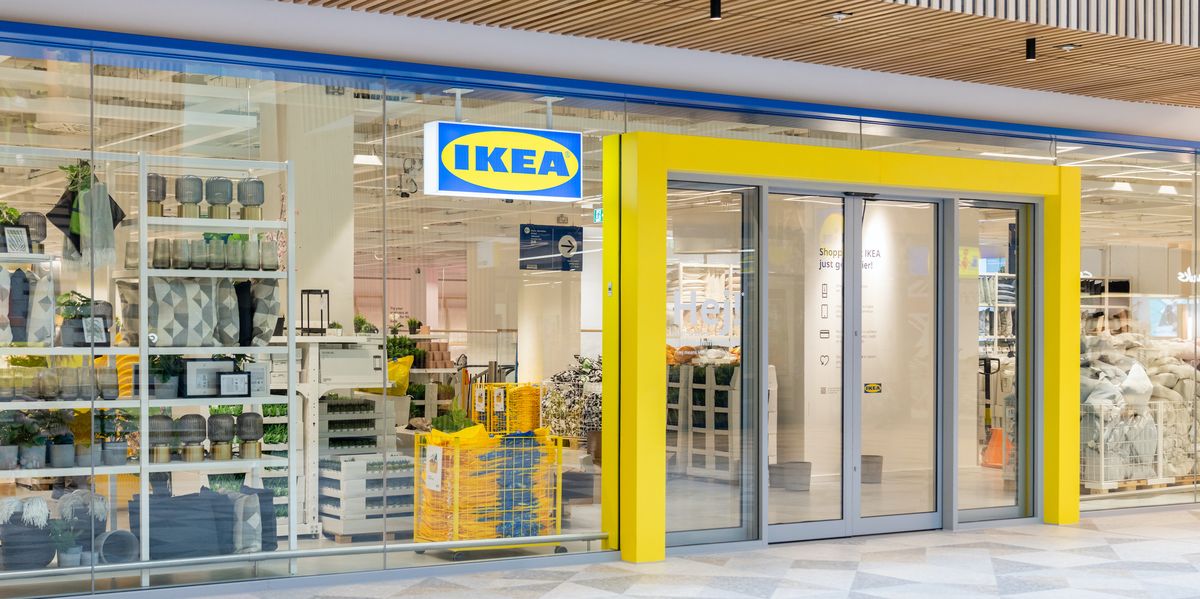
    IKEA Japan is set to shut down its Harajuku and Shinjuku city-format stores later this month. This brings an end to the retailer’s brief yet notable venture in two of Tokyo’s bustling shopping districts.

    Details of the Store Closures

    The renowned Swedish home furnishings group has confirmed that operations at both locations will cease on February 8, with doors shutting at 6 pm. This decision is part of a larger examination of IKEA Japan’s urban store network and its multichannel strategy.

    The Harajuku store was inaugurated in 2020, followed by the Shinjuku store in 2021. IKEA’s objective was to engage with younger, urban consumers by introducing smaller-format stores.

    IKEA’s Future Plans

    Despite the closures, IKEA has expressed plans to further solidify its presence in central Tokyo. The IKEA Shibuya will serve as the main city store, supplemented by larger suburban stores and its digital platform.

    In addition to these changes, IKEA also declared last month that it plans to close seven stores in China as of February 2. The list includes one suburban Shanghai location, another in Guangzhou, and multiple others in the second-tier Chinese cities of Nantong, Xuzhou, and Harbin.

    Questions & Answers

    When are the IKEA stores in Harajuku and Shinjuku closing?
    The stores are scheduled to close on February 8, with operations ending at 6 pm.

    What is the reason behind IKEA’s decision to close these stores?
    The decision to close the Harajuku and Shinjuku stores is part of a comprehensive review of IKEA Japan’s urban store network and omnichannel strategy.

    What are IKEA’s plans for its presence in Tokyo following these closures?
    IKEA plans to enhance its presence in central Tokyo, with the IKEA Shibuya serving as the main city store. This will be supplemented by larger suburban stores and the company’s online platform.

  • Sudden Shutdown Strikes Hollin Bubble Tea: Singapore Outlets Abruptly Close

    Sudden Shutdown Strikes Hollin Bubble Tea: Singapore Outlets Abruptly Close

    In a sudden move that caught consumers by surprise, Hollin Bubble Tea has ceased its operations in Singapore.

    Unexpected Closure

    Hollin Singapore’s social media profiles, including Instagram and Facebook, have been deactivated, and its website is now set to private. Victoria Lim, a 28-year-old marketing executive and a regular customer, noticed the closure after she found her local stores repeatedly shut. Initially, she assumed the closure of the branch at One Holland Village was a temporary measure. However, after several unsuccessful attempts at visiting the store, Lim began to suspect a permanent shutdown.

    Despite these closures, Hollin still appears as an active entity on the Accounting and Corporate Regulatory Authority’s Bizfile portal as of January 12.

    Confirmation from Landlords

    The landlords of the properties Hollin occupied have confirmed the closures. The Far East Organisation, which manages One Holland Village, confirmed that the Hollin outlet there had indeed shut down, despite having opened just a year ago in January. A spokesperson for SingPost Centre has also confirmed that Hollin ceased operations at the mall on January 1.

    Upon checking Google and various mall directories, it appears that Hollin has closed all but one of its Singapore locations.

    Remaining Outlets

    As of January 12, only the Punggol Plaza branch appeared to still be operational. Hollin’s directory listings at SingPost Centre, Suntec City, The Woodleigh Mall, and One Holland Village have been removed from mall websites. Additionally, Grab’s delivery platform shows several Hollin outlets marked as closed.

    Hollin established its presence in Singapore in 2018 with its inaugural store in Toa Payoh. The company then expanded to at least six locations, including Suntec City, Plaza Singapura, and The Woodleigh Mall.

    As of now, Hollin has not issued any official statement regarding the status of its Singapore operations.

    Questions & Answers

    When did Hollin Bubble Tea start its operations in Singapore?
    Hollin Bubble Tea started its operations in Singapore in 2018 with its first store in Toa Payoh.

    Which was the last operational Hollin outlet in Singapore?
    The last operational Hollin outlet in Singapore, as of January 12, was the Punggol Plaza store.

    Has Hollin issued an official statement regarding its closure in Singapore?
    As of now, Hollin has not released any official statement regarding the status of its Singapore operations.

  • PizzaExpress Reduces Singapore Presence: Shuts Down Two More Outlets Amid Retrenchment Wave

    PizzaExpress Reduces Singapore Presence: Shuts Down Two More Outlets Amid Retrenchment Wave

    The UK-based dining chain, PizzaExpress, has recently announced the closure of two of its outlets in Singapore, bringing its total locations in the city-state down to just two. Operations ceased at the Millenia Walk and Scotts Square outlets on December 31 last year. The reasons for these closures have not been disclosed publicly.

    Changes in Location

    The Millenia Walk outlet, the most recent addition to the PizzaExpress Singapore operations, had been serving customers for less than a year, having opened its doors in January 2025. The brand’s remaining outlets can be found at Duo Galleria and The Star Vista.

    This isn’t the first time the company has made location changes in Singapore. In January 2024, the PizzaExpress outlet in Holland Village was shuttered following six years of service. However, a new outlet was established at The Star Vista just a few months later in April.

    History and Challenges

    Established in London, PizzaExpress has made a name for itself globally for its handcrafted thin-crust pizzas. The Scotts Square outlet was the brand’s first foray into the Singaporean market in 2016. The company oversees more than 500 restaurants across the UK, Europe, Hong Kong, India, and the Middle East.

    Despite its global reach, PizzaExpress has grappled with financial difficulties in recent years. In 2020, the company announced plans to close 15% of its UK restaurants due to restructuring efforts aimed at managing an external debt of roughly US$993 million. The then-owner, Hony Capital, a Chinese private equity firm, started the process of seeking a new buyer.

    Food and Beverage Sector Struggles

    PizzaExpress is not alone in its struggles within Singapore. Many food and beverage chains in the city-state have had to close outlets due to dwindling demand. Kith Cafe, which boasted 10 outlets at its height, now operates only two locations. The well-known American chain, Eggslut, shut its last Singaporean outlet in February last year, indicating its departure from the country. Other businesses such as Burger & Lobster, Fluff Stack, Flor Patisserie, and Keong Saik Bakery have also withdrawn from the market.

    Questions & Answers

    Why did PizzaExpress close two of its outlets in Singapore?
    While the company announced the closures, it did not disclose the reasons behind them.

    Which PizzaExpress outlets remain open in Singapore?
    There are two remaining PizzaExpress locations in Singapore, one at Duo Galleria and the other at The Star Vista.

    What financial challenges has PizzaExpress faced in recent years?
    In 2020, PizzaExpress revealed plans to close 15% of its UK outlets amidst restructuring efforts aimed at managing around US$993 million in external debt.

  • McDonald’s Malaysia plans to open 200 more outlets

    McDonald’s Malaysia plans to open 200 more outlets

    McDonald’s Malaysia is set to roll out 200 stores across the country, increasing its nationwide network to 500 by the end of 2026.

    MD and local operating partner, Azmir Jaafar, told local reporters that the fast-food chain is hiring 10,000 workers as part of its expansion plan. New locations will be opened away from the 310 existing ones.

    McDonald Malaysia has also committed to serving halal food across all its restaurants. The chain established an internal halal committee in 2013 to monitor full compliance with the standards and guidelines imposed by the Department of Islamic Development Malaysia (JAKIM).

    “This committee works closely with relevant officials at JAKIM to obtain advice and guidelines for the preparation of halal, quality and clean food,” Jaafar said. “The committee is also responsible for employee training to provide a clear understanding of the concept of halal.”

    Since its launch in Malaysia in 1983, McDonald has employed 15,000 employees and served more than 13.5 million customers monthly.

  • Flash Coffee to open 300 outlets after fresh funding round

    Flash Coffee to open 300 outlets after fresh funding round

    Tech-enabled coffee chain Flash Coffee has raised US$15 million in its Series A funding led by White Star Capital, aiming to launch 300 stores this year.

    The Series A round sets the total capital raised by Flash Coffee to US$20 million. Investors include Delivery Hero-backed DX Ventures, Global Founders Capital, and Conny & Co.

    The raised funds will be used for accelerating Flash Coffee’s expansion plan in Asia. According to David Brunier, CEO of Flash Coffee, the company will enter into seven new markets this year: Hong Kong, Taiwan, South Korea, Japan, Malaysia, the Philippines, and Vietnam.

    “Our dream is to have a Flash Coffee every 500 meters in all major Asian cities,” said Brunier.

    “We will also build a regional HQ in Singapore and expand our regional tech hub in Jakarta to 50 people to support our vision of fully leveraging technology to improve customer experience, proactively drive growth and significantly increase operational efficiency.”

    Launched in January last year, Flash Coffee business model focuses on grab-and-go physical storefronts that rely on technology, allowing significant cost savings. The company now operates 50 outlets across Singapore, Thailand, and Indonesia.

  • Lotte to launch snack subscription service

    Lotte to launch snack subscription service

    Lotte Confectionery Co, a unit of South Korean conglomerate Lotte Group, will launch a snack subscription service dubbed “Monthly Snack,” the first of its kind in South Korea.

    The new service is based on the concept of the subscription economy, which refers to a business model that offers regular products or services to consumers who subscribe and make recurring payments.

    Those subscribing to the snack subscription service will receive a box full of snacks made by Lotte Confectionery on a monthly basis. The box will have different contents each month.

    With this service, subscribers can enjoy a wide variety of snacks without having to go to the store to buy snacks for themselves – and try new things.

    The monthly service will offer a wide range of best-selling and newly-released snacks at lower than market prices.

    Those interested can subscribe to the service through Lotte Confectionery’s official Instagram or Facebook account by June 23. The number of subscribers will initially be limited to about 200, who will be selected on a first-come, first-served basis.

  • Japanese used goods seller Bookoff to double outlets in Malaysia

    Japanese used goods seller Bookoff to double outlets in Malaysia

    Japanese second-hand retailer Bookoff is planning to double its outlets to 10 locations in Malaysia.

    It’s fifth Jalan Jalan Japan store is due to open in Vandal Baru Bangui near Kuala Lumpur at the end of the month.

    “Local people have a preference for new and used products made in Japan,” said Bookoff Group spokesman Takaharu Kominato in an NNA Business News report. “Japanese products have a reputation for reliability.”

    The 1875sqm KiP Mall store will sell roughly 200,000 SKUs from apparel and household sundries through to baby supplies and sporting goods.

    The firm is considering further outlets beyond Malaysia in other Asean territories within the next few years.

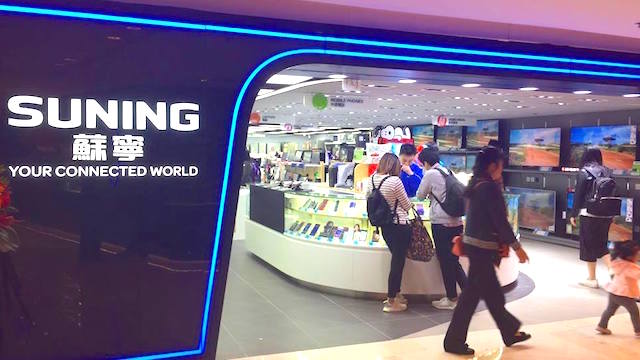
  • Suning.com to open 200 stores inside Carrefour China hypermarkets

    Suning.com to open 200 stores inside Carrefour China hypermarkets

    Suning.com plans to open more than 200 stores inside Carrefour China hypermarkets later this month.

    The store rollout follows Suning.com’s acquisition of an 80-per-cent controlling interest in the Carrefour China business last June, a deal approved by Chinese regulatory authorities last month.

    Analysts say the store openings represent a strategic push by Suning.com to ramp up the loss-making Carrefour business by giving consumers more reason to visit the store – and hoping they will shop at Carrefour while they are there.

    The move comes just five months after Carrefour China revealed plans to partner with Chinese retail group Gome opening 200 stores-in-stores by July. That deal is now over and the stores that had opened under the Gome banner are being converted to Suning.com.

    The new shops will sell smartphones and consumer appliances. A spokesman for Suning.com told Chinese media that the stores will be tailored to local communities.

    Carrefour China has 210 hypermarkets and 24 convenience stores across the mainland.

  • Ethan Allen opens in Taiwan, Cambodia

    Ethan Allen opens in Taiwan, Cambodia

    US interior-design house Ethan Allen has opened new outlets in Taipei and Cambodia as it seeks to expand its international footprint as well as its domestic network.

    Ethan Allen Interiors is an interior-design company which manufactures and retails quality home furnishings through a network of 300 stores worldwide and online.

    Besides the Taiwan and Cambodian outlets, Ethen Allen has recently opened a store in Azerbaijan and four more in the US.

    During the 2020 fiscal year the company says it will open multiple new US outlets and expand further abroad, without revealing the specific markets.

    “The repositioning of our retail network is done with two primary goals: to expand our reach to more customers, giving them the opportunity to collaborate with our interior designers; and to highlight our quality, craftsmanship and incredible diversity of style, the pillars that define Ethan Allen,” said chairman and CEO Farooq Kathwari.

    In addition to its vertically integrated furniture-manufacturing and logistics operation – Ethan Allen currently makes 75 per cent of its products in its North American workshops – the company has a team of more than 1500 interior-design professionals.

    In line with its “classic design, modern perspective” ethos, the company has refreshed 70 per cent of its product line over the past three years.

  • Kia To Start Second Shift At Anantapur Plant To Reduce Waiting Period

    Kia To Start Second Shift At Anantapur Plant To Reduce Waiting Period

    Kia Motor India has finally introduced the Seltos compact SUV in India and the all-new offering has been launched at a disruptive pricing of ₹ 9.69 lakh (ex-showroom). The company has already garnered over 32,000 bookings for the Kia Seltos in five weeks and the pricing, which undercuts all its rivals, is only going to fill the order books faster. The automaker has confirmed that the current waiting period stands at about six to eight weeks for the Seltos, and Kia plans to add a second shift at the Anantapur plant to meet the growing demand.

    Manohar Bhat, VP – Marketing and Sales, Kia Motor India confirmed the details on the growing demand for the Seltos SUV. The carmaker has about 5,000 models ready that have been dispatched to dealers, while the new shift is expected to churn out consistent volumes to meet the overwhelming number of bookings. Bhat also confirmed that it won’t stop bookings for the Seltos, taking a slight dig at MG, which has stopped accepting bookings for the Hector owing to the current demand.

    The Kia facility in Andhra Pradesh is spread over 536 acres and has an installed capacity of three lakh units per annum across three shifts. The Seltos is currently the only car to be produced at the facility and will largely cater to the domestic demand, while exports are also being planned from here to markets like South America, Africa and neighbouring countries.

    The Kia Seltos is a made-in-India, made-for-India model and has witnesses heavy localisation, which has prompted the competitive pricing on the SUV. The model is offered in a total of 16 variants across two petrol and one diesel engine options. There are two key trims – Tech Line and GT Line with four sub variants in each. Clearly, the manufacturer has put in a lot of thought of packaging different variants to meet the different customer requirements.

    Kia is currently operating out of 192 outlets spread across 160 cities in India. At least one out of five bookings for the Seltos was received online, and the manufacturer is anticipating consistent demand via the online booking platform, despite it being a novel form of booking vehicles in India. Kia’s online booking platform also helps prospective customers with financing options. Deliveries for the Kia Seltos start from today.

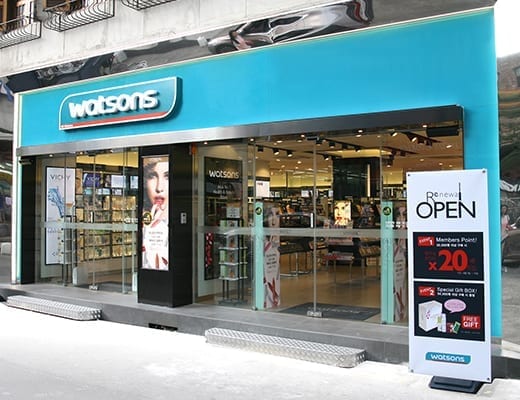
  • Watsons loyalty program Expanding for Travellers

    Watsons loyalty program Expanding for Travellers

    Watsons is about to expand its loyalty program cross-border with 8 million members in 11 cities in the Greater Bay Area the first to benefit.

    “Watsons operates in many popular travel destinations worldwide, and our customers also tell us that they would like to shop in Watsons overseas,” said group COO Malina Ngai. “Therefore, in order to bring more excitement to our members, it is logical our loyalty program goes international.”

    Members of the Watsons loyalty program in Watsons Hong Kong and Watsons China (in particular Greater Bay Area members) will be able to upgrade their membership to the One Pass-level program to enjoy benefits when they shop in any of the 660 Watsons stores in the 11 cities: Hong Kong, Macau, Guangzhou, Shenzhen, Zhuhai, Foshan, Zhongshan, Dongguan, Huizhou, Jiangmen and Zhaoqing.

    The cross-border program will be launched in other Asian markets including Singapore, Malaysia, Thailand, Taiwan and Indonesia in July.

    “Watsons has been the No.1 Pharmacy/ Drugstore brand in Asia for 10 consecutive years with more than 90 million loyalty club members, and the majority of them are frequent travellers,” said Ngai.

    Indeed, recent research of 14,000 consumers in seven Asian regions showed the average frequency of cross-border Asian travelling is 1.7 per year. Hong Kong people travel 2.2 times yearly, ranking second across Asia, preceded only by Singaporeans, who travel 2.7 times per year.

  • Sephora heads to Seoul, Korea

    Sephora heads to Seoul, Korea

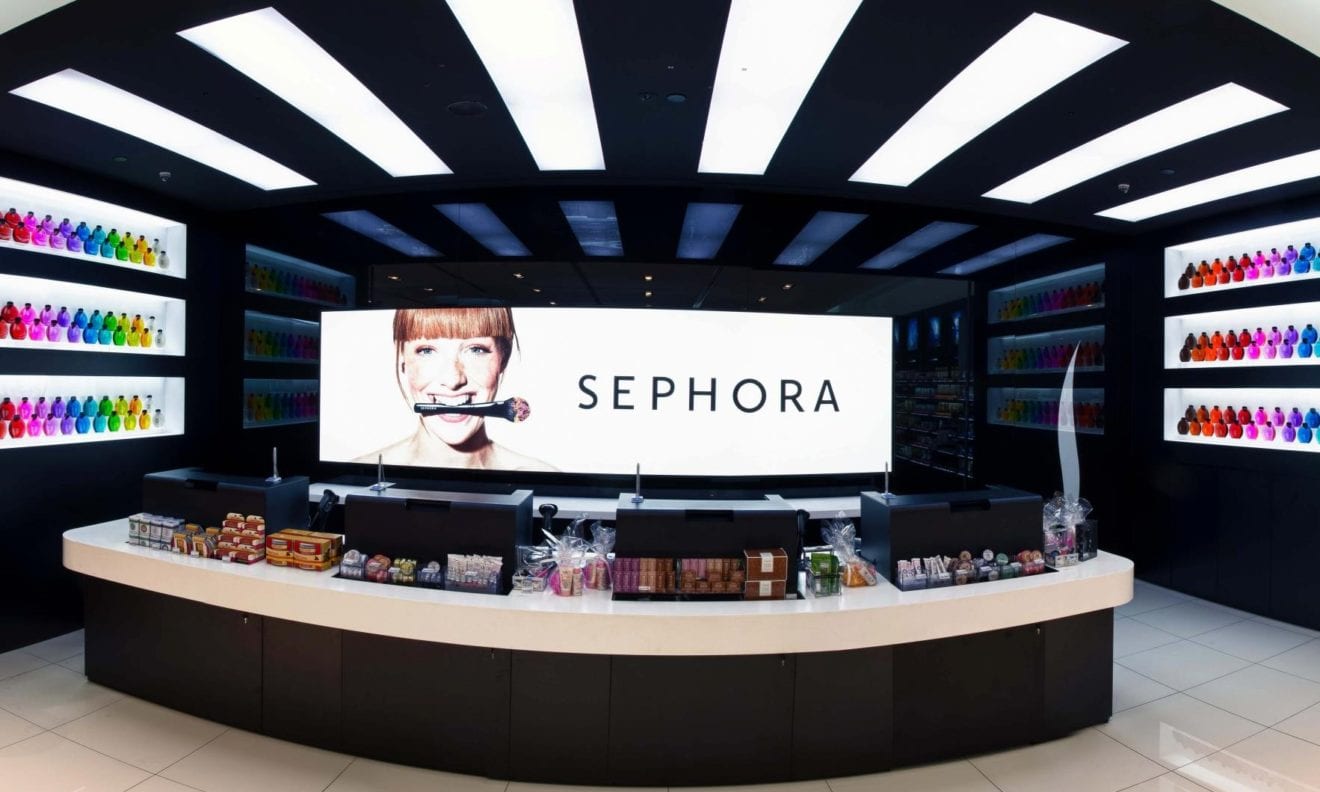
    LVMH-owned cosmetics retailer Sephora will launch its first outlet in South Korea this October.

    The first Sephora South Korea retail space will take up 547sqft in Gangnam, featuring hundreds of brands as well as home-brand products under the Sephora label.

    “Sephora will contribute to expanding the local beauty market by proposing a new standard,” said Sephora Korea CEO Kim Dong-ju.

    The Sephora South Korea store will be the first of six planned to be trading by next year, along with an online store.

    Sephora operates more than 3000 outlets worldwide and has a strong presence in Asia. It also plans to make a return to Hong Kong soon, opening in space at IFC mall.

  • Cashless payments now available at Robinsons retail outlets via PayMaya QR

    Cashless payments now available at Robinsons retail outlets via PayMaya QR

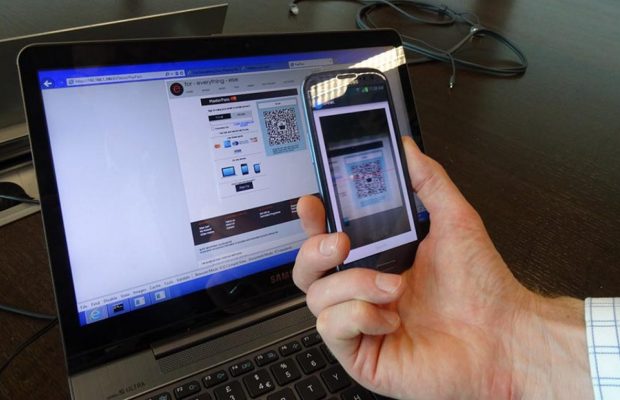
    Robinsons Retail Holdings., in partnership with PayMaya Philippines, is now enabling mall-goers to do quick and seamless digital transactions through PayMaya QR, as Robinsons Galleria in Ortigas is now among the first shopping malls in the country to deploy the cashless payments technology.

    The merchants who are now accepting PayMaya QR payments in Robinsons Galleria include Robinsons Department Store, Robinsons Supermarket, and merchants under Robinsons Specialty Stores. (RSSI)–which include brands such as Topshop, Topman, Dorothy Perkins, Burton Menswear, G2000, benefit, Shiseido, Miss Selfridge, and Warehouse, among others.

    Earlier, PayMaya QR was also successfully deployed in select Ministop branches to provide quick and convenient payments inside convenience stores. The technology will soon be deployed at all Robinsons malls nationwide.

    “We’re looking forward to have our customers experience QR-based payment innovation from PayMaya, especially in time for the holiday shopping season. Aside from convenience, this will bring greater flexibility to our customers in terms of the way they pay for transactions inside our malls,” said Robina Y. Gokongwei-Pe, President and Chief Operating Officer at Robinsons Retail Holdings.

    “We are excited to see customers of Robinsons Retail use our PayMaya QR technology. With this collaboration with trailblazing partners like Robinsons Retail, more Filipinos can now experience digital payments at its most convenient,” said Orlando B. Vea, President and CEO at PayMaya Philippines and Voyager Innovations.

    Payments made via PayMaya QR offer utmost convenience especially for mall-goers since all they would need are their mobile phones and their PayMaya app to make instant payments.

    The technology is initially available in select stores in Robinsons Galleria today, with wider deployment in other merchants and Robinsons malls expected soon.

    Loading up their PayMaya accounts to pay for items in these stores is also made easy because top-ups are easily available at Robinsons Business Centers.

    Through its QR-based payments–the first-of-its-kind implementation in the country for QR code payments–PayMaya is paving the way for mainstream adoption of digital payments for all Filipinos nationwide.

    Robinsons is just the latest to adopt PayMaya’s QR-based payment technology, which recently saw an accelerated rollout across the country, particularly in establishments such as Smart Stores; in communities starting with canteens in partner schools like STI and commercial establishments in cashless cities such as Muntinlupa and Malabon; and in popular merchants within SmartSpots already enabled by WiFi connectivity in key cities such as Baguio, Cebu, and Davao.

    PayMaya Philippines, the country’s pioneer and leader in cashless payments, is the digital financial services arm of PLDT’s Voyager Innovations.