Retail News CRM

Tag: outlets

  • Japan’s BITPoint to Add Bitcoin Payments to Retail Outlets

    Japan’s BITPoint to Add Bitcoin Payments to Retail Outlets

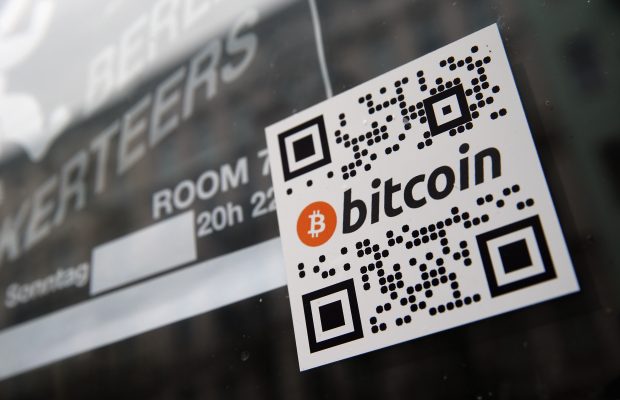
    BITPoint Japan, the company behind Peach Aviation Ltd.’s move to let travelers use bitcoin to pay for tickets, is planning to give hundreds of thousands of Japanese retail outlets the ability to accept the digital currency.

    “We’re holding discussions with a retail-related company,” Genki Oda, BITPoint’s president, said in a recent interview. “By going through a company providing payment terminal services to shops, we have the possibility of increasing its use at one stroke. It’s easier than talking to lots of individual retailers.”

    BITPoint is joining a flurry of companies embracing regulations, enacted in Japan last month, that recognize digital currencies as a form of payment. That has helped to make yen trades one of the world’s largest transaction pools, exceeding China’s pole position at the end of 2016, according to Oda. Bic Camera Inc., one of the country’s biggest electronics retailers, began accepting bitcoin at two stores in Tokyo last month.

    “We’re also talking to a big convenience store operator about using it,” said Oda, 36, who also runs BITPoint parent Remixpoint Co., which had a market value of about 21 billion yen ($189 million) on Friday. He said he’s aiming to make an announcement by early next year.

    The shares of Remixpoint rose as much as 18 percent to their daily price limit. Last week, Remixpoint said it will convert debt issued to BITPoint into equity, raising its ownership in the subsidiary to 97.7 percent.

    Bitcoin, which debuted eight years ago, is gaining wider use as a way to pay for goods and services, and lets people transact without oversight from governments, regulators or central banks. The virtual currency has been rallying against the dollar and other fiat currencies and was trading at $2,210 on Monday, near record highs.

    While BITPoint operates as a bitcoin exchange, it’s pushing to promote the use of the cryptocurrency in stores and other retail outlets, instead of as a speculative instrument. The company currently has ties with tens of retailers and plans to expand that number, Oda said.

    A change in Japanese law on April 1 formalized rules around anti-money laundering and put in place standards for security and audits. Restaurant booking site Gurunavi Inc. will start letting diners pay with bitcoin later this year, the Nikkei newspaper reported last month.

    “It’s funny how the whole narrative of bitcoin being risky or dangerous has changed, and it is now seen as a form of pride to regulate and embrace it,” said Thomas Glucksmann, head of marketing at Hong Kong-based bitcoin exchange Gatecoin.

    Asked about the recent climb in bitcoin’s value, Oda said he’s wary of the sudden jump and doesn’t think it’s sustainable. At the same time, Japanese investors and day traders are taking a serious look at bitcoin as an asset class, thanks to the new regulations, he said, adding that several large foreign exchange brokerages will begin bitcoin trading in the coming months, boosting volumes.

    Still, it’s unclear whether bitcoin payments can become more than a marketing gimmick. The biggest hurdles include long network confirmation times and high transaction fees. While many bitcoin community members rallied around a new proposal last week to fix the problem, deep differences within the group have led to several similar solutions falling through since 2015.
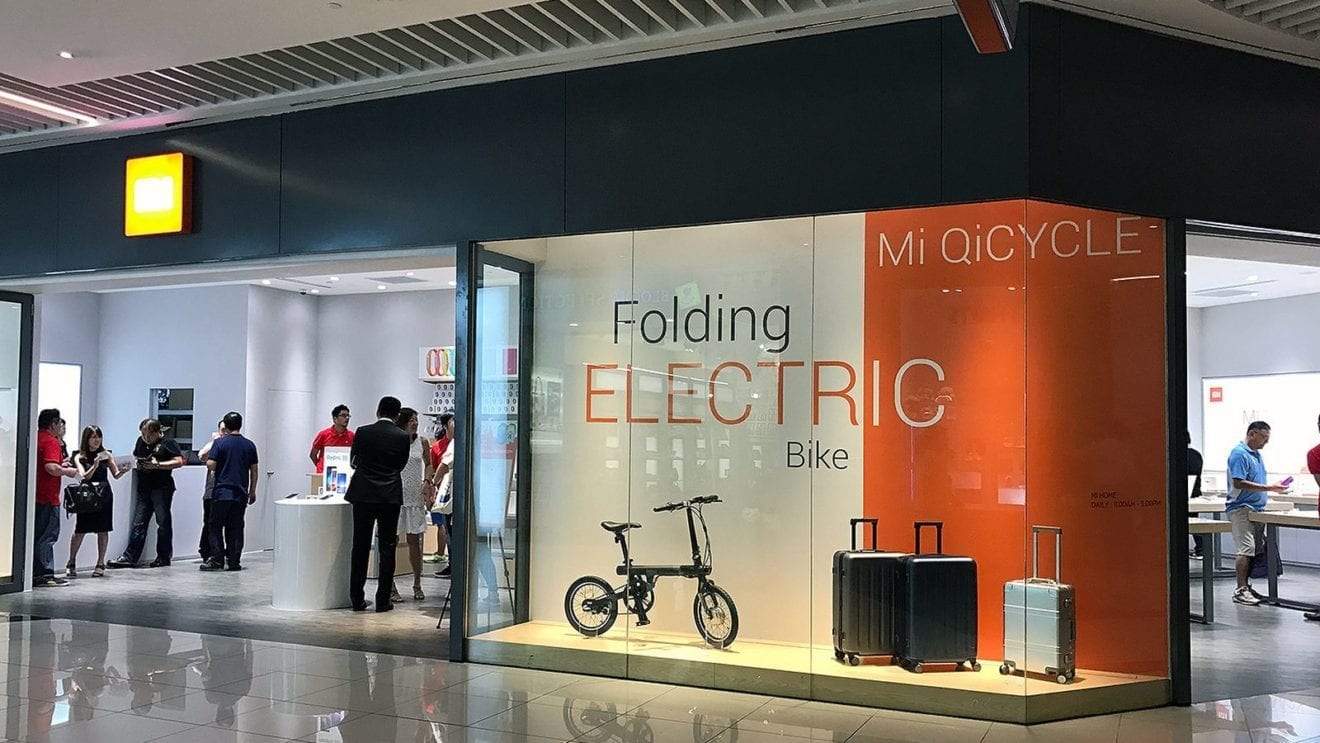

  • Xiaomi plans ambitious plans to roll out retail outlets overseas

    Xiaomi plans ambitious plans to roll out retail outlets overseas

    Chinese smartphone maker Xiaomi is likely to expand its sales model of online to offline integration abroad, as its chief executive pins his hopes on so-called “new retail” to arrest a slide in its home market as well as winning more buyers overseas.

    Lei Jun, founder and chief executive of the Beijing-based Xiaomi, said on Monday the company will adopt its sales strategy in China while making expansion overseas, a practice that would require self-built retail outlets on foreign land in addition to the company’s existing online presence overseas.

    “We will bring our (sales) practice in China to overseas markets,” Lei said on the sideline of the ongoing meeting of the National People’s Congress in Beijing without disclosing any detailed plans.

    The integration of online and offline sales, coined as new retail in China, is one of the key areas Lei, an NPC deputy, emphasises in his proposals to the NPC.

    He said the new retail model provides “better customer experience” while at the same time “boosts sales efficiency”.

    Offline stores are good for Xiaomi to attract overseas buyers in India and Southeast Asia as for a significant proportion of them smartphones are still big-ticket item. They want to check out real products first before making purchases and offline stores can also provide after-sales services

    Jessie Ding, an analyst with market research firm Canalys

    Earlier this year, Lei announced plans to open 1,000 bricks-and-mortar stores in China over the next three years, part of the company’s effort to reach its target of 10 billion yuan in revenue in 2017.

    The company opened 50 stores in 2016 after finding it online sales model being challenged by domestic rivals.

    The company, which was China’s best selling smartphone maker in 2014, saw its shipments in the country last year slump 23 per cent with a market share of just 8.9 per cent, according to IDC data.

    Via the aggressive outlet strategy in smaller cities in China, domestic players Oppo saw smartphone shipments more than double to 78.4 million units last year as it took top spot with a 16.8 per cent share. China’s Huawei Technologies and Vivo both rose at a double-digit pace to rank second and third.

    As most of China’s major smartphone makers look overseas for business growth, Xiaomi faces tough competition not only at home but also abroad, said analysts.

    “Offline stores are good for Xiaomi to attract overseas buyers in India and Southeast Asia as for a significant proportion of them smartphones are still big-ticket item,” said Jessie Ding, an analyst with market research firm Canalys.

    “They want to check out real products first before making purchases and offline stores can also provide after-sales services,” she added.

    Lei said the next decade will be a golden era for the globalisation of Chinese smartphone makers thanks to increased innovation and manufacturing skills.

    “Our global expansion started three years ago. But our strategy is to move to neighbouring countries first, before going to the West mainly because we haven’t got enough talented staff to support such drastic expansion,“ he said.

  • Rough patch for Smoothie King as it closes outlets here

    Rough patch for Smoothie King as it closes outlets here

    American food chain Smoothie King has closed all seven of its stores in Singapore over the past month – although it says it is still keen to operate here within a franchise agreement.

    The news has shocked observers as the food and beverage segment is said to be one bright spot in an otherwise gloomy retail scene.

    While Smoothie King did not comment on the performance of its stores here, a company spokesman said its owner and chief executive Wan Kim recently sold his interest in the South Korean operations.

    Smoothie King Singapore is wholly owned by Smoothie King Korea, according to a company search.

    “As a result of this transaction, Smoothie King Company has chosen to not own and operate outside the United States. This decision has led to the strategic closing of all operations in Singapore,” the spokesman told The Straits Times on Monday.

    The company appears to have quietly exited the market. No mentions were made on its website and Facebook page, which were both unavailable yesterday.

    Smoothie King has been on a rapid expansion path over the past few years. It opened its first store here in December 2012, and said it planned to launch at least 30 shops in three years.

    Apart from the US, it is also open in the Cayman Islands and South Korea. The only Smoothie King- owned outlets are in the US. The rest are franchise agreements, the company spokesman said.

    It has agreements to open stores in the Middle East and will be announcing further international developments in the coming days.

    “Smoothie King vigorously continues to seek operating partners in Asean… It will be exploring opportunities to operate in Singapore within a franchise agreement,” she said.

    The company may have had limited appeal here. Staff at a store opposite its former Nex outlet said that while it would be packed with students from Friday to Sunday, it would typically not even be half full at lunchtime on weekdays.

    It was a similar story at its former Marina Bay Link Mall outlet, with staff at nearby outlets noting it would not be a full house during lunch hours.

    Mr Steven Goh, who runs retail consultancy SG Retail Network, said the chain’s growth and pricing strategy were not suited to the Singapore market.

    “It’s a premium to pay $6, $7 for a smoothie and they are, unlike coffees, not something most people will drink every day.

    “Smoothie King was in a very niche category but also expanded fast, with outlets in prime locations and high rental costs. Not all the stores may have been performing… But for chain store operations to be sustainable, at least 90 per cent of the stores should be profitable.”

  • Furniture Retail Iwannagohome to shut Singapore outlets

    Furniture Retail Iwannagohome to shut Singapore outlets

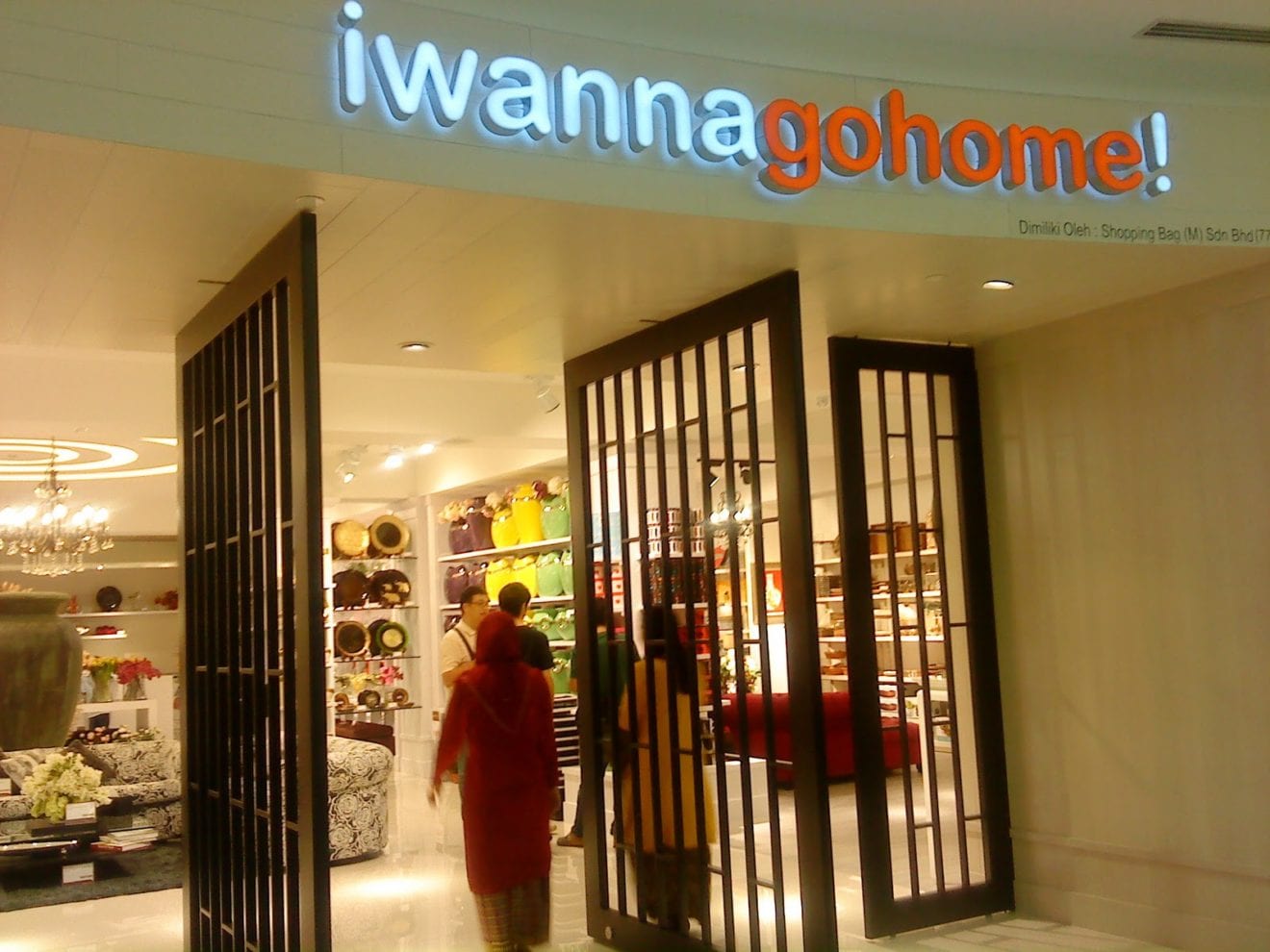
    Home furnishing and accessories shop iwannagohome will close its outlets in Singapore, its parent company confirmed on Friday (Feb 26).

    Both its branches at Tanglin Mall and Great World City will be closed, said a spokesperson for the brand, which debuted in Singapore in 2007. Clearance sales have begun at both outlets.

    A retail employee told Channel NewsAsia that he was told the shop would close “around May or June” this year.

    No employees will be affected, the spokesperson added. “As we have other businesses, all employees will be transferred to other outlets.”

    Among the other brands managed by parent company, Gill Capital, are fashion store H&M and candy store Candylicious.

    No details were provided in response to queries about whether iwannagohome’s other outlets in Malaysia and Australia would be affected.

  • Airport Authority Hong Kong opens Midfield Concourse retail outlets

    Airport Authority Hong Kong opens Midfield Concourse retail outlets

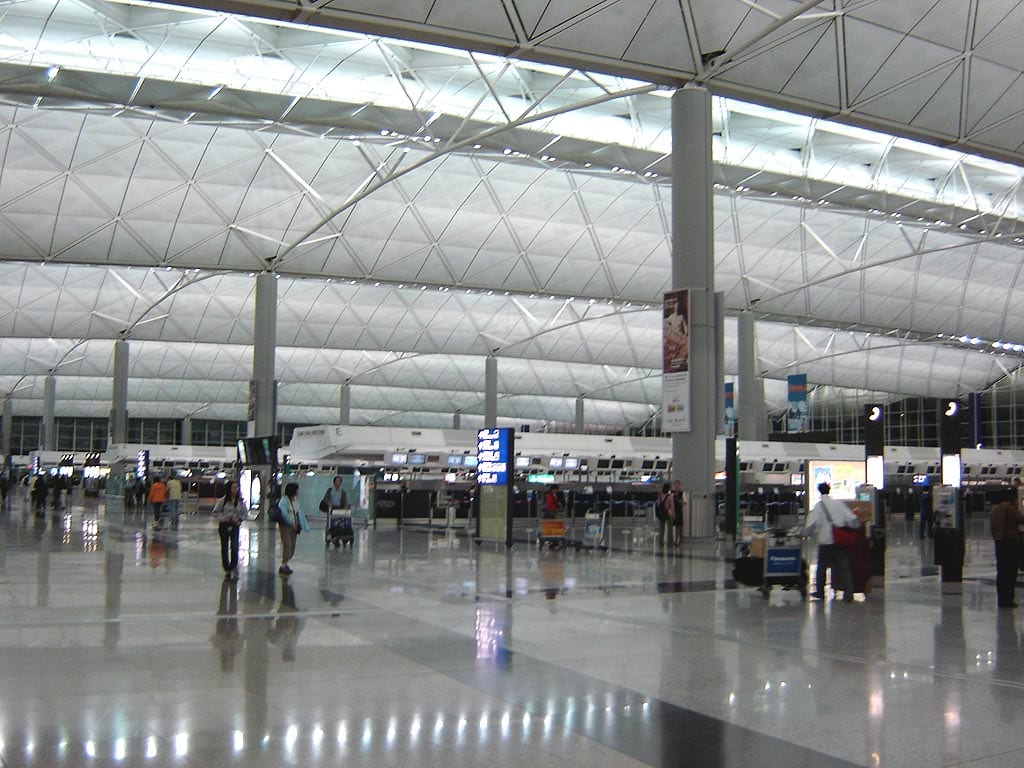
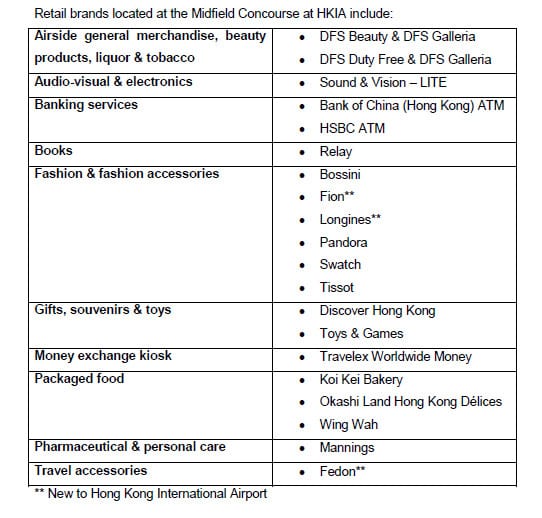
    Airport Authority Hong Kong (AAHK) has welcomed nine newly-opened retail shops and a café to the recently-inaugurated Midfield Concourse at Hong Kong International airport. In addition to the new shops outposts there are also outposts and a money-exchange kiosk.

    Positioned as a one-stop shopping destination, the Midfield Concourse offers a range of products and services catering to travellers’ needs. Travellers can find liquor and tobacco; beauty products; fashion and fashion accessories; audio-visual and electronics; packaged food; gifts, souvenirs and toys; and pharmaceutical and personal care items in the 105,000 sq m concourse.

    Soon to be opened are eight retail and three catering outlets. DFS Group will introduce a new multi-category store concept. These new DFS outlets at the Midfield Concourse will offer an abundance of brands for better shopping convenience, according to AAHK. The catering outlets will offer café and casual-dining options to departing passengers who have limited time before boarding. The Midfield Concourse also marks fast-food company MX’s first entry to HKIA.

    “The Midfield Concourse will be able to serve an additional 10 million annual passengers in order to meet the increasing passenger volume at HKIA,” said Airport Authority Hong Kong executive commercial director Cissy Chan. “We are proud to offer extended retail and catering options throughout the concourse, which will let the passengers have a pleasant and enjoyable last-minute shopping and dining experience.”

    Photo of

  • RIL to shut down few retail outlets in India

    RIL to shut down few retail outlets in India

    India’s Reliance Industries has said it will shut down non-profitable outlets belonging to its retail chain Reliance Retail.

    “It will be a wise decision to shut down stores which are not doing well and are a drain on the finances. All retail players operate in this manner,” said a research analyst from a domestic brokerage who attended the analyst meet.

    Reliance Retail is not just the largest retailer in terms of revenues, but is also the biggest in most of the categories it operates in. As on March 31, RIL operated 2,621 stores across 200 cities, with 12.5 million sq ft space and saw its profits improve over two times and revenue increase by 21 percent.