Tag: packaged food

  • Thai President Foods Launches THB 25 Functional MAMA Noodles

    Thai President Foods Launches THB 25 Functional MAMA Noodles

    Thai President Foods launched MAMA OK ROSE’ across Thailand in November, pricing the functional instant noodle packs at THB 25 for a six-month commercial run.

    The lineup sells in two functional options: a High Protein version delivering 17 grams of protein per pack, and a High Fiber version with 10 grams of dietary fibre plus probiotics.

    Both variants use a Korean-style rosé flavour profile, tapping imported recipe trends that dominate local convenience store shelves. The manufacturer built the rollout around a six-month sales window to test sustained demand before deciding on permanent manufacturing line allocations.

    Functional shifts across convenience shelves

    Thai convenience retail has seen functional dairy and RTD formats crowd out standard items on refrigerated shelves. High-protein flavoured milk and probiotic shots secured long-term shelf space, demonstrating that local shoppers will pay for explicit nutrient counts on daily staples.

    MAMA is now translating that basket behaviour into ambient packaged noodles. Instead of asking consumers to buy separate bottled protein shakes or dietary supplements that carry higher price tags, the company is packaging these macronutrients into a THB 25 hot meal format.

    Reversing the reformulation strategy

    The launch reflects an intentional change in how Thai President Foods addresses health-conscious consumers. The group previously rolled out reduced-sodium noodles, but the line failed to gain commercial traction among shoppers who perceived less salt as a compromise on seasoning strength and texture.

    Rather than stripping out core ingredients, the product team pivoted to an additive proposition. Delivering measurable nutritional gains through added protein and gut-health ingredients gives retail buyers a clearer merchandise hook than standard health claims that focus solely on reduction.

    Execution and shelf allocation

    Pop singer Ink Waruntorn fronts the MAMA OK ROSE’ media and promotional push, maintaining her commercial role across the broader MAMA OK brand family. Retaining the same brand ambassador links the experimental functional items directly to the established line.

    For category managers and store operators, instant noodles remain high-velocity, low-margin inventory. Securing a THB 25 price point on an ambient pack allows operators to lift average basket values in an aisle typically anchored by traditional packs.

    What to track next

    The core commercial metric is whether Thai President Foods extends production past the six-month trial window. Repeat purchase volume in modern trade will determine if functional instant noodles remain an occasional promotional gimmick or become an established ambient category across Southeast Asia.

  • Lee Biscuits Shuts Malaysia Factory Cutting 300 Jobs

    Lee Biscuits Shuts Malaysia Factory Cutting 300 Jobs

    Lee Biscuits, a 92-year-old brand founded by Singapore’s late tycoon Lee Kong Chian, is ending production and shutting its factory in Johor by end-October, leaving around 300 workers without jobs.

    Suppliers and customers received notification of the halt last month. A senior manager told China Press that warehouse sales held over the last two weeks have sold out all remaining biscuit stocks.

    Customers attempting to buy products directly from the factory are now being redirected to retail outlets instead. The company has announced no future production plans for the biscuit brand, which is also known as Nam Lee.

    Depleted Stock and Empty Sundry Tins

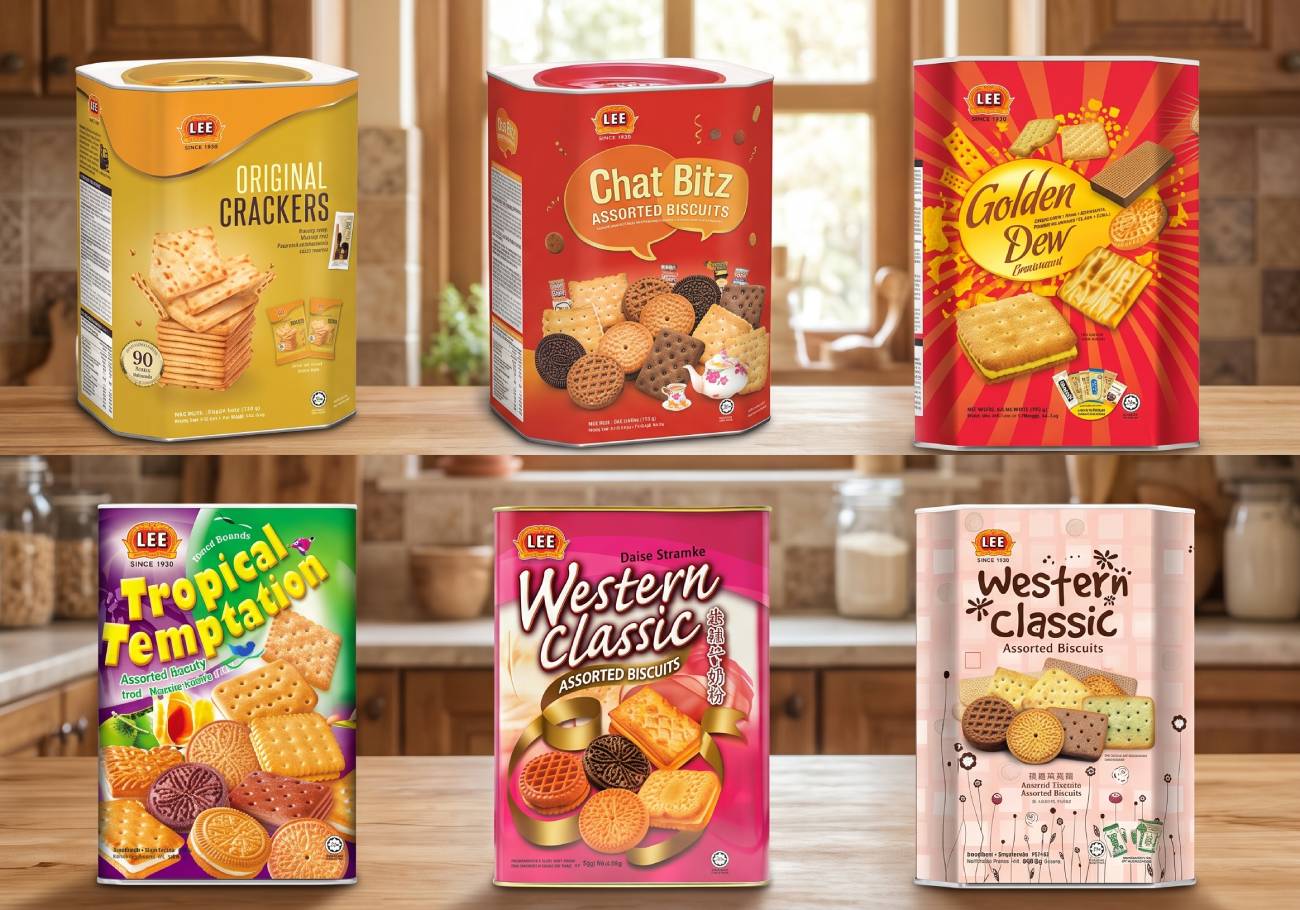
    The manufacturing shutdown removes an established pantry staple from Malaysia’s independent grocers and sundry stores. The brand built its business on bulk tin formats and plastic packs containing soda crackers, Marie biscuits, banana tarts, iced gems, lemon sandwich biscuits, animal crackers, and spirulina whole wheat biscuits.

    Those products filled store displays across both West Malaysia and Singapore for decades, serving as low-cost volume drivers for neighborhood provision shops. With internal warehouse inventory cleared out entirely, distributors face an immediate supply cut once existing shop-floor stock runs dry over the coming weeks.

    Exit from Fast-Moving Consumer Goods

    The shutdown forms part of a broader corporate restructuring by the parent holding group to abandon consumer-facing packaged goods entirely. Capital is shifting back into upstream primary commodities, concentrating operations around rubber processing and palm oil plantations.

    For retailers and shelf planners, the departure opens up shelf space in the value cracker category. Operators relying on traditional sundry distribution face losing a heritage brand that required zero promotional spending to drive volume.

    The Manufacturing Move Across the Causeway

    Tycoon Lee Kong Chian established the biscuit brand in Singapore in 1934 before relocating operations across the border. Lee built the Lee Rubber Company into a regional empire before co-founding OCBC Bank through a three-way merger in 1932.

    Manufacturing ran inside Singapore for over two decades until management shifted the lines to Johor Bahru in 1955 to tap cheaper agricultural raw materials and processing facilities. Operations relocated again within Johor to the current factory site in 2005, where lines ran continuously until this month’s wind-down.

    Sequential Plant Closures in Johor

    The factory shuttering follows an identical retreat from the packaged food sector. The group permanently closed its Lee Pineapple canning facility in Skudai, Johor, in 2023, ending decades of fruit processing to focus resources on upstream estate acreage.

    Retail buyers must now run down their final cases of biscuits before factory gates close permanently by end-October.

  • India Issues Notices to Nestle, Zydus and Abbott over Child Product Claims

    India Issues Notices to Nestle, Zydus and Abbott over Child Product Claims

    India’s food safety authority issued formal notices to Nestle India, Zydus Wellness and Abbott Healthcare this week over marketing claims on infant and children’s products that breached national rules.

    The enforcement actions rattle an Indian packaged food market valued at more than $100 billion as regulators intensify oversight of nutritional claims.

    The move comes shortly after officials proposed prohibiting added sucrose and fructose in foods intended for infants up to six months old.

    Evidence Demanded on Formula and Growth Drinks

    The Food Safety and Standards Authority of India ordered Nestle India to produce documented evidence supporting promotional assertions about digestive health and immune system benefits. Those claims appear on labels for Lactogen Pro 1 Powder and NAN Excella Pro Stage 1 infant formula.

    For Zydus Wellness, the regulator demanded scientific substantiation for marketing claims attached to its Complan children’s beverage brand. Regulators singled out promotional packaging using the slogan “grow taller, faster. Clinically proven 2X growth.”

    Enforcement also expanded into digital media distribution channels. The regulator issued separate notices to online influencer Ira Fathima alongside Abbott Healthcare and Nestle India concerning an Instagram reel promoting infant milk substitutes.

    Nestle India stated that the authority’s public notice repeated concerns initially raised on September 18 regarding product packaging labels, adding that it had already delivered an extensive formal response to the food regulator.

    Abbott took a different position, stating it played no role in the social video campaign. “Abbott does not endorse the claims or representations contained in the content,” a company spokesperson said, adding that the healthcare firm only learned of the material after receiving the authority’s notice and had forwarded that explanation to officials.

    Regulatory Pressure Mounts Across FMCG Portfolios

    The enforcement notices show Indian authorities closing off the latitude dairy and consumer health brands historically enjoyed when framing products as quasi-medicinal solutions. For multinational operators, children’s nutritional beverages and early stage formulas command premium shelf pricing in modern trade stores and pharmacy chains across tier-one Indian metros.

    Pivoting marketing messages from clinical outcomes to simple nutritional content carries commercial risk. When brands cannot claim tangible acceleration in height or immune protection, consumer willingness to pay substantial retail markups over standard milk powders drops quickly.

    Packaged goods manufacturers operating in India face a compounding compliance headache. Removing unverified health statements from shelf packaging requires inventory write-downs, packaging redesigns and altered point-of-sale displays across hundreds of thousands of general trade outlets.

    Digital influencer campaigns, long used by FMCG marketing teams as an indirect route around tight infant formula promotion laws, now sit squarely within the regulator’s direct enforcement perimeter. Brands can no longer isolate corporate marketing budgets from third-party social media creators promoting their product categories.

    Stricter Sugar Rules Set the Stage

    The crackdown follows earlier regulatory intervention by the food authority on October 17, when officials proposed an outright ban on adding sucrose and fructose to food products formulated for infants up to six months old.

    That regulatory draft landed as authorities stepped up scrutiny of basic formulation standards across processed food segments and advanced plans for mandatory front-of-pack nutritional warning labels.

    Regulators will decide whether to mandate product label revisions, levy statutory fines, or order affected product batches removed from retail distribution shelves across the country.

  • Pepsi-Cola Partners with 7-Eleven Thailand to Launch Lay’s Loaded DIY

    Pepsi-Cola Partners with 7-Eleven Thailand to Launch Lay’s Loaded DIY

    In October 2026, Pepsi-Cola (Thai) Trading partnered with 7-Eleven Thailand to launch Lay’s Loaded D.I.Y., selling customisable snack combinations across the convenience store network and digital channels.

    The promotion lets buyers take bags of chips and combine them with add-ons and toppings purchased directly in-store.

    How the in-store concept works

    Shoppers select participating base chip packets and add savoury ingredients to build custom snack bowls inside the store. The retail mechanic turns standard packaged goods into quick-prep food options without requiring dedicated kitchen equipment or extra staff behind the counter.

    Digital channels handle the same ordering flow. Customers can select their chip base and topping combinations directly through the 7-Eleven mobile application and order them via 7-Eleven Delivery for home drop-off.

    Influencer recipes drive app orders

    To establish baseline recipes, the campaign brought in four Thai key opinion leaders to develop signature combinations based on their personal flavour choices. These recipes serve as default menu items on the 7-Eleven application, giving shoppers direct templates rather than forcing them to invent combinations from scratch.

    Social sharing anchors the promotional push. By circulating specific topping formulas online, the brand aims to convert casual social media viewers into app-based delivery orders.

    Commercial shift for snack makers

    Packaged snack producers in Southeast Asia face stagnant volume growth in conventional shelf placements. Turning standard chip packets into assemble-at-home meals allows manufacturers to lift basket size without reformulating the underlying product.

    For convenience operators like CP All’s 7-Eleven, the mechanic drives cross-category sales. A single snack transaction now pulls in additional high-margin chilled toppings, sauces, and packaged side items from adjacent shelves.

    Earlier product experiments in Bangkok

    The campaign follows several product variations rolled out by PepsiCo in Thailand during 2026. The company introduced Lay’s Light with a 40 per cent sodium reduction in September, alongside a co-branded ice cream crunch stick developed with Nestlé Éxtreme Pop.

    Earlier in May 2026, the brand tested texture additions through Lay’s Max paired with crunchy crab sticks. The latest DIY promotion shifts that experimentation from factory packaging directly to the retail point of sale.

    What to track next

    Retail buyers are monitoring whether the DIY format generates repeatable basket additions beyond the initial social media campaign. The metric to watch is whether 7-Eleven expands the loaded snack concept to other savoury snack categories across its nationwide footprint.

  • Lactel Malaysia Launches Low Fat Smooth Yogurt in Pouch Format

    Lactel Malaysia Launches Low Fat Smooth Yogurt in Pouch Format

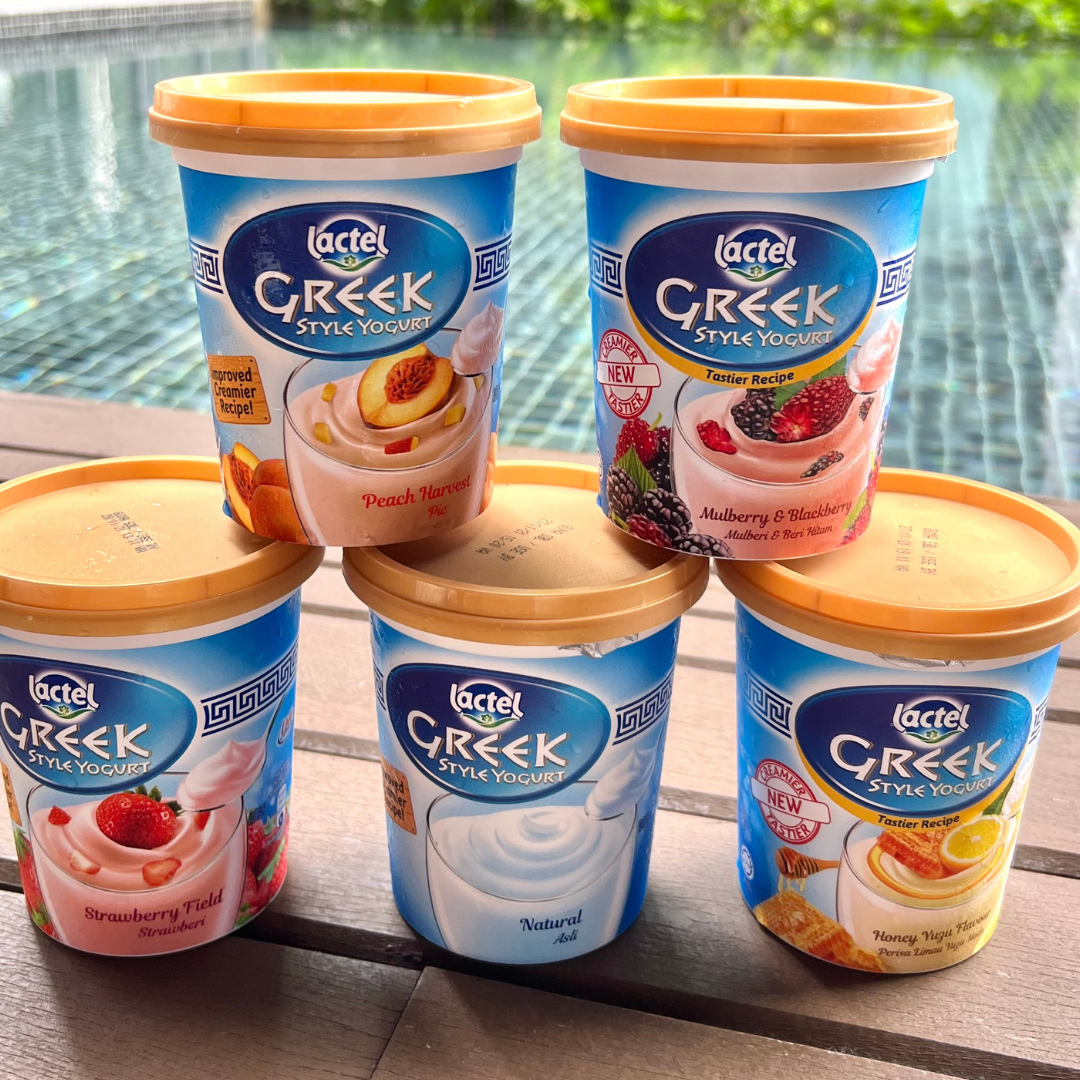
    Lactel Malaysia launched its Low Fat Smooth Yogurt in a portable pouch format this week.

    The easy-to-enjoy yogurt is designed for everyday routines, whether heading to work, squeezing in 1 gym session, or snacking on the go.

    Format Shifts in Chilled Dairy

    Each pouch contains live cultures in a low-fat, smooth and silky formulation. Squeeze packaging eliminates utensils. That shifts chilled yogurt into a single-handed snacking format.

    Dairy brands across Southeast Asia continue shifting traditional tub products into flexible pouches to secure convenience store chiller space. Front-of-store cold cases reward grab-and-go packaging. These items compete directly with ready-to-drink flavored milk, RTD coffee, and ambient snacks.

    Convenience Retail Dynamics

    Squeeze pouches give retailers higher refrigerated stock density than rigid plastic tubs. Urban convenience chains in Malaysia gain stock that stacks easily. Units move fast among transit shoppers during morning and evening rush hours.

    Cold-chain distribution remains a hurdle for live-culture fresh pouches. Logistics networks must keep temperatures steady from factory depot to checkout chiller. Any temperature shift can spoil texture and cut shelf life.

    Targeting Cross-Generational Snacking

    Lactel previously restricted its pouch lineup to children’s lunchboxes and infant nutrition. Expanding to adult shoppers targets consumers seeking functional benefits like live probiotics without dessert-level fat content.

    Rival Malaysian dairy producers have pursued similar packaging across drinking yogurts and cultured milk drinks. Introducing a thicker, low-fat spoonless yogurt tests whether adults will embrace squeezable pouches for breakfast and workout fuel.

    Retail Distribution Rollout

    Nationwide distribution covers hypermarkets, supermarkets, and convenience stores. Retailers are merchandising the pouches in chilled dairy bays next to Lactel tubs and bottled drinks.

    Store audits over the coming quarter will track whether pouch sales cannibalize single-serve pots or attract incremental buyers to the chilled dairy aisle.

  • Turban Chopsticks Launches Eight Flavour Curry Paste Sachet Line

    Turban Chopsticks Launches Eight Flavour Curry Paste Sachet Line

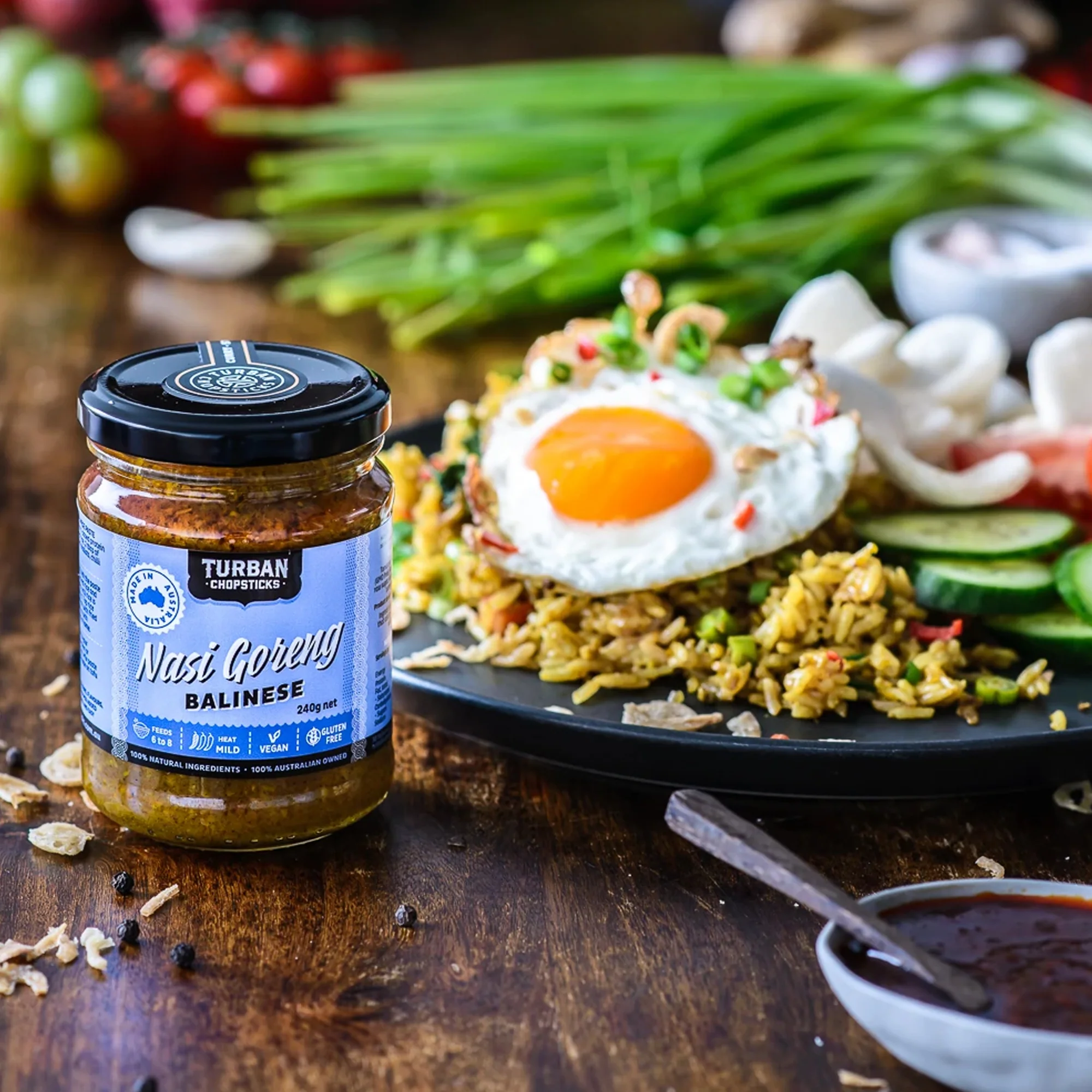
    Perth food producer Turban Chopsticks rolled out an eight-flavour range of curry paste sachets on October 5. The 80-gram packs yield three to four home-cooked servings.

    Shoppers wanting Asian meal bases can buy the smaller packs without committing to full-size glass jars.

    Sachet format and flavour lineup

    Flavours include Korean Gochujang, Japanese Curry, Tandoori, Massaman, Vindaloo, Thai Green Curry, Butter Chicken, and Nut-Free Satay. Every plant-based 80g recipe caters to single-meal household preparation.

    Single-use flexible sachets lower the entry price on retail shelves. They also cut down on pantry waste from half-used jars.

    Pantry shifts and portion control

    Smaller pack formats are gaining ground across supermarket condiment aisles as grocery bills climb. Buyers now look for exact-recipe portions instead of stocking multi-serve jars that spoil.

    For independent brands, the format encourages shoppers to sample different regional dishes. Retailers gain higher inventory turnover and tighter shelf density per square centimetre.

    Competition across supermarket aisles

    Condiment giants and private-label ranges continue to crowd cooking sauces onto middle and bottom shelves. Turban Chopsticks is leaning on allergen-friendly and plant-based recipes to hold shelf space in mainstream Asian grocers and independent supermarket networks.

    Success will hinge on repeat sales against cheaper mass-market pastes. Holding that shelf space demands steady volume across all eight recipes rather than reliance on a single standout dish.

    Distribution and retail targets

    Targeting metropolitan households that cook frequently at home, the brand is rolling out the sachets across Australian retail channels. Reorder rates over the next quarter will decide broader national ranging.

  • Indofood CBP Launches Two New POP Spageti Flavours in Indonesia

    Indofood CBP Launches Two New POP Spageti Flavours in Indonesia

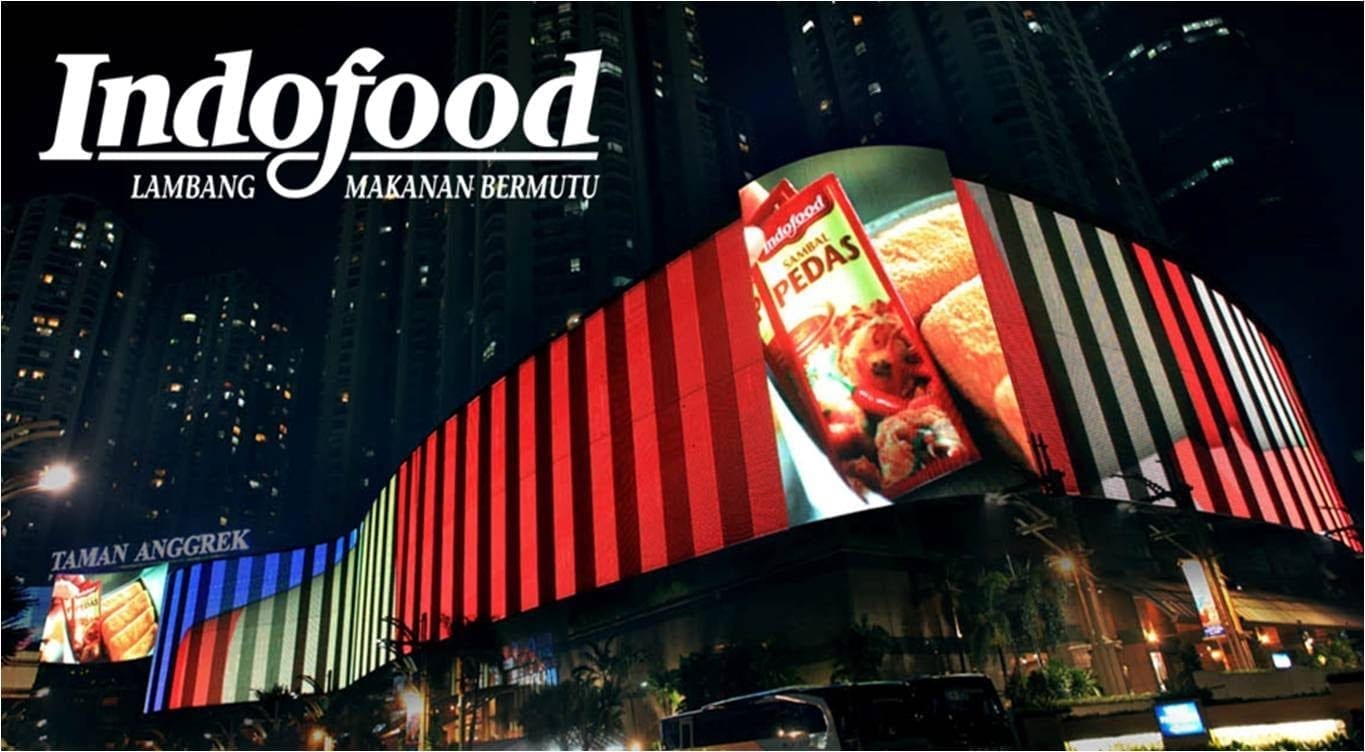
    PT Indofood CBP Sukses Makmur Tbk has launched two instant pasta variants in Indonesia this week under its POP Spageti brand. The new flavours are Pizza Bolognese and Fried Chicken Carbonara.

    Marketing for the rollout targets younger consumers under the New Taste, New Vibe campaign banner.

    Fast-food flavours in instant packs

    Both additions merge Western fast-food recipes with instant noodle preparation. Pizza Bolognese combines herb-seasoned tomato sauce with spaghetti noodles. Fried Chicken Carbonara pairs creamy white sauce with fried chicken seasoning notes.

    Each item uses a dry noodle format. Consumers rehydrate the noodles with boiling water before mixing in the sauce and seasoning sachets for quick at-home meals.

    Product shifts in convenience meals

    Indofood CBP is testing crossover flavours across its processed food divisions to protect shelf space in modern retail channels. Local supermarket aisles lean heavily toward traditional savoury and chilli blends. Novel combinations give the company a reliable way to drive trial among younger shoppers.

    These Western-style instant pasta packs carry a higher price point than standard instant ramen. Retailers rely on them to lift basket values without dedicating floor space to chilled or frozen ready meals.

    Positioning against standard noodle lines

    Convenience stores across Java and regional hubs serve as the main testing ground for the new lines. Steady foot traffic from students and office workers turns novelty food items into reliable impulse buys at checkout.

    Market competition across Indonesian instant noodles remains aggressive. Domestic producers regularly rotate limited-edition lines to defend volume share against imported Asian brands.

    Retail distribution across modern trade

    A vast distribution network across Southeast Asia gives the manufacturer immediate access to modern trade chains and traditional minimarkets.

    Shoppers can find the Pizza Bolognese and Fried Chicken Carbonara packs in Indonesian modern grocers, minimarkets, and e-commerce platforms selling the Indofood portfolio.

  • Indonesia Court Orders Mandatory Front-of-Pack Nutrition Labels

    Indonesia Court Orders Mandatory Front-of-Pack Nutrition Labels

    Indonesia’s Constitutional Court ruled that packaged food and beverage products must carry front-of-pack nutrition labels specifying 3 dietary components: sugar, salt and fat. The decision binds regulators to enforce standardized warnings across the retail packaged goods sector.

    Food manufacturers and consumer packaged goods brands across Southeast Asia’s largest retail market now face mandatory compliance overhauls for product packaging. The ruling directs national regulators to set up color-coded nutritional indicators designed to limit the intake of high-risk dietary ingredients.

    Enforcement across packaged goods

    The legal mandate requires Health Minister Budi Gunadi Sadikin’s Health Ministry and the Food and Drug Supervisory Agency, known locally as BPOM, to establish an evidence-based labeling standard after previewing prototypes on April 14. Advocacy groups including the Center for Indonesia Strategic Development Initiatives and the Indonesian Consumers Foundation backed the court order to accelerate implementation.

    Regulators previously introduced a Nutri-Level system preview in Jakarta on April 14, where BPOM chief Taruna Ikrar and Health Minister Budi Gunadi Sadikin examined prototype color grades. The court decision now turns what was an administrative proposal into a strict legal obligation for food processors.

    Operational shifts for food brands

    Consumer brands face immediate reformulations and inventory packaging write-offs once technical rules take effect. Companies selling high-sugar drinks, processed snacks and convenience foods will have to display prominent health warnings that directly influence basket choices at supermarket shelves and convenience stores.

    Supermarket operators and minimarket chains must prepare for altered product velocity. In neighboring markets such as Singapore and Thailand, graded nutrient profiling reshuffled packaged beverage sales toward lower-sugar alternatives, forcing multinational suppliers to adjust localized recipes.

    Standardizing color-coded grades

    The policy framework targets non-communicable diseases linked to excessive dietary sodium, saturated fat and refined sweeteners. Policy analysts emphasize that clear graphic indicators are necessary to ensure consumer comprehension at point of sale.

    CISDI policy analyst Ika Nindyas Ranitadewi said on Thursday that “such a labeling requirement is an important step to ensure consumers’ rights to food information” across the retail supply chain.

    YLKI chair Niti Emiliana noted that mandatory warning labels provide an opportunity for state agencies to enforce uniform standards across domestic producers and imported grocery lines.

    Regulatory timeline and implementation

    BPOM and the Health Ministry must now draft the implementing technical guidelines governing threshold metrics, typography and package placement. The forthcoming ministerial regulation will dictate transition windows for consumer goods conglomerates and small-scale domestic food processors alike.

  • Mamee-Double Decker Launches Corntoz Curry Boomz in Malaysia

    Mamee-Double Decker Launches Corntoz Curry Boomz in Malaysia

    Mamee-Double Decker has introduced 1 new flavour, Corntoz Curry Boomz, across Malaysia in September 2026. The release adds a local curry profile to its extruded corn snack line.

    Retailers will carry the product under the marketing banner “Rasa Kari, Terus Boomz!” to capture impulse snack purchases in convenience and grocery aisles.

    Local Flavour Formulation

    The line blends Malaysian curry spices into an extruded corn base. Mamee built the campaign around the tagline “Kari dalam bentuk snek? Tak payah imagine dah”. Marketing frames the product as everyday comfort food turned into portable snacking.

    Shelf-ready packaging targets younger shoppers at point-of-sale displays. Mamee relies on strong flavour intensity to stand out against potato and corn competitors.

    Competitive Shift on Snack Shelves

    Southeast Asian extruded snacks face pressure from regional brands and multinational giants. Adapting domestic curry recipes to the Corntoz format allows Mamee to defend its home market share without altering production lines.

    Fast-moving flavour variations drive quick inventory turns for convenience stores and supermarket chains. Category fatigue remains a risk, however, as shoppers often try novelty flavours once before returning to salted or cheese staples.

    Portfolio Expansion Strategy

    This launch follows several domestic product experiments. Mamee partnered with ZUS Coffee in August 2026 on limited-edition nasi lemak products. That followed an April 2026 campaign for Mamee Monster So Crunchy featuring singer Iman Troye, and a November 2025 crossover between Daebak and Nongshim.

    Supermarket buyers across Malaysia will track sales volumes through the final quarter of 2026 to decide whether Curry Boomz earns permanent shelf placement.

  • CJ Foods Oceania Names Jamie Henderson Managing Director

    CJ Foods Oceania Names Jamie Henderson Managing Director

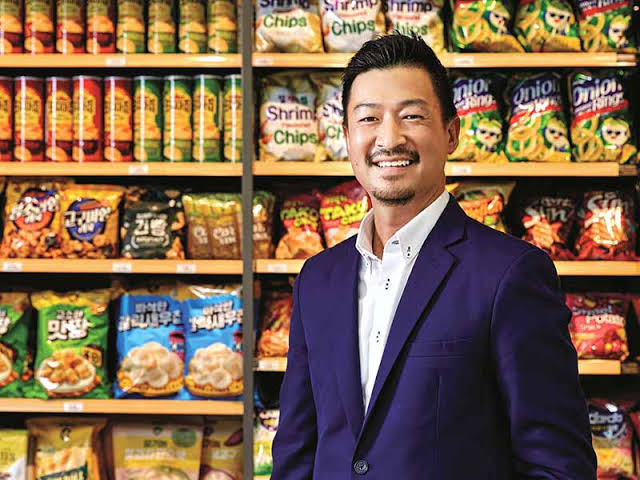
    CJ Foods Oceania, a subsidiary of South Korea-based food giant CJ Foods, appointed Jamie Henderson as its new managing director on September 28, 2026.

    Henderson brings extensive commercial and leadership experience across the Australian fast-moving consumer goods sector to the role.

    Local FMCG Leadership

    Henderson joins the Oceania unit following senior leadership roles at poultry producer Inghams. His commercial track record spans several major Australian packaged goods suppliers, including Capilano Honey, Goodman Fielder, and Primo Foods, the smallgoods brand owned by JBS.

    CJ Foods Oceania operates as the regional arm of CJ Foods, the packaged food division of South Korea’s CJ Group. The business distributes Korean packaged staples, frozen foods, and ready meals across Australian and regional retail channels.

    Broader Push Into Western Grocery Channels

    Asian packaged food groups face an ongoing challenge in Oceania: crossing over from specialty Asian grocers into mainstream supermarket aisles at Coles and Woolworths. Bringing in leadership from established domestic suppliers like Goodman Fielder and Inghams directly addresses retail buyer relationships and domestic distribution terms.

    The risk sits in category demand. While consumer appetite for Korean food brands has climbed across Western markets, securing permanent shelf space in Australian chilled and frozen sections requires heavy trade spending and consistent promotional support.

    Commercial Track Record

    CJ Foods has steadily built out dedicated regional subsidiaries across Asia-Pacific, North America, and Europe over the past decade to localize sales and distribution. The Oceania unit handles the company’s retail rollout across Australia and neighboring markets.

    Henderson will oversee retail account growth, supply chain operations, and product placement across Australian supermarket chains as CJ Foods Oceania builds out its product lineup for the coming financial year.

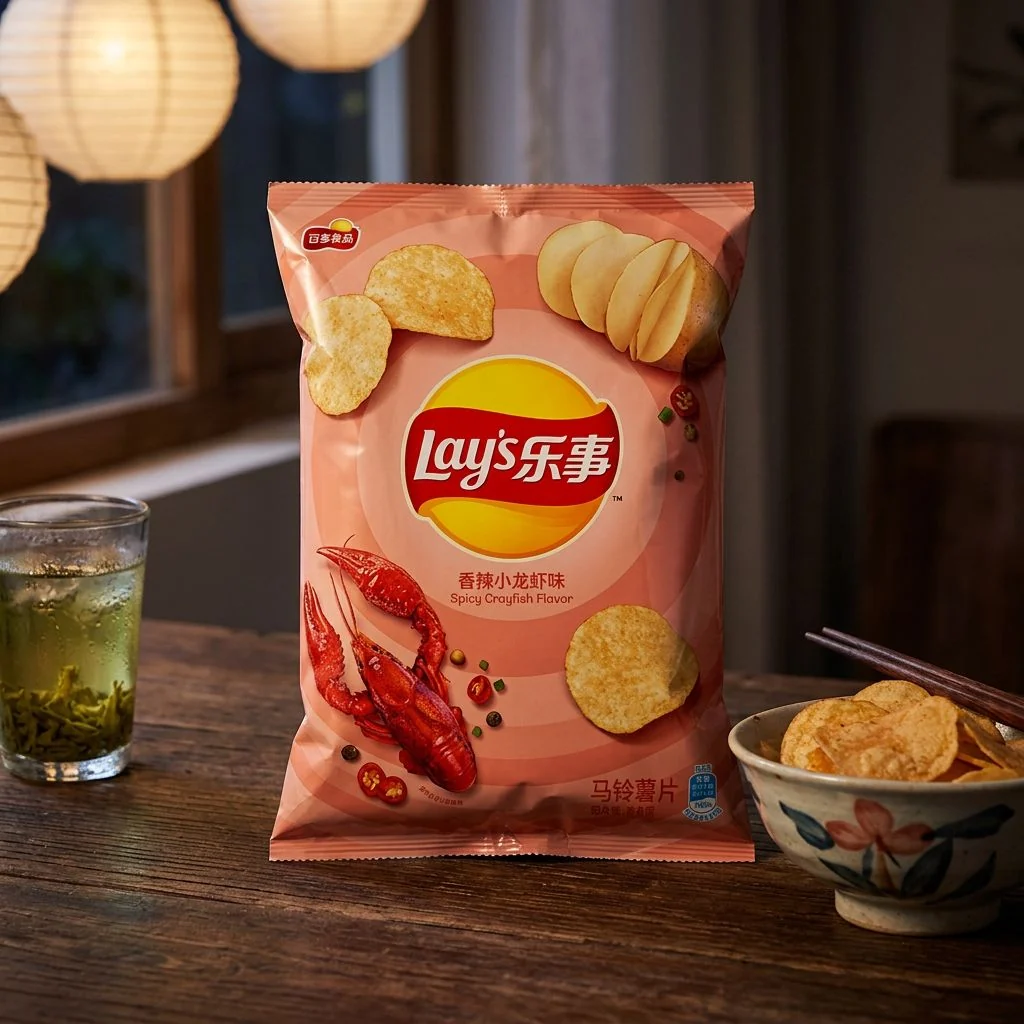
  • Lay’s Thailand Launches 2 Unconventional Potato Chip Flavours

    Lay’s Thailand Launches 2 Unconventional Potato Chip Flavours

    Lay’s Thailand has launched 2 unconventional potato chip flavours across 7-Eleven convenience stores nationwide. The rollout introduces coriander and durian options to local snack shelves.

    Both items arrived in stores in September 2026 under the Lay’s Coriander Seasoned and Lay’s Durian Delight labels. Bright yellow bags house the durian crisps, designed to stand out against standard savoury snack lines in busy retail aisles.

    Convenience channel distribution

    Lay’s designed the coriander variant to mirror the savoury, aromatic profile of dishes cooked with fresh herbs. It provides a rich, savoury seasoning intended for easy snacking. Meanwhile, the durian edition releases a sweet, creamy aroma immediately upon opening, offering durian enthusiasts a crunchy chip format.

    Distribution relies entirely on the 7-Eleven retail network across Thailand’s provinces and urban centres. Placing the specialty runs directly into the country’s dominant convenience footprint secures maximum visibility at checkout counters.

    Regional taste experimentation

    Consumer fascination with coriander snacks across mainland China and Taiwan paved the way for the launch. Food manufacturers in East and Southeast Asia regularly use regional botanical ingredients for short-run flavour trials. These releases test shopper willingness to try unfamiliar profiles.

    Taiwanese snack makers have similarly tested experimental categories, including century egg crisps and fermented seasonings, to drive social media buzz and trial purchases. Durian remains an established flavour foundation in Southeast Asia. Even so, combining sweet fruit profiles with savoury potato bases continues to divide consumers.

    Portfolio risk and rotation

    Novelty flavours present distinct operational calculations for fast-moving consumer goods manufacturers and retail category managers. These limited batches rarely turn into permanent volume drivers. However, they generate valuable basket conversion when standard potato chip variants hit sales plateaus.

    Inventory risks mount quickly if repurchase rates drop after initial curiosity purchases fade. Convenience operators manage this exposure by running rapid stock rotations. They clear experimental stock before consumer fatigue sets in across key demographic clusters.

    Sales performance across Thai 7-Eleven branches will now determine whether the company pursues wider distribution across Southeast Asian convenience chains.

  • PepsiCo Launches House of Brands Campaign as Only 18% Know Wider Range

    PepsiCo Launches House of Brands Campaign as Only 18% Know Wider Range

    In September 2026, PepsiCo launched a House of Brands campaign across retail channels after finding only 18 per cent of consumers associate the group with products beyond its core carbonated drink.

    The push highlights major portfolio names such as Lay’s, Cheetos, Gatorade and Quaker Oats under the corporate parent banner.

    Closing the Portfolio Perception Gap

    Consumer recognition remains heavily concentrated in beverages despite decades of multi-category expansion into snacks and packaged foods. The campaign uses hypothetical names such as Lay’s-Co, Cheetos-Co and Quaker-Co to demonstrate the scale of brands operating under the central corporate identity.

    Supermarket retailers across Asia-Pacific traditionally manage these product lines across separate aisle categories rather than as a single supplier block. Grouping savory snacks, sports beverages and breakfast staples under one umbrella strengthens supplier use during retail category reviews and joint promotional scheduling.

    Shifting Consumer Perception on Shelf

    Rival consumer goods conglomerates face similar challenges when corporate holding identities remain detached from daily shopping baskets. Linking individual product equities back to a central masterbrand helps defend shelf placement against store-brand lines across packaged grocery aisles.

    The strategy also introduces distinct exposure risks for the manufacturer. Any consumer scrutiny affecting carbonated beverage categories can transfer more readily to packaged grains or hydration products once corporate links become explicit.

    Retail performance metrics and cross-category purchasing data will show whether the awareness push drives higher basket conversion across Australian grocery chains.

  • Nestlé Koko Krunch Mobilises 11,000 Malaysian Students in Nationwide Campaign

    Nestlé Koko Krunch Mobilises 11,000 Malaysian Students in Nationwide Campaign

    Nestlé drew 11,208 primary school pupils into its Koko Kraf Club nationwide competition in Malaysia. The campaign ended with a grand finale at Kuala Lumpur’s NU Sentral mall.

    Activity spanned 534 schools across 141 districts. Organisers routed finalists through district and state elimination heats before selecting 15 teams for the national show.

    Structure of the School Programme

    Cereal Partners Worldwide, the joint venture between Nestlé and General Mills, ran the programme alongside Malaysia’s Ministry of Education. The competition aligned its brief with the Visit Malaysia 2026 promotional drive. Tasks covered three tiers: district heritage, state identity, and national landmarks.

    Sekolah Kebangsaan Balai Badang took the national title. The winning trio received RM1,500 in cash, while their school secured a RM2,000 grant.

    Classroom Access and Brand Loyalty

    Direct classroom access gives packaged food makers an early route into Southeast Asian households. Putting commercial brands inside co-curricular visual arts modules delivers access to family decision-makers. Standard television or store displays rarely match that reach.

    Retailers and modern trade distributors see steady breakfast category turnover in suburban and regional hypermarkets. When school projects require brand participation, neighbourhood grocers routinely see sales spikes for core stock keeping units.

    Competitive Brand Footprint

    Multinational food producers across the region use similar tactics. Dairy and cereal processors frequently tie promotions to public education initiatives, balancing commercial visibility with sponsorships to defend market share against domestic private labels.

    Children are naturally curious and very creative. KOKO KRAF CLUB is created to give them the space to express their point of view in a creative way.

    Commercial Alignment with National Campaigns

    This tourism link matches broader strategy across the local product portfolio. In September, Nestlé Malaysia launched tourism-themed packaging for KitKat Dark Ice Cream. It also introduced youth enterprise grants under its Nescafé banner.

    Schools in regional areas, including Sabah’s Telupid district, have already begun formalising internal art clubs. They are preparing submissions for the 2027 competition cycle.

  • Farmers Union Unites 3 Yoghurt Ranges Under Single Brand Platform

    Farmers Union Unites 3 Yoghurt Ranges Under Single Brand Platform

    Farmers Union launched its masterbrand platform, It’s A Living Thing, in September 2026. The setup brings 3 yoghurt lines, core, protein, and kids, under a single identity.

    According to the company, the initiative shifts the focus beyond live cultures and product functional benefits toward how yoghurt fits into everyday routines.

    Reframing functional health in the dairy aisle

    Marketing across all three tiers will present yoghurt as an everyday habit rather than an isolated nutritional supplement. Gut health takes a back seat to general lifestyle benefits.

    Consolidating these lines lowers marketing overhead and gives retail buyers a clean pitch. Dairy aisles face relentless pressure from private-label ranges. Branded processors must stand out.

    Brand architecture and product tiers

    Farmers Union grouped its plain yoghurt, high-protein tubs, and children’s pouches under this masterbrand. Each line keeps its distinct formulation while sharing central creative assets and packaging cues.

    Dairy manufacturers across Australia are streamlining portfolio messaging to cut customer acquisition costs. Supermarkets favour suppliers that drive category value across multiple shopper demographics at once.

    Retail pressures and supplier competition

    Australian dairy processors face tight margins and volatile farmgate milk dynamics. That pressure forces brand owners to maximize returns on processed dairy items. Moving from functional claims to lifestyle routines helps protect premium shelf prices against white-label contracts.

    Rivals across the chilled dairy sector are making similar adjustments to chase high-margin fitness and snacking shoppers. Gippsland Dairy recently partnered with Beechworth Honey. Bega also reported that its branded lines provided crucial margin support through the 2026 financial year.

    Category execution in supermarket channels

    Promotions will roll out across retail channels, digital media, and stores nationally. Commercial success hinges on a single question: can the unified look lift protein and children’s sales without hurting core plain yoghurt?

    Upcoming supermarket ranging reviews across major Australian grocery banners over coming quarters will decide if the overhaul wins expanded shelf space across all three tiers.

  • Monde Nissin Releases Two Limited-Edition Lucky Me! Pancit Canton Flavours

    Monde Nissin Releases Two Limited-Edition Lucky Me! Pancit Canton Flavours

    Monde Nissin Corporation rolled out two limited-edition flavours of Lucky Me! Pancit Canton across Philippine retail channels this week. The release pairs Extra Hot Chili with Cheese and combines the brand’s Original seasoning with Barbecue.

    Both variants target instant stir-fried noodle consumers looking for hybrid seasonings. The Extra Hot Chili and Cheese option balances capsaicin heat with a dairy profile, while the Original and Barbecue variant adds smoky sweetness to the base soy-and-citrus profile of the flagship product.

    Flavour combinations for the core line

    Limited-edition extensions allow food manufacturers to generate temporary sales bumps without retooling permanent factory lines. By mixing established spice packets with cheese and barbecue elements, Monde Nissin tests consumer appetite for western-style savoury combinations on its highest-volume dry noodle format.

    Flavour experimentation in the instant noodle segment historically relies on spicy profiles across Southeast Asia. Introducing dairy notes into a hot dry noodle directly counters imported spicy ramen varieties that have gained traction among younger demographic segments.

    Shelf space and convenience retail

    For supermarket chains and convenience operators like 7-Eleven and Ministop in the Philippines, line extensions provide promotional material for end-cap displays. Temporary flavours rotate inventory faster because shoppers treat them as impulse purchases rather than pantry staples.

    Modern trade buyers allocate prominent shelf space to short-run stock from dominant domestic suppliers. The turnover speed of limited batches protects retail margins while testing demand before deciding on permanent manufacturing commitments.

    Managing portfolio risk in instant noodles

    The operational challenge for Monde Nissin sits in inventory balance across traditional trade. In the Philippines, independent sari-sari stores generate the bulk of fast-moving consumer goods volume. If limited-edition stock lingers on wholesale shelves after marketing campaigns finish, store owners discount standard packs to clear inventory.

    Competitors like Universal Robina Corporation and imported Korean brands continue to crowd the instant noodle aisle with specialty sauces. Keeping the Lucky Me! Brand active through rotational flavours prevents volume erosion toward premium foreign alternatives.

    Distribution rollout across regional trade

    Monde Nissin distributed the initial production run to major supermarket operators and wholesalers across Metro Manila before expanding shipments to regional distribution hubs in Luzon, Visayas, and Mindanao. Retail pricing remains pegged close to the core Pancit Canton range to protect everyday volume.

    Stock allocation will run through standard retail cycles until production quotas conclude. Retail sell-through rates across modern grocery channels will dictate whether either formulation enters permanent manufacturing rotation.