Tag: packaged food

  • Universal Robina Launches Great Taste Premium Roast Instant Coffee at PHP 12.95

    Universal Robina Launches Great Taste Premium Roast Instant Coffee at PHP 12.95

    Universal Robina Corporation rolled out Great Taste Premium Roast Coffee Mix across the Philippines on September 23. The single-serve sachets retail at PHP 12.95 each.

    The instant blend offers a bolder roast profile. URC is pitching it to commuters, blue-collar workers and office staff who need extra caffeine during transit and shifts.

    Sachet Pricing and Market Reach

    Each PHP 12.95 pack combines dark roast extract with a creamer base. URC designed the sachet format for neighborhood sari-sari stores, convenience chains and supermarkets across Luzon, Visayas and Mindanao.

    Distribution runs through URC’s nationwide logistics network to reach thousands of micro-retailers. These small shops generate most FMCG sales in the Philippines. Single-serve portions drive local coffee revenue as consumers manage tight daily cash budgets.

    Expanding the Instant Coffee Mix

    This rollout follows the earlier debut of Great Taste White Sugar Free Coffee. That formulation targeted urban consumers who wanted to cut sugar intake without abandoning white coffee.

    Developing high-caffeine and low-sugar options helps the company defend shelf space against multinational rivals. The Great Taste lineup now covers standard three-in-one mixes, sweet white coffee, sugar-free variants and dark roast blends.

    Rivalry in the Philippine Beverage Sector

    Competition in the local coffee aisle remains fierce. Nestlé Philippines holds substantial volume through its Nescafé lines, while PT Mayora Indah’s Kopiko brand commands heavy market share in white and high-caffeine categories.

    For sari-sari stores, inventory turnover hinges on brand loyalty and prices between PHP 10 and PHP 15 per pack. Rising costs for robusta beans and dairy substitutes squeeze margins. Still, producers must keep shelf prices steady so shoppers do not switch brands.

    Product Diversification Across Regional Markets

    Across Southeast Asia, the launch fits a broader pattern of FMCG category expansion. URC has rolled out extensions in snacks, biscuits and ready-to-drink beverages across Thailand, Malaysia and the Philippines in recent quarters.

    Fourth-quarter sales across convenience stores and general trade outlets will show whether Philippine consumers trade up to premium roast mixes in sachet format.

  • Daesang Launches Tailored O’Food Sauces for US Supermarkets

    Daesang Launches Tailored O’Food Sauces for US Supermarkets

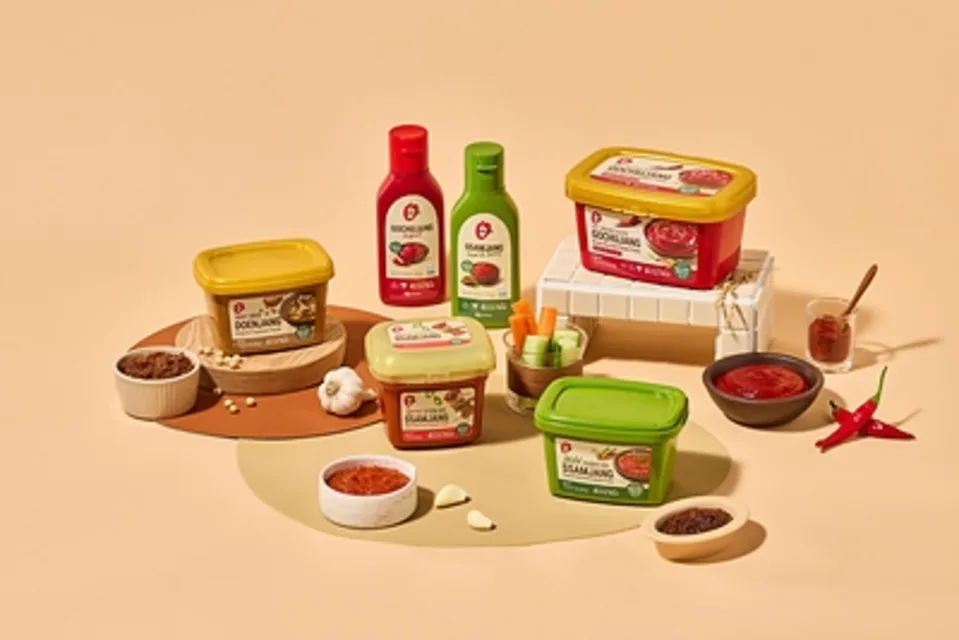
    South Korean food manufacturer Daesang has launched a revamped lineup of O’Food sauces for mainstream US grocery shelves this week.

    The export line modifies traditional Korean fermented recipes for American palates. Formulations feature lower heat levels and familiar condiment textures.

    Adapting Fermented Flavours for Export

    Core adjustments cover two key lines, gochujang and barbecue marinades. Daesang cut pungency and tweaked sweetness ratios to appeal to mainstream chains, where traditional Korean pastes often struggle to win repeat buyers.

    Retail distribution in North America runs through subsidiary Daesang America. The company is targeting broadline supermarkets rather than relying solely on ethnic grocery channels.

    The Mainstream Distribution Hurdle

    Breaking past specialty aisles into center-store condiment bays offers Asian food makers their best margin opportunity. CJ CheilJedang took that route by acquiring Schwan’s for deep US cold-chain access. Daesang chose an asset-light, recipe-first strategy instead.

    Customer retention is the primary operational hurdle. Tweaking authentic profiles risks alienating diaspora shoppers, while established Western brands are rolling out their own Korean-style sauces.

    Earlier Footprint Across North America

    Daesang already produces kimchi at facilities in California to bypass shipping bottlenecks and trim freight overhead. The sauce lineup uses these existing supply chains to build shelf space across major accounts.

    US supermarket buyers will review early velocity data from regional pilots over the coming quarters before committing to national shelf resets.

  • FamilyMart Plans 10 AI-Developed Desserts by End of Fiscal Year

    FamilyMart Plans 10 AI-Developed Desserts by End of Fiscal Year

    FamilyMart will release its first generative AI-developed dessert in Japan later this month. The company aims to roll out roughly 10 algorithm-assisted products before the current fiscal year ends.

    Store buyers want faster development cycles for fresh sweet counters. They are using machine learning to parse consumer demand patterns and speed recipes straight to shelves.

    Building on July Pilot Sales

    Executives cleared the wider rollout after a limited run in July. Strong customer uptake for an AI-recommended cream sandwich during that trial convinced management to expand the pipeline across the chilled dessert category.

    That push slashes the months normally required to pitch, test and approve new confectioneries for nationwide distribution.

    Shifting Shelf Battles in Tokyo

    Japanese convenience chains compete fiercely on chilled sweets, where weekly turnover drives regular foot traffic and protects basket margins against inflation. Rivals such as 7-Eleven and Lawson pour heavy investment into proprietary foods. Generative design cuts development lead times down to weeks.

    Suppliers face tighter turnaround windows as retail buying teams swap conventional seasonal planning for continuous, data-driven formulation. Manufacturers will need flexible production lines capable of switching ingredients rapidly to meet shorter product life cycles.

    Next Pipeline Milestones

    September’s launch sets the operational template for the remaining automated recipe rollouts scheduled across the rest of the financial year.

    FamilyMart will track repeat purchase rates and sales velocity from this month’s debut before locking in the final batch of AI recipes due on shelves before the fiscal year closes.

  • Sunrice Launches Microwave Rice Range with 10G of Protein

    Sunrice Launches Microwave Rice Range with 10G of Protein

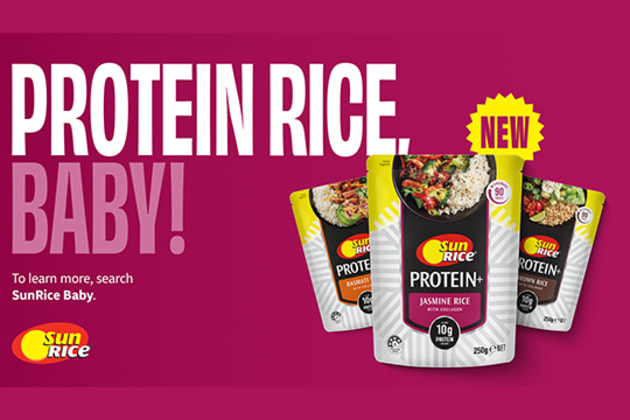
    Sunrice launched a ready-to-heat rice lineup infused with collagen across Australia in September 2026, delivering at least 10 grams of protein per pouch.

    The product roll-out targets the 28 per cent of Australian grocery shoppers who actively seek high-protein items during routine supermarket trips, according to Euromonitor consumer data.

    Collagen across three core grain types

    Branded as Sunrice Microwave Protein+, the range introduces functional ingredients to standard Jasmine, Brown, and Basmati varieties. Each pack heats in 90 seconds, keeping the standard shelf-stable pouch format intact while committing further to nutritional density per serving.

    Fortifying basic carbohydrates with animal-derived collagen shifts rice from a pure bulk filler into the higher-margin functional meal category. Food manufacturers across Asia-Pacific face steady consumer migration toward protein-dense diets, forcing commodity grain processors to reformulate mature product lines.

    Shifting staple grains into functional grocery

    Supermarket operators in Australia continue allocating more centre-store shelf space to enhanced staples, where suppliers command pricing premiums over unfortified private-label equivalents. For Sunrice, lifting product margins through functional fortification provides a hedge against volatile farmgate grain prices and competitive retail discounting.

    Similar functional grain launches across regional markets in Southeast Asia and Japan have relied on plant isolates rather than collagen. Sunrice chose collagen to hit double-digit protein grams without altering the grain texture or extending cook times for microwave prep.

    Category expansion targets pantry shoppers

    Category trials have previously paired microwave grain pouches with legumes, seeds, and ancient grains. By partnering with research institutions including the CSIRO on processing techniques, the company has worked to stabilize nutritional additives during commercial pouch sterilization.

    Supermarket distribution for Sunrice Microwave Protein+ begins across major Australian grocers this quarter, with retailers tracking rate-of-sale numbers against standard single-serve pouches through the end of the financial year.

  • Lemonilo Launches Brownies Cruunchy Shoor for IDR 2,000

    Lemonilo Launches Brownies Cruunchy Shoor for IDR 2,000

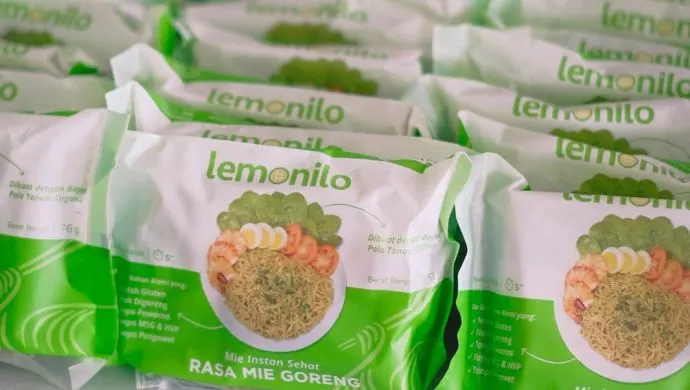
    Indonesian healthy snack brand Lemonilo introduced Brownies Cruunchy Shoor in September 2026. The dark chocolate snack is priced at IDR 2,000, making it affordable and accessible for children.

    The product combines the bold taste of dark chocolate with a crunchy texture, targeting the snacking habits of Generation Alpha as a pocket-friendly treat.

    Expanding the Gluten-Free Bakery Line

    Alongside the rollout, Lemonilo launched Brownies Crispy Lemon Cheese as a new flavour, complementing its existing cheese option.

    Cassava flour replaces wheat across the Crispy range to keep recipes gluten-free. Lemonilo formulated the items without artificial preservatives, synthetic dyes, or artificial sweeteners. The company is pitching the lineup as a cleaner choice for higher-margin convenience store shelves.

    The Warung Price War

    Dropping to IDR 2,000 is an aggressive volume play for a brand built on premium, health-oriented noodles and baked goods. Established giants Mayora Indah, Wings Group, and Garudafood dominate Indonesia’s entry-tier snack shelves. They defend that IDR 1,000 to IDR 2,000 price window through massive distribution networks.

    Protecting margins at this price point will depend on packaging scale and tight supply chains. Cassava and clean-label ingredients cost more than standard palm oil and refined flour. Single-coin pricing leaves no room to absorb cost spikes without shrinking pack sizes.

    Building Out Beyond Noodles

    The dual launch pushes Lemonilo further beyond its core instant noodle business. It introduced the original Brownies Cruunchy line on TikTok Shop in August 2025 before securing offline store space. Earlier that year, the brand shipped stock to Qatar to test export demand for halal snacks.

    Wholesale performance over the coming quarters will show whether the IDR 2,000 price point can deliver sustainable margins in Indonesia’s tier-two and tier-three cities.

  • Burma Burma Expands to 21 Outlets Across India with D2C Lines

    Burma Burma Expands to 21 Outlets Across India with D2C Lines

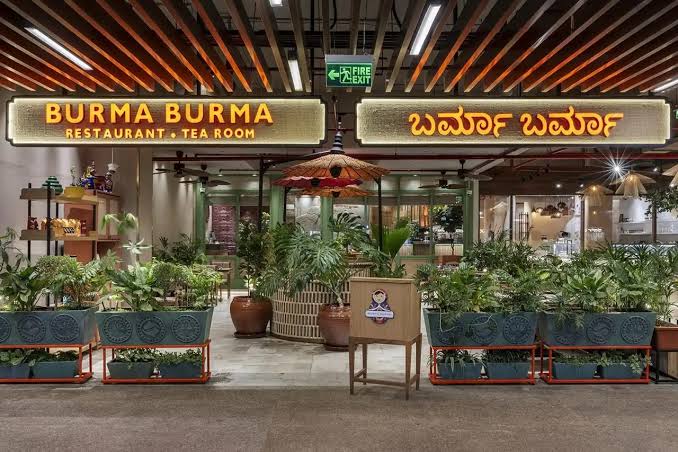
    Indian dining chain Burma Burma has expanded its footprint to 21 outlets across India while adding direct-to-consumer pantry goods and ice cream lines. The concept, launched in Mumbai in 2014, built its network by converting traditionally meat-heavy and fish-sauce-based Burmese dishes into an entirely vegetarian, alcohol-free format.

    Founder Ankit Gupta began development for the concept in 2011, three years before opening the first restaurant in Mumbai’s Kala Ghoda district. Gupta spent that period travelling through Mandalay, Yangon, and Sagaing to document street food preparations, dine in private homes, and secure supply links directly from local agricultural markets. His connection to the cuisine came through his mother, who lived in Myanmar for more than 20 years.

    Adapting a Regional Menu

    Traditional Burmese cooking relies on fermented seafood pastes and meat broths, ingredients that Gupta stripped out entirely to fit Indian dining preferences. The resulting menu created a new reference point for a cuisine that had virtually no commercial presence in India prior to the chain’s launch.

    Most international food concepts entering India rely on pre-existing consumer awareness or western brand equity. Burma Burma established demand for an unfamiliar Southeast Asian category by pairing strict vegetarian compliance with specialized ingredient sourcing, demonstrating that niche regional formats can scale nationally without serving alcohol or meat.

    Retail Pantry and Ice Cream Expansion

    Alongside its 21 physical restaurants and tea rooms, the business has diversified into packaged consumer goods. The brand now sells a direct-to-consumer pantry line and an artisanal ice cream range, targeting at-home consumption across major urban centres.

    The company continues to distribute its packaged line online while managing supply chain flows for imported specialty ingredients across its 21-store restaurant network.

  • Aldi Loses Appeal in Little Bellies Copycat Packaging Case

    Aldi Loses Appeal in Little Bellies Copycat Packaging Case

    Aldi has lost an appeal against Australian baby food maker Little Bellies over copyright infringement in its private-label snack packaging. An appellate court upheld the 2024 Federal Court ruling against the discounter. It also extended the infringement finding to cover additional products.

    At issue is the grocer’s Mamia toddler snack line, which copied packaging created by Little Bellies. Brothers Clive and Steven Sher founded the Australian snack business before expanding it across supermarket shelves.

    Expansion of the 2024 ruling

    Federal Court judges in 2024 found that three products in the Mamia range infringed Little Bellies’ design copyright. That verdict was a rare legal defeat for the retailer’s Australian packaging strategy.

    Judges dismissed the appeal and widened the scope of that finding. The extended ruling confirms Mamia’s visual similarities went beyond allowable category cues to breach copyright protections.

    Private-label scrutiny across the region

    Aldi built its global discount model on private-label goods that mimic market-leading national brands. Across the Asia-Pacific region, grocers often test the line between standard category cues and intellectual property infringement to win value-focused shoppers.

    The decision narrows legal leeway for store-brand lookalikes across grocery aisles. The court will now determine final orders and damages for the affected product lines.

  • Twelve Chinese Food and Beverage Brands Reach $63.4 Billion Valuation

    Twelve Chinese Food and Beverage Brands Reach $63.4 Billion Valuation

    Twelve Chinese food and beverage brands expanded their collective brand valuation to $63.4 billion this year, according to valuation data from consultancy Brand Finance.

    The gain reflects steady domestic volume and pricing power across packaged food, dairy, and drinks makers in China. Brand valuation measures the net economic benefit that a brand owner achieves by licensing the name in the open market.

    Domestic Scale and Category Strength

    Consumer staples manufacturers across the country have focused on product differentiation and distribution depth in lower-tier cities. Brand Finance tracks consumer enterprises globally, applying royalty relief methodology to calculate future revenue attributable to brand equity.

    Chinese producers have converted local consumer familiarity into commercial resilience. Direct control over supply chains and rapid adaptation to retail trends helped the 12 brands maintain their valuation trajectory.

    Shifting Competition Across Asian Aisles

    For multinational food groups operating in East Asia, the strength of domestic Chinese labels presents a persistent competitive hurdle. Global conglomerates face rivals that command supermarket shelf space while dominating live-commerce channels and local delivery apps.

    Several Chinese packaged goods producers have also expanded distribution across Southeast Asia, placing products directly into supermarkets in Singapore, Malaysia, and Thailand.

    Investors and retail operators now look to upcoming quarterly financial filings from Chinese consumer staple producers to see whether higher brand value translates directly into operating margin expansion.

  • New Zealand Children Food Brand Odi Launches Direct Sales in Australia

    New Zealand Children Food Brand Odi Launches Direct Sales in Australia

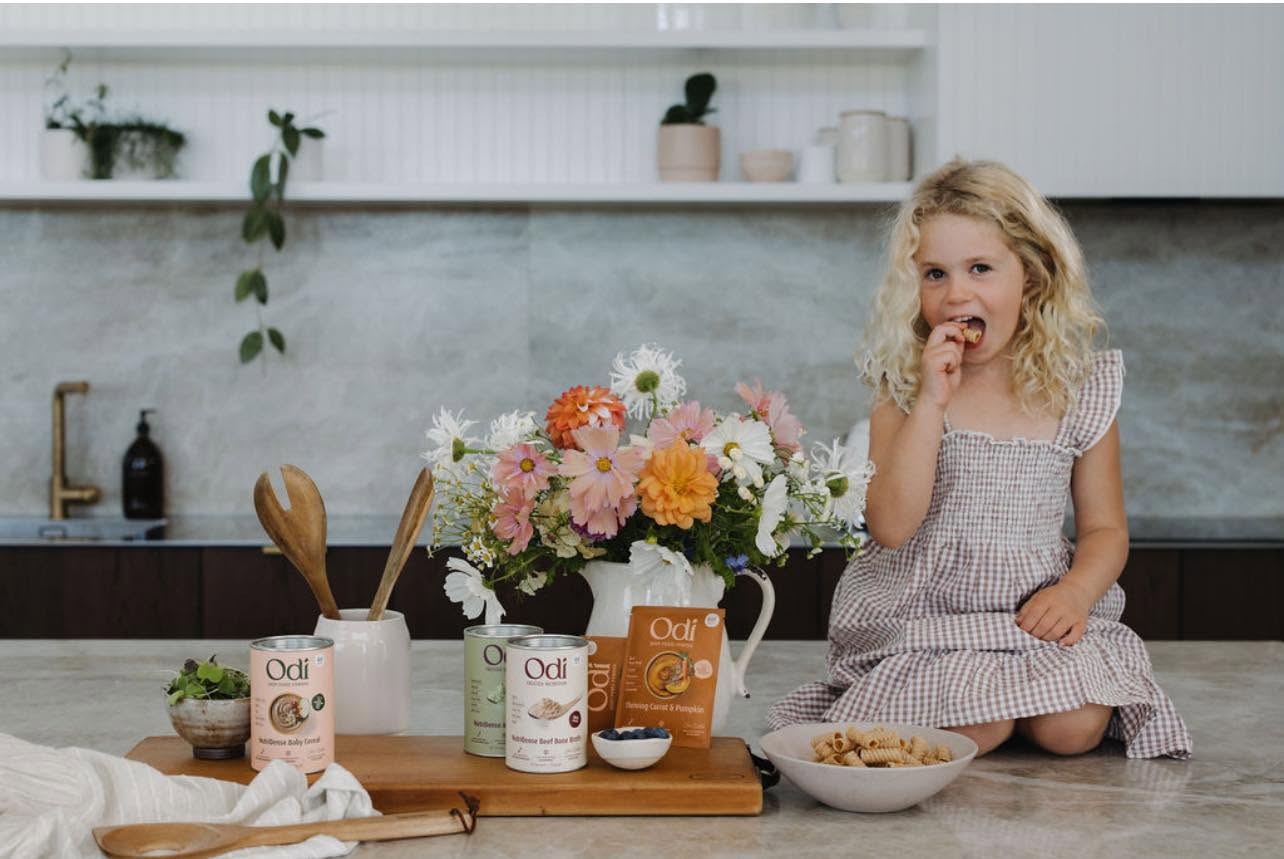
    New Zealand children’s food maker Odi entered Australia on August 28, 2026. The launch brings direct-to-consumer sales in the brand’s first international expansion outside its home market.

    Domestic retail distribution across New Zealand came first. Now, the company is targeting Australian shoppers through an online-first model.

    Direct Sales Before Supermarket Shelves

    Odi sells directly to households through its website during this initial launch. Later, it plans to secure distribution agreements with nationwide Australian grocery and food retailers.

    This export push tests whether New Zealand brand momentum translates across the Tasman without immediate supermarket placement. Direct shipping builds customer demand data first. That gives the brand use before it negotiates wholesale terms with major supermarket chains.

    Scrutiny on Infant Food Formulations

    Regulators in Australia are paying closer attention to packaged children’s food formulations. Government research found commercial infant and toddler products are major sources of dietary sugar. That finding puts pressure on established FMCG manufacturers to reformulate ranges.

    Retail buyers have responded by reviewing children’s food ranges, opening shelf space for newer independent labels. Direct sales offer New Zealand brands a fast entry point while buyers evaluate these category shifts.

    Odi will run direct fulfillment in Australia while it finalizes retail supply partnerships for a planned nationwide physical store rollout.

  • India Steps Back from Mandatory Front-of-Pack Food Warning Labels

    India Steps Back from Mandatory Front-of-Pack Food Warning Labels

    India has backed away from enforcing stricter front-of-pack health warning labels on packaged food and beverages following sustained pushback from global consumer goods manufacturers.

    The regulatory stance allows packaged goods companies to sell high-sugar formulations and artificial additives without displaying prominent health alerts on the front of their products.

    Discrepancies in product recipes

    A standard can of Fanta sold in London contains 63 calories, while the equivalent product sold in India contains three times as much sugar. The Indian version also uses artificial dye.

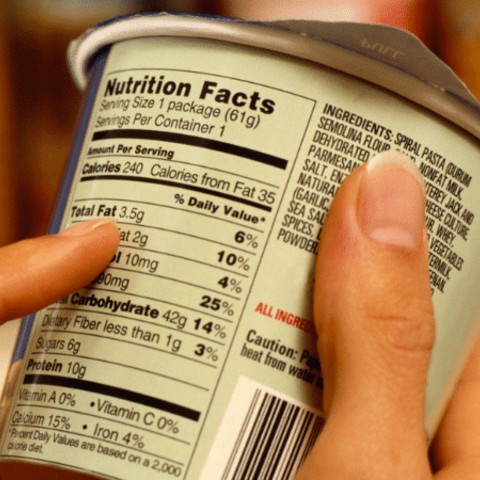
    European regulations mandate a visible health warning on packaging when such colourants are present. In India, manufacturers list the additive only in fine print after the container.

    Resistance from packaged food giants

    Large multinational food companies have long opposed Indian measures that would require front-of-pack nutritional warnings. RetailNews Asia has seen similar corporate resistance across other regional markets where governments attempt to introduce front-facing warning badges on high-sugar snacks.

    The current labelling framework leaves back-of-pack ingredient lists as the primary disclosure mechanism for Indian retail shoppers.