Tag: packaging

  • Vietnamese supermarkets go back to leave packaging

    Vietnamese supermarkets go back to leave packaging

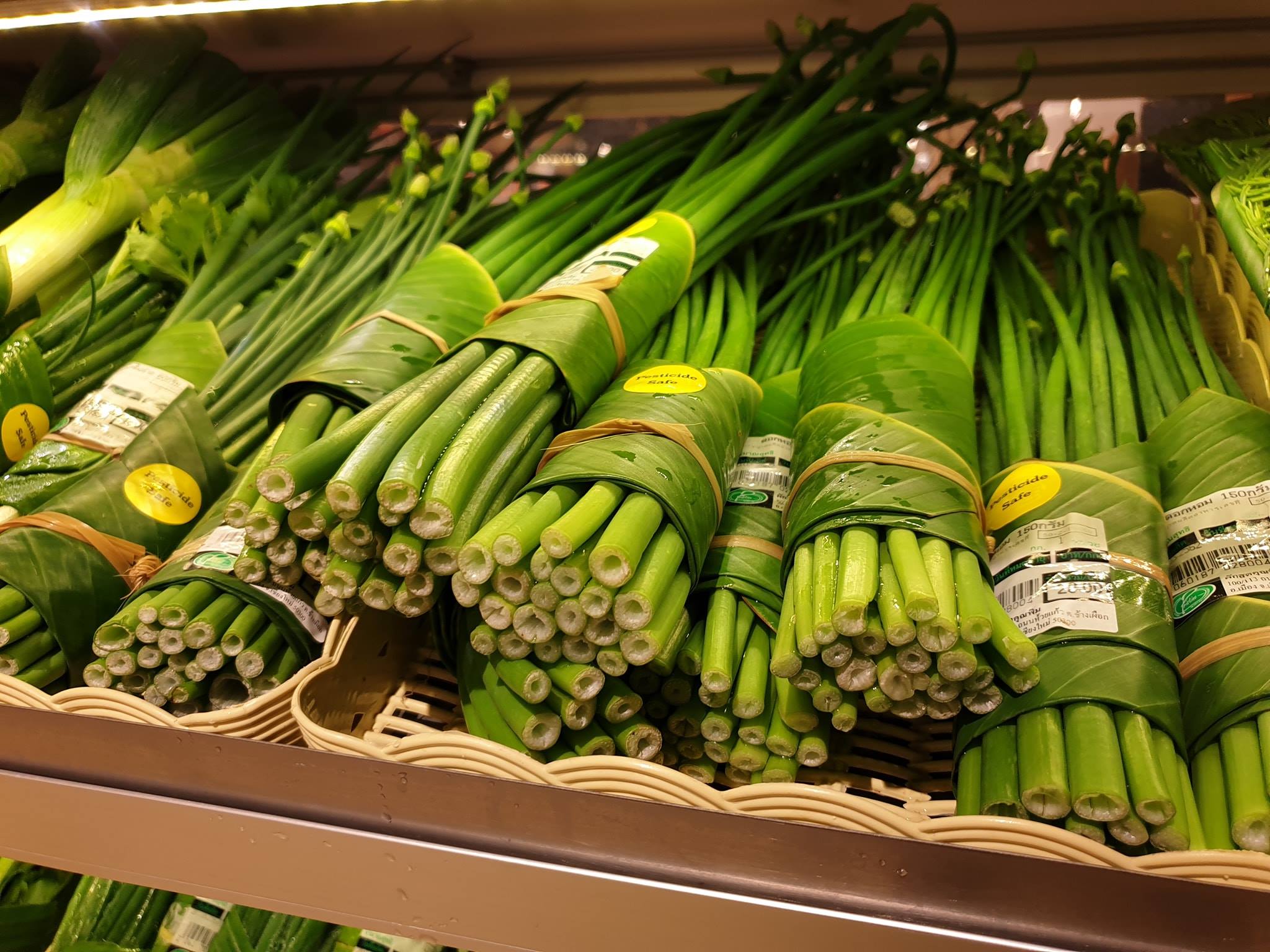
    Shoppers at Lotte Mart in Ho Chi Minh City’s District 7 were recently surprised to see scallions, okra and other vegetables produce wrapped in banana leaves.

    A representative of the supermarket chain said that the company is experimenting with using leaves to wrap veggies in one outlet, and plans to expand this later to the entire chain in the country.

    This is part of a plan to increase the use of environment-friendly products, not just for vegetables but also for fresh meat, the representative added.

    Local shoppers expressed support for the move. “When I see vegetables wrapped in these beautiful banana leaves I’m more willing to buy in larger quantities. I think this initiative will help locals be more aware of protecting the environment,” said Hoa, a District 7 resident.

    The Big C supermarket chain in Hanoi has also started using banana leaves to wrap veggies since Monday, and plans to do so in its central and southern supermarkets in the next few days. The trial is set to last a month.Saigon Co.op is also using banana leaves to wrap vegetables to replace their biodegradable wraps in some of its outlets in HCMC and other southern localities of Phan Thiet, Tay Ninh, Quy Nhon and Tam Ky.

    The supermarket chains are also providing customers with other environmental-friendly products. Lotte Mart said it is selling paper straws and food boxes made with sugarcane waste. Eggs are wrapped in paper packages instead of plastic boxes.

    Big C is offering shoppers bags made with corn powder which is completely biodegradable.

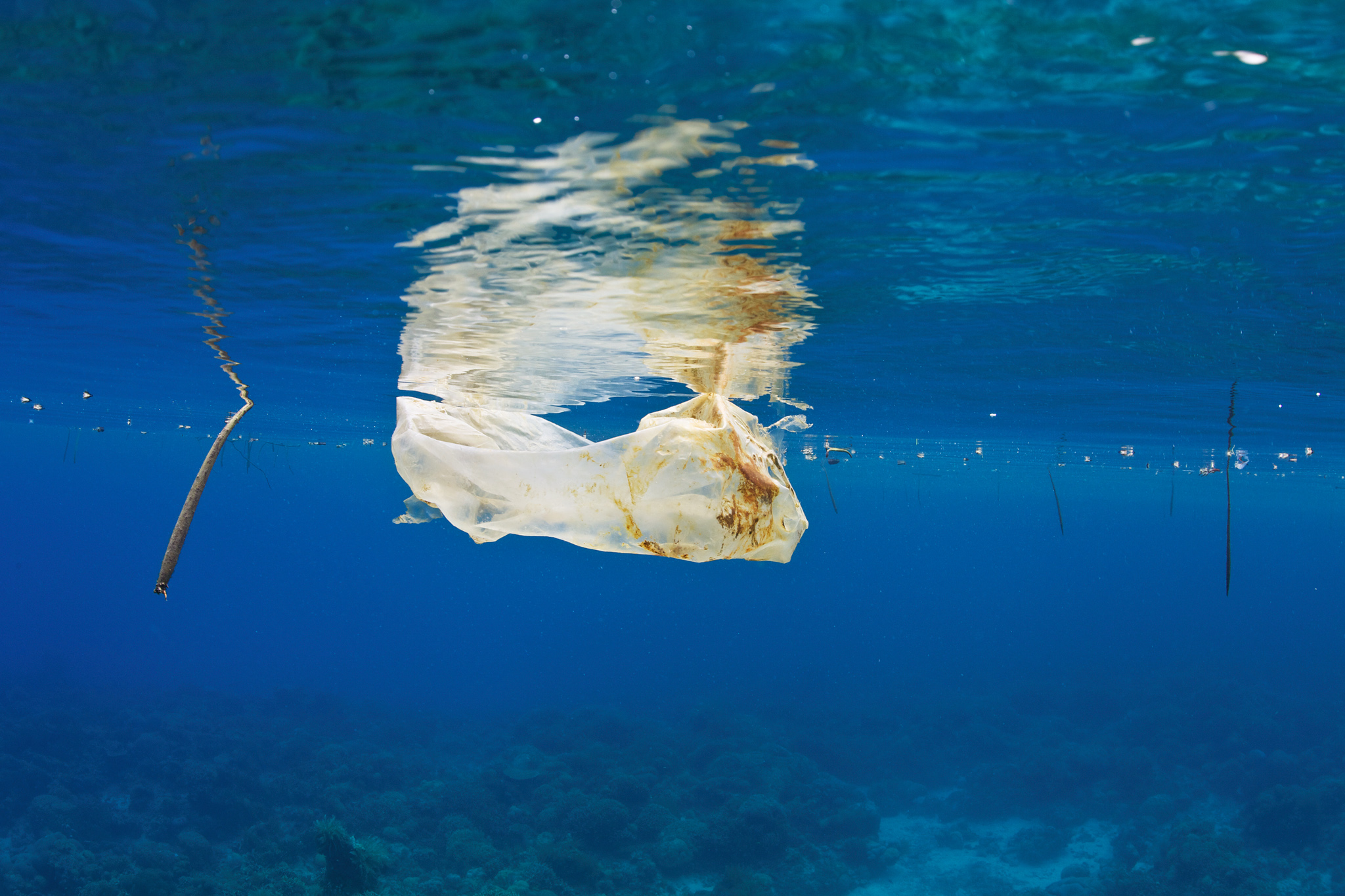
    These moves come after report highlights the large amount of plastic waste generated by Vietnamese people. The country disposes about 2,500 tons of plastic waste a day, according to official figures.

    Vietnam ranks fourth globally in the amount of plastic waste dumped into the ocean, according to the United Nations Environment Programme (UNEP).

    Some local cafes and restaurants have also been encouraging the reduction of plastic use by offering straws made with recyclable or biodegradable materials.

  • Amorepacific adopts a new eco-friendly packaging

    Amorepacific adopts a new eco-friendly packaging

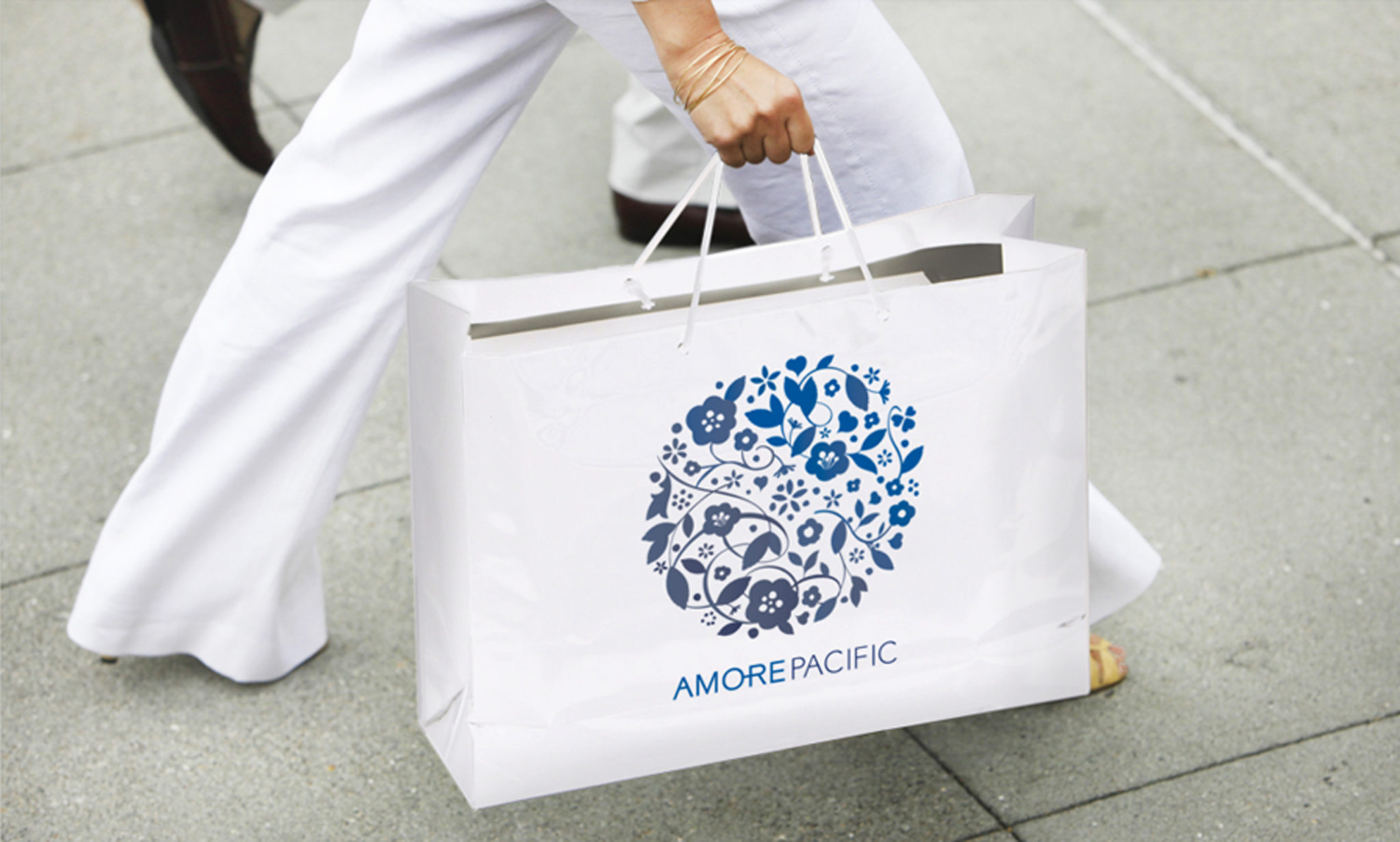
    Nowadays, products purchased online are typically delivered in a big box with bubble wrap for protection. But once the package is safely delivered, the packaging becomes nothing more than waste. Amorepacific, however, has chosen to make use of eco-friendly packaging, adopting paper materials instead of bubble wrap.

    What seems like a small and insignificant change is the result of hard work, with an eye to the environment.

    The company’s new paper packaging, which was piled up among workers and automatic packaging devices at a logistics centre in Osan, Gyeonggi Province, consists of eco-friendly shock-absorbing packing material called ‘geami’ and ‘papillon’.

    When the product is wrapped with geami and the remaining space is stuffed with papillon, it can withstand most external shocks.

    It took months of research and testing before such materials were put into use. Furthermore, paper packaging is two or three times more expensive than bubble wrap, and its use extends the time required for packaging.

    Despite all of the disadvantages of the new materials, paper packaging was chosen because its value to the environment cannot be calculated and converted into money, the company says.

    Amorepacific needed a pre-emptive response as the problem of over-packing and using plastic is becoming a serious social problem, and as the number of consumers considering the environment increased. The remaining problem was how consumers would react to such change. As expected, some customers complained that they were sent garbage.

    Soon enough, however, the mood turned with positive comments regarding the new packaging surfacing online.

    Amorepacific continues to change to contribute to the environment. It no longer uses vinyl tape on its packages, replacing it instead with paper tape.

    The company has stopped using colour-coated boxes, and also uses smaller and slimmer boxes when possible. Product containers also went through major changes to become more eco-friendly.

    It was a difficult process as many consumers buy cosmetics because of the packaging.

    Since aesthetic standards cannot be ignored, Amorepacific changed the design of containers to reduce the amount of plastic used, made transparent containers for easy recycling, and used paper to make dual-structure containers.

    In addition, last year Amorepacific used paper that was certified with Forest Stewardship Council (FSC), which is given to paper produced in a sustainable way, on boxes for 500 different products.

    Although the company’s packaging materials research team is having difficulty developing new designs, it is continuously developing cosmetics containers that maximise aesthetic effects and at the same time reflect eco-friendly elements without affecting product preservation.

  • Korea firm to use greener packaging for this holiday’s gift set

    Korea firm to use greener packaging for this holiday’s gift set

    For many in Korea, Lunar New Year is a time to meet relatives and exchange elaborately-packaged gift sets that could contain anything from fruits and raw meat to cans of Spam. But one side effect to this approach to gift giving is the excessive waste – especially those originating from gift set packaging – which has been brought up as a major concern by Korea’s environment authorities in recent years.

    With growing government pressure and awareness about the environmental issues caused by excessive packaging, department stores and grocery franchises are trying to take the lead in adopting greener alternatives this year.

    Colored Styrofoam and gel-based ice packs, which are notoriously difficult to recycle, are the first things to get scrapped.

    Hyundai Department Store and Lotte Mart have both announced that they are replacing colored Styrofoam in gift sets with a plain white alternative starting from this holiday season. Previously, the companies added color to the material to add visual appeal. Colored Styrofoam materials are difficult to recycle because more money and manpower is required to create new Styrofoam products from them, making them unattractive to recycling companies.

    Lotte Mart Thermal Bag

    Lotte Department Store is chilling gift sets of meat and fish with ice packs filled with water instead of gel-based ones for the first time this year.

    Competitor Shinsegae Department Store is also ditching the hard-to-recycle wooden boxes and cloth wrapping it had previously used to package gift sets. It will use paper boxes instead.

    Other retailers are collecting ice packs – both gel- and water-based – and recycling them themselves.

    Department store chain AK Plaza said it will collect ice packs from AK Plaza-bought gift sets across all its stores until Feb. 10 for recycling and disposal.

    Hyundai Home Shopping is taking it one step further and accepting ice packs regardless of their place of purchase. This year, it teamed up with Gangdong District office in eastern Seoul to install collection bins in 18 locations to allow customers to drop off used ice packs after the holidays.

    “We’ve collected ice packs from our online shopping members in the past and decided to install public ice pack collection bins this holiday season,” said a Hyundai spokesperson. “We will send out the ice packs that we collect to our partners in the food industry so they can be reused.”

    Lotte Mart is focusing on making gift bags more attractive and practical to encourage customers to use them even after the holidays end.

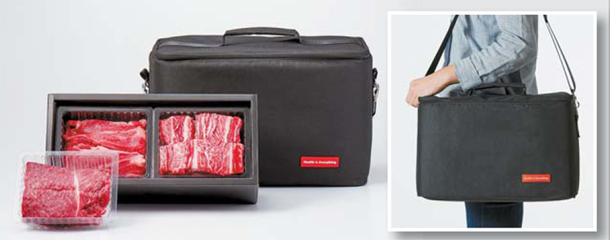
    The thermal bags that come with its beef gift sets now have shoulder straps and a sleek black design, making them practical and user-friendly. While the thermal bags have always been reusable, they were previously covered with large Lotte brand logos and difficult to carry around.

    The grocery chain is also going to package more fruit gifts this year in what it calls “recycle boxes.” The boxes, first introduced during last year’s Chuseok (harvest festival) holidays, are made of sturdy paper that can easily be reassembled into mini storage boxes.

    “We didn’t register any copyright for our fruit ‘recycle box’ design so that other retailers can also participate in recycling and reducing disposable waste,” a Lotte spokesperson explained.

    The businesses’ green initiatives follow the government’s consistent calls to reduce packaging and other waste during the Lunar New Year holidays.

    As has become customary every holiday season, the Environment Ministry announced last month that it will work together with local governments to inspect gift sets being sold across retailers in the country and fine violators up to 3 million won ($2,700) if they do not comply with packaging rules.

    Current regulations stipulate that gift sets can only be wrapped two times and that the volume of packaging must not exceed 25 percent of the product’s total volume.

    Last Lunar New Year, the Environment Ministry fined the manufacturers of 49 products that were in violation of these rules. The total fine combined came to 52 million won ($46,000).

    “We have seen a small decline in the number of products that violate excessive packaging regulations over the years,” said an Environment Ministry official in the recycling division. “The participation of companies to reduce packaging and comply with inspection is always a big help.”

  • Trends that coming in 2019 e-commerce

    Trends that coming in 2019 e-commerce

    Led by transformation in sales channels and customer demand, consumer trends for 2019 will center on subscription e-commerce, faster delivery, and eco-packaging, according to market experts. Subscription e-commerce, a field of business that involves curating products and delivering them on a regular basis, has been gaining popularity because it meets needs for tailored services, value, and convenience. From clean, neatly ironed business shirts to craft beers, you can get almost anything through a subscription service — now, even a car.

    Earlier this month, Hyundai Motor’s Genesis introduced a car subscription program that offers subscribers a choice of four Genesis vehicles for 1.49 million won (US$1,330) per month.

    “Our target group is drivers who want to experience a different variety of vehicle without having to worry about car management. The ultimate goal of our subscription program is to satisfy consumer needs amid shifting mobility trends,” Hyundai Motor said.

    According to industry data, subscriber-based businesses are undergoing an explosive expansion, having grown from 241 trillion won in 2000 to 470 trillion won in 2015, globally. Industry experts expect that number to surpass 594 trillion won by 2020.

    McKinsey & Company said in its “State of Fashion 2019” report that the subscription trend goes hand in hand with users’ desire for experiences, as they are more willing to spend money for a service that delivers tangible benefits along with personalized offerings.

    Meanwhile, over the past year, delivery has gotten faster for merchandise purchased via websites and apps. With services like Coupang’s Rocket Delivery, expecting one’s purchase to arrive the next day has become the new norm.

    Cutting down even further on delivery times will be a major sticking point for e-commerce businesses looking to stay afloat, market insiders said, with businesses now competing to ensure overnight deliveries, particularly of fresh food items.

    Overnight delivery is usually available only in Seoul and some parts of Gyeonggi Province and Incheon for now. Experts estimate that the market value of the industry will have reached 400 billion won this year.

    Lotte Mart currently plans to test-operate a 30-minute delivery service in the first quarter of the new year. Since September, it has offered a delivery service that moves products from its stores within three hours after purchase at an offline store.

    E-commerce company Coupang also plans to make a concerted effort to expand the overnight and even same-day delivery of fresh food products in 2019.

    “Our latest paid membership service, Rocket Wow club, which guarantees next-morning delivery for signed-up members, had already garnered almost 1 million members just two months after the service’s launch. We plan to expand the service to cover all customers across the country in the new year,” a Coupang representative said.

    The environmental packaging boom is set to continue well into 2019 as well. While plastic is not inherently bad, the way it is thrown away is problematic. As a result, an increasing number of consumers are rethinking their plastic use in an effort to cut waste.

    With environmental packaging campaigns spreading worldwide, manufacturers have been challenged to innovate their packaging methods.

    Since September, Starbucks Korea has replaced plastic straws with paper straws at some 100 of its stores in Seoul, Busan and Jeju, in an effort to reduce waste and protect the environment. All its paper straws are coated with soybean oil to make them more durable, the company said.

    The coffee franchise plans to eliminate single-use plastic straws from its 28,000 stores worldwide by 2020. Angel-in-us Coffee, the cafe chain operated by South Korean retail giant Lotte, also introduced special lids for cold drinks in an effort to reduce plastic use.

    “The throwaway culture is rapidly being challenged by increasing consumer awareness of the perils of plastic waste. A dramatic change in attitudes has occurred, forcing brands to rethink how they make better use of plastic in what they offer to consumers, who increasingly demand brands reduce, reuse and recycle plastic waste to better protect them and their world,” said Matthew Crabbe, a director of Trends APAC, in Global Consumer Trend report by Mintel.

  • E-commerce platform JD introduces reusable packaging

    E-commerce platform JD introduces reusable packaging

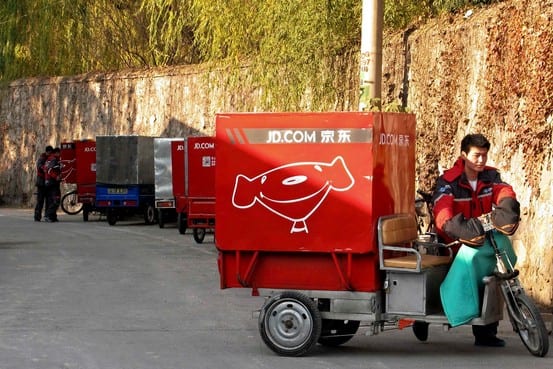
    E-commerce platform JD has launched a reusable packaging initiative to promote sustainable consumption. The new program offers JD’s customers the option of ordering reusable packaging for their small and medium-sized parcels, returning the green boxes to delivery personnel after receiving their order. The firm estimates the program can save RMB32.5 million (US$4.68 million) per year if 10 per cent of orders use the new packaging.

    Customers who choose the packaging are rewarded with JD’s “Jingdou” loyalty points, which can be exchanged for products on JD.

    The service, which kicked off in Beijing, Shanghai, Guangzhou and Shenzhen, will expand to Chengdu and five other cities by the end of this month, and will cover 20 cities by the end of the year.

    JD Logistics’ head of planning and development Bing Fu said: “JD.com is always exploring ways to reduce e-commerce waste through green logistics. By using this green packaging, and taking part in our other innovative recycling programs, JD’s customers can enjoy the convenience of e-commerce while knowing that their purchases have involved minimal carbon emissions.”

    By deploying green boxes, JD expects to reduce the number of boxes used throughout the supply chain by 10 billion by 2020. The company has also set the target for 80 per cent of packaging materials to be recyclable; over 50 per cent of plastic packages to be replaced by biodegradable material; and 100 per cent of logistics packaging to be composed of recyclable or reusable materials.

    Meanwhile, JD introduced a fleet of hydrogen energy delivery trucks to greater Shanghai earlier this year, marking the first significant commercial deployment of hydrogen-powered vehicles for logistics in China as well as the latest expansion of JD’s goal to make the ‘last mile’ of the distribution process carbon-free. In early June, the company unveiled a fleet of 50 solar-powered delivery vehicles in Beijing.

  • Unilever to Test New Packaging-recycling Tech in Indonesia

    Unilever to Test New Packaging-recycling Tech in Indonesia

    Consumer goods giant Unilever on Wednesday said it has opened a new facility in Indonesia as part of a pilot project for introducing a new technology for recycling sachets used to hold shampoos and other products.

    Single-use sachets are widely sold in developing and emerging markets such as Indonesia. The Anglo-Dutch company said billions of such packages — including its own — are sold every year, but that recycling them has long been a problem due to technological hurdles.

    To address this, Unilever said it has developed a technology it calls the CreaSolv Process together with the Germany-based Fraunhofer Institute for Process Engineering and Packaging IVV.

    “With this innovative pilot plant we can, for the first time ever, recycle high-value polymers from dirty, post-consumer, multilayer sachets,” said Andreas Maurer, head of the plastic recycling department at Fraunhofer.

    The facility, in Sidoarjo, East Java, will “test the long-term commercial viability of the technology.” If successful, it will be applied in other developing markets, especially in Southeast Asia, said Sancoyo Antarikso, director for governance and corporate affairs at Unilever Indonesia.

    The company plans to work with local waste collectors, waste banks and retailers to help collect used sachets. “Using this approach, we’ll be able to reduce our environmental footprint, while creating economic value and potential additional incomes for the communities, the recycling industry and other stakeholders,” Antarikso told reporters.

    Unilever Indonesia hopes the Indonesian government will promote the concept of separating household waste to make collecting sachets easier. Currently, most Indonesian households do not separate their recyclable and nonrecyclable waste, as the country’s outdated waste management system is not yet capable of accommodating the practice.

    Indonesia produces an estimated 0.5 million to 1.3 million metric tons of plastic marine debris every year, making it the second-largest producer of plastic waste polluting the world’s oceans after China, according to a study published at the Science journal in 2015.

    The new recycling facility will initially be able to process 3 tons of plastic sachets every day. Antarikso said once the operations prove viable from the business side, Unilever will let a “business partner” take over to handle commercial-scale production. He added that Unilever will use the end products as materials for packaging, which is expected to reduce costs.

    David Blanchard, chief R&D officer at the parent company, said: “We intend to make this tech open-source and would hope to scale the technology with industry partners, so others — including our competitors — can use it.” Unilever said it wants all of its plastic packaging to be “fully reusable, recyclable or compostable” by 2025.

  • Hong Kong Gifts & Premium Fair Attract 64000+ Visitors

    Hong Kong Gifts & Premium Fair Attract 64000+ Visitors

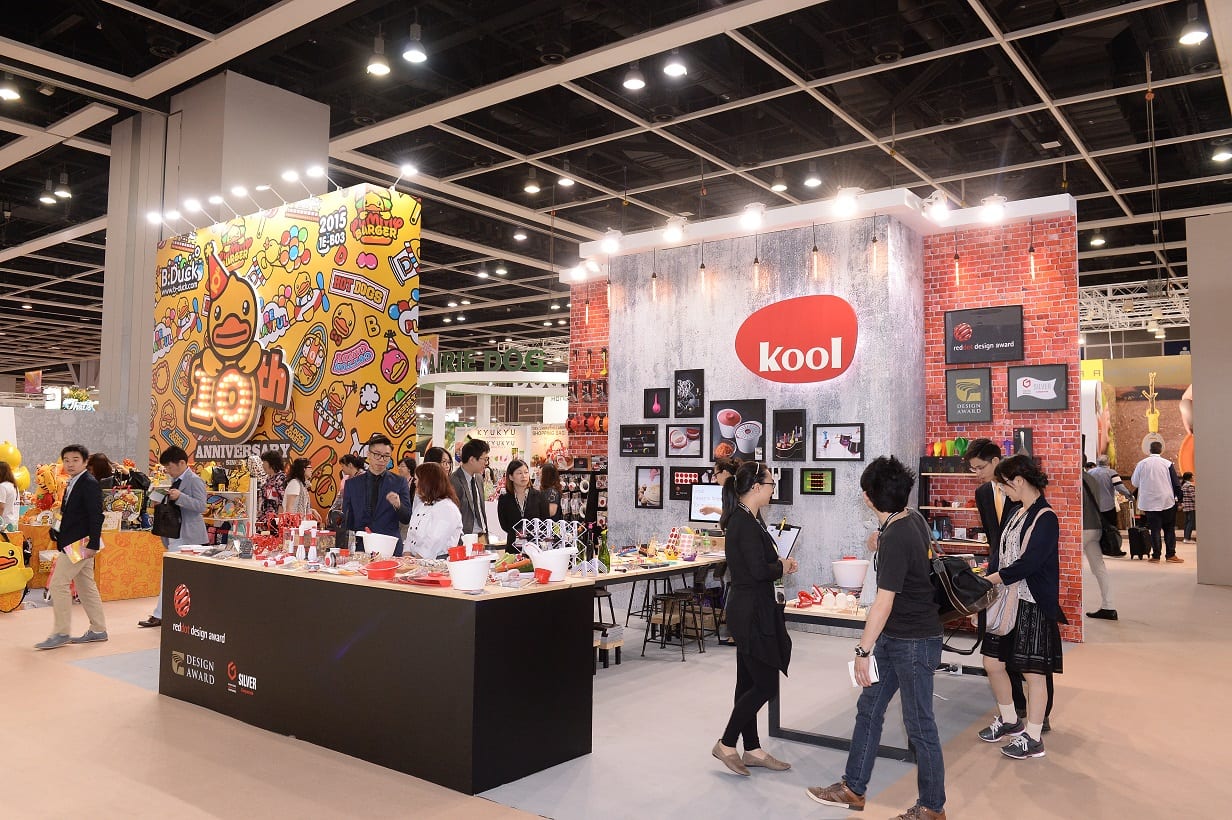
    Organised by the Hong Kong Trade Development Council (HKTDC), the 31st Hong Kong Gifts & Premium Fair concluded today at the Hong Kong Convention and Exhibition Centre (HKCEC). The concurrent 11th Hong Kong International Printing & Packaging Fair (27-30 April) also came to a close at AsiaWorld-Expo. The twin fairs together attracted more than 64,000 buyers from 134 countries and regions. Around 50,000 buyers visited the Gifts Fair, while over 14,000 buyers attended the Printing & Packaging Fair. Markets such as the Chinese mainland, Malaysia, the Philippines, Italy and Indonesia saw growth.

    “In the face of a fluctuating global market, suppliers should promote their brands and products even more proactively, while distributors and retailers should seek out new competitive products,” said Benjamin Chau, HKTDC Deputy Executive Director. “Showcasing top-quality items and providing a diverse range of choices, the two fairs are the ideal platform for both promoting and sourcing products.”

    The HKTDC organised a total of 171 buying missions from 75 countries and regions for the two fairs, comprising more than 13,200 buyers. At the fairground, business matching services were also provided to foster business opportunities and partnership-building. Moreover, in view of the keen demand for small order sourcing, the hktdc.com Small Orders display at the Gifts Fair featured over 360 showcases offering more than 2,500 products available for orders of between five and 1,000 units. A total of 23,000 business connections were generated during the four-day fair.

    Mr Chau also noted that, during the Gifts Fair the HKTDC signed a memorandum of understanding (MoU) with Thailand, a key ASEAN country, to strengthen business promotion and cooperation between Hong Kong and Thailand. This includes offering a top-quality promotion platform for Thai products through the HKTDC’s fairs and online promotion services, covering sectors such as garments, fashion accessories, textiles, food and agricultural products.

    Cautiously optimistic on sales prospects; decorative gifts & figurines to lead market growth

    The HKTDC commissioned an independent onsite survey during the Gifts Fair, interviewing some 920 buyers and exhibitors about their views on market prospects and product trends. The survey found that the industry is cautiously optimistic about the gifts market this year. Close to half of the respondents expect overall sales to remain the same in the coming year with 20 per cent expecting sales to improve. Thirty-seven per cent of respondents expect production costs and sourcing costs to increase. More than 60 per cent of respondents, however, do not expect to raise FOB selling prices or retail prices, suggesting that they will not transfer increasing costs to customers. As for the market with the highest growth potential, most respondents pointed to the Chinese mainland, followed by Hong Kong and Korea.

    The survey also analysed product trends in the gifts and premium market. Most respondents said they expect decorative gifts and figurines to have the strongest growth potential this year, followed by tech gifts and advertising gifts and premium. As for products, the industry generally believes that consumers are increasingly focused on product practicality and quality, followed by their pricing and cosmetic design.

    Ideal platform for exploring business opportunities & promotion

    Tian Guofeng, Director, Exhibition Department, China International Center for Economic & Technical Exchanges, Ministry of Commerce, said this was the first time that the Ministry had organised a delegation to the Gifts Fair, comprising 10 companies from Yunnan Province. “As the Hong Kong fair is not only the world’s largest gifts and premium fair but also the most influential show of its kind, it will help Yunnan manufacturers develop overseas markets,” said Mr Tian. “Exhibitors from Yunnan Province are showcasing a wide variety of high-end products such as metal ware, silverware, wooden gifts, pottery, stone carvings and gunny handbags. Responses from buyers have been very encouraging.”

    Shosuke Fukushima, Director of Japan Pavilion, Business Guide-Sha, Inc., said that Japanese exhibitors achieved very good results at last year’s fair, so they returned this year with 17 companies joining the Japan Pavilion, the largest-ever such delegation. “Japanese exhibitors are here showcasing all kinds of trendy products such as cosmetics, garments, stationery, toys and video games. The Hong Kong fair is an international trade fair where Japanese exhibitors can talk to many buyers and learn more about the market needs. More importantly, Hong Kong is a key gateway for Japanese companies to look for distributors and retailers from all over the world. We’ll continue to organise the Japan Pavilion next year.”

    Hong Kong exhibitor Phoebe Wong, Director of Eco Concepts, said it was their fifth time to participate in the fair. The company produces various green products with PLA (polylactic acid). “Through business matching services provided by the HKTDC, we have met with more buyers from Europe, probably because our products can meet their strict requirements in terms of environmental protection. On the first day of the fair, we have already got an order worth US$9,000 from a Thai buyer,” said Ms Wong.

    Another Hong Kong exhibitor, Gianna Company Ltd., strives to inject new design elements into products. The company’s Managing Director Lawrence Tong said the market trend towards innovative designs is prevalent. “We received onsite orders worth over HK$2 million in total from long-time clients. We have also established contacts with many potential buyers from various countries at the fair,” said Mr Tong.

    Meanwhile, at the Printing & Packaging Fair, Hong Kong exhibitor Tommy Yu, Senior Manager of VersaTech Energy Innovation Limited, and Environmental Consultant of The Hong Kong Printers Association, noted cleaner production is the way forward amid growing environmental concerns. The Hong Kong Printers Association made good use of the Hong Kong International Printing & Packaging Fair to promote new technology for cleaner production. “Many large-sized printers have taken the task seriously and we want to encourage more SMEs to join the wave through the exhibition. In the first few hours of exhibition, about 50 visitors including printing-related companies from Hong Kong, the Chinese mainland, the Philippines and Taiwan approached us. They showed keen interest in how new technology in cleaner production can work for printers.”

    New products and onsite orders

    Sia Yew Ming, Senior Corporate and Trade Marketing Manager, Mediacorp TV Singapore Pte Ltd, was a first-time visitor to the Gifts Fair. She came looking to develop products that are related to their TV programmes with a view to selling them to consumers through convenience stores and book shops in Singapore. She said that, with so many suppliers at the fair, there was a great variety of products at competitive prices. She said she placed an order of 500 units of USBs and 500 units of power banks on the second day of the fair. “I have found a lot of new ideas and new products here. I have found 10 potential suppliers and will follow up after the show,” she said.

    Barama is an importer and wholesaler of stationery, paper products, school bags and toys in Argentina. This year was their seventh visit to the Hong Kong Gifts & Premium Fair. Alex Leibovich, Manager of Barama, said they were looking for school products and new suppliers. “So far, we have identified three new suppliers of paper products and punchers at the fair, and we have already placed onsite orders for US$20,000 worth of paper products and US$13,000 worth of punchers.”

    B. Food Product International from Thailand sells food products domestically as well as to different markets worldwide including Asia and Europe under two major brands S-Pure and BETAGRO. Sakhorn Jullarat, the company’s Product and Process Development Director, said, “We put strong emphasis on the quality and safety of the food we produce every day. This is our first visit to the Hong Kong International Printing & Packaging Fair. We’ve already found five potential suppliers for packaging items that will be used for our frozen and chilled food products. We can find a lot of interesting packaging products and ideas here. We would like to visit the fair again next year.”